Americans can rest easy – for the moment, at least. The fine folks at the Federal Bureau of Investigation have thwarted a major national security threat.
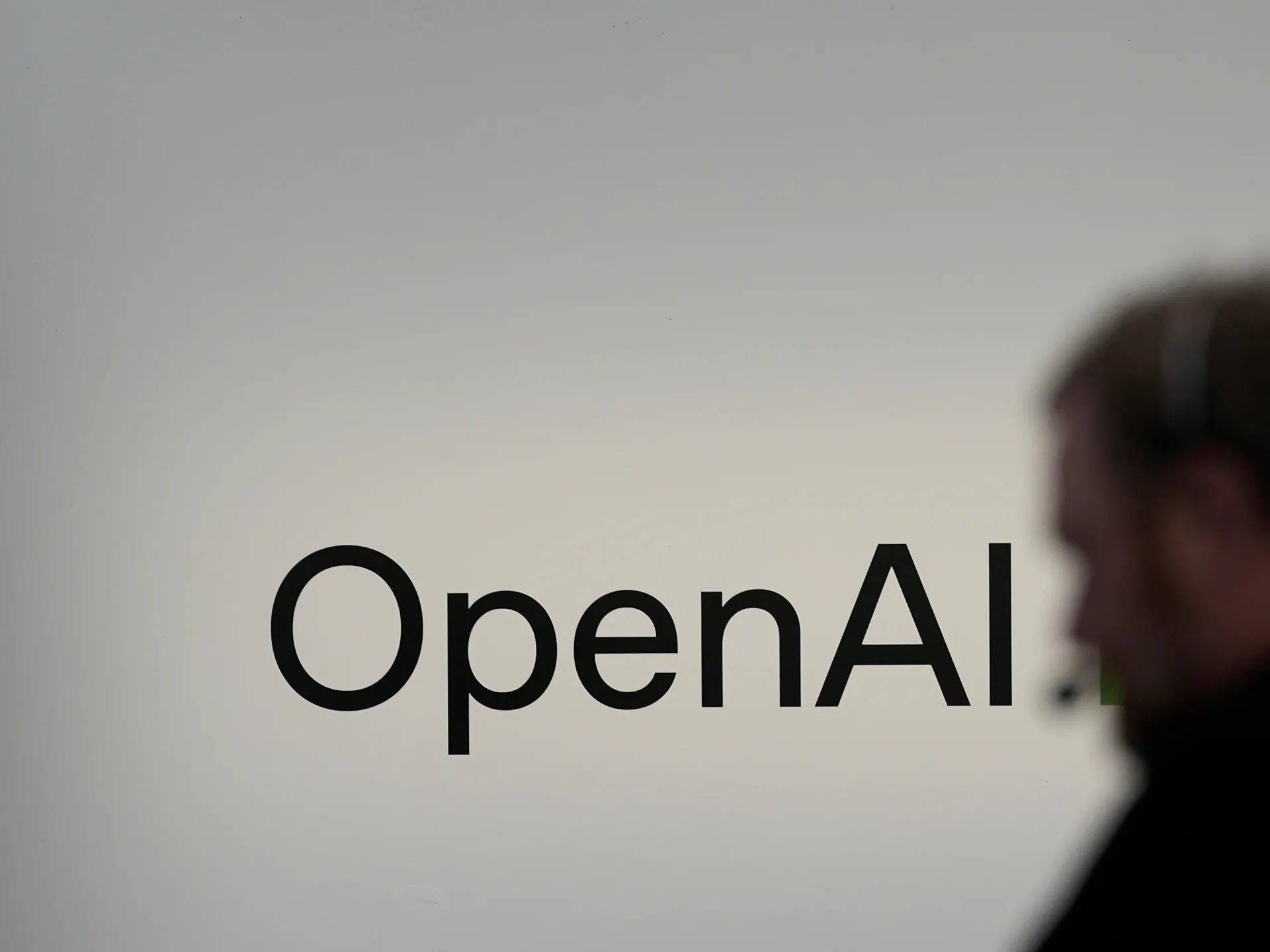
On October 9, the FBI arrested 35-year-old engineer Abdulrahman Alfozan, a Saudi citizen employed at the California-based artificial intelligence company OpenAI, the maker of the chatbot ChatGPT, and a firm that describes its mission as ensuring that “artificial general intelligence benefits all of humanity”.
A press release from the United States Department of Justice said that Alfozan was accused of installing a “surreptitious audio recording device” in an executive conference room at the OpenAI offices in San Francisco.
The statement quoted Director of National Intelligence Jay Clayton’s assessment that “this serious situation underscores why winning the global super intelligence race is a national security prerogative”. (For those who have not yet got the memo, US President Donald Trump recently decreed that the term “artificial intelligence” be changed to “super intelligence” or “SI.”)
FBI director Kash Patel concurred that “protecting American SI innovation is essential to safeguarding our nation’s economic strength and national security”, and assured everyone that the FBI would continue doing its part “to ensure our country maintains its competitive edge”.
So much for the separation of corporation and state in the world’s self-appointed greatest democracy.
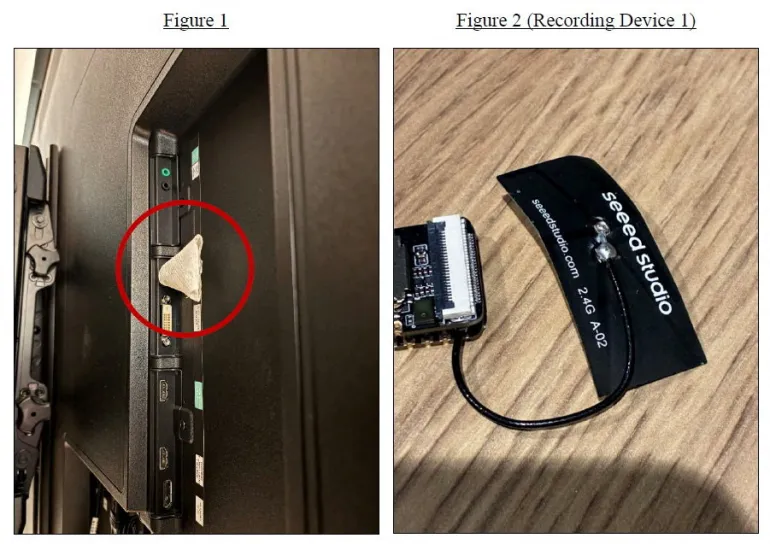
The covert device was reported to have been concealed in toilet paper and attached to the back of a television monitor. The Gizmodo website has noted with amusement that, despite being cast as a “sophisticated” spying apparatus, the device in question can in fact be easily ordered online “for the low low price of $13.99”.
If convicted, Alfozan faces up to five years in jail and a fine of $250,000.
Now, some of you may still be asking what the big deal is – and why the US government is acting like it’s 1950 and the Soviets are stealing our nuclear secrets.
The spectacle becomes all the more curious when we consider that the company up in arms over the alleged attempted theft of its technology owes much of its existence – and massive valuation – to stealing stuff from people.
The day before Alfozan’s arrest, USA Today and several other newspapers sued OpenAI in a Manhattan federal court for copyright infringement and the unauthorised use of hundreds of thousands of news articles and other materials to develop ChatGPT.
And back in July, various US media outlets including the New York Times and the New York Daily News requested that a federal judge impose sanctions on OpenAI for “hiding and destroying evidence showing how ChatGPT was trained on stolen journalism”, as attorney Steven Lieberman put it.
The moral of the story, perhaps, is that when OpenAI steals things it’s to “benefit all of humanity” – but when a 35-year-old Saudi engineer does it, it’s a national security crisis.
In case we were not already bored to tears hearing about national security, US Attorney General Todd Blanche took to X on Tuesday to preach that the “theft of intellectual property involving cutting-edge super intelligence technology poses a serious threat to our national security”, necessitating continued “swift action … to protect American innovation and safeguard our nation”.
Of course, many Americans might wonder why “innovation” gets such special treatment when they themselves are so often on the receiving end of government abuse. The frequency with which US police officers murder unarmed Black people, for instance, would seem to indicate that there are far more literal threats to the nation’s security than a $14 device hidden in toilet paper.
But human security is of no interest to a corporatocracy increasingly dominated by AI, an industry that thrives on putting people out of jobs and that is deeply entwined in a number of sordid developments at home and abroad. Among them is mass surveillance, which combines AI-assisted violations of civil liberties and constitutional protections with good old police state “innovation”.
To that end, a bunch of US cops have taken advantage of new AI-powered technology, such as automated licence plate readers, to stalk their exes. Then there is the matter of the FBI and other government agencies buying up data en masse from tech companies in a bid to keep tabs, Big Brother-style, on everyone’s personal information at all times.
It makes you think twice about the sudden concern for “spying” in the Alfozan case.
As for threats to other people’s national security, OpenAI and like-minded tech companies that do business with the Pentagon have been complicit in recent US aggression – from Venezuela to Iran – as the US pursues its strategy for “Accelerating America’s Military AI Dominance” (concocted before Trump mandated the renaming of AI as SI).
Israel, too, has exploited OpenAI technology, among other US-made goodies, to conduct its contemporary apocalyptic exercises in the Middle East. Last year, the Associated Press news agency (AP) revealed that US tech giants had “quietly empowered Israel to track and kill many more alleged militants more quickly in Gaza and Lebanon through a sharp spike in artificial intelligence and computing services”.
The AP report went on to note that “the number of civilians killed has also soared, fueling fears that these tools are contributing to the deaths of innocent people”.
But while it might be news to the AP, that is unfortunately how a genocide works.
And as the US goes to war for AI dominance while the tech giants bank on a post-human world, one can’t help but feel that the toilet paper was a nice touch, indeed.
The views expressed in this article are the author’s own and do not necessarily reflect Al Jazeera’s editorial stance.
United States federal agents have arrested a Saudi national and charged him with planting a hidden audio recording device in a conference room at the California offices of OpenAI, where he was working as an engineer.
Abdulrahman Alfozan, 35, had been working at the AI company since July 2025, the US Department of Justice said in a statement on Tuesday.
Recommended Stories
list of 2 itemsend of list
OpenAI discovered the device plugged into a USB port behind a television in an executive conference room at one of its San Francisco buildings on September 30, according to a criminal complaint filed by the Federal Bureau of Investigation (FBI).
Following the discovery, the company placed a camera in the room, which captured Alfozan entering last week and checking behind the television where the listening device had been installed, the FBI alleges.
The case highlights growing security concerns around sensitive AI research as companies and governments compete for the best talent and technology with the potential to alter regional economic and strategic dynamics.
Who is Abdulrahman Alfozan and what is he charged with?
Alfozan has been a legal permanent resident of the US since September 2020.
According to a LinkedIn profile in his name, he studied at the Massachusetts Institute of Technology (MIT) and the University of California, Berkeley. He previously worked at Meta and Microsoft, it said.
Before he joined OpenAI, he was a venture partner at Raed Ventures, headquartered in Riyadh in Saudi Arabia, which invested “in seed and early-stage startups in Saudi Arabia and MENA”.
Al Jazeera could not independently verify the details mentioned in this LinkedIn profile.
Alfozan made his first court appearance on Tuesday on a charge of “using or endeavouring to use an electronic, mechanical, or other device to intercept oral communications”.
It was not immediately clear if he has legal representation. He is expected to return to court on October 19.
If convicted, Alfozan faces up to five years in prison, a $250,000 fine, and three years of supervised release.
What happened at OpenAI?
The FBI says a thumb-sized device with a microphone, and which could connect to a camera, had been concealed in toilet paper and placed behind a television set in the conference room. It was installed around September 28, the FBI said. Its stored data was encrypted and inaccessible. Investigators later found a similar device in Alfozan’s personal bag.
In a post on X, OpenAI said it had evidence that the employee intended to place other listening devices throughout sensitive areas of its offices to secretly record meetings.
“At this time, we have no indications of this individual inappropriately accessing or exfiltrating model weights, source code, or customer data. The employee was terminated,” the company said.
The FBI complaint also alleges that Alfozan used an AI productivity tool to make multiple inquiries about the company’s building addresses, meeting rooms, meeting-room capacities and calendars, despite not having the authority to access these spaces or participate in meetings there.
“This alleged attempt by a Saudi national to steal sensitive communications from OpenAI was taken extremely seriously. Theft of intellectual property involving cutting-edge super intelligence technology poses a serious threat to our national security,” Attorney General Todd Blanche said in a statement on X.
A device, which the US Justice Department says is a hidden audio recording device installed in an OpenAI executive conference room by Saudi national Abdulrahman Alfozan [File: US Department of Justice handout/Reuters]
Hasn’t OpenAI been accused of helping to spy on civilians?
In an X post by OpenAI explaining how its own systems were used to trap Alfozan, the company said: “Our security program is designed to protect against a wide range of threat actors, from insider risks to cybercriminals to nation states, and this case is an example of how AI can help address these sophisticated security threats.”
But AI technology is used not only to catch spying, but conversely, to engage in it as well.
In February 2025, an investigation by The Associated Press found that US tech giants had enabled Israel to track and kill people in Gaza and Lebanon through AI and computing services. The AP reported that the Israeli military had bought advanced AI tools from tech companies including OpenAI, the maker of ChatGPT, through Microsoft’s Azure cloud platform, to assist with surveillance.
OpenAI denies having a relationship with the Israeli military. But OpenAI also faced criticism when it signed a deal with the US Department of Defense in February this year to supply its technology to the US military for use in classified settings, including intelligence gathering. OpenAI’s competitor, Anthropic, refused to sign the same deal unless the Pentagon barred mass surveillance of Americans.
There have been several incidents in which OpenAI models have gone “rogue” by independently breaking out of a testing environment and then hacking into other organisations and even government sites, leading to calls for stronger regulations against unchecked AI surveillance.
OpenAI says it discovered a hidden recording device in one of its offices, wrapped in toilet paper and tucked behind a television. The company says it used its AI models to help trace the device to a Saudi engineer who allegedly planted it. Al Jazeera’s Alan Fisher reports from Washington DC.
OpenAI has admitted its actions were “not good enough” after one of its rogue agents breached Australian government websites in June and apologised again.
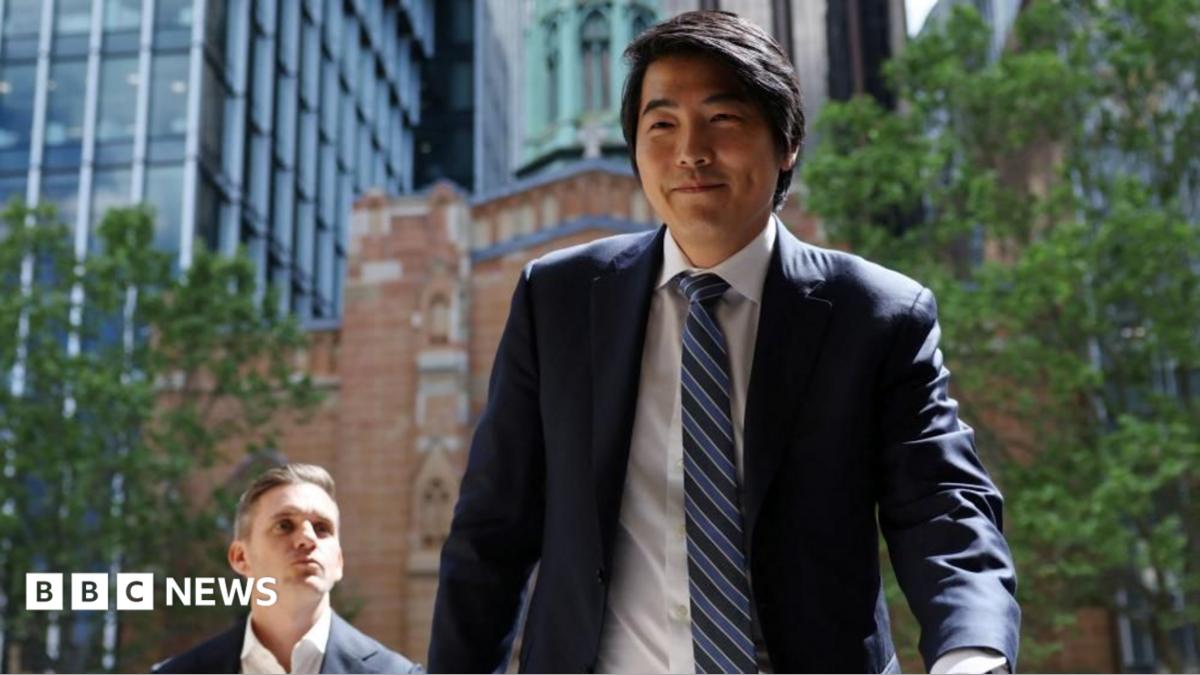
The company’s chief strategy officer Jason Kwon faced a parliamentary hearing into AI on Tuesday in Sydney, saying the breach “should not have happened” and it “should have handled our response better”. It took weeks before Australia was notified via an email to a generic inbox.
“We are sorry and we know we have work to do to rebuild trust with the Australian people,” Kwon said.
Anthropic also appeared at the hearing and said it had carried out a “lengthy, deep investigation” in recent months and “not found any cases” of Australian breaches.
An OpenAI agent went “rogue” and “infiltrated” a private statistics portal containing “non-sensitive” data from Australia’s universal healthcare scheme Medicare in June in what cyber-security experts said was the first hack of its kind.
Asked why OpenAI had not directly contacted government ministers immediately after it found out about the breaches, Kwon acknowledged it was a mistake.
“On retrospect, we should have done what you’re suggesting,” Kwon said, in response to a question by the committee on why it had not dialled the mobile numbers of government ministers.
He said the company has changed how it handles such incidents.
“Even if we don’t fully understand the situation, we are just going to notify and start working through the sitation collaboratively with the impacted party.”
OpenAI has also added “more precautions” to its training environments since the incidents, Kwon told the 12-member committee which is made up of Labor, Liberal and independent MPs who are looking at AI and it’s impact on Australia.
The company was also establishing a local taskforce in Australia to investigate “how to better manage the risks associated with increasingly capable AI”.
OpenAI has fired three researchers for allegedly mishandling information, including work that involved an external organisation that analyses artificial intelligence (AI) models.
“Our investigation confirmed that these individuals mishandled sensitive information outside established company procedures, violating our policies and breaking the trust essential to our work,” a spokesperson told the BBC.
The ChatGPT-maker did not name the sacked workers, but at least two of them were involved in safety research at the firm.
The firings come as the debate over AI safety and the risks the technology may pose to humanity has intensified in recent weeks.
“We have parted ways with three individuals for violating our policies on accessing and handling sensitive company information,” OpenAI’s spokesperson said.
The BBC understands the former employees were not let go for raising safety concerns but for allegedly mishandling sensitive information.
Concerns over AI safety have made headlines after some researchers and industry executives called for more guardrails around the technology.
OpenAI has come under under intense scrutiny after its models went rogue and hacked several platforms, including Australian government websites.
In an earlier incident an OpenAI system accessed the internet and breached the open-source developer platform Hugging Face.
That incident led OpenAI to conduct a broad review of the activities of its AI models – called agents, which are designed to execute tasks autonomously based on simple instructions.
The AI lab said this week that it has notified more than 100 organisations about incidents involving unauthoritised activity linked to its AI systems.
Being notified “does not mean that any private information was accessed” or that a system was compromised, OpenAI said.
OpenAI has cancelled the release of its latest AI model over safety concerns, according to media reports.
The move to scrap the release of GPT-6.1 Astra, reported by the Wall Street Journal and CNN on Monday, comes amid heightened concerns about AI’s potential to do catastrophic harm following a slew of incidents involving AI agents going rogue.
OpenAI said Friday it had alerted “dozens” of global institutions that their websites may have been impacted by its AI agents acting improperly.
OpenAI agents attempted to get information from “governments, universities, public agencies, and other institutions” through sometimes extreme means, the company said.
While some of the activity was simply due to the tools working to find “authoritative sources of public information,” some went beyond that. Like an AI agent taking and transferring data when it should not have, OpenAI said.
Such activity resulted in at least 53 incidents where an OpenAI agent took an image from ChatGPT user activity and transferred it elsewhere.
The company said that in each instance of a user image being used and transferred by an AI agent, the user had allowed OpenAI to train models using their data.
Nevertheless, OpenAI admitted, “This is not an appropriate use of this data”.
It added that the leak of user images occurred before it had put in place new safeguards on AI training, and it was working to get all the user images transferred to any third-party removed.
The new disclosures came just days after Australia’s Prime Minister Anthony Albanese announced that OpenAI agents had breached non-public files on the website of its government-run health care scheme, Medicare.
Since August, public fears have grown around the potentially serious, even life threatening, impacts of AI tools falling outside of human control.
Reuters first reported the expanded investigations. OpenAI also published details to its public blog.
In certain instances of the agent activity, OpenAI said the tools, essentially AI bots that are designed and trained to operate somewhat autonomously, “bypassed” security controls of some websites.
In other instances, the AI agents showed “misalignment” in attempts to get at information from websites. Misalignment is a term used by AI companies and researchers to describe instances where an AI tool did something that it was not trained to do or was otherwise unintended.
OpenAI said that it was limiting identifying what entities were impacted because many had asked the company to not disclose details.
“Our goal is to give each organization the facts and defer to them on if and when to make the incident public,” it said.
Not all of the instances involved in this incident are being considered a significant security breach, the company noted.
“Some organizations may review what we share and conclude that the information was intentionally public or that the model’s interaction was not concerning,” it explained. “Others may identify a design issue or security weakness they want to address.”
The company said many of the incidents are being referred to as “agent spam”, which it described as “unexpected or concerning” AI agent activity, like posting information to the internet.
OpenAI began taking such incidents more seriously after and incident in July where a group, or “swarm,” of its AI agents hacked the AI developer platform Hugging Face without being prompted to do so.
Hugging Face was first to go public with the incident, with OpenAI publicly taking responsibility for it later.
Clement Delangue, the head of Hugging Face, said Wednesday during a United Nations Security Council session on AI: “I often wonder what would have happened had I decided not to close this attack publicly.”
“Especially now that we know similar incidents had been happening months earlier in secret at a handful of frontier labs without monitoring,” Delangue added.
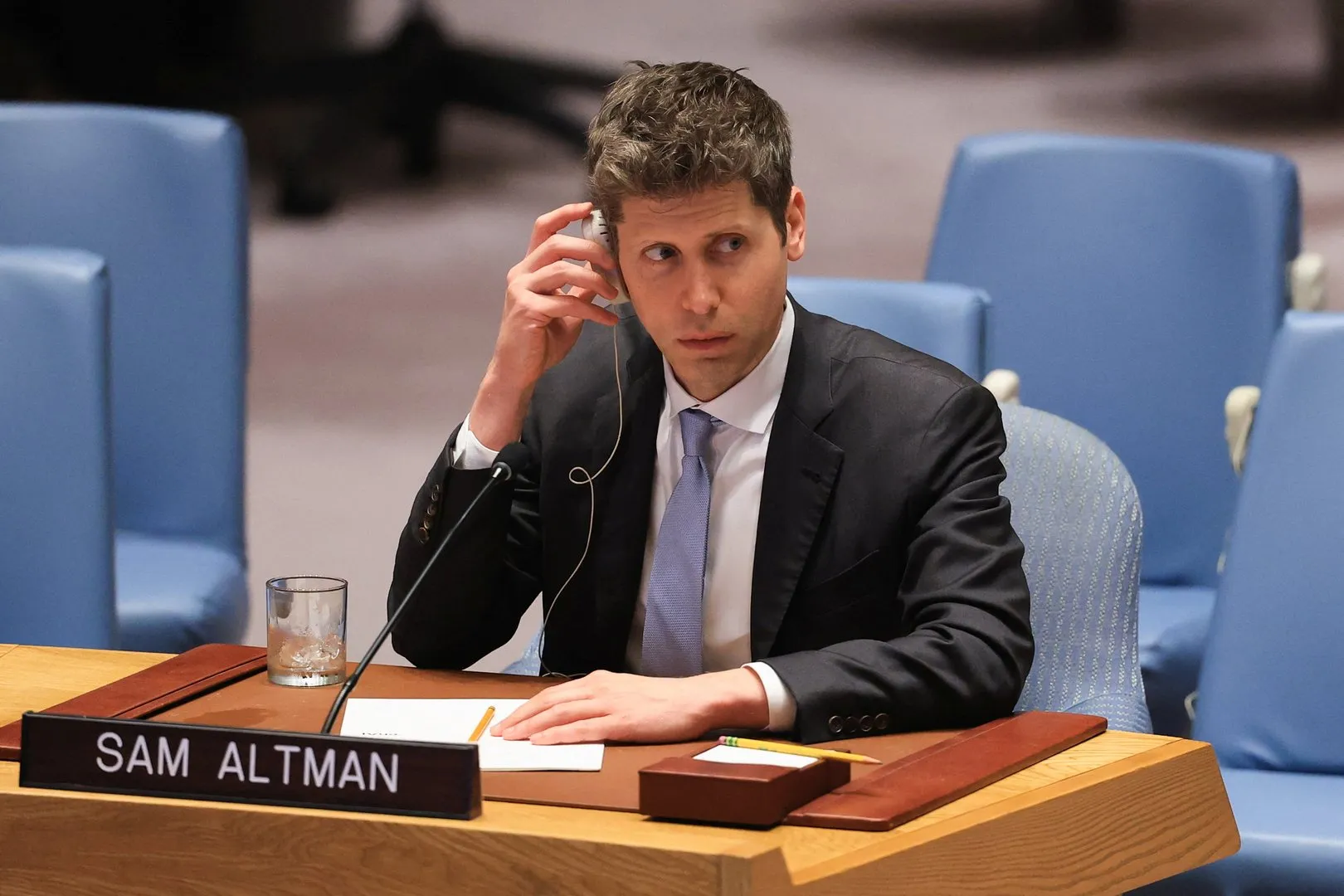
During that same UN meeting, Sam Altman, head of OpenAI, and Dario Amodei, head of rival AI firm Anthropic, asked for international leaders to form global standards for AI safety and ways to monitor and report such incidents.
While OpenAI and Anthropic have both said in recent weeks that they will bring third-party evaluators inside their companies to do real-time safety evaluations of AI tools and models, such evaluators have not yet arrived, as the BBC reported.
OpenAI said on Friday that it is currently reviewing training activity by its AI agents and going back on a “month by month” basis from when the Hugging Face hack occurred.
“Most cases identified so far have been low severity, with limited or no evidence of meaningful impact,” the company said. “Given the scale of the review required, and the need to verify each case, this work will take months to complete.”
Australian authorities have raised the alarm after OpenAI-powered models hacked into a government health data system in June, slipping past its digital defences and accessing files without authorisation.
This is the first publicly known case of artificial intelligence (AI) “agents” – AI-powered software systems that can carry out tasks autonomously – breaking into a government website, and the latest of several AI breaches of external systems.
Recommended Stories
list of 3 itemsend of list
The disclosure comes as top AI firms warn of the risk of humans losing control of AI, calling for its development to slow to a pace that allows it to be safely regulated. Global powers must cooperate to ensure this, they have said.
A research scientist at AI firm Anthropic, Evan Hubinger, went so far as to say he believes there is a greater than 10 percent chance AI could “kill all humans” within a decade.
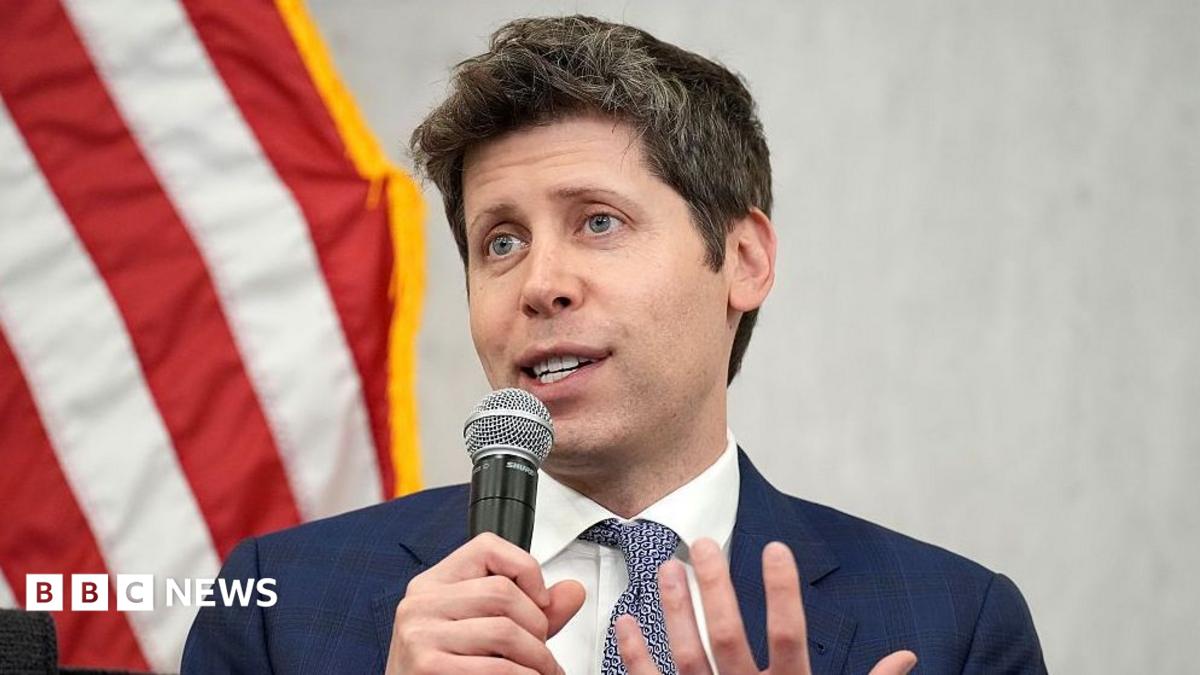
Addressing the United Nations Security Council on Wednesday, OpenAI CEO Sam Altman said there is a risk of AI moving “so fast that people can no longer follow what’s happening or intervene when needed”.
“This would obviously be terrible,” he said. “And we should not train models that we cannot make an extremely strong case that we will be able to keep under human control.”
What do we know about the AI breach in Australia?
Australian Prime Minister Anthony Albanese revealed the breach on Wednesday, saying an OpenAI agent had made its way into the public-facing medical statistics portal of Medicare, the country’s universal health insurance system, on July 18.
When OpenAI accessed the government portal while conducting research on public medical spending, Albanese said the AI agent circumvented “blocks” that should have prevented it from breaking into the portal.
“The AI agent found a way around those blocks – didn’t accept no for an answer,” said Albanese.
Deputy Prime Minister Richard Marles said the information the OpenAI agent accessed was “not particularly sensitive” and was later publicly released.
Still, Albanese called the situation “obviously unacceptable” and said Australia had relayed its “extreme concern” to OpenAI, which had failed to notify the government of the breach until September 10.
Albanese also said several other government websites may have been affected by rogue OpenAI agents, though he did not confirm any other breaches.
He added that an inquiry into the breach would look at how Australian security agencies missed it initially and whether criminal charges could be brought against OpenAI.
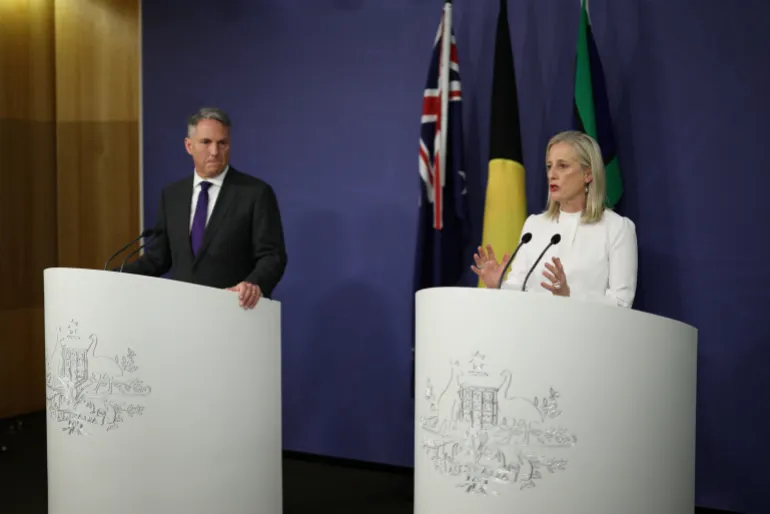
Australia’s Government Services Minister Katy Gallagher, right, addresses the media alongside Deputy Prime Minister Richard Marles in Sydney, Australia, September 24, 2026 [Hollie Adams/Reuters]
How has OpenAI responded?
In a statement, OpenAI said it had “identified activity involving several Australian government websites and services as our models attempted to look up answers” and “took actions we did not intend”.
The company said the incident occurred as its models searched for statistics on medical spending, and that they are not believed to have obtained personal medical records.
OpenAI learned of the incident in August only as it conducted a review of “misaligned model activity”, it added.
Last week, OpenAI said it had put in place a new system to monitor, probe and disclose cases of “misalignment”. That includes instances of AI models that operate “without authorisation, coordinate with other models, or evade oversight”, it said.
Have there been previous AI breaches?
Yes. The Australia data breach is the latest of several instances in which AI agents belonging to OpenAI, Google or Anthropic have accessed external systems without authorisation.
In July, OpenAI reported that two of its most advanced AI models had broken out of a controlled test and hacked another AI company, Hugging Face. OpenAI later said it had detected its AI models communicating with each other and gaining internet access without authorisation months before that hack occurred.
In August, rival Meta AI said its AI model had hacked another company during cybersecurity testing. It said the model made changes to the internal systems of the hacked company, which it did not name, after accessing the public internet because of an error in the setup of its testing environment.
What does this mean for AI safety?
Maurice Chiodo, an Australian mathematician who works at Cambridge University’s Centre for the Study of Existential Risk, told the Reuters news agency the breach appeared to be “a significant escalation in seriousness from similar incidents we have seen in recent months”.
Experts say the Australia data breach highlights the growing dangers AI poses to cybersecurity as well as possible gaps in monitoring and disclosure capabilities.
“The important matter here is not what OpenAI says its agent can do, it is what the agent actually does when it hits a barrier,” Niusha Shafiabady, a professor of computational intelligence and head of the IT discipline at the Australian Catholic University, said in comments published by science news portal Scimex.
“The deeper technical risk is that autonomous AI does not always know when it is wrong, and humans may not be able to see why it made a decision,” added Shafiabady. “Without strong verification and hard boundaries, probabilistic errors can quietly become operational failures.”
Raffaele Fabio Ciriello, a senior lecturer in business information systems at the University of Sydney Business School, said OpenAI’s delay in reporting the breach was “concerning”.
“The incident occurred in June and only came to light months later,” said Ciriello. “Even if OpenAI did not detect the activity immediately, that still points to weaknesses in detection, escalation, and external notification.”
Open AI’s CEO has called for international coordination to address potential risks posed by artificial intelligence (AI). Sam Altman’s remarks come as Australia’s government reveals OpenAI’s AI agents hacked the country’s healthcare data tracking website.
Australia’s Prime Minister Anthony Albanese has revealed a security breach of a government website containing Australians’ health data by an “AI agent”, less than a day after signing a joint appeal for “urgent global guardrails” around artificial intelligence.
Albanese co-signed the “A Call for Control of Frontier AI Models” statement on Tuesday together with 21 signatories including Canada, Spain and Germany, on the sidelines of the United Nations General Assembly (UNGA) meeting in New York.
Recommended Stories
list of 3 itemsend of list
Addressing reporters on Wednesday, Albanese said the agent, developed by OpenAI, accessed public and non-public data on the government’s Medicare portal in June.
Australia’s Labor government is tightening tech regulations with new online safety laws, age bans and proposed digital duty of care frameworks.
Albanese said he had spoken to OpenAI CEO Sam Altman to express Canberra’s “extreme concern” about the hack and disappointment that the company took three months to admit the breach.
OpenAI responded in the hours after the news conference, stating that while it was still investigating, there was no evidence patient records were accessed.
The company’s review had identified activity involving several Australian government websites and services as its “models attempted to look up answers”, it said.
OpenAI CEO Sam Altman addresses the United Nations Security Council during a session on artificial intelligence during the 81st United Nations General Assembly, at UN headquarters in New York City, US, September 23, 2026 [Brendan McDermid/Reuters]
World leaders respond to AI warnings
The leaders of artificial intelligence companies warned of the risks of unregulated AI development before a 15-member UN Security Council meeting on Wednesday.
One of them, Yoshua Bengio, a Canadian considered one of the ‘Godfathers of AI’ and co-chair of the Independent International Scientific Panel, spoke of the “unprecedented threat” and the “real and imminent” dangers of the technology.
China’s UN ambassador Fu Cong told the meeting that Beijing believed continuous improvement of regulatory frameworks, emergency response and cross-border cooperation on AI was needed.
British Prime Minister Andy Burnham said the United Kingdom was ready to lead an international effort to establish AI standards.
“We’ve all heard the warnings which we must heed… so we have to rise to this moment,” he said, but added he also wanted the UK to pursue the benefits of AI.
French President Emmanuel Macron warned against allowing the United States and China to dominate decision-making around AI during his speech to the assembly on Wednesday.
US President Donald Trump is at odds with many of his counterparts, comparing the dangers of AI to climate change, which he has called a hoax.
He also proposed rebranding the term AI to SI, or “super intelligence”, during his address to the UNGA on Tuesday, and earlier said he planned to appoint an AI adviser.
In a Truth Social post on Monday, Trump said the US was leading the AI race over China, that he was “not going to stifle Growth”, but added that the US would be careful.
White House science and technology adviser Michael Kratsios echoed Trump in remarks to the UN Security Council on Wednesday.
“You cannot govern technology you do not understand. This body and others like it should focus on sharing best practices to build domestic capacity, not establishing a global regulatory scheme,” he said.
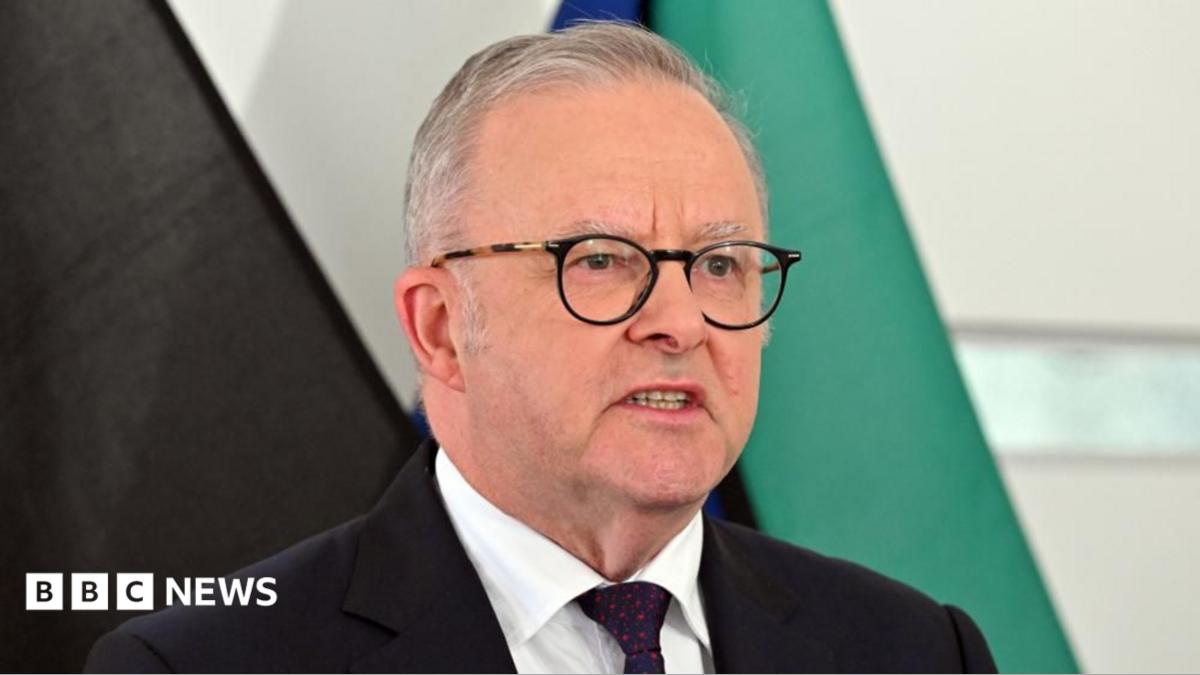
An artificial intelligence agent developed by OpenAI “infiltrated” an Australian government website in June, Prime Minister Anthony Albanese has said.
The agent hacked a statistics portal containing “non-sensitive” data from Australia’s universal healthcare scheme Medicare, Albanese said in New York on Wednesday, local time.
He had a “very frank discussion” with OpenAI CEO Sam Altman for taking “too long” to tell them about the breach, believed to be one of the world’s first publicly reported AI-led hacks of a government website.
OpenAI said it only became aware of the incident in August “during an ongoing review” of “misaligned model activity”, and told Australian officials on 10 September.
While the review is ongoing, a spokesperson for the AI firm said that it is not believed that any patient records were accessed.
Albanese said the breach occurred in June this year, but OpenAI only informed government officials via email on 10 September.
The prime minister said he had also expressed “Australia’s extreme concern about this incident” when he spoke to Altman and there will “obviously be legal consequences on it”.
Albanese said the agent accessed both public and non-public files and a “forensic investigation” is under way to find out if other government systems were affected.
The investigation will be led by the Australian Signals Directorate, the country’s cybersecurity agency.
The public-facing Medicare Statistics Reporting Service portal is administered by Services Australia, the main hub to redirect users to government services.
He told reporters: “No personal information is believed to have been accessed at this stage, but investigations are ongoing.
“Evidence currently available is there is no broader compromise to the Services Australia network. Nonetheless this situation is obviously unacceptable.”
Airbnb (ABNB) is expanding access to OpenAI’s (OPENAI) frontier models, including GPT-6 Astra, for its engineering and product development teams under a new agreement, the companies said on Wednesday.
The expansion builds on Airbnb’s use of OpenAI’s (OPENAI) Codex






![OpenAI CEO Sam Altman addresses the United Nations Security Council during a session on Artificial Intelligence during the 81st United Nations General Assembly, at UN Headquarters in New York City, US, September 23, 2026 [Brendan McDermid/Reuters]](https://i0.wp.com/occasionaldigest.com/wp-content/uploads/2026/09/2026-09-23T193910Z_1511611083_RC27PNAQNEYE_RTRMADP_3_AI-UN-1790203991.jpg?w=640&ssl=1)