NHS

Disney legend, 78, rushed to hospital after suffering stroke as his family ask for ‘prayers’

A DISNEY legend has been rushed to hospital after suffering a stroke, leaving his nearest and dearest concerned.

The musician, known for films such as Aladdin and Beauty and The Beast, is currently under medical care following the scary incident.

Disney icon Peabo Bryson has sadly suffered a stroke, with his family asking for ‘prayers’ during the difficult timeCredit: Not known clear with Picture Desk
The singer is known for being the man behind the titular song in Beauty and The Beast, alongside Aladdin’s A Whole New World Credit: Alamy

Paebo Bryson is best known for songs such as Aladdin’s A Whole New World and the titular track for Beauty And The Beast, a duet with Celine Dion.

The family of Peabo, who is now 75, have shared that he suffered a stroke this week in a worrying ordeal.

In a statement shared with Variety, they said: “Two-time Grammy Award-winning singer, songwriter and balladeer, Peabo Bryson — the voice behind the Oscar-winning Disney songs ‘Beauty and the Beast’ and ‘A Whole New World’ — has suffered a stroke and is currently under medical care.

“At this time, the family requests privacy as they navigate this deeply personal moment together.

FRESH START

James Van Der Beek’s ex-wife marries four months after star’s tragic death


Back online

Scott Mills’ husband returns to social media for first time since his radio axe

Peabo, along with Celine Dion, won a Grammy award for the Beauty and The Beast hit Credit: YouTube
He also has a string of solo hits and has still been performing in recent years Credit: Getty

“The thoughts, prayers and love of friends and fans are welcomed and deeply appreciated.”

Hailing from South Carolina, Peabo is married to singer Tanya Bryson (née Boniface) and a dad to eight-year-old son Kitt and older daughter Linda.

Peabo has had a lengthy music career with numerous accolades under his belt.

In 1992, his performance of Beauty and the Beast with Céline Dion won him a Grammy award in 1992.

A Whole New World, which he performed with Regina Belle, also bagged him the gong the following year.

Alongside his Disney hits, R&B star Peabo has a string of solo hits across the ’70s, ’80s and ’90s.

Songs If Ever You’re in My Arms Again, Can You Stop the Rain and Feel The Fire all hit the top end of the charts.

Back in 2019, he suffered a mild heart attack and was hospitalised.

At the time, his family assured doctors expecting Peabo to make a full recovery, with his health appearing in check up until this new scare.

Source link

Almost 9million people may have to pay extra £1,000 for holiday abroad this year

Anyone trying to avoid the payment may face much higher fees

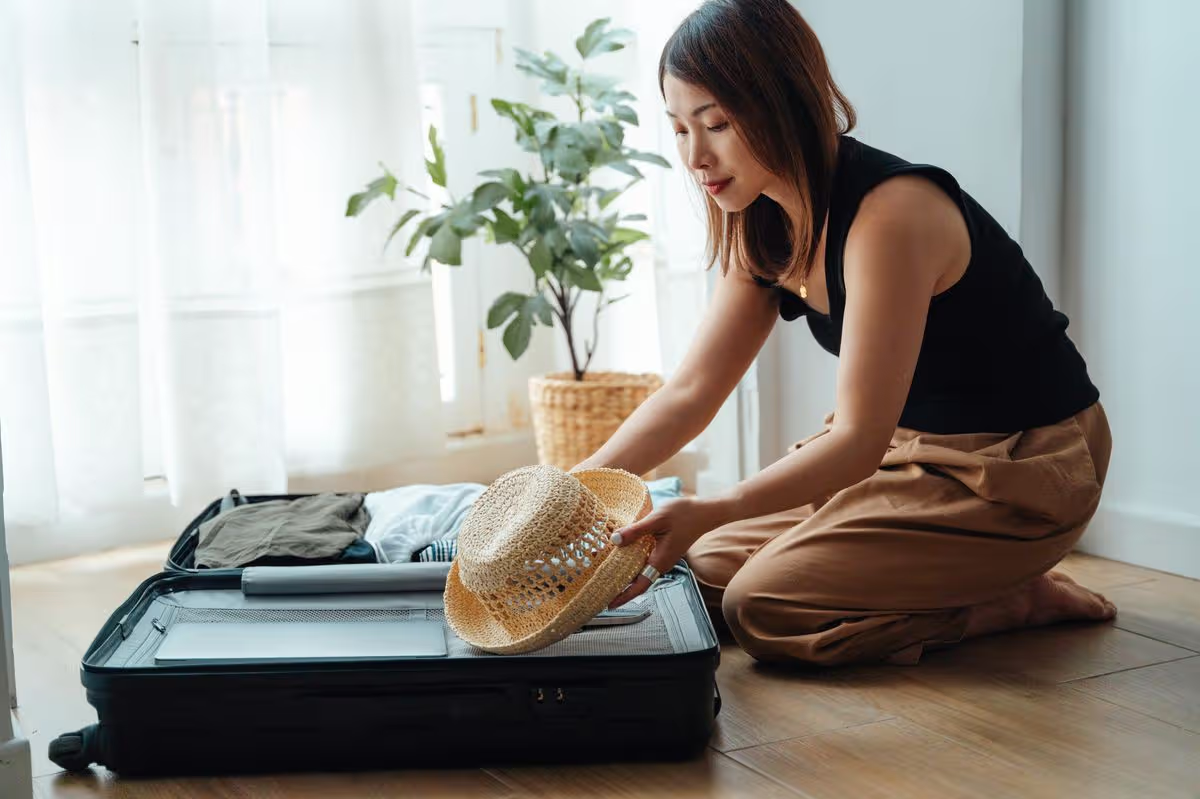
Millions of people face the prospect of having to pay an extra £1,000 if they want to take a holiday abroad in 2026.

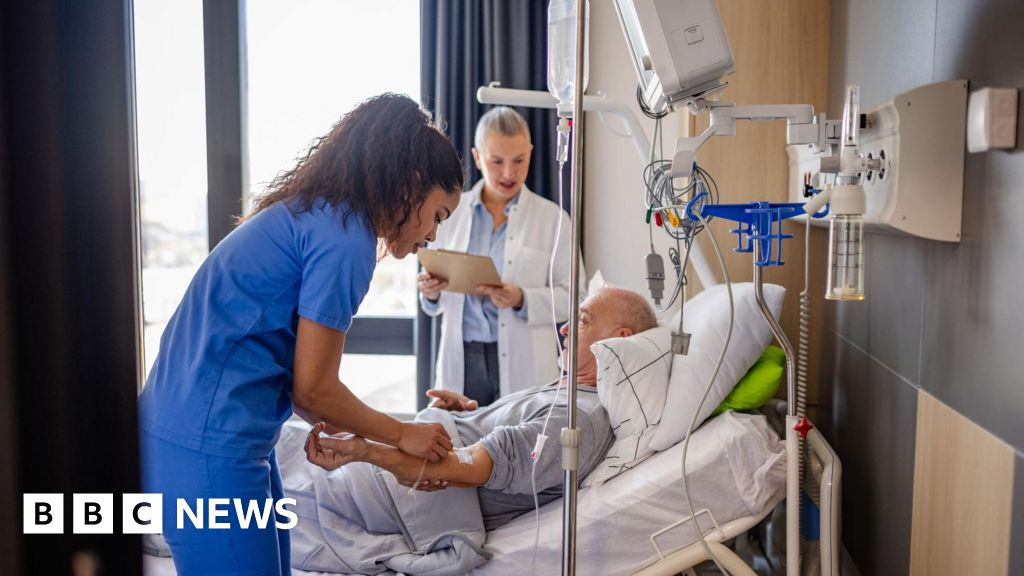
One in five people on NHS waiting lists plan to holiday abroad without travel insurance, according to a recent survey, risking falling ill overseas and incurring hefty healthcare fees. There are currently more than 7.1million adults waiting for consultant-led treatment – and a further 1.7million waiting for a diagnosis – with many unable to take out insurance policies due to the high cost.

Of the 95% who are on, or have been on, a waiting list in the last three years and refuse to miss their holiday, 15% have paid up to £1,000 extra to ensure they’re protected. Many insurers keep their premiums low by not covering existing medical conditions, meaning patients on waiting lists with potentially serious conditions will need to take out specialist cover.

Those waiting for a condition to be diagnosed will find it particularly difficult to find appropriate travel insurance – and one in four plan to holiday without the correct cover. One in 20 currently waiting to be seen by the NHS have found accessing specialist travel insurance so difficult, or so expensive, they haven’t holidayed abroad because of it.

The poll of 2,034 adults commissioned by Wellsoon from Practice Plus Group found adults with hernias are the most likely to holiday without the correct cover, followed by those with cancer. The hardest conditions to find insurance for are heart or blood pressure issues followed by musculoskeletal issues including arthritis, hip or knee pain, back pain, neck or shoulder pain.

A spokesperson for Practice Plus Group said: “It’s a story we hear regularly from people who have a health issue they want to be addressed before they go on holiday, but they’re on a waiting list. They’re worried about going away when they’re in limbo, potentially needing to seek medical help a long way from home and not knowing how much it might cost.

In April 2021, the Financial Conduct Authority introduced new requirements to help consumers with more serious pre-existing medical conditions (PEMCs) better navigate the travel insurance market. Firms that sell travel insurance are required to signpost consumers to one of two directories of specialist firms that provide this type of insurance – one of which is the MoneyHelper directory, provided by the Money and Pensions Service.

A spokesperson from the Money and Pensions Service, which provides a directory of specialist firms that offer travel insurance for pre-existing conditions, said: “If you have a pre-existing health condition you must disclose this to your insurer. Otherwise, when you come to make a claim, it could be rejected.

“Depending on your circumstances, you may be asked to complete a medical exam. This will allow insurance providers to tailor your travel insurance policy to cover your needs. Taking specialist medical travel insurance will give you peace of mind that your medical condition is covered in the event of a claim.

“Our MoneyHelper service provides contact details of companies which specialise in this.”
Source link

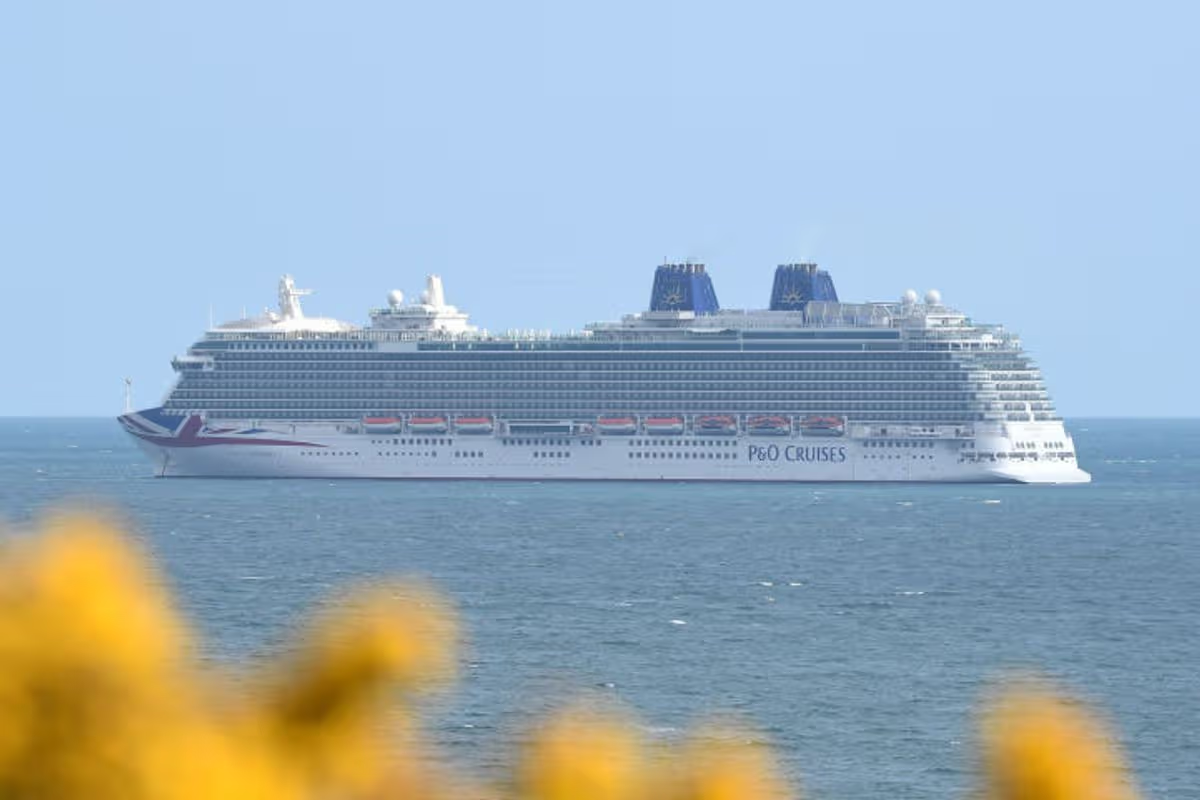
P&O Cruises paracetamol ‘penalty risk’ for passengers travelling to certain countries

P&O Cruises passengers are urged to check the rules for their destination before packing certain medications

P&O Cruises passengers heading to specific destinations worldwide are being advised to pay special attention to the medications they bring. The cruise operator is a favoured option for countless Britons, carrying between 500,000 and 600,000 travellers annually.

P&O Cruises operates a fleet of seven vessels. This collection features both family-oriented choices and adult-only ships, spanning from massive floating resorts to more intimate, traditional boats. All the ships go to numerous nations, including Norway, the Caribbean, and the Canary Islands.

For those with bookings to Japan or voyages exploring the Arabian Gulf, it’s essential to verify what medications are permitted. These nations enforce stringent regulations, and particular medicines are prohibited for personal import and non-prescription use.

This includes codeine, which is frequently found in paracetamol tablets. On the P&O Cruises website, the operator outlines all the crucial information passengers require, reports the Liverpool Echo.

It states: “Please be aware that some prescriptions, over-the-counter drugs, complementary therapies and other medicines that are purchased in the UK may be illegal in the United Arab Emirates and are therefore banned in the country. Japan also has rules regarding such medication. Penalties can be severe if banned substances are found when entering these countries.”

It states: “Codeine, for example, is banned and no products containing codeine, which may include paracetamol, may be imported or sold in the United Arab Emirates. An import Certificate from the Japanese or UAE Authorities would be required in order to take such products into the countries, and this does not guarantee the products will be permitted.”

According to the NHS, codeine is a potent opioid painkiller and is often combined with paracetamol to treat moderate pain that standard paracetamol alone cannot alleviate. This combination is typically known as co-codamol.

Codeine is categorised as a narcotic. You’re prohibited from bringing it into Japan for personal use without obtaining strict prior authorisation. Codeine is also designated as a controlled substance in the UAE.

If you’re taking medication and have any uncertainty, contact the appropriate embassy before your arrival:

  • United Arab Emirates London Embassy Medical Department: 020 7486 6281
  • Japanese Embassy: 0207 465 6500
  • You may also check for further information at www.fco.gov.uk.

P&O Cruises also advises that anyone travelling with medications and/or syringes should carry a prescription. It clarifies: “All medications should be kept in their labelled dispensing bottles or packages. If the medications are ‘controlled’ or injectable drugs, it is also advisable to carry a doctor’s letter.

“For the United Arab Emirates, it is essential to carry a prescription for any medication, as well as a medical report if you are travelling with syringes or other medical equipment. We strongly advise you to seek advice if any of the above affects you.”

Source link

‘Extreme’ health risk warning for popular Brit holiday destination

People visiting these islands could be at risk of high UV levels

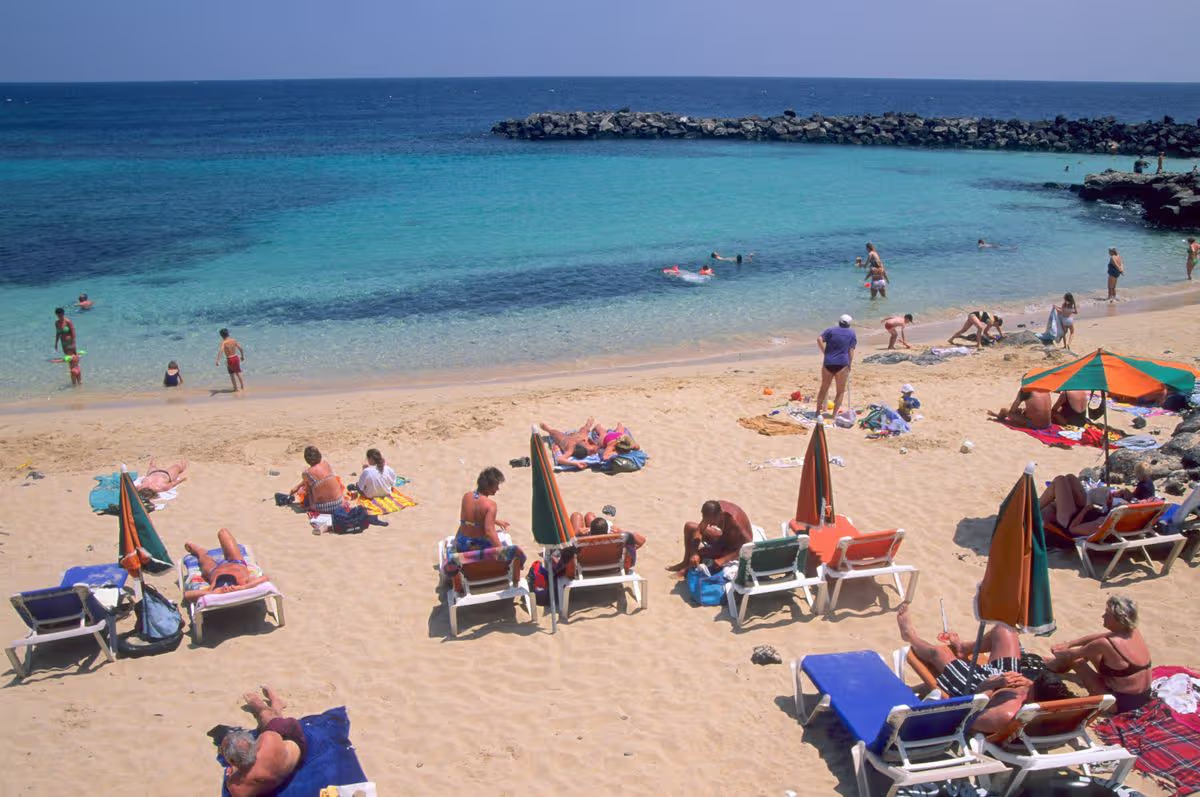
People have been urged to take certain precautions as the ultraviolet radiation risk at a popular holiday destination area has been raised to “extreme”. Health officials in the Canary Islands have elevated the UV risk across several of the islands.

According to the Canary Islands Health Department, UV radiation levels are presently classified as “very high” across all islands. And Fuerteventura, Lanzarote and Gran Canaria have reached the highest “extreme” warning category.

Prolonged exposure to ultraviolet radiation can lead to serious health complications, including DNA damage, severe sunburn, allergic skin reactions, eye conditions and a heightened risk of skin cancer, including melanoma. Health experts also caution that UV exposure can suppress the immune system and even trigger the reactivation of viruses such as cold sores.

The alert particularly impacts those who spend lengthy periods outdoors, whether for work or leisure, as well as individuals with fair skin, light eyes or a family history of skin cancer. Children and older adults are also regarded as especially at risk.

As reported by Canarian Weekly on May 21, health authorities are strongly advising people to avoid direct sunlight between 11am and 5pm wherever possible, seek out shaded areas and wear protective clothing, wide-brimmed hats and approved sunglasses with UVA and UVB protection. The application of SPF 50 sunscreen is highly recommended, even on overcast days.

Authorities also issued a reminder to parents that babies under one year old should never be exposed directly to sunlight, as their skin is particularly sensitive and incompatible with most sun creams. The Canary Islands consistently record some of the highest UV radiation levels across Spain throughout the year, owing to their geographical position and climate.

How to apply sunscreen

The NHS warns that most people do not apply enough sunscreen. As a guide, adults should aim to apply around six to eight teaspoons of sunscreen if you’re covering your entire body.

READ MORE: Drivers in England urged to put ‘light coloured’ towel in their car from FridayREAD MORE: 5 UK areas issued with amber heat health alerts as heatwave warning upgraded

If sunscreen is applied “too thinly”, the amount of protection it gives is reduced. If you plan to be out in the sun long enough to risk burning, sunscreen needs to be applied twice:

  • 30 minutes before going out
  • Just before going out

Sunscreen should be applied to all exposed skin, including the face, neck and ears, and head if you have thinning or no hair, but a wide-brimmed hat is better. Sunscreen needs to be reapplied liberally and frequently, and according to the manufacturer’s instructions.

This includes applying it straight after you have been in water, even if it’s “water resistant”, and after towel drying, sweating or when it may have rubbed off. It’s also recommended to reapply sunscreen every two hours, as the sun can dry it off your skin.

Further to this, the NHS recommends you should do the following to stay safe in the sun:

  • Spend time in the shade between 11am and 3pm
  • Never burn
  • Cover up with suitable clothing and sunglasses
  • Take extra care with children
  • Keep babies under six months out of direct sunlight
  • Use at least factor 30 sunscreen – make sure to use enough and re-apply frequently

Source link