France and Spain have deployed thousands of firefighters, and neighbouring countries have sent help.
Wildfires are ravaging many parts of western and southern Europe, with France and Spain among the hardest hit.
The World Health Organization has warned that climate change is contributing to the frequency and intensity of the fires. This is clear in the record temperatures and successive heatwaves seen across the continent since May. France and Spain have deployed thousands of firefighters, and neighbouring countries have sent assistance. Authorities say the situation is unprecedented.
Recommended Stories
list of 4 itemsend of list
So, what will it take to extinguish the flames?
Presenter: Per Nyberg
Guests:
Eduardo Rojas – chairman of the board at the Programme for the Endorsement of Forest Certification
Soraya Fettih – global campaigns coordinator at 350.org, an international environmental organisation focused on addressing the climate crisis
Laurie Laybourn – executive director of Strategic Climate Risks Initiative, a non-partisan think tank
Weekly insights and analysis on the latest developments in military technology, strategy, and foreign policy.
Lockheed Martin has unveiled the PAC-3 Adapted Capability Effector (ACE), a lower-cost interceptor for the Patriot surface-to-air missile system. By leveraging the existing PAC-3 fire-control architecture and Integrated Battle Command System (IBCS), the company says the new interceptor will cost less than half as much as the in-production PAC-3 Missile Segment Enhancement (MSE) while providing a high-volume option for defeating aircraft, cruise missiles, and shorter-range ballistic missile threats. Based on the ballpark figure provided by Lockheed Martin, a single PAC-3 ACE missile would cost around $2.5 million, compared to roughly $5 million for the PAC-3 MSE. The announcement comes as Patriot missile stocks are under immense pressure globally and after the U.S. Army made its hunt for lower cost interceptors official.
“American and allied warfighters need a solution that is battle-tested and budget-smart, and PAC-3 ACE delivers exactly that by building on the unrivaled performance of the PAC-3 MSE,” said Tim Cahill, president, Lockheed Martin Missiles and Fire Control. “As we look to partner with our allies, we can further enhance resiliency and ensure our forces can swiftly counter emerging threats today and tomorrow.”
.@LockheedMartin introduces PAC‑3 ACE™ – a low‑cost, high‑performance interceptor built on the trusted PAC‑3® family. Designed for our allies, it delivers rapid‑field capability against short‑range ballistic, cruise and air‑breathing threats. pic.twitter.com/YW87z3Mq9f
— Lockheed Martin Europe (@LMEuropeNews) July 20, 2026
Lockheed Martin said the PAC-3 ACE is designed to provide allied forces with a “rapidly fielded complement to existing Patriot interceptors.” The company plans to work with U.S. and European industrial partners on development and production, with the goal of expanding manufacturing capacity and strengthening the resilience of the transatlantic defense industrial base. The idea of the new missile as a complementary effector is especially noteworthy, indicating that the PAC-3 MSE would be reserved for the most challenging or high-risk threats, while the PAC-3 ACE can be used for everything else.
Other than the price point, it’s unclear to what degree the PAC-3 ACE missile differs from the PAC-3 MSE. A rendering released by Lockheed Martin — seen at the top of this story — appears to show a shorter, more compact interceptor. Coupled with the substantially lower cost, the new missile will offer a more degraded capability set than the MSE. This could include shorter range, lower ceiling, and a reduced ability to engage the most advanced threats Patriot batteries face. Notably missing in the rendering is the PAC-3 MSE Attitude Control Section — the ring of tiny rocket motors that wraps around its forward section — that gives it enhanced agility. Sacrificing exactly this kind of feature could lower costs in exchange for capability. In addition, the new missile may not feature the PAC-3 MSE’s “Lethality Enhancer” warhead, for instance, and could just provide a strictly hit-to-kill capability or some other warhead solution to save on cost. Using a less advanced seeker is also highly probable. We have reached out to the company for additional details.
It is notable, however, that the ability to engage short-range ballistic missiles, at least to a degree, is inherited from the PAC-3 MSE.
PAC-3 Missile: How The System Works
Patriot’s ability to engage short-range ballistic missiles in their terminal phase has never been more important, particularly in light of the ongoing conflict with Iran, the war in Ukraine, and the continuing spread of those weapons worldwide. A lower-cost interceptor that can perform that mission for at least some threat profiles would help make missile defense more sustainable in future conflicts.
Overall, the concept behind the PAC-3 ACE suggests that Lockheed Martin is looking to offer a missile that’s closer to the PAC-3 Cost Reduction Initiative (CRI), which is no longer in production.
We do know that the PAC-3 ACE will leverage existing Patriot weapon system hardware, including the PAC-3 fire-control system and the IBCS. These measures should ensure that the process of developing, testing, and deploying the new missile can be accelerated considerably. Essentially, PAC-3 ACE will provide existing PAC-3 operators with a new common interceptor that can slot straight into the air defense system.
Northrop Grumman Integrated Air Missile Defense Battle Command System (IBCS) Flight Test
Northrop Grumman’s IBCS was designed from the start with a modular, open-systems approach to make it easier to integrate new systems and functionality as time goes on. You can read more about IBCS in detail in this past TWZ feature.
Having access to a significantly cheaper alternative to the PAC-3 MSE effector, while maintaining many of its capabilities in terms of the kinds of threats it can target, is a big deal.
An infographic showing the key features of the MSE variant of the PAC-3 missile. Lockheed Martin
A cheaper effector means the cost-per-kill against man target types can be significantly lower. It also helps increase magazine depth, with operators able to buy larger stocks of missiles, addressing a problem that has been encountered in war zones, in particular Ukraine, where Patriot effectors have been expended at such a rate that the supplies have gotten close to being totally exhausted. Recent operations have reinforced the importance of maintaining sufficient inventories of interceptors and other high-demand munitions to meet both operational and strategic requirements — for example, a future high-intensity conflict against China. Under a contract with the Pentagon inked in January, Lockheed is already committed to boosting annual production of the PAC-3 MSE to 2,000, an increase from roughly 600.
When it comes to the cost of the PAC-3 MSE, each interceptor comes with a price tag of approximately $5.3 million, according to the Army’s latest proposed budget for the 2027 Fiscal Year. In the past, a single missile cost around $4 million.
A PAC-3 interceptor seen at the moment of launch. U.S. DoD
Just as critical as cost is speed and scalability of production. PAC-3 ACE has been adapted with this in mind, and drawing upon production facilities outside the United States will also help. Having plentiful supplies of Patriot missiles will only become more critical once they are introduced by the U.S. Navy as well as the Army. The Navy is now working to integrate PAC-3 MSE into the Mk 41 Vertical Launch System (VLS), adding a valuable new anti-air interceptor to its sea-based arsenal, but also further increasing demand that the PAC-3 ACE could help meet.
Back in May, TWZreported on how the U.S. Army’s Low Cost Interceptor (LCI) initiative was looking for proposals for a new effector for the Patriot with a unit cost under $1 million. This amounts to about a fifth of the price of a single PAC-3 MSE missile.
Like the PAC-3 ACE, the U.S. Army said it was looking for a missile that can be integrated into existing M903 trailer-based launchers and leverage the service’s IBCS network. The M903 is already capable of accommodating newer PAC-3 series interceptors, including the MSE variant, as well as older PAC-2 types that remain in use.
A graphic showing various load configurations for the M903 launcher, as compared to the previous M901 and M902 launchers. Lockheed Martin
As we noted at the time, the goal of acquiring an anti-air interceptor capable of engaging everything from lower-tier air-breathing threats to SRBMs, at no more than $1 million per missile, is ambitious.
The Army has already stated that the LCI missile and missile subsystem competition is intended to result in multiple awards that can lead to multiple different yet affordable missile interceptor solutions. PAC-3 ACE could be part of that equation for the U.S. Army if the higher price point is deemed acceptable, but clearly the concept will have considerable value for any of the more than a dozen Patriot operators, especially those facing the reality of limited magazine depth in conflict situations. Having a lower-cost effector available could also open the PAC-3 up to additional markets, too.
Even if PAC-3 ACE falls short of the Army’s ambitious sub-$1 million interceptor target, it underscores a reality that has become impossible to ignore. The era of relying exclusively on premium, very high-cost interceptors is giving way to a more layered approach, where lower-cost missiles can absorb a significant share of engagements against cruise missiles, drones, and other less demanding targets. If Lockheed Martin can deliver on its roughly half-price Patriot missile offering while still providing highly relevant capabilities, PAC-3 ACE could become an important addition to the growing effort to make high-end air defense more sustainable in prolonged conflicts.
ICE officer under review for alleged mental health struggles, violent behavior amid deadly shooting case in Maine.
Published On 26 Jul 202626 Jul 2026
United States President Donald Trump’s border czar says the vetting of an immigration officer involved in the deadly shooting of a Colombian native in Maine is under internal review after the officer’s relatives revealed to The Associated Press that he had a history of serious mental health struggles and violent behaviour.
Tom Homan said on Sunday that if the allegations against the Immigration and Customs Enforcement (ICE) officer are true, “I don’t think he should ever have cleared vetting.”
Recommended Stories
list of 3 itemsend of list
“There’s several things under review,” Homan said on CNN about the officer, Army veteran David Brouillette. “The training is under review. I know this specific case, as far as the vetting, is under review by the internal affairs section.”
Questions about the Department of Homeland Security’s (DHS) rush to hire, train and deploy thousands of new ICE officers to carry out Trump’s immigration crackdown have come into stark focus after back-to-back deadly shootings of immigrants in Maine and Houston.
Homeland Security Secretary Markwayne Mullin ordered a pause in vehicle stops after the Maine shooting, but Trump almost immediately reversed course and insisted the stops resume as a necessary tool in his campaign to round up and deport immigrants without current legal status.
DHS did not immediately respond on Sunday to a request for comment about the internal review.
ICE mandates body cameras during vehicle stops
Homan said that “changes have been made” and that acting ICE director David Venturella has issued a new directive that body cameras must be in use if officers make a vehicle stop.
“Right now, on all vehicle stops, there’s at least one body camera on site to record the entire event,” he said.
He said Venturella “sent an instruction out that he wants at least one body camera on those vehicle stops, so we have everything on video”.
It is unclear if the steps the department is taking will be enough to quell the concerns coming from certain Congress lawmakers over DHS training and tactics as it tries to reach Trump’s mass deportation goals.
Lawmakers push for answers
Lawmakers from both parties have raised concerns.
Democrats pressed ICE officials during a closed-door briefing for the House of Representatives Homeland Security Committee last week, leaving some with more questions than answers.
Lawmakers were told during the briefing that there have been 56 complaints of excessive force against ICE officers – 32 were cleared, and one was referred for disciplinary action.
No discipline had yet been handed out, the lawmakers said they were told. The rest of the incidents are still under investigation.
Meanwhile, Republican Senator Susan Collins of Maine, chair of the powerful Senate Appropriations Committee, has pushed for the use of body cameras and ensured funding for the effort. She had said it was “extremely unfortunate” that the officer involved in the shooting in her home state was not using a camera.
In celebration of the 99th anniversary of the founding of the Chinese People’s Liberation Army (PLA), established in August 1927, the PLA commemorates its founding on August 1st each year (remembering the Nanchang Uprising of 1927). This anniversary is marked amidst ongoing efforts to modernize its defense capabilities, alongside diplomatic and military endeavors to strengthen dialogue, partnerships, and the exchange of experiences with European, Asian, and international militaries. The PLA is considered the cornerstone of China’s national defense, and Chinese military leaders at all embassies and consulates worldwide organize numerous official events to mark its founding on August 1st each year. Chinese embassies and military attachés around the world, such as the Chinese Embassy in Belgium and other European countries, host official receptions to highlight the PLA’s role in maintaining global peace and stability, as well as its development capabilities and readiness. The PLA is focused on transforming into a modern, integrated military force encompassing land, sea, and air.
China’s military relations with European militaries reflect the logic of military diplomacy, as China seeks to deepen military ties with its European allies and partners within its strategy of mutual military engagement, cooperation, and learning opportunities. Here, Chinese military channels with European countries serve as avenues for dialogue and the exchange of views on regional and international security to achieve balance and stability. Beijing, through its diplomatic activities, emphasizes the importance of balanced partnerships with the European Union and its member states to provide stability and certainty to the world. In this context, Beijing’s relationship with European militaries takes on a dual character of strategic competition and mutual caution, especially given Washington’s efforts to utilize NATO to contain Chinese power. Consequently, tension has arisen between the Chinese military and NATO due to China’s rejection of NATO’s Asian expansion into its regional sphere. Beijing views NATO’s attempts to broaden its security engagement with Asia-Pacific countries as a threat to stability and incompatible with the multipolar world order, while China rejects the logic of military hegemony. The Chinese military, in its strategic literature, emphasizes its opposition to American power and hegemonic policies implemented through the NATO military alliance. China and the People’s Liberation Army also strongly reject NATO’s involvement in Asia-Pacific affairs, viewing it as interference that threatens regional and global stability and leads to confrontations between military blocs.
Herein lies the official Chinese military stance on the NATO military alliance, describing it as a relic of the Cold War that extends beyond its original geographical scope. China explicitly accuses NATO of instigating tensions and provoking confrontations in Asia. Furthermore, China warns against the militarization of the region through NATO partnerships with countries such as Japan and Australia. The Chinese People’s Liberation Army (PLA) maintains that China’s defense policy aims to protect national sovereignty and regional security, viewing Western actions as attempts to contain Chinese influence and impose American hegemony. Therefore, Chinese intelligence, military, defense, and security circles reject the logic of linking Euro-Atlantic security to issues in the Indo-Pacific region.
The most significant dynamics of the Chinese military relationship with European armies are characterized by the maintenance of strategic autonomy. Some European capitals seek to avoid full involvement in the US-China conflict, preferring to preserve commercial interests and pursue self-sufficiency. This is further complicated by technological and industrial competition between European armies and the Chinese People’s Liberation Army. NATO closely monitors the development of the Chinese military’s cyber capabilities and artificial intelligence, viewing them as strategic challenges impacting global supply chains. Meanwhile, China perceives NATO’s policies as subservient to US interests at the expense of European national security. NATO’s ongoing monitoring of Chinese cyber capabilities and the escalating technological competition between China, Europe, and the United States for leadership in the digital and economic future are noteworthy. These tensions manifest in mutual concerns regarding cybersecurity and global supply chains, which raise serious concerns for NATO due to the numerous strategic challenges and cyber threats they pose. Here, NATO monitors digital operations and hybrid attacks linked to Beijing-affiliated actors targeting critical infrastructure and technological security, according to NATO’s military perspective. NATO’s military strategies focus on protecting technological superiority in artificial intelligence and semiconductors to prevent any potential disruption to global supply chains.
Stay ahead of the geopolitical week.
MD Briefing delivers expert analysis across five global fronts — the Indo-Pacific, energy, geoeconomics, European security, and the Middle East — every Monday morning. Free.
For this reason, China’s stance toward NATO is characterized by accusations of American political dominance. Beijing believes that NATO’s expanding policies and transatlantic orientation serve the US strategic agenda at its expense and in confrontation with China, which, from the Chinese perspective, affects European security itself. China considers NATO’s increasing involvement in Asia-Pacific issues and technological confrontation not to serve Europe’s own security interests but rather to threaten international stability as a whole. Thus, China’s position on NATO is based on the accusation that it serves American hegemony and threatens security and stability in Asia and Europe. Beijing views NATO as a tool for implementing America’s strategic plans, aiming to mobilize member states of the military alliance to pursue a policy of Asian expansion in the face of China. China and the People’s Liberation Army reject NATO’s involvement in Asia-Pacific issues, arguing that NATO’s policies harm Europe’s economic and technological security. From a Chinese perspective, the alliance’s technological confrontation poses a threat to international stability and European security, with China believing that NATO’s policies ultimately undermine Europe’s own security.
The ISF, to be staffed by ‘friendly countries’, will operate in areas of the Palestinian enclave that are outside Israel’s military control.
Published On 26 Jul 202626 Jul 2026
Israel’s government has approved the entry of the International Stabilization Force (ISF), part of United States President Donald Trump’s 20-point “peace plan,” to Gaza.
An Israeli official reported on Sunday that Israel’s security cabinet had approved the key legal measures and that the force would operate “in full coordination with” the Israeli military, according to the Times of Israel.
Recommended Stories
list of 3 itemsend of list
There was no timeframe given for when the ISF, which will include 200 people from “friendly countries such as Uganda and Morocco”, according to the Reuters news agency, will be deployed.
The cabinet determined that Israel will have the authority to approve which countries can send forces.
Following the implementation of Trump’s deal, Israel dictates who can and cannot enter the Gaza Strip, along with how much aid and food can enter, in the wake of Israel’s two-year, genocidal war on Gaza.
Though a “ceasefire” between Hamas and Israel was agreed in October, reports of killings of Palestinians by the Israeli military occur almost daily.
The Palestinian Ministry of Health reports that 1,200 Palestinians have been killed since the deal was implemented, with 3,888 wounded.
The plan also called for an international “Board of Peace” to oversee the administration and reconstruction of the strip, for the creation of a National Committee for the Administration of Gaza (NCAG) technocratic governing body, and for Hamas to disarm and Israel to withdraw from the strip.
Nickolay Mladenov, the director-general of the Gaza Board of Peace – which the vast majority of Western countries refused to join – welcomed the news.
The former Bulgarian foreign minister and defence minister said Israel enabling the deployment was “a critical part of the agreed framework for stabilising Gaza, supporting demilitarisation, and enabling the transition to effective Palestinian transitional administration” under the NCAG.
The cabinet’s approval comes a day before Israeli Prime Minister Benjamin Netanyahu is due to travel to Washington, DC in the United States.
Israel currently occupies close to 70 percent of Gaza. Its population of almost two million has been forced to live in a diminishing fraction of the strip, as Israel continues to move the “Yellow Line” it created to demarcate areas it withdrew to under the first phase of the deal.
The ISF will operate in the areas that are not under Israeli control.
Tehran, Iran – Iran and the United States have returned to mediated talks, and their military action is temporarily suspended, but the war continues to impact international maritime corridors beyond the Strait of Hormuz as well as domestic markets.
The near-total closure of the strategic waterway, disruptions in the Red Sea by the Iran-aligned Houthis in Yemen and Ukraine attacking an Iranian vessel in the Caspian Sea have all kept tensions high.
Recommended Stories
list of 4 itemsend of list
Iran’s government is also facing more tough choices, including a potential fuel price hike amid high social and economic discontent, as the US military enforces a naval blockade of the country’s southern ports for a second time.
The Ministry of Petroleum said on Saturday that Iran has sold $11.5bn of crude oil during the war without specifying the exact dates and $6.5bn during the period of the now-suspended memorandum of understanding (MoU) signed with the US last month. It said the combined figure represented 60 percent of the full-year oil revenue target in the budget.
The signing of the June 17 MoU led to the partial reopening of the Strait of Hormuz and lifting of the US naval blockade on Iran, which eased some of the pressure on global oil markets and allowed Iran to export oil stored on supertankers waiting to sail from its territorial waters. Iran’s Petroleum Ministry said increased oil prices generated about $3bn in additional value in the first half of the year and $11bn from the yields has so far been transferred to government coffers despite US embargoes.
During the previous blockade that was imposed on April 13 and lasted a little over two months, Iranian authorities attested to near-zero crude exports. A prolonged second blockade risks further reducing Iran’s export revenues and piling pressure on Kharg Island, through which about 90 percent of Iran’s crude oil exports pass, and other Iranian storage and export sites, which could in turn affect production at petrochemical plants and make an eventual restart costlier and slower.
The US military’s Central Command (CENTCOM) said that as of Saturday, soldiers had redirected 12 commercial vessels trying to run the blockade that has been in place since mid-July, disabled two that did not comply and boarded two “to ensure total compliance”.
The US military also showed footage of heavily armed soldiers rappelling down from a helicopter onto the deck of the Charminar, an Iran-linked oil tanker subject to US sanctions since last year for allegedly being part of the Shamkhani network. The US says Iranian oil magnate Mohammad Hossein Shamkhani plays a central role in Iranian and Russian shadow fleet operations.
Iran has also said it has been redirecting multiple ships each day to keep the strait closed as its armed forces emphasised that they will not bow to pressure. On Sunday, Iranian media reports said a vessel blew up after hitting a naval mine in the Strait of Hormuz.
Still, CENTCOM has stopped extensive bombing strikes against Iran for two nights with US Ambassador to the United Nations Mike Waltz saying President Donald Trump is giving talks with Tehran “some space”.
Iran has also stopped retaliatory attacks across the region while Ministry of Foreign Affairs spokesman Esmaeil Baghaei said discussions with Oman on reopening the Strait of Hormuz have been productive.
A woman and girl cross a street in central Tehran on July 22, 2026 [Vahid Salemi/AP Photo]
The domestic picture
The oil export constraints, however, are still adding to Iran’s existing economic woes, which are linked to domestic structural issues and mismanagement as well as years of harsh sanctions.
Iran’s infrastructure has also suffered significant damage during the war launched by the US and Israel in late February and may fare worse if the conflict escalates.
The government said last month that about 230 million cubic metres (300 million cubic yards) per day of Iran’s pre-war natural gas output of roughly 650 million cubic metres (850 million cubic yards) was lost due to US and Israeli bombing, worsening electricity and petrochemical shortages.
Sekhavat Asadi, managing director of the Pars Special Economic Energy Zone, said on Sunday that Iran expects to restore more than 100 million cubic metres (130 million cubic yards) per day of that lost production capacity within the coming months.
Authorities are also managing a fuel imbalance as the country faces a deficit of more than 20 million litres (5.3 million gallons) per day of petrol. The shortage is managed through limited but costly imports, blending fuel components, tapping inventories stocked before the war and repeatedly asking citizens to consume less.
The Petroleum Ministry said tighter monthly fuel consumption caps may be imposed if the imbalance persists.
The government said this week that it is seriously considering doubling the price of a third tier of monthly petrol quotas allocated to individuals.
Another petrol price hike was made in December, weeks before the country was swept by a wave of nationwide protests, in which thousands of people were killed in a government crackdown in January. An overnight fuel price increase in November 2019 also triggered deadly nationwide protests.
The capital, Tehran, and cities across the country are facing rolling electricity cuts, which also create water and communications disruptions. President Masoud Pezeshkian said he has ordered industries not to be cut off until late September to avoid further inflaming a bruised jobs market.
The closure of the Strait of Hormuz has also hit Iran’s commerce with China, its largest trading partner and buyer of oil, which has considerably curtailed its overall crude oil imports to adapt to conditions created by the war.
But nonoil trade with China has also deteriorated since the start of the war, falling by 75 percent in March and June when compared with a year before, according to Chinese customs data.
Two near-total internet shutdowns imposed by the authorities, first during the January protests and then during the war, only worsened conditions for Iran’s economy this year as it battles chronic inflation and a rapid dwindling of public purchasing power.
A report last year by the Saba Pension Strategies Institute, a think tank affiliated with Iran’s state-run pension fund, found that while a little more than 30 percent of Iranians lived below the poverty line five years ago, that rate was projected to have reached 45 percent this year – and was still rising.
Spread to Bab al-Mandeb, Caspian Sea
After repeated Iranian threats that escalating the war could spread the scope of maritime disruptions to the Red Sea, the Houthis in Yemen last week declared a blockade against Saudi Arabia, turning back or hitting vessels transiting near the strait of Bab al-Mandeb while also bombing Saudi oil facilities.
Dozens of commodity vessels have still continued their transit through the strait, including Chinese supertankers, but war-risk premiums have increased, raising import and insurance costs for all.
Saudi authorities, who lead a coalition backing Yemen’s internationally recognised government against the Houthis, have responded by launching major air attacks across Yemen.
And farther north, Ukraine has confirmed that it struck a vessel in the Caspian Sea with President Volodymyr Zelenskyy alleging it was carrying Iran-linked military cargo.
Iran’s authorities said it was a commercial vessel importing iron from Astrakhan, a port on the Volga River in Russia, and bound for Bandar Anzali in northern Iran. They said one sailor was killed and three were wounded.
The Iranian Ministry of Foreign Affairs summoned Kyiv’s charge d’affaires in Tehran to deliver a strong protest and a warning that “the act will not go unanswered”.
The incident has raised concerns that the Caspian Sea, a waterway previously used safely for trade, could also become the scene of more military confrontations.
Iran’s Caspian trade is primarily with Russia, Kazakhstan, Turkmenistan and Azerbaijan. It imports essential goods, such as wheat and other grains, corn, barley and animal feed as well as timber and fertiliser.
The country’s exports through the northern maritime route include construction materials, steel products, agricultural goods and some refined petrochemical products.
The war’s expanding disruptions have only prompted hardline state-linked analysts to advocate closer strategic partnerships with China and Russia.
“We can now say that the two war fronts in the Middle East and Ukraine are increasingly intertwined,” Mahdi Kharratiyan, a political analyst linked with Iran’s Islamic Revolutionary Guard Corps, wrote on X on Sunday.
One of the most entertaining riders in the race was Ecuador’s Richard Carapaz of EF Education-Easypost. He toiled earlier in the race before coming into great form to claim the king of the mountains’ polka dot jersey.
He won stage 18 and Saturday’s stage 20 after topping the race’s highest point first and after 5,450km of climbing.
The green points jersey was awarded to Pedersen of Lidl-Trek, after tenacious riding on climbs he is not typically strong on to hoover up mid-stage points, alongside winning stage four.
He beat a number of sprinters to the jersey, including Japser Philipsen of Alpecin-Premier Tech. Philipsen won stage 17 and fellow Belgian Tim Merlier of Soudal-Quick Step won three bunch sprint stages.
Tour de France stage 21 results
1. Mathieu van der Poel (Ned/Alpecin-Premier Tech) 1hr 58mins 49secs
2. Jasper Philipsen (Bel/Alpecin-Premier Tech) same time
3. Mads Pedersen (Den/Lidl-Trek)
4. Max Kanter (Ger/XDS-Astana)
5. Olav Kooij (Ned/Decathlon-CMA CGM)
6. Matej Mohoric (Slo/Bahrain-Victorious)
7. Rick Pluimers (Ned/Tudor Pro-cycling)
8. Anthony Turgis (Fra/Total Energies)
9. Milan Fretin (Bel/Cofidis)
10. Clement Russo (Fra/Groupama-FDJ United)
Tour de France general classification after stage 21
1. Tadej Pogacar (Slo/UAE Team Emirates-XRG) 73hrs 56mins 26secs
The island has weathered a US oil embargo since January and is enduring one of its worst economic crises ever.
Published On 26 Jul 202626 Jul 2026
Cuba’s president has accused the United States of carrying out “genocide” against his people and seeking to seize the Caribbean island nation.
President Miguel Diaz-Canel lashed out during a rally on Sunday commemorating the start of the Cuban Revolution in 1953. His anger was a reaction to Washington’s continued pressure, which has included a crippling oil embargo that has produced regular blackouts and economic hardship.
Recommended Stories
list of 4 itemsend of list
“I denounce that Cuba is the victim of a cold-bloodedly calculated genocide,” Diaz-Canel said in Pinar del Rio at the event marking the 73rd anniversary of the uprising against former dictator Fulgencio Batista.
US relations with the communist-led island have long been tense, but have deteriorated further under US President Donald Trump.
Washington imposed an oil embargo on Cuba on January 29, causing daily blackouts of more than 20 hours.
The US, Diaz-Canel said on Sunday, was engaged in “economic strangulation” through its actions.
Employers have been forced to reduce workdays, industrial production has stopped, and water and medicine shortages are hitting a country already suffering from previous US sanctions and financial reforms that caused inflation.
Payment companies Visa and Mastercard, Spain’s Melia hotel chain, and Air Canada and Air France have all exited the country amid the crisis.
“Cuba is today waging a historic battle … against the walls of a genocidal policy whose objective is to suffocate an entire people in order to appropriate the country,” Diaz-Canel said.
Trump said he would “take over” Cuba, following the US abduction of former Venezuelan president and Cuban ally Nicolas Maduro in January.
Last week, a US State Department report accused Cuba’s government of running an espionage and influence network against Washington and Latin American neighbours.
In May, the US indicted former president and revolution leader Raul Castro – brother of Fidel – of murder and other crimes for his alleged part in the downing of two civilian airplanes operated by Miami-based exiles off the Cuban coast in 1996.
Cuba’s government has rejected the accusations and denounced Trump’s rhetoric. Talks between the two countries have largely stalled, Cuban officials said in June.
The Cuban Revolution, led by brothers and later leaders Fidel and Raul Castro, culminated in the Batista government’s fall in 1959. Former President Raul, 95, was unusually absent at Sunday’s rally.
Weekly insights and analysis on the latest developments in military technology, strategy, and foreign policy.
During a recent tour TWZ took of the RTX-owned Pratt & Whitney’s jet engine assembly plant in Middletown, Connecticut, nearly everything was quiet on the line following a major push to complete outstanding deliveries by the end of the second quarter on July 1. But the Bearing Automation Robotic Builder – known familiarly as BARB – remained calmly at work, completing assembly processes for the #2, #5, and #6 bearings on the company’s commercial 1100G – one of the company’s GTFs, or geared turbofan engines, powering several Airbus and Embraer fleets.
While robotic assembly machines are a commonplace sight on factory floors building everything from cars to electronics, Pratt & Whitney’s assembly lines are still largely human-dependent. That’s a function, in part, of the exacting and unforgiving work of building jet engines, which require a carefully policed logbook of production steps executed to keep the process error-free. Throughout the factory floor, “Foreign Object Debris” bins remind workers to keep areas clear of any loose materials, from stray threads to gum wrappers. Even small pieces of detritus can become deadly if they end up in a jet intake. Company staff stressed that ensuring a machine could operate error-free in a range of conditions was a time-consuming and critical prerequisite for embracing automation.
BARB robot. (Pratt & Whitney)
BARB, which fits the mold of a factory robot out of central casting with its upright stance and long yellow arms, is the product of a $20 million investment the company has made into automation. It’s a modest first step at integrating automation more fully throughout jet engine assembly – both on the civilian side and in the somewhat more complex military engine business on a parallel production line in the same facility.
According to Ted Sluis, vice president and manager of Product Delivery Centers at Pratt & Whitney, BARB arrived in Middletown around late 2024, but only came online this spring after extensive testing that ensured the robot’s cameras and sensors could reliably identify parts and consistently perform the correct operations.
“There is a visual inspection aspect of it, and when we were doing the initial trials of the parts, we were using scrap parts,” Sluis said. “But the scrap parts were old, and we went to make production parts on it, those were new and shiny. The vision system started having issues because it wasn’t used to shiny parts; it was used to like the old parts … little things like that, that we had not anticipated. And so a lot of learning meant that it took us all the way through last year, into the beginning of this year to get it to where it could repeatedly get through the entire cycle without a person intervening to do something.”
According to public production and training manuals, the 1100 engine, which is assembled in a horizontal position, has seven total bearings requiring assembly. The #2 bearing is a ball bearing that supports the front of the low-pressure (LP) rotor, which extracts energy to power the engine fan and reaches maximum speeds above 10,000 RPM. The #5 and #6 bearings are rear roller bearings.
Sluis said engine assembly involves bearing sub-assembly, including the bearing, housing components, and affiliated seals and covers.
“So it’s a handful of parts that you have to get put together into a sub-assembly,” he said. “With the types of operations that we’re doing, different parts have different clearances. And so to get them to go together, you have to heat one part and cool another part, and you have to orient those in the right way, press them together, let it normalize, inspect it to make sure that it actually meets the right dimensional requirements.”
(Pratt & Whitney)
In the traditional engine assembly process, he said, a mechanic would sign a record at every stage verifying the prescribed action had been completed in the correct order. Integrating the assembly robot into the record-keeping process has been another deliberate effort, Sluis said.
“If a person is doing that work, they would be signing with their badge all the different sequences to say ‘I completed this work..’ In this case, the mechanic is basically signing, saying, ‘I provided the parts to the machine, the machine is tracking, I did this, I did this, I did this,’ and that’s going to be part of the engine build record. The mechanic signs, saying, ‘I received the assembly from the automation machine, and I’m going back to the normal process.’”
While the approach to integrating automation into an exacting assembly process has been small-scale to start, Sluis said the benefits in efficiency have been immediately clear, with an 80% reduction in ‘touch time.’ When reporters visited the production line July 1, the robot appeared still, but it was in reality actively supervising the heating of parts in an oven while standing by to complete the next assembly steps. But the biggest benefit to bringing BARB online, Sluis said, has been the proven error-free repeatability.
“If you look at the yield of that sub-assembly, it’s essentially 100%,” he said. “I think that, of all the ones that we’ve made since we went into serial production with it, we had one that had an issue and it was something that had to do with the part going in, as opposed to what the machine was doing with the parts.”
That deliberate work has taken place in parallel with Pratt & Whitney’s efforts to integrate AI into engine production. It recently debuted an AI-assisted borescope inspection software for its powerful commercial V2500 engine and has already completed pilot test cycles on both the GTF commercial engines and the F135 engine, which powers all variants of the F-35 Joint Strike Fighter.
(Pratt & Whitney)
The AI support tool purports to help human inspectors by applying trained analysis to video of the borescopes to identify any variations more quickly and consistently.
“Broadening the integration of AI-assisted inspection capability strengthens our ability to detect issues earlier, improve turnaround times, increase time on wing and reduce operational disruption for our customers,” Rob Griffiths, senior vice president of Commercial Engines Operations, said in a released statement. “It will fundamentally reshape how engines and components are inspected, maintained and supported throughout their lifecycle, as we increase its application across Pratt & Whitney.”
(Pratt & Whitney)
The notion behind both technology applications is that a meticulously trained robot will beat even a seasoned human inspector for accuracy and consistency.
“I think our biggest benefit will actually be in the quality signature,” Sluis said.
The multi-year plan for automation will gradually branch out to more complex automation applications, Sluis said, moving next to “small modules that do not have rotating parts” before moving to those that do have moving components.
The next spot for an automation machine has already been chosen: it will be the 1100G’s central diffuser module that has fuel nozzles mounted to it and is positioned in front of the high-pressure turbine. Pratt & Whitney is currently building a 2,600-square-foot site where the robotic assembly can take place, Sluis said, with a robot six times as large as the roughly human-sized BARB. The company expects it to be up and running on the line a lot sooner after delivery than its first robot.
“Our lead time from when it arrives to when we’re making modules off of it should be much, much shorter than we experienced with BARB,” Sluis said.
Military customers, company execs said, have already expressed “tremendous interest” in building automation into their engine assembly plans. Sluis and Chris Olivo, the Middletown product delivery center customer and event manager who led the production line tour, said the long-term goal saw every line benefiting from BARB-like robots.
One hurdle is the way the engines are assembled. While the 1100G and F139 engines, the latter used for the Air Force’s KC-46 Pegasus, both tip horizontally for assembly, the F135 is assembled vertically in pits on the floor. This makes it more difficult for a non-human operator to isolate and access some assembly processes.
(Pratt & Whitney)
Then, Sluis said, the higher dexterity needed for a lot of engine assembly processes required additional testing and development. He cited, in particular, fixing nuts and bolts onto assemblies as processes conducive to human dexterity. Once those issues are solved, dissemination of jet-assembly automation technology could move quickly.
“From there, it all depends on volume, business case or interest,” Sluis said. “But at least the capability will be foundationally established.”
The UN’s Guterres condemned violations of Syria’s sovereignty as he visited and called for sanctions to be lifted.
Published On 26 Jul 202626 Jul 2026
The head of the United Nations has condemned the persistent violation of Syria’s sovereignty, as Israel’s forces reportedly carried out new incursions into its neighbour’s territory.
Israeli soldiers advanced towards villages in southwestern Syria on Sunday, setting up a checkpoint at Al-Ardah, while shelling was also heard nearby, Syria’s state news agency SANA reported. Leaflets were dropped warning residents against attempting to obstruct the advance of Israeli vehicles.
Recommended Stories
list of 3 itemsend of list
The incursion came as United Nations Secretary-General Antonio Guterres, on a visit to Syria, condemned Israel’s violations.
“Syria’s sovereignty, independence, unity & territorial integrity must be fully respected,” he wrote in a social media post. “Violations by Israel of the 1974 Disengagement of Forces Agreement are unacceptable & must stop.”
Speaking at a press conference on Sunday, he said that the UN is set to submit a comprehensive report to the UN Security Council on the issue at the end of the month.
‘Security zone’
Israel has conducted increasingly regular incursions into Syrian territory since the fall of the regime of ousted President Bashar al-Assad in December 2024.
In the immediate aftermath, it seized control of the UN-controlled buffer zone separating the Israeli-occupied Golan Heights from the rest of Syria, saying the 1974 disengagement agreement with Syria had collapsed.
Since then, Israel has carried out regular attacks, raids and searches, and established military checkpoints further within Syria.
Israeli officials say they intend to remain in southern Syria, in what they call a “security zone”.
Syria’s Foreign Minister Asaad Hassan al-Shaibani called for Israel’s withdrawal from the buffer zone on Saturday, saying its continued military operations and occupation are a “direct threat to the security of the region”.
In an exclusive interview with Al Jazeera’s Al Muqabala, Syrian President Ahmed al-Sharaa said Damascus was working to reach a security agreement with Israel, involving a group of countries.
“If the security agreement with Israel succeeds, it will pave the way for comprehensive peace without conceding Syria’s right to the occupied Golan [Heights],” he said.
He said that Syria has “no interest” in entering a confrontation with Israel.
Guterres’s visit to Syria is the first by a UN chief to the country since 2009. He is expected to visit the UN Disengagement Observer Force (UNDOF), which has been deployed to the buffer zone since 1974.
On Sunday, he described the country as being at a “moment of opportunity” to recover from its 13-year war, and build a more stable, inclusive and prosperous future.
The UN chief urged the removal of all sanctions imposed on the country during the era of al-Assad, who was deposed by forces led by al-Sharaa in 2024 after over a decade of civil war.
“I welcome steps that have eased sanctions, and opening new possibilities for economic recovery, but all these sanctions must be removed immediately,” Guterres said.
Western countries including the United States have begun lifting economic sanctions, but investors remain cautious. The World Bank has estimated the country’s post-war reconstruction could cost $216bn.
“The United Nations stands with the people of Syria at this pivotal moment. And I came carrying the strongest possible appeal to the international community, an appeal to spare no effort to support the Syrian people and to support the Syrian government,” Guterres said.
German police have shot dead the suspect wanted for the car ramming attack on Berlin’s Pride march.
Abdul Ballout, a German citizen with Lebanese roots, was killed as he attacked officers with a bladed weapon, police reported late on Sunday. Officials have reported that all indications point to a “Islamic terror attack”.
Ballout was shot following a search that lasted nearly 24 hours. He was the main suspect in the attack that took place on Saturday evening, in which a van drove into a crowd at the Berlin Pride LGBT event.
The confrontation occurred in the German capital’s Spandau district. Police said that he died despite efforts to resuscitate him.
“Around 6 p.m. (1600 GMT), the suspect involved in yesterday’s attack in Tiergarten was located at an allotment garden complex in Spandau,” Berlin police wrote social media.
“According to initial findings, he ran towards officers while armed with a bladed weapon; police… subsequently opened fire. Despite immediate resuscitation efforts by the Berlin Fire Department, he died at the scene.”
Extreme heat and strong winds are fuelling a wave of wildfires across North Africa, with major fires burning in Tunisia, Algeria and Morocco. Tunisia has called in international firefighting aircraft as crews battle fires threatening forests, farmland and nearby communities.
Weekly insights and analysis on the latest developments in military technology, strategy, and foreign policy.
A new hybrid-electric heavy-lift cargo drone has been unveiled by the defense arm of U.S. company BETA Technologies. The MV250 debuted in the static display at the Farnborough International Airshow 2026, taking place in England this week. The vehicle shown at the airshow hasn’t flown, BETA Technologies confirmed, although it is described as being built using “all-flyable components.”
The new drone is a military adaptation of BETA Technologies’ Alia 250 electric vertical takeoff and landing (eVTOL) aircraft, which can carry five passengers or an equivalent load of cargo, plus the pilot. TWZ and other journalists today spoke to officials from BETA Technologies at Farnborough.
Introducing MV250: a hybrid-electric VTOL aircraft designed to move critical cargo farther, faster, and at a lower cost.
MV250 builds on BETA’s ALIA platform, integrating autonomy in an open architecture.
“The basic physics of the MV250 enable significantly longer range, higher speed, and a lower cost of operations when compared to tiltrotor and legacy platforms,” said Kyle Clark, founder and CEO of BETA Technologies. However, the claim that the MV250 exceeds the performance of a tiltrotor doesn’t stack up, based on published figures. “I believe we should be offering our military the most robust and best equipment in the world to maintain superiority and thus deterrence,” Clark added.
The uncrewed MV250 is primarily intended for cargo transport, with freight loaded and unloaded through an upward-opening nose visor. It can also deploy air-launched effects (ALEs) from a set of side-mounted launch tubes. A similar concept is currently being pitched by Sikorsky, with its uncrewed version of the Black Hawk helicopter, dubbed the U-Hawk, which is also intended to be able to fire dozens of ALEs, such as surveillance and reconnaissance drones and loitering munitions.
A pack of ALEs about to be loaded into the MV250. BETA Technologies
Other roles include casualty and medical evacuation, and intelligence, surveillance, and reconnaissance (ISR).
BETA Technologies has also proposed that the drone can be used as a forward-located tactical power source, providing up to 500 kilowatts to troops on the ground for command and control, counter-drone, electronic warfare, or directed energy weapon applications.
In terms of cargo capacity, the MV250 has a cabin volume of 250 cubic feet for a payload of 2,000 pounds.
The MV250 with its upward-opening nose visor raised to reveal the cargo area. BETA Technologies
Published performance specifications include an operational radius of more than 250 nautical miles, a cruising speed in excess of 170 knots, and a ferry endurance of 12 hours at 20,000 feet.
The propulsion system involves four fixed-pitch propellers which provide for the VTOL capability. These are mounted on long booms that connect the 50-foot-span wings with the V-shaped tail.
Meanwhile, forward propulsion is provided by a single variable-pitch pusher propeller mounted in the rear of the fuselage.
Since it has a hybrid-electric drive, the turbine engine — mounted above the rear fuselage — doesn’t directly power the various propellers. Instead, it directly feeds a high-voltage bus, recharging the batteries, and powering the electric motors that spin the propellers. The engine can also be stopped, and the battery can provide power, which is highly reliable.
A demonstration of the MV250 used as a forward-located tactical power source, here charging an electric motorbike. Jamie Hunter
The MV250’s turbogenerator has been developed with GE Aerospace and is compatible with a range of NATO-compatible fuels.
Proving hybrid-electric concepts in military aviation has long been a goal, as operators seek to harness the benefits promised by the combination of fuel efficiency, reduced emissions, and enhanced operational flexibility. The last of these points is reinforced by the reduction in the number of moving parts compared to more conventional configuration, including losing the traditional drive train, reducing the risk of component failure and easing the burden on spare parts and maintenance man-hours.
Hybrid-electric propulsion offers inherent advantages when it comes to reducing infrared and acoustic signatures.
The drone relies on Sikorsky’s MATRIX system to provide full autonomy. At a minimum, the MV250 should be capable of autonomously navigating along predetermined routes using programmed waypoints, establishing a practical baseline for uncrewed logistics operations. Beyond this, more advanced autonomous capabilities — such as dynamically replanning flight paths and responding in real time to emerging threats, obstacles, or changing mission conditions — would significantly enhance operational effectiveness, particularly during resupply missions in contested or high-risk environments.
BETA x Sikorsky
Like other disruptors in the defense sector, BETA Technologies is looking to leverage its experience in the commercial realm to shake up the development cycles that the U.S. Army, Marines, and Air Force have previously relied on.
“Those organizations would wait years for external defense government funding to then build a very complicated and expensive, bespoke defense-only project,” Larry Smith of BETA Technologies said. “That typically will result in it being over schedule and over budget. Well, alternatively, what BETA is doing is using internal funding to rapidly create viable prototypes, not mockups, based on our commercial core technologies.”
Rear three-quarter view of the MV250 during its debut at Farnborough. Jamie Hunter
Also speaking today, Kyle Clark emphasized how BETA Technologies can use advanced design and manufacturing techniques to influence the speed and scalability of production. He described “a really thoughtful composites integration,” in which all the components are bonded using something much like “a big panini press.” Clark continued: “There are no fasteners in that fuselage, so we can make it inexpensively and meet the demands of the military. When the call comes and says, ‘Can you give us 600 of these aircraft?’ The answer is yes, and the cycle time is graduated in hours and not months.”
As an example of how the design and manufacturing process has been refined, Clark noted how the company went from 14,000 fasteners and 580 parts in the wing, to fewer than 300 parts and zero fasteners. Consequently, the manufacturing time was cut from six weeks to a matter of hours.
Although distinguished by its hybrid-electric propulsion system, the MV250 enters an increasingly crowded market for VTOL-capable cargo drones.
Established helicopter manufacturers also have a stake here, with conversions of existing crewed rotorcraft.
These include the MQ-72C Lakota Connector, which is stated to carry a maximum payload of around 4,000 pounds, including slung loads, and the Airbus U145, adapted from the H145 light helicopter, with a payload of up to 2,600 pounds. You can read more about the MQ-72C in our previous coverage of that aircraft, here and here.
At the smaller end of the scale is the R66 Turbinetruck, based on the proven Robinson R66 airframe, which can carry a load of 1,300 pounds internally, or external loads supported via a cargo hook. The Turbinetruck uses the same MATRIX autonomy system as used in the MV250 and others. In a similar category to the Turbinetruck is the Uncrewed 505, a development of the Bell 505. Both those aircraft are set to be tested by the U.S. Marine Corps as that service seeks to field platforms that can rapidly resupply Marines in contested environments.
Robinson Unmanned | The Future of Autonomous Rotorcraft is Here
Based on published figures, the MV250 would seem to fall between the Lakota Connector and the U145 at one end of the scale, and the Turbinetruck and Uncrewed 505 at the other.
The U.S. Army is also looking at similar concepts, albeit currently at the larger end of the scale. Work includes optionally crewed and uncrewed versions of the H-60 Black Hawk series. The U-Hawk demonstrator, a fully uncrewed version of the Black Hawk helicopter, is intended to carry cargo and deliver launched effects and features clamshell doors in the nose. At the heavier end of the scale, Boeing has said its future plans for the H-47 Chinook include creating a path toward an uncrewed version of the aircraft.
Introducing the S-70UAS™ U-Hawk™
However, these capabilities are also attracting growing interest from military services around the world.
Based on a commercial design, the MV250 — or a version of it — also has significant potential in the civilian space. Missions here could include disaster response and firefighting, but it would be equally well suited to cargo transport, particularly for remote resupply operations and logistics support to offshore platforms and isolated inland locations.
Overall, this is another example of emerging eVTOL capabilities bleeding into traditional rotary-wing defense segments, and we are likely to see much more of it in the future.
While the MV250 remains in the prototype stage, it reflects a broader shift in military aviation toward autonomous logistics platforms derived from commercial technology. As armed forces seek faster, more flexible ways to sustain distributed operations, aircraft like the MV250 could help redefine how cargo, supplies, and even combat capabilities are delivered on future battlefields, but it will also be entering an increasingly competitive marketplace.
Defending champion Norris wins his first race of the year as Verstappen finishes second and leader Antonelli is third.
Published On 26 Jul 202626 Jul 2026
Lando Norris has ended an eight-month wait for a Formula One victory with strong pace and a dose of good fortune to win the Hungarian Grand Prix on Sunday.
McLaren’s defending champion finished ahead of Max Verstappen in Red Bull and teenage sensation Kimi Antonelli at the Hungaroring circuit in Budapest on Sunday.
Norris was on pole but lost the lead to his McLaren teammate Oscar Piastri when he ran wide at the second corner, before reclaiming the lead after Piastri was delayed by a collision with Carlos Sainz Jr during a lap.
This allowed Norris to come out of the pits ahead of his teammate and cruise to a win.
“The car was unbelievable today, well done guys, incredible. We were flying,” Norris said. “Nice to finally be able to do it all for you. Feels like it’s been a while.”
Piastri then stopped with a broken gearbox, paving the way for Verstappen to take second, with Antonelli third.
Antonelli increased his standings lead, with title rival Lewis Hamilton finishing fifth after a penalty for speeding in the pits and George Russell seventh after a near-stall at the start.
Norris hadn’t won a full Grand Prix race since Sao Paulo in November, though he did win a sprint in Miami in May.
Hungary was the last race before the mid-season break. The next race is the Dutch Grand Prix on August 23.
McLaren’s Oscar Piastri, McLaren’s Lando Norris, Red Bull’s Isack Hadjar, Red Bull’s Max Verstappen and Ferrari’s Lewis Hamilton in action during the race [Bernadett Szabo/Reuters]
Five years after Tunisian President Kais Saied suspended parliament and attained sweeping powers, the country remains sharply divided, grappling with a severe economic downturn and a worsening political deadlock.
Saied’s supporters continue to view the measures taken by him in July 2021 – when he suspended parliament and dismissed Prime Minister Hichem Mechichi – as a necessary “correction” to save the country. The opposition says that since then, state institutions have collapsed, promises have gone unfulfilled, and there has been an unprecedented concentration of power in his hands.
Speaking to Al Jazeera’s Ma Waraa al-Khabar (Behind the News) programme, political and economic experts debated the legacy of Saied’s five-year rule, painting a picture of an economy hindered by a poor business climate, populist policies, and a lack of clear vision.
An economy in free fall
Since Saied assumed near-total control of the levers of power five years ago, Tunisia’s economic indicators have largely plummeted.
Ridha Chkoundali, an economics professor at the University of Tunisia, said that the investment rate in the country has dropped from an average of 20 percent of the gross domestic product (GDP) between 2015 and 2019 to just 8 percent in 2023.
Chkoundali attributed this sharp decline to an environment that drives away investment, exacerbated by a significant burden from taxes, which have risen by five percentage points since 2015.
Taxation, he argued, is no longer used to stimulate investment but simply to collect revenues at the expense of economic growth.
The crisis has hit ordinary Tunisians the hardest. Food inflation has reached nearly three times the general average, severely eroding purchasing power. Meanwhile, unemployment has surged, particularly among university graduates, pushing many to leave the country for better economic opportunities abroad.
People gather to protest Tunisia’s President Kais Saied during a demonstration marking five years since his suspension of parliament and assumption of emergency powers, in Tunis on July 25, 2026 [AFP]
Mohamed Abbou, a former minister of state and former secretary-general of the Democratic Current party, argued that the crisis is rooted in Saied’s style of governance, adding that the rule of law has been replaced by a climate of intimidation and threats.
“Tunisia has lost all credibility,” Abbou said. “Everyone fears the situation in Tunisia because there is no rationality… there is no stability in laws, taxes, or anything else.”
Abbou particularly criticised Saied’s approach to international finance, pointing out that the president rejected a deal with the International Monetary Fund (IMF) purely to maintain a populist image. At the same time, he quietly implemented many of the IMF’s harsh austerity demands, such as halting public sector hiring and reducing imports.
However, supporters of the current government argue that it is unfair to blame Saied’s administration entirely for an economic crisis that predates his rule.
Political analyst Souhaib Mezrigui says the current situation is the result of an absence of any clear economic or social vision over the past 10 years. He placed blame for the current crisis squarely on the political class that has ruled Tunisia since the 2011 revolution.
Protests and political prisoners
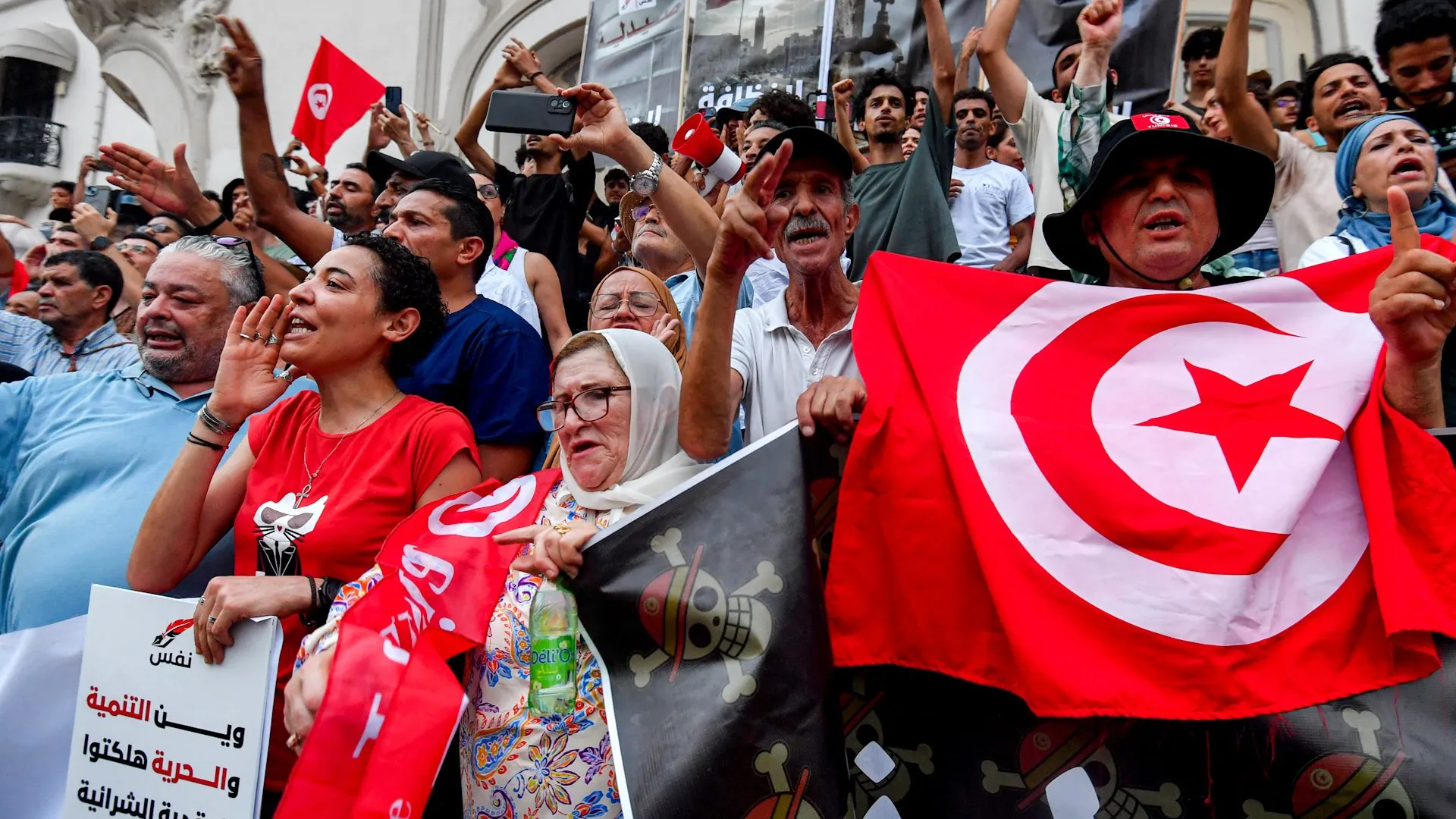
Tunisia’s economic stagnation has manifested into tangible anger on the streets. Coinciding with the five-year anniversary, thousands of Tunisians rallied in the capital’s Habib Bourguiba Avenue on Saturday, protesting against deteriorating living conditions, rolling water and electricity cuts, and a backsliding in democracy.
Organised by a coalition of opposition parties and the “Nafas” civil initiative, the crowds called for Saied to “leave” and revived the 2011 democratic revolution’s rallying cry: “The people want the fall of the regime”.
A central demand of the protests was the release of political prisoners, who have filled Tunisia’s jails since Saied began his crackdown on dissent. Among the most prominent detainees is Rached Ghannouchi, the 85-year-old former parliament speaker and Ennahdha leader, who was recently sentenced to life in prison.
Ghannouchi’s health has rapidly deteriorated in detention. He recently fainted in Mornaguia prison, where temperatures reportedly reached 52 degrees Celsius (126 degrees Fahrenheit). Rights groups and families of detainees, such as opposition politician Ahmed Nejib Chebbi, have repeatedly warned about the dire conditions inside the detention facility and the toll it is taking on elderly inmates.
Imed al-Khamiri, a spokesman for the Ennahdha party, told Al Jazeera that the continued detention of political figures and opposition leaders remains a “disgrace to the Tunisian state”.
US lawmaker calls for sanctions
Saied’s consolidation of power has also drawn renewed international condemnation. Marking the anniversary, US Representative Joe Wilson issued a scathing statement, accusing Saied of transforming the Arab world’s only constitutional democracy into a “one-man dictatorship”.
Wilson accused the Tunisian regime of phenomenally increasing corruption, destroying opportunities for the youth, and shifting its alliances to become a close associate of Russian President Vladimir Putin, Iran, and Hezbollah.
Noting that Saied’s government has even jailed US citizens, Wilson urged the US State Department to issue a “Level 4: Do Not Travel” advisory for Tunisia.
“I will also continue to work to pass the Tunisia Democracy Restoration Act imposing sanctions on Saied and his inner circle,” Wilson stated on the social media platform X, adding: “Democracy in Tunisia will win in the end. Madmen tyrants will not last.”
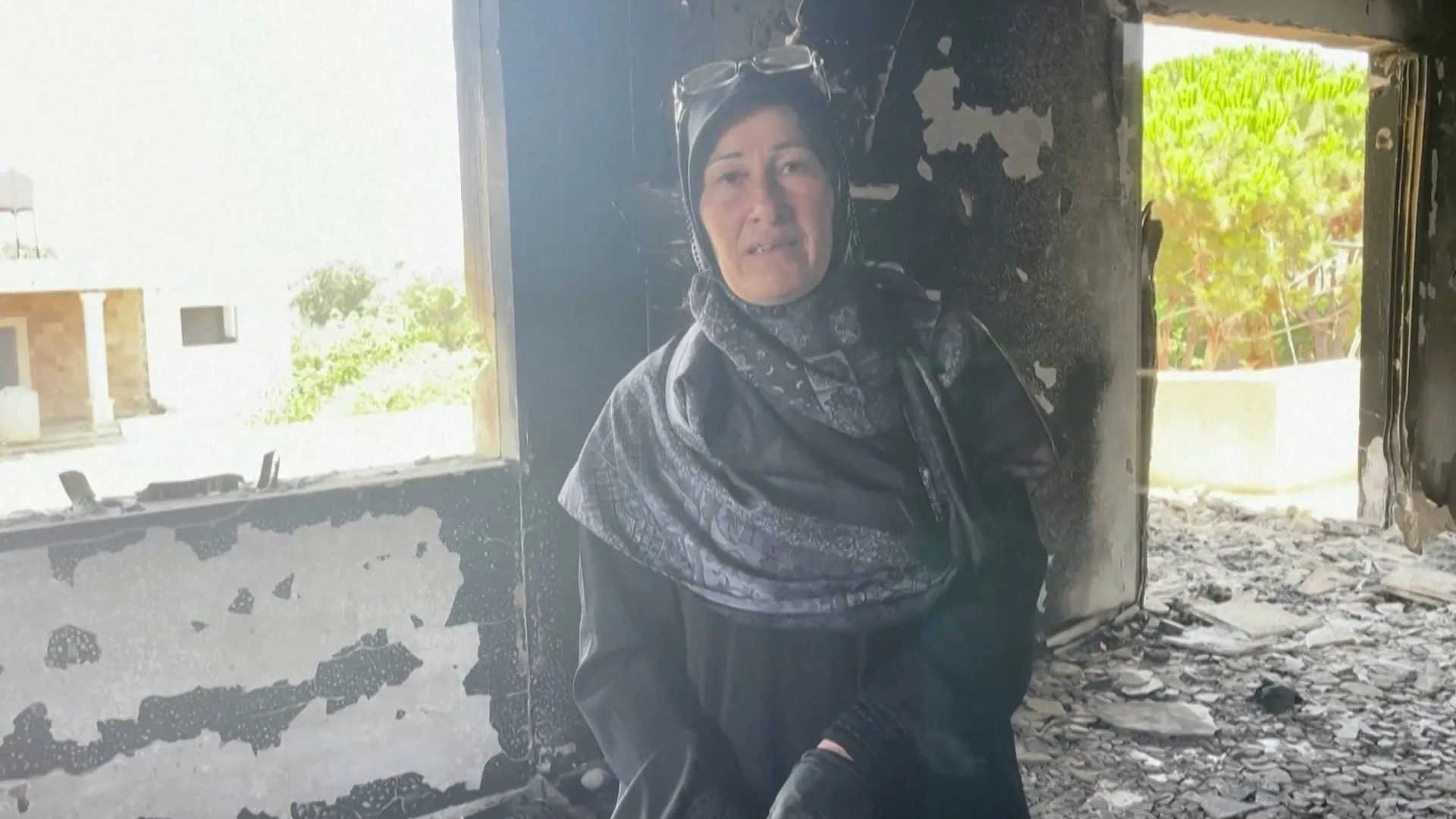
Sumaya Yaghi returns to what’s left of her destroyed home in southern Lebanon after Israeli troops withdrew from her ‘pilot zone’ village under a US-backed agreement.
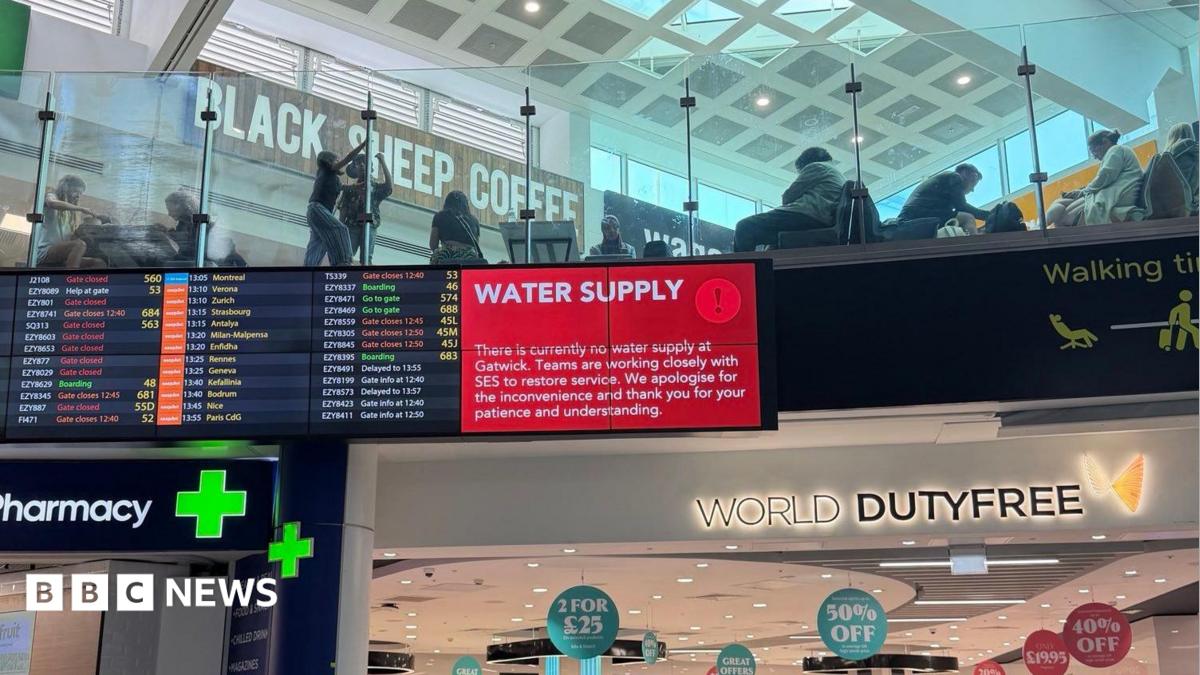
Passengers at both terminals of Gatwick Airport are being affected by a water supply issue, with toilets reported to be out of order and restaurants closed.
In a statement on X, the airport in West Sussex apologised for the disruption, external and said a problem in the Horley area was affecting supplies and was under investigation.
Bottled water is being made available to passengers and staff and contingency measures have also been put in place, it said.
SES Water, which covers parts of Kent, Surrey and south London, as well as the airport, has said its service is resuming after an earlier power outage at its treatment works.
It said complications caused by a power outage at its Bough Beech water treatment works meant some customers had experienced low water pressure or a temporary loss of supply.
A spokesperson had earlier confirmed that Gatwick Airport was affected.
In an update just before 13:45 BST, they said: “Our Bough Beech water treatment works are back up and running.
“We now need to treat the water before returning services to normal as quickly as we possibly can.”
Gatwick said the supply issue was continuing to cause disruption on Sunday afternoon.
In a statement, it said: “There is currently no water supply in either terminal.
“Our staff are on hand to support passengers and provide assistance where needed, some restaurant partners have opened to provide additional seating.”
The airport said it was working closely with the water company to restore supplies as quickly as possible.
In an exclusive interview with Al Jazeera, Ahmed al-Sharaa discusses regional security, Lebanon’s crisis and domestic challenges.
Published On 26 Jul 202626 Jul 2026
Syrian President Ahmed al-Sharaa has revealed that Damascus is actively working to reach a security agreement with Israel with the participation of several countries.
Speaking in an exclusive interview on Al Jazeera’s Al Muqabala programme, the full interview, to be broadcast at 19:00 GMT, al-Sharaa said he hopes the deal with Israel could serve as a gateway to a comprehensive peace.
He also assured that such an agreement would not compromise Syria’s right to the occupied Golan Heights, which Israel has illegally occupied since 1973.
He said Syria is avoiding any clashes with Israel, and that a security arrangement could pave the way for a broader and more comprehensive resolution to the crisis.
It comes after repeated Israeli incursions and strikes in southern Syria, since al-Sharaa came to power in December 2024 following the collapse of Bashar al-Assad’s government.
Lebanon’s crisis and regional fears
Al-Sharaa also confirmed that Syria has no intention of launching any military intervention into neighbouring Lebanon, despite repeated rumours on the issue.
Instead, his government is currently discussing ways for Lebanese authorities to help the country overcome its current crisis and steer it towards safety.
Southern Lebanon is currently being occupied by Israel, amid months of fighting between Hezbollah and Israeli forces. The Lebanese state is seeking to reclaim these occupied territories and have a monopoly on all weapons in the country.
Furthermore, he declared Damascus’s firm support for restricting weapons and containing decisions of war and peace exclusively to the Lebanese state.
Al-Sharaa said that Syria has no intention of intervening in Lebanon [Screengrab/Al Jazeera]
Al-Sharaa stressed that addressing the Lebanese crisis requires more than just a security approach but a comprehensive solution tackling a range of issues.
Any descent into chaos in Lebanon would have direct and immediate repercussions on Syria, and the potential expansion of the US-Israel war on Iran in the region would lead to a severe regional fall-out, he warned.
Sanctions, the SDF and missing persons
On domestic and economic fronts, al-Sharaa argued that merely lifting the economic sanctions imposed on his country by the US and other countries would not be effective unless Syria was also removed from the list of state sponsors of terrorism.
Addressing the internal agreement with the Kurdish-led Syrian Democratic Forces (SDF), an alliance of Kurdish and Arab armed groups that controls parts of northern and eastern Syria, the president acknowledged a delay in its implementation.
However, he affirmed that the government remains fully committed to the agreement and continues to bet on its ultimate success.
Al-Sharaa also announced that Syrian authorities have established a special committee to manage the issue of people missing during Syria’s war, between 2011 and 2024.
The UN estimates that around 100,000 people were forcibly disappeared during the war, while Syria’s National Commission on Missing Persons believes as many as 300,000 Syrians could be missing.
Al-Sharaa said the committee will operate strictly according to international standards, working in close cooperation with countries that possess specialised expertise in this field.
Israel is intensifying its crackdown on Palestinians in the occupied West Bank after an attack by Israeli settlers resulted in the deaths of six people. Author and activist Phyllis Bennis says we’re seeing an ‘increase in direct war crimes’ with no accountability.
Weekly insights and analysis on the latest developments in military technology, strategy, and foreign policy.
Anduril’s YFQ-44 Fury Collaborative Combat Aircraft (CCA) caught the attention of aircraft trackers yesterday evening when it appeared to leave its developmental home at the Southern California Logistics Airport in Victorville and flew alongside its Learjet chase aircraft west. The pilotless ‘fighter’ would end up recovering at America’s central hub for uncrewed aircraft operations, Creech Air Force Base in southern Nevada, home of the MQ-9 Reaper and RQ-170 Sentinel. It is the first time that we know of that Fury has been hosted at Creech. TWZ has now found out what Fury will be doing there and what it will soon be joined by.
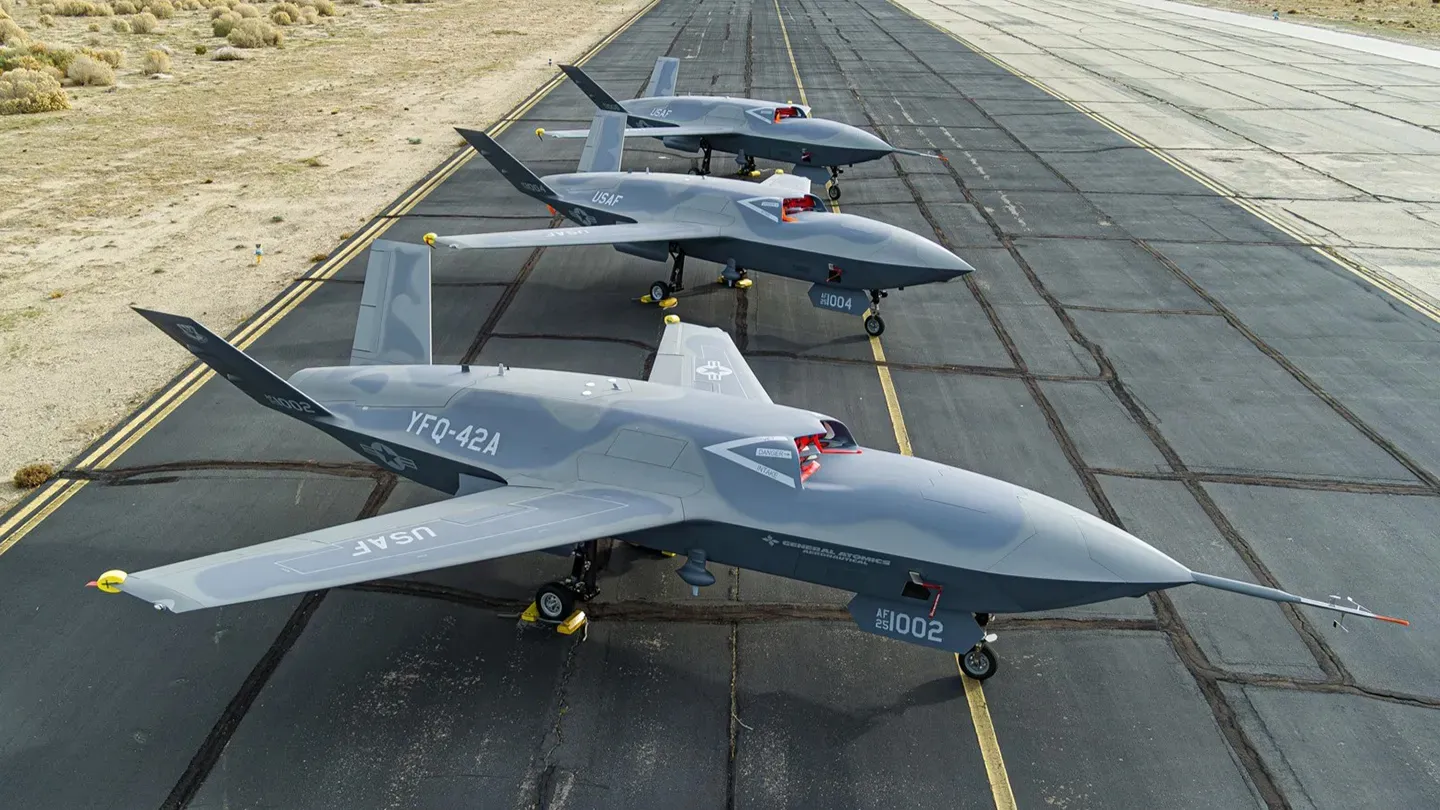
The USAF’s CCA program is really picking up steam, with both of the Increment One down-select aircraft – Anduril’s YFQ-44 Fury and General Atomics’ YFQ-42 Dark Merlin – having been chosen for production. Now, the next step in their ongoing development is imminent. Both types will be hosted by Creech for an exercise that will test the CCAs’ ability to operate from austere locales with minimal logistical footprint, and often on the move from location to location, under the USAF’s Agile Combat Employment (ACE) combat doctrine. This operational concept was baked into the CCA requirements from the get-go, which you can read all about here.
A USAF spokesperson responded to our inquiry about Fury’s arrival at Creech with the following statement:
“From July 20-24, 2026, the Air Force Collaborative Combat Aircraft (CCA) Experimental Operations Unit (EOU) is conducting an Agile Combat Employment (ACE) exercise at Creech AFB, Nevada. Military operators are leading end-to-end ground and flight operations for both the YFQ-42 and YFQ-44 to build tactical concepts, test lean sustainment, and refine Air Force-led human-machine teaming alongside observers from the Royal Netherlands Air Force.“
“CCA testing is taking place at a combination of government-owned and contractor-owned facilities. Testing is occurring at sites that allow us to evaluate CCA performance in realistic operational scenarios. Further details are protected for operational security.“
YFQ-44 Dark Merlins on the ramp. (General Atomics)
The CCA EOU was stood up exactly for these kinds of trials. The unit is working to blaze a path for the service to operationalize its CCA ambitions, and its personnel certainly have their work cut out for them. Some of the biggest concerns surrounding the CCA concept have more to do with logistics, maintenance, integration with the manned fighter force, and above all else, building trust, than with how they will shoot down other aircraft. This exercise is clearly aimed at reducing risks in these areas and adding clarity to what pages will be needed in the USAF’s future CCA playbook.
The timing is especially relevant, too. The EOU just got done with testing the same ACE concepts in the Pacific with Boeing’s MQ-28 Ghost Bat CCA as part of Exercise Valiant Shield. This should provide a good baseline to compare with the capabilities of the YFQ-44 and YFQ-42.
An MQ-28 during the proof-of-concept Forward Arming and Refueling Point at Rota, Commonwealth of the Northern Mariana Islands. U.S. Air Force photo by Senior Airman Austin Salazar
A similar exercise happened at Edwards Air Force Base in California in April of this year, but, at the time, just the YFQ-44 Fury could attend. The Dark Merlin had an accident and was in a stand-down period while the cause was understood and resolved. Dark Merlin has been back in the air for some time now, and the USAF placed a huge vote of confidence in both designs with their decision to move them into production.
Fury at a similar exercise at Edwards AFB in April. (USAF)
There is a remarkably large amount of pressure on the CCA program, overall. Much is being bet on this technology as a way to help provide the USAF’s aging force with a tactical edge and to furnish the combat mass needed to confront a near-peer opponent on their own turf – China. And this adversary is moving ahead with its own loyal wingman efforts at what appears to be a rapid pace.
Regardless, there is still much to learn about actually employing CCAs in a true end-to-end combat context, and this appears to be what this latest exercise at America’s premier drone base is all about.
Washington has escalated its neocolonial stranglehold on Venezuela after the June 24 earthquakes. (Jesús Vargas)
“Innocence will not kill the people, but it won’t save them either. Their conscience will save them and that’s where I put my heart and soul.” Alí Primera
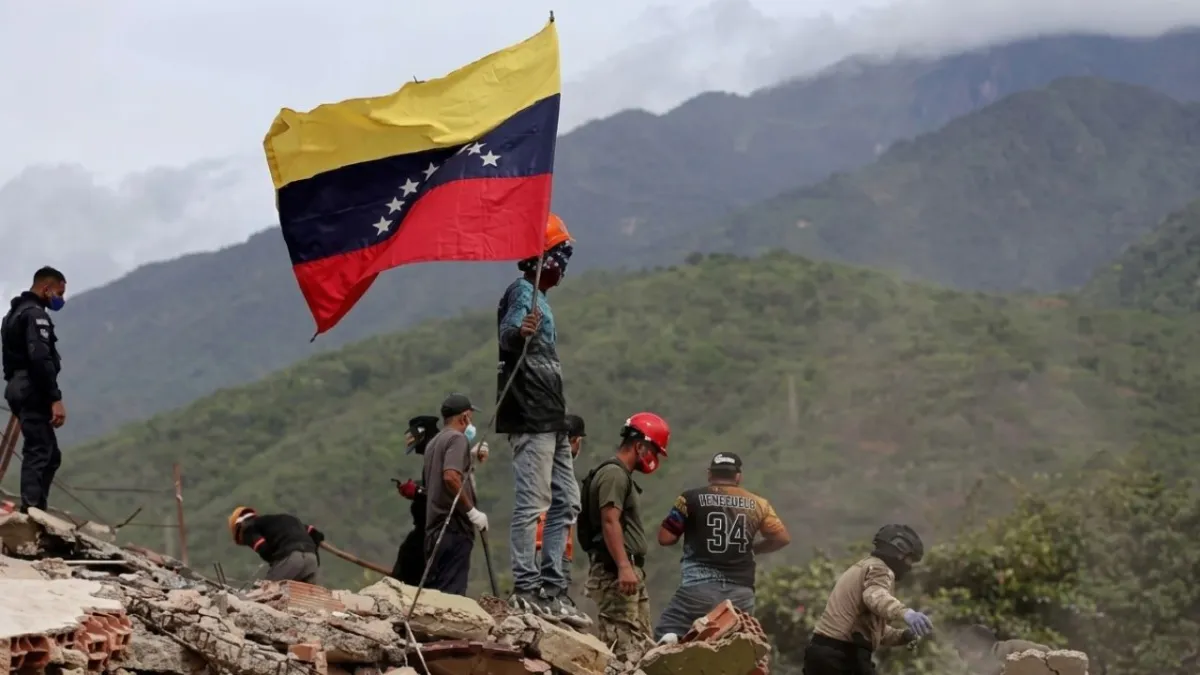
Still reeling from two consecutive earthquakes, our hearts heavy with sorrow for our compatriots who have died or been injured, moved by the pain of family members who are still searching for their loved ones, if only to give them a proper burial, and in solidarity with the anguish of the tens of thousands of families left homeless, with all the world’s sorrows converging at once, we cannot help but raise our voice about the need to fight for Venezuela’s independence and dignity. In fact, the tragedy striking us today makes this need all the more urgent.
Taking advantage of the catastrophic situation, armed US troops have landed in La Guaira, warships have been stationed off our coasts, and Venezuelan airspace is violated daily by drones, airplanes, and helicopters belonging to the occupying power. They have not rescued nor aided anyone. They merely occupy the territory, surveying land, and controlling port and airport facilities. They are humiliating us.
They announce lavish reconstruction projects alongside the Israeli government, whose top leaders face substantiated accusations of blatant genocide against the Palestinian people before the International Criminal Court and the International Court of Justice. A peaceful and solidarity-driven people like the Venezuelans, with a tradition of fighting for independence, peaceful coexistence, and the human cause, do not deserve this affront.
To add insult to injury, we witness a widespread silence of political leaders from all sectors with representation and responsibilities in various state institutions. They appear more interested in presenting themselves as the best option for collaborating with the Trump administration’s colonization plan than in fulfilling their constitutional duty to preserve the integrity and dignity of the Republic.
Under these circumstances, those of us who deeply love our Venezuelan homeland are compelled to denounce, once again, that the United States government:
Is exercising colonial rule in Venezuela, exploiting our resources and hijacking our economic revenues, which are, moreover, necessary for reconstruction following the earthquakes and for overcoming the precarious economic and social situation of the general population. This is exacerbated by the imposition of an unfair and corrupt debt service plan, which will tie up a high percentage of public finances for the remainder of this century.
Has violated the right to self-determination by imposing a political plan tailored to its annexationist intentions.
Has carried out a military invasion of our sovereign territory, beginning last August 2025, including the vile missile attack on January 3, 2026, which resulted in deaths and injuries, and continuing with several incursions and attacks in the following months. This invasion is currently manifested in the landing of heavily armed soldiers and equipment in La Guaira since late June, with the grave risk that this presence poses to the physical and moral integrity of the population, especially women and children.
It forces the implementation of a neoliberal, extractivist model that excludes the vast majority of the population from the common good and will irreversibly damage our ecosystem.
It draws Venezuela into its geopolitical war in West Asia, with dangerous consequences for our security as a nation.
Consequently, as a people, we must be aware of the gravity of the occupation and its consequences, and trust in our capabilities as a nation to advance a unified agenda that will allow us to:
Regain the right to political, institutional, and legislative self-determination. We, the Venezuelan people, are the ones who must democratically decide who governs us and what laws and institutions we need and want, within the framework of the Constitution of the Bolivarian Republic of Venezuela.
Regain economic sovereignty: freely trade our resources and products. The Venezuelan State must manage, under strict fiscal controls, the revenues from these resources for the common good and, as a matter of urgency, to overcome the economic and social consequences of the emergency caused by the earthquakes and a decade of economic chaos and brutal, unjust, and illegal sanctions.
Demand the withdrawal of military troops and security agents from the United States and the State of Israel, and the cessation of any type of foreign military operation within Venezuelan territory. The security of the nation is the responsibility of the Venezuelan State.
Build a model and a plan for political, economic, and social development based on inclusion and social equality, agreed upon by all political currents.
Exercise our right to maintain peaceful and cooperative relations with all nations of the world that share the principles of humanity and international coexistence.
Fellow compatriots, there is an effort underway to convince us that we are incapable of governing our own nation, that the only way to achieve development and welfare is under the tutelage of or annexation by the United States government. This is utterly false. The Venezuelan people must understand that the United States neither promotes development nor generates well-being for the vast majority in the countries it occupies. This runs counter to its own doctrine.
This colonial administration will only establish oil and mining enclaves, with no economic benefits for the nation, no limits on the violation of the Venezuelan people’s rights, and with appalling environmental destruction. The consequence will be the deepening and generalization of structural poverty, as evidenced in all the countries occupied over the past decades.
It is necessary and timely to warn that La Guaira is set to undergo a process of gentrification and displacement of the local population, so that the Trump family, their associates, and business partners can secure the best plots of land to develop a real estate enclave linked to port, airport, and tourism services. This may likewise happen in some other coastal towns as well.
Current circumstances demand that we do everything in our power to reach a national accord aimed at restoring our Republic, and to prove to ourselves that we can indeed build a democratic society here on Venezuelan soil, where we can all live with equality, justice, and dignity. The Trump clan’s occupation will only structurally expand and entrench underdevelopment and poverty. Only by regaining our national self-determination can we attempt, once again and as many times as necessary, to build a homeland that shelters the entire Venezuelan family. In other words, a true Republic. So it shall be. Let’s fight!
The views expressed in this article are the author’s own and do not necessarily reflect those of the Venezuelanalysis editorial staff.
Thousands marched in Tunisia’s capital to demand the resignation of President Kais Saied five years after he suspended parliament. Protesters revived the 2011 revolution’s slogan ‘the people want the fall of the regime’ as they decried democratic backsliding, economic hardship and political repression.
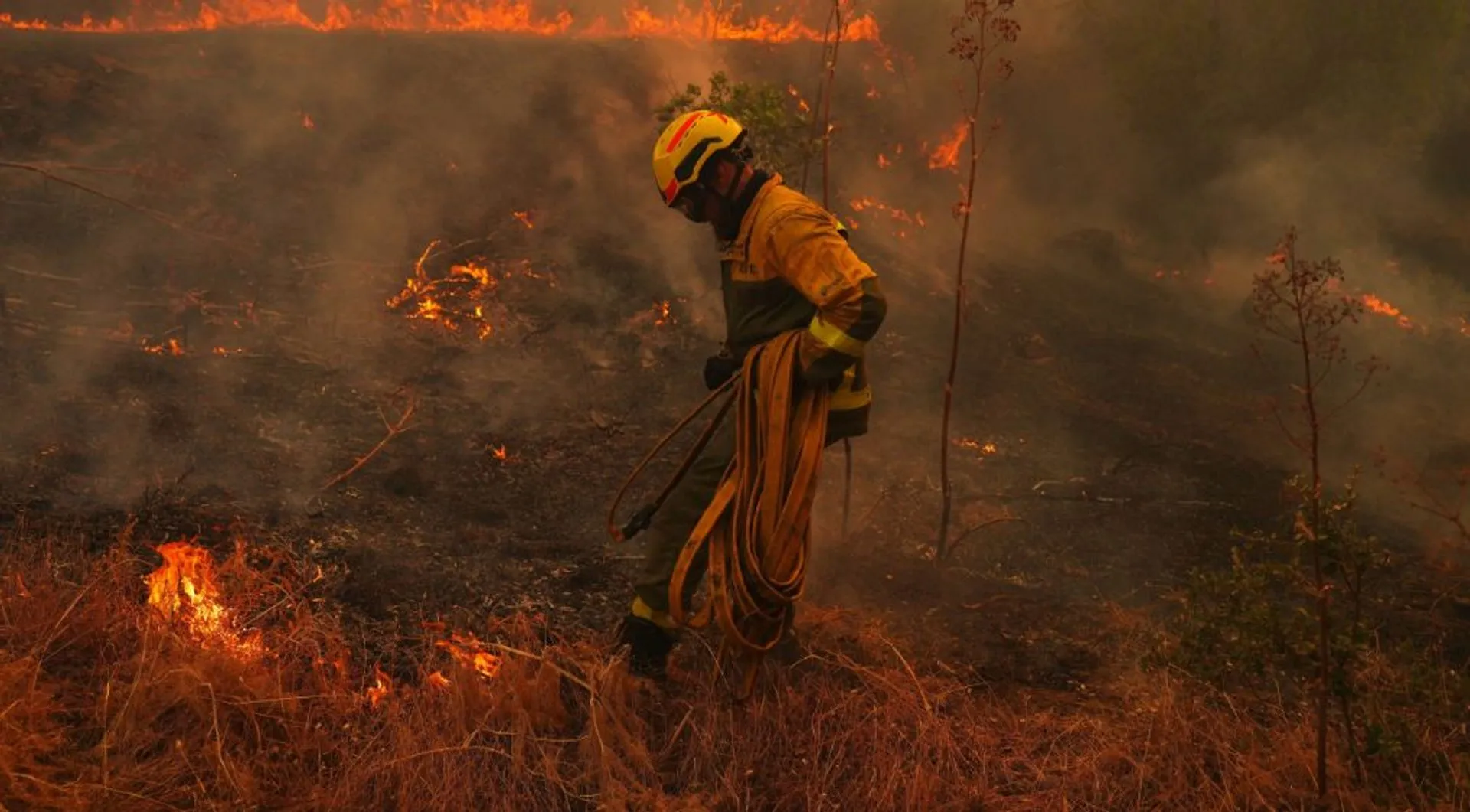
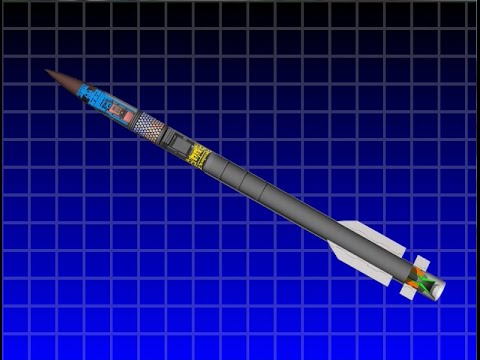



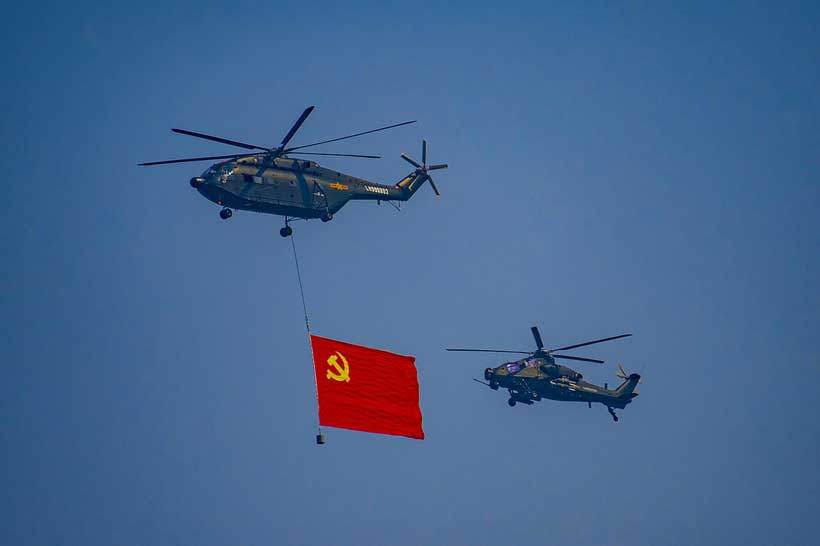
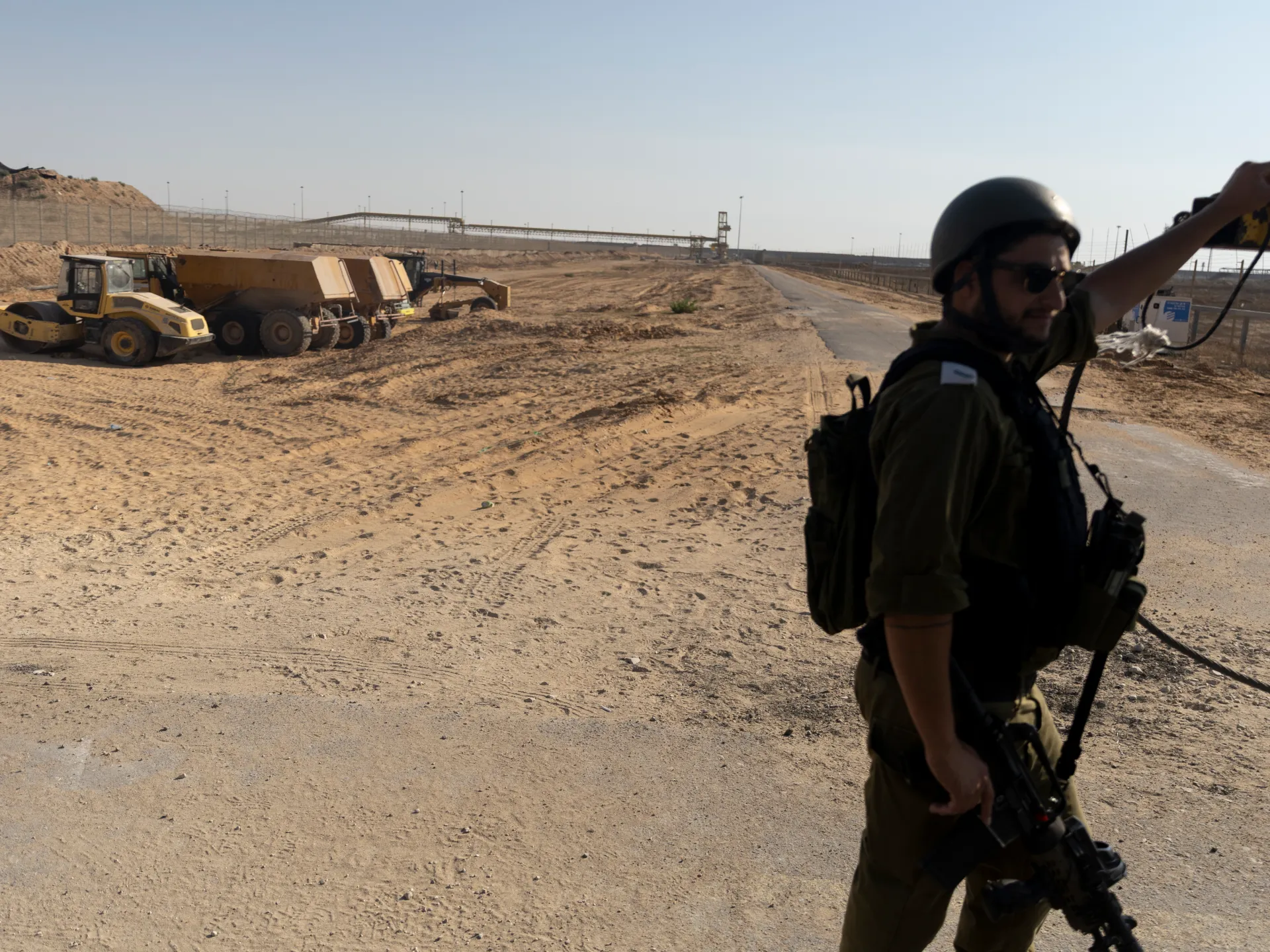
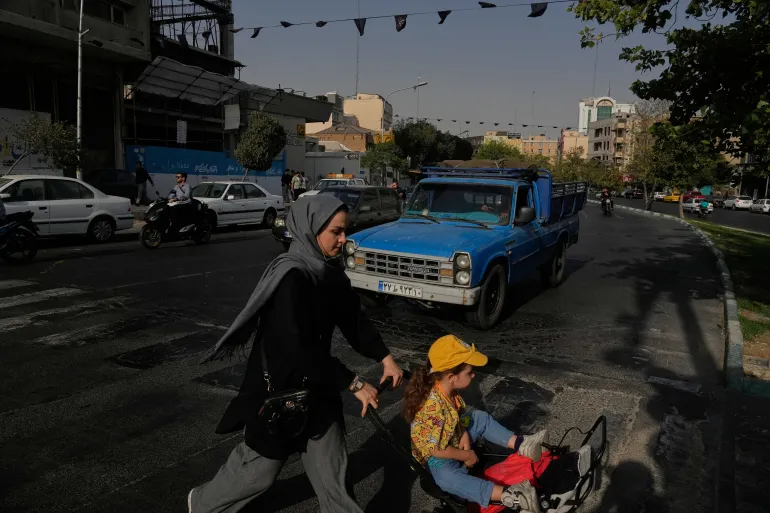



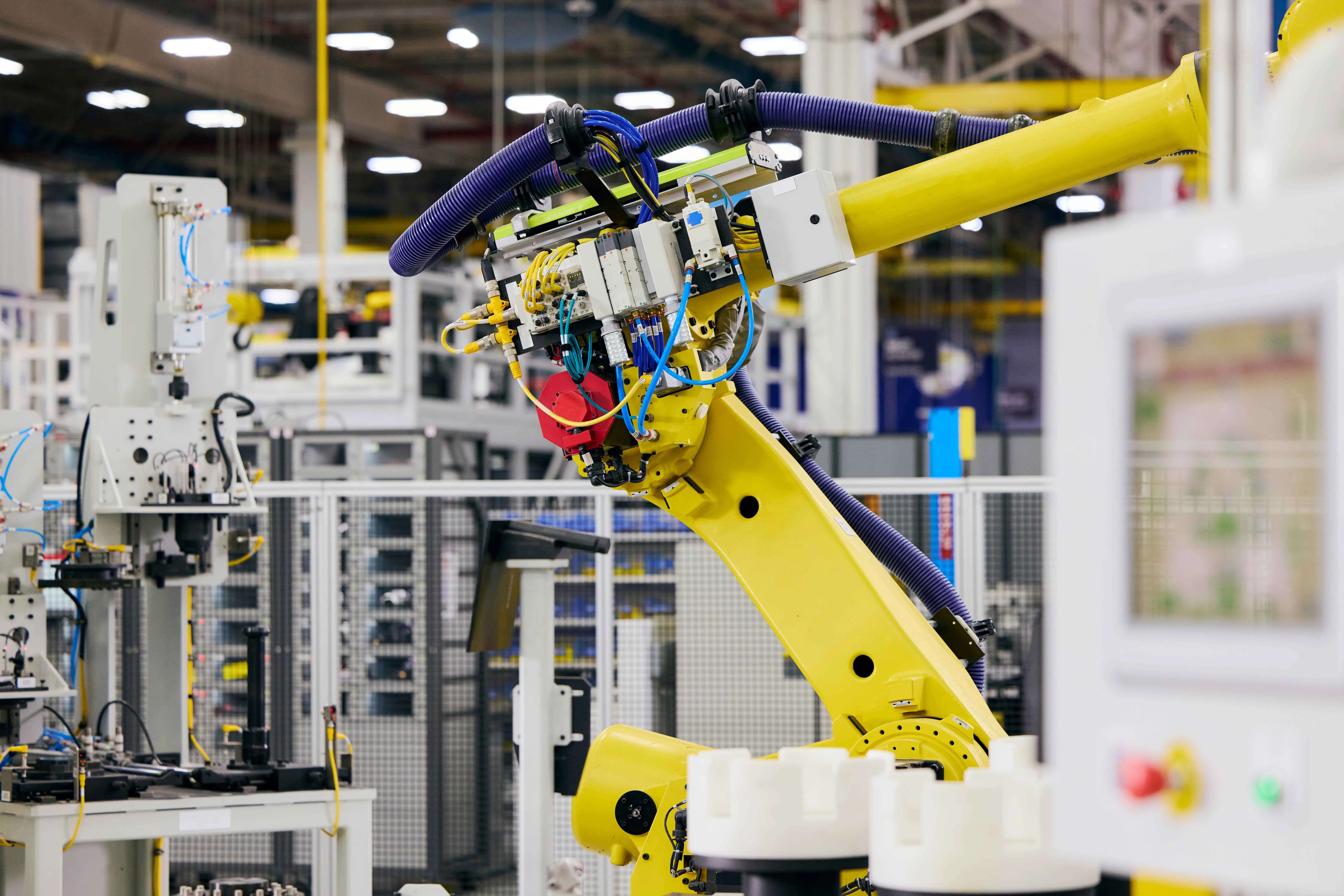





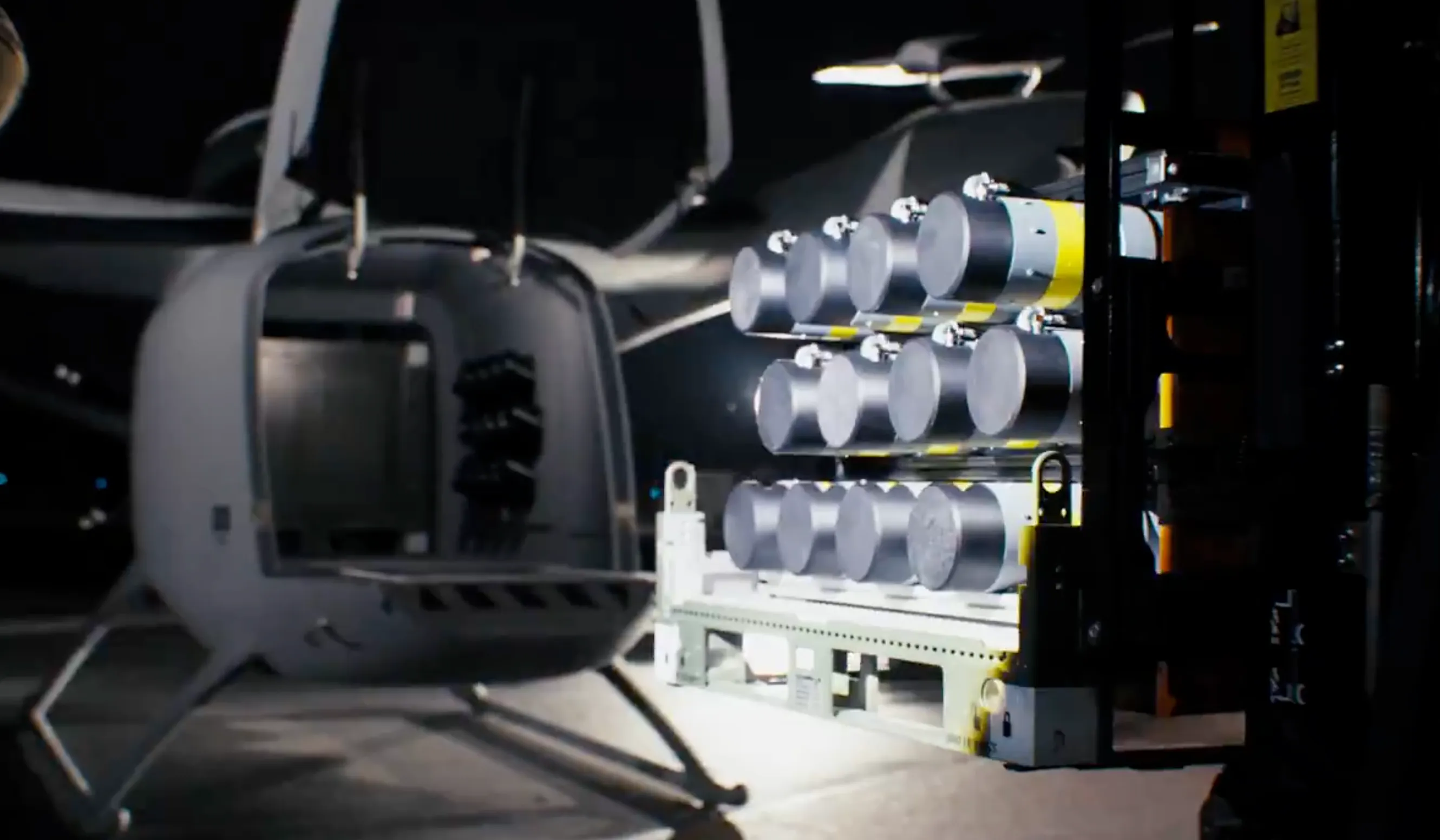


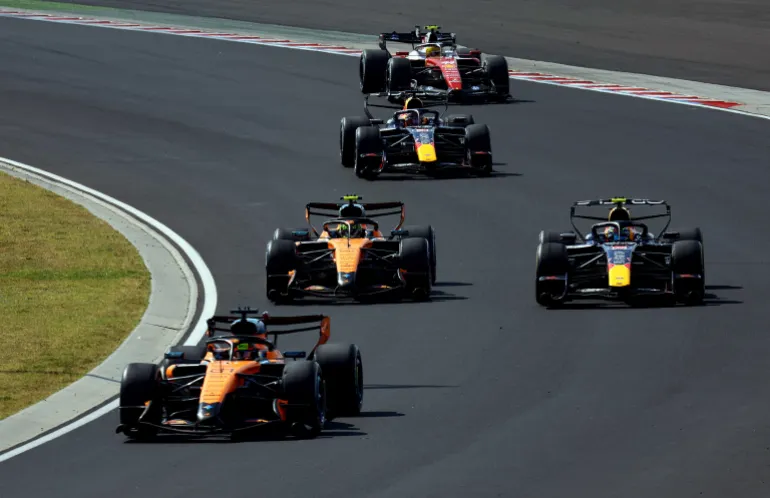

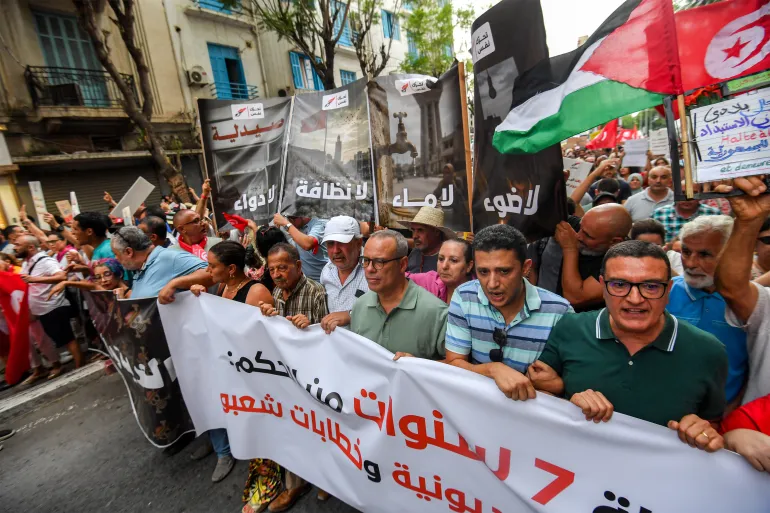
![People gather to protest Tunisia’s President Kais Saied during a demonstration marking five years since his suspension of parliament and assumption of emergency powers, in Tunis on July 25, 2026 [AFP]](https://i0.wp.com/www.aljazeera.com/wp-content/uploads/2026/07/afp_6a657d9303e8-1785036179.jpg?w=640&ssl=1)