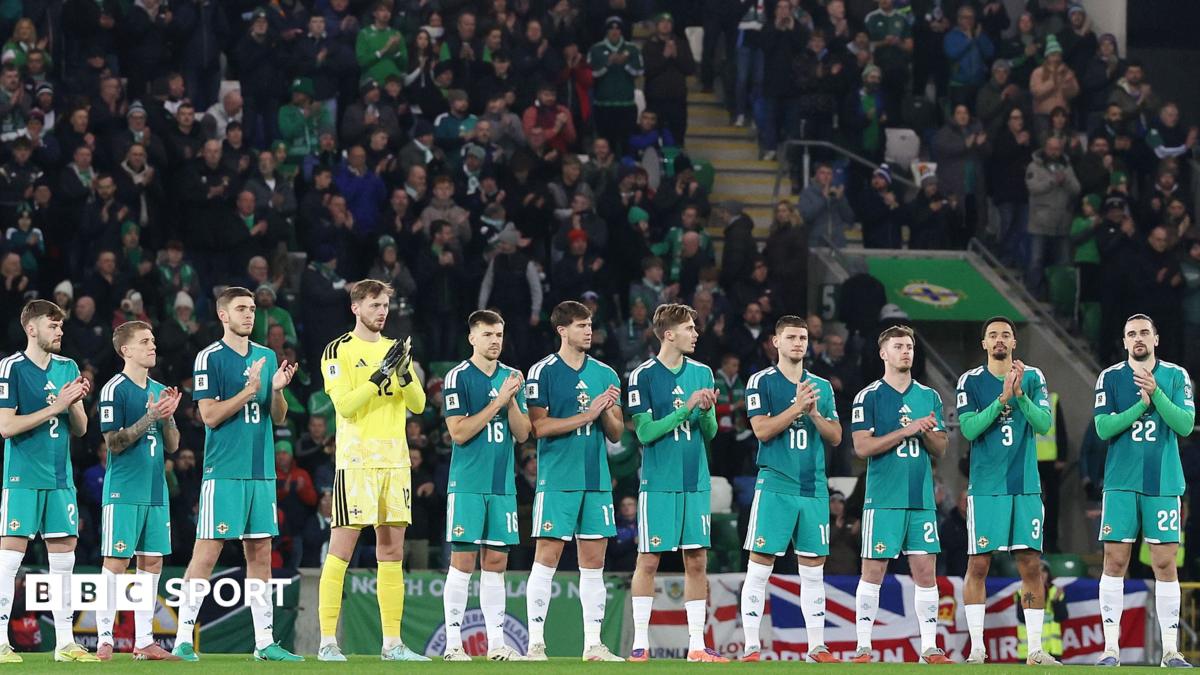
At the start of a new World Cup cycle and with a new coaching team in place, there’s a sense of a new page being turned in this Scotland set-up.
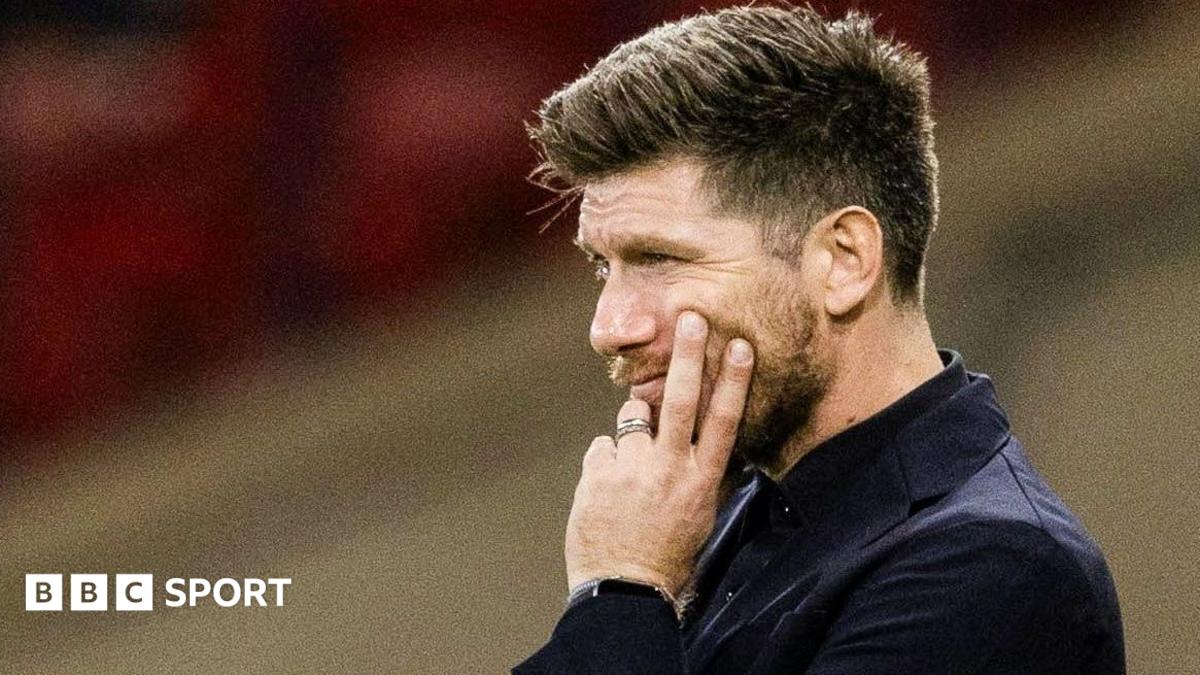
Bryan Easson departed after five years following that quarter-final exit to England, with former United States head coach Sione Fukofuka taking over.
Captain Rachel Malcolm says Scotland want to get to the stage of “fighting in that top four, top five in the world”, but warns with a new coach and a host of new players, the team may have to endure a step back to take a few forward.
Thankfully the build-up to this Six Nations has been less stressful than prior to the World Cup, when the squad were angered by a perceived lack of respect over contracts that left several players facing unemployment after the tournament.
Malcolm was in the thick of it as captain and spokesman, in negotiations with the Scottish Rugby hierarchy and in outlining the players’ position to the media.
Clearly not all the scars have healed – especially for those players left without a contract – but the mood music sounds a lot better than it did a few months ago.
“There is no-one in a position right now as stressful as those girls were put in, which is exactly what I want as a captain. I really want our focus and our energy to be going into the rugby,” Malcolm told the BBC’s Scotland Rugby Podcast.
Ireland scrum coach Denis Fogarty said the side must “not let the games go past us” during the Six Nations.
Ireland’s first fixture is against hosts England at the Allianz Stadium on Saturday [14:25 BST] with over 75,000 tickets sold, a tournament record.
World champions England are aiming to secure their eighth successive title and a fifth consecutive Grand Slam.
“One goal for us is to win all our home games, the last couple of years we have only won two games in the Six Nations. It didn’t feel right, we felt we were better than that,” Fogarty said.
“We looked at the occasion, I think it is important that we make our mark in these games and not let the games go past us, even at the back end of the games.
“Especially against England and France, we want to turn one of those teams over and that is our mindset going into it. Obviously, the home games will be really important for us overall.”
Last year, England were the comfortable 49-5 victors against Scott Bemand’s side at Virgin Media Park in Cork for their 12th successive victory over Ireland.
Fogarty also acknowledged that the side struggled with scrums during that match and it “has definitely hurt” him.
“We have spoken about it and the area has probably lingered around for quite some time, it has definitely hurt me and the players,” he continued.
“Even prepping for the World Cup and the World Cup, we have moved that forward, we knew we needed to.
“This week, they have really gone after this area to make sure we don’t let it happen again as it did have a big impact in the game. They have prepped really well and we are confident it will not happen again.”
Countries in the region welcome the temporary truce and urge negotiations for the war’s permanent end.
Iran and the United States have agreed to a two-week ceasefire and allow safe transit through the Strait of Hormuz.
The warring sides agreed to suspend attacks as the war entered its 40th day, with hopes now pinned on a peace deal through talks set to begin in Pakistan on Friday.
Recommended Stories
list of 4 itemsend of list
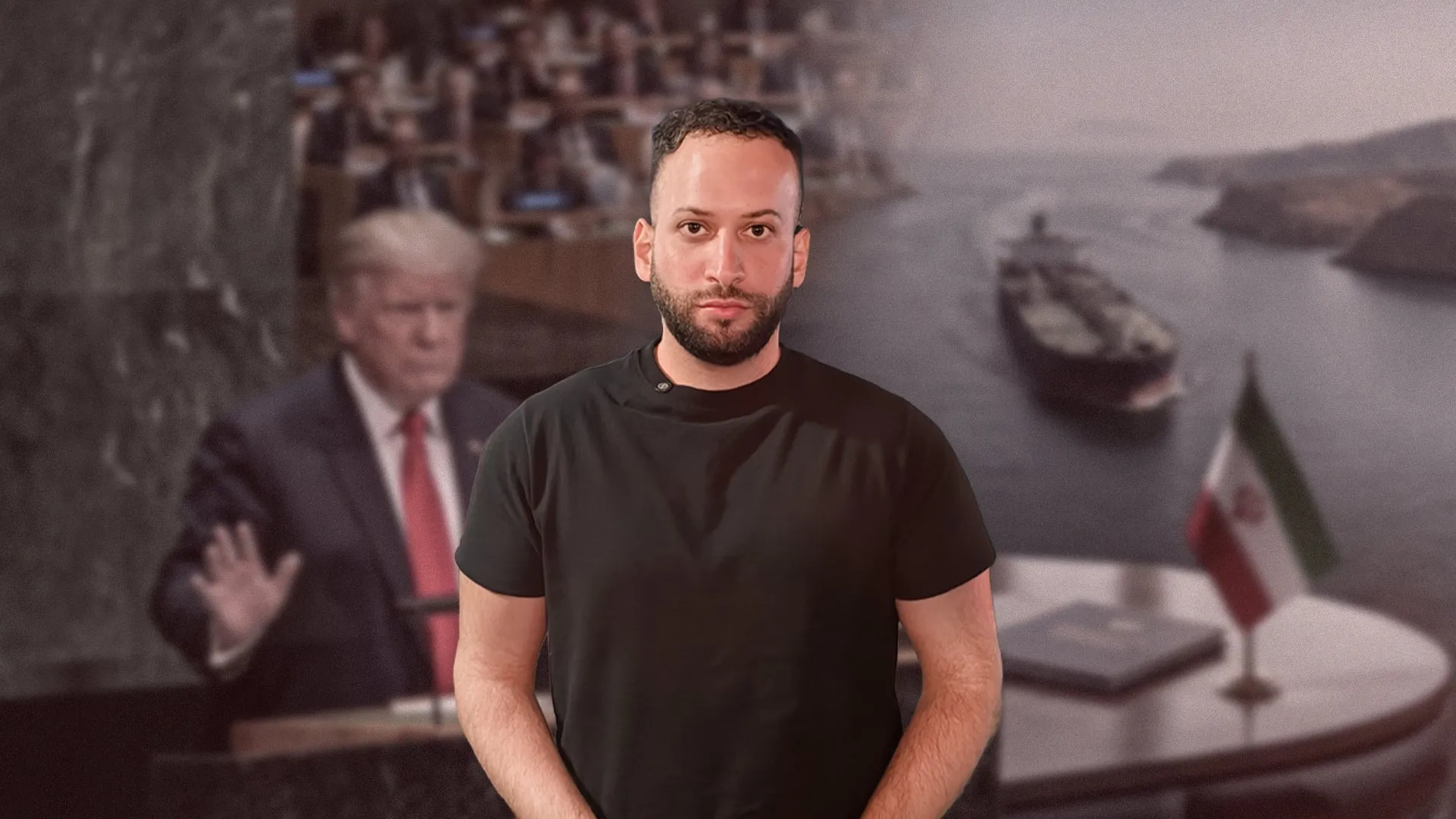
The truce in the early hours of Wednesday came after US President Donald Trump said he would suspend attacks, subject to Tehran agreeing to fully reopen the crucial Strait of Hormuz, through which 20 percent of global oil flows.
Iran’s foreign ministry said a safe passage through the vital waterway will be possible for a period of two weeks through coordination with the country’s armed forces.
The weeks-long fighting had embroiled nearly the entire Middle East. Iran launched retaliatory attacks by claiming to target US assets in Gulf Cooperation Council (GCC) countries. Gulf states alleged the Iranian attacks targeted civilian infrastructure as well.
Lebanon was also drawn into the war on March 2 after Tehran-aligned Hezbollah launched attacks on Israel. Israel has backed the two-week ceasefire with Iran, but has said it does not include Lebanon, despite Pakistan first announcing that the truce does.
Against this backdrop, here is how the Gulf and other Middle Eastern nations are reacting to the ceasefire announcement:
Saudi Arabia
The kingdom’s foreign ministry said it “welcomes” the ceasefire announcement. It urged an end to attacks on countries in the region and said that the Strait of Hormuz should be opened.
Saudi Arabia also hopes the ceasefire will “lead to a comprehensive sustainable pacification”, the foreign ministry said in a statement.
United Arab Emirates
Anwar Gargash, the diplomatic adviser to the UAE President, said the “UAE triumphed in a war we sincerely sought to avoid”.
“We prevailed through an epic national defense that safeguarded sovereignty and dignity and protected our achievements in the face of treacherous aggression,” Gragash said in a post on X.
“Today, we move forward to manage a complex regional landscape with greater leverage, sharper insight, and a more solid capacity to influence and shape the future”, he added, hailing “the UAE’s renaissance model”.
Oman
Oman’s foreign ministry said in a statement published on X that it welcomes the announcement of a ceasefire between Iran and the US and appreciates “the efforts of Pakistan and all parties calling for an end to the war”.
“We affirm the importance of intensifying efforts now to find solutions that can end the crisis from its roots and achieve a permanent cessation of the state of war and hostilities in the region,” the ministry said.
Iraq
Iraq’s foreign ministry said it “welcomes” the ceasefire but called for “serious and sustainable dialogue” between the US and Iran.
The ministry “calls for building upon this positive step by launching serious and sustainable dialogue tracks that address the root causes of the disputes and strengthen mutual trust,” it said on X.
Iraq has been drawn into the US-Israeli war on Iran, with Tehran-backed armed groups and US forces trading fire in an escalating cycle of violence.
Egypt
The Egyptian foreign ministry said the ceasefire “represents a very important opportunity that must be seized to make room for negotiations, diplomacy, and constructive dialogue”.
The ministry said in a statement on Facebook that a truce must be built upon with a full commitment to “stopping military operations and respecting freedom of international navigation”.
The post also said that Egypt will continue efforts with Pakistan and Turkiye “to promote security and stability in the region”, and that the talks between the US and Iran “must take into account the legitimate security concerns” of Gulf nations.
Turkiye
Turkiye welcomed a ceasefire in the Iran war and said it would support negotiations set to take place in Islamabad, the Turkish foreign ministry said on Wednesday.
It stressed the need for the ceasefire to be fully implemented on the ground and said all parties must adhere to the agreement.
A total 11 out of 15 members supported the resolution, which was already watered down to evade vetoes.
Published On 7 Apr 20267 Apr 2026
Russia and China have vetoed a United Nations Security Council (UNSC) resolution aimed at protecting commercial shipping in the Strait of Hormuz.
The draft text, on which a vote was held on Tuesday, was proposed by Bahrain. Eleven of the 15 members of the UNSC voted in favour, and two abstained. However, Russia and China said that the measure was biased against Iran.
Recommended Stories
list of 3 itemsend of list
Under the resolution, affected states would have been asked to “coordinate efforts, defensive in nature, commensurate to the circumstances, to contribute to ensuring the safety and security of navigation across the Strait of Hormuz”.
Shipping through the narrow waterway, through which a fifth of global oil and gas shipments previously passed, has effectively come to a standstill after Tehran threatened to attack vessels in response to the war launched against Iran by the United States and Israel on February 28.
The blockade has sent fuel prices soaring across much of the world and led some countries, particularly in Asia, to introduce restrictions on consumption and ration supplies.
A deadline set by US President Donald Trump for Iran to reopen the water passage or else face even worse bombardment is set to expire later on Tuesday, after he repeatedly issued – and delayed – similar threats.
The US ambassador to the United Nations, Mike Waltz, condemned the Russian and Chinese vetoes, saying they marked “a new low”, as Iran’s shutting of the strait was preventing medical aid and supplies from reaching humanitarian crises in the Congo, Sudan and Gaza.
“No one should tolerate that. They are holding the global economy at gunpoint. But today, Russia and China did tolerate it.”
France deplored the vetoes. “The aim was to encourage strictly, purely defensive measures to provide the security and safety for the strait without spiralling towards escalation,” its UN ambassador, Jerome Bonnafont, said.
Russia and China said the resolution was biased against Iran.
China’s UN envoy Fu Cong said adopting such a draft when the US was threatening the survival of a civilisation would have sent the wrong message.
Russia’s UN ambassador, Vasily Nebenzya, said Russia and China were proposing an alternative resolution on the situation in the Middle East, including maritime security.
Iran’s UN ambassador, Amir Saeid Iravani, praised the Chinese and Russian moves, saying “Their action today prevented the Security Council from being misused to legitimise aggression.”
The wording of the resolution had been the subject of behind-the-scenes negotiations for days.
An earlier version of the document had explicitly referred to Chapter 7 of the UN Charter, which grants the UNSC the authority to take measures ranging from sanctions to the use of military force.
But after China’s opposition, Bahrain had significantly weakened its draft, dropping any authorisation of the use of force.
An explicit reference to binding enforcement, included in an earlier draft, was also left out.
To continue their upward trajectory, Bemand, who has signed a new deal to stay with Ireland until the conclusion of the 2029 Women’s Rugby World Cup, has freshened up his squad and opted for a change of captain.
There are nine uncapped players in the 36-strong panel while winger Amee-Leigh Costigan, who captained the side throughout last year’s championship, and former co-captain Edel McMahon, are out.
The armband has been passed to returning back row Erin King, who Bemand believes is the ideal candidate to lead the green wave into a new cycle.
He said: “Erin embodies the Ireland player of the future of how she attacks training and how she is – honest, driven and a resilient player.”
The 22-year-old recently returned from the serious knee injury which forced her to miss last year’s World Cup and is relishing her new role.
King believes Ireland must target being competitive in both games against the top two and it is not an unrealistic goal.
They were well in the game at half-time in Cork last year when they trailed 7-5, only for England to blow them away in the second half to win 49-5.
At the World Cup in the summer, Ireland led 13-0 at the break before France came back with 18 unanswered points to progress to the last four.
“We know we are bridging the gap to the top two teams – France and England. They’ve been professional for a lot longer than us but the last few years of our professionalism is paying off now,” she said.
“Last year we held it to England for a good while so it would be great if we could compete for the full 80 [minutes] against them and get to get one up on France, we can definitely compete with them.
“With the squad we have, we can do things we’ve never done before. We just want to get going.”
Wales open their campaign against Scotland, who crushed their World Cup hopes last summer in a sobering opening match.
In fact, Wales have not tasted victory over their Celtic rivals in more than three years, but George says Saturday will be far from a grudge match.
“It doesn’t matter who we’re coming up against in the first week, it’s the first game, so we really want to try and put a stamp down,” she said.
“It’s a fresh start, we’ve got new coaches coming in and a different style of playing.
“It’s the same for them, they’ve got new coaches. We don’t really know what they’re going to bring, but we’re concentrating on ourselves as much as we can. Obviously we’ll look a little bit at them, but the onus is on us.”
Pope Leo XIV waves to the crowd from the popemobile after he presided over the Holy Mass on Easter Sunday at Saint Peter’s Square in Vatican City on Sunday. It is Pope Leo’s first Holy Week as pontiff. Photo by Riccardo Antimiani/EPA
April 5 (UPI) — Pope Leo XIV on Sunday beseeched world leaders to “lay down” the weapons of war and use “dialogue” rather than force as the means to bring about peace.
In the annual Urbi et Orbi address delivered by the presiding Catholic pontiff each Easter Sunday in St. Peter’s Square at the Vatican, Leo said the holy day can provide a light from Christ allowing hearts “to be transformed by his immense love for us.
“Let those who have weapons lay them down. Let those who have the power to unleash wars choose peace. Not a peace imposed by force, but through dialogue. Not with the desire to dominate others, but to encounter them,” Leo said in his first Easter address as pontiff.
An estimated 50,000 people jammed the Roman square to hear Leo’s Urbi et Orbi Easter Mass homily, or “To the City and the World,” in which he warned against allowing “indifference” to blunt the impact of war’s devastation as conflicts raged in Iran, Lebanon, Gaza, Ukraine and elsewhere in the world.
“We are growing accustomed to violence, resigning ourselves to it, and becoming indifferent,” he said. “Indifferent to the deaths of thousands of people. Indifferent to the repercussions of hatred and division that conflicts sow. Indifferent to the economic and social consequences they produce, which we all feel.”
Instead, he declared, “We cannot continue to be indifferent! And we cannot resign ourselves to evil!”
Leo, the first American pope, has been a frequent critic of U.S. President Donald Trump, but did not specifically mention him or any other leader or country during the Easter homily. Rather, he anti-war remarks were universal.
“On this day of celebration, let us abandon every desire for conflict, domination, and power, and implore the Lord to grant his peace to a world ravaged by wars and marked by a hatred and indifference that make us feel powerless in the face of evil,” Leo urged.
In his time as pope, Leo has established a track record of issuing unambiguous calls for peace.
Last month, for instance, he voiced a direct demand for an end to the U.S.-Israeli war in Iran as the conflict entered its third week.
“On behalf of the Christians of the Middle East, and of all women and men of good will, I appeal to those responsible for this conflict: Cease fire!,” the pope said during the Angelus in St. Peter’s Square on March 15.
Pope Leo XIV celebrates the Christmas vigil Mass on Christmas eve on Wednesday in St. Peter’s Basilica in Vatican City, Vatican. Photo by Stefano Spaziani/UPI | License Photo
The Middle East conflict has cut off 20 percent of the world’s fuel supply. Countries are scrambling for alternatives.
The disruption in the Strait of Hormuz has cut access to one-fifth of the world’s oil and gas supply, leaving many countries scrambling for alternatives.
So what can they rely on to make up for the shortfall in a quick time?
Many Asian countries are turning to coal, reopening shuttered plants and expanding production.
Policymakers say immediate energy needs supplant environmental concerns.
Others are hoping to turn to renewables. Solar power is now the cheapest form of electricity in many parts of the world. But renewables, especially wind, have faced hostility from the Trump administration.
The UN’s nuclear watchdog says Iran’s Khondab heavy water production plant is no longer operational after suffering severe damage in an Israeli strike on March 27. The reactor, which contains no declared nuclear material, was hit along with other key infrastructure sites.
Just like last year and the year before, Wales’ Six Nations opener is against Scotland.
Wales had the upper hand in the Celtic clash up until 2023, but have failed to win in their past few encounters, including a sobering defeat at the World Cup.
The two sides will meet again at the Principality Stadium on Saturday, 11 April (16:40 BST).
“They’ve got to be one of our biggest rivalries,” admitted Williams.
“A few years ago it was us on top and they’ve really turned it around. They’re one of our biggest challenges and one of the games that we’re going to go after.
“We do want to write some wrongs [from the World Cup].
And Williams insists they have the calibre of players to be able to beat the Scots.
“It is a big match, but these are the big moments that we’re excited to play. This is what we want to do as rugby players,” she added.
“I wouldn’t call it a grudge match or anything, but we’re looking to beat as many teams as possible, Scotland being one of them.”
After Scotland, Wales host France at Cardiff Arms Park on 18 April before travelling to face reigning champions England at Ashton Gate a week later.
A trip to Belfast follows to take on Ireland after the fallow week before Wales finish their campaign back at the Arms Park against Italy on 17 May.
Kano, Nigeria – On a bustling day in northern Nigeria, Marian Shammah made her way to the Sabon Gari Market, one of the largest electronics hubs in Kano state.
The 34-year-old cleaner was in need of a refrigerator, but with rising costs and a meagre income, she saw the second-hand appliances sold at the market as a lifeline.
Recommended Stories
list of 3 itemsend of list
After locating the one she wanted, she paid the vendor 50,000 naira ($36) and took it home. But just a month later, the freezer collapsed.
“Only the top half of the refrigerator was working, and the freezer wasn’t working,” said Shammah.
Her food spoiled, her savings disappeared, and she was soon back in the market searching for another appliance.
Although Shammah could have bought a new local appliance for just over 30,000 naira ($30) more, she – like millions of Nigerians – believes second-hand products from America and Europe “last longer” than new products sold in Nigeria.
Observers say this trend is part of a larger crisis. Nigeria has become a major destination for the developed world’s discarded electronics – items often near the end of life, sometimes completely dead, and frequently toxic because they contain hazardous materials. When they break down, they add to landfills, worsening an already dire e-waste crisis on the African continent.
Around 60,000 tonnes of used electronics enter Nigeria through key ports each year, with at least 15,700 tonnes already damaged upon arrival, according to the United Nations.
The trade in used electronic goods is powered largely by foreign exporters. A UN tracking study between 2015 and 2016 showed that more than 85 percent of used electronics imported into Nigeria originated from Germany, the United Kingdom, Belgium, the Netherlands, Spain, China, the United States, and the Republic of Ireland.
Many of these imports violate international restrictions, like the Basel Convention, an environmental treaty regulating the transboundary movement and disposal of hazardous electronic waste to developing countries with weaker environmental laws.
Across West Africa, the Basel Convention’s “E-Waste Africa Programme”, a project focused on strengthening e-waste management systems across the continent, estimates that Benin, Ivory Coast, Ghana, Liberia, and Nigeria collectively generate between 650,000 and 1,000,000 tonnes of e-waste annually – much of it the result of short-lifespan second-hand imports.
A man sorts out iron and plastic to sell while a bulldozer clears the garbage and birds surround it in a dump site in Lagos, Nigeria [File: Sunday Alamba/AP]
Health risks
The United Nations describes e-waste as any discarded device that uses a battery or plug and contains hazardous substances – like mercury – that can endanger both human health and the environment. Several of the toxic components commonly found in e-waste are included on the list of 10 chemicals of major public health concern maintained by the World Health Organization (WHO).
According to the WHO, used electrical and electronic equipment (EEE) presents a growing public health and environmental threat across Africa, with Nigeria at the centre of the trade.
“Much of the equipment shipped as used electronics is close to becoming waste,” said Rita Idehai, founder of Ecobarter, a Lagos-based environmental NGO, warning that devices imported and sold as affordable second-hand goods often fail shortly after arrival and quickly enter the waste stream.
The consequences are far-reaching. Many imported fridges and air conditioners, for instance, still contain CFC-based and HCFC-based refrigerants such as R-12 and R-22 – chemicals banned in Europe and the US for causing ozone depletion or being linked to cancer, miscarriages, neurological disorders, and long-term soil contamination. These gases live for 12 to 100 years, meaning leaking equipment adds to a multi-generational environmental burden.
After these imported items stop working or fall apart, informal recyclers then dismantle the electronics with their bare hands, Al Jazeera observed. In Kano, the recyclers inhale poisonous fumes and manage the heavy metals without protection. Their work earns them a meagre 3,500–14,000 naira ($2.50-$10) per week, they said, and the after-effects linger – including persistent coughing, chest pain, headaches, eye irritation, and breathing difficulties after long hours of burning cables and dismantling electronic devices.
The health crisis extends into Kano’s communities.
Among casual recyclers and residents who live close to e-waste dumps, many report symptoms that range from chronic headaches and skin irritation to breathing issues, miscarriages and neurological concerns, according to health surveys done by the International Journal of Environmental Research and Public Health. These ailments are consistent with longtime toxic exposure, the researchers said.
Recent field assessments conducted by Nigeria’s Federal University Dutse also stressed that in and around Kano state, where the Sabon Gari Market is located, there are rising levels of heavy metals in soil and drainage channels.
Dr Ushakuma Michael Anenga, a gynaecologist at the Benue State Teaching Hospital and second vice president of the Nigerian Medical Association, warned that toxic exposure from informal e-waste recycling poses grave health risks to communities in Kano.
“Exposure to heavy metals and refrigerant gases in e-waste causes extreme brief and long-term health issues, generally affecting the breathing and renal organs,” he told Al Jazeera.
“Common casual practices like exposed burning and dismantling result in direct, high-level exposure for workers and nearby residents. Children and pregnant girls are particularly inclined due to the fact that those toxicants can disrupt development or even skip from mother to unborn baby, [while] recyclers who work without defensive equipment face repeated, frequently irreversible damage.”
Old computer monitors discarded as electronic waste are pictured at a recycling facility in Lagos, Nigeria [File: Temilade Adelaja/Reuters]
Profits over protection
In Sabon Gari Market, second-hand electronics are advertised as less costly lifelines for households and poor business owners burdened by inflation.
Many customers say foreign-used home equipment appears sturdier and seems like better value for money than new imports from the developing world. Meanwhile, others are just looking for cheap options in difficult economic times.
“I usually go for second-hand or foreign-used electronics because brand-new ones are too expensive for me,” Umar Hussaini, who sells used electronics at the market, told Al Jazeera.
“Sometimes you can get them for half the price of new ones, and they look almost the same, so it feels like a good deal at the time.”
But the last refrigerator he bought stopped cooling after just three months. With no warranty or guarantee, the seller refused responsibility.
“For weeks, we couldn’t store food properly at home, and we ended up buying food daily, which was more expensive,” he said. “However, I have to buy another one again.”
For small business owners like Salisu Saidu, the losses can be even more devastating. He bought a used freezer for his shop, believing it had been serviced. Within weeks, it failed.
“I lost a lot of frozen food, which meant I lost money and customers,” he told Al Jazeera.
Around his neighbourhood, broken electronics are often dumped out in the street, sometimes emitting smoke or sparks.
“There’s also a lot of electronic waste piling up around,” he said, calling for tighter import controls, proper certification, and mandatory warranties to protect buyers from being sold what he described as “damaged goods disguised as fairly used”.
Umar Abdullahi’s second-hand electronics shop in Kano, Nigeria [Abdulwaheed Sofiullahi/Al Jazeera]
Bought as bargains, sold as burdens
At Sabon Gari Market, another vendor, Umar Abdullahi, is surrounded by imported refrigerators, air conditioners and washing machines stacked tightly together.
The products in his shop are advertised as “London use” or “Direct Belgium”, while he negotiates the sale of a double-door fridge for 120,000 naira ($87).
Abdullahi’s store is where Shammah returned after the refrigerator she bought failed. But he admits that much of what he sells to customers arrives unchecked.
“We buy them untested from suppliers in Europe, and we also sell them untested so we can make our profit,” he told Al Jazeera.
This despite the fact that international rules under the Basel Convention, as well as Nigerian environmental regulations, prohibit the shipment of material considered e-waste – with penalties including fines and jail terms.
Nwamaka Ejiofor, a spokesperson for Nigeria’s National Environmental Standards and Regulations Enforcement Agency (NESREA), said the country does not permit the import of e-waste. However, the entry of used electronics is allowed under regulated conditions.
“The importation of used electrical and electronic equipment is regulated and may be allowed only where such equipment meets prescribed conditions, including functionality and compliance requirements,” she told Al Jazeera.
“Nigeria applies a combination of regulatory, administrative and enforcement measures to ensure that imported used electronics comply with national law and the country’s international obligations,” she added, listing out measures including environmental regulations, cargo inspection and verifying that imported equipment is “functional”.
However, despite this, some traders find loopholes in the system, including declaring cargo they plan to sell as personal belongings or second-hand household goods to avoid scrutiny.
Although NESREA says enforcement has improved, critics say the steady flow of mediocre goods continues largely unchecked. Even dealers at Sabon Gari Market acknowledge that most appliances are sold “as is”, without certification or guarantees.
Baban Ladan Issa’s worker washes a second-hand fridge before selling it to a customer [Abdulwaheed Sofiullahi/Al Jazeera]
‘Loopholes’
Behind the second-hand electronics trade is a network of collectors and exporters who source discarded appliances across Europe.
Baban Ladan Issa, who ships used electronics from Ireland to Nigeria, said items are gathered from weekend markets, private homes that are replacing old gadgets, and contractors clearing out equipment from offices, hotels and hospitals.
“Some suppliers mix working and damaged goods together,” he told Al Jazeera, noting that while he tries to avoid faulty items, not all buyers do the same.
Once assembled, shipments worth millions of naira are sent to Lagos through ships then down to sellers in the market in Kano state, sometimes packed in containers or hidden inside vehicles to reduce inspection risks.
Shipping records seen by Al Jazeera showed consignments labelled as “personal effects”, a classification that can limit detailed checks at ports.
Chinwe Okafor, an environmental policy analyst based in Abuja, said the problem is systemic.
“Exporting nations regularly take advantage of loopholes by means of labelling nonfunctional e-waste as ‘second-hand goods’ or ‘for repair,’” she told Al Jazeera. “In some instances, research estimates that over 75 percent of what arrives in developing countries is truly junk.”
“This permits wealthy countries to keep away from highly-priced recycling at home while pushing unsafe materials into nations with weaker safeguards.”
Ibrahim Adamu, a programme officer with the NGO Ecobarter, added that mislabelling, poor inspection technology and corruption at ports make enforcement difficult.
“The highest profits are captured by exporters and brokers who arbitrage the gap between disposal costs in Europe or Asia and the strong demand for ‘tokunbo’ goods in Nigeria,” he said, using the local name for used imported electronics.
To forestall this, he said Nigeria “must reinforce border inspections” and implement a policy whereby producers and manufacturers bear financial responsibility. At the same time, “the international network has to adopt binding bans that [hold] manufacturers and exporters responsible”, Adamu said.
People shop at a market in Nigeria [File: Sodiq Adelakun/Reuters]
Little oversight, mounting risks
Although Nigeria has regulations governing the import of electrical and electronic equipment, enforcement gaps keep exposing markets like Kano’s Sabon Gari to ageing and near-end-of-life appliances, locals say.
Ibrahim Bello, a used electronics importer with a decade in the business, said many shipments that arrive from Europe are in less-than-ideal condition.
“Around 20 to 30 percent of the items we receive have issues when they arrive,” he told Al Jazeera. “Some are already damaged, while others stop working after a short time because they are old.
“That’s just part of the business.”
Retailer Chinedu Peter gave similar estimates. “From what I’ve experienced, maybe 40 percent of the electronics have some fault as they come,” he said, adding that environmental and protection checks don’t happen as they are meant to.
“Such a lot of items enter without special checks.”
Both men feel that clearer rules and certified testing systems will improve trust. But until then, thousands of ageing, unsuitable products will continue to flood Nigeria.
Shammah, back at Sabon Gari Market just weeks after her refrigerator broke, was once again searching through rows of stacked appliances, hoping her next purchase might last longer than the last.
“I don’t really trust these fairly used appliances again, but I still have to buy something because we need it at home,” she told Al Jazeera.
“This time I’m thinking … I can buy a new one from a proper shop, even if it takes longer, because I don’t want to lose my money again.”
Lynn says he has been very impressed with the South Africa-born former flanker and expects to see a “big improvement” in that area, especially with Holmes being full-time.
“It’s what we will be needing to be competitive,” said Lynn, who admits his side were “bullied off the park” in their World Cup opener against Scotland.
Brython Thunder coach Ashley Beck will attempt to revive Wales’ stale attack, while Exeter Chiefs head coach Steve Salvin will be working with the forwards on an interim basis.
“It’s new voices, new faces and big energy,” said Lynn.
“What we’re going after is that consistency, every coach who’s coming in is making sure that we are following the process.
“I want us to be more hard-working, competitive, and when you’re in those competitive games and you find those winning moments, those game-changing moments, that’s where I feel this team can grow.”
WASHINGTON — President Trump said Tuesday that Iran wants to “make a deal” with the United States to end the war in the Middle East, saying that negotiations are ongoing with the conflict in its fourth week.
Iran has publicly denied that talks are happening. But Trump told reporters during an Oval Office event that negotiations are underway and being led by Vice President JD Vance and Secretary of State Marco Rubio.
“I’d like to think we are in a good bargaining position,” Trump said.
Trump said he remains skeptical of Tehran’s intentions, saying he doesn’t necessarily “trust them,” but indicated that he is encouraged to continue talks after receiving what he described as a “very big present worth a tremendous amount of money” from Iran.
“I am not going to tell you what the present is,” Trump told reporters. But he said it was a “significant prize” related to “oil and gas” that signaled to him that he was “dealing with the right people.”
Conflicting messages over the diplomatic efforts between Washington and Tehran come as Pakistan has offered to host peace talks in Islamabad aimed at ending the hostilities, which have killed more than 2,400 people, further destabilized the Middle East and disrupted global oil markets.
“Pakistan welcomes and fully supports ongoing efforts to pursue dialogue to end the WAR in Middle East, in the interest of peace and stability in region and beyond,” Prime Minister Shehbaz Sharif wrote on X.
Any potential talks between the United States and Iran would face significant challenges. Key U.S. demands — particularly related to Iran’s ballistic missile and nuclear programs — remain difficult to resolve, even though Trump claims Iran has already agreed to concessions related to its ability to have nuclear weapons.
It is also unclear who within Iran’s leadership would be willing to negotiate, especially as Israel has vowed to keep targeting Iranian leaders after killing several already.
Trump has not publicly responded to Pakistan’s offer to act as an in-between for the United States and Iran. He also sidestepped a question about a New York Times report that said the Saudi crown prince, Mohammed bin Salman, has been pushing him to continue the war against Iran.
The president instead expressed confidence in his senior advisors handling the negotiations with Iran. He did not specify who U.S. officials are engaging with, but insisted they are “talking to the right people.”
When asked by a reporter why he had agreed to a cease-fire with the Iranians, Trump said: “They are talking to us, and they’re making sense.”
As the talks continue, Trump said that the United States is “way ahead of schedule” in its war with Iran, a nation that he said was so battered that it had no choice but to come to the negotiating table. Iran, however, showed on Tuesday that it still has firepower as it fired a new wave of missiles at Israel, Iraq and other gulf nations.
Iran fired at least 10 waves of missiles at Israel. In Tel Aviv, a missile with a 220-pound warhead slammed into a street in the city center, blowing out windows of an apartment building and sending smoke billowing. Four people suffered minor wounds, rescue worker Yoel Moshe said.
In Kuwait, power lines were hit by air defense shrapnel, causing partial electricity outages for several hours. Bahrain said it was attacked with missiles and drones, and that an Emirati soldier serving with its forces had been killed. The United Arab Emirates said air defense systems responded to similar attacks, and Saudi Arabia said it destroyed Iranian drones targeting its oil-rich Eastern Province.
Israel pounded Beirut’s southern suburbs, saying that it was targeting infrastructure used by the Iran-linked Hezbollah militant group, and carried out an extensive series of strikes on Iranian “production sites,” without providing more information.
On Tuesday, Defense Minister Israel Katz said Israel intended to seize Lebanon’s south Lebanon to a create a “security zone.”
Speaking at an assessment meeting with the Israeli military’s chief of staff, Katz said the military would control up to the Litani River, a waterway that runs through south Lebanon, meeting the Mediterranean some 20 miles north of the border with Israel.
“Hundreds of thousands of residents of southern Lebanon who evacuated northward will not return south of the Litani River until security for the residents of the north [of Israel] is ensured,” he said.
His words were the clearest articulation yet of Israel’s plans in Lebanon, going far beyond the “limited and targeted ground operations” announced by the Israeli military earlier this month.
Lebanon, meanwhile, took steps to undercut Tehran’s influence in the country and its support for Hezbollah. In a statement released on X on Tuesday, Lebanese Foreign Minister Youssef Raggi said the government was expelling Iranian Ambassador Mohammad Reza Shibani and declared him persona non grata. He gave Shibani until Sunday to leave the country.
Hezbollah condemned the move and called it a “grave national and strategic mistake.” Political figures aligned with the group also issued public statements urging the Iranian ambassador to ignore the decision.
In Washington, Trump said he would like to find a resolution that would avoid further casualties and damage to critical infrastructure in the region.
“If we can end this without more lives being down, without knocking out $10-billion electric plants that are brand new and the apple of their eye, I’d like to be able to do that,” he said. “But they can’t have certain things.”
Defense Secretary Pete Hegseth, meanwhile, told reporters that he would rather “negotiate with bombs.”
“The president has made it clear that you will not have a nuclear weapon. The War Department agrees,” Hegseth said. “Our job is to ensure that, and so we’re keeping our hand on that throttle, as long and as hard as is necessary to ensure the interests of the United States of America are achieved on that battlefield.”
His comments came as thousands of U.S. Marines were on their way to the region, raising speculation that the U.S. may try to seize Kharg Island, which is vital to Iran’s oil network. The U.S. bombed the Persian Gulf island more than a week ago, hitting its defenses but saying it had left oil infrastructure intact.
The Pentagon declined to comment on the deployment.
Ceballos and Quinton reported from Washington. Times staff writer Nabih Bulos in Beirut contributed to this report.
The final qualification spots for the FIFA World Cup 2026 are about to be sealed via UEFA and intercontinental playoffs.
Published On 24 Mar 202624 Mar 2026
With the FIFA World Cup 2026 kicking off on June 11, the final spots that are still up for grabs are being fiercely fought by nations in qualifiers around the globe.
The last governing body to complete their continental playoff route is UEFA, with four European spots still up for grabs at the showpiece event.
Recommended Stories
list of 4 itemsend of list
Thereafter, FIFA’s Play-Off Tournament – an intercontinental competition – will provide the last-chance saloon for two more of the best non-qualified finishers from the other continental processes around the globe.
Al Jazeera Sport takes a look at UEFA’s final continental playoff path as that draws to a close.
Which UEFA teams are still in with a chance of World Cup qualification?
There will be more European teams than from any other continent at the World Cup: 16.
There are still 16 European teams, meanwhile, vying for the final four of the UEFA qualifying positions for the World Cup:
Italy, Northern Ireland, Wales, Bosnia and Herzegovina, Ukraine, Sweden, Poland, Albania, Slovakia, Kosovo, Turkiye, Romania, Denmark, North Macedonia, Czechia and the Republic of Ireland
Which UEFA teams have already qualified for the World Cup?
The 12 European teams that have already qualified for the World Cup are:
Germany, Switzerland, Scotland, France, Spain, Portugal, the Netherlands, Austria, Norway, Belgium, England, and Croatia
What is the pathway to the World Cup for the remaining UEFA teams?
The remaining teams are divided into four paths. Only the winner of each path will qualify:
Path A:
Italy vs Northern Ireland and Wales vs Bosnia and Herzegovina The winner of this path joins World Cup Group B (with Canada, Qatar, and Switzerland).
Path B:
Ukraine vs Sweden and Poland vs Albania The winner of this path joins World Cup Group F (with the Netherlands, Japan, and Tunisia).
Path C:
Slovakia vs Kosovo and Turkiye vs Romania The winner of this path joins World Cup Group D (with USA, Paraguay, and Australia).
Path D:
Denmark vs North Macedonia and Czechia vs Republic of Ireland The winner of this path joins World Cup Group A (with Mexico, South Africa, and South Korea).
When are the first set of UEFA playoffs for World Cup qualification?
The first round of pathway matches will be played by the 16 remaining teams on March 27, and are single-leg semifinals.
When are the second set of UEFA playoffs for World Cup qualification?
The second round of pathway matches will be played on March 31, with the four winners of each pathway final progressing to the FIFA World Cup 2026. These matches will also be played over a single leg.
How have the UEFA qualifiers reached this stage?
The four final UEFA qualifying places are being decided by the teams that were the 12 runners-up from the group qualifying stage and four based on performances in the UEFA Nations League.
How were the home teams decided for the UEFA playoffs?
The highest-ranked teams are hosting the semifinals. The hosts of the finals were determined by a draw.
Pressure on Italy as playoff hopefuls eye 2026 World Cup
There is no doubt that Italy are the biggest name not amongst those nations that have already qualified.
The four-time champions are seeking to avoid the ignominy of missing out on a World Cup for a third consecutive time.
The spotlight has been on the Italian domestic league, Serie A, for falling behind the other leagues on the continent with their clubs struggling to compete in European competitions.
There will be no greater evidence of Italian football’s fall from grace, however, than the failure to reach the finals.
“It’s undeniable that there’s nervousness,” coach Gennaro Gattuso said. “Only someone without blood running through their veins wouldn’t feel it.”
Will there be any more qualifiers for the World Cup after UEFA’s?
Yes. There is a different format for the intercontinental playoffs, which FIFA simply calls the Play-Off Tournament.
Two teams will advance from a field of six.
The lineup of teams was comprised of two nations from CONCACAF (Jamaica, Suriname) and one each from Asia (Iraq), Africa (DR Congo), South America (Bolivia) and Oceania (New Caledonia).
“Playing for Wales is the highest honour you can get when you are a player and it’s the same when you are a coach,” said Beck.
“To be asked by Sean to join the set-up for the Women’s 2026 Six Nations is a real privilege and I am excited by the challenge of coaching at Test match level.
“Having worked with a host of the players in the Celtic Challenge, I know the talent we have in Wales and the challenge for the players is to believe they can compete at this level.”
Wales kick off their Six Nations campaign at home to Scotland at Principality Stadium on Saturday, 11 April.
UN Special Rapporteur Francesca Albanese has said the world gave Israel a ‘licence to torture Palestinians’ as she presented her latest report to the Human Rights Council in Geneva. She criticised governments for allowing violations to continue with impunity.
When governing body offficials the Africa Cup of Nations title to Morocco, overturning Senegal’s victory two months after the chaotic final, football fans were stunned.
While Moroccan fans took to the streets to celebrate their team’s belated success, the decision by the Confederation of African Football (CAF) was met with disbelief in Senegal, with fans and authorities calling the decision “unjust”.
Senegal’s government on Wednesday said it will pursue “all appropriate legal avenues” to overturn the decision and called for an international investigation into “suspected corruption” within African football’s governing body.
The Senegal Football Federation (FSF) then announced on Thursday that it had instructed lawyers, apparently carrying through its threat to take the matter to the Court of Arbitration for Sport (CAS). Such a move could lead to a yearlong legal battle before a ruling.
CAF’s appeals board on Tuesday ruled that Senegal forfeited the final by leaving the field of play without the referee’s authorisation, and it awarded Morocco a default 3-0 win.
The game was delayed for 14 minutes as most of the Senegalese players and staff returned to their dressing room, while Senegal fans battled stewards behind one of the goals in protest against a controversial penalty call for Morocco after Senegal had a goal ruled out.
Morocco and Senegal have long shared close ties built on religion, trade and culture. Tijaniyyah, a Sufi Muslim order, is widely followed in both countries. Moroccan banks and companies heavily invest in Senegal’s finance and agriculture sectors. Cultural exchanges include student programs, migration and joint festivals.
But the tensions surrounding the final and CAF’s appeals court decision to overturn Senegal’s victory have put a strain on the relationship between the two countries.
Last month, 18 Senegal fans who were arrested on charges of hooliganism at the final were given prison terms of up to a year by a Moroccan court. The Senegalese government has expressed solidarity with the Senegalese supporters.
Seydina Issa Laye Diop, president of the Senegalese national team’s fan group called “12th Gainde”, told The Associated Press on Thursday that the incidents should not damage the relationship between Senegal and Morocco.
“However, there are limits: if this continues, it could somewhat affect the pride of the Senegalese people,” Diop said. “If the goal is to preserve friendship, then it must be nurtured. Small gestures can have a big impact. These are things we can move past, especially since, during the trial, no solid argument has justified the continued detention of these supporters.”
Mariama Ndeye, a student in Senegal’s capital Dakar, said the decision has negatively affected her view of Moroccans.
“When everything goes well, they call us their brothers. But when things don’t go their way, they start being nasty,” Ndeye said.
The newspapers reporting the fallout from CAF’s AFCON decision are seen on display in Dakar, Senegal [Misper Apawu/AP]
Politics and sport are rarely separated as Senegal and Morocco find out
On Wednesday, Morocco’s embassy in Dakar called on Moroccans in Senegal to “demonstrate restraint, vigilance, and a sense of responsibility.”
“It is important to recall that, in all circumstances, it is only a match, the outcome of which should never justify any form of escalation or excessive remarks between brotherly peoples,” the embassy said.
While the dispute has remained centred around the football match, bad feelings have spread more generally.
In Casablanca, home appliances business owner Ismail Fnani said he felt like other African countries were rooting against Morocco during the final.
“Honestly, my views toward Senegalese and sub-Saharan Africans changed after this,” he said. “We used to feel sympathy and help them because they were migrants who had struggled to get here. Where there was once sympathy and compassion, now I will treat them as they have treated us.”
Mohamed el-Arabi, who works in a grocery shop in Casablanca, said he did not celebrate the decision awarding Morocco the title.
“We would have preferred it to stay with Senegal because it doesn’t feel right otherwise,” El Arabi said.
“People here have started hating Senegalese. They no longer provide them with help. We used to be like brothers, especially since they are Muslims like us, but that is no longer the case,” he added.
The Senegalese government’s allegation of “suspected corruption” at CAF followed anger at perceived favouritism towards Morocco, which is a 2030 World Cup co-host and has invested heavily to become a football superpower.
On Wednesday, CAF President Patrice Motsepe defended the body against perceptions of favouritism towards Morocco.
“Not a single country in Africa will be treated in a manner that is more preferential, or more advantageous, or more favourable than any other country on the African continent,” Motsepe said in a video published on the CAF website.
Several European nations and Japan have issued a joint statement saying they would take steps to stabilise energy markets, a day after several strikes on energy facilities in the Gulf region sent oil and gas prices soaring amid the United States-Israel war on Iran.
The leaders of Britain, France, Germany, Italy, the Netherlands and Japan issued a joint statement on Thursday expressing their “readiness to contribute to appropriate efforts to ensure safe passage through the [Hormuz] Strait.”
Recommended Stories
list of 3 itemsend of list
They did not specify what those efforts may entail but urged for “an immediate comprehensive moratorium on attacks on civilian infrastructure, including oil and gas installations”.
The International Energy Agency (IEA) last week authorised a coordinated release of its members’ strategic petroleum reserves, the largest in its history, in an attempt to counter rising global energy prices. “We will take other steps to stabilise energy markets, including working with certain producing nations to increase output,” the statement said.
Markets have been hammered since the start of the war on February 28, with Tehran hitting sites across the Gulf and effectively closing the Strait of Hormuz, through which a fifth of global oil and gas flows.
European leaders have rejected demands by United States President Donald Trump to help ensure freedom of navigation in the Gulf’s key oil chokepoint by deploying warships as part of a naval coalition.
Thursday’s joint statement came ahead of a long-scheduled White House meeting between Trump and Japan’s Prime Minister Sanae Takaichi, aimed at burnishing the decades-old security and economic partnership between Washington and its closest East Asian ally.
US Treasury Secretary Scott Bessent said before the meeting on Thursday that he would expect that Japan, which gets 95 percent of its crude oil supplies from the Gulf, would want to ensure its supplies are safe.
Takaichi has sought to move Japan away from a pacifist constitution imposed by Washington after World War II, but with the Iran war unpopular at home, she has so far not offered to assist in clearing the Strait of Hormuz.
The Japanese prime minister told parliament on Monday that Tokyo had received no official request from the US, but was checking the scope of possible action within the limits of its constitution.
Soaring energy prices
Major economies have been scrambling to cushion the impact of soaring energy prices after the de facto closure of the Strait of Hormuz by Iranian forces.
QatarEnergy reported “extensive damage” from Iranian missiles in Ras Laffan, which produces about 20 percent of the world’s LNG supply and plays a major role in balancing Asian and European markets’ demand for the fuel.
The company’s CEO, Saad al-Kaabi, said Iran’s attacks damaged facilities that produce 17 percent of QatarEnergy’s LNG exports and that it would take three to five years to repair.
Qatar’s Prime Minister Mohammed bin Abdulrahman bin Jassim Al Thani said Iran’s claims that it is targeting US bases are “unacceptable and unjustified”, as the attack on Ras Laffan shows that it is targeting energy infrastructure that is vital for Qatar and the entire world.
Energy prices have soared and stocks sunk amid the region’s protracted instability, reigniting fears over global supplies and inflation as well as the likely damage to economic growth.
European gas prices were up 25 percent and Brent crude oil futures nearly 6 percent at $113 at 13:00 GMT on Thursday after briefly surging about 10 percent. European gas prices have leapt by over 60 percent since the war began on February 28.
James Meadway, co-director of the Verdant economic policy think tank, said this would not be “a temporary blip” in the prices of oil and gas.
“In addition to the Strait of Hormuz being blocked, we now have a severe disruption to the basic production of oil and gas,” Meadway told Al Jazeera.
“At this point, this looks like it will be a significant rise in those prices stretching off into the distance.”
A charming UK village has found a newfound status, thanks to celebrity chef Gordon Ramsay highlighting it as his coastal escape, with golden beaches and a booming food scene
16:48, 19 Mar 2026Updated 16:50, 19 Mar 2026
Gordon Ramsay has thrown a Cornish village into the spotlight(Image: Getty Images)
A small UK village has been thrown into the spotlight as the nation’s most searched holiday destination, all thanks to Gordon Ramsay.
Just last month, the Netflix series Being Gordon Ramsay was released, following the celebrity chef as he opened his latest venture, comprising multiple restaurants, at 22 Bishopsgate in London. While the foot of the series showed Ramsay in a professional light, it also offered a glimpse into life at home with his family and on holiday in Cornwall.
Used as his London escape, Ramsay showed viewers around his Cornwall holiday home, set in the charming village of Rock. This prompted a surge in searches around the village, situated on the Camel Estuary in north Cornwall, with fans asking, “Where is Rock in Cornwall?” and inputting “Rock Beach Cornwall.”
Elliot Walker, editor of local travel guide Cool Cornwall, said: “We always knew Rock was pretty special. But its appearance in a top TV show has dramatically boosted its fame and appeal. It’s wonderful to see more people discovering what those of us in Cornwall have quietly cherished for years.”
It was an unusual spike in attention for the village, yet one well deserved, thanks to its stretches of golden-sand beaches, thriving food scene, and status as an uncrowded haven. It’s just across the blue waters from the holiday hotspot of Padstow, and has been hailed as one of the UK’s most beautiful coastal areas.
Thanks to its position on the Camel Estuary, with its sheltered, calm blue waters, Rock is a popular spot among sailing enthusiasts and those looking to enjoy further watersports. Often dubbed the “Saint-Tropez of Cornwall”, it’s no wonder that Ramsay has chosen the coastal destination as his holiday home retreat for years, and even purchased a staggering £9.65 million neighbouring property.
“Anyone who visits Rock will understand why Gordon Ramsay has chosen this as his out-of-London retreat. The estuary views, dune-backed sandy beaches, lovely coastal walks, watersports such as sailing and wakeboarding, as well as several great restaurants and pubs, make this a truly special place to spend time,” Elliot added.
To help prospective visitors make the most of a trip to the stunning coast of Rock, Cool Cornwall has published a local guide to the area, with the best things to see and do. From exploring Daymer Bay, rockpooling at Greenaway beach, to climbing Brea Hill and dining at celebrity chef and friend of Ramsay, Paul Ainsworth’s The Mariners restaurant, there’s more than enough to enjoy during a weekend or week escape.
Elliot noted that Rock is a “wonderfully laid-back, naturally beautiful destination with real soul”, that he hopes visitors will enjoy past its newfound celebrity status. “Rock has been quietly doing its own thing for years, and it will carry on doing so long after the cameras have moved on,” he added.
“If the documentary is what brings people here for the first time, brilliant. But we’d love them to stay a little longer, explore a little further, and leave with a genuine feel for what makes this corner of Cornwall so special.”
Cornwall, which attracts millions of visitors every year, has long been an escape for Brits seeking a seaside holiday, with promises of golden-sand beaches and turquoise waters. The county has even attracted attention from film and television productions, with the likes of Poldark and James Bond using the beautiful UK coast as a backdrop.
“Cornwall is no stranger to appearances on screen,” Elliot said. “Each time there is a boost in searches for the locations featured and an influx of visitors. Rock is simply the latest example of that.”
Do you have a travel story to share? Email webtravel@reachplc.com
The football federation of Morocco says it welcomes the CAF Appeal Board decision to award it the 2025 AFCON title.
Published On 19 Mar 202619 Mar 2026
The Royal Moroccan Football Federation (FRMF) has commended the decision to award its country the 2025 Africa Cup of Nations (AFCON) title, which was stripped from Senegal.
The FRMF “welcomes the decision, which reaffirms the primacy of competition regulations and reinforces the conditions necessary for the proper conduct of international tournaments”, the federation said in a statement on Thursday.
Recommended Stories
list of 4 itemsend of list
The Confederation of African Football (CAF) had announced on Tuesday that its Appeal Board had awarded the tournament to Morocco, the defeated finalists, on January 18.
The final, which Senegal won 1-0 in extra time, was delayed for 14 minutes when the Senegalese players and staff returned to the dressing room in protest against the awarding of an injury-time penalty to Morocco in the second half.
When play eventually resumed, Moroccan striker Brahim Diaz missed the kick with Senegal going on to win the game thanks to Pape Gueye’s stunning strike.
“From the outset, following the incidents that led to the interruption of the match, the FRMF maintained a clear and consistent position: the strict application of the governing regulations. The Federation’s approach was solely guided by this principle,” the FRMF statement read.
“Following its appeal, CAF has now confirmed that the applicable regulations were not properly enforced.”
Morocco appealed to CAF to overturn the result immediately after the final, which descended into chaos during and after the protest, and led to a pitch invasion, which resulted in 18 Senegalese fans being handed prison sentences.
The initial appeal was rejected, and the Appeal Board decision came exactly two months after the final was completed.
“Throughout the process, the FRMF acted in full compliance with all relevant legal and procedural frameworks, with a constant focus on upholding its rights and preserving the integrity of the competition,” it said in the statement.
“This decision provides clarity on the applicable framework and strengthens the consistency and credibility of international competitions, particularly within African football.”
The Senegal Football Federation (FSF) immediately responded to CAF’s ruling by saying it would take its own appeal to the Court of Arbitration for Sport.
Such a process could take as long as a year to reach a final decision.
Senegal’s government on Wednesday went on to allege corruption following the decision and called for an independent international investigation into the matter.
Callender was co-captain for last year’s two-Test series against Australia – leading the side to a historic first win Down Under – and the World Cup in England.
The 25-year-old overcame an ankle injury to feature in the tournament but then needed surgery after Wales’ early exit.
She returned for Harlequins at the end of January and it is believed to be a fresh injury and not a relapse.
Williams, who made her Test debut against Ireland in 2023, shared the captaincy duties and has been chosen as the leader for the Six Nations.
Lynn said: “Kate Williams has the respect of the whole squad, and her leadership skills means she will be Wales captain for this Six Nations campaign.”
Wales lost all five games of last year’s championship, condemning them to a second Wooden Spoon on the bounce.
Morocco were awarded the 2025 AFCON title following an appeal to CAF regarding Senegal’s walk-off protest in final.
Published On 18 Mar 202618 Mar 2026
Senegal have condemned the decision to strip them of the Africa Cup of Nations (AFCON) title, labelling it “unfair, unprecedented, and unacceptable”, and saying it casts a shadow over African football.
“The Senegalese Football Federation denounces this unfair, unprecedented, and unacceptable decision, which casts a shadow over African football,” it said in a statement on Wednesday.
Recommended Stories
list of 4 itemsend of list
“To defend its rights and the interests of Senegalese football, the federation will initiate an appeal as soon as possible before the Court of Arbitration for Sport in Lausanne,” it said.
Morocco were declared African champions on Tuesday after the Confederation of African Football’s (CAF’s) Appeals Board upheld their protest and found Senegal’s walk-off protest during the final on January 18 were grounds for them to be disqualified and the match result declared 3-0 in favour of the hosts.
Senegal won the final 1-0 in Rabat with an extra-time goal, but not before staging a 14-minute walk-off after a penalty was awarded against them in stoppage time at the end of the regulation 90 minutes.
The protest was instigated by coach Papa Bouna Thiaw, subsequently handed a lengthy ban, and saw Senegal’s veteran striker Sadio Mane emerge as a hero as he attempted to get his teammates back onto the field.
Once Senegal returned to the pitch, the referee allowed play to continue with Morocco squandering the last-gasp penalty, and the encounter then went to extra time, with midfielder Pape Gueye netting the 94th-minute winner.
However, the Appeals Board said that by walking off, Senegal contravened tournament regulations and forfeited the game.
The Swiss-based Court of Arbitration for Sport (CAS) had to intervene in 2019 when Moroccan club Wydad Casablanca walked off in the second leg of the African Champions League final, also protesting against VAR.
In that case, they refused to play on, and the referee declared opponents Esperance winners, but CAF’s executive committee then surprisingly ordered a replay. Esperance took the matter to CAS and were declared champions, with CAF embarrassingly rebuked for attempting to override the referee’s decision.
The decision by Congolese referee Jean-Jacques Ndala to continue with the AFCON final in January, rather than stop it and declare Morocco winners after Senegal’s walk-off, will likely feature strongly in any arguments for a reinstatement of Senegal as champions.
The Laws of the Game state the referee’s decision is final.
“No one could have imagined such a statement two months after the final,” said veteran coach Claude Le Roy, who managed Senegal between 1988 and 1992.
“For years, all the refereeing decisions have been flouted by the CAF,” he said on French television.