
21 cases of the viral disease have been confirmed in the UK

Mpox is a virus from the same family as smallpox, although it’s less severe(Image: GETTY)
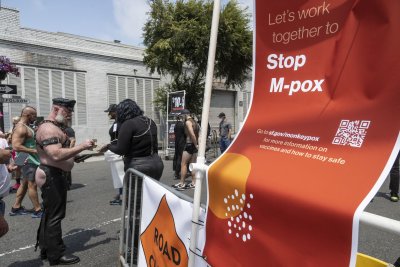
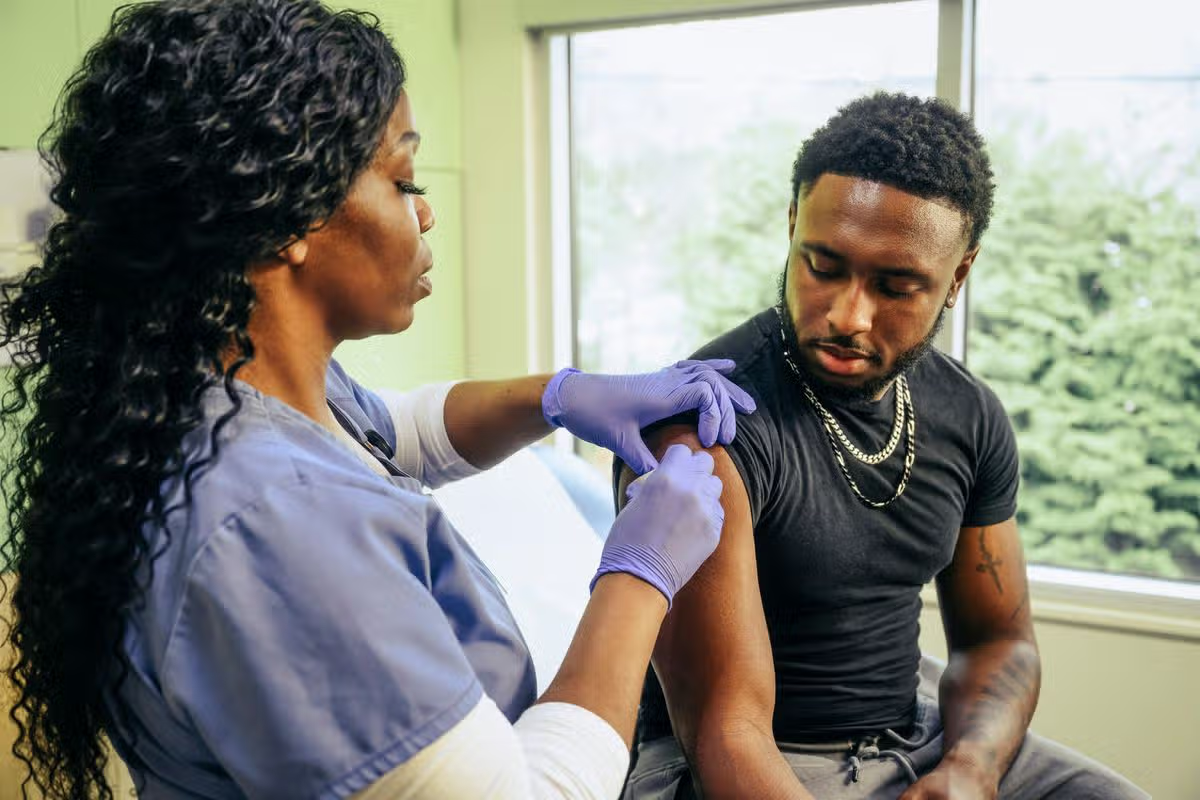
People that are eligible for the Mpox vaccine in Northern Ireland are being urged to step forward before the summer holidays as 21 cases of the viral disease, formerly known as monkeypox, have been confirmed by the Public Health Agency in the last three weeks.
This is a significant rise as, according to the BBC, only nine cases of Mpox had been reported in Northern Ireland since 2023. The Public Health Agency is asking people to learn the symptoms, be vigilant about the signs and get vaccinated but not everyone will be eligible for the vaccine.
The main symptoms the Public Health Agency is urging people to keep an eye out for include rashes with blisters, aches, fever and swollen glands that can last for up to three weeks.
According to the NHS, the first symptoms of mpox include:
- a high temperature, or feeling hot, cold or shivery
- a headache
- muscle aches
- backache
- swollen glands
- shivering (chills)
- exhaustion
- joint pain
The telltale sign of mpox is a distinctive rash which usually appears one to five days after the other symptoms. It can appear on any part of the body including the hands, soles of the feet, mouth or genitals.
The rash is sometimes mistaken for chickenpox. It starts with small raised spots that turn into ulcers or small blisters filled with fluid, the blister eventually forms a scab that later falls off.
Dr Rachel Coyle, Consultant in Health Protection at the PHA, said: “We want to remind those who are eligible to get vaccinated. Vaccination is available for those eligible in Northern Ireland through sexual health clinics, also known as genitourinary medicine or GUM clinics.
“While anyone can catch mpox, the majority of mpox cases in the UK are in gay, bisexual and other men who have sex with men (GBMSM).
“Therefore, those eligible for the vaccine include gay, bisexual or other men who have sex with men who have multiple sexual partners, and those who participate in group sex or attend sex on premises venues. Staff who work in these premises are also eligible.
“If you think you may be eligible and have not yet received your first dose or completed the course of two vaccines, contact your local GUM clinic and enquire about getting the vaccine.”
Mpox is passed from one person to another through any close physical contact with mpox rash, blisters or scabs. This can include during sexual contact or other skin-to-skin contact.
It can also be passed through contaminated surfaces like bedding or towels and through the coughs and sneezes of a person that has mpox if they are close enough to you.
Mpox is usually mild and can get better in a few weeks even without treatment. However, while you have symptoms you can pass on the virus to other people and some may be more vulnerable to more severe symptoms. This includes older people, young children and anyone taking medication that affects their immune system.