Morocco

Morocco becomes first Arab nation in FIFA’s top five men’s rankings | Football

Morocco becomes the only Arab country, and first African nation since Nigeria in 1994, to be ranked fifth in the world.

Morocco have become the first Arab country to enter FIFA’s top five men’s team rankings after moving up by two places from their previous best position of number seven.

The two-time World Cup quarterfinalists leapt ahead of Brazil and Portugal on points on Sunday, following their strong performance in recent continental football matches.

Morocco are also the first African and Arab country to reach back-to-back quarterfinals at the World Cup, where the continent’s top-ranked nation was knocked out by France in consecutive tournaments.

The Atlas Lions’ 2026 finish did not improve or match their semifinal run at the 2022 World Cup in Qatar, where they surpassed all expectations to become Africa and the Arab world’s first semifinalists and the darlings of the tournament.

Following the World Cup in North America, Mohamed Ouhabi’s team have maintained a 100 percent record in the current round of qualifying matches for the Africa Cup of Nations (AFCON) 2027.

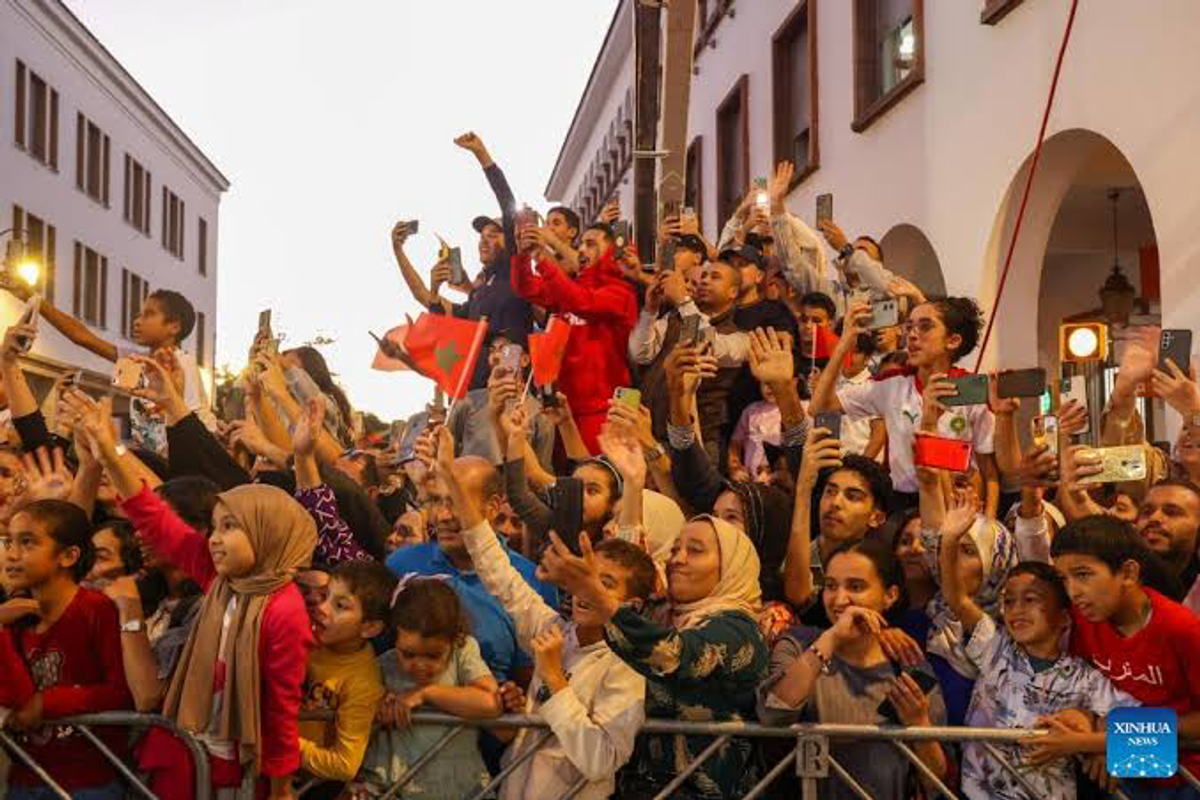
Morocco thumped Niger 5-0 in their latest qualification match on Friday, as the star-studded lineup shone in front of a raucous home crowd in Rabat.

AFCON’s defending champions lead Group A by nine points.

However, their AFCON title is contentious and is subject to a hearing at the Court of Arbitration for Sport (CAS) following an appeal by losing finalists Senegal.

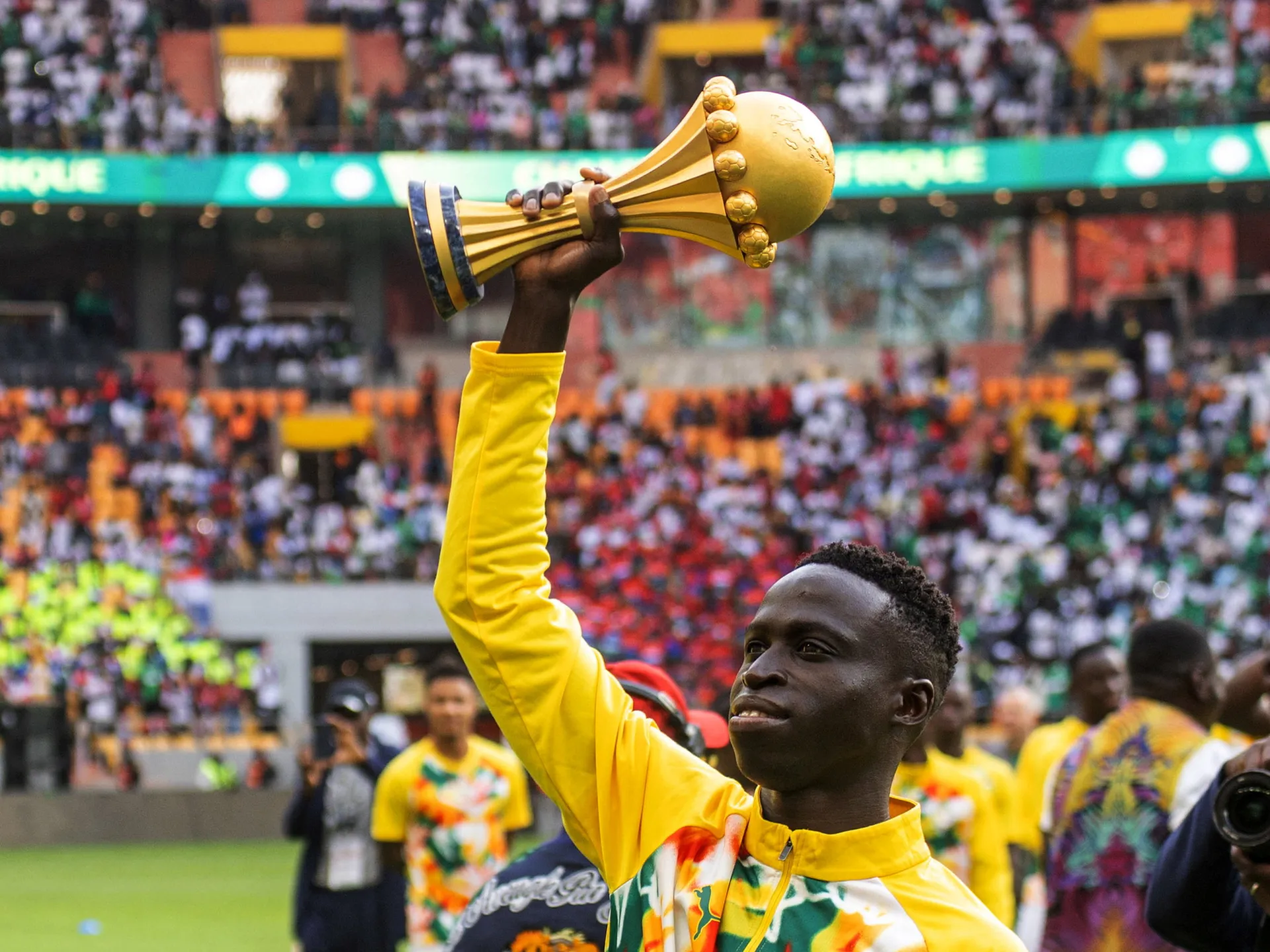
Senegal were stripped of this year’s AFCON title and Morocco were declared champions by the Confederation of African Football (CAF), despite Senegal beating the hosts ⁠⁠⁠⁠1-0 after extra time in January’s final in Rabat.

Senegal walked off the pitch for 14 minutes ‌‌‌‌after a penalty was awarded against them late in regulation time, with several players returning to the dressing room in protest before they resumed play.

Morocco missed the spot kick, sending the match into extra time, where Senegal scored the winner to secure victory.

However, they were stripped of the title two months later after CAF’s Appeal Board ruled that Senegal had forfeited the match by walking off the pitch, overturning the result and awarding a 3-0 victory to ⁠⁠⁠⁠Morocco.

The controversial 2025 title was the northwestern African side’s second AFCON title since 1976.

Morocco is one of the cohost nations for the FIFA World Cup 2030.

Source link

No emails, no problem? Workers joke about Microsoft outage | Technology News

Workers around the world have been finding humour in a global Microsoft outage that disrupted Outlook, Teams and Copilot in 74 countries. But while some welcomed an unexpected break from their inboxes, the disruption has also affected businesses, governments and health services.

Source link

Canary Islands’ El Hierro declares emergency amid migrant, refugee influx | Migration News

El Hierro asks Spanish government for help after more than 3,300 people arrived on boats since start of November.

Authorities of El Hierro, one of Spain’s Canary Islands, have declared an emergency and asked the government in Madrid for help after a surge in migrants and refugees arriving on boats.

“We are very concerned… by this sharp increase in arrivals,” Alpidio Armas, head of the governing council for El Hierro, one of Europe’s main entry points for migrants and refugees from West Africa, told Spanish television on Saturday.

Recommended Stories

list of 3 itemsend of list

“This is precisely what has led us to declare an emergency in order to ensure a framework of cooperation with higher-level institutions.”

More than 3,300 people have arrived on the island in about 30 boats since the start of November, according to local authorities. El Hierro has about 11,400 residents.

Officials are seeking temporary accommodation for the new arrivals, while conditions at the island’s hospital have become “undesirable”, Armas said.

The situation is “absolutely unsustainable”, the Reuters news agency quoted Fernando Clavijo, the regional leader of the Canary Islands, as saying on Friday.

Maritime rescue services rescued 3,261 migrants and refugees off the coast of the Canary Islands in the first six days of November.

Clavijo said the numbers were approaching the record levels seen in 2024, and on some days, the current pace was even higher.

Buses have been diverted to migration operations, and medical staff have been brought in from other islands, he said.

Deadly route

The Atlantic route from West Africa to the Canary Islands is one of the world’s deadliest migration crossings.

Two people were found dead on a boat heading for the Canaries this week, and five others are believed to have died during the voyage, according to the AFP news agency, citing survivor accounts.

At least nine migrants or refugees have died off the islands in recent weeks.

Arrivals reached a record of more than 46,000 in 2024, then fell sharply due to tighter surveillance and greater cooperation with countries of origin and transit.

Between January and October, 13,327 irregular migrants and refugees arrived by sea, 5.5 percent fewer than in the same period last year, according to Spain’s Ministry of the Interior.

Patrols off Senegal, Mauritania and Morocco have pushed departures further south, from The Gambia, Guinea-Bissau and Guinea, making crossings longer.

Senegalese police said on Saturday that they intercepted 142 migrants, including women and young children, off Dakar.

Source link

Beachcombers in Morocco hunt for hidden treasure | News

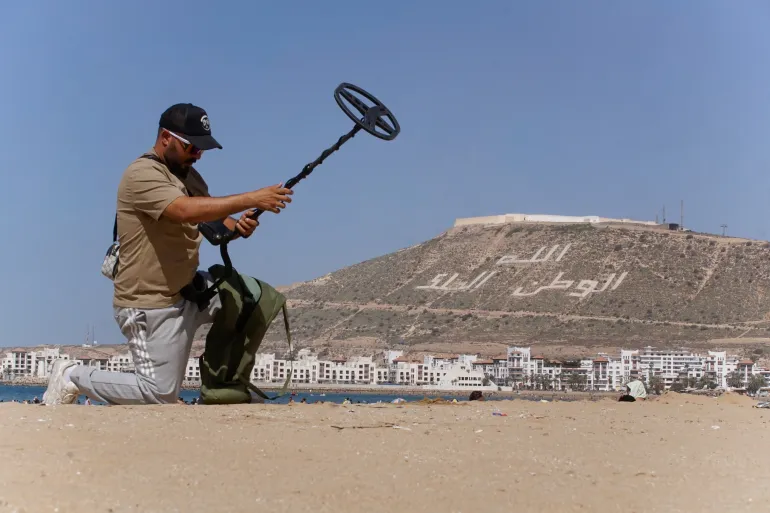
Agadir, Morocco – Mustapha Harmouch moves slowly across the sand at Agadir’s Corniche, sweeping his metal detector in low, even arcs. He tunes out the surfers paddling beyond the shore, the children shrieking in the waves and the chatter of families, all his attention is on one sound: the beep that means the coil has passed over something buried beneath the sand.

For the 33-year-old content creator, that uncertainty is the whole appeal. The detector does not distinguish between treasure and rubbish, it gives the same signal whether the object below is a coin, a ring, a discarded piece of aluminium, or an old piece of fishing equipment.

“The excitement comes partly from not knowing what lies beneath the sand,” he told Al Jazeera English.

Harmouch bought a Tianxun TX 850 metal detector online about four years ago. What began as a hobby has since become an occasional part of the videos he posts on Stofishing, a YouTube travel and spearfishing channel with roughly 123,000 subscribers.

The search can stretch for hours, with every sweep of the detector offering the possibility of an unexpected find.
The search can stretch for hours, with every sweep of the detector offering the possibility of an unexpected find [Hajar Elkahlaoui/Al Jazeera]

“It’s a nice hobby because it’s the kind of exploration where I find something and learn something new,” he said. “Each outing is a chance to encounter something I would otherwise never have known about.”

That curiosity has led him to old coins, including some associated with historical periods and places such as the Al Haouz region and Fez.

In the coastal town of Sidi Ouassay, about 65km south of Agadir, he says he found one of his rarest hauls: 14 Moroccan falus, old bronze or copper coins, in a single spot.

Some were too damaged by salt and the passage of time for their markings to be easily read, but Harmouch says the oldest dates to 1289 on the Hijri calendar.

For Harmouch, the coins’ value lies less in their price than in what they reveal about the past.

“I just collect them as a memory,” he said with a glint in his eye.

In the same area, he once found what he thought was a meteorite, only to learn it was a common, inexpensive mineral.

“Before asking, I thought I had found the best discovery,” he said, laughing at the memory.

That sense of possibility and adventure is what keeps him returning to the beaches around Agadir.

Harmouch goes detecting about four times a month, often with fellow members of the Moroccan Association for Research and Exploration Enthusiasts. He favours Taghazout and Agadir’s Corniche, where there is less rubbish for his detector to pick up.

The beaches have yielded jewellery, Moroccan coins and foreign currency, including a French 20-franc silver coin.

The possibility of finding something valuable is still part of the appeal. He once found a small gold ring in Taghazout.

“I always try to identify and return valuable lost items to their rightful owners,” Harmouch says.

Where the law draws the line

Morocco’s main legal framework for protecting historical monuments, archaeological sites, works of art and antiquities dates to Law 22-80, which regulates archaeological prospecting and the treatment of historical discoveries. The government has reiterated that unauthorised archaeological searches on land or at sea are prohibited.

For some enthusiasts, hours spent scanning Morocco’s coastline are as much about the search itself as whatever turns up in the sand.
For some enthusiasts, hours spent scanning Morocco’s coastline are as much about the search itself as whatever turns up in the sand [Hajar Elkahlaoui/Al Jazeera]

Under the law, searches intended to uncover monuments or moveable objects of historic, archaeological, or anthropological importance require authorisation, while accidental discoveries are subject to reporting requirements.

If a non-archaeological activity uncovers monuments, coins, works of art, or antiquities, the discovery must be reported to authorities. The objects should not be damaged or moved, except where necessary to protect them.

Finding a modern coin lost by a holidaymaker is one thing; deliberately searching for archaeological material is another.

But on Morocco’s coastline, archaeologists say the context in which an object is found can be just as important as the object itself.

Underwater archaeologist Basma Oumaima explains why context matters: “Sometimes something as simple as a fragment of metal, a coin, or a small tool can become important because of where it was found and what was found around it”.

“That does not mean curiosity itself should be discouraged. Metal detectors themselves can actually be useful tools in archaeology when they are used as part of a proper archaeological survey, where every find is located, recorded and studied within its context”.

Harmouch says he respects the law. Members of the association carry identification, avoid private property and heritage sites and treat detecting as a hobby rather than a job. His source of income, he says, comes mainly from content creation and a fishing equipment store.

‘Every person has their luck’

For Mohamed Botaib, metal detecting has never been his main source of income. A former sports coach currently looking for work, he searches beaches, forests and mountains as a hobby.

His finds have been modest: ordinary coins, Moroccan dirhams and rings.

“Every person has their luck,” he said.

For Jalal Zegnoune, another detectorist, removing unwanted metal is one of the hobby’s practical sides. His detector has produced coins, jewellery, glasses and watches, along with less glamorous finds, including rusted sardine-can fragments, nails and lost fishing gear.

What began as a hobby has become a regular ritual for enthusiasts attracted to the possibility of finding something valuable lost beneath the sand
What began as a hobby has become a regular ritual for enthusiasts attracted to the possibility of finding something valuable lost beneath the sand [Hajar Elkahlaoui/Al Jazeera]

“I remove such objects from the beaches because some can be dangerous to beachgoers,” he said.

Zegnoune works full-time as a maintenance technician in Casablanca and goes metal detecting when he’s free or for limited hours in the evening.

“I also enjoy meeting other people who practise the hobby and sharing the objects they find.”

“When we look at the beach, it’s not to find treasure,” Botaib says. “It’s also our way of contributing to keeping our beaches clean. We collect pieces of metal and aluminium that we find and throw them away.”

Source link

Friday 6 November Green March Day in Morocco

Spain had occupied Western Sahara since 1884. Morocco had made a claim on the land highlighting a long-standing allegiance between the Moroccan Throne and the local Sahrawi tribes. Mauritania had made similar claims and some of the Sahrawi tribes had declared an interest in independence from everyone else.

In mid-October 1975, the International Court of Justice (ICJ) at The Hague declared that there were legal ties of allegiance between Moroccan Throne and some of the Sahrawi population, but that the local population should determine their own future.

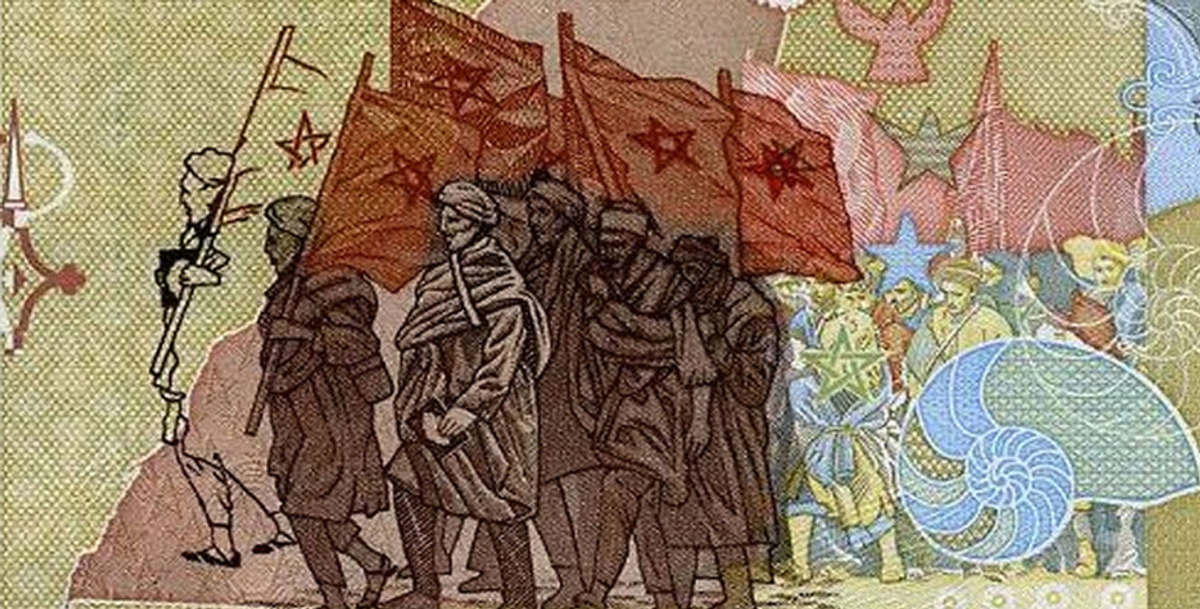
Following the ICJ verdict, King Hassan II announced the organisation of the Green March, on October 16th 1975, to liberate the Moroccan southern provinces from Spanish colonialism.

“We have to do one thing dear people and that is to undertake a peaceful march from the north, the east, the west to the south. It behoves us to act as one man in order to join the Sahara,” King Hassan II said.

On November 6th 1975, in a significant show of national unity, about 350,000 unarmed Moroccan men and women, accompanied by 20,000 Moroccan troops headed towards the Sahara and met in Tarfaia.

This was the largest peaceful march in the world. The marchers carried Moroccan flags, green banners (representing Islam), Qur’ans, and pictures of King Hassan II throughout the march.

On entering Spanish Sahara, the Spanish forces did not open fire. Partly, this was to avoid killing thousands of innocent marchers, but also it was the last days of the rule of General Franco and after seeing Portugal lose its colonies the year before, the Spanish had no appetite to start a major conflict in its territories, especially over territory they had already agreed to give up.

The 10 best value destinations with biggest price drops

LOOKING for a holiday where your cash goes further? These destinations have been revealed as the best value for money.

Skyscanner recently unveiled its list of top spots across the world where the price of flights has dropped the most – and in some cases, hotels too.

Bilbao tops the list – and it’s the closest Spanish city to the UK Credit: jon chica parada
The pretty Greek island of Rhodes has seen a sharp drop in flight prices too Credit: Alamy

At the very top of the Skyscanner list is the city of Bilbao which has seen a 66 per cent drop in flight prices from last year.

It’s a great choice for Brits too as it’s the closest Spanish city to the UK taking less than two hours to get there.

One-way flights to Bilbao can be as little as £20 with with the cost of hotels down by 63 per cent from last year, rooms start from £29 on Booking.com.

If you fancy booking a whole trip, with loveholidays the cost of a seven-night break to Bilbao in April 2027 starts from £42pppn.

HAPPY HOLLY-DAYS

The 8 UK holiday parks opening for Christmas this year with £6.62pp stays


CAMP OUT

The 10 BEST UK campsites for autumn and winter with saunas and lodges from £8pp

As Bilbao is that it doesn’t get as many tourists as lots of other Spanish cities, it’s a lot quieter than its neighbours.

In 2025, just 1.6 million visited Bilbao last year compared to 16 million in Barcelona.

There’s lots to see too like the neighbourhood of Iralabarri which has been compared to Notting Hill thanks to its colourful town houses.

Deputy Travel Editor Kara Godfrey who visited earlier this year suggested heading its top attraction, the Guggenheim Bilbao museum which is filled with modern and contemporary art.

When it comes to food, Kara attempted the art of txikiteo which is where you hop between tapas bars for snacks and drinks.

Kara added: “My number one spot was Cafe Bar Bilbao for its tasty pork sliders, as well as Taberna Ona for freshly sliced Iberian ham. 

Fez in Morocco has seen a drop in the price of flights and it’s a popular winter sun city Credit: Alamy Stock Photo

“The most famous Bilbao drink is txakoli, a Basque white wine which you can find pretty much anywhere.

“Squeeze into the family-run Taberna Basaras, a tiny bar with barrels for tables and bottles from floor to ceiling, for a hearty glass. You might also spot the locals ordering a mariano, a vermouth “daytime” cocktail that’s lighter than a negroni.”

The second city on the list is Wrocław in Poland which has had a flight price drop of 47 per cent.

One writer who recently visited called it one of Europe’s ‘best-kept city-break secrets‘.

The Polish city has colourful market squares with cobbled streets and tall pastel townhouses.

It’s known as a city of festivals with lots going on throughout the year from films and jazz to classical music.

If you fancy visiting during the festive period, Wroclaw’s Christmas market is one of the largest in Poland.

One-way flights to Wroclaw start from £27.

Wroclaw is the ideal city break for Brits with short flights and they’re less than £30 Credit: Alamy
Pula is considered the ‘Rome of Croatia’ Credit: Alamy Stock Photo

With loveholidays, a three-night break in the city starts from £149pp or £50pppn.

Another place not far from the UK that has seen a drop in price is Bordeaux in France where air fares have decreased by 34 per cent.

The port city in southwestern France is known for its 18th-century architecture and wine culture.

Make sure to pop into Bassins des Lumières – a former World War Two submarine base which has been transformed into a digital art installation.

If you’re planning a summer holiday next year, a trip to Rhodes in Greece shouldn’t put a dent in your wallet.

The beautiful island is the largest of the Dodecanese and is known for having pretty beach resorts, ancient ruins and it has highs of over 30C in the summertime.

It’s seen a drop in flight prices by 22 per cent and on Skyscanner, one-way tickets are as cheap as £28.

Pula, which is considered the ‘Rome of Croatia‘ came in seventh spot.

It’s ampitheatre is one of the best-preserved Roman monuments Credit: Alamy Stock Photo
Further afield is Krabi in Thailand with a reduction of flight prices by 15 per cent Credit: Alamy Stock Photo

The city on the tip of the Istrian Peninsula got its nickname from its ruins – the amphitheatre is one of the best-preserved Roman monuments in the world.

The spot on the Adriatic coast has lots of history and it’s under three hours from the UK too with flights having dropped in price by 20 per cent.

Fez in Morocco came in eighth on the list with a drop of 19 per cent when it comes to flights, which are as cheap as £15.

The city in northern Morocco is known for its vibrant markets and attractions, including its ancient medina.

It’s a popular winter sun city with highs of 20C in November.

For more on Fez, Travel Reporter Jenna Stevens recently visited the city to try out cooking classes and pottery.

For more travel inspiration, Skyscanner has also revealed the 10 holiday destinations that are set to be huge next year.

This includes far-flung Kyrgyzstan to Hurghada in Egypt and pretty Greek islands.

Top 10 destinations where airfares have fallen the most…

  1. Bilbao, Spain (-66%)
  2. Wrocław, Poland (-47%)
  3. Bordeaux, France (-34%)
  4. Zürich, Switzerland (-33%)
  5. Ancona, Italy (-31%)
  6. Rhodes, Greece (-22%)
  7. Pula, Croatia (-20%)
  8. Carcassonne, France (-20%)
  9. Fez, Morocco (-19%)
  10. Krabi, Thailand (-15%)


Source link

Why is Morocco celebrating the defeat of a UN resolution on Western Sahara? | United Nations News

Morocco has welcomed the defeat of a US-drafted resolution which sought to extend the mandate of the UN mission in the disputed Western Sahara.

The mandate of the United Nations Mission for the Referendum in Western Sahara (MINURSO) expired on Saturday after a veto by Russia, leaving the future of the peacekeeping mission in limbo. In 1991, the UN established MINURSO to monitor a ceasefire and prepare a referendum on the territory’s future.

Recommended Stories

list of 3 itemsend of list

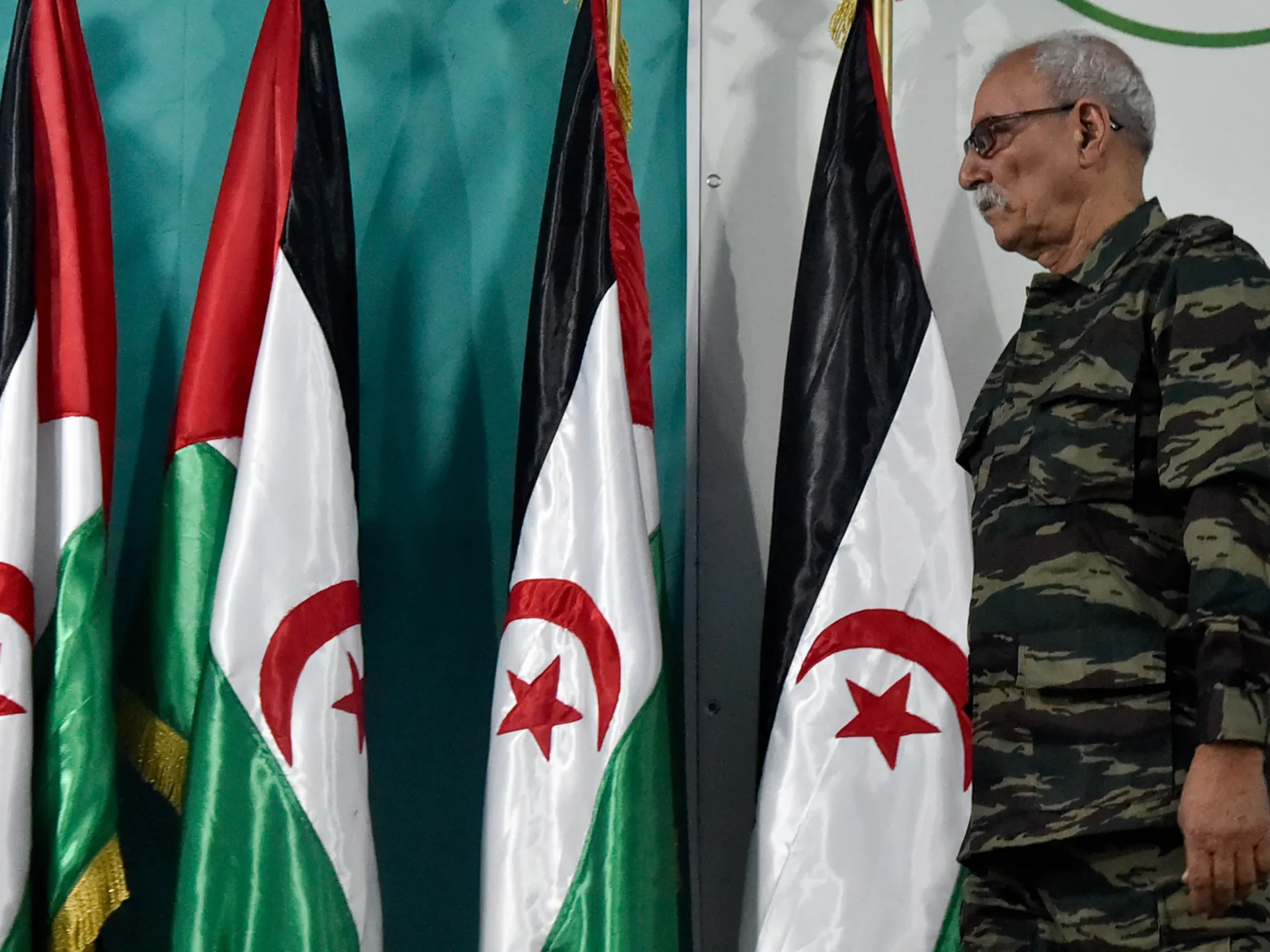
Morocco has considered Western Sahara its own territory since 1975, when Spain withdrew from the desert region in northwest Africa which is roughly the size of Britain. The Algeria-backed Polisario Front seeks to establish an independent state called the Sahrawi Republic.

So, why is Morocco celebrating the failed UN resolution? What does it mean for the future of the disputed region?

Here is what we know:

What happened at the UN Security Council?

On Friday, the US, which is a permanent member of the UN Security Council, proposed a resolution to support the principle of self-determination in the disputed Western Sahara.

Russia vetoed the resolution, despite support from 11 of the 15 council members, including fellow permanent members France and the United Kingdom.

The US draft would have extended the mission for a year, removed “referendum” from its name and made Morocco’s autonomy proposal the only basis for further talks.

Last October, the UN Security Council adopted a resolution that offered genuine autonomy to Western Sahara. Under that plan, the territory would manage its internal affairs, but remain under Moroccan sovereignty.

The Security Council had already made the proposal a basis for negotiations last year and asked UN Secretary-General Antonio Guterres to submit a review of the peacekeeping mission.

Speaking after the vote, US ambassador Mike Waltz said it was truly unfortunate that in 2026 the veto was used to “preserve the letter R (in the Mission’s name) for referendum”.

He added that Washington’s proposal “would have moved the 50-year conflict forward” and added that the status quo is not acceptable.

Russia’s UN ambassador, Vassily Nebenzia, said at the same meeting that Moscow opposed the draft because it favoured one side.

“We stress the fact that the Security Council cannot automatically predetermine matters relating to sovereignty,” he said.

Instead, Russia proposed renewing the existing mission without those changes. But that draft also failed to secure the nine votes needed for adoption, receiving two votes in favour, one against and 11 abstentions.

MINURSO’s mission has 155 military personnel and is set to cost $62m in the fiscal year that began in June, according to a UN report. But its mandate expired on Saturday.

How did Morocco and Algeria react to the failure of the UN mission?

Morocco’s royal palace welcomed the failure to renew MINURSO, saying on Friday that UN personnel and equipment should leave the territory in the coming days and that the Western Sahara issue should now be withdrawn from the Security Council’s consideration. Morocco said it remained committed to the ceasefire.

According to a UN media statement, Morocco’s UN representative also questioned why Algeria’s delegate was giving the Security Council “lectures” on the Western Sahara.

“Let these people [in the Western Sahara] go back to Morocco,” he said, “let them go home”.

Algeria expressed regret on Saturday over the failure to renew MINURSO’s mandate. Its foreign ministry criticised what it described as the US draft’s excessive bias towards Morocco.

According to a UN media statement, Algeria’s delegate to the UN thanked Russia for its draft resolution and all other member nations “who have chosen not to associate themselves” with an egregious injustice and a flagrant attack on “the very foundation of our organisation”.

Algeria’s UN representative noted that the country has been a refuge for hundreds of thousands of Sahrawi people who have been denied their right to self-determination.

The “tragedy being endured by the Sahrawi people has oddly been diluted to the concept of refugee populations”, he added.

Sidi Omar, the Polisario Front’s representative at the UN, told reporters on Friday that he welcomed Russia’s veto because the US proposal would undermine Sahrawi self-determination.

What is the Western Sahara dispute all about?

The Polisario Front, the political and military representative, does not recognise Morocco’s annexation of the territory following Spain’s withdrawal in 1975. It has been seeking a UN-supervised referendum for self-determination.

In 1976, it declared the independent Sahrawi Arab Democratic Republic.

Decades of fighting drove at least 170,000 Indigenous people into refugee camps in Tindouf in neighbouring Algeria, which backs the Polisario Front.

The Polisario Front signed a UN-brokered ceasefire with Morocco in 1991. It called for a referendum within six months, but it was never held.

Morocco, which retains control of its lucrative phosphate and fishing resources in Western Sahara, claims historic and pre-colonial ties to the land and views the region as an integral part of its territory [“Greater Morocco”].

For decades, the US has provided military and diplomatic support to Morocco. But in 2020, Donald Trump recognised Moroccan sovereignty over the territory during his first term in office. Morocco soon established diplomatic ties with Israel as part of the so-called Abraham Accords.

The region is now the last United Nations-designated “non-self-governing territory” in Africa, where between 100,000 and 140,000 Moroccan military personnel are based.

Low-level fighting has also continued since the Polisario Front said it was resuming armed struggle in 2020.

Why is Morocco celebrating the failed UN resolution?

MINURSO was set up to monitor the 1991 ceasefire and hold a referendum in Western Sahara. The expiry of its mandate will likely boost Morocco’s stance on the referendum question, though its autonomy proposal has already been adopted by the UN.

On Saturday, according to a video report by the Reuters news agency, a festive atmosphere prevailed in the streets of El Aaiun, the capital of Western Sahara.

In the central Mechoua Square, dozens of people were wearing melfas, the traditional Sahrawi women’s garments, and long robes known as darra, as they waved Moroccan flags and displayed portraits of Morocco’s King Mohammed VI.

Selim Balouati Lakhloufi, a historian and researcher based in Morocco, said that Morocco is pleased because “diplomatic developments at the United Nations are supporting its strategy regarding the [disputed Western] Sahara”.

“The support of powers such as the United States, France and the United Kingdom for Morocco’s autonomy proposal strengthens its international position and is gradually shifting the debate away from the right to self-determination and the possibility of independence toward a solution based on autonomy under Moroccan sovereignty,” he told Al Jazeera.

What does this mean for the future of the Western Sahara?

The collapse of MINURSO’s mandate could escalate the dispute in the Western Sahara, according to aid organisations.

Oxfam has warned that losing MINURSO’s “monitoring and de-escalation functions risks undermining security and stability”.

Lakhloufi said that the UN mission’s expiry is also unfavourable for Sahrawi independence aspirations.

Regarding the future of the Western Sahara, he said that Morocco will likely continue to consolidate its territorial, economic and administrative control, while the Polisario Front will face greater difficulties in securing international support.

“The proposal for autonomy could end up becoming the main framework for negotiations, pushing independence further and further out of reach,” he added.

Source link

Rival US and Russian resolutions on Western Sahara fail at UN | Border Disputes News

The UN Security Council rejected the competing proposals, leaving the peacekeeping mission without an approved extension.

The United Nations peacekeeping mission in the disputed Western Sahara faces an uncertain future after competing United States and Russian resolutions failed at the UN Security Council.

Russia vetoed the US-backed proposal on Friday, despite support from 11 members of the 15-member council.

Recommended Stories

list of 3 itemsend of list

A rival Russian draft then failed to secure the nine votes needed for adoption.

The mandate of the UN Mission for the Referendum in Western Sahara (MINURSO) is due to expire on Saturday unless the council reaches a last-minute agreement.

Western Sahara is a former Spanish colony in northwest Africa. Morocco considers the territory its own while the Algeria-backed Polisario Front seeks to establish an independent state called the Sahrawi Republic.

The UN established MINURSO in 1991 to monitor a ceasefire and prepare a referendum on the territory’s future, but disagreements over who could vote have prevented it from taking place.

The US draft would have extended the mission for a year while removing “referendum” from its name and making Morocco’s autonomy proposal the only basis for further talks.

Under that plan, the territory would manage its internal affairs but remain under Moroccan sovereignty.

The council had already made the proposal a basis for negotiations last year.

US Ambassador Mike Waltz told the council in New York on Friday that the referendum had been stalled for decades.

Russia’s UN ambassador, Vassily Nebenzia, said at the same meeting that Moscow opposed the draft because it favoured one side.

Russia instead proposed renewing the existing mission without those changes.

Morocco’s royal palace welcomed the failure to renew MINURSO, saying on Friday that UN personnel and equipment should leave the territory.

Sidi Omar, the Polisario Front’s representative at the UN, told reporters on Friday that he welcomed Russia’s veto because the US proposal would undermine Sahrawi self-determination.

Low-level fighting has continued since Polisario said it was resuming armed struggle in 2020.

Source link

Saturday 31 October Unity Day in Morocco

In November 2025, Morocco’s King Mohammed VI decreed that October 31st of each year will be a national holiday, designated as “Aid Al Wahda” (Unity Day in English), according to a statement from the Royal Cabinet.

The royal proclamation marks the adoption of a United Nations Security Council resolution that supports the Kingdom’s position on the Western Sahara issue, which has been widely described in the news as a “Sahara Victory at the UN.” The move is intended to underscore Morocco’s national unity and sovereign identity.

The Security Council resolution renewed for one year the mandate of the long-standing United Nations peacekeeping mission in the disputed Western Sahara, referencing Morocco’s Autonomy Proposal presented in 2007 — which envisions the territory as self-governing under Moroccan sovereignty — as a basis for negotiations.

The resolution is historic as it directly and explicitly joined the growing momentum in support of the Moroccan initiative as the basis to end the dispute under Morocco’s sovereignty.

The creation of “Unity Day” adds a significant new date to the nation’s calendar, reinforcing the importance of the UN’s resolution and its implications for the region. Unity Day will serve as a unifying occasion to celebrate national unity and the Kingdom’s territorial integrity, and it will also be a day on which the King grants royal pardons.

Spain deports migrants from Ceuta in move criticised by rights group | Migration News

The deportation was the first of its kind since a mass border crossing into the territory from Morocco in July.

Spain has deported more than a dozen migrants from its North African enclave of Ceuta, prompting criticism from Amnesty International, which said Prime Minister Pedro Sanchez’s left-wing government was endangering their human rights.

It was the first deportation of its kind since a mass border crossing into the territory from Morocco in July.

Recommended Stories

list of 3 itemsend of list

The Spanish Interior Ministry said on Tuesday that it had deported the migrants from Ceuta after their asylum applications were rejected, and that Morocco had agreed to receive them.

Nongovernmental organisations (NGOs) told the Reuters news agency that 16 people from African, Middle Eastern and Asian countries had been deported.

About 80,000 people entered from Morocco over a 48-hour period in late July. At least 100 people died during the mass crossing into the autonomous city, which covers just 18.5 square kilometres (7.2sq miles) and has a population of about 80,000.

The crisis has evolved into a major political challenge for Sanchez, who is seeking re-election in snap polls scheduled for November 29.

Tens of thousands of protesters have gathered across Spain in recent months to denounce the government’s handling of the situation. Meanwhile, right-wing parties have used the crisis to attack Sanchez.

The leader of the far-right Vox Party, Santiago Abascal, has branded the prime minister a “traitor”.

Human rights guarantees

Amnesty International has warned that the human rights of those deported from Ceuta on Tuesday could be at risk.

“Spain, despite its [progressive] speeches in Europe, is not ensuring that human rights guarantees are met for people who cross its borders in Ceuta and Melilla,” said Virginia Alvarez, an Amnesty International researcher.

“Morocco does not respect many human rights.”

However, Madrid disputes the rights group’s accusations. In a statement, the interior ministry told Reuters that the European Union considers Morocco to be a safe country, adding that deportations are carried out “with all the necessary safeguards”.

Most of those who entered Ceuta in late July left within days. However, about 8,000 migrants still remain. Some are sleeping on the streets, while others are being housed by Spain, charities and civil society groups.

Source link

Morocco’s not-so-new government faces new challenges | Politics

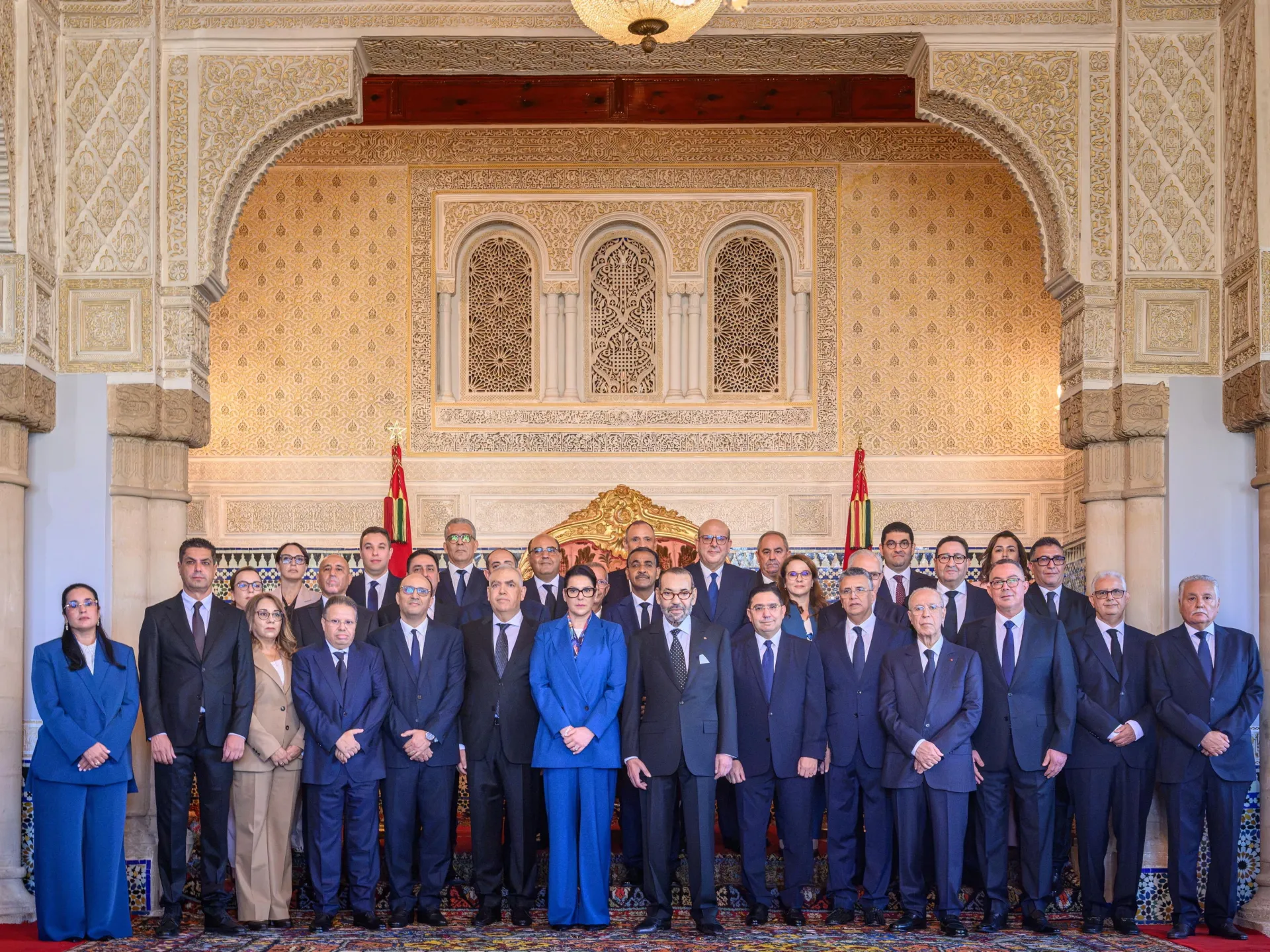
On October 16, King Mohammed VI of Morocco appointed a new government headed by Prime Minister Fatima Zohra Al Mansouri. This is the first time in Moroccan history that a woman is leading the government – a precedent that was covered widely in international media.

In the Moroccan context, however, what is important is that Al Mansouri hails from the Authenticity and Modernity Party (PAM), which won the most seats in parliamentary elections in September. The party was founded by Ali Himma, a close associate and adviser to the king.

PAM, which has formed a coalition with three other parties, dominates the new government. This signals continuity rather than potential for change.

A party aligned with the monarchy

When thinking about what trajectory the new government is likely to take, it is important to consider PAM’s evolution.

The party was established in 2008 with the aim of countering the rise of political Islam in Morocco and in particular, the Justice and Development Party (PJD). The Arab Spring, which saw mass protests across the country, brought changes to the Moroccan political scene, allowing more space for political forces like the PJD and, to an extent, curbing the influence of the establishment, known as the Makhzen.

In 2011, Himma distanced himself from PAM and became an adviser to the king. Yet, the party continued to be perceived by other political groups as tied to the Makhzen.

For years, PAM carried the stigma of its origins, but it persisted in trying to gain acceptance. In the 2016 elections, it challenged the PJD and secured the second-biggest number of votes, thus establishing itself as a legitimate political force. Yet this was still not enough to enable it to lead the government.

The party subsequently reinvented itself by rejuvenating its ranks and gaining experience in public affairs through its participation in the 2021 government as a coalition partner. In the latest elections, PAM finally won.

This election victory, however, needs to be put into perspective: 62 percent of eligible voters stayed away from the polls. On election day, the authorities had to call on people to go out and vote.

Apart from the low turnout, there were suspicions of irregularities, but because in some cases the official election records were not released, observers and political parties were unable to obtain tangible evidence.

There was also the familiar phenomenon of influential figures being brought into political parties at the last minute to boost electoral prospects. For example, just two months before the election, Faouzi Laaqjea, president of the Royal Moroccan Football Federation, whose popularity stems from the achievements of Moroccan football, officially joined PAM.

To secure a majority in parliament, the party has had to form a coalition with forces which had previously questioned its legitimacy. While PAM has gained legitimacy through this alliance, the other parties and their leaders may now lose credibility.

The newly formed government has retained more than half the members of its predecessor, not to mention the so-called sovereign ministries, which fall directly within the king’s reserved powers. Some Moroccans are already asking what was the point of holding elections if the same people are brought back to govern.

Challenges ahead

The new government has an ambitious programme to respond to growing domestic pressure as the cost-of-living crisis deepens. At the first Council of Ministers meeting chaired by the king on October 17 , a 2027 Finance Bill was put forward that featured greater emphasis on addressing social issues, citizens’ purchasing power and youth inclusion.

However, this agenda is facing an unfavourable international economic and financial environment, marked by rising energy prices and increasing costs of inputs for some of Morocco’s leading sectors, including phosphate production.

The state-owned OCP Group, which is in charge of phosphate extraction and the industrial processing of phosphate derivatives and is one of Morocco’s principal sources of wealth, is now experiencing difficult times.

There are also concerns about the potential effects of El Nino, which could bring more dry weather and threaten food security in a country that just endured seven consecutive years of drought.

Tourism, another major source of revenue, could also suffer from the global slowdown in travel, rising transport costs and the uncertainties arising from tensions in the Gulf and Europe.

The circumstances are therefore far from favourable for the new government, and public opinion appears broadly sceptical.

Last but not least, this government will face an experienced and outspoken opposition, represented by both the Islamist PJD and the radical left.

Even the ministers holding the so-called sovereign portfolios face serious challenges. The foreign minister must contend with public opposition to the normalisation of relations with Israel. The interior minister has to tackle allegations of electoral manipulation.

The minister of religious affairs is facing the fallout of controversial statements concerning Morocco as a secular country and remarks about Ceuta, known in Morocco as Sebta, made during a religious ceremony. These comments were poorly received by the Spanish authorities.

The new government has an ambitious agenda, indeed, but its tenure will be shaped by difficult circumstances – both at home and abroad – that are largely out of its control.

The views expressed in this article are the author’s own and do not necessarily reflect Al Jazeera’s editorial stance.

Source link

Decision on Senegal’s AFCON final appeal to be made by end of November | Africa Cup of Nations

The Court of Arbitration for Sport will announce its verdict on the title after it was awarded to Morocco by CAF.

A decision on Senegal’s appeal ‌‌after being stripped of this year’s Africa Cup of Nations title will be made ⁠⁠at the end of ⁠⁠November, the Court of Arbitration for Sport (CAS) has confirmed.

“This process will require several weeks, with the CAS Award expected at the end of November 2026,” the court said in a statement on Monday.

Senegal are contesting the decision by the Confederation of African Football (CAF) to declare Morocco champions, despite Senegal beating the hosts ⁠⁠1-0 after extra time in January’s final in Rabat. Their arguments, plus those of Morocco and CAF, were heard by CAS in Lausanne on October 8.

At the time, CAS said ⁠⁠it expected a decision within days but has now decided to issue a complete ruling, including legal grounds, known as a CAS Award.

Senegal walked off the pitch for 14 minutes ‌‌after a penalty was awarded against them late in regulation time, with several players returning to the dressing room in protest before they resumed play.

Morocco missed the spot kick, sending the match into extra time, where Senegal scored the winner to secure victory.

However, they were stripped of the title two months later after CAF’s Appeal Board ruled that Senegal had forfeited the match by walking off the pitch, overturning the result and awarding a 3-0 victory to ⁠⁠Morocco.

Senegal quickly followed with an appeal to CAS, ⁠⁠which was lodged on March 25 but heard some six months later. The basis of their arguments is that the referee’s decision is final and he allowed the match to be completed.

“I know it’s a long wait for the fans, ⁠ ⁠a few months after the final between Senegal and Morocco,” CAS Director General Matthieu Reeb said outside the hearing earlier this month.

“The facts are set, are clear and the discussions will be on some procedural issues and legal aspects,” he added.

The CAS panel is presided over by French sports law expert Gerald Simon, with the assistance of Italian international law ‌‌professor Luigi Fumagalli and Hamburg-based lawyer and professor of law at the University of Zurich, Ulrich Haas.

CAS decisions are called awards and hold the same value as a national court judgement. CAS awards may be enforced by sports federations or state courts, depending on the circumstances.

Source link