Even as recently as a decade ago, Las Vegas hotel concierges and plenty of locals would have described the gap between the Strip and Fremont Street as something of a dead zone. This was a ragged corridor of old warehouses and auto shops, with more boarded-up storefronts than open doors.
“You couldn’t park your car and not worry,” remembers artist Gem Jaxx, who moved to Vegas in 2006 from Monterey County, Calif. “You couldn’t even walk the streets.”
Yet the idea of an arts district had been taking shape since the early ’90s, when the city identified an 18-block area south of downtown as ripe for creative development. Loosely framed by Hoover Avenue to the north and Colorado Avenue to the south, with Commerce Street and Fourth Street marking its west and east edges, this region became known as the 18b Arts District. First Friday, launched by a small group of artists and gallery owners in 2002, started pulling crowds into the neighborhood. Sometimes tens of thousands at a time, if only once a month.
The regular influx of visitors (combined with cheap rents and plenty of retail space) drew a wave of interesting tenants: antique dealers, secondhand clothing boutiques, microbreweries, cocktail bars. As the mix of businesses grew, 18b began to matter less as a set of boundaries and more as an identity.
“Very quickly it changed,” says Josh Kellman, president of the Arts District board. “Businesses here were saying, ‘Hey, I want to be in 18b.’ No one wants to feel like they’re outside the neighborhood.”
Today, the Las Vegas Arts District is a low-key alternative to the Strip for dining, drinks, art, shopping and beyond. Centered on Main Street, but with plenty to explore on neighboring Commerce Street and Casino Center Boulevard, it’s easy to spend an afternoon browsing vintage shops and gallery spaces, catch live music or a stage show, grab dinner, coffee and craft beer — and still have money left for tomorrow.
But the neighborhood is at a crossroads. After a tragic shooting happened earlier this month during First Friday, the monthly arts festival is now on hold as organizers and city officials consider how to move forward. Meanwhile, a proposed Business Improvement District intended to fund additional safety measures and neighborhood services has stirred debate over how to improve the area while preserving the independent spirit that made it a destination in the first place.
As questions swirl, fans of the Arts District hope it holds on to what makes it such a distinctive place. At a time when Las Vegas can feel increasingly engineered around sky-high bottle service, celebrity-chef tasting menus and cocktails edging toward $30, the neighborhood remains one of the places locals actually hang out and where tourists can experience Sin City beyond the slot machines. Here are 11 worthwhile stops on a visit to the creative hub.
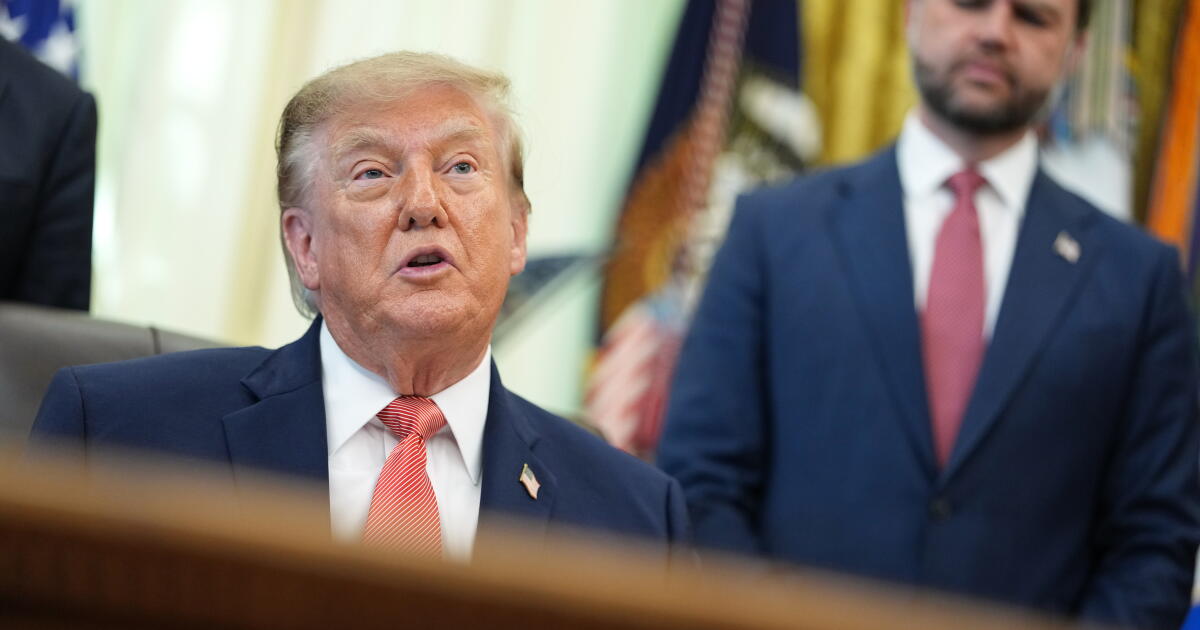
WASHINGTON — President Clinton famously said he could feel voters’ pain over the economy. But these days, when it comes to questions about high prices, President Trump insists that the pain is his.
“They hit me with affordability, and that’s the first time I ever heard the word used,” he complained in Nebraska earlier this month.
The White House leaves Vice President JD Vance to use a softer touch. Last month in Texas, he admitted “there are people out there who are frustrated by the pace of progress.” And during a CBS News town hall on Saturday, Vance said, “I recognize that gas prices are too high right now” and “we’re working on it.”
Depending on which Republican is speaking, Americans are getting a different perspective on how bad things are with the economy. Trump says “the golden age of America is upon us.” Vance walks a tightrope to show that he knows voters are feeling an economic pinch while still selling them on Trump’s agenda.
The disconnect comes as Americans’ confidence in the economy sank to the lowest level in more than a decade this month, the average long-term U.S. mortgage rate jumped this month to its highest level in nearly three years and the unemployment rate ticked up last month.
Recent economic data released this month shows that high gasoline prices are intensifying inflation and more expensive oil and gas have begun to push prices up in other parts of the economy.
While most of Trump’s supporters don’t hold him at fault, some acknowledge that the president’s penchant for salesmanship may not hit the mark.
“I think he talks it up,” said Conda Little, a 76-year-old retiree who went to see Trump in Dalton, Ga., on Friday. “I think Vance is more real.”
Little takes the president at his word that he will achieve a victory over Iran in a way that benefits U.S. consumers back home. But she said it’s impossible to deny the fallout from the conflict.
“Everybody’s real upset about the gas” and “groceries are out of sight,” she said. “It’s hard. It’s really hard,” she said, adding that, “I think that people need to hear the truth.”
‘We need to do more’
Trump is loath to acknowledge concerns. He told reporters earlier this month that he gives himself “an A+ on the government, on economics, on everything.” He has dismissed concerns about high costs, arguing that concerns about affordability are a “hoax.”
“We’re in the golden age of America. So our nation is doing better now than ever before,” he told a crowd in Kentucky on Saturday while campaigning for Republican candidates.
Trump has occasionally acknowledged that gas prices are high, but has called it “a small price to pay” for keeping the country and the world safe with the Iran war.
Trump’s discordant message with one of the top concerns voters are voicing ahead of the midterm elections has seemed heightened by his fixation on beautifying Washington and building a large ballroom at the White House.
During a visit this month to an economically struggling corner of Arizona, he regaled the crowd with the story about how he ended up with a luxury jet gifted by Qatar to use as Air Force One.
Vance, as he crisscrosses the country, is quick to say that the administration has more work to do.
To cast blame, the vice president often says that his administration’s Democratic predecessors put the country in such a deep hole that they need more time to climb out.
To show empathy, he often references his own experience growing up in a working-class family in a Rust Belt town. That’s far different from Trump, who comes from a wealthy family, is a billionaire and even joked during his speeches on Friday and Saturday that if people have lunch at his Mar-a-Lago club, “for $5,000, you’ll get one hamburger and a small dessert.”
Vance, during a CBS News town hall that aired on Saturday, said: “I grew up in a working-class family. When gas prices were high, I know that it made my grandmother suffer, and I’m sure that you’re struggling with it in a variety of ways.”
When asked by the moderator about the mixed message he and Trump are giving on the economy, Vance said Trump was speaking about new investments coming into the country, but said the changes take time.
“We need to do more, and we can certainly do better,” he acknowledged.
Many Trump supporters trust his pitch
Some voters said Trump’s rosy view on the economy turns them away, like Santiago Rodriguez, a 19-year-old Texas college student who will be voting for the first time this year.
Rodriguez, who attended a campaign rally last week for Democratic Senate candidate James Talarico, said he would consider voting for a Republican but not while Trump is in charge because he doesn’t grasp the high cost of living for Americans.
“I think he’s out of touch, I think he’s never seen what a true day as a Texan or anybody in general who is in the working class,” Rodriguez said.
Trump’s most loyal supporters aren’t interested in blaming high prices on anything the president has done.
Cindy Massengill, a 67-year-old who came to see Trump in Dalton, Ga., said she felt he’s doing the best he can.
“I’m positive that he’s got done more than any other president after the mess we were left with Obama and Biden,” she said.
Mary Bunker, a 67-year-old Republican who attended Trump’s Monday rally near Wichita, Kan., said she works multiple jobs, including as a waitress and DoorDash driver.
She feels the pressure of high gas prices, but she likes the tax breaks that Trump signed into law last year and she doesn’t fault the way he speaks about economic concerns.
“I think he’s a very good businessman,” Bunker said. “He’s been in business a long time, so I think he knows what he’s talking about.”
Price writes for the Associated Press. AP writers Bill Barrow in Dalton, Ga., Jesse Bedayn in San Marcos, Texas, and Nicholas Ingram in Park City, Kan., contributed to this report.
Dodgers catcher Dalton Rushing was scheduled to undergo elbow surgery Wednesday, according to multiple people with knowledge of the situation who weren’t authorized to speak publicly on the matter.
To address a partial UCL tear, he was expected to undergo a hybrid internal brace procedure, which would set him up to return to catching full time in nine months. He would be able to hit well before then.
Rushing had two stints on the injured list with a flexor strain in his right forearm, along with the UCL tear. He said last month that imaging suggested the slight tear in his UCL hadn’t worsened since 2022.
Rushing took on a larger role this season when primary catcher Will Smith was sidelined for three months by a nagging neck injury. By Aug. 1, Rushing had already logged 245 plate appearances, dwarfing his 2025 rookie season’s total in the majors (155).
Though he’d carried high workloads in the minors before, being a major-league starting catcher comes with added responsibility. Rushing went through a learning curve juggling his defensive and offensive responsibilities, and navigating intense online scrutiny of his outbursts on the field and in the dugout.
He’d settled into the role, and owned an .809 OPS, when his elbow injury flared while throwing before a game on Aug. 2. He landed on the IL the next day and returned at the beginning of September in a pinch-hitting role.
Rushing logged just four at-bats (0-for-4) before he aggravated the injury trying to build up in a throwing program. He returned again for the last series of the regular season, firmly in a battle for a postseason roster spot as a bat off the bench, and went hitless in three at-bats.
Rushing had initially been hopeful he’d be able to avoid surgery.
“My main plan moving into playing every day in the future is, make sure that my body can hold whatever stress or whatever is needed for this team — first base, behind the plate, whatever they need,” Rushing told the Times last month. “I want to make sure my body can handle it and do it for 162.”
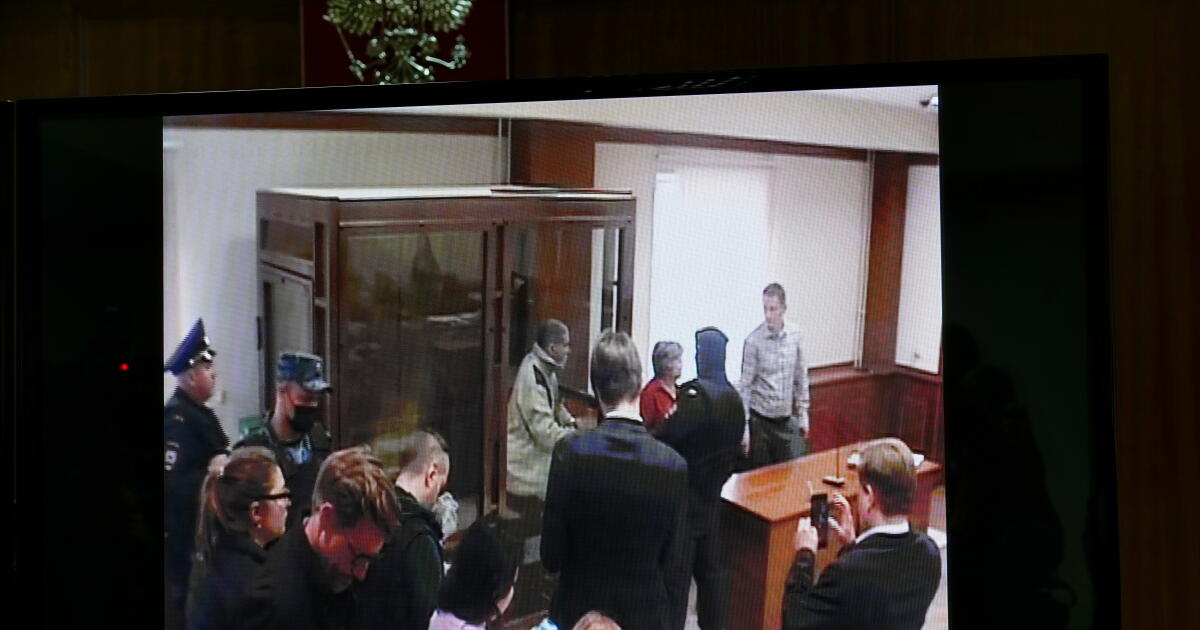
ST. PETERSBURG, Russia — Russia on Wednesday released a retired American teacher who had been imprisoned on charges of fighting as a mercenary in Ukraine, U.S. envoy Steve Witkoff said Wednesday at a meeting with Russian President Vladimir Putin in St. Petersburg.
The release of Stephen Hubbard had been foreshadowed a day earlier in Washington, when President Trump told reporters at the White House that he had talked with Putin “at length” about the issue and had asked him to free the Michigan man.
Hubbard is the second American detainee in just over two months to be freed by Russia, and his exit from custody occurred not only during a visit by Witkoff but also at a time when Trump has taken a series of actions meant to benefit Russia as Washington’s alliance with Ukraine shows signs of fraying.
Hubbard was sentenced after a closed trial in 2024 to nearly seven years in prison. Prosecutors said he had signed a contract with the Ukrainian military after Russia sent troops into Ukraine in February 2022, and that he fought alongside them until being captured two months later. The U.S. government under the Biden administration designated Hubbard as wrongfully detained.
Witkoff, a key Trump administration envoy who has tried without success to steer Russia and Ukraine toward a settlement to end a war that will hit the five-year mark in February, thanked Putin for releasing Hubbard, telling him, “Because of you, he’s going home to his family.” The Russian leader responded that Hubbard was at the St. Petersburg airport, Pulkovo, after the release.
The release occurred at a dynamic moment in relations between the United States, Ukraine and Russia, with the Washington-Kyiv alliance being stretched by tensions over drone support as the Trump administration advances policies that aid Putin.
Trump decided Friday, for instance, to waive sanctions on Russia in a bill that Congress overwhelmingly passed to support Ukraine. Named after late South Carolina Republican Sen. Lindsey Graham, the legislation targeted the flow of financial resources fueling Russia’s war.
That reversal followed Trump’s announcement of a deal to import Russian diesel fuel in a long-shot effort to curb high gas prices ahead of the U.S. midterm elections next month.
Witkoff met with Ukrainian President Volodymyr Zelensky in Norway on Tuesday. He was expected to exchange ideas from that meeting, as well as proposals from European and American colleagues, in his talks with Russian leaders in St. Petersburg on Wednesday.
Hubbard is the second American freed by Russia in about the last two months, following the release in August of Marine veteran Robert Gilman, who had been gravely ill and was imprisoned on disputed charges of assaulting a police officer.
Some two dozen Americans remain imprisoned in Russia for various reasons, according to the Foley Foundation, a hostage advocacy organization.
Hubbard had been imprisoned since 2022 on charges that Hostage Aid Worldwide, a hostage advocacy group, has called bogus.
The organization in August posted an open letter to Trump that it said was written by Patricia Hubbard Fox, Hubbard’s sister, in which she offered praise for Trump but also said brother had been subjected to “constant beatings, torture and starvation” while in custody.
“Even so, everything that you’re doing isn’t going to matter to my kidnapped, American Veteran brother, Stephen James Hubbard (soon to be 74) if Putin won’t cave and let him come home and he dies up there in a Nazi prison (crying),” the letter said.
Litvinova and Tucker write for the Associated Press. Tucker reported from Washington.
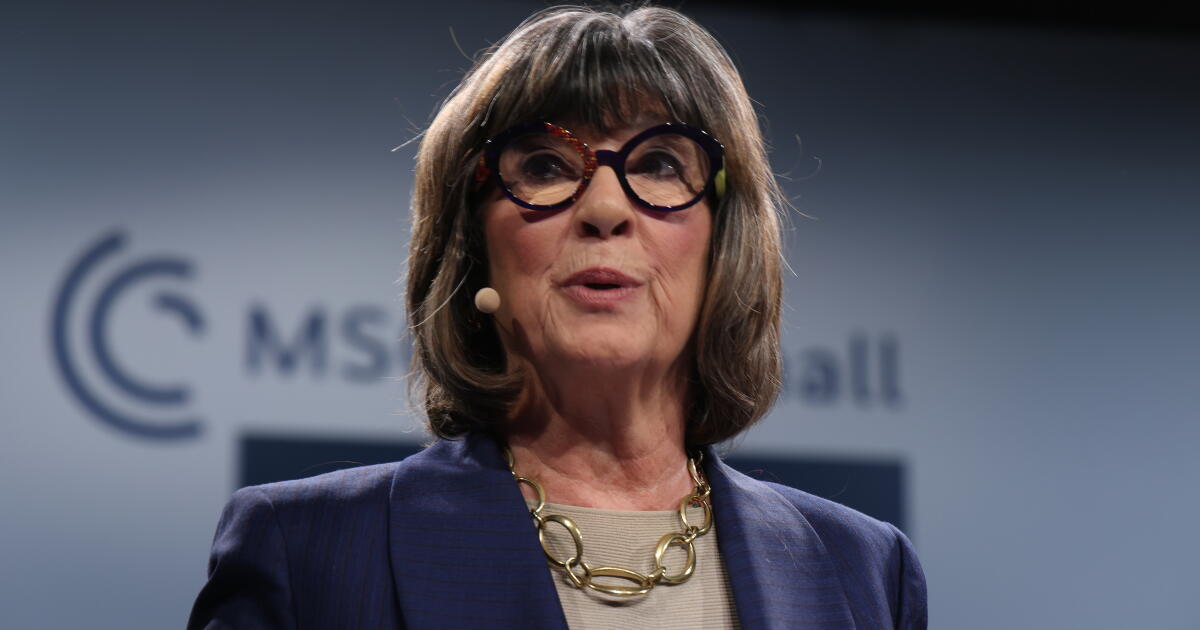
Christiane Amanpour, CNN’s chief international anchor whose intrepid reporting became a symbol of the network’s global reach and influence, announced Monday she will end her 43-year run in June.
Amanpour, 68, told colleagues in a memo she will step away from her eponymous daily CNN program at the end of the year. She will continue her Saturday program, “The Amanpour Hour,” until May before exiting the following month.
Amanpour was one of CNN’s first breakout stars, traveling the world to report on global hot spots and helping build CNN’s strong reputation for international coverage, especially in war zones. She was front and center as the network delivered images of the first Gulf war, the Bosnian war and conflicts in Rwanda, Afghanistan, Ukraine and Iran.
Amanpour’s announcement arrives as CNN faces uncertainty under new ownership. Skydance absorbed the network as part of its $111-billion merger with Warner Bros. Discovery. International bureaus are expected to be the first place where CNN and Skydance’s CBS News are expected to consolidate resources. Deliberations over editorial direction are likely to be intense.
There have been reports of internal strife at the London bureau at CBS News over the tone of its Middle East coverage since Bari Weiss, a strong supporter of Israel, took over as the network’s editor in chief last year. Weiss replaced Claire Day, a longtime veteran of the network, with Shayndi Rice, a former Wall Street Journal editor, overseeing all of the network’s international operations.
In a memo to staff obtained by The Times, CNN Worldwide Chairman and Chief Executive Mark Thompson said he has discussed Amanpour’s future for several months. “Like so many CNNers who will hear the news today, I’m very sorry to see her go, but I’ve come to accept that this is the right time for her, both personally and professionally,” he wrote.
Amanpour did not offer a reason for her departure, devoting most of her memo to thanking the production crews who worked with her over the years. She said she will continue to co-host “The Ex-Files,” a podcast she co-hosts with her ex-husband Jamie Rubin, a former journalist who served in the State Department during the Clinton administration.
Amanpour was born in London and raised in Tehran. Her family fled Iran in 1979 during the Islamic Revolution. She arrived at CNN in 1983, working as a news desk assistant in Atlanta and then at its New York bureau with the ambition of becoming a foreign correspondent.
Amanpour’s reporting from war zones and ability to land interviews with global leaders made her one of the most recognizable journalists in the world. During her time at CNN, she served as a contributor to the CBS newsmagazine “60 Minutes.” She also served as anchor of the ABC News Washington roundtable program “This Week” from August 2010 to December 2011.
Amanpour’s work has been recognized with 16 News and Documentary Emmy Awards, four Peabody Awards, two George Polk Awards and three DuPont-Columbia Awards.
MIAMI — More than 100,000 people from Ukraine and Sudan can stay in the United States without immediate risk of deportation, the Department of Homeland Security said, in what amounts to a temporary reprieve after their right to stay in the country was set to expire Monday.
Temporary Protected Status was set to end Oct. 19 for about 101,000 Ukrainians and 1,800 Sudanese. But DHS said an announcement “will be made at the appropriate time.” Until then, the department said in a written statement, Ukrainians and Sudanese in the U.S. covered by those temporary measures “retain protection.” The Department did not indicate how long they could stay or when a final announcement would be made on their status.
DHS did not respond to a question about whether they can keep their work permits, but TPS generally allows people to work while their protections remain in effect.
The decision Monday marks another incident where the Trump administration, which has previously sought to end these temporary protections from deportation and send people back to their home countries, has allowed people covered by the temporary status to stay in the country but without giving any guidance as to how long.
The context of the decisions to keep the protections
The Trump administration has already terminated TPS for more than 1 million people from 13 countries, including Venezuela, Haiti, Honduras, Nicaragua, Afghanistan and Syria.
But in a change in practice roughly a month ago, the administration kept protections in place for nearly 200,000 Salvadorans whose TPS was set to expire Sept. 9. In that case they also said that they were going to make a decision at the appropriate time and that in the meantime, people from El Salvador could continue to work and live in the U.S.
Activists and a bipartisan group of lawmakers have been raising the alarm over the upcoming deadline for TPS to expire for Ukrainians, arguing that conditions remain unsafe for them to return home amid the war with Russia.
Ukraine was first designated for TPS in April 2022, following Russia’s full-scale invasion two months earlier. The Biden administration subsequently extended the designation, most recently in January 2025, when DHS authorized an additional 18 months of protection through October 2026.
The TPS program for Sudan was established in 1997, and since then, successive U.S. administrations have extended it due to the armed conflict and political instability that have plagued the African nation.
The decision Monday comes two weeks before the Nov. 3 midterm elections, when Trump’s hard line immigration policies will face a test at the ballot box.
The TPS program has offered protections for decades but is controversial
The U.S. Congress created TPS in 1990 to prevent deportations to countries suffering from natural disasters or civil strife.
It allows people already in the country to remain and work, for renewable periods if the homeland security secretary determines conditions are unsafe for their return. But it doesn’t give them a pathway to permanent residency.
Supporters say that using this tool protects people from being returned to dangerous situations and that uprooting people covered by TPS after years of living in the U.S. is cruel. Critics, especially in the Trump administration, say successive administrations have extended these protections for years regardless of what has happened in the home countries.
Federal rules say TPS is automatically extended for six months if the secretary doesn’t make a determination at least 60 days before the designation expires.
Advocates are grateful for DHS decision, warn about the war
“We’re grateful for an extension, however temporary, for TPS holders from Ukraine and Sudan,” said Myal Greene, president and CEO of World Relief, an organization that has provided humanitarian assistance in both countries. “We encourage the administration and Congress to consider longer term relief for women, men and children trying to carve out stability while their countries of origin remain in upheaval.”
Krish O’Mara Vignarajah, president and CEO of Global Refuge, noted Ukraine and Sudan are not safe and meet the legal conditions for TPS to be extended.
“Russia’s war on Ukraine is nearing its fifth year, and Ukrainians are bracing for another winter under drone and missile strikes, driving civilian casualties and devastating critical infrastructure. Sudan remains locked in a brutal civil war marked by famine, widespread human rights abuses and the hallmarks of genocide,” Vignarajah said. “It is not safe for these families to go home.”
Salomon writes for the Associated Press. AP reporter Rebecca Santana contributed to this report from Washington.
Netflix publicly reported box office results for the first time in its history this weekend as it released its queer drama “La Bola Negra” in U.S. theaters.
The Spanish-language film opened in limited release — just four theaters in Los Angeles and New York — and brought in $277,500 on a reported production budget of $15 million to $17 million. That averaged out to about $69,375 per screen, the second-highest per-screen average for a non-English language film.
Netflix acquired the U.S. rights to the film at Cannes, reportedly for about $5 million.
The Los Gatos-based streaming giant plans to expand the number of locations in the coming weeks to as many as 300 theaters across the country. The film already opened in Spain in late September.
“La Bola Negra” will be available on Netflix on Dec. 2.
Netflix has high hopes for the film, which won six audience awards on the festival circuit and will be Spain’s entry for the Academy Awards.
But the U.S. debut comes at a rocky time for Netflix, which cut 6% of its workforce, or about 1,000 jobs, last week. The layoffs, which are believed to be the largest in company history, included Chief Content Officer Bela Bajaria, who was replaced by former Disney executive Peter Rice.
The move arrives as Netflix’s stock price has tumbled, and the company is under pressure from shareholders to churn out more hit films and TV shows, while increasing engagement on the platform.
Elsewhere at the box office, Paramount Pictures’ video game adaptation “Street Fighter” took the top spot, with a domestic haul of $31 million. It is the first major release from Skydance, the company formed when Paramount completed its $111-billion acquisition of Warner Bros. Discovery earlier this month.
A24’s Elizabeth Holmes documentary, “You Can See Everything,” which opened on only 855 screens, made about $15 million, while Universal Pictures’ “Other Mommy” ($8.3 million), Disney-owned 20th Century Studios’ “Whalefall” ($8 million) and Universal-owned Focus Features’ “Sense and Sensibility” ($7.2 million) rounded out the top five.
WASHINGTON — President Trump said Thursday that the Pentagon will not livestream the firing squad execution of Fort Hood shooter Nidal Malik Hasan, after the announcement faced bipartisan criticism and Vice President JD Vance said he wouldn’t watch it.
Trump said on social media that publicly airing the execution “might have been a strong deterrent for the World to witness how America deals with Terrorists and SCUM like Hasan.”
But, he continued, “any very good and well meaning people would rather not watch him die, through streaming, or through any other visual device.”
The Pentagon has said Hasan’s execution is scheduled for Dec. 3. Trump said the execution can be viewed in person by immediate families of the victims, “if they so choose.”
The announcement earlier this month from Defense Secretary Pete Hegseth that Hasan’s execution would be public — and subsequent confirmation from the Pentagon that it would be livestreamed — prompted significant blowback from both Republicans and Democrats, with many pointing out that the images could be used to fuel radicalization.
When asked how the public execution comported with his Christian faith earlier this month, Vance said “I don’t know that that’s actually going to happen.”
“So whatever the controversy is about the method of the execution, I hope that people don’t forget that this is a guy who brutally murdered a lot of innocent people,” Vance said.
But he continued: “Now, that said, I mean, look, if it’s ultimately livestreamed, I’m not going to be watching it.”
Hasan, an Army psychiatrist who held the rank of major, walked into a medical building on Nov. 5, 2009, where soldiers were waiting in long lines to receive immunizations and medical clearance for deployment. He shouted “Allahu akbar” — Arabic for “God is great!” — and opened fire with a laser-sighted handgun. He also shot at the backs of soldiers fleeing toward the parking lot.
Hasan said it was an effort to stop them from going to Afghanistan and killing his fellow Muslims. A military judge barred him from presenting that as a defense during his 2013 trial. Hasan was left paralyzed from the waist down after being shot in the back by law enforcement, and he now uses a wheelchair.
Hasan could seek a lengthy delay of his execution, though given his behavior at trial, he may not want to.
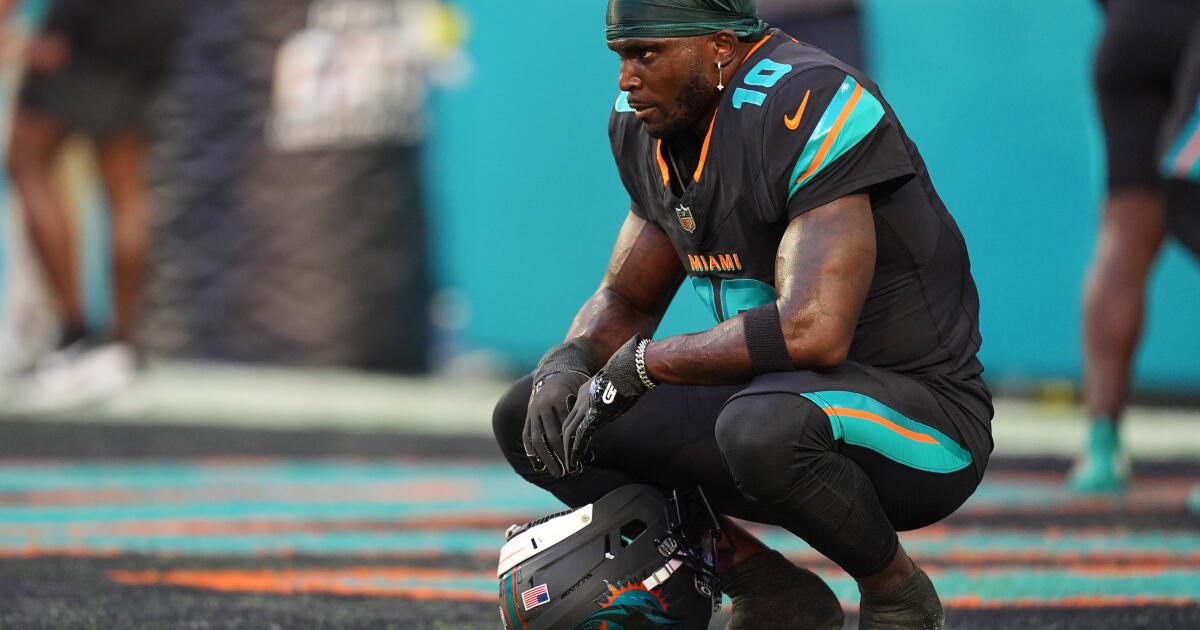
A Miami jury returned a mixed verdict Tuesday evening in the domestic violence civil trial against Tyreek Hill, awarding his estranged wife $500,000 in compensatory damages, while finding the five-time All-Pro wide receiver liable for two of 10 claims of battery.
Lakeeta Vaccaro Hill was denied punitive damages by the six-person jury that deliberated for less than four hours. The week-long trial addressed allegations of physical and verbal abuse committed by Hill against Vaccaro, who sought $8 million.
“Mr. Hill was very pleased that he was able to get his story out and to be able to tell the world what he’s not been able to speak about,” Hill’s attorney Christi Bright told reporters. “He’s very grateful.”
Hill, a free agent who last played when he suffered a knee injury Sept. 29, 2025, could face discipline under the NFL personal conduct policy should he sign with a team. A player can be suspended even in the absence of criminal charges and previous related conduct can figure into any discipline.
The NFL has said Hill’s personal conduct is under review. He pleaded guilty to assault and battery by strangulation of his pregnant girlfriend in 2015 when he was a student at Oklahoma State and was the subject of a child-welfare investigation in 2019 after his three-year-old son suffered a broken arm.
During the civil trial in Miami-Dade County, Hill was found liable for one count of battery for a January 2024 incident and another from April 2025 that occurred one day before Vaccaro Hill filed for divorce. Their marriage lasted 18 months.
Vaccaro Hill testified during the trial that Hill shoved her to the ground, twisted her breasts, pulled her hair and threatened her. Hill also testified, admitting to telling Vaccaro Hill that he could “get people to hurt her.” He also testified that during one episode, he used enough force to create a hole in a wall he pressed her against.
He testified that Vaccaro Hill stole money from him and that the couple argued about a post-nuptial agreement and his relationships with the mothers of his seven other children. Hill and Vaccaro Hill have one daughter together, Capri.
“I wish I could have handled that situation a whole lot better,” Hill testified. “I wish I could have, you know, talked to my wife better. … I just wish I could just take it all back.”
Hill, 32, began his NFL career with the Kansas City Chiefs in 2016 and made eight consecutive Pro Bowls, six with the Chiefs and two with the Dolphins, who released him last offseason. He ranks sixth among active players with 11,363 receiving yards and seventh with 819 receptions.
The Chiefs have expressed interest in reuniting with the speedy 5-foot-10 receiver, who was a favorite target of quarterback Patrick Mahomes when Kansas City won a Super Bowl in 2020. Hill has made $143.68 million in career NFL player salary and bonuses, according to Over the Cap.
THE biggest tropical waterpark in the UK will close at the end of October – and won’t reopen until 2027.
Waterworld in Staffordshire is a year-round attraction for families, thanks to its 30C temperatures.
The UK’s biggest tropical indoor waterpark will close on November 2Credit: Facebook/Waterworld Aqua ParkIt will undergo upgrades and is expected to open in early 2027Credit: Facebook/Waterworld Aqua Park
But after the end of October half-term, Waterworld will temporarily close for upgrades to its waterpark.
It is expected to reopen early next year, although no date has been confirmed.
Sign up for the Travel newsletter
Thank you!
Visitors can enjoy the last day of thrills on Waterworld’s 30 rides and attractions on November 1 along with a live DJ.
Wayne Goodall, managing director of Waterworld Leisure Resort, said: “Our closing party is the perfect chance for visitors to make a last splash with us before we close for a short time to make exciting changes across the Aqua Park.
“At its heart, Waterworld offers families a place to spend time together, escape from everyday life and enjoy that holiday feeling, whatever the weather.
“The upgrades we have planned are set to build on that sense of fun and enhance the way we tell our story, creating a more immersive experience for our guests. We can’t wait to reveal more about the upcoming investment soon.”
He added that the Adventure Mini Golf and Adventure Mini Village will remain open.
The tropical waterpark sits at 30C even in the winter along with slides like the Space Bowl which is shaped like a UFO.
Nucleus is a popular water rollercoaster, there’s also Stormchaser and Cyclone.
The waterpark is also home to Thunderbolt, which is the UK’s first trap door drop slide.
On November 1 will be the ‘Last Splash’ partyCredit: Waterworld
As well as the main wave pool, there are river rapids and the Jungle House is suitable for youngsters with water cannons and the monsoon monster splash.
The bubble pools are a more relaxing spot away from the high-speed watercoasters thrills.
During the summertime, there’s an outdoor pool open to visitors too.
Of course, the waterpark is still available to book now with tickets available for £17.50 – for children under three-years-old tickets start from £7.
Away from the waterpark, there are two mini golf courses inside the resort, each with 18-holes as well as a mini Adventure Village with everything from doctors to libraries.
Both of these attractions will remain open throughout the rest of the year.
At Waterworld Resort is also two mini golf coursesCredit: Refer to sourceThe play village opened three years ago in 2023Credit: Refer to source
There’s also a restaurant, cafe and gift shop on-site which are also expected to remain open.
In recent years, the attraction has undergone a number of renovations.
One of the newest additions to the waterpark as well is the M Club Spa and Fitness.
In 2023, it opened its new £250,000 immersive play village, then in 2024, £13million was spent on behind-the-scenes upgrades to the waterpark.
The former “Good Morning America” anchors tied the knot in a private Arkansas ceremony back in September. The marriage license, obtained by People, confirmed the Washington County nuptials.
Last October, the couple announced their engagement on the “Amy & T.J.” podcast. “We’re actually surprised we’re just now talking about it,” Holmes said. “We wanted to let you all know before anybody was able to. We learned that lesson I guess in the past about our relationship: We want to be the first to talk about it.”
The lesson Holmes is referencing is the couple’s big relationship reveal, which happened while they were both anchors on “GMA3” and married to other people.
In 2022, the paparazzi leaked photos of the two holding hands, nestled into each other at a New York bar, and Holmes patting Robach on the rear. Chaos broke loose in the media and behind the scenes at ABC. Holmes’ then-wife, attorney Marilee Fiebig, filed for divorce shortly thereafter, followed by the divorce of Robach and her second husband, “Melrose Place” actor Andrew Shue, months later.
The same month that news of the scandal broke, ABC parted ways with the anchors, and they deactivated their social media accounts. A year later, the broadcasting duo embraced their coupledom, naysayers be damned, and teamed up with iHeartPodcasts to launch “Amy & T.J.,” marketed as “informative, entertaining, and above all, authentic; it will mark the first time Robach and Holmes speak publicly since their own names became a part of the headlines.”
In the debut episode, Robach and Holmes detailed how the scandal unfolded and insisted they’d been quietly separated from their spouses before their love affair began. Both said that the scandal dominating the headlines and the loss of their dream jobs sent them into the depths of despair.
“But we have had each other through it all,” Robach said. “It has been the most beautiful relationship I have had in my life.”
Discovery+, one of Skydance’s new streaming assets, will now cost $6.99 a month for its ad-supported tier, up $1. Its ad-free tier is also up $2, costing viewers $11.99 a month. The prices take effect immediately for new subscribers. Existing subscribers will get 30 days’ notice and see the higher rates on bills dated on or after Nov. 12.
Skydance did not immediately respond to a request for comment.
The platform first launched in 2021, at $4.99 a month for its ad-supported tier and $6.99 for ad-free. Nearly six years later, the price of the cheapest tier has risen roughly 40%, and the ad-free tier has jumped about 72%. This is the service’s second price hike since January 2025.
The standalone streaming service features tens of thousands of TV episodes from cable networks like HGTV, Food Network and TLC.
Before the merger, each company maintained its own streaming services, with HBO Max and Discovery+ under Warner Bros. Discovery and Paramount+ under Paramount Skydance. The services are currently operating as separate entities. But David Ellison, Skydance’s chairman and chief executive, has said he plans to merge the two platforms into one streaming service. It’s unclear when that might happen, what it would cost, or where Discovery+ fits in. The company has not publicly laid out plans for the service.
Prices for HBO Max currently range between $10.99 and $22.99 monthly. Paramount+ costs between $8.99 and $13.99 a month.
Streaming is one of the biggest open questions for Skydance as it enters a new era. The company is carrying roughly $80 billion in debt and is targeting more than $6 billion in cost savings over three years. Skydance has said those savings will come primarily from technology, procurement, marketing and real estate, and Ellison has said the bulk won’t come from layoffs. Industry observers expect that debt load to add pressure for more price increases across Skydance’s streaming lineup.
This price increase also comes at a time when many streaming platforms are similarly hiking their prices — in part to cover the rising cost of programming and talent. Discovery+ joins platforms like Netflix, Apple TV, Hulu and Disney+ which have all raised their subscription fees in the last year. Prime Video raised the cost of its ad-free add-on in April.
Marvel Unlimited, the company’s digital comics subscription service, is shutting down after 19 years.
Marvel announced Monday that it is launching Marvel Comics, a new digital comics app that will house more than 35,000 current and classic titles featuring Spider-Man, the X-Men, Captain Marvel and more from its extensive library. The new platform is built and operated by Webtoon and will launch Nov. 16.
The Marvel Comics app library will feature comics spanning Marvel, Star Wars and 20th Century Studios titles at launch, with stories from Disney’s other brands — like Pixar and Disney Animation — expected to follow. The new app will support both the traditional page-based comics format that mirrors physical books and the more mobile-device-friendly vertical-scroll format. (Marvel Unlimited also featured vertical-scroll comics under its Infinity Comics banner.)
A preview of the Marvel Comics app.
(Marvel Comics)
Those attending New York Comic Con this Thursday through Sunday can get an early look at the new app at the Marvel Comics booth (#2435).
With the arrival of the new Marvel Comics app, Marvel Unlimited will “sunset” on Dec. 7. Marvel Unlimited has been the company’s in-house digital hub for its comics since its launch as Marvel Digital Comics in 2007. Subscriptions and payment information from Marvel Unlimited will not automatically carry over into the Webtoon-operated Marvel Comics, and Marvel says those whose paid subscriptions will be cut short because of the shutdown can expect a prorated refund on or around Nov. 16.
Marvel Unlimited members who sign up for Marvel Comics will be able to import their current library and reading history into the new app once it’s launched. The steps required for that process have not yet been detailed, but the company says these members will have until Dec. 21 to access their Marvel Unlimited library to ensure the transfer was successful.
Marvel Comics will offer two subscription tiers: The base-tier membership will run $9.99 per month or $69.99 annually for access to the app’s full catalog, with new issues of ongoing titles added as early as three months after print release. For those who would rather not wait that long to read newer comics, Ultimate-tier members will be able to access new issues as early as a month after its print release. Subscriptions for that tier will run $12.49 a month or $99.99 a year. Marvel is currently offering a special $59.99 “founder member” price for the first year of an annual Ultimate-tier memberships for those that preorder the service.
WASHINGTON — President Trump said that he has struck a deal to obtain diesel from Russia, a stunning reversal of years of U.S. pressure on Moscow over its war with Ukraine and an attempt to address high fuel prices ahead of the U.S. midterm elections.
Trump said on social media on Friday that he struck the deal with Russian President Vladimir Putin in a phone call in which he was expected to discuss a suspected case of plague in Russia. Instead, Trump announced that Russia will immediately supply more than 300,000 tons of diesel, followed by an additional 500,000 tons in November and 1 million tons “immediately thereafter.” Russia will deliver another 3 million tons “within a short period of time” after that, he wrote.
Trump’s shocking announcement comes after he signed a sweeping Russia sanctions law last month that aimed at clamping down on Russia’s energy economy, among other areas, that fuel its war against Ukraine.
His move casts doubt on the likelihood of the White House imposing sanctions on Russia this month, given that a bipartisan law passed by Congress directs the administration to target the top importers of Russian oil and gas.
Trump, in his announcement, did not address the sanctions or Russia’s war but said, “Lower prices for Americans, especially our Great Farmers, Ranchers, and Truckers, is my Greatest Priority.”
The White House did not immediately respond to questions about who was paying for the diesel from Russia and when the fuel being supplied under the agreement would become available. It also did not clarify whether subsequent supplies of Russian diesel set to come next month would be supplied prior to Election Day on Nov. 3.
Gas prices globally have surged as the war in Iran upends the energy sector. The national average for a gallon of diesel in the U.S. was $6.23 on Friday, according to AAA, after hitting a record $6.52 on Sept. 22.
Russian presidential envoy Kirill Dmitriev reposted the Treasury Department’s announcement on X Friday and said that “Russia-US cooperation on diesel and energy will benefit the world.”
Rep. Don Beyer, the senior House Democrat on the Joint Economic Committee, called Trump’s announcement, “infuriating.”
“This is what we warned anyone who would listen: Trump isn’t the slightest bit trustworthy when it comes to Russia,” Beyer said in a statement on X. “Giving him expanded tariff powers in hopes he would use them to help Ukraine was a mistake. Now he’s lifting sanctions on Russian fossil fuels.”
The law Trump signed last month envisions sanctions on Russian officials, banks and a shadow fleet of tankers and bans all new U.S. investment in Russia and the handling of sovereign debt.
It also directed Trump to impose tariffs of up to 100% on the top five importers of Russian oil or natural gas, with an exception for countries that import less than 15% of Russia’s natural gas exports and have taken significant steps to reduce those imports.
The U.S. has not imported Russian oil or gas since 2022, when the Biden administration banned them because of Moscow’s invasion of Ukraine, according to the U.S. Energy Information Administration.
Shortly after Trump made the announcement, the Treasury Department said it was immediately issuing a temporary license allowing Russian diesel to be supplied to the global market.
This is the latest in several licenses the U.S. Treasury has issued regarding Russian fuel shipments since the start of the Iran war earlier this year. But it is the first such license to ease sanctions on diesel for a period lasting longer than the standard 30-day window since the start of the Ukraine war.
The new so-called general license means U.S. sanctions will not apply until April 2027 on deliveries of Russian diesel that has been loaded onto tankers as of Friday. The department extended similar easing of sanctions in March and April even though Treasury Secretary Scott Bessent had ruled out such a move earlier in the year.
The extensions continue to underscore how the fallout from the Iran war has boosted Moscow’s ability to profit from its energy exports, which had been restrained by the U.S. and other allies since the invasion of Ukraine.
Price and Binkley write for the Associated Press. AP writer Will Weissert in Washington and Farnoush Amiri in New York contributed to this report.
Anyone travelling with just hand luggage won’t be affected.
The airline claims this is as many as 80 per cent of passengers who don’t ever have checked bags.
But anyone who likes to rock up to their flight and still check a suitcase at the last minute will be in for a shock.
Ryanair CMO, Dara Brady, said: “This will allow these 20% of our customers (who check in a bag) more time to clear through airport security and passport queues, and get to their departure gate on-time, especially during busy travel periods when some of these airport queues can be longer.”
More self-check in machines have since been rolled out as well in a bid to speed up the process.
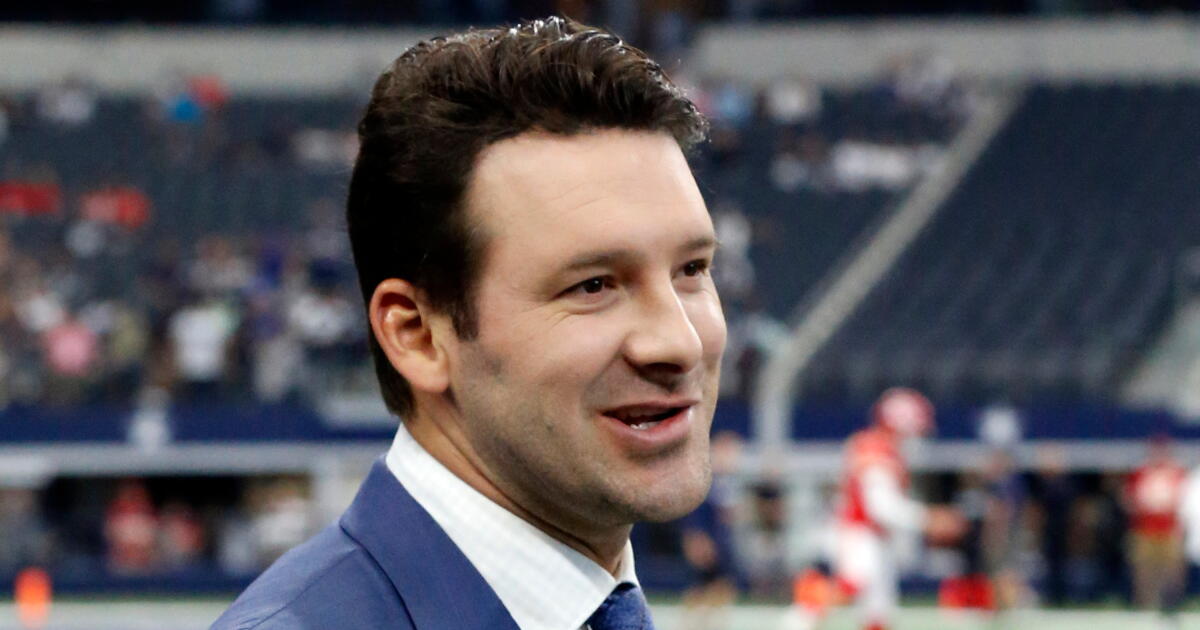
“We thank Tony for his contributions over the past nine years and wish him the best moving forward,” CBS Sports said in a statement.
J.J. Watt, who has been filling in for Romo as the color commentator on CBS Sports’ lead NFL broadcast team, will continue in the role for the remainder of the season. Romo, a former four-time Pro Bowl quarterback for the Dallas Cowboys, has been booth partners with play-by-play announcer Jim Nantz since 2017.
“I’m proud of what I accomplished at CBS Sports over the last nine years,” Romo said in a statement released soon after CBS announced the move. “I approached my role as a game analyst the way I’ve approached everything in my life — with a desire to win and be the best that I can be.
“I’m going to use this time to take a break,” he added, “something I’ve never done before, and focus on my health and my family before moving on to my next opportunity.”
On Sept. 1, Romo entered a a no-contest plea to the OWI charge from his July 23 arrest in Wisconsin. A Milwaukee County judge found Romo guilty of the charge and took away his driving privileges for six months. Romo also was ordered to pay $834, and have an ignition interlock device installed on his vehicles for a minimum of one year.
Afterward, Romo said in a statement that multiple back injuries from his playing career led to “a dependence on pain medication, and my efforts to get off those medications led to an over-reliance on alcohol.”
“None of this is an excuse,” he wrote. “These are my failures, and I take responsibility for them.”
Washington, DC – Democrats have the momentum; Republicans are surging in defence and cash.
That narrative has emerged ahead of the United States midterm elections in November, as races across the country enter their final stretch.
Recommended Stories
list of 3 itemsend of list
With control of the US House of Representatives and the US Senate at stake, Democrats begin October with a surprisingly rosy outlook as more congressional seats are seen as in play.
Republicans, meanwhile, appear to be in damage control, pouring millions of dollars into races once seen as secure victories while injecting more funding into a handful of marquee showdowns.
The party’s standard bearer, President Donald Trump, who has embraced the notion of the election being a referendum on his leadership, enters the final month with staggeringly low approval ratings.
The most recent Associated Press-NORC polling, released on Thursday, showed Trump with 31 percent approval, the lowest during either of his two terms. Only 26 percent of respondents approved Trump’s handling of the economy, dipping two points below his predecessor, former President Joe Biden’s lowest rating on the topic.
Surveys continue to show voters rank the economy as their top issue, with topics like gas prices, made higher by the US-Israel war with Iran, dominating their concerns. Immigration and corruption have also regularly ranked high.
“The broad stroke is that Americans are disappointed, bordering on angry that President Trump hasn’t delivered on the core promises he made when he won re-election,” according to Henry Olsen, a senior fellow at the conservative Ethics and Public Policy Center in Washington, DC.
House looking solid for Dems
Political trackers have long projected Democrats will take control of the US House of Representatives in the November 3 vote.
Winning a majority in the 435-member chamber from Republicans would give the party renewed legislative power to assert leverage over Trump, while launching investigations into his administration’s dealings. Top Democrats have already signalled that probes into Trump’s family business dealings would be top priorities.
Two election non-partisan prediction authorities, the Cook Political Report and the University of Virginia’s Sabato’s Crystal Ball, have recently assessed that the likelihood of Democrats taking the House has only increased.
The Cook Political Report recently shifted 15 House races in the direction of Democrats, moving some considered “toss-ups” to “leans Democrat” and some previously considered “lean Republican” to “toss-ups”.
One such shift was for a Texas border district represented by Republican Monica De La Cruz. Her district was emblematic of a wider Latino shift towards Trump in 2024. Once seen as holding the advantage over her challenger, Democrat Bobby Pulido, Cook now rates her race as a “toss-up”.
All told, the political analysis clearinghouse now predicts Democrats are on track to win 5 to 15 House seats.
Senate in play
With 30 days left to go, “there’s much more drama in the Senate than the House races”, according to Kyle Kondik, the managing editor at Sabato’s Crystal Ball.
Once considered a pipe dream for Democrats, who need a net gain of at least four seats to win a slim majority, the 100-member chamber has moved within a more comfortable striking distance.
Unlike in the House, where every seat is up for re-election, only 35 Senate seats are up for grabs in this cycle, creating a far narrower pathway to control.
“The trajectory of the polling since Labor Day (September 7) has generally been that a bad Republican environment is just getting worse,” Kondik said, adding that “the Senate just seems to get more and more competitive as the cycle has gone on”.
To be sure, the quality of polling can vary across the country, with Kondik cautioning that gauging the political temperature of the Midwest has been particularly challenging for pollsters.
Still, in North Carolina, former Democratic Governor Roy Cooper is expected to trounce former Republican National Committee chairman Michael Whatley in the race for a Senate seat currently held by Republicans. Top conservative donors have already begun to divert funds from the contest.
Surveys have consistently shown Democrats leading in three other races for seats currently held by Republicans: Democrat James Talarico against Republican Ken Paxton in Texas; Democratic challenger Sherrod Brown against Republican incumbent Senator John Husted in Ohio; and Democratic Mary Peltola against Republican Dan Sullivan in Alaska.
Races for Republican held seats in Iowa, between Republican Ashley Hinson and Democrat Josh Turek, and in Maine, between Republican incumbent Susan Collins and Democratic challenger Troy Jackson, remain separated by less than one point, according to Real Clear Politics polling averages.
Democrats, meanwhile, have consistently led in polling in Senate races in Georgia, New Hampshire and Michigan for seats the party currently holds.
Big money in the race
For Republicans, salvation could be in the spending, with this year’s race continuing a US phenomenon of small fortunes poured into politics.
All told, at least $4bn had been spent on gubernatorial and congressional midterm advertising buys as of September 17, putting the race on track to become “perhaps the most expensive midterm on record”, according to Michael Franz, co-director of the Wesleyan Media Project.
Republicans entered September with a considerable funding edge. The Republican National Committee had $125.6m on hand, with the Democratic National Committee trailing far behind with $16.9m and $17.6m in debt.
When accounting for the three major committees associated with both groups, the Republican Party had $233.4m in cash, according to a CNBC analysis, while the Democratic Party had $130.4m.
Trip Yang, a Democrat strategist based in New York City, told Al Jazeera such spending can be deployed to help boost a candidate’s name recognition or to tear down a competitor.
According to AdImpact, Republicans and their allies were set to spend $888m on advertising from mid-September to election day, with Democrats and their supporters set to spend $666m.
The firm found pro-Republican ad spending would be particularly pronounced in the key Senate races in Ohio, Texas and Michigan, outpacing Democratic spending by at least $24m in each state.
Trump’s unpopularity, Yang said, means “Republicans spending millions or hundreds of millions of dollars improving their candidates’ images by itself may not be enough”.
“If you’re a little bit handicapped because your president is so toxic, you try to spend your hundreds of millions of dollars attacking the Democrats to make it more of a food fight,” he said.
A New York Times analysis estimated by the end of August at least $1bn in so-called “dark money” had been poured into the midterms. The term refers to spending where the donor’s identity is shielded, typically through nonprofit and shell-company donations to Super PACs.
Industry groups, including those supporting Crypto, AI and online betting firms, are expected to be top spenders in key races, although their support tends to cut across partisan lines.
Trump, meanwhile, has pledged to spend between $400m and $500m from his MAGA Inc Super PAC, though it has so far spent about $15m to support Paxton’s Senate bid in Texas.
Pro-Paxton ad reservations far outpaced Talarico in September, according to AdImpact data analysed by NPR, with $94m spent compared with $30m to support the Democrat.
The Trump factor
Trump has pledged to spend the final days before the election in non-stop campaign mode, after urging supporters during his Republican Midterm Convention in Dallas, Texas, to “vote like I’m on the ballot”.
His plan to criss-cross the country for rallies underscores a “base turnout” strategy meant to energise voters already loyal to the party, according to conservative analyst Olsen.
“But the Republican problem is a persuasion problem with people in the middle,” Olsen said. “[Trump’s campaigning] might help with some turnout … but their real problem is persuasion, and it’s not something that’s going to help with that in the slightest.”
Polls have spelt trouble for Republicans when it comes to swaying independents, with a PBS News, NPR and Marist poll from September 23 showing unaffiliated voters breaking for Democrats at 57 percent compared with 32 moving towards Republicans.
US President Donald Trump participates in a midterm election rally for Oklahoma Republican gubernatorial candidate Mike Mazzei at the Choctaw Event Center in Durant, Oklahoma, US, October 1, 2026. [Nick Oxford/Reuters]
The scenario has created a dilemma for some top Republican candidates over whether to break from the president on his most controversial actions, according to Lee Miringoff, the director of the Marist University Institute for Public Opinion.
Senate candidates Ashley Hinson in Iowa, Jon Husted in Ohio and Mike Rogers in Michigan all recently put daylight between themselves and Trump on the war with Iran.
One Republican House candidate, Representative Maria Elvira Salazar, has criticised Trump’s aggressive immigration enforcement policies as she seeks to rally Latino voters in South Florida.
Trump, in turn, reposted a social media message calling Salazar a “backstabber”.
“You need to have, you know, something else going for you other than endorsement of Trump,” said Miringoff. “Some Republicans are starting to have self-preservation kick in because they’re concerned.”
What can change?
Achieving a wide-scale shift in public opinion remains a tall order for Republicans in the final stretch of the race.
Many of the defining issues are unlikely to change before November, with Trump signalling a possible escalation with Iran following the vote as he has downplayed the prospect of short-term affordability relief.
At the same time, the US president has also not ruled out actions that rights groups say could upend voter turnout. Most recently, he refused to commit to not invoking the Insurrection Act or declaring a state of emergency surrounding the vote during an interview with Time magazine.
Miringoff said he believed that the “potential for more than just a marginal shift is there”, as he assessed some Democratic candidates have struggled to present clear visions beyond opposition to Trump.
“The result isn’t formed in concrete,” he said, “to the degree that there’s going to be a lot of money still spent.”
Analyst Olsen saw less remaining wiggle room for the party.
“Republicans have the time and the resources to change the outcome with respect to a few close Senate races,” Olsen said. “But to change direction, they would need something that would be apocal.”
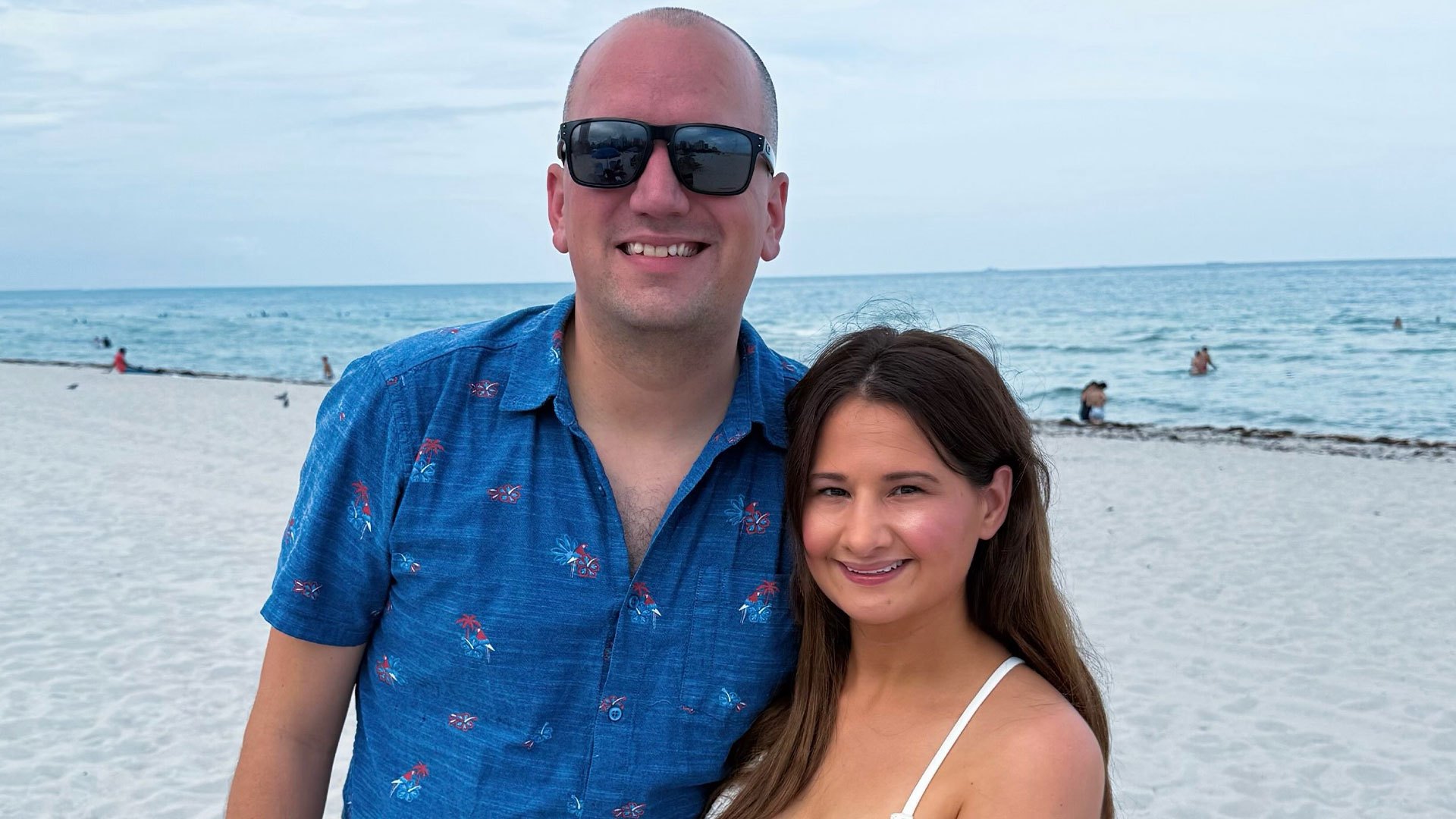
THE heartbroken sister of Gypsy Rose Blanchard’s ex has slammed her over what she claims are lies about their relationship and his sudden death, The U.S. Sun can reveal.
Autumn Urker, 31, alleges her brother Ken had split from Gypsy weeks before he died and claims she WASN’T the one who raised the alarm before his body was discovered.
Ken Urker’s sister has hit out at Gypsy Rose Blanchard after her brother’s deathCredit: TikTok/shortykinssGypsy Rose Blanchard and Ken Urker in a happier social media photoCredit: Instagram/gypsyrose.insta
Ken, who shared one-year-old daughter Aurora with Gypsy, was found dead in his bed at his Louisiana home on Thursday, his 34th birthday.
Gypsy said her final message to Ken was a “Happy Birthday” text and claimed she became concerned when he failed to respond.
Sign up for the Showbiz newsletter
Thank you!
But speaking exclusively to The U.S. Sun, Ken’s sister Autumn blasted what she described as “lies” surrounding his death and relationship with Gypsy.
She said, “Gypsy had no right to lie and say that it was because of some text that she sent to him.”
A police report obtained by The U.S. Sun shows other family members contacted authorities.
Autumn claimed Gypsy had been telling people “they were engaged and planning a baby number two,” but “none of that was true.”
“They were not together,” Autumn said.
Asked when they split, Autumn said it was “over a month ago” and claimed Ken was the one who ended the relationship.
Most read in Entertainment
She said, “When he was like, ‘I’m done,’ she’d do a thing, and so it was a fight whenever they split.”
Following Ken’s sudden death, Gypsy shared an emotional tribute describing him as her “greatest love story” and saying he would “forever be my soulmate and my red string.”
But Autumn hit back, saying, “It’s a slap in the face. You don’t have to lie and make it seem like something.”
The U.S. Sun has reached out to Gypsy for comment.
Gypsy Rose Blanchard posting this photograph of her ex as she paid tribute to himCredit: Instagram/Gypsy Rose BlanchardAutumn Urker claims her brother was distressed about his his relationship with GypsyCredit: TikTok/shortykinss
Gypsy has also said she believes Ken died of an overdose, although she said she did not know whether it was intentional.
Police records obtained by The U.S. Sun list the incident as an “overdose,” but an official cause and manner of death have not yet been released.
A handgun was also found in a holster beside his bed.
Asked whether she believed her brother’s death was intentional, Autumn said, “Accident. So I have more details, so we’re just keeping [them] private.”
The report says Gypsy’s half-brother Dylan Blanchard and his wife Anita decided to check on Ken and contacted the Lafourche Parish Sheriff’s Office after becoming concerned about his behavior the night before and learning from his boss, Justin Daigle, that he had not shown up for work.
Dylan reached an unlocked bedroom window and spotted Ken unconscious on his bed.
Dylan and Justin then moved the blinds and climbed through the window, where Justin touched Ken and discovered he was cold and not breathing, the report reads.
The records do not state that Gypsy was at the home when Ken was discovered or that she was the person who contacted authorities.
Deputies reported finding syringes and a spoon next to a “brown powdery substance” in the bathroom.
Another syringe was found on the nightstand beside Ken’s bed, along with a handgun, according to the report.
Autumn revealed she had spoken to Ken just hours earlier, with their conversation continuing past midnight.
She said, “He said he just had to work, he was going home, he was tired, so he was going to go to sleep, and then he had work in the morning.”
Their final conversation ended as their calls normally did.
Autumn recalled, “‘I love you’ — it just… That’s how we hang up the phone, you know, we say that we love each other. He didn’t say anything weird.”
Autumn also revealed Ken had been deeply troubled by the reaction to an old prison phone call between him and Gypsy that resurfaced online shortly before his death.
She said, “He asked me what I thought about the phone call that everybody’s been playing this past week, calling him the most sick things, and I told him he wasn’t that guy.”
Autumn said the cyberbullying Ken faced had taken a toll.
She recalled Ken asking her, “Is this call weird?” before she reassured him, “No, it was not weird.”
Autumn said they had plans to meet for dinner or “something” on his birthday before he was found unresponsive.
Paying tribute to her brother, Autumn said, “My brother was a great man. He was the kind of man that tried to love the broken. He was the kind of man that believed without demanding proof.”
She described Ken as a loving father, brother, son and friend who made people feel heard, adding that their mother was “devastated.”
Ken first contacted Gypsy in 2017 after watching Mommy Dead and Dearest while she was serving prison time for her role in the murder of her mother, Dee Dee Blanchard.
The pair later rekindled their romance and welcomed Aurora in December 2024.
A TINY island off the coast of the UK has closed earlier than expected amid fears of incoming bad weather conditions.
Caldey Island is a short, 20-minute boat ride from Tenby in Wales, with just 40 people living there.
Caldey Island has closed a month earlier than plannedCredit: AlamyThe only way to get to the island is by boatCredit: Alamy
However, in the summer months, tourists flock to the island when it reopens from Easter to the end of October.
Yet the island has since stopped boats almost a month early, citing upcoming weather concerns including high pressure and fog.
Sign up for the Travel newsletter
Thank you!
The island, owned by a group on monks, explained on social media: “After careful consideration, we have made the difficult decision to close Caldey Island for the remainder of the 2026 season.
“With the weather forecast for October looking particularly challenging, we feel it is the right decision to bring the season to a close a little earlier than usual.”
They added that it had been a “record-breaking season,” having been open for 64 days in a row from July to August.
The island will now stay closed until next year, likely opening in spring 2027.
But if you are planning your trip there next year, there is lots to do for a day trip to the ‘paradise’ island.
It is one of the UK’s holy islands, having been owned by monks for more than 1,500 years.
One of the main attractions is the lighthouseCredit: AlamyYou can expect a very quiet beach on the islandCredit: AlamyThere is also a small village with shops and cafesCredit: Alamy
Priory Bay is the beach that is open to tourists, with the golden sands often devoid of crowds.
The island also has a chocolate factory to explore, along with a cafe, tea garden and gift shop.
Along with five walking trails (where you can spot rare red squirrels), a playground and a lighthouse attraction, a new Visitor Centre is also set to open.
If you want to stay, there are three options – St Philomena’s, with full-board stays costing £75pp and St Teilo’s cottage which is £65 a night.
Otherwise there are some rooms in the Monastic Guesthouse, which is only for men, and must work with assisting the monks.
To visit the island, it costs £24.95 for adults and £12.95 for kids, with reduced rates for seniors and families.
Last year chef Debbie Lee debuted her long-awaited pocha in Highland Park: Yi Cha, one of L.A.’s best new bars, where Lee serves modern Korean bites that pair with artful cocktails and imported soju. Now she’s opened Mokja, a tandem cafe and market for Korean-leaning coffees, sandwiches, pastries and pantry goods. Enter Mokja through Yi Cha’s back alley and find sweet corn iced lattes, coffees topped with misugaru cold foam, and banana matcha lattes served alongside oxtail hand pies, Seoul-style breakfast plates, gochujang short rib onigiri, tomato-muchim pork belly BLTs, and a DIY ramyun station. In a hurry? Grab Lee’s premade bibimbap, mayak eggs, mandu, japchae and more from the refrigerators. If you’re shopping for your home, find coffee, mochi mixes, ice cream, hot sauce, black sesame spreads and other goods from local makers, plus imported Korean Oreos and chips, on the shelves around the cafe.
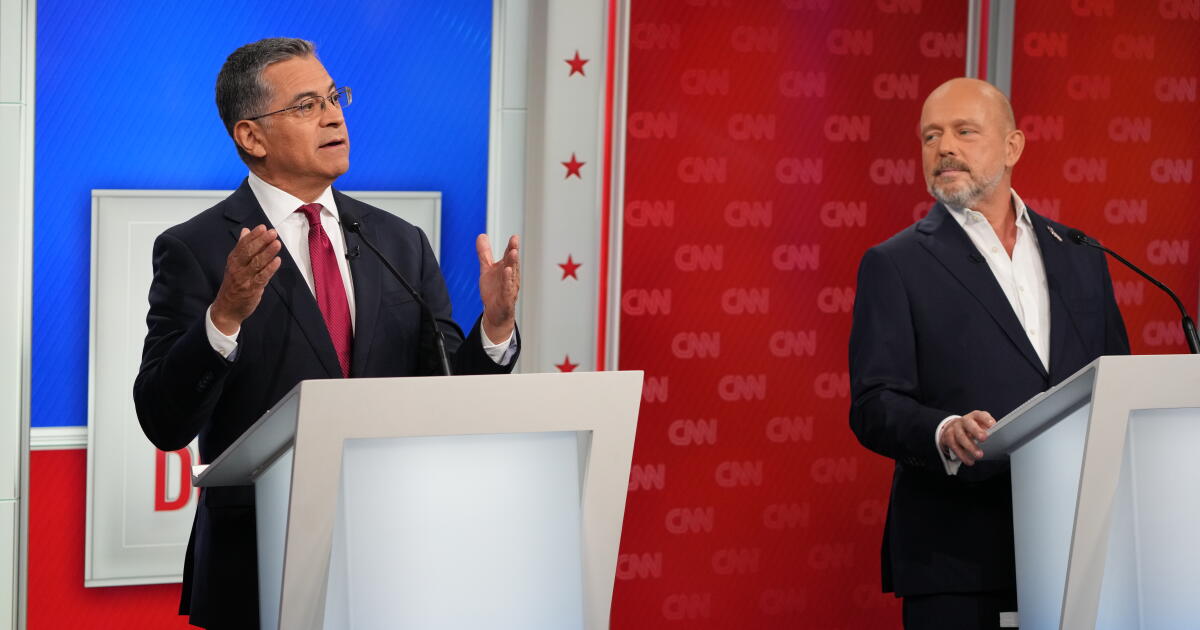
The two candidates to become California’s next governor painted vastly different portraits of the state they want to lead during a televised CNN debate Wednesday night — though they both agreed the state faces tremendous challenges.
Democrat Xavier Becerra, leading in polls, cast the state as an economic engine and a critical bulwark against the disastrous economic policies and creeping authoritarianism of the Trump administration, but also a victim of Trump policies, including tariffs and the war in Iran, that have made life less affordable and the nation less safe.
Becerra said he would work hard to help struggling Californians — including by cutting red tape on housing and regulating AI to ensure it doesn’t destroy jobs — while his challenger, Republican Steve Hilton, would harm them further by backing President Trump’s agenda at every turn.
Hilton, endorsed by Trump, blamed the state’s most entrenched ills on years of Democratic governance, awash in unnecessary state bureaucracy and regulation that have made it wildly unaffordable, and wrongly obsessed with fighting the president instead of bringing down costs and fixing related local issues like homelessness.
Hilton said he would help struggling Californians by cutting taxes, cutting the cost of building new housing, eliminating fraud and bringing common sense back to state policy-making.
Both candidates came out of the gate on offense, and at times it got intensely personal, particularly on immigration — with Becerra accusing Hilton of welcoming white immigrants into the country while rejecting Latino immigrants, and Hilton accusing Becerra of handing migrant children over to sex and labor traffickers during his time as U.S. Health and Human Services secretary.
With ballots soon arriving in voters’ mailboxes and the Nov. 3 midterm election rapidly approaching, the hour-long debate — moderated by CNN anchors Jake Tapper and Dana Bash in Burbank and aired live by the national news network — provided the public with its latest look at two candidates vastly different both in politics and campaign style.
Becerra, a former Congress member from Los Angeles, California attorney general and Health secretary under President Biden, surged past a slate of other Democrats to win the June primary after onetime front runner Rep. Eric Swalwell dropped out of the race amid sexual assault allegations. Hilton placed second after Republican voters and others coalesced behind his message to shake up Sacramento — earning him the right to face off against Becerra in November.
Hilton, a former British political aide, former Fox News host and Silicon Valley entrepreneur, has been crisscrossing the state looking for votes anywhere he can find them — an uphill battle given registered Democrats outnumber Republicans by a nearly 2-to-1 margin, and opposition to Trump is widespread in the state and growing even among Republican voters.
A poll this month by the UC Berkeley Institute of Governmental Studies and co-sponsored by the Los Angeles Times found 58% of likely voters surveyed said they support Becerra, compared with 33% who back Hilton — a slight increase to Becerra’s lead compared with an August IGS poll. California voters identified the high cost of living as their top concern, but that was followed closely by opposition to the Trump administration.
Becerra has taken a less visible approach to campaigning, with critics accusing him of intentionally keeping a low profile in an effort to cruise to victory in a state that hasn’t elected a Republican to statewide office in two decades.
“I just want to say thank you to CNN for bringing Xavier out of hiding,” Hilton said at the beginning of Wednesday’s face-off. “He’s barely been seen in public since the primary four months ago; it’s very important we have this debate.”
During the debate, both candidates seemed prepared to focus on the lack of affordability — namely by blaming the other’s political party for it. But they also discussed artificial intelligence and data centers, immigration policy and, of course, Trump.
Tackling gas prices, high cost of living
California has some of the highest housing and energy costs in the nation, and affordability tops the list of concerns for likely voters. It also was the first issue the candidates debated.
Hilton has made the cost of living a central theme of his campaign, with a plan he calls “Califordable” to cut gas prices and end income taxes on earnings up to $150,000. He blamed California’s high costs on Democrats, who have controlled the Legislature and statewide offices for more than 15 years. Hilton says he can lower costs by slashing onerous state regulations on businesses.
Hilton said the “quickest way to get more money in people’s pockets is for the government to take less out” and to reduce regulations to allow more housing to be built — including in “10 new cities” he said he would help build in the state.
Becerra has blamed higher prices on Trump’s tariffs and the war against Iran. In response to attacks from the U.S. and Israel, Iran has for months choked off a major oil trade route, sending global gas prices soaring — to a national average of $4.48 per gallon this month.
Becerra said Hilton’s plan to end income taxes would amount to a massive tax cut for “billionaires and millionaires” that would take money from schools, healthcare and other critical services. “The math doesn’t add up to what he’s talking about. He’s going to have to take it out of somewhere. It will come out of our schools,” Becerra said.
Becerra said he would bring down costs for people by cutting red tape, including on housing, and fighting the Trump administration — which he said is the real driver of cost increases. He also said he has helped create millions of jobs during his career.
Agree but disagree on AI and data centers
Hilton and Becerra both support regulations for data centers and artificial intelligence companies, a sign of growing bipartisan pushback seen across the country.
Hilton said he wants California to take a leading role in regulating AI, given much of the industry is located in the state, and expressed concern about losing AI jobs to other states such as Texas and Arizona. Hilton questioned whether Becerra would have the political courage to rein in the industry, saying his campaign has received funding from it.
When Bash asked Hilton if those companies should be able to “self-police,” as Trump has suggested, Hilton said, “We’ll have to see.” He also said he appreciates the effort by Trump to get assurances from AI companies on safety during a recent summit, and he would work to make sure that those promises are upheld.
Becerra derided Trump’s deal as a meaningless “pinky promise” that does not guarantee a safe path forward. He said he would lead efforts to reach real and meaningful regulations but also work directly with local communities on what they want.
“If someone wants to come in and build a data center that creates more jobs in the community, adds more energy to our grid, and it actually protects and adds more water capacity, then let’s talk,” he said. “But it has to be good for the community.”
Sharp attacks on immigration
Becerra has faced bipartisan criticism of how Health and Human Services cared for the influx of unaccompanied immigrant children during the pandemic.
Hilton has hammered Becerra on it, and at the debate accused him of sending “thousands of young children directly into the clutches of child sex and labor traffickers.”
Becerra was attacked by Democratic rivals in the gubernatorial primary in the aftermath of a Pulitzer Prize-winning series in the New York Times, including an article that said thousands of migrant children who entered the United States between 2021 and 2023 worked in slaughterhouses, factories and other dangerous jobs that violated child labor laws. The investigation also alleged that tens of thousands of the children Becerra’s agency released couldn’t be found because he relaxed screening of relatives and sponsors.
Becerra repeatedly has said that despite a lack of congressional funding for licensed-care facilities dismantled by the Trump administration, his staff worked hard to vet the people who the children would be placed with.
At the debate, he called Hilton’s claims “Trump talking points.” He also said more needs to be done to ensure children aren’t separated from their immigrant parents.
Becerra also has slammed the Trump administration for its mass deportation program and immigration crackdown, which has sent immigration enforcement agents into cities across the country, including Los Angeles.
Hilton said he would work to “lower the temperature” in the immigration debate and “prioritize the removal of dangerous criminals,” which he said is not occurring in California because Democrats are playing “politics” with the Trump administration.
Becerra, the son of immigrants, said California welcomed Hilton as an immigrant, and Hilton “welcomed ICE mercenaries” into California in return. He also accused Hilton of welcoming immigrants that look like Hilton, who is white, while working to remove immigrants who look like Becerra, who is Latino.
“I have fought all my life to make life better for immigrants, to represent them well, to defend them, to let them grow and build like my parents. But here’s the problem I have with your policies: You seem to welcome immigrants who look like you, but deport immigrants who look like me,” Becerra said.
Hilton called that “disgraceful.”
Trump, Trump and more Trump
Hilton repeatedly has praised Trump and his policies and consolidated support among California Republicans after Trump endorsed him before the June primary. But Trump’s endorsement could be an albatross in the Nov. 3 election, given his low approval ratings — particularly in California.
Becerra repeatedly hammered Hilton as a Trump acolyte, so much so that Hilton said that it was Becerra’s only attack line, and that Becerra “takes no responsibility” for Democratic policies that have harmed California for years.
“All you ever say is Trump, Trump, Trump, and that’s nothing but an insult to every Californian who is desperate for something to change in this state, and all you’re offering is more of the same,” Hilton said.
Becerra countered that Hilton embraced Trump during the primary.
“Your words, Trump, Trump, Trump. Because he is your supporter,” Becerra said. “You chased his endorsement.”
Where they stand on billionaire’s tax, schools and other quick hits
Proposition 40, the billionaires tax: Both Becerra and Hilton oppose the controversial wealth tax proposal on the ballot that would enact a one-time 5% levy on billionaires’ assets to largely replace $100 billion in federal healthcare funding cuts to California.
Proposition 39, voter ID: Hilton expressed support for the ballot measure, which would require voters to present ID at the polls or write a special pin on their mail-in ballot. Becerra, who opposes the measure, claimed the initiative is part of an effort by Trump and his supporters to interfere in elections.
Improving schools: Fewer than half of third-grade students read at grade level. Hilton said it’s a “catastrophe” that exemplifies Democratic failure in the state. Becerra conceded that the school system is not “well coordinated” but supports transitional kindergarten, a new pre-K grade created by Gov. Gavin Newsom.