Max

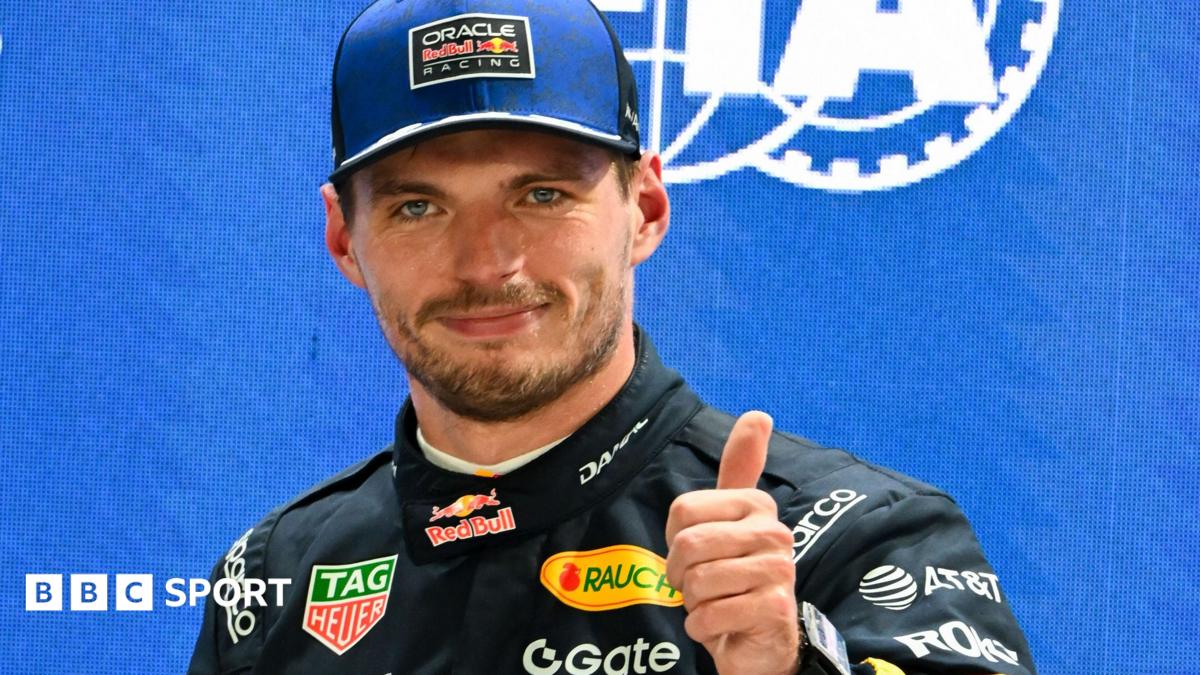
Monaco Grand Prix: Kimi Antonelli pips Max Verstappen pole with Lewis Hamilton third

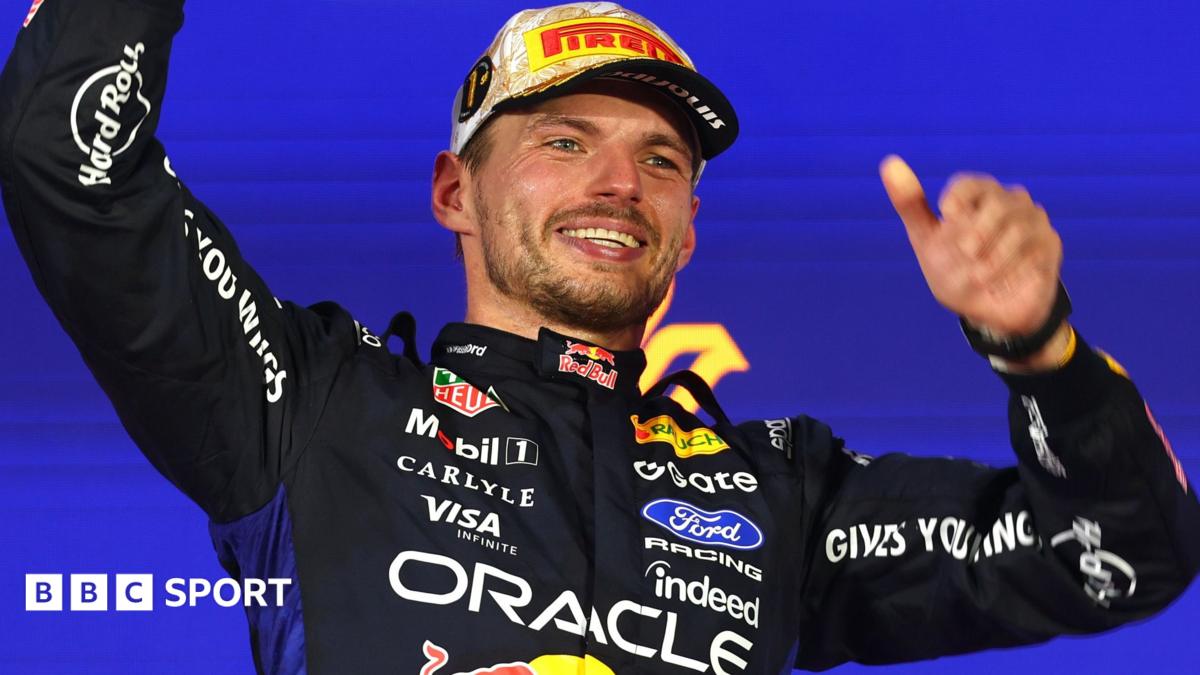
A Monaco pole is a statement performance for any driver and one of the biggest prizes in Formula 1. To deliver in this fashion, at the age of 19, underlined his potential as the most likely world champion this year at this early stage.

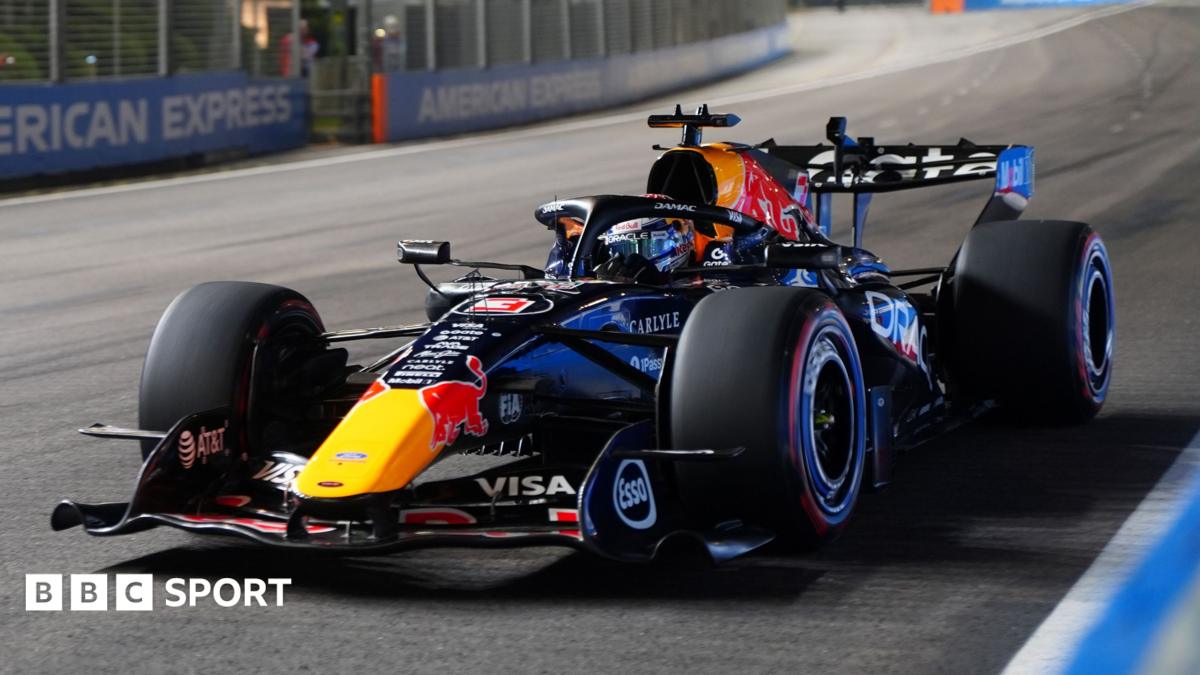
He and Verstappen were separated by just 0.001secs after their first runs in the final session and Antonelli said he had produced a “magic lap” to beat the Dutchman.

Leclerc went out early for the final runs after missing his first lap with a lock-up at Mirabeau, and he put himself at the top with his first effort.

Verstappen then beat that mark by 0.257secs to take top spot, only for Antonelli to displace him.

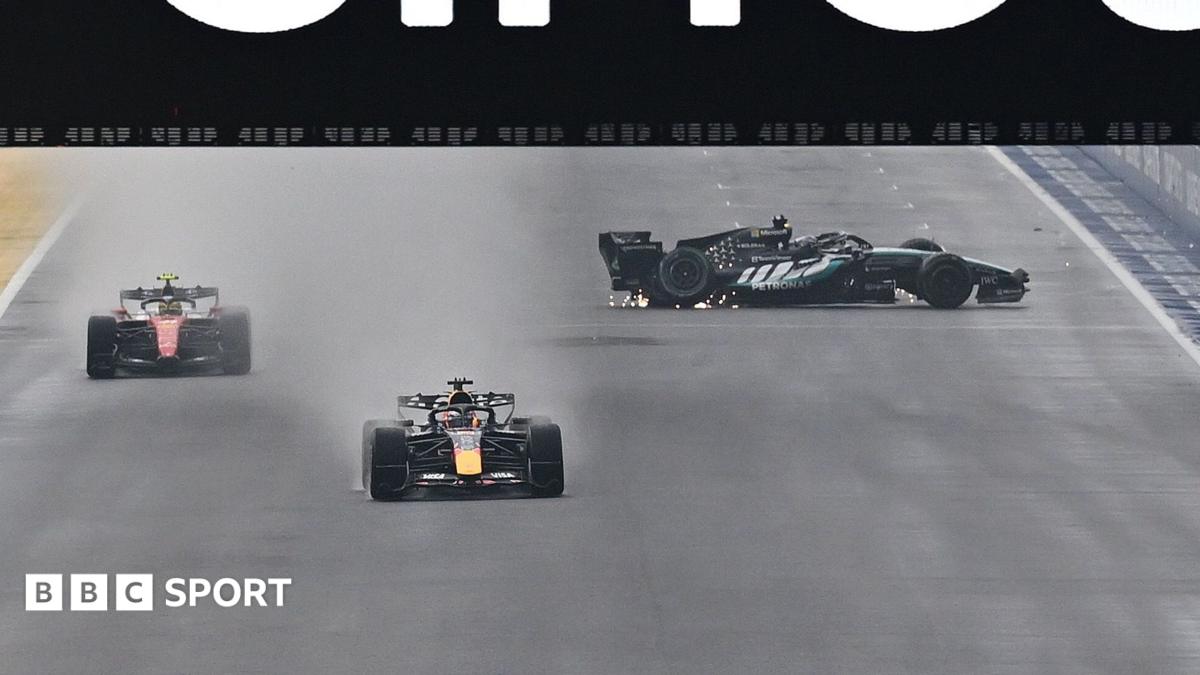
Leclerc was not finished – he had given himself time to have one final lap as the last driver on track. But he went over the limit and slid wide on the entry to Tabac, crunching his right rear wheel against the wall and breaking his rear suspension.

Antonelli said: “I was able to put everything together. It was such a close qualifying session. The last lap was good.”

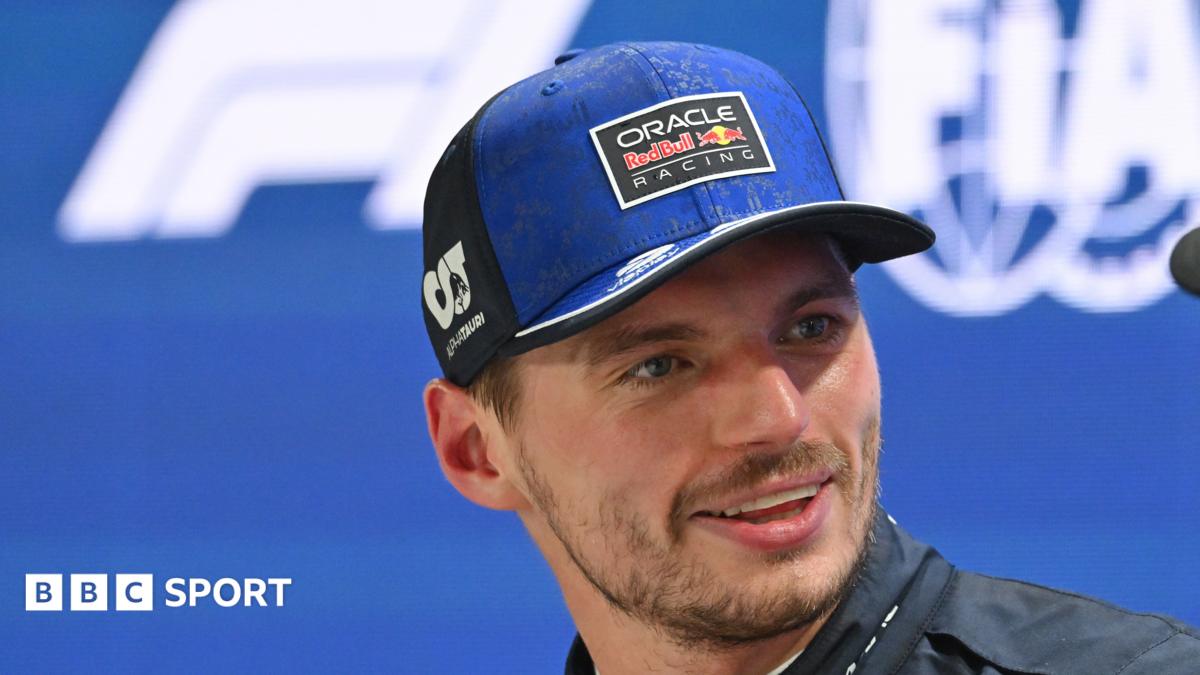
Verstappen said he was surprised to be able to compete for pole position.

“If you would have told me yesterday I would be on the front row, I would have taken it,” he said. “So heading into qualifying and being up there was extremely positive. Very happy with how qualifying went. I am happy to be on the front row.”

Ferrari had been quickest on Friday, first and second in both sessions, but Hamilton said the car felt different as soon as qualifying started.

“We were looking so good in practice and then the car was drastically different in qualifying,” Hamilton said, “so we have to take a look at that. But I was giving it everything. What a privilege it is to be one of the 22 drivers who gets to do this. I loved every second of it.”

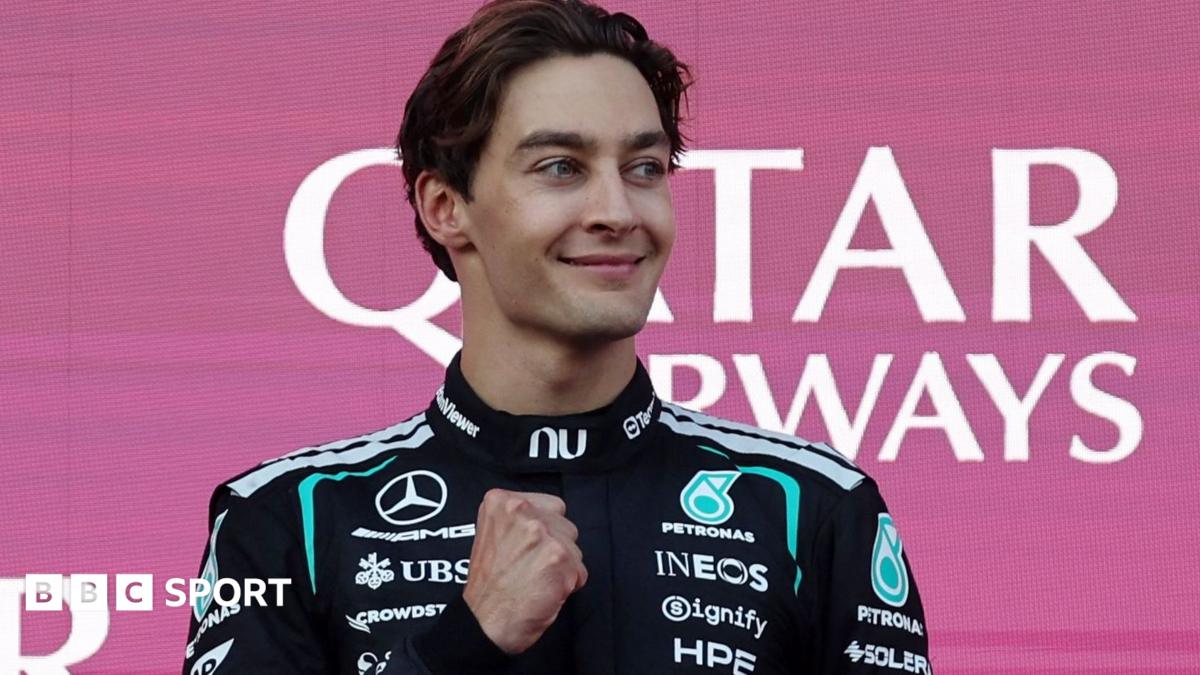
Russell struggled for grip throughout the session and never looked likely to get into the fight for pole, and he ended up 0.394secs behind his team-mate.

Source link

CFO Corner: Max Williams, EnergyPathways

The man financing Britain’s clean energy future on doubt, policy risk, and the things no CFO can control.

As CFO of one of Britain’s most ambitious clean energy projects, EnergyPathways’ Max Williams has learned that securing capital is only half the job.

Since joining the firm in April 2025, Williams has been overseeing the finances of MESH, an £800 million offshore hub on the Lancashire coast set to combine long-duration energy storage, gas, and green hydrogen production in a single integrated facility.

With MESH still in the pre-FEED stage, the challenge lies not just in raising capital but in keeping government, institutional investors, and industry partners moving in lockstep toward a Final Investment Decision — and ultimately, execution.

A seasoned Chartered Accountant with three decades in energy and natural resources, Williams spoke with Global Finance about financing a first-of-its-kind project, the politics of clean energy, and what keeps him awake at night.

Max Williams, CFO, EnergyPathways

Global Finance: What is your main achievement leading finance at EnergyPathways (EPP)?

Max Williams: EPP is developing a unique solution for energy storage and supply to support Britain’s energy transition. The project, called Marram Energy Storage Hub (MESH), combines long-duration energy storage (LDES) and gas storage, while also growing hydrogen industries using its offshore storage facilities. The ability to drive the project forward has depended in the early stages on reliable and continuing support from equity shareholders who understand and believe in the company’s focus.

The signing of a financing agreement with a global institutional investor was an important step in the company being able to accelerate its pre-FEED (Pre-Front End Engineering Design) work program on both its LDES and gas storage license elements of its project. Our ongoing engagement with government, industry partners and banks will provide further significant funding to progress the project to and beyond the Final Investment Decision (FID). The company designed the full project to minimize government subsidies.

GF: What is the biggest challenge in funding operations for MESH, an £800 million integrated offshore facility in the UK (near the Lancashire coast)? What is the thing you spend most of your time on?

Williams: The Secretary of State for Energy Security and Net Zero designated the MESH Project to be one of national significance. It is designed to meet clean energy goals and provide employment in the region, engaging with Team Barrow [a public-private partnership that aims to revive this port town in northwestern England] and gaining increasing parliamentary support. The biggest challenge is to ensure that all stakeholders, including government, are aligned and supportive, enabling the company to meet key milestones and secure appropriate capital as the development progresses through FEED to FID and first revenues.

GF: How important is it for you to have a good team, and what defines a good team for you?

Williams: With a new concept project such as MESH, success depends on a strong team across all disciplines, not just the finance team but also the teams overseeing EnergyPathways’ technical and commercial operations. Project delivery is going to be a key discipline in arranging project financing. In the energy transition space, a good team functions efficiently and effectively across disciplines with clear communication around objectives and strategies to achieve them. EPP also benefits by having world-class industry partners, including Siemens, Wood Group, and Costain.

GF: How do you see AI affecting your work?

Williams: For a small company with a small team, the use of AI has so far been limited within the accounting function. However, this will develop as the company grows. The company already uses AI to maximize productivity and assist with project design and implementation. An AI energy management system is a key part of our development design, enabling MESH to ensure a reliable and flexible energy supply to Britain’s energy markets.

GF: What advice do you have for aspiring CFOs?

Williams: Being CFO will always put you at the center of reporting, information flow, and decision-making. For EnergyPathways, this means identifying the project’s financing needs and providing suitable, timely solutions to those requirements. In addition, the CFO ensures information transparency for investors and the broader stakeholder community.

GF: What keeps you up at night?

Williams: Matters that are outside the control of the company. For instance, EnergyPathways is developing solutions for energy storage and supply, offering security of supply with a focus on clean energy supply. Development of the MESH project may require changes to government strategy and policy, and macro, global factors may affect policy. The MESH project, though, would benefit the UK’s future energy supply regardless of the polar arguments of clean energy versus exploitation of the North Sea.

Source link

CFO Corner: Max Williams, EnergyPathways

The man financing Britain’s clean energy future on doubt, policy risk, and the things no CFO can control.

As CFO of one of Britain’s most ambitious clean energy projects, EnergyPathways’ Max Williams has learned that securing capital is only half the job.

Since joining the firm in April 2025, Williams has been overseeing the finances of MESH, an £800 million offshore hub on the Lancashire coast set to combine long-duration energy storage, gas, and green hydrogen production in a single integrated facility.

With MESH still in the pre-FEED stage, the challenge lies not just in raising capital but in keeping government, institutional investors, and industry partners moving in lockstep toward a Final Investment Decision — and ultimately, execution.

A seasoned Chartered Accountant with three decades in energy and natural resources, Williams spoke with Global Finance about financing a first-of-its-kind project, the politics of clean energy, and what keeps him awake at night.

Max Williams, CFO, EnergyPathways

Global Finance: What is your main achievement leading finance at EnergyPathways (EPP)?

Max Williams: EPP is developing a unique solution for energy storage and supply to support Britain’s energy transition. The project, called Marram Energy Storage Hub (MESH), combines long-duration energy storage (LDES) and gas storage, while also growing hydrogen industries using its offshore storage facilities. The ability to drive the project forward has depended in the early stages on reliable and continuing support from equity shareholders who understand and believe in the company’s focus.

The signing of a financing agreement with a global institutional investor was an important step in the company being able to accelerate its pre-FEED (Pre-Front End Engineering Design) work program on both its LDES and gas storage license elements of its project. Our ongoing engagement with government, industry partners and banks will provide further significant funding to progress the project to and beyond the Final Investment Decision (FID). The company designed the full project to minimize government subsidies.

GF: What is the biggest challenge in funding operations for MESH, an £800 million integrated offshore facility in the UK (near the Lancashire coast)? What is the thing you spend most of your time on?

Williams: The Secretary of State for Energy Security and Net Zero designated the MESH Project to be one of national significance. It is designed to meet clean energy goals and provide employment in the region, engaging with Team Barrow [a public-private partnership that aims to revive this port town in northwestern England] and gaining increasing parliamentary support. The biggest challenge is to ensure that all stakeholders, including government, are aligned and supportive, enabling the company to meet key milestones and secure appropriate capital as the development progresses through FEED to FID and first revenues.

GF: How important is it for you to have a good team, and what defines a good team for you?

Williams: With a new concept project such as MESH, success depends on a strong team across all disciplines, not just the finance team but also the teams overseeing EnergyPathways’ technical and commercial operations. Project delivery is going to be a key discipline in arranging project financing. In the energy transition space, a good team functions efficiently and effectively across disciplines with clear communication around objectives and strategies to achieve them. EPP also benefits by having world-class industry partners, including Siemens, Wood Group, and Costain.

GF: How do you see AI affecting your work?

Williams: For a small company with a small team, the use of AI has so far been limited within the accounting function. However, this will develop as the company grows. The company already uses AI to maximize productivity and assist with project design and implementation. An AI energy management system is a key part of our development design, enabling MESH to ensure a reliable and flexible energy supply to Britain’s energy markets.

GF: What advice do you have for aspiring CFOs?

Williams: Being CFO will always put you at the center of reporting, information flow, and decision-making. For EnergyPathways, this means identifying the project’s financing needs and providing suitable, timely solutions to those requirements. In addition, the CFO ensures information transparency for investors and the broader stakeholder community.

GF: What keeps you up at night?

Williams: Matters that are outside the control of the company. For instance, EnergyPathways is developing solutions for energy storage and supply, offering security of supply with a focus on clean energy supply. Development of the MESH project may require changes to government strategy and policy, and macro, global factors may affect policy. The MESH project, though, would benefit the UK’s future energy supply regardless of the polar arguments of clean energy versus exploitation of the North Sea.

Source link

F1 Q&A: What is going on with Ferrari? Will Max Verstappen quit?

Do you honestly think Max will quit F1 at the end of the season if the engine changes aren’t coming? – Paddy

There is no questioning the fact that Max Verstappen is being genuine when he says he doesn’t think he can face another year driving the cars as they are.

In Montreal, he made it pretty clear that he does not fancy sticking around if the engine rules don’t change. “It’s just mentally not doable for me to stay like this,” he said. “It’s really not.”

After the race, he admitted he had “enjoyed a lot” his battle with Hamilton. But he also expanded on why he doesn’t like the new cars or, more precisely, the new engines, with their need for constant energy management.

Verstappen said that racing in the Nurburgring 24 Hours had reminded him “how pure motorsport can be”.

In F1, this year, he said: “For me, while driving, it’s all a bit confusing. It’s not what Formula 1 should be about. It’s way too complex.

“Most of the rules, the fans don’t even know what we are dealing with while driving, what is allowed when you’re behind or when you’re the car ahead, what we have to do on a formation lap or what we have to do in an out-lap, or how much battery that we’re allowed to charge.

“It’s just such a shame that we have to deal with all these things. F1 just needs to be more pure and I really hope that what they try to do [for] next year will go through because I think that is necessary, the minimum necessary, to make it a bit more natural and a bit more back to normal, or at least a bit more pure racing.

“As drivers, give us any kind of car, we’ll always race and give good entertainment or a good show. Doesn’t matter that people say, ‘Oh, but look now, the show is great, the cars were fighting.’ But it has nothing to do with the car. It just needs to be more pure.”

Verstappen is the most outspoken, but all the drivers basically feel the same way.

Antonelli said after the race that “still sometimes it triggers you a little bit how the system works”.

And Hamilton said: “It still continues to be a weird feeling”, adding: “You go on the power, you open up the [straight-line mode], and then the power dies halfway down the straight and the RPM starts dropping.

“It doesn’t feel what motorsport should be. The engine should be ringing its neck right to the end of the straight and just pulling and pulling.”

Verstappen is referring to the current attempt by F1 bosses to change the split between internal combustion and electrical power to 60:40 next year rather than the nominal 50:50 (in reality about 54:46) at the moment.

This is likely to be done by increasing the fuel-flow limit, and would reduce the need for energy management, especially in qualifying, and make the driving more “on the limit” again.

The regulators also have a chance to address some of the peculiarities of the new rules which are making the cars and engines extremely difficult to handle on warm-up laps because of the requirement not to go over a particular energy limit.

I won’t go into that here because it’s incredibly complex – but when you hear about what the drivers are having to do, the reaction is to scratch your head and wonder how on earth F1 ended up in this mess.

Although the FIA said more than two weeks ago that there was an “agreement in principle” on the 60:40 move, there has so far not been enough support from engine manufacturers for the changes to go through.

However, bosses are trying to lean on the companies opposed – Ferrari, Audi, Honda and Cadillac. And there is hope that an agreement, with suitable compromises addressing the concerns of, particularly, Ferrari and Audi, can be reached this week.

It’s worth mentioning that the rules have had some superficial positives, mainly to do with racing.

The new cars are lighter, smaller, and more nimble. And ‘overtake mode’ – which gives a car behind an extra 0.5MJ of electrical energy per lap if within a second of the car in front – has led to the multi-lap battles in which cars pass and repass a number of times that have become a feature of this year’s racing.

The hope is to be able to retain this while addressing the concerns about the way the new engines have negatively affected the purity of driving.

Source link

‘Boop’ there it is: Quinta Brunson developing ‘Betty Boop’ movie

Quinta Brunson is taking a bet on Betty Boop.

The two-time Emmy winner is developing a film about the animated icon and will star as the doe-eyed flapper, The Times confirmed on Wednesday. The “Abbott Elementary” star and creator’s production company Fifth Chance Productions will team with cartoonist Max Fleischer’s grandson Mark Fleischer and their Fleischer Studios for the film. Variety first reported the news.

Brunson, in a news release shared with The Times, praised Betty Boop as one of the nation’s “most beloved cartoon characters” and said she realized “there was a much deeper story to tell” after she and Fifth Chance head of creative affairs Erin Wehrenberg met with the younger Fleischer. According to the release, the movie will chronicle the cartoon character’s origin and evolution through Max Fleischer’s perspective and will examine the “relationship between the artist and his creation as he navigates the creative and commercial pressures of building one of the world’s first animated icons, particularly as that icon begins to take on a life of its own.”

Betty Boop, designed by late cartoonist Myron (Grim) Natwick, first appeared in Max and Dave Fleischer‘s 1930 cartoon “Dizzy Dishes” as part of Fleischer Studio’s “Talkartoons” series. The Fleischer brothers asked Natwick to draft up a woman character for the popular song by Helen Kane, “Boop-Boop-A-Doop.” Natwick initially designed Betty as a dog’s head on the curvaceous figure of a woman and modeled her flapper hairdo on Kane’s own coif. As Betty Boop became more popular, Natwick revised his design to swap the character’s floppy dog’s ears for bangle earrings and shrinking her nose. Her curvaceous figure, flapper ‘do and large eyes remained.

Mae Questel poses in 1978 with a poster of Betty Boop.

Mae Questel, who provided the loopy, child-like voice of cartoon characters Betty Boop and Olive Oyl, poses in 1978 with a poster of Betty Boop.

(Associated Press)

Kane unsuccessfully sued Fleischer Studios and Paramount in 1932, alleging Betty Boop ripped off her voice, likeness and scat-singing. The performing community challenged that notion, tracing the scat-singing and gesticulations to earlier artists including Black jazz performer Baby Esther Jones and cabaret entertainer Florence Mills. The judge who oversaw the legal battle ruled against Kane.

Betty Boop was primarily featured in theatrical cartoons from 1930 to 1939 — voiced by Mae Questel — but her sex symbol status and general fabulousness made her an intergenerational icon. Earlier this year, the preliminary design of Betty Boop featured in “Dizzy Dishes” entered public domain.

“Quinta so embodies Betty’s love of life, intelligence, humor, sassiness and compassion that the relationship between her as Betty and Max burst into life at its mere mention,” Mark Fleischer said in a news release.

Brunson, though best known for the ABC comedy “Abbott Elementary,” first gained popularity in the 2010s for her viral social media comedy clips and her work on Buzzfeed. She appeared on TV series “A Black Lady Sketch Show” and “iZombie” before “Abbott Elementary,” about a group of educators at an underfunded Philadelphia elementary school, became a breakout hit in 2021.

“Abbott Elementary” has collected four Emmy Awards and was renewed in March for its sixth season at ABC.

Source link

F1 Q&A: Max Verstappen and racing in other series, Antonelli at Mercedes, V8 engines and the effect of drivers’ height and weight

This question essentially centres on the push by FIA president Mohammed Ben Sulayem to return Formula 1 to a set of engine regulations that are pretty much the same as the era from 2010-13.

We delved into this topic extensively last week. There’s a link to that article below.

Now, as to the specific question, yes, 2013 was pretty boring, or at least the second half of it was.

The season started relatively competitively – Red Bull’s Sebastian Vettel won four of the first 10 grands prix, but Ferrari’s Fernando Alonso, Lotus’ Kimi Raikkonen and Mercedes drivers Nico Rosberg and Lewis Hamilton all won over that period.

But a change to the specification of tyres following a series of blow-outs at the British Grand Prix led to Red Bull dominating and Vettel won the last nine races in a row to clinch a fourth consecutive world title.

The last years of the V8 era, once refuelling was banned at the end of 2009, fluctuated between intensely competitive and, er, not.

The 2010 and 2012 seasons had gripping title fights. In 2010 there were five drivers in the running until the penultimate race, and four mathematically at the last one.

That was the year Ferrari dropped the ball on strategy in Abu Dhabi and threw away the title, letting Red Bull and Vettel in to win their first title.

In 2012, there were seven different winners in the first seven races, and the title fight between Vettel and Alonso went to the final race again.

In 2011, as in 2013, Vettel and Red Bull dominated.

But there were a lot more factors involved in those scenarios than just engines. Tyres, for one. The relative competitiveness of the cars for another.

However, the naturally aspirated era – and especially the years from 1994-2009 when there was refuelling – was notorious for the lack of overtaking on track.

That has certainly increased this year with the new style of “yo-yo racing” brought about by the new hybrid engines.

There are so many issues wrapped up in this engine debate. Some of it may well be people harking back to the past, one they felt was more attractive than what F1 serves up today.

But there is also a cost issue, whether the essence of F1 has been polluted, noise, the changing road-car market place and on and on.

Source link

U.S. Rep. Max Miller sues his ex-wife for defamation in escalation of long-running divorce feud

The bitter divorce between an Ohio congressman and his former wife, the daughter of one of the state’s U.S. senators, has escalated into new legal action.

Republican U.S. Rep. Max Miller filed a defamation lawsuit against Emily Moreno, his one-time spouse, on Wednesday in Cleveland, citing “the considerable reputational and financial harm” caused to him by her accusations that he was “a violent and abusive husband and father.”

Miller, a two-term congressman up for reelection this fall, alleges that Moreno, her attorney Andrew Zashin and his law firm have engaged in a defamatory campaign against him by spreading knowingly false information about him to media outlets including the Daily Mail, a British tabloid, and the New York Post. The action contends that the resulting damage to his reputation undermines his chances of reelection.

Those outlets have “circulation measured in the tens of millions of print and online readership,” the complaint states, and their articles have been read, viewed or discussed by Miller’s constituents, his congressional colleagues, ”his political supporters and donors, the media, and the general public.”

The suit seeks compensatory damages in excess of $25,000, punitive damages sufficient to deter future similar conduct and attorney’s fees.

“Congressman Miller is seeking to hold those responsible accountable and to obtain damages for the significant personal, professional, and political harm that he has suffered,” his spokesman said in a statement.

Zashin declined comment.

The incident brings to mind a similar situation that played out as Miller, a White House aide to President Trump during the Republican’s first term, made his first run for Congress in 2021.

Miller’s former girlfriend, one-time White House Press Secretary Stephanie Grisham, raised allegations in her book and in a Washington Post op-ed at the time that a former White House staffer later identified as Miller had physically abused her while they were dating. Miller responded by filing a defamation lawsuit against her. He voluntarily dismissed the suit with prejudice in August 2023, just before the case was set to go to trial.

Moreno’s spokesperson, Stefan Mychajliw, cited the earlier lawsuit in a statement Thursday.

“Mr. Miller is upset because he’s tried to silence Emily Moreno the same way he silenced Stephanie Grisham — and Emily won’t let him,” he said, suggesting Miller is “running the same playbook against a woman with photographs of her bruises and burns.” He added, “Mr. Miller will not silence Ms. Moreno.”

Miller married Emily Moreno in 2022. They had a daughter in 2023.

He filed for divorce in August 2024, as her father, Bernie, was making a successful run for U.S. Senate backed by Trump. The abuse allegations — most recently, Moreno said Miller threw boiling water at her, an allegation he denies — come amid a messy custody battle that has included Miller seeking a restraining order against his ex-wife and subpoenaing the senator to testify. The divorce was finalized last June.

Miller’s spokesperson provided documentation that several allegations that he had abused his daughter were investigated by the Cuyahoga County Division of Children and Family Services and deemed unsubstantiated.

Amid the drama, Democrat Brian Poindexter, a five-term local councilman and union ironworker, is looking to oust Miller and flip Ohio’s 7th Congressional District in November.

Smyth writes for the Associated Press.

Source link

How to have the best Sunday in L.A., according to Tig Notaro

Thirty years ago, comedian and actor Tig Notaro didn’t have a clear direction in life, so she followed some childhood friends who wanted to get into entertainment to Los Angeles. Secretly wanting to do stand-up, Notaro decided to try her luck at various outlets in town, which became the start of her successful career.

“I stayed on my friends’ couch near the Hollywood Improv on Melrose, and a couple months later, got my own studio apartment in the Miracle Mile area,” Notaro says. “I love all the options for everything in L.A. — the entertainment, the restaurants. I like to stay active. So many people love the hiking options in Los Angeles, and I’m one of them.”

In Sunday Funday, L.A. people give us a play-by-play of their ideal Sunday around town. Find ideas and inspiration on where to go, what to eat and how to enjoy life on the weekends.

Notaro appears in Season 3 of Apple TV’s “The Morning Show” and is a series regular on Paramount+’s “Star Trek: Starfleet Academy,” as she was on “Star Trek: Discovery.” She’s also a touring stand-up comic and hosts “Handsome,” a comedy podcast, with Fortune Feimster and Mae Martin. The trio will be taping a live show May 4 at the Wiltern with the cast of Netflix’s “The Hunting Wives.” The live shows include interviews, but also “incorporate some ridiculous things,” she says. For example, upon hearing that some of the hosts always wanted to learn to tap dance, Notaro “hired a tap instructor to come to our live show in Austin and teach us how to tap dance in front of the audience.”

Notaro lives near Hollywood with her wife, actor Stephanie Allynne, their 9-year-old fraternal twin boys, Max and Finn, and three cats, Fluff, Linus and Skip. When she’s not touring, her ideal Sundays include sampling vegan restaurants, wandering through bookstores or museums, and doing something physically active with the family.

This interview has been lightly edited and condensed for length and clarity.

6 a.m.: Up with the kids

Because we have active children, we still wake up at 6 a.m. or 6:30 a.m. on Sunday, but there’s not as much of a rush to get going. Stephanie and I will often have coffee and chat in the living room together. I love that part of the day. Stephanie may cook breakfast, but Max and Finn are pretty self-sufficient and can make certain little meals for themselves. Max is really starting to take an interest in cooking, so he’d make breakfast for himself. Our family is vegan, but he eats eggs, so he makes himself an egg sandwich with avocado a lot of times.

9 a.m.: Daily morning walk

After breakfast, we usually have a morning walk around our neighborhood. That’s a daily thing I like to do, regardless of what’s going on. Now that I’m not touring as much, tennis is back on the schedule. So I’d go to Plummer Park in West Hollywood and play for a while, then join the family for lunch.

11:30 a.m.: Hike with a side of chickpea sandwich

I love Trails, a cafe in Griffith Park, where you can eat outdoors. It serves simple food, and has good vegan options. I usually get their chickpea salad sandwich. The food there is great. Afterward, we’d visit Griffith Observatory, where there’s lots to see. There are lots of great trails in the park, so we’d go for an hour hike before leaving.

3 p.m.: Browse the shelves for rock biographies

Bookstores are fun, so we’d head downtown for the Last Bookstore, which is in a historic building with lots of vintage books. I really love all things plant-based, and I’m a very big music fanatic. So I love to look for vegan books, nutrition books, rock biographies and autobiographies. It’s just fun to browse around the stacks.

If we didn’t go to the bookstore, we’d probably go to LACMA. Our sons are huge fans of art and want to go for each new exhibit. They love Hockney, Basquiat and Picasso, to name a few.

4 p.m.: Cuddle with cuties at a cat cafe

We’d then make a quick stop at [Crumbs & Whiskers], a kitten and cat cafe on Melrose for coffee, snacks and to pet the cats. It’s best to make reservations in advance. There’s cats all around the place that need to be adopted. You can visit and pet them, or find a new roommate. I’d love to take some home, but we already have three.

5:30 p.m. Italian or sushi, but make it vegan

We’re an early dinner family. One restaurant we like is Pura Vita in West Hollywood. It’s the greatest vegan Italian food, and for non-vegans, nobody ever knows the difference. It’s the first 100% plant-based Italian restaurant in the United States. They make an incredible kale salad and I love the San Gennaro pizza. It’s got cashew mozzarella, tomato sauce, Italian sausage crumble and more.

Then there’s Planta in Marina del Rey. It’s right on the harbor and you can sit outside and look at the boats coming in and out. They have sushi, salads and other plant-based entrees. They’ve got a really great spicy tuna roll that’s made out of watermelon. They are magicians.

Or there’s Crossroads Kitchen in West Hollywood. They play the best classic rock, and the atmosphere is upscale, fine dining. The appetizers that we always get are called Moroccan Cigars, which are vegan meat substitutes fried in a rolled batter. I really like the grilled lion’s mane steak, their mushroom steak with truffle potatoes, or the scallopini Milanese, that has a chicken or tofu option. I get the chicken with arugula on top. I always love to have a decaf espresso with dessert, which is either a brownie sundae or banana pudding.

7:30 p.m.: Comfort watch or word games

After dinner, the kids often like to watch an episode of “Friends,” a show that all ages enjoy, sports or “The Simpsons.” Or we’d play a game where each of us will add a word to a sentence and create a weird or funny long sentence until one of our sons says period. Then they’ll try and remember the whole sentence and repeat it back.

9:30 p.m.: Bubble bath then bed

The boys usually go to bed at 8:30 p.m. and bedtime for us is 9:30 p.m. Stephanie and I would read or chat. I like to take a bubble bath, if people must know. The best Sundays for me mean finding a good balance of relaxing and being active. I feel very lucky that my family and I can do those things together.


Source link