Jet

Department for Transport issues Friday afternoon statement amid jet fuel fears

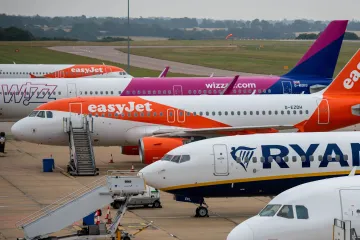
Government spoke out to passengers booked with carriers like Ryanair, easyJet, Jet2 and Wizz Airs amid fears of fuel supply disruption and potential flight cancellations

The Government this afternoon issued a statement to passengers across the UK amid growing concerns over jet fuel shortages and the prospect of flight cancellations. The Department for Transport stepped in to respond following warnings from the European Union.

EU energy commissioner Dan Jorgensen said this week: “Unfortunately, it’s very likely that many people’s holidays will be affected, either by flight cancellations or very, very expensive tickets.”

He added: “Even if we do everything we can do, if the jet fuel is not there, then it’s not there. [Currently] it is primarily a crisis of prices and not yet a crisis of supply, but unfortunately we cannot be sure to prevent a crisis of supply, especially on jet fuel in the future, if the crisis continues.”

Earlier today, President Trump suggested the Iran situation could drag on for weeks, stating he ‘wouldn’t rush’ a deal. The DfT then issued direct guidance to passengers booked with carriers including Jet2, Ryanair, Wizz, easyJet and British Airways.

It said: “There is no current need for passengers to change their travel plans. UK airlines buy jet fuel in advance, and airports maintain stocks to support their resilience. The government is working closely with the aviation industry to monitor risks and minimise disruption to passengers.”

“If your flight is cancelled, you have clear legal rights, including the right to a full refund or re-routing. Read this factsheet for the full picture on the current situation and what it means for you.”

Is there a shortage of jet fuel in the UK?

DtT said: “UK airlines are clear that they are not currently seeing a shortage of jet fuel. It is typically bought in advance, with airports and their suppliers keeping stocks of bunkered fuel to support their resilience.”

Do you need to change your travel plans?

Officials explained: “There is no current need to change upcoming travel plans. Government regularly meets with industry to monitor risks, understand pressures and ensure clear communication with passengers, should circumstances change.

“We recognise that families may be concerned, and that aviation and tourism businesses are operating in challenging global conditions. We are working hand‑in‑hand with industry to help flights keep operating.

“We advise passengers to continue checking with their airlines before they travel, and to check the FCDO travel advice for the latest updates. You should also ensure you have appropriate travel insurance.”

How is the government protecting passengers?

Under UK law, if your flight is cancelled, you are entitled to either a full refund or to be booked onto an alternative flight if you:

  • depart from an airport in the UK on any airline
  • arrive at an airport in the UK on an EU or UK airline
  • arrive at an airport in the EU on a UK airline

For more information about your rights, you can:

What is government doing?

The UK Government said: “Since the closure of the Strait of Hormuz, we have been closely monitoring UK jet fuel stocks and working with airlines, airports and fuel suppliers to ensure passengers keep moving and businesses are supported.

“We continue to plan for a range of contingencies, while focusing on securing a long lasting and workable solution to get shipping flowing freely again through the Strait of Hormuz.”

How are airlines being supported?

In terms of carriers the DfT said: “At some UK airports, airlines are given scheduled times known as ‘slots’ in which to take off or land.

“Under normal rules, airlines must use at least 80% of their allocated slots during a season to keep them for the following year. If they fall below this threshold, those slots can be reassigned to another airline. This is known as the ‘use it or lose it’ rule.

“Airport Coordination Limited, the independent body that manages slot allocation at UK airports, has updated its guidance so that airlines will not lose their slots if fuel shortages prevent them from flying. Airlines can now apply for an exemption from the ‘use it or lose it’ rule in these circumstances.

“This means airlines can focus on minimising disruption for passengers, rather than feeling pressure to operate flights purely to protect their slots.”

Source link

Jet2 addresses price hike fears amid jet fuel shortages ahead of summer holidays

JET2 has issued an update to all travellers about increasing flight fares and holiday prices.

The UK’s biggest tour operator has confirmed that it will not be raising flights or holidays prices to cover increased costs caused by the fuel crisis.

Jet2 have issued an update about increasing flight and holiday prices Credit: Alamy

The announcement comes as the ongoing fuel crisis has resulted in a number of airlines increasing their flight prices, including Virgin Atlantic.

The update applies to all flights and holidays with the provider, booked through any channel – whether that be online, via the app or via an independent travel agent.

It means that when passengers book with Jet2, the price that is shown for their holiday or flight, will be the price they pay.

Holidaymakers will still need to pay tourist taxes, which is usually done once you are on holiday at the resort or directly to your accommodation provider.

Read more on travel inspo

ALL IN

I found the best value all inclusive London hotel… just £55pp with free food & booze


BARGAIN HOL

Travel companies reveal their CHEAPEST spots this summer, with hols from £189pp

Steve Heapy, CEO of Jet2 said: “Holidaymakers should have every right to book their hard-earned break in the sun, without worrying about being hit with additional costs, and they can have that complete assurance when they book a flight or holiday with Jet2.

“As a result of today’s announcement, customers booking with Jet2 know that they are locking in their price without additional cost surprises later and we strongly believe that is the right thing to do by them.

“Ahead of a busy summer this is yet more evidence of why, on top of our incredible holidays and award-winning customer service, nothing beats a Jet2holiday.”

In a previous statement, a Jet2 spokesperson also told Sun Travel: “We remain in continual dialogue with our fuel suppliers, as is standard practice.

“Based on the conversations we have been having, we see no reason not to look forward to operating our scheduled programme of flights and holidays as normal.

“We understand that our customers work and save very hard for their holidays, and we are looking forward to making sure that they enjoy their award-winning Jet2holidays.”

The announcement comes as a number of other airlines have issued statements regarding upcoming flights and holidays.

TUI holidays confirmed that bookings have not been impacted or cancelled by the fuel crisis.

A TUI spokesperson told Sun Travel: “We’re closely monitoring the developing situation in the Middle East and its potential impact on global aviation fuel supplies.

“At present, we’re not anticipating disruption to our flight schedules or holiday programmes from fuel shortages.”

It comes as other airlines such as TUI have also commented on fuel crisis concerns Credit: Alamy

Budget airline easyJet has also said that flights are currently not impacted by the fuel crisis.

A spokesperson for the airline told Sun Travel that there was “no disruption to flights” and “no plans to make any changes to our flying schedule”.

However, earlier this week, easyJet’s CEO for Spain and Portugal did comment that it was “difficult to see” what would happen in the next few weeks.

Here’s a full rundown of what all the UK airlines have said about fuel crisis concerns.

And in other flight news, a major UK airport is set for May bank holiday weekend travel chaos as staff are to walk out.

Plus, Ryanair is axing thousands of flights from a European airport this summer.

When booking a flight or holiday with Jet2, travellers will pay the price they see Credit: Alamy

Source link

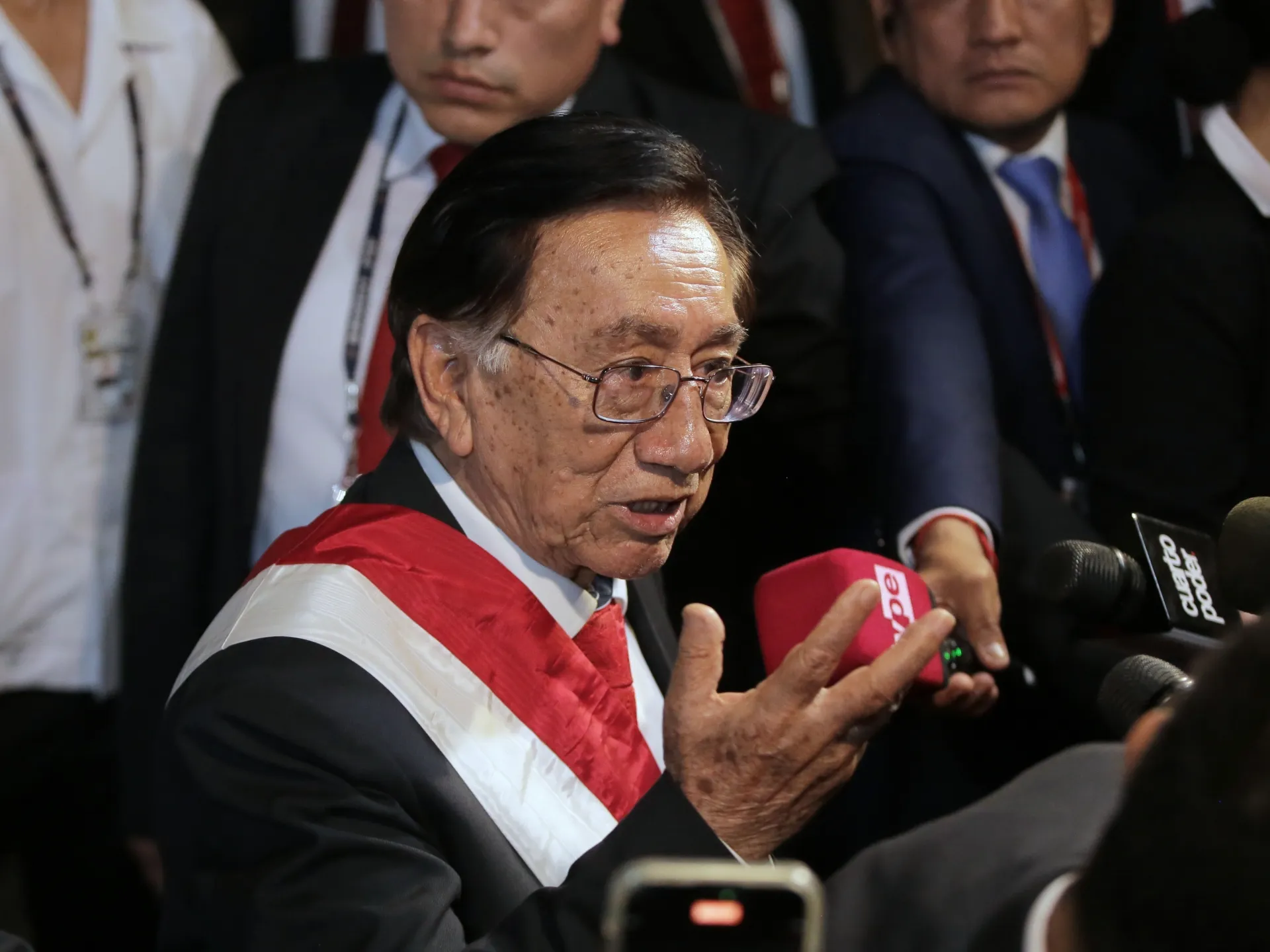
Top ministers quit after Peru’s president postpones F-16 fighter jet deal | Government News

Two cabinet-level ministers in Peru have resigned after interim President Jose Maria Balcazar announced he would defer a decision to buy F-16 fighter jets from the United States company Lockheed Martin.

Defence Minister Carlos Diaz and Foreign Minister Hugo de Zela cited their opposition to the move in their resignation letters on Wednesday.

Recommended Stories

list of 3 itemsend of list

“A strategic decision has been taken in the area of national security with which I have a fundamental disagreement,” Diaz wrote.

The fighter jets have long been a source of controversy in Peru, where critics have questioned whether the purchase is a sign of deference to US President Donald Trump.

Last week, the left-wing Balcazar — Peru’s ninth president in a decade — announced he would leave the decision about whether to invest $3.5bn in the purchase to the country’s next elected leader.

Balcazar himself had only been in office since February, selected by Congress to replace the latest in a string of impeached presidents.

Last week, he abruptly cancelled a signing ceremony for the F-16 deal, which would have seen an initial batch of 12 new planes added to Peru’s ageing air force. The country aims to acquire 24 jets overall.

Balcazar explained he was not pulling out of the deal, but that he felt the next presidential administration should be involved in making such a hefty financial commitment.

“For us to commit such a large sum of money to the incoming government would be a poor practice for a transitional government,” Balcazar said at the time.

“We remain firm in respecting all agreements that may have been reached at the level of the armed forces, or in this case, with the relevant ministry of the air force, to carry out the corresponding negotiations.”

His decision, however, was met with pushback, both domestically and from the US. The US ambassador to Peru, Bernie Navarro, responded on April 17 with a warning posted on social media.

“If you deal with the U.S. in bad faith and undermine U.S. interests, rest assured, I, on behalf of
[President] Trump and his administration, will use every available tool to protect and promote the prosperity and security of the United States and our region,” Navarro wrote.

Critics of the deal, however, have argued that Peru has received more competitive offers from French and Swedish aircraft makers like Dassault Aviation and Saab AB, respectively.

But Navarro on Wednesday denied that the US had been outcompeted. In a statement, he wrote that the “bid was made at a high level of competitiveness” and called the plane fleet “the most technically advanced fighter jets ever built”.

He also denounced the delay as an unreasonable stoppage on a deal he characterised as already signed.

“In planning the delivery of a product of this calibre, there is no such thing as an inconsequential delay,” he wrote.

“Every delay results in significant costs. The same package cannot be available in a couple of months, or even weeks.”

The decision to spend the $3.5bn on 24 fighter jets was made in 2024 under former President Dina Boluarte. The purchase was to be financed by $2bn in domestic borrowing in 2025 and $1.5bn in 2026.

In September, the US Department of Defense approved a potential sale of F-16s to Peru.

But Boluarte was removed from office in October, and her successor, Jose Jeri, lasted just four months in office before he too was impeached.

The instability in Peru’s presidency comes at a time when the Trump administration is seeking greater influence over Latin America, as part of what the US president has called his “Donroe Doctrine”.

Already, the Trump administration has pushed Peru to distance itself from Chinese investment. In February, for instance, it publicly protested against Chinese ownership in the Pacific port of Chancay.

“Peru could be powerless to oversee Chancay, one of its largest ports, which is under the jurisdiction of predatory Chinese owners,” the Trump administration wrote in a social media post.

“We support Peru’s sovereign right to oversee critical infrastructure in its own territory. Let this be a cautionary tale for the region and the world: cheap Chinese money costs sovereignty.”

Just this week, one of Trump’s allies, Representative Maria Elvira Salazar, warned that the Chinese-owned port was a danger to the US.

“That’s a direct threat in our hemisphere, right in the country of Peru,” she told a congressional committee. “For that reason, the new Peruvian government, which will be elected next June, must take it back.”

She added that, if the Peruvian government responded accordingly, “the United States will help them under the Trump administration”.

The country, however, is enmeshed in a messy presidential race replete with vote-counting delays and accusations of malpractice.

Election experts have said there is no evidence of voter fraud. But the slow vote count has left the race’s outcome undetermined, more than a week after the ballots were cast on April 12.

Right-wing leader and former First Lady Keiko Fujimori is all but assured of progressing to a run-off in June. But who will join her is uncertain.

Left-wing Congress member Roberto Sanchez is currently in the lead in the race for second place, with 12 percent of the votes tallied, but far-right candidate Rafael Lopez Aliaga, a former mayor, is close behind with 11.9 percent. Lopez Aliaga has been a vocal supporter of the Trump administration.

The final vote count for the first round of the election is expected to be delivered in May.

Traditionally, Peru’s new president should be sworn in on July 28, the country’s independence day.

Source link

Brits warned summer holidays ARE at risk of being cancelled as jet fuel runs low and thousands of flights are axed

HOLIDAYS are at extreme risk of being cancelled this summer, experts have warned.

The ongoing war in Iran has already resulted in thousands of flights being cancelled around the world, due to jet fuel prices and shortages.

Holidays are “very likely” to be hit by the fuel crisis, experts have warned Credit: Alamy
Airlines have already begun cancelling flights Credit: Alamy

Ceasefire talks between the US and Iran are yet to end the blockade of the Strait of Hormuz, after a previous ceasefire lasted just hours.

While UK airlines are yet to see any cancellations, Dan Jorgensen, the EU energy commissioner, said it was “very likely” holidays will be affected, according to Sky News.

This includes both cancelled flights and more expensive costs, he said, as Europe is in a “serious crisis”.

He explained: “Even if we do everything we can do, if the jet fuel is not there, then it’s not there.”

PLANE EXPLAIN

Jet2, TUI, BA, Virgin, Ryanair & easyJet – UK airlines on the fuel crisis


GOING UP

Flights are now costing families HUNDREDS extra due to ongoing Iran war

“It is primarily a crisis of prices and not yet a crisis of supply, but unfortunately we cannot be sure to prevent a crisis of supply, especially on jet fuel in the future, if the crisis continues.”

Earlier this month, the International Energy Agency warned that supply issues could hit Europe in the next five to six weeks.

ACI Europe backed this up, saying: “If the passage through the Strait of Hormuz does not resume in any significant and stable way within the next three weeks, systemic jet fuel shortage is set to become a reality.”

Mr Jorgensen added that even if the Strait of Hormuz opened tomorrow, the “price crisis will still last for quite some time”.

It could even be years, he warned, to get down to price levels seen before the crisis.

UK airlines are yet to be affected by the fuel crisis, as many have ‘hedged’ fuel, meaning paying a set fee.

But Airlines UK, which represents a number of carriers, including BA, Virgin, easyJet, Jet2 and Ryanair, are now calling on the government for support to protect flights and holidays.

This would include temporary use of fuel type Jet A (not currently allowed in the UK) as well as relaxing the strict airport slot rules that would see airlines lose them if they don’t operate flights.

Easing night flight bans and “relieving the burden of Air Passenger Duty” have also been put forward.

A huge number of airlines have already cancelled flights in response to fears of jet fuel running out.

This includes:

  • Lufthansa – 20,000 cancelled up to September
  • United – around 250 a month cancelled
  • Air New Zealand – around 1,000 cancelled
  • Scandinavian Airlines – around 1,000 cancelled
  • KLM – 160 cancelled
  • Cathay Pacific – two per cent of flights up to June 30

Which airlines have already increased the cost of flights?

Rather than axing routes – other airlines have added surcharges or baggage fees…

  • Air France and KLM have have increased their round-trip fares by €100 (£87) on most of their long-haul flights– with an additional charge of €10 (£8.69) for a round trip in economy.
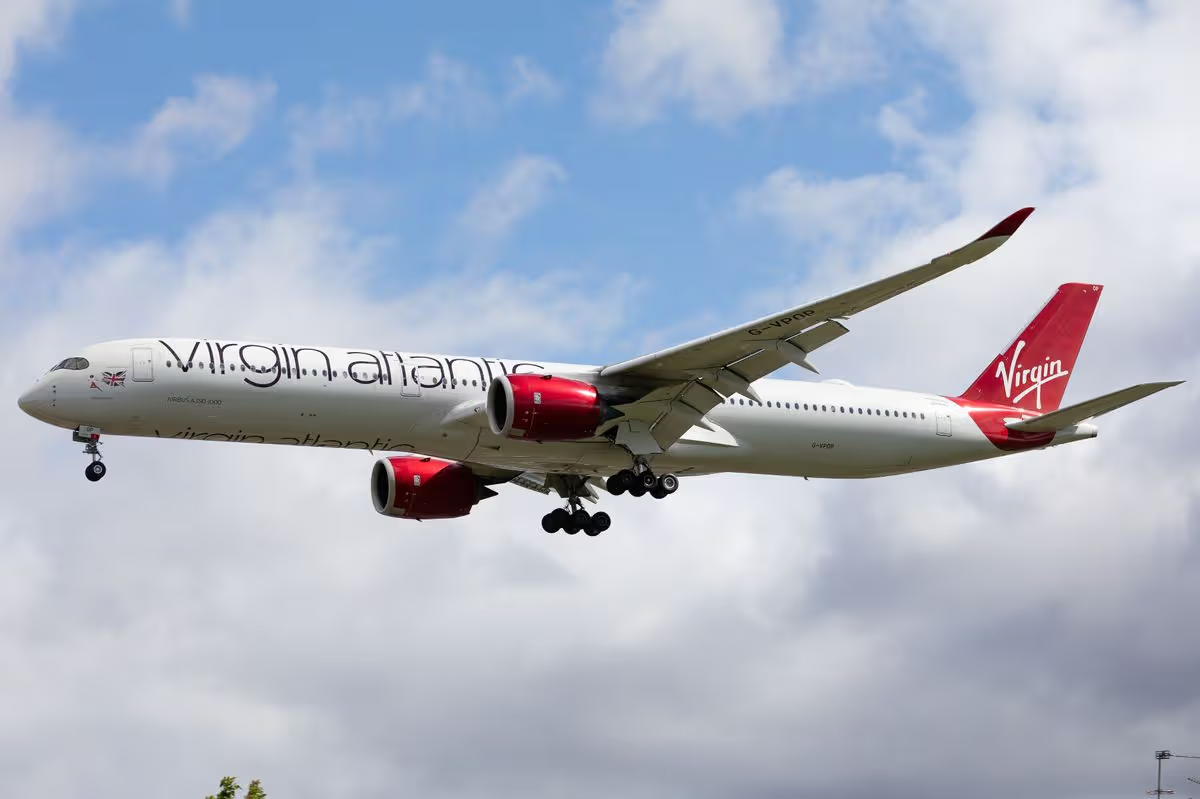
  • Virgin Atlantic confirmed it would do the same earlier this week – passengers in economy will pay an extra £50, in premium economy passengers will pay an extra £180 and anyone in business class will see flights cost an extra £360.
  • JetBlue has increased baggage fees by $4 (£3) for off peak, economy travellers. This will now be $39 (£30) – the cost peak economy travellers will be $49 (£37).
  • The low-cost Spanish Airline Volotea is adding maximum surcharge of €14 (£12.20) per person to flight bookings.

Some flights routes have been axed entirely – this includes Norse Airways, London-Los Angeles route.

And flights and holidays have already gone up in price in recent months.

The Transport & Environment (T&E) said in a statement this week that long-haul flights are up to £77 more expensive – working out to more than £300 per family.

And easyJet warned people to book holidays sooner rather than later to avoid more price hikes.

For anyone worrying about their holiday, families are better to book package holidays rather than separate flight and hotels, as most packages offer ATOL protection (meaning you will get your money back if your trip is cancelled).

It is also worth checking your travel insurance, although most policies do not cover anything related to war.

Airlines are already cancelling flights and hiking prices Credit: Alamy

Source link

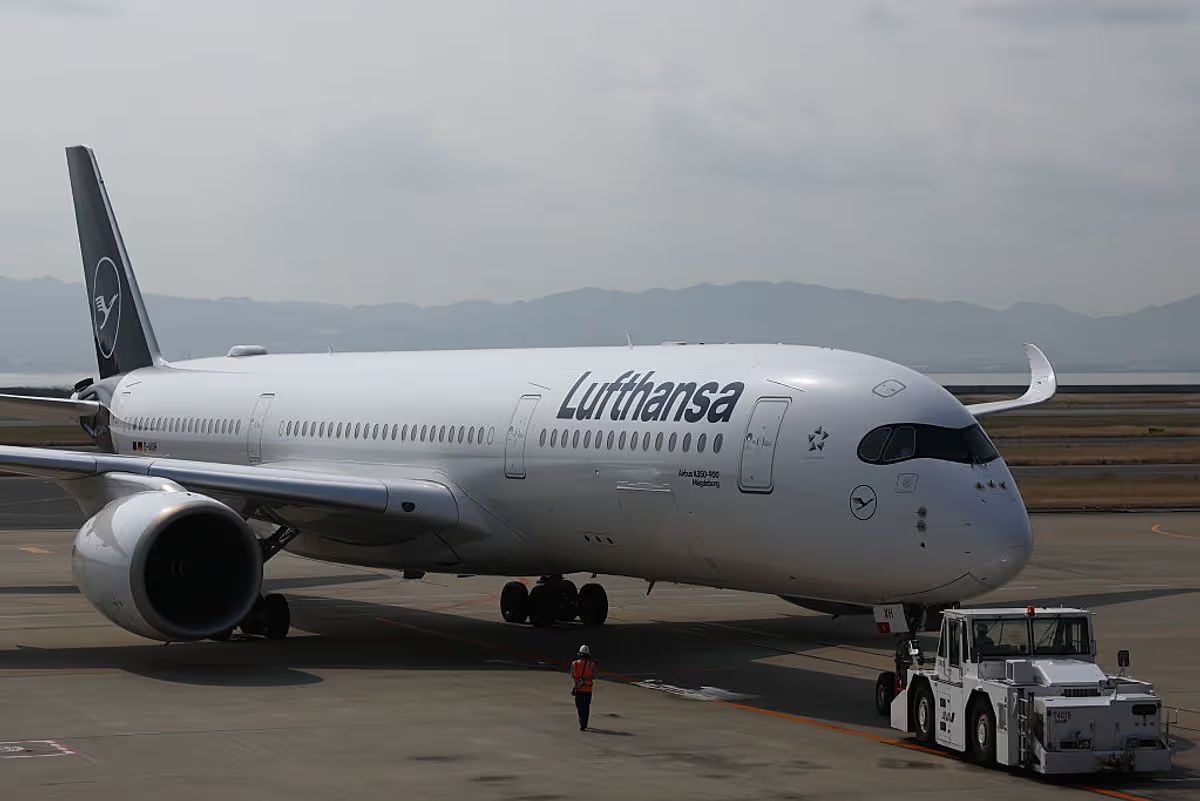
Lufthansa jet fuel update as airline ‘in better position than most competitors’

The German airline is one of the biggest in Europe

Lufthansa has issued a statement after energy bosses claimed Europe has six weeks’ supply of jet fuel left. Fatih Birol, executive director of the International Energy Agency (IEA), warned there could be flight cancellations ”soon” if oil supplies remain restricted by the Iran war.

When approached for comment, Lufthansa told the Mirror that it claims to be in a better position than most competitors regarding its kerosene requirements. A spokesperson for the airline said: “The Lufthansa Group has secured (‘hedged’) approximately 80 per cent of its kerosene requirements for 2026.

“And approximately 40 per cent for 2027 based, among other things, on the price of crude oil – both at pre-crisis price levels. With this level of hedging, we are in a better position than most competitors.”

It comes as the airline announced it will cut 20,000 short-haul flights from its schedule this summer to save money amid rising jet fuel costs. Most of these cuts are due to the shutdown of its unprofitable CityLine fleet and the retirement of its 27 planes. The airline pointed out that jet fuel prices have more than doubled and noted labour disputes involving its employees.

A statement on the Lufthansa Group website reads: “In total, 20,000 short-haul flights will be removed from the schedule through October, equivalent to approximately 40,000 metric tons of jet fuel, the price of which has doubled since the outbreak of the Iran conflict. The schedule adjustments reduce the number of unprofitable short-haul flights across the Lufthansa Group network.

“The planned consolidation of the European network is being carried out across Lufthansa Group’s six hubs in Frankfurt, Munich, Zurich, Vienna, Brussels, and Rome. Passengers will therefore continue to have access to the global route network, particularly long-haul connections. However, due to the increase in jet fuel prices, this will be achieved significantly more efficiently than before.”

On Tuesday, April 21, the Prime Minister discussed the Government’s work to ease pressures caused by the Iran conflict with ministers and officials at a meeting of the Middle East Response Committee. A government spokesperson said: “The discussion focused on the Government’s ongoing work to ease pressures being felt here in the UK.

“This included the diplomatic activity to promote progress on negotiations, and bring back security and stability for the region, and the military planning to restore freedom of navigation in the Strait of Hormuz. The Prime Minister acknowledged that the impact of the war in the Middle East will be felt beyond the end of the conflict, and stressed the importance of protecting British families.

“They discussed a range of ongoing contingency planning, such as our work with fuel suppliers, airlines and international counterparts, to ensure people keep moving and businesses are supported. UK airlines are clear that they are currently not seeing a shortage of jet fuel, and it is right that the Government continues to work with industry to ensure we closely monitor the situation.

“They said it was right that this Government is introducing wider measures to strengthen long-term resilience, including measures announced today to accelerate breaking the link between gas and electricity prices to support families and businesses under pressure and exposed to volatile gas prices.”

Source link

More than 30 airlines axe flights or add charges over jet fuel crisis – full list

The sharp rise in the cost of jet fuel, driven by escalating tensions in the US-Israel war with Iran, has forced several airlines to hike fares, cut routes and reassess their financial forecasts

Multiple airlines are cancelling flights and introducing new charges as a deepening jet fuel crisis sends shockwaves through the global aviation industry.

Prices have surged dramatically in recent weeks, climbing from roughly $85-$90 per barrel to as high as $150-$200, driven by escalating tensions in the US-Israeli war with Iran.

The sharp rise in costs has now forced carriers to hike fares, cut routes and reassess their financial forecasts. The spike has triggered warnings of major disruption, with International Energy chief Fatih Birol cautioning that Europe could have as little as six weeks of jet fuel supply remaining if the Strait of Hormuz stays closed.

There are more than 30 airlines around the world who say they have been forced to cancel flights or add charges:

AirAsia X – Cut around 10% of flights and introduced a fuel surcharge of roughly 20%.

Air France-KLM – Raising long-haul fares, plus cabin fares by 50 euros per round trip, as well as cancelling flights. KLM, the group’s Dutch arm, is set to scrap 160 European services in the coming months.

Air India – Switching to distance-based fuel surcharges, warning current pricing does not cover rising costs, reports the Independent.

Air New Zealand – Reducing flights through May and June, increasing fares and suspending its full-year earnings forecast.

Akasa Air – Introducing fuel surcharges ranging between 199 and 1,300 Indian rupees ($2 to $14) on both domestic and international routes.

Alaska Air – Increasing checked baggage fees by up to $150 on North American routes, as well as for its Hawaiian Airlines unit.

American Airlines – Raising baggage fees by $10 each for the first and second checked bags and by $150 for the third checked bag, while cutting some economy benefits.

Asiana Airlines – Cutting 22 flights between April and July due to fuel costs.

Cathay Pacific – Cancelling a small portion of flights from mid-May until the end of June and increasing fuel surcharges.

China Eastern Airlines – The airline said it would raise ⁠fuel surcharges for domestic flights from April 5, with flights of 800km and below hit with a 60 yuan ($9) surcharge and a 120 yuan surcharge for flights over 800km.

Delta Airlines – Delta said it would cut capacity by around 3.5 percentage points from its original plan and raise fees for checked bags.

Easyjet – CEO Kenton Jarvis previously said European consumers should expect higher ticket prices towards the end of summer, when existing fuel hedges come to an end.

Greater Bay Airlines – Said it would raise fuel surcharges on most routes from April 1, while keeping them unchanged on mainland China and Japan routes. Its surcharge for flights between Hong Kong ‌and the Philippines will more than double, the carrier said.

Hong Kong Airlines – The airline said it would raise fuel surcharges by up to 35% from March 12, with the sharpest increase on flights between Hong Kong and the Maldives, Bangladesh and Nepal

Indigo – India’s biggest airline said it would introduce fuel charges on domestic and international flights from March 14.

Jetblue Airways – The US-based low-cost carrier said it was increasing fees for optional services such as checked baggage as it experiences “rising operating ⁠costs”. Baggage prices will rise by either $4 or $9, it said.

Lufthansa – Grounding 27 planes early and cutting more aircraft from its fleet.

Norse Atlantic AirwaysAxed its London Gatwick to Los Angeles route because of fuel costs.

Pakistan International AirlinesRaising domestic fares by $20 and international fares by up to $100.

SAS – Will cancel 1,000 flights in April after already hiking fares.

Spring Airlines – The airline will raise domestic fuel surcharges from April 5.

Southwest AirlinesHiking baggage fees to $45 for a first bag and $55 for a second.

SunExpress – The airline will add a temporary 10-euro fuel surcharge on Turkey-Europe routes.

TAP Air Portugal – Said fare rises would soften the blow from higher fuel prices.

Thai Airways – Increasing fares by up to 15%.

United Airlines – United Airlines is scaling back loss-making routes over the next six months. It has also been able to push up fares without seeing a major impact on bookings, chief commercial officer Andrew Nocella said, despite the sharp rise in oil and jet fuel costs.

United is also increasing first and second checked baggage fees by $10 for customers travelling within the US, Mexico, Canada and Latin America, according to Reuters.

VietJet AirCut flights on some routes because of fuel shortages.

Vietnam Airlines – plans to cancel 23 domestic flights a week from April. The airline reportedly requested government assistance to remove an environmental tax on jet fuel.

Virgin Atlantic – The airline is adding fuel surcharges to fares and will still struggle to return to profitability this year, its CEO Corneel ‌Koster told the Financial Times.

Volotea – Introduced a pricing policy that could add fuel surcharges of up to 14 euros per passenger.

WestJet – Cutting seats, combining flights and adding a C$60 fuel surcharge on some bookings, according to the Canadian press

Source link

Travelers brace for summer vacation chaos as airlines set to run out of jet fuel

MOUNTING fears of jet fuel shortages have US travelers on edge ahead of summer vacations.

The holiday industry is bracing for a major fallout due to the Iran war’s impact on global travel.

Will US travelers end up stuck in an overseas airport over summer due to huge jet fuel shortages amid the Iran war? Credit: Getty
Experts have warned travelers to be braced for chaos if flying to Asia or Europe over summer Credit: Getty

“Anxious” Americans are worrying about whether they can return home if they travel to Europe or Asia for their summer vacation, said one expert.

For example, will their their long haul-flight end up suddenly being chopped due to a lack of fuel while overseas?

Alternatively, “will my short-haul domestic flight to the international airport be canceled?” Patrick De Haan, GasBuddy’s head of petroleum analysis, told Forbes.

“It’s a level of anxiety that travelers have never really had to worry about, and absolutely it could worsen.”

People across the world are keen for the Strait of Hormuz to reopen to shipping, because of spiraling costs hitting everything from grocery shopping to global fertilizer supplies.

But, even if this vital, narrow corridor was to permanently reopen today, it’ll be too late to salvage this year’s summer holidays, experts have warned.

That’s because airlines have now got to stick to a hurriedly rejigged schedule with airports – which must be booked months in advance.

It comes as the global jet fuel shortage is ramping up fuel prices for US carriers, which in turn are axing cheap airfares and some flights to save money.

Some airlines are already passing on extra costs to travelers by increasing fees for baggage and other add-ons, via steeper ticket prices, and fuel surcharges.

It’s the largest energy crisis the world has ever faced Credit: Getty

And, unfortunately, it will take months for vital supplies of oil and jet fuel to return to normal, according to Kpler, an energy consulting firm.

“It’s going to take until at least July,” Matt Smith, head US analyst, warned CNN.

“And even that may be optimistic at this point.”

United, American, Delta and Southwest airlines spent about $100 million a day on average among them on fuel in 2025.

But jet fuel prices have roughly doubled since the war began, when the United States and Israel started ​bombing Iran on February 28.

Delta Air Lines — which frequently flies to destinations across Europe — said it was aware of the continent’s “potential jet fuel supply issue.”

The carrier has already slashed some flights this summer.

United Airlines announced in March that it was “tactically pruning flying that’s temporarily unprofitable in the face of high oil prices.”

It’s the “largest energy crisis we have ever faced,” IEA executive director Fatih Birol told Associated Press last Thursday.

“If we are not able to open the Strait of Hormuz… I can tell you soon we will hear the news that some of the flights from city A to city B might be canceled as a result of lack of jet fuel,” he warned.

It will take an estimated two years for the world to recover from energy shortages caused by the war in Iran, Birol added.

More than 110 oil-laden tankers and over 15 carriers loaded with liquefied natural gas are still waiting in the Persian Gulf.

In Europe, there are about six weeks of jet fuel left Credit: Getty

America’s own jet fuel supplies aren’t currently a huge concern, as local carriers are insulated to a certain extent.

The US produces 13 million barrels of oil a day and imports some four million barrels a day from Canada, De Haan told Forbes on April 16.

However, it’s a different situation in Europe and Asia, both of which are facing a potential shortage because of the ongoing conflict.

In Europe, multiple countries are now relying on less than 20 days of coverage in their fuel supplies, warned the International Energy Agency (IEA).

Asia-Pacific countries are the most reliant on oil and jet fuel from the Middle East, followed by Europe.

“The strait accounts for around 40% of Europe’s jet fuel imports, but no jet fuel has passed the strait since the war broke out,” said Amaar Khan, head of European jet fuel pricing at Argus Media, last Friday.

America has this month come to Europe’s aid to help bolster jet fuel supplies due to the war, sending about 150,000 barrels per day in April.

This is about six times the normal level, according to Jacques Rousseau, managing director at financial firm Clearview Energy Partners.

Airlines chop flights and increase fees amid the Middle East crisis

Here are just some of the impacts on travelers due to the Iran war…

Air Canada:

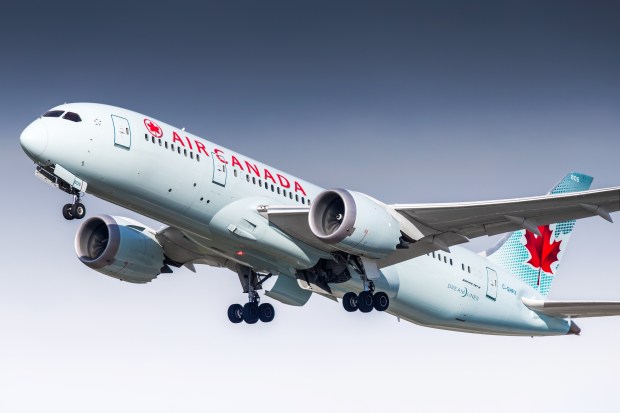
From June 1 to October 25, 2026, Canada’s largest carrier will chop back flights to New York due to rocketing fuel prices.

Alaska Air:

Fees for the first checked bag have risen by $5 and by $10 for the second on its North American flights. A third checked bag has increased considerably, from $50 to $200.

American Airlines:

Baggage fees have risen by $10 for the first and second checked bags, and by $150 for the third checked bag on domestic and short-haul international flights.

Delta Air Lines:

The carrier is charging an increase of $10 on passengers’ first and second checked bags and a $50 increase on the third.

Frontier Airlines:

This carrier is reviewing its full-year forecast due to rising fuel prices.

Jetblue Airways:

Baggage prices will rise by either $4 or $9.

Spirit Airlines:

This budget US carrier has begged Donald Trump’s administration for hundreds of millions of dollars in emergency funding to offset rising fuel prices.

Southwest Airlines:

Checked baggage fees will rise by $10 for the first and second bags.

United Airlines:

The airline is slashing unprofitable flights.

Also, first and second checked bag fees will spike by $10 for customers travelling in the US, Mexico and Canada and Latin America.

Virgin Atlantic:

This carrier is reducing flights and raising fares.

Westjet:

The Canadian airline ​has chopped seat capacity for June.

A C$60 ($43) fuel surcharge will be slugged on some bookings.

Source: The Independent

Be prepared for last-minute issues when traveling this summer, experts have warned Credit: Getty

Source link

Will my flight be cancelled? What to expect this summer as jet fuel shortage threatens cancellations

MANY families looking to go on holiday this summer are worried that their plans may be spoiled by the ongoing fuel crisis caused by the war in Iran.

Those concerns were powered by the Head of the International Energy Agency Fatih Birol warning that Europe has just six weeks of jet fuel left.

The Head of the International Energy Agency Fatih Birol has warned that Europe has just six weeks of jet fuel remaining Credit: Alamy
Flights to Middle East locations like Dubai have been put on hold or permanently cancelled Credit: Alamy

Here’s everything you need to know.

Will my flight be cancelled due to the fuel shortage?

In response to US and Israeli attacks, Iran has closed off the Strait of Hormuz since February 28, a key route for jet fuel out of the Gulf.

This has caused a massive increase in oil prices and resulted in fears of jet fuel shortages.

For example, the price of jet fuel has rapidly surged from £67 ($90) per barrel to a whopping £150 ($200).

SUMMER FRIGHTS

Europe ‘has 6 weeks of jet fuel’ amid fears of NHS pill shortage & RATIONING


GOING UP

Two major airlines to hike flights by up to £90 due to rising jet fuel prices

With Birol stating there is enough for just six weeks, airports will possibly be dealing with critical fuel shortages by as early as next month.

That would cause travel chaos for Brits heading abroad during the school May half-term holidays and potentially continue into the summer.

An almost certain consequence will be the effect on journeys to long-haul destinations, as airlines may not have enough fuel for the return journey.

The price of jet fuel has rapidly surged from $90 (£67) per barrel to a whopping $200 (£150) Credit: Getty

Which airlines have cancelled flights already?

British Airways is amongst the airlines that have begun cancelling flights as they have suspended services to the Middle East.

Journeys to the likes of Dubai and Doha have been put on pause for now and are set to resume in July.

However, the airline has announced it will permanently close its service from London Heathrow to Jeddah in Saudi Arabia from April 24, 2026.

Virgin Atlantic announced earlier this month that it has permanently scraped its London flight to Riyadh.

Other airways that have cancelled flights include:

Lufthansa‘s airline CityLine is set to close due to both the Iran crisis and ongoing strike action Credit: EPA

How long will the fuel shortage last?

Sally Gethin, an aviation specialist, spoke on the matter and said the consequences could get severe if the Strait remains closed. 

She told the Daily Mail: “The best case scenario would be fares going up and some routes being cancelled. 

“The worst case scenario is if this carries on for six to eight weeks and the shortages start really biting. This could pose an existential crisis to airlines – even if they slap on fuel surcharges they still won’t recoup the cost.”

“You could be looking at tens of thousands, potentially hundreds of thousands, of flights being cancelled globally.”

How will this affect my upcoming holiday?

Holidays should not be too seriously impacted as our main tour operators and airlines have hedged their fuel essentially meaning they have purchased their fuel far in advance at a fixed rate.

What could happen, however, is if the jet fuel crisis continues into June, tour operators could potentially start to add a surcharge to the price of holidays.

A limited number of flights may be cancelled but airlines and tour operators will attempt to minimise disruptions by focusing on routes where they have multiple daily flights.

Holidays would only be cancelled if the fco advises against travel to the destination.

This is highly unlikely to happen with any Med destination because there are no safety concerns right now in popular holiday resorts.

However if fuel supplies fall into short supply in Europe this could possibly impact flights and therefore your holiday.

Am I entitled to a refund?

If some or all parts of your getaway are cancelled by the provider, your rights to a refund depend entirely on whether you booked your trip as a package holiday (purchasing accommodation and flights, or car hire, together) or individually.

Your money tends to be much better protected with a package getaway and in this circumstance you will be offered either an alternative holiday or a refund.

So, is now a bad time to book?

There are some great deals to be had right now, just approach with caution.

It is vital that you take out travel insurance as if your flight is cancelled you may well have protection against the cost of other elements of your holiday such as accommodation or transfers.

If you’re looking at booking now, Europe is a very safe option.

Although the likes of Turkey and Cyprus in the eastern med have seen bookings drop, there is currently no reason for you not to visit them.

They’re on the safe list and currently have some great deals.

Always book travel insurance the minute you book your holiday and check the policy carefully.

Source link