Jackdaw

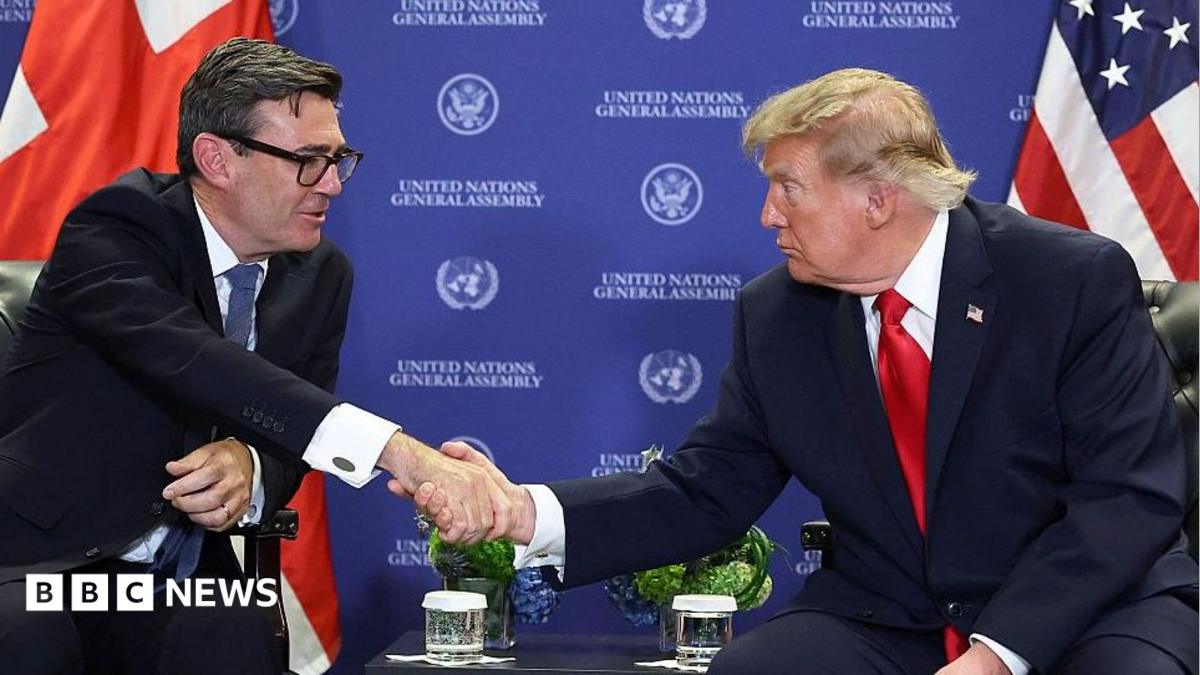
Trump says Burnham is ‘getting it done’ after Jackdaw decision

Burnham announced the decision to approve the drilling of the Jackdaw gas field earlier this week.

Jackdaw is situated 150 miles (241km) east of Aberdeen and is operated by Adura, a joint venture between Shell and Norwegian state energy firm Equinor.

Ministers said the first gas could be produced by the end of this month, helping heat millions of homes, and also announced the creation of a new energy wealth fund.

Environmental campaigners say the decision would hamper efforts to tackle climate change and make “no meaningful difference” to UK energy security.

Based on official forecasts for the amount of gas the UK will need over the next decade, that suggests Jackdaw has the potential to meet around 1.6% of total projected national gas demand between 2026 and 2036.

Operators say it could be connected to the Great British gas network within weeks and could produce gas for the next 11 years.

Trump responded to the decision on Friday, but appeared to confuse oil and gas.

He said: “They’re opening up the North Sea oil. I’ve been after them to do that for two years.”

Trump added: “Andy is getting it done, and I guess it’s against the liberal principle, but he knows what’s right. It’s going to make UK a very wealthy country.”

Earlier this week, on Wednesday, Trump said the decision was “great news for the wealth and prosperity” of the UK.

Writing on his Truth Social platform, Trump urged the UK to go “full blast” and called the North Sea “one of the greatest and most prosperous areas of oil in the world”.

A decision is yet to be taken on whether production can begin at Rosebank, the UK’s largest known untapped oil field, which is located off the coast of Shetland in the North Atlantic.

Source link

UK approves development of Jackdaw gasfield in North Sea | Climate Crisis News

The decision has drawn sharp criticism from left-wing politicians and environmentalists.

The United Kingdom’s government has approved a natural gas project off the coast of Scotland, as the Labour government seeks to balance its climate goals with energy security concerns.

Energy Minister Miatta Fahnbulleh said on Wednesday that the Jackdaw gasfield would begin supplying energy to UK homes by the end of the month and would help to boost the country’s energy security.

Recommended Stories

list of 3 itemsend of list

The government said the North Sea project would increase UK gas production by about 6 percent at its peak.

Prime Minister Andy Burnham said the decision will “protect hundreds of jobs and help keep millions of homes warm”, but stressed it would not hinder the government’s targets on renewable energy.

The government also announced a New Energy Wealth Fund, which will invest in renewable and low-carbon energy projects as part of the green transition.

The fund has been established with an initial 2 billion pounds ($2.7bn), with plans to raise additional funds through tax revenues from North Sea oil and gas.

Higher energy prices amid the Russia-Ukraine war and the United States-Israel war on Iran have weighed on households and businesses, dragging on Britain’s economy.

Fahnbulleh told UK radio station LBC that the development of Jackdaw would not bring down household energy bills.

“I think it’s really important that we’re honest about this,” Fahnbulleh said.

“That was not a consideration in the decision because it won’t mean cheaper bills. This was about energy security.”

The announcement has drawn criticism from left-wing politicians and environmental groups.

Zack Polanski, the leader of the opposition Green Party, described the decision as “climate vandalism”.

“Surreal to hear [the] energy secretary try and say this is a ‘pragmatic decision’,” Polanski wrote in a post on X.

“It will do nothing to lower bills. It will do lots for the profits of the oil and gas companies. And will continue us further down the path of floods and wildfires.”

Environmental group Greenpeace said the decision showed “the toxic grip fossil fuel lobbyists still hold over our energy policy”.

“True pragmatism means severing our reliance on expensive oil and gas that leaves British households broke, supercharges extreme weather, and leaves our energy security at the mercy of petrostates,” said Ami McCarthy, head of politics at Greenpeace UK.

Source link