I arrived in Verona, I admit, without a particularly clear idea of what aperitivo meant. In Italy, the ritual – broadly, a drink and something small to eat before a meal – speaks a different dialect in every city.
Milan has turned it into a polished after-work institution. In Venice, it is more itinerant: an ombra (a small glass of wine) along with a cicchetto (a bite-size snack) and then on to the next bacaro (one of the city’s traditional wine bars). Verona follows another logic.
Veronese wine writer Angelo Peretti has described the osteria (the traditional tavern at the heart of the city’s drinking culture) as a Verona institution: somewhere its social life takes shape over a gòto (the local word for a glass of wine), usually with something small to eat at the counter, often while standing.
I thought I understood. Then, at about 9.30am one morning, while drinking coffee opposite the Teatro Filarmonico, I noticed that aperitivo had already begun without me. A woman ordered a bianchetto, a small glass of white wine. A couple, already defeated by the heat, asked for two spritzes. Two friends shared a bottle of sparkling wine.
Nobody had announced that it was “aperitivo time”. More strikingly, nobody seemed to find any of this unusual.
That was when my search really began. I decided not to look for one type of bar, or even one type of drink. What mattered was whether I would actually stop there for an aperitivo – alone, with friends or simply while waiting for dinner.
Photograph: Gabriele Pasca
At Monte Baldo, which opened in 1909, the counter was still being set up, with a man I took to be the owner assembling the day’s tartine (small open sandwiches with various toppings). A very young waitress offered to help me choose a wine. There were more than 30 wines by the glass, mostly priced between €5.50 and €11. I chose an alta langa, a traditional-method sparkling wine from Piedmont, partly because the bottle was still unopened. They opened it without hesitation.
With lunch ahead, I ordered two tartine: baccalà mantecato (Veneto’s creamy stockfish spread whipped with olive oil) and boiled egg with anchovy. Both were excellent: fresh bread, generous toppings, clearly just made. The tartine cost €4.60; the wine €7.
As I was leaving, a man walked in carrying a motorcycle helmet. Before he had time to order came the question: “Your usual?” However many tourists pass through Verona, somebody still has a usual. 8.5/10
Photograph: Gabriele Pasca
This is one of Verona’s great wine institutions. I arrived before 7pm, as the tartine counter was being filled. The mood was formal: staff in crisp uniforms and a queue of slightly bewildered tourists. With one person serving, it moved slowly as he explained the wines, €3 tartine and where to eat them – at the bar, at small indoor tables, or outside.
I chose an €8 glass of franciacorta, Lombardy’s traditional-method sparkling wine, with two tartine: pancetta coppata (cured pork neck wrapped in pancetta) and gorgonzola cream. Both were generously topped, though the bread, while perfectly decent, wasn’t anything to write home about. Total: €14.
As I drank, nearby tables were laid for dinner and reserved signs appeared. I asked whether I should move. “Absolutely not.” Those few aperitivo tables, I was told, stay for drinkers unless the place is exceptionally busy. 6.5/10
Photograph: Gabriele Pasca
A sommelier I trust at one of Verona’s grander restaurants sent me to Tor-Tor, perhaps revealing more interest in wine than in the finer points of aperitivo. Still, it seemed worth a punt. Tucked down a side street behind the Arena, every outdoor table was taken; inside, a regular occupied the counter, deep in wine talk with the owners.
The blackboard and a small wooden menu board revealed a serious selection of natural wines, with plenty from Veneto. I went for a €7 orange wine – white grapes fermented in their skins – which came with popcorn, then added two €2 polpette (small savoury balls, one meat, one aubergine) plus €1.50 olives dressed with oil and chilli.
The polpette did the job nicely; the wine was excellent and expertly recommended. The crowd was overwhelmingly local, and the regular at the counter was still talking wine when I left. 8/10
Just across the Adige river in Veronetta, on the edge of Verona’s main tourist circuit, Ai Preti feels like a neighbourhood local. It is large, with dark wood throughout, and has the sort of retro look that comes from never having tried to look retro.
Two counters divide the food between cold tartine and hot snacks. I chose one with baccalà mantecato, another with caramelised onions, and a horse meat polpetta. Tartine cost €2, the polpetta slightly less; with a €4 glass of wine, the whole aperitivo came in under €10.
By 7.45pm, both displays were almost bare, although my polpetta seemed freshly cooked. The crowd looked entirely local, paying far more attention to one another than to the labels. Magazines lay around for anyone drinking alone. Here, aperitivo felt like the working day quietly unwinding. 7/10
Photograph: Gabriele Pasca
I was early for dinner. The restaurant next door was still closed and I had half an hour to kill. Filling the gap before dinner is, after all, the primary function of the aperitivo.
Velvet occupies part of a 15th-century palazzo. There is a handsome counter with stools, though I chose a small table. Three nearby tables were already occupied by a more dressed-up crowd than I had encountered in Veronetta, drinking and talking without much hurry.
There was plenty of wine on the list, but I went for a €12 negroni. It arrived with fried plantain crisps, cashews and little savoury pastries with tomato – at no extra cost. A separate food menu offers more substantial bites, including edamame falafel and chicken wings.
By the time I’d finished my drink, the restaurant next door was open. Half an hour neatly accounted for. 8/10
Photograph: Gabriele Pasca
Morandin was the only place I visited twice. My first visit was almost accidental – a glass of wine became dinner – so I returned a week later, just before 9pm, to make sure I hadn’t simply got lucky. On paper, its long afternoon closure, from 2.30 to 7pm, had been my only doubt.
It was another punishingly hot evening in Veronetta. Every outside table was taken and the fans inside did little more than move the heat around. I was wearing absurd red-and-blue striped trousers. A man I took to be one of the owners, there as a customer, noticed our near-matching trousers and came over for a high five. “They say we look like we’re in pyjamas. They don’t understand fashion.”
Wines run from €2.50 to €6 and, even at that relatively late hour, the cicchetti display was the fullest I had seen: battered vegetables, frittata, prawn skewers, €1.30 meatballs with tastasal (seasoned pork mince) and €1.80 tartine. I chose a durello, the crisp local sparkling wine from the Lessini hills, a meatball and a tuna-and-egg tartina.
The waiters were run off their feet; regulars greeted one another and foreign voices were scarce. Fifteen minutes later, I asked about dinner. “Full.” Ten minutes on, a table appeared. Aperitivo had not replaced dinner; it had made staying for it irresistible. 10/10
Locals in Rome’s Trastevere district complain that tourists have been making noise in the early hours, leading one frustrated 74-year-old to resort to extreme measures
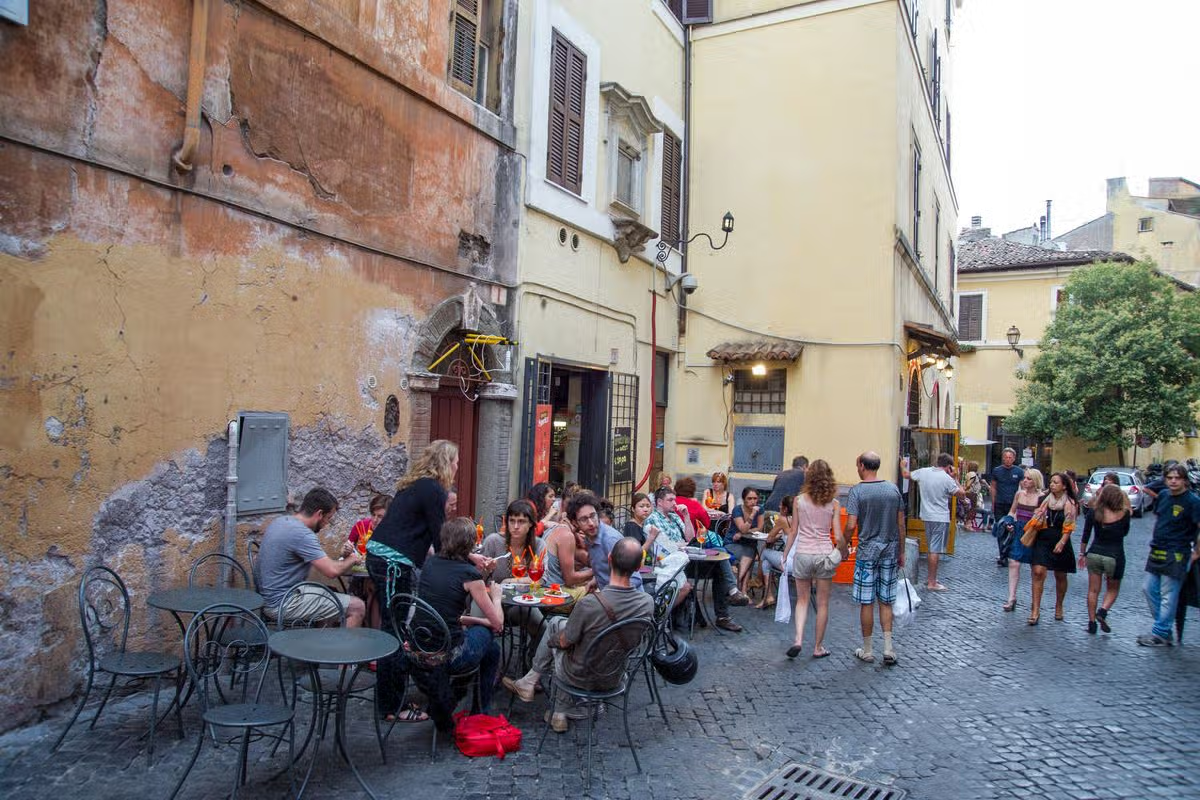
Trastevere neighbourhood in Rome
A frustrated Italian local has admitted to dousing rowdy, “drunk” British tourists with buckets of water after they disturbed her in the night. Locals in Rome’s Trastevere district complain that UK and US tourists have been making noise beneath apartments in the early hours, leading one 74-year-old to resort to extreme measures.
Rome has long been a popular holiday destination, drawing in millions of visitors each year. Tourists flock to the Italian capital to soak up the city’s Roman history and art, and enjoy its nightlife and world-famous cuisine.
With the swathes of tourists comes a downside, though: some allegedly get “extremely drunk” and cause a nuisance in the middle of the night. Local Simonetta Marcellini told The i Paper that she keeps buckets of water by her window.
She said: “At first I’m polite, and I point out to them that it is the early hours of the morning and that people will be sleeping. The moment they start arguing back and insulting me, I pour water on them.”
Simonetta, a former radiographer born in the area, has grown frustrated with the changes she’s witnessed. She claims there has been a marked decline in the quality of restaurants, and businesses have been replaced by bars and sandwich shops.
Meanwhile, Rome was inundated with 22.9 million visitors last year, a figure said to be more than seven times the local population. Simonetta decided she’d had enough when she spotted tourists urinating against her building.
She claims that life has “gotten much worse” in relation to tourism since the Covid pandemic. “Regulations are fewer and our complaints from years ago were underestimated.
“So a phenomenon that could have been controlled was practically left unchecked and we’ve arrived today with all the reckless partying.”
It comes after British holidaymakers were warned they could face a 500 euro fine in “some Italian towns”. The Foreign, Commonwealth and Development Office (FCDO) plays a crucial role in keeping Brits informed when travelling.
In its travel advice section for Italy, the FCDO warns that “some Italian towns and cities have specific laws, and you could be fined for breaking them”.
Some of the acts include eating and drinking near certain churches, historic monuments and public buildings. It’s also important to remember that entering or bathing in many public fountains is prohibited – including in Rome.
On the sun-kissed island of Capri (situated off Italy’s Amalfi Coast), a rule is in place regardingdisposable plastic. Visitors are banned from bringing items such as plastic bags, cutlery, cups, trays, or straws onto the island.
Further FCDO guidance reads: “Illegal traders operate on the streets of all major Italian cities. It is illegal to buy items from unlicensed street traders. If you do, you could be stopped by the local police and fined.
“It’s illegal to remove sand, shells or pebbles from coastal areas in Italy. You could face a large fine for doing so. It’s also illegal to collect various species of flowers, plants and herbs from mountain and wooded areas.
“For more information, check with the regional authorities of the area you’re visiting.”
Dove Cameron and Damiano David have tied the knot!
The 30-year-old former Disney star and pop starlet married the 27-year-old Italian rock singer in a civil ceremony Thursday at the town hall in Montalcino, Italy, per Vogue, which first shared details of their nuptials.
The couple began dating in 2023 after meeting at the MTV Video Music Awards a year prior, where they were both contending for best new artist — Cameron took home the prize.
After a long stretch on Disney playing identical twins on the show “Liv and Maddie” and the daughter of Maleficent and Hades in the “Descendants” film series, Cameron successfully entered the mainstream music landscape with her sultry vocal flair. In 2022, she released the smoky electro-pop, queer anthem “Boyfriend,” which reached No. 16 on the Billboard Hot 100 chart, and the theatrical “Breakfast,” a man-eater melody that declares she’s in charge.
David is the frontman of the Italian rock band Måneskin, which formed in Rome in 2016 and won the Eurovision Song Contest in 2021 with their song “Zitti e Buoni.” Now David is focused on his solo career; in 2025 he released his debut album, “Funny Little Fears,” which reached critical acclaim on various European charts, reaching gold status in France, Italy and Poland.
Cameron revealed the pair’s engagement in January, uploading a picture to her Instagram account that zoomed in on the engagement ring. The proposal took place in an “intimate moment” back in October 2025, the “56 Days” star would later tell Vogue in a Jan. 26 article.
The couple — who live in a quiet Rome neighborhood — kept hush about the wedding plan details, sharing with Vogue earlier this month only that a date was set for September.
Travelzoo members can unlock super cheap holidays in the UK. Europe and beyondCredit: Getty
Sign up to Travelzoo for £1 (30 day trial)
Travelzoo is a money-saving club where members can bag super cheap holiday deals both abroad and in the UK.
We’ve found UK breaks from £89pp, Portugal holidays from £127pp, and even an incredible 11-night River Nile cruise and hotel package for £549pp.
Sign up for the Travel newsletter
Thank you!
Plus there’s extra benefits for members like free airport lounge access if your flight is delayed, so you can enjoy free food and drink and have somewhere comfy to sit.
Here’s some of the best bargains members can grab, which include a luxurious Italian island stay and an all inclusive break to the Canaries.
Bag a two night stay in Amsterdam for £137ppCredit: Getty
Tick off an Amsterdam city break with this two night stay in the Dutch capital.
The deal includes return flights plus a stay at the Chasse Boutique Hotel, which puts you within walking distance of the sprawling Vondelpark, Amsterdam‘s largest park.
You’re also close to Foodhallen, where you can grab lunch from 20 different street food stalls including gourmet hot dogs and tasty dim sum.
A 10-minute bike ride will take you to Jordaan, a pretty, narrow street neighbourhood packed with boutique shops and canalside cafes.
Sign up to Travelzoo for £1 (30 day trial)
11 Night Nile cruise & beach stay – £549pp
Stop off at the Avenue Of The Sphinxes on your Nile cruiseCredit: Getty
If you tot up your flights, cruise, hotel, plus food and drink for this stay, it works out to less than £50pp per night – which is incredible value for a River Nile break.
This package combines an all inclusive four night stay at the Royal Lagoons Resort with a seven night MS Royal Adventure Cruise, with all of your transfers and meals included.
The Royal Lagoons Resort & Aqua Park is a spectacular hotel in Hurghada with four pools, its own waterpark, a spa and a private beach.
And the scenic Nile cruise itself has stops at places like Luxor, home to the Avenue of Sphinxes, and Edfu, a collection of temples covered in hieroglyphics.
Sign up to Travelzoo for £1 (30 day trial)
Porto – £127pp
Book a stay in Porto for three nights for £127pp with this Travelzoo dealCredit: Getty
Enjoy three nights in a swanky hotel plus return flights to Porto for £127pp with this bargain city break deal.
Swap the grey UK weather for Porto‘s sun-drenched cobbled streets, where riverside wine bars offer glasses of Vino Verde for as little as €3.
The package includes a stay at the HF Tuela Porto, which is close to the pretty Palacio de Cristal gardens, where you’ll find manicured gardens, fountains and wandering peacocks.
Plus the flexibility of Travelzoo deals means you can travel as soon as next weekend, or book ahead for next year.
Sign up to Travelzoo for £1 (30 day trial)
Italian island escape – £499pp
Visit the island of Ischia for its pretty pastel buildings and bubbling hot springsCredit: Getty
If you fancy visiting an Italian island with postcard-perfect, colourful towns, lush landscaped and even bubbling hot springs, look no further than Ischia.
This deal includes flights. transfers, and a five night, half board stay at the Hotel La Pergola & Villa Flavio Thermal Resort.
You’ll receive a cheeky welcome drink on arrival, before checking into the traditional, coral-coloured hotel and taking a dip in its hot spring baths.
You even get a half-day tour in Lacco Amen, an elegant coastal town, plus a Limoncello tasting session.
Sign up to Travelzoo for £1 (30 day trial)
Scandinavian tour – £499pp
Soak up the colourful houses of Copenhagen on this Scandinavian three country breakCredit: Getty
Visit Sweden, Norway and Denmark on this combined Scandinavian sightseeing trip.
You’ll start by flying to Copenhagen, where you’ll spend two nights at the stylish Copenhagen Island hotel, where you can head out to explore the pastel-coloured houses that line the waterfront.
Next you’ll hop on an overnight cruise from Copenhagen to Oslo, before spending two nights at the Scandic Helsfyr hotel.
Spend your days here taking in the views of the city from the rooftop of the striking Oslo Opera House, or tour the medieval Akershus Fortress for a dose of history.
Then you’ll hop on a short flight from Oslo to Stockholm, where you’ll stay at the boujee Hotel Gio, BW Signature Collection hotel, a 10-minute walk from the royal Haga Park and the massive Brunnsviken Lake.
After enjoying a Stockholm archipelago cruise tour with a hot drink, you’ll be headed back to the UK having ticked off three countries.
Sign up to Travelzoo for £1 (30 day trial)
Tenerife – £499pp
This £1 travel club unlocks SERIOUSLY cheap holiday deals abroad from £137Credit: Travelzoo
This deal bags you flights plus an all inclusive seven night stay in Puerto de la Cruz, with airport transfers included.
Stay in the four-star Fergus Puerto de la Cruz, a hotel surrounded by suptropical gardens that feels like an island oasis.
The hotel sits on a hilltop overlooking the coastal town, plus there’s three outdoor pools to pick from with fantastic volcanic views.
Your all inclusive break includes a huge buffest restaurant with live show cooking stations, plus plenty of bars to grab a drink, including the lounge bar which comes alive in the evenings with live entertainment.
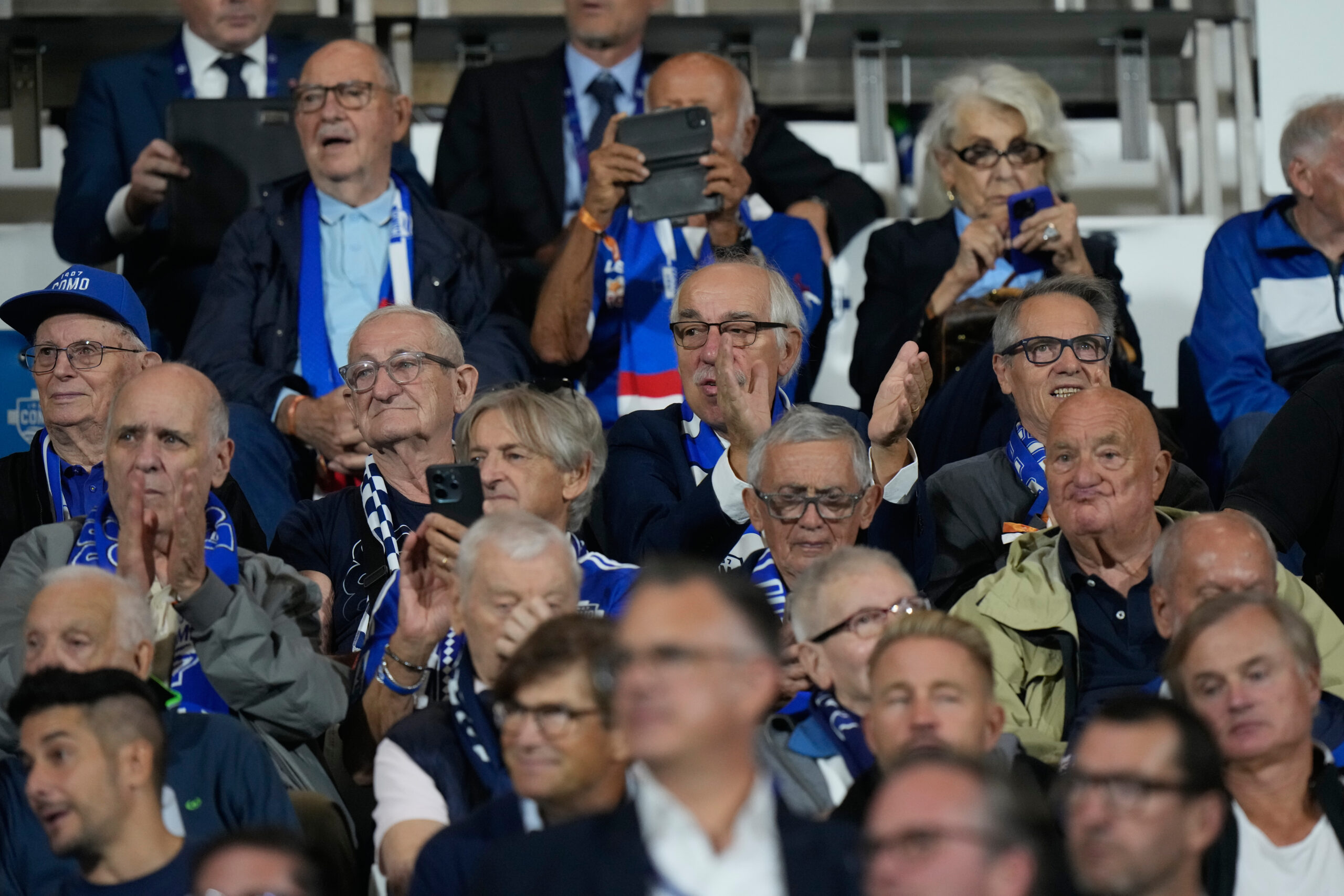
COMO, Italy: Como marked their Champions League debut with a gesture of respect by inviting their older fans to the game against Leipzig on Thursday.
President Mirwan Suwarso and some directors made the magnanimous decision of giving away their own seats, allowing supporters born in 1950 or earlier to attend the sold-out game.
“We will be honored to give up our seat for them,” Suwarso had posted on Instagram.
Capacity was reduced to around 10,000 because the delightful Stadio Giuseppe Sinigaglia stadium on the shores of Lake Como underwent modifications for the Champions League.
The 119-year-old club reached the competition under coach Cesc Fabregas, a standout goal-scoring midfielder during a stellar club career with Arsenal, Chelsea and Barcelona. He played for the Spain team that won the 2010 World Cup.
Fabregas guided Como to fourth place last season ahead of Juventus and AC Milan to claim Serie A’s final Champions League spot with a high-pressing brand of soccer.
Goals have been coming from 22-year-old playmaker Nico Paz, who has stayed on loan from Real Madrid and burly Greece center forward Anastasios Douvikas.