Venezuela Slams Iran over Diplomatic Spat, Sends Delegation to Israel
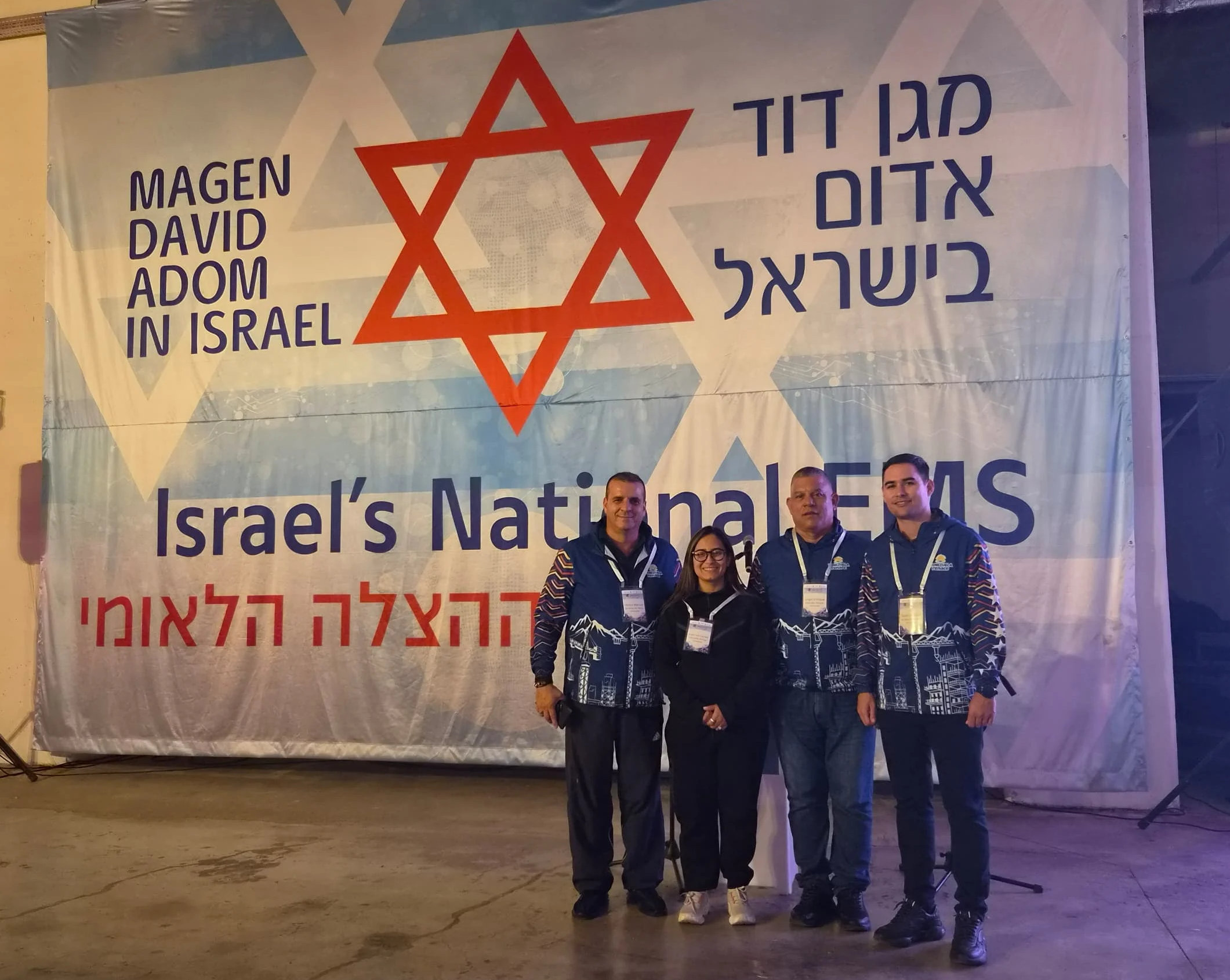
Venezuelan delegation taking part in an Israel-organized summit. (Archive)
Caracas, November 17, 2026 (venezuelanalysis.com) – The Venezuelan government “rejected” comments from a senior Iranian diplomat for “insulting Venezuelans” on Monday.
“Venezuela is a peaceful country that stands for resolving differences through dialogue and diplomacy,” Vice Foreign Minister for Asia Eduardo Ramírez wrote on social media. “We demand respect for national institutions and cease of all comparisons referring to our people.”
The controversy stemmed from an interview with Vice Foreign Minister Kazem Gharibabadi on Iranian state media in which he rejected US threats and vowed that Tehran was prepared for diplomacy, an economic blockade, or a resumption of military attacks.
“The Islamic Republic of Iran is neither Venezuela, where the kidnapping of its president [Nicolás Maduro] could pave the way for the country’s submission, nor Cuba, which could be placed under an economic blockade,” the official stated.
Following Ramírez’s statement, Gharibabadi sought to ease tensions, claiming that the Maduro kidnapping and the blockade against Cuba were examples of “illegal US actions against independent states.”
The episode mirrors a July incident in which the acting Delcy Rodríguez government summoned the Iranian ambassador to deliver a formal note of protest after Iranian Foreign Minister Abbas Araghchi also affirmed that “Iran is not Venezuela” where “everyone got scared and backed down” following the US’ January 3 military strikes and abduction of Maduro.
Venezuelan officials, including Acting President Rodríguez and former Defense Minister Vladimir Padrino López, justified the decision not to respond to the aggression, instead embracing “diplomacy” with Washington.
In the months since, the acting Rodríguez administration has proceeded to realign Venezuelan foreign policy with Washington, including condemning Iran’s response to the February 28 US-Israeli war of aggression.
In another recent indication of its diplomatic about-face, Venezuela took another step towards normalizing ties with Israel, sending a delegation to the 7th International Conference on Emergency and Disaster Preparedness in Tel Aviv.
The move was announced by the Benjamin Netanyahu government on Monday
“The visit builds on growing cooperation between Israel and Venezuela in disaster response and the sharing of expertise,” read an Israeli Foreign Ministry statement.
For his part, Venezuelan Public Works Minister Juan José Ramírez claimed the meeting would allow delegations to “exchange protocols and experience” on emergency response efforts.
“This event is one of the most important global meetings dedicated to risk management, disaster response, and large-scale emergencies,” Ramírez wrote on social media. “It will strengthen Venezuela’s prevention and risk management capabilities.”
Caracas reengaged with Tel Aviv following the June 24 double earthquake, with the latter sending a military-diplomatic mission that featured IDF officers and weapons contractors. Rodríguez praised the Israeli team as “highly trained and professional” and requested their continued assistance in reconstruction planning.
In August, the two governments agreed to reactivate consular services and continue “technical cooperation” following the creation of an “official coordination channel.”
Chávez severed ties with Israel in 2009, fiercely condemning the US ally for genocide and demonstrating unwavering support for the Palestinian cause. His stance was maintained by Maduro, who endorsed South Africa’s activation of the Genocide Convention against Israel at the International Court of Justice (ICJ) in 2024.
Venezuelan popular movements have strongly criticized the acting Rodríguez administration’s rapprochement with Israel.
Edited by Lucas Koerner in Philadelphia, USA.