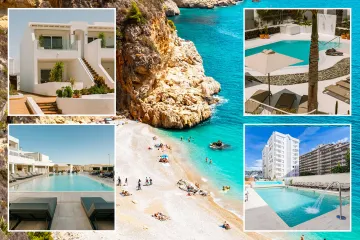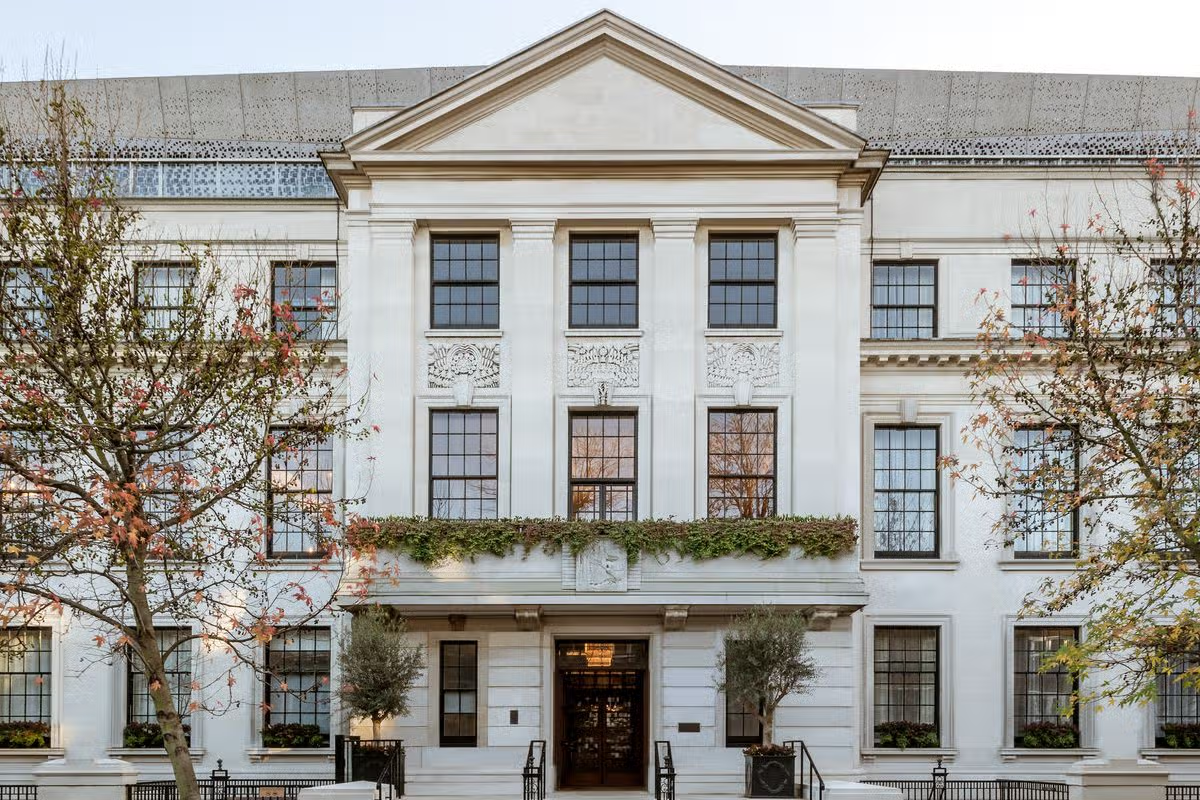
A GRAND new multi-million hotel is opening in Cornwall right by the beach and it will transport you straight to Italy.
Officially opening on June 15, The Nici in Newquay is “inspired by the sun-soaked glamour of the Amalfi Coast” and has the “indulgence of a Mediterranean escape”.
Sign up for the Travel newsletter
Thank you!
The Nici Newquay will open on June 15Credit: NiciThe hotel has an Amalfi feel, with indoor and outdoor poolsCredit: Nici
The clifftop heated pool is the star of the show, with amazing views over the ocean as well as a poolside bar.
But the hotel will also have a spa described as a “coastal cocoon” with a heated indoor pool, hot tub, an aromatherapy sauna, a steam room and a hydrotherapy suite.
A cinema room and kids club will also be on-site to both adults and kids occupied.
In the restaurant – aptly named Amalfi’s – guests will be able to enjoy Italian-inspired such as handmade pizzas and salads.
A second restaurant is planned for 2027, called Tucker Rocks – a more casual dining spot meant to resemble a “clifftop Italian cafe” with live music and even a gelato counter.
And a unique feature at the hotel is the rare Victorian bathing lift that has been restored, so guests can get to Great Western Beach directly from the clifftop hotel.
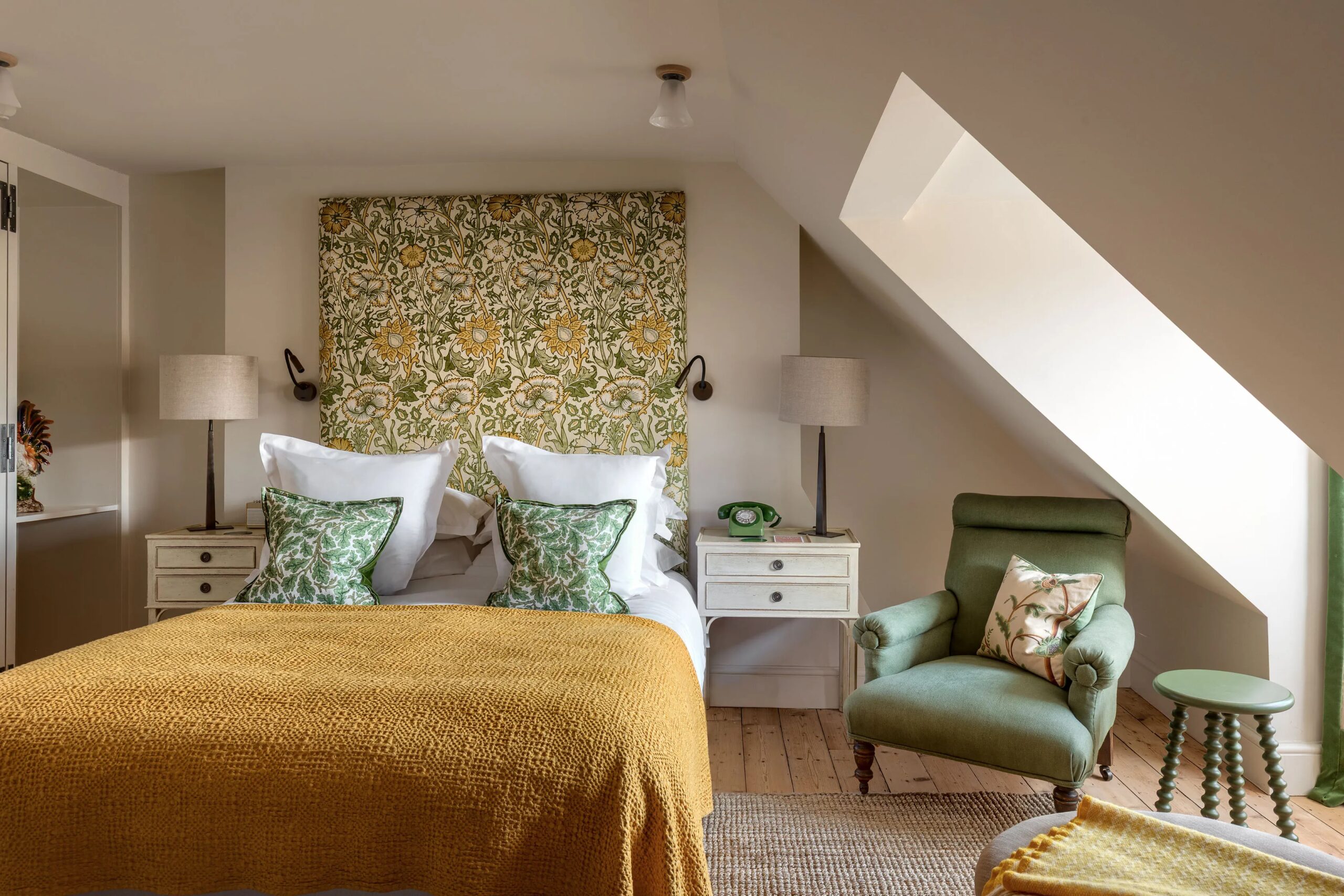
Inside the hotel there will be 82 refurbished bedrooms and suites, some of which will have sea views.
Otherwise they will all be kitted out with the extras from Nespresso machines, Bluetooth speakers and fancy toiletries in the bathroom.
For those who like to keep fit, the hotel has a fully-equipped gym and fitness studios and juice bar for post-workout refreshments.
Guests can sign up to The Nici Club and get unlimited access to the spa, as well as exclusive events, too.
Inside there is also a spa with an aromatherapy sauna and steam roomCredit: NiciThe hotel also has a restaurant and cafe as wellCredit: Nici
Rooms at The Nici Newquay cost from £155 per night.
The destination used to be called Hotel Victoria before The Nici took it over and spent £20 million on transforming it.
The hotel is just a five-minute walk from Newquay train station, as well as a five minute walk from Great Western Beach.
If you want to head to one of the most popular beaches in the area – Fistral Beach – then it is just a six minute walk away.
There’s plenty to do in the surrounding area as well, with the hotel just steps away from Great Western Beach – a golden cove which is great for both surfing and rock pooling.
And if you fancy a cheap £1.99 pint, right by the hotel is The Towan Blystra, a Wetherspoons pub.
There’s direct access from the hotel to Great Western Beach tooCredit: Alamy
The Nici Newquay isn’t the only one to open in June, as The Nici New Forest will also open on June 15.
Sitting at the edge of the New Forest in the historic town of Lymington, the hotel is “inspired by the laidback sophistication of the Hamptons”.
Around the hotel, guests can explore woodland trails as well as heading down to the beach.
Another Nici hotel will also be opening in the New Forest on June 15Credit: Nici
She said: “Its chic-as interiors are super-Instagrammable – rooms are fresh white with bold, palm-print textiles and brass lighting, while ice-cream pastels, glitterballs and eye-catching artwork adorn the communal areas.
“As well as the beautiful pool, there’s a dinky cinema showing four films each day and a petite playroom with table football, giant Jenga and board games.
“Some rooms come with hot tubs, while others have freestanding baths – bag one with a sea view and you’ll wake up thinking you’re in the South of France!”
A woman has lost a court battle after she claimed that “water is a natural resource and a universal human right” having been refused a glass of tap water by the Hotel Sassongher in Corvara
The Hotel Assongher in Corvara has won the legal case
A hotel has won a legal fight with a tourist who asked for a glass of water.
In the UK, the right to ask for a glass of water from certain establishments is enshrined in the law. Restaurants that serve alcohol are legally required to provide free tap water to paying customers, although they may charge for the glass or service.
The same cannot be said for other countries.
In Italy, the land’s highest court has just ruled that a five-star Dolomites hotel acted lawfully when it refused to provide tap water to a tourist.
Way back in 2019, the woman, from Rome, asked for a glass of H2O, only to be told that she couldn’t have one and that she’d have to make do with a £6 bottle of mineral water instead.
What followed was a legal fight that has run on until this week. Eventually settled in the Italian Supreme Court, the tourist claimed that “water is a natural resource and a universal human right”.
However, such arguments failed, with the five-star Hotel Sassongher in Corvara eventually victorious and the tourist’s request for £2,300 in compensation for emotional distress and economic damage dismissed.
Silvio Belardi, the lawyer representing the hotel, told the Corriere Alto Adige newspaper that the court held that “there is no obligation to supply tap water”.
According to the lawyer, the case had been rejected first by a court in Rome, then by an appeals court and now the Court of Cassation.
The Roman had argued that her consumer rights had been violated. She compared the denial of tap water to a hotel not putting sheets on a bed or soap in the bathroom.
“The woman claimed she had suffered damage, including financial and moral harm. This was rejected for lack of evidence,” Mr Belardi told the BBC.
Supreme Court judges dismissed her claim, eventually ruling that Italian laws and regulations do not require venues to provide tap water to guests. It is up to individual establishments whether they decide to do so.
“We also argued that if a person wanted running water, they could easily get that in the hotel – just not at the restaurant,” the lawyer added
European countries where free tap water is legally required
France: Requires restaurants to provide a carafe of water with every meal at no extra charge.
Spain: Passed a law in 2022 requiring bars and restaurants to offer unpackaged drinking water for free.
Lithuania: Restaurants must give guests tap water if they ask for it.
What about the EYU as a whole?
The EU as a whole has passed no laws requiring establishments to provide free tap water, although that could change soon. The EU’s Packaging and Packaging Waste Regulation, approved by the EU Council, encourages member states to ensure restaurants, bars, cafés, and catering services provide tap water for free or for a minimal service fee, with rules set to take effect in August this year.
Since then, speculation has congealed into reality.
By almost any measure, tourism to the United States has cratered. Overall, it was down 5.5% last year from the year before. Visitors from Canada, traditionally the largest pipeline of foreign tourism, plummeted 21%.
Even with global anticipation building, the path to the U.S. for many World Cup travelers feels increasingly less like a red-carpet welcome.
— American Hotel & Lodging Association
That’s the largest drop from any country, according to statistics from the Commerce Department’s International Trade Administration cited by the Congressional Research Service. The runner-up is Germany, with a decline of 11.3%.
Expectations have faded that this summer’s World Cup games, which begin in the U.S. on June 12 with USA vs. Paraguay at SoFi Stadium, would buoy the flow of foreign visitors. Hotel bookings show that hasn’t happened, as my colleague Caroline Petrow-Cohen reports. According to an April survey by the American Hotel & Lodging Assn., hotel operators in all 11 of the U.S. host cities say that bookings are below their expectations.
Get the latest from Michael Hiltzik
Commentary on economics and more from a Pulitzer Prize winner.
By continuing, you agree to our Terms of Service, which include arbitration and a class action waiver. You agree that we and our third-party vendors may collect and use your information, including through cookies, pixels and similar technologies, for the purposes set forth in our Privacy Policy such as personalizing your experience and ads.
Those figures bode ill for the 2028 Los Angeles Olympics, whose organizers are also counting on a robust flow of foreign visitors.
More than 65% of the Los Angeles hotels responding to the survey reported dashed expectations, the association said. That wasn’t the worst result; the percentage was higher in five host cities, led by Kansas City, where nearly 90% of survey respondents reported booking paces below expectations.
The association identifies several reasons for the lackluster bookings, including botched planning by FIFA, the World Cup’s governing body. But much of the blame falls on issues created by one person: President Donald Trump. These include “increased gas and jet fuel prices,” which are artifacts of Trump’s Iran war and its upward pressure on oil prices.
The survey also points to concerns about visa availability and the treatment of foreign visitors once they land in the U.S. or cross the border.
The administration has disavowed any intention to interfere with the World Cup or the Olympics.
“Thanks to President Trump’s leadership, the FIFA 2026 World Cup will no doubt be one of the greatest and most spectacular events in the history of mankind,” White House spokesman Davis Ingle told me by email.
“International visitors who legally come to the United States for the World Cup have nothing to worry about,” the Department of Homeland Security said. “What makes someone a target for immigration enforcement is whether or not they are illegally in the U.S. — full stop.”
Trump pledged in 2018, when FIFA was weighing bids to host the 2028 World Cup, that “all eligible athletes, officials and fans from all countries around the world would be able to enter the United States without discrimination.” But concerns remain that family members of participating athletes might face restrictions on entering the U.S.
Vance said the U.S. wants foreign visitors “to come, we want them to celebrate, we want them to watch the games. But when the time is up, we want them to go home, otherwise they will have to talk to Secretary Noem.” (Trump subsequently ousted Kristi Noem as Secretary of Homeland Security, replacing her with former Sen. Markwayne Mullin, Republican of Oklahoma.)
Trump also committed himself to safeguarding the L.A. Olympics, stating, “I’m going to be supportive in every way possible and make them the greatest games.”
Yet America’s standing as a world-class tourist destination has plainly soured under Trump.
“Even with global anticipation building, the path to the U.S. for many World Cup travelers feels increasingly less like a red-carpet welcome,” the Hotel & Lodging Assn. observed.
“There is a perception that international travelers may face lengthy visa wait times, increased visa fees, and lingering uncertainty around entry processing. For those who do make the journey, concerns do not end at the border — questions about airport security screening wait times and airport congestion add another layer of hesitation.”
None of this should come as a surprise. As I projected last June, two administration initiatives in particular were poised to affect the World Cup and Olympics. The first was Trump’s crackdown on immigration.
Immigration agents, I noted, were acting as though they had carte blanche to detain people suspected of being in the U.S. illegally, conducting raids that sometimes swept up American citizens. That was before the Immigration and Customs Enforcement raids in Los Angeles, Minneapolis and other communities where immigration agents were accused of targeting specific ethnic and racial groups. And it was before the shootings of Renee Good and Alex Pretti in Minneapolis by immigration agents worsened their image as lawless thugs.
By then, however, stories had surfaced of foreign tourists being detained for weeks, even months, without explanation or apparent cause. A 65-year-old British woman named Karen Newman traveling on a valid tourist visa was arrested in September 2025 at the Montana border, shackled and held for six weeks in an ICE detention center. Other stories involved a German tourist who said she was held by ICE for 45 days, some of that time in solitary confinement; and a New Zealand woman who was detained with her 6-year-old son for three weeks.
The Department of Homeland Security didn’t deny that these incidents had occurred, though in relation to the New Zealand woman, whose visa had been only partially renewed, a U.S. Customs and Border Protection spokesman said, “When someone with an expired parole leaves the country and tries to re-enter the US, they will be stopped in compliance with our laws and regulations.”
The other policy that could interfere with the World Cup and Olympics are Trump’s travel bans and restrictions, which as of January covered 75 countries, including Brazil, Russia and 26 African countries.
Stringent regulations for some visa applicants — notably those coming to the U.S. to study or for work-study programs and their dependents — have further clouded America’s image as a destination. Applicants for those visas are required to open their social media accounts for the last five years for inspection by visa officers.
And Homeland Security Secretary Mullin last month raised the prospect of withdrawing customs officers from airports in so-called sanctuary cities, a move that would effectively shut down international flights at those airports.
The change couldn’t happen in time to affect the World Cup, but it could happen before the 2028 Olympics. Mullin’s idea didn’t win immediate favor with other members of Trump’s cabinet, including Transportation Secretary Sean Duffy.
Last year, the Department of Justice published a list of nearly three dozen states, cities and counties it defined as “sanctuary jurisdictions” because they “obstruct or limit local law enforcement cooperation” with ICE. Most are led by Democrats. They include California, and the cities of Los Angeles, San Francisco and Berkeley.
It’s true that immigration policies and rising travel costs are only part of the problem. The Hotel & Lodging Assn. also flayed FIFA for having block-booked hotel rooms in venue cities. These blocks “manufactured artificial demand by locking up large pools of inventory well ahead of the tournament,” the hotel group complained. The practice upended hotels’ planning by prompting them to increase staff and begin World Cup-themed renovations, preparing for crowds that may have been overestimated from the outset.
The block-booking “masked softer underlying traveler demand,” the association said, “with FIFA returning some blocks without a single reservation having been made.”
The hoteliers also groused that New Jersey and Philadelphia had proposed raising sales or lodging taxes in order to squeeze visitors. New Jersey lawmakers have proposed a short-term increase in its sales tax to 9.6% from 6.6% and in its lodging tax to 7.5% from 5%. Philadelphia is planning to raise its hotel tax to 10.5% from 8.5%.
None of this means that ticket sales for the World Cup won’t be healthy. FIFA has said that 5 million tickets have already been sold for the matches, even though the average price for even the cheapest seats at some venues tops $500. As my colleague Kevin Baxter has reported, fans are beginning to feel mulcted. That’s so especially because ticket buyers only learned the specific location of their seats after plunking down their money, at which point they discovered that they were placed in sections nowhere as desirable as they expected.
Russell Crowe has pushed back against TMZ’s coverage of his recent interactions with a crowd of autograph seekers.
“Clickbait,” the “Gladiator” actor wrote in a Monday post on X. “Everybody got their autograph and selfie, the passage to the hotel was kept free for guests, and I still got to the airport on time. One man, no security. Handled. What’s your problem ?”
Earlier that day, the outlet had posted a video of Crowe addressing a crowd of fans and autograph seekers outside of a Paris hotel before making his way to them to sign various memorabilia.
“If you needed a reminder that fans are not always priority No. 1 — turn to Russell Crowe — cause the guy was absolutely not having it outside of his Paris hotel,” TMZ wrote in its since-deleted X post sharing the video. The outlet also framed the video as Crowe “explod[ing] on Pushy Autograph Seekers” in its news story.
In the video, the Academy Award winner is shown giving clear directions to those gathered for his autograph or to snap a photo with him.
“Stay where you are, don’t f— push in on me, I’ll come to you,” Crowe says. “Give everybody space. As soon as somebody’s a d—, I’m gone.”
The actor then approaches the crowd to sign various items held out in front of him. The short clip ends soon after Crowe declines a request to also write “Maximus” — the name of his “Gladiator” character — next to his signature as he continues to sign other things.
Crowe’s temperament, blunt demeanor and distaste for certain aspects of “celebrity” have long been fodder for news coverage. In 2005, the actor made headlines for throwing a phone that hit a Manhattan hotel concierge.
“If I ever was going to torture somebody, I’d put them in a room where they can’t leave and have someone new come in every three minutes and ask the same question over a number of days and then weeks,” Crowe said in a 2010 interview with The Times, describing what happens at a movie press junket on the eve of embarking on one.
“Some people believe celebrity is a power that should be used. Ultimately, your dollars are more powerful,” Crowe said in that interview. “I’m famous for making movies. Celebrity just happens to be an unfortunate byproduct of what I do.”
FOR years, I’ve had a personal vendetta against bed runners in hotel rooms.
Upon entering the room, I’d have whipped it off and stuffed it in the wardrobe faster than you could say ‘late check out.’
The Sun’s Head Of Travel (Digital) has waged a war against hotel bed runners for years – but she’s recently done a u-turnIt turns out that the runners on hotel beds actually have an important useCredit: Alamy
Because while I love a crisp, white, freshly-laundered hotel bed, I am fully aware that the runners at the end of the bed see the inside of a washing machine far less than the sheets.
And I really don’t want to think about how many sweaty, bare bottoms have been pressed up against them before I checked in.
But… it turns out the random, possibly quite dirty piece of fabric actually has an important use – it’s to protect the bed sheets while you unpack.
So your bags, which have scraped the underbellies of aircraft, been dragged along airport floors and left to stand on grubby pavements, usually get spread across the duvet once you’ve checked in, so you can unpack.
The bed runner is there to stop any of that suitcase grime coming off onto the sheets.
Once you’ve hung up all your clothes, the runner can then take its rightful place at the back of the wardrobe.
The humble bed runner isn’t the only little-known travel hack provided by hotels, planes and attractions either – here are nine more that have the power to transform your holiday.
Ryanair’s in-flight trolley service usually starts at row 1 and works its way towards the back of the plane.
EasyJet usually starts at row 1 and row 30, at the back of the plane. They work towards each other, with rows 17 and 18 being served last.
British Airways usually starts at the front of each cabin, then works towards the back.
So, if you’re hoping to be the first to get served, keep this in mind when reserving your seats.
Request a ‘special meal’ to get served first on a long-haul flight
Speaking from experience, if you opt for one of the speciality meals when making your flight booking, you’ll almost definitely get served first at mealtimes.
You can usually opt for a whole range of food, from veggie and vegan to religious restrictions.
Reserving sun loungers
There are ways to beat the rush for the sun beds by the hotel pool – but they only work in certain locationsCredit: Alamy
We’ve all been there. You’ve enjoyed a lie-in and a leisurely breakfast, as is your right on holiday, then you get to the pool, for a perfectly respectable 10.30 am… and all of the sun loungers have been bagged.
But there are some unicorn hotels where they will actually let you reserve your sun loungers for the week, so that you can skip the early morning race for the beds.
Cyprus is leading the charge on this front, with the Sunrise chain in Protaras and the Kanika Hotels group both offering the service.
Alternatively, if you’re willing to tip the pool staff on the first day, in destinations like Hurghada in Egypt, many of them will get your sunbeds ready every day.
Some of them even bring your drink over as soon as you’ve arrived and settled in.
Free toothbrushes, razors and other bathroom items
Fancy hotels often come with bathroom amenity kits as standard, with everything from razors and toothbrushes to shower caps and toothpaste included.
But many lower-tier hotels also keep these items stocked behind reception, in case guests have forgotten something.
So next time you’ve left your toothbrush at home by mistake, have a friendly word with the receptionist before you pop out to the shops, as they may already have what you’re looking for, free of charge.
Free magazines at the airport
Magazines that we’ve got free from complimentary stands at UK airports before
One of the most common items to buy at the airport is magazines and newspapers, especially when you have to kill time.
However, this can quickly rack up in price when many of the glossy mags cost as much as £4.99.
But did you know that many airports have free magazine stands?
They can often be found in the corridors when you are travelling to your gate, or even after you have gone through the gate agent and are waiting to board.
But the best are often found near the posh airport lounge exit.
They vary depending on which ones they have, so you can’t always be fussy.
On flights from London Gatwick, we’ve managed to pick up Wallpaper* magazine, as well as Escapism, Conde Nast Traveller and Stylist.
Freebies at Duty Free
Duty Free shops at airports are like Marmite – you either love them and spend a good half hour browsing, or dash through as quickly as possible.
But by skipping it, you could be missing out on some great freebies.
Many of the counters have samples of products to give away – everything from face serums and perfume to hand cream.
A lot of the larger airports often offer mini makeovers at certain high-end makeup counters, too.
Free airport lounge
If you’ve ever wandered past the easyJet Lounge before a flight after spending a small fortune on Pret, more fool you.
EasyJet passengers who book an Inclusive Plus fare automatically receive up to three hours of access to several airport lounges across the UK.
They include lounges at the following airports: Birmingham, Bristol, Edinburgh, Jersey, Gatwick, Luton, Manchester and Stansted.
Visitors can get tea, coffee and soft drinks, as well as beer and alcohol, plus hot and cold food.
The Inclusive Plus fareis more expensive than the standard fare, but it comes with a bunch of extras like fast track security and free meal deals onboard.
Max out the free hot water
This one might seem trivial, but you could save at least £15 on a flight by asking cabin crew for hot water fill-ups.
Bring your reusable cup and some teabags on a flight and have tea for the whole journey.
Alternatively, you can also bring an instant noodle cup and ask them to fill it with hot water for a very affordable and hot in-flight meal.
Loyalty perks
Plenty of hotel chains offer free perks for customers who sign up to their loyalty programmes – and many of those programmes are either free or cost very little to join.
Hyatt, Hilton, Marriott Bonvoy and IHG all have loyalty schemes that give you little extras like late check-outs, free wifi, booking discounts and even ‘extra night free’ offers.
And the best part? You can go back to load up your plate as many times as you like.
So if you try to be healthy at 9am with a fruit plate and a smoothie, then regret it, you can return at 1pm for a sausage sandwich, a plate full of pastries and three cappuccinos.
When I stayed at the Tent Bahia de Palma, in the Majorcan resort of S’Arenal about eight miles from capital city Palma, the buffet was overwhelming. It had everything from pastries to a full fry-up, salads and open sandwiches.
At one point I even considered a slice of pizza to go with my chicken sausages — surprisingly nice — and Spanish tortilla.
Bar Abaco is housed in an old mansionCredit: AlamyStop by the pool area at Tent Bahia de PalmaCredit: Supplied
It’s a good thing the gym at the hotel is open 24 hours a day — but then again, so is the bar.
And after a few hours spent digesting my trip — OK, two trips — to the brunch buffet on the hotel’s Instagrammable red-and- white checked sunbeds by the pool, it was time to explore S’Arenal’s beach.
Here, the water is unbelievably clear and the sand — which I watched being lovingly raked each morning — is white and gloriously litter-free.
The main beach is flanked by a strip of bars, as well as wooden umbrellas for shade, and children’s play areas.
The bars all offer fabulous views of the ocean — but be warned, they shut at 6pm, so sunsets are best watched from the sands.
If you’re looking to snorkel, the island’s famed rocky-inlet beaches, called calas, are on the island’s south coast.
The most easily accessible from Tent Bahia de Palma is Cala Mosques. It’s ten minutes from S’Arenal on the 504 bus, then a five-minute stroll through the posh Cala Blava area, to find the steps down to the cove.
As you walk down the hill, you’ll spot a small sandy beach surrounded by majestic rock formations and lapped by the bluest water you’ve ever seen.
Take a mask and snorkel and you’ll be able to spot saddled sea bream and parrot fish — but watch out for brave locals jumping off the cliffs into the sea.
The hotel’s breakfast buffet is worth getting up forCredit: SuppliedThe Sun’s Issy soaks up the sightsCredit: Supplied
If you want to swap beach bars for the island’s capital, Palma, it’s just a short trip from S’Arenal — the 504 bus takes 15 minutes and costs just over £2 one way.
But remember to tap on and off the bus with your bank card to pay the correct fare.
Get off at Le Seu, the Cathedral of Santa Maria of Palma, which was built between 1229 and 1601. It’s one of the biggest cathedrals in Europe. Entry is 11 euros, or 30 euros for a guided tour.
Palma’s streets are lined with tapas restaurants and bars and the capital’s pedestrianised Passeig del Born has a lot of them, as well as a mix of high-end shops and historic buildings.
Stroll down the tree-lined road like Majorcans do after work, or step into the back streets to find Bar Espanya — a traditional tapas bar full of locals eating pintxos — small tapas snacks laid out on the bar — for £2 a plate.
I polished off a tuna paté on bread and Iberian ham croquette pintxos, but they also had prawns, deep-fried cheese and sobrasada, which is a cured pork sausage.
After dinner, don’t miss Palma’s most dramatic place to enjoy a cocktail, Bar Abaco — a no-reservations spot in an old house filled with flowers and very over-the-top decor.
With piles of fake fruit, massive bouquets and a fountain in the courtyard, it’s like stepping into an episode of TV hit The White Lotus.
I recommend getting there soon after it opens at 8pm — and it’s well worth a trip to the loos to fully explore the mansion and snap a few pictures away from the “no photography” signs downstairs.
Just a few minutes’ walk away — and on the way to the bus stop that will take you back to S’Arenal — Bar Rita is a beautiful, old locals’ bar that lies in the shadow of the Nostra Senyora dels Socors church.
With eight tables in a square, a cash-only rule and glasses of white wine for around £3, it’s the perfect place to end the night.
GO: MAJORCA
GETTING THERE: Fly to Palma with easyJet from most UK airports with fares from £19.99 in June. To book, go to easyjet.com.
STAYING THERE: Rooms at Tent Bahia de Palma start from £79 per night. See tenthotels.com/en.
Hotel rooms in Los Angeles and other FIFA World Cup host cities could sit empty, despite high expectations that the global sporting event would be a boon to the city.
The soccer tournament, which has sold more than 5 million tickets so far, has historically triggered a surge of international and domestic tourism and infused host cities with an economic boost.
This year, however, 80% of hotels surveyed by the American Hotel and Lodging Assn. said bookings are lagging behind initial forecasts. The hotel association partly blames FIFA for the slowdown, saying the organization overbooked blocks of hotel rooms that did not reflect true demand.
Travel also is being hampered by higher airfares and gas prices due to the conflict in Iran. Visa barriers and broader geopolitical concerns are suppressing international travel demand, the report said.
“With just two months until kickoff, indicators suggest the anticipated economic lift may fall short of expectations,” the report said. The number of tickets sold for the tournament “has not yet translated into strong hotel bookings.”
In L.A., where World Cup games will be played next month at SoFi stadium, more than 65% of hotel respondents said room bookings were below estimated demand.
Many respondents said bookings were even lagging behind that of a typical summer.
Hotels in Los Angeles cited visa complications and long distances from the venue as obstacles to bookings. According to the report, FIFA booked thousands of rooms in downtown Los Angeles that it canceled.
Ahead of all World Cup tournaments, FIFA places large blocks of rooms on hold across various properties for FIFA staff, mediaand other stakeholders. As the tournament draws closer, FIFA will adjust its plans based on demand.
“All room releases were conducted in line with contractually agreed timelines with hotel partners, a standard practice for an event of this scale,” a FIFA spokesperson said in a statement. “Throughout the planning process, FIFA’s Accommodations team maintained consistent discussions with hotel stakeholders.”
The spokesperson added that global demand for the 2026 World Cup is unprecedented.
“FIFA room block over-commitment created an artificial early demand signal that has since unraveled,” the hotel association report said. “Many hotels indicate that early booking signals overstated true demand.”
About half of hotel respondents reported cancellations or releases of previously booked blocks of rooms, the report said.
The staggering price of World Cup tickets this year could also be keeping away fans, said journalist and author Simon Kuper, who writes about soccer economics. Face values for tickets have climbed as high as $7,875.
“All the ticket prices in this World Cup are inconceivable for previous World Cups,” Kuper said. “It’s very much a new phenomenon.”
FIFA is projecting revenue between $11 billion and $13 billion for the four-year World Cup cycle, which ends when the tournament does.
Nonetheless, L.A. is expecting a major jump in tourism for the World Cup in June and the 2028 Olympic Games.
That would be welcome for an industry that is coming off some tough times.
Last year, tourist spending in L.A. fell for the first time since the pandemic began as wildfires, raids by Immigration and Customs Enforcement agents and trade tensions discouraged people from visiting, including tourists from Canada who traditionally flock to Palm Springs and other cities in Southern California during the winter months.
International air arrivals to L.A. County fell more than 30% from August to November of 2025. In Los Angeles, current international arrivals are fewer than in previous months, though the state saw an overall 3% increase last year.
The L.A. market “faces several challenges that are tempering hotel performance expectations,” said Ralph Posner, chief communications officer for the American Hotel and Lodging Assn.
“L.A.’s purported hotel underperformance is compounded by a unique combination of early FIFA block over-commitment creating artificial demand, concerns about visa barriers and operating costs,” he said. “The market was positioned as a flagship host city but is now absorbing a gap between expectation and reality.”
Surging hotel room costs in host cities are also a deterrent. For example, the Renaissance Hotel in Seattle, within walking distance of Lumen Field, is renting a King guest room for less than $300 the weekend before the World Cup. For the weekend of the U.S. game there, the rate is more than $1,000 for the same room.
To save costs, some fans are choosing to stay farther from the venues or opting for alternative lodgings such as Airbnbs. Airbnb’s chief financial officer said the World Cup is expected to be the largest event in the company’s history.
The hotel association said that even though initial indications are bad, things could still get better.
“We are hopeful that momentum will build over the next few weeks in the lead up to the games,” Posner said.
Times staff writer Kevin Baxter contributed to this report.
IF you want a beautiful stay in the middle of a historic UK city, we’ve found just the place.
Here’s everything you need to know about the Varsity Cambridge Hotel, from how much the rooms cost to what there is to do there.
Sign up for the Travel newsletter
Thank you!
Here’s everything you need to know about Varsity Hotel Cambridge
Where is The Varsity?
It’s a brilliantly located hotel, right in the centre of the city on the banks of the River Cam too.
A short stroll from a handful of Cambridge University’s unspeakably beautiful colleges and green spaces.
What are the rooms like?
Our fifth-floor Senior Fellows Superking Room was spot-on with nods to the university-swamped location dotted throughout and an enormous, contemporary four-poster bed – our cockapoo Frisbee was with us so it was a joy to see a herringbone wooden floor – no carpets to mess up!
But the true highlight is the dual-aspect, floor-to-ceiling windows that allow those views out on to Cambridge, with elegant church spires puncturing the skyline.
Get a room on a higher floor and you get to see all of this from the comfort of your bed.
Rooms start at £170 including breakfast. Dogs charged at £28 per stay. See here.
There are lots of food options in the hotel
What is there to eat and drink there?
There are plenty of options here.
The Six Brasserie & Bar is on the hotel’s sixth floor and has even better panoramic views. In spring/summer, there’s also the open-air Roof Terrace to enjoy.
Our tactic was to have a cocktail at Six (at 7pm, confusingly) before heading around the corner to the hotel’s affiliated River Bar Steakhouse & Grill.
Our shared Tomahawk was incredible and truly stirred the caveman within.
What else is there to do there?
The Glassworks Gym & Spa is well worth a visit – the gym is set in a stunning old warehouse, while the jacuzzi is right by a beautiful arched window where you can watch people bobbing past in punts on the Cam.
And if you can stretch to a treatment, the 50-minute Elemis Facial and Massage combo is divine – but is guaranteed to feel like the shortest 50 minutes of your life.
Is the hotel family friendly?
There are some options for kids like options for extra beds and cots, but this is more of an adult hotel.
Is it accessible?
The hotel has accessible rooms with a lift to all of the floors, excluding the rooftop bar.
A British tourist has praised a hotel for taking action against guests who try and hog empty sunbeds by reserving them with towels. She said she witnessed something that was worth highlighting
11:28, 20 May 2026Updated 11:28, 20 May 2026
The tourist praised the hotel (stock image)(Image: vanbeets via Getty Images)
Many of us relish a holiday abroad, but one issue that never fails to cause a headache is the notorious sunbed wars. One woman recently claimed she witnessed the drama firsthand, reportedly in Greece, and couldn’t speak highly enough of the way the hotel handled it.
The British tourist, known as WelshTaiTai on TikTok, shared footage of what unfolded during her sun-soaked holiday. While most of us cherish the chance to travel, the age-old habit of reserving sunbeds can quickly spiral into chaos, rows and wholly unnecessary stress when you’re supposed to be unwinding.
In the video, she described some guests as being “naughty”, claiming there’s a sign at her hotel clearly stating that sunbeds must not be reserved. It politely requests that guests refrain from leaving towels on the beds to stop others from using them.
Yet some guests chose to ignore the rule, prompting the hotel to reportedly take matters into its own hands. Staff are said to have gathered up all the offending towels and draped them over a wall, freeing up the sunbeds for other guests to enjoy.
Alongside the clip, she wrote: “POV: You wake up early for the perfect pool day only to find every sunbed ‘reserved’ with a random towel and nobody in sight. Then the hotel staff start removing the abandoned towels and suddenly people appear from nowhere acting shocked.
“If you’re not actually using the sunbed… you don’t own it. Simple.”
Content cannot be displayed without consent
The clip has racked up hundreds of views, with many viewers quick to share their thoughts in the comments section, offering a wide range of opinions.
One wrote: “Wish every hotel would do this.” Another added: “Needs to be carried out in every hotel. I look for reviews and if this happens, I won’t book.”
A third chimed in: “Give those staff a raise. Just back from Majorca, where people were out at 5.30am reserving beds. Their towels were in the pool by 6.30am when the cleaners arrived to sort the beds etc. These guys are heroes.”
Meanwhile, a fourth remarked: “I would book a hotel purely on this rule.” Yet another observer noted: “Need more of this. You work 52 weeks and spend three weeks trying to get a sunbed.”
Others described it as “excellent” that the hotel had taken action to put a stop to “sunbed wars”, with many agreeing the policy should be adopted far more widely.
What you need to know
If this is news to you, hotels are well within their rights to prevent guests from reserving sunbeds, and many already have policies in place to tackle the problem.
Various methods are employed by hotels to address the issue. Some instruct staff to remove unattended towels, while others encourage guests to use booking apps to ensure fair access.
Such measures exist to stop guests from “hogging” beds — an all-too-familiar frustration that nobody wants to deal with while on holiday.
A $30 minimum wage for hotel and airport workers will be delayed after Los Angeles elected officials persuaded a group of business leaders to drop a ballot measure that would have devastated the city budget.
On Tuesday, the City Council approved the 18-month delay, which will postpone the wage increase until after the 2028 Olympics and fend off the business-backed initiative to eliminate the gross receipts tax, which is the city’s second-largest revenue stream.
The minimum wage will still increase to $25 in July and continue in increments until reaching $30 in January 2030.
Because the 11 to 4 vote was not unanimous, the new pay schedule will head to a second vote next week. Councilmembers Eunisses Hernandez, Ysabel Jurado, Nithya Raman and Hugo Soto-Martínez cast the “no” votes.
In May 2025, the council approved a proposal that would have increased the minimum wage to $30 in July 2028 and also raised an hourly payment for healthcare coverage.
In response, a coalition of airline and hotel businesses gathered enough signatures to place a measure on the Nov. 3 ballot that took aim at the city’s gross receipts tax, which is imposed on a vast array of businesses, including entertainment companies, child-care providers, law firms, accountants, healthcare businesses, nightclubs and many others.
If approved by voters, the measure would have stripped $740 million from the city’s general fund over the first year, according to city officials, and over five years would have amounted to a $860 million loss annually on average.
City officials, hotel and airport businesses and labor unions had been in continuous negotiations since last Wednesday, when the council narrowly approved an initial postponement of the wage increase to allow time to reach an agreement. The business coalition agreed to withdraw the measure if the council permanently approved the delay.
In addition to delaying the $30 minimum wage, the council on Tuesday pushed back the hourly healthcare payment to start at $8.15 an hour for airport workers in July 2027 and $4.25 for hotel workers July 1 of this year.
The council also voted to set up a committee to study possible changes to the business tax structure.
“Imposing wages and benefits without bringing business to the table is not reasonable,” said Nella McOsker, president and CEO of the downtown business group Central City Assn., at the council meeting. “It is reasonable to ask us to partner together to be on the other side of the table and negotiate, but it is not OK to do so without that process.”
Kurt Petersen, president of Unite Here Local 11, which represents the hotel workers, accused city officials of giving “into blackmail.”
“They now have a playbook. The next time workers win something, they’ll threaten to blow up the city,” Petersen said of the business coalition. “It’s a bad day for workers.”
Council President Marqueece Harris-Dawson described the process as painful but nearing a conclusion.
“I think we walked away from the negotiating table, like many negotiating tables, where no one was happy about the outcome, but everybody came away better than when we started off,” he said.
Shortly before the council vote, Mayor Karen Bass issued a statement that said she was called in by both business and labor leaders to close the deal.
She called the proposed repeal of the gross receipts tax “an existential threat to the city budget and the services it supports,” including street repairs, public safety and efforts to clean the city.
“This agreement ensures workers are paid fairly and that businesses that create jobs can continue serving LA and hiring Angelenos,” Bass said.
On Tuesday, the council chamber was filled with union workers in red, purple and yellow shirts.
Laura Esquivel, a janitor at Los Angeles International Airport, expressed frustration that council members were not standing by their earlier commitment.
“We’re sick and tired of being exploited. Some members of the council that are here, now we know, do not stand with workers,” Esquivel said. “We are not giving up, we will continue to fight and we’ll be back here in 2028.”
Before voting against the delay, Soto-Martínez, a former Unite Here organizer, called it sad and enraging.
“I cannot support anything that is going to take away money from workers,” he said.
Councilmember Imelda Padilla, who spoke in Spanish, was critical of the way the negotiations unfolded.
“If this thing about the gross tax receipts passes, we don’t have a city,” Padilla said. “The business community has us by our necks.”
She said workers deserve the wage increase, though she voted for the delay.
“Next time, let’s negotiate, and let’s negotiate well,” she said.
Times staff writer Suhauna Hussain contributed to this report.
I COULD feel my body softening with each wave of my masseuse’s hand.
She scrubbed in circular motions, massaging the salt into my skin until it sparkled like the sea just beyond the spa door.
Sign up for the Travel newsletter
Thank you!
Learn from the experts how to harvest your own jar of salt flakesCredit: UnknownThe pool at Iberostar Selection Es TrencCredit: supplied
Salt, it turns out, is so much more than just a seasoning to sprinkle on your food — especially here on this picturesque stretch of Majorca’s southern coast.
I was staying at recently-opened five-star hotel Iberostar Selection Es Trenc, in the town of Colonia de Sant Jordi, half an hour’s drive from Palma airport.
It oozes relaxation, with its seafront location, ocean-coloured decor and knock-out spa treatments.
The hotel is also big on using local produce — including the nearby salt flats’ Flor de Sal.
The views from here are breathtaking and great for photos.
Those who prefer a more intense workout can pick from kickboxing, TRX gym work and Zumba classes.
The local salt is used in food and drinksCredit: suppliedSoak up the breathtaking sea view from the hotel roomCredit: supplied
I opted instead for a dip in the pool on the hotel’s rooftop terrace, also used for sunrise yoga classes.
I’m sadly not a very nimble yogi, but did join a session and felt serenely relaxed.
Not that I needed to unwind any more — the hotel is designed so every room has a sea view, and I opened my curtains each morning to soothing views of the waves.
Another treat is the hotel’s a la carte restaurant, Salvient, which has a homely feel.
The Sun’s Tilly Pearce visits the Majorcan salt flatsCredit: suppliedA Flor De Sal salt flats tour costs from €10 per adult and €6 per childCredit: supplied
It takes its name from the Spanish word for salt — sal — and you will not struggle to guess why.
If you’ve developed a taste for Es Trenc’s “white gold”, as the locals call it, make sure to order the dentex — a sea bream-style fish cooked whole and served on a huge bed of salt.
The large fish can be shared with family or friends, but was so light and flaky I reckon I could have eaten the entire thing by myself.
Or the hotel has a buffet-style restaurant — and there’s plenty of restaurants in town, too.
5Illes restaurant, by the town beach and about a 15-minute walk from the Iberostar, is well worth a visit.
It specialises in rice dishes and my paella was one of the best I’ve ever tasted, served sizzling in a large pan and stacked with seafood.
Tummy well and truly satisfied, I ended my Majorca getaway with a private boat trip around the island to soak up my final sunset.
I’m not sure what was better — the view from the Iberostar rooftop or this one from the sea.
As long as I have a salt-rimmed cocktail in hand, who cares?
GO: MAJORCA
GETTING THERE: EasyJet flies from London Gatwick to Majorca from £28.99 each way.
Have you ever wondered what the inside of one of the most expensive hotel penthouses looks like? For a whopping £75,500 a night, it might leave your eyes watering
Could this be one of the most lavish hotel rooms in the world?(Image: Royal Mansion at Atlantis The Royal in Dubai)
We all like a bit of luxury every now and then, but for a staggering £75,500 a night for a hotel suite, that’s something else entirely.
For that sum of money, you’d expect your own butler, sprawling swimming pool, private entrance, and some of the best views across Dubai – and that’s exactly what those forking out for a lavish stay at the Royal Mansion at Atlantis The Royal get. The price tag makes a little more sense considering a literal mansion in one of the world’s premier luxury capitals.
Dubai is renowned for its selection of opulent hotels and resorts, but the five-star Atlantis The Royal is one of the city’s most famous and luxurious beach resorts. Frequently named one of the best hotels in the world, it sits on the crescent of Palm Jumeirah, boasting a whopping 795 rooms, 17 restaurants, and 90 swimming pools, with its striking structure of six towers linked by an intricate design.
For those who want to ‘live like royalty’ during a stay at Atlantis The Royal, the Royal Mansion is one of its signature penthouses, priced at around £75,500 (Dhs370,000 or $100,000) per night. Dubbed the ‘crown jewel’ of the resort, it spans 1,128 square metres across two levels, forming a penthouse that connects to both sides of the iconic hotel.
There’s a private foyer, complete with glass olive trees and sky-high ceilings, and four bedrooms that can sleep up to ten adults and one child, with three king beds and two queen beds. One of its most incredible features is the 476-square-metre terrace with an infinity pool, offering panoramic views across the Palm Jumeirah and the Dubai Skyline from a secluded, and very lavish retreat.
In addition, the penthouse features an outdoor kitchen, bar area, entertainment room, a library, a huge dining room table, both indoors and outdoors, a living area, a family room, a steam room and sprawling bedrooms with en-suites that are easily the size of a flat in London. The interiors are just as sumptuous and bespoke as you would imagine, with every corner designed to ooze indulgence.
As Atlantis The Royal states, “Every detail in the Royal Mansion will make you feel like royalty”. And there’s more.
Guests forking out for a stay in the mansion will also be given the five-star treatment. This includes in-room check-in, 24-hour dedicated butler service, 24-hour room service, a private in-suite lift, a private entrance, and privacy glass.
They can also lap up the benefits of an exclusive in-room celebrity chef dining, complimentary return airport transfers, complimentary minibar and complimentary breakfast, with the option of Gastronomy, in-room dining, or a floating breakfast. If that wasn’t enough, they also have daily access to the resorts’ AWAKEN Elements Retreat and exclusive “premium seating” at Aquaventure World, along with daily fast passes.
That’s just some of the additional benefits of booking the sprawling penthouse, which undoubtedly only welcomes the ultra-wealthy who can justify splashing out on what is twice the average annual salary in the UK for a hotel night away.
Do you have a travel story to share? Email webtravel@reachplc.com
I was lying on a bed with no trousers on. A young man helped me into some crotch-high boots and zipped them up. He turned the lights down low, put on some music, pressed a button and left the room. Argh! The boots started to slowly inflate from the toes up, like a giant blood-pressure cuff. As they clenched around my upper thighs, I started to panic. What if they just got tighter and tighter until my legs exploded? As I was about to shout for help, the pressure suddenly released, leaving my legs feeling deliciously light. I took a deep breath and submitted to another 19 minutes of this sweet torture.
I was at Siro Boka Place in Montenegro, having compression boot therapy, which is supposed to boost circulation and reduce swelling. “It’s especially effective on women over 35,” my youthful assistant had told me, helpfully. The hotel, which opened last year, is proud of its “state-of-the-art wellness facilities”. In most hotels that means a poky gym. At Siro the facilities are so good the Montenegrin Olympic team is training here ahead of Los Angeles 2028.
But more about the hotel later. First I was keen to get outside and explore. Siro is in Porto Montenegro, a swanky development on the edge of Tivat in the beautiful Bay of Kotor. My companions and I escaped the bling on a morning ebike tour around the bay, taking us from designer shops and luxury restaurants to charming old fishing villages. We cycled to the tip of the promontory to peer at the islet Our Lady of the Rocks, then biked right round the other side until we were facing Kotor’s triangular, red-roofed old town across the water. We cut inland to complete the loop via a switchback mountain road, where I was grateful for the electric assistance.
The town of Tivat in the beautiful Bay of Kotor. Photograph: Getty Images
The next day we hit the Vrmac mountain trails on foot, hiking to Gornja Lastva, a half-abandoned village high above Tivat, and then on to tiny St Vid church, which stands alone on the peak. The panoramic views made it the perfect picnic stop. In the afternoon, we explored the calm waters of the bay by kayak. It was blissful just getting out on the sparkling water, but with more time it is possible to kayak round to the famed Blue Cave on the Luštica peninsula.
These trips can be booked through Siro, which has partnered with local activity companies. Guests can go running and rock climbing; canyoning in the Drenoštica or Nevidio canyons; paddleboarding on Skadar Lake; or try a host of watersports in the bay, from funtubing and efoiling to wakeboarding.
Back at the hotel, group classes are on offer in the fitness studios – there are about five sessions a day on weekdays and two at weekends. I tried yoga, pilates and mindful strength, while more high-octane options include run club, Hyrox and full body blitz. The gym – sorry, “fitness lab” – is enormous (1,600 sq m), and divided into cardio, weights and functional training zones. There is a lovely 25-metre outdoor pool on the third floor, with views over the marina.
All this exercise called for some more treatments in the spa, or “recovery lab”. During red light therapy, I had to lie in a coffin-like pod with the lid closed – not one for the claustrophobic. The near-infrared wavelengths are thought to help reduce inflammation, speed up muscle recovery and rejuvenate the skin. If nothing else, the gentle warmth was very relaxing, once I stopped thinking about being buried alive.
Imposing: the Siro Boka Palace is surrounded by Montenegro’s dramatic landscape. Photograph: Zoran Radonjic/Siro
I was a little nervous about having a body composition analysis, but it was a simple procedure. You stand on a Seca Tru machine and hold the handles, and the results are sent to an app on your phone in about 30 seconds. It seems like sorcery, but actually uses “bioelectrical impedance analysis” tomeasure the resistance of electrical currents as they pass through the body, and is highly accurate when compared with an MRI or Dexa (bone density) scan. It was fascinating to pore over the results: muscle and fat mass, water levels, bone mineral content, basal metabolic rate (calories burned at rest) and, a new one on me, phase angle: “an indicator of overall health, metabolic activity and nutritional status”.
When I’d digested my results (88/100, not bad for a woman well over 35), I had a consultation with Hélène Boussiard, a French-trained clinical dietitian and fount of nutritional knowledge. We bonded over our vegan diets, but she was less happy with my late nights and alcohol intake. As I’ve been resolving to go to bed earlier and drink less for the past 25 years, it wasn’t exactly a revelation, but her written report did spur me on to try harder.
I cheered myself up with a massage or three. Two were conducted on a waterbed (well, Rivals has brought the 80s back into fashion), one involved stretching and all were utterly incredible. I could have tried cupping, dry needling, EMS therapy and percussive therapy as well, but there are only so many hours in the day.
Guests with any energy left can work out in their rooms, too – they are equipped with a Swedish ladder for pull-ups and dead hangs, a wellness ball to work the core even while sitting, plus weights, resistance bands and a yoga mat. A restful night’s sleep is aided by meditation playlists, temperature-controlled mattresses and sunrise alarm clocks.
And relax… the 25m pool has views over the marina and mountains Photograph: SIRO
As you might expect, the restaurant, Siro Table, serves healthy food. The breakfast buffet features ferments, nuts and seeds, with à la carte options such as avocado toast with poached eggs. At lunch and dinner, there are lots of vegetable-based dishes with protein add-ons “to achieve your desired macros” – I added chickpeas and tofu to courgette spaghetti, for example. But it’s not too abstemious: chips, desserts and wine are all on the menu too. The ground floor Refuel Bar serves smoothies and protein shakes, but there is an actual bar on the roof, with cocktails and Friday-night DJs.
After three days at Siro, I felt like an Olympic athlete myself. Now all I have to do is keep it up back home. I wonder how much a pair of compression boots would set me back?
After Connor Cooper, 33, appeared on ITV’s Deal or No Deal, he said feeling like a ‘TV star’ lead him to become addicted to cocaine, with the contestant spending up to £600 a week on the substance
18:09, 16 May 2026Updated 18:09, 16 May 2026
Stephen Mulhern hosts the game show(Image: ITV)
A former Deal or No Deal contestant has blamed becoming a “TV star” for him developing a £600-a-week cocaine habit. Connor Cooper, 33, claims to have come across a “huge pile” of the drug while partying near to the hotel he and the rest of the contestants of the ITV game show were staying in.
Connor explained that one night, he had been out drinking with the rest of the contestants, and after drinking shots and cocktails all night, decided to give the drug a go. But after taking it, he couldn’t sleep – having got back to his hotel room at 7am, he was picked up at 8am to film the show.
He and some of the other contestants were exhausted, with Connor admitting he was “completely wired” during filming. But it didn’t put the dad-of-one off, with Connor saying he went on to become hooked, saying he was “living in the moment” and had a taste of “the showbiz life”.
Speaking to the Sun, Connor explained: “I was dreading that show going out. I was still completely wired when we filmed and we recorded three games that day.”
Contestants on Deal or No Deal can be living with each other for up to a month, as they return in their bid to win big on the game show. Connor said that this lead to him and the others drinking together, with the “party culture” sucking him in.
He said he would order it secretly to keep himself going, but then he wouldn’t sleep again and have to return to the studios to film the day after. Then they would drink again that evening and he would “do it all over again”, with each contestant allowed two free drinks per day.
But then when he started drinking he would continue out of his own money, adding: “I just thought I was a TV star and dived in with both feet. It was really stupid.”
Connor went on to win £13,500 on Deal or No Deal, and returned to Portsmouth where he worked as a tarmac layer. A month after returning, when Connor was still buying and using cocaine, he found out his long-term partner was pregnant with twins, something he describes as a “wake-up call”
He told her everything and with her support he managed to seek professional help to kick his dangerous and expensive habit. Connor said he didn’t seek help with ITV’s mental health services. The Mirror has contacted Banijay for comment.
In response to the paper, a Deal Or No Deal spokesperson said: “We have a zero-tolerance policy on drug use on all our productions. Contestants stay at the hotel for short periods of time whilst filming and are closely monitored by a specialist welfare team throughout. Having reviewed logs of activity and welfare assessments, we can find no record of any behaviour that would cause concern.”
DAKAR, Senegal — It’s an existence that Congo’s president has described as “living the Congolese dream.” For the 15 Latin Americans deported to the African nation under the Trump administration’s widely criticized crackdown on migrants, it feels more like a nightmare.
The Associated Press spoke with one, a 29-year old Colombian woman who confirmed what people deported to other African nations have described: A shackled deportation despite a U.S. immigration judge’s protection order. Confinement in a hotel with supervised outings.
And an impossible choice: Return to a home country with the risk of persecution or stay in Congo, a country the Colombian woman had never heard of before she arrived.
“They treat us like we’re children,” she said as their three-month Congolese visas near an end, with no plan in sight.
“What would one do in a completely unknown place, without a place to live and without knowing what to do?” she added, speaking on condition of anonymity for fear of reprisals.
It was not immediately clear what a new U.S. court ruling, saying the U.S. likely broke the law by deporting a fellow Colombian to Congo, will mean for her.
A United Nations-affiliated group plays a central role
In her interview from the hotel in Congo’s capital, Kinshasa, where she and other deportees are held, the woman gave new details about the central role that a United Nations-affiliated body, the International Organization for Migration, is playing.
She said deportees are allowed to leave the hotel about once a week and only accompanied by IOM staff. When they shop at a supermarket or withdraw money they are quickly ushered back to their vehicle, with IOM staff never out of sight.
“They choose where we go and what we buy,” she said.
At the hotel, she said, IOM staff have organized activities like painting, music and volleyball but many deportees have stopped participating, bored with the routine. She goes for meals and remains in her room otherwise, making late-night calls to her 10-year-old daughter in Colombia and worrying when she will see her again.
Most striking is the role IOM staff are playing in presenting deportees with their possible fates.
They have offered the woman two paths: Return to Colombia, where a U.S. judge has ruled she cannot safely be sent back, while receiving IOM “protection and assistance,” or remain in Congo with no support.
“They are given impossible choices,” said Alma David, the woman’s U.S.-based attorney. “By deporting them to a third country with no opportunity to contest being sent there, the U.S. not only violated their due process rights but our own immigration laws and our obligations under international treaties.”
Congo is one of at least eight African countries that have made deals with the Trump administration to facilitate deportations of third-country nationals, which legal experts say are effectively a legal loophole for the U.S. Most deportees had received legal orders of protection from U.S. judges shielding them against being returned to their home countries, lawyers said.
The AP has interviewed others sent to African nations who were forced to make risky decisions, such as a gay Moroccan asylum-seeker deported to Cameroon, a country where homosexuality is illegal.
The U.S. Department of Homeland Security did not respond to questions about the Colombian woman’s case, but it has asserted that third-country deportation agreements “ensure due process under the U.S. Constitution.” The Trump administration says the agreements are needed to “remove criminal illegal aliens” whose country of origin will not take them back.
Details of Congo’s deal with U.S. are unclear
The details of Congo’s deal with the Trump administration are not clear. Other countries have received millions of dollars to participate.
Earlier this month, Congolese President Félix Tshisekedi called the agreement an “act of goodwill between partners,” with no financial compensation. It comes as Washington has ramped up pressure on neighboring Rwanda over its support for the M23 rebel group that has seized cities in eastern Congo — a dynamic some analysts say may explain Kinshasa’s willingness to take deportees.
“We agreed to do so as a friendly gesture, simply because it was what the Americans wanted,” Tshisekedi said, adding that the migrants are free to leave Congo at any time.
“We understand that psychologically they must be unsettled because, at first, they dreamed of living the American dream, and now they are living the Congolese dream — in a country they probably did not know and may never even have noticed on a map of the world,” Tshisekedi said.
Congolese human rights groups have called it a violation of international refugee law. The Congo-based Institute for Human Rights Research described the situation as “arbitrary detention by proxy for the United States.”
The current U.S. Immigration and Customs Enforcement policy says if a government has made blanket diplomatic assurances that it won’t persecute people who are deported, no further process is required for deportation, not even giving deportees notice where they are being sent, said David, the attorney.
“When they told me they were going to deport me, I almost fainted,” the Colombian woman said. She was told about Congo the day before the flight.
She was detained at a routine check-in with ICE
She said she left Colombia in 2024, following threats from armed groups and abuse by a former partner who worked for the government.
She went to Mexico, where she waited for a border appointment booked with the U.S. government. When she presented herself at an Arizona port of entry in September 2024, immigration officials determined she had a credible fear of persecution, clearing her to apply for asylum, but kept her in ICE detention.
“You spend a year and a half locked up, living the same day over and over again. You see fights, punishments where people are locked in cells for many hours. You lose your privacy even to use the bathroom,” she said.
Some officers made racist remarks. “They made derogatory comments toward us as migrants, shouted at us all the time and sometimes denied basic things like showers as punishment,” she said.
In May 2025, a federal judge granted her protection under the U.N. Convention Against Torture, ruling she could not be safely returned to Colombia, according to court documents seen by the AP.
She filed a habeas corpus petition and won her release in February. She moved to Texas and was required to wear a GPS monitoring device, but at her first check-in appointment with ICE, she was detained again.
“All they told me was that I was under detention, as they had found a third country for me,” she said.
Less than three weeks later, she was put on a plane to Congo. She and the other deportees arrived on April 17 after a nearly 24-hour charter flight during which their hands and feet were restrained.
She doesn’t feel safe in Congo
Now they stay at a hotel near Kinshasa’s airport, in tidy white bungalows. Congo’s government covers the cost, the IOM said. It was not clear whether that would last after the deportees’ visas run out.
The hotel gates are locked according to one of the deportees lawyers. The Colombian woman also said security personnel do not let them leave on their own.
They were told they could apply for asylum, an option no one has chosen. “I don’t feel safe in Congo,” the woman said.
An IOM spokesperson said the organization has provided her with humanitarian assistance based on an assessment of her vulnerability. It includes “protection interventions, referrals, rights safeguarding and promotion of migrants’ overall well-being,” with no details.
The IOM also may offer “assisted voluntary return” — covering documents, flights, transit and temporary housing on arrival — with migrants’ consent.
The IOM said it plays no role in determining who is deported and reserves the right to withdraw its assistance for deportees if “minimum protection standards” aren’t met.
The Colombian woman remains in limbo, anxious. She said the food “has made us very sick,” with stomach ailments ongoing.
Local languages, like French and Lingala, are as foreign as her surroundings.
“The worst part is having to go through all of that without having committed any crime, simply for going to another country to ask for safety and protection.”
A federal judge has ordered the Trump administration to bring a Colombian woman back to the U.S. from Congo, after she was deported to the African nation that had refused to accept her.
The deportation of Adriana Maria Quiroz Zapata “was likely illegal,” U.S. District Judge Richard J. Leon ruled Wednesday.
Zapata, 55, who has diabetes and a thyroid condition, “has been sent to a country that refused to accept her because they cannot provide sufficient medical care,” the ruling said. “As a result, she faces a daily risk of medical complications, up to and including death.”
Black spots began to grow on Zapata’s back and foot while she was in detention, her skin started to peel and her nails blackened, according to a declaration that Zapata submitted in court, and which was provided to the AP by her lawyer.
“She’s not doing well and does worry that she’s going to die,” her lawyer, Lauren O’Neal, said.
Zapata entered the U.S. from Mexico in August 2024 and was taken into Immigration and Customs Enforcement custody. Since being deported, she has lived in a hotel in Kinshasa, Congo’s capital. The hotel gates are locked, O’Neal said. Zapata and other deportees are rarely allowed out, and only with supervision, she said.
Zapata was among thousands of immigrants living legally in the U.S., waiting for rulings on asylum claims, when they were suddenly issued deportation decrees that ordered them expelled to countries where most had no connections.
More than 15,000 third-country deportation orders were issued in the White House push for ever more immigrant expulsions, advocacy groups say, though only a fraction of the orders have been carried out.
Few details are known about the agreements to accept these deportees, though the U.S. has signed them with a range of countries, including Ecuador, Honduras, Uganda, Cameroon and Congo. Advocacy groups estimate only a couple of hundred third-country deportations, at most, have been carried out.
Brace yourself, Coronado. The hospitality maven who brought San Diego its most over-the-top maximalist hotel — the Lafayette in North Park — is back with another glitzy project, this time in the wealthy island city known for its traditional bent.
Opening Thursday, Baby Grand includes a 35-foot faux rock wall, a 20-foot waterfall, a Mediterranean restaurant that feels like a Greek ruin being consumed by a jungle and a hidden oyster bar full of crystal and mirrors. All of this, including the Spanish statuary, Moroccan fixtures and Murano glass, is squeezed onto an Orange Avenue lot that once held a 1950s motel. If Liberace had run away with an art historian, they might have landed here.
The idea was “to create this little mirage within the mirage that is Coronado,” said Arsalun Tafazoli, founder of CH Projects, the group behind a multitude of design-intensive establishments across San Diego including the speakeasy Raised by Wolves, the hi-fi listening bar Part Time Lover and the Middle Eastern restaurant Leila.
The Baby Grand hotel and its restaurant Night Hawk stands along Orange Avenue about a block from the Hotel del Coronado.
The patio dining area of Coronado’s new Night Hawk includes seating for about 150.
Baby Grand’s high-density, high-gloss environment, which cost about $17 million and took about five years to complete, will come as no surprise to those who have followed Tafazoli’s earlier ventures.
Asked about the design philosophy behind the 2023 renovation of the Lafayette — the company’s first hotel — Tafazoli had a simple answer: “More is more.”
The Baby Grand project, put together in collaboration with design studio Post Company, is cut from the same cloth, describing itself as a “polychromatic pastiche” on its website. The goal, Tafazoli said, is to enrich Coronado’s culture and give people a respite in an anxiety-ridden time. But “it is different,” he said. “I don’t know if it is going to be embraced.”
Getting the necessary city permissions “was definitely a struggle,” Tafazoli said. “Had I known how difficult this was going to be, I don’t know …”
In the days before the hotel’s opening, Tafazoli, 44, led a tour of the site. The entrepreneur, whose heritage is Persian, wore his hair in braids and a button-down Supreme shirt featuring Barack Obama.
The Baby Grand hotel’s guest rooms feature separate tub and shower.
“I have a very one-dimensional existence. I’m single. I have no kids. This is what I do,” said Tafazoli, who grew up in San Diego and studied at UC San Diego. He lives now in downtown San Diego’s East Village, where his company is based and where his first CH venture, Neighborhood, opened in 2007.
Though his company started with eating and drinking establishments, Tafazoli said, his goals were always to create and run hotels, “the pinnacle of hospitality.” As a child of divorce, he said, he may have a heightened awareness of when the energy feels right in a room and when it doesn’t. Creating social environments, he said, gives him some control over that. Moreover, he added later, “beauty is important to me, because it conveys care.”
To make the most of Baby Grand’s compact location (2/3 of an acre), the CH team has exported parking. Instead of leaving their cars on site, guests will hand keys to valets who will deposit vehicles in a Bank of America parking structure a block away. That move freed up space for not only palm trees, torches, tables, booths and 21 pieces of statuary from Spain, but also a little faux beach with a 4-foot-deep wading pool that can hold a handful of people.
“I can’t tell you how many iterations of sand were brought in and taken out,” Tafazoli said. “Sand is its own universe. You want local sand. But local sand was not conducive to that feeling.” So the sand is from Turkey.
1
2
3
1.Guest shower in an en suite bathroom.2.Hotel design touches include guest bathroom door handles. 3.Fiberglass clamshells serve as headboard in guest rooms.
The property’s main restaurant, Night Hawk, is Mediterranean, with cooking by open fire, a Greek ruins vibe and seating for about 150. The second restaurant lurks behind the lobby — a hidden oyster-and-Champagne bar that holds about 35 people, reservation only. The space, called Fallen Empire, features red mohair booths, built-in Champagne buckets, mirrored walls and chandeliers, sconces and lamps from the Italian glass-blowing island of Murano. The floor is a custom mosaic of sea creatures.
There are 31 guest rooms, beginning at $350 per night. Each is dominated by a custom-made clamshell headboard (fiberglass). Beds are surrounded by animal-print seating, parquet oak flooring, marble tables, mirrored cabinets and custom wallpaper. The rooms measure roughly 300 square feet each, nearly half of that space taken up by their elaborate bathrooms, each with separate tub and shower, sinks from Morocco.
Now picture all of that placed in the heart of Coronado (population 20,192), which sits next to Naval Air Station North Island and is known for attracting well-heeled retirees. The median home value is $2.5 million.
Up the block from the Baby Grand is the grand dame of San Diego County tourism, the Hotel del Coronado, which went up in 1888, completed a $550-million renovation last year and starts its rates north of $600. Another option is the Bower Coronado, also a dramatically upgraded motel that reopened in 2025 with prices similar to Baby Grand’s but a much more buttoned-down style.
This view from above at the Night Hawk restaurant space shows a stone booth, elaborately patterned cushion and table top.
All of those properties stand close to Coronado’s wide, sandy beaches — which means they all face challenges as waters are often fouled by the northward flow of untreated sewage from greater Tijuana. The longstanding problem has worsened in recent years, and Coronado’s Central Beach was closed to bathers on 129 days in 2025 because of unsafe bacteria levels. The U.S. and Mexican government say they have sewage-treatment projects in progress, with improvements expected by the end of 2027.
“We are, unfortunately, not marine scientists just a group of deeply overcaffeinated hoteliers with strong opinions about lighting, linen textures, and good design. So please check local water conditions before swimming,” Tafazoli wrote in a statement.
Asked his target market for the new hotel, Tafazoli said he was looking close to home.
“I see this as a staycation for locals” from San Diego County, Tafazoli said. “The big risk is that we don’t get locals and it doesn’t resonate with tourists who like the status quo.”
That said, Baby Grand and Coronado might be a better match than some imagine. Christine Stokes, executive director of the Coronado Historical Assn. and Museum, sees at least a few parallels to Baby Grand in local history, beginning with the historical association’s own building. From the 1950s into the 1990s, Stokes noted in an email, Marco’s Restaurant operated in the space, with a “Roman Room” bar — “a dark and immersive hidden gem where bartenders performed sleight-of-hand magic tricks.”
Guest rooms, including No. 103, are labeled with inscribed brass clamshells.
Then there was the Hotel del Coronado’s Circus Room restaurant, open from the 1930s into the 1960s. That was “an immersive environment, using specialized murals and striped tents on the walls,” Stokes wrote. It’s also where, in 1950, the manager of an L.A. TV station spotted a promising young piano player and decided to give him a chance on screen. The pianist’s name was Liberace.
However people respond to the particulars of the new hotel, Tafazoli said, he knows that the larger setting of Coronado is a special place.
From his office in San Diego’s East Village, “it’s a six-minute drive,” he said. “I come off that bridge, and I feel like I’m in a different place.” It’s amazing, he said, “to be so close and feel so far away.”
MOST people don’t sit down and properly work out what it costs to live in the UK.
They know rent is high, energy bills are painful, and the weekly food shop keeps creeping up, but it’s only when you add everything together that the number starts to land properly.
Holiday Expert Rob Brooks has crunched the numbers to find all-inclusives cheaper than the average monthly UK living costsCredit: Rob BrooksStay 28 nights at Skanes Serail in Tunisia for just £795pp – that’s the cost of a week’s holiday elsewhere!Credit: Google maps
For a couple, a fairly typical month now comes in at around £2,180 – rent sits at roughly £1,350, energy at £150, food at £400, water at £50, council tax close to £190, and broadband at around £40.
That’s before you factor in transport, meals out, or anything unexpected, which is how most people end up comfortably over £2,200 a month just to live at home.
At the same time, I spend most of my time analysing holiday pricing and staying in hotels – more than 200 at this point – and recently one trend has become difficult to ignore.
There are now multiple four-week, all-inclusive holidays for two people, including flights, coming in at the same price or less than that monthly cost.
And when you look at what is actually included, the comparison becomes even more interesting.
Your accommodation is covered, all meals are included, drinks are available and there are no household bills to think about, plus most hotels also include fast WiFi, so working remotely is entirely possible.
So I tested it properly, and here are ten examples where the numbers genuinely stack up.
Skanes Serail, Tunisia – £795pp
I found a 28-night deal at Skanes Serail, all inclusive, for £1,590 which works out at £795 per person.
October here is exactly what most people want from a long stay – mid-20s, dry, and consistently sunny without feeling relentless. What stands out with this hotel is how easy it is to settle into.
You’ve got big pool space, direct beach access, and food and drink available throughout the day. Wi-Fi is included, and it is the kind of setup where days naturally fall into a routine.
At £1,590 for two people, you are comfortably under what most couples are paying just to live in the UK, but with everything already covered.
Riadh Palms, Tunisia – £860pp
Hotel Riadh Palms in Sousse, Tunisia is a lively beachfront hotel with plenty of activitiesCredit: Alamy
I found a 28-night deal at Riadh Palms, all inclusive, for £1,720, which works out at £860 per person.
Sousse holds its warmth in October, sitting around 24 degrees, so you still get that proper beach holiday feel.
This is a classic, lively beachfront hotel where everything happens on-site. There are multiple places to eat and drink, a big central pool, and entertainment running throughout the day.
It is built for people who want atmosphere as well as sunshine, and you could easily spend weeks here without getting bored. At £1,720 for two people, you are still below UK living costs, with none of the usual monthly bills to think about.
Hotel Riviera Sousse, Tunisia – £875pp
Bag a month’s stay at the Riviera Sousse Hotel for just £875pp in OctoberCredit: Google maps
I found a 28-night deal at Hotel Riviera Sousse, all inclusive, for just £1,750, which works out at just £875 per person.
You are looking at around 24 degrees in October, which is ideal for a longer, more comfortable stay. This one feels slightly more activity-led, with pools, slides, and more going on during the day.
It is a good example of a hotel that gives you options, whether you want to switch off completely or keep busy.
Food, drinks, and WiFi are all included, so you are not dipping into your pocket constantly. At £1,750 for two people, it still comes in under what many couples are spending at home each month.
Ramada Resort by Wyndham Side, Turkey – £970pp
It could be cheaper to spend a month in Side on the Turkish Riviera than stay at homeCredit: Alamy
I found a 28-night deal at Ramada Resort by Wyndham Side, all inclusive, for just £1,940 which works out at just £970 per person.
Antalya in October is still pushing 25 degrees, so it feels like you are extending summer rather than chasing it. This is a more modern, polished setup, and you can feel that in how everything runs.
The all-inclusive offering is strong, with multiple restaurants, bars and well-kept pool areas, plus reliable WiFi throughout.
It is the sort of hotel where everything just works, which matters over a longer stay. At £1,940 for two people, you are still coming in below typical UK monthly costs.
Oludeniz Beach Resort by Z Hotels, Turkey – £1,035pp
Oludeniz Resort by Z-Hotels in Turkey is an all-inclusive with plenty of beaches and watersports on offer nearbyCredit: Google maps
I found a 28-night deal at Oludeniz Beach Resort, all inclusive, for just £2,070, which works out at just £1,035 per person.
October in Oludeniz sits around 24 degrees, and the setting does a lot of the work for you — mountains, coastline, and one of the best beaches in Turkey. This is less about staying in one place and more about having everything on your doorstep.
The hotel covers all the essentials with food, drinks, and facilities, but you have a lot to explore locally as well, which makes it well-suited to a longer stay. At £2,070 for two people, it’s still under the average UK living costs, but you are getting far more back for it.
Laico Hammamet, Tunisia – £1,045pp
Stay at Laico Hammamet in Tunisia for 28 nights for just £1,045ppCredit: Google maps
I found a 28-night deal at Laico Hammamet, all inclusive, for just £2,090, which works out at just £1,045 per person.
Hammamet stays around 24 degrees in October, so it is warm without being overwhelming. This is where you start to notice the step up into five-star.
The spaces are bigger, the finish is cleaner, and the overall feel is more relaxed and considered. You still get the full all-inclusive setup, but with a bit more comfort built in.
At £2,090 for two people, it is effectively matching UK living costs, but with a very different standard of day-to-day life.
Sun Star Beach Hotel, Turkey – £1,050pp
Alanya is a picturesque resort town in Antalya, TurkeyCredit: Getty
I found a 28-night deal at Sun Star Beach Hotel, all inclusive, for £2,100, which works out at £1,050 per person.
Alanya sits around 25 degrees in October, so you are still getting reliably warm days throughout your stay.
This is a simpler, more no-fuss hotel that does exactly what it needs to -food and drinks are included, there is a pool and beach access, and WiFi is available.
At £2,100 for two people, it still stacks up against what most couples are paying to stay at home.
Iberostar Selection Royal El Mansour, Tunisia – £1,080pp
The Iberostar Selection Royal El Mansour in Tunisia offers great-value long-term staysCredit: Google maps
Mahdia sits at around 24 degrees in October, and tends to feel a bit quieter than some of the bigger resorts. Iberostar is one of those brands I trust from experience.
The food is consistently good, the service is well organised, and the overall standard is reliable.
That becomes more important the longer you stay, because small things add up. At £2,160 for two people, you are right in line with UK costs, but with everything taken care of.
Tiana Beach Resort, Turkey – £1,090pp
Spend your mornings by the pool at Tiana Beach Resort in Bodrum, TurkeyCredit: Google maps
I found a 28-night deal at Tiana Beach Resort, all inclusive, for just £2,180, which works out at just £1,090 per person.
Bodrum sits around 24 degrees in October, which makes it one of the more comfortable climates for a longer stay. This hotel leans more towards a slower pace.
It is compact, easy to get around, and everything you need is included without it feeling over-complicated.
Food, drinks, Wi-Fi and facilities are all covered, which makes it easy to switch off properly. At £2,180 for two people, it is effectively on par with UK living costs.
You could spend a month living at the Dosi Hotel in Turkey for just £1,105ppCredit: Google maps
Dosi Hotel, Turkey – £1,105pp
I found a 28-night deal at Dosi Hotel, all inclusive, for just £2,210, which works out at just £1,105 per person.
Side stays warm at around 25 degrees in October, so you are still very much in summer territory.
This is a classic all-inclusive setup that leans into simplicity.
Everything is in one place, food and drinks are always available, and there is enough going on to keep things interesting without needing to plan anything.
At £2,210 for two people, it sits just above the bare minimum UK monthly costs.
But when you consider not having to cook and no surprise takeaway costs, this becomes a total no-brainer.
IF you are wanting a beautiful hotel stay with some fantastic classic British food, we’ve found just the place.
Here’s everything you need to know about staying at the Pheasant Inn.
Sign up for the Travel newsletter
Thank you!
Here’s everything you need to know about staying at The Pheasant InnCredit: Facebook/@The Pheasant InnThe Pheasant Inn rooms are near the M4Credit: Facebook/@The Pheasant Inn
Where is the Pheasant Inn?
The hotel is a minute’s drive from the M4 in the Berkshire Downs Area of Outstanding National Beauty.
What is the hotel like?
This 450-year-old Young’s inn was the perfect R&R for my wife and I on our way home after rainy camping in Wales.
What are the rooms like?
As we entered our room, birdsong through the window competed check with Classic it out FM humming from a Roberts radio.
Egyptian cotton linen with a Hypnos mattress, carefully curated books and minibar snacks including gourmet crisps, nuts, olives and Smarties, along with Bramley bath products, completed the welcome.
Double rooms from £98 on a room-only basis. See thepheasant-inn.co.uk.
What is there to eat and drink?
Head chef Santosh and his team “bring their own secrets” to the Pheasant restaurant’s “best of British” menu – and they work magic.
I dined on crayfish with Bloody Mary sauce and caper berries, rump steak then chocolate cheesecake with vanilla ice-cream, cherry hazelnut and honeycomb.
My wife enjoyed salmon pate with pickled veg, herbcrusted lamb cutlet with carrot puree, broad-bean mousse, king oyster mushroom and jus, then sticky toffee pudding.
It was a miracle we could face the banging Full English brekkie the next day.
What else is there to do there?
You may spot a jockey or three at the bar, as Lambourn is famed for its racehorse training and nearby Newbury Racecourse.
Great trekking and cycling abound, or browse antique shops at Hungerford, ride a narrowboat on the Kennet and Avon Canal and venture into Marlborough.
Visit in the summer and make the most of the outdoor areaCredit: Facebook/@The Pheasant Inn
Is it family friendly?
Families can pay an extra £15 a night for beds that sleep ages 2-14, while those under two stay for free.
They also have ‘Borrow Boxes’ in the room with activities for kids to use while there.
Is the hotel accessible?
There is wheelchair access to the restaurant and some of the rooms are on the ground floor.
IF you’re dreaming of plunging into hot tubs, wrapping up in fluffy robes and sipping glasses of bubbly by the pool – we’ve found some deals for you.
We’ve scoured the internet for UK getaways to luxurious spa hotels for ridiculously affordable prices.
Sign up for the Travel newsletter
Thank you!
We’ve found cheap spa staycations across the UK from just £42ppCredit: AlamyThe Abbey Hotel offers relaxing spa breaks in Worcestershire, just 15 miles from BirminghamCredit: Abbey Hotel, Worcestershire
From countryside estates with four-poster beds and manicured gardens, to swanky city-centre hidden sanctuaries, we’ve found a wide range of dreamy escapes.
Here are the best budget-friendly spa staycations you can book right now – with prices from a budget-friendly £42pp.
Woodland spa retreat for two at the 4* Abbey Hotel in Worcestershire
Enjoy a break at the four-star Abbey Hotel Golf & Country Club in Redditch, Worcestershire – a countryside escape just 15 miles south of Birmingham.
This charming hotel sits on a sprawling 175-acre estate, plus you have an indoor pool, sauna, steam room and hot tub to enjoy.
This Wowcher deal lets you pick from a one or two-night stay, with breakfast and use of the spa facilities included.
Wowcher offer a one-night stay with breakfast and use of the spa facilities starts at £89 for two, and a two-night stay from £185.
Coastal Spa break at the 4* Beaches Hotel & Spa in North Wales
The Beaches Hotel & Spa is in the pretty seaside town of Prestatyn, North WalesCredit: The Beaches Hotel & Spa
Treat yourself to a spa break in Prestatyn, North Wales, at the colourful coastal retreat The Beaches Hotel & Spa.
On this spa break you can chill out by the indoor pool and enjoy the seaside scenery, plus you can upgrade to include a treatment package such as a hot stone massage or cooling foot treatment.
You also get £25 dining credit per person, so you can enjoy an evening meal in the hotel’s cosy restaurant, or a traditional afternoon tea.
Nearby you can wander coastal paths and dip into souvenir shops in the picturesque seaside town.
Wowcher offer a night’s stay for two with spa access for £99, or you can add on a treatment for each person for a break that will cost £199 total.
Luxurious 4* spa escape to Cadbury Hill near Bristol
The Hilton DoubleTree Cadbury House is a stunning spa retreat in SomersetCredit: DoubleTree Cadbury House
Enjoy an escape to DoubleTree by Hilton Cadbury House, a beautiful restored 18th century building overlooking a large shimmering pond.
The four-star hotel is surrounded by beautiful landscaped grounds, which are perfect to explore on a sunny afternoon walk after relaxing in the spa.
The award-winning spa has a swimming pool, sauna, hot tub, thermal suite and gym to make use of during your stay.
Wowcher offer a one-night stay for two with a welcome drink of bubbly, breakfast, and full access to the spa facilities from £84, working out at £42 per person.
Or you can upgrade to a two-night stay from £214 total.
4* Countryside retreat at Greenwoods Hotel & Spa in Essex
The Greenwoods Hotel in Essex is a charming countryside retreat complete with a spaCredit: Greenwoods Hotel
Enjoy a stay in the peaceful village of Stock in Essex at the countryside Greenwoods Hotel & Spa.
Here you can unwind in the indoor pool, relax in the hot tub, and enjoy a soothing sit-down in the steam room or sauna after making the most of the hotel’s fitness suite.
Afterwards you can return to a cosy bedroom with a large comfy bed and glamorous decor.
Wowcher offer one night’s stay for two including breakfast and access to the spa facilities from £169, or you can upgrade to two nights from £319 total.
City centre spa retreat at the 4* Leonardo Royal Hotel Tower Bridge, London
The Leonardo Royal Hotel in London’s Tower Bridge offers a tranquil escape from the city buzzCredit: Leonardo Royal Hotel
You can’t get much more central than a stay at the Leonardo Royal Hotel in London’s picturesque Tower Bridge.
This swanky city hotel has its own gym, swimming pool, spa and sauna – plus you can add-on treatments like body wraps, massages and anti-aging facials.
Groupon offer a one-night stay in a superior king room for two including access to the spa from £128 total.
Countryside spa break at the Hogs Back Hotel & Spa Farnham, Surrey
Book a one-night stay for two people at the Hogs Back Hotel & Spa from £89 per nightCredit: Richard Blaxall / Photerior
This grand countryside retreat in Surrey has traditional rooms with four-poster beds, a stylish restaurant and a luxurious spa.
This spa has everything you need, including a large indoor pool, sauna, steam room, hot tub and fitness centre.
Nearby you can visit the impressive Hampton Court Palace, or spot rare species at the British Wildlife Centre.
Groupon offer one night’s stay for two, including breakfast and access to the spa facilities, from £89 total.
I was impressed with the guest rooms, which hit the perfect note in combining comfort and design.
The Endeavour Suite feels extra special.
For a small price upgrade, you get a loft-style room with a sofa and living area, sea views from a large window and a terrace overlooking the water.
Newly decorated, a lot of effort has gone into making these rooms a sanctuary for guests. Be warned if you have an early start, though.
Fluffy duvets and pillows, along with the snug mattresses make it very difficult to leave.
Rooms start from £102 including breakfast. Visit theshiphotel.co.uk or call 01702 413452 for 15% off by booking directly with the hotel.
What is there to eat and drink?
Definitely eat at the hotel, which has excellent food.
Being so close to the coast the main menu leans toward seafood dishes, with vegetables and meat from local Essex farms.
They also serve fantastic Sunday roasts.
The beef-dripping Yorkshire puddings with Malden sea salt are worth making a reservation for, even if you’re not staying overnight at the hotel.
As well as the laid-back restaurant, there is also a small, but excellent bar.
More fitting of a swanky London cocktail club, the creative menu includes smoke-infused martinis and very spicy margaritas.
If you are staying a few days, I highly recommend getting a reservation at GABS too, which is a cute, bohemian restaurant across the road.
They also serve creative cocktails and have a sophisticated menu. I suggest going for a choice of ‘picky bits’. The whipped feta with honey, figs and pistachio, served with sourdough is frankly superb.
What else is there to do nearby?
Some rooms include parking in the private car park outside is a great find and absolutely perfect for a weekend away in Essex.
They also offer in-room massages, meaning with a great restaurant and cocktails on your very own roof terrace, you might decide you don’t even need to leave the hotel.
Otherwise the Ship Hotel is perfectly positioned to explore the surprisingly adorable town of Leigh-on-Sea.
You can easily reach Leigh Old Town, on the water’s edge, which I also happened to have a perfect view of from my room.
There are lots of pubs, bars and seafood shacks, many with seating on an outdoor terrace, idyllic in summer.
You can also walk up the hill to New Leigh and the charming high street, which is packed with cool coffee shops, quirky boutiques and trendy bars that are very popular over the weekend.
The grand finale was a view of the spectacular sunset from my room – not always guaranteed, but stunning if you get lucky.
Is the hotel family friendly?
There are family and interconnecting rooms, as well as cots and highchairs on request.
is it accessible?
The hotel has wheelchair access and a lift to all floors, along with accessible rooms that have adapted bathrooms.
Upgrade to a room with a terrace for drinks over the oceanRooms start from £102
THE Scottish capital is the perfect spot for a weekend break – and we’ve found an affordable but central hotel.
Here’s everything you need to know about staying at Novotel Edinburgh.
Sign up for the Travel newsletter
Thank you!
Here’s everything you need to know about staying at Novatel EdinburghThe hotel has a great restaurant as well, which is great for a big breakfast
Where is the Novotel Edinburgh hotel ?
A beautifully-appointed city hotel, the Novotel Edinburgh Centre is extremely well-located, about a ten-minute stroll from the mighty castle and around 20-minutes from Waverley station (although it’s a very hilly walk).
What is the hotel like?
The property is made to feel like a home from home, with plenty of little nooks in the foyer to tuck yourself away in.
Hotel staff are attentive and everything is easy to find.
We were greeted by refreshing fruit kebabs in our room, as well as cold water in the mini fridge, and a tea/coffee station.
There was ample room around our twin beds which meant we weren’t tripping over our luggage.
A shower in a separate room from the toilet made getting ready in the morning easy.
Classic family rooms cost from £168, sleeping up to two adults and two children.
Pets are allowed at an additional charge of £10 per day. See all.accor.com.
What is there to eat and drink?
The on site restaurant is open for breakfast, lunch and dinner each day.
The buffet breakfast will keep any adventurer well fuelled with everything from a full Scottish fry up, continental options and a waffle station to cereal, fresh fruit and pastries — there are options for those who are lactose intolerance, too.
There’s ample choice for dinner, too.
I chose a light meal option, the Superfood Salad Bowl (£16) which was packed with paprika roasted chickpea, quinoa, asparagus, beetroot, avocado and feta while my pal opted for a heartier meal of grilled lamb chops (£25).
What else is there to do at the hotel?
Guests have use of a pool, sauna, steam room and gym on site.
Although choose carefully; a well-established distillery is a better investment if you are fussy about your tipples, although these tend to be a little more costly.
But if you only want to learn briefly about the distilling process and get a few drinks in you, the cheaper options should have you covered.
Otherwise the city’s stunning architecture, modern shops and restaurants are all within easy walking distance
If is family friendly?
Kids aged under 15 stay for free at the hotel, and get free breakfast with every paying adult.
Is it accessible?
The hotel has nine accessible rooms and there is a ramp to the entrance of the hotel, along with handicap parking.
The rooms are simple, but clean and spaciousCredit: Abacapress/Jo HanleyRooms star from £168Credit: Photo Marc Bertrand