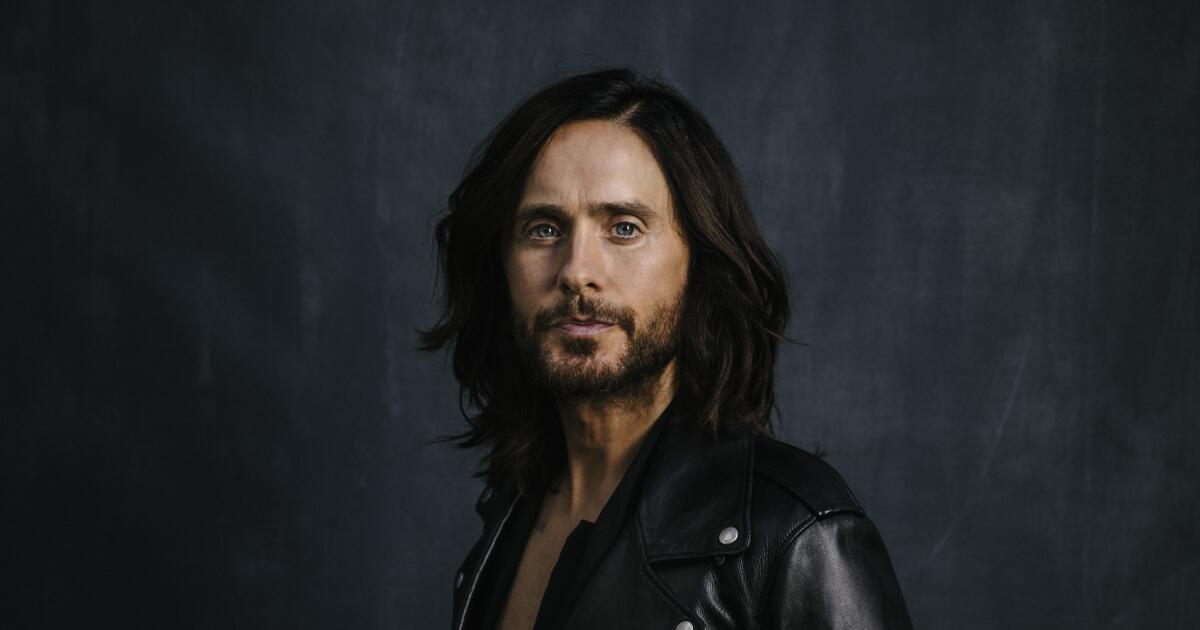
Jared Leto accused of sexual misconduct with teenage girls: report
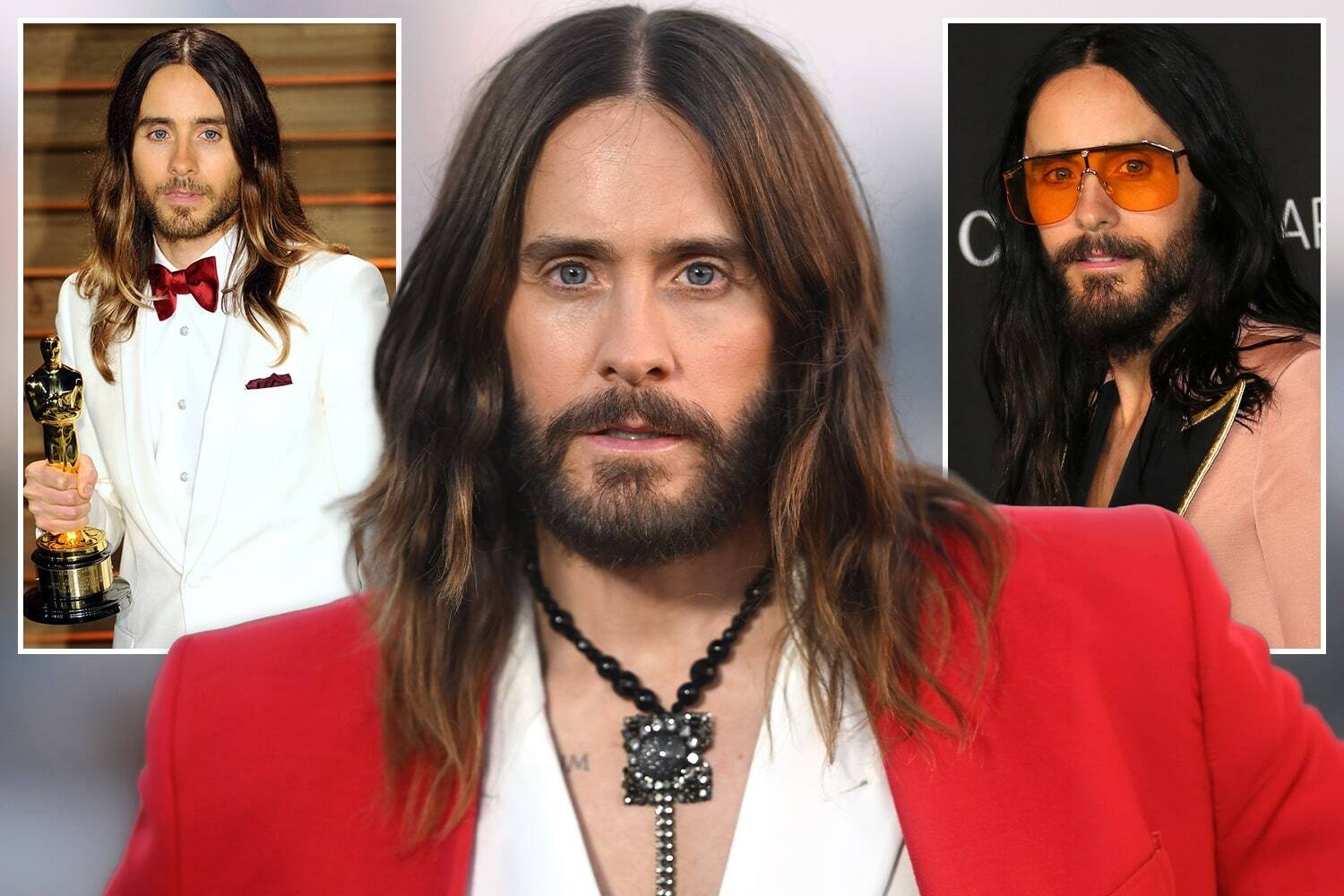
Jared Leto faces allegations of criminal sexual conduct by several women who allege the sexual incidents with the musician and Oscar-winning actor occurred when he was in his 30s and 40s and they were teenagers.
In a BBC documentary titled “Jared Leto: Hollywood’s Dark Secret,” multiple women spoke about their experiences with the “House of Gucci” star and Thirty Seconds to Mars frontman, detailing allegations of inappropriate text messages, sexual assault and statutory rape from 2002 to 2016. Among the allegations, one woman said she was 17 years old when Leto sexually assaulted her in a motel bathroom. Another woman alleges Leto continued to sexually pursue her in Los Angeles despite knowing she was 17 years old, younger than the age of consent in California.
Leto, in a statement shared with The Times on Wednesday, denied the allegations raised by the BBC documentary: “I have never sexually assaulted anyone in my entire life,” he said. “These claims are absolutely and categorically false.”
Journalist and documentarian Jessica Sartenaer said in the segment published Wednesday that the BBC began its investigation into allegations against Leto after noting an Instagram story from a prominent DJ based in Los Angeles. In a since-expired Instagram story, DJ Allie Teilz, resurfaced a 2012 Facebook post in which she accused Leto of trying to “force himself” onto her backstage at a concert. Teilz captioned her repost: “Jared Leto was a creep then..still a creep now, going on 15+ years of being Hollywood’s most persistent predator,” according to the BBC documentary.
Numerous social media users reportedly responded to Teilz’s posts with their own claims about Leto’s alleged predatory behavior, many noting they were subject to Leto’s misconduct when they were teens. A woman identified as “Etta” told the BBC she was 14 when Leto approached her outside of a modeling agency and invited her to an Oscars party. Etta provided email correspondences to the outlet and said the “Morbius” actor encouraged her to stay in contact via text after the invite. Text messages turned into phone calls and conversations about her modeling career quickly turned sexual, according to the documentary. Leto allegedly asked Etta about her virginity, her kinks and sexual capabilities.
Etta said in the documentary that Leto’s legal team allegedly contacted her and urged her to sign a nondisclosure agreement about her relationship with the actor, though she never did.
The documentary portrays Leto as a celebrity who leveraged his fame to connect with young fans and control them. The woman who alleged she was sexually assaulted by Leto at age 17 in a motel bathroom told the BBC she met Leto in 2002 at a mall in Las Vegas. Leto would have been in his early 30s at the time. He invited her to meet him at a nearby motel. She waited in the room while he stepped into the shower, but he eventually called her over and began kissing her, according to the BBC. The woman, identified as “Isabelle,” accused Leto of forcing her hand to his genitals and using her hand to masturbate. Isabelle pulled away and moved to leave the room, but Leto allegedly looked outside the motel room for any potential bystanders before letting her out, she recalled to the BBC.
The BBC also published allegations by “Clara,” the woman who said Leto knowingly had sex with her when she was 17 — he was 34 at the time — at his house in California. Clara said she connected with Leto after his associate requested her phone number. She and her friend were invited to spend time with the band at the Chateau Marmont in Hollywood, where the age of consent of California became a topic of conversation. Leto, who allegedly shrugged off the conversation, invited Clara and her friend back to his home and told the friend to wait in another room while he had sex with Clara. Clara visited Leto’s home a total of three or four times, according to the BBC. She also alleged that Leto often requested that she call him “daddy” and that she pretend to be a little girl.
Leto in 2013 allegedly invited another woman, named Alex, to his band’s concert at London’s O2 and to an after-party. She was 19 at the time but told Leto she was younger out of a need to protect herself, the BBC reported. Leto allegedly replied: “Age is just a number, and anyway, we’re in Europe.” Alex alleges Leto threatened to sexually assault her in a hotel room later that evening.
The BBC also spoke to men who who worked closely with Leto’s band, Thirty Seconds to Mars. One man said Leto was often texting girls to invite them to spend time with the band. Leto also allegedly asserted control by ignoring the girls he invited and speaking to them rudely. The man also recalled that Leto took one fan, who was dropped off by her parents, “off to the bedroom.” Afterward, she called her parents to pick her up.
Leto has long faced quiet scrutiny for his alleged behavior with women and girls. In 2005 the New York Post published a story accusing the actor of “aggressively pursuing many” teen models. Last year Air Mail published accusations against Leto of impropriety by nine women, though he denied those claims at the time.
Still, the actor-musician has moved on from those allegations seemingly unscathed. Leto, who won his Oscar in 2014 for “Dallas Buyers Club,” most recently appeared in “Masters of the Universe” and is set to tour with his band next year.
Resources for survivors of sexual assault
If you or someone you know is the victim of sexual violence, you can find support using RAINN’s National Sexual Assault Hotline. Call (800) 656-HOPE or visit online.rainn.org to speak with a trained support specialist.