

holidays

TUI launches new holidays to stunning winter sun destination nicknamed ‘mother of the world’ and it’s 26C this week

NEW city break packages have been launched by TUI – to a destination set to be even bigger this year.

The new packages, on sale now, will connect Brits to the city of Cairo in Egypt.

TUI has launched city break packages to CairoCredit: Alamy

The latest in its city break packages, flights will operate from London Heathrow, London Gatwick and Manchester.

Passengers will travel on British Airways, easyJet or Egyptair flights.

Five night holidays start from £696pp, which includes return flights, transfers, luggage and stays at Nile Sky Suites Hotel with breakfast.

TUI’s Commercial Director Chris Logan said: “With winter sun, world-famous sights and great value all in one trip, it’s ideal for customers who are after sunshine but want more than a beach holiday.

DECKS APPEAL

I went on the all-inclusive TUI cruise that stops in Europe’s prettiest cities


DREAM ISLAND

Safest African country is tropical island with TUI packages and 60p meals

Egypt is one of the best-value winter sun destinations. You get brilliant hotels, unforgettable experiences and fantastic value for money, especially during the winter months” added Logan.”

The city of Cairo’s nickname, especially by locals, is ‘mother of the world’ for many believing it is the centre of civilisation.

Its main attraction is the Pyramids of Giza – the only remaining ancient wonder of the world – as well as the Great Sphinx.

There is also the newly opened Grand Egyptian Museum, the largest of its kind in the world.

The Sun’s Dean Agius visited soon after it opened.

He explained: “The enormous building, covering an area of 470,000 square metres, houses more than 50,000 artefacts — and the centre­piece of its collection will bring all 5,000-plus treasures from Tutankhamun’s tomb together for the first time.

“Stepping through its pyramid-shaped entrance, the 3,200-year-old, 83-ton statue of Egyptian pharaoh Ramses II sits in GEM’s soaring central atrium.”

TUI also said there are “lesser-known hidden gems” in Cairo too, including the green oasis Al-Azhar Park, which has amazing city views.

Cairo remains around 20C in winter, although is hitting highs of 26c this week – making it an ideal winter sun holiday destination around five hours from the UK.

Summer temperatures can hit around 36C.

A popular attraction is the Pyramids of GizaCredit: Alamy
The Grand Egyptian Museum also recently openedCredit: Alamy

Brits can also explore the rest of Egypt, with other popular experiences including Nile River cruises.

There is the city of Luxor, home to Luxor Temple and the famous Valley of the Kings.

Otherwise popular beach resorts include Sharm el Sheikh and Hurghada, including the nearby El Gouna.

TUI has restarted flights to Sharm el Sheikh from East Midlands, taking off later this year.

Egypt has long been a popular, affordable holiday destination for Brits.

However, its affordability is seeing it boom even more this year, according to experts.

Jet2 boss Steve Heapy said earlier this week: “North Africa is performing well, with […] Egypt standing out.”

The airline will restart flights to two destinations in Egypt in 2027.

After scrapping routes back in 2011, the new flights will connect to both Sharm El Sheikh and Hurghada.

It is even 26C this weekCredit: Alamy

Source link

Jet2 boss reveals the three cheap holiday destinations that Brits are booking over Spain this summer

SPAIN has always been a top holiday destination for Brits – but is quickly being taken over by a number of other destinations.

According to Jet2 CEO Steve Heapy, Spain has lost its appeal to holidaymakers with other destinations coming for its crown thanks to rising costs.

Spain is losing its appeal to Brits according to Jet2 boss thanks to rising costsCredit: Alamy
Mr Heapy predicts Brits will ditch Spain for Morocco, Tunisia and EgyptCredit: Alamy

In an interview with Hosteltur, Mr Heapy predicted that Brits are ditching Spain for other destinations, all in North Africa.

The reason being? Money.

Mr Heapy explained: “Price is critical; inflation has affected Spain more than other emerging markets, making the destination more expensive.

“Tourist taxes don’t help either; paying an additional five euros per person per night on top of the trip cost represents a significant expense.”

TAKE THE CREDIT

List of 50 cheap, £1 or FREE family days out if you get Universal Credit


WINTER WINS

50 incredible free or heavily discounted UK family days out this winter

In places like Barcelona, the surcharge for overnight stays is rising to €5 £4.34) per night.

In the Balearic Islands like Majorca and Ibiza, there’s an eco-tax added to accommodation which ranges between €1 (87p) to €4 (£3.47)pppn.

It will soon also be more expensive to fly to Spain, as previously reported, Aena, which operates the majority of airports in Spain, is increasing its airport charges by 6.44 per cent in 2026.

With the increase in cost, Mr Heapy said that Brits are heading to other locations instead – which are still just a few hours away from the UK.

He said: “North Africa is performing well, with Morocco, Tunisia, and Egypt standing out.”

Morocco is a great option for Brits, especially those seeking winter sun – and some destinations are less than an hour from the UK.

A flight from the UK to the vibrant city of Marrakesh takes just three hours and 40 minutes.

In February there are highs of 21C – much warmer than being in the UK at that time of year.

It’s cheap too, according to Skyscanner you can fly with Ryanair from London Stansted from just £15 on February 23, 2026.

On that same day, it’s more expensive to fly to Madrid which is £17 – and the journey is one hour less.

Head of Sun Travel Lisa Minot recently visited the Moroccan city where she discovered desert landscapes, colourful streets and new bars, restaurants and hotels.

Other popular destinations in Morocco include Agadir which has beautiful golden beaches, the country’s capital Rabat, Essaouira on the southern coast, Fez and Tangier.

Marrakesh has lots of vibrant streets and souks to exploreCredit: Alamy
The Red Sea coast promises warm weather to Brits wanting guaranteed sunCredit: Alamy

Tunisia is also back in the game according to Jet2’s Mr Heapy.

The number of Brits heading on holiday there has risen significantly with around 350,000 British visiting in 2024 – 65 per cent more than the previous year.

And numbers are rising thanks to its great weather, short flights and beautiful beaches.

And according to TravelSupermarket, Tunisia offers some of the very cheapest 5-star holidays on the market, averaging at £614pp.

Egypt has plenty of beautiful beachside resorts that will appeal to Brits seeking a fly and flop holiday.

You’ve got beach resorts like Sharm El Sheikh and Hurghada, or if you want more of the city life, head to Cairo of Luxor & Aswan.

With loveholidays, breaks to Sharm El Sheikh including breakfast and flights start from as little as £219pp.

There were other Mediterranean destinations that Mr Heapy said are keeping a good level of tourism – like Greece.

There you get the best of both worlds from ancient cities to beautiful islands.

It’s also home to the world’s best island for 2025 – Paros, where travellers will find secret beach clubs and incredible restaurants where holidaymakers dance on tables.

The Algarve is still popular and is very cheap according to one writer who lives thereCredit: Alamy

Spain’s neighbour, Portugal, is also continuing to be popular especially in places like Lisbon, Porto and the Algarve region.

One writer who relocated from London to Lisbon still can’t believe how cheap it is.

You can pick up booze for less than £5 – from local beer to wine, she said “you can still purchase a top-quality house white or red for just a few euros.”

Coffee can be bought up for around 80p if you like an espresso – or coffee with milk – called a ‘galão’ – will usually come in at under two euros.

For more on Portugal, here’s the secret side of the country crowned one of the best places in Europe to visit.

And hear from one Greece expert who names four better value islands where locals go on holiday with Santorini-like houses and secluded beaches.

Tunisia is another destination rising in popularity for 2026Credit: Alamy

Source link

A guide to Monrovia: Best things to do, see and eat

Many Angelenos have never set foot in Monrovia, the mountain-view town nestled in the San Gabriel foothills, or even heard of it — unless they read their Trader Joe’s labels, many of which name the city as the distribution site. It’s still a bit of an insider’s secret, which locals like myself tend to appreciate.

Get to know Los Angeles through the places that bring it to life. From restaurants to shops to outdoor spaces, here’s what to discover now.

Monrovia embodies the word “picturesque” in a way Thornton Wilder would’ve appreciated: Neat little historic homes — many designed in the Arts and Crafts and New Mediterranean architectural styles — line neighborhood streets abundant with native plants. Residents, by turns sweet and quirky, seem like they could be plucked right out the “Gilmore Girls” town of Stars Hollow: You might meet an award-winning whistler who hosts an annual music festival in Library Park or a mayor whose husband campaigns for her by strolling the streets wearing a sandwich board. Monrovians are intensely proud of their city, telling their stories through a historical museum and an archive called the Legacy Project. On Friday evenings, they often come together in Old Town Monrovia, where four blocks of the main thoroughfare of Myrtle Avenue are shut down to traffic for a street fair complete with bounce houses, food trucks and a petting zoo. Their event calendars are peppered with frequent festivals in Library Park and the county fair-esque Monrovia Days town birthday celebration.

Los Angeles County’s fourth-oldest city, Monrovia was incorporated in 1887 after William N. Monroe, a former superintendent for Southern Pacific rail company, along with James F. Crank, Edward F. Spence and John D. Bicknell, plotted a 120-acre town centered at Orange (now Colorado Boulevard) and Myrtle Avenue. Historic gems can be found all around: You can still admire the Mayan Revival-style architecture of the century-old Aztec Hotel or look for the brass plaques displayed on more than 40 of Monrovia’s “first houses” built before the end of 1887. Just be on the lookout for the bears: They’re the unofficial mascot of Monrovia, since they languidly amble our streets, inspire our art (you’ll find bear murals and sculptures throughout town) and even bathe in our hot tubs.

In general, daily life in Monrovia feels mellow, slow and friendly. Seeing and being seen isn’t as much of an objective as savoring a breakfast of runny eggs while reading a newspaper, meandering by the lit-up park fountain or hiking through the 80 acres of wilderness at Monrovia Canyon Park. Don’t expect to get anywhere in town fast, especially during rush hour along Huntington Drive, Foothill Boulevard or the 210. In getting around, public transit can come to the rescue: the GoMonrovia Lyft Pass offers $6 local Lyft rides, and the city is connected by Metro to Pasadena, Highland Park, Union Station, Azusa, Long Beach and other locations. Monrovia isn’t for everyone but it’s as close to paradise as anything I’ve ever found in Los Angeles County. I hope to someday be considered one of the city’s quirky characters who has long called this place home.

What’s included in this guide

Anyone who’s lived in a major metropolis can tell you that neighborhoods are a tricky thing. They’re eternally malleable and evoke sociological questions around how we place our homes, our neighbors and our communities within a wider tapestry. In the name of neighborly generosity, we may include gems that linger outside of technical parameters. Instead of leaning into stark definitions, we hope to celebrate all of the places that make us love where we live.

Our journalists independently visited every spot recommended in this guide. We do not accept free meals or experiences. What L.A. neighborhood should we check out next? Send ideas to guides@latimes.com.


Source link

Los Angeles coffee shops that double as art galleries

Eclectic and cozy define the spirit of this North Hollywood coffee shop owned by Jennifer Jackson and Libby Ward. The name (and whale logo) is a playful twist on corporate giant Starbucks (with “Starbuck” being a character in “Moby Dick”), and the satire extends to the names of the drink sizes: guppy (small), trout (medium) and whaley (large).

Inside, the whimsical nautical vibe continues in the front room with a floor mural, resembling the deep blue sea and various colorful sea creatures, done by local illustrator Tak Sparks.

Three back rooms with bold colored walls — green, blue, yellow and orange — feel like living rooms with wooden stools, desks, chairs and tables, area rugs, upholstered armchairs and worn leather seats. Out back, a shaded patio strung with Edison bulbs extends the seating.

The walls recently featured art by local comic artist/illustrator Josh Maikis, as well as art by two of the shop’s employees’ parents, J.H. Smith’s ink and intaglio prints and Carolyn Root’s wildlife paintings.

In the front space, bags of free coffee grounds are available for customers to take home for composting. There’s also a propagation station where you can leave or take plant clippings.

Beyond seasonal drinks and espresso-based drinks, try unusual signature offerings like the Shiny Squirrel, a blended espresso with caramel, whipped cream, white and dark chocolate, and sprinkles on top. Or, if coffee isn’t your thing, there are smoothies, hot chocolate and Italian sodas, and a wide array of teas. Jackson is also an herbalist and makes some of them, including Good Night Moon and Frankie Goes to Hollywood, with her own herbs.

Here, the coffee doesn’t stop at the beverages. Even a caprese sandwich has coffee in the balsamic vinegar.

Source link

Beautiful ‘hidden gem’ is one of Britain’s ‘poshest villages’ with lovely cottages

A pretty English village looks like a postcard, but it’s also one of the UK’s most expensive

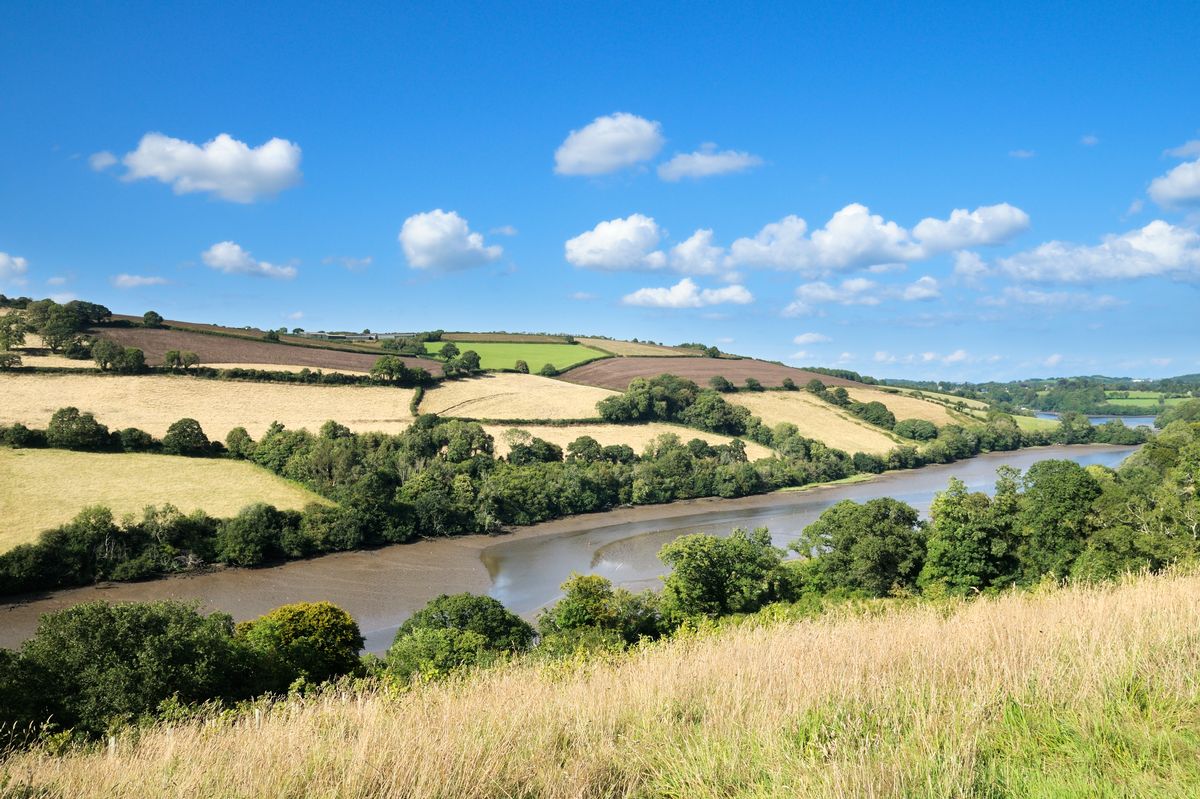
Tucked away in a tranquil corner of the Salcombe-Kingsbridge estuary lies a charming village that’s earned a reputation as one of Britain’s “poshest villages”. South Pool in Devon boasts picture-perfect cottages with thatched roofs, set against a backdrop of lush, verdant hillsides.

Those who’ve visited describe “glorious Devon countryside” as well as praising the unique free house pub located here. This diminutive village is home to around 150 residents, guaranteeing plenty of peace and tranquillity.

Yet property prices in this idyllic spot average around £410,000 based on the past year’s sales figures, according to Zoopla. The village recently secured its place among Britain’s 48 “poshest villages” in The Telegraph’s rankings. South Pool also featured in Condé Nast Traveller’s 2022 list of the UK’s 20 most stunning villages.

Despite its modest size, the village boasts rich heritage, with its historic buildings and meandering lanes “would befit any chocolate box or postcard”, according to local holiday lettings company Toad Hall Cottages. They’ve also dubbed the village one of the area’s “hidden gems”, reports the Express.

At the village’s highest point stands a Grade-I listed church, believed to have been built in 1318. There’s also the Millbrook Inn, a celebrated gastropub that’s accessible on foot, by car and, unusually, by boat.

Tucked away where land meets water, perched at the head of a tidal inlet on the Salcombe estuary, the Millbrook Inn bills itself as a “hidden haven” where visitors arriving by canoe, boat and even paddle board can stop off for a pint of local brew or a freshly prepared pub favourite.

A recent visitor to the much-loved pub reviewed their experience on TripAdvisor, writing: “A return visit for a spot of lunch at this wonderful freehouse village pub. Situated by the stream in the centre of South Pool, probably one of the prettiest villages deep in the glorious Devon countryside.

“A hearty soup of the day with crusty fresh bread and a decent amount of butter. Quality paper napkins. It’s the little things that count. Log fire, doggy friendly cosy bar area. “

The surrounding picturesque English countryside provides the perfect setting for this charming village and pub, with rolling fields and lush greenery stretching to the horizon. The panoramic vistas are especially breath-taking during summer when sunshine bathes the nearby hills in golden light.

Given its proximity to the tranquil backwaters of the South Hams, aquatic pursuits prove hugely popular locally, from guided canoe excursions to stand-up paddle boarding adventures. The settlement also offers convenient access to nearby coastal spots, such as Lancombe Beach, South Sands Beach and Salcombe North Sands.

Naturally, rural life comes with a hefty price tag. The Telegraph reports that some of the area’s priciest homes have changed hands for as much as “£844,429”.

Village life in this sought-after location commands a premium when buying a home in the vicinity, with the equally pricey Devon town of Salcombe neighbouring South Pool.

Several of the properties in these locations, once family homes not so long ago, are now listed as “secret getaways” on short lettings sites such as Airbnb.
Source link

Full list of airports that have scrapped the strict 100ml liquid rule after 20 years… and the ones that haven’t

AFTER 20 years of strict liquid rules, airports are finally starting to scrap them.

The rule, introduced back in 2006 after a foiled liquid explosive bombing at London Heathrow, has long caused problems for unaware travellers heading abroad.

London Heathrow is the fifth UK airport to scrap all 100ml liquid rules

However, new CT scanners are slowly being rolled out across the UK, which will eventually end the rules that require liquids to be under 100ml, and fit in a small plastic bag.

Earlier this week, London Heathrow became the latest to lift some of the rules.

Despite this, there is some confusion – some airports no longer require liquids to be taken out of the bag, but still be 100ml, while others now allow up to 2l.

So we’ve rounded up all of the airport rules to explain which ones have lifted which rules, as well as which are yet to.

PACK IT IN

Major UK airport introduces new liquid rules after £1billion upgrade


FLY AWAY

UK gets new flight route to world’s best airport – less than 4 hours from the UK

(And don’t forget to check the rules of your return airport too, as many across Europe still follow the 100ml guidelines).

London Heathrow

The UK’s busiest airport is the latest to scrap the requirement 100ml liquid requirement.

Following a £1billin upgrade, the new advance scanners have been rolled out across all four terminals.

Passengers can now carry liquids up to 2l through airport security, and can keep them in their bags.

London Gatwick

The 100m liquid rules were scrapped at London Gatwick Airport last year across both terminals.

Passengers can take liquids up to 2l in their hand luggage and can keep them in their bag when going through security.

Birmingham

Birmingham Airport also lifted the strict 100ml liquid rules last year back in July.

Up to 2 litres of liquid can be taken in hand luggage, with no need for plastic bags and can stay in hand luggage.

Bristol

Bristol Airport passengers can ditch the small 100ml bottles in favour of 2 litre bottles of liquids.

They can also be kept in bags when going through airport security.

Birmingham Airport scrapped the 100ml rule in July 2025Credit: Alamy

Edinburgh

The first Scottish airport to lift the rules, Edinburgh scrapped the 100ml liquid rule back in July 2025.

The new 2 litre rule now applies.

And the airports yet to lift the rules…

The below airports are yet to lift the strict 100ml restriction in favour of the 2 litre limit.

However, they have all scrapped the requirement for them to fit in a plastic bag, and they can all be kept in hand luggage at airport security.

  • London City
  • London Luton
  • London Stansted
  • London Southend
  • Manchester
  • East Midlands
  • Leeds Bradford
  • Liverpool John Lennon
  • Newcastle
  • Teeside
  • Norwich
  • Southampton
  • Bournemouth
  • Newquay
  • Cardiff
  • Aberdeen
  • Glasgow Internatinal and Glasgow Prestwick
  • Inverness

Here are some of the airlines that are banning passengers from using power banks onboard.

And here is all of the food and drink which is banned from being taken on flights.

Only five airport allow two litres of liquids through airport security in the UKCredit: Alamy

Source link

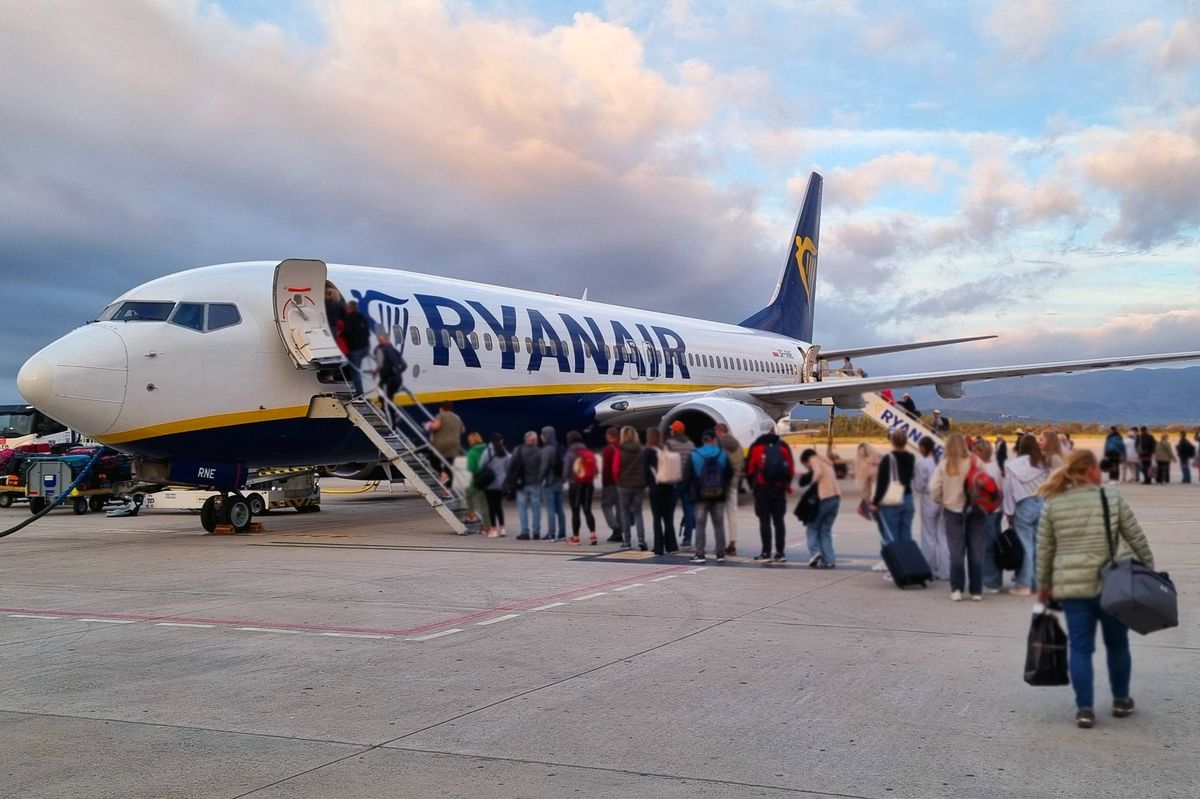
Ryanair tells all passengers to stop packing 1 item in hand luggage from January

Ryanair has told all passengers to stop putting a popular item in their hand luggage from January. It turns out, it should never be stored there and could cause problems at security

With the UK being so wet and dreary at this time of year, it’s no wonder people dream of escaping to other parts of the world, but there are some things you need to know if you’re preparing to hop on a plane. When it comes to packing, there are some important rules you need to follow to ensure your airport experience goes smoothly.

According to Ryanair, certain items should never be packed in your hand luggage, and one of them is super popular at this time of year. From January, you may want to think a little more about how you’re preparing to travel.

The thought of jetting off abroad may be lovely, but air travel comes with its stresses. There are some key guidelines you need to follow when it comes to your hand luggage.

Previously, the topic came up on Reddit when a social media user asked: “Looking for a trekking pole to buy. Which kind of pole (collapsible/telescopic) would be better so that it could be brought as a carry-on bag on Ryanair/Iberia?”

It got a lot of people talking, and they were quick to point out an essential piece of information, and it’s worth noting if you’re planning on going skiing any time soon. One person replied: “I don’t think it really matters what airline you fly. You have to get past security with them, and they are usually not allowed.”

Another wrote: “You will always be taking a risk unless you put them in a checked bag.” A third also replied: “Trekking poles are not allowed in your carry-on. This rule is not always enforced, but that is the rule.

“One time I flew to a location with my poles in my carry-on, but they wouldn’t let me on the flight to come back with those same poles in my carry-on (same airline).”

However, according to Ryanair, this isn’t the only thing you need to be aware of. If you’re going skiing any time from January, you need to stop packing poles in your carry-on luggage too.

What does Ryanair say?

According to the airline, various items are prohibited in carry-on luggage, and all of these are detailed on the website. However, when it comes to poles, it offers specific advice.

It reads: “The following items must not be carried on board, but may be carried as part of your checked baggage. Objects with a sharp point or sharp edge capable of being used to cause serious injury.”

Ski poles and hiking poles feature in the list, so it’s important you don’t take them in your hand luggage. Generally, they need to be checked in, as they are deemed too sharp to carry through airport security.

Due to their length and sharp tips, they are considered potential weapons. While some travellers may find success with collapsible poles tucked away, security agents typically require them to be checked.

Though some airline guidelines may differ, the safest option is to put them in your checked luggage. This will help avoid any problems or delays at airport security.

If you opt to try and take them through, you risk having to surrender them at airport security. It’s a gamble that’s really not worth taking when you travel.

Source link

Zoning in on Leith, Edinburgh – ‘It’s been a joy to watch the area reinvent itself’ | Edinburgh holidays

Why go now

Leith is Edinburgh’s port district, where people, goods and new ideas have flowed into the city for centuries. Here, the Water of Leith river meets the sea, and on bright days, when pubs and restaurants spill out to the Shore area, there’s nowhere quite like it. I moved here 13 years ago, and it has been a joy to watch the area evolve and reinvent itself. Today it’s the city’s creative heart, full of artists, musicians, designers and startups, with a thriving food and drink scene. The arrival of the tramline from Edinburgh city centre in 2023 has given it a big boost too.

The Shore, Leith. Photograph: Robert Harding/Alamy

Although the Leith immortalised in Irvine Welsh’s Trainspotting is long gone, to call it fully gentrified would be failing to pay attention. Two recent campaigns, both successful, have galvanised locals: one to stop Waterstones opening near the independent Argonaut Books; and the other to return the benches used by day-drinkers on the Kirkgate, which had been removed by the council. There’s space for both in Leith.

What keeps me here is the strong, village-like community spirit, paired with the ever-changing energy of a city. One day I can get stuck into digging on the Community Croft; the next I’m immersed in art galleries, gigs and fine dining. For visitors, Leith offers a slice of real Edinburgh, with no bus tours, shops selling tartan tat, or out-of-tune bagpipes.

Where to eat and drink

Barry Fish restaurant opened in early 2025

Leith’s food and drink ranges from Michelin-starred restaurants to community cafes, old-men’s pubs to smart cocktail bars. Over the past few years there has been a flurry of openings that mirror the creativity of the area. “Leith has the perfect mix of old and new: places that have been here for decades, and new energy coming through,” says chef Barry Bryson. “It’s multicultural, rich and varied, and serves a community of diners, not just one demographic.” Bryson opened his first restaurant, Barry Fish, on the Shore in early 2025. Immediately it became one of my favourite places to eat. I recommend cosying into the calm green interiors and ordering the trout pastrami and lobster agnolotti.

Chef Roberta Hall-McCarron and her husband, Shaun McCarron, opened the cafe-bar Ardfern in 2024, next door to their fine-dining restaurant The Little Chartroom. I’ve eaten there at every hour, enjoying lazy brunches, birthday lunches, early evening oysters and long dinners with friends. The hash browns are non-negotiable, most recently topped with sprout kimchi, fish sauce aioli and nori. “It’s inspiring to be part of a supportive, creative community,” says Shaun.

A dish at Ardfern. Photograph: AwAyeMedia

That emphasis on community is echoed at Dogstar, newly opened by chef James Murray along with Michael Lynch and Kyle Jamieson of Nauticus bar. After years cooking at the highest level and earning a Michelin star at Timberyard, Murray found an increasing sense of disconnect with the world of fine dining. “The next stage for me was wanting to live and work in my community, so choosing Leith was intentional,” he says. “There’s a pride to people down here. If it’s a Leith spot cooking for Leith people, they get behind you.” Sitting at the bar watching dishes spin in the kitchen, eating shellfish straight from the coals, and dunking warm focaccia into anchovy sauce, I’m certainly behind this restaurant.

Cultural experiences

To discover Leith’s artistic community, visit Custom Lane, a collaborative design space in the old Custom House building on the river, with artists’ workshops, galleries and an excellent cafe. Onsite, Bard is a gallery and shop designed to look like the home of a collector. Husbands Hugo Macdonald and James Stevens travel across Scotland bringing contemporary Scottish design to Leith, inviting the curious to explore the integration of high-end design in a domestic environment. Regardless of your interiors budget, it’s not to be missed.

Across the river is Brown’s of Leith, the newest outpost of Custom Lane. This vast three-storey Victorian warehouse has been transformed into a multi-use creative space by GRAS architects. On the ground floor, three food businesses – ShrimpWreck shellfish bar, Haze for wine and top-tier snacks, and Civerinos pizza – share a relaxed dining area, with more residents, events and collaborations imminent. “At Brown’s we identified a need for spaces that genuinely support and celebrate creativity,” says architect Gunnar Groves-Raines of GRAS. The restaurateurs are equally enthusiastic. “Leith has a strong sense of identity: independent, creative and rooted in its history,” says Joseph Radford of Haze. “Our intention is to respond to that rather than overwrite it.” I visit early in the evening when the lights are low, the music perfectly pitched and the atmosphere a relaxed buzz. Soon our table is full of oysters, bowls of mussels and tinned fish on toast. It’s a lot of fun.

GRAS architects at Brown’s of Leith, a Victorian warehouse that’s now a creative space. Photograph: Richard Gaston

Further collaborative art spaces across Leith are also worth exploring. Between Drill Hall, The Biscuit Factory and Coburg House Art Studios, there’s always something interesting going on. And there’s more to come – after years of tireless volunteer fundraising and campaigning, Leith theatre has been awarded lottery funding to restore the beautiful 1932 art deco building to its former glory. Pop-ups in the space, including a past Edinburgh international festival residency, have offered a thrilling glimpse of the future.

Where to shop

Leith is home to some great independent shops. Argonaut Books, inside the old train station, is run by people passionate about reading, and has a lovely cafe and regular events. Arty gift shops include Logan Malloch, Flux and Handsel on Leith Walk – all sell work by local artists. For interesting wine, head to the tiny independent Bludge.

Don’t miss

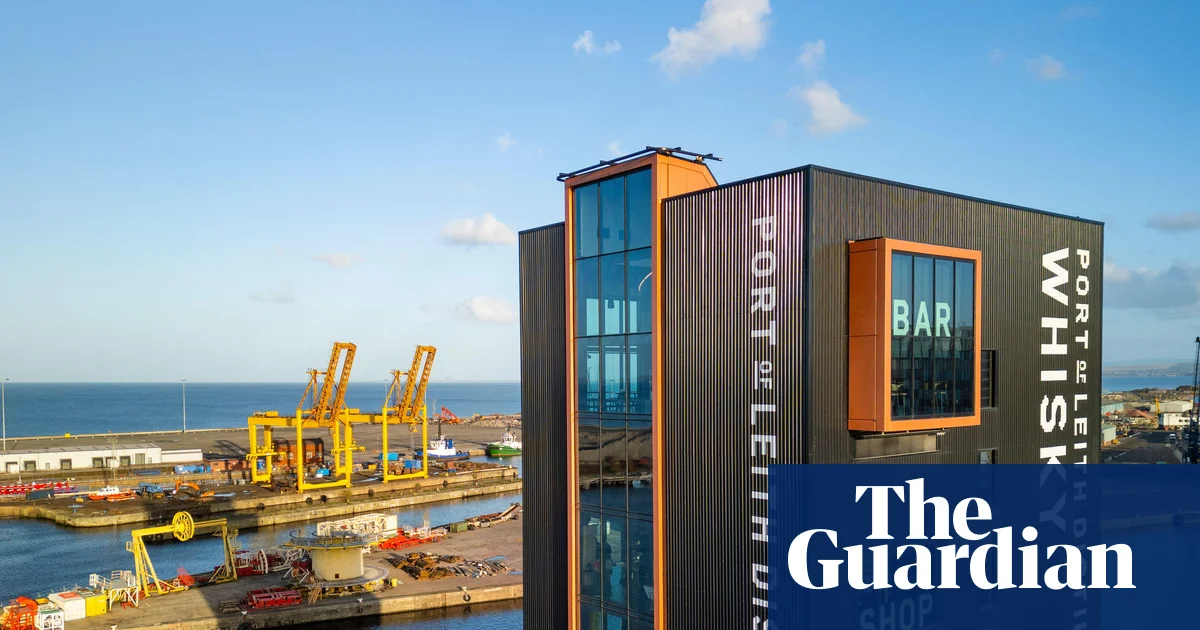
The Royal Yacht Britannia attracts hundreds daily, keen for a glimpse of how the monarchs holidayed. But I prefer the Port of Leith Distillery, an impressive-looking “vertical distillery” where whisky production takes place from top-to-bottom over nine storeys. Tours of the stills are fascinating and the views over the Firth of Forth to Fife from the cafe and bar are unmatched. Take a stroll along the Water of Leith path, perhaps followed by a visit to a taproom for a fresh pint. Leith has a flourishing craft brewery scene, and Moonwake, Campervan and Newbarns all have welcoming taprooms.

Stay

Malmaison Edinburgh has smart riverside rooms (from £77 room-only), or push the boat out (pun intended) and spend the night on board Fingal (cabins from £269 B&B), a former lighthouse tender turned luxury hotel, permanently moored in Leith.

Source link

Only some passengers returned on the UK’s creepy ‘death railway’

Only a few parts of this long-forgotten railway line remain standing, but it once carried up to 2,000 people a year on their final journeys along with their mourning loved ones clad in black

The Victorians have a reputation for dealing with death in strange ways, from photographing the dead to their obsession with Memento Mori objects, reminding them of the inevitability of death. But one almost forgotten part of Victorian history is particularly creepy and involves a long-abandoned railway line.

Early into Queen Victoria’s reign, the city faced a horrific problem. It had doubled in size thanks to the Industrial Revolution, bringing the population up to 2.5 million, many of whom lived in crowded, unsanitary conditions, causing outbreaks of conditions such as Cholera. London was the largest city in the world, but it also had insufficient sewage facilities and poor water quality, leading to disease and death. A Londoner born in the 1840s had an average life expectancy of just 36.7 years.

London’s churches soon found their graveyards were full to capacity, leading to the horrific practice of exhuming the recently deceased to make way for newer burials. As a solution, a huge new cemetery was planned in Brookwood, Surrey, but the plodding horse and carriages of the time would have taken hours to transport a body to this location. Therefore, the idea for the London Necropolis railway was formed.

The London Necropolis railway station was built next to Waterloo, and had a beautiful, ornate exterior typical of Victorian architecture. Here, the bodies of people of all ages and social classes were readied for their final 23-mile journey to the new Brookwood Cemetery in leafy Surrey, a world away from the grubby streets of London.

Coffins were issued a one-way ticket, while the mourners accompanying them would get a return ticket to take them back into the city after the service. Once the trains arrived in Brookwood, they made two stops in the Anglican and Nonconformist parts of the cemetery, depending on the religion of the deceased.

While all sorts of people were laid to rest in Brookwood, the rich, of course, enjoyed a better class of funeral than the Victorian poor. A first-class funeral came with a choice of burial plots and the ability to erect a permanent memorial. Those who chose a second-class funeral could put up a gravestone or other memorial for an additional cost, but if they failed to do so, the grave could end up being reused.

In third class were people who had a pauper’s funeral, paid for by their local parish. While these people weren’t given their own gravestone, they did get separate graves, which were much more dignified than the horrific burial practices going on at London’s graveyards at the time. The London Necropolis Company (LNC) carried out the burials, and about 80% of the funerals it held were third class, for those whose families couldn’t afford a service.

First and second class passengers had a separate waiting area, and their loved ones’ names were announced as their coffins were carried onto the train, a ceremonial touch not afforded to those headed to unmarked graves.

As London grew, and with the building of the London Underground, proper sewage systems, and overground railways, many churchyards stood in the way. The Necropolis Railway took on a huge new project, relocating the bodies from 21 churchyards across the city to the Surrey cemetery

Trains ran daily, and Sundays were a particularly busy day for funerals. It was the only day of the week when many workers had off, and by scheduling their loved ones’ funerals, they could avoid taking an extra day off.

The London Necropolis Railway ran until 1941, when a World War Two bomb destroyed the London station and track. By that point, funeral directors were increasingly using motorised hearses, and in the post-WW2 reconstruction of the city, the destroyed funeral train service wasn’t seen as a priority.

READ MORE: Weather turns on Champagne-sipping passengers as Antarctic cruise ship gets stuckREAD MORE: Cruise packing mistake as passengers warned 1 common item in luggage will be confiscated

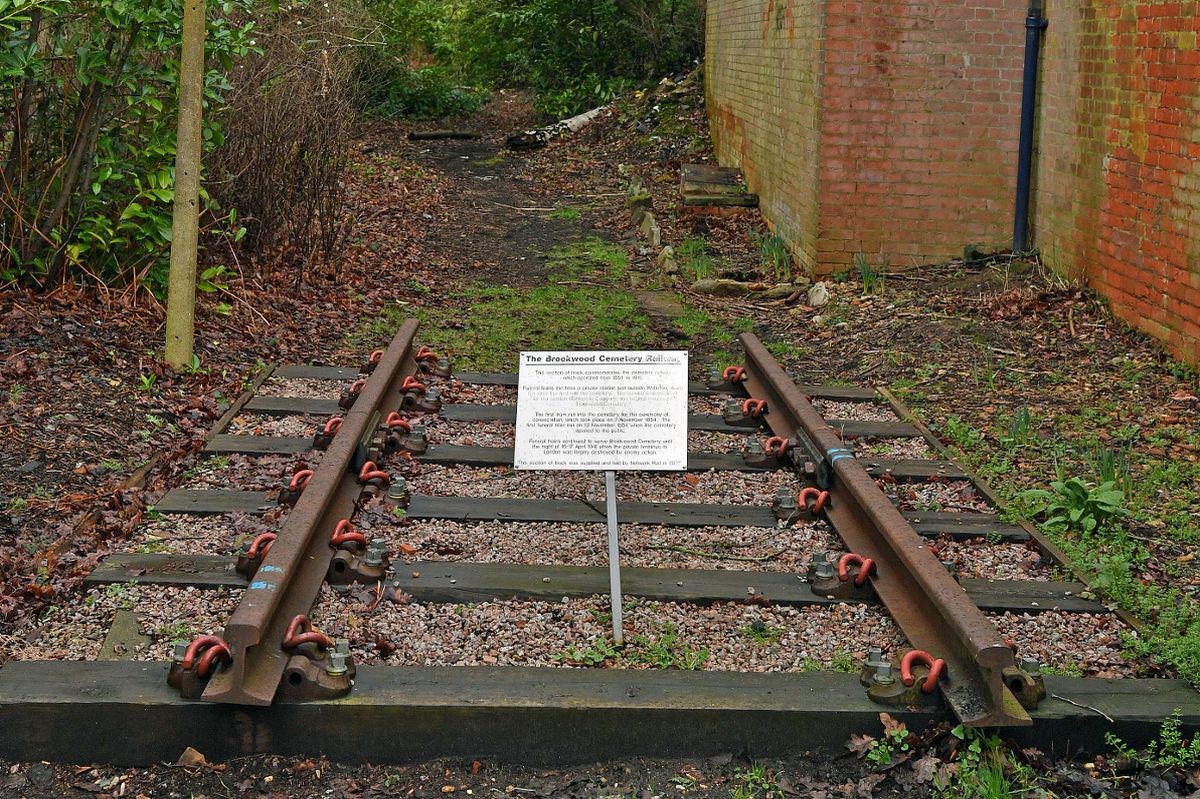
Visit Westminster Bridge House and you can still see some of the façade of the old station building, although the old sign is boarded up. However, in Brookwood Cemetery, the remains of this unusual chapter of history are still on display. You can still see parts of the track, and plaques commemorate the 200,000 people who reached their final resting place on this unique train line.

Have a story you want to share? Email us at webtravel@reachplc.com

Source link

Beautiful ‘underrated’ beach with soft sand and crystal-clear waters often missed by tourists

Gwithian Beach forms part of three miles of beach called the Towans, which is Cornish for dunes, and is perfect for all the family and even the dog

A gorgeous spacious beach often overlooked by tourists has received a huge boost after a UK travel content creator visited it and described it as ‘the most underrated beach in the UK’.

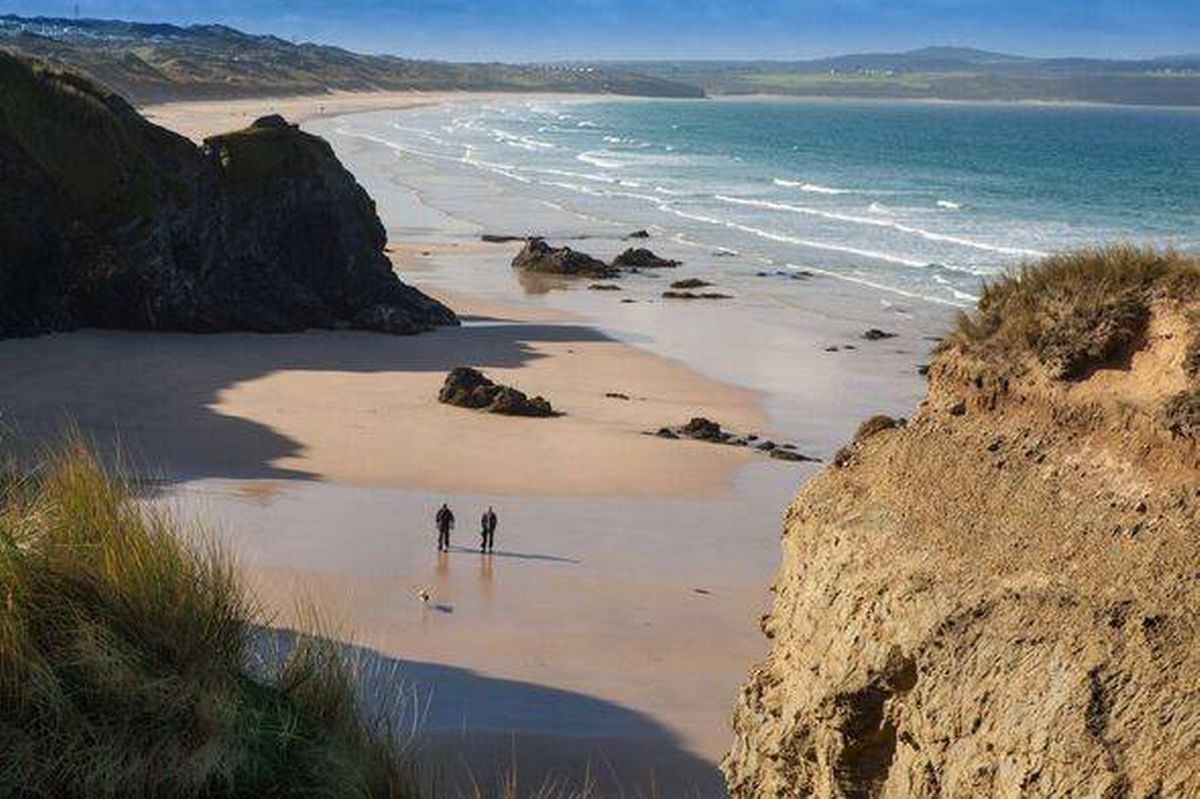
Gwithian Beach – also known as Gwithian Towans – is near Hayle, just north of St Ives in Cornwall, and is a beautiful, quiet area that forms part of three miles of beach called the Towans, which is Cornish for ‘dunes’.

Filled with rock pools, dramatic cliffs and miles of sand stretching out to Hayle, this is a great spot for families interested in exploring marine life and untamed wilderness. The beach also has two cafes, toilets and a large car park and is great for swimming, surfing, windsurfing, kite-buggying and rock pooling at low tide.

READ MORE: Once thriving UK town where cemeteries ‘have more life’ than the high streetREAD MORE: Holiday hacks to beat January blues as shift workers see 30 mins of daylight

Travel content creator Hannah – who posts on social media under the handle, hannahsukwanders – described it as ‘one of her favourite beaches in Cornwall’.

In her review of it, she said: “It’s a beautiful golden sandy beach with stunning cliffs to back it. The beach was dotted with natural sea pools and it’s also a great surfing spot thanks to its Atlantic swells.”

Content cannot be displayed without consent

It also has a lifeguard on duty during the summer season and is dog-friendly all year round, except from 10am – 6pm in July and August.

Hannah added: “There are miles of incredible sand dunes ad at low tide you can access other beaches too. If you’re lucky to might spot grey seals and the beach is a great habitat for seabirds too.

“Watching Godrevy Lighthouse turn into a silhouette with the sunset behind is definitely a view to behold.”

Hundreds of Instagram users flooded Hannah’s comments section after her post telling her to keep quiet about her find because it’s such a special place.

One commenter said: “Sshhh don’t tell anyone about this beach, it’s the best sandy beach in the world IMHO.”

Another wrote: “So lucky to say this is just down the road from me. Special memories made since I was little, growing up here and now with my own children. It’s a special place for sure.”

Source link

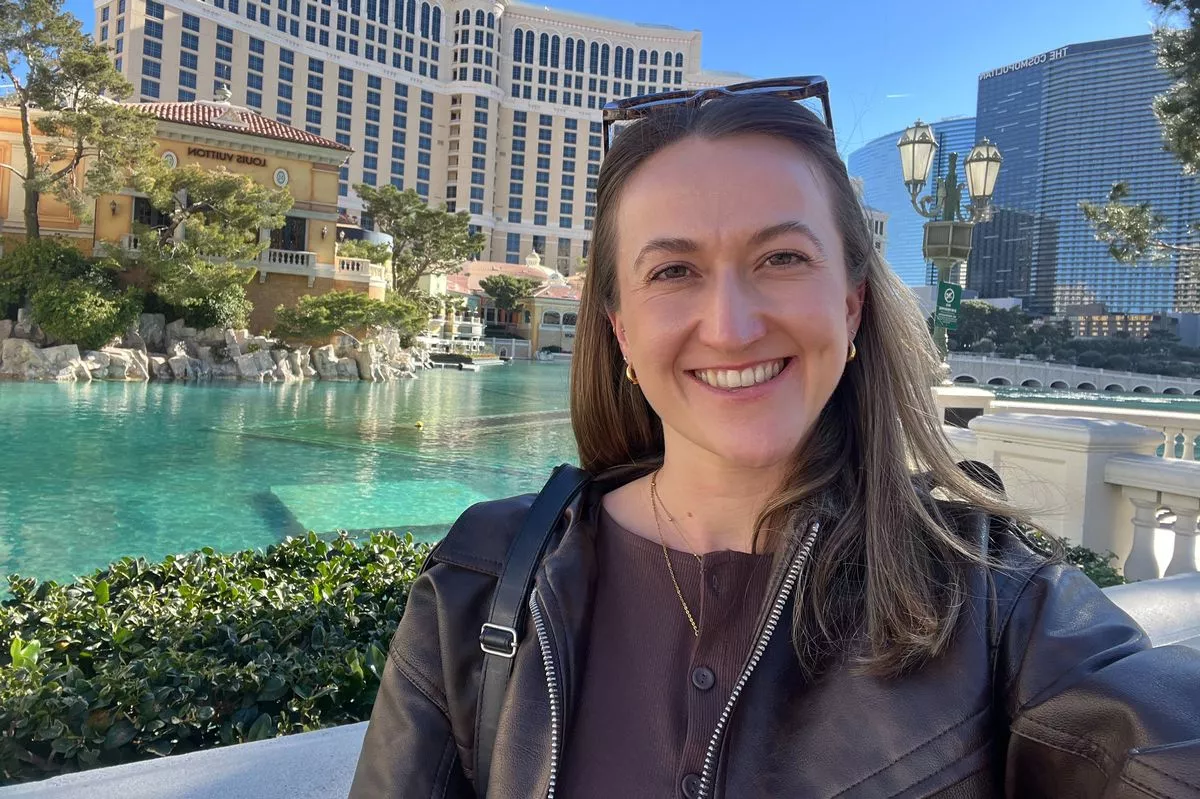
‘I went to Las Vegas for the first time – I was not expecting it to be like that’

As a first-time visitor to Las Vegas, there were expectations to the vibrant desert city with its towering mega resorts, yet there was something that completely took me by surprise

Las Vegas is a city like no other, with its iconic Strip boasting mega resorts, buzzing casinos, and incredible entertainment venues, offering 24/7 nightlife every day of the week. It never darkens, with its glimmering signs lighting up the roads, yet there was one element of ‘Sin City’ that surprised me, and it was far from what I was expecting.

I was lucky enough to visit Las Vegas for the first time this month – the ideal time to beat the January blues! I was staying for four nights and around five days, excited to experience and immerse myself in the ‘Entertainment Capital of the World’.

My first sight of the shimmering city came when I landed on Wednesday evening, capturing a glimpse of the towering buildings lining the Las Vegas Strip and the neighbourhoods scattered beyond in the desert. At first, I was bewildered by the close proximity of the Harry Reid International Airport (LAS) – we were landing adjacent to the Las Vegas Strip, and on my right, I had a spectacular view of The Sphere!

READ MORE: Weather turns on Champagne-sipping passengers as Antarctic cruise ship gets stuckREAD MORE: The ‘world’s best city’ takes just three hours to get to with £35 UK flights

In other locations, airports are typically situated farther from the main city, so the location of the LAS airport caught me a little off guard. I found myself in the heart of it all from the moment we touched down. But that was just the start.

As I travelled to my hotel and later walked along the world-famous Las Vegas Strip, I was surprised by how much smaller it felt than I had expected. Having never travelled to the Nevada city before, I thought it would feel like a gigantic city, where you get lost finding the nearest supermarket or need public transport to explore different areas.

Yet, what I found was that the span of the Strip, despite its enormous towering resorts and gigantic landmarks, was more compact than I had imagined. There was so much to see and explore, but with its Strip measuring approximately 4.2 miles, you could easily walk its length, something I really didn’t think about until I saw it for myself.

Although it would take around two hours to walk the extent of it, it felt like nothing compared to the streets of New York or London. The population of Las Vegas was 641,903 at the 2020 census, but is thought to have increased since then.

Meanwhile, the Las Vegas metropolitan area has an estimated 2.4 million residents across an estimated 7,891 square miles. This is in contrast to New York, which has an estimated population of 8,478,072, as of July 2024, spanning across a whopping 300.46 square miles.

While I think the Strip was more compact than I had expected, the city stretches far beyond the glitz with neighbourhoods scattered across the desert right to the edge of the mountain backdrop. Plus, there is undoubtedly a lengthy list of attractions to explore in Las Vegas and plenty to do, whether you’re looking to soak in history at the Mob Museum, ride the High Roller at The LINQ, take a Maverick Helicopter ride by night or listen to free music in its popular Fremont Street.

Elsewhere during my trip, I was impressed that I could walk freely through hotels and resorts, despite not being a resident there. Inside, I discovered vibrant, bustling casinos, restaurants, bars, and attractions that felt like I was on board a cruise ship.

Plus, many of the resorts are linked together, so you rarely need to leave as you wander through them, admiring their distinct features, atmospheres, and themes. This made it even easier to travel through the Strip, something that also took me by surprise.

For more information, you can check out the Visit Las Vegas website or book direct flights with Virgin Atlantic.

Do you have a travel story to share? Email webtravel@reachplc.com

Source link

‘New Canary Islands’ are 24C in February and have easyJet flights

The islands are becoming the go-to winter sun destination for UK travellers, with easyJet launching direct flights from London Gatwick and some regional airports

Many of us are well and truly fed up with the January weather, and with warmer days in the UK still a long way off, it may be time to spoil yourself with a winter sun holiday.

Luckily, you don’t have to go long haul to get some warm weather this time of year. Options such as the Canary Islands are popular, but if you want somewhere a bit more off-the-beaten track, then another set of islands are becoming increasingly popular.

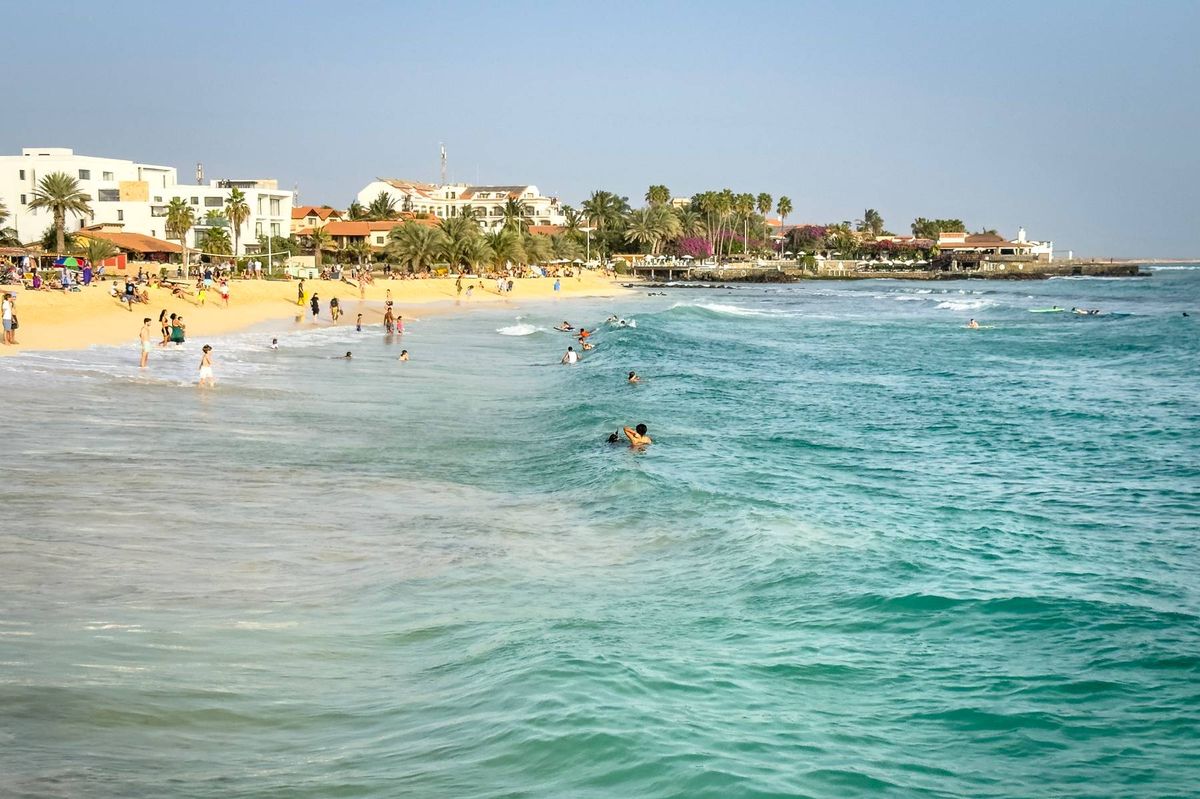
Cape Verde has warm weather year-round, and in the next couple of weeks, daytime highs will reach 24C, making it warmer than Tenerife at 20C. With flights clocking in at around six hours, you don’t need to spend an entire day on a plane to enjoy its long days of sunshine.

The islands that make up Cape Verde include Sal and Boa Vista, with the largest airport where most Brits arrive on Sal. Budget airline easyJet launched flights to the archipelago back in March 2025, with the route marking the airline’s first foray into Sub-Saharan Africa. It also became easyJet’s longest route at the time. The airline went on to launch a route from Manchester, and from May 1, passengers will also be able to fly from Bristol.

TUI also flies to the island from the same airports and also offers routes from Birmingham, Glasgow, and Newcastle-Upon-Tyne. A seasonal service from the East Midlands is also available to book on dates from April 29.

The islands, positioned off Africa’s west coast, attracted roughly 1.2 million tourists in 2024. However, this figure pales in comparison to the Canaries’ visitor numbers. Tenerife alone drew approximately seven million holidaymakers during the same period, giving Cape Verde a decidedly less crowded atmosphere.

The islands’ biggest selling point is undoubtedly the delightful climate. While February is still winter in Cape Verde, temperatures routinely reach 27 °C during the day, with six to eight hours of sunshine and minimal rainfall. In contrast, Tenerife hovers between 17C and 22C during this period, enjoying roughly six hours of sun, but conditions can be overcast with brief showers.

Flying with easyJet will land you in Sal, an island characterised by its volcanic desert terrain. The majority of holidaymakers stay in Santa Maria on the southern coast, famed for its expansive golden beaches lapped by crystal-clear waters. The resort town has a laid-back atmosphere, with streets adorned by swaying palm trees.

After dusk, the area comes alive with vibrant nightlife featuring live performances and beachfront bars. Travellers can enjoy windsurfing, take boat trips to look for sharks, or explore the disused Pedra Lume salt mine nestled within a dormant volcano. Guests can explore the historical mining site before indulging in a rejuvenating mud treatment and float in the salty pools, which are reputed to leave skin feeling wonderfully soft.

Of course, there’s no obligation to remain on Sal throughout your holiday. A three-hour ferry journey connects you to Boa Vista, home to a selection of resorts. This quieter island boasts stunning, pristine beaches where lucky visitors might see turtles emerging from the ocean.

Take a quad bike expedition across the arid wilderness, or set sail aboard a catamaran to discover the finest coastal spots. On the island’s northern tip, you’ll also find the wrecked MS Cabo Santa Maria, which has remained grounded in these waters since 1968, providing a fascinating backdrop for photographs.

EasyJet Holidays‘ Chief Commercial Officer, Paul Bixby, previously said in a statement: “Cape Verde is a fantastic destination, providing year-round sunshine and white sandy beaches. That’s why we’re thrilled to be offering our brilliant package holidays, whether it’s a family looking for a resort to enjoy with kids, or a couple looking for adults-only luxury, we have a great range of fantastic resorts across the island of Sal.”

Accommodation options vary from budget-friendly basics to luxurious all-inclusive properties. The Meliá Llana Beach Resort and Spa, an adults-only venue with all-inclusive packages, boasts outstanding reviews. One satisfied guest said: “The resort itself is beautiful, a true oasis of tranquillity and style.” The property also features swim-up rooms for a luxury stay.

For families, the Hilton Cabo Verde Sal Resort sits in an enviable spot on the vibrant Ponta Sino, a popular destination for kitesurfers. A guest praised their experience: “A lovely stay at Hilton Sal Cabo Verde and would certainly return again. Great location and friendly staff. Extremely clean and good choice of food. Rooms are a great size with comfy beds.”

EasyJet operates flights from London Gatwick to Sal three times weekly on Mondays, Wednesdays and Fridays, with February fares starting from £148.99 one-way. Current holiday packages feature a seven-night all-inclusive getaway at Sol Dunas Family Fun, departing February 3 from Manchester, priced from £737 per person, based on two adults sharing a double room and using code BIGSALE.

Have a story you want to share? Email us at webtravel@reachplc.com

Source link