Surrounded by countryside and quaint shops, spending the night in this historic crescent building felt like living out a life in a period drama manor
I stayed in the ultimate spa hotel with a rooftop pool and underground relaxation cave’
Pulling up to the hotel felt like I was stepping into the world of Bridgerton. It was impossible not to be immediately blown away by the sheer size of its Georgian masterpiece, which is the exact greeting I’d expect from a five-star hotel.
The Buxton Crescent Hotel sits at the very heart of the Derbyshire town. Really, it is the centrepiece of the place, and so it would be hard to imagine staying anywhere else when visiting for a weekend.
Buxton, as a spa town, rivals Bath and is famous for its natural and ancient spring waters that have been filtered through the Peak District’s limestone for 5,000 years. It’s these clean, drinkable, and consistently warm waters that provide mineral-rich and calming waters to the spa within the hotel.
These small but significant details are what make the Buxton Crescent hotel feel so swanky. To know I was staying within the walls of such a historic building certainly helped me live out my period drama dreams.
Room
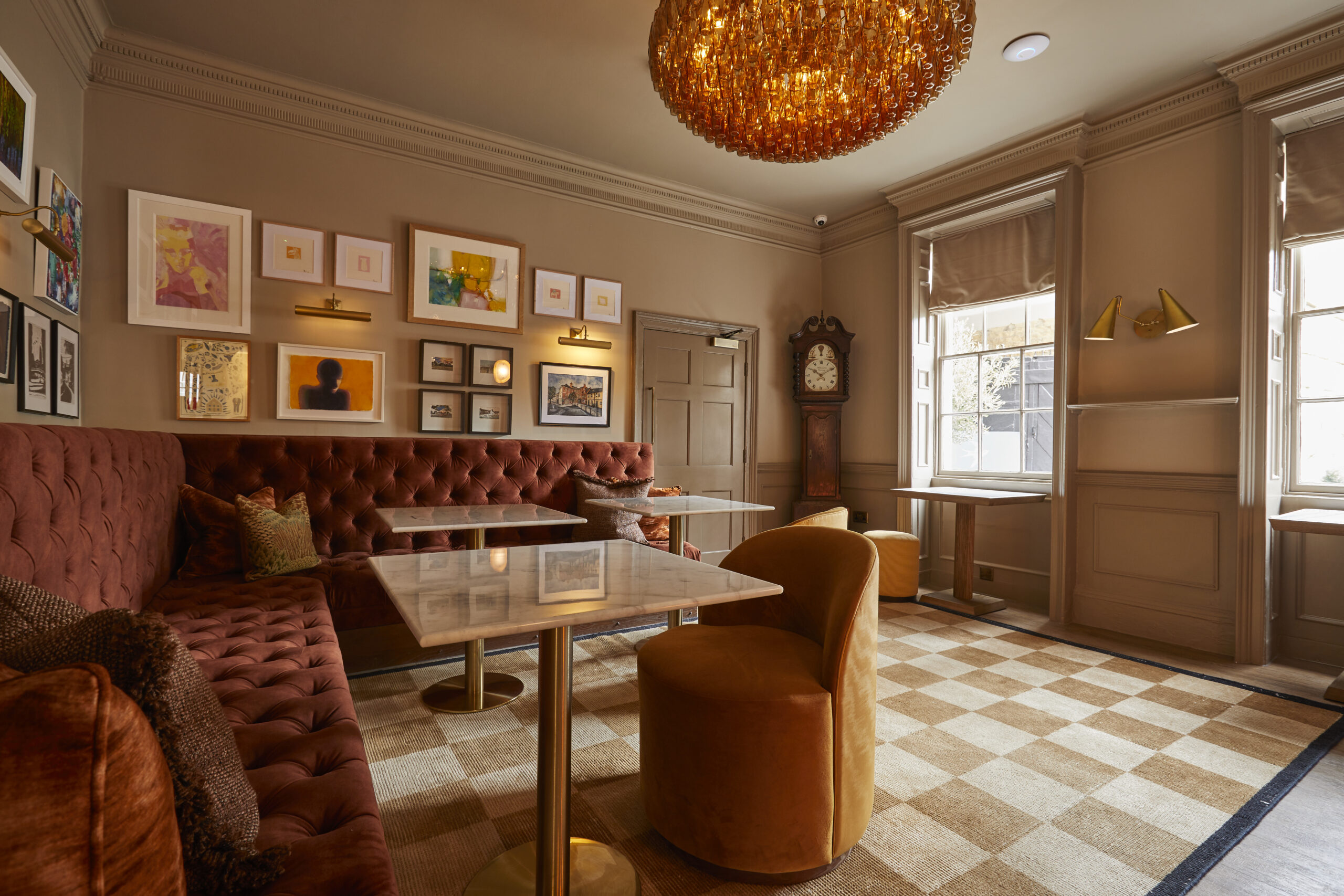
After a very warm welcome and helpful valet service from the team, we were directed to our humble abode for the night, which was one of the Crescent Rooms with rear-facing views. The décor had a timeless feel to it that felt aged, but with class, generally the kind I’d expect for a hotel of this sort – but it was nothing mind-blowing.
Best Derbyshire holiday cottage deals
This article contains affiliate links, we will receive a commission on any sales we generate from it. Learn more
Derbyshire is known for its dramatic Peak District landscapes, historic market towns and stately country houses. Sykes Cottages has hundreds of places to stay, with prices from £32 per night.
It was clean, the bed was incredibly comfortable, and it had everything we needed for a simple night’s stay. Normally, the package we enjoyed – which included a night’s stay, spa access, dinner, and breakfast – would cost around £510 for this time of year.
A particularly noteworthy feature of the room was the shower, which, to be honest, was potentially the best I’ve ever had, with a huge overhead waterfall and amazing water pressure. I guess you’d expect nothing less from a town quite literally famous for its water and cleansing methods, and it certainly beats the half-hearted drip of a flimsy budget hotel bathroom.
Spa facilities
Buxton Crescent is part of the Champneys Spa empire, but it definitely didn’t feel like a chain. Instead, it offered an authentic spa experience, and one of luxury at that.
I was impressed by just how big the place was and kept stumbling upon different rooms, areas, underground, and on the roof – like the rest of the hotel, it is a bit of a maze.
There are a number of unique features that make this spa a standout in my eyes, the first blindingly obvious one – the epic rooftop pool. It’s rare to find an outdoor pool anywhere in Derbyshire, let alone one on the roof of an 18th-century building, and yet it certainly adds a wow factor to the place.
Even amid the thick fog and cold of June, its thermal waters and bubbling pools create a cool environment for a relaxing swim. It’s a shame the views aren’t much to write home about, considering Buxton is surrounded by beauty.
Adding to this sense of magic is the colour-illuminated relaxation pool in a dimly lit room. The thermal pool sits peacefully beneath an impressive stained-glass canopy that reflects onto the water and the original 1920s tiles lining the pool. I think it’s these standout elements combined that lend the hotel its five-star status.
I was lucky enough to experience one of the unique water-based treatments, which the hotel claims is not available anywhere else in the UK. Opting for the Signature Wave Balance on the Water Couch, I was going into this rather blindly.
The masseuse was friendly and made me feel incredibly comfortable as she used the waterbed’s rhythms to create movement beneath me and gently helped relax my muscles. Personally, I don’t think this treatment was for me, and I would have enjoyed a more intense massage over a relaxation one, not to mention the atmosphere outside of the room was a slight mood killer.
With it being a Saturday, a bit of busyness at the spa is expected. However, outside of the room, I could hear doors shutting, floorboards creaking, and people chatting, and it was hard to stay in my ‘waterbed cocoon’ with all that going on – there’s only so much tranquil music can drown out.
Restaurant
I am everyone’s least favourite type of person to dine with (vegetarian), so if a menu isn’t stacked with options, which they rarely are, I can be a bit of an awkward one. However, the veggie options at the hotel were drool-worthy and felt just as fancy as any other meat-based dish. Not to mention, the setting and service were arguably the most five-star aspects of this place.
As we entered the restaurant for our reservation, we immediately felt underdressed, as guests were quite literally suited and booted for their evening meal. The dimly lit restaurant, wine stands, and well-dressed waiters made the experience feel very fancy, adding to my sense of a regal stay.
I couldn’t help but find the way the space transformed in the morning quite humorous. While the furniture remains the same, the lights are up, people are helping themselves to food, and all of the same guests’ blazers are swapped for hoodies.
In my opinion, there’s only so fancy a breakfast can get in a hotel, when really, everyone just wants a full English. I was pleased to see both vegetarian and vegan options of this, but more importantly, alongside a menu of dishes, you could tuck into smoothies, fruits, yoghurts, pastries, the lot.
Whilst it did sort of feel like the shine had worn off by morning with coffee-stained menus and mugs, as far as hotel breakfasts go, I thought it was still up there with the best.
In the area
There’s no questioning how perfectly placed the Buxton Crescent Hotel is in respect of all that the town has to offer; it is in the centre of it all. So much so that I thought it felt as though the town was built around this very building.
Attached to the building is the Cavendish Arcade, which offers a range of independent shops perfect to mooch around. In fact, this building is actually where the town’s original hot baths were first housed.
Just a stone’s throw away from the hotel entrance is the high street, bursting with cafes, restaurants and shops, as well as other little roads leading you to more hidden independent spots. I’d certainly suggest a wander, as some of the best-looking foodie spots are slightly more tucked away from the Greggs and Café Nero of it all – shock.
For deeper exploration, Buxton acts as the ideal hub for hikers and cyclists keen to explore the Peak District National Park. Lud’s Church is one of the closest and most popular routes, full of dramatic views and a sense of mystery with its moss-covered gorges.
Meanwhile, a more challenging hike would take you to Dragon’s Back, a ridge walk near Buxton that showcases the jagged, rugged limestone cliffs of the peaks. Previously, I parked up in the village of Hollinsclough and walked from there, but there are other alternative starting points.
The Buxton Crescent Hotel is the ultimate romantic spa getaway in the Peak District, and that was evident by the number of couples surrounding us at dinner, in the spa, and on our hike. Clearly, we missed the memo all this time that Buxton is, in fact, the place to be for an idyllic romantic getaway.
Book it
Rooms at Champneys Buxton Crescent Hotel & Wellness Spa start from £185 including bed and breakfast. For general hotel bookings, please visit: buxtoncrescent.com and contact Email: info@buxtoncrescent.com Tel: +44 1298 808 999
A writer visited the stunning Mediterranean island of Gozo, part of Malta, which boasts 300 days of sunshine, crystal-clear waters, and incredible scenery just a short flight from the UK
Holly Clarke and Chloe Dobinson
02:00, 21 Mar 2026
Holly Clarke visits travels to Gozo a short 20 minute trip from Malta
When off to a European destination during the winter months, its impossible to bank on good weather, however far in the Continent you’re planning on going.
Recently, the Liverpool Echo’s Holly Clarke took a chance with the weather and embarked on a journey to the Maltese Archipelago. Not only did she strike gold in meteorological terms, but the Mediterranean island chain proved to be an absolute treasure.
From exploring the streets of the silent city of Mdina to experiencing the energy and activity of the capital city, Valletta, there genuinely is something for everyone, including fantastic nightlife in St Julian’s, the pristine waters of the Blue Lagoon, and sufficient churches on the island for every day of the year.
Holly departed from Manchester Airport at 7am and was wandering around the breathtaking Balluta Bay by 12pm. Flights are also easily accessible from John Lennon Airport and various other airports throughout the UK.
As much as Holly loved Malta, it was its much smaller, lesser-visited neighbour that really stole her heart.
There are three islands which constitute the Republic of Malta: Malta, Gozo and Comino. Whilst Malta has the largest population out of the three at around 574,000, Gozo has just 39,287 residents, with only two inhabitants on the island of Comino.
Before Holly realised it, she was setting off on a ferry to the island of Gozo, which is developing a new £2million airport that’ll make journeys from Malta considerably quicker. For the time being, the ferry is direct and costs approximately 5 Euros for a return ticket.
Within just 20 minutes, she had arrived on the gorgeous, less-frequented island. The 26-square-mile stretch of land is famed for its rugged terrain and spectacular scenery, and it certainly lived up to expectations. It provides everything from excellent seafood, jaw-dropping views, and crystal-clear waters ideal for swimming.
Gozo is a paradise for outdoor enthusiasts with its dramatic cliffs and deep valleys. Another bonus of the island is that it boasts 300 days of sunshine – that sealed the deal for Holly!
Numerous tourists spend a night or two on the island, but she was aware she’d only be there for a day, so there was no time to waste. Holly’s chosen mode of transport was a tuk-tuk, provided by Yippee Malta, which she absolutely loved.
Holly was driven around by Joe, who has spent his entire life on the island. As she sat in the rear of the tuk-tuk, Holly marvelled at the gorgeous hills, which brought to mind the striking landscapes of the UK. The main distinction was the azure sky and brilliant yellow orb breaking through the clouds, something she hadn’t witnessed for several months back in England.
First stop, a bay named Mgarr ix Xini for a climbing and abseiling experience, run by Gozo Adventures. It provided the ideal chance to embrace a more adventurous side whilst soaking in the stunning valley panoramas.
Having never climbed previously, it’s reasonable to say Holly’s legs were trembling slightly as she gazed up to the summit of the valley where she was meant to be climbing. But after observing the thorough demonstration from Cornil at Gozo Adventures, Holly gave it her best shot and felt incredible afterwards.
After building up an appetite, it was time for Holly’s favourite aspect of any journey: the cuisine. She jumped in a vehicle and made her way to a restaurant on the marina, Il-Kartell. The seafood establishment was the ideal location for lunch, situated on the waterfront, which provided views of the sparkling waters of the Mediterranean.
The restaurant bills itself as “casual dining by the sea”, so she opted for the Linguini Al Kartell and she wasn’t let down. It will rank as one of the most unforgettable pasta dishes she has ever tasted.
It’s evident from just a few brief hours on the island that life there isn’t hurried. Back home, it’s simple to find yourself grabbing a sandwich on the commute to work, or occasionally forgetting to pick up anything at all.
In Malta and Gozo, both residents and tourists spend at least an hour or two enjoying lunch. Beginning with bread and olive oil before diving into a pasta dish and concluding with a double espresso, it was pleasant to find time to decelerate and savour the world a little more.
Nevertheless, there was no opportunity for a mid-afternoon lull as there was so much to explore before the ferry back to Malta. Next on the schedule were the Qbajjar Salt Pans.
The northern coastline is distinguished by a chequerboard of rock-cut saltpans, which are 350-years-old. They are remarkable to observe and are also steeped in history, part of the centuries-old Gozitan tradition of sea-salt production that has been handed down for many generations. On the eastern side of the island lies Għar tal-Mixta. Perched high above Ramla Bay, the cave provided the most stunning panoramic views of the bay and the coastline.
The cave can be accessed via a short 15-minute walk from Ramla Bay beach, and it’s absolutely a must-see on a visit to Gozo if you’re able to make it. Holly entered the cave through a narrow gap in the rocks, then descended a couple of steps to one of the finest views she has ever witnessed.
It was rather crowded with other visitors, even for this time of year, so she patiently waited her turn to capture a photo overlooking the bay.
It wouldn’t be a visit to Gozo without experiencing the iconic Citadel. Situated on a steep hill, the Citadel is a fortified city visible from across the island, towering high in the Gozian skyline.
It is found in Victoria, also referred to as Rabat, the capital of Gozo, and is amongst the island’s most iconic landmarks. The Citadel was formerly a flourishing city before it was converted into a castle in medieval times. Many of the old houses and palaces here have been restored into museums and shops, making it a popular tourist destination.
It’s free to visit, and you could spend hours discovering the fascinating history and exploring its key attractions. We admired the Cathedral of the Assumption, constructed entirely of local limestone. Simply strolling around the Citadel provides panoramic views of the entire island of Gozo. For just 5 Euros, you can also explore the museums and historical sites available. Regrettably, it was time to catch the ferry back to Malta, otherwise she could have easily spent several more hours here.
If Holly had stayed overnight, a sunset viewing at the Citadel or an early morning dip in the crystal-clear waters would have been the perfect end to the trip.
Replacing Griffith Park’s historic but idle swimming pool is likely to take at least three years and cost $40 million while delivering a competition pool, a neighboring recreational pool and a rehabilitated pool house with a gender-neutral bathhouse facility, city officials and designers told Los Feliz residents at an open house meeting Thursday night.
“The pool is being completely replaced. It leaks like a sieve,” said Stephanie Kingsnorth, principal of the architecture firm Perkins Eastman, addressing about 50 community members in a room next to the park’s visitor center.
Perkins Eastman, which is leading the design of the pool site, also worked on the renovation and expansion of Griffith Observatory from 2002 to 2006, when the firm was known as Pfeiffer Partners.
While neighbors look on, an artist’s rendition shows the proposed replacement of the Griffith Park Pool and rehabilitation of the pool house. The meeting was held at the Griffith Park Visitor Center Auditorium.
(Gina Ferazzi / Los Angeles Times)
The pool and pool house at Riverside Drive and Los Feliz Boulevard date to 1927, long before Interstate 5 was routed just east of the site in 1964. After decades as a popular spot for children’s swim lessons and recreational lap swimmers, the pool was shut down amid COVID-19 pandemic measures in early 2020. When the city tried to refill the pool, workers found that it no longer held water.
At one point early in planning to replace it, the city Bureau of Engineering forecast construction costs of $28 million. City officials say the project is complicated because of the nearness of the freeway and the Los Angeles River.
Kingsnorth said the project is nearing the end of its design development stage, with many details still under discussion.
In place of the existing seasonal pool, schematic drawings now show a new year-round competition pool, 50 meters long, 25 yards wide and from 3-foot, 6-inches to 12-foot, 9-inches deep.
Next to it, drawings show a training pool 25 yards long and 50 feet wide, with an ADA-compliant gentle slope down to about 4 feet deep.
The two-story pool house’s red tile roof, wooden trellises and Spanish Colonial Revival features will look roughly the same on the outside, Kingsnorth said, and the rehabilitation will comply with federal standards for historic structures.
But some formerly open-air areas will now be covered. An elevator and second set of stairs will be added inside, along with features to boost energy sustainability and meet modern accessibility laws. The site’s open-air showers will be rinse-only.
On the ground floor, the building’s open-air male and female changing rooms will merge into one larger indoor gender-neutral area with private changing rooms and toilet stalls, Kingsnorth said.
“Every single toilet room and dressing room is an individual room,” Kingsnorth said.
Kingsnorth said the gender-neutral dressing room design was not mandated by state or federal restrictions but was a priority for the city’s Recreation and Parks Department. On projects like this, Kingsnorth said, “this is something that’s more common for equity and inclusion.”
Questions from the community focused on features of the pool, public access, cost and effects of the construction work.
“We’re very anxious to have the school come back, so that the kids can learn to swim,” said Marian Dodge, a longtime area resident and past president of the Los Feliz Improvement Assn.
The Griffith Park Pool, seen here in 2023, has been closed since 2020, when city workers found major leakage problems.
(Dania Maxwell / Los Angeles Times)
The pool site is within City Council District 4, represented by Nithya Raman, who was not present. Her staffers organized the meeting and urged residents to send questions and comments to griffithparkpool@lacity.org.
The next steps, a handout from the city and design firm read, include creation of construction documents (estimated at six months), obtaining city permits (five months), selecting a construction contractor (five months), construction (18 months), and “project close-out” (six months). If that schedule is met, completion would come in a little over 40 months, around July 2029.
“This is ambitious, but we’re confident that we can get there,” Kingsnorth said.
In an hourlong presentation, followed by about a dozen questions and answers, Kingsnorth was joined by city officials, including Ohaji Abdallah, assistant division head of the Bureau of Engineering’s architectural division, and Maha Yateem, the Recreation and Parks Department’s principal recreation supervisor for citywide aquatics.
The plan calls for three rows of shaded concrete bleachers for spectators alongside the competition pool. Yateem said the competition pool will include a diving board, adding that “we’re working on a location for that now.”
Because the project means removing tons of existing pool materials and bringing in new ones, “the construction here is going to be quite intense,” Abdallah said. He and Kingsnorth said the “haul route” of construction trucks has not been decided, and Abdallah said he and other officials are discussing the plan’s possible impact on Los Feliz Nursery School, which stands near the pool.
When considering construction costs and “soft costs” like design and environmental review, “I expect this to be about $40 million,” Abdallah said, adding that the project will be vying with other city priorities for dollars from the general fund. He also noted that current estimates were made “before the war started” in Iran and gas prices surged.
After the meeting, Kingsnorth said, “We’re ready to pause if we need to because of the outlying state of the world.”
The 18 rooms and five suites combine original features with extravagant modern touches to make for a luxurious stay.
Our dog-friendly Cotswold Room had exposed wooden beams complemented by sleek interior design, including air con and a massive TV.
The bed was enormous and beyond comfortable, while the marble-effect bathroom had a belter of a shower.
There was also a doggy welcome pack, which included treats, toys and a plush sleeping pad.
It was the most wonderful stay in an idyllic village setting. Relaxing, even with our nutter of a cockapoo.
Rooms start at £250 including breakfast. Dogs charged at £30 per stay. See feathers.co.uk.
What is there to eat and drink there?
If the sun’s out, head to the hotel’s cute courtyard at The Aviary and get that Aperol spritz ordered.
For dinner, move inside to The Nest for fine dining with a flourish. Every item was off the scale but the star of the show was the lamb main.
For the lamb dish alone I would walk from my home in South West London.
Make sure to return for lunch as they serve a beautiful afternoon tea.
What else is there to do?
Woodstock is perfect for a genteel traipse, and a visit to nearby Blenheim Palace is a no-brainer.
The signs boast this is “Britain’s Greatest Palace” – and the beauty of the undulating grounds coupled with the striking palace itself definitely put it in there with a good shout.
Is it family friendly?
Two of the suites have sofa beds at an additional cost, for families staying with kids.
Cots can also be rented for £10 a night.
Is the hotel accessible?
The hotel has an accessible room on the ground floor.
SUN-seeking holidaymakers can save up to 30 per cent on packages for one of Florida’s top attractions.
The limited-time deal is the perfect chance to lock in a tropical escape to Orlando’s most exclusive park: Discovery Cove.
Sign up for the Travel newsletter
Thank you!
Attraction Tickets is offering up to 15 per cent off its Discovery Cove packages this March – but you can save extra with a promo code
Discovery Cove Orlando packages: save up to 30%
If there’s any such thing as a classic bucket-list item, it’s swimming with dolphins – and that’s something you can do without breaking the bank this summer.
Discovery Cove in Orlando has just slashed prices for 2026, and we’ve got the inside track on how to stack your savings.
But the real win for savvy readers is using the code SUNNY at checkout to snag an extra 15 per cent off – that’s a potential overall saving of 30 per cent.
For families watching the pennies, the Ultimate Package is the undisputed star of the show.
Not only do you get a full day of luxury at Discovery Cove, but it also includes 14 days of unlimited access to SeaWorld, Busch Gardens Tampa Bay and Aquatica.
If you want to explore further, you can snorkel through the Grand Reef, a vast underwater world where thousands of tropical fish and graceful rays drift over colourful coral.
For a change of pace, visit the Freshwater Oasis to see the fun-loving otters.
You can also stroll through the lush landscapes of Flamingo Point to observe the beauty of Caribbean Flamingos.
They even provide all the essentials, including snorkel gear, wetsuits, animal-safe suncream, towels and lockers.
With a strict limit of just 1,300 guests per day, you can dodge every theme park visitor’s nightmare: endless lines of slow-moving queues in the Florida heat.
Because capacity is capped, the park stays peaceful, allowing you to move at your own pace without the usual crowds.
Instead of waiting in line, you’ll be swimming through serene lagoons or hand-feeding tropical birds in the aviary.
You can book with confidence via AttractionTickets.com, a package provider with a stellar 4.8 Trustpilot rating.
This flash sale ends on March 31, so you’ll need to move fast if you have the Orange State in your sights this summer.
OUR Spotlight On column looks at the best things to see and do in popular holiday destinations, as well as som lesser known spots.
This week, we’re looking towards more tropical climates and shining the light of the Caribbean island of Puerto Rico.
Sign up for the Travel newsletter
Thank you!
Here’s everything you need to know about a holiday to Puerto RicoCredit: AlamyPuerto Rico has been put on the map after Bad Bunny’s performanceCredit: AFP
The Sun’s Deputy Travel Editor Kara Godfrey visited the island and raved about it.
She said: “I don’t know why more Brits don’t visit Puerto Rico when planning a Caribbean island.
“The food and drink scene is amazing – after all, its the home of the pina colada, and you can get the local Medalla Light beer for just $2.50 (£1.84) at some bars.
“My highlight was a food tour of San Juan with The Spoon Experience, where we had amazing coffee, ice cream and snacks.
This compact Caribbean island, which is the birthplace of the rapper and musician, is full of glorious landscapes from lush rainforests to sparkling beaches.
But the top thing for the bucket list has to be a visit to El Yunque National Forest, where visitors can swim beneath waterfalls and spot exotic birds.
The island is home to three of only five bioluminescent bays in the world, including the brightest at Mosquito Bay in Vieques.
HIDDEN GEM
For a real taste of local life, head to the Piñones neighbourhood – also known as the “soul of the island”.
Afro-Caribbean heritage comes alive here through vibrant street food, such as alcapurrias, a tyoe of fried fritter made with with grated yuca and sometimes green banana.
Explorers should ditch the beach and head to Puerto Rico’s Central Mountain Region instead.
This area is known for its coffee production so sampling the freshly roasted brews is a must.
Make sure to try Creole-inspired dishes at traditional taverns while soaking up sweeping interior views.
BEST VIEW
If you don’t fancy trekking up the mountains, then Alma Hotel rooftop bar in Old San Juan is the next best thing.
You can drink in the views, which are undeniably spectacular at sunset, alongside a cocktail.
From this high vantage point you’ll be able to gaze out across the terracotta rooftops, and sparkling bay.
Knock back a plate of oysters alongside a canella old fashioned made with cinnamon-infused bourbon, rosemary syrup and orange bitters.
RATED RESTAURANT
Cocina Abierta in San Juan served a menu of reinterpreted classics like mofongo, traditionally made from mashed and fried green plantains, except here its made with peking duck.
Plates are bold, elegant and sophisticated.
A five-course tasting menu costs around £64 a head and booking is recommended.
Bacoa Finca y Fogón is another great spot that offers farm-to-table dining with a focus on sustainable cooking.
Made up of a maze of candlelit rooms, this chic bar not only serves up creative cocktails, it also hosts regular live music nights.
It’s chaotic, fun, and quintessentially Puerto Rican.
The James Beard award-winning Identidad Cocktail Bar is another top spot for cocktail lovers.
Try the whisky highball which celebrates typical Caribbean ingredients like Glenlivet Caribbean (a type of whisky) muddled with ginger, vanilla, cardamom, bitters and soda.
HOTEL PICK
Dreamcatcher by DW is a boutique vegetarian hotel with just nineteen rooms, that sits a ten-minute drive from Old San Juan.
Quirky suites feature stained-glass windows, old hacienda archways and concrete soaking tubs.
Guests can unwind on tropical terraces in breezy hammocks.
The Observation Wheel is returning to Weymouth BeachCredit: GettyOther rides like the helter skelter will open the weekend afterCredit: Alamy
Visit Weymouth announced that Weymouth’s Observation Wheel will be opening tomorrow.
In a social media post, it said: “After a successful debut year in 2025, Weymouth’s Observation Wheel will be open again this Saturday 21st and Sunday 22nd March at 11am.
“It looks like we are in for a sunny weekend, so get ready for some amazing views! The attraction will then be open every day from Friday 27th March.
“From 10.30am on Saturday 28th March, the other beach rides will be open daily – just in time for the Easter holidays.”
This is Europe’s ‘most walkable city’ according to one study(Image: Getty)
When holidaying abroad, it’s far more enjoyable to explore your destination on foot rather than relying on vehicles or public transport. Whether wandering between landmarks or hunting for restaurants, being in a genuinely walkable location can significantly reduce travel anxiety.
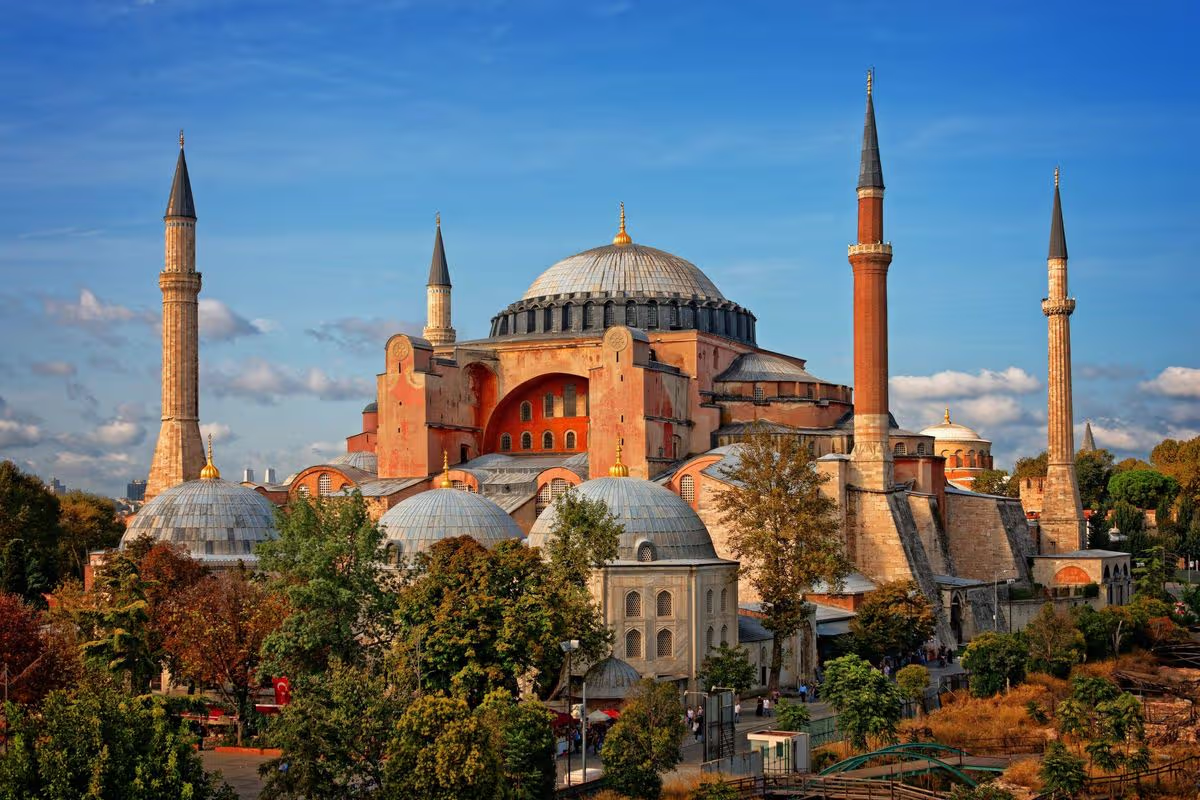
Bearing this in mind, Braw Scottish Tours examined the walking distances and step counts between five principal attractions across 30 of Europe’s most visited cities. Their findings revealed that the Turkish metropolis of Istanbul ranks as Europe’s most walkable city.
There, a mere 2.5km stroll connects major sites including Hagia Sophia and the Grand Bazaar. Exploring this area requires roughly 3,250 steps and approximately half an hour’s walk.
On TripAdvisor, one traveller to the metropolis commented: “Istanbul is a magical city. Phenomenal and historical buildings pepper this amazing place. Literally, it takes days to soak in the nuances and atmosphere of Istanbul. Take your time and don’t be afraid to get lost.”
Another visitor added: “Istanbul is a magnificent city… one full of beauty, history, spectacular architecture, amazing restaurants, views to die for, wonderful little family-owned hotels, exceptionally kind and honest people, fun-filled nightclubs, exotic sounds, exotic smells, and many other fabulous things too numerous to mention.”
A third person said: “There are so many cliched phrases used to describe Istanbul – ancient and modern, where east meets west, old world blended with new world, etc., etc., and they are all true. There is history, culture, shopping, sightseeing, museums, galleries, boat trips. There is SO much!”
For those who have already explored Istanbul, or perhaps feel it’s not quite their cup of tea, fear not, there are numerous other pedestrian-friendly destinations across Europe.
THE CANARY Islands are facing huge storms and rain this week, which has even meant snow in places like Tenerife and La Palma.
Here’s what you need to know if you have a holiday booked there.
Sign up for the Travel newsletter
Thank you!
Here is everything you need to know about a trip to the Canaries right nowCredit: AlamyThe storm is continuing the affect the CanariesIt has even brought snow to La Palma and TenerifeCredit: Tenerife Island Council
What is happening in the Canary Islands?
Storm Therese has left the Canary Islands in turmoil as weather warnings have remained in place for several days.
More snow is expected in Tenerife after the mountains in the Teide National Park were blanketed in white on Thursday.
As a result, more than 40 flights have been cancelled this week across the Canaries.
Orange and yellow alerts are in place across the islands, warning of heavy rain, storms, flooding and high waves.
Storm Therese has battered the Canary Islands with severe weather warnings for storms, flooding, heavy rain, and strong winds – and the chaos is set to continue for several more days
14:20, 20 Mar 2026Updated 14:20, 20 Mar 2026
Tenerife has been hit with weather warnings (stock image)(Image: Getty)
Yet the island has been battered by Storm Therese, delivering unexpectedly cold temperatures, gloomy conditions, flight cancellations, and even snow alerts in certain regions. Discussing the weather this week, TikTok user @seb_tenerife, who is presently residing on the island, remarked: “This might be the first or second of four bad days of weather.
“A storm – what is going on? It’s meant to have the best climate, I’d say, in Europe, and now we’re four days into a storm. You know we’re in a crisis – I’m in a full tracksuit. What has happened?”
He continued by explaining that visitors have been contacting him regarding the conditions, enquiring whether the weather is expected to improve. Nevertheless, he confessed the forecast keeps shifting every time he examines it, leaving him uncertain whether conditions will brighten up anytime soon.
Responding to his video, one user said: “Same in January. Was great at Christmas. Climate change.”
Another commented: “The last year has been a bit mad weather-wise there. I went in April and then December, and both weeks were overcast and a good few degrees colder than previous years. My friend said it was the coldest December she’s ever had in 10 years of spending Christmas and New Year there.”
A third user said: “Try going in August. I’ve been in April, August, and December for the last three years, and August wins every time – around 28 to 32 degrees last year.”
Content cannot be displayed without consent
The forecast
The Canary Islands have been battered by severe weather – and the chaos is far from over. An orange weather alert was issued after days of heavy rain and strong winds, with forecasters warning the miserable conditions could drag on for at least another five days – potentially ruining holiday plans for Brits abroad.
Shocking scenes in Tenerife showed the usually sun-soaked hotspot covered in snow, with icicles forming in some areas. Stunned tourists filmed the whiteout conditions in Teide National Park, where several roads were forced to close.
Snow is expected to continue falling in higher above 1,800 to 2,000 metres, as Storm Therese continues to lash the islands. Torrential rain has already triggered flash flooding and landslides in some areas.
Warnings have been issued for multiple types of extreme weather, including storms, flooding, strong winds, heavy rainfall and dangerous waves. Wind gusts have exceeded a staggering 74mph in places – with the sunshine holidaymakers expect nowhere to be seen. The wild weather has also caused travel chaos, with at least seven flights cancelled or diverted on Thursday alone, following 36 cancellations the day before.
Conditions are expected to worsen on Friday, which could mark the peak of Storm Therese. Orange rain alerts are in place for Tenerife, El Hierro, La Palma, and La Gomera. Forecasters warn up to 111mm of rain could fall within 12 hours in some areas, while Gran Canaria is under an amber alert, with up to 80mm expected.
Sea conditions are also turning dangerous, particularly between Tenerife and Gran Canaria, where waves could reach up to six metres alongside force eight winds. While the storm may ease slightly on Saturday, disruption is still expected. Orange alerts remain in place for Tenerife and La Palma, with winds of up to 55mph set to continue.
Tourists and locals have been urged to avoid unnecessary travel, stay away from coastal and mountainous areas, and follow official guidance. Schools across the islands have also been forced to close until conditions improve.
CAMPING in the great outdoors is not everyone’s cup of tea – but what if you could have a glass of cider instead?
This campsite in Dorset is set within the grounds of an apple orchard used to make award-winning cider.
Sign up for the Travel newsletter
Thank you!
The Dorset Nectar Orchard campsite is set amongst its apple orchard used to make ciderCredit: Dorset Nectar Orchard CampsiteThe on-site taproom is where guests can try out 13 types of award-winning ciderCredit: Dorset Nectar Orchard Campsite
Called Dorset Nectar Orchard Campsite, the site has room for just 14 tent pitches, so each is spaced out and fairly private.
There won’t be any children running about either as guests staying here have to be over 20-years-old.
For cider fans, this campsite is the dream stay as it’s set within an orchard with over 3,000 apple trees that forms part of the cider farm.
The main building at the campsite is a taproom where campers are welcome to buy and try 13 types of award-winning cider on offer.
It also sells apple juice, craft beers and apple cider vinegar.
You can sip away on a tasty cider at one of the picnic benches while enjoying the spring sunshine.
There’s also the chance to barbecue or cook up a storm by your tent at one of the raised firepits.
Campers can join a tour of the cider farm on Thursdays, Fridays and Saturdays too.
Along with the taproom and tours, the campsite has a hot food spot called Oliver’s Kitchen which opens on Saturdays offering hot food like cider sausage baps.
On Saturdays, there’s also live music in the Cider Garden.
For nature lovers, head out on one of the footpaths through fields and down to the River Brit.
For those who want to take home a souvenir, there’s a cider shop which sells biscuits, chutneys, jams, sausages, craft ales, local wines and of course, apple-related products from the orchard.
When it comes to pitches, it has to be a tent which sleeps up to a maximum of six people.
Prices start from £34 for a one night stay for two adults – or £17 per night.
The campsite offers cider tastings and tours of the farmCredit: Dorset Nectar Orchard CampsiteIt’s a 15-minute drive away from West Bay Beach in DorsetCredit: Alamy
When it comes to reviews, lots have praised the campsite particularly for its cider experience.
One wrote: “We loved the quirkiness of camping between the orchard rows. The trees give your pitch separation and privacy and it’s so peaceful!
“Added bonus having a taproom just up from the pitches with a wonderful beer garden with lots of space in the sunshine.”
Another said they loved the “relaxing live music and fab homemade Burgers on the Saturday as well as sampling their delicious ciders.”
Dorset West Bay beach which sits on the Jurassic coast is just a 15-minute drive away.
More than 2.5million Brits visited Portugal last year, and it could be even more popular in 2026 due to the Iran conflict
13:08, 20 Mar 2026Updated 13:08, 20 Mar 2026
Bookings to Portugal have surged since strikes on Iran began
The Foreign, Commonwealth and Development Office (FCDO) has issued updated travel guidance for those heading to Portugal. The update was released today (March 20).
Fresh information has been provided for individuals seeking to remain in Portugal beyond 90 days under exceptional circumstances. The updated guidance states: “If you’re visiting Portugal and need to extend your visa-free stay for exceptional reasons, such as a medical emergency, you must apply to AIMA using their contact form (access is only available to users in Portugal). If you’re in Portugal with a residence permit or long-stay visa, this does not count towards your 90-day visa-free limit.”
It adds: “If you’re in Portugal with a residence permit or long-stay visa, this does not count towards your 90-day visa-free limit.”
For British passport holders, visas aren’t required for short visits to EU nations or Schengen zone countries provided both conditions are met:
Your combined stay within the Schengen zone must not exceed 90 days within any 180-day period. The number of countries visited is irrelevant. The 180-day timeframe continuously ‘rolls over’, reports the Liverpool Echo.
EES
Since October 2025, the European Union has implemented the Entry/Exit System (EES), requiring travellers to provide fingerprints and photographs upon initial entry to or departure from the Schengen zone. It is scheduled to be fully operational by 10 April. However, the system has been plagued by teething problems, resulting in many travellers waiting for hours at airports. Because the system requires non-EU visitors – including Brits – to register their fingerprints and take a photo in person at the border, the additional registration time is already causing massive queues for non-European passengers at airports across the region.
It has caused such disruption that some locations have temporarily suspended its use. The European Commission has suggested that border authorities may pause the new system for up to six hours during peak travel times until September to help ease congestion.
More and more Brits are booking flights to Portugal as the conflict in the Middle East continues. Destinations like Cyprus, Turkey, Greece, Egypt, and Dubai are being viewed as increasingly risky, so travellers are opting for safer alternatives like Portugal and Spain.
Bookings to Portugal had increased by 42% over the two weeks to 13 March, according to Thomas Cook – the largest rise in any of the countries they arrange holidays to. It was followed by the Balearic Islands (40 per cent) and the Canary Islands (16 per cent).
TravelSupermarket shared data on online search interest, which it said demonstrates a “clear surge” for European and Atlantic destinations and away from the Middle East.
Here’s all you need to know(Image: Anna Barclay/Getty Images)
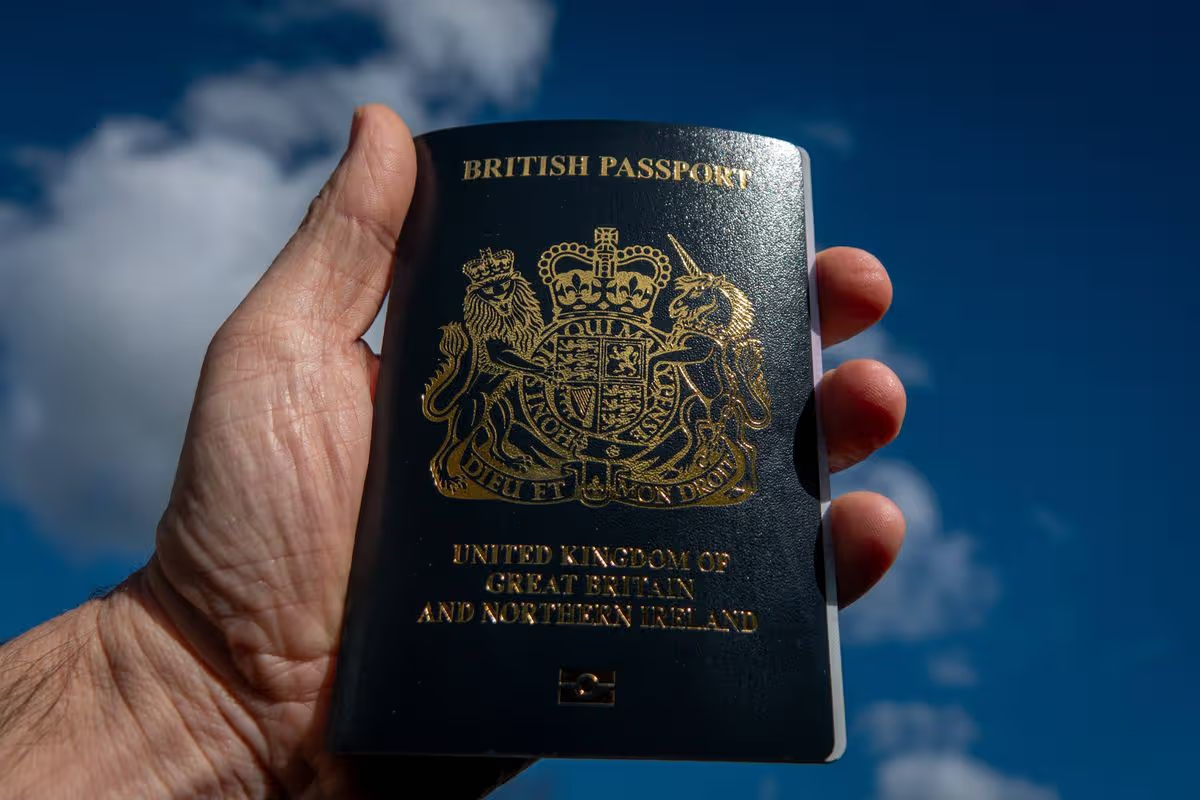
People who are planning to go on holiday this year may want to check their passports now, with some at risk of being hit with a £239.50 fee.
The price of a new or replacement passport is set to rise next month, and everyone in the UK needs a passport for overseas travel. According to Gov.uk, you can apply for a British passport if you’re a British citizen, a British overseas territories citizen, a British overseas citizen, a British subject, a British national (overseas), or a British protected person. HM Passport Office issues these documents, which currently take around three weeks or less to be delivered.
If your passport is damaged, or has expired, you will need to order a replacement one in order to travel overseas. Most people will need to pay a fee to renew an existing passport or to obtain a new one, including those for children.
At present, a standard adult passport, for those aged 16 and over, costs £94.50 when applying online, or £107 when applying via the paper form – but these charges are set to climb to £102 and £115.50, respectively.
Additional price hikes that will come into force on April 8 include the charge for a standard child’s passport increasing from £61.50 to £66.50, or from £74 to £80 for a postal application. If you need a new passport quickly, you can currently use the Premium Service (for a passport within one day) for £222.
However, from April 8 this cost will jump up to £239.50. For those applying for a UK passport from overseas, the cost will increase by £8.50 – from £108 to £116.50 – for adults, and by £5.50 – from £70 to £75.50 for a child’s passport.
The cost of overseas standard paper applications will also go up from £120.50 to £130 for adults and £82.50 to £89 for children. While the majority of folks will have to pay for their passports, there are a select few who can get one for free.
If your birth date falls on or before September 2, 1929, you’re eligible to apply for a new British passport or renew your existing one without spending a penny. You can also take advantage of the Post Office Check and Send service at no charge and benefit from free secure delivery.
THE Sun’s travel team are sharing the holiday destinations they’ll be heading to this summer to help you find the best deals to get away for less.
To do this, we have rounded up our absolute favourite spots for summer 2026, including family-friendly holiday parks, sunny Spanish resorts and the very best in cruises.
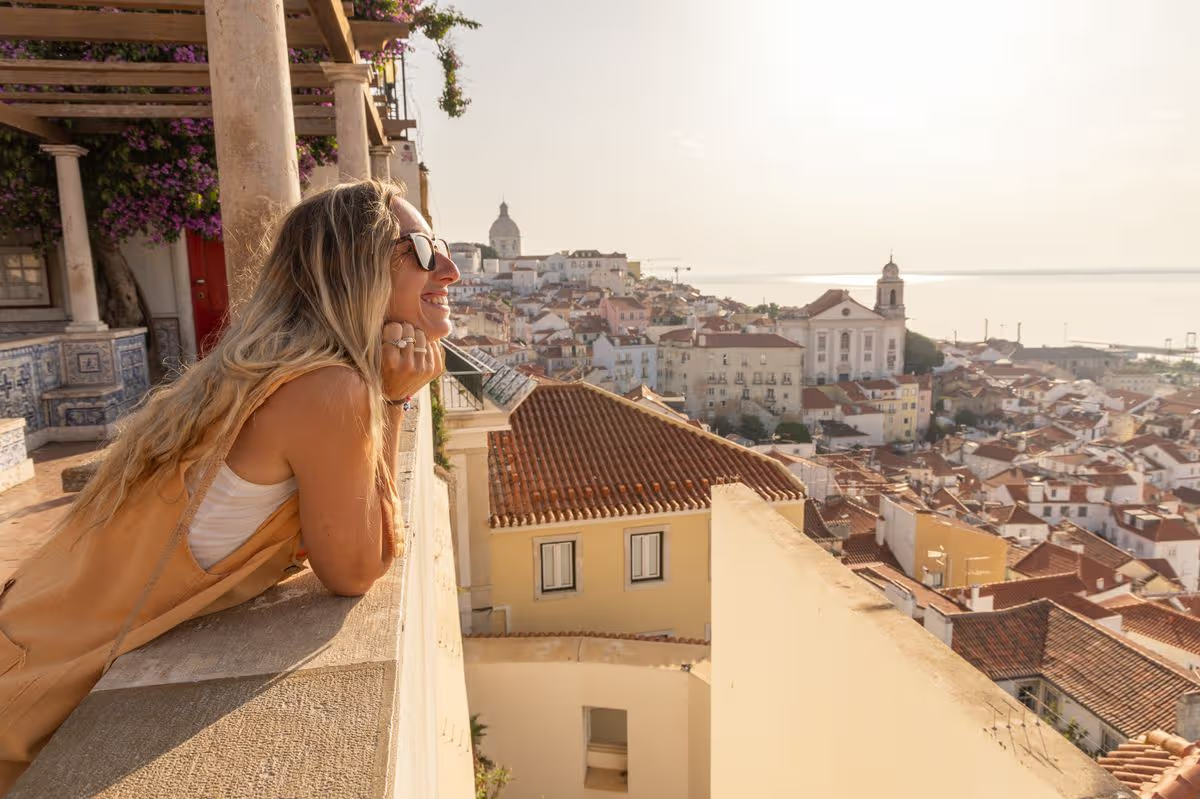
Bodrum in Turkey offers luxury-feel beach holidays for affordable pricesCredit: Getty
Whether you’re hunting for a cheap UK break or a dreamy island retreat, we’ve got your travel inspiration for 2026 sorted.
From Skegness to Seoul, here’s where the Sun Travel team recommend – and are actually heading to – as the weather hots up.
Caroline McGuire, Head of Travel – Digital
UK holiday – Butlin’s, Skegness
I am ashamed to say that in my nine years as a travel editor at The Sun, I’ve not yet made it to Butlin’s.
Well, not after this summer. I’m heading to their Skegness resort with a school mum and our kids, in the seaside holiday park’s 90th birthday year.
I’m not sure who is more excited – the adults or the kids.
My parents were camping-in-France-type people, so I never did any of the UK holiday parks growing up.
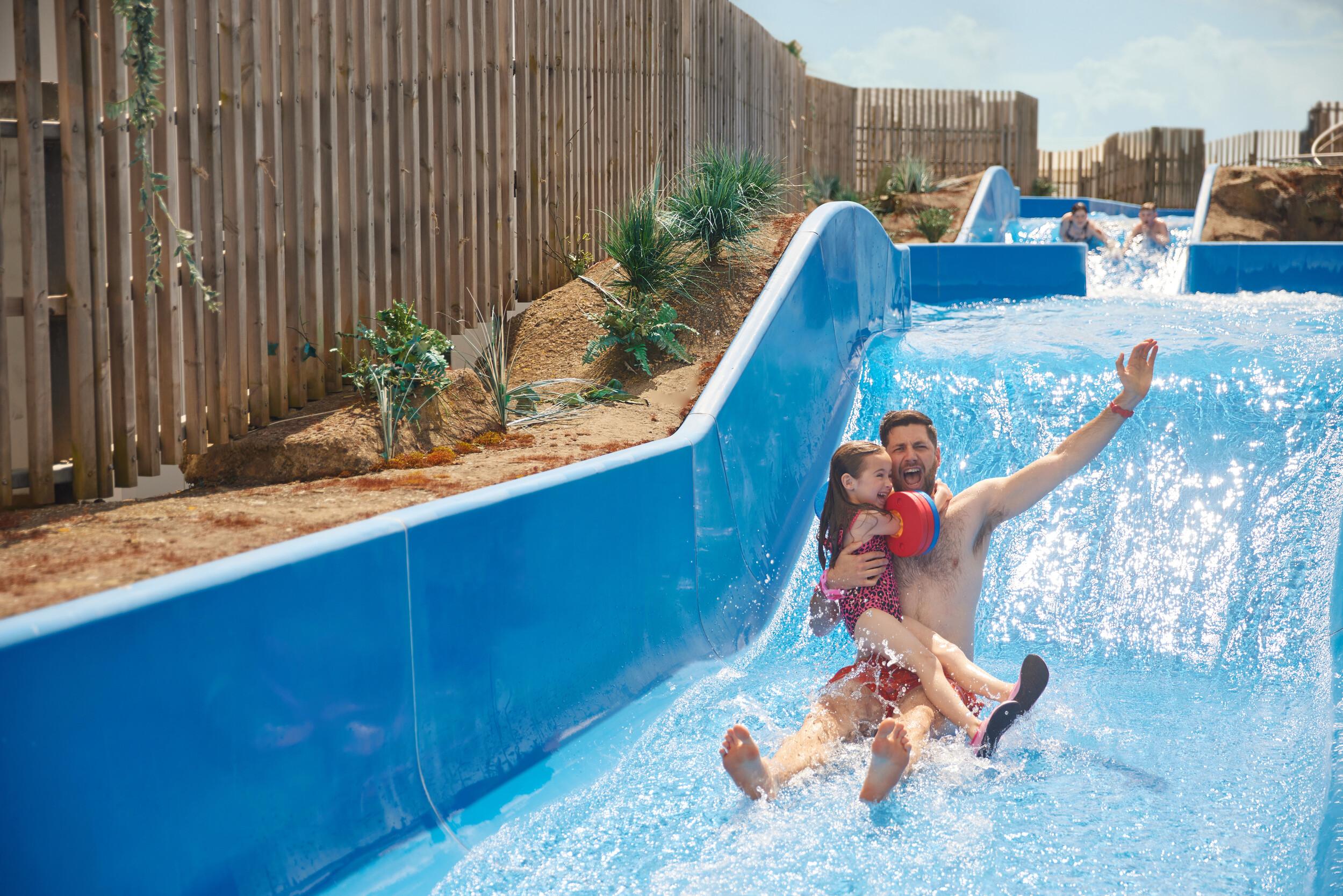
But now I have a kid of my own, the idea of free fairground rides, water slides and TV-quality evening entertainment is deeply appealing.
I’m particularly looking forward to the Masked Singer Live, and my son is very excited about the Maximum Pro Wrestling.
Plus, we’ve got the all-inclusive drinks package, which means we can sip on a cold wine and natter while the children tire themselves out with all the activities.
Given we’ve got the dining package too, it’ll be interesting to see quite how much we can see, do and eat in a 3-night break, without spending any extra money.
They’ve got 3-night breaks in May half term from £188 and the school summer holidays from £207.
Butlin’s in Skegness is an affordable option for the summer holidays, with breaks from £207Credit: Butlins SkegnessUK holiday park Butlin’s will be celebrating its 75th birthday in 2026Credit: Butlins Skegness
Medium haul break – Bodrum, Turkey
I’ve managed to visit a new part of Turkey each year since Covid ended, ranging from Istanbul and Izmir to the Turquoise Coast, and this year I’m ticking Bodrum off the list.
Turkey is one of my favourite countries to visit with my seven-year-old.
For a start, the food is so kid-friendly that eating out is a dream. Halloumi, olives, flatbreads, hummus, baklava… what’s not to love?
Plus, they’ve really nailed the all-inclusive hotel experience.
This year, we’re staying at the Titanic Luxury Collection Bodrum – a five-star property on the Pina Peninsula with 11 restaurants and its own white-sand beach.
Week-long, all-inclusive stays at this five-star resort start from £910pp with On the Beach.
Short haul break – Eurocamp: Les Prairies De La Mer Resort, France
Kate Moss, Elton John, Beyonce and Leonardo DiCaprio all love St Tropez, and it’s about to become even better-known soon, as the next White Lotus TV show is being filmed there.
But just 15 minutes down the road is Les Prairies De La Mer Resort – one of Eurocamp’s top holiday parks that they rate as five stars.
But when we fancy a bit of the A-List lifestyle, it’s super easy and cheap to get to either St Tropez or St Maxime
Forget Club 55 and superyachts, here it’s all about the park’s own beachfront cafe, mini golf and the two pools.
Oh, and an early morning walk to the on-site supermarket for freshly baked croissants.
But when we fancy a bit of the A-List lifestyle, it’s super easy and cheap to get to either St Tropez or St Maxime.
They’ve got 7-night breaks in May half term from £1,707 and school summer holidays from £2,349.
Alice Penwill, Travel Reporter
British seaside – Suffolk, UK
As much as I love going abroad, sometimes you can’t beat a British summer.
I’ll be visiting Suffolk later this year to explore its seaside towns and hopefully enjoy some sunshine along the way too.
I’ll head to Aldeburgh first to see its colourful homes and stretching shingle beach.
I’ll try a Noon Tart too – it’s a local delicacy, essentially it’s a savoury pastry made from smoked haddock, smoked cheddar cheese, cream, eggs, and mustard in a flaky pastry.
Half an hour away from Aldeburgh is Framlingham Castle, which was Ed Sheeran’s inspiration for his song ‘Castle on the Hill’.
Neighbouring seaside towns include Thopeness and I might even stop by my favourite place along the Suffolk coast, Southwold.
I’ve been going to Southwold for years, playing games at the arcades, crabbing off the pier and popping into its independent shops along the high street.
I’ll be staying at The Brudenell Hotel, which sits on the seafront of Aldeburgh, and offers rooms from £137 per night.
Aldeburgh in Suffolk is home to grand pastel houses and a stretch of pebbled beachCredit: Alamy
Short haul sunshine – Menorca, Spain
Lots of Brits head to the Spanish islands during the summer – and I hope to be one of them, although I’m going to one that has fewer crowds.
The island of Menorca, next to the well-known Majorca, welcomes much fewer tourists each year, making it an ideal place to relax – it’s even been called “Ibiza’s chilled-out sister”.
It’s easy to navigate too, as it’s much smaller, so it has short airport transfers, and is generally cheaper.
I’ve got my eye on Cala Macarella, a beach on the south of the island with white cliffs and turquoise waters.
Another spot that I’ve been told about is Cova d’en Xoroi, which is a bar that’s built into caves on the cliffs.
During the day, it’s a chilled bar, and in the evening, it holds sunset sessions with live music.
To make it easier, the likes of TUI and Jet2 organise package holidays.
You can book a 7-night room-only break at Menorca’s Colina Village from £262.26pp with TUI.
The Spanish island of Menorca has been dubbed “Ibiza’s chilled-out sister”Credit: Alamy
English adventure – Jurassic Coast, UK
In my 28 years of living in the UK, I’ve never taken a stroll along the Jurassic Coast, which is why I intend to head there this summer for a weekend away (at least).
Chesil Beach near Weymouth is the longest in the UK, stretching for 18 miles from West Bay to the Isle of Portland.
And I hope to walk the beach and stop by The Cove House Inn on the north of the Isle of Portland, which was named as one of the best beachside boozers last year by Big 7 Travel.
Lots of visitors compliment the views from the pub, which sits on the promenade, and some have even spotted dolphins and whales in the water there too.
Of course, the famous Durdle Door is another stop high up on my list, as is Kimmeridge Bay.
Premier Inn’s Weymouth hotel offers spacious, comfy rooms from just £57 per night.
Chesil Beach is the UK’s longest, stretching for over 18 miles along the Jurassic CoastCredit: Alamy
Lisa Minot – Head of Travel
Short haul success – Malaga, Spain
I’m heading to the southern Spanish gem of Malaga in early June for a long weekend.
The city ticks all the boxes when it comes to an easy-to-reach, reliably sunny destination that can combine a quick cultural hit with fabulous food and a captivating coastline.
And travelling in early June, hopefully, will mean fewer crowds while still benefiting from warm sunshine.
I’ll be ticking off big hitters like the Picasso Museum and the 11th-century Alcazaba palace, but also on the agenda will be some serious relaxation.
I’m staying 20 minutes from the city centre at the Higueron Hotel, Curio Collection by Hilton, set between the Mediterranean and the Mijas mountains.
Its rooftop pool and terraces will be perfect for sunbathing and cocktail sipping, and there’s a spa and superb sports facilities for some proper me-time too.
The glamorous hotel offers breaks from £184 per night, but its budget-friendly little sister, the Hilton Garden Inn Malaga, also makes for a fantastic stay from £95 per night.
The Sun’s Head of Travel Lisa Minot is choosing to spend a long weekend in sunny MalagaCredit: Alamy
French fancy – Bormes Les Mimosas, Cote d’Azur
It will come as no surprise to those who know me that, yet again, my priority this summer will be spending time with family and friends at my own caravan in the South of France.
I’ve visited Camp du Domaine in Bormes les Mimosas almost every year for the last 50 years, and this summer will be no different.
The site tumbles down pine-clad hills to its own gorgeous sandy beach, and days will be spent relaxing on those soft sands, swimming in the warm waters and cooking up a storm with the purchases bought in local markets, from fresh fish to ripe Provencale tomatoes and of course, the odd rose!
Set between Toulon and St Tropez, it’s a great site for those who have their own van or camper, but there are bungalows for rent too.
Another good bet nearby is the Eurocamp sites in Grimaldi and Frejus.
A basic pitch at Camp du Domaine starts from £28.50 per night, with options for one-bedroom bungalows starting from £60 per night. See campdudomaine.com.
The Sun’s Head of Travel Lisa Minot visits Bormes Les Mimosas every single yearCredit: Alamy
Long haul leave – Seoul, South Korea
I’m making my first trip to the current global capital of cool, Seoul, as Virgin Atlantic launch new direct services.
With all things K-culture from the massive success of K-pop to the likes of Squid Game and BTS, the city promises an irresistible blend of ancient palaces, surprising green spaces and intoxicating 24/7 high-tech culture.
Of course, top of the list will be visiting Olive Young, Korea’s biggest beauty store for skincare essentials.
But I’ll also find time to wander and window-shop in the wealthy neighbourhood of Gangnam, famously mocked in original K-pop star PSY’s signature tune.
And then there’s the exciting food scene – from spicy street food to Korean barbecue, I can’t wait to indulge!
Virgin Atlantic flights to Seoul start from £757 return.
Once you’re in Seoul, there are plenty of budget-friendly accommodation options.
A night at the glitzy Moxy Seoul Insadong starts from £100 per room, whilst backpackers love the H HOSTEL Itaewon (from £23) with its social rooftop bar.
Long-haul airline Virgin Atlantic are launching flights to Seoul, South Korea in 2026Credit: AlamyLes Prairies De La Mer Resort is in Grimaud, France – close to celeb hotspot St TropezCredit: Eurocamp
Jenna Stevens – Travel Reporter
British break – Cley next the Sea, Norfolk
I’m lucky enough to say that heading back home for me is like going on holiday.
North Norfolk is brimming with picturesque seaside towns and quaint fishing villages, so many that I’m yet to set foot in them all, despite growing up there.
This summer I’ll be heading east along the coastline to Cley next the Sea, a charming coastal village known for its seal trips, pretty marshland and its Grade II-listed windmill facing the sea.
Overnight stays are best taken in cosy pubs with rooms, which are abundant in the area
I’m looking forward to getting stuck into harvesting fresh samphire from the shores, then washing off my wellies and heading out to local restaurants to sample the seafood.
Cley is also home to quaint pottery shops and art galleries with work from local artists. Plus, the coastal walking routes are perfect for twitchers who want to spot species like marsh harriers and bitterns.
Overnight stays are best taken in cosy pubs with rooms, which are abundant in the area.
This makes evenings effortlessly easy, as you only have to head upstairs to retire after spending the night sipping Norfolk ales and chatting with locals.
Although if you want something truly special, you can choose to stay inside Cley Windmill itself.
Inside the mill, there’s a unique circular sitting room, decorated with antique furniture and an open fire, plus a dining room dating back to 1713.
Pair this with upper-floor bedrooms looking over the marshes, and you’ve got yourself a truly unforgettable staycation.
B&B stays at Cley Windmill start from £184 per night.
Or if you prefer a more rustic stay, you can go lakeside glamping close to Cley Marshes Visitor Centre from just £40 per night.
Cley next the Sea in Norfolk is ideal for a peaceful UK countryside retreatCredit: Getty
Euro city-break – Barcelona, Spain
Despite being one of Spain’s number one fans, I’ve somehow never made it to buzzy Barcelona.
I’m looking forward to heading there this summer to soak up the coastal city’s high-energy feel, whether its by boat trip, bicycle or bar-hopping.
This year marks Gaudi’s centenary: the anniversary of 100 years since the death of the famous architect.
To celebrate, the streets of Barcelona will be alive with various street celebrations, concerts and exhibitions taking place throughout the year.
Plus, the construction on the Sagrada Familia is set to wrap up in 2026, and with the completion of a spire back in February, the church building officially became the tallest in the world.
To add to the celebrations, Barcelona has been named the World Capital of Architecture this year.
Not only is there the impressive Sagrada Familia to admire, but I’m looking forward to ticking off Casa Milà and Casa Batlló, too.
Throw in some Spanish wine tasting and plans to eat my body weight in jamon and patatas bravas, and it’s fair to say I’m excited to finally experience Barcelona this summer.
City breaks to Barcelona are a very affordable option if you’re looking for a weekend away in Europe. TUI offer a 2-night stay in June at Hotel Acta Voraport hotel from just £266pp, and that’s with return flights included!
Barcelona has been crowned the World Capital of Architecture for 2026Credit: Alamy
Southern Europe scorcher – Quinta do Lago, The Algarve, Portugal
The Algarve has long been a popular destination for Brits seeking sunshine, and I’m excited to head to the sporty resort of Quinta do Lago to catch some rays myself.
If you’re a fan of golfing with gorgeous coastal views, it doesn’t get much better than Quinta do Lago.
The North, South and Laranjal golf courses are renowned for their manicured, championship-grade greens.
In fact, the South golf course at Quinta do Lago has hosted the Portuguese Open no fewer than eight times.
Plus, the sporty adults’ playground offers more than just golf, too.
Whether you’re into pilates, padel or Portuguese cuisine, there’s something for everyone.
I’m very much looking forward to rewarding myself for the workouts with a frozen cocktail and lazing out on the golden sands of Quinta do Lago beach.
A top hotel on the resort that balances stylishness and affordability is The Magnolia Hotel, which offers rooms from £138 per night.
Jenna Stevens, Travel Reporter
Quinta do Lago in the Algarve is a top destination for sports fans and fitness tourismCredit: Quinta do Lago
Cyann Fielding, Travel Reporter
Train trip – Disneyland Paris
A theme park is a great option for a weekend away, and that is exactly what I am planning with Disneyland Paris.
By the end of March, Disneyland Paris will have opened its newest land: World of Frozen.
Now, I may be 25, but nothing excites me more than seeing Olaf come to life, waddling around and making his cute chuckles.
The new land is meant to look just like the Arendelle Kingdom as well, so I am excited to feel as if I am stepping into the movie itself.
One of Disneyland Paris’ biggest appeals is its proximity to the UK and the ease of travel there.
I will take the Eurostar from London St Pancras, which alleviates the stress often felt when travelling through an airport.
By making this trip a weekend break, I don’t have to take any annual leave, so it is a win-win.
You can book a 3-night stay at the Staycity Aparthotels Marne La Vallee from just £229pp on Loveholidays – it’s only seven minutes from the attraction, and it has its own outdoor pool to cool off in, too.
Travel reporter Cyann Fielding is excited to meet Olaf at Disneyland Paris’ World of FrozenCredit: AFP
Atlantic adventure – The Bay Area, California, USA
I’m no newbie when it comes to California, having visited San Francisco twice, Yosemite and Los Angeles.
But I stand by the fact that the American state is one of the most exciting and diverse places to explore.
This summer, I will focus on the Bay Area, which comprises regions bordering San Francisco Bay, San Pablo Bay and Suisun Bay.
The different regions include Alameda, Contra Costa, Marin, Napa, San Mateo, Santa Clara, Solano, Sonoma, and San Francisco.
For this trip, I will focus on Marin — home to one of America’s 10 National Seashores — and Santa Clara, where you will find Silicon Valley and San Jose.
When people think of California, they often imagine LA and San Francisco, perhaps with chic surfer dudes.
However, this trip will focus on exploring the hidden parts of the Bay Area, including the location where George Lucas created Star Wars and Indiana Jones.
You can bag return flights to San Francisco from just £444 on Skyscanner, the cheapest deals are often found flying with SWISS airline.
California’s Bay Area is made of multiple regions including San Francisco and SonomaCredit: Alamy
Scottish summer – Glasgow, Scotland
Over the past few years, I have visited several destinations in Scotland and have to admit, they are to date some of the best places I have travelled to across the entire globe.
Scotland’s landscape is like nowhere else, and its cities are full of fascinating history and architecture.
That’s why this summer I will be heading to Glasgow. I haven’t visited before, so I am super excited to see how it compares to Edinburgh.
Glasgow Cathedral and Botanic Gardens are definitely at the top of my list of places to check out.
What is even better about this trip is that train operator Lumo has just launched a route from London to Glasgow – so no extra luggage costs for me!
Glasgow is full of affordable accommodation options, such as the ever-reliable easyHotel Glasgow City Centre from just £43 per night.
Travel Reporter Cyann Fielding is looking forward to visiting Glasgow this yearCredit: Alamy
Kara Godfrey, Deputy Travel Editor
Medium haul trip – Marrakech, Morocco
Despite being known for its affordable flights, easyJet has recently launched its new Luxury Collection holiday offerings.
So I’ll be trying it out for myself on a trip to Morocco, spending a few days in Marrakech.
I haven’t been to the city since 2018, and even then, it was on a budget, so I am excited to see the fancier side of it with a stay at the famous La Mamounia.
However, that won’t stop me from trying to hunt out a bargain in the souks, in the form of pretty kitchen bowls and candle holders.
And with 3 hr 40-minute flights and 25C weather in April? Sign me up!
You can fly to Marrakech from London from just £19.99 each way with easyJet.
Marrakech is under four hours’ flight from the UK and full of vibrant streets to exploreCredit: Alamy
Long haul adventure – East coast of Thailand
Twenty-one-year-old Kara’s biggest adventure was travelling to Asia, her first stop being a month exploring the popular Thai islands.
I’m as surprised as you are that, 12 years later, I have yet to return to the beautiful country.
So this summer, I have made it my mission to explore the parts that I forgot about as a budget traveller.
This time, I will be heading to the east coast, forgoing Bangkok and Chiang Mai for the nightlife of Pattaya.
Not only that, but my trip will also take me to Koh Chang, right by the Cambodia border.
Said to be less crowded and like going back to Thailand decades ago – I’ll be gorging on £1 Pad Thai and cheap Singha beers.
There’s plenty of luxurious hotels for affordable prices in Thailand, especially in Pattaya. Easy Planet Pattaya offers rooms from just £15 per night!
Deputy Travel Editor Kara Godfrey will explore Thailand’s less-crowded east coastCredit: Getty
Eurotrip – Bilbao, Spain
My love of a Spanish city was only further proven last year, after falling for both Seville and Madrid after spending a long weekend in each.
So this year I’m taking myself to Bilbao for a long weekend.
It is one of the closest Spanish cities to the UK – flights are just 1hr45 – and TUI has recently launched new city break packages too.
Great tapas will be on the menu, with some of the finest in Spain, as well as soaking up some culture at the famous Guggenheim Museum.
You can visit Bilbao with TUI for a 3-night city break staying at the Occidental Bilbao from just £280pp, including return flights.
Kara Godfrey, Deputy Travel Editor
Sophie Swietochowski, Assistant Travel Editor
Holiday at sea – Oceania Allura Cruise
I experienced Oceania’s glamorous Allura when she first debuted in the Med last year.
I loved her sleek cocktail bars and quality restaurants so much that I’m considering returning for a voyage in the coming months – only this time it’ll be for longer.
This summer, the 1,200-passenger vessel will be cruising between the Greek isles, sun-drenched shores of Croatia and bustling port cities in Turkey.
And with the temperatures likely to sizzle in the low 30s, there’ll be plenty of opportunity to take advantage of its sun decks.
Either flopped on one of the huge daybeds with an icy margarita, by the main pool or – my personal favourite spot – in the mellow spa at the back of the ship where you can watch the engines carve a foamy path in the sea.
In the evening, I’ll be making a beeline for Jacques, Oceania’s famous French restaurant that dishes up classics of beef tartare and wobbly cheese souffles.
I’ll be washing it down with a good bottle of red, obviously – just as the French would – before following it up with a dirty martini in Martinis.
I’ll take mine with Grey Goose, please.
A Greek island tour on Oceania’s Allura starts from £1,979 per guest for a 7-day voyage.
The most affordable Oceania cruise currently is a 7-day voyage from Rome to Barcelona, from £942 per guest.
Assistant Travel Editor Sophie Swietochowski was impressed by Oceania’s Allura cruise shipCredit: Oceana Cruises
American adventure – New York, USA
I could never tire of New York City. The Big Apple is a destination that will welcome you with open arms, whatever the weather – and one that feels endlessly full of possibilities.
I’ve returned almost every year for the past five years, and each time, I’ve experienced something new.
Things move at a fast pace, and museums, restaurants and attractions are opening on a weekly basis, making this city a revolving door of fun.
Sadly, many experiences here will burn a hole in your wallet, but there are ways of cutting back on spending.
Oyster happy hours are top on my list for summer, where participating restaurants serve up the fishy, and normally rather pricey, snack for around $1 a pop.
I’ll be scouring discount site Today Tix (todaytix.com) for bargain, last-minute tickets to Broadway shows.
And as for exploring? Some of the best activities in NYC are free.
Who can resist a stroll around Central Park? This lush, green space is so vast that it took me an hour to find my way out and back onto the urban streets on my first visit.
There are also free museum days, while trips to famous department stores like Macy’s needn’t cost you a penny.
That is, unless you fall in love with a stylish handbag or pair of shoes…
On the Beach offer week-long trips to New York, including return flights and a stay at a hotel in in Times Square, from £1,085pp.
New York has plenty of free activities and outdoor areas to be enjoyed in the summertimeCredit: Alamy
British break – Salcombe, Devon, UK
I’m already counting down the days until I return to the South West coast of England.
Cornwall is my usual haunt, and I know its windswept coastlines, sandy bays and rugged walking trails like the back of my hand.
So, I’m mixing things up a little this summer and moving a fraction to the east, where a gorgeous holiday home in Devon’s Salcombe is awaiting my arrival.
The scenery will be familiar, but – note to self – it’s cream first, then jam, on this side of the border.
On top of jaw-dropping views, Salcombe promises scenic adventures on the water.
The destination is a renowned sailing hotspot, hosting various dinghy races throughout the summer.
Boats can be hired for private excursions with or without a skipper, depending on your experience and knowledge.
The harbour town is also home to a rather charming gin distillery, which hosts tours and tasting sessions from £50pp.
Don’t fancy gin? There’s rum, too.
You can book a stay at The Sloop Inn, a charming 14th-century seaside pub with rooms, from just £88 per night.
Assistant Travel Editor Sophie Swietochowski’s choice of staycation is Devon’s SalcombeCredit: Getty
EGYPT has seen a fall in tourism due to the ongoing Iran conflict – despite it not being affected.
In response, tour operators are dropping prices of all-inclusive holidays – with some savings racking up to over £2,000.
Sign up for the Travel newsletter
Thank you!
The price of holidays to Egypt has dropped as Brits avoid goingCredit: AlamyTUI’s Coral Sea Water World has its own waterpark and savings of over £2,000Credit: TUI
Due to the ongoing conflict in the Middle East, Brits have been avoiding travelling to the surrounding countries, including Egypt.
Last week, On The Beach confirmed that they had experienced a drop in demand for popular holiday destinations including Egypt as well as Greece, Turkey and Cyprus.
Despite this, its airspace remains open and the travel advice to popular tourist spots along the Red Sea coastline hasn’t differed from the being safe for travel.
What has changed, is that the price of all-inclusive holidays has plunged.
An all-inclusive break at the Xperience St. George Homestay, in the coastal neighbourhood of Hadaba in Sharm El Sheikh, starts from £424 per person.
This includes flights from LiverpoolJohn Lennon Airport on May 11 and the return journey on May 28, 2026.
A TUI holiday has dropped by nearly 70 per cent, with a three-night all-inclusive stay next month at Sindbad Club just £347pp – down from £1017pp.
Or a family of four can have an all-inclusive stay across seven-nights at the Coral Sea Water World in Sharm El Sheikh for just £1,576 – or £525.46 per person (and down 60 per cent).
The trip with TUI from April 22 to April 29, 2026 is all-inclusive and includes return flights from Manchester Airport.
Brits unsure about booking holidays should remember that the package holidays are ATOL-protected – so if they get cancelled, you get all your money back.
What is the current travel advice to Egypt?
Keep up to date with the FCDO travel advice to Egypt on Gov.UK – here’s the latest…
FCDO advises against travel to these parts of Egypt;
Egypt-Libya border
North Sinai
Northern part of South Sinai
Eastern part of Ismailiyah Governorate
Hala’ib Triangle and Bir Tawil Trapezoid
Western Desert
FCDO advises against all but essential travel to the area west of the Nile Valley and Nile Delta regions, except for:
Luxor, Qina, Aswan, Abu Simbel and the Valley of the Kings
the Faiyum Governorate
the coastal areas between the Nile Delta and Marsa Matruh
the Marsa Matruh-Siwa road
the oasis town of Siwa
the Giza Governorate north-east of the Bahariya Oasis
the White Desert and Black Desert
the oasis towns of Bahariya, Farafra, Dakhla (Mut) and Kharga
the following roads and the desert area between them and the Nile valley:
the road between Giza and Farafra and within 50km either side of this road (but FCDO advises against all but essential travel on the road between Bahariya and Siwa)
the road between Farafra, Dakhla (Mut) and Kharga
the road between Kharga and Baris
the road between Baris and Luxor
It also warns of potential regional risks that “could lead to travel disruption and other unanticipated impacts”.
The FCDO advises British nationals to “take sensible precautions, considering their own individual circumstances”.
The Xperience St. George Homestay has deals from £424ppCredit: easyjet Holidays The price of all-inclusive holidays to spots in Egypt have plummetedCredit: Alamy
Our favourite Egypt holiday deals
If you click on a link in this box, we will earn affiliate revenue.
New Badawia Resort, Sharm el Sheikh
This hotel in popular resort Sharm el Sheikh has a large outdoor pool, waterpark and its own private beach area to cool off from the Egyptian sun. There’s traditional evening entertainment to bring the kids along to, and plenty to do in the local area like snorkelling and dipping into local bars and restaurants
With five swimming pools, six bars and six restaurants, you won’t get bored of this sprawling resort. The resort sits in the town centre of Makadi Bay, with plenty of dining and shopping options on your doorstep. The best part? Makadi Water World is just minutes from the hotel, famed for its 50 water slides and wave pool – and guests staying here get free entry.
The 4-star Jaz Grand Marsa has its own private beach with a coral reef, as well as five pools, three of which have sea views. The spacious grounds feature gardens and water fountains, plus tennis courts.
This all-inclusive resort is built for families, with a huge entertainment programme and an on-site waterpark with 18 slides. You can expect a buffet that’s anything but repetitive, as the theme and food line-up change daily. If you can bring yourself to leave the all-inclusive waterpark-come-resort, there’s the King Tut Museum, plus the Red Sea is world-famous for snorkelling.
A travel vlogger visited a stunning island nation in Southern Europe with a historic capital city he described as “one of the most beautiful places” he’s ever seen
A vlogger enjoyed a trip to a “beautiful” English-speaking island nation(Image: Getty Images)
A vlogger who enjoyed a trip to an English-speaking island boasting 20C warmth in April has hailed it as “one of the most beautiful places” he’s ever been to. Alex Daltz, a YouTuber on a quest to chronicle his worldwide travels “one vlog at a time”, recently visited a spectacular European nation merely three hours from the UK.
Starting off, Alex pointed his camera towards the stunning panorama from his hotel room balcony, featuring undulating hills and a peaceful expanse of water in the distance, set against brilliant sunshine and clear blue skies.
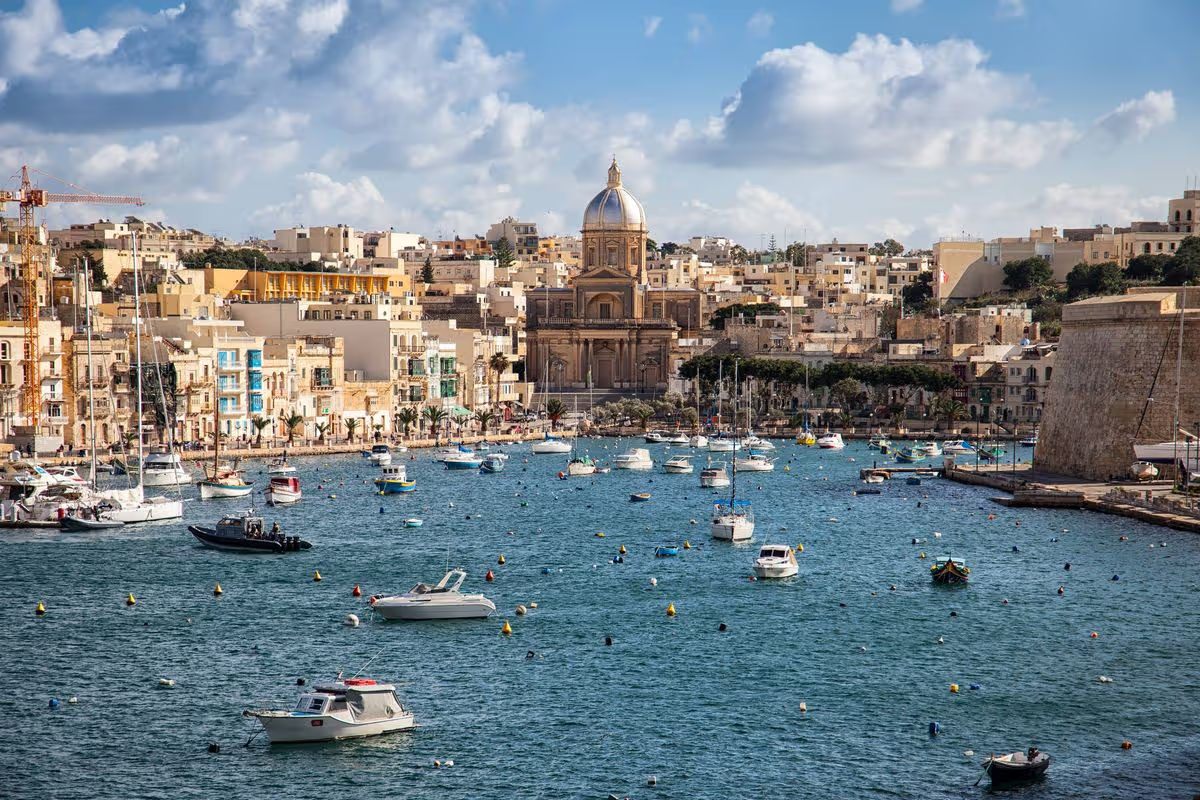
Switching to a street view, Alex disclosed he was in the ancient capital of Malta, the 16th-century city of Valletta. An island nation in Southern Europe, Malta is positioned south of Sicily in the Mediterranean Sea and north of the north African coastal country of Libya.
SkyScanner reports that the average flight duration from the UK is 3 hours and 16 minutes, with prices beginning at just £29 at the time of writing. TUI suggests travelling between April and October, with April temperatures varying from 15 to 20°C.
A fortified city and UNESCO World Heritage site, Valletta was designated Europe’s Capital of Culture for 2018. Alex swiftly highlighted the city’s cultural appeal, evidently captivated by its characteristic Baroque architecture.
Indeed, he described the capital as “beautiful” with a “chilled out touristy vibe”. He said: “We have just made it to Valletta. One of the most beautiful places I think I’ve ever been because it’s so, so medieval, the whole place.”
Alex added: “It’s literally like you’re walking through the 1500s. I already get like a chilled out touristy vibe already, and I’ve been here like five minutes.”
Content cannot be displayed without consent
Venturing out to find water, Alex could be spotted outside St. John’s Co-Cathedral, a landmark that houses two masterpieces by the renowned Italian painter, Caravaggio, The Beheading of St John the Baptist and St Jerome Writing.
Alex displayed the bustling Valletta streets and subsequently found himself near Fort St Elmo – constructed in the Early Modern period – and the National War Museum, which provides visitors with 7,000 years of Maltese military history.
Among the museum’s highlights are the Gloster Sea Gladiator N5520 FAITH aircraft, Roosevelt’s Jeep “Husky”, and, as pointed out by Alex, the George Cross, the nation’s honour for gallantry during the Second World War.
Subsequently, Alex visited the city of Mdina, another breathtaking Maltese location that functioned as the country’s previous capital. Also referred to as the “Silent City”, inhabitants have resided in the area since before 4000BCE.
Throughout the centuries, the city has been controlled by Phoenicians, Romans, Arabs and even the Normans. For Alex, who recorded himself as he wandered the honey-coloured streets, it was “astonishing” and “mind-blowing”.
Other Maltese highlights showcased by Alex included local catacombs and the Blue Lagoon, where the fortunate YouTuber experienced some of the “most blue water” he’s ever seen.
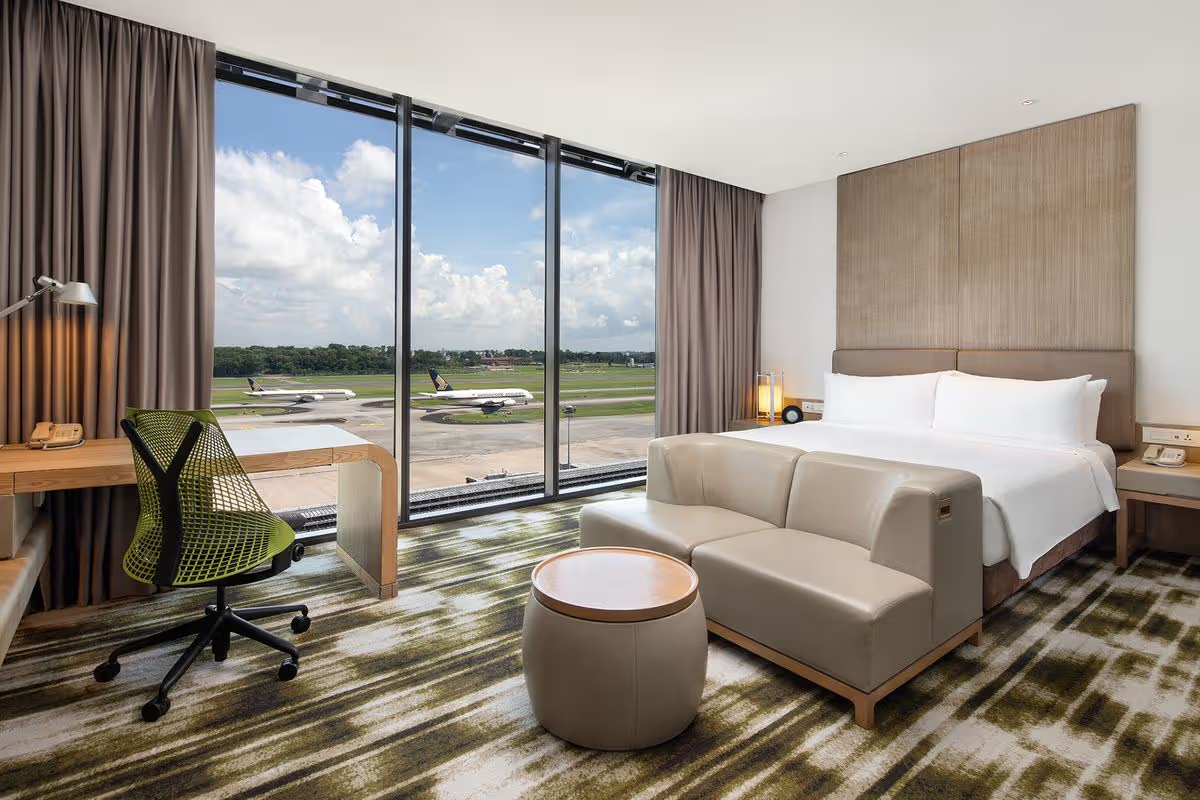
The same hotel has been crowned the best of its kind for 11 consecutive years, thanks to its connectivity, innovation, technology and the unusual experiences it offers
The hotel provides privileged access to its neighbouring airport
A five-star stay at one of the world’s busiest hubs has been named the best airport hotel in the world for the 11th consecutive year.
Skytrax’s 2026 World Airport Awards are commonly referred to as the “Oscars of the airport industry,” and are based on the largest annual airport customer satisfaction surveys in the world, which gather feedback from travellers across more than 550 airports.
This year, the awards have crowned the Crowne Plaza Changi Airport in Singapore as the World’s Best Airport Hotel yet again this year, in a ceremony at PTE World in London.
Pushing the boundaries of what is expected of a stereotypical airport hotel – business-focused, strictly practical and visually simple – the hotel transports guests into the world of aviation in more ways than simply by giving them seamless access to terminals.
Crowne Plaza Chang has aviation-themed family suites designed in collaboration with Kiztopia. There, kids can make their trip even more exciting by playing with plane-inspired spaces and interactive features.
For those looking for special experiences without having to venture into cities, the Crowne Plaza Changi also offers a range of curated experiences, from hands-on cooking to cocktail sessions: all part of the hotel’s Crowne Plaza Social feature.
And if you just want to kick your feet up and rest for the entire time you’re there, you’re also in for a treat with the wellness-focused routines called Daily Rituals, which are designed to help guests recover from travel.
But the hotel’s innovations don’t stop at interior design and experiences. It is the first hotel in Singapore to offer in-room NuCalm sleep technology in every room, making use of the patented neuroscience techniques for stress relief, better sleep, focus & recovery, and ensuring you wake up refreshed before or after that long flight.
If all of that wasn’t enough to justify its top spot on the ranking of best airport hotels, the Crowne’s location is another major highlight. It gives guests direct access to all of Singapore Changi Airport’s terminals and the impressive Jewel Changi Airport complex – so no need to stress about what time to catch the airport shuttle.
General manager Greg Gublani said: “We are deeply honoured to be named the World’s Best Airport Hotel by Skytrax for the 11th consecutive year. This remarkable milestone is a celebration of our incredible team and unwavering dedication to deliver True Hospitality every day. In addition to delivering unique experiences, our stays are designed to enrich guest journeys, bringing blended travel to life through curated experiences. – from Crowne Plaza Social, where guests engage in hands-on activities crafting fresh pastas and classic Negronis, to energising Daily Rituals that support well-being.”
Singapore Changi Airport itself once again topped the list of the world’s best airports for 2026, followed by Incheon International Airport in Seoul, Tokyo International Airport, Hong Kong International Airport and Narita International Airport in Greater Tokyo.
This city has everything you need for a great week away, from a long sandy beach to plenty of shops and restaurants, plus family-friendly attractions for days out with the kids in May half term
The beach stretches for over five miles(Image: Getty Images/iStockphoto)
The cheapest destination for a week in the sun has been revealed as budget-conscious Brits look for ways to get away in spring or summer for less.
The figures are based on pricing data for package holidays departing between June 1 and August 31 and were compiled by loveholidays, which offers affordable flight and hotel combinations.
A week at this coastal gem will set you back £230 per person on average, working out at a budget-friendly £33 a night, leading loveholidaysto crown it the most affordable destination for a week away.
Moroccan coastal town Agadir took the top spot thanks to its cheap flight and hotel combinations, and generally inexpensive food, drink, and days out. The main draw of Agadir is its long coastline with golden sands and its clear blue waters have earned it Blue Flag status.
Its beach stretches over five miles, and the sea can be choppy with strong currents, which has made it a popular surfing spot. If you want to swim, then there are some natural pools where you can take a dip when the tide comes in.
Along the beach is a lively promenade, lined with palm trees, and along here you’ll find a huge selection of places to eat, bars, souvenir shops, and places to hire surfboards and water equipment. Many hotels can also be found along this strip, allowing guests easy beach access during their stays.
You can also wander into the modern city centre for lots more restaurant options and a huge range of malls and shopping areas. Many visitors recommend the Marina Shopping Mall on the waterfront, which has international brands and lots of al fresco dining options.
It’s also worth visiting the Souk El Had market for bargains and an excellent way to test your haggling skills. Other than fixed price stores, everything in Morocco can be haggled, and with over 6,000 stalls and shops, you are bound to find something you like among the colourful rugs and textiles that hang from the walls.
Agadir’s centre was destroyed in an earthquake in the 1960s, so many of its historical sites are gone. However, La Médina d’Agadir gives you an idea of what the old city looked like, and it’s a faithful recreation of the traditional market. You’ll see stallholders weaving fabrics and painting ceramics outside their stalls, so you can see how these beautiful items are made. If you’d like to see more of Old Morocco, take a tour of Souss-Massa National Park which includes a visit to a traditional Berber village where people still live in beautiful clay houses.
Agadir is also a great option for May half-term, and with highs of 26C and dry weather, you can enjoy lots of beach and pool days. Take them for a day at Crocopark, a zoo that specialises in all things scaly, from crocodiles to snakes, and you can see these creatures basking in natural desert landscapes.
Agadir Dolphin World is another place families will love. It has regular dolphin shows, and visitors can get up close to these friendly mammals.
If you prefer to book your flight and hotel separately, there are a few airlines to choose from. Ryanair offers flights from Birmingham, London-Stansted, and Leeds Bradford, where fares start from as little as £17 one way. Jet2 and easyJet also fly from several regional airports, and most flights take just under 4 hours.
Have a story you want to share? Email us at webtravel@reachplc.com
At the moment, most UK airlines won’t be affected because of hedging – essentially a fixed price for oil – which is keeping prices stable.
Depending on the length of time that the Iran conflict continues and if the Strait of Hormuz remains closed, there could be price hikes in the coming months.
This in turn will see airlines having to put up their fares for passengers.
Mr Jarvis said that he expects easyJet to be “good for three weeks.”
Meanwhile, Ryanair boss Michael O’Leary said that he doesn’t expect disruption as long as the ongoing conflict ends “in the next month or two.”
Unlike these airlines, US carriers aren’t hedged which has resulted in the rise in fare prices already.
Willie Walsh, director general of the International Air Transport Association (IAG) who owns British Airways, explained that fares across the North Atlantic are set to jump up.
Talking more on the issue, he said that due to the price increase of US airlines, “competitors at the other end will match the price increase. It’s the nature of the industry.”
Some airlines have already put the price of their fares up, or are preparing to.
AirAsia said it would temporarily raise ticket prices but said it would be revising fares at a later date.
Thai Airways said it expects tickets to go up by 10 – 15 per cent, while Qantas also said it would increase prices depending on the route.
And Scandinavian airline SAS has introduced a “temporary price adjustment”.
Air New Zealand has increased prices of its flights in response to rising fuel costs as well.
Domestic flights were going up by $10 (£4.37) one way, short haul by $20 (£8.74), and long haul $90 (£39.35).
If you’re checking into a hotel room, there’s one item I recommend you should always avoid, and I’m not talking about the kettle and mugs, but something else entirely
10:52, 20 Mar 2026Updated 10:54, 20 Mar 2026
There’s something I always avoid in every hotel room(Image: Amy Jones)
Tapping my keycard onto my hotel room door always leaves me filled with anticipation, excitiment and dread. Lurking behind that door, I know there will be an unwanted item waiting for me on arrival, and it’s something everyone should avoid.
Having previously worked as a hotel receptionist for several years, I gained a few useful insights into the hospitality industry and how it really unravels behind the scenes. From how upgrades really work and the hidden costs of the mini bar, to getting a cheaper rate and handling awkward guest requests, it was a very valuable experience.
Today, it helps me with my own trips, particularly after witnessing just how hotel rooms are cleaned. And let me tell you, those decorative pillows scattered on the bed and the perfectly placed bed throw are not what you want to see in your hotel room.
From my years working in a hotel, I rarely, if ever, saw hotel decorative pillow covers, blankets, or bed throws washed. Perhaps they got a quick spritz of air freshener or a gentle dusting, but there they sat, still unwashed and covered in other guests’ germs and grime.
So now, without fail and on every room check-in, I will grab the decorative cushions and bedspread and toss them into a corner of the room, never to be handled again for the rest of my stay.
It’s not just in budget hotels that I take this course of action. Even if it’s a luxurious four-star hotel with rave reviews, I will avoid those pillows, throws and blankets like the plague. And if that wasn’t enough of a precaution, I will ensure I flip over the bed pillow that the decorative pillow was touching to avoid any cross-contamination.
While it might seem a little drastic and take me back to that time where anti-bac and toilet roll sold out in shops, I can’t shake the feeling of dirty pillows and throws in a hotel room that other people have used. Once you’ve worked at a hotel and witnessed the other side of hospitality, it opens your eyes for better, and for worse.
Yet, that’s not the only feature of a room I advised you to avoid. The mugs are also problematic. Now, I’m not saying this is the case at every hotel, but more often or not, the mugs are not thoroughly washed before the next guest’s arrival.
On more than one occasion, I’ve witnessed housekeepers rinsing the mugs out in the bathroom sink, wiping them with a cloth, and simply placing them back on the table. While it removes coffee or tea dregs, it doesn’t quite cut it for washing a mug used by guests repeatedly.
As part of my personal check-in routine, in addition to ditching pillows and throws, I’ll always boil the kettle to rinse the mugs and glassware out with hot water as a precaution. I’ll also use a little hand soap. I’m not going to be that guest who demands a fresh mug and glass just in case they haven’t been washed up; a simple home sterilisation is enough to put my mind at ease.
Do you have a travel story to share? Email webtravel@reachplc.com
5 key hand luggage rules explained as Ryanair warns travellers on restricted item – The Mirror
Need to know
Before jetting off abroad, there are five key hand luggage rules you need to be aware of, with Ryanair warning passengers ahead of the Easter and summer holidays to stop packing one particular item
There are five crucial hand luggage restrictions to be aware of before jetting off abroad(Image: Getty Images)
Hang luggage rules you need to be aware of
Liquids:UK airports have restrictions on the amount of liquids you can take in your hand luggage and through security. Many airports require liquids to be under 100ml, while some UK airports have ditched this rule. As rules have changed, it’s best to check directly with the airport for both your outbound and inbound flights, as countries outside the UK may have different restrictions in place.
Lighters: As outlined on the government website, travellers can only carry one lighter on board a plane. It cannot be packed in hold luggage, and instead, should be put in a resealable plastic bag in carry-on luggage and kept in your possession throughout the flight.
Food and powders: While you can carry certain food items and powders in your hand luggage, they can obstruct images on X-ray machines. This means that bags may need to be manually checked at security, which can cause delays. The government advises packing suitable items into your hold luggage to minimise delays.
Frozen items: Typically, you cannot carry frozen items in your hand luggage onto your flight, such as food, liquids or ice packs. However, there are some exceptions, such as for medicines, medical equipment, dietary requirements, baby food and baby milk. It’s best to check directly with the airline you’re flying with to ensure you meet their requirements.
Sharp objects: Ryanair has warned passengers to stop packing “objects with a sharp point or sharp edge” in their hand luggage, including “scissors with blades of more than 6cm”. While you can carry scissors on a plane, the blade must be shorter than 6cm to be placed in carry-on luggage. Small sewing or embroidery scissors are generally allowed, while other larger, sharp items can be packed into hold luggage. It’s best to check directly with your airline for specific requirements.