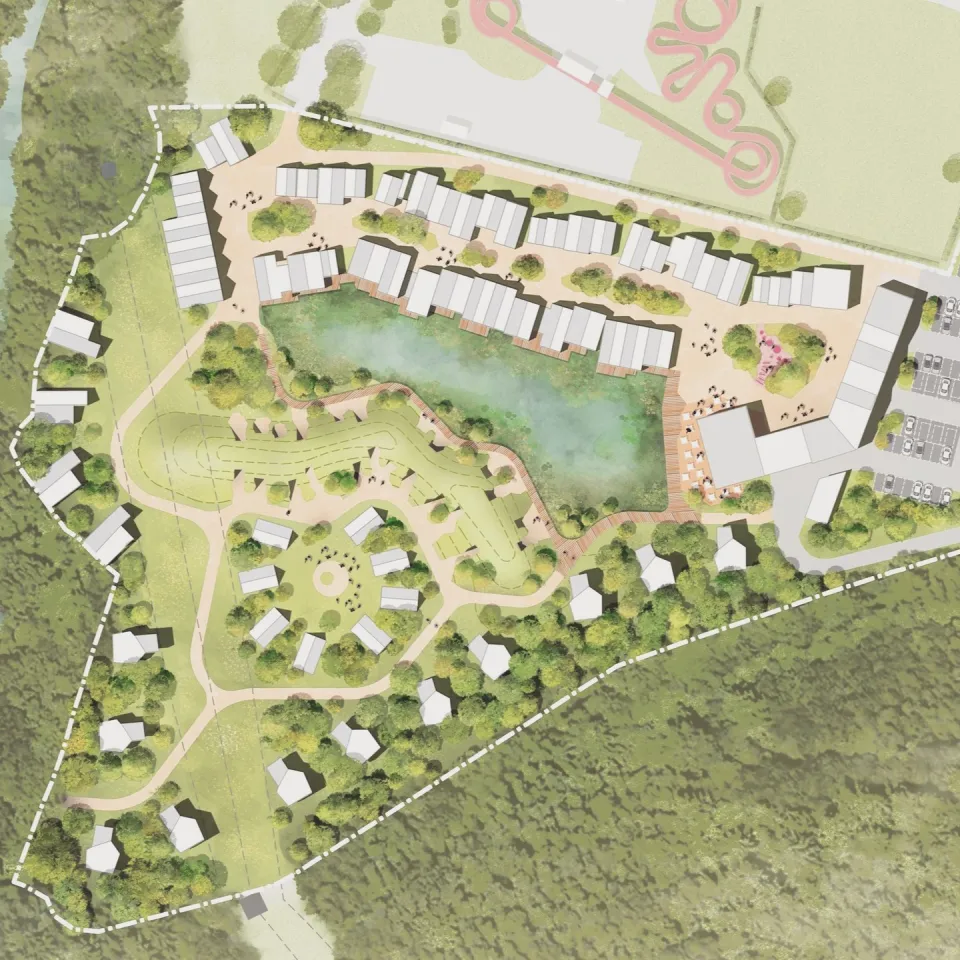
James Mancey, deputy managing director at Paultons Park, said: “Our vision is to deliver 129 units, designed to comfortably accommodate just under 600 guests at full capacity, 100 guests fewer than previously outlined.
“We anticipate it will be several years before our vision for on-site accommodation is brought to fruition; however, we are committed to continually reinvesting in our attraction, providing a world-class experience for our guests, and planning for the long-term.”
It isn’t the only addition Paultons Park is planning either.
Set to open in 2027 is a new water coaster called Serpent’s Curse, with twists, a hill and a final lake plunge.
Next year, the theme park is adding a new water coaster as wellCredit: Paultons Park
Overall, the water coaster will be 471-metres long and reach speeds of up to 44mph.
Talking about the new ride, Paultons has said it will be one of the ‘biggest rides ever built’ at the park.
The theme park was also recently named the Theme Park of the Year at the UK Theme Park Awards.
The park is home to more than 70 rides and attractions, including the recently opened Valgard: Realm of the Vikings, with Paultons Park’s first inverting coaster, Drakon.
FORGET the faff of going abroad – you can bag yourself an action-packed all inclusive holiday here in the UK.
Across the UK are 45 Parkdean Resorts sites that offer an all inclusive package, bundling in three sit-down hot meals a day, unlimited soft and hot drinks and more.
You can go all inclusive at 45 different holiday parks with Parkdean ResortsCredit: Parkdean Holidays
The offer is available across some of Parkdean’s most popular sites, such as Camber Sands, Highfield Grange (which has recently had a multi-million pound investment) and Trecco Bay, one of Europe’s largest holiday parks.
And with food and drink taken care of, there’s no need to do a big food shop for the caravan, or worry about how much you’ll spend on food and drink on-site.
Sign up for the Travel newsletter
Thank you!
Instead, you can sit down in a warm restaurant to enjoy breakfast, lunch and dinner delivered straight to your table – no fuss, no washing up.
For breakfast, kids and grown-ups alike can enjoy a proper cooked breakfast with eggs, toast, bacon, sausage and beans.
As for lunch and dinner, adult mains include classics like spaghetti bolognese, fish and chips, chicken tikka masala and a bacon and cheese burger.
The kids menu also offers crowd-pleasers like chicken burgers, margherita pizzas and macaroni cheese. Plus you can wash it all down with some soft drinks, which are included too.
Alcohol isn’t included in the all-inclusive packages, but the all inclusive breaks do include unlimited Costa Coffee, so you can grab yourself a warming cappuccino or a cosy hot chocolate on your autumn or winter family break.
All inclusive add-ons start from £80 per adult and £30 per child under 12 which, for a four night break, works out to £20 a night for adults and £7.50 for kids.
When you’re not enjoying all the free food and drink, there’s plenty of activities for the family to get stuck into.
The Newquay holiday park has a high ropes course, hoverboards, and even a Bear Grylls Survival Academy where kids can learn to survive in the wild.
Enjoy three freshly-cooked meals a day from £20 per night for aduklts and £7.50 per child (for four night breaks)Credit: Parkdean Holidays
All Parkdean resorts offering all inclusive breaks
Here are all the Parkdean Resorts where you can have an all inclusive holiday across the UK.
Over at Naze Marine holiday park, kids can bounce around on bungee trampolines or practice their aim at archery.
The holiday parks are also well-known for their amazing entertainment, with a huge variety of evening shows.
The Holiday Happy Gameshow is a hilarious showdown packed with challenges and prizes, while Talent Nation is an incredible talent show with a showstopper final at the end of the year judged by celebrities.
As for kids shows, Milkshake! Mornings are a hit with little ones for their singing, dancing and storytelling, while the Get Up & Glow has a classic ‘school disco’ type feel plus glow in the dark decorations.
The all inclusive offering is valid for four night breaks with Monday arrivals, excluding the school holidays.
However 14 of the parks are offering three-night weekend options, too. Click here to browse which ones.
There are plenty of deals on for family breaks across the resorts, with a current offer where you can save up to £120 off autumn breaks.
There are last-minute, midweek and dog-friendly break options all from £99.
Parkdean Resorts Highfield Grange has recently undergone a multi-million pound investmentCredit: Parkdean HolidaysOr book yourself onto a Tots Break package where kids eat all meals for freeCredit: TripAdvisor
You can bag a four-night stay in a Bronze caravan at Crantock Beach, Lizard Point, Holywell Bay and Sea Acres all from £99.
If you fill up a caravan sleeping six, that works out to £4.13pp per night!
And if you add on the all inclusive package, that works out to £24.13 per night for adults and £11.63 per night for kids for an all-inclusive UK holiday.
There are plenty of other holiday deals for families too, such as the Tots Break packages.
You can bag a four night Tots Break across a range of parks for £99, working out to £6.19pp per night if you’re a family of four.
And on a Tots Break, kids eat completely free as part of the package, saving you up to £70 extra.
Under-fives are completely spoiled for choice on these breaks with free soft play, messy play, and lively music sessions.
They can also tackle the Tots Adventure Playground, or test out new skills together with mini fencing, archery, and even ‘Mini Olympics‘.
There is an old saying that ‘two heads are better than one’. In San Marino that saying is literally taken as a form of government.
In a tradition that dates back to 1243 and based on a custom of the Roman Republic, this tiny republic has not one, but two heads of state.
Known as the Captains Regent, two people are elected every six months by the Grand and General Council, the country’s legislative body.
The two Captain Regent are usually selected from different political parties to give a unique balanced government. Once they have served the six months, they cannot become regents again for another three years.
This may sound a bit bonkers to those of us from countries whose leaders are elected for periods of four or five years, but the roles are mainly symbolic and more like that of a king or queen rather than a president.
Women were prevented from taking public positions in San Marino until 1972. The first female Captains Regent was elected in April 1981.
If you are visiting San Marino on April 1st or October 1st, you can watch the investiture of the new Captains Regent which takes place at the Piazza della Liberta, outside the Government Palace.
THE UK might still be getting a last burst of heat but now is the time to lock in a winter sun holiday to get through the dark nights of December.
And new research has revealed which holiday destinations are much cheaper to go to this year compared to last year – and the ones to avoid which have jumped in price.
A new study has revealed which winter sun holiday destinations are cheaper to visit this yearCredit: AlamyTenerife was the top of the list for holidays that were more expensive this yearCredit: Alamy
The study, conducted by TravelSupermarket, looked at holiday prices between December 1 and January 31, looking at seven-night breaks.
And the biggest drop in prices was Gambia in West Africa.
Sign up for the Travel newsletter
Thank you!
The average holiday price last year was £299 each a night, while this winter it has dropped to £219 – a fall of nearly 27 per cent.
This was followed by Ras Al-Khaimah in the UAE, which fell 19.41 per cent £64 to £52.
Others that saw prices drop include Las Vegas (-13.05 per cent), Bali (-11.78 per cent), and Dominican Republic (8.82 per cent).
Chris Webber, Head of Holidays and Deals at TravelSupermarket, said: “This winter‘s package prices show that it pays to look beyond your usual destination.
“These are averages across different hotels and board bases, so individual holidays still need comparing carefully, but the picture is far more varied than winter sun simply becoming more expensive everywhere.
“There are savings further afield , with average package prices to the Dominican Republic down 8.8% and Jamaica down 6.1%.”
Gambia came out on top for the biggest price drop for winter holidays, down nearly 27%Credit: AlamyA trip to Bali is more affordable this year tooCredit: AlamyThe Algarve was one of the destinations that has jumped the most in price this winterCredit: Alamy
Sadly, it’s the destinations closer to home that have risen in price this year.
Tenerife, one of the hottest Spanish islands in winter, is up nearly 25 per cent compared to last year with average prices per person, per night going from £91 to £113.
The Algarve was close behind, with prices up from £81 to £99, a rise in 22.8 per cent.
The Bahamas (+18.67 per cent), Costa Blanca (+16.92 per cent) and Madeira and Porto Sando (+15.43 per cent) rounded up the top five.
10 holiday destinations that have DROPPED in price this winter
Gambia (-26.85%)
Ras Al-Khaimah (-19.41%)
Sousse (-18.39%)
Las Vegas (-13.05%)
Bali (-11.78%)
Dominican Republic (-8.82%)
Marrakech (-7.5%)
Jamaica (-6.08%)
Cape Verde (-6.01%)
Goa (-4.19%)
Chris added: “Average prices for Tenerife are up 10.5% year on year and Gran Canaria 8.2%, while Cape Verde is down 6% and Gambia nearly 27%.
“Neither is a new destination, but those contrasting price movements give travellers a reason to widen their search.
“Egypt also stands out because its average package price has barely moved, rising just 0.3%.
“At around £117 per person per night, it remains below the averages for Tenerife, Gran Canaria and Lanzarote in our analysis.”
PUBS, watersports, outdoor decks with hot tubs and saunas, who said holiday parks are just for kids?
And the even better part is going with a group of friends can mean the break is SO much cheaper than going with kids – some by as much as £887 and these are the best ones we’ve found.
Butlin’s Big Weekenders
Butlin’s has plenty of Big Weekenders for adults to let their hair downCredit: AlamyEnjoy all the activities and watch tribute acts take to the stageCredit: Alamy
Let’s start with the classic – a Butlin’s Big Weekender, they’re big, bold and made purely for adults.
You can forget the kids’s shows or character meet-and-greets and instead opt for bottomless brunches and pool parties.
Don’t miss Bingo Bango either. The adult twist on the game has competitors dancing to party anthems and competing in interactive games to win prizes like giant inflatable unicorns.
There are lots of themed weekenders too, with music ranging from the 60s up to the 2000s.
During October there are 14 Halloweenenders at all three locations (Minehead, Bognor Regis and Skegness) where the classic Big Weekender has a spooky twist.
There’s 80s thriller nights to 90s music-themed fright nights and – if you love all kinds of music – there’s the Replay Time Warp Terror which is a “monster mash-up of the 80s, 90s, 2000s.”
We all know Butlin’s for being cheap, cheerful and full of fun, but going as adults seriously has its perks.
Parkdean Lizard Point has caravan stays from £99Credit: Parkdean ResortsIt’s a great spot for exploring the beaches on the peninsula – like Kynance CoveCredit: Alamy
If a coastal break is on the cards, consider a Parkdean break to Lizard Point.
It has a large indoor and outdoor pool with adult-only swim sessions, so you won’t be splashed by kids all the time.
There’s also brunch club for holiday feasts and wine tasting.
Crafting is on the cards too from jewellery making to designing cards, creating mosaics, and sip and paint sessions.
During the evening, put your boots on for country and western evenings, go all Cluedo at murder mystery events, and get competitive during quiz nights or grab the mic at adult-karaoke.
For almost the same price, four adults could upgrade to a Gold Premium 3 Bedroom Caravan which is the best in the caravan range.
It has three bedrooms, dedicated parking and even bring a pet for £119 (between October 5-9).
Away Resorts, Tattershall Lakes
Head to Tattershall Lakes for watersports, zip wires and silent discosCredit: Tattershall LakesA group of mates can stay in the Shadow Wood Lodge for £21pppnCredit: Away Resorts
Tattershall Lakes is ideal for an action-packed holiday full of watersports, and no, it’s not all for kids.
The holiday park in Lincolnshire has a lakeside lido, paddleboarding, kayaking, an aqua park with a huge inflatable, pedalo hire and make sure to try out the jet skis too.
There’s a chance to get up high on the high-ropes course or the zip wire.
When it comes to entertainment, there are silent discos, karaoke and crowdeoke (where everyone sings so no one goes solo).
Guest acts take to the stage from tribute acts to DJs, there’s an outdoor cinema and a cash bingo that’s specifically for over 18s.
After all the activities, head to the spa which offers facials, pedicures, manicures and massages which start from £39.
Pop into the Tattershall Park Pub & Kitchen for a drink, or head to the rooftop Bar 49 for a classic cocktail.
Both stays include swimming pool access, access to activities, entry to arcade and entertainment venues, as well as access to restaurants and takeaways.
Center Parcs, Elveden Forest
Check out the huge water complex at the Elveden Forest Center ParksCredit: Center ParcsActivities aren’t just or kids – try out the new Treetop Glider attractionCredit: Center Parcs
Center Parcs has never been cheap – but there is a reason why it’s a top holiday park, and it costs much less to go during term-time, so grab your friends and head over.
And as an adult, there’s no reason to be bored because there are 132 activities.
For high-energy thrills, try out the treetop glider or get competitive with a game of sports like football, badminton, glow table tennis and golf (and crazy golf).
If you want to give karaoke a go, but want to avoid the crowds and just sing with your mates instead, book a SingPod which is a soundproof pod where you can pick your own tunes.
A lodge has three bedrooms, two with double beds, one twin – all of which have en-suites. The best part is that this Forest Lodge comes with its own sauna and hot tub.
Park Holidays, Sandhills
The Sandhills holiday park in Christchurch overlooks the beachCredit: Park Holidays It’s ideal for friends looking for a relaxing coastal breakCredit: Park Holidays
For a more sophisticated break, Sandhills in Christchurch is a great choice for those wanting to spend time quality together by the seaside.
Found in Dorset, Sandhills has direct access to Avon Beach which holds a Seaside Award (which is awarded to the best UK beaches for being clean, safe, and well-managed).
It also has a heated outdoor pool (open until October 31), as well as a gym fitted out with weights and elliptical machines.
During the evenings, head to the on-site bar and lounge which serves drinks and light snacks.
When there’s good weather, head outside to enjoy the sunshine on the terrace.
Nearby there’s more to explore like Chichester Watersports, Fruzey Gardens, Osborne House and the New Forest.
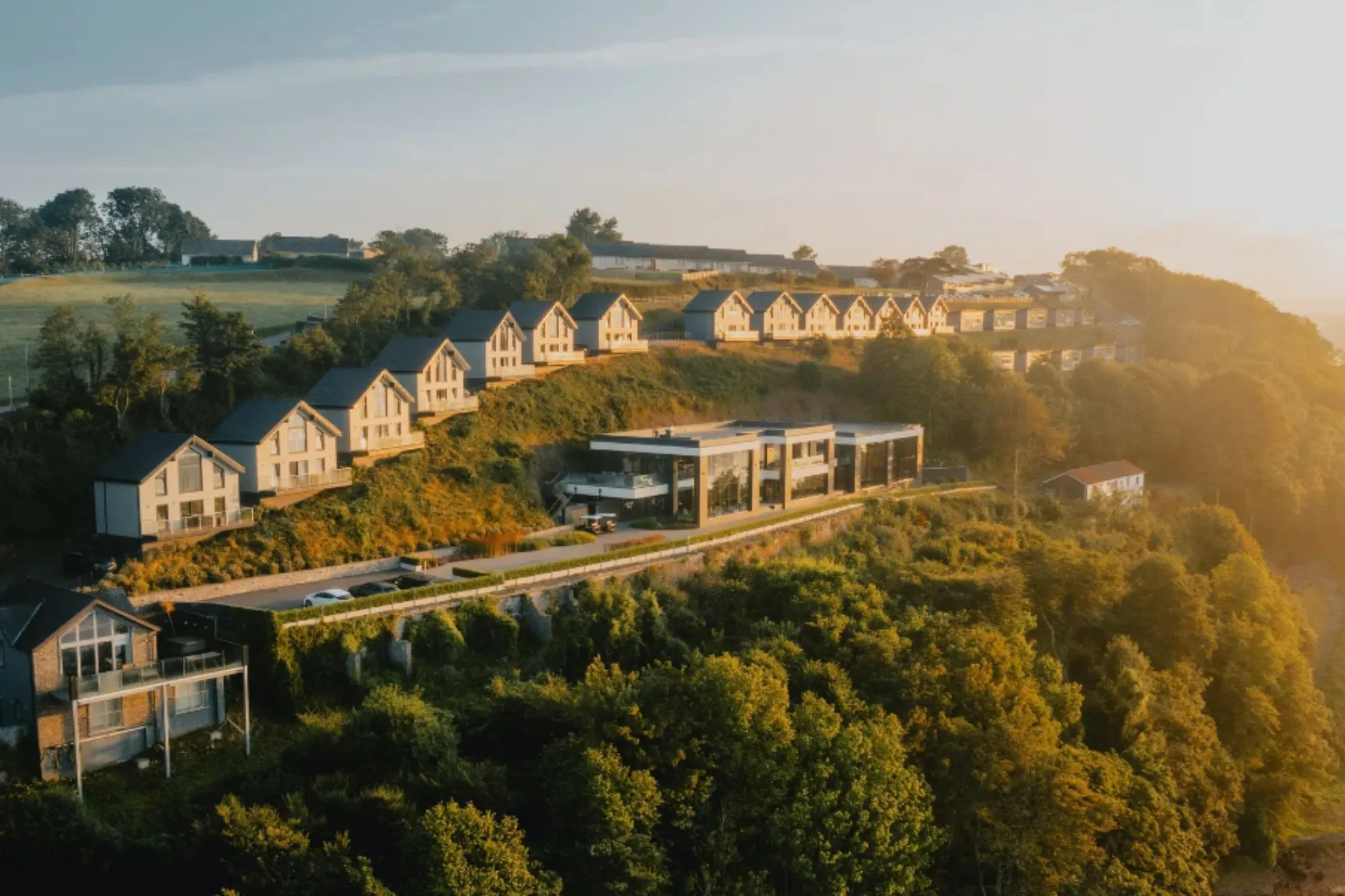
The Dylan Coastal Resort has lodges with built in hot tubsCredit: LandalThere are unmatched views over the Taf Estuary from the swimming poolCredit: TripAdvisor
The holiday lodges sit high on a hilltop looking out over the Taf Estuary which make for incredible views.
The lodges range from one to four person to six-person stays – and some have hot tubs too.
Below the holiday lodges is Milk Wood House where guests will find all the facilities including an infinity pool, outdoor spa area, and lots of therapy treatments.
It’s also where guests will find the bar and restaurant which can be enjoyed on one of the three terraces.
Nearby, try out watersports and bouldering at Wild Lakes or explore the National Botanical Garden and the beautiful fishing village of Tenby.
Included in the stay with the Carningli Lodge is a six-seater buggy to navigate the park – the lodge has an open-plan living and dining, a sunroom with a Juliet balcony.
Each double room includes an en-suite with roll-top bath and shower, and there’s a separate bathroom for the twin rooms.
Brits looking for cheap Spain holidays where it’s still warm and sunny into late October may want to check out one particularly charming destination
This article contains affiliate links, we will receive a commission on any sales we generate from it. Learn more
(Image: LightRocket via Getty Images)
Summer may officially be over, but there’s good news for those not quite ready to accept this fact, as Europe still offers a host of holiday options with hot and sunny weather.
In fact, there’s one Spanish destination that’s been tipped as one of the best holiday hotspots for October, thanks to its balmy temperatures, beautiful beaches and cheap flights.
Lanzarote, in the Canary Islands, still boasts daytime temperatures of 25-27C, with sea waters still warm enough for swimming if you fancy a beach day and a dip. (Just pack some light layers for the evenings when temperatures drop to about 18-19C). Temperatures stay warm well into the winter months – it’s why the Canaries are such popular destinations year-round.
As for Lanzarote, it offers a wide array of different stays from luxury resorts ideal for a romantic getaway, to family-friendly all-inclusive breaks with kids’ clubs, poolside entertainment and family-friendly rooms.
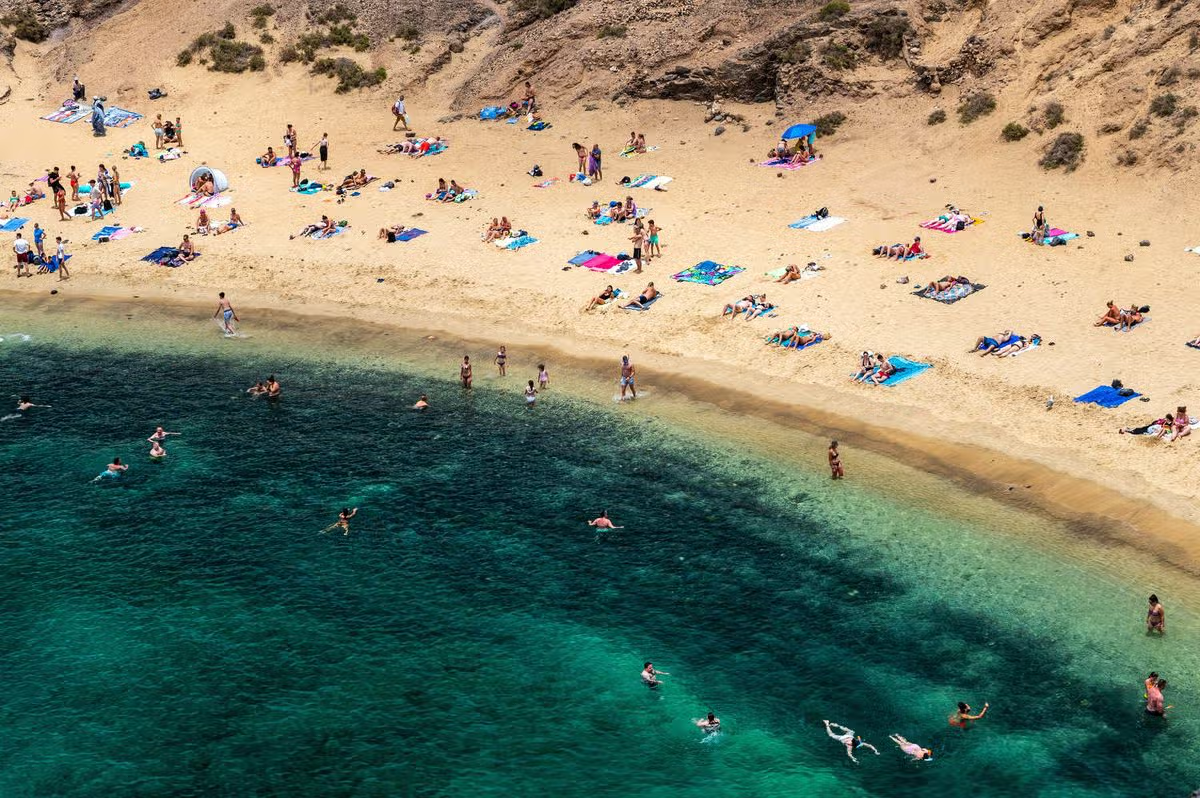
Playa de Papagayo is the highest-rated beach according to TripAdvisor, with holidaymakers praising the golden sands and turquoise waters, although be warned that you’ll need to face a slightly dusty and bumpy road to reach the beach, and cross over some sand dunes. In terms of popularity, Papagayo is closely followed by Playa Blanca, another shoreline made up of soft sands and azure waters with a nearby port and marina if you fancy a waterfront lunch.
As for getting there, when we took a look on Skyscanner, there were plenty of flight options from 12 UK airports with fares from under £30 each way, based on two adults travelling outside of the half term dates. For example we found one-way fares from £17 from Liverpool, £19 from London, £21 from Bristol and £24 from Manchester. (For a family of four travelling during half term, the cheapest flights appeared to be from Bristol with prices from £148pp each way).
Given the weather, cheap flight options and array of accommodation, it’s therefore no surprise that Lanzarote has been named one of Europe’s top 10 best holidays for October, in a recent study from the travel experts at Solmar Villas. The team ranked 105 holiday destinations looking at factors including weather and affordable flights, with Lanzarote coming out sixth in the overall rankings.
Cyprus was the top destination taking four spots in the top ten, while Greece had three destinations on the list and Spain two, followed by Malta – you can check out the full top 10 list below.
Canadian Heritage Minister Steven Guilbeault says the objective is to create a chance for Canadians to learn about and reflect on a dark chapter in their country’s history and to commemorate the survivors, their families, and their communities, as called for by the Truth and Reconciliation Commission and Indigenous leaders.
Over the course of more than 100 years, some 150,000 Indigenous children were ripped from their families and forced to attend church-run residential schools, where many suffered physical and sexual abuse, malnutrition, and neglect. More than 4,000 are believed to have died.
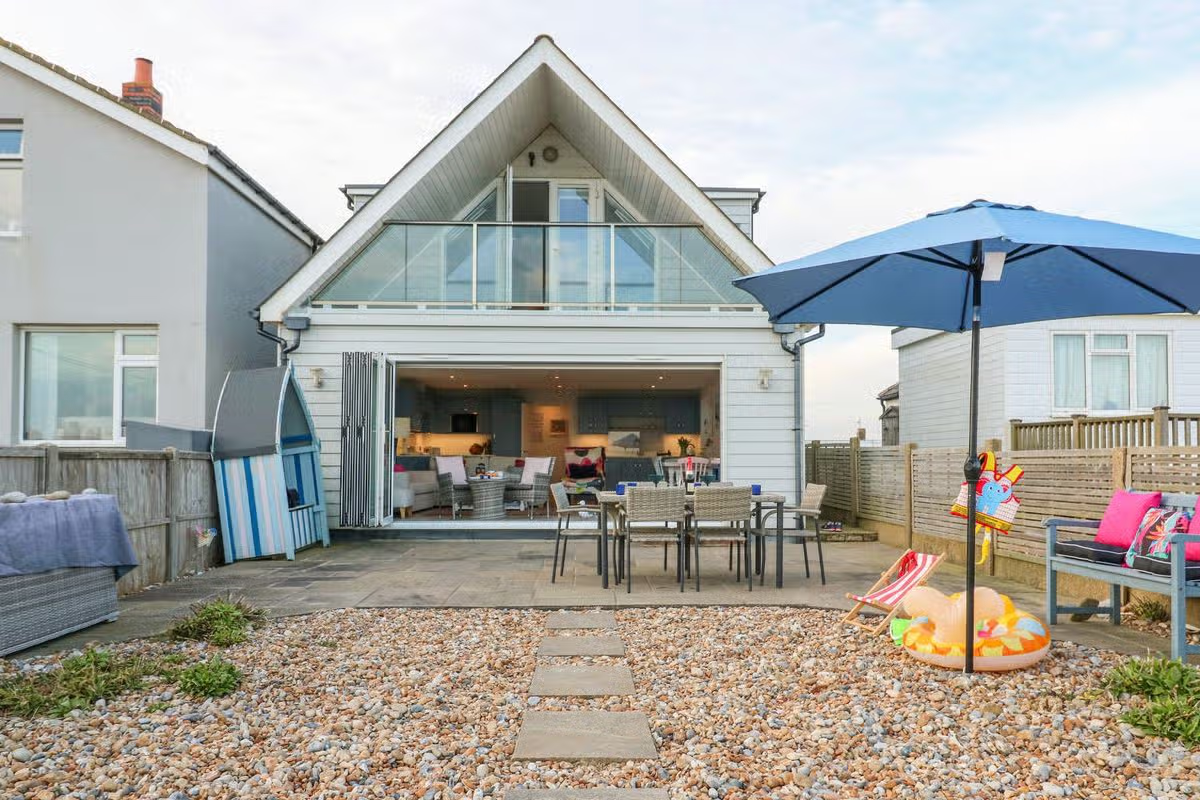
Sykes Holiday Cottages has crowned some of the UK’s best holiday cottages in its latest awards including best for young families, with the best views and pet-friendly properties
This article contains affiliate links, we will receive a commission on any sales we generate from it. Learn more
The UK is filled with beautiful holiday homes whether you’re after a cosy cottage for a romantic break, or a castle-turned-holiday-rental for a weekend away with a huge group of friends and family. The sheer amount of offer can sometimes make it a little trickier to unearth the hidden gems.
Luckily, Sykes Holiday Cottages have helped to narrow it down as they have unveiled the winners of their 2026 Sykes Gem Awards. I was a judge as part of a wider panel, with scores based on a number of factors including guest reviews, the quality of a property, amenities on offer, and even overall popularity.
This year’s winners have included a Grade II-listed lighthouse, a stay in the grounds of the historic Culzean Castle, a cosy glamping hut in the heart of Herefordshire, and a romantic bolthole on the Isle of Lewis.
You can check out the full list of winners here, but below are 12 properties which won gold that we think you’ll definitely want on your radar for your next UK holiday…
It’s not just Sykes Holiday Cottages that’s been serving up a dose of staycation inspiration. Earlier this year, HolidayCottages gave us plenty of UK holiday ideas when it unveiled its 2026 Showcase Awards with categories including winners for Most Iconic Design, Extraordinary Stays and the best in UK and Ireland.
Have you got a holiday story to share? Email us at webtravel@reachplc.com
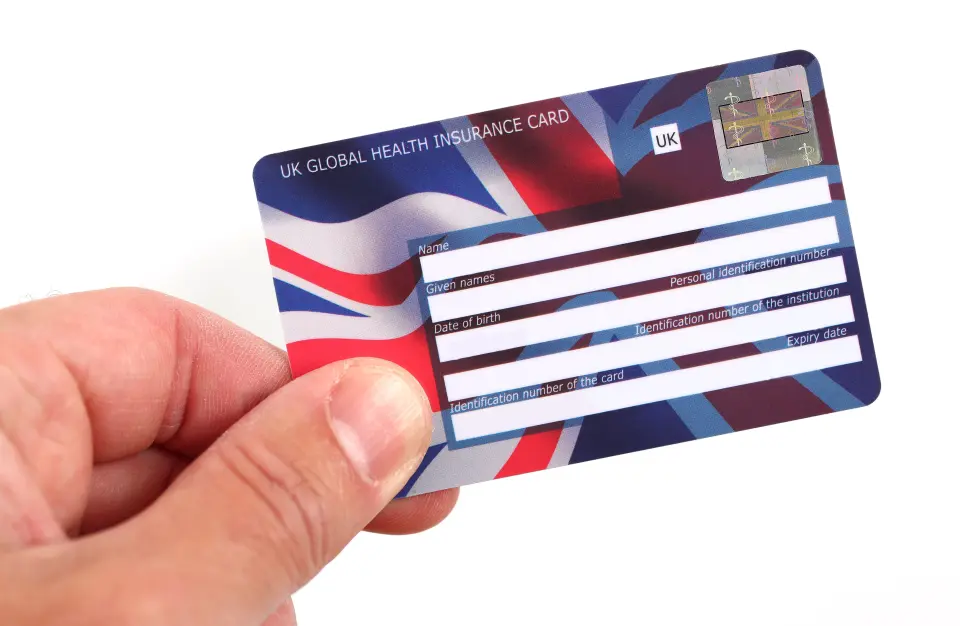
If your GHIC is due to expire soon and you are also due to travel soon, then apply for a new card for free via official NHS BSA Healthcare Cover Application, as soon as possible.
It usually takes around 15 working days for the card to arrive once your application is approved.
If you travel before your card arrives, then don’t worry – if you need medical treatment when abroad, then you or someone on your behalf can request a Provisional Replacement Certificate (PRC) online or by phone.
All you need to provide is your name, address, date of birth and your National Insurance Number.
The card is free to apply for and takes about 15 days to arriveCredit: Alamy
The certificate can then be emailed directly to the hospital or medical centre you are seeking treatment at and gives you the exact same healthcare cover as a physical card.
It is worth remembering though that GHIC cards are not a substitute for travel insurance.
GHICs do not cover private medical care, mountain rescue, flight cancellations or being flown back to the UK – all things that you will need travel insurance for.
Tim Knighton, travel insurance expert at Compare the Market, said: “With nearly 1.3 million GHICs due to expire this year, anyone travelling to Europe should check their card well before they set off.
“It’s an easy thing to overlook, particularly if you haven’t needed to use your GHIC on previous trips.
“The rise in applications for PRCs also highlights that people could find themselves needing access to healthcare unexpectedly while abroad, so checking you have a valid GHIC before travelling is an important part of preparing for your trip.
“A GHIC can be very useful if you need medically necessary state healthcare while abroad, but it’s important to remember that it isn’t a substitute for travel insurance.
“There are costs and circumstances that a GHIC may not cover, so having appropriate travel insurance can provide additional protection if something goes wrong.
“Before travelling, check the expiry date on your GHIC and make sure you understand what healthcare you can access at your destination.
“It’s also worth arranging travel insurance as soon as you book your trip and comparing policies carefully to make sure the level of medical and other cover suits your needs.”
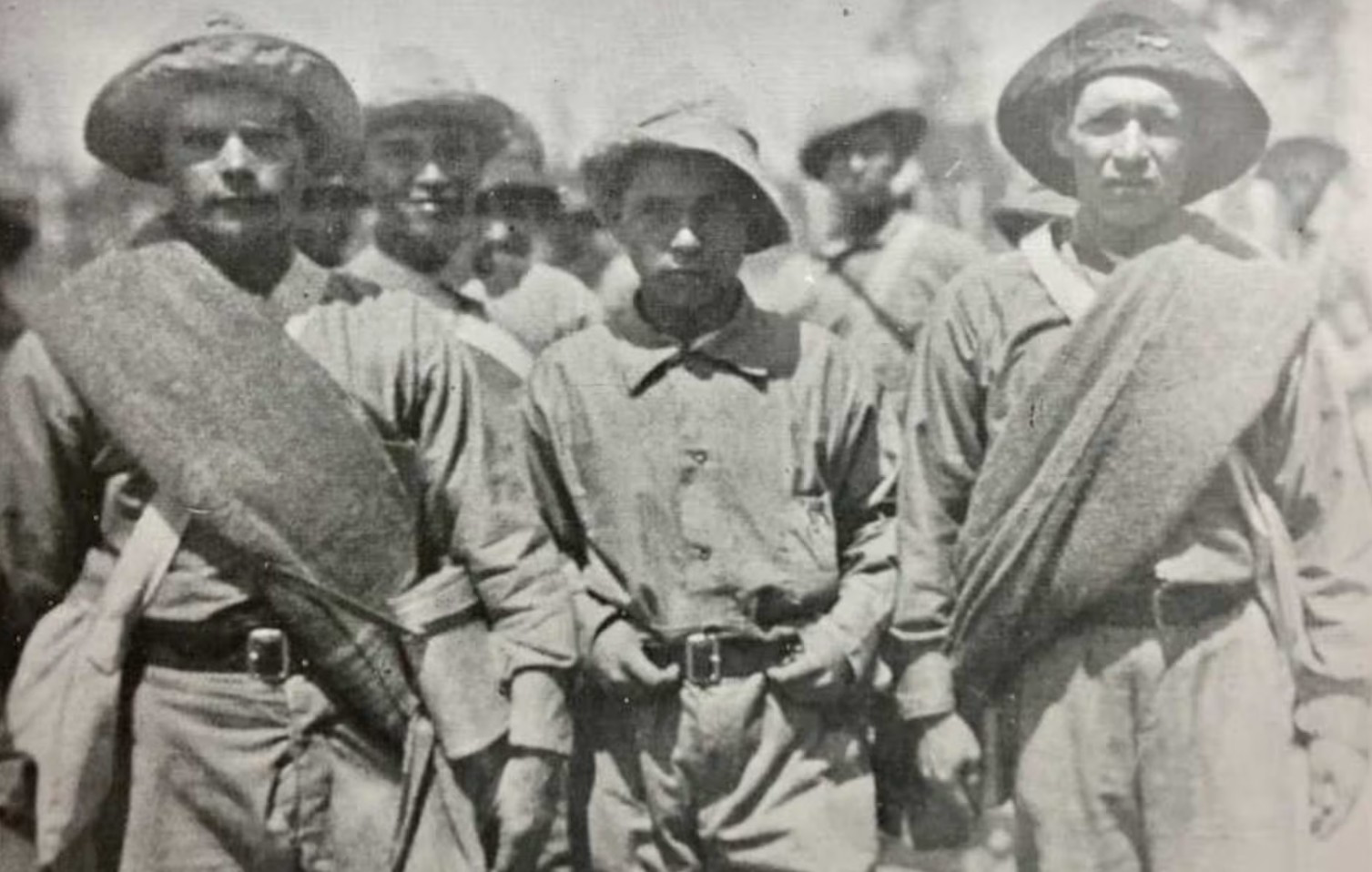
The Gran Chaco or Chaco Boreal is a large lowland plain that today is part of Brazil, Bolivia, Paraguay and Argentina.
From the late nineteenth century, there had been simmering tensions between Paraguay and Bolivia over their control of the area, as the land was of key strategic interest to both countries. It’s not unrelated that Paraguay and Bolivia are the only two landlocked countries in South America.
The situation wasn’t helped when speculation arose that the region could hold significant deposits of oil. This led to major oil companies taking sides, with Royal Dutch Shell backing Paraguay and Standard Oil supporting Bolivia.
Two lucky readers can win a £375 holiday voucher with Ladram Bay Holiday Park
Win £375 towards your next adventure at Ladram Bay Holiday Park in Devon
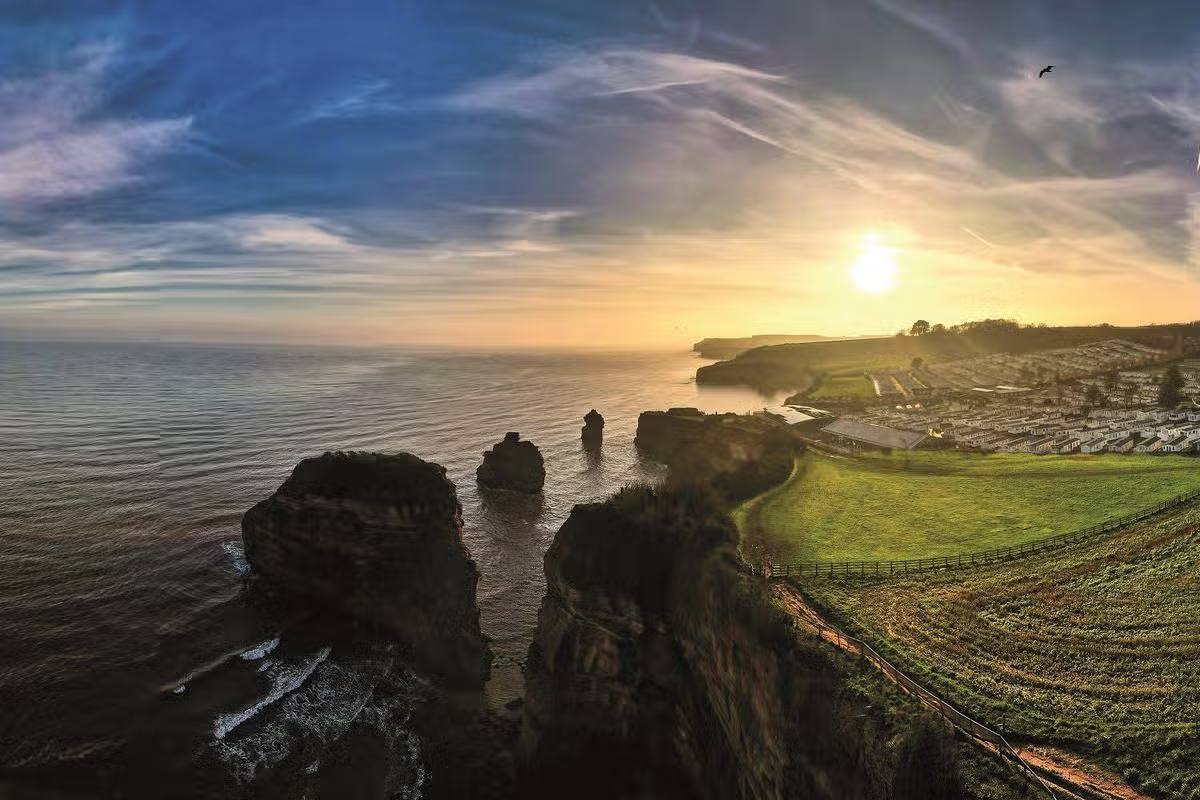
Dreaming of sea views, the sound of waves, and carefree days by the coast? Ladram Bay Holiday Park is giving two lucky readers the chance to win a £375 holiday voucher for a memorable stay on Devon’s beautiful Jurassic Coast.
Nestled between Budleigh Salterton and Sidmouth, the award-winning, family-owned park offers something for everyone. Guests can enjoy splash-filled days in the heated indoor pool, adventures on the private beach and sunset drinks overlooking the iconic red cliffs.
Ladram Bay Holiday Park has something for everyone
Accommodation options include a private cottage, luxury hot tub lodges, premium holiday homes, glamping tents, pods and classic camping pitches. Families, couples and groups can fill their days with activities, entertainment, wildlife spotting, and seaside fish and chips.
To be in with a chance of winning, simply fill in your details below, if you can’t see the form click here.
This competition closes on 1 November.
To explore the park or book your stay, visit www.ladrambay.co.uk. Planning an autumn break? Use promo code Late20 for special savings on all stays arriving on or before 22 October 2026.
IF you’ve ever struggled with agreeing on where to go on holiday, getting the same time off as your mates or simply wanted to split off and do your own thing – this one’s for you.
Holiday company Opodo has looked into why more and more Brits are choosing to go away on solo holidays, plus they offer package deals that make it cheap and easy to do so.
Fill your days with whatever you want to do on a solo holiday and enjoy the freedomCredit: Getty
It’s that freedom to do what you want that makes a solo holiday so appealing, as ‘travellers are no longer waiting for someone else to be available before they book.’
And it turns out travelling alone has loads of benefits too, with 47% of solo-travelling Brits saying it makes them feel more capable, and 32% saying it gives them better mental clarity.
Sign up for the Travel newsletter
Thank you!
Not only is a solo holiday good for self-confidence, but it can work out to be very cheap, too.
When you’re only visiting the attractions you want to go to, you have complete control over the holiday budget – so you can skip the expensive museums you didn’t really care about, or the fancy sit-down meals when you wanted to try the street food.
If you’re planning a solo holiday, with Opodo you can save up to 40% off breaks if you book your flights and hotel together as a package.
From Spanish city breaks to red sand beaches and sunny islands, here’s our pick of Opodo’s best value solo holiday deals.
Barcelona – £141pp
Soak up Gaudi’s pretty architecture in Barcelona in spots such as Park GuellCredit: Getty
Book a break to Barcelona for great beaches, food and architecture that makes walking around the city feel like strolling through a giant, open-air museum.
When you’re not admiring Gaudi’s House of Bones or the world-famous Sagrada Familia, the Picasso Museum and MACBA (museum of contemporary art) both offer free entry.
Come evening, the bars around El Born and Gracia are made for pulling up a stool at the counter, tucking into some delicious tapas and getting to know some fellow travellers over a cheap beer.
This Opodo offer includes a stay at the clean and comfortable Hotel 170, plus return flights from Manchester.
Istanbul – £123pp
Make sure to visit Hagia Sophia and the Sultanahmet Square in Istanbul, TurkeyCredit: Getty
A city made up of maze-like streets, colourful bazaars and gorgeous mosques, Istanbul is perfect for a solo holiday.
Wander through its historic centre at your own pace, stopping to take pictures of the impressively giant Blue Mosque and Hagia Sophia.
Then stroll across the Galata Bridge to watch fishermen and tea sellers stroll along the Bosphorus sea strait at sunset.
This deal includes return flights from London plus a stay at Hamzabey Hotel, which is a 10-minute drive from Grand Bazaar and Galata Tower.
Amsterdam – £211pp
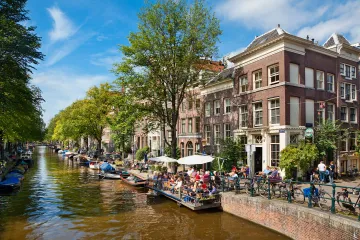
Stroll through the canals, hit the museums or simply chill in the coffee shops in AmsterdamCredit: Getty
Whether you’re after a slow-paced break to chill and stroll alongside pretty canals, or an action-packed weekend ticking off all the amazing museums, Amsterdam is an ideal solo holiday destination.
You can visit the OSCAM art museum, the quirky ‘Mouse Mansion’ and the Amsterdam City Archives all for free. But if you’re wanting to tick off all the big sights, opt for a city card (£58), which gives you access to over 70 of the city’s top museums and attractions.
To soak up the outdoors, Vondelpark and Rijksmuseum gardens are totally free to visit and make for a great spot to sit and watch the world go by.
This deal is for a stay at the Boutique Hotel 43 Zaandam, which sits in a quiet spot shaded by trees that is only 15 minutes’ drive from Vondelpark.
Tenerife – £147pp
Whether you’re exploring National Parks or hitting the strip, Tenerife has a bit of everythingCredit: Getty
With year-round sunshine, dramatic volcanic landscapes and plenty of cheap, laid-back bars and restaurants to grab a sundowner, why would you not book a break to Tenerife?
There’s plenty to explore here, including Teide National Park, a UNESCO World Heritage site overlooked by two incredible twin volcanoes.
If you’re less into hiking and more into partying, make sure to visit the strip on Playa de las Americas, which is packed with lively bars.
This deal includes return flights from London plus a stay at the Grand Muthu Golf Plaza Hotel, a sprawling holiday resort with a giant pool and its own spa.
Santorini – £239pp
Santorini has many scenic viewpoints, perfect for taking pictures of colourful cascading cliffsCredit: Getty
Once you’ve touched down on the island, Santorini’s postcard-perfect views come free of charge, from the cascading clifftops of Fira to the sunsets behind the blue domes of Oia.
It’s easy to spend all of your time drifting between these dramatic viewpoints, but make sure to spend some time discovering Santorini’s beaches.
At Kamari Beach you’ll find rich black sand, while Red Beach gets its name from sand made from its rust-coloured volcanic cliffs.
This Opodo deal includes a stay at Castro Hotel, a friendly, family-owned spot surrounded by green gardens in the coastal village of Kamari.
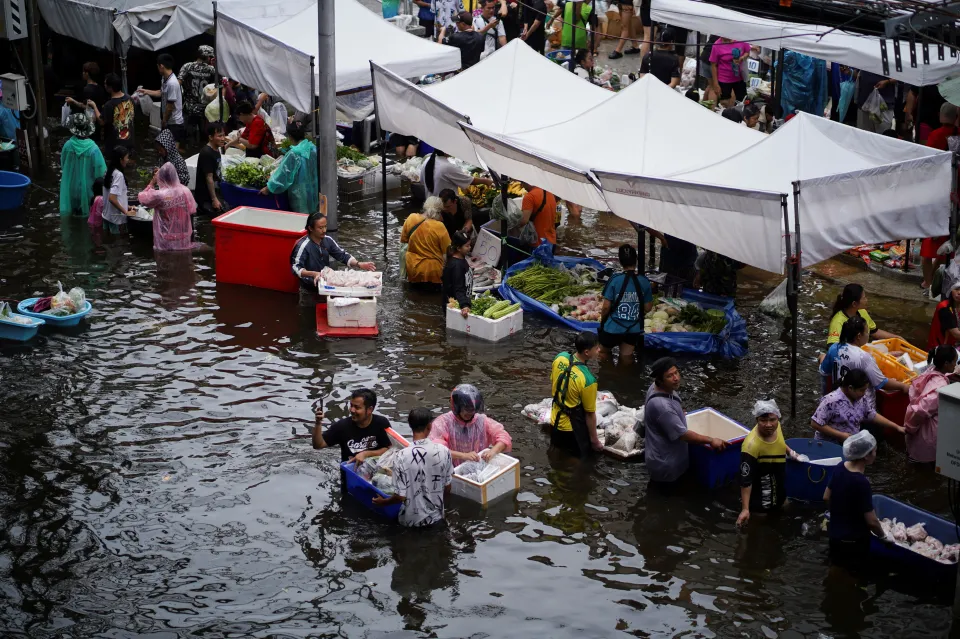
THE UK Government has issued a new travel warning to Brits heading to Thailand following mass flooding.
According to the Foreign Office, severe floods believed to be the worst in Bangkok in over a decade are impacting parts of Thailand caused by heavy rainfall.
Floods in Thailand are causing flights to Bangkok to be delayed or cancelledCredit: Reuters
Impacted destinations include Bangkok, Nonthaburi, Pathum Thani and Samut Prakan.
On the FCDO website it states: “All 50 districts of Bangkok have been declared disaster-affected areas. Travel disruption, including road closures and flooding of low-lying areas, is possible.
Sign up for the Travel newsletter
Thank you!
“The Thai government has declared special public holidays on 28 and 29 September in Bangkok, Nonthaburi, Pathum Thani and Samut Prakan.
“Many government offices and services may be closed or operating with reduced capacity.
A woman has been left with no feeling in her face after shattering her jaw in an accident while on holiday..
Tia Lockey was at the start of a dream trip through Asia when she was involved in a motorbike accident. The 22-year-old waved goodbye to her friends after volunteering to go first down to a remote beach.
Tia can now only remember the first few minutes of the journey before waking up on the jungle floor, concussed and in agonising pain. “My dream trip I had been planning for years had been stripped away from me because of a lift to the beach,” said Tia from Durham.
“I opened my eyes and I was on the floor in the jungle of Koh Tao, in the middle of nowhere covered in blood. I didn’t and still don’t remember the crash at all; it’s completely wiped from my memory. I definitely mourn the life I used to have.”
The marketing worker had organised a trip down to the beach in Koh Tao, Thailand in the early hours of the morning of March 14. A fellow traveller offered to take them down one by one as the ride would only take 10 minutes – and thinking nothing of it, Tia went first.
However, shortly after they had set off, they were involved in a horrific crash. Tia said: “My friend thought something must’ve been up and she had a bad feeling since the driver was meant to go back for her next but he still hadn’t come.
“Luckily I had shared my live location with her that night so she followed it and found me with all of my injuries. An ambulance came and the hospital told me I had shattered my jaw in two places, knocked two teeth out, and had very deep wounds on my face. I needed to be emergency speed-boated to a hospital in Koh Samui which was around three hours away.”
Tia was rushed to the hospital with her face completely bandaged up due to the gaping wounds on her upper lip, forehead, left eye, chin and scalp. For the next two weeks she was bedridden in hospital with her mouth wired shut following her jaw surgery.
The 22-year-old then returned back home to the UK as another jaw surgery was required. She said: “I needed to have another jaw surgery in May. I couldn’t chew for four months and because my jaw was so severely broken, they described it as cornflake bits, when I woke up from the eight hour surgery my teeth and bite were completely different.
“They no longer touched at the front, so I was left with an open bite and they said that this will just be my teeth from now on and there’s not a lot they can do to fix them. So now I struggle to eat anything with my front teeth.”
The crash completely changed Tia’s life, leaving her with crippling insecurities that stopped her from leaving the house. On top of the scars and teeth damage, nerve damage to her bottom lip and chin left them completely numb
.
Tia said: “I struggled a lot with going out and about with friends and family because I was so insecure about my teeth and scars. If I’m eating or brushing my teeth for example and I was to get toothpaste or food on my chin I would have no idea.
“My sisters have to give me a heads up when we’re out. I’m still being seen by the hospital for regular appointments and I still have missing teeth. I am hoping to finally have them fixed by the end of the year.
“My confidence and mood plummeted massively, there didn’t seem to be an end to my recovery.” S ix months on from the crash Tia has finally started to adjust to the changes.
Documenting her recovery journey has given her a new found purpose. Tia said: “It has also made me realise just how precious life is and never to take a single day for granted.
“I thought posting about it on TikTok would give me a purpose during recovery and it turned it into something more positive. The response I’ve received is just so overwhelming in the best way and I massively appreciate all the support and love I’ve been getting from everyone.
“I just hope it reminds people to stay safe, even when you feel invincible, because you never think it will happen to you until it does, and unfortunately I’m still paying the price for it.”
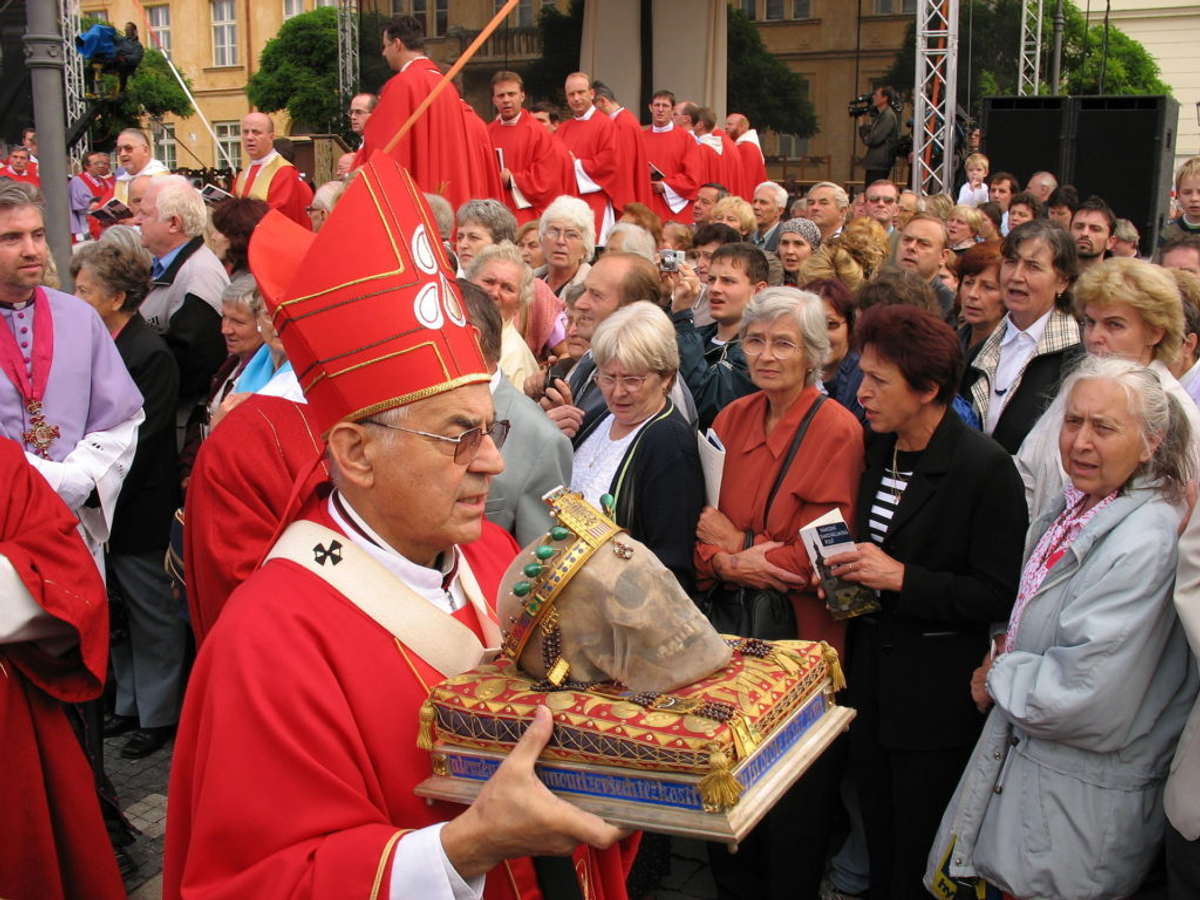
This is the same Good King Wenceslas, who is mentioned in a popular Christmas Carol written in 1853 about St. Stephen’s Day.
Wenceslas was born near Prague in 907 and was the son of the Duke of Bohemia. His father died in 921 and Wenceslas ruled from 922 when he was 15 years old. Raised as a Christian, primarily by his grandmother, Ludmila who had been baptised by the Greek missionaries Cyril and Methodius who brought Christianity to the region.
The reign of Wenceslas is marked by his support of the church, his aim to unify Bohemia and making peace with Germany.
These policies created enemies within his court and even his family. His brother Boleslav was one of those who plotted against him. Boleslav invited Wenceslas to a church consecration. On the morning of September 28th 935 (or 929, according to some historians), on his way to the mass, Wenceslas was attacked by Boleslav and was killed by supporters of his brother.
Having suffered a martyr’s death, Wenceslas was immediately considered a saint. This lead to a cult of veneration with several biographies being written and miracles attributed to him. He was even posthumously made a king by the Holy Roman Emperor, Otto I which is why the carol refers to him as a king when in life he was a duke.
ONE in five early holiday bookers have been left out of pocket after seeing prices for their trip plummet as the departure date approaches.
Researchers explored whether travellers are more likely to identify with a traditional, take-charge Type A personality (54 per cent), or a laid-back Type B approach (31 per cent), when booking and enjoying a holiday.
Millions of travellers admit to cramming their holiday preparation into just a few daysCredit: SWNSPrices for a trip plummet close to departure timeCredit: Tom Maddick / SWNS
Type A travellers prefer to meticulously plan every detail of their trip well before setting off, while Type Bs would rather go with the flow and embrace the unexpected when away.
However, the study of 2,000 adults who have travelled abroad in the last three years found 20 per cent of Type As later spotted the exact flight or hotel they had spent weeks researching available for significantly less.
Sign up for the Travel newsletter
Thank you!
Another 10 per cent of these travellers have lost money trying to amend or cancel rigid bookings when their plans changed.
Yet 73 per cent of Type As believe booking a holiday just a week before departure feels too risky.
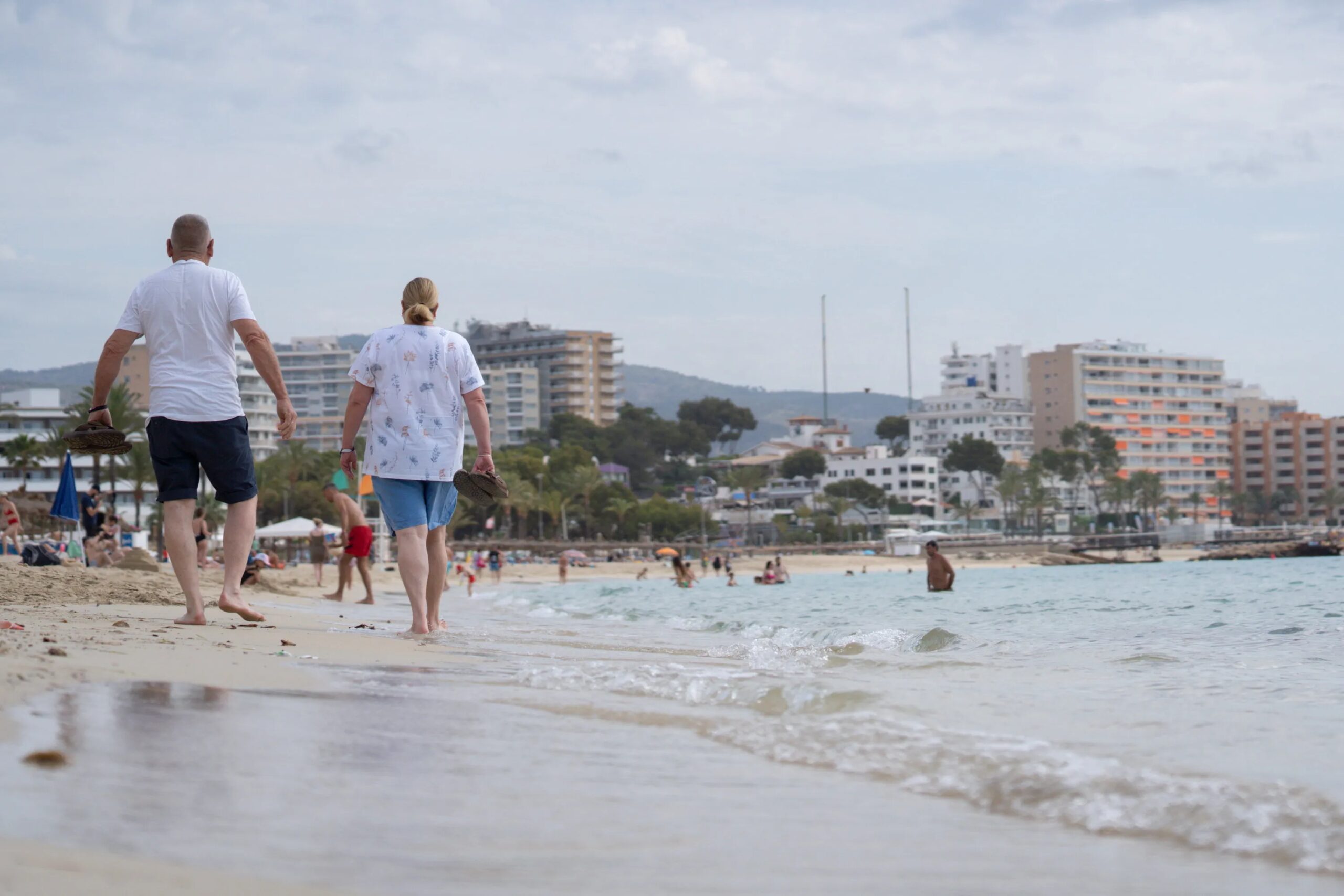
Beachgoers at Magaluf relax on the shoreCredit: SWNSSunseekers take a stroll in MallorcaCredit: SWNS
But 36 per cent of their Type B counterparts feel confident there is little risk of missing out on their dream destination, even without planning months in advance.
The research was commissioned by lastminute.com to mark the launch of its ‘Travel Bgents’ platform, a hub that rewards Type B bookers with extra discounts.
Zoë Fidler, from the holiday firm, said: “There’s a common misconception that Type B travellers are just unstructured non-planners who leave things to chance. In reality, they are the savviest bookers in the game.
“Type B travellers have simply realised that holding off on pressing ‘book’ is the smartest move you can make, knowing they can get what they want and at a great price.”
Yet a quarter (25 per cent) admitted they wish they could embrace this more spontaneous approach and have the confidence to book a trip without overthinking.
With 30 per cent of Type B travellers assured that they could change plans on a whim when leaving it late to lock in their trip.
It’s not just saving money and planning time as 42 per cent of Type B travellers agreed that spontaneous adventures while on holiday create lasting memories, whereas this was true for just 20 per cent of Type A travellers.
With Type B travellers revealed to be more likely to stumble across hidden gems (36 per cent v 28 per cent) or enjoy unexpected moments (42 per cent v 20 per cent).
Zoe Fidler, from lastminute.com, added: “By holding out for the right moment, Type B’s unlock premium trips at a fraction of the cost, without the over-planning.
“Leaving it to the last minute isn’t about compromising or settling for leftovers; it’s an intentional, high-reward strategy.”
AZERBAIJAN is nicknamed the Land of Fire and is a fascinating mix of Eastern and Western culture.
Antoinette Cumberbatch shares her account of discovering the country’s delicacies, hot weather, rich history, plus a party scene reminiscent of Miami.
Azerbaijan’s capital city Baku is also famous for hosting a Formula 1 raceCredit: Getty ImagesThe Sea Breeze Resort on Azerbaijan’s golden coast is perfectly located for sports activities and beach clubsCredit: Supplied by PR
Watching US rapper Busta Rhymes work the screaming crowd in the balmy 32ºC heat, I feel like I’m in Miami.
In fact, I’m actually dancing the night away beside the Caspian Sea at Azerbaijan’s lively Dream Fest, held each July.
Sign up for the Travel newsletter
Thank you!
It takes place 35 minutes’ drive from the enthralling capital, Baku, at Sea Breeze Resort on the golden coast, also home to a huge array of sports activities and buzzing beach clubs.
Fish Box serves up excellent sushi, from £13.50 a platter, and with my spacious one-bed pad at White Villas, I get a private garden. Villas sleeping two start from £110 a night (Seabreeze.az).
Hours earlier, I’d explored another side of Azerbaijan, which straddles Europe and Asia, discovering why it’s nicknamed the Land of Fire.
On the outskirts of Baku, the Ateshgah Fire Temple vividly brings this to life.
Here, history isn’t tucked behind glass – instead, fire flashes red-hot between ancient stones from an altar in the middle, and I duck through low doorways to learn how merchants stopped here while travelling along the Silk Road. Entry costs £6.50 (Ateshgahtemple.az).
Another eternal flame is Yanar Dagh, a hillside of natural gas where fire burns continuously at a scorching 1,000ºC.
Succulent grilled beef saj is a delicacy at the traditional Novbahar restaurantCredit: Novbahar/InstagramOn the outskirts of Baku, the Ateshgah Fire Temple vividly brings the country’s nickname to lifeCredit: Getty Images
I finish my fiery sightseeing with a visit to Baku’s Bar19 at Flame Towers, an imposing structure by day and a dazzling sight at night, serving up city views alongside Flame cocktails – a sweet mix of Bacardi, Passoã, amaretto and lime juice, £13 (Fairmont.com).
Come morning, I stroll along the city’s waterfront, Baku Boulevard, to take in more futuristic landmarks, such as Deniz Mall and indoor arena Crystal Hall, plus the world’s largest flying flag in State Flag Square.
Then I explore Icherisherer, the official name for the Old City and a UNESCO World Heritage site since 2000.
I wander the labyrinth of passageways, where cats sleep in doorways and locals sell goods including carpets and pillbox sheepskin hats, haggling to nab one of the latter for £12. In other corners, I find locals offering home-made Turkish delight and playing draughts.
Partying at Azerbaijan’s lively Dream Fest made Antoinette feel like she was in MiamiCredit: Supplied by PRA stroll around Highland Park provided an ideal location to see the panoramic view of BakuCredit: Supplied by Antoinette Cumberbatch
A few minutes’ walk from Icherisherer and an array of designer shops, is Art Gallery Hotel, set in a grand Art Deco building with walls adorned with striking pieces.
Luxurious rooms feature quirky headboards, gold lamps and large showers, and stays start from £85 per night (Arthotelbaku.com).
Dumpling Day
Sitting among retro ornaments and mismatched furniture at restaurant Ryumochnaya By Beerbasha, I feast on delicious pasztet – a chicken pâté with jam – £2.20, and moreish chicken Kyiv, £5.65.
The most surprising but incredible dish is a sweet tomato salad with cherry sauce, £5.25 (@Ryumochnaya_beerbasha).
At the more traditional Novbahar, I fill up on dushbara – tiny dumplings in a savoury broth, £2.60 – gutab flatbread filled with pumpkin, £1.30, and succulent grilled beef saj, £17.50. The local pinot grigio pairs nicely, too (Novbahar.az).
As my trip draws to a close, I climb the 12th-century Maiden Tower – 28m high and one of Baku’s most recognisable landmarks – for the sea views.
Entry costs £6.50. But for vistas of the entire city, I find Highland Park unbeatable.
The funicular up to its beautiful gardens costs less than 50p and, as I soak up the panoramic view of Baku, it leaves me awestruck. Just like Azerbaijan itself.
BTW
Direct flights to Azerbaijan start from £466 return.
Find out more about Dream Fest at Dream musicfest.com.
QUIET beaches, cosy hot chocolates in the caravan, loads of rainy day activities for the kids: October half term is the perfect time for a family getaway.
Especially when you can head off on holiday for as little as £2.75pp a night.
Parkdean Resorts are running Halloween activities across 59 holiday parks this OctoberCredit: Parkdean Resorts
Rather than just offering a cheap bed for the week, these holiday parks are running action-packed Halloween activity schedules, with everything from monster talent shows to good-old pumpkin carving.
Plus we’ve purposely picked out spots with plenty more to do off-site, such as a scare fest takeovers at a seaside theme park and a Halloween steam train ride where kids go free.
Better yet, all of these affordable deals are for holidays within the October half term. Many of them begin from Friday night, meaning you collect the kids straight from school and head straight into half term fun.
From the misty Moray coast in Scotland to seaside Halloween fun in Skegness, here’s our favourite UK holiday parks to visit this October half term – from as little as £2.75pp per night.
Butlin’s October Half Term stays
Visit the fairground as it becomes the ‘Scareground’ this Halloween at Butlin’sCredit: Butlins
If you visit to Butlin’s this October half term, expect to find everything fully decked out for Halloween.
The fairground will become the ‘Scareground‘, where monsters lurk in thick fog and you can experience the rides at night in glowing neon green.
The classic ‘Night at Reds’ show held by the Butlin’s redcoats has been given a monster makeover, with Halloween-themed games, sing-a-longs and an ‘Eerily Silent Disco’.
Throw in a mega Halloween Welcome Party, character photo shoots, themed pottery painting and pumpkin-carving sessions, and you’ve got yourself a thoroughly spooky break.
Plus, new for 2026, you’ll find the Skyline Gang Monster Mash – a talent show starring the classic characters with a different winner each night.
We found a four night break at Butlin’s Minehead in a standard family room sleeping four for £44, which works out to £2.75pp per night.
Parkdean Heacham Beach, Norfolk
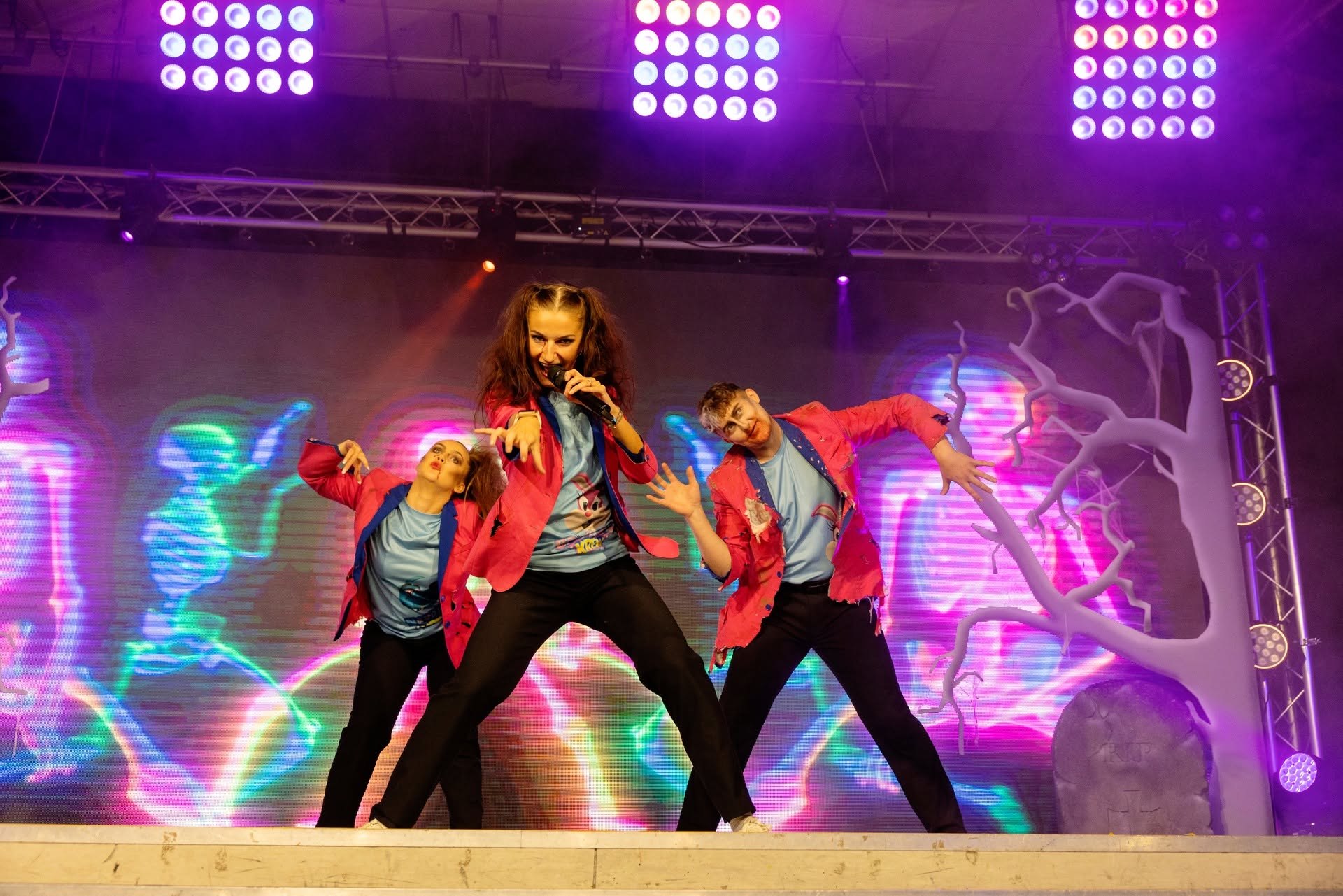
Let loose at the zombie rave at Parkdean Resorts Heacham BeachCredit: Facebook
Head to West Norfolk’s Heacham Beach holiday park for an autumn seaside break packed with plenty of spookiness.
Free themed activities include nighttime guided ghost walks around the park, and ‘Professor Slime’, where kids step into the slime lab to create their own concoctions.
In the evenings, settle down for the Quiz Nation Halloween Special where you can put your knowledge to the test against other holiday parks across the UK.
Or, if you come alive with energy at nighttime, stomp your way over to the Zombie Rave, where you can dance the night away.
If you fancy getting out and about, Church Farm Pumpkins sits on the edge of the village and is the perfect pumpkin patch for pictures and picking your own.
We found a three night stay from October 23 in a Bronze caravan sleeping six for £229, working out to £12.72pp per night.
Parkdean are running Halloween activities across 59 holiday parks between October 2 – November 1, with a more extensive activity program during the half term break.
If you’re looking to stay at another Parkdean resort, the following holiday parks won’t have the Halloween activities: Church Point, Fallbarrow, Gatebeck, Limefitt, and Todber Valley.
Haven Skegness
Make your own Halloween-themed bear on a Haven holiday this OctoberCredit: Haven
Whether you want to visit a seaside theme park for a creepy scare fest, or go ghost-hunting along the coast, Haven Skegness is ideal for a family Halloween break.
Haven are running loads of Halloween activities this year across their parks, including crafty activities like Halloween Make a Bear and build your own Halloween basket.
Even the food and drink will receive a Halloween twist, as grown-ups can grab a Ghoula Colada or Cursed Lagoon cocktail.
Make sure to step off-site to visit Fear Island, theme park Fantasy Island‘s scare fest where you can dip in and out of immersive zones like creepy cabins inhabited by clowns.
Fear Island takes place on the following dates: 17-18, 21-25 and 28 Oct October, as well as November 1. If you book ahead online you can save 10%.
We found a deal for a three night stay at Haven Skegness from October 23 in a Saver caravan sleeping four for £205, working out to £12.81pp per night.
Parkdean Node’s Point, Isle of Wight
There are special Halloween-themed character shows at Parkdean Resorts this HalloweenCredit: Facebook
This Isle of Wight holiday park isn’t just for visiting in the summer, it makes for a fantastic October break, too.
At Havenstreet Station, you can board the Isle of Wight Steam Railway for its magical ‘Witches, Wands and Whistles‘ event (17 – 31 October) where kids go free on a themed train ride (adults £26).
Or for a free afternoon out, go on a ghost hunt around the ancient stone walls of Carisbrooke Castle.
On-site, Milkshake Mornings will take a Halloween twist, with a spooky story time as well as themed arts and crafts.
Older kids can make Halloween tie-dye t-shirts, or take part in The Wizard Academy show.
We found a three night break in a Gold caravan sleeping eight for £259, working out to £10.79pp per night.
Haven Quay West, South Wales
Head off on a Halloween-themed nature trail at Haven Quay WestCredit: Haven
Take a trip to Haunted Haven in pretty South Wales this October with a stay at Haven Quay West.
The holiday park is putting on an ‘Eerie Entertainment’ series, with a fancy dress parade featuring giant pumpkins, spiders and ghosts, as well as a Halloween edition of the Seaside Squad show.
During the day kids can get creative with sand art, pumpkin carving and even a Halloween nature trail, where you’ll get up close to creepy crawlies.
This park is also in an ideal setting for breezy autumn walks, with a woodland trail that leads you directly down to the beach, where you may even spot wild dolphins.
If you time your trip for Halloween night, you can stroll down to the harbour for a huge, free fireworks display which lights up the sky over the waters of Cardigan Bay.
We found a four night break in a Saver caravan sleeping four for £265, working out to £16.56pp per night.
Park Holidays Silver Sands, Scotland
Take part in classic pumpkin carving at Park Holidays Silver SandsCredit: Haven
Take an autumn break to the misty Moray Firth coast in Scotland with a stay at Park Holidays’ Silver Sands resort.
If you don’t want to brave a brisk beach walk out in stunning Lossiemouth or Cairngorms National Park, you can stay on-site to make use of the indoor heated swimming pool.
During the October half term, there’ll be everything from ghost storytelling to costume contests and classic pumpkin carving.
During the day, kids activities start from 10am and include bead art classes, Segways and wax workshops.
In the evening, settle down to kids shows from the Krazy Krew or stay late for karaoke, cabaret and bingo.
We found a four night break in a Gold caravan sleeping six for £161, working out to £6.71pp per night.
KEEN to get that winter sun break locked in? Holidaymakers on a budget should set their sights on Africa.
A new report released today by the Winter Sun Holidays Costs Barometer from The Post Office Travel Money reveals that Cape Town in South Africa, and Mombasa in Kenya, offer the best value for money for people seeking a sun-drenched winter break.
Cape Town came first making it the most affordable destination on the listPortugal’s Algarve came in sixth place overallCredit: Getty
To calculate which destination gives travellers more bang for their buck, the research considered the average costs of eight essential holiday items in 24 popular long-haul and short-haul destinations.
Items included a cup of filter coffee, a bottle of beer or lager, a can or bottle of cola, a glass of wine, a 1.5l bottle of water, suncream, insect repellent and a three-course evening meal for two with house wine.
Sign up for the Travel newsletter
Thank you!
The overall cost for all of the above came to just £58.24 in Cape Town, making it the most affordable destination on the list.
According to the Post Office, prices in the South African hotspot have fallen by 9.7 per cent in the last six months, which will have a hugely beneficial impact on tourists.
A three-course dinner with wine was shown to be cheaper here than anywhere else on the list, totalling £39.26 on average.
Despite its reputation for excellent wineries, Tokyo pipped Cape Town to the post for budget vino with a glass costing just £2.53 in Japan’s capital, on average, compared with £3.24 in Cape Town.
Tokyo came in third place overall on the affordability scale with a total barometer cost of £66.76, beaten by Mombasa, in second place, with an overall price tag of £63.66.
Prices haven’t dropped dramatically in this Kenyan city, but the rise of sterling against the Kenyan shilling does mean that you will now pay slightly less than when the country was last surveyed by the Post Office in March this year.
Coming in fourth place on the winter sun budget chart is Colombo in Sri Lanka, where a basket of all eight holiday essentials added up to £74.79, getting on for £20 more than the cheapest spot of Cape Town.
And be sure to ditch the wine and opt for beer instead, as a glass of red, white or rose will set you back £6.60 on average — over double the cost of a glass of wine in any of the previously named locations.
A bottle of beer, on the other hand, costs just £2.47.
Phuket in Thailand closely followed Colombo in fifth place with an overall barometer cost of £76.39 and cheap beer at £2.09 a bottle.
Of course, for the top five spots, the trade off for spending little while in the destination is shelling out for pricier flights to get there.
But remember that holidaymakers will be rewarded with better odds of sunshine and higher temperatures in these long-haul locations.
Those looking to stay a little closer to home still have budget-friendly options, however, including Portugal’sAlgarve which came in sixth place overall.
While the total cost of all holiday items came to a slightly steeper £82.35, coffee-drinkers won’t be complaining as this is the cheapest destination to grab yourself a cuppa (£1.27 on average).
Mombasa, in second place, with an overall price tag of £63.66Credit: Getty
The holiday location fared similarly to Spain’sCosta del Sol in seventh place and the Canary Island of Tenerife in eighth place, with overall costs of £83.58 and £87.46 respectively.
Prices for holiday items in all three short-haul destinations were on par with one another, although it was a bit pricier to eat out in Tenerife with a three-course meal for two with wine costing around £61.10.
At the opposite end of the scale, Scarborough was the priciest destination for winter sun — not the resort town on England’s North Sea, but the capital of the island of Tobago.
The Canary Island of Tenerife came in eighth place, with overall costs of £83.58 and £87.46 respectivelyCredit: Getty
Holiday item costs here rocketed to a whopping £144.15 in total — which is over double that of Cape Town.
A three-course meal here costs more than anywhere else on the list, at an eye-watering £119.26 for two people.
St. Georges in Grenada, Funchal in Madeira and Cancun in Mexico were also shown to be pricey, with total bills totting up to over £125.
Comparatively, the much-loved Sun reader resort of Orlando in the US came roughly in the middle, in 15th place overall.
Wine and beer was shown to be mean on the wallet in the Florida sunshine spot — at £6.81 and £5.30 respectively — but other items like suncream and insect repellent were more reasonable.
Since antiquity, the region of modern-day Yemen has been an important strategic and commercial location, effectively forming a long land bridge between North Africa and Asia.
When the Ottoman Empire collapsed in 1918, Imam Yahya Muhammad declared northern Yemen an independent sovereign state and proclaimed the Mutawakkilite Kingdom of Yemen in 1926. A King and an Imam, Yaha ruled Yemen until his death in 1948, when he was succeeded by Ahmad bin Yahya
On September 19th 1962 Ahmad died in his sleep. His son, Muhammad al-Badr was proclaimed Imam and King.
From its inception, the kingdom had proved unstable with various revolts and assassinations taking place and Al-Badr’s reign would prove very short-lived.
Only a week after he ascended to the throne, army officers with the support of Egypt, staged a coup overthrowing the monarchy and deposing al-Badr on September 26th 1962. Abdullah as-Sallal, the commander of the royal guard, declared himself president of the Yemen Arab Republic. This event marked the start of the North Yemen Civil War which would last for the next six years.
CLAUDIA Schiffer showed off her age-defying looks as she stripped down to tiny bikinis on her luxury break away.
The OG supermodel, 56, looked timeless as she teased fans with a slew of sexy holiday snaps which saw her show off her enviable physique.
Claudia Schiffer showed off her timeless good looks as she stripped down to a bikiniCredit: @claudiaschiffer./InstagramThe star showed off her incredible body on her luxury vacationCredit: @claudiaschiffer./Instagram
Claudia captioned the photos from her sun-soaked Grecian vacation with: “An endless summer.”
In one photo the model was seen showing off the body that made her famous in a sexy bikini, with a beautiful sunset background behind her.
Sign up for the Showbiz newsletter
Thank you!
In another stunning snap, Claudia was seen posing in another two-piece, this time in front of an idyllic ocean.
Other bikini shots saw her showcasing her toned figure as she got out of the sea after a dip.
During her heyday in the 90s, and along with the likes of Naomi Campbell and Kate Moss, Claudia helped to launch the world of supermodels.
The blonde bombshell was first scouted aged just 17 while partying in a Dusseldorf nightclub with a pal.
Previously speaking about this moment that changed her life, she told Elle magazine: “I thought they were making a mistake and would find out I was the wrong girl and send me home once I arrived in Paris.”
Claudia appeared to have spent the summer in her bikiniCredit: UnknownThe supermodel teased fans with her ‘endless summer’Credit: @claudiaschiffer./InstagramThe supermodel showed off her gym honed body as she got out of the ocean after a dipCredit: @claudiaschiffer./InstagramThe star also looked stunning in this dotted dressCredit: @claudiaschiffer./Instagram
Soon, Claudia was one of the most in-demand models on the ’90s catwalks, modelling for Chanel, Versace and Yves Saint Laurent and fronting an ad campaign for Guess Jeans.
During her career, the sexy star has appeared on more than 1,000 magazine covers.
After quitting the catwalk to focus on starting a family, she soon welcomed Caspar, now 23, Clementine, 21, and Cosima, 16, with her English filmmaker husband, Matthew Vaughn, 55.
The family live in Coldham Hall, a 14-bedroom haunted Tudor mansion in Suffolk.