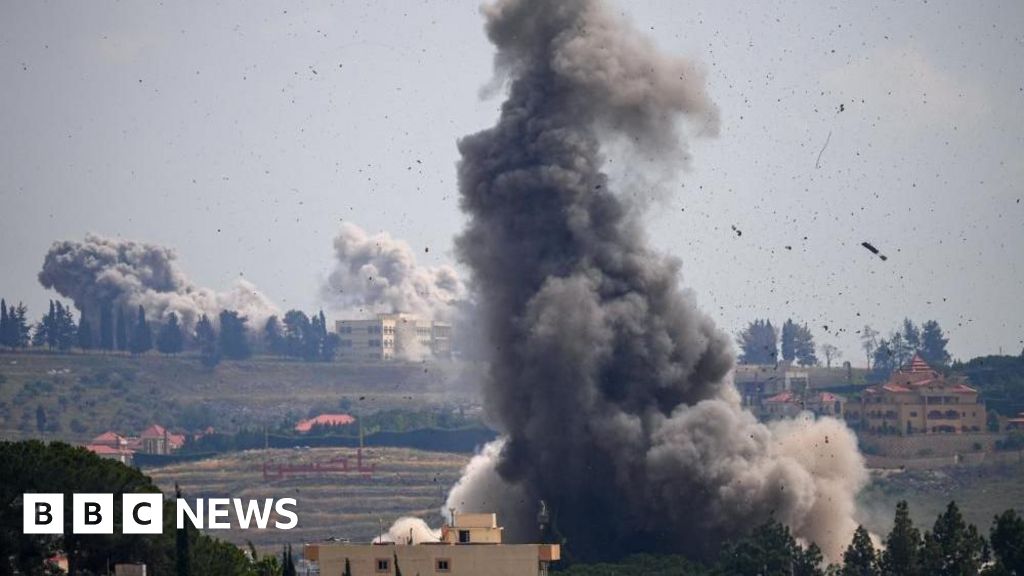
Hezbollah

U.S. says it has launched strikes against Iran following crash of Army Apache helicopter

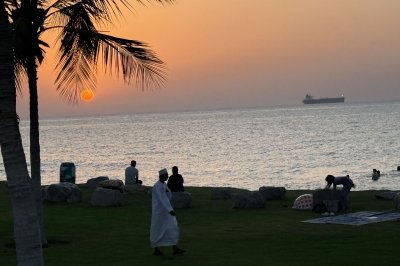
The U.S. military said Tuesday it has begun strikes against Iran following the crash of a U.S. Army Apache helicopter off the coast of Oman that President Trump blamed on the Islamic Republic.

In a statement posted to social media, U.S. Central Command said the strikes would be “a proportional response to unjustified Iranian aggression.” It comes after Trump blamed Iran for downing the helicopter and vowed that the U.S. would respond.

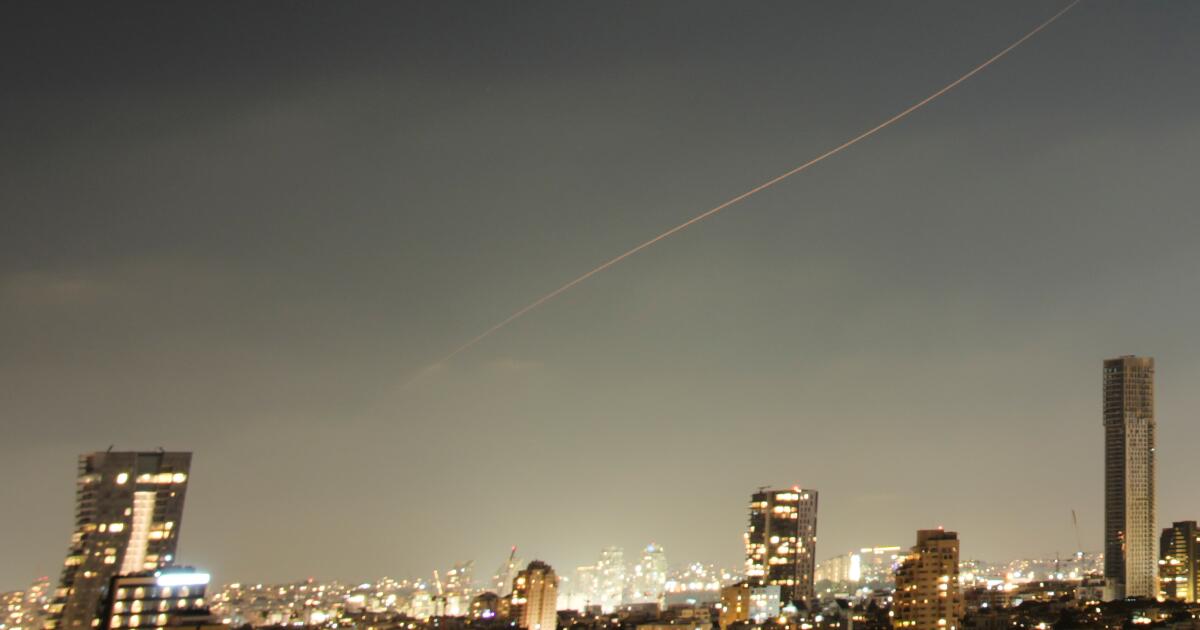
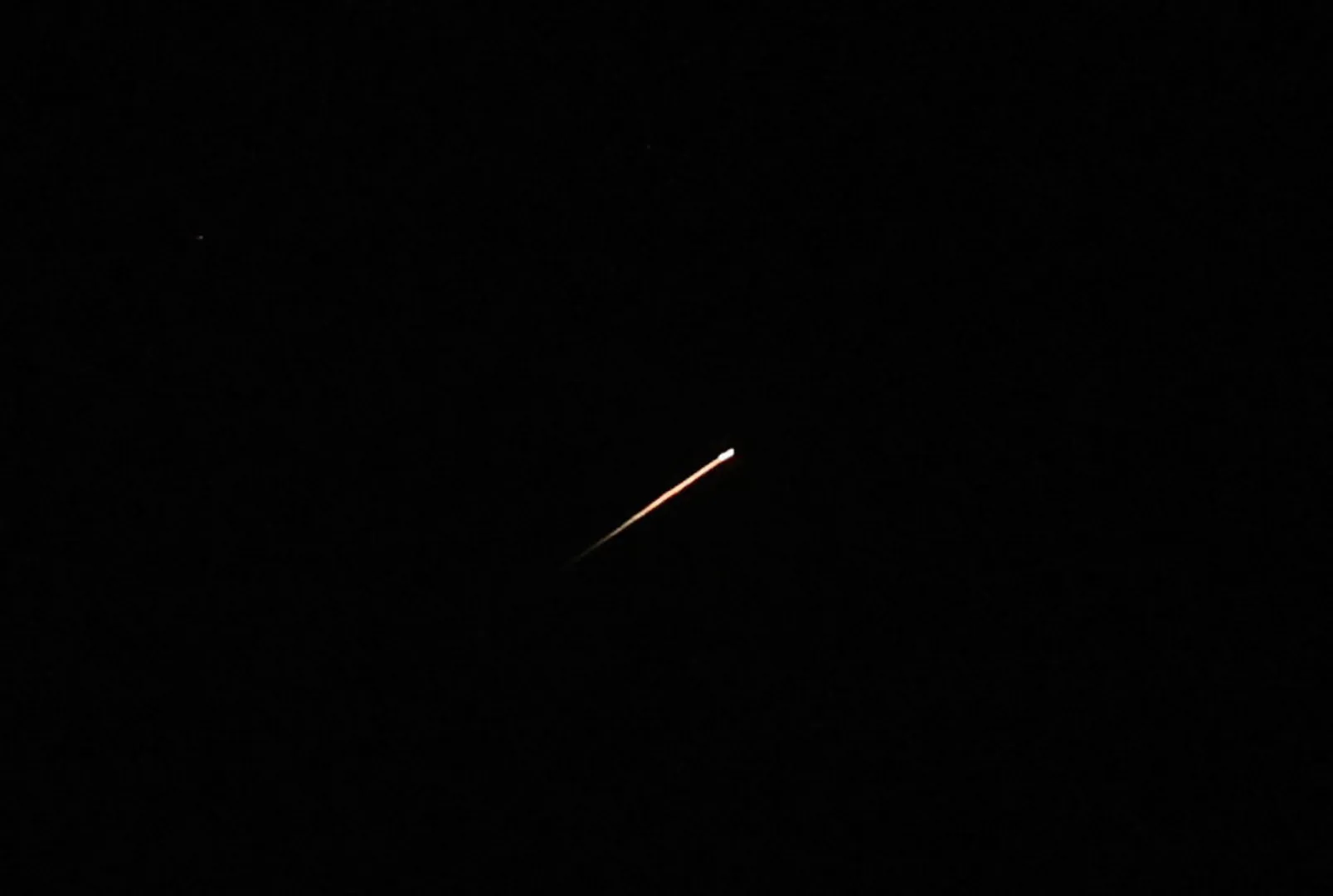
Iranian state media reported that explosions were heard on an Iranian island in the Strait of Hormuz.

Trump had blamed Iran for shooting down a helicopter close to the Strait of Hormuz and said the United States must respond. Iran’s top diplomat said foreign military forces near the country’s territory “are at constant risk.”

The Apache helicopter that crashed went down after colliding with an Iranian drone, according to a U.S. official, who spoke on condition of anonymity to discuss an ongoing investigation.

It wasn’t clear whether the collision was intentional, and official statements only said the crash is under investigation. CNN, CBS News and other outlets earlier reported the Iranian drone collision.

Trump said Iran shot down the aircraft while it was on patrol over the Strait of Hormuz and declared that the U.S. “must, of necessity, respond to this attack,” in a post to social media.

The U.S. military later announced that it had begun strikes against Iran.

In the first known operation of its kind by the American military, a drone boat rescued the two aviators who were aboard the Apache attack helicopter when it went down near the critical shipping lane that Iran has effectively closed during its war with the U.S. and Israel.

Trump said in a social media post that military officials told him “the Iranians shot down one of our highly sophisticated Apache Helicopters.” Both service members “are safe and uninjured,” he added.

“Nevertheless, the United States must, of necessity, respond to this attack,” Trump wrote.

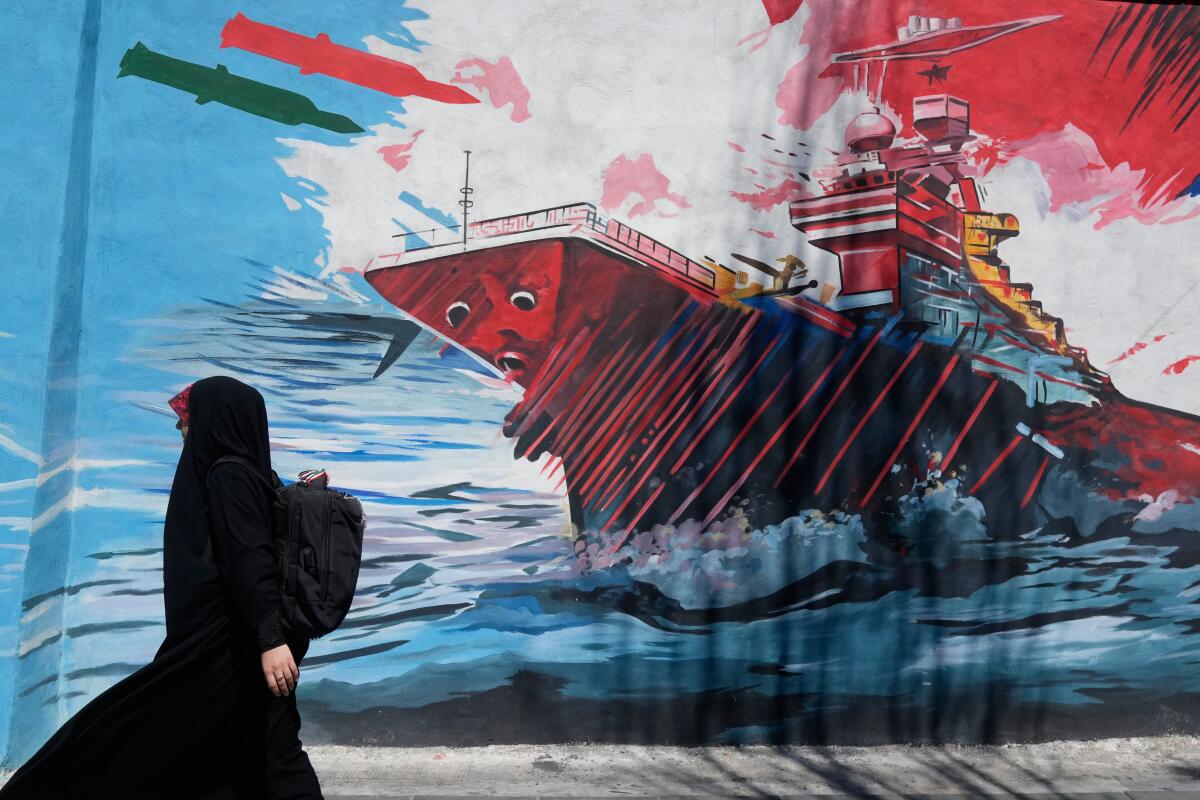
A woman walks past a mural depicting a U.S. aircraft carrier under missile attack

A woman walks past a mural depicting a U.S. aircraft carrier under missile attack in downtown Tehran, Iran on Monday.

(Vahid Salemi / Associated Press)

Soon after Trump made his accusation, Iranian Foreign Minister Seyed Abbas Araghchi said in a social media post that the strait is “thousands of miles away from U.S. shores.”

“Foreign forces in proximity to our territory are at constant risk on account of their own human errors, plain accidents, or potentially being caught in crossfire,” Araghchi wrote. “To reduce risk, best solution is for them to leave.”

The downing of the helicopter further strained a two-month ceasefire a day after Iran and Israel exchanged fire for the first time since the fragile truce took effect. Iranian state television said Tuesday that the Israeli attacks killed at least two members of the country’s air-defense units.

Since the U.S. and Israel began striking Iran on Feb. 28, the war has shaken the global economy, driven up energy prices around the world and made many basics, including food, more expensive.

Officials have been unable to turn the April ceasefire into a deal to permanently end the conflict, particularly as Israel intensifies and expands its military campaign in Lebanon against the Iranian-backed militia Hezbollah.

Army crew members picked up by drone boat

The Army aviators were rescued at 3:30 a.m. local time Tuesday, about two hours after their helicopter went down during a patrol off the coast of Oman, U.S. Central Command said.

The U.S. service members were spotted and picked up by a drone boat that took them to another location on the water, where they were picked up by a helicopter, said Capt. Tim Hawkins, a spokesman for U.S. Central Command. Hawkins initially said the drone took the two to shore, and he did not elaborate on the updated timeline.

It was the first known drone rescue at sea by the U.S. military, Hawkins said.

AH-64 Apache helicopters have been a key asset for the American military as it enforces a blockade on Iranian crude oil shipments and tankers, seeking to pressure Tehran into a deal. The helicopters have also been used by the United Arab Emirates to shoot down Iranian drones.

The drone used to perform the rescue was a 24-foot vessel called a Corsair, Hawkins said. It’s manufactured by Saronic Technologies.

The drone was assigned to the Navy’s Task Force 59, established in 2021 as the Navy’s first uncrewed and artificial intelligence unit that focuses on maritime security in the Middle East, including the Strait of Hormuz and the Suez Canal.

Trump insists an Iran deal is coming

Before he accused Iran of downing the U.S. helicopter, Trump had expressed renewed optimism over negotiations with Iran.

“We have a good chance” of signing a deal in “two or three days,” Trump said late Monday. But he did not provide any details on why there was reason for new optimism. In the two months since the U.S. and Iran agreed to an initial ceasefire, Trump has repeatedly predicted that a deal is near.

“We’re very close to having a very, very good, strong, powerful deal,” the president said.

Mediators, led predominantly by Pakistan, have been trying for weeks to get a deal across the line. However, both Iran and the U.S. have taken hard-line positions.

The U.S. wants to see Iran give up its stockpile of highly enriched uranium, which is believed to be entombed in the aftermath of American airstrikes that happened during the 12-day war in 2025. But Iran is refusing that and demanding relief from sanctions. It also wants the release of frozen assets even before a final agreement is in place, something rejected by Trump.

Before Trump’s comments on negotiations, Qalibaf said Monday that Trump’s remarks so far on a possible deal “contradicted the agreed-upon sections,” showing that the U.S. is “neither seeking a ceasefire nor dialogue.”

The continued fighting between Israel and Hezbollah is still a top Iranian priority as well. Lebanon’s army chief, Gen. Rodolphe Haykal, traveled to Pakistan on Tuesday. There, he met Pakistan’s army chief, Field Marshal Asim Munir, who has been a key figure in the Iran-U.S. talks.

Haykal’s visit comes as Lebanon’s government takes an increasingly hard line on Hezbollah but remains unable to disarm the powerful militia. Hezbollah thanked Iran on Tuesday for attacking Israel “in defense of our Lebanese people,” suggesting that Lebanon’s government should take this opportunity to improve relations with Tehran.

Israel issues a warning for Tyre, Lebanon

Meanwhile, the Israeli military issued an evacuation warning for Lebanon’s southern port city of Tyre, including the Christian quarter, which has so far been spared from airstrikes on the city.

Last week, Israel warned the Christian neighborhoods in Tyre that it believed Hezbollah members were among them. Many Lebanese Shiite Muslims fled to those areas as Israeli strikes hammered the Mediterranean coastal area over the past two weeks.

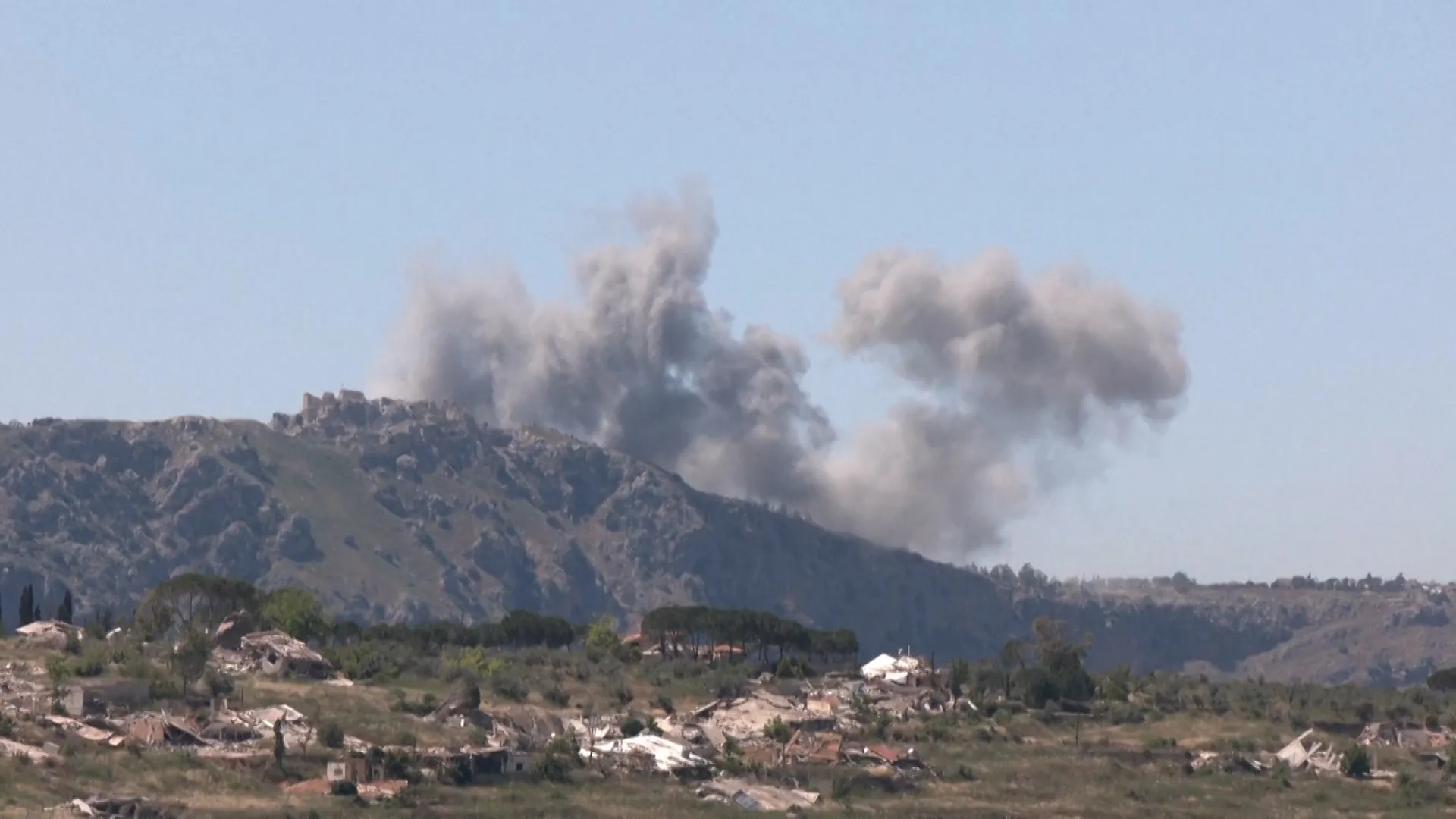
After last week’s warning, the Lebanese army deployed to the Christian district of Tyre in an effort to prevent Israeli attacks there and to show that Hezbollah has no armed presence in the area. But Avichay Adraee, the Israeli military’s Arabic-language spokesperson, posted on X on Monday that the Israeli military “will have to act against their terrorist activities in the neighborhood soon.”

Gambrell, Superville and Toropin write for the Associated Press. Superville and Toropin reported from Washington. AP writers Michelle L. Price in New York, Will Weissert in Washington, Bassem Mroue in Beirut, Munir Ahmed in Islamabad and Russ Bynum in Savannah, Ga., contributed to this report.
Source link

Israel orders Lebanese city of Tyre to evacuate, ignores Iran warning

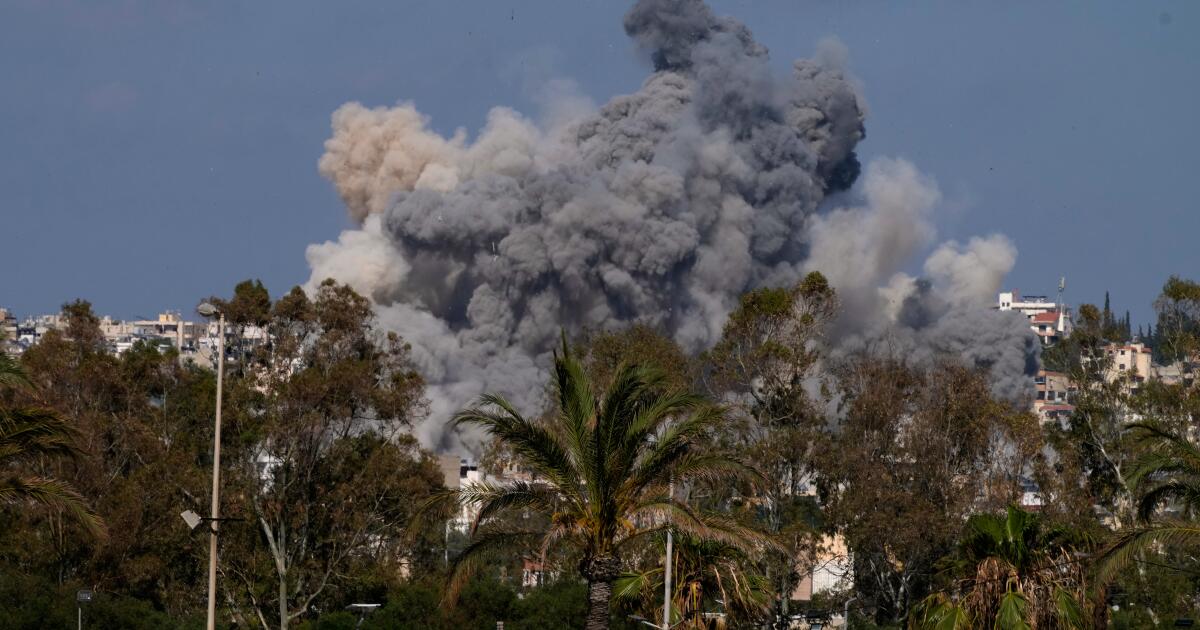
The aftermath of an earlier Israeli airstrike on the southern Lebanese port of Tyre in May. On Tuesday, the Israel Defense Forces ordered residents, including for the first time those in Christian neighborhoods, to evacuate well to the north of the city for their safety as it prepared to target Hezbollah “elements, facilities and combat means.” File photo by Stringer/EPA

June 9 (UPI) — The Israel Defense Forces ordered residents of the Lebanese city of Tyre, including the Christian quarter and more than 10 refugee camps, to evacuate Tuesday, pending Israeli military action against targets of Iran-proxy Hezbollah.

IDF spokesman Avichay Adraee wrote on X that “out of concern for your safety,” residents should leave their homes immediately and move some 20 miles north beyond the Zahrani River and warned that anyone remaining south of the river was putting their life at risk.

“Your presence near Hezbollah elements or their facilities or combat means endangers your lives. As we warned in the past days, following Hezbollah elements’ actions inside the Christian Quarter in the city, the Israel Defense Forces will be compelled to act against their terrorist activities in the quarter in the near term,” said Adraee.

“Any building used by Hezbollah for military purposes may be subject to targeting. To ensure your safety — evacuate your homes immediately and move north beyond the Zahrani River. Attention — any movement south of the Zahrani River may endanger your lives,” he added.

The development came a day after Israel and Iran backed away from direct confrontation that flared up at the weekend over an Israeli strike on the southern suburbs of Beirut that prompted Tehran to fire as many as 30 missiles at Israel with Israel striking back against military targets in central and western Iran.

In standing down its military, Tehran warned that in the event Israel continued its attacks in Lebanon, including in the south, “much more severe and crushing measures will be on the way.”

Israeli Prime Minister Benjamin Netanyahu said in a post on X Monday evening that Israel had only halted hostilities because “after we struck the terror regime in Tehran, it ceased attacking us” and threatened to “respond with overwhelming force” if Iran made the mistake of attacking Israel again.

Netanyahu said that by firing into Israel over the past day, Iran and Hezbollah had attempted “to impose a new equation upon” where they believed they could fire at Israel from Lebanese territory and from Iran and Israel would not react.

“That did not happen, and it will not happen. Not on my watch! It is an equation I find intolerable and unacceptable,” wrote Netanyahu.

The sides halted their respective military strikes at the request of U.S. President Donald Trump who urged them to “stop shooting” because a deal ending the 100-day-long U.S.-Iran conflict was imminent.

Speaking on the tarmac at JFK Airport in New York on Monday night, Trump said the United States and Iran were very close to “a very good deal that will not allow in any way, shape, or form nuclear weapons.”

“And the [Hormuz] Strait will open up right away — they’ll open up immediately upon signing, which could be in two or three days,” said Trump.

He said he didn’t believe there were any sticking points.

Trump said the alternative was to return to bombing Iran but that would be counterproductive because it would mean the Strait of Hormuz remaining closed for many months and the needless deaths of many more people.

“Who wants to do that? I don’t. And we’ll have a signed document that’s actually stronger than doing the bombing,” he said.

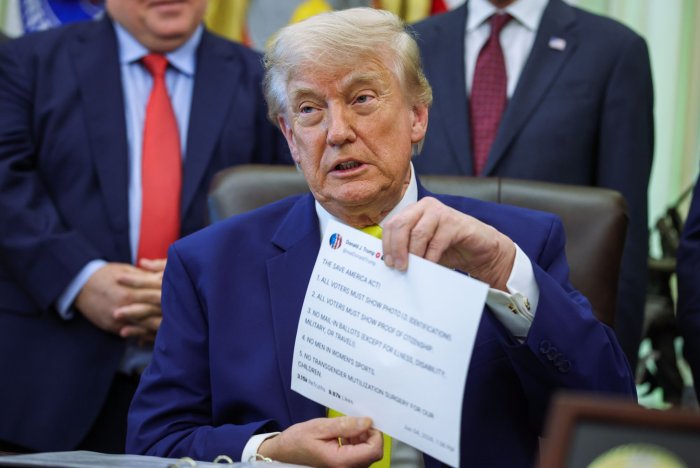
President Donald Trump discusses renovations to the Lincoln Reflecting Pool and makes an announcement on coal in the Oval Office at the White House on Thursday. Photo by Samuel Corum/UPI | License Photo

Source link

New Iran and Israel strikes threaten ceasefire; Trump tells both sides to stop ‘shooting’

Israel and Iran traded fire on Monday, all but derailing a brittle two-month ceasefire that had largely stopped the fighting in the U.S and Israel’s assault on Iran.

The tit-for-tat attacks between the two sides threaten to widen the scope of a conflict that has already killed and wounded thousands, displaced more than a million people and rattled economies across the globe — even while embroiling the U.S. in a war with no clear off-ramp.

“Israel and Iran must immediately stop ‘shooting.’ ” wrote President Trump early Monday on his social media platform, Truth Social.

Later, he wrote, “Both sides, Israel and Iran, are looking to do an immediate CEASEFIRE!”

“Final negotiations on ‘Peace’ are proceeding, subject to ignorance or stupidity getting in its way. The Blockade will remain in place, and in full force and effect, until a ‘Final Deal’ is reached. Things should move quickly.”

The latest escalation came after Israel attacked the suburbs of Lebanon’s capital Beirut on Sunday in what it said was a targeted strike against Hezbollah, an Iran-supported paramilitary faction and political party.

In recent days, Iran conditioned a ceasefire agreement with Israel and the U.S. on a cessation of hostilities across all fronts, including Lebanon, threatening it would respond to any Israeli action on the Lebanese capital. Israel rejects linking both battlefields, and insists on having a free hand to attack Hezbollah.

A number of U.S.-brokered ceasefires between the Lebanese and Israeli governments — but without Hezbollah involvement — failed to stop most of the fighting, with Israeli warplanes pounding wide swaths of Lebanon’s south while Hezbollah launched drones and missiles on northern Israel. Nevertheless, the Lebanese government has rejected being included in Iran’s negotiations with the U.S.

By Sunday night, Iran’s threats came to pass with several waves of Iranian ballistic missiles, which caused no injuries and were the first Tehran had fired at Israel since a ceasefire took hold in April. Iran’s military said the fusillade was a warning. But Israel said it would retaliate.

President Trump initially downplayed the Iranian attack on Sunday, saying in an interview with the Financial Times Iran’s barrage was “not going to have any impact on the deal.”

“We’ll see how it ends up. But they [the Iranian strikes on Israel] were attacks that did not kick at all,” he said.

“The deal may make it on its own merit, or not, but this will not have any effect on it.”

Trump also told the Axios news site he would talk to Israeli Prime Minister Benjamin Netanyahu to stop him retaliating against Iran’s barrage.

He also told the Financial Times that Netanyahu “won’t have any choice” but to accept the deal Trump negotiates with Iran.

“I call the shots. I call all the shots. He [Netanyahu] doesn’t call the shots,” Trump said.

Yet by the early morning on Monday, dozens of Israeli warplanes were striking western and central Iran. They hit a petrochemical complex in Mahshahr in southwestern Iran, and waged extensive strikes on “strategic defense systems,” according to Israeli military statements, in what observers said was a prelude to a wider offensive. Residents in Tehran, Isfahan, Tabriz and Shiraz reported powerful explosions.

The Israeli military said in a statement it expected several days of fighting with Iran but was prepared for a prolonged campaign. It said the strikes on Iran were conducted by Israel on its own, but that they had been done in “full coordination” with U.S. Central Command, which also helped in intercepting Iranian missiles launched at Israel.

But that distinction appeared to matter little to Iran’s foreign ministry spokesperson, Esmail Baghaei, who said in a press conference on Monday that the U.S held direct responsibility for recent ceasefire violations and Israel’s action “cannot be looked at in isolation from the U.S.”

“No one believes the Israeli regime would take any action without coordination with the United States,” he said.

“The U.S. bears responsibility for the Israeli regime’s aggression, and it will also be responsible for the consequences of any escalation in tensions.”

Iran launched additional barrages throughout Monday, targeting Israeli airbases in Nevatim and Tel Nof and a petrochemical plant in Haifa, according to a statement from Iran’s Revolutionary Guard Corps. It added Israel was engaging in “a dangerous game by targeting civilian and oil infrastructure — a game that will now encompass all regional energy targets, with global economic consequences resting on America.”

The renewed hostilities also saw Yemen’s Houthis — who receive support from Iran and Hezbollah, and are part of a regional network of Iran-backed factions — enter the fray with a pair of ballistic missiles lobbed at Israel. The Israeli military said one of the missiles was intercepted; the second fell short of Israel.

Houthi spokesman Brig. Gen. Yahya Sarea confirmed the attack in a televised statement on Monday, and said Israeli maritime navigation in the Red Sea would be targeted.

During the Gaza war, the Houthis attacked commercial shipping in the Red Sea — including ships with no link to Israel — to pressure Israel into lifting its blockade on the enclave.

But, unlike Hezbollah, which attacked Israel on March 2, three days after the U.S. and Israeli campaign on Iran, the Houthis had refrained from helping their ally, until Monday.

Their involvement now raises the specter of another squeeze on energy markets already beleaguered by closures on the Strait of Hormuz. Since the U.S.-Israeli assault, the Red Sea has acted as the main alternative conduit for energy supplies, especially for those from Saudi Arabia. If the Houthis closed the Bab Al-Mandab Strait, it would all but paralyze commercial flows.

Oil prices spiked in the wake of the exchanges, with Brent Crude rising 5% to hit $98 a barrel.

Source link

IDF confirms airstrikes against targets in western and central Iran

1 of 2 | A woman holds a photo depicting late Supreme Leader Ayatollah Ali Khamenei as people gather during a rally following Iran’s attack on Israel in Tehran on Sunday. The Israeli military confirmed it struck “military targets” in western and central Iran early Monday local time. Photo by Abedin Taherkenareh/EPA

June 7 (UPI) — The Israel Defense Forces confirmed it struck military targets in western and central Iran on Monday in retaliation for a wave of airstrikes launched against the Jewish state by Tehran hours earlier.

“A short while ago, the Israeli Air Force struck military targets belonging to the Iranian terror regime in western and central Iran. Details to follow,” the IDF said in a post on Telegram as a fragile cease-fire in the Iran War continued to unravel.

Iran’s Islamic Revolutionary Guard Corps, meanwhile, confirmed the attack, according to the semi-official Mehr News Agency.

“The Zionist enemy has attacked targets on our country’s soil using air-launched ballistic missiles,” the IRGC said.

Official Iranian media also said residents in neighboring Iraq heard explosions in parts in the capital Baghdad while unidentified objects were seen over the Iraqi city and in Beirut.

The strikes against Iran came just hours after the Islamic regime lobbed missiles into northern Israel for the first time since the beginning of the cease-fire, which came into effect on April 8.

Tehran said those strikes were in response to Israeli bombings targeting Hezbollah in Lebanon.

The Iranian missiles, which the IDF said had been intercepted, were the first direct attack on Israel since the cease-fire.

The attacks follow an announcement on Sunday that Israel had launched strikes at alleged Hezbollah targets in Beirut — attacks which it has continued throughout the cease-fire — and some of which have been in suburban neighborhoods.

U.S. President Donald Trump, who reportedly has been briefed on Iran’s actions, told Iran “that’s enough, get back to the table” for peace negotiations, Fox News reported.

“The Israeli army must stop its attacks on southern Lebanon and the suburbs, and if it expands its attacks to that region or responds to Iran’s action, it will face more devastating and regrettable blows,” General Ali Abdollahi, head of Iran’s Khatam al-Anbiya command, said in a statement.

Trump has reportedly also told Israeli Prime Minister Benjamin Netanyahu to hold back after the Iranian strikes, which Netanyahu agreed to on the condition that Hezbollah — which is funded by the Iranian regime — not launch strikes into northern Israel from Lebanon.

The United States and Iran have been negotiating an end the war for more than a month, as a cease-fire has mostly held but the Strait of Hormuz remains blocked, preventing the shipment of oil and other products from the Middle East.

President Donald Trump discusses renovations to the Lincoln Reflecting Pool and makes an announcement on coal in the Oval Office at the White House on Thursday. Photo by Samuel Corum/UPI | License Photo

Source link

Iran and Israel trade threats after Tehran launches missiles | US-Israel war on Iran News

NewsFeed

Iran and Israel exchanged threats after Tehran launched missiles towards Israel in response to Israeli strikes on Beirut’s southern suburbs. Israel vowed to deepen attacks on Lebanon, while Iran warned of further action if the strikes continue.

Source link

Does Israel really think it can get rid of Hezbollah in Lebanon? | TV Shows

It’s hard to assume that ‘anything positive’ for Lebanon can come from its talks with Israel, argues analyst Imad Harb.

Despite brokering a ceasefire on paper, the United States is not standing in the way of Israel’s war on Lebanon, argues Imad Harb, senior fellow at the Arab Center Washington DC.

Harb tells host Steve Clemons that Hezbollah is an excuse for Israel to conduct a land grab in Lebanon, similar to what it’s doing in Gaza, the West Bank and Syria.

Pushing the Lebanese government to disarm Hezbollah “means civil war in Lebanon”, especially if Israel is allowed to occupy large swaths of Lebanese territory, says Harb.

Source link

Israel strikes southern suburbs of Lebanon’s capital Beirut | Israel attacks Lebanon

NewsFeed

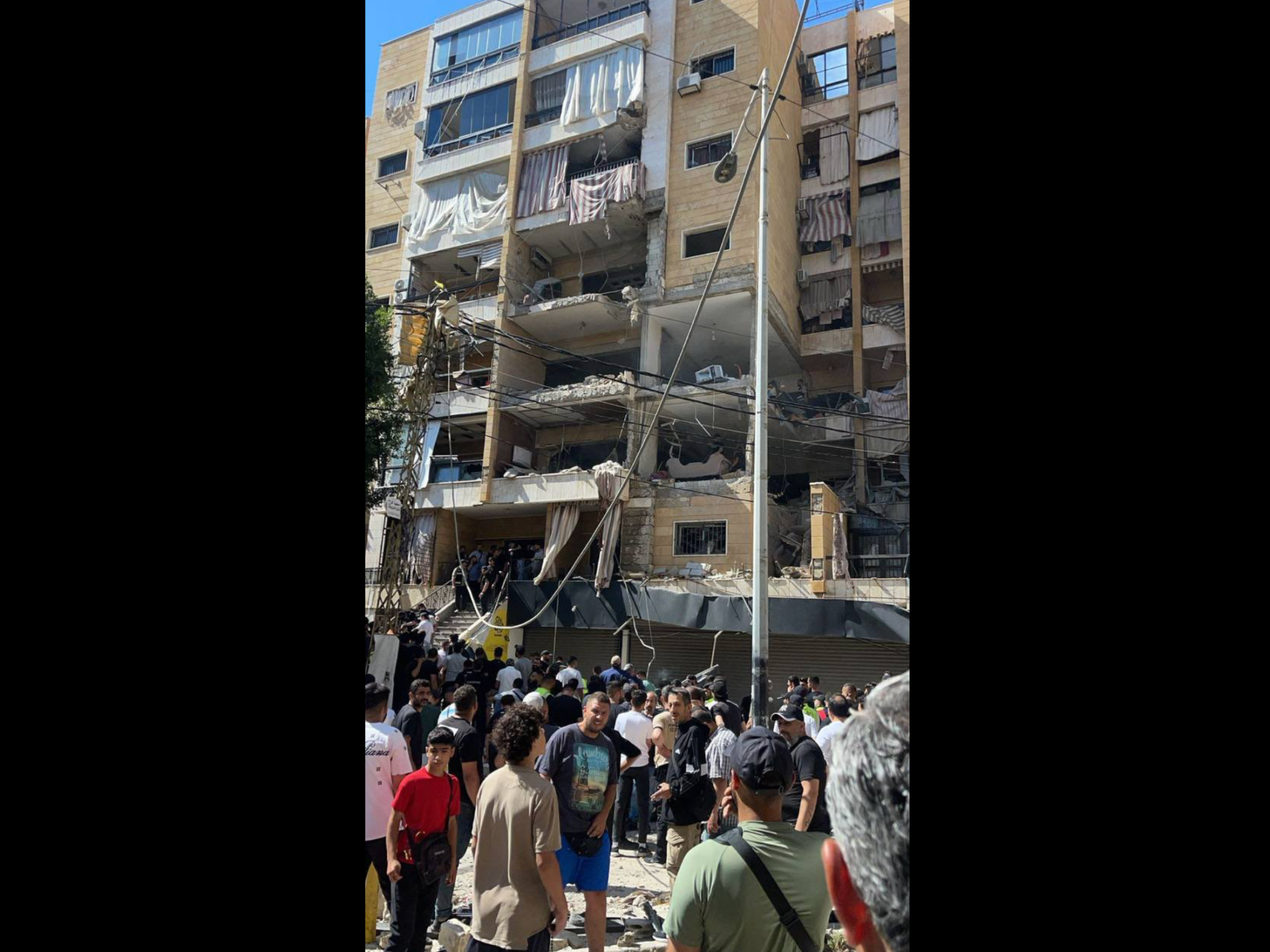
Videos show the aftermath of an Israeli attack on Beirut’s southern suburbs, with multiple explosions reported. Israel says it targeted Hezbollah headquarters, while Lebanese media says residential apartments were hit. The attack comes just days after US President Donald Trump told Benjamin Netanyahu that Beirut was off limits as Washington pursues a deal with Iran.

Source link

Iran attacks Bahrain, Kuwait after U.S. hits surveillance radar sites

June 6 (UPI) — The United States said it intercepted several Iranian ballistic missiles and drones shot toward the Strait of Hormuz, the Persian Gulf, Bahrain and Kuwait Friday night.

The U.S. Central Command said seven missiles were fired toward Kuwait and Bahrain Friday after it shot down four Iranian drones headed toward the strait. It said six of the missiles were intercepted and one didn’t reach its target.

Bahrain and Kuwait said there were no injuries, but Kuwait said there was some “material damage.”

The Kuwaiti Army, attributed to the official spokesperson for its defense ministry Brigadier General Saud Abdulaziz Al-Otaibi, posted on X: “The armed forces detected and responded at dawn today to 7 hostile ballistic missiles within Kuwaiti airspace, which were intercepted over several residential areas, resulting in the fall of some debris.

“The Iranian criminal aggression caused material damage with no human casualties.”

CENTCOM also said there were no American casualties.

“There are currently no reports of harm to U.S. personnel, and Iranian claims of damaging U.S. 5th fleet headquarters in Bahrain are false,” CENTCOM said in a press release.

Kuwait and Bahrain called the strikes a violation of their sovereignty and a threat to regional security. Egypt, Jordan and Qatar also condemned the strikes Saturday.

Iran said it launched the strikes against U.S. military bases in the region after the United States struck Iran. CENTCOM said it hit coastal surveillance radar sites in Goruk and Queshm Island “to defend against further maritime attacks.”

Iran called the U.S. attacks a “flagrant” violation of the cease-fire, which has been in place since April. It said the American side “not only lacks the will to reduce tensions,” but “seriously endangers the security of the region.”

“These facilities are tasked with safeguarding the country’s border security and ensuring the security of navigation in international waterways,” the Iranian Foreign Ministry said in a statement. “The attack constitutes a clear violation of the April 8 ceasefire and an act of military aggression against the national sovereignty and territorial integrity of the Islamic Republic of Iran.”

Iran said the U.S. strikes violate international law.

“This action, which comes as a continuation of the hostile and provocative conduct of the U.S. regime against the Islamic Republic of Iran, demonstrates the complete disregard of the U.S. ruling establishment for the fundamental principles of international law and the Charter of the United Nations,” the foreign ministry said.

Tehran also said the U.S. is responsible for “all the effects and consequences of these illegal actions, as well as any possible escalation of tension.”

Iran’s Revolutionary Guard claimed the clash started when the U.S. military tried to “illegally” escort oil tankers through the waterway, which Iran has largely closed off during the war.

The Gulf Cooperation Council condemned the Iranian missile attacks Saturday.

“These treacherous Iranian terrorist acts represent a dangerous and irresponsible escalation, a blatant violation of all international laws and norms, and a direct threat to regional stability,” Jasem Mohamed Albudaiwi, secretary general of the Gulf Cooperation Council, said in a statement.

The Gulf Cooperation Council, formed in the 1980s, is an economic pact that includes Bahrain, Kuwait, Oman, Qatar, Saudi Arabia and the United Arab Emirates.

“The Council countries stand in a united and steadfast position alongside the Kingdom of Bahrain and the State of Kuwait, fully supporting all measures and steps they undertake to protect their security, safeguard their sovereignty and territorial integrity, as well as ensure the safety of their peoples,” Albudaiwi said.

Source link

Iran war day 98: Tehran raises doubts on deal as Lebanon fighting continues | US-Israel war on Iran News

Israel strikes Lebanon despite ceasefire, while Hezbollah rejects deal as death toll tops 3,500.

Israel has continued to carry out deadly strikes across Lebanon despite the announcement of a new US-brokered ceasefire agreement reached by Lebanese and Israeli officials in Washington, DC.

The violence has pushed the number of casualties higher, with Lebanon’s Ministry of Public Health reporting that at least 3,526 people have been killed and 10,733 wounded in Israeli attacks since March 2.

Meanwhile, Hezbollah leader Naim Qassem has dismissed the ceasefire as a “farce”, warning that northern Israel will remain a target as long as Israeli forces continue bombing Lebanon, raising more doubts about the prospects for a lasting truce.

Here is what we know:

In Iran

  • Iran adviser flags concerns over draft deal: Mohsen Rezaei, an adviser to Iran’s Supreme Leader Mojtaba Khamenei, said the draft memorandum of understanding being negotiated to end the war still contains “ambiguities” that need to be clarified. Speaking to Iranian state television, Rezaei also accused US President Donald Trump of trying to pressure Tehran into accepting Washington’s terms while keeping Iran’s own conditions “in a vague state”.

War diplomacy

  • Questions over US strategy: Reporting from Washington, DC, Al Jazeera’s Kimberly Halkett said the White House is facing growing questions over why a negotiated agreement with Iran is still needed after President Donald Trump repeatedly claimed US military action had “obliterated” Iran’s nuclear programme. Halkett said critics are asking: “If these military objectives have been achieved, then is there still a need for talks?” She added that “with each passing week that this war drags on” and negotiations remaining stalled, it is becoming increasingly difficult for the administration to reconcile its claims of success with the continued push for diplomacy.
  • Hezbollah rejects conditional ceasefire: Hezbollah leader Naim Qassem rejected the limited truce agreed to by Lebanese and Israeli representatives in the US, demanding a complete ceasefire and a full Israeli pullout from the country. Qassem also warned of more attacks on northern Israel, highlighting the difficulties in reaching a lasting peace. Both sides have blamed each other for breaking a previous ceasefire announced in April.

The Gulf

  • Oman oil terminal disruption: Reuters reported that Oman has suspended crude oil loading operations at its key Mina al-Fahal terminal after an explosion near its single-buoy mooring (SBM) berths. Citing unnamed sources, the agency said the blast occurred between SBM 1 and SBM 2 and was allegedly caused by a drone attack.

In the US

  • Trump says US does not need a deal to access Iran’s uranium: The US president said Washington could access Iran’s enriched uranium without reaching an agreement with Tehran, arguing the material is effectively “entombed”. Trump also said he does not plan to meet Iran’s Supreme Leader Mojtaba Khamenei, but he suggested a meeting could be possible if a deal is eventually reached, adding that “if it happened … I’d be respectful”.

In Israel

  • Ultra-Orthodox protest blocks major highway: Hundreds of ultra-Orthodox Israelis blocked Highway 1 in protest against the government’s enforcement of military conscription for religious students, according to Israel’s Channel 10. The demonstrations began after police stopped two ultra-Orthodox students and transferred one to military authorities. Large numbers of police and border guards were deployed to clear the highway and disperse protesters.

In Lebanon

  • Hezbollah rejection raises fears of escalation: Reporting from Beirut, Al Jazeera’s Ali Hashem said Hezbollah remains the key actor on the Lebanese side when it comes to decisions about fighting and any potential halt to hostilities with Israel, “regardless of what the Lebanese government says”. Given Hezbollah’s rejection of the US-brokered ceasefire, Hashem warned that further escalation is likely from both Hezbollah and Israel. He noted that southern Lebanon and the western Bekaa Valley experienced significant Israeli air and ground attacks on Thursday, adding that Hezbollah’s position suggests “it is going to be a very difficult situation” in the days ahead.

Source link

Hezbollah rejects US-brokered ceasefire deal between Israel and Lebanon | Newsfeed

NewsFeed

Hezbollah has condemned a US-brokered ceasefire framework accepted by Israel and Lebanon, describing it as harmful to Lebanon’s interests. The plan would establish Lebanese army-controlled security zones near the border, contingent on Hezbollah withdrawing its fighters.

Source link

Lebanon’s latest truce: What is different from the April agreement? | Israel attacks Lebanon News

Israel and the Lebanese government have agreed to implement a new US-mediated ceasefire, the Trump administration has said, despite Israel’s defence minister insisting the military will continue operations in Lebanon.

Furthermore, while Lebanese President Joseph Aoun said on Thursday that the ceasefire would come into force within 24 hours of approval by all concerned parties, Hezbollah leader Naim Qassem has dismissed the deal, labelling it a “surrender and defeat”.

Recommended Stories

list of 4 itemsend of list

The Trump administration announcement comes just weeks after a previous agreement to cease hostilities was supposedly reached on April 16. Since then, however, more than 600 people have been killed in Israeli strikes across Lebanon while Israel has expanded its military presence in the south of the country, now occupying about one-fifth of the country.

The renewed diplomatic push also comes as Washington pursues parallel shuttle negotiations with Iran. Tehran, a close ally of Hezbollah, has made a ceasefire in Lebanon a condition for any broader agreement to end the war with the US and has repeatedly called for Israel to withdraw from southern Lebanon.

Iran’s position was underlined when Quds Force commander Esmail Qaani said the baseline demand in Lebanon is for Israeli forces to withdraw to the positions they held before the start of the US-Israel war on Iran at the end of February – a demand that is not explicitly reflected in the agreement.

Iran and Hezbollah’s responses to the US announcement, coupled with Israel’s insistence that military operations will continue, have cast serious doubt on its viability. Critics of Israel’s war on Lebanon also point to the April truce, which they say has completely failed to halt Israeli attacks or Israel’s occupation of the south of the country.

What has been announced?

According to the Trump administration, Israel and Lebanon have agreed to implement a ceasefire contingent on a “complete cessation” of Hezbollah fire and the evacuation of its fighters from the area south of the Litani River.

The agreement also calls for the creation of “pilot zones” where Lebanese Armed Forces would take exclusive control “to the exclusion of all non-state actors”. The stated aim is to move towards a wider political and security agreement, including the dismantling of non-state armed groups and preventing their re-emergence.

But Hezbollah was not party to the talks and has already rejected the agreement. Lebanon was represented by government diplomats, even though the Lebanese army is not a party to this conflict.

According to the wording of the agreement, the parties are due to reconvene during the week of June 22 to continue diplomatic and security talks, with the US facilitating communications in the meantime. It remains unclear if that stage of the agreement will ever be reached.

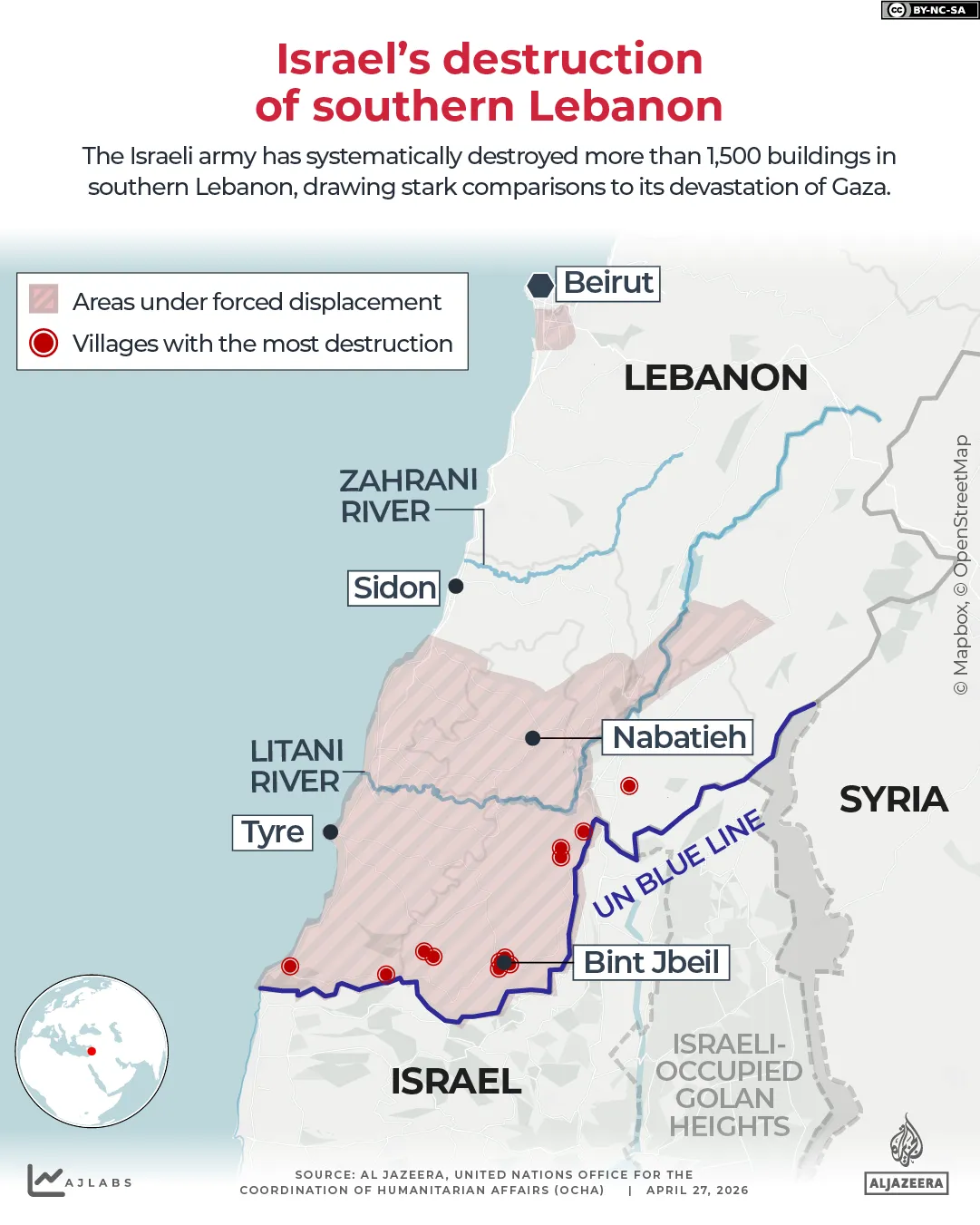
INTERACTIVE - Israel south lebanon bint jbeil map-1777363494
[Al Jazeera]

What was agreed in April?

The April agreement used different language, saying Israel and Lebanon would implement a “cessation of hostilities” from April 16, and never actually used the word ceasefire.

It also included a clause allowing Israel to “take all necessary measures in self-defence, at any time, against planned, imminent or ongoing attacks”.

That clause does not appear in the new text, which could be interpreted as a small concession. That was until Israel Katz said Israel would continue its military operations in Lebanon regardless.

The latest agreement also repeats Israel’s longstanding demand that Hezbollah withdraw from south of the Litani River.

Meanwhile, there is one major glaring omission. While the text focuses heavily on Hezbollah’s withdrawal from parts of southern Lebanon, it does not mention Israel’s withdrawal from southern Lebanon.

Lebanese journalist and analyst Souhayb Jawhar told Al Jazeera the agreement is defined as much by what it leaves out as by what it includes.

The text, he said, focuses on Hezbollah’s obligations and those of the Lebanese state: removing armed elements from south of the Litani and creating zones where the Lebanese army holds exclusive control.

“This point alone explains much of the scepticism within Hezbollah and its political environment,” Jawhar told Al Jazeera. “From the party’s perspective, any agreement should include a clear ceasefire, an Israeli withdrawal, and a framework for addressing outstanding issues, rather than becoming a document focused primarily on restructuring Lebanon’s internal security landscape.”

INTERACTIVE - LEBANON YELLOW LINE_MAY31_2026_3-1780440840

What else is different this time?

Other points of contention regarding the new agreement are the “pilot zones”, which appear to go beyond stopping the fighting and instead test a new security model in southern Lebanon – one that could eventually be expanded elsewhere, analysts say.

“This is why many observers see these zones as the beginning of a gradual transition from a security environment in which Hezbollah played the dominant role to one in which the Lebanese state and its armed forces become the sole security authority,” Jawhar said.

He added that the fate of the agreement may depend less on Lebanon-Israel talks than on the US-Iran track. If Washington and Tehran reach a wider understanding, the ceasefire in Lebanon will have a stronger chance of holding because both sides will have an interest in stabilising the Lebanese front.

“If those negotiations stall or collapse, Lebanon could quickly return to being one of the main arenas of pressure and confrontation between the two sides,” Jawhar added.

What is the situation in Lebanon now?

Southern Lebanon remained under heavy military pressure on Thursday, with Israeli strikes on Kafra and al-Mansouri in the southwest of the country. In the Bekaa Valley, one person was killed and four others wounded in an Israeli strike on Sohmor, according to Lebanon’s state-run National News Agency (NNA).

A separate strike hit Tell al-Aqareb, while further raids targeted Haddatha, Tibnin, Haris, and Harin. The NNA also reported more Israeli strikes across southern Lebanon as drones flew at low altitude over Beirut. In Maaroub, one person was killed and another wounded when Israeli forces targeted a motorcycle.

Israeli warplanes also struck towns and villages across the south, including Zawtar al-Sharqiya, Zawtar al-Gharbiya, Shoukin, Barachit, Srifa, Zibdin, Haris and Deir Zahrani. Jets and drones have also been flying over the south for much of the morning, including a drone seen at extremely low altitude over Tyre.

Lebanon’s Civil Defence authorities have warned people not to return south, citing the continued danger to civilian life in towns and villages across southern Lebanon.

More than 3,000 people have been killed, and more than one million have been forced from their homes since Israel renewed its assault on Lebanon in early March.

Source link

Israel, Lebanon agree to U.S.-brokered cease-fire, fighting continues

Clashes between Israel and Iran-backed Hezbollah militias in southern Lebanon continued unabated on Thursday, a day after the United States announced a new cease-fire. File photo by Atef Safadi/EPA

June 4 (UPI) — Israel and Lebanon signed up to a fresh U.S.-brokered cease-fire to clear the path for negotiations toward “a comprehensive peace and security agreement” between the two countries.

The truce, predicated on Iran-backed Hezbollah halting all attacks and withdrawing from south of the Litani River in southern Lebanon, involves the setting up of Lebanese Army exclusion zones out-of-bounds to all non-state actors, the parties said Wednesday in a statement released by the U.S. State Department.

“These steps will enable progress towards a comprehensive peace and security agreement. All countries reaffirmed that the future of the relationship between Israel and Lebanon must be decided by the two sovereign governments. They rejected any attempt, by any state or non-state actor, to hold Lebanon’s future hostage,” said the State Department.

The area Hezbollah must vacate is an approximately 20-mile wide strip of land between the Lebanon-Israel border and the Litani River in Lebanon’s south.

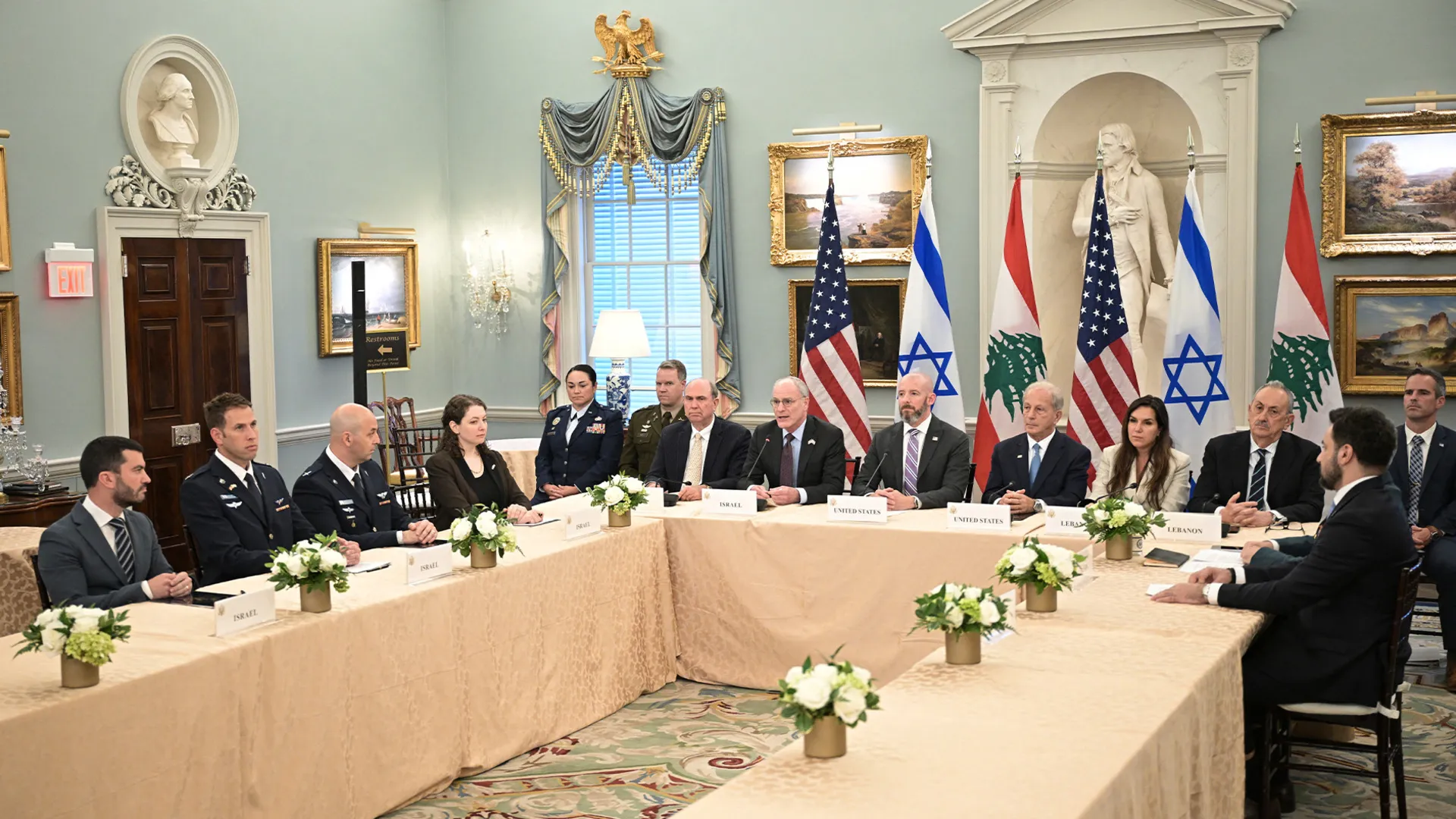
The announcement came after a fourth round of ambassador-level negotiations in Washington on Tuesday and Wednesday. Hezbollah was not represented at the talks, which the State Department said were scheduled to reconvene June 22 to try to reach “a comprehensive agreement.”

Israeli Defense Minister Israel Katz said Israel’s military would not halt hostilities in the south and retained the right, with American backing, to carry out retaliatory strikes on Beirut “in response to fire on Israeli communities or territory.”

“The IDF will, at this stage, continue its fire and ground operations, remain in the security zone in Lebanon up to the yellow line — including in the Beaufort area — and without the return of the population, while continuing to dismantle terrorist infrastructure on the ground,” he said.

Hostilities on the ground continued Thursday with at least one person killed and several injured in Israeli strikes in southern Lebanon with Israeli warplanes in the skies over a dozen towns while Hezbollah fired rockets and drones at Israeli forces in southern Lebanon.

The incidents came after Israeli strikes killed nine people across southern Lebanon on Wednesday and Hezbollah fired rockets into northern Israel.

The latest initiative followed a truce agreement announced by U.S. President Donald Trump on Monday to head off pending Israeli strikes on a Hezbollah stronghold in the Beirut suburbs in exchange for Hezbollah halting attacks on Israel.

The fighting in Lebanon has complicated U.S.-Iran peace negotiations with Iran insisting Lebanon is included in a fragile cease-fire that came into force on April 8. Trump’s intervention came after Tehran threatened to pull out of the talks, saying Israel’s ongoing military operations in Lebanon violated the terms of the cease-fire, warning it would shut the Strait of Hormuz and was looking to “activate” its “resistance front” in other parts of the region.

Source link

Israel and Lebanon agree on ceasefire framework in US-led talks | Donald Trump

NewsFeed

The US announced a ceasefire framework between Israel and Lebanon, which includes expanded Lebanese army control and a halt to Hezbollah attacks. Al Jazeera’s Manuel Rapalo explains how Hezbollah’s rejection of the talks leaves enforcement uncertain.

Source link

Trump acknowledges calling Netanyahu ‘crazy’ and says Israel is complicating peace talks with Iran

President Trump acknowledged criticizing Israeli Prime Minister Benjamin Netanyahu as “crazy” in a phone call that involved expletives, saying he was “a little bit perturbed” that Israel’s fighting with Hezbollah militants in Lebanon was holding back peace talks with Iran.

But even as the president conceded the tensions in an interview released Wednesday, he insisted that his relationship with Netanyahu was solid and that they connected, in part, because they are both “wartime” leaders.

“We’ve worked very well together. I like Bibi a lot. And I work very well with him,” Trump told the New York Post’s “Pod Force One.”

In an interview on the American business-news channel CNBC, Netanyahu responded that he and Trump sometimes have “tactical disagreements” but have “common goals” and “agree on the main things.”

“He respects me. I respect him. We always find a way to work out our differences,” the prime minister said.

The president’s comments about the Monday call offered a sign of the growing pressure he faces to resolve the Iran war as higher energy prices and economic uncertainty threaten Republican prospects in the midterm elections and hamper global commerce.

Talks have dragged on for weeks as mediators seek to extend a fragile ceasefire into a more enduring truce. The negotiations are further strained by Israel’s broadening war with the Iranian-backed militia group in Lebanon. The conflicts have become increasingly intertwined as Iran insists that any potential truce in the war there must also quell the fighting in Lebanon.

Trump does not commit to timeline for ending Iran war

Trump remained noncommittal about a timeline for settling the Iran conflict, saying the Strait of Hormuz might stay blocked through the Labor Day holiday on Sept. 7. He has insisted that Iran stop any efforts that could lead to a nuclear weapon and that the strait be reopened for shipments of oil and natural gas.

“I don’t know. I mean, I think it could be [closed through Labor Day], but I think it’s unlikely. I think that we’ll have it. I think this will resolve itself fairly quickly,” Trump said.

Iran’s Supreme Leader Mojtaba Khamenei, who succeeded his late father, is “involved” in peace talks, Trump added.

“They have a lot of respect for him,” the president said in the interview.

Trump said that Khamenei is not doing well due to wounds sustained in an airstrike, but “they say he’s giving approval because that’s the way it has been for a long, long time.” Khamenei’s father was killed in an airstrike when the U.S. and Israel attacked Iran at the end of February.

Meanwhile in the Persian Gulf region, Kuwait briefly shut its main airport Wednesday after Iranian drones hit a passenger terminal building, killing one person and wounding dozens. It was the latest in the back-and-forth attacks by Tehran and Washington that have tested the ceasefire.

The strike again brought home the risks to residents and travelers in Gulf countries that had considered themselves relative safe havens before the war, now in its fourth month.

Path to a lasting ceasefire in Lebanon is obscured by new strikes

The path toward a lasting ceasefire between Israel and Hezbollah remained unclear as hostilities continued in Lebanon.

An Israeli strike Wednesday hit a car on a busy highway just south of Beirut, hours before the second day of talks between Lebanon and Israel in Washington were set to take place.

The strike in Khaldeh came without warning, and it was not immediately clear if the person targeted was killed.

Israel and Lebanon on Monday reached a U.S.-brokered agreement in which Israel would not strike Beirut’s southern suburbs and Hezbollah would end its attacks on northern Israel.

The agreement was made hours after Israel announced that it was going to launch strikes across the sprawling urban neighborhoods near the Lebanese capital in what would have been the most intense strikes since a nominal ceasefire went into effect on April 17.

The State Department said progress was made during the first day of talks on Tuesday. Lebanon hopes to widen the scope of the ceasefire so it becomes comprehensive across the country. Israel wants to disarm Hezbollah immediately before the Israeli military ends its operations in Lebanon and withdraws its troops from dozens of villages and towns.

Not long after the strike on Khaldeh, the Israeli military said it intercepted what it called a hostile aircraft coming from southern Lebanon, but it did not immediately blame Hezbollah. Hezbollah has not claimed a cross-border attack since the agreement.

Israeli military warning rattles coastal city

Israeli strikes over southern Lebanon continued, especially in and around the battered cities of Tyre and Nabatiyeh. Two overnight strikes near Tyre, a coastal city, killed four Syrians and two Palestinians.

Israel warned the Christian neighborhoods in Tyre that Hezbollah members were among them. Many Lebanese Shiite Muslims fled to those areas in recent days because they were spared from the aerial bombardment along the Mediterranean coast.

After the warning, the Lebanese army deployed to the Christian district of Tyre in an effort to prevent Israeli attacks there and to show that Hezbollah has no armed presence in the area.

Israel launched an invasion of southern Lebanon days after the latest war was sparked on March 2, when Iran-backed Hezbollah fired rockets toward northern Israel in solidarity with Iran. Israeli troops have pushed deeper into Lebanon over the past week, as Hezbollah continues to claim rocket and drone attacks.

The latest round of fighting between Israel and Hezbollah has killed 3,468 people in Lebanon and displaced 1.2 million people. According to Netanyahu’s office, at least 27 Israeli soldiers and a defense contractor have been killed in or near southern Lebanon. Two civilians have also been killed in northern Israel.

Strike on village kills most of a family

Many residents of southern Lebanon remained in villages near the hostilities or returned to areas where strikes occurred after evacuation warnings.

The Al-Abdallah family returned to their home in Marwanieyh, which they left because they thought the village was unsafe following earlier strikes. A day later, two rockets hit the home, bringing down the three-story building and killing six family members, said the brother of Hassan Al-Abdallah, who was killed.

Ahmed Al-Abdallah, 13, was thrown away from the building by the force of the blasts and was the only member of his family to survive. His uncle, Eissa Al-Abdallah, said the boy has two broken legs and shrapnel wounds all over his body.

“What good is talking now? They are gone, and nothing will bring them back,” the uncle told the Associated Press in a phone call Tuesday. “This land costs blood.”

Chehayeb, Boak and El Deeb write for the Associated Press. Boak reported from Washington.

Source link

Marco Rubio: Iran must reopen Strait of Hormuz, discuss nuclear program

June 2 (UPI) — Secretary of State Marco Rubio told the Senate on Tuesday morning that Iran must reopen the Strait of Hormuz and commit to future talks on its nuclear program before the United States will make concessions.

He testified before the Senate Foreign Relations Committee before a scheduled afternoon meeting with a House panel on State Department spending. Both sessions were planned so that Rubio could defend the department’s nearly $36 million budget request for the 2027 fiscal year.

Rubio is also President Donald Trump‘s national security adviser.

The Washington Post reported that Rubio’s testimony with lawmakers has been mostly friendly. He served in the Senate for 14 years and in the House for 8, representing Florida.

Lawmakers from both sides of the aisle have expressed frustration with the cost and potential political fallout from the war with Iran.

“This war and the administration’s decision to blockade has now held the entire world economy, and the U.S. economy, hostage to the ability to negotiate an agreement with Iran,” said Sen. Chris Murphy, D-Conn, The Post reported.

The Strait of Hormuz, which has been closed by Iran since late February, must reopen, Rubio stressed. The strait is a critical waterway for shipping of much of the world’s oil, gas and fertilizer. The closure has caused gas prices to rise, causing anxiety as Republicans fear losing House and Senate seats in November.

Rubio said Trump demands that Iran enter into negotiating “severe and long-term limitations” on its nuclear program, including disposing of enriched uranium, and those talks could take months.

But he said he’s optimistic that Iran is more willing to negotiate on nukes.

“They have agreed to negotiate aspects of their nuclear program that just a month ago, just a year ago, they were refusing to even mention,” The Guardian reported Rubio said. He warned that it’s “not a guarantee that ultimately it will lead to a deal that’s acceptable,” and Iran’s leadership instability has made the negotiations more difficult.

Rubio said Iran had intended to use its conventional weapons capabilities as a “shield” to protect its nuclear program, The Guardian reported.

“What they tried to do is, they were going to try to build a conventional shield and hide behind that conventional shield,” he said, explaining why Trump wanted to start the war.

He also admitted, after questioning by Sen. Ted Cruz, R-Texas, that another sticking point for Trump was that Iran stop supporting terrorist proxy groups. He said Trump is not willing to ease sanctions just for opening the strait.

Rubio said that Iranian Ayatollah Mojtaba Khamenei is believed to be alive.

“I would imagine, given what’s happened to multiple leaders in that system, being very public is probably not something that’s recommended for them internally,” he said. “But that said, I think there are indications out there that he is increasingly engaging at some level, although all of his communications have been in writing and through intermediaries.”

Along with Iran, lawmakers were expected to ask Rubio about the president’s comments about Cuba and Taiwan.

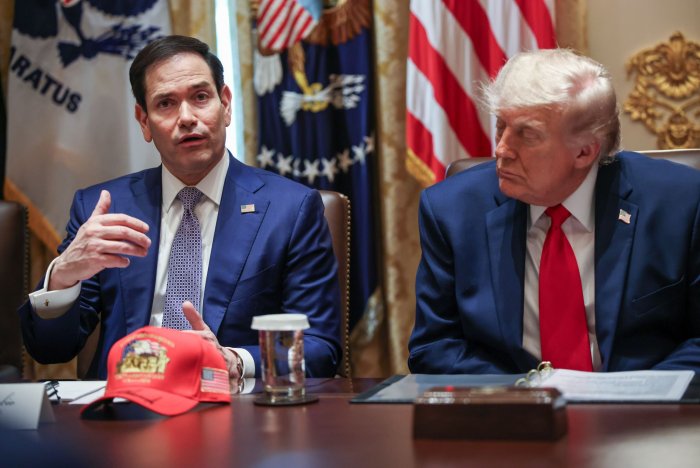
Secretary of State Marco Rubio and President Donald Trump participate in a Cabinet meeting in the Cabinet Room of the White House on Wednesday. Photo by Samuel Corum/UPI | License Photo

Source link

Iran war day 94: US strikes Iranian sites; Kuwait intercepts missiles | US-Israel war on Iran News

While a peace deal between the US and Iran remains elusive, Israel has deepened its offensive into southern Lebanon.

The United States military says it has struck Iranian military sites, and Iran’s Islamic Revolutionary Guard Corps (IRGC) says it has targeted a US base in response, the latest in a series of exchanges as negotiations to end the three-month US-Israel war on Iran are conducted.

US President Donald Trump also on Monday described Iran as eager to reach an agreement.

“Iran really wants to make a deal, and it will be a good one for the USA and those that are with us,” he posted on his Truth Social platform.

Here is the latest on the US-Iran negotiations as both sides announced on day 94 of the war on Iran that they traded attacks:

In Iran

  • Production restored at South Pars: Iran has restored gas production at three offshore platforms in the South Pars gasfield after Israel attacked them in March.
  • US says it attacks Iranian military sites: The US military’s Central Command (CENTCOM) said it conducted “self-defense strikes” on Iranian radar and drone sites in the city of Goruk and on Qeshm Island at the weekend.
  • Iran executes two men over January protests: Iran executed two men convicted over their role in antigovernment protests in January, according to the Mizan news agency. The men were found guilty of setting fire to a mosque in Tehran, damaging public property and clashing with security forces, Mizan reported.

War diplomacy

  • Iran says messages being sent to US: Iranian Foreign Minister Abbas Araghchi said Tehran is continuing to exchange messages with the US on a deal to end the war.
  • Trump’s stance: Araghchi’s comments came after US media reported that Trump has called for tougher terms in the preliminary agreement.

In the Gulf

  • Kuwait intercepts missiles and drones: The General Staff of the Kuwaiti army said its air defences were “confronting hostile missile and drone attacks”. If sounds of explosions are heard, they are the result of air defences intercepting the projectiles, the army added.

In Lebanon

  • Israel pushes farther into Lebanon: Prime Minister Benjamin Netanyahu has ordered Israel’s military to push farther into Lebanon after Israeli forces made their deepest incursion into the country in more than 25 years.
  • Hezbollah says it downs Israeli drone: The Lebanese armed group said it shot down an Israeli Hermes 450 drone over the western sector of southern Lebanon using a surface-to-air missile on Sunday evening. It said in a statement on Telegram that the strike was in response to Israeli violations of a ceasefire that went into effect on April 8.
  • Hezbollah strikes Israeli forces in southern Lebanon: Hezbollah also said its fighters fired a large number of rockets and artillery shells at Israeli forces on the eastern outskirts of the town of Yohmor al-Shaqif in southern Lebanon early on Monday.
  • US proposes new plan: The US has put forward a proposal to de-escalate hostilities in Lebanon, a US official told Al Jazeera, adding that Secretary of State Marco Rubio held separate talks with Lebanese President Joseph Aoun and Netanyahu.

In Israel

  • Israel said rocket fired from Lebanon intercepted: The Israeli military said it intercepted a rocket that set off sirens in northern Israel and destroyed the launcher from which Hezbollah fired the projectile. Earlier, Israel’s Ynet News website reported that air raid sirens had been heard in Western Galilee, the town of Kiryat Shmona and surrounding areas.

In the US

  • The IRGC says it strikes US airbase: The IRGC said it struck an airbase that was used for an attack on a telecommunications tower on Sirik Island, located in the southern province of Hormozgan, Iran’s Fars news agency reported. The IRGC did not specify the location of the facility.
  • Trump says Iran wants to make a deal: In a new Truth Social post, Trump claimed Tehran “really wants to make a deal” and whatever deal is reached will “be a good one” for the US “and those that are with us”.

Source link

Panic on beach in northern Israel during Hezbollah strikes | Israel attacks Lebanon

NewsFeed

Videos on social media show people on a beach in northern Israel running for shelter as Hezbollah rockets are launched towards the region, according to Israeli media. It was the first barrage fired from Lebanon towards Nahariya in three weeks.

Source link