Heard

‘My job was to get people to visit world’s most barren country 9/10 had never heard of’

Nomin Chinbat’s job was to convince people to visit the world’s most barren country that 9/10 people had not even heard of in 2018

How do you convince tourists to visit the world’s most barren country that 90% of people have never heard of?

That was the job of Nomin Chinbat, who just stepped down as the Mongolian Culture and Tourism Minister after five years in government. It’s fair to say that the challenge facing Nomin and Prime Minister Luvsannamsrain Oyun-Erdene was stark.

A 2018 global Edelman survey found only 10% of people knew Mongolia was a country, while 3/10 thought it was part of China. The question ‘what’s Mongolia?’ presented a major obstacle to the government’s plans to grow the tourism sector and to move away from the extractive mining industries that have formed the core of the economy for decades.

Trickier still, those who had heard of the country tended to associate it with less-than-flattering qualities. Ulaanbaatar is officially the world’s coldest capital city, known for its extremely harsh winters where temperatures regularly plummet below -20°C. To keep out the heat, most Mongolians burn coal fires, which has led to dangerously high levels of pollution.

READ MORE: New ‘stay alert’ warning signs for tourists appear in Tenerife

Author avatarMilo Boyd

An estimated 7,000 citizens of the vast, thinly populated country of 3.48 million died last winter due to air pollution, indoors and out, while 881 people had lost their lives thanks to carbon monoxide poisoning in the country in the seven years up to February 2025.

If all of that wasn’t a difficult enough hand for a tourism and culture minister to deal with, then up trots arguably the world’s best-known warlord, Genghis Khan. Although all publicity is good publicity to an extent, the former Khagan’s reputation as bloodthirsty is a gross oversimplification, according to Nomin.

“Historically, we have Genghis Khan, one of the most famous men in the world. He was a peacemaker and diplomat, and he bridged the East and West. A big part of our policy is about reeducating people about who he was. For example, the passport was invited by Genghis. He wanted his envoys to travel across his land, so he gave them geregee passports that ensured their safe travel,” Nomin tells the Mirror during a visit to the South Korean capital Seoul.

Although the Mongolian government is shying away from Genghis’s notoriety, instead running a legacy-rewriting exhibition in France in 2024 and Switzerland today, Nomin would prefer visitors to engage with what the country has to offer today. Culturally, The Hu are Mongolia’s most famous sons, bringing a fusion of folk and metal that delivers old Mongolian war cries and traditional poetry to fans across Asia and the world.

But the real stars of the show, and a huge part of the reason why more and more people are coming to Mongolia every year, are the nomads.

Since at least the 3rd Century CE, residents of the Mongolian steppe have survived by herding livestock and living off the land. Today, roughly 40% of Mongolians are nomadic, and around one-third of the country’s population still lives in traditional dwellings called gers (yurts). These can be easily dismantled and moved to a new location, which nomads typically do four times a year.

At times, they join the 1.7million people who live in the rapidly growing Ulaanbaatar, before venturing out into the vast Mongolian wilderness. Dominated by the soaring Altai Mountains to the west and the harsh Gobi Desert to the south, the world’s second-largest landlocked nation is almost completely free of fences, meaning nomads can wander to their heart’s content. And they’re unlikely to be disturbed. Mongolia has a population of just 3.3million, which is less than the number of people living in Berlin, giving it a population density of just two people per kilometre. It is roughly a third emptier than the next less densely populated sovereign countries in the world – Australia and Namibia.

Perhaps all of these ingredients don’t add up to a typical holiday destination. However, in a post-lockdown decade in which travellers are increasingly answering the call of adventure, it’s catching a growing number of eyes.

“The UN Tourism Barometer found that Mongolia is one of the 20 fastest-growing tourism destinations, with a 16% increase in visitors from 2024 to 2025,” Nomin continues. The total number is not a lot compared to many countries, but it’s growing. There were 850,000 tourists in 2025, and around 500,000 before Covid. Our aim is 2 million by 2030.”

Whether the Go Mongolia campaign hits that target remains to be seen. So far, collaborations with Fulham as the club’s official kit and tourism partner, and “promotional piggy-backing” on international events such as the Paris Olympics, seem to be working. As does an “open sky policy” that has seen airlines including United, Air China and Turkish increase connections. Getting there from the UK remains pretty tough. Most flights from the UK stop in Istanbul and take around 15 hours to reach Ulaanbaatar. A return economy is likely to cost you around £1,000, so it’s far from cheap break material.

A recent Boston Consulting Group survey found that Mongolia had jumped 14 places in the global soft power rankings. Today, six out of the 10 people worldwide have heard of the country. Not a bad return, Nomin says.

“We’ve put in a lot of effort to make sure people know about us. I believe Mongolia has taken a very good policy to sustain tourism growth, which will really deliver for the Mongolian people. It will only grow. I think we’re on the verge of exploding.”

Source link

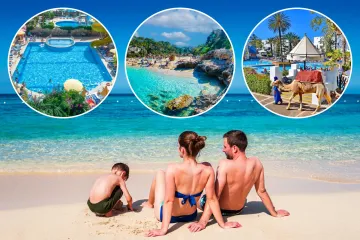
The best Spanish resorts you’ve NEVER heard of

FROM the Canaries to Costa Blanca, these under-the-radar Spanish destinations should be on your holiday wish list.

We’ve picked out some of the best hidden gems across Spain, with whitewashed villages, beach towns and exotic city breaks for a fraction of the usual price and no crowds.

Manilva in Costa del Sol is an overlooked Spanish gemCredit: Alamy

Manilva, Costa del Sol

If you’re heading to the Costa del Sol, leave behind the tourist hotspots of Malaga, Marbella and Torremolinos. 

Instead, head to the local favourite of Manilva, around 27 miles south of Marbella

This resort has a traditional hilltop white village (pueblo) with stunning coastal views, plus a marina and beach town, San Luis de Sabinillas. 

The area is also full of vineyards – with producers like Nilva offering wine tastings and modern dry whites at a fraction of the price you’d pay in France or Italy.

For example, you’d pay £26.50 for a two-hour wine tour or £15 for a bottle of Dry Muscatel.

The pueblo and marina have loads of affordable tapas bars, such as Susi Gastro Tapas, where a plate of croquettes costs less than £4. 

It’s also amazingly affordable to stay in Manilva.

A seven-night getaway here in 2025 cost an average of just £371 according to TravelSupermarket.

And hotel rooms cost from as little as £30 per night in spring, according to Hotels Combined.

It’s a great time of year to travel, with average highs of 20C and actual highs of 25C in April.

The vineyards in Manilva produce mainly dry white wineCredit: Alamy
S’illot in Majorca is a calmer choice than Palma or MagalufCredit: Alamy

S’illot, Majorca

Get away from the hordes of Brits that flock to Magaluf and Palma, and make a beeline for S’illot on the other side of the island. 

Around halfway down Majorca’s east coast, it’s quieter and calmer than the mainstream resorts, making it a hit with families and locals. 

And it’s easy to see why. The water is turquoise, shallow and calm, beaches have soft sand and you can watch fishing boats in action.

Another advantage of S’illot is its location – you can jump on a bike and cycle the island’s beautiful coastline on a path linking several beach towns

And at £449 per person for a week’s break according to TravelSupermarket, it’s also an affordable Spanish beach resort. 

El Palmar de Vejer on the Costa de la Luz has a laid-back vibeCredit: Alamy
El Palmar de Vejer is within the province of CadizCredit: Getty

El Palmar de Vejer, Andalucía

This little surf town on the south-west coast in the province of Cádiz, is one of Spain’s best-kept secrets. 

El Palmar de Vejer – or just El Palmar to locals – is loved by Spanish holiday-makers – but you’re unlikely to spot many Brits here because it’s less packaged for mass tourism. 

It’s not the easiest destination to reach – from Malaga, you need to catch a three-hour train to Cádiz and board a bus down the coast that takes around an hour. 

But the journey is well worth it. You’ll be greeted by a long, wide beach with soft golden sand, independent surf lodges and laid-back chiringuitos (beach bars). 

Most of these serve proper Andalusian paella and fresh seafood, which you can eat with your toes in the sand while watching the Atlantic rollers.

You can bag a great meal with drinks for under €20 if you know where to go. 

Try La Cerveceria, where a beer costs just £1.50 and a glass of white wine is less than £2.

Accommodation isn’t expensive either – instead of high-rise developments and hotel chains, you’ll find locally-run bungalows and guest houses. 

Casa Reyes El Palmar has rooms from just £43.50pp per night (£87 for a double room). 

Wake up to the sound of the sea, hit the beach, maybe book a surfing lesson and then head to a beach bar for lunch.

This place has the same relaxed, surfy vibe you get in California – no wonder locals call it “Cádizfornia”.

The Basilica of Santa Maria is a landmark church in Elche on the Costa BlancaCredit: Getty

Elche, Costa Blanca

Just outside the main city is El Palmeral de Elche, a huge palm tree park and gardenCredit: Getty

For an under-the-radar city break, head to Elche. 

Around half an hour inland from Alicante, this city offers all the classic Spanish features – minus the crowds. 

You may not have Costa Blanca’s famous beaches within walking distance, but you are only a short stroll to cultural highlights like pink palaces and Europe’s largest palm grove. 

Built during the 11th and 13th centuries, Palau d’Altamira is a fortress that looks pink in the sun. 

It’s now a museum packed with artefacts about the history of Elche – and has a nominal entrance fee (€3/£2.59 for anyone above the age of six; €1/86p for students; free entry for anyone on Sundays).

Just outside the main city is El Palmeral de Elche, a huge palm tree park and garden. 

Home to a whopping 200,000 palm trees, it’s also completely free to enter. 

If you do want beaches, the coastal towns of Urbanova and Arenales del Sol are a 25-minute drive away.

The city is filled with cosy tapas restaurants, like local hangout Bar Paquito, which has been serving homemade dishes like paella and fried rice since 1970, with prices from just €6.

You can also bag a bargain on hotels – The Ibis Elche has rooms from just £29.50pp per night (€59 for a double room).

Nerja has a number of sweeping golden beaches to choose fromCredit: Getty
Mountainside Burriana houses make Nerja a postcard-perfect Spanish spotCredit: Getty

Nerja, Costa del Sol

This former fishing village is around a 50-minute drive east of Malaga and is less built up than its Costa del Sol neighbours.

Pronounced “Ner-ha”, it;s a scenic resort on the Andalusian coast with a number of beaches, a 17th-century church and mountain-and-sea views.

With its soft sand, clear water and lively restaurants, the Blue Flag Burriana is arguably the best beach.

Powdery sand stretches for almost ten miles in Nerja, and you can try activities like water skiing and scuba diving. 

Nerja is also packed with history, with Andalusian white villages and ancient caves dotting the seafront.

Balcon de Europa is an expansive, cliffside promontory, home to the 17th-century Church of El Salvador.

Worked up an appetite? Chiringuito Mauri is a rustic beachside restaurant serving seafood, chicken and paella cooked on a converted fishing boat. 

It also won’t break the bank to eat here – paella costs from €6 (£5.30) and chicken dishes from €8.50 (£7.50).

Around a 25-minute walk along the seafront from the centre of town, Hotel Balcón de Europa has rooms from £57pp per night.

Mojácar is a traditional pueblo close to the city of AlmeriaCredit: Alamy
Cabo de Gata is a nature reserve in AlmeriaCredit: Getty

Almería, Andalucía

How about a holiday in Spain’s happiest city?

With a warm climate, low rainfall and excellent tapas bars, a stint in Almería will leave a smile on your face. 

Despite the recent launch of new flights from the UK, this port city on the Iberian Peninsula is still often overlooked by Brits who flock to Madrid or Barcelona instead. 

Its main attraction is the 16th-century Moorish Alcazaba (fortress) that has the best views of the city.

There is also the Barrio de la Chanca, a small quarter of the old town where colourful houses are built into the caves.

Beach lovers can head to Playa del Zapillo and Playa de Las Olas – both located just a stone’s throw away from the city’s trendy restaurants and bars.

There’s no shortage of tapas bars in Almeria, including Jovellanos 16, where small dishes like mushrooms in garlic sauce are served for free with every drink you order.

Almeria is also Europe‘s only city with a hot desert climate thanks to its proximity to the continent’s only desert.

A 30-minute drive away, the Tabernas Desert has been used as a filming location for famous Westerns, including The Good, the Bad and the Ugly.

And with rooms from as little as £35 a night at the likes of the Hostal Estacion, you can stay somewhere central without having to splash the cash.

El Rompido is a lesser-visited traditional coastal boroughCredit: Alamy
The beaches of El Rompido are often far less busy than those of MarbellaCredit: Alamy

El Rompido, Andalucía

Around half an hour west of Huelva city, El Rompido is a small seaside resort with plenty of beach bars, boat trips and good-value restaurants. 

Backed by natural marshland and with narrow streets and whitewashed houses, this fishing village has a local feel, with many Spanish families choosing to holiday here in summer.

When it comes to activities, much of it is tied to the coast – think kayaking, a segway through the marshes and walking in the dunes – and there is a golf course with sea views.

La Flecha is an eight-mile spit of land that is accessible only by boat – offering incredible beaches of powder sand and a feeling of remoteness.

El Rompido is known for its “gambitas de Huelva” (small prawns) – try them at Doña Gamba, a local seafood bar in the village square (from €8.50/£7.50).

You won’t find any expensive boutique hotels or big chains here, meaning El Rompido is still both affordable and charming.

On the edge of town, Hotel Nuevo Portil has rooms from just £28pp (doubles from £56).

Tarifa is a top destination for wind-sportsCredit: Alamy
Tarifa sits at the tip of the Iberian PeninsulaCredit: Getty

Tarifa, Andalucía

Europe’s southernmost point, Tarifa is loved by locals but often overlooked by Brits.

It features pristine, white sand beaches and, thanks to its location, lots of wind, meaning kitesurfers and windsurfers flock to the area. 

It’s a great spot to watch or even try the sport for yourself, with group lessons with Captain Kite Tarifa costing around £58 (€66 for three hours). 

For something less energetic, boat trips offer dolphin and whale watching, and you have views of Morocco across the Strait of Gibraltar. 

Another option is to explore the 800-year-old Tarifa Castle, dip in the natural sea pools along the coast or simply hit the beach. 

The town’s surf scene means it has a laid-back vibe, with lively tapas bars like El Lola serving just-cooked tortillas, local sherries and wine from Cádiz to diners on its terrace.

Don’t expect to see many chain hotels in Tarifa – that’s part of its appeal.

Located just 500 yards from the beach, the whitewashed La Casa de la Favorita has rooms from £44 per night, while the three-star Beach Hotel Dos Mares has rooms from £37.50pp per night (£75 for a double).

Arrieta is a quieter option when visiting LanzaroteCredit: Getty
Playa la Garita in Arrieta is small, sandy and unspoiltCredit: Alamy

Arrieta, Lanzarote

Most of Lanzarote’s popular beach resorts, such as Playa Blanca and Puerto del Carmen, are found on the south of the island. 

Instead, head north towards the more rugged coastline and you’ll discover the lesser-known fishing village of Arrieta

With volcanic mountains on one side and the sea to the other, it offers the classic features of a holiday in the Canaries – but is blissfully uncrowded. 

Join locals at La Garita beach, a sheltered cove where you can surf small waves, build sandcastles and sip €5 cocktails from a mojito truck parked by the sand.

You’re also within easy reach of Lanzarote’s wine-growing region, La Geria.

Minerally dry whites are paired perfectly with traditional Canarian potatoes (boiled and salty) and spicy red “mojo” sauce.

You can sample them on a wine tour with a company like Wine Tours Lanzarote or direct through the bodega (vineyard). 

Accommodation in Arrieta tends to be small-scale, from villas to family-run places, rather than mega resorts

The Eco Cabin at Finca de Arrieta costs from £40pp per night based on four sharing (€180).

Cala Aigua Blava in Begur is a breath-taking bay with a few fantastic seafood restaurantsCredit: Getty
Nearby Sa Tuna is a tiny picturesque fishing village, and is only 11-minutes down the roadCredit: Alamy

Begur, Costa Brava

Around an hour north of Barcelona, and 30 miles beyond the package holiday favourite Tossa de Mar, sits the charming town of Begur.

Its golden sand, Moorish history and tapas bars keep the locals coming back year on year for stylish Spanish beach holidays

You can happily spend your time hopping from cove to cove, each with steep walls plunging into turquoise water.

The Cami de Romda coastal path is a great hike between coves, while kayaking and stand-up paddleboarding gets you even closer to the sea caves.

But it’s not just a beach town. You’ll also find a medieval castle, narrow old town streets and “Indiano” mansions – homes built by people who went to Latin America and returned.  

Begur is known for its fresh fish – try traditional Catalan fish stew and wines from the DO Emporda region.

One of Begur’s oldest restaurants, Restaurante Casa Juanita is known for its fresh, local rock fish – cooked before your eyes in an old wood oven.

Set in a 19th-century “Indiano” house, the three-star Cluc Hotel has rooms from £52.

Source link

Legendary band’s unreleased track ‘no one has ever heard’ to be played publicly for first time ahead of new album

AN unreleased track by rock legends Queen that “no one has ever heard” will be played publicly for the first time today.

Guitarist Sir Brian May, 78, will broadcast Not For Sale (Polar Bear) on radio station Planet Rock.

An unreleased track by Queen that ‘no one has ever heard’ will be played publicly for the first time todayCredit: Redferns
The track will be played during Sir Brian May’s Planet Rock Christmas SpecialCredit: Getty

It was originally recorded during the sessions for the band’s 1974 album, Queen II, but did not make the final cut.

This remastered version will feature in the 2026 re­release of the album.

While a “bootleg” version of the song by May’s pre-Queen band Smile may already have circulated, he says “no one” has heard this version.

It will be played during Sir Brian’s Planet Rock Christmas Special at 6pm — featuring his favourite seasonal tracks.

RHAPSODY REVEALED

The truth behind Bohemian Rhapsody – Freddie’s fears and what lyrics mean


ICON’S COIN

Freddie Mercury gets flashy new Royal Mint coin as proud family praise tribute

He said: “It’s a song that goes back a very long way, but to my knowledge no one has ever heard this version.

“It’s a work in progress and will appear on the forthcoming rebuild of the Queen II album.

“But I’m sneaking this into my Planet Rock special because I’m fascinated to know what people think about it.”     

Formed in the 1970s, Queen was made up of guitarist Sir Brian, drummer Roger Taylor, late frontman Freddie Mercury and bassist John Deacon.

The group has since had six UK number one singles and 10 UK number one albums with some of their best known songs including Bohemian Rhapsody, Killer Queen, Crazy Little Thing Called Love, and We Are The Champions.

Queen’s legendary frontman Freddie MercuryCredit: Getty

Source link