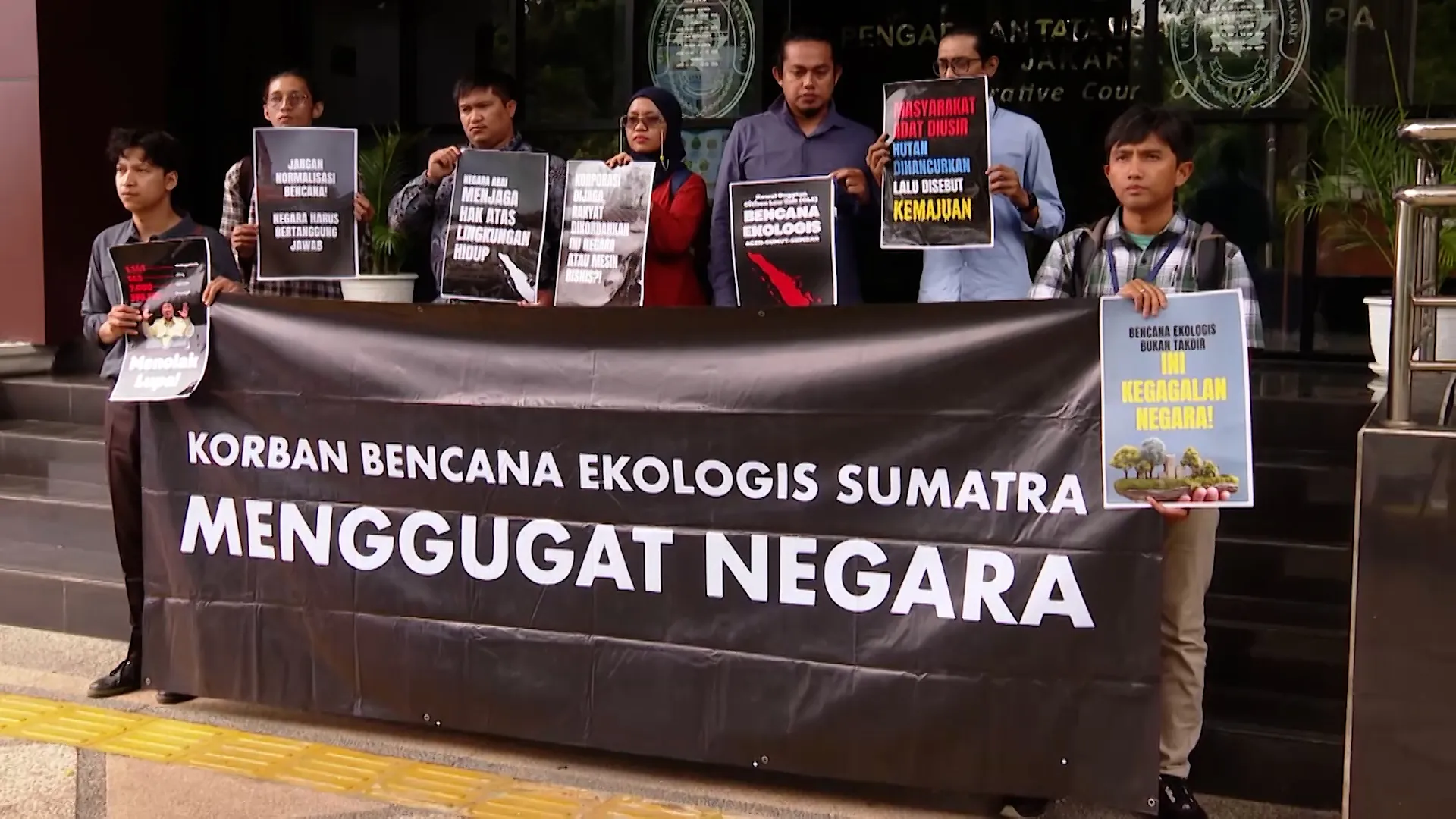
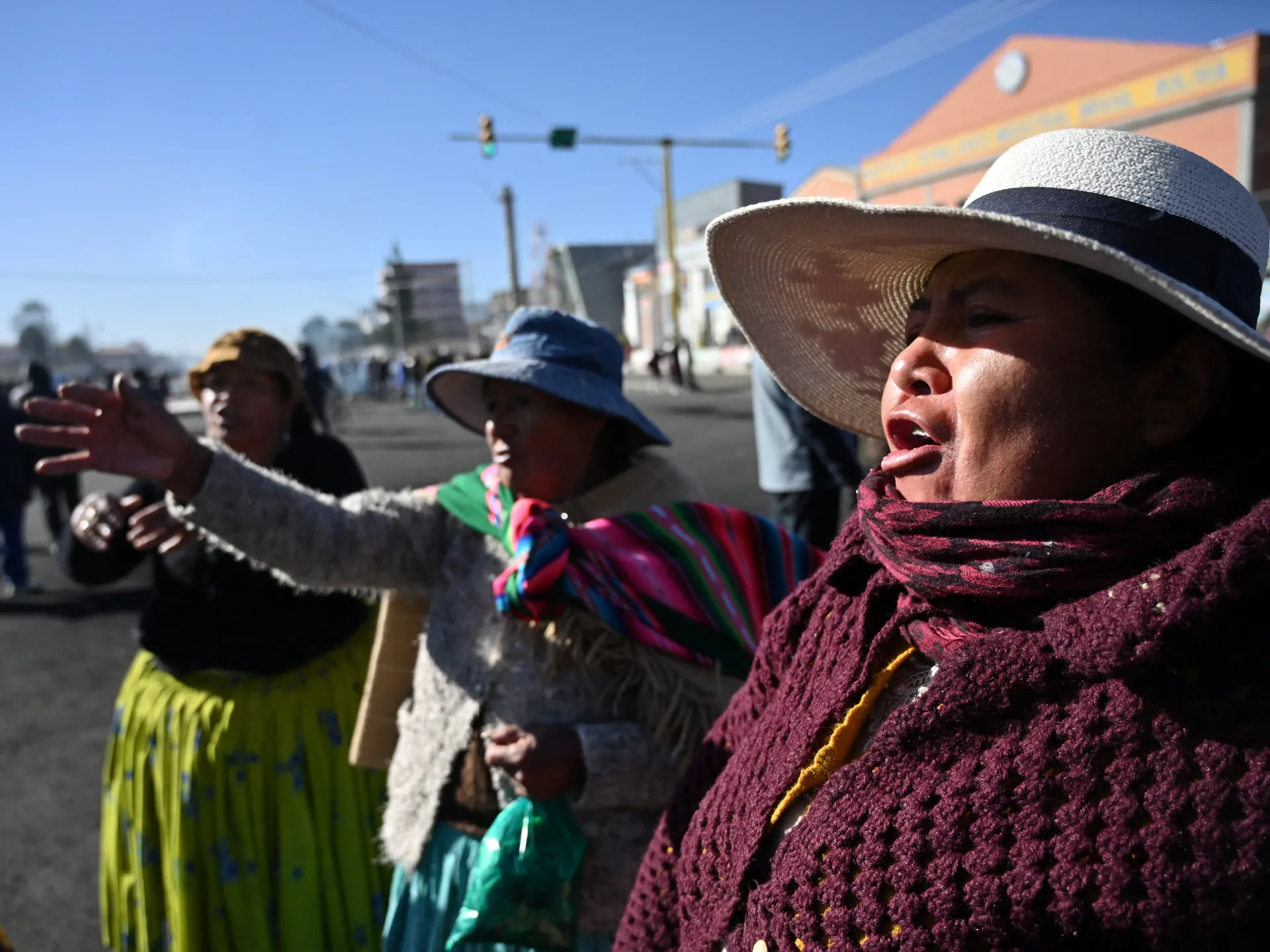
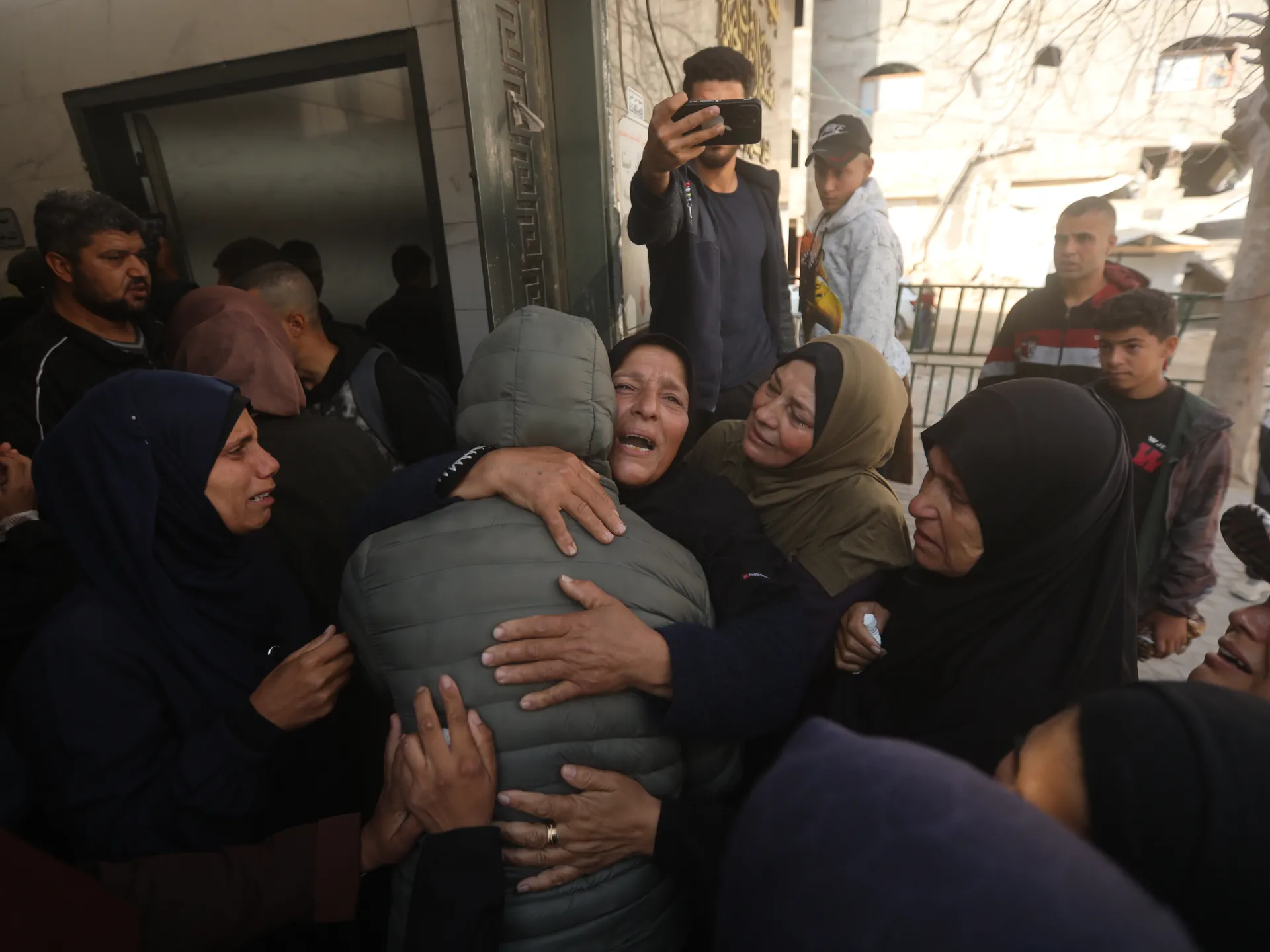
Survivors of Indonesia’s deadly Sumatra floods are suing the government over what they say was an inadequate disaster response. As Al Jazeera’s Jessica Washington reports, they’re seeking a court order to declare the floods a national disaster and improve recovery efforts.
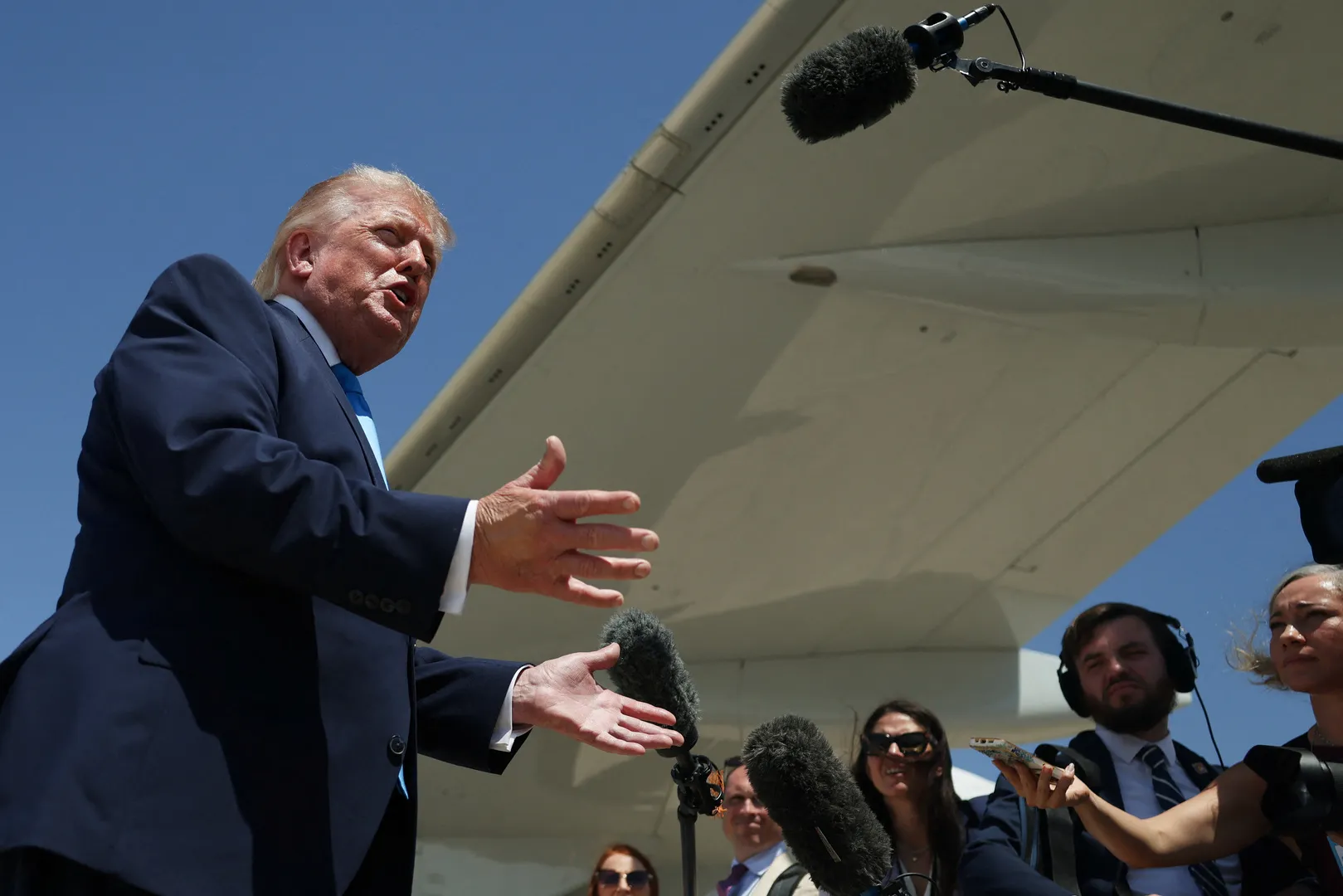
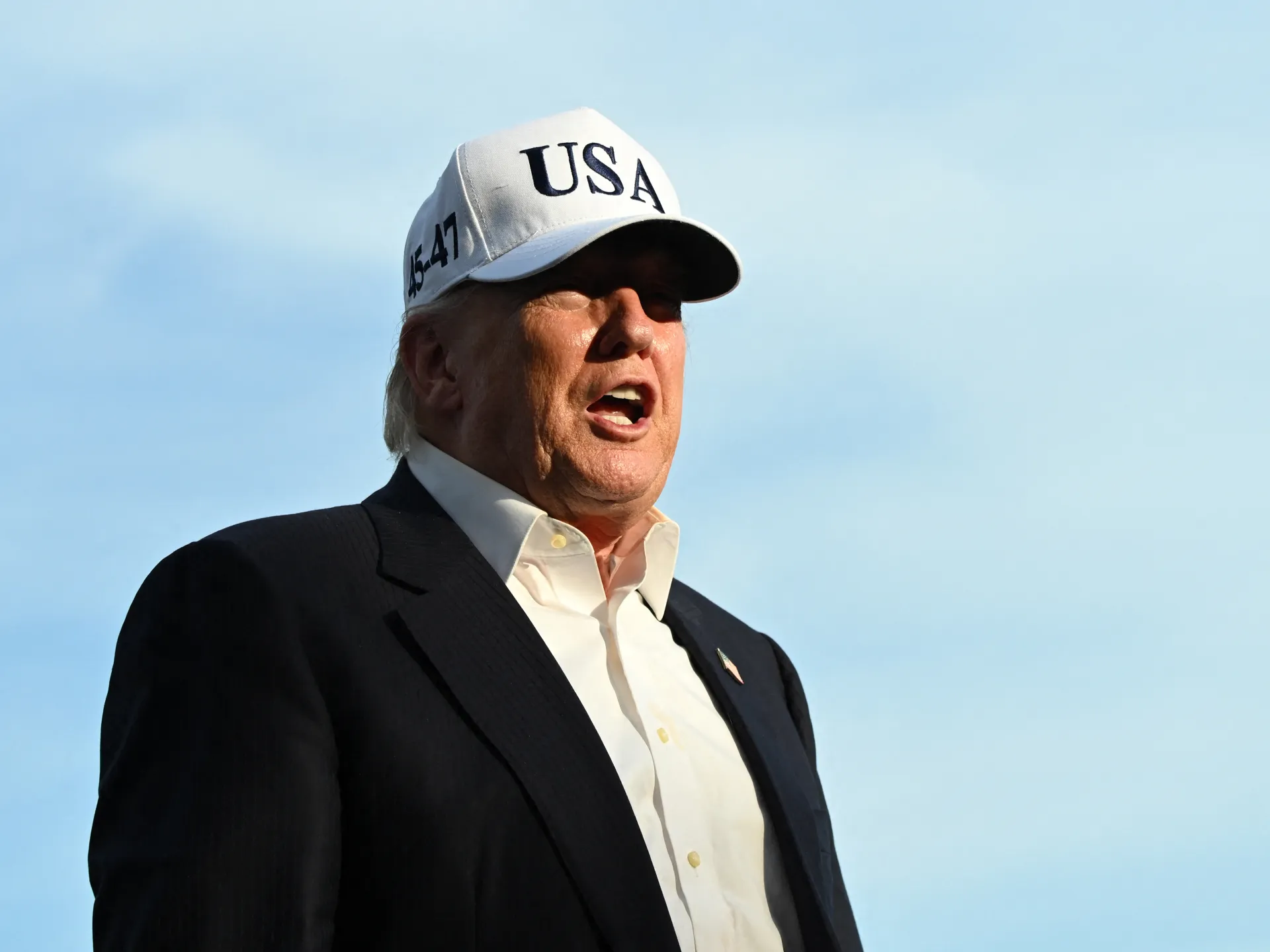
President Trump said the United States is “freeing up Cuba” and ruled out escalation after the US indicted former Cuban President Raul Castro in Miami over the 1996 downing of exile planes.
The indictment of former Cuban President Raul Castro over a 1996 plane shootdown revives a decades-old case at a moment of heightened US pressure on Havana. Al Jazeera’s Kimberly Halkett explains why the timing matters.
Rodrigo Paz is under pressure from weeks of demonstrations and poor economic conditions.
Published On 20 May 202620 May 2026
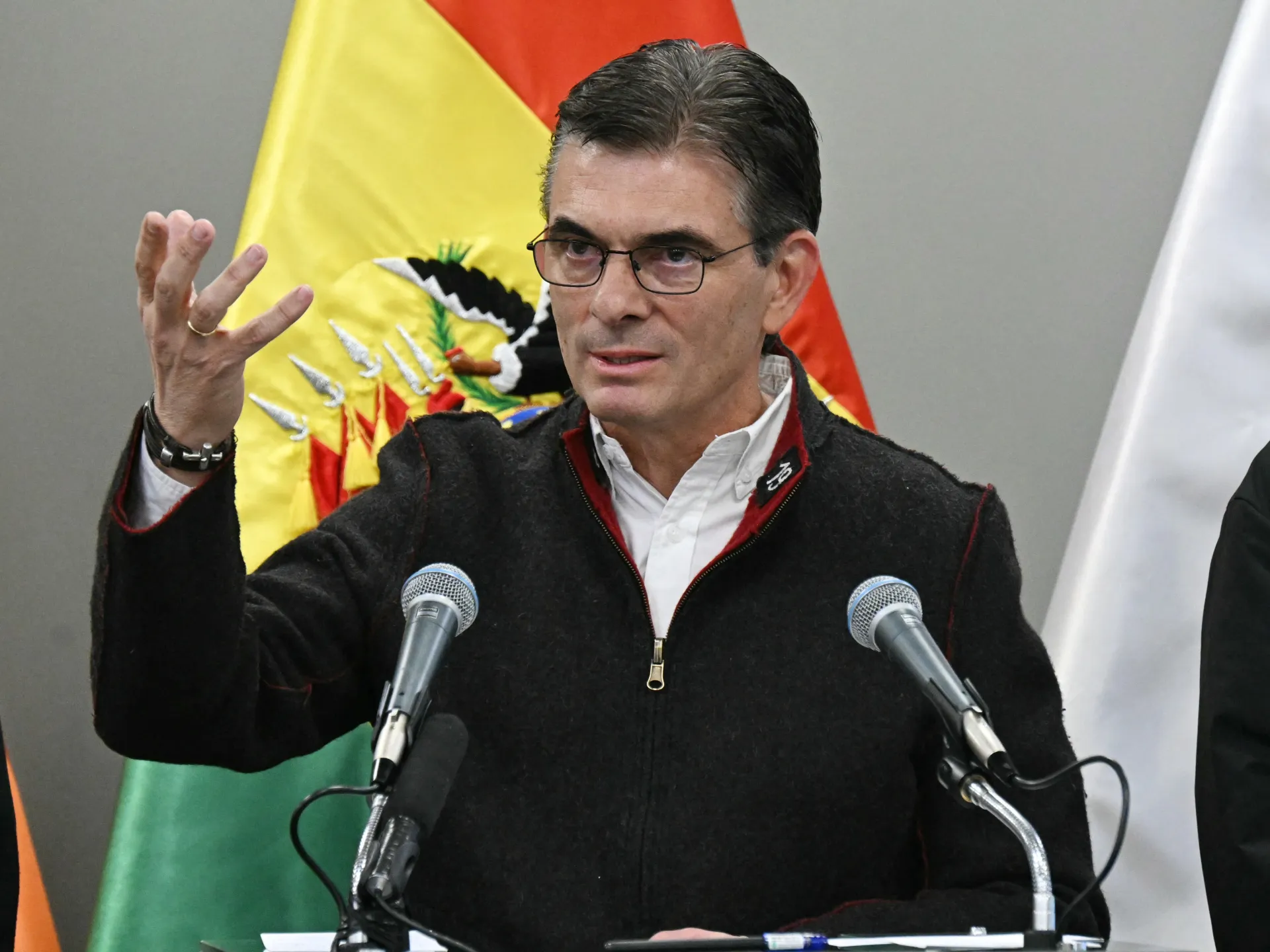
Bolivia’s right-wing President Rodrigo Paz has said he will reorganise his cabinet as he faces calls to resign amid weeks of widespread protests.
During a news conference on Wednesday, Paz said he would reshuffle his ministers in a bid to ease tensions with antigovernment protesters.
Recommended Stories
list of 3 itemsend of list
“We need to reorganise a cabinet that must be able to listen,” Paz told reporters.
Since taking office in November, Paz and his government have faced backlash to economic restructuring measures, including controversial cuts to fuel subsidies. The country is in one of its worst economic crises in decades.
Protesters have taken to the streets to express frustration with Paz’s free-market reforms. His inauguration ushered in a period of right-wing leadership after nearly two decades of governance by the Movement for Socialism (MAS).
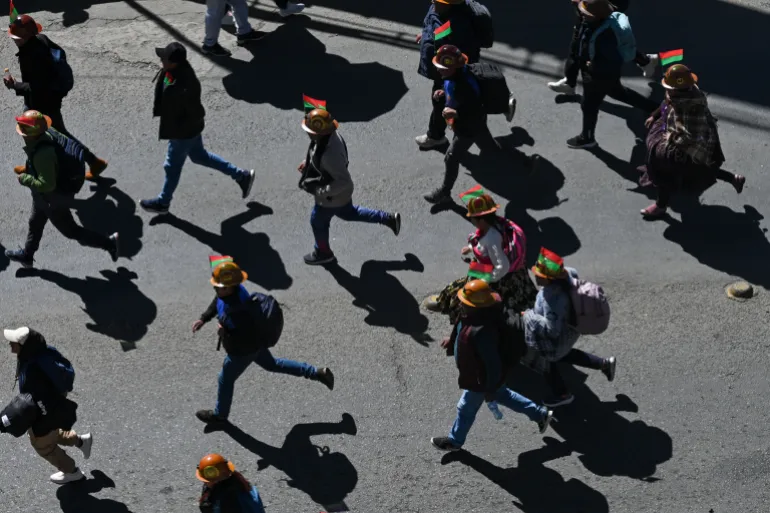
Thousands of farmers, labourers, miners and teachers have denounced Paz’s reforms. Riot police clashed with protesters again in the capital, La Paz, earlier this week.
While Paz acknowledged frustrations in his remarks on Wednesday, his government has depicted the protests as dangerous and anti-democratic.
Minister of Foreign Affairs Fernando Aramayo said earlier in the day that the mass protests and roadblocks were aimed at destabilising the country and “disrupting the democratic order”.
Former leftist President Evo Morales, who continues to exert influence over the country’s politics, has expressed support for the demonstrations.
The Paz government, meanwhile, has accused Morales of fomenting unrest. The former socialist president faces charges of statutory rape and has an arrest warrant out against him. His allies, however, say the charges are part of an effort to remove him from political life.
“Let there be no mistake: the United States stands squarely in support of Bolivia’s legitimate constitutional government,” Secretary of State Marco Rubio said in a social media post on Wednesday. “We will not allow criminals and drug traffickers to overthrow democratically elected leaders in our hemisphere.”
Paz also slammed Colombian President Gustavo Petro, who has frequently feuded with right-wing governments in the region, for recent comments describing the protests as a “popular insurrection”.
The Bolivian Ministry of Foreign Affairs announced on Wednesday that it would ask the Colombian ambassador to leave the country, citing interference in domestic political affairs.
“If they expel the ambassador simply for proposing dialogue and mediation, it means we’re sliding towards extremism that could lead to a very difficult situation for the Bolivian people,” Petro said in an interview with the local radio station Caracol.
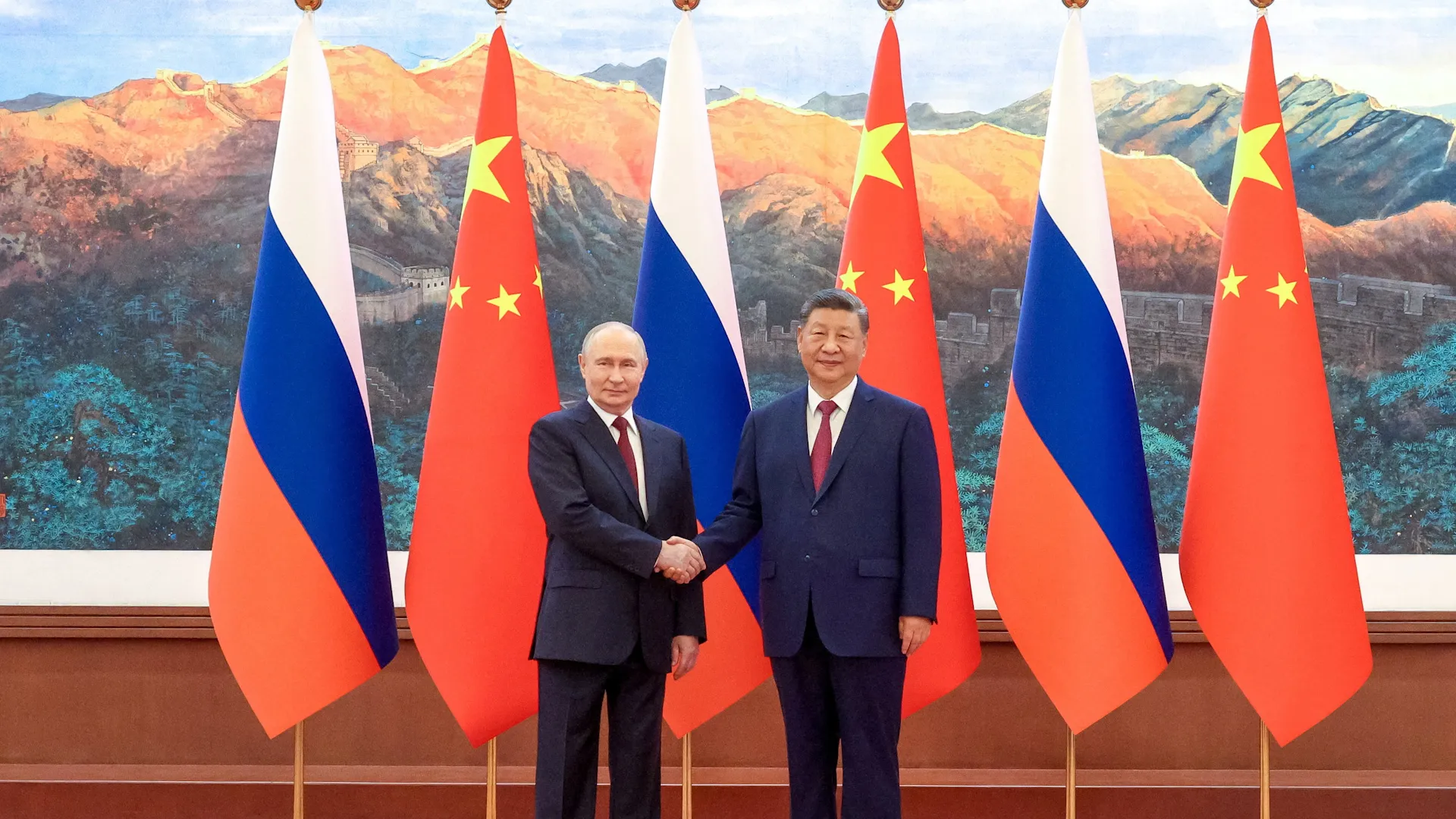
China’s Xi Jinping has welcomed Russian President Vladimir Putin to Beijing. The two leaders praised their strong ties, and spoke about the importance of maintaining their ‘comprehensive partnership’.
Xi and Putin hold talks just days after US President Donald Trump made an official visit to China.
A meeting between Chinese leader Xi Jinping and visiting Russian President Vladimir Putin has started in Beijing, Chinese state media report.
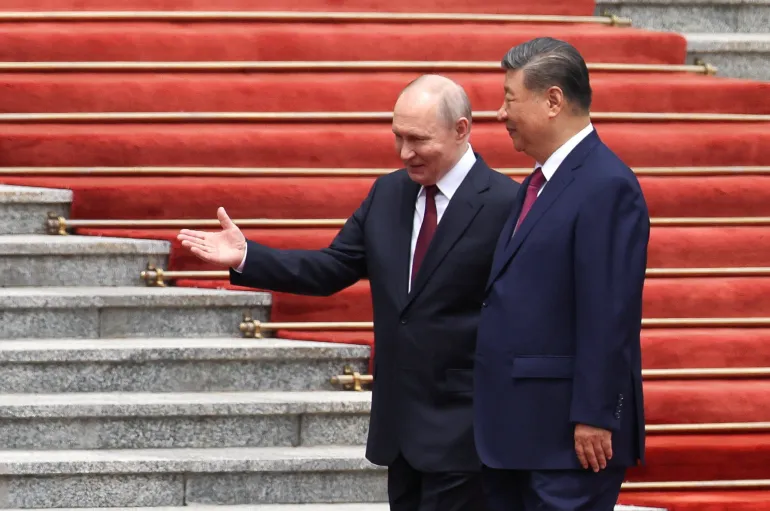
Xi welcomed Putin to the Chinese capital on Wednesday, shaking hands with the Russian leader outside the Great Hall of the People before their talks, video by Russian media showed.
Recommended Stories
list of 4 itemsend of list
Before entering the Great Hall, Putin and Xi walked down a red carpet, rolled out to greet the Russian leader, and stood as a military band played their two national anthems.
Putin began the talks by hailing the “strong, positive” momentum in cooperation between Russia and China, according to Russian media.
“Even amid unfavourable external factors, our cooperation and economic cooperation is showing strong, positive momentum,” Putin told Xi.
Addressing Putin, Xi lauded the “unyielding relationship” between China and Russia.
“We have been able to continuously deepen our political mutual trust and strategic coordination with a resilience that remains unyielding despite trials and tribulations,” Xi told Putin, according to China’s Xinhua news agency.
The Chinese leader also addressed war in the Middle East, telling his Russian counterpart that further conflict was “inadvisable” and a ceasefire was necessary.
“A comprehensive ceasefire is of utmost urgency, resuming hostilities is even more inadvisable and maintaining negotiations is particularly important,” Xi said, according to Xinhua.
Russian President Vladimir Putin walks with Chinese President Xi Jinping during a welcoming ceremony at the Great Hall of the People in Beijing, on Wednesday [Maxim Shemetov/Pool/Reuters]
Al Jazeera’s Katrina Yu, reporting from Beijing, noted that Putin’s visit and that of the recently concluded trip by US President Donald Trump to China were very different.
Putin, she said, is marking 25 years of the Sino-Russian friendship, has visited China dozens of times, and met with Xi on more than 40 other occasions.
“So this visit will really be about deepening existing coordination and cooperation,” Yu said.
“We are expecting that the two sides will update each other on the situation in the Middle East, as well as Ukraine. No doubt, Xi Jinping will also talk to Putin about what was discussed with Donald Trump last week,” Yu said.
Putin is being accompanied by a large delegation of Russian businesspeople and government leaders, and the Kremlin has announced that the two leaders will sign some 40 different agreements, Yu said, covering everything from the economy and tourism to education.
“But I think for Putin, the main topic of discussion with Xi Jinping is going to be on energy security,” Yu said.
“Since the war in Ukraine, any gas sales that were previously heading to Europe – that is all dried up – and Russia is in desperate need of revenue to replace that, especially since we are in the fifth year of the Ukraine war,” she added.
In a video address released before meeting Xi, Putin said Beijing and Moscow are prepared to cooperate with each other on “core interests of the two countries, including the protection of sovereignty and national unity”, the Reuters news agency reports.
Both countries are actively expanding ties in economy, politics and defence, Putin said, adding that “a close” and “strategic” connection between Moscow and Beijing was playing “a stabilising role” in global relations.
“We are not aligning against anyone, but working for the cause of peace and universal prosperity,” Putin said.
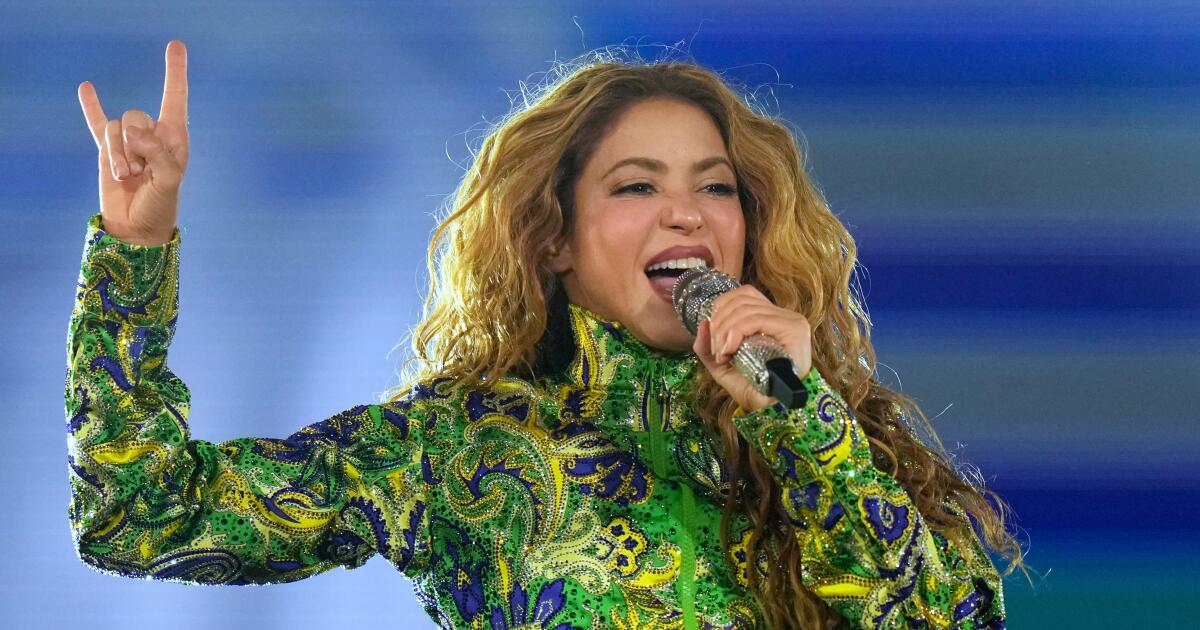
Shakira’s long tax-fraud nightmare has ended with the government of Spain on the hook to refund nearly $70 million to the Colombian-born singer after prosecutors failed to prove she spent enough time in that country to owe it a chunk of her earnings.
Since 2018, the singer has been accused of defrauding the Spanish government in three cases, for the tax years 2011, 2012-2014 and 2018. Over the years, deals were offered, rejected and accepted; charges were dropped, other charges were filed; and an eight-year prison sentence was threatened.
Shakira maintained her innocence, saying in 2022 that “Spanish tax authorities saw that I was dating a Spanish citizen and started to salivate,” referring to her relationship with Barcelona-born footballer Gerard Piqué, the father of their sons Milan and Sasha. Piqué and the singer, who met in 2010 when she did “Waka Waka,” the official song of that year’s FIFA World Cup, separated in 2022.
A representative for the singer, whose full name is Shakira Isabel Mebarak Ripoll, did not respond immediately to The Times’ request for comment on the court decision.
However, despite there being no fraud, Shakira told People on Monday in a statement that “for nearly a decade, I was treated as guilty. Every step of the process was leaked, distorted, and amplified, using my name and public image to send a threatening message to the rest of the taxpayers.”
She added, “Today, that narrative crumbles, and it does so with the full force of a court ruling.”
Everything revolved around how many days Shakira spent in Spain in the years in question. With her legal residence in the Bahamas before she declared Spain her fiscal home in 2014, she had to spend more than half the year outside of her beau’s home country to avoid paying taxes there.
“They knew I wasn’t in Spain the required time, that Spain wasn’t my place of work or my source of income, but they still came after me, with their eyes on the prize,” Shakira told Elle in 2022, adding that she was confident that justice would prevail in her favor at trial. “I have enough proof.”
The amount the Spanish government owes her includes fines and interest in addition to the money she handed over, despite having no legal obligation to pay it.
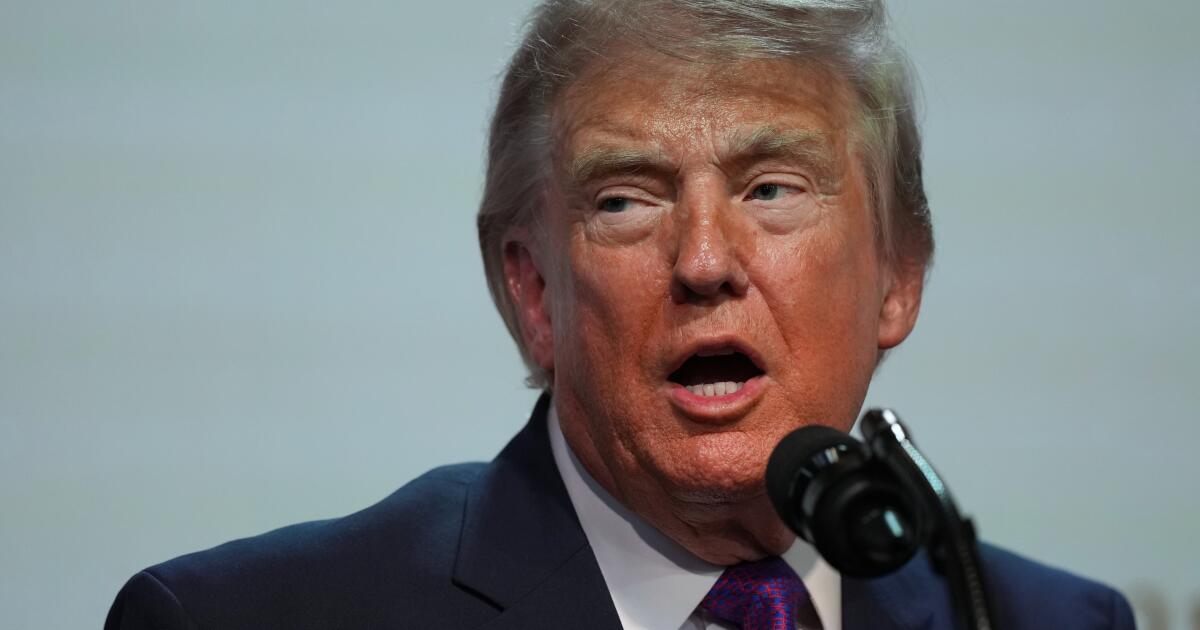
WASHINGTON — The U.S. government will permanently drop tax claims against President Trump, according to a settlement document that is part of a deal to resolve Trump’s $10 billion lawsuit against the Internal Revenue Service over the leak of his tax returns.
As part of the settlement agreement, the U.S. is “forever barred and precluded” from examining or prosecuting Trump, his sons and the Trump organization’s current tax issues, according to a one-page document posted to the Justice Department’s website on Tuesday.
The settlement, which marks an extraordinary use of executive power, goes beyond resolving litigation and effectively helps shield the president from further examination of his finances and legal conduct.
The move comes after the Trump administration announced Monday the creation of a nearly $1.8 billion fund to compensate allies of the Republican president who believe they have been unjustly investigated and prosecuted, an arrangement that Democrats and government watchdogs derided as “corrupt” and unconstitutional.
The “Anti-Weaponization Fund” of $1.776 billion will allow people who believe they were targeted for prosecution for political purposes, including by the Biden administration Justice Department, to apply for payouts, creating what acting Atty. Gen. Todd Blanche called “a lawful process for victims of lawfare and weaponization to be heard and seek redress.”
Blanche, who was grilled by lawmakers on Capitol Hill on Tuesday, would not rule out the possibility that people who carried out violence during the Jan. 6, 2021, riot at the U.S. Capitol will be considered for payouts from the new fund.
Democratic lawmakers and ethics watchdogs slammed the creation of the fund, saying it was corrupt, opaque and had the potential to become a “slush fund” for the president and his allies.
Sen. Ron Wyden, D-Ore., said Democrats intend to “fight every element of this self-dealing settlement.”
“Not only is this another heinously corrupt act by the most corrupt administration in history, it’s clearly a violation of the law that prohibits interference by executive branch officials in IRS audits.”
The fund was announced after Trump, his sons Eric Trump and Donald Trump Jr., and the Trump Organization agreed to drop their lawsuit against the IRS and the Treasury Department. The lawsuit alleged that a leak of confidential tax records caused them reputational and financial harm and negatively affected their public standing, among other allegations.
According to a separate settlement agreement posted to the Justice Department website Monday, Trump will receive a formal apology from the U.S. government but “will not receive any monetary payment or damages of any kind,” from the settlement.
Trump told reporters at the White House on Monday that the fund is dedicated to “reimbursing people who were horribly treated.”
United States President Donald Trump says he has decided to pause an attack on Iran at the behest of Gulf leaders after Tehran sent a new peace proposal to Washington through Pakistan.
On Monday, Trump said there is now a “very good chance” the US could reach an agreement with Iran to prevent Tehran from obtaining a nuclear weapon.
An initial, temporary ceasefire commenced on April 8, six weeks into the war. Since then, armed hostilities have largely subsided, but a durable peace agreement remains elusive, with both the US and Iran dissatisfied with each other’s proposed terms.
Also on Monday, Saudi Arabia said it had intercepted three drones, one day after a drone attack hit the Barakah Nuclear Energy Plant in the United Arab Emirates. This has raised more concerns about the potential for renewed military escalation in the Gulf as peace negotiations drag on.
What has Trump said about a new attack on Iran?
Following the reported drone attacks on the UAE and Saudi Arabia on Sunday and Monday, Trump wrote in a Truth Social post: “For Iran, the Clock is Ticking, and they better get moving, FAST, or there won’t be anything left of them. TIME IS OF THE ESSENCE!”
Then, later on Monday, Trump wrote another post, saying he had been asked by the leaders of Qatar, Saudi Arabia and the UAE to hold off on a planned attack on Iran scheduled for Tuesday since “serious negotiations are now taking place.”
He added that he had instructed Secretary of Defense Pete Hegseth, Chairman of The Joint Chiefs of Staff General Dan Caine and the US military not to carry out the scheduled attack. However, he said, he “further instructed them to be prepared to go forward with a full, large scale assault of Iran, on a moment’s notice, in the event that an acceptable Deal is not reached”.
What do we know about the latest peace plan Iran has submitted?
Iran has submitted a revised 14-point peace plan to end the war, the semi-official Tasnim news agency reported on Monday.
Iranian Ministry of Foreign Affairs spokesman Esmaeil Baghaei told a news briefing on Monday that Tehran’s response to the previous US proposal had been “conveyed to the American side through mediator Pakistan”, according to Tasnim.
Washington and Tehran have exchanged multiple proposals in recent weeks amid a ceasefire that has mostly halted six weeks of fighting. However, the initial direct talks mediated by Pakistan in Islamabad in April stalled, and Trump said last week the ceasefire is “on life support”.
While the specific proposals in the latest plan from Iran have not been made public, Baghaei said demands include the release of its assets frozen abroad and the lifting of sanctions.
“The points raised are Iranian demands that have been firmly defended by the Iranian negotiating team in every round of negotiations,” he said.
Iran has also previously demanded compensation for damage inflicted by US-Israeli attacks, an end to the ongoing US naval blockade of Iranian ports and a halt to fighting on all fronts, including in Lebanon, where Israeli forces continue daily attacks and have mounted a ground invasion in the south of the country.
Washington has urged Tehran to dismantle its nuclear programme and lift a blockade on the Strait of Hormuz, which, before the war, carried one-fifth of the world’s crude oil and liquefied natural gas (LNG) supply.
What are the main sticking points between Iran and the US?
A major point of contention is Iran’s stockpile of enriched uranium. During negotiations, Washington has urged Tehran to give away its enriched uranium, a demand Tehran has resisted.
Iran is believed to have about 440kg (970lb) of uranium enriched to 60 percent. A 90 percent threshold of enriched uranium is needed to produce a nuclear weapon. Iran has never officially declared an intention to build nuclear weapons. The US wants this stock to be handed over to it, but Iran is reportedly only willing to consider handing it to a third party – if at all.
Iran’s Foreign Minister Abbas Araghchi told reporters on the sidelines of a meeting of foreign ministers from BRICS nations in New Delhi last week that Iran and the US have reached a “deadlock” on the question of Iran’s “enriched material”.
As a result, he said, the topic is being “postponed” until later stages in the talks. “For the time being, it is not under discussion, it’s not under negotiation, but we will come to that subject in later stages.”
Araghchi confirmed he had spoken to Russian officials about an offer from Moscow to store Iran’s enriched uranium. He said Iran may consider Russia’s proposal at an “appropriate time” and that he appreciates Moscow’s efforts.
“When we come to that stage, obviously we will have more consultations with Russia and see if the Russian offer can help or not,” he said.
The US and Iran are also arguing about whether Iran should be allowed to enrich uranium at all. Under the Obama-era Joint Comprehensive Plan of Action, signed with several countries in 2015, Iran was able to continue enriching to 3.87 percent – enough for the development of a nuclear power programme. Trump withdrew the US from that agreement in 2018, despite consistent reports from the International Atomic Energy Agency (IAEA) that Iran had stuck to its terms. Now, the US wants a moratorium on all uranium enrichment for a period of up to 20 years, it says.
Another sticking point between the two countries is the Strait of Hormuz in the Gulf.
Since early March, Iran has restricted shipping through the strait, a narrow waterway linking Gulf oil producers to the open ocean and through which 20 percent of the world’s oil and liquefied natural gas (LNG) supplies are shipped during peacetime. Iran has allowed passage by vessels from select countries, but they are required to negotiate transit with the Islamic Revolutionary Guard Corps (IRGC).
In its previous proposals to end the war, Iran has mentioned charging fees or tolls for vessels seeking to pass through the state. Washington has repeatedly rejected the prospect. In April, the US announced a naval blockade on ships entering or leaving Iranian ports, further adding to the disruption of global oil and gas supplies.
Iran’s state media reported, citing the Iranian Ministry of Foreign Affairs, that technical teams from Iran and Oman met in Oman to negotiate a mechanism for safe transit in the Strait of Hormuz.
A third likely major point of friction – although one which may also be kicked into later discussions – is Iran’s support for a network of “proxy” armed groups around the Middle East which it calls its “axis of resistance”. These include the Houthis in Yemen, who have also caused disruption by launching attacks on Israel-linked ships in the Red Sea in the past, Hezbollah in Lebanon and multiple groups based in Iraq and Syria.
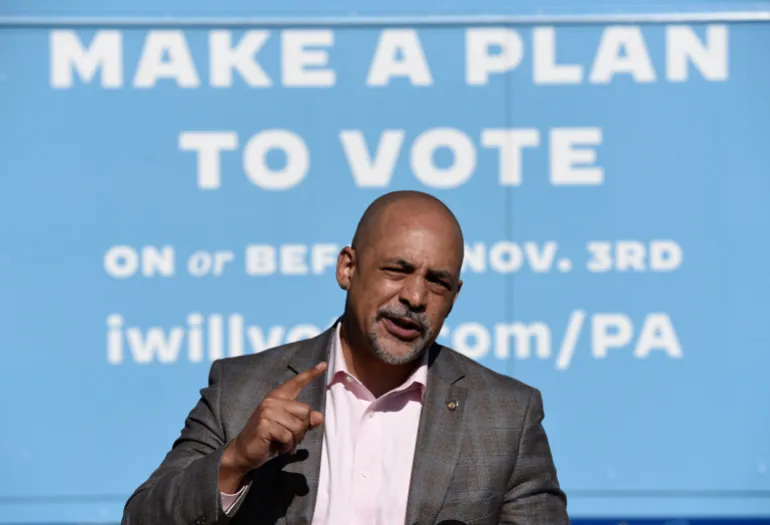
On Tuesday, voters in Pennsylvania’s third congressional district — which encompasses much of Philadelphia’s urban core — will decide what kind of progressive champion they want representing them in the United States House of Representatives.
Four candidates are vying for the Democratic nomination in Tuesday’s primary. They include state Representative Chris Rabb, state Senator Sharif Street, pediatric surgeon Ala Stanford and lawyer Shaun Griffith.
Recommended Stories
list of 3 itemsend of list
On the whole, all four campaigns are markedly progressive, focusing on issues such as expanding healthcare, affordability and housing.
But supporters say the race exposes the fault lines within the Democratic Party as it seeks to rally opposition to Republican President Donald Trump in the 2026 midterm cycle.
Marc Stier, who served as the director of the Pennsylvania Policy Center, a progressive think tank, until earlier this year, noted that there are few differences in the candidates’ platforms.
“They’re all opposed to Donald Trump. They’re all talking about civil rights, healthcare and voting rights,” said Stier, who backs Rabb. “So the differences aren’t that great.”
But the race has drawn nationwide attention, including endorsements from top Democrats.
For Stier and other local experts and leaders, the divisions come down to a duel between ideals and pragmatism — and how the candidates wish to be perceived along that spectrum.
A Democratic stronghold
The primary is highly symbolic for the Democratic Party. Pennsylvania’s third congressional district is considered one of the most left-leaning areas in the US.
According to The Cook Political Report, the district was 40 percentage points more Democratic than the national average in the most recent presidential election.
That makes it a key party stronghold in a pivotal swing state: Pennsylvania has alternated between voting Democratic and Republican in the last four presidential races, most recently siding with Trump.
Since 2016, Democrat Dwight Evans has represented the area. But in June, he announced he would not seek reelection after holding congressional office for a decade.
That opened a gateway to a heated primary, with no incumbent to lead the pack.
Street, Rabb and Stanford are considered the frontrunners. No independent polling has been conducted in the race, but surveys gathered by the candidates or their supporters show a volatile three-way contest.
An April poll sponsored by 314 Action, a group supporting Stanford, found the surgeon leading with 28 percent of voter support, followed by Rabb at 23 percent and Street at 16 percent.
Meanwhile, a November survey sponsored by Street found the state senator ahead with 22 percent support, ahead of Rabb at 17 percent and Stanford at 11.
State Representative Chris Rabb has embraced the progressive label and received endorsements from politicians like Alexandria Ocasio-Cortez [Michael Perez/AP Photo]
A three-way race
Each of the three candidates has positioned themselves as the Democrat who will shake up the status quo and deliver results.
“The same old politics and the same old politicians are not going to cut it,” Stanford declared at a forum hosted by WHYY public radio in February.
“We need people who step up in a storm, who lead when others wilt away, and that’s what I’ve done and will do for this city.”
There are differences, however, in how the candidates are presenting themselves.
Stanford is campaigning as the political outsider whose public health advocacy offered critical leadership during the COVID-19 pandemic. This is her first political run.
Street, on the other hand, is seen as the political veteran backed by party leadership. He first entered the state Senate in 2017, becoming the first Muslim elected to the chamber, and his father was a former Philadelphia mayor.
Then there’s Rabb, a democratic socialist who has positioned himself as the firebrand progressive in the mould of New York Congresswoman Alexandria Ocasio-Cortez.
He, too, has served in government since 2017, representing northwest Philadelphia in the state House of Representatives.
All three have embraced progressive rallying cries, such as increasing affordable housing, widening access to healthcare, and abolishing Immigration and Customs Enforcement (ICE), an agency accused of racial profiling and violent tactics.
But Street has set himself apart by wedding his reputation to the Democratic establishment. From 2022 to 2025, he served as chair of the Pennsylvania Democratic Party.
“Street has very strong relationships with the political machine here: the party establishment, the ward leaders and committee people, and other legislators,” Stier said.
State Senator Sharif Street was formerly the chair of the Pennsylvania Democratic Party [Aimee Dilger/AP Photo]
Supporters weigh in
But amid the frustration with the Democratic Party, particularly after its defeat in the 2024 presidential race, Street’s opponents have sought to distance themselves from the left-wing establishment.
“Rabb clearly says his goal is to push the envelope on issues and build public support for bolder ideas than Street is likely to push forward,” said Stier.
But Stier acknowledges that some voters see progressives like Rabb as all talk and no action.
“As my ward leader says, Rabb is one of those people that makes a lot of speeches but doesn’t get much done,” Stier said.
He dismisses such remarks as hackneyed. “It’s the kind of standard attack that is made by the establishment against people who are very outspoken and don’t always get along with the party establishment in Harrisburg.”
But it is the kind of argument Lou Agre, a ward leader and retired lawyer, sympathises with.
Formerly the president of the Philadelphia Metal Trades Council, Agre is backing Street in the upcoming election. He is not convinced that Rabb’s progressive positions can lead to tangible results.
“Street has always stood behind organised labour,” Agre said.
To Agre, Street represents experience, while Rabb is heavy on rhetoric. “This is a race between a guy with a record and another guy who has a platform that he’s using to get a point across,” he explained.
Surgeon Ala Stanford administers a COVID-19 swab test on resident Wade Jeffries on April 22, 2020, as part of an effort to care for Black communities [Matt Rourke/AP Photo]
Duelling endorsements
In many ways, local leaders say that the difference between Tuesday’s primary candidates comes back to familiar arguments that often divide centrist and progressive Democrats.
Those labels have, in part, translated into endorsements — and behind-the-scenes party battles.
The news outlet Axios reported this month that Pennsylvania Governor Josh Shapiro privately warned local building trade unions that attacking Stanford could inadvertently help Rabb, who has been critical of the governor.
Rabb, meanwhile, has earned the endorsements of some of the country’s most prominent progressives, including Ocasio-Cortez, Representative Ilhan Omar and Senator Chris Van Hollen.
Street, by contrast, has become the candidate of choice for some of Philadelphia’s biggest power brokers, including local labour unions, city council members and Mayor Cherelle Parker.
For her part, Stanford has scored the endorsement of the outgoing congressman, Evans, whom all three hope to succeed.
Tuesday’s primary will be key. The winner will almost certainly prevail in the general election in November. No Republicans have come forward with a bid.
But with the race split narrowly between the three candidates, the outcome may ultimately boil down to turnout, and which candidate can rally the most supporters.
“If people come out to vote, if turnout is high in North and West Philadelphia, parts of the southwest and those neighbourhoods, then Sharif will win,” Agre said of his preferred candidate. “If not, who knows what will happen?”
He described Stanford, whom some have depicted as a middle ground between Street and Rabb, as a complicating factor in the race.
“Ala Stanford’s the wild card. Is she fading, or does she still have her slice of the electorate? I don’t know,” Agre said.
Stier, meanwhile, acknowledged that each of the three candidates has a path to victory.
“There are pockets of support for all these candidates,” Stier noted. But he thinks the more moderate approach of Street and Stanford may open a path for victory for Rabb.
“The winner of this race is not going to have a majority. Someone’s going to win this race with 35 to 40 percent of the vote,” he explained.
“And I think Rabb’s campaign is expecting that Stanford and Street will split the more centrist vote, and he will get all the progressive votes, and he’ll run to victory that way.”
In the northwest corner of the United States, Oregon has fostered a reputation as a left-wing stronghold. Since the 1980s, the Beaver State has consistently elected Democrats in most of its statewide races.
But even in a comfortably blue state like Oregon, the fight to hold onto political power can be competitive.
Recommended Stories
list of 3 itemsend of list
On Tuesday, the state will hold its latest primary races, with each of the major parties picking its nominees for November’s midterm elections.
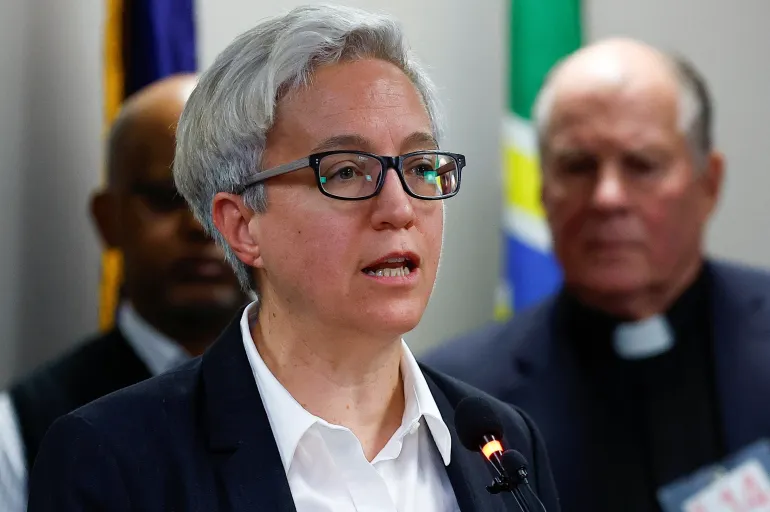
But a packed field of roughly 25 contenders, both Democrats and Republicans, is jockeying to replace Tina Kotek as she seeks a second term as governor.
Tuesday’s vote could also serve as an economic bellwether. Voters will weigh in on a referendum that could repeal a state fuel tax, as the US-Israel war on Iran heaps strain on consumers at the gas pump.
Who is running? And which races have attracted the most attention? We tackle those questions and more in this brief explainer.
What time do polls open?
Polls will open on Tuesday at 7am Pacific US time (15:00 GMT) and close at 8pm (4:00 GMT).
Oregon Governor Tina Kotek is seeking re-election in 2026 [File: John Rudoff/Reuters]
Who is running for governor?
Incumbent Governor Kotek is making a bid for a second four-year term. But she is fielding competition from dozens of other candidates, including nine Democrats.
Going into the Democratic primary, Kotek is the frontrunner. Her challengers include a children’s book author, the leader of an Indigenous nonprofit and an inventor who hopes to address water shortages.
Even more contenders are angling for the Republican gubernatorial nomination.
Among them is State Senator Christine Drazan, who ran against Kotek in 2022. Drazan has been critical of President Donald Trump’s tariff policies but supportive of his tough stance on immigration.
Also on the Republican ballot is former NBA player Chris Dudley, who was the Republican gubernatorial candidate in 2010. He had the smallest losing margin of any Republican candidate in decades.
State Representative Ed Diehl, meanwhile, is hoping to capitalise on the momentum he gained after leading the charge to block Kotek’s gas tax and fee increase package.
What are the opinion polls saying about the governor’s race?
Polls show Drazan leading the race to receive the Republican nomination, with 35 percent support.
Kotek is likely to grab an easy victory in the Democratic primary, with none of her opponents polling close behind.
What about the Senate race?
Another Democratic incumbent attempting to hold onto his seat is US Senator Jeff Merkley.
The 69-year-old, who began his career working on affordable housing, is running for a fourth consecutive six-year term. He first took office in 2009.
But while the senator faces eight rivals on the campaign trail – one Democrat and seven Republicans – his seat is considered relatively safe.
He is expected to win the Democratic primary on Tuesday and become the frontrunner for November’s general election.
Jeff Merkley is defending what is considered a safe seat for Democrats in the US Senate [File: Annabelle Gordon/Reuters]
What other positions are up for grabs?
All six of Oregon’s members of the US House of Representatives are running for re-election and will face the primary process on Tuesday.
Five are Democrats. One, Cliff Bentz, is a Republican, and he represents Oregon’s second congressional district, a sprawling area encompassing the entire eastern half of the state.
Also on Tuesday, voters will choose their party representatives in races for the state Senate and House.
The election will also determine a nonpartisan commissioner to lead the state Bureau of Labor and Industries.
Why does this race matter?
Oregon is a closed primary state, meaning that voters choose nominees only for the party they are registered under.
Given the state’s left-wing bent, the winners of the statewide Democratic primaries will likely emerge as frontrunners in November’s midterm races.
Still, there is room for surprise. According to state voter rolls, less than 25 percent of Oregonians are registered Republicans. But only 32 percent are registered Democrats, with the largest proportion of voters identifying as “non-affiliated” with any party.
Primary races in right-leaning areas like Oregon’s second congressional district could signify how closely the state’s Republican politicians want to align with President Trump.
Voters will also have a chance to vote on the referendum that could repeal the gas tax increase on Tuesday’s ballot.
Democrats in the state legislature raised Oregon’s gas tax to pay for roads and supplement the state’s transportation budget.
But as the US-Israel war on Iran causes gas prices to skyrocket, Republicans have used the referendum to appeal to voters on the cost of living. Gas is now averaging about 80 cents more in Oregon.
In addition, there are nearly 100 local measures sprinkled on ballots across the state, tailored to different counties. Many will focus on funding local fire departments, schools and libraries.
When are results expected?
Preliminary results are expected on Tuesday evening, shortly after polls close at 8pm local time.
But ballots will continue to arrive after election day, as mail-in votes and provisional ballots are counted, and some races may not be officially called until days later.
The Trump administration has frequently accused US allies of failing to live up to mutual defence obligations.
Published On 18 May 202618 May 2026
The United States has said it will not take part in a joint board for continental defence with Canada, depicting the country as failing to live up to its defence obligations.
On Monday, US Undersecretary of Defense Elbridge Colby wrote on social media that his department would halt its involvement in the Permanent Joint Board on Defense to “reassess” the forum’s benefits.
Recommended Stories
list of 3 itemsend of list
The board dates back to World War II and has served as a forum for regional security. But relations with Canada have grown strained since US President Donald Trump returned to office for a second term in 2025.
“A strong Canada that prioritizes hard power over rhetoric benefits us all. Unfortunately, Canada has failed to make credible progress on its defense commitments,” Colby wrote on X.
“We can no longer avoid the gaps between rhetoric and reality. Real powers must sustain our rhetoric with shared defense and security responsibilities.”
The announcement is the latest instance of the Trump administration chiding Western allies for what the president believes is an overreliance on US military power.
Allied countries have largely refuted his claims, arguing that they are ramping up military spending and taking steps to take greater control over regional security.
Just last year, at a NATO summit in The Hague, nearly every member state agreed to increase defence spending to 5 percent of their gross domestic product (GDP). Spain petitioned to be excluded from the agreement, though.
Canada, under Prime Minister Mark Carney, was among the countries committing to the increased spending.
Of the 5 percent earmarked for defence, 3.5 percent would go to bolstering Canada’s “core military capabilities”, Carney’s government said. The rest would go to security-related expenses, including port improvements, emergency preparedness and other resources.
Since taking office as prime minister in March 2025, Carney has been an outspoken supporter of lessening Canada’s dependence on the US’s military and economy.
In a speech this year, he outlined a vision in which “middle powers” like Canada banded together to sidestep the current “era of great power rivalry”, a veiled reference to countries like the US, Russia and China.
While the US and Canada are neighbours, Trump’s second presidency has resulted in fraying bonds between the two countries, even beyond matters of security.
Trump has accused Canada of pursuing unfair trade policies and failing to crack down on the illicit traffic of people and drugs across the border, though critics have questioned the legitimacy of these claims.
To force Canada to comply with his policies, the US president has pursued an aggressive tariff regimen to tax cross-border imports.
Trump has suggested in the past that Canada could avoid such penalties by ceding its sovereignty and becoming the US’s 51st state.
“Cooler and wiser brains are needed to preserve a close alliance w/ our neighbor,” US Republican Representative Don Bacon said in a social media post on Monday, criticising the decision to pull out of the defence forum with Canada.
“This all started w/ taunts of ‘Canada will be the 51st state’ and ‘their Prime Minister will be the 51st governor’. The insults gained us nothing but animosity that cost us economically and now militarily.”
The US, Canada and Mexico are set to negotiate an updated version of a regional free trade agreement, known as the USMCA, later this year.
The administration of United States President Donald Trump has hosted a nine-hour prayer event on the National Mall in Washington, DC, as part of its efforts to commemorate the country’s 250th anniversary.
Sunday’s event was called “Rededicate 250: A National Jubilee of Prayer, Praise and Thanksgiving”, and it took place from 9am to 6pm Eastern US time (13:00 to 22:00 GMT).
On the jubilee’s website, organisers explained that their aim was to mark “rededication of our country as One Nation to God”.
The event featured performers, pastors and civil rights leaders, as well as Trump’s Republican allies, among them Senator Tim Scott of South Carolina.
“Our rights don’t come from the government,” Scott told the crowd. “No, our rights come from God, the king of kings.”
Members of the Trump administration, including the president himself, also recorded video messages that were broadcast from the stage.
Trump’s video showed him seated behind the Resolute Desk in the White House, reciting a speech from the Book of Chronicles that God gave to King Solomon, promising protection to his followers and destruction to those who forsake him.
Secretary of State Marco Rubio, meanwhile, used his video to describe the US as a country uniquely shaped by the “Christian idea”.
“Before the Christian West, most societies – and civilisations, for that matter – thought in stagnant cycles: the flooding of the Nile, the return of the rains, the cycle of the harvest. History for them was a wheel to nowhere,” Rubio said.
“But our faith calls us outwards into the limitless darkness of the unknown. It tells us to go forth and preach the gospel to the world as a witness unto all nations and to the ends of the earth.”
The event was not without controversy, though. Critics pointed out that only one speaker, a rabbi, was non-Christian.
Some religious leaders even rejected the event as a political stunt, rather than a sincere testament to faith.
Paul Raushenbush, a reverend and president of the Interfaith Alliance, posted on social media that his objections did not stem from an “antipathy towards religion”. Rather, he said his faith compels him to cherish the “rich tapestry of beliefs” that come together in the US.
“Rededicate 250 is a betrayal of America’s founding values guaranteed in the First Amendment – which made clear that there shall be no establishment of religion by the government and that each one of us should be free to live out our beliefs in our own way,” Raushenbush wrote.
Traditionally, the Establishment Clause of the US Constitution has been interpreted as prohibiting the government from establishing or imposing religious beliefs on its citizens.
But critics argue the Trump administration has blurred the separation between church and state, including by having regular prayer services at the Department of Defense.
Trump, however, has accused the federal government of “anti-Christian bias“. He launched a task force last year to root out the purported discrimination.
Evangelical Christians form a pillar in Trump’s right-wing base of support. The demographic is a powerful force during election seasons in the US, and Trump has sought to rally Christian voters ahead of major votes.
Their views could reshape how the US Constitution is interpreted. A survey from the Pew Research Center released last week found a slight uptick in the number of US adults who believe Christianity should be named as the country’s official religion. Seventeen percent now share that view, up from 13 percent in 2024.
That said, Pew researchers noted that a majority of Americans, roughly 54 percent, still believe in the separation of church and state.
About 52 percent also said that “conservative Christians have gone too far in trying to push their religious values in the government and public schools”.
United States President Donald Trump has reiterated his threats against Iran, as negotiations to end the conflict between the two countries continue to flounder.
In a Sunday morning post on his platform Truth Social, Trump warned that time was running short before a fresh wave of US military action might be launched.
Recommended Stories
list of 3 itemsend of list
“For Iran, the Clock is Ticking, and they better get moving, FAST, or there won’t be anything left of them,” Trump wrote in the short, two-sentence message. “TIME IS OF THE ESSENCE!”
The post was the latest example of Trump using violent rhetoric against Iran as his administration struggles to achieve its goals in the war.
Just a day earlier, Trump had posted an AI-generated image of himself atop a military ship, labelled, “It was the calm before the storm.”
The conflict began on February 28, when Israel and the US jointly attacked Iran.
Since then, Trump has put forward a range of objectives for the resulting war, including dismantling Iran’s missile arsenal, severing its relations with regional allies, and ending its nuclear enrichment programme.
On April 7, Trump coupled those demands with a social media post suggesting wholesale destruction in Iran. Critics have likened the post to a call for genocide.
“A whole civilization will die tonight, never to be brought back again. I don’t want that to happen, but it probably will,” Trump wrote.
Within hours of the post, the US and Iran agreed to a ceasefire that has been in place ever since, though both sides have accused each other of violations.
The US president had previously threatened to attack the country’s civilian infrastructure, including its power plants and bridges, which legal experts warn could amount to a violation of the Geneva Convention.
Separately, in a May interview with Fox News, Trump said Iranian officials will “be blown off the face of the earth” if they attack US vessels.
Iran has denounced such rhetoric and rejected Trump’s demands as excessive.
Mehr, a news agency sponsored by the Iranian government, issued a statement on Sunday saying that the US has offered “no tangible concessions” in its latest proposals.
It also accused the US of seeking to “obtain concessions that it failed to obtain during the war”, a strategy that “will lead to an impasse in the negotiations”.
Separately, a spokesperson for Iran’s armed forces, Abolfazl Shakarchi, was quoted as warning the US against further threats.
“Repeating any folly to compensate for America’s disgrace in the Third Imposed War against Iran will result in nothing but receiving more crushing and severe blows,” he told Mehr.
Reporting from Tehran, Al Jazeera correspondent Almigdad Alruhaid said that the Iranian government has indicated that violent rhetoric from the US will not be tolerated.
“From what we understand, this kind of language is not acceptable here in Tehran. They are projecting defiance rather than [giving] an immediate response to this kind of rhetoric,” Alruhaid said.
He added that the increasingly hostile remarks from both sides signal that the ceasefire could be at imminent risk of shattering.
“Behind all of this rhetoric, there is awareness that the diplomatic window right now is narrowing,” Alruhaid said.
“We do know that there is hard language, hard messaging from both sides — that the finger’s on the trigger on both sides.”
But Adam Clements, a foreign policy analyst, told Al Jazeera there could be a “domestic element” to Trump’s hardline rhetoric, including his latest flurry of messages.
“Of course, Iran would have to take it seriously,” Clements said of Sunday’s post.
“At the same time as well, President Trump is known for his bombastic tweets, his bombastic statements, perhaps for domestic audiences.”
Clements added that it will be critical to watch whether Trump’s statements are echoed by his officials in the coming days, and whether they are also matched by increased military activity.
“ The White House press office has been known to post these type of strange memes, or AI-generated memes and cartoons in the past,” he explained.
“So I think it’s necessary here to sometimes look past some of the political noise, some of the things for show, and really try to pay attention to these clear signals.”
Military and law enforcement clashed with demonstrators outside La Paz, Bolivia, in an attempt to clear roadways that had been blocked as part of nationwide antigovernment protests.
As many as 3,500 soldiers and police were deployed as part of the operation that began in the early hours of Saturday. Around 57 people were arrested, according to the citizens’ rights ombudsman’s office.
Miners, schoolteachers, Indigenous groups and unions have helped to organise the protests, which aimed to convey outrage against the government of centre-right President Rodrigo Paz.
Bolivia is in the grips of an historic economic crisis, considered the worst the country has seen in decades.
The government’s foreign currency reserves have cratered, as exports from Bolivia have slowed down.
Key among those was natural gas. Vast reserves of the fuel were discovered in the late 20th century, and for nearly three decades, those natural gas deposits powered Bolivia’s economy, transforming the South American country into a major energy exporter.
But in 2022, the dynamic switched, amid mismanagement and dwindling supplies. Since then, Bolivia has had to import fuel from abroad, exacerbating its economic crisis.
Currently, many parts of the country have experienced long lines for fuel and shortages of basic supplies like food.
Paz, who was elected in October, had campaigned on alleviating the economic stress. But since taking office, he has spurred outrage by ending a two-decade-old fuel subsidy and pushing to privatise state-owned companies.
Earlier this month, the protests forced the repeal of a land reform measure, Law 1720, that critics claimed could be used to dispossess small, rural landowners, in favour of bigger holdings.
The Bolivian government has estimated that 22 roadblocks have been erected across the country in recent weeks.
Some of the protesters have demanded Paz’s resignation: His election in October marked the end of nearly two decades of rule by the Movement for Socialism (MAS).
But Paz’s office has blamed the demonstrations for cutting off key supplies to cities like La Paz, which holds the seat of government.
Food prices have increased since the blockades began, and the government claims three people have died after being unable to reach hospitals.
According to presidential spokesperson Jose Luis Galvez, Saturday’s crackdown on the protesters was designed to create a “humanitarian corridor” to ensure the free flow of supplies to hospitals in La Paz.
Earlier this week, Paz also thanked his Argentinian counterpart, Javier Milei, for delivering humanitarian assistance to Bolivia.
“This gesture of solidarity not only strengthens the historic bonds of brotherhood between our nations, but also represents vital relief for our communities in times of great need,” Paz wrote on social media on Friday.
Milei responded by denouncing the protesters as anti-democratic.
“Argentina stands with the Bolivian people and supports their democratically elected authorities against those who seek to destabilise the country and obstruct the path toward freedom and progress,” the Argentinian president said.
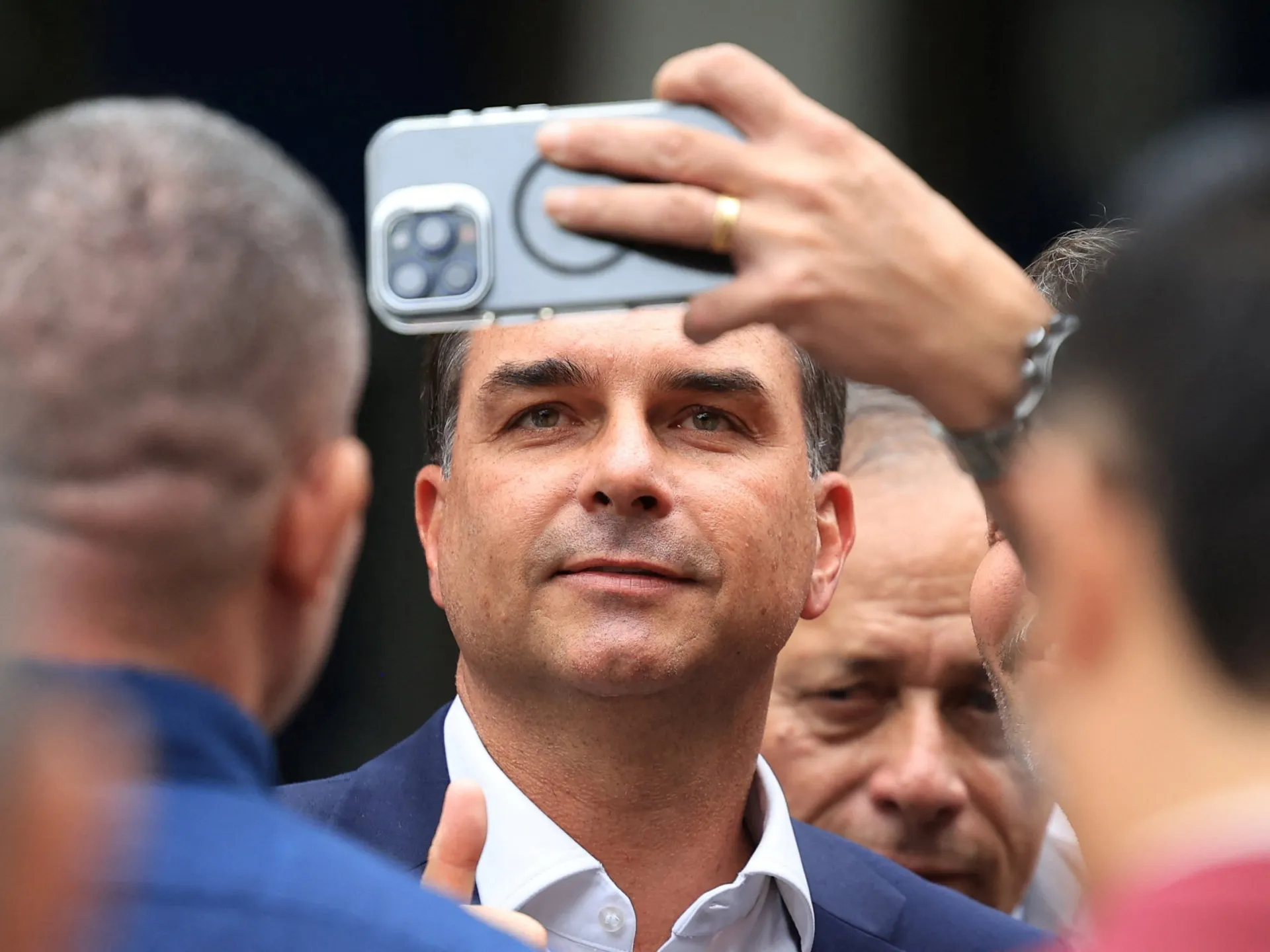
Right-wing challenger Flavio Bolsonaro faces new scrutiny over a film funding scandal, which could affect his race against incumbent Lula.
A new poll has reaffirmed the tight race for Brazil’s presidency this year, with both the left-wing incumbent Luiz Inacio Lula da Silva and his right-wing challenger, Flavio Bolsonaro, tied in a head-to-head contest.
On Saturday, Datafolha, the polling firm for the Grupo Folha media conglomerate, released its latest numbers, tracking the candidates’ progress in the run-up to October’s generation election.
Recommended Stories
list of 3 itemsend of list
Nearly 2,004 responded to the latest survey, which asked them to identify whom they would vote for if Lula and Bolsonaro progressed to a run-off.
Lula, now 80 years old, is angling for a fourth nonconsecutive term.
Brazil’s presidents are limited to two four-year terms at a time, and Lula first served as president from 2003 to 2011, championing social programmes to reduce hunger and increase federal assistance to the poor.
Bolsonaro, on the other hand, is hoping to continue his father’s far-right political legacy. The eldest son of imprisoned former President Jair Bolsonaro, Flavio — a senator representing Rio de Janeiro — has pledged to seek his father’s release should he be elected.
Jair Bolsonaro is currently serving a 27-year prison sentence for attempting to plot a coup and subvert the election results in 2022, which saw an end to his term and the beginning to Lula’s latest.
Saturday’s poll results put Lula and the younger Bolsonaro in a dead heat.
Both candidates received 45 percent of the polled voter support, with an additional 9 percent indicating they would cast “null” ballots. The remaining 1 percent was undecided.
But the poll, conducted on May 12 and 13, was conducted before the latest scandal involving the younger Bolsonaro’s campaign gained public traction.
Controversy over film deal
On May 13, The Intercept Brasil, a news publication, printed a report containing leaked WhatsApp messages between Bolsonaro and a banker arrested for an alleged fraud scheme, Daniel Vorcaro.
Bolsonaro had reportedly approached Vorcaro to finance a film about his father’s life, called Dark Horse.
The Bolsonaro family has long maintained that Jair Bolsonaro is a victim of political persecution, and it had tapped US actor Jim Caviezel to play the ex-president.
According to The Intercept’s reporting, Flavio Bolsonaro and his brother Eduardo Bolsonaro had soliciting funding from Vorcaro, who ultimately pledged $24m, or 134 million Brazilian reals, to the film project.
In a statement, Flavio Bolsonaro acknowledged that he had reached out for financing, but he denied the exchange had anything to do with Vorcaro’s alleged fraud scheme.
“It is necessary to separate the innocent from the criminals,” the statement said. “In our case, what happened was a son seeking PRIVATE sponsorship for a PRIVATE film about his own father’s life.”
Left-wing lawmakers, however, have called for an investigation into the incident.
The controversy over the Dark Horse film is not the only scandal to have rocked Flavio Bolsonaro’s presidential campaign in recent months.
But shortly afterwards, he faced criticism for statements appearing to suggest he might withdraw from the race in exchange for his father’s freedom. He later clarified that his candidacy was “irreversible”.
In April, Brazil’s Supreme Court also gave the go-ahead for federal police to investigate whether Flavio Bolsonaro had made defamatory statements about Lula.
While Lula was the frontrunner by a wide margin in late 2025, Bolsonaro has since narrowed the gap, leading to the two candidates racing neck and neck before October’s election.
Protesters have demanded the resignation of President Rodrigo Paz, who was elected on a platform of economic reform.
Demonstrators, led by mining groups and rural unions, have clashed with law enforcement in Bolivia as tensions simmer over the country’s economic crisis, the worst in decades.
On Thursday, small explosions were heard in the midst of the protest in La Paz, credited to miners setting off small sticks of dynamite. Some protesters were reported as attempting to breach the presidential palace.
Recommended Stories
list of 3 itemsend of list
The unrest follows weeks of road blockades, as miners, farmers, teachers and rural workers express frustration over the country’s ongoing economic turmoil.
Bolivia used to be a major exporter of natural gas, but in recent years, its reserves began to shrivel, and its production has plummeted. Now, rather than being a fuel exporter, it has become a net importer, reliant on oil and natural gas from abroad.
The collapse of the natural gas industry has been coupled with dwindling supplies of foreign currency in the country. The result has been soaring inflation, supply shortages and higher prices.
Bolivians have experienced long lines for fuel, and hospitals have reported a lack of basic supplies like oxygen and medication.
Demonstrators from mining unions take part in a protest against President Rodrigo Paz’s government in La Paz, Bolivia, on May 14 [Claudia Morales/Reuters]
Centre-right leader Rodrigo Paz was elected in October last year in part on a promise to address the economic tailspin.
His victory marked a political sea change in Bolivia. For much of the past two decades, except for a brief period in 2019, the country has been governed by the Movement Towards Socialism (MAS).
The decline of MAS has been credited, in part, to the uproar over the economy.
But on Thursday, Paz likewise faced calls from protesters for his resignation, just as his MAS predecessor, Luis Arce, had.
Earlier in the day, a group of 20 miners were invited to the presidential palace to meet with Paz and discuss their demands, according to the Reuters news agency.
Ahead of the meeting, Economy Minister Jose Gabriel Espinoza said his government was “open to dialogue”.
Among the issues reportedly discussed were fuel subsidies, welfare benefits and changes to an agrarian reform measure, Law 1720, that was repealed on Wednesday after outcry.
Still, officials have refused demands that Paz step down. “The president is not going to resign,” Mauricio Zamora, the minister of public works, services and housing, said earlier this month.
Some of Paz’s allies have blamed the unrest on former President Evo Morales, a former trade union leader who continues to draw popular support in Bolivia’s rural areas.
Morales, who led Bolivia from 2006 to 2019, previously supported protests against Paz’s predecessor Arce, after splitting from MAS.
He is also the subject of an arrest warrant: Morales has been accused of statutory rape and was held in contempt of court for failing to show up to a hearing last week.
A prolific social media user, Morales posted multiple times on Thursday about the protests, accusing the government of using him as a scapegoat. He also echoed calls for officials to address the shortages of food, fuel and other basic supplies.
“They believe that the thousands of Bolivians currently protesting — in the streets and on the roads — are merely obeying a single individual,” Morales wrote in one post.
“The outraged are driven by their social conscience and their fury against a government that, from day one, betrayed its constituents and the nation.”
WASHINGTON — Senators unanimously approved a resolution Thursday to withhold their pay during government shutdowns, an attempt to make federal closures financially painful for lawmakers after a string of record-breaking impasses in the past year.
The bipartisan support for the measure comes at a time when federal closures have become longer and more frequent, frustrating lawmakers who say there should be punishment when Congress fails at its most basic legislative duty.
Under the resolution, senators’ pay would be withheld by the secretary of the Senate whenever a government shutdown affects one or more agencies, then released once funding is restored. It will take effect the day after the Nov. 3 general election.
“Shutting down government should not be our default solution to our refusal to work out our issues and our differences,” said Sen. John Kennedy, the bill’s sponsor, in a floor speech Wednesday.
“This is about putting our money where our mouth is,” said Kennedy, R-La.
Two shutdowns in the past year created significant financial hardship for tens of thousands of federal workers, particularly at the Department of Homeland Security. The department reopened last month after a 76-day partial shutdown, the longest agency funding lapse in history.
The Homeland Security shutdown came just a few months after a 43-day lapse of the entire federal government, which was the longest such closure on record.
The Constitution stipulates that lawmakers must be paid so they have received salaries during shutdowns even as federal workers went without paychecks. When the full government shutdown began in October amid a dispute over health care subsidies, Sen. Lindsey Graham proposed a constitutional amendment to require members to forfeit their paychecks when the government is closed.
“If members of Congress had to forfeit their pay during government shutdowns, there would be fewer shutdowns and they would end quicker,” Graham, R-S.C., said at the time.
Graham said his legislation was the most “constitutionally sound” way to deal with the problem, but the process would have been much more laborious as three-fourths of states must ratify an amendment.
Lawmakers in previous shutdowns have often pledged to forgo their paychecks while federal workers went unpaid.
Kennedy told reporters Wednesday that he pushed his measure to ensure there is “shared sacrifice” during shutdowns. He added that it does not go as far as he would like, but that it’s a start.
Asked why it does not extend to the other chamber of Congress, Kennedy said “the House’s business is the House’s business” while also touching on the tensions between the Senate and House.
“There’s a very strong undercurrent of animosity among some of my friends in the House,” Kennedy said.
“It’s quickly becoming like two kids fighting in the back of a minivan,” he said.
Cappelletti and Jalonick write for the Associated Press.
Istanbul, Turkiye – When investigations by Al Jazeera and other media outlets in 2024 revealed that Israeli-linked artificial intelligence (AI) systems such as Lavender and Gospel had helped generate thousands of military targets in Gaza, critics warned that warfare was entering a new era – one driven not only by soldiers and bombs, but by algorithms, data, and surveillance technology.
Then, in September 2024, thousands of pagers and walkie-talkies used by members of Hezbollah exploded in coordinated attacks in Lebanon, widely attributed to Israeli intelligence operations that had turned ordinary communication devices into weapons.
And, last year, reporting by Al Jazeera also raised concerns about the use of cloud and data infrastructure linked to major US technology companies in Israeli surveillance operations involving Palestinians.
For a growing number of scholars, economists and political thinkers, such developments reflect more than just the changing nature of conflict. They show how power in the modern world is increasingly exercised not just through military force, but through technology, finance and control over information.
That argument has revived broader debates around decolonisation – a term historically associated with the dismantling of European empires after World War II, when countries across Asia, Africa and the Middle East gained formal independence.
But many proponents of what is termed “decolonial theory” – a school of thought arguing that colonial-era systems of power and hierarchy still shape modern politics, economics and knowledge – argue that colonial power structures never fully disappeared. Instead, they evolved, embedding themselves in global financial systems, technology platforms, media networks and even the production of knowledge itself.
Dependence of Global South countries on Western technology, digital infrastructure and global markets can create new forms of political and economic vulnerability, particularly across the Global South.
“A generation may have grown up believing they had never experienced colonialism or exploitation,” Esra Albayrak, board chair of the NUN Foundation for Education and Culture and daughter of Turkish President Recep Tayyip Erdogan, told Al Jazeera during the World Decolonization Forum in Istanbul on May 11-12.
“Yet, mentally, they may still be living under colonial influence.”
The war in Gaza marked a turning point, Albayrak says, shining a spotlight on how international principles are not applied equally. Global institutions have so far failed to stop what many countries and rights groups have described as genocide against Palestinians.
“The world is sounding an alarm, and we can no longer afford to remain indifferent to it,” she said.
A techno-feudal era
Albayrak argues that a handful of technology companies are emerging as new, invisible centres of power, shaping how information is produced, circulated and consumed in the digital age.
She describes the digital sphere as the realm of what she calls “future colonialism”, warning that AI systems trained largely on Western-centric data risk reinforcing existing global inequalities.
“When AI systems are run by those tech companies and trained on Western sources, they risk carrying the hierarchies of the past into tomorrow’s digital world, as they now have personalised data, suppressing identity,” Albayrak said.
By this, she means that most major AI models are still trained largely on English-language and Western-produced data – a pattern critics say risks sidelining non-Western languages, cultures and perspectives.
On social media platforms, algorithms tend to amplify some conflicts while rendering others nearly invisible, effectively shaping what billions of users see, discuss and remember online.
Walter D Mignolo, professor at Duke University, argues that while what we historically see as “formal colonialism” may have largely ended, systems of Western dominance continue through economics, culture, technology and knowledge production.
“Coloniality is not over. It is all over the world,” Mignolo said, arguing that modern ideas of development and progress often have the effect of pressuring societies to conform to Western norms.
Rather than simply resisting those systems, he said, societies must find a way to “re-exist” by rebuilding intellectual and cultural autonomy outside dominant global frameworks.
Colonisers in the financial age
The March 2026 Global Debt Report by the Organisation for Economic Co-operation and Development (OECD) reveals that 44 countries face severe debt burdens, often aggravated by global conflicts, forcing some governments to spend more on interest payments than on health or education.
This is not a new phenomenon, as developing countries have been labouring under the weight of foreign debt for decades.
But British political economist and author Ann Pettifor told Al Jazeera that modern forms of domination are now increasingly embedded not in empires or nation-states, but in financial systems operating beyond democratic oversight.
Pettifor points to the growing influence of “shadow” banking networks – financial institutions operating largely outside traditional banking regulations – and giant asset managers such as BlackRock, which manages $13 trillion in assets.
Much of the global financial architecture now functions largely outside the regulatory control of governments, she says, including that of Western states themselves.
“This is not a state colonising other states,” Pettifor said. “This is the financial system colonising the whole world, including my country and the US.”
She argues that elected governments increasingly struggle to control key economic realities – from energy prices to commodity markets – because those systems are dictated by global financial actors operating far beyond public accountability.
In Nigeria, for example, Pettifor says, efforts to expand domestic refining capacity continue to face pressure from international financial institutions and global energy markets to keep fuel prices tied to global markets and maintain reliance on imported refined oil products, despite its vast oil reserves.
Coordinated cooperation between developing nations may be necessary to challenge the dominance of Western-centred financial systems, Pettifor says, pointing to growing efforts across parts of West Africa to expand regional refining capacity and reduce dependence on imported fuel. Yet such ambitions can also leave critical sectors dependent on the decisions and influence of a small number of powerful private actors.
Global financial markets, algorithm-driven platforms, and foreign-controlled digital infrastructure increasingly define everyday life – from fuel and food prices to the information people consume online and the technologies governments and societies depend on, observers say.
A ‘mastery complex’
As wars become increasingly influenced by AI, digital infrastructure and financial dependency, debates around colonisation are focusing less on territorial control and more on who influences energy prices, lending systems, access to technology and the flow of information across borders, observers say.
Albayrak draws a parallel between today’s debates around technology and global power and Rudyard Kipling’s 1899 poem “The White Man’s Burden”, published as the US took control of the Philippines following the Spanish-American War. The poem framed colonial expansion as a moral obligation to “civilise” other societies rather than an exercise of domination.
Albayrak said such traces of “mastery complex” still survive today, though in different forms – not necessarily through military occupation, but through technological, financial and informational influence.
But what the world really needs, she argues, is a global order built not on hierarchy, but on shared responsibility.
“The burden should belong to humanity collectively.”
Trump is shelling out $2 billion of taxpayer money to kill wind power projects, but his hatred for the technology is based on myths
Picking the wildest fantasy promoted by President Trump as a basis for public policy is increasingly challenging — is it his yarn about schoolchildren being secretly abducted from their classrooms and given sex-changing operations? The notion that the vaccines given to children are like “a vat, like a big glass, of stuff pumped into their bodies?”
Here’s one that has disrupted the economics of renewable energy generation and will cost Americans billions of dollars: It’s Trump’s “completely weird war on wind power in the United States,” based on a sheaf of “fact-free arguments.”
That judgment comes from Steven Cohen, a climate policy expert at Columbia University, who points out that wind already accounts for 10.5% of U.S. energy generation, that it’s destined to continue growing — and that most of it is generated today in red states such as Texas, Oklahoma, Iowa and Kansas.
Fifty years from now, people are going to be amazed that we burned these rare, useful hydrocarbons for fuel, when the sun was just sitting up there providing an essentially infinite source of energy.
— Steven Cohen, Columbia University
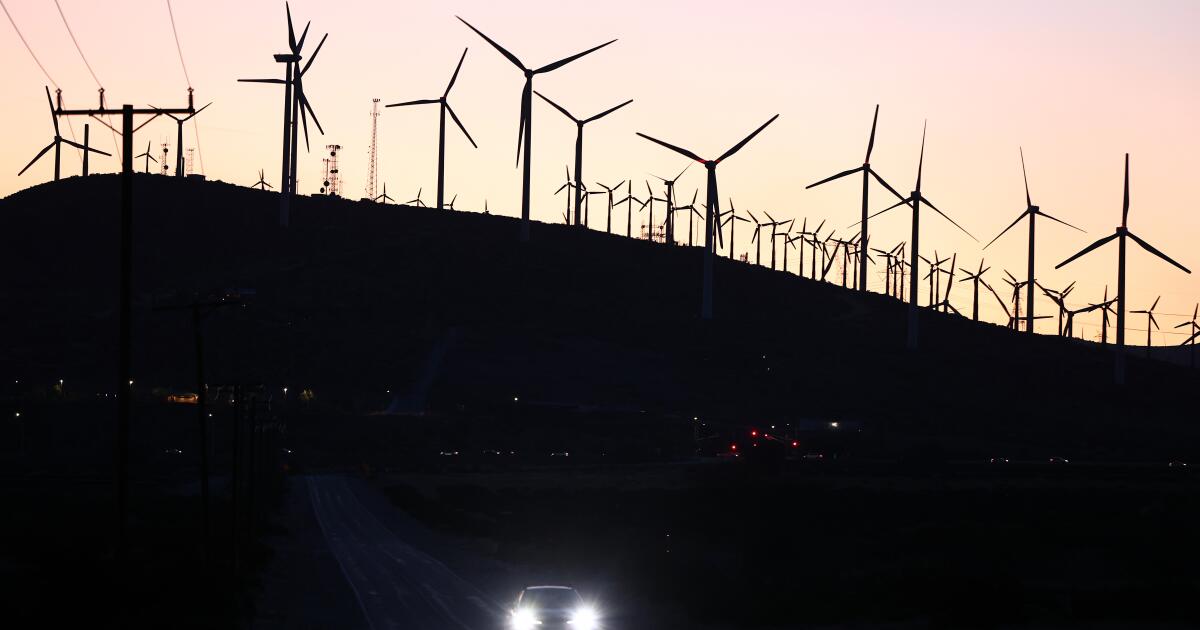
There is no question that Trump’s weird war against wind is full blown. On the day of his second inauguration, he issued an executive order shutting down all new permits for offshore wind farms and ordered the Interior Department to review existing permits.
A federal judge in Massachusetts blocked the executive order in December, and his orders suspending work on existing offshore wind projects have been halted by other federal judges. The Trump administration has blocked or delayed as many as 165 wind projects on private land, citing “national security” concerns, according to the American Clean Power Assn.
Get the latest from Michael Hiltzik
Commentary on economics and more from a Pulitzer Prize winner.
By continuing, you agree to our Terms of Service, which include arbitration and a class action waiver. You agree that we and our third-party vendors may collect and use your information, including through cookies, pixels and similar technologies, for the purposes set forth in our Privacy Policy such as personalizing your experience and ads.
Most recently, Trump has reached agreements with offshore wind firms in which the government will pay them a combined $2 billion to abandon their U.S. projects.
At some level, this crusade resembles Trump’s misguided effort to revive the American coal industry, which is on the glide path to inevitable extinction. In that case, Trump is waging an explicitly partisan and ideological battle. “We’re ending Joe Biden’s war on beautiful, clean coal,” he declared last April.
Trump’s anti-wind program is part of his campaign to dismantle U.S. renewables policy because of its roots in the Biden administration.
Additionally, multiple commentators conjecture that his hostility to wind originated in 2011, when he groused that an offshore wind farm would be visible from one of his golf courses in Scotland. He sued to thwart the “ugly” project, and lost.
But Trump has mustered other arguments against wind, on- and offshore, none of which holds water.
During a cabinet meeting in July 2025, he called wind “a very expensive form of energy.” In fact, on average it’s cheaper than natural gas, coal and nuclear generation. Perhaps more important, the cost has been coming down sharply as technology improves and the sector reaches critical mass: falling to eight cents from 21 cents per kilowatt-hour from 2010 to 2024 for offshore projects, and to 3.4 cents from 11.3 cents for land-based wind farms over the same period.
Trump blamed wind turbines for mass killing whales and birds. Neither assertion is correct.
The National Oceanic and Atmospheric Administration, a federal agency, says “there are no known links between large whale deaths and ongoing offshore wind activities.”
The Audubon Society reported in January that although wind turbines can present hazards to birds, “developers can effectively manage these risks without significantly increasing project costs.” The biggest risks to birds come from the climate: “Two-thirds of North American birds are at increasing risk of extinction from global temperature rise,” the society reported — a threat that wind power can ameliorate.
Trump spokeswoman Taylor Rogers didn’t respond to my questions about the derivation of his anti-wind stance, but told me by email only that “President Trump has been clear: hard-earned taxpayer dollars shouldn’t be wasted on unreliable and costly wind farms that pose serious threats to our national security. Instead, we should be strengthening and expanding our infrastructure that produces reliable, affordable, and secure energy like natural gas plants.”
That brings us to the recent deals with offshore wind developers. The largest single deal, signed in March, was with the French firm TotalEnergies, which is to receive approximately $1 billion from the federal government to abandon all of its U.S. offshore wind projects and invest instead in oil and gas projects, including a liquefied natural gas export facility in Texas.
In his March 23 announcement of the deal, Interior Secretary Doug Burgum called offshore wind “one of the most expensive, unreliable, environmentally disruptive, and subsidy-dependent schemes ever forced on American ratepayers and taxpayers.”
This is what Huck Finn would call a “stretcher,” given the decades of subsidies spooned out to the oil and gas industry, reaching more than $30 billion a year in federal and state tax credits, indulgent regulation of pollution and low-cost access to federal lands. Indeed, the investment firm Lazard recently reported that renewables, including wind, are a cost-competitive form of generation even without subsidies. (Lazard’s calculation is of the “levelized cost of energy,” meaning the average cost over a generating plant’s lifetime.)
TotalEnergies fell into lockstep with the Interior Department in its own announcement, explaining its willingness to renounce U.S. offshore wind power because “offshore wind developments in the United States, unlike those in Europe, are costly,” echoing the agency’s position that “the development of offshore wind projects is not in the country’s interest.” Never mind that one factor that makes U.S. offshore wind development costly compared with Europe is the Trump administration’s opposition.
The government subsequently reached an agreement to pay the French company Ocean Winds $885 million to walk away from two offshore wind projects, including one in the waters off California. Ocean Winds described the deal as one driven chiefly by economics, but hinted at pressure from the White House.
“We welcome the opportunity to engage constructively with the administration on this agreement and acknowledge the clarity they have provided with this decision and deal,” Michael Brown, the chief executive of Ocean Winds North America, said when the deal was announced last month. “Our priority remains disciplined capital allocation and delivering reliable energy solutions that create long-term value for ratepayers, partners, and shareholders.”
The TotalEnergies deal, which the government has described as a “refund” of money the firm paid for its offshore leades, raised the hackles of congressional Democrats, who assert that it violates the law and constitution in multiple ways.
“We will hold you accountable for this billion-dollar ripoff,” Reps. Jamie Raskin (D-Md.), ranking member of the House Judiciary Committee and Jared Huffman (D-San Rafael), ranking member of the House Committee on Natural Resources, warned TotalEnergies CEO Patrick Pouyanné in an April 29 letter.
Among other infirmities Raskin and Huffman alleged, the government’s national security rationale for canceling offshore wind leases looks “fabricated”; the payout violates the statutory formula for compensation for canceled leases; the money is to come from a fund designed only to pay court-ordered judgments and settlements of lawsuits, which don’t exist in this case; and includes a provision preventing the deal from being reviewed by a court.
The last of those provisions would have to be authorized by Congress, the letter states, asking for documents and a response from the company by Wednesday. Committee spokespersons weren’t available to say whether they received a response from TotalEnergies, and the company didn’t respond to my request for comment. I received no response from the Department of the Interior.
The California Energy Commission has opened an investigation into the Ocean Winds deal.
“The Trump Administration is recklessly spending billions of taxpayer dollars on backroom deals that would turn back the clock on innovation” CEC Chair David Hochschild said. “Taxpayer dollars should be used to build a sustainable energy future, not to pay to make projects disappear.”
What’s especially wasteful about Trump’s crusade against wind power is that it’s almost certain to be time-limited.
It’s hardly debatable that renewables such as solar and wind will be our principal sources of energy in the future; holding back the clock achieves nothing but injecting uncertainty into investment decisions that need to be made now, at a time when the price of oil is on the upswing thanks to Trump’s Iran adventure and Europe and China are racing to transition away from fossil fuels, while the U.S. remains becalmed by ideology.
“In the long run, fossil fuels will be used for petrochemicals and not for burning,” Cohen told me. “Fifty years from now, people are going to be amazed that we burned these rare, useful hydrocarbons for fuel, when the sun was just sitting up there providing an essentially infinite source of energy.”
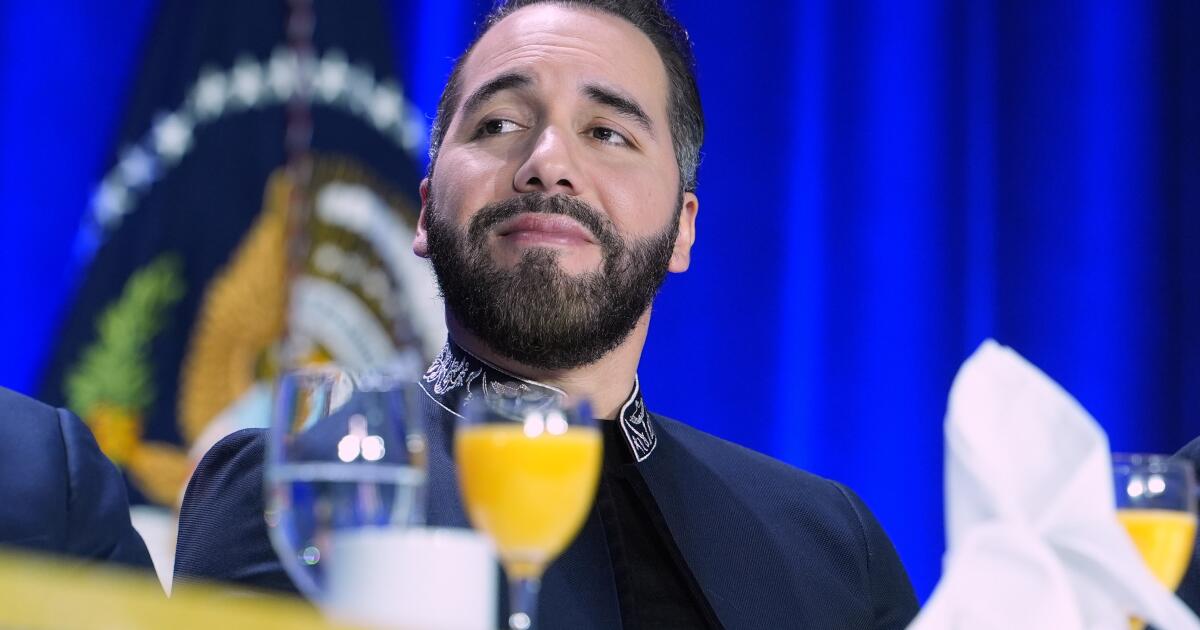
SAN SALVADOR — The number of people deported to El Salvador from the U.S. nearly doubled in the first months of 2026, according to official figures, coming as Salvadoran President Nayib Bukele has positioned himself as an ally willing to help the Trump administration accelerate deportations, a central priority.
The U.S. deported 5,033 Salvadorans back to their country in the first three months of 2026 compared with 2,547 deportees in the same period in 2025, according to El Salvador migration authority figures obtained by the Associated Press on Tuesday.
That marks nearly a 98% increase at the same time that the Trump administration has boosted deportation flights across the world. Globally, deportation flights from the U.S. rose an estimated 61% between 2024 and 2025, according to data compiled by the Asociación Agenda Migrante El Salvador, or AAMES, and other organizations.
The U.S. has stopped regularly releasing deportation data, so experts instead are relying on other information from countries such as El Salvador, deportation flights and other numbers.
The sharp increase in deportations “confirms a real hardening of the U.S. immigration system toward the region,” said César Ríos of AAMES.
The jump comes as Bukele, a tough-on-crime politician, has sought to align himself with President Trump, and the U.S. government has lined up allies across Latin America to help the Republican carry out his agenda. While Mexico and other Central American nations have quietly accepted deportees from third countries, Bukele has boldly embraced Trump’s efforts in Latin America.
In March 2025, Bukele most notably accepted 238 Venezuelan deportees accused of being members of the Venezuelan gang Tren de Aragua and locked them up in a mega-prison built for accused gang members in the Salvadoran leader’s ongoing offensive on domestic gangs. The incident fueled widespread accusations of human rights abuses.
The geopolitical firestorm came after Trump’s government struck a deal with Bukele to accept what they described as transfer and imprisonment of foreign criminals to El Salvador. Under the agreement, El Salvador would receive $6 million from the U.S.
In March 2025, the Trump administration mistakenly deported Kilmar Abrego García, a Maryland resident and Salvadoran citizen with protected status in the U.S., setting off yet another legal and political controversy. Bukele originally refused to return Abrego García and denied accusations of beating and torture — which have been widely documented by human rights groups in Salvadoran prisons.
He was returned to the U.S. in June to face charges that he helped bring immigrants to the U.S. illegally, something his lawyers call “baseless.” Abrego García has pleaded not guilty and asked a judge to dismiss his case as the U.S. Department of Homeland Security announced that it hoped to deport Abrego García to Liberia.
Even more recently, Bukele joined a coalition of other right-leaning Trump allies in a group of countries that the Republican president dubbed the Shield of the Americas, purportedly aimed at cracking down on criminal groups in Latin America, even though the two most essential countries in that effort — Mexico and Colombia — refused to attend.
Meanwhile, many migrants in the U.S. are turning their eyes on U.S. Supreme Court arguments as Trump seeks to stop shielding hundreds of thousands of migrants from Haiti and Syria, a decision many of the more than 200,000 Salvadoran migrants with temporary protections worry might eventually affect them.
Bukele has helped the U.S. with its immigration agenda even before Trump entered office.
In 2023, El Salvador’s government began to slap a $1,130 fee on travelers from dozens of countries connecting through the nation’s main airport, amid pressure from the Biden administration to help control the number of migrants moving toward the United States’ southern border. At the same time, migration from El Salvador, fueled by gang violence and poverty, dipped after Bukele’s contentious war on the gangs.
Analysts said that Bukele’s government used dips in migration as a bargaining chip to offset human rights criticisms by the U.S.
Alemán and Janetsky write for the Associated Press. Janetsky reported from Mexico City.
Iran’s First Vice President Mohammad Reza Aref said Tehran’s ‘right’ to the Strait of Hormuz is ‘established and the matter is closed’, state media reports.