Arab News | Indonesia expands Gulf cultural ties to preserve diverse Muslim heritage

Indonesia is expanding cultural cooperation with Gulf states to preserve the diverse heritage of Muslim societies, the culture minister tells Arab News, as he seeks partnerships in new technologies and creative entrepreneurship to keep it relevant for younger generations.
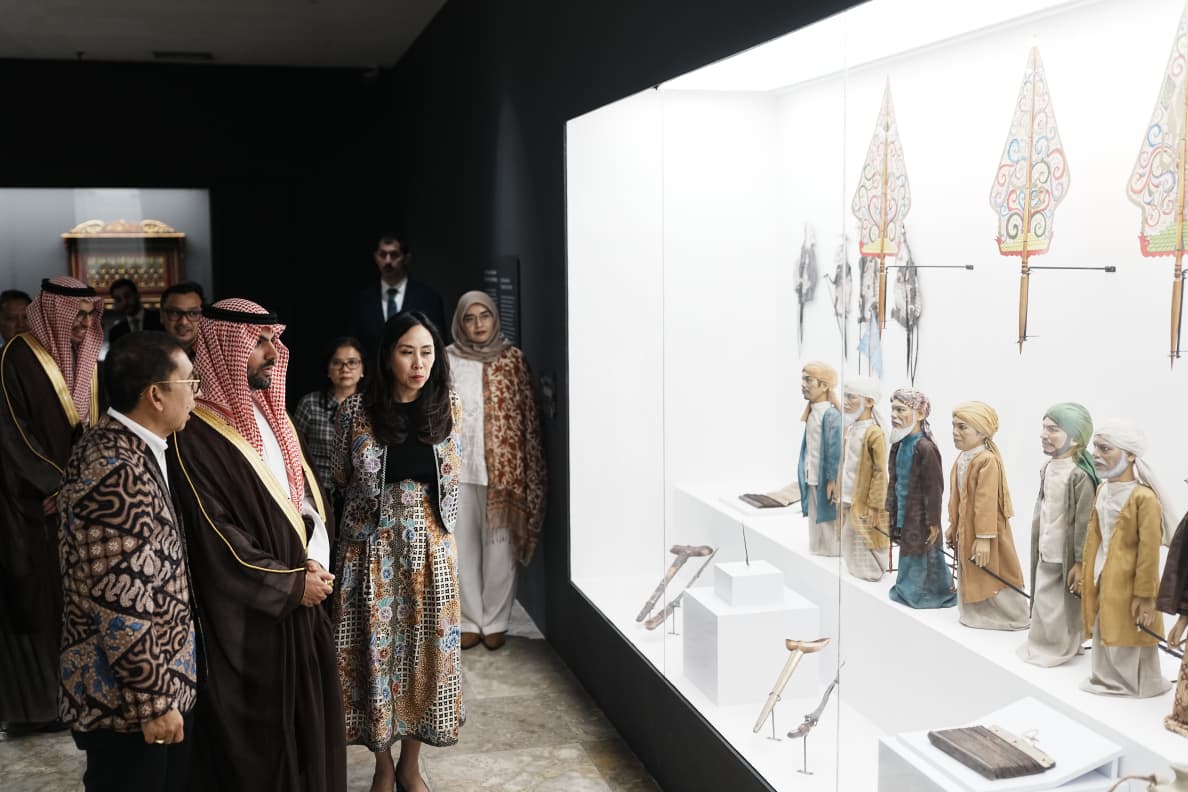
Minister of Culture Fadli Zon has held talks with Gulf officials in recent months, as part of Indonesia’s effort to strengthen cultural diplomacy.
This includes meetings with Saudi Minister of Culture Bader bin Abdullah bin Farhan, the Kuwaiti Ambassador to Indonesia Khalid Jassim Al-Yassin, and the Qatari Ambassador to Indonesia Sultan bin Mubarak Saad Al-Dosari.
“Indonesia and the Gulf countries share an interest in safeguarding heritage while ensuring its relevance to younger generations,” Fadli said.
“Collaboration in digitization, museum development, heritage management, cultural education, and the use of new technologies can strengthen preservation while supporting tourism, research, and creative entrepreneurship.”
He envisions deeper cooperation with Gulf partners through more extensive cultural exchange, experience and knowledge sharing, as well as collaborations in the creative economy, ranging from modest fashion, culinary traditions to digital content creation.
While Indonesia and Gulf countries have “distinct cultural traditions and national experiences,” they are still connected by centuries-long ties, through which further cultural cooperation can serve as “an important platform for sharing the diverse expressions of Muslim societies,” Fadli added.
He highlighted “strategic, multi-layered initiatives” Jakarta currently has with Gulf nations, including how the visit of Saudi culture minister to Jakarta in April “opened new avenues in joint film co-production, artist residencies, museum innovation and digital cultural” programs and boosted the renewal of their cultural cooperation, following Jakarta and Riyadh’s first such agreement in 2017.
The two countries are also collaborating under the framework of intangible cultural heritage, including on preserving Arabic calligraphy and the extension of its recognition by UNESCO.
This year, the world’s largest Muslim-majority country will organize cultural programs with Qatar to celebrate their 50th anniversary of diplomatic relations, with plans to showcase their national stamps.
In 2025, the culture ministry’s Directorate General of Cultural Diplomacy, Promotion and Cooperation signed an agreement with the Abu Dhabi Arabic Language Center, as Jakarta aims to promote Indonesian literature and arts through major international events held in the UAE.
In his meetings with the Qatari and Kuwaiti envoys last month, Fadli also proposed talks on bilateral cultural agreements to broaden cooperation in the sector.
“Indonesia is committed to transforming its longstanding historical and spiritual ties with the Gulf into modern, dynamic, and sustainable partnerships … We believe that the relationship between Indonesia and the Gulf can become an important model of cooperation between diverse Muslim societies,” Fadli said.
“By working together, Indonesia and the Gulf can ensure that culture does more than preserve the memory of our past. It can guide our societies through the challenges of the present and help us shape a more peaceful, inclusive, and humane future.”