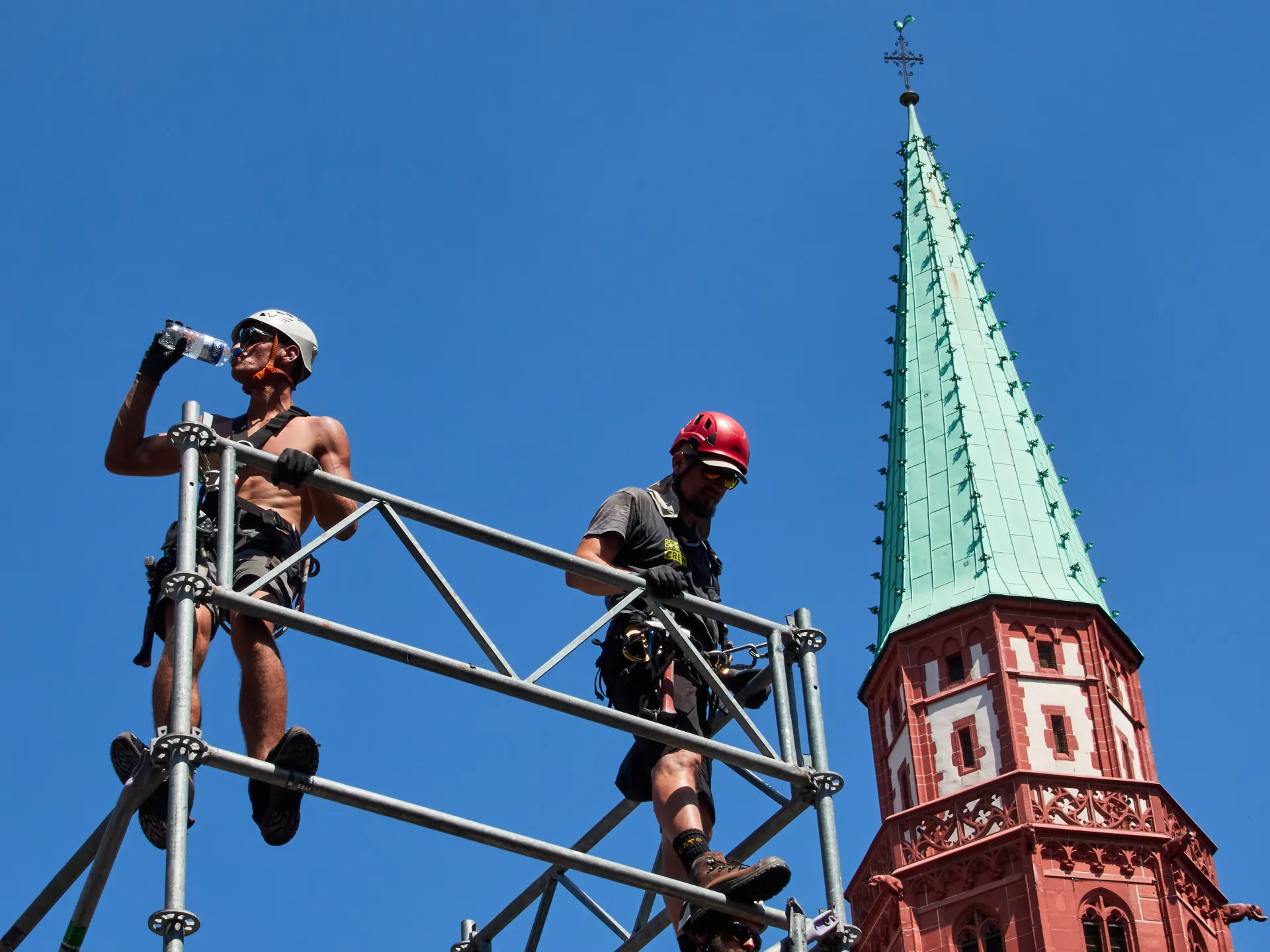
Activists have used thermal cameras to show the extreme temperatures outdoor workers are facing during Europe’s summer heatwaves, with one construction worker shown enduring surface temperatures above 65°C.
The extreme June temperatures would have been ‘virtually impossible’ 50 years ago, says the World Weather Attribution group.
Published On 26 Jun 202626 Jun 2026
The historic heatwave gripping Europe is part of a dangerous weather trend that can only be explained by human-caused climate change, scientists have said.
The extreme temperatures sweeping across much of Europe mark the region’s “most severe” heatwave ever tracked for the month, and would have been “virtually impossible” half a century ago, the World Weather Attribution group of scientists said in a report released on Friday.
Recommended Stories
list of 3 itemsend of list
Millions in France, Italy, Spain, the United Kingdom and elsewhere in Europe have been experiencing blazing heat this week, with daytime temperatures topping 40 degrees Celsius (104 Fahrenheit) in many places.
The heatwave was reported on Friday to be moving eastwards, threatening Germany and central Europe with similar conditions to those which killed dozens in the western reaches of the continent, strained medical services and stressed the economy.
The World Weather Attribution estimated that a heatwave with similar characteristics occurring in the climate of June 1976 – when Europe was also hit by persistently high temperatures – would have been about 3.5 degrees Celsius cooler.
During another episode in 2003, temperatures would have been about 2 degrees Celsius cooler, the research suggests.
The analysis shows that intense heat is increasing rapidly, even within living memory, “with such events tens to hundreds of times more likely since only 2003 and virtually impossible just 50 years ago,” the study says.
“This event would not have been possible in June without climate change,” the study’s lead author, Theodore Keeping from Imperial College London, told reporters.
Phasing out fossil fuels ‘critical’
The planet has warmed about 1.4C above pre-industrial times, driven by the burning of coal, oil and gas.
Scientists agree this is making extreme weather events like heatwaves more frequent and intense, and that limiting warming is vital to avoid the worst impacts of climate change.
Of the nearly 850 cities the World Weather Attribution’s study analysed in Europe, some 45 percent had broken – or were expected to break – their all-time heat stress records in June.
“The weather pattern itself is not particularly unusual, but the temperatures are – or at least they used to be without human-induced climate change,” said Friederike Otto, the cofounder of World Weather Attribution.
The June heatwave in Europe is the second such episode this year. An early-season period of heat in May brought temperatures more typical of high summer to central and western parts of the continent.
World Weather Attribution said the rapid phase-out of fossil fuels is “critical if we are to avoid even higher temperatures and their consequences in the future”.
If you have a head for heights, then you can “walk with the gods” on the Sentiero degli Dei. It’s cut into the vertiginous hillside high above the Amalfi coast, offering heavenly views all the way to Capri and beyond. Ten breathtaking kilometres later, you’ll rejoin the earthly hordes of Instagrammers in the undeniably beautiful but crowded Positano. A super-convenient combined bus and ferry ticket from Travelmar takes you from any of the coastal towns to the start of the walk, in the lovely hamlet of Bomerano, in Agerola, and from Positano back to your base. Brian
Profile
Readers’ tips: send a tip for a chance to win a £200 voucher for a Coolstays break
Show
Guardian Travel readers’ tips
Every week we ask our readers for recommendations from their travels. A selection of tips will be featured online and may appear in print. To enter the latest competition visit the readers’ tips homepage
–
A stunning hike to Poland’s Eye of the Sea
Morskie Oko lake in the Tatra mountains. Photograph: Gosiek B/Getty Images
The Five Lakes hike in the Tatras is the most beautiful in Poland. Starting from the parking lot at Palenica Białczańska, you gain elevation as you head south along a tumbling stream. After two hours, you arrive at the first of five glittering lakes surrounded by an amphitheatre that forms the border with Slovakia. Stop at Dolinie Pięciu Stawów hut to enjoy a hearty żurek (sour rye soup) as you contemplate the lake-pocked landscape. Fortified, climb southeast until, cresting the ridge, Morskie Oko (“Eye of the Sea”), the most storied lake in Poland, comes into view, glittering far below and engulfed by sheer mountain walls, including Poland’s highest peak. At the lakeside hut, you’ll have earned a Żywiec lager. Now, whether to follow the gentle trail back to the car park or push on to Rysy, 1,100m above … Ryan
Cold dips and butterflies in Georgia
The Ushguli to Mestia route passes ancient settlements with stone towers. Photograph: Eval/Getty Images
The Svaneti region of Georgia is a hiker’s dream. The Ushguli to Mestia route on the Transcaucasian Trail passes through some of the most dramatic and beautiful mountain landscapes I’ve ever encountered. Ancient stone towers, glacial pools perfect for a cold dip, meadows thick with wildflowers and butterflies, and the occasional wild horse made it feel like a film set. The villages are genuinely welcoming, the food is hearty and the biodiversity stopped me in my tracks. No photograph comes close to capturing it. If you haven’t considered Georgia for hiking, move it to the top of your list immediately. Aoife
Saunas and reindeer in Swedish Lapland
Midnight sun in Abisko national park. Photograph: Natalia Golubnycha/Alamy
Over seven days last summer we walked a section of the Kungsleden Trail from Abisko to Nikkaluokta in Swedish Lapland, in the Arctic Circle – and it was a magical experience. It was surprising even to us that we managed to find a holiday that suited a group of four teenagers and two adults. By the end, we all agreed that the lack of internet was a bonus not a bug. The walking was testing enough to be a challenge but also left enough time for card games and enjoying the saunas along the way. The huts we stayed in were great and allowed our packs to be kept light. A highlight was spotting reindeer on the last day. Paul
Wildflowers and strudel in Austria
A view of the Wildschönau valley from on high. Photograph: Image Professionals/Alamy
The beautiful Wildschönau valley in Austria offers amazing hiking options accessible for the whole family. We hiked between 10 and 15 miles every day exploring this amazing landscape. The meadows of wildflowers were breathtaking. The cable cars in Niederau and Auffac allow you to explore higher routes offering 360-degree panoramas with a little less effort. The signposting of routes was incredible and the free buses allowed us to travel throughout the area easily. The climb to the top of Joelspitze was our highlight, spotting beautiful gentian flowers on the way there, and finishing with an apple strudel as reward at the end. Barbara
A canyon walk in northern Spain
The Ruta del Cares gorge offers one of the best walks in the Picos de Europa. Photograph: Image Professionals/Alamy
The Ruta del Cares in Spain’s Picos de Europa is the most incredible hike my daughter and I have ever undertaken. The first 45 minutes from Poncebos take you steeply uphill into the canyon, past abandoned shacks and along spectacular, well-trodden tracks, which plateau out. As a vertigo sufferer myself, I found the track is always just wide enough. The canyon narrows and the path takes you through a series of tunnels before reaching the idyllic hamlet, Caín, and waterfalls where you can dip your feet. You can grab a drink and snacks before returning back to Poncebos. Joe
The Ellbachseeblick viewpoint in the Black Forest. Photograph: Mauritius Images/Alamy
Hike through the beautiful Black Forest from Kniebis to Baiersbronn (about 7 miles). Take the bus from Freudenstadt to Kniebis, then follow trails via the stunning Ellbachseeblick viewpoint and Sankenbach waterfall before descending into Baiersbronn. After the hike, enjoy an outdoor swim at Baiersbronn’s lido or relax with a meal in town, before taking the train back to Freudenstadt. Public transport is included with the Konus card if staying in Freudenstadt (or other participating Black Forest locations). George
Family-friendly highs in Switzerland
The hike to Kleine Scheidegg gives great views of the Bernese Alps, including the Eiger, Jungfrau and Mönch. Photograph: Eva Bocek/Alamy
Last year, my family and I took the cable car up Männlichen, in Switzerland and walked the Panoramaweg at its top. At 3 miles to Kleine Scheidegg, where you can take a train down, this is manageable for little legs and gives glorious views of the Eiger and the Bernese Oberland. Wild and unspoiled it is not, but it boasts the most incredible alpine playground, and if you stop in Wengen on your way up, there is a trail of marble runs that enchanted my children for hours. Frances
Watching dolphins in the Algarve, Portugal
A view from the coast path of Ponta da Piedade. Photograph: Image Broker/Alamy
My most memorable European hike was the coastal path from Ponta da Piedade to Praia da Luz in Portugal’s Algarve. While most visitors crowd the famous beaches, the 7-mile trail threads between honey-coloured cliffs, hidden coves and wildflowers, with Atlantic views almost every step of the way. My tip is to start at sunrise and pack a lightweight breakfast. The early light turns the limestone cliffs gold, the temperature is perfect for walking, and you’ll often have long stretches of path entirely to yourself. We stopped on a clifftop ledge to watch dolphins offshore – a simple moment that made the whole day unforgettable. Steven
Winning tip: cliffside views of Lake Garda, Italy
The Ponale is carved into the rock in Riva del Garda. Photograph: Isaac 74/Getty Images
The highlight of our recent holiday was the stunning 6-mile walk along the Ponale Path, stretching from Riva at the top of Lake Garda to the Ledro valley. This beautiful cliffside trail takes you through old tunnels carved into the rock and treats you to the most spectacular views of the lake below. Along the route, we encountered lush green fields, picturesque little farmhouses nestled among vineyards and even a cascading waterfall. To top it all off, we enjoyed a refreshing pint and lasagne in the sunny beer garden at Bar sul Ponale before beginning the walk back. Bev
Shafali Verma’s half-century helps the 50-over world champions reach the target inside 17 overs at Old Trafford.
Published On 25 Jun 202625 Jun 2026
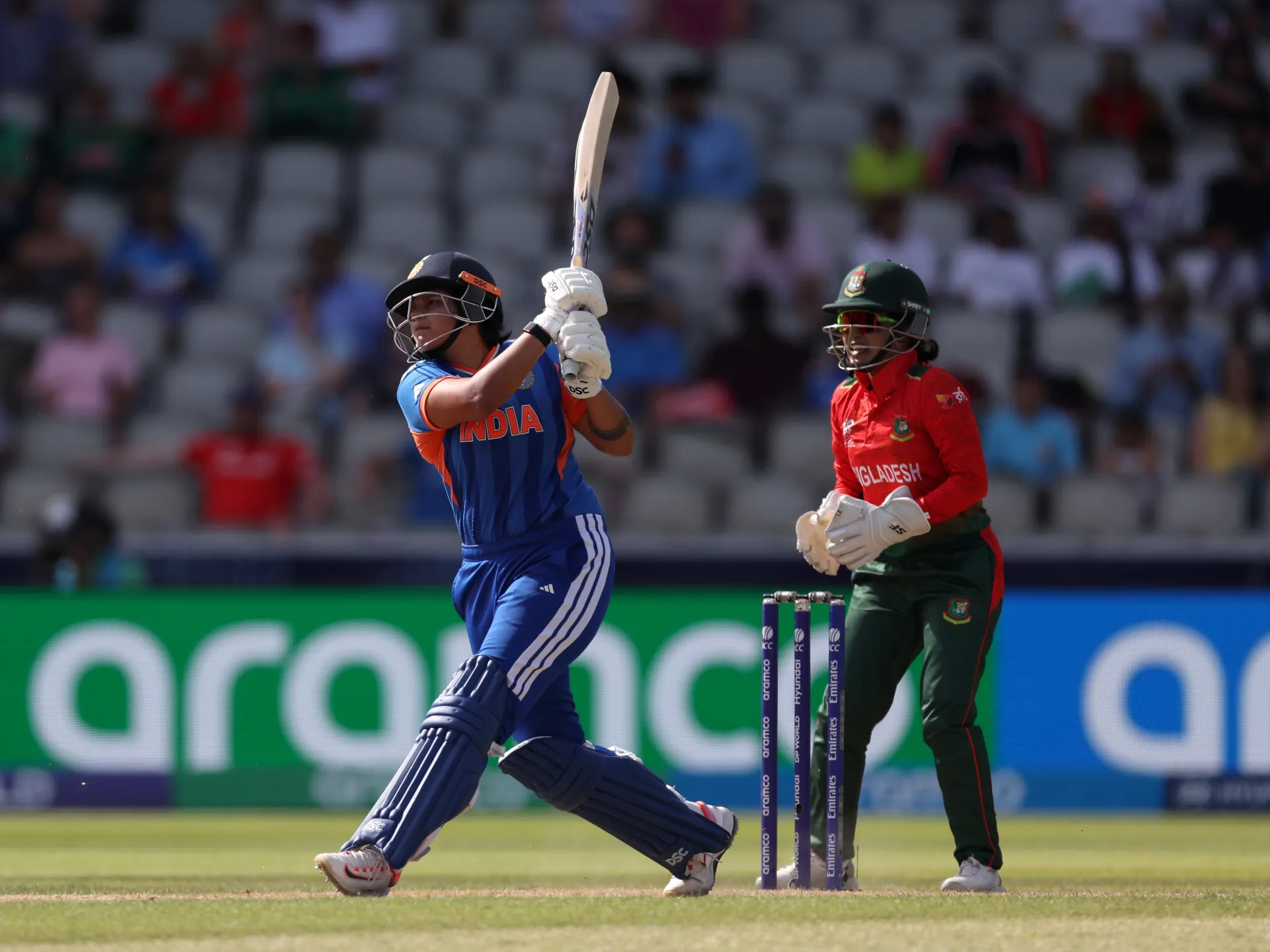
India beat Bangladesh by five wickets in Manchester to bolster their hopes of a semifinal place at the Women’s T20 World Cup.
Chasing a modest target of 137 at Old Trafford, opener Shafali Verma struck 53 from 34 balls as India reached their target inside 17 overs on Thursday.
Recommended Stories
list of 4 itemsend of list
South Africa, meanwhile, capitalised on a maiden T20 international century from Tazmin Brits to overwhelm the Netherlands by 88 runs.
That means India and South Africa are now effectively involved in a shootout for the second semifinal spot behind unbeaten Group A leaders Australia.
They both have six points, two behind the Australians and two ahead of Bangladesh, who still have a slim mathematical chance of qualifying for the knockout stages, with their last pool match against South Africa at Lord’s on Sunday.
India have the better run rate but face the daunting task of toppling Australia in their game on Sunday, which is also at Lord’s.
The Indians will likely need to improve their fielding against six-time champions Australia after dropping four catches on Thursday, although Bangladesh were too weak to capitalise as they slumped to 136-8.
Spin again provided the bulk of India’s wickets, with Radha Yadav taking 3-28 and Shree Charani 2-21.
South Africa were never in danger once Brits and Laura Wolvaardt put on 121 for the first wicket.
When Wolvaardt departed for 45, Brits continued to cane the Dutch bowlers with Annerie Dercksen, who made 37 not out off 16 balls.
Brits finished with 114 not out from 69 balls with 15 fours and three sixes as South Africa finished on 208-1.
The Dutch also made a good start with openers Phebe Molkenboer (41) and Sanya Khurana (36) adding 58 for the first wicket. Sterre Kalis kept the momentum going with a 28-ball 26, but once those three were gone, the innings folded.
Medium-pacer Ayabonga Khaka was the most successful of the bowlers with 3-19 while slow left-armer Chloe Tryon took 2-16 from her four overs.
FIFA’s inaugural U-15 World Cup in October has been opened to all of its member associates, paving way for Russia’s return.
Published On 25 Jun 202625 Jun 2026
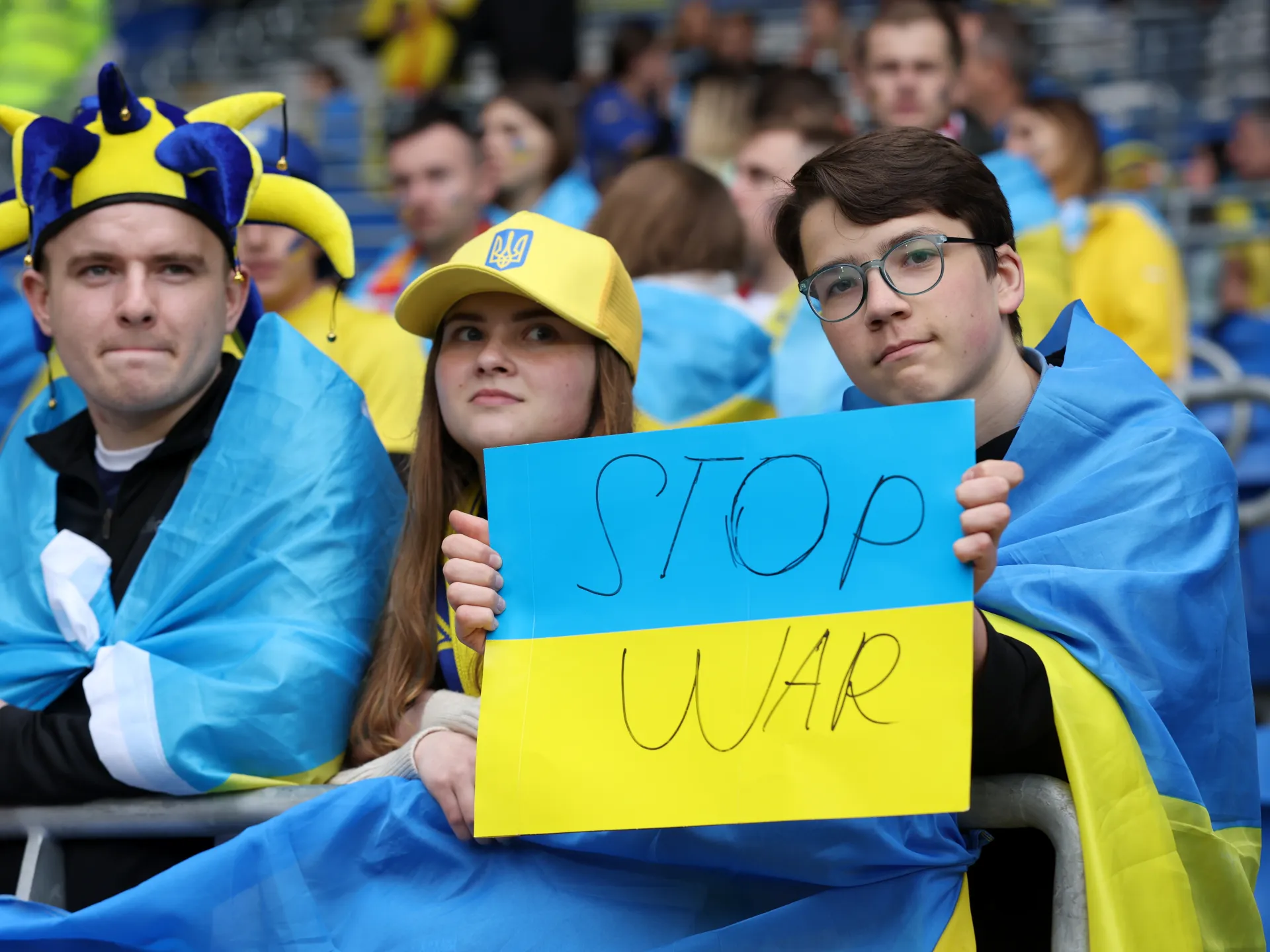
A Russian team may be allowed to participate in a FIFA event for the first time since Moscow’s 2022 invasion of Ukraine after football’s global authority said its inaugural U-15 World Cup and Festival, set to be held in Azerbaijan in October, is open to all FIFA member associations.
FIFA banned Russia from international competition in February 2022 after it invaded Ukraine, but it lifted the suspension from the country’s U-17 boys’ and girls’ teams the next year.
Recommended Stories
list of 4 itemsend of list
However, Russian teams have remained absent from U-17 tournaments organised by FIFA and UEFA as several European countries, including Ukraine and England, continue to boycott Russia over its ongoing invasion of its neighbour.
“The first edition will be open to boys’ teams from all FIFA member associations, the second instalment in 2027 will feature girls’ teams only,” FIFA said on Wednesday about the U-15 World Cup and Festival.
“From 2028 onwards, all member associations will be invited to participate with both their boys’ and girls’ U-15 teams in two separate competitions.”
The U-15 event will kick off on October 22 and conclude nine days later.
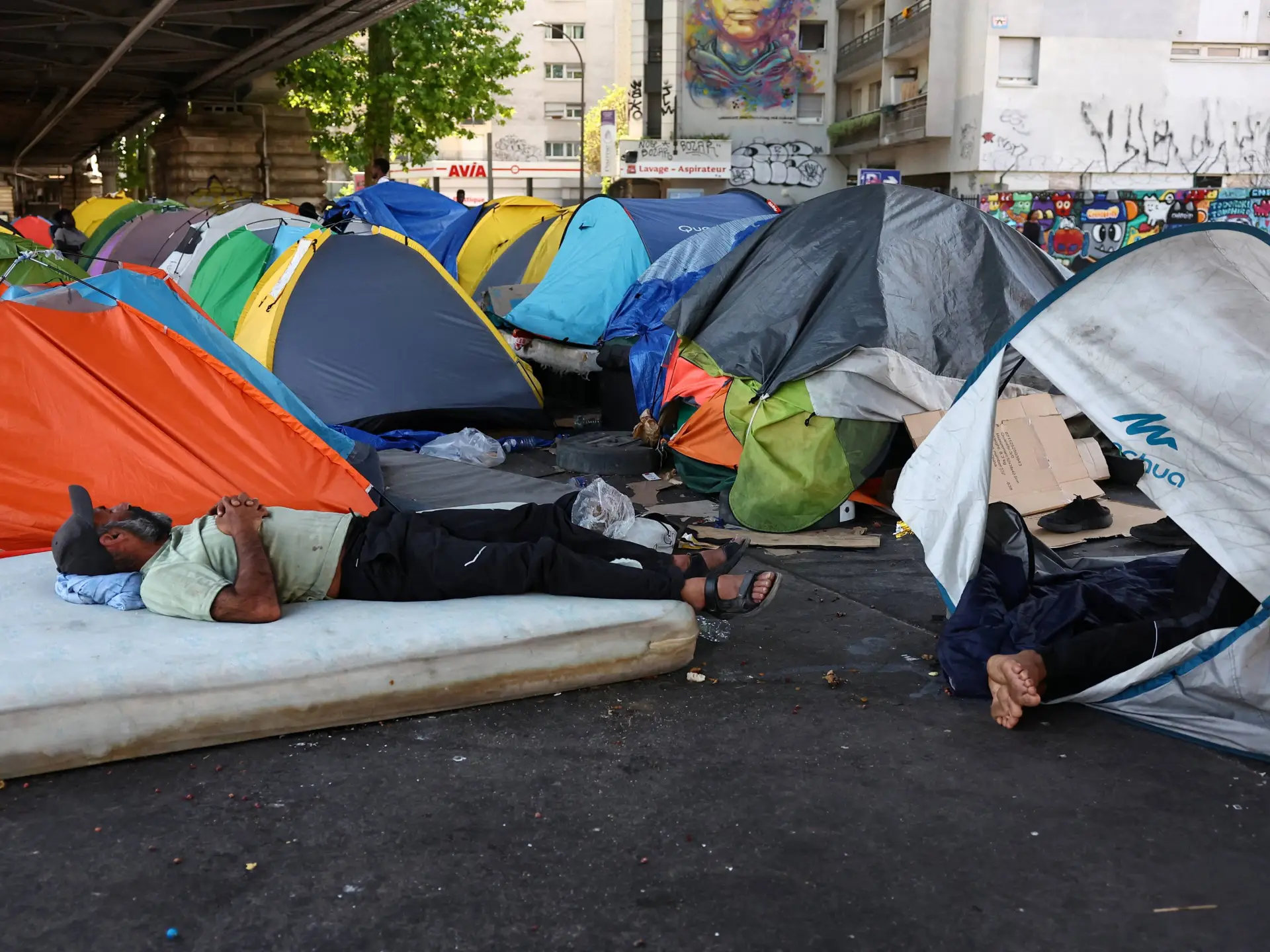
Hundreds of migrants in Paris are left exposed as a heatwave sweeps Europe. Some have taken to unsafe swimming to cope with the record-breaking temperatures.
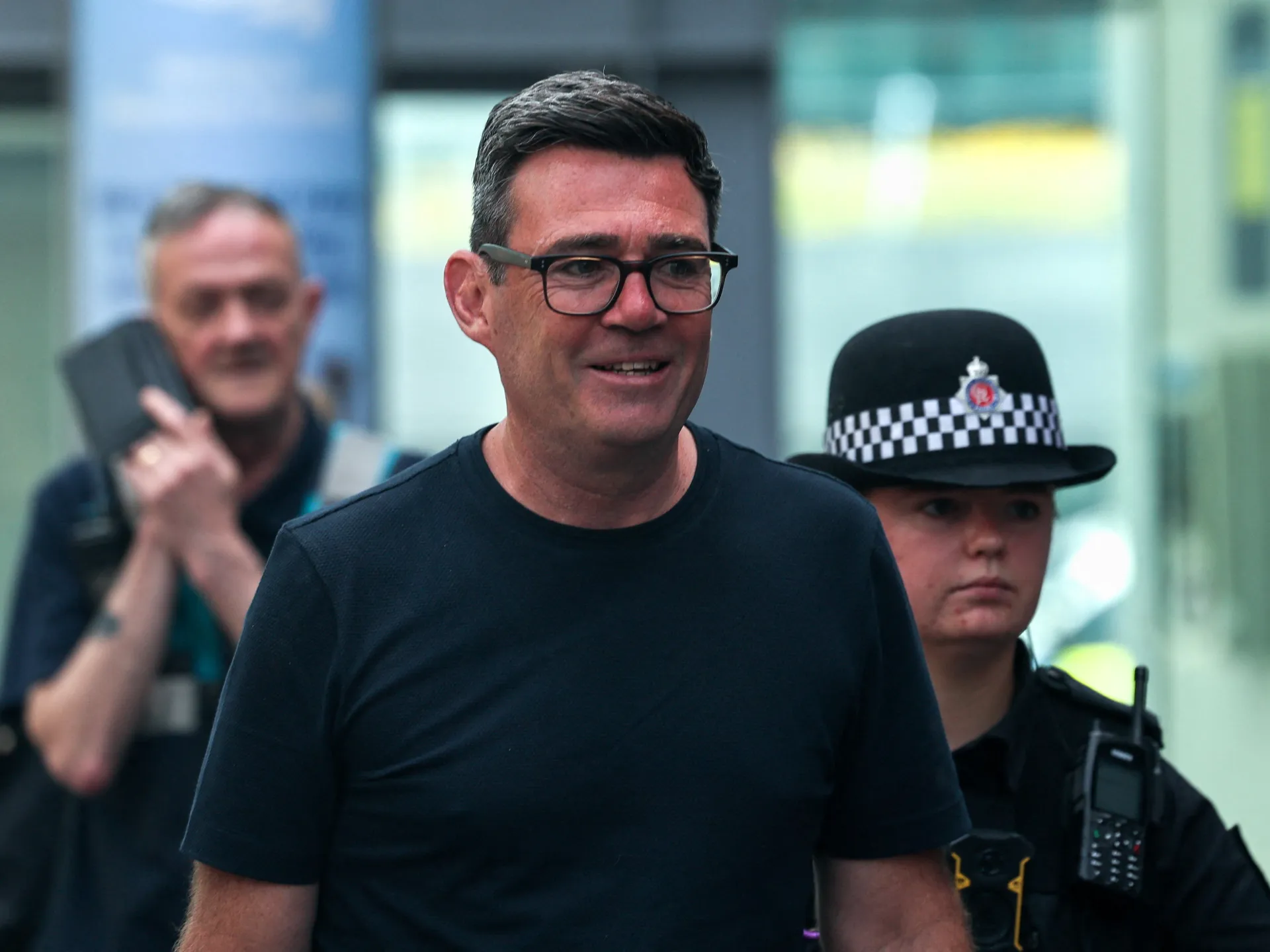
US President Donald Trump has made his first comment on the UK’s likely next leader describing Andy Burnham as ‘extremely liberal’. He also declared that Britain is ‘dying’ and urged greater oil drilling in the North Sea. The comments came after Keir Starmer announced plans to step down, with Burnham the only candidate to succeed him.
June 24 (UPI) — Investment from the United States in Latin America and the Caribbean fell 11% in 2025, although the country remained the region’s leading source of foreign direct investment, the Economic Commission for Latin America and the Caribbean, or ECLAC, reported.
The organization presented its annual report, Foreign Direct Investment in Latin America and the Caribbean 2026: Navigating the New Global Context, in Santiago, Chile, on Tuesday. The report showed that the region received $194.233 billion in foreign direct investment in 2025, up 1.7% from the previous year.
ECLAC attributed the modest growth to an international environment marked by geopolitical tensions, technological rivalry among major powers and changes in U.S. trade policy.
The United States accounted for 35% of foreign investment with an identifiable origin entering the region, while Europe represented 32%.
ECLAC said the decline in U.S. investment flows and the increase in European investment significantly narrowed the gap between the two players.
The organization warned that recent changes in U.S. tariff policy could affect Latin American countries unevenly depending on their productive structures and their level of integration into regional value chains.
“In the current global context of weaponized interdependence, it is essential to understand the relationship between trade and foreign direct investment in order to design policies that allow us to advance toward more productive, inclusive and sustainable development,” ECLAC Executive Secretary José Manuel Salazar-Xirinachs said.
During the presentation of the report, Salazar-Xirinachs also said the world had moved from a period in which economic interdependence was viewed as a source of efficiency and even a guarantee of peace to one in which it is increasingly perceived as a source of vulnerability, according to statements reported by Xinhua.
Brazil remained the region’s leading destination for foreign investment, attracting $77.676 billion, equivalent to 40% of the regional total. Mexico received $43.221 billion, or 22% of the total, although it recorded a year-over-year decline. Together, the two countries accounted for 62% of all foreign investment received by Latin America and the Caribbean in 2025, according to ECLAC.
They were followed by Chile with 7% of regional flows, Peru and Colombia with 6% each, Guyana with 5%, and Costa Rica and Dominican Republic with 3%.
The sectoral composition also showed changes. Services attracted 53% of foreign investment received by the region and increased 19.5% from the previous year. Natural resources rose 7% and accounted for 16% of the total, while manufacturing declined 17.2% and represented 31% of investment flows.
The report also showed signs of caution among investors. During 2025, 1,326 new investment projects were announced with a combined value of $114.1 billion, a decline of 10.2% in the number of projects and 34.3% in value compared with 2024.
In response to this scenario, ECLAC recommended diversifying export markets and sources of investment, strengthening coordination between trade and investment policies, and expanding regional cooperation to reduce dependence on individual markets and increase economic resilience.
Paris and other European cities are experiencing temperatures above 40C (104F), reaching levels normally seen across the Middle East.
A blistering heatwave has gripped much of Europe, prompting the highest-level red alerts in parts of the United Kingdom, France, Spain and Italy.
Authorities have warned of health risks, wildfires and travel disruptions as extreme temperatures persist.
Recommended Stories
list of 3 itemsend of list
With temperatures approaching record highs, officials have taken emergency measures, including a localised alcohol ban in parts of France under red alert, nationwide heat warnings in Germany and the cancellation of a World Cup fan zone screening in Madrid, where temperatures hit 39C (102F).
Why is it so hot in Europe?
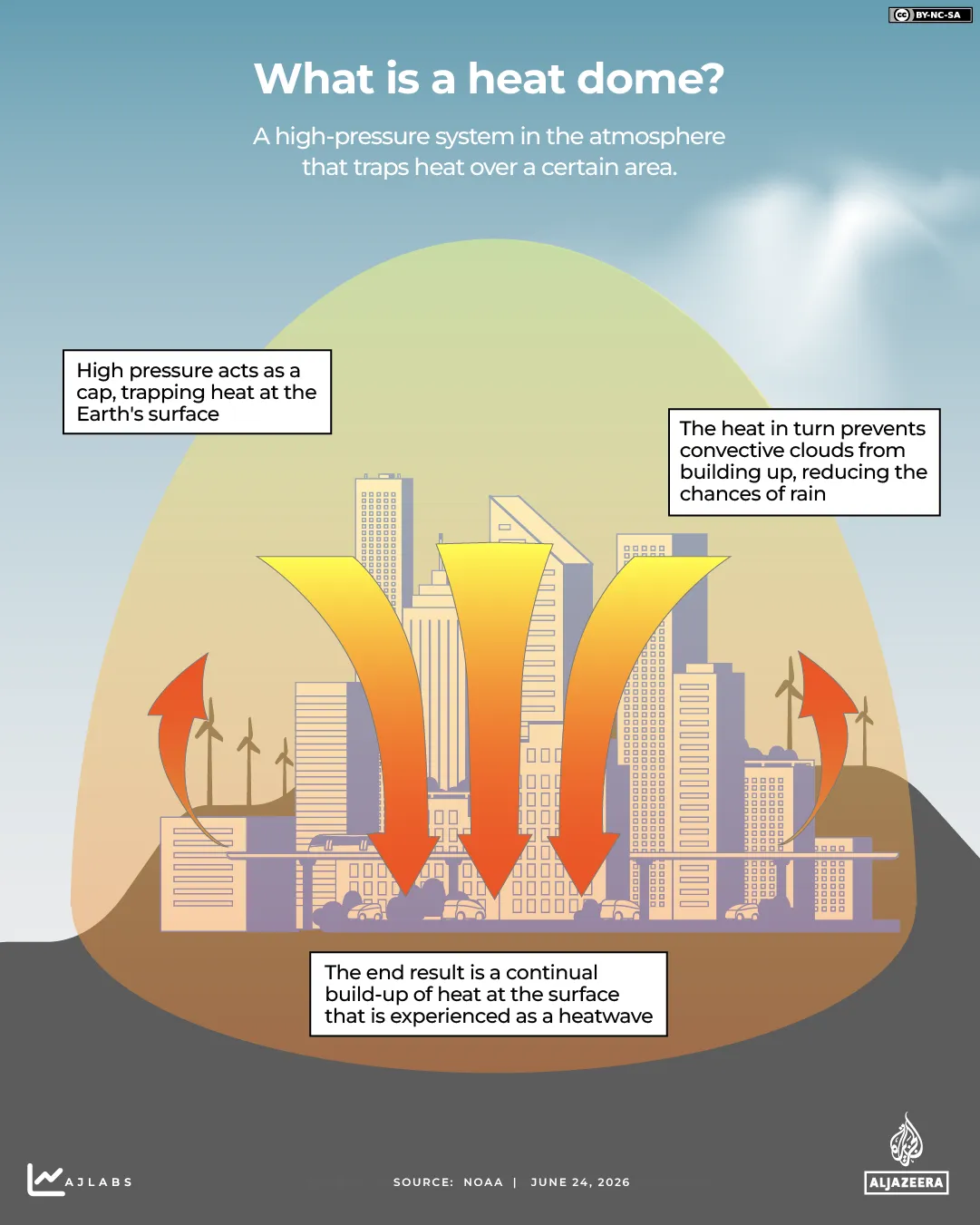
A persistent area of high pressure, known as a heat dome, has trapped hot air over Western Europe, bringing clear skies, weak winds and prolonged sunshine. Hot air moving north from North Africa has added to the extreme temperatures.
(Al Jazeera)
Unusually warm seas around the UK, Ireland, France and the western Mediterranean have also helped keep coastal areas hot, especially at night. Coastal waters around Spain have reached record warm levels, according to Spain’s port authority.
In the worst-affected areas – western France, England and Wales – daily average temperatures have soared more than 12C above the 1991-2020 baseline, according to Copernicus data.
(Al Jazeera)
Scientists say the early-season heatwave is part of a broader warming trend. Europe is the world’s fastest-warming continent, with temperatures rising by approximately 0.56C per decade since the mid-1990s, more than double the global average.
Climate change is making heatwaves more frequent, more intense and likely to occur earlier and later in the year.
How hot are European cities today?
To contextualise the temperatures Europe is dealing with, Al Jazeera looked at the maximum temperatures in five European capitals on June 24 and compared them with cities across the Middle East, North Africa and Asia, where high temperatures are more typically experienced.
Europe is particularly vulnerable – much of its housing and infrastructure was not built for prolonged extreme heat, and only about 20 percent of European homes have air conditioning.
The graphic below shows how European cities’ maximum temperatures today compare with some other cities around the world:
(Al Jazeera)
How is temperature measured?
The temperature you see on the news or the weather app on your phone relies on a network of weather stations positioned around the globe.
To ensure accurate readings, weather stations typically use specialist platinum resistance thermometers placed inside shaded instruments known as a Stevenson screen.
Measurements are taken at a standard height of 1.25-2 metres (4-6.5 feet) above the ground. This provides a reading that reflects the air temperature that people actually feel.
(Al Jazeera)
There are two well-known scales used to measure temperature: Celsius and Fahrenheit.
Only a few countries, including the United States, use Fahrenheit as their official scale. Most of the world uses the Celsius scale, named after Swedish astronomer Anders Celsius, who invented the 0-100 degree freezing and boiling point scale, although originally inverted, in 1742.
Why does the temperature feel hotter than the forecast says?
Air temperature alone often doesn’t match how hot it feels to your body. That is why forecasts report a “feels like” temperature, which adjusts air temperature based on factors like humidity, wind speed and sun exposure.
(Al Jazeera)
Humidity
Humidity measures how much water vapour is in the air. This moisture slows the evaporation of sweat, so your body can’t cool itself as effectively.
Wind speed
In hot weather, a light breeze can help evaporate sweat, making it feel cooler.
Sun exposure
Even if the thermometer reads the same, direct sunlight adds extra warmth, which is why shaded areas feel cooler.
Remaining group schedule, teams, as well as the best third-round group fixtures at the tournament in North America.
After 48 matches in North America, it’s time for the final round of games in the group stage at World Cup 2026.
Sixteen teams will be eliminated after these fixtures, with 32 nations heading through to the knockout stages.
Recommended Stories
list of 4 itemsend of list
The top two teams from each of the 12 groups – along with the eight best third-placed teams – will proceed to the next phase.
Here are the top five “must-watch” matches in the second round of fixtures from June 24 until June 27.
Neymar could return for Brazil against Scotland [Reuters]
⚽️ Scotland vs Brazil
Miami Stadium – Wednesday, 6pm (22:00 GMT)
These two sides will meet at the World Cup for the fifth time and there’s plenty to play for in an intriguing encounter in Miami.
Brazil are looking to secure their place in the knockout stages as group winners and are currently tied with Morocco on four points at the top of Group C.
Scotland are aiming to escape the group for the first time at a major international tournament and know that a point will almost certainly guarantee a spot in the round of 32.
Expect Group C to change a lot during these final fixtures, with Morocco taking on Haiti at the same time.
If that isn’t enough, Brazil’s Neymar is also set to make his first appearance at this World Cup.
Sweden have been unpredictable at this tournament [Raquel Cunha/Reuters]
⚽️ Japan vs Sweden
Dallas Stadium – Thursday, 6pm (23:00 GMT)
It’s difficult to predict which Sweden will turn up in Dallas on Thursday.
Graham Potter’s side beat Tunisia 5-1 in their opening match of the World Cup, before losing by the same score to the Netherlands.
Japan have been entertaining to watch at this tournament and were in fine form during their 4-0 win over Tunisia at the weekend.
Expect plenty of goals in this match and plenty of drama. The winner will secure a top-two finish in Group F, so there is a lot to play for.
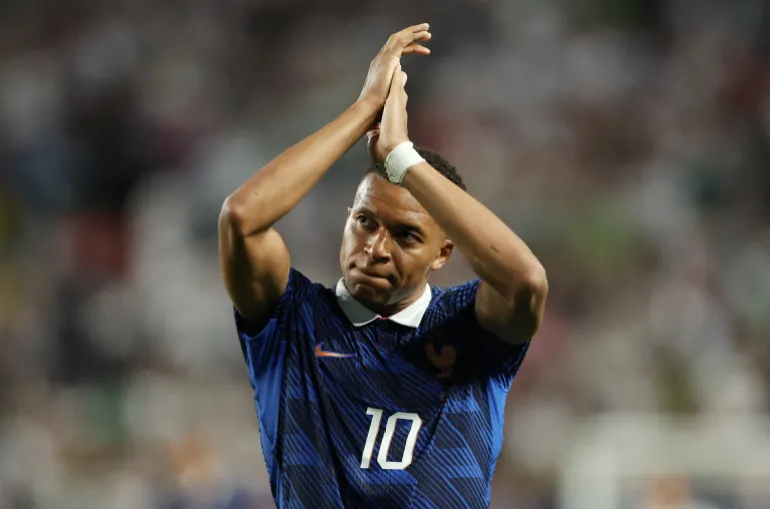
France’s Kylian Mbappe has scored four goals so far [Kyle Ross/Reuters]
⚽️ Norway vs France
Boston Stadium – Friday, 3pm (19:00 GMT)
Norway and France are already through to the knockout stages, but this game looks set to be a blockbuster affair with both sides looking to top Group I.
Erling Haaland and Kylian Mbappe have both scored four goals so far and they’ll be desperate to add to their tally as they chase down Lionel Messi.
France are one of the favourites to lift the World Cup next month and are looking to end the group stage with three wins from three.
But Norway have the opportunity to prove that they truly are dark horses in this tournament and can compete with elite international sides.
Buckle in for a big one in Boston.
Spain’s Lamine Yamal, Nico Williams and Victor Munoz celebrate after the match against Saudi Arabia [Claudia Greco/Reuters]
⚽️ Uruguay vs Spain
Seattle Stadium – Friday, 6pm (00:00 GMT on Saturday)
Group H has been a tight affair following some surprise results in the opening round of fixtures.
Uruguay drew with Saudi Arabia, while Cape Verde shocked the world with a goalless draw against Spain.
La Roja bounced back by thrashing Saudi Arabia and they go into their final game as group leaders, with Uruguay two points behind in second.
Spain will secure top spot with a win in Seattle, ensuring that they avoid Argentina in the round of 32.
Egypt are looking to reach the knockout stages at the World Cup for the first time [Anne-Marie Sorvin/Reuters]
⚽️ Egypt vs Iran
Seattle Stadium – Friday, 8pm (04:00 GMT on Saturday)
Neither of these sides have ever made it out of the group at a World Cup, but on Friday, at least one of them will achieve that feat.
Group G is closely bunched after a number of drawn matches and it sets things up nicely for an intriguing final round of fixtures.
Victory for either Egypt or Iran will guarantee them a spot in the knockout phase, so expect both sides to be up for this one.
Iran have faced numerous challenges at this World Cup, with restrictions on travel and visa issues before the tournament even began.
If Iran progress, there’s also still a chance that they will face the US in the knockout stages.
World Cup 2026: Remaining group-stage full schedule
Wednesday, June 24
Switzerland vs Canada at 12pm PT (19:00 GMT) – BC Place, Vancouver, Canada
Bosnia vs Qatar at 12pm PT (19:00 GMT) – Seattle Stadium, Seattle, US
Scotland vs Brazil at 6pm ET (22:00 GMT) – Miami Stadium, Miami, US
Morocco vs Haiti at 6pm ET (22:00 GMT) – Atlanta Stadium, Atlanta, US
Czechia vs Mexico at 7pm CST (01:00 GMT on Thursday) – Mexico City Stadium, Mexico City, Mexico
South Africa vs South Korea at 7pm CST (01:00 GMT on Thursday) – Estadio Monterrey, Guadalupe, Mexico
Thursday, June 25
Ecuador vs Germany at 4pm ET (20:00 GMT) – New York New Jersey Stadium, New Jersey, US
Curacao vs Ivory Coast at 4pm ET (20:00 GMT) – Philadelphia Stadium, Philadelphia, US
Japan vs Sweden at 6pm CDT (23:00 GMT) – Dallas Stadium, Dallas, US
Tunisia vs Netherlands at 6pm CDT (23:00 GMT) – Kansas City Stadium, Kansas City, US,
Turkiye vs USA at 7pm PT (02:00 GMT on Friday) – Los Angeles Stadium, Los Angeles, US
Paraguay vs Australia at 7pm PT (02:00 GMT on Friday) – San Francisco Bay Area Stadium, San Francisco, US
Friday, June 26
Norway vs France at 3pm ET (19:00 GMT) – Boston Stadium, Boston, US
Senegal vs Iraq at 3pm ET (19:00 GMT) – Toronto Stadium, Toronto, Canada
Cape Verde vs Saudi Arabia at 7pm CDT (00:00 GMT on Saturday) – Houston Stadium, Houston, US
Uruguay vs Spain at 6pm CST (00:00 GMT on Saturday) – Estadio Guadalajara, Zapopan, Mexico
Egypt vs Iran at 8pm PT (03:00 GMT on Saturday) – Seattle Stadium, Seattle, US
New Zealand vs Belgium at 8pm PT (03:00 GMT on Saturday) – BC Place, Vancouver, Canada
Saturday, June 27
Panama vs England at 5pm ET (21:00 GMT) – New York New Jersey Stadium, New Jersey, US
Croatia vs Ghana at 5pm ET (21:00 GMT) – Philadelphia Stadium, Philadelphia, US
Colombia vs Portugal at 7:30pm ET (23:30 GMT) – Miami Stadium, Miami, US
DRC vs Uzbekistan at 7:30pm ET (23:30 GMT) – Atlanta Stadium, Atlanta, US
Algeria vs Austria at 9pm CDT (02:00 GMT on Sunday) – Kansas City Stadium, Kansas City, US
Jordan vs Argentina at 9pm CDT (02:00 GMT on Sunday) – Dallas Stadium, Dallas, US
The race for the Golden Boot at World Cup 2026 is shaping up to be one for the history books.
After just two games, Argentina talisman Lionel Messi leads the way with five goals, followed by France’s Kylian Mbappe and Erling Haaland of Norway with four goals each.
Recommended Stories
list of 4 itemsend of list
Germany’s Deniz Undav has three with Jonathan David of Canada on the same mark after a hat-trick against Qatar.
A further 20 players have scored twice in their opening two games, including 2018 Golden Boot winner Harry Kane of England, Cristiano Ronaldo of Portugal, Vinicius Jr of Brazil and Mikel Oyarzabal of Spain.
The stars are all shining and, given the rate of scoring so far, it seems possible double figures might be needed to win the Golden Boot, something done only three times in history – by Hungary’s Sandor Kocsis in 1954, Just Fontaine of France four years later and Gerd Muller of Germany in 1970.
Fontaine holds the record of 13 goals in one World Cup in just six matches in Sweden, but the expanded 48-team format in 2026 means the nations qualifying for the semifinals in July will play an unprecedented eight games in this edition.
At the 2006 World Cup in Germany and in South Africa four years later, only five goals were needed to claim the Golden Boot while nobody has scored more than eight in the past 13 editions, a feat achieved only by Brazil’s Ronaldo in 2002 and Mbappe four years ago in Qatar.
Kylian Mbappe followed his double against Senegal with another against Iraq in this year’s World Cup [Siphiwe Sibeko/Reuters]
Why have so many goals been scored at World Cup 2026?
It took just 33 matches for a century of goals to be racked up in this edition, second only to 1954 in terms of pace.
After Portugal’s 5-0 win over Uzbekistan on Tuesday, 139 goals had been scored across the first 45 games – the most in the group stages of a single edition of the finals, overtaking the 136 scored in 2014 in three fewer matches.
The record number of goals in one edition came in Qatar 2022 with 172 from 64 games. With an extra 40 matches in the new expanded format that went into effect this year, it was always likely to be broken, but the rate of scoring suggests the old mark will be obliterated.
The Adidas Trionda ball used in World Cup 2026 [Simon Fearn/Imagn Images]
One reason for the increase in goals might be the Adidas Trionda ball, which FIFA commissioned for this World Cup.
Before the tournament, FIFA said it boasts several key performance innovations, including intentionally deep seams designed to produce optimal in-flight stability by ensuring sufficient and evenly distributed drag as the ball travels through the air – in short, it flies through the air – while the surface of the ball is designed to increase grip when striking or dribbling in wet or humid conditions, which we have seen plenty of in the opening matches.
Austria head coach Ralf Rangnick said: “This ball is as fast as a cannonball. If you kick the ball in the right position, it’s extremely difficult to save.”
The controversial addition of hydration breaks to each half may also mean players are performing at their peak for longer, leading to the glut of late goals so far. Of course, the fact that 48 teams are taking part, drawn from the world’s leading 85 teams in the rankings, means there are some mismatches in the first phase.
Colombia coach Nestor Lorenzo also said attackers are more protected by officials than they used to be, which may contribute to the increased scoring, adding: “They didn’t have this protection some 20, 30 years ago when they were hit a lot more, when rough play was a lot more common.
“Today, any team that defends well and uses counterattacks and tries to play can manage to do well.”
Erling Haaland has scored two goals in each of his first two World Cup appearances. [John Sibley/Reuters]
Who is likely to win the Golden Boot?
Much will depend on fitness and, of course, how deep a country goes in the tournament, but Messi has to be considered the favourite to win his first accolade.
The 38-year-old scored seven goals at the last World Cup and has now scored in six straight tournament matches, having netted in every knockout round in Qatar and the first two games of this edition. He even missed a penalty against Austria, which would have made it back-to-back hat-tricks.
Argentina’s final group game on Sunday is against already eliminated Jordan although Messi’s inclusion from the start in that one is by no means a given as his side have already secured the top spot in Group J.
They look set for favourable knockout fixtures, though, with the potential for Uruguay or Cape Verde in the last 32, potentially Australia or Iran in the round of 16 and the possibility of Croatia or Colombia in the quarterfinals, should they make it.
Only in the semifinal might they come up against a powerhouse nation, likely in the form of England or Brazil or dark horses Japan, Norway or Mexico.
Mbappe also looks likely to have a favourable run and is likely to feature against Norway on Friday in the group finale, which will decide the top spot in Group I.
Winning the group could mean a round of 32 meeting with Sweden, Germany the potential opponents in the last 16 and the Netherlands or Morocco awaiting in the last eight.
Whoever finishes second out of France and Norway could face a tricky task against the Ivory Coast in the last 32 with Brazil or Japan awaiting the winners and the possibility of England lurking in the quarterfinals, which might put a ceiling on Haaland’s prospects, despite having scored 59 goals in 52 international games for Norway.
Kane will seek to enter the conversation with England facing a must-win Group L finale on Sunday against Panama with the prospect of a last-32 meeting with Cape Verde to follow and Mexico likely lying in wait in the Azteca (known during the World Cup as Mexico City Stadium) in the round of 16.
Cristiano Ronaldo may have left it too late to begin a real quest, given Portugal face Colombia on Sunday in their final Group K game and could face resolute Ghana in the last 32 with Spain potential opponents in the last 16.
But Vinicius Jr could add to his two goals when Brazil face Scotland on Thursday in their final Group C game although the knockout rounds would appear a stiffer test.
France has confirmed its first Ebola case in the country during the current outbreak, as a doctor returning from a humanitarian mission in the Democratic Republic of the Congo tested positive, French health authorities said.
In a statement on Wednesday, the French Health Ministry said the healthcare worker was operating in one of the areas where the virus was circulating.
Recommended Stories
list of 3 itemsend of list
“The patient is being treated at a leading healthcare facility, following strict biosafety protocols,” the ministry said. “All precautionary measures, including the patient’s isolation, were implemented upon arrival in France, with transfer to the hospital under secure conditions to prevent any risk of contamination,” it said.
An epidemiological investigation is under way to identify individuals who may have been in contact with the patient. They will be contacted by health authorities to self-isolate for 21 days, the statement added.
Since May, the northeastern Ituri province of the DRC has been the epicentre of an Ebola outbreak, which has killed more than 260 people and infected more than a thousand so far in the central African country. Cases have also been reported in neighbouring Uganda.
On May 17, the World Health Organization (WHO) declared the outbreak a “public health emergency of international concern”.
Most previous Ebola outbreaks in DRC were caused by a virus called Ebola Zaire, but this outbreak is caused by a different strain called Bundibugyo, for which there are currently no approved vaccines or treatments.
Several Russian regions are facing fuel shortages because of Ukrainian attacks.
Published On 23 Jun 202623 Jun 2026
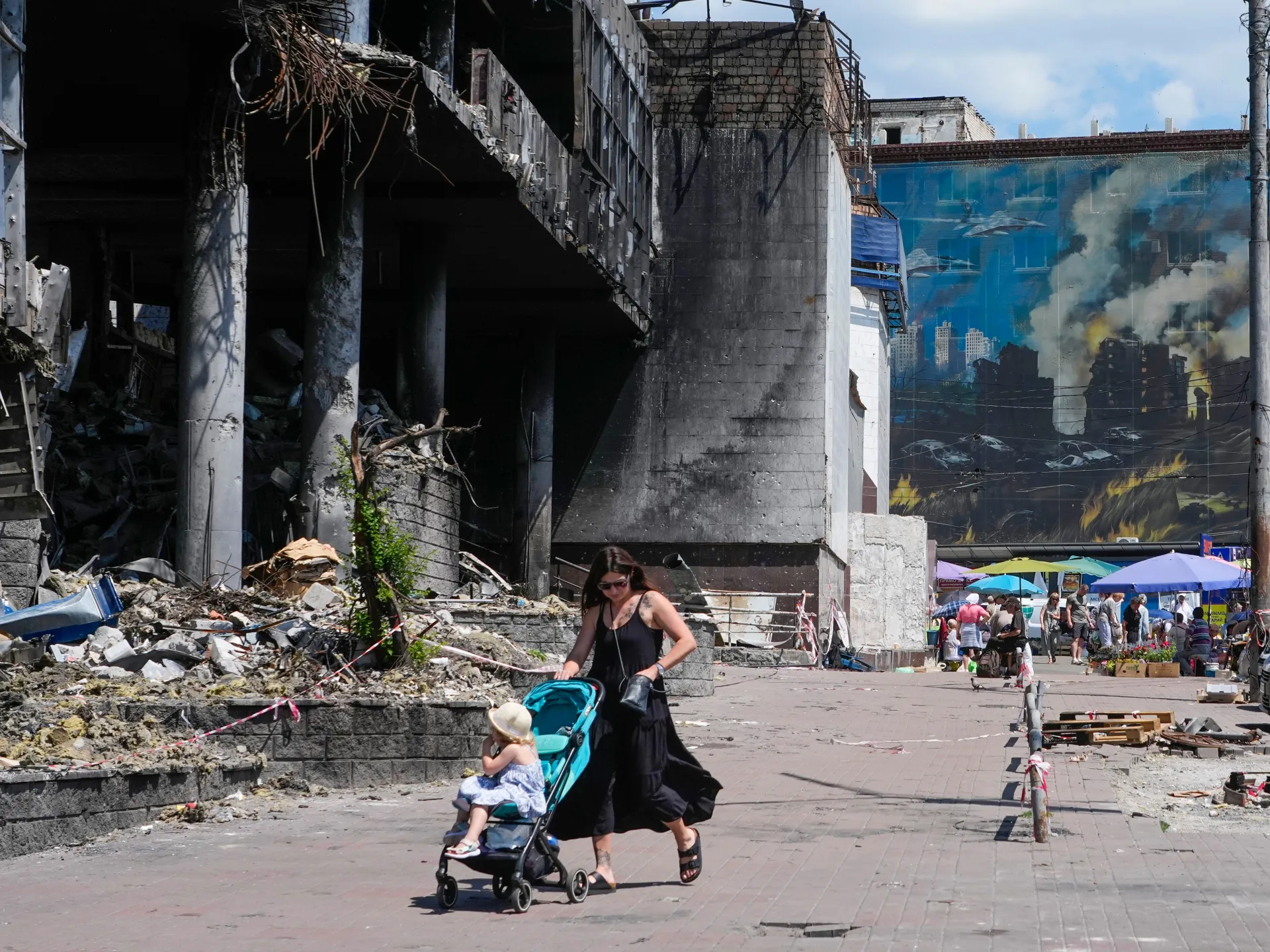
A Russian missile attack on the central Ukrainian city of Kryvyi Rih has killed at least three people, as Moscow struggles with the economic strain of the four-and-a-half-year Russia-Ukraine war.
Oleksandr Vilkul, the head of the Kryvyi Rih defence council, said in a post on Telegram on Tuesday that 25 people had been wounded in the attack, which he said used a cluster munition warhead.
Recommended Stories
list of 3 itemsend of list
“People died within 200 metres [660 feet] of each other because of this barbaric weapon,” Vilkul said, adding that a day of mourning would be marked on Wednesday.
Kyiv has previously accused Moscow of using cluster munitions, which scatter into smaller explosives when dropped.
Reacting to the attack, Ukraine’s President Volodymyr Zelenskyy called for more international pressure on Moscow to end the war and for quicker supplies of air defence systems.
“Every delay in implementing air defence agreements, every delay in supplies to protect Ukraine and Ukrainians is in effect a loss of life,” he wrote on Telegram.
Ukraine announced on Tuesday that its forces had targeted a railway bridge, a power plant and other key infrastructure in Russian-occupied Crimea.
Weakened rouble
Over the past few months, Russia and Ukraine have significantly ramped up attacks. As Moscow launches barrages of strikes on Ukraine, Kyiv in turn has targeted Russian refineries and infrastructure with its own drones.
Ukraine’s drone attacks have led to fuel shortages in Russia. Many regions across the country have reported restrictions on fuel sales and rising prices for oil products, creating concerns about the stability of Russia’s economy.
On Monday, the Moscow Exchange stock index fell by five percent before it rebounded slightly. It is still around its lowest level since March 2023, while the rouble weakened past the 75-mark against the US dollar for the first time since May 6.
The Kremlin dismissed concerns about the rouble’s weakness.
“The stability of the Russian economy, macroeconomic stability, is absolutely ensured,” government spokesperson Dmitry Peskov said on Tuesday.
Meanwhile, efforts to end the war have remained effectively frozen as United States President Donald Trump has shifted his focus to Iran.
Russian Foreign Minister Sergey Lavrov told foreign envoys in Moscow on Tuesday that the Americans seemed to be “abandoning any claim to the role of an objective mediator and are instead pursuing a course of escalating sanctions pressure on Russia”.
Those trapped in the compounds include Chinese, Philippine, Taiwanese, Malaysian and Brazilian nationals.
Published On 23 Jun 202623 Jun 2026
More than 5,300 people remain trapped in online scam centres in Myanmar near the Thai border, despite a multinational crackdown in the region last year, a human rights group says.
The Thai-based Civil Society Network for Human Trafficking Victim Assistance (CSNHTV) sent a letter to Thai police urging them to take action. It said many of those trapped were foreign nationals held at four locations inside areas controlled by the Myanmar Democratic Karen Buddhist Army militia.
Recommended Stories
list of 3 itemsend of list
According to the CSNHTV, an estimated 1,600 people trapped are Chinese nationals, and about 200 are people of Myanmar, along with people from the Philippines, Taiwan, Malaysia, Brazil, Russia, Kenya, Uganda, Rwanda, and Zimbabwe.
“Many of these compounds have yet to be dismantled or subjected to rescue operations to free all remaining victims,” it said.
“As a result, these syndicates continue to engage in online fraud and human trafficking, causing harm to victims around the world, particularly in the United States and Europe.”
Scam centres in Southeast Asia, including those in Myanmar and Cambodia, run illegal online schemes that are designed to defraud people worldwide.
“Litany of abuse”
The centres grew significantly during the COVID-19 pandemic in the region, and were initially tied to poorly run casinos and online gambling. They have now become a multibillion-dollar industry, according to the United Nations.
A UN report in February said the facilities are mostly staffed by foreign nationals who have been trafficked by criminal gangs and subjected to abuse.
It found instances of “torture and other ill-treatment, sexual abuse and exploitation, forced abortions, food deprivation, solitary confinement, among other grave human rights abuses”.
“The litany of abuse is staggering and at the same time heart-breaking,” UN Human Rights chief Volker Turk said.
“Yet, rather than receiving protection, care and rehabilitation as well as the pathways to justice and redress to which they are entitled, victims too often face disbelief, stigmatisation and even further punishment.”
NO ONE wants to start their holiday with delays, but with hotter weather and new travel rules, it’s becoming all the more common.
New research from AirAdvisor has found the top airports around Europe where you are most likely to be delayed this summer.
Sign up for the Travel newsletter
Thank you!
Airports on the Greek Islands are some of the worse when it comes to delaysCredit: Alamy
The study looked at flights between June and September 2025, to see where flights either to or from the UK were likely to be delayed for over an hour.
The top of the list was Milan Bergamo, an airport which sits just outside of Milan in Italy which had 11.96 per cent of its flights delayed by one hour or more.
Also in Italy, Pisa came fourth on the list which had 10.58 per cent of its flights affected by delays last summer.
For anyone heading to the Greek islands this summer, some of these destinations experience hold-ups too.
The pretty island of Kefalonia is third on the list where 11.79 per cent of flights being delayed by an hour or more last year.
Also in the top 20 is Corfu, Zante, Paphos in Cyprus, Kos, Rhodes and Mykonos.
Anton Radchenko, CEO of AirAdvisor explained why the airports at Greek islands are badly affected.
He explained: “They tend to be much smaller than hubs in major metropolitan centres and are incredibly popular with holidaymakers from across the world.
“During the summer period, they frequently operate at maximum capacity, so that means that when a mass disruption event occurs, there are implications for other services.”
He continued: “Similarly, the sheer volume of flights between popular Spanish holiday hubs in Palma and Reus can result in full days of travel chaos when multiple services are delayed.”
Flights at these 20 airports are sometimes delayed by over an hourCredit: Alamy Last summer, 9.33 per cent of flights in and out of Palma Mallorca to the UK were delayedCredit: Alamy
Anton Radchenko added that these delays often result in a “domino effect” where flights across a single day are then pushed back, especially during peak times.
Spain is a popular getaway destination for Brits as it’s just a few hours from the UK.
But there are some airports here that have experienced issues too.
Of course, last summer EES checks at passport control hadn’t been enforced yet.
But these have had a big impact in some airports around Europe – so there could be even more delays at certain destinations.
If you are delayed for more than three hours or have a flight cancelled then under the UK261 regulation you could be eligible for compensation.
For more information on this, check out the rules on AirAdvisor.
Here are the top 20 European airports where you’re most likely to be delayed this summer…
According to AirAdvisor these airports this is the percentage of flights delayed by 60 minutes or more either heading too or from the UK between June and September 2025…
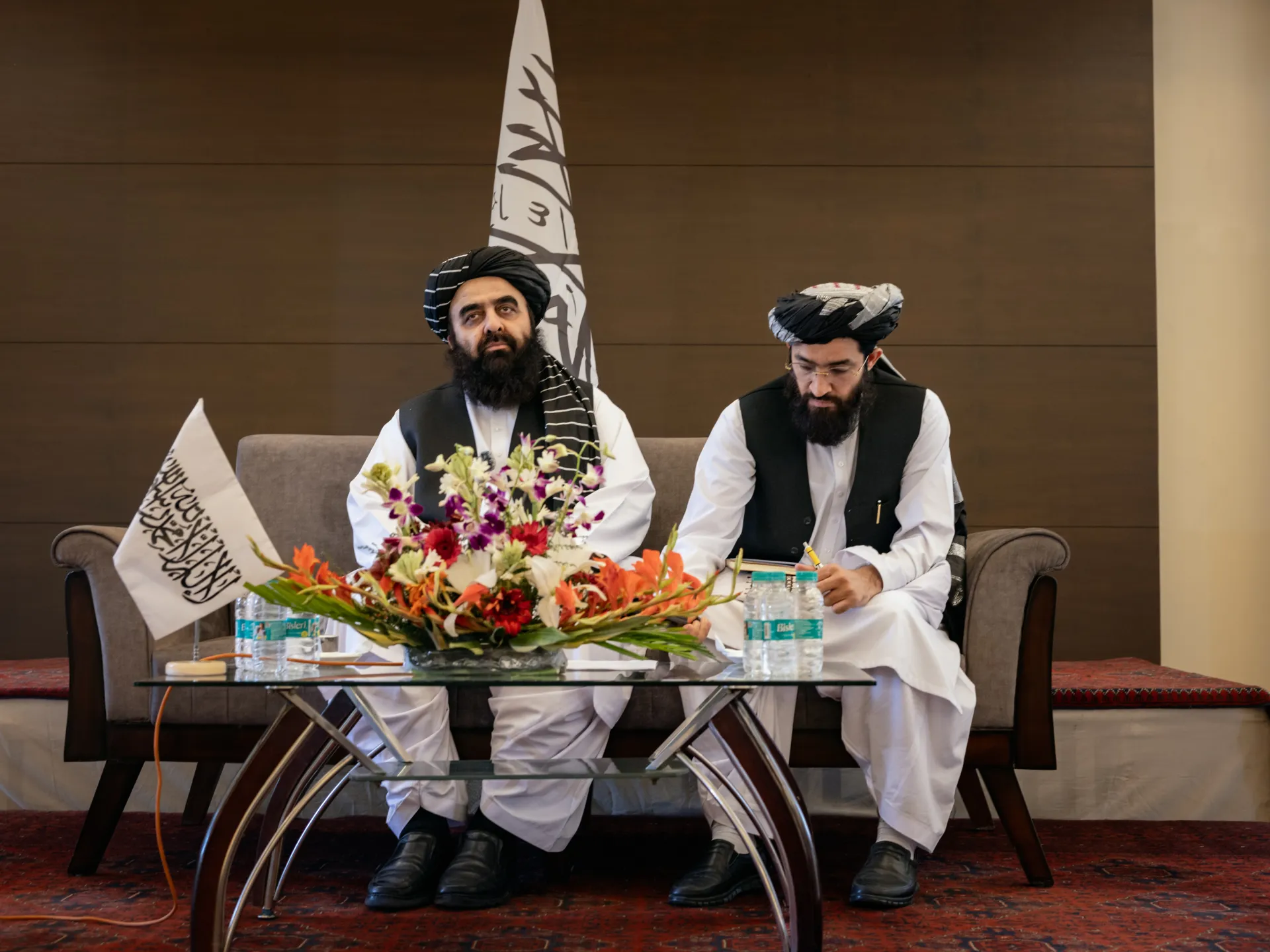
Belgium has issued five visas to a Taliban delegation to attend a European Union meeting on migration in Brussels and discuss the deportation of Afghan asylum seekers from European nations.
The meeting, expected to take place on Tuesday, will be the first time the EU has hosted the group since it returned to power in Afghanistan almost five years ago.
Recommended Stories
list of 3 itemsend of list
A spokesperson from the Belgian Foreign Ministry told reporters that the five visas were granted on Monday after a security assessment and that they are valid for Belgium for one day only.
The European Commission said it has invited the Taliban officials for discussions on irregular migration from Afghanistan to the 27-member bloc, and to also discuss the deportation of Afghan people in the EU who have had their asylum applications rejected.
The EU has not identified which Taliban representatives were invited to the meeting. Several senior Taliban leaders are also under EU sanctions.
“Member States are looking into ways to return persons who have committed serious crimes and who are possibly a security threat. So this is the initiative that the Commission is now following up on,” Commission spokesman Markus Lammert told the EU’s daily news briefing on Monday.
According to a letter seen by the Reuters news agency and addressed to Abdul Qahar Balkhi, a Taliban Foreign Ministry spokesman, the meeting will focus on “the return and readmission of Afghan nationals without a right to stay in the European Union”.
The Commission, however, emphasised that this meeting does not mean Brussels is formally recognising the Taliban.
Since returning to power in August 2021, the Taliban have steadily curtailed rights, restricting women’s freedom of movement, banning girls from education beyond primary school, and enforcing morality laws that limit free expression and access to employment. European governments also shut their embassies in Kabul when the Taliban authorities returned to power.
Rights organisations have asked the Commission to abandon its plans to talk with the Taliban.
“Any engagement with the Taliban needs to prioritise protecting human rights and accountability – not deporting people to danger there,” Fereshta Abbasi, Afghanistan researcher at Human Rights Watch, said.
Earlier this month, the EU’s migration chief Magnus Brunner defended the outreach, saying Brussels had no other option than to talk to the Taliban government about returning Afghan asylum seekers who had entered the 27-member bloc irregularly.
European governments have sought a tougher stance on migration as public opinion has hardened, spurring far-right electoral gains across the continent.
EU countries have received about a million asylum applications filed by Afghans between 2013 and 2024, according to the bloc’s migration agency.
Although Afghans are among the nationalities with the highest asylum recognition rates in the EU, overall acceptance has tightened as migration policies become more restrictive.
About 20 of the EU’s 27 member states expressed interest in returning numbers of migrants without a right to stay, particularly those with criminal convictions, to Afghanistan in a letter last year.
EU law allows for deportations of people convicted of serious crimes or deemed security threats in certain cases, but returns to Afghanistan have been limited due to the lack of diplomatic relations.
“The focus for member states is very much on persons who have committed serious crimes or who pose a security threat,” Commission spokesman Lammert told journalists Monday.
Afghanistan is, however, currently mired in a deep humanitarian crisis. According to the United Nations World Food Programme, more than 17 million Afghans – or one-third of the population – are “food insecure”, while the country is absorbing tens of thousands of people returning from Iran and Pakistan.
“The desperate scenes of people – including EU staff – fleeing Afghanistan are a recent memory,” Eve Geddie, director of Amnesty International’s European Institutions Office, said in a statement.
“It is unconscionable that the EU would now try and deport people to Afghanistan, which has only become more dangerous in the meantime,” she added.
The raft of proposed changes includes a new constitution and anti-corruption office, and the ousting of the president.
Published On 22 Jun 202622 Jun 2026
Hungary’s Prime Minister Peter Magyar has launched a wide-ranging reform drive aimed at pulling the state out of the captivity into which it was forced by former Prime Minister Viktor Orban.
In a fiery speech to parliament on Monday, Magyar announced a raft of economic, political and legal measures dubbed “Operation Cleansing Fire”. The plan will see the Tisza Party government install a new constitution, purge the country’s institutions, establish a new anti-corruption office, and unseat the president.
Recommended Stories
list of 4 itemsend of list
“We will free our country from the captivity of the political and economic mafia that has ruled for the past 16 years,” Magyar said.
Magyar took office in April, unseating the former prime minister after 16 years of rule. Orban’s Fidesz party had spent that time using its majority to seize control of virtually every lever of power in Hungary. It was also accused of organising systemic corruption, pushing Hungary closer to Russia, and sowing discord within the European Union.
Tisza now faces a daunting task to untangle that web, to rid Hungary of corruption and to remove key Orban allies throughout the power pyramid.
The proposed changes are part of a reform race for Magyar’s government. Using Tisza’s constitutional majority, he is pushing to fulfil a deal with the EU to implement reforms that would unlock a total of 16.4 billion euros ($19bn) in funds – frozen due to rule of law concerns during Orban’s reign – by the end of August.
Key to that drive is the removal of President Tamas Sulyok. Magyar has called on the head of state – appointed by Orban – to resign, and on Monday proposed a constitutional amendment for his removal.
The president of Hungary has few formal powers, but can slow the adoption of legislation by returning it to parliament or forwarding it to the Constitutional Court.
Sulyok has maintained he had no political agenda. Fidesz lawmaker Gergely Gulyas called Magyar’s speech on Monday “slanderous and appalling”.
Magyar’s plans would see the election of a new president, for a maximum of five years, if Sulyok is removed.
A constitutional review, complete with public discussions, would, meanwhile, kick off in September and be subject to a referendum.
Other changes would set an age limit of 70 for judges at the Constitutional Court, forcing Orban ally Peter Polt to retire as head judge, and limit lawmakers’ terms to 12 years.
Citing figures that corruption has cost Hungarians 8 to 10 percent of gross domestic product in recent years, Magyar vowed that Hungary’s top talent would field the new anti-corruption authority.
“The best police officers, the best investigators and the best experts will work for this agency,” Magyar said.
Earlier this month, the Hungarian parliament passed a constitutional amendment limiting prime ministerial terms to eight years, effectively preventing Orban from returning in the future.
MPs also voted to scrap a provision underlying the establishment of the so-called Sovereignty Protection Office, which was created in 2023 to protect Hungary from “foreign influence” and was used to investigate critics of Orban.
Closing the office was among the priorities that rights group Human Rights Watch recommended in April, alongside “moving quickly to meet the rule of law milestones” required for the EU funds, including judicial independence and anti-corruption safeguards.
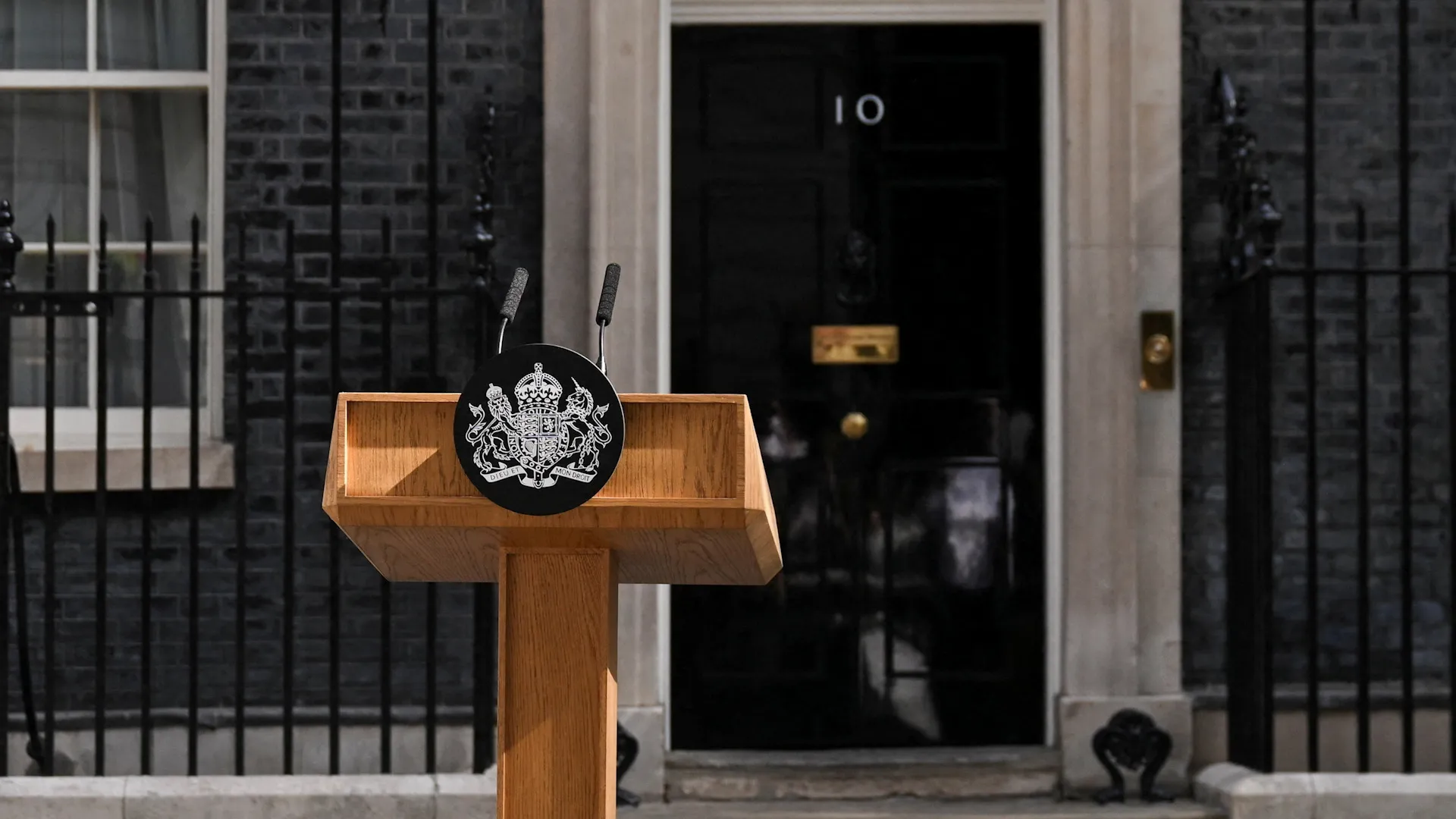
‘Too much change, but nothing really is changing for the better.’ Londoners shared mixed reactions to Keir Starmer’s resignation, voicing frustration over living costs, political turmoil and unfulfilled promises.
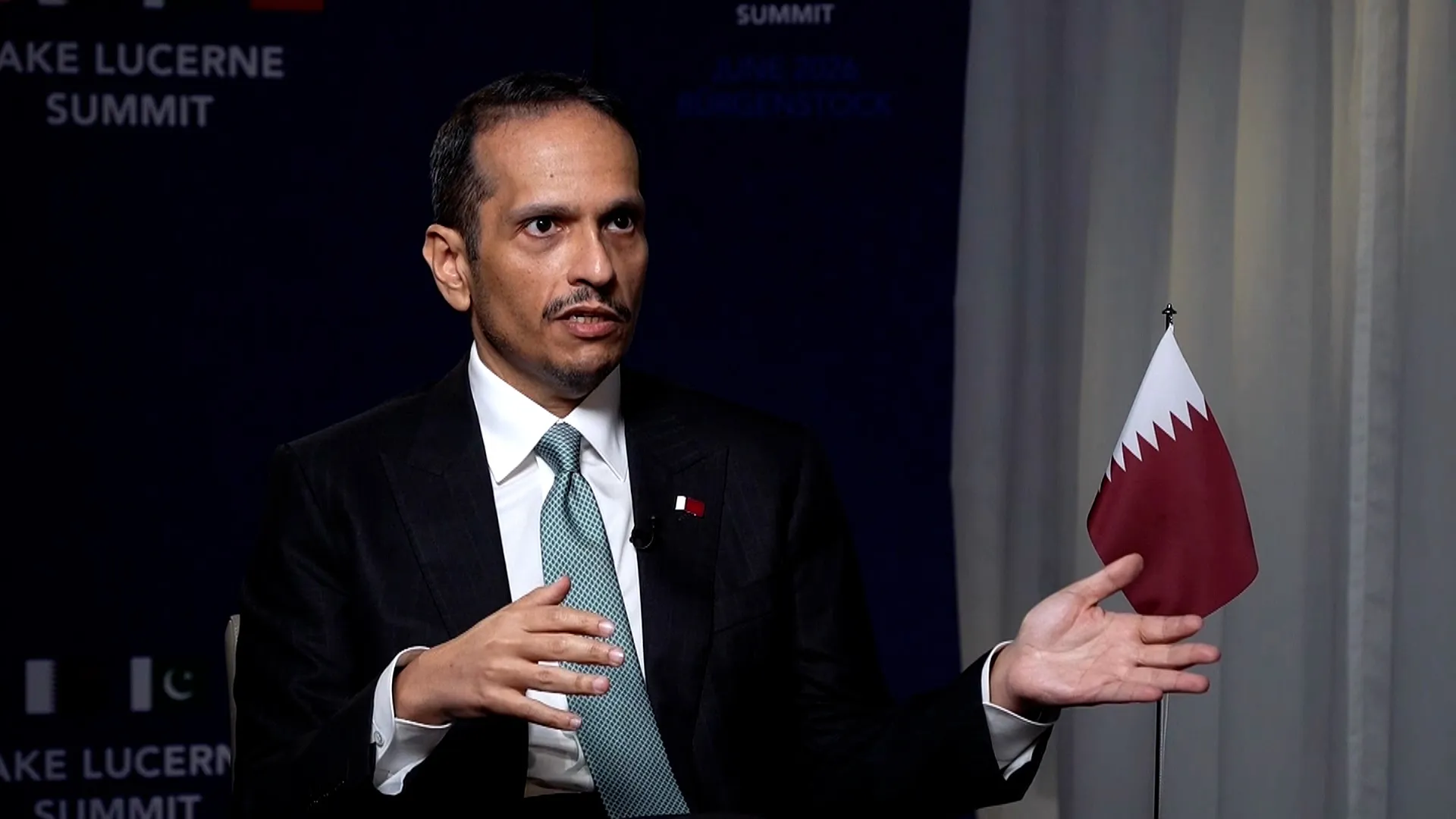
Qatar’s PM Sheikh Mohammed bin Abdulrahman Al Thani told Al Jazeera that safeguards have been put in place to prevent US-Iran negotiations from regional escalation, including tensions in Lebanon and the Strait of Hormuz, stressing diplomacy and respect for agreements.
Messi scores twice to become all-time leading scorer in men’s World Cup history as Argentina reach knockout rounds.
Published On 22 Jun 202622 Jun 2026
Lionel Messi became the leading scorer in World Cup history as the captain struck twice to give Argentina a 2-0 win over Austria and send the champions into the last 32.
The player widely regarded as the greatest of all time pounced late in the first half in Texas on Monday with a trademark left-footed finish after neat build-up play.
Recommended Stories
list of 4 itemsend of list
The predatory goal added to his hat-trick in Argentina’s opening match to make it 17 in total at the World Cup.
The 38-year-old then sealed the match deep in injury time after a scramble in the box, as he outfoxed four defenders who lined up to keep the ball out.
It should have been even better for Messi, who missed a penalty early on, stunning a fiercely pro-Argentina 70,649 crowd at the air-conditioned home of the Dallas Cowboys.
With both sides knowing a win would put them into the knockout rounds with a game to spare, Lautaro Martinez was brought down in the box, sandwiched by two Austrian players.
Referee Amin Mohamed gave a penalty after a VAR intervention, and a wall of noise went up as Messi stepped forward on nine minutes.
But his run-up was slow and his weak effort off target, dragging it wide.
For all his brilliance, Messi – who turns 39 on Wednesday – is surprisingly poor from the penalty spot by his standards.
He also saw his spot-kick saved by Wojciech Szczesny in a 2-0 win over Poland at the 2022 World Cup, where Argentina went on to be champions, and missed at the 2018 tournament.
In the 19th minute Messi had a clear sniff at goal, only for Austria captain David Alaba to steal the ball off his toes at the last moment as he danced through on goal.
Alaba denied Messi again just after the half-hour mark, blocking his goalbound shot with goalkeeper Alexander Schlager stranded.
Ralf Rangnick’s Austria, who beat debutants Jordan 3-1 in their opener, were content to sit back. They did not have a shot on target in the first half.
Messi celebrates scoring Argentina’s first goal [Troy Taormina/Reuters]
Messi makes history
And then the came the big moment, Messi sweeping in on 38 minutes after being set up by Facundo Medina, with Thiago Almada cleverly letting the ball run through his legs to leave Argentina’s talisman all on his own and the goal gaping.
The Argentina fans, who greatly outnumbered their Austrian counterparts, rose to acclaim their hero.
Messi had equalled Miroslav Klose’s all-time mark of 16 World Cup goals when hitting a hat-trick in a 3-0 win over Algeria in the holders’ opening game.
Lionel Scaloni’s side failed to build on their lead, and the second half drifted, neither side creating much.
If anything, Austria threatened slightly more, but Argentina goalkeeper Emiliano Martinez was only once seriously troubled.
And then up popped Messi to have the last word at the death.
Julian Alvarez’s initial attempt was saved by Schlager but the rebound was worked to Messi who, after seeing his first shot blocked, pounced to drive in a low strike from six yards out that confirmed the points.
Ukraine says facility a ‘critical component’ in defence production as local Russian authorities confirm attack.
Published On 22 Jun 202622 Jun 2026
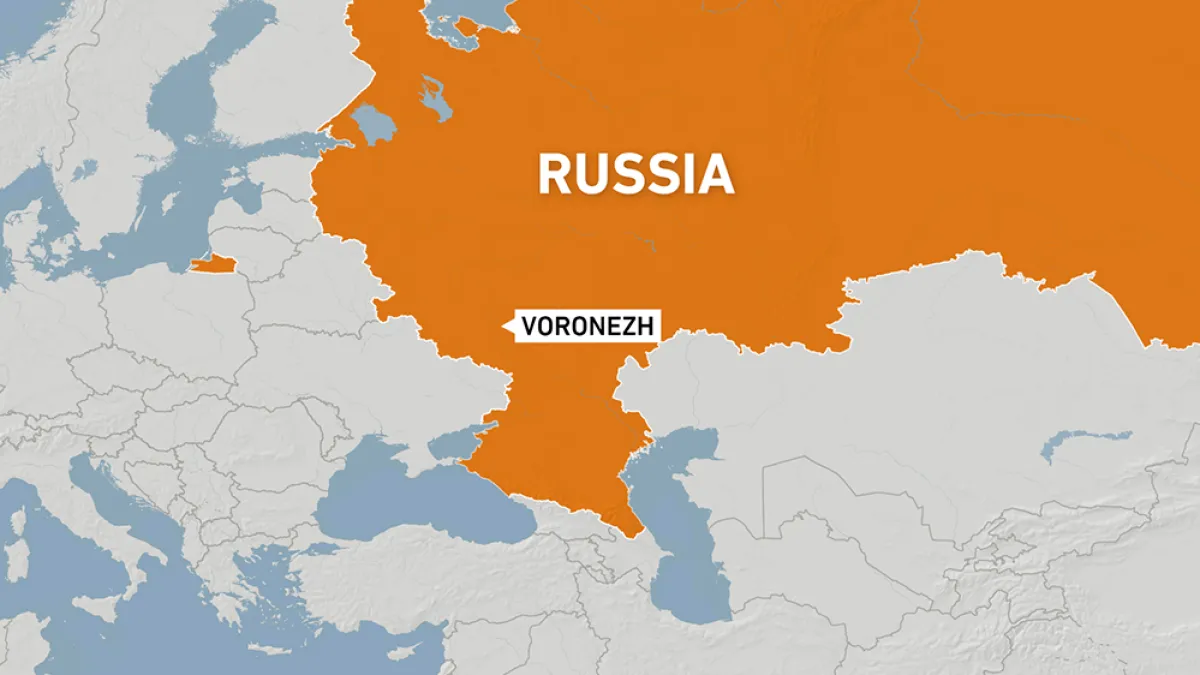
Ukraine’s military has said it struck a plant producing electronics for missiles in Russia’s Voronezh region, as well as the Dubna satellite communications centre in the Moscow region.
In a statement on Telegram on Monday, the Ukrainian General Staff said it had used air-launched cruise missiles to hit the plant in Voronezh, which it described as a “critical component” in Russia’s defence production.
Recommended Stories
list of 4 itemsend of list
Alexander Gusev, the Voronezh governor, said a production plant was damaged and three people were injured in the attack, without specifying the nature of the facilities.
Gusev said in a post on Telegram that air defence forces had destroyed several high-speed targets in the skies over Voronezh and warned residents of the danger of missile attacks.
The Ukrainian military also said it struck Russia’s Dubna satellite communications centre in the Moscow region, adding that heavy smoke was observed at the site and the extent of the damage was being assessed.
Eighty-four drones headed for Moscow were downed in the past 24 hours, the city’s Mayor Sergei Sobyanin said on Telegram.
He said emergency services had been dispatched to the areas where drones were downed, but gave no further information.
The airports of Sheremetyevo, Domodedovo and Vnukovo, as well as Zhukovskiy near the Russian capital, had temporarily suspended flights, the aviation watchdog said separately.
In total, Russian defence systems downed 301 drones overnight, local news agencies said, citing the Ministry of Defence. That tally included Russian-occupied areas of Ukraine.
The latest raids follow a drone attack that hit Moscow’s sole oil refinery last week, in one of the biggest air attacks on the city since Russia’s full-scale invasion of Ukraine in 2022.
Teenager killed in Ukraine
In Ukraine, authorities said a Russian drone attack early on Monday in the Sumy region killed a 13-year-old boy, his 36-year-old father, and his 73-year-old grandmother.
Regional governor Oleh Hryhorov said the 73-year-old was the mother of the man’s roommate.
Russian drone attacks in the southeastern Ukrainian city of Zaporizhzhia overnight and early on Monday killed two people and injured a further seven, Ukraine’s emergency services said.
Russia also hit the southern Odesa region with an Iskander ballistic missile on Sunday evening, killing one and injuring three people, regional governor Oleh Kiper said on Telegram. Vehicles and fuel storage tanks caught fire after the strike hit an agricultural facility, he said.
Elsewhere, the city of Sevastopol in Russian-annexed Crimea cancelled all open-air public events on Monday and will keep streetlights switched off, its governor, Mikhail Razvozhayev said, as he called on people to curb electricity usage.
Russian drones hit a Turkish dry cargo vessel, the Victress, which was sailing under the Panamanian flag, Ukraine’s navy said.
Deputy Prime Minister Oleksii Kuleba said a 58-year-old Egyptian cook was killed and eight other crew members, including Turkish and Indian nationals, had to evacuate on a lifeboat.
The leaders of Europe’s top military powers will meet on Wednesday in Berlin to discuss the Ukraine conflict and an upcoming NATO summit.
Chancellor Friedrich Merz plans to host the leaders of France, Britain, Italy and Poland, a spokesman said Monday, adding that the resignation announcement of British Prime Minister Keir Starmer had not changed those plans.