eduardo flores-ruiz

Former Wisconsin judge spared prison for obstructing ICE arrest of Mexican immigrant

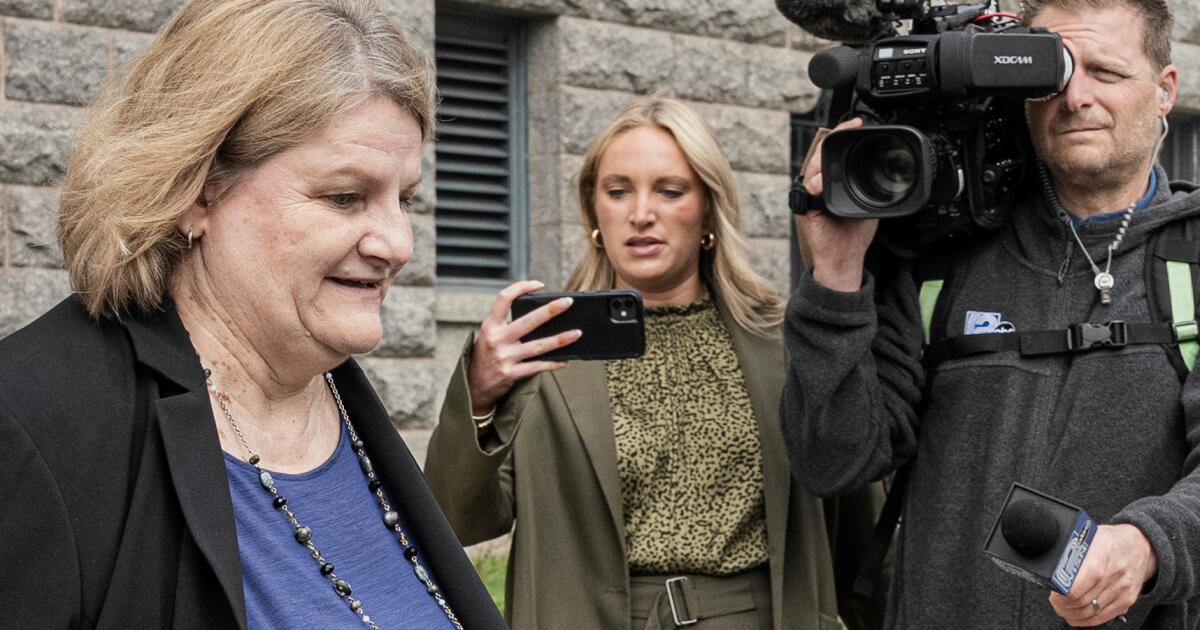
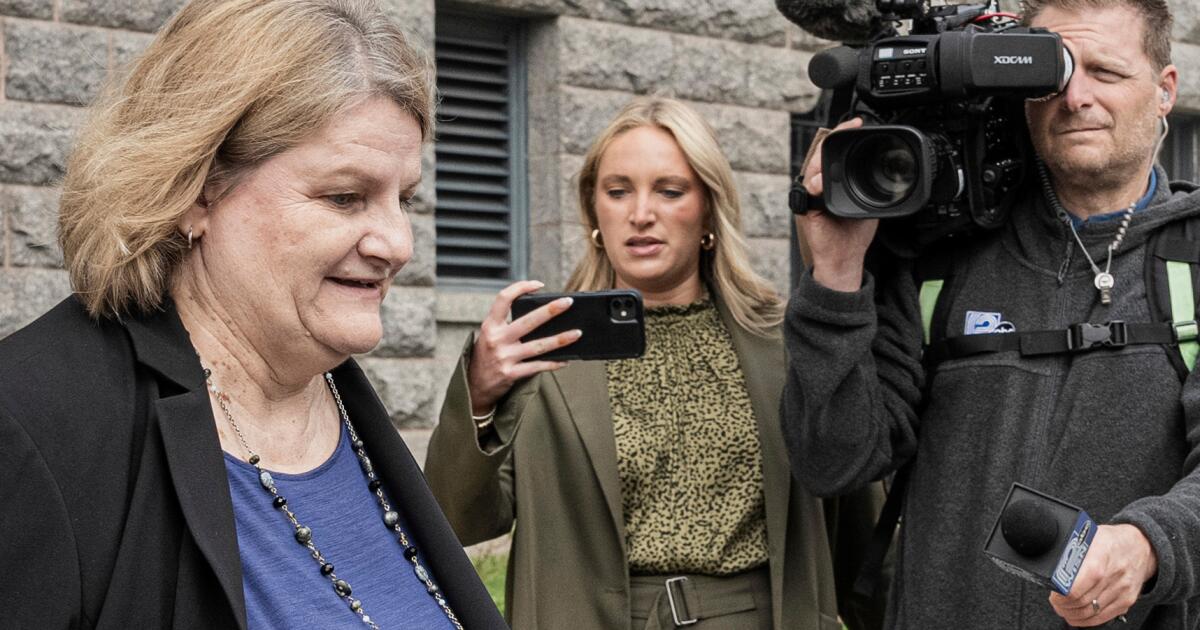
Former Wisconsin Judge Hannah Dugan was spared from prison Wednesday for ushering a Mexican defendant out of her courtroom to evade U.S. Immigration and Customs Enforcement agents. A federal judge fined her $5,000 and cited her otherwise law-abiding life in issuing the sentence.

“I think this is a situation where an otherwise good person, upset by immigration policies in this country, made a bad decision in the moment,” U.S. District Judge Lynn Adelman said.

Dugan, 67, was convicted of felony obstruction in December. Her lawyers argued during her trial that President Trump’s administration sought to “crush” Dugan in an effort to ensure judicial compliance with the ICE strategy of targeting immigrants as they showed up for court hearings.

Dugan resigned the Milwaukee County circuit judgeship she had held for nine years in January amid threats of impeachment from Republican state lawmakers who labeled her an activist judge. In her resignation letter, she said her prosecution threatened “the independence of our judiciary.” Republican U.S. Rep. Tom Tiffany, a fierce Trump loyalist running for Wisconsin governor, urged authorities to “lock her up” in a social media post following her conviction.

Two Marquette University law professors spoke on her behalf, including a former state Supreme Court justice and a Jesuit priest who read a statement describing Dugan as a defender of oppressed people and saying he didn’t believe there was a need for punishment. “Hannah models what it means to be a Christian,” Gregory O’Meara said.

Dugan says she was just trying to do her job

Dugan then rose to address the court, saying she’s tried to do her best as a judge, and that her actions that day in April 2025 were not done maliciously but rather to maintain the “decorum and safety of the courtroom.”

“I have been cast as both a scofflaw and a hero. I am neither. I am a public servant who’s just trying to do my job,” Dugan said, adding that she has had to retire from public life due to threats against her and her family.

A prosecutor then acknowledged that “she has experienced collateral damage because of her conduct,” but said “judges can’t choose to disregard the law.”

Adelman then spoke, saying he doesn’t believe prison is necessary. He noted that Dugan lost her job, now has a felony conviction and experienced threats that forced her to move and stop attending community events.

“This is a few minutes of conduct for someone who has dedicated her life to public service,” the judge said. “It’s a marked deviation from an otherwise law-abiding life.”

He also noted that Dugan’s actions didn’t stop the ICE agents from arresting the defendant outside the courthouse.

Prosecutors pushed for a ‘serious sentence’

While jurors found her guilty of felony obstruction, they acquitted her of concealing an individual to prevent arrest, a misdemeanor.

Prosecutors argued in a sentencing memo filed last week that Dugan violated her oath as a judge and put both law enforcement and the public at risk.

“Judges are entrusted with tremendous discretion, but there is a line they cannot cross,” Executive Assistant U.S. Attorney Richard Frohling wrote. “The defendant crossed that line.”

Dugan’s attorneys argued she has been “punished enough,” including resigning as a judge and facing threats of violence. They argued in her sentencing memo that she should not be sentenced to any jail time besides the part of one day she already spent in federal custody.

Under federal sentencing guidelines, the presentence report calls for 15 to 21 months behind bars. The judge is not bound by those guidelines.

Prosecutors said the average sentence for obstruction cases is 16 months, but they did not recommend a sentence.

“This was a serious offense, and it warrants a correspondingly serious sentence,” Frohling wrote.

Attorney Jason Luczak said after the sentencing that they would still appeal Dugan’s conviction.

Dugan’s case was a first for Wisconsin

Dugan’s case marked the first time that a state judge in Wisconsin went to trial on charges of obstructing immigration agents.

On April 18, 2025, immigration officers went to the Milwaukee County courthouse after learning Eduardo Flores-Ruiz, 31, had reentered the country illegally and was scheduled to appear before Dugan for a hearing in a state battery case.

Dugan confronted agents outside her courtroom and directed them to the chief judge’s office, saying their administrative warrant wasn’t sufficient to arrest Flores-Ruiz.

After the agents left, she led Flores-Ruiz and his attorney out a private jury door. Agents spotted Flores-Ruiz in the corridor, followed him outside and arrested him after a foot chase. A week later, FBI agents arrested Dugan in the courthouse, leading her outside in handcuffs.

Flores-Ruiz was deported in November.

Savage and Bauer write for the Associated Press. Bauer reported from Madison, Wisc. AP contributors include Hannah Fingerhut in Des Moines, Iowa.
Source link

Judge upholds Hannah Dugan conviction for helping immigrant evade ICE

A federal judge on Tuesday declined to overturn a Wisconsin judge’s obstruction of justice conviction for helping a man evade immigration officers who showed up at a courtroom looking to detain him.

The case against Hannah Dugan, who resigned from the Milwaukee County Circuit Court following her conviction, was an early test of how the courts would respond to President Trump’s sweeping immigration crackdown.

Trump allies branded Dugan as an activist judge, while her supporters said she was unfairly targeted.

U.S. District Judge Lynn Adelman postponed Dugan’s sentencing June 3 to consider arguments about whether he should overturn her conviction. But in his ruling Tuesday, Adelman said Dugan’s conviction would stand. He did not immediately set a sentencing date.

“The court’s decision is wrong,” Dugan’s legal defense team said in a statement.

Questions about a similar case in Virginia

Dugan’s attorney had argued that her conviction in helping Eduardo Flores-Ruiz leave the courthouse was invalid and should be overturned. He said that was necessary because a federal appeals court in April overturned a key Virginia immigration case that the judge and prosecutors had cited in Dugan’s case.

In the Virginia case, an immigrant who was in the country illegally was detained by U.S. Immigration and Customs Enforcement agents and later escaped. He was recaptured and indicted on a charge of obstructing a pending immigration proceeding.

The federal appeals court found that the ICE action did not constitute a “pending proceeding,” as is required under the federal obstruction law.

Dugan’s attorneys argue that she should not have been charged because there was no “pending proceeding” against the immigrant in her courtroom being sought by ICE agents, only a warrant filed for his arrest. The filing of a warrant does not constitute a “proceeding” under the law, Dugan’s attorneys argued.

Prosecutors countered that the facts in the Virginia case are different and don’t apply to Dugan’s. They also argued that other cases support Dugan’s conviction.

Adelman said the attempted arrest of Flores-Ruiz did count as a “pending proceeding,” in part because it was a planned and targeted operation rather than an arrest resulting from a random encounter.

“Defendant argues that ICE was acting as a law enforcement agency here,” Adelman wrote. “But this ignores the fact that, unlike, say, the FBI, ICE can issue its own warrants and adjudicate and effectuate a removal, as it did with Flores-Ruiz, without the involvement of a court. This makes a difference.”

Dugan faces 5 years in prison, but will likely get probation

Dugan, 67, faces up to five years in prison after a jury convicted her Dec. 19, 2025, but she is unlikely to be sentenced to time behind bars. Federal sentencing guidelines generally call for probation for defendants like her, who have no criminal history and are convicted of a nonviolent crime.

Dugan resigned from her position as a Milwaukee County circuit judge two weeks after her conviction amid threats of impeachment from Republican state lawmakers. She had been a judge for nine years.

The Trump administration brought the case against Dugan as the president pressed ahead with his sweeping immigration crackdown. Trump’s administration and his allies branded Dugan as an activist judge, while Dugan’s attorneys said she was being unfairly targeted and argued, unsuccessfully, that she was immune from being charged because she was a judge.

Dugan’s case marked the first time that a state judge in Wisconsin went to trial on charges of obstructing immigration agents. She was acquitted of concealing an individual to prevent arrest, which is considered a misdemeanor.

Dugan helped an immigrant wanted by ICE agents

On April 18, 2025, immigration officers went to the Milwaukee County courthouse after learning Flores-Ruiz had reentered the country illegally and was scheduled to appear before Dugan for a hearing in a state battery case.

Dugan confronted agents outside her courtroom and directed them to the chief judge’s office because she told them their administrative warrant wasn’t sufficient grounds to arrest Flores-Ruiz.

After the agents left, she led Flores-Ruiz and his attorney out a private jury door. Agents spotted Flores-Ruiz in the corridor, followed him outside and arrested him after a foot chase. A week later, FBI agents arrested Dugan in the courthouse, leading her outside in handcuffs.

Flores-Ruiz was deported in November.

Bauer writes for The Associated Press.

Source link

Federal judge pauses sentencing to weigh argument in Wisconsin judge’s immigration case conviction

A federal judge on Wednesday considered whether to throw out a jury’s guilty verdict against former Wisconsin Judge Hannah Dugan, who was convicted of felony obstruction for helping an immigrant evade federal officers.

The case was an early test of how the courts would respond to President Trump’s sweeping immigration crackdown.

Dugan had been scheduled to be sentenced on Wednesday, but U.S. District Judge Lynn Adelman postponed the proceedings indefinitely to instead hear arguments about whether to overturn her conviction.

Adelman did not rule from the bench and did not indicate when he might issue a decision. Dugan and attorneys for both sides left the courtroom without commenting to reporters.

Former judge’s attorney points to a Virginia case

Dugan’s attorney Steven Biskupic argued that her conviction was invalid and should be overturned. He said that was necessary because a federal appeals court in April overturned a key Virginia immigration case that the judge and prosecutors had cited in the Dugan case.

Biskupic argued that based on the 4th U.S. Circuit Court of Appeals overturning that ruling, Dugan was improperly convicted, procedurally, under a certain federal law.

“Our primary argument is this was an invalid theory of conviction,” Biskupic said.

In the Virginia case, an immigrant who was in the country illegally was detained by U.S. Immigration and Customs Enforcement agents and later escaped. He was recaptured and indicted on a charge of obstructing a pending immigration proceeding.

The federal appeals court found that the ICE action did not constitute a “pending proceeding,” as is required under the federal obstruction law.

Dugan’s attorneys argue that she should not have been charged because there was no “pending proceeding” against the immigrant in her courtroom being sought by ICE agents, only a warrant filed for his arrest. The filing of a warrant does not constitute a “proceeding” under the law, Biskupic argued.

Prosecutors countered that the facts in the Virginia case are different and don’t apply to Dugan’s. They also argued that other cases support Dugan’s conviction.

“The court should stick with its ruling,” said Richard Frohling, acting U.S. attorney for the eastern district of Wisconsin.

In response to a question from the judge, he contended that the appeals court was wrong to overturn the Virginia case. The judge also quizzed Frohling on what constitutes a proceeding under the law and how long it lasts.

“It could be a couple minutes, it could be a couple years,” Frohling said. “It all depends on the context.”

Dugan’s sentencing was postponed so the court can hear new arguments

Dugan, 67, faces up to five years in prison after a jury convicted her on Dec. 19. But it is unlikely that Dugan would be sentenced to prison. Federal sentencing guidelines generally call for probation for defendants like her who have no criminal history and are convicted of a nonviolent crime.

She resigned from her position as a Milwaukee County circuit judge two weeks after her conviction amid threats of impeachment from Republican state lawmakers. She had been a judge for nine years.

Dugan was present for Wednesday’s arguments but did not speak.

The Trump administration brought the case against Dugan as the president pressed ahead with his sweeping immigration crackdown. Trump’s administration and his allies branded Dugan as an activist judge, while Dugan’s attorneys said she was being unfairly targeted and argued, unsuccessfully, that she was immune from being charged because she was a judge.

Dugan’s case marked the first time that a state judge in Wisconsin went to trial on charges of obstructing immigration agents. She was acquitted of concealing an individual to prevent arrest, a misdemeanor.

Dugan helped an immigrant wanted by ICE agents

On April 18, 2025, immigration officers went to the Milwaukee County courthouse after learning Eduardo Flores-Ruiz had reentered the country illegally and was scheduled to appear before Dugan for a hearing in a state battery case.

Dugan confronted agents outside her courtroom and directed them to the chief judge’s office because she told them their administrative warrant wasn’t sufficient grounds to arrest Flores-Ruiz.

After the agents left, she led Flores-Ruiz and his attorney out a private jury door. Agents spotted Flores-Ruiz in the corridor, followed him outside and arrested him after a foot chase. A week later, FBI agents arrested Dugan in the courthouse, leading her outside in handcuffs.

Flores-Ruiz was deported in November.

Bauer writes for the Associated Press.

Source link