easyJet

Jet2, TUI, BA, Virgin Atlantic, Ryanair and easyJet

AIRLINES around the world have been forced to cancel flights due to the ongoing Iran war.

Thousands of holidaymakers have been affected by the conflict, which has seen the cost of jet fuel spiral due to the closure of the Strait of Hormuz.

We spoke to all of the major UK airlines about the latest fuel crisis Credit: Alamy

Not only has this seen prices go up by the blocking of the world’s busiest trade route, but it has also sparked fears of shortages.

Foreign airlines including United, Cathay, Lufthansa and Scandinavian Airlines are just some that have said they are cancelling flights.

But nervous Brits will be wondering if their own holidays will be affected.

Airlines UK, which represents a number of carriers, including BA, Virgin, easyJet, Jet2 and Ryanair, are calling on the government for support to protect flights and holidays.

PLANE MAD

Major airline to axe 20,000 flights this summer due Iran war fuel costs


GOING UP

Flights are now costing families HUNDREDS extra due to ongoing Iran war

This would include temporary use of fuel type Jet A (not currently allowed in the UK) as well as relaxing the strict airport slot rules that would see airlines lose them if they don’t operate flights.

Easing night flight bans and “relieving the burden of Air Passenger Duty” have also been put forward.

In the mean time, we’ve gone to all the top UK airlines and tour operators to get their latest update.

Jet2

Jet2 – the UK’s biggest tour operator – said that flights and holidays remain unaffected at the moment.

A Jet2 spokesperson told us: “We remain in continual dialogue with our fuel suppliers, as is standard practice.

“Based on the conversations we have been having, we see no reason not to look forward to operating our scheduled programme of flights and holidays as normal.

“We understand that our customers work and save very hard for their holidays, and we are looking forward to making sure that they enjoy their award-winning Jet2holidays.”

TUI

TUI holidays have not been affected or cancelled by the fuel crisis.

A TUI spokesperson told Sun Travel: “We’re closely monitoring the developing situation in the Middle East and its potential impact on global aviation fuel supplies.

“At present, we’re not anticipating disruption to our flight schedules or holiday programmes from fuel shortages.”

TUI has not issued any warnings Credit: Alamy
Jet2 hasn’t cancelled any flights due to the fuel crisi Credit: PA

easyJet

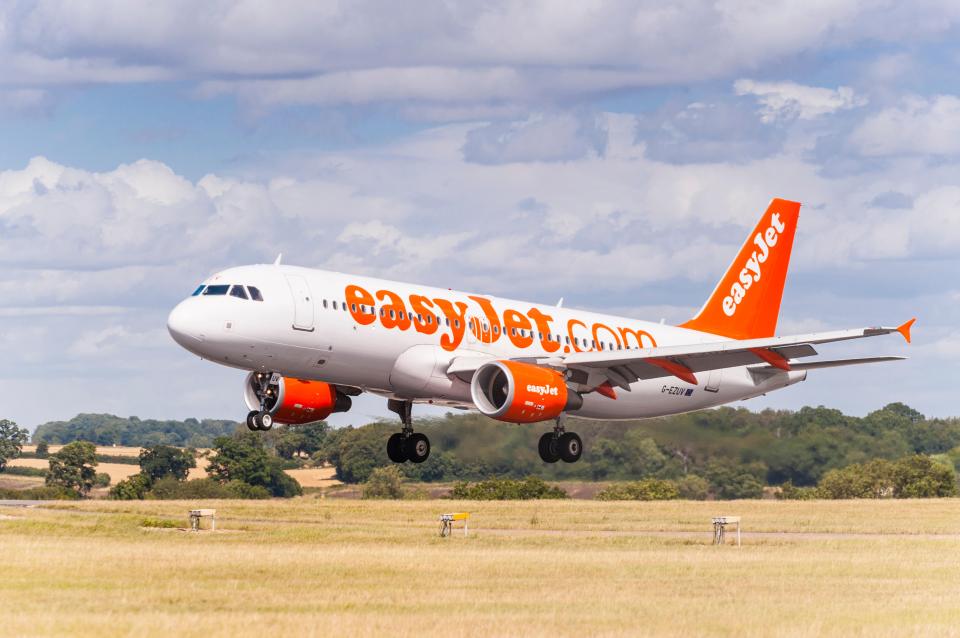
EasyJet flights are not currently affected by the fuel crisis.

A spokesperson told Sun Travel that there was ” no disruption to flights” and “no plans to make any changes to our flying schedule”.

However, earlier this week, easyJet CEO for Spain and Portugal said that it was difficult to see” what would happen in a few weeks time.

Javier Gándara told local media: “If there are problems in other countries, that ends up affecting flights to Spain. No one will be immune to potential supply problems.”

Ryanair

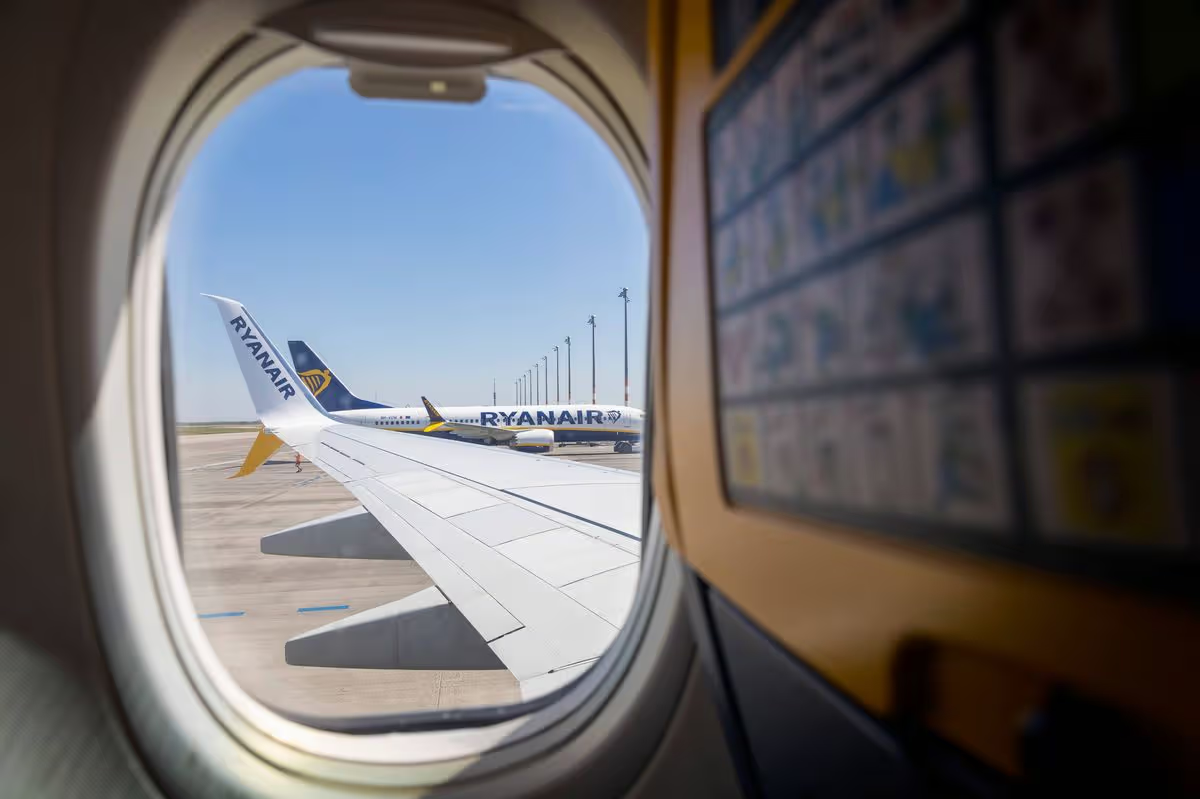
The budget Irish airline has not cancelled flights caused by the fuel crisis.

However, Ryanair boss Michael O’Leary previously warned that if it continues, flight cancellations were likely.

He said earlier this month: “We don’t expect any disruption until early May, but if the war continues, we do run the risk of supply disruptions in Europe in May and June, and we hope the war will finish sooner than that and the risk to supply will be eliminated.”

This is because the airline currently hedges (pays a set price) for 80 per cent of fuel, not but the remaining 20 per cent.

Sun Travel has contacted Ryanair for comment.

EasyJet has warned to expect higher flight costs Credit: Alamy
Ryanair has echoed this, and said cancellations are likely if the war continues Credit: Alamy

British Airways

British Airways has not cancelled any flights due to the jet fuel crisis.

The only current flight changes are due to the ongoing war affecting destination in the Middle East.

This includes a reduction in daily flights to Dubai (from three to one) as well as reductions across Doha and Riyadh. Flights to Jeddah are being permanently suspended from April 24.

A British Airways spokesperson told us: “Due to the ongoing situation in the Middle East, we have made further changes to our flying schedule to provide greater clarity for our customers.

“We’re keeping the situation under constant review and are directly in touch with affected customers to offer them a range of options.”

“We will continue to assess and introduce further flying where possible.”

Virgin Atlantic

When the war first broke out in Iran, Virgin Atlantic was also affected by the closure of airports in the Middle East, which saw some cancellations.

This also saw the ending of their London to Riyadh route just a year after launching.

However, the airline has confirmed that the flying programme is “up to date and operating as normal”.

They also added that they were in touch with suppliers and would monitor the situations but that there was “no immediate risk to supply on routes”.

None of the UK airlines have cancelled flights because of the fuel costs or shortages Credit: Getty

Source link

EasyJet issues latest fuel shortage update ahead of summer holidays

THE closure of the Strait of Hormuz has resulted in the soaring price of jet fuel, which had led to fears of shortages across Europe.

Now, easyJet has issued an update for its passengers with growing fears that holidays could be affected from mid-May.

easyJet has issued a warning for its passengers due to fuel shortages Credit: Getty
TUI has also issued an update saying it will monitor flights from May 1 Credit: Alamy

Javier Gándara, easyJet CEO for Spain and Portugal, has said that while the airline is continuing to operate as planned now, beyond three or four weeks and it’s “difficult to see” what will happen.

The three-week warning means easyJet passengers could face disruption from as soon as May 12.

However, Mr Gándara then added: “In Spain, we are in a comparatively better situation than neighbouring countries for two reasons.

“Firstly, because of all the crude oil that is imported and then refined here, only 11 per cent comes from the Middle East, which is the percentage affected by the closure of the Strait of Hormuz; the remaining 89 per cent comes from elsewhere.”

BARGAIN HOL

Travel companies reveal their CHEAPEST spots this summer, with hols from £189pp


SHORE WIN

All the trendy UK seaside towns with huge makeovers and enough to do for a WEEK

But he did warn that “if there are problems in other countries, that ends up affecting flights to Spain.”

And said “no one will be immune to potential supply problems.”

This comes after a warning was issued by TUI yesterday.

The travel giant said it is “monitoring” jet fuel shortages as a result of the Iran war, for all passengers flying from May 1.

On social media, one worried traveller asked the airline: “With the reported jet fuel shortages are you expecting holidays from May 1 to be affected?”

TUI responded: “We’re closely monitoring the developing situation in the Middle East and its potential impact on global aviation fuel supplies.

“At present, we’re not anticipating any immediate disruption to our flight schedules or holiday programmes from fuel shortages.

The holiday chaos is caused from the ongoing Iran-US conflict with warnings that Europe could face jet fuel shortages due to the Strait of Hormuz remaining closed.

It was revealed earlier this month that airports could run out of jet fuel within weeks.

The ACI Europe, which represents European airports, said the key trade route must open within three weeks or fuel reserves will run drastically low.

As a result, a number of major airlines have been cancelling flights in preparation for shortages.

United Airlines said that five per cent of flights would be cancelled in the second and third quarters of 2026.

SAS was the first major airline in Europe to axe flights because of of the cost of fuel going up.

Dutch airline KLM has cancelled 160 flights for the coming month, but has said it will affect less than 1 per cent of its schedule.

Meanwhile, Cathay Pacific has confirmed that two per cent of passenger flights will be cancelled from May 16 to June 30.

Air New Zealand announced in March that it will be cutting back on flights over the next two months.

And Norse announced it would remove all flights from London Gatwick to LA.

Others, like Virgin Atlantic as well as Air France and KLM have added surcharge to tickets to offset the rising price in jet fuel.

What does this mean for your upcoming holiday?

1. How will this affect my holiday?

Getaways should not be seriously impacted immediately as airlines bought fuel far in advance at a fixed rate.

But if the crisis continues into June, operators may start adding a surcharge to holiday prices.

A limited number of flights may be cancelled, but mostly on well-served routes with alternatives.

If supplies start to dry up, cancellations would increase.

2. Am I entitled to a refund?

IF some or all of your holiday is cancelled by the provider, your refund depends on whether you booked your trip as a package holiday, or individually.

Your money tends to be much better protected with a package deal.

3. Is now a bad time to book?

There are some great deals, but book with caution.

You must take out travel insurance as, if your flight is cancelled, you may have protection against the cost of other elements of your holiday, such as accommodation.

Despite the chaos, Egypt resorts have dropped prices by 70 per cent with mega cheap all-inclusive deals – as Brit avoid it.

And if you’re anxious that your flight will be cancelled, here’s what to expect this summer.

easyJet has issued a warning to its passengers saying there could be potential disruption Credit: Markus Mainka

Source link

Ten airlines cancelling and grounding flights because of the fuel crisis

Europe is facing a severe jet fuel crisis due to the Middle East conflict, with International Energy Agency chief Fatih Birol warning the region has ‘maybe six weeks or so’ of jet fuel left and that flight cancellations could follow

Europe has just six weeks’ worth of jet fuel remaining due to the ongoing Middle East conflict, with major airlines grounding flights.

Fatih Birol, executive director of the International Energy Agency (IEA), warned that flight cancellations could follow “soon” if oil supplies continue to be restricted by the Iran war. Iran maintains a firm grip on tankers navigating through the Strait of Hormuz, with Mr Birol telling the Associated Press this is triggering “the largest energy crisis we have ever faced”.

He warned that Asian nations such as Japan, India and China, which depend heavily on Middle Eastern energy supplies, are on “the front line”, with the pressure set to “come to Europe and the Americas” shortly after.

Europe has just six weeks of fuel left, according to the IEA director. He added that if the Strait of Hormuz remains blocked, the knock-on effect could mean “some of the flights from city A to city B might be canceled as a result of a lack of jet fuel”.

READ MORE: Jet2 holidays changes to 14 day rule for all travellers and sends emailREAD MORE: Flight cancellations over fuel as passengers told to know their rights

Which airlines are cancelling flights?

A number of airlines have warned that they might have to cancel flights if the situation continues, but the number of those that have already done so is fewer.

Swedish flag carrier SAS has said it would cancel 1,000 flights in April because of high oil and jet fuel prices, after cancelling a “couple hundred” flights in March.

United Airlines said that five per cent of flights would be cancelled in the second and third quarters of 2026, while Dutch airline KLM has cancelled 160 flights for the coming month.

South Korean airline Asiana will slash 22 flights between April and July due to the fuel cost increase.

Hong Kong airline Cathay Pacific will cut some flights from mid-May until the end of June, with about 2% of its scheduled passenger flights grounded. Its budget airline HK Express is cutting around 6% of flights.

German airline group Lufthansa said it would ground 27 planes servicing its short-haul CityLine subsidiary earlier than it had planned, blaming jet fuel prices.

Vietnam Airlines plans to cancel 23 flights per week across domestic routes from April.

Air New Zealand will be cutting back on flights over the next two months, it announced in March. It is expected that 1,100 flights will be impacted.

Norse Atlantic Airways has removed all flights to Los Angeles International Airport from its summer schedule, blaming the fuel shortage.

Although major airlines including British Airways, Ryanair and easyJet have highlighted the potential impact of the fuel price rise on ticket costs and schedules, they are yet to cancel flights as a direct consequence.

However, BA is stopping its route from London Heathrow to Jeddah, although this is due to a shift in demand, according to the airline.

Last week, easyJet chief executive Kenton Jarvis sought to reassure passengers, stating that all airports the airline serves are “operating as normal”.

He continued: “We only ever in this industry have three to four weeks’ visibility (of jet fuel supplies), and that is the same as it was pre-crisis. We have visibility to the middle of May, and we have no concerns. What we’re seeing is airports and fuel suppliers working well to bring jet fuel to the airports.”

EasyJet revealed the Middle East conflict set the airline back roughly £25 million in elevated jet fuel costs last month. The Luton-based carrier said it anticipates reporting a headline pre-tax loss of between £540 million and £560 million for the six months ending in March.

The conflict has created “near-term uncertainty around fuel costs and customer demand”, easyJet revealed.

Bookings have dropped by two percentage points for the three-month periods ending in both June and September when compared with the previous year.

The alert regarding larger-than-anticipated first half losses sent easyJet shares tumbling by as much as 9% during early Thursday trading, before stabilising around 4% down.

Source link

TUI, easyJet, Jet2 and BA update on how early to get to airport with EU rules chaos

As the European Union’s (EU) new Entry/Exit System (EES) is fully introduced, airlines have issued advice on what time Brits should arrive at the airport to avoid disruptions

Airlines including TUI, easyJet and Jet2 have issued updates and travel advice amid the rollout of the European Union’s (EU) new Entry/Exit System (EES), urging travellers to arrive at the airport as ‘early as possible’.

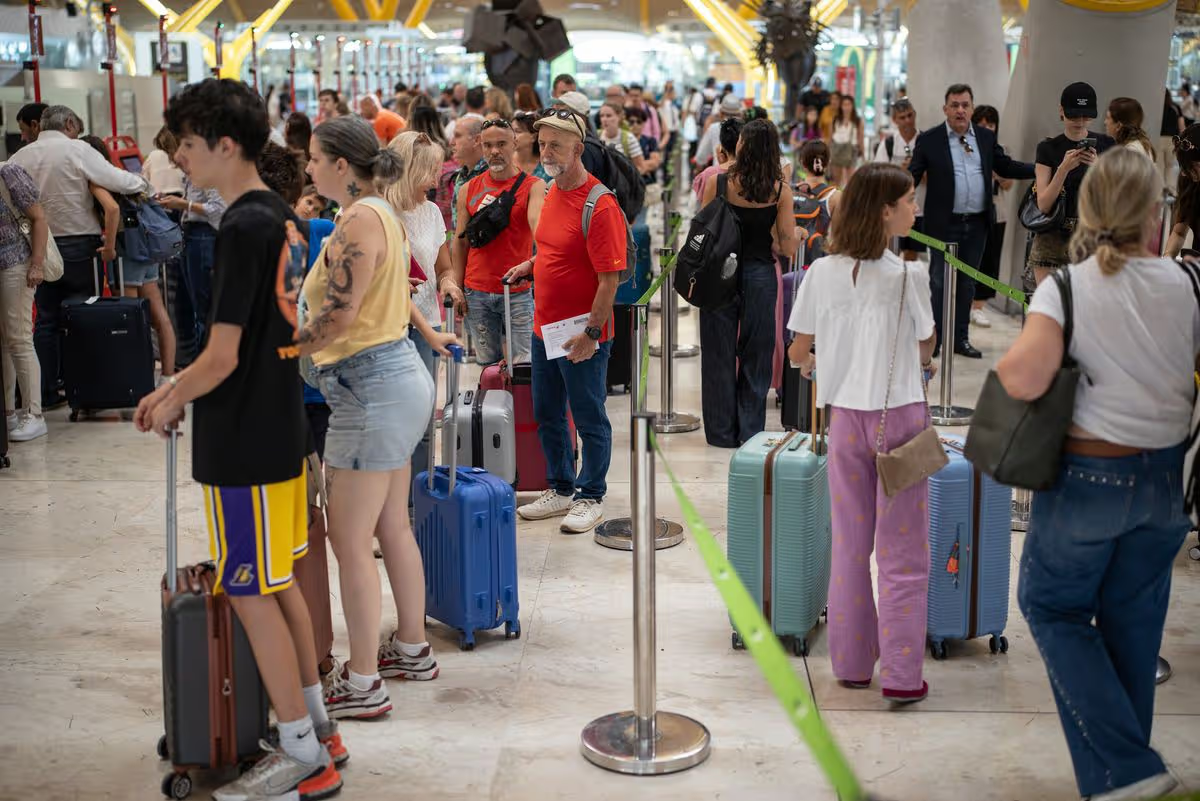
Brits heading abroad have been hit with major travel disruptions following the rollout of the European Union’s (EU) new Entry/Exit System (EES). There have been reports of lengthy border control queues at European and UK airports, along with missed flights, as thousands of holidaymakers pass through the new digital border system for the first time.

The EES, which was fully implemented on Friday, 10 April, requires all Brits travelling to the Schengen area to “create a digital record” and register their biometric details, such as fingerprints and a photograph. It is required for their first arrival at the airport border in the Schengen area, and after the initial registration, the EES remains valid for three years.

READ MORE: Travel expert’s passport warning as Brits risk £160 fee or being denied boardingREAD MORE: 5 travel changes Brits should be aware of before summer

The government noted that the EES “may take each passenger extra time to complete, so be prepared to wait longer than usual at the border.” Yet, travellers have reported gruelling delays of up to three hours and missed flights, and airlines have issued key advice to passengers as they grapple with the new digital border system.

TUI

In a travel alert on the EES, TUI advised passengers: “At some airports, you might still find longer queues, particularly at busy travel periods. We know this isn’t the travel experience you want before, or after your holiday – and it’s certainly not the one we want for you – so please know we’re doing all we can to support.

“To help your journey run as smoothly as possible, please allow a little extra time when passing through border control. Keep any essential medication in your hand luggage in case of delays, and when departing the EU, head straight to passport control after dropping your bags to avoid hold‑ups. Bringing some extra water for comfort is also a good idea.”

easyJet

In an “important update” released earlier this month, easyJet warned: “Airports across Europe may experience longer queues at passport control whilst the new European Entry /Exit System (EES) border checks are being completed.

“This will mean you may need to have your biometrics taken, including your face and fingerprints scanned.” They advised passengers to plan their travel to and through the airport as they may “experience longer queues”.

Travellers who need to drop off their bags should “go there as soon as it opens”, and then make their way through “security as early as possible”. They further cautioned that there could be additional checks at passport control before the gate, and that passengers should go to the gate or boarding area “as soon as it’s announced”.

easyJet added that travellers should ensure they have all the correct documents required for travel, although Brits do not need to do anything before arriving at the border for the EES. They further warned that there could be “longer queues” at their arrival airport.

Jet2

On expected delays from the EES, and how it could impact holidaymakers, Jet2 said: “There may be longer wait times at Border Control at some EU Airports, especially at busy times. Once you start your EES registration, it should take around 1-2 minutes per person to complete.

“There may be longer wait times than usual when you arrive in destination and before your flight back to the UK. Unfortunately, this is outside of our control. But remember, there’s nothing you can prep before you travel.”

Meanwhile, in response to a traveller following delays at Faro Airport, Jet2 advised on X: “We kindly recommend customers arrive to the airport as early as possible, to allow plenty of time to make it through.”

For travel back into the UK, Jet2 said: “You’ll also need to pass through EES when leaving the EU in the same way you do on arrival. Depending on how busy the airport is, this may result in longer wait times at passport control before boarding your flight to the UK. After checking in for your flight, please head straight to security and passport control in order to arrive at your gate in plenty of time.”

British Airways

On general information about the new digital system, British Airways explained on their website: “You should allow extra time to register your biometric details, such as fingerprints and a photo, the first time you enter the EU. There is no cost for EES registration, and your digital record will last three years before you need to register again.”

In response to a question on X about arrival times at the airport, a member of British Airways said: “Hi there. We ask customers travelling on our European short-haul flights to be there two hours prior to departure. It would be three hours if you’re travelling on a long-haul flight and one if you’re travelling on a domestic flight within the UK.”

For more information on the new EES system, visit the government website.

Do you have a travel story to share? Email webtravel@reachplc.com

Source link

EU country suspends border system which has caused 4-hour delays

The country has chosen to abandon the new biometric security measures over concerns about queue chaos and flights taking off without passengers

Greece has suspended EU fingerprint and facial scans for British holidaymakers. The country has chosen to abandon the new biometric security measures over concerns about queue chaos sweeping across the continent. Queues have been hitting the country with four hours reported in many destinations, including Greece.

All travellers from the UK and other non-EU countries are supposed to be photographed and fingerprinted at EU airports and border crossings under the new entry and exit system (EES) introduced by Brussels.

Holidaymakers have been cautioned that the new security measure, which is now fully operational, could trigger airport delays of up to four hours. Eleni Skarveli, director of the Greek National Tourism Organisation in the UK, stressed that the decision would “ensure a smoother and more efficient arrival experience in Greece” and would “significantly reduce waiting times” while alleviating congestion at airports.

The EES is intended to replace manual passport stamping and better monitor the 90-day visa-free limit, but its introduction has caused havoc at some of Europe’s busiest airports.

A statement on the website of the Greek Embassy and posts on official social media channels said: “Update for British passport holders travelling to Greece. “In the framework of the implementation of the Entry/Exit System, as of 10 April 2026, British passport holders are exempt from biometric registration at Greek border crossing points.”

There was no further detail of how long the exemption would last, and FCDO travel advice for Greece has not been updated.

Luke Petherbridge, director of public affairs at travel trade organisation Abta, said: “While for many the travel experience remains smooth, we’re disappointed and frustrated to see some passengers being caught up in delays due to EES.

“Abta has been warning destinations and the (European) Commission for some time about the need for proactive steps to be taken to avoid delays, including the full use of contingency measures to stand down biometric checks at busier times, and adequate staffing especially at peak times.”

A total of 122 passengers were reportedly unable to board the flight from Milan Linate to Manchester on Sunday because of delays at passport desks caused by the ramp up of the EU’s Entry Exist System (EES).The 11am departure was held for 59 minutes before departing with the majority of seats empty.

One of the affected easyJet passengers, Kiera, 17, from Oldham, Greater Manchester, said she and her boyfriend arrived at Milan Linate airport at 7.30am on Sunday. She told the BBC: “We got to Border Control and it was a massive queue of people. I wasn’t feeling great anyway because I think I’d got food poisoning.

READ MORE: Full list of airports as easyJet warns of ‘longer queues’READ MORE: Major airline cancels hundreds of flights as ‘last resort’ over Iran fuel crisis

“At about 10.50am they brought some water over for people, and when we got to the front of the queue someone asked us if we were going to Manchester, and told us our flight had just gone.”

Vicky Chapman, 26, from Wirral, Merseyside, was booked on the flight with her family, including her five-year-old son.

She told the Liverpool Echo they arrived at the airport “with more than enough time” but were “refused entry through passport control”.

She continued: “We were then told that we are a ‘no show’ on our flight because we did not get to the gate on time, even though passport control had issues and they would not let us through.

“We were passed from pillar to post for three hours and no-one helped us. “It was so hot in the airport, people were vomiting, people were almost passing out.

“We’re being told that Tuesday is the earliest we can get back, and that we have to fly to Gatwick. We’ve had to pay out of pocket for an Airbnb.”

An easyJet spokesman said: “Due to delays in EES processing by border authorities, some passengers departing from Milan Linate on Sunday experienced very long waiting times at passport control.

“We held flight EJU5420 from Milan to Manchester for nearly an hour to give passengers extra time but it had to then depart due to crew reaching their safety regulated operating hours.

“Customers who missed the flight have been offered a free flight transfer.

“We continue to urge border authorities to ensure they make full and effective use of the permitted flexibilities, for as long as needed while EES is implemented, to avoid these unacceptable border delays for our customers.

“While this is outside of our control, we are sorry for any inconvenience caused.”

Of the 156 passengers reportedly booked on the return flight to Manchester, just 34 made it on board – leaving a staggering 122 stranded in Italy. EasyJet subsequently issued an apology over the incident.

At three of the UK’s “juxtaposed” border controls in Dover, Folkestone and London St Pancras, the pricey EES kiosks remain unconnected to the French police aux frontières IT system. These issues are not expected to be resolved until September, according to the Independent.

Greece is heavily dependent on British tourism, particularly at its bustling island hotspots such as Corfu, Crete and Rhodes, which can welcome upwards of 2,000 UK passengers daily during peak season.

The decision by Athens is widely regarded as a move to offer reassurance to British holidaymakers, and could encourage other Mediterranean nations to follow its lead. Greece is yet to confirm an end date. for its EES exemption for British travellers.

Holidaymakers are already considering switching their summer holiday plans this year, according to travel industry experts.

“Because of the war in the Middle East, Europe is seeing a big increase in interest as a holiday destination this year,” an ABTA spokesman said.

ABTA added that Greece was anticipated to be the fifth most-visited destination by Britons this summer, trailing behind Spain, France, Italy and the USA.

The spokesman said: “I think it’s too early to say what this change might mean for the number of people visiting, particularly as decisions on where to go are based on a number of factors.”

It’s thought travellers now weighing up a continental break may pivot towards Greece to sidestep potential headaches caused by the new scheme. “Greece for me this summer then, was thinking of Tenerife, but no way I’m putting up with those queues and chaos,” one man posted on X.

Another person added: “I work in the travel industry, already had customers worried about this new system believe me, Greece will benefit from this stand!” While a third chimed in: “Perfect – off to the Greek islands this summer – common sense prevails!”

Source link

EasyJet flier arrives in Tenerife to ‘crazy shoving chaos’ over new travel rules

A content creator known as Just Deano arrived to Tenerife after his EasyJet flight from Manchester Airport but said passengers caused chaos over disruption fears

A content creator said “panicked” passengers started to shove each other over fears that new travel rules would leave them queuing up for hours.

The new Entry/Exit System (TTS) travel requirement has caused chaos across several European airports — and some Brits have even missed flights because of long waiting times in countries like Spain, Portugal and Poland.

These rules require non-EU nationals, including Brits, to register their biometrics, as opposed to having their passports stamped at border control, but it has led to major disruption.

However, Just Deano, who touched down in Tenerife this week, said there was a lot of carnage from flustered travellers, despite him getting through immigration within minutes.

The Yorkshireman, who hails from Huddersfield, travelled to the popular Spanish Island from Manchester Airport via EasyJet.

And before touching down, he told his subscribers: “What you’re really interested in is probably how long it’s going to take me to get through to immigration because I’ve seen reals and posts and videos about this — and apparently it is a nightmare.

“So, this is the best flight ever video, but hopefully it don’t go wrong at the immigration.”

However, after landing, it wasn’t the queues that caused trouble, it was the passengers themselves, according to Deano.

He said: “Ok, so it’s quarter to nine now, let’s see how long it takes. Everyone is panicking over this issue. So everyone is pushing and shoving past each other. It’s chaos. Absolute chaos. But we will see how long it takes.”

The camera then cut to the next scene where Deano said: “All that fuss for nothing! It’s 20.52. That took me seven minutes from getting off the bus from the plane to getting through.

“I didn’t have to fingerprint. I don’t know if that’s because I’ve done it before. I’m not really sure but all that fuss for nothing. Seven minutes, that’s all it took. People panicking, pushing and shoving. Crazy. Absolutely crazy. We’re out and we’re good to go.

“We went to the e-gate machine. It didn’t ask for my fingerprints, probably because I have already done that in different countries. And then you went past and did the whole look at the photo, another automatic e-gate.”

EES was introduced to replace the passport stamp and it automatically checks when a person enters and exits a country in the EU.

This means Brits need to register details including fingerprints, facial images and to scan their passports on their first visit in the Schengen area.

However, after it was recently rolled out, many passengers at Tenerife South Airport claimed some of the machines failed to work with fingerprints being rejected. Others said they missed their flights because of the delays.

One disgruntled Brit wrote: “The key is to arrive three hours early so at least you are in the front of the queue when problems start.”

Another said: “Love Tenerife but HATE the airport.”

Police have even had to come in to control the chaos but Deano said he encountered no such problems during his trip to Tenerife where he is staying for one week.

After posting his video, which you can watch in full here, one person replied: “I would hate to be a Brit traveller now.”

Another said: “You did well getting through new border gates. Took me 4 hours last week getting through Barcelona. 3 non EU planes landed at similar times so had 500 people getting angry and impatient to get through.”

A third said: “You were extremely lucky to get through so quickly probably yours was the only flight landing around that time.”

Source link

EasyJet announces major update for passengers starting this year

The budget airline made the announcement saying the move was a ‘milestone’

Passengers travelling on easyJet have been told a major change will improve their choice.

The budget airline has announced it will start offering six new routes to travellers. This includes two connections between the UK and Morocco. This month, easyJet officially opened its new three-aircraft base in Marrakech, Morocco, a development expected to generate approximately 100 new jobs. This coincided with the unveiling of six new routes to Morocco for next winter.

These include Newcastle to Marrakech, launching in November, and Birmingham to Agadir. The additions bring the total number of routes to Morocco to 58, including 30 to Marrakech.

Kenton Jarvis, CEO of easyJet, said: “We couldn’t be happier to launch our base in Morocco for our 20th year of operations in the country and to mark the milestone of 20 million passengers flown over that time.

“This is a milestone for our development in the region, providing more travel opportunities than ever before for our airline and holidays [for] customers, while contributing to the local economy through tourism and the jobs we are creating.”

New winter routes now on sale

  • Prague – Marrakech, will be operated from 25 October, two times a week (Wednesday and Sunday)
  • Newcastle – Marrakech, will be operated from 3 November 2026, two times a week (Tuesday and Saturday)
  • Zurich –Marrakech, will be operated from 28 October 2026, two times a week (Wednesday and Saturday)

READ MORE: easyJet gives key update with ‘uncertainty’ over fuelREAD MORE: Airline files for bankruptcy as flights cancelled – but vital firm may be saved

New winter routes coming on sale later this spring

  • Nantes –Essaouira
  • Bordeaux – Agadir
  • Birmingham – Agadir

READ MORE: I live in a major UK city and most tourists never visit its breathtaking beachREAD MORE: Foreign Office warns tourist spot on islands loved by Brits can be ‘fatal’

New routes launching this summer

  • Hamburg–Marrakech launches 1 May 2026, twice a week (Tuesday and Friday), extended year-round with two flights per week during winter
  • Lille–Marrakech will be operated from 3 May 2026, twice a week (Wednesday and Sunday)
  • Strasbourg–Marrakech will be operated from 3 May 2026, twice a week (Thursday and Sunday)
  • Geneva–Tangier will be operated from 30 March 2026, twice a week (Monday and Thursday)

For more information, visit the easyJet website here.

Source link

EasyJet to launch new flights to two affordable holiday destinations and they’re 36C this week

BRITS will soon be able to bag a bargain as easyJet is launching new flights to a sunny African destination for less than £37.

The budget airline will launch new flights to Morocco from the UK this winter.

EasyJet will be launching two new routes to Morocco Credit: AFP
One route will be from Newcastle to Marrakech and the other will be from Birmingham to Agadir Credit: Getty

The routes will include one from Newcastle to Marrakech starting November 3 and operating two times a week on Tuesdays and Saturdays.

The flights for this route are already on sale and cost from £36.99.

And then there will also be a new route between Birmingham and Agadir, with flights coming on sale this spring.

In the meantime though, the two destinations will reach temperatures of up to 36C this week.

Read more on travel inspo

CHEAP BREAKS

UK’s best 100 cheap stays – our pick of the top hotels, holiday parks and pubs


SI MORE

Ditch Paris and Mykonos… experts reveal most overrated hols and where to go instead

Flights to Marrakech cost as little as £19 per way for the remainder of April, and for Agadir, flights cost as little as £15 per way for the remainder of April.

What to do there

Marrakech is known as the ‘Red City’ thanks to its iron-rich coloured buildings and is home to bustling souks and palaces.

For example, you could head to Bahia Palace, which is a 19th-century building with 160 rooms and beautiful mosaics.

Make sure to see the courtyard which spans across 1,500-square-metres and is paved with Italian Carrara marble.

Jemaa el-Fnaa is then the main square in the city and during the day boasts a market.

From the square, you can also venture to Souk Cherratine known for leather goods and Souk Haddadine, home to a number of blacksmiths.

If you fancy a bit of an adventure, head to Agafay Desert which is about 45 minutes away.

It is a top spot for seeing an orange-glowing sunset and going on quad-biking adventures.

When visiting the city, make sure to stay in a riad, which is a traditional courtyard house that has been converted into a boutique hotel in Morocco.

Lisa Minot, The Sun’s Head of Travel, has visited the city and said: “Tourism is booming in the city and while the streets are as colourful and chaotic as ever, the influx of visitors has brought some gorgeous new bars, restaurants and stunning hotels.”

And this week weather in both destinations will reach up to 36C Credit: Getty

Marrakech will reach temperatures of up to 35C next week.

On the other hand, if you fancy visiting Agadir, you can explore a six-mile beach.

Deputy Travel Editor Kara Godfrey said: “At Taghazout Beach, hordes of eager surfers took to the sea before I’d even finished my morning coffee.

“As a novice surfer, I opted to watch those riding the waves, while my companion made friends with the stray dogs and hawkers selling Moroccan breads.”

After a stroll along the beach, make sure to visit Souk El Had, which is one of North Africa’s largest markets with over 6,000 stalls.

And over at the Medina, you will find a number of artisan workshops selling traditional Moroccan items including colourful carpets and pottery.

Last month the destination was named the most affordable break for this summer.

In Marrakech, you can explore souks selling leather and other traditional Moroccan items Credit: Alamy

Our favourite Morocco hotels

*If you click on a link in this box, we will earn affiliate revenue.

Riu Palace Tikida Taghazout

This hotel in laid-back surf capital Taghazout has seven giant pools to pick from, as well as six bars and four restaurants. The on-site spa offers massage treatments, facials and even a hair salon, should you fancy a pampering. Take a stroll outdoors to find colourful souks and a five and a half mile-long beach.

BOOK A BREAK

El Pueblo Tamlelt, Agadir

El Pueblo Tamelt in Agadir sees year-round sunshine and is just steps away from the beach. The huge resort has 363 rooms, each with a balcony or terrace overlooking the sea or gardens. Food here includes three daily meals in the main buffet restaurant, as well as snacks like pizza, hot dogs and burgers at the snack bar.

BOOK A BREAK

Diwane Marrakech

Smack-bang in the centre of Marrakech, this hotel is a private paradise with its own giant pool and sun deck hidden within. Kids will love dancing and singing along to the live entertainment, whilst parents can unwind in the sauna and spa. Here, you’re only 10 minutes’ drive from both Jemaa El-Fnaa square and the medina.

BOOK A BREAK

Riad Meski
Enjoy a stay in a traditional riad in Fes, know as Morocco’s capital of culture. Soak up the sun from the rooftop terrace, enjoy the artistic interiors, and wander through the famous blue gates into the oldest medina in the world, just a 15-minute walk away.

BOOK A BREAK

According to loveholidays, a week in Agadir would cost as little as £33 per person per night between June and August.

Agadir will reach temperatures of up to 36C next week.

Easyjet will also offer package holidays to both destinations from both UK airports too.

News of the new routes comes as the airline officially launched a new permanent three-aircraft base in Marrakech this week.

It marks the airline’s first-ever base in Africa and has created 100 new jobs.

The city is also home to a grand 19th-century palace Credit: Getty

Kenton Jarvis, CEO of easyJet, commented: “We couldn’t be happier to launch our base in Morocco for our 20th year of operations in the country and to mark the milestone of 20 million passengers flown over that time.

“This is a milestone for our development in the region, providing more travel opportunities than ever before for our airline and holidays customers, while contributing to the local economy through tourism and the jobs we are creating.”

In other destination news, these are the most family-friendly destinations for 2026 – including affordable hotels with rooftop pools and kids’ clubs.

Plus, here are the seven holiday destinations Brits are booking instead of other spots due to ongoing Iran conflict.

As for Agadir you can explore the medina and wander along the six-mile beach Credit: Love holidays

Source link

Full list of airports as easyJet warns of ‘longer queues’

easyJet issued an ‘important update’ earlier this month

easyJet has issued an alert to passengers travelling to more than 100 destinations with the airline after a major rule change that has come in post-Brexit.

In an “important update” issued earlier this month, easyJet warned queue times may be affected and said: “Airports across Europe may experience longer queues at passport control whilst the new European Entry/Exit System (EES) border checks are being completed. This will mean you may need to have your biometrics taken including your face and fingerprints scanned.”

Passengers are advised to plan travel to and through the airport, factoring in that they may have to queue for longer than previously. Anyone who needs to use Bag Drop should do so as soon as it opens, and travellers should make sure they have all necessary documents to hand.

easyJet is also urging people to go through security as early as possible and to head to the gate or boarding area as soon as it is announced. The travel operator further said there may be additional checks at passport control before your gate and added: “You may experience longer queues in your arrival airport”.

Full list of easyJet destinations under the new EES

  • Ajaccio, Corsica (AJA) – France
  • Akureyri (AEY) – Iceland
  • Alicante (ALC) – Spain
  • Almeria (LEI) – Spain
  • Amsterdam (AMS) – Netherlands
  • Athens (ATH) – Greece
  • Barcelona (BCN) – Spain
  • Bari (BRI) – Italy
  • Basel (BSL) – Switzerland
  • Bastia, Corsica (BIA) – France
  • Berlin Brandenburg (BER) – Germany
  • Biarritz (BIQ) – France
  • Bilbao (BIO) – Spain
  • Bordeaux (BOD) – France
  • Brest Brittany (BES) – France
  • Brindisi (BDS) – Italy
  • Brussels Intl (BRU) – Belgium
  • Budapest (BUD) – Hungary
  • Burgas (BOJ) – Bulgaria
  • Calvi, Corsica (CLY) – France
  • Copenhagen (CPH) – Denmark
  • Corfu (CFU) – Greece
  • Costiera Amalfitana Salerno, Naples (QSR) – Italy
  • Crete Chania (CHQ) – Greece
  • Crete Heraklion (HER) – Greece
  • Dubrovnik (DBV) – Croatia
  • Dusseldorf (DUS) – Germany
  • Evenes-Lofoten (EVE) – Norway
  • Faro (FAO) – Portugal
  • Figari, Corsica (FSC) – France
  • Frankfurt International (FRA) – Germany
  • Friedrichshafen (FDH) – Germany
  • Fuerteventura (FUE) – Spain
  • Geneva (GVA) – Switzerland
  • Gibraltar (GIB) – Gibraltar
  • Gran Canaria (LPA) – Spain
  • Grenoble (GNB) – France
  • Hamburg (HAM) – Germany
  • Ibiza (IBZ) – Spain
  • Innsbruck (INN) – Austria
  • Kalamata (KLX) – Greece
  • Kefalonia (EFL) – Greece
  • Kittila (KTT) – Finland
  • Kos (KGS) – Greece
  • Krakow (KRK) – Poland
  • La Coruña (LCG) – Spain
  • La Rochelle (LRH) – France
  • Lamezia (SUF) – Italy
  • Lanzarote (ACE) – Spain
  • Lille (LIL) – France
  • Lisbon (LIS) – Portugal
  • Ljubljana (LJU) – Slovenia
  • Luxembourg (LUX) – Luxembourg
  • Lyon (LYS) – France
  • Madeira Funchal (FNC) – Portugal
  • Madrid (MAD) – Spain
  • Majorca Palma (PMI) – Spain
  • Malaga (AGP) – Spain
  • Malta (MLA) – Malta
  • Marseille Provence (MRS) – France
  • Menorca Mahon (MAH) – Spain
  • Milan Linate (LIN) – Italy
  • Milan Malpensa (MXP) – Italy
  • Montpellier (MPL) – France
  • Munich (MUC) – Germany
  • Murcia Intl (RMU) – Spain
  • Mykonos (JMK) – Greece
  • Nantes (NTE) – France
  • Naples (NAP) – Italy
  • Nice (NCE) – France
  • Oslo (OSL) – Norway
  • Paris Charles de Gaulle (CDG) – France
  • Paris Orly (ORY) – France
  • Pisa (Tuscany) (PSA) – Italy
  • Porto (OPO) – Portugal
  • Porto Santo (PXO) – Portugal
  • Prague (PRG) – Czech Republic
  • Preveza (PVK) – Greece
  • Pula (PUY) – Croatia
  • Rennes (RNS) – France
  • Reus (REU) – Spain
  • Reykjavik Keflavik (KEF) – Iceland
  • Rhodes (RHO) – Greece
  • Rimini (RMI) – Italy
  • Rome Fiumicino (FCO) – Italy
  • Rovaniemi (RVN) – Finland
  • Salzburg (SZG) – Austria
  • Santa Cruz de la Palma (SPC) – Spain
  • Santiago de Compostela (SCQ) – Spain
  • Santorini (JTR) – Greece
  • Sardinia Cagliari (CAG) – Italy
  • Sardinia Olbia (OLB) – Italy
  • Scandinavian Mountains (SCR) – Sweden
  • Seville (SVQ) – Spain
  • Sicily Catania (CTA) – Italy
  • Sicily Lampedusa (LMP) – Italy
  • Sicily Palermo (PMO) – Italy
  • Skiathos (JSI) – Greece
  • Sofia (SOF) – Bulgaria
  • Split (SPU) – Croatia
  • Strasbourg (SXB) – France
  • Tenerife South (TFS) – Spain
  • Thessaloniki (SKG) – Greece
  • Toulouse (TLS) – France
  • Tromsø (TOS) – Norway
  • Turin (TRN) – Italy
  • Valencia (VLC) – Spain
  • Venice Marco Polo (VCE) – Italy
  • Verona (VRN) – Italy
  • Vienna (VIE) – Austria
  • Zadar (ZAD) – Croatia
  • Zante Zakynthos (ZTH) – Greece
  • Zurich (ZRH) – Switzerland

The EES applies to 29 countries: Austria, Belgium, Bulgaria, Croatia, Czechia, Denmark, Estonia, Finland, France, Germany, Greece, Hungary, Iceland, Italy, Latvia, Liechtenstein, Lithuania, Luxembourg, Malta, Netherlands, Norway, Poland, Portugal, Romania, Slovakia, Slovenia, Spain, Sweden, and Switzerland. The above list of airports are the Schengen area destinations you can fly to with easyJet from the UK, as of the airline’s website at the time of publication.

Source link

Book summer holidays NOW, warns easyJet boss as Iran war fuels fare hike misery

BRITS have been warned to book their summer getaways now or face a massive spike in prices as the Middle East conflict sends fuel costs soaring.

The boss of easyJet today sounded the alarm after revealing the war has already cost the budget airline £25million in fuel hikes.

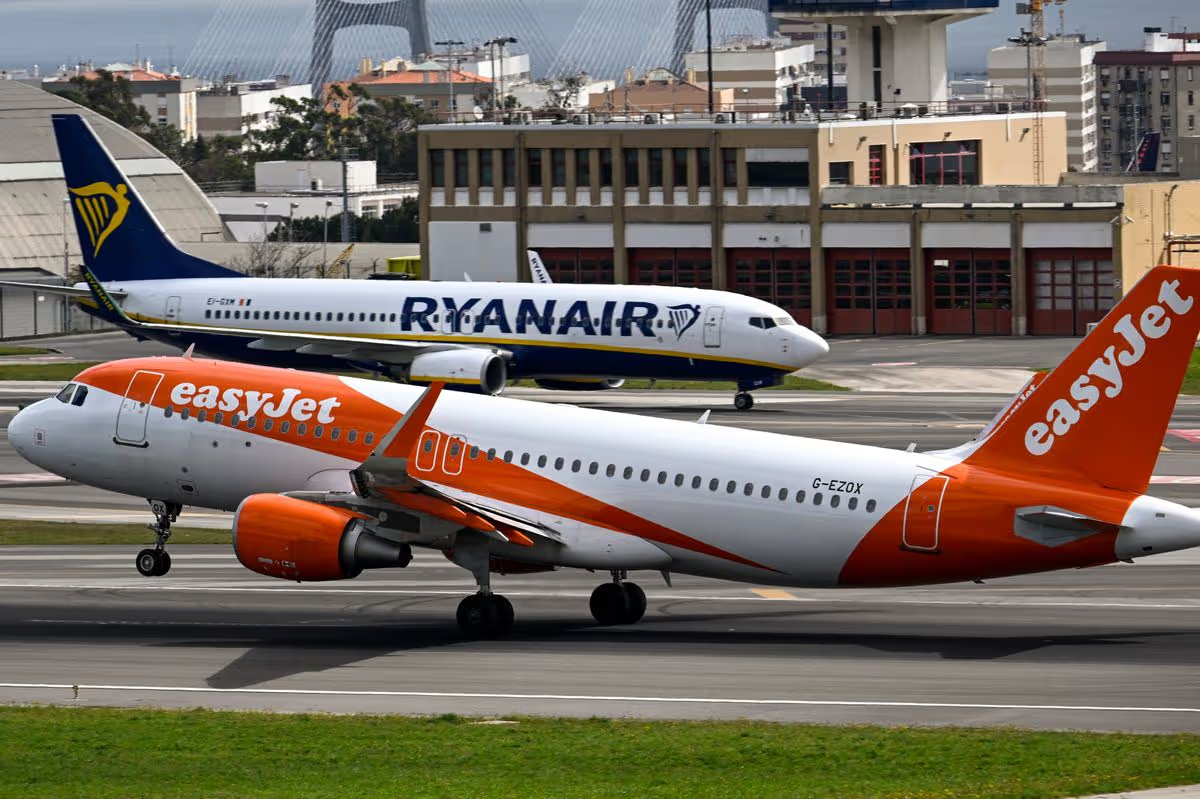
EasyJet planes on the tarmac at Roissy Charles de Gaulle Airport, north of Paris.
EasyJet reported that the conflict has created “near-term uncertainty around fuel costs and customer demand” as families hesitate to book Credit: AFP

The Luton-based carrier has been hit hard by rising oil prices after Iran tightened its grip on tankers passing through the Strait of Hormuz.

Holidaymakers are being told that if these high costs persist, the extra bill will be passed directly onto passengers through higher fares across the entire industry.

EasyJet reported that the conflict has created “near-term uncertainty around fuel costs and customer demand” as families hesitate to book.

Official figures show that bookings for the peak summer months of June through to September have already dipped compared to last year.

PLANE BAD

Spanish airport to CLOSE for over a month with all flights cancelled


PINT-SIZED

My favourite up-and-coming EU country has £2.60 pints and summer highs of 30C

The airline is braced for a massive headline loss of between £540million and £560million for the six months leading up to the end of March.

Investors reacted with panic to the news as shares in the company tumbled by as much as 9% in early trading on Thursday.

EasyJet chief executive Kenton Jarvis admitted the firm has struggled.

He said: “Our H1 financial performance worsened year on year, impacted by the conflict in the Middle East and the competitive environment in some markets.”

Despite the gloom, the airline boss insisted that planes are still taking off as normal following the busiest Easter period on record.

He added: “Following our busiest Easter holiday period ever, the operational ramp up into peak summer continues as planned.”

Mr Jarvis claimed the company has the cash reserves to survive the crisis.

He said: “EasyJet’s financial strength from our investment grade balance sheet and £4.7billion of liquidity mean we are well placed to navigate current geopolitical challenges while remaining focused on our medium term targets.”

Experts are worried that the war could eventually lead to fuel shortages and forced cancellations, but the airline insists airports are currently “operating as normal” with supplies secured until mid-May.

Everything now rests on whether the crisis in the Middle East escalates or cools down in the coming weeks.

A quick resolution could see prices drop, but a long-term war could see holiday demand dry up as fuel is rationed around the world.

Source link

easyJet Portugal update as airline issues warning over new ‘allowance’ rule

EasyJet’s general manager in Portugal has issued a warning over new government proposals the carrier says will artificially inflate prices

easyJet is weighing up plans to cut back operations in Portugal, according to reports emerging from the country. The airline’s general manager there has issued the warning amid a dispute over government proposals which easyJet claims will drive up costs for passengers.

José Lopes, easyJet’s general manager in Portugal, announced on Monday that the carrier may cut back its domestic services following the scrapping of caps on something called the social mobility allowance for air travel. This caps maximum fares for some local passengers – but the changes are set to affect the airline more widely.

“Removing the upper limit will artificially inflate prices,” José Lopes said. He argued that the measure will deliver “zero benefits” for island residents while helping to deter tourists, who makeup the bulk of passengers on domestic routes.

The airline says it will not return to operate Azores routes due to the changes. It had already confirmed its departure from the region from March 29, 2026, blaming a 35 per cent increase in airport fees and what it describes as government inaction.

The easyJet representative was addressing journalists at a press conference in Funchal, held in partnership with the Regional Secretariat for Tourism, to outline the company’s operations and long-term pledges in the Madeira archipelago, SIC Noticias reports. Portuguese media outlets report that at Porto Santo airport, the two existing routes to Lisbon and Porto will be retained, albeit with a reduction to Lisbon owing to constraints at that airport, he indicated.

He warned that if the measure to alter the social mobility subsidy regime – which would remove the maximum limits for air travel for residents of Madeira and the Azores – is implemented, there will be implications for Easyjet’s operations. “I hope that an analysis will be carried out and a way will be found to be more rational and less emotional in dealing with the matter,” he said.

When asked about the possibility of abandoning the route to Madeira, the official ruled out this scenario. Yet reports say he highlighted the possibility of “a reduction in market capacity.”

The changes were given the green light on Friday in the Assembly of the Republic, but have yet to come into force. The amendments stem from two initiatives to revise the legislation put forward by the Socialist Party and Chega.

What is the social mobility subsidy?

The social mobility subsidy set a maximum fare of €79 for residents and €59 for students travelling between Madeira and the mainland (round trip), with an overall cap of €400. In the Azores, residents travelling to the mainland pay no more than €119, while students are capped at €89, with a recently introduced maximum ceiling of €600.

The Portugal Post reports that Portugal Parliament’s recent decision to abolish price caps has placed island connectivity under serious threat, with easyJet warning of capacity reductions to Madeira and confirming it will not operate Azores routes under the new framework.

Ryanair has also revealed plans to cease all operations in the Azores on March 29, 2026, citing cost pressures.

Source link

Ryanair and easyJet set for major bag change – passengers warned

An EU rule change is expected to affect most short haul flights from the UK

Passengers flying with Ryanair and easyJet could soon enjoy more generous cabin baggage allowances – but travellers have been issued with a warning.

At present, those on basic fares with these carriers are limited to one small personal item, with any additional luggage incurring extra charges. Following amendments to EU regulations, Ryanair has had to increase the allowed dimensions of its personal bags. The new rules allow passengers to bring a small carry-on item measuring up to 40 x 30 x 20cm.

This is a 20% increase from the previous 40 x 20 x 25cm restriction. easyJet’s personal bag dimensions already met these requirements.

And now further EU regulatory changes could allow travellers to bring both a cabin bag measuring up to 100cm and a personal bag without facing extra costs. In February, the European Parliament voted decisively to grant all passengers the right to carry a small case alongside the free under-seat bags currently permitted.

The Parliament’s proposal would entitle passengers to bring on board, at no additional cost, one personal item (such as a handbag, rucksack or laptop) and one small piece of hand luggage with maximum combined dimensions of 100cm (length, width and height) and weighing up to seven kilos.

The proposed changes, which require sign-off from the European Council to become legislation, would affect all passengers flying to or from an EU airport on an EU-based carrier. This directly impacts the vast majority of short-haul flights departing from the UK.

While this might appear to be welcome news, experts have cautioned that requiring free hand luggage on flights will reduce pricing flexibility, push up base fares, and ultimately leave many travellers forking out more for services they may not even need. Zoltán Kész, Government Affairs Manager at the Consumer Choice Center, said: “Consumers benefit when airlines can compete on price, service, and flexibility.

“Mandating bundled carry-on luggage is not a pro-consumer reform; it is a market distortion that increases fares for everyone, including travellers who purposefully choose more affordable tickets. Political micromanagement of airline pricing does not improve transparency.

“If policymakers want consumers to make informed choices, the better approach is to require clearer disclosure of baggage fees and fare conditions, not to force a uniform product offering for every passenger.”

easyJet has branded the proposals to enforce free additional baggage a “lunatic idea” and similarly warned that fares are likely to rise. Earlier this year Kenton Jarvis, easyJet’s chief executive, said giving all passengers the right to extra free carry-on baggage would be “crazy European legislation” and “terrible for the consumer”.

He added: “We would go back to the days of having to offload cabin bags and put them in the hold – it was one of the number one causes of delayed boarding in the old days.”

Ryanair chief executive Michael O’Leary has also taken aim at the policy. He said last year: “The idea that everyone is entitled to two free bags on board is unimplementable [as] they don’t fit in the aircraft. There’s not room on largely full aircraft for one small carry-on bag and one large trolley bag.

“About 50% of the passengers can bring a trolley bag and we do that using the priority boarding service. Any rules that would alter that would be infringing EU rules guaranteeing the freedom of airlines to set pricing and policies, and we don’t believe that will happen.

“I think it’s unlikely to play out but there’s clearly going to be some kind of negotiation between the parliament and the commission on passenger rights.”

Source link

TUI, easyJet and Jet2 hand luggage rules from banned items to latest liquid restrictions

TUI, easyJet, Jet2 and British Airways hand luggage rules aren’t just about what the airlines will let you bring onboard – passengers are subject to airport rules too

Brits heading on their holidays will want to take note of hand luggage rules – and not just the ones that help you swerve those pesky extra fees.

While many of us fly with different airlines including TUI, easyJet, Jet2 and British Airways, hand luggage rules aren’t just about what these firms allow; they’re also dependent on your airport, destination and other factors. These restrictions are universal across various airlines when departing from the UK, but it’s important to note that there could be different rules at the airport you’re flying back into the UK from.

If you’re found to be carrying a prohibited item in your hand luggage, it could be confiscated at airport security. On the UK government website, it states: “Airport security staff will not let anything through that they consider dangerous – even if it’s normally allowed in hand luggage.”

READ MORE: Ryanair check-in warning for Brits who risk paying extra £55 per person at the airportREAD MORE: Unexpected item most people take on holiday could get you stopped at airport security

Therefore, it’s vital to check any hand luggage restrictions before arriving at the airport to ensure a safe and seamless journey. It’s also important to check the size limits for your carry-on bag before your flight, as they vary by airline.

List of common items banned in hand luggage

Corkscrew: but it is allowed in hold luggage.

Knife (with a sharp or pointed blade and/or blade longer than 6cm) – but it could be allowed in hold luggage depending on the airline.

Large scissors (with blades longer than 6cm) – but it could be allowed in hold luggage depending on the airline. However, you can carry small scissors, such as sewing or embroidery scissors, in your hand luggage, but the blade must be shorter than 6cm.

Fireworks, flares and other pyrotechnics (including party poppers and toy caps): these are also not allowed in hold luggage.

Non-safety matches: and they are not allowed in hold luggage either. However, safety matches are allowed in hand luggage, but not in hold luggage.

Liquids: The majority of UK airports require liquids to be under 100ml; however, some airports have scrapped this rule. This includes: Birmingham, Bristol, Edinburgh, London Gatwick, London Heathrow, London City, Teesside, Belfast International, Belfast City, and Newquay. As rules have evolved, it’s advisable to check directly with the airport for both your outbound and inbound flights, as countries outside the UK may also impose different restrictions. The government outlines that you cannot take frozen liquids, including frozen breast milk, in your hand luggage, but there are some exceptions to the 100ml rule. Passengers are allowed to take “liquid containers up to 2 litres through security at all UK airports” for medical purposes, special dietary requirements, or baby food or milk. Liquids above 100ml purchased at the airport or from duty-free can be taken on board.

Cigarette lighters : they must be placed in a resealable plastic bag in carry-on luggage and kept on you throughout the flight. The government states that passengers may carry only one lighter on board an aircraft, and it cannot be packed in hold luggage.

Niche items banned in hand luggage

Heavy bats and sticks (including baseball, softball and cricket bats): – although they are allowed in hold luggage.

Golf clubs, darts, walking/hiking poles, catapult, crossbow and martial arts equipment (including knuckledusters, clubs, coshes, rice flails and nunchuks): but they are all permitted in hold luggage.

Firearms (including replica firearms): but they could be allowed in hold luggage, so it’s best to check directly with your airline before travel.

Harpoon or spear gun: but they might be allowed in hold luggage, so check directly with your airline before travel.

Work tools: this includes drills, a tool with a blade or shaft longer than 6cm, Stanley knife, saw, screwdriver, hammer, pliers, wrench or spanner, bolt gun or nail gun, crowbar and blowtorch). However, they can be taken in hold luggage.

Do you have a travel story to share? Email webtravel@reachplc.com

Source link