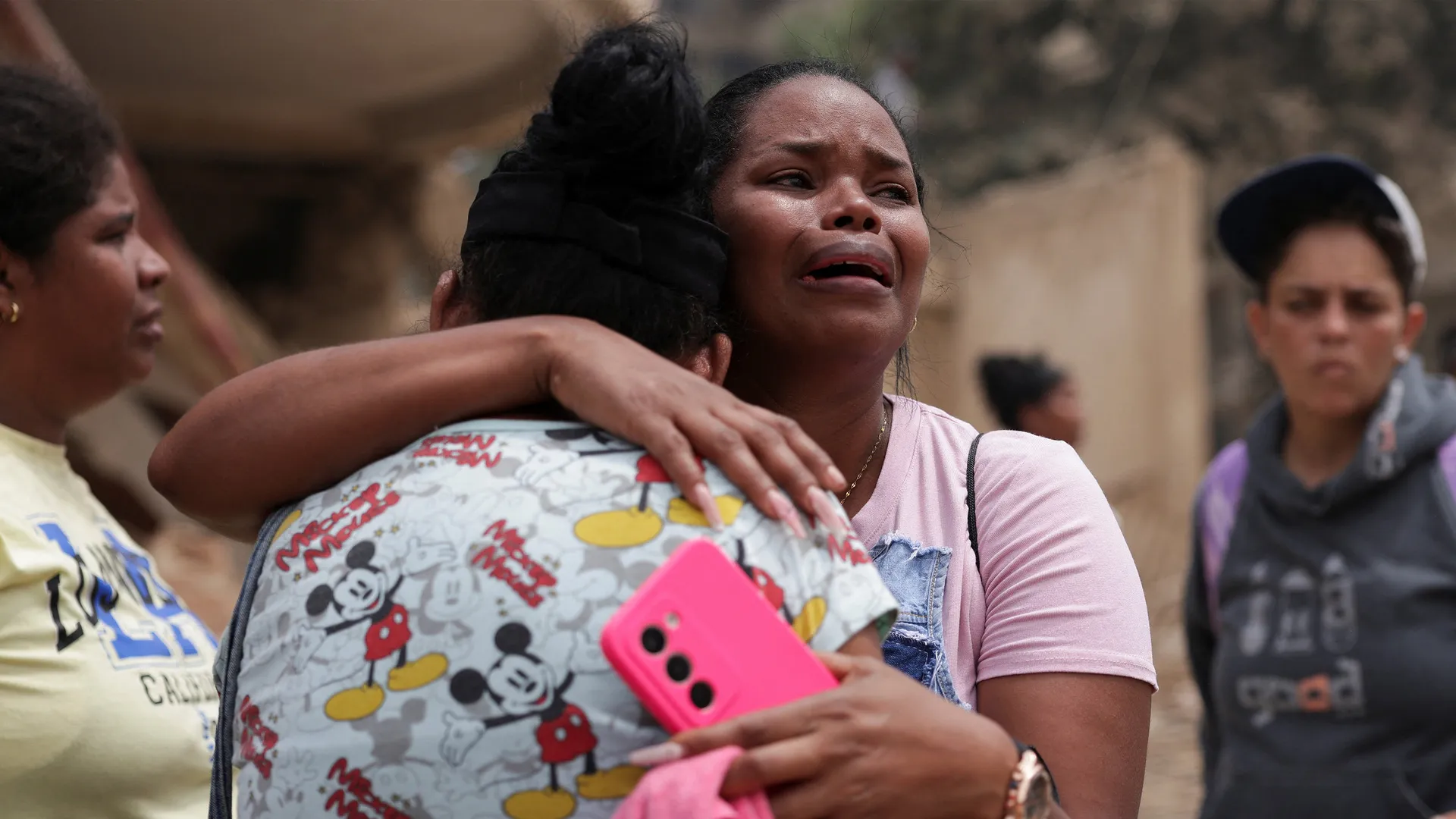
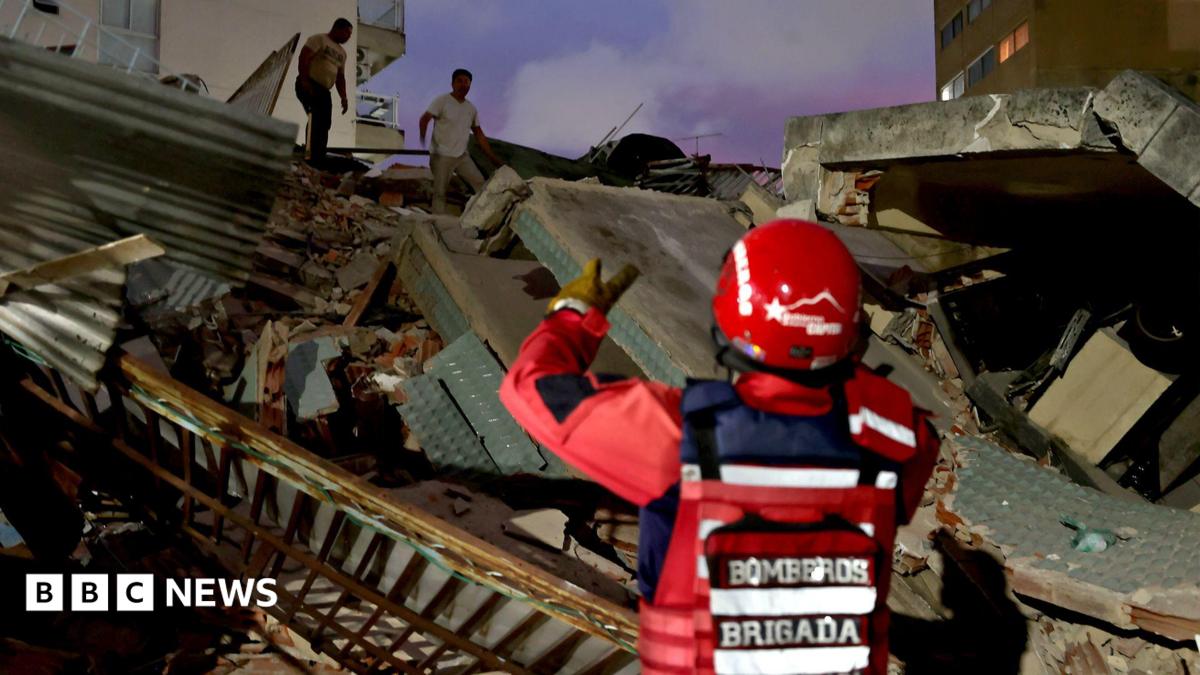
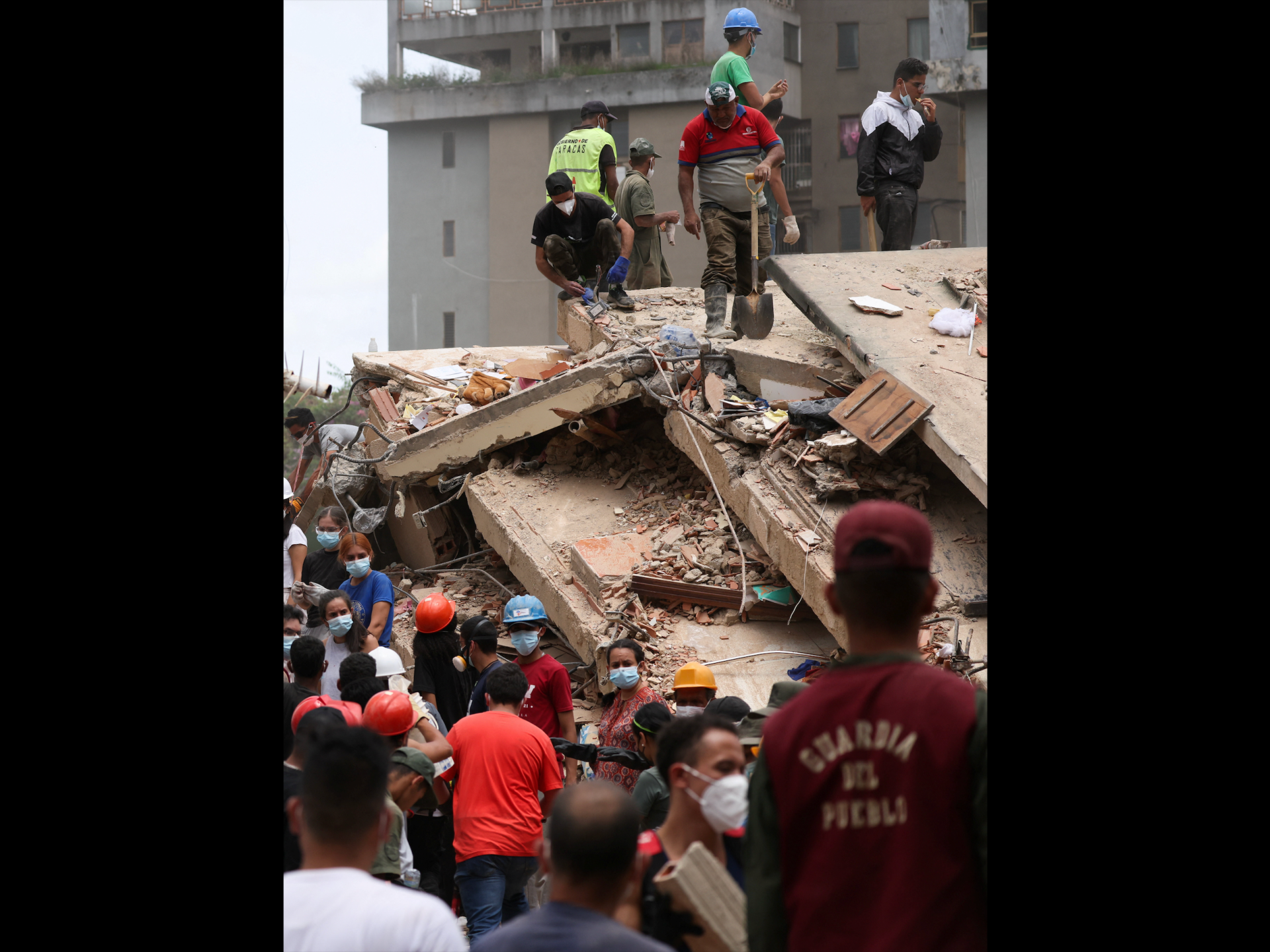
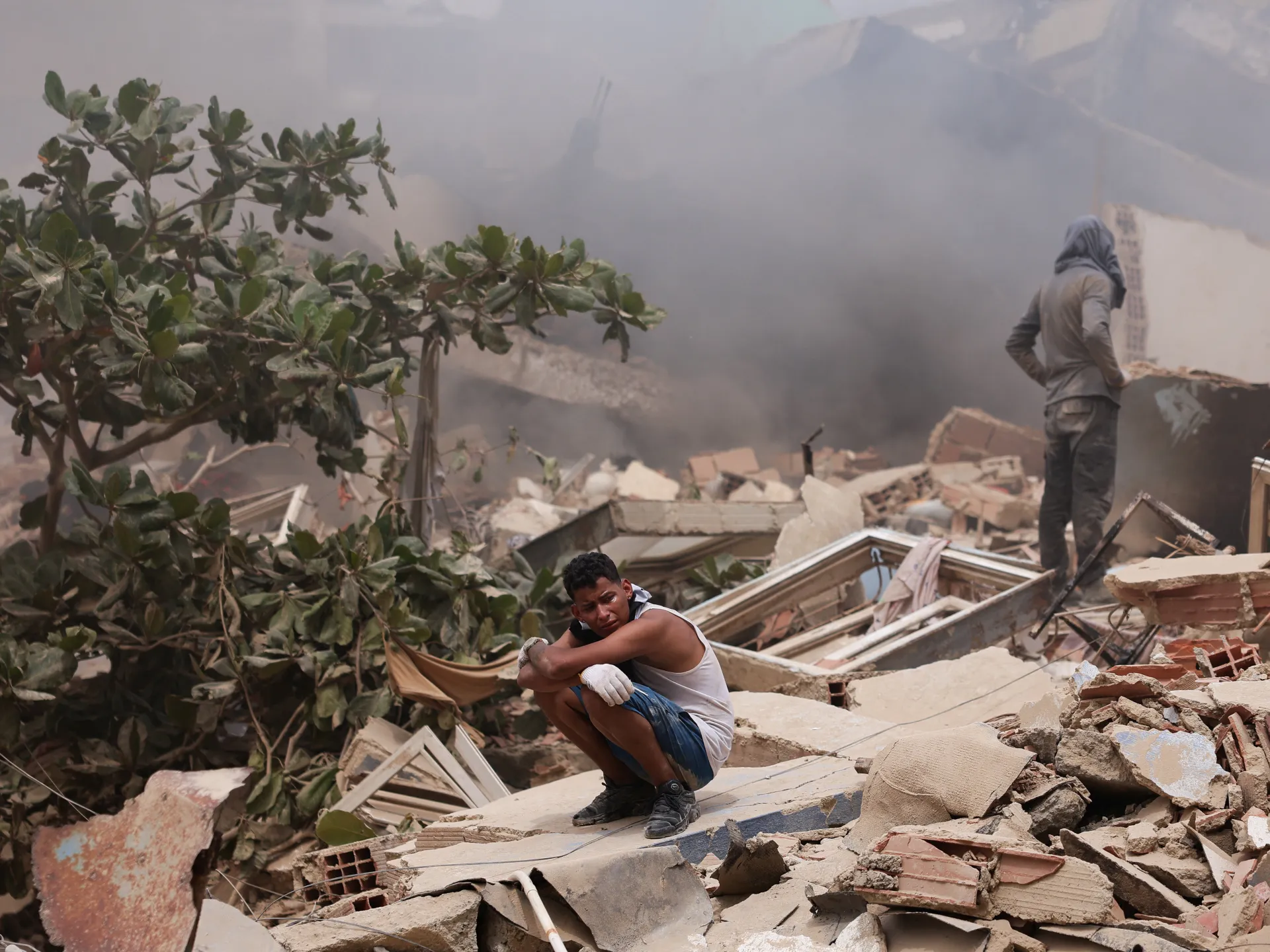
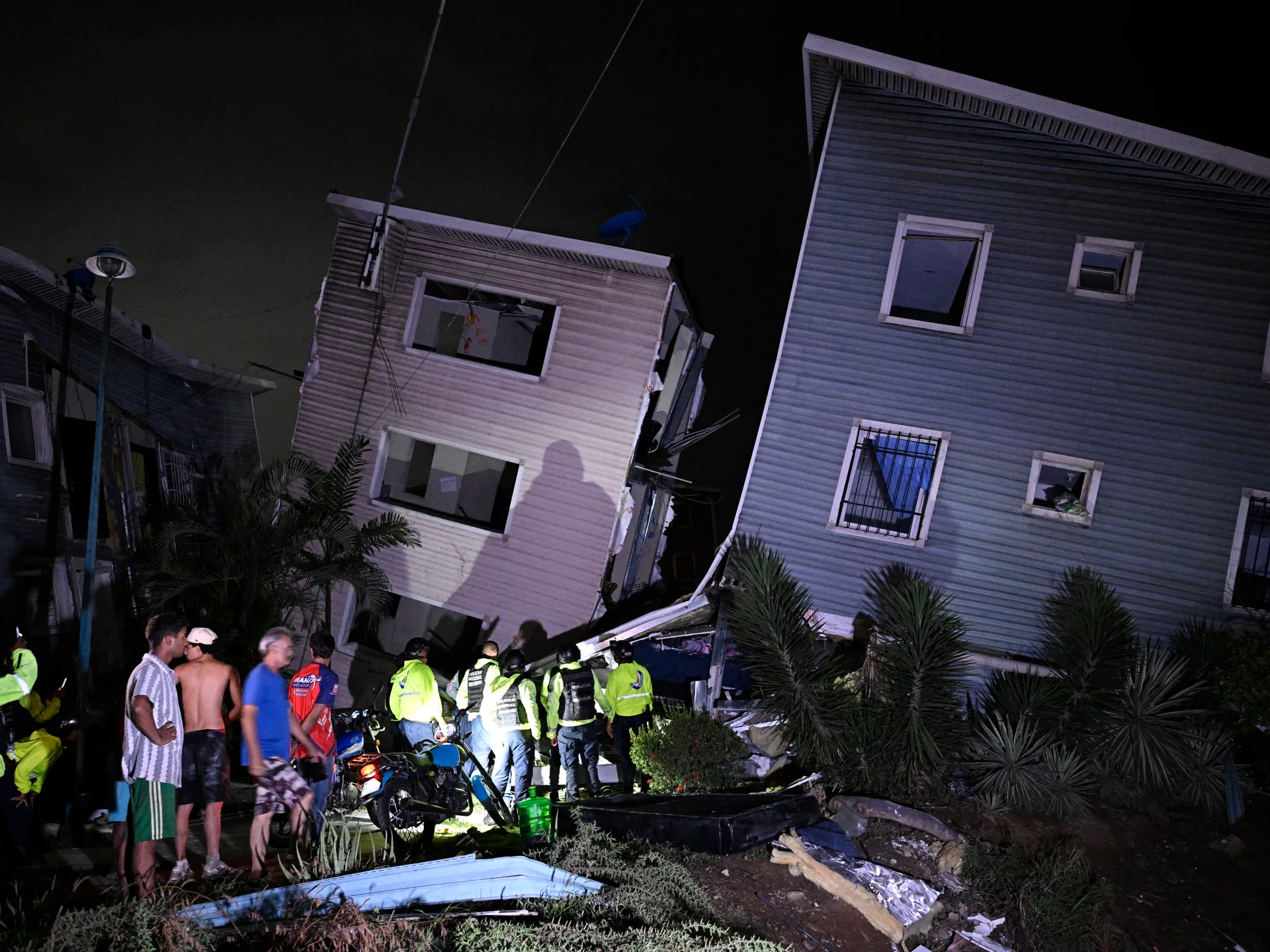
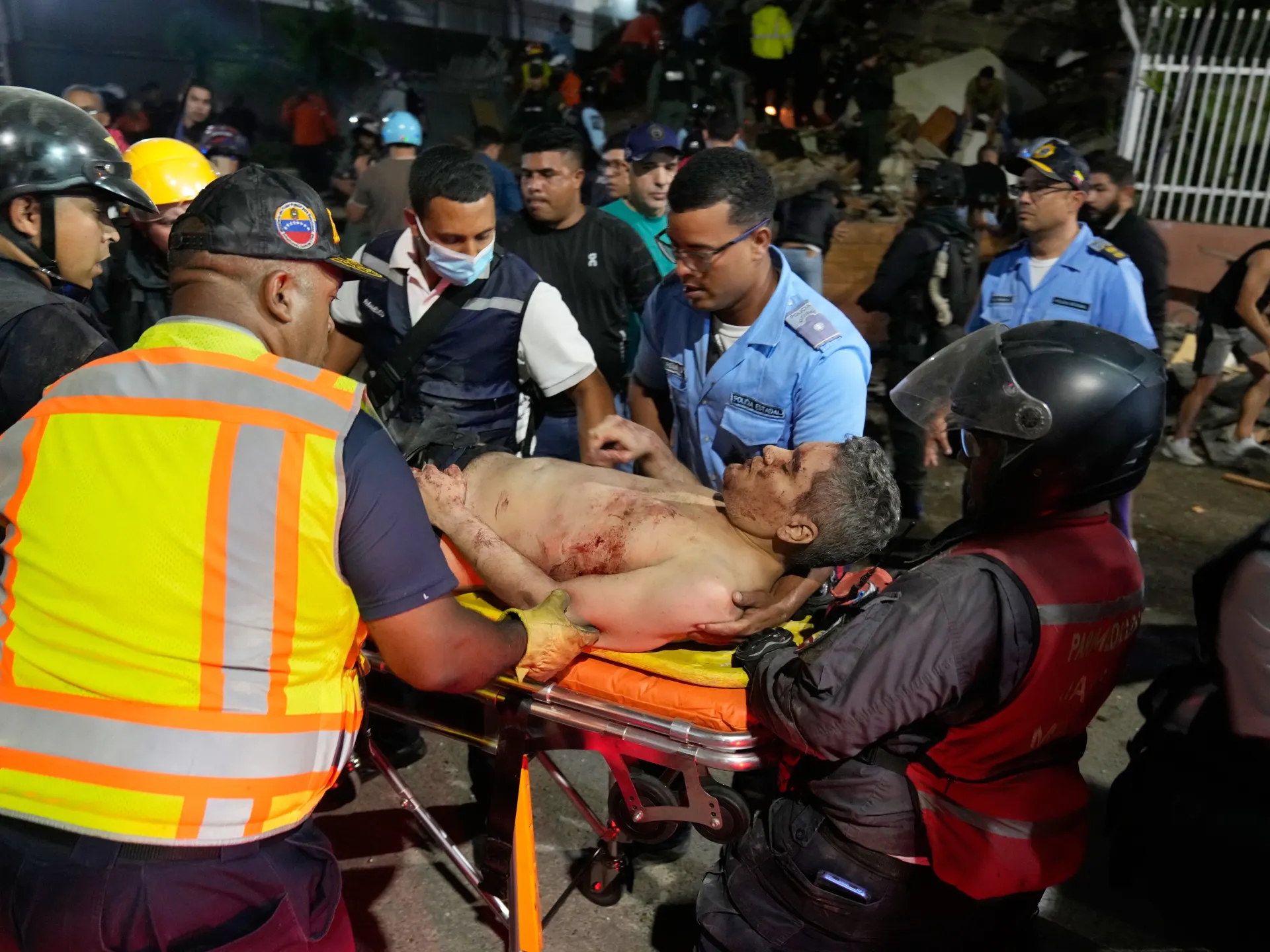
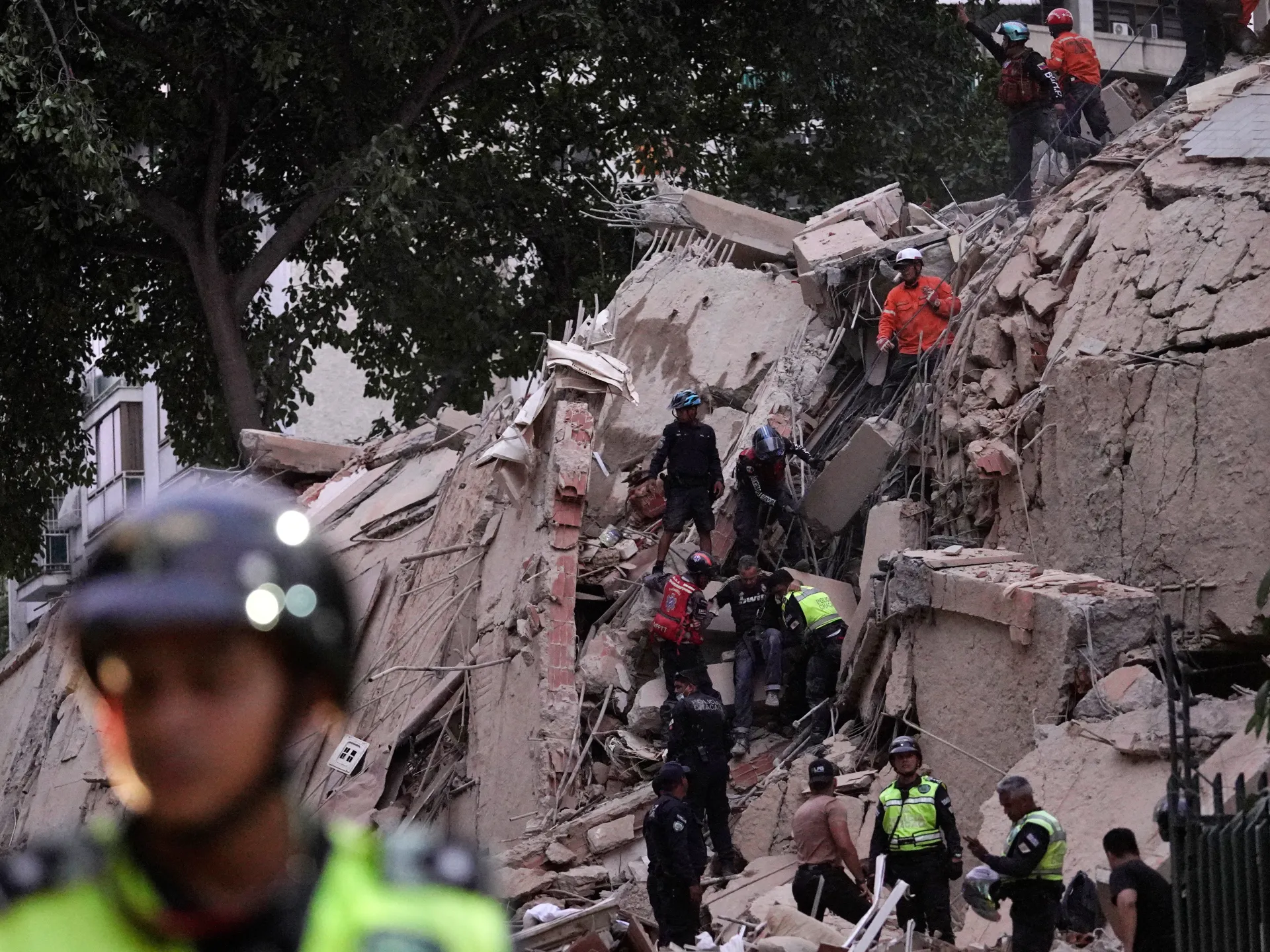
Families are sharing details about their loved ones online as more than 50,000 people remain missing after two devastating earthquakes hit Venezuela on Wednesday night. Rescue teams and local residents are still digging through the rubble on Friday, hoping to find survivors.
Jorge Rodríguez, the president of Venezuela’s National Assembly, said 250 buildings had been damaged or lost, mostly in La Guaira.
Photos and videos showed debris strewn on the streets. In some footage, people can be heard calling for help.
The BBC has verified footage of a 10-storey hotel reduced to rubble in La Guaira, and another video that recorded people screaming and fleeing as a multi-storey collapses in El Junquito, west of Caracas.
Other verified footage shows destruction further from the capital. One video shows a multi-storey building, reportedly a hotel, totally collapsed in Tucacas, on Venezuela’s coast, about 250km (155 miles) northwest of Caracas.
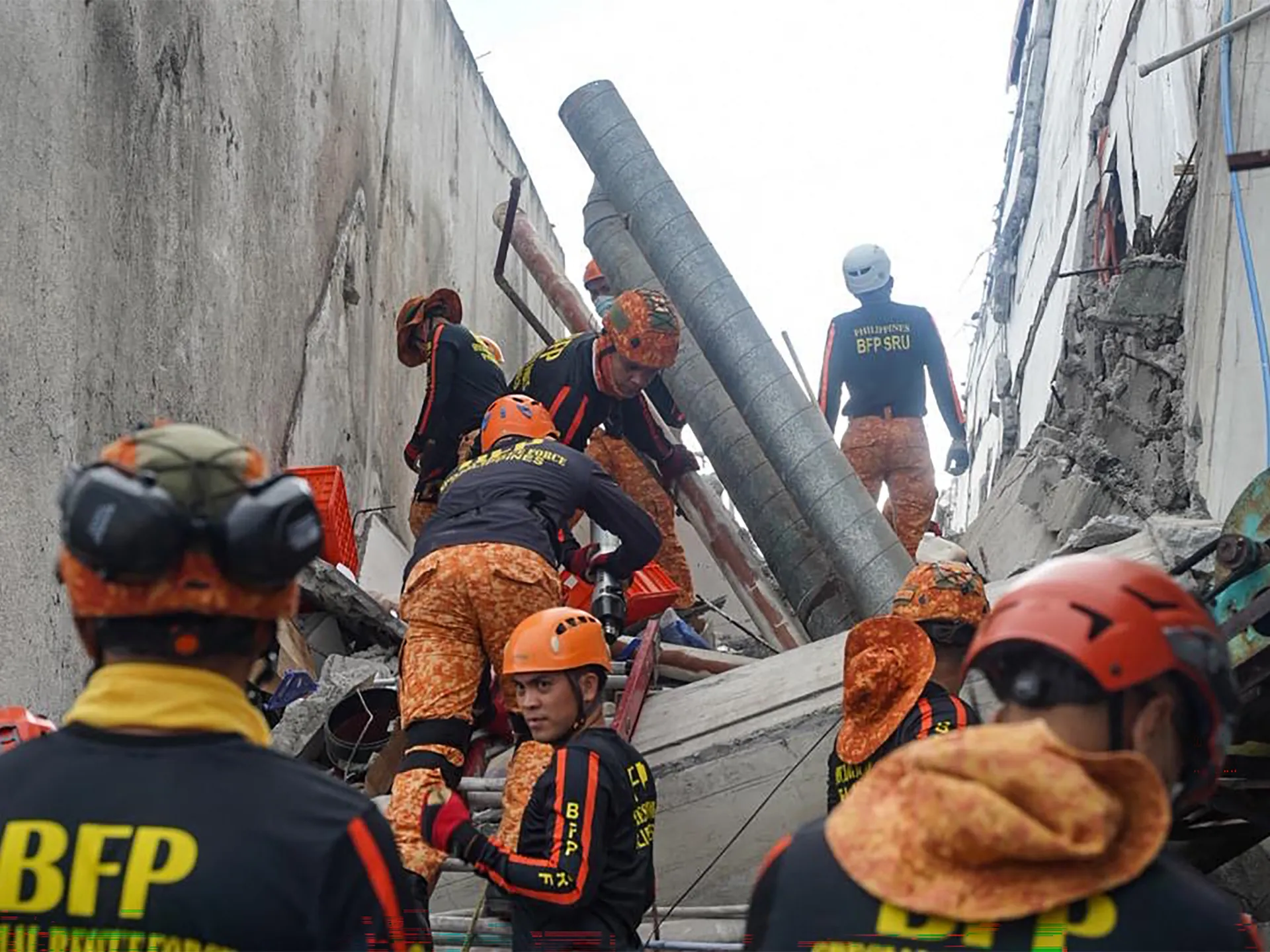
Mayor Gustavo Duque of Chacao, which forms part of the greater metropolitan area of Caracas, said on Thursday outside the rubble of one collapsed building that 11 people had died there and 23 had been rescued.
In an Instagram video, he said the team was trying to clear the rubble so that specialists could go in “to reach people who are hopefully still alive”.
“We’re trying to rescue as many people alive as possible,” he said.
Fuel supplies into the city have been cut off and internet blackouts have also been reported.
As two powerful earthquakes hit Venezuela, west of Caracas, in quick succession on Wednesday, the country’s capital sustained extensive damage.
Authorities were continuing to search for people under the rubble of collapsed buildings on Friday as 235 people were confirmed to have been killed, with 4,300 more injured.
Here is more about why Caracas has sustained so much damage.
How badly damaged is Caracas?
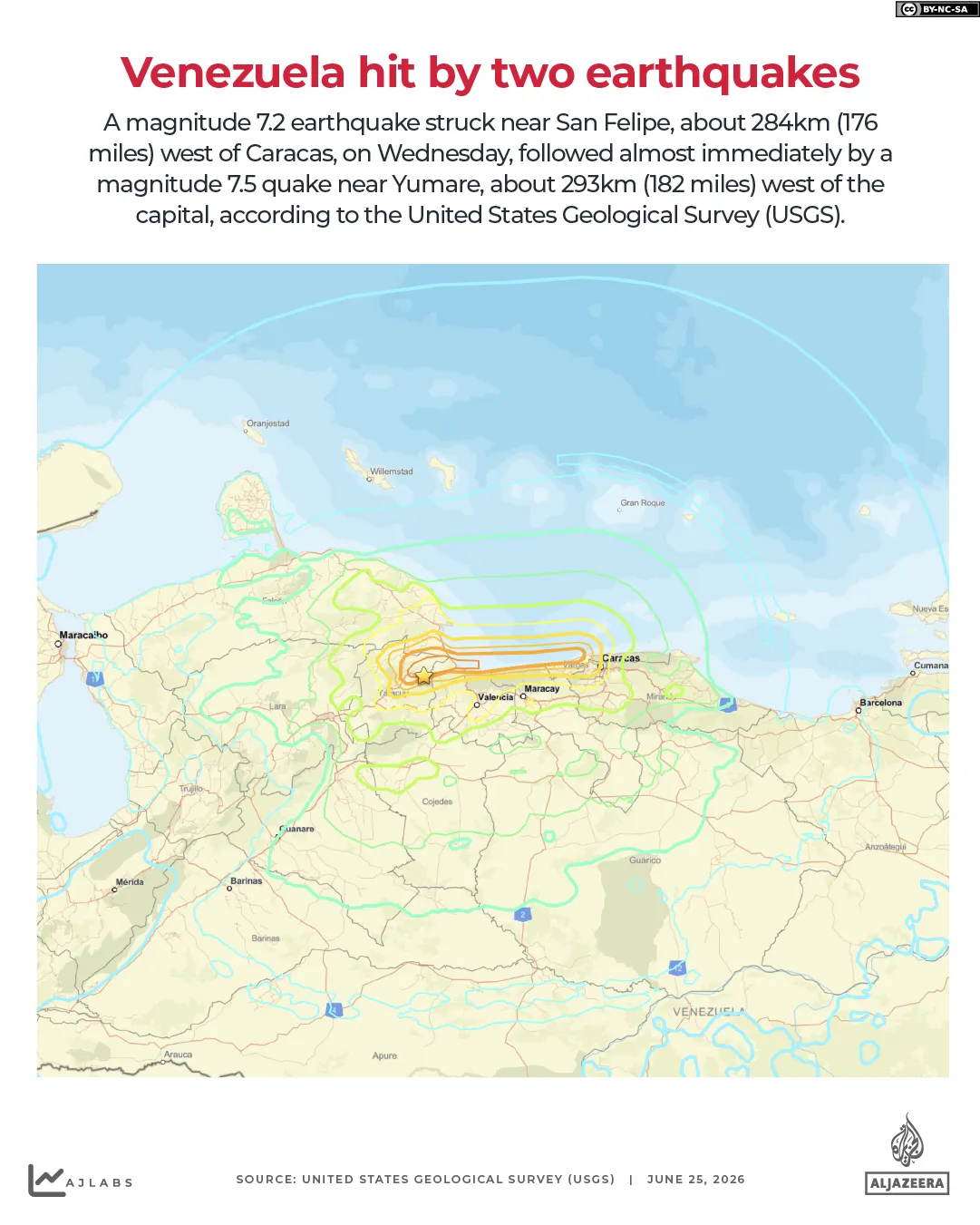
A magnitude 7.2 earthquake struck about 160km (100 miles) west of Caracas, followed less than a minute later by a magnitude 7.5 tremor, the strongest since 1900, according to the US Geological Survey (USGS).
Jorge Rodriguez, head of Venezuela’s national assembly and brother of interim President Delcy Rodriguez, said earlier in the day that 200 people had been trapped, with 250 buildings damaged or destroyed nationwide.
In Caracas and nearby coastal areas, at least eight hospitals, the headquarters of the Venezuelan Red Cross and the French embassy were among buildings reported to have been badly damaged.
Initial assessments released on Thursday put the estimated economic damage at between 1 and 7 percent of Venezuela’s $111bn gross domestic product (GDP). Authorities have not yet provided a separate estimate for losses in the capital.
However, the heaviest damage has been reported in Caracas itself, Al Jazeera’s Teresa Bo, reporting from Bogota in neighbouring Colombia, said on Thursday.
Public infrastructure was also heavily damaged, with acting President Rodriguez reporting power outages in Caracas.
Health Minister Carlos Alvarado said late on Thursday that 235 people had been confirmed dead at medical centres across Venezuela. He also told state media that about 4,300 people had been reported injured so far. Hundreds more are feared trapped or missing under the rubble.
How badly has the city been damaged in previous earthquakes?
This is not the first time Caracas has suffered heavy damage in an earthquake.
In 1812, a powerful earthquake roiled the cities of Merida and Caracas, killing about 30,000 people, according to the USGS. The tremors caused near-total destruction of Caracas’s colonial architecture, flattening homes, churches and public institutions.
In 1967, another earthquake hit the city, causing several high-rise buildings to collapse and killing 240 people.
(Al Jazeera)
Why has Caracas been so hard-hit?
Venezuela has a long history of devastating earthquakes because it is located along the boundary between the Caribbean and South American tectonic plates.
Caracas is also in a deep sedimentary basin, which amplifies the seismic waves from earthquakes, Vashan Wright, a geophysicist at the University of California in San Diego, told Al Jazeera.
Another reason Caracas is so vulnerable to damage from earthquakes is that its buildings and infrastructure are not specifically designed to withstand tremors and are often standing on insecure ground.
Al Jazeera’s Teresa Bo said the heaviest damage in Caracas occurred in the Altamira district, where emergency crews pulled survivors from the rubble of a 22-storey building while relatives searched for missing family members. Officials said they are still assessing the full extent of the destruction.
“For example, in the [hard-hit] area of Altamira in Caracas, many of the buildings that collapsed are built on sediments, and this makes them much more vulnerable to seismic waves,” Bo said.
“Also, there’s lots of informal housing in several areas across the country, and those types of buildings are not prepared to sustain very strong earthquakes,” she added.
Adequate urban planning and building codes, which incorporate seismic activity, require substantial funding, which Venezuela can ill afford as it has long been subject to heavy sanctions from the United States and other Western countries.
While some sanctions have been lifted since the US abducted former President Nicolas Maduro in a military strike on Caracas in January and he was replaced by Rodriguez, Caracas is still grappling with the effects of decades of underinvestment.
Another issue for Caracas is that at about 7.8km, the earthquakes were shallow, which means they were more destructive than deeper quakes of the same magnitude would have been.
In deeper earthquakes, much of the energy dissipates as it moves through layers of rock. By contrast, shallow ones release their energy closer to the ground, producing stronger shaking and greater damage in populated areas.
How many people live in informal housing in Caracas?
People living in informal housing are more at risk than others during earthquakes because low-cost, self-built housing structures, often built on hillsides and other slopes, are not resilient against tremors.
The slums in Caracas are known as barrios and are densely populated, lacking proper infrastructure. They comprise self-constructed housing or structures built with unreinforced cinderblocks or bricks, often without formal foundations or steel reinforcement, mostly on the mountainous hillsides surrounding the capital.
The lack of proper urban planning, coupled with construction on steep slopes, makes the barrios vulnerable to natural disasters.
While there is no official figure for the number of Venezuelans living in informal settlements in Caracas, academic estimates suggest they account for 40 to 50 percent of the city’s nearly five million residents.
According to the latest National Survey of Living Conditions (ENCOVI), about 55 percent of Venezuelans are living in poverty.
Which countries are better prepared for earthquakes?
Many parts of the world have adapted infrastructure with seismic engineering. Many earthquake-prone countries now plan and construct buildings with damage mitigation from tremors in mind.
Japan, one of the most quake-prone nations in the world, has strict building codes, which means many structures survive shaking that would devastate poorly built homes in parts of Indonesia or Central America. In most inland earthquakes, the majority of deaths and injuries are caused when poorly built structures collapse rather than by the shaking itself.
Japan has made enormous public investments in seismic research and has superior access to advanced engineering technologies like base isolation, which involves the installation of massive steel or rubber shock absorbers beneath the foundations of buildings.
This is why global deaths and destruction from earthquakes have reduced in the past decades. For instance, in 1556, the deadliest earthquake in recorded history in China’s Shaanxi killed about 830,000 people. In 2023, an earthquake hit northwestern China near the Shaanxi province, killing 127 people.
The UN says it is scaling up its response after twin earthquakes devastated Venezuela, warning the disaster will deepen an already severe humanitarian crisis. Speaking to Al Jazeera, UN spokesperson Stéphane Dujarric said hundreds of UN staff are supporting the response, adding that recovery efforts are expected to continue for months.
Reporting from Caracas for Al Jazeera, Noris Soto says authorities appear to lack a clear response plan in the aftermath of two powerful earthquakes. The recovery is being hampered by severe damage to communication systems, as displaced residents are housed in hotels.
Condolences and offers of help have been pouring in from countries around the world following back-to-back powerful earthquakes in Venezuela that have killed at least 32 people.
The United States Geological Survey (USGS) said on Thursday that the first earthquake, measuring magnitude 7.2, struck west of Moron, about 168km (104 miles) west of Caracas. A second tremor of magnitude 7.5 hit near the same area just a minute later. The USGS warned that “high casualties and extensive damage are probable” and that the “disaster is likely widespread”.
Recommended Stories
list of 3 itemsend of list
Acting President Delcy Rodriguez declared a state of emergency and said the Simon Bolivar International Airport in Caracas is closed due to damage.
Here’s how countries have reacted:
Argentina
The presidency issued a statement expressing “its deepest solidarity” with the Venezuelan people. It said President Javier Milei “extends his hand in solidarity” amid the natural disaster, “despite any differences that may exist between our governments”.
Bolivia
President Rodrigo Paz said that the people’s “hearts go out to the affected families” in Venezuela, and that the country “remains vigilant and ready to provide any necessary support”.
Brazil
President Luiz Inacio Lula da Silva said he has instructed the Foreign Ministry and the embassy in Caracas to evaluate what assistance Brazil can provide.
Colombia
The country’s District Institute of Risk Management and Climate Change says it has activated its emergency response team and reached out to Venezuelan authorities to “coordinate the necessary technical and operational support”.
“The goal is to provide all necessary assistance and make our teams available to support this situation,” the disaster response agency said in a post on X.
“We also want to reassure the residents of Bogota: following the earthquake felt in the capital, no damage or structural damage has been reported. The city is operating normally.”
Cuba
Foreign Minister Bruno Rodriguez says Cuban health workers in Venezuela “are fully mobilised and providing medical services to the affected population”.
In a post on X, Rodriguez expressed his “deepest condolences and solidarity to the government and brotherly people of the Bolivarian Republic of Venezuela for the loss of life and damage caused by the earthquake”.
Ecuador
President Daniel Noboa has announced Ecuador is rapidly deploying humanitarian assistance to Caracas.
“I have arranged for the immediate sending of humanitarian aid to address this emergency,” he posted on X. “Ecuador will respond with the speed and commitment that this moment demands because, despite the enormous differences, humanity must always guide the actions of a leader.”
El Salvador
President Nayib Bukele has said his country has offered Venezuela assistance through its Foreign Ministry.
“300 rescuers and paramedics, along with 50 tonnes of equipment, medicines, and essential supplies, are ready to depart for Caracas,” Bukele said in a post on X.
Italy
Prime Minister Giorgia Meloni wrote on X that she is following the situation with “deep concern” and working to “promptly activate every channel of humanitarian aid and assistance to our compatriots”.
Mexico
The Foreign Ministry has extended its sympathies to the Venezuelan people and expressed its regret at the “damages and impacts caused”.
Panama
President Jose Raul Mulino is the latest foreign leader to respond to the crisis in Venezuela.
In a post on X, Mulino conveyed Panama’s “deepest solidarity and support” to Venezuela, while offering to send humanitarian aid.
Pakistan
Prime Minister Shehbaz Sharif said he was “deeply saddened by the devastation and loss of life caused by the earthquakes in Venezuela”.
“On behalf of the people of Pakistan, I convey our heartfelt condolences to the Government and people of Venezuela, especially the families of the victims. We pray for the injured and stand in solidarity with all those affected during this difficult and challenging time,” he said on X.
Spain
The prime minister and foreign minister expressed solidarity with Venezuela and offered help.
“All my support, and that of Spain, to the Venezuelan people following the devastating earthquakes of this evening,” Prime Minister Pedro Sanchez wrote on X.
“Our thoughts are with the victims and their families.”
Jose Manuel Albares, the foreign minister, said the Spanish Agency for International Development Cooperation “is prepared to provide all necessary emergency assistance”.
“My full solidarity with the brotherly people of Venezuela,” he wrote.
Uruguay
Uruguay’s president, Yamandu Orsi, expressed solidarity with Venezuelan authorities and citizens. He said Uruguay is ready “to collaborate in any way the Venezuelan government deems necessary”.
United States
President Donald Trump posted a message on his Truth Social account, expressing concern over the disaster in Venezuela.
Trump said the earthquakes were “massive in scale and have left a devastating number of deaths”. The US “stands ready, willing, and able to help,” and US government agencies have been instructed “to get ready to move quickly,” he said.
Secretary of State Marco Rubio wrote on X that the US was “immediately deploying” search and rescue teams, medical resources and humanitarian assistance.
Two powerful earthquakes have struck northern Venezuela, killing dozens of people, injuring hundreds and destroying homes and infrastructure. These images show the damage, rescue efforts and grief in the affected communities.
Back-to-back major earthquakes of magnitudes 7.2 and 7.5 rocked Venezuela on Wednesday evening. The quakes are likely to cause widespread damage and mass casualties, the U.S. Geological Survey said. Image courtesy of UPI
June 24 (UPI) — Two major earthquakes — magnitudes 7.2 and 7.5 — hit near the Venezuela capital of Caracas on Wednesday evening, collapsing buildings and bringing people flooding into the streets.
The first quake hit at 6:04 p.m. local time, BBC News reported, with the second less than a minute later. June 24 is a holiday in Venezuela, and more people than usual were at home instead of on an evening commute.
The U.S. Geological Survey has reported that high casualties and widespread damage are likely, saying that there is a 44% chance that fatalities will exceed 10,000 and a 30% chance that they will exceed 100,000. The USGS said aftershocks may still occur.
Venezuela’s interior minister has asked people to leave their homes, citing damaged buildings and concerns about gas leaks. Companies cut gas lines to some areas as a precaution, Minister Diosdado Cabello said, BBC News reported.
The Ministry of Communication and Information in Venezuela said security forces have been deployed around the country because of the risk of building collapses.
An offshore earthquake with a magnitude of 7.8 has struck the southern Philippines, killing at least 35 people and injuring more than 200.
The quake on Monday is the strongest to hit the country this year, according to Teresito Bacolcol, director of the Philippine Institute of Volcanology and Seismology.
Several low-rise buildings collapsed or sustained heavy damage in the hard-hit city of General Santos.
Tsunami damage was reported in at least one southern coastal village, while smaller waves were recorded in Indonesia, Palau and as far away as southern Japan.
The quake also triggered a landslide in Glan, a municipality in the province of Sarangani, that killed 13 villagers, provincial disaster-mitigation official Rene Punzalan told the DZBB radio network. Four other villagers died in Sarangani, he added.
The United States, an ally of the Philippines, said it was coordinating with Manila and was ready to support Philippine response efforts. France, Japan and New Zealand also expressed support.
The epicentre was offshore near Mindanao, the second most populous island in the Philippine archipelago. Bacolcol said the quake struck at a depth of 33km (20 miles), about 32km (20 miles) southwest of Maasim town in Sarangani province.
President Ferdinand Marcos Jr ordered the cancellation of classes and directed disaster-response agencies to immediately get to work in quake-hit provinces, saying “the national government is moving and we will not leave Mindanao behind”.
The Pacific Tsunami Warning Center said the threat of a tsunami had largely passed about five hours after the quake. Philippine officials also lifted a tsunami warning by mid-afternoon. Six shanties on stilts were damaged in a coastal village in Zamboanga del Sur province due to the quake and higher waves, officials said.
Aside from the Sarangani landslide, most of the other deaths were caused by collapsing buildings and falling debris, including in a damaged mosque, in the southern provinces of South Cotabato and Davao Occidental and on Balut Island, according to disaster-mitigation official Ednar Dayanghirang.
The Philippines frequently experiences earthquakes and volcanic eruptions because it lies on the Pacific “Ring of Fire,” an arc of seismic faults encircling the ocean.