Disrupts

War deals heavy blow to Lebanon’s economy, disrupts recovery efforts

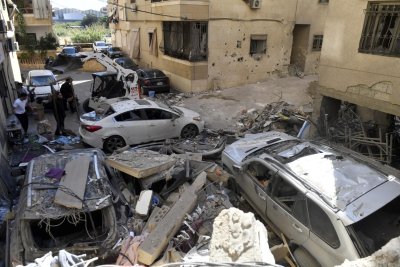
Damaged vehicles are seen following an Israeli airstrike that targeted an apartment in Choueifat, south of Beirut, Lebanon, on May 28. File Photo Wael Hamzeh/EPA

BEIRUT, Lebanon, June 16 (UPI) — Lebanon’s economy, shattered by the 2019 financial collapse, has suffered another major shock from the Israel-Hezbollah war, which has disrupted recent recovery efforts and hit the tourism sector — the country’s main revenue generator — particularly hard.

The war, which began in October 2023 when Hezbollah opened a support front for Gaza, escalated as Israel intensified its attacks and the Iran-backed regime resumed fighting in solidarity with Iran last March after 15 months of inactivity. It further deepened Lebanon’s economic crisis and left the country grappling with its repercussions.

Direct and indirect losses are initially estimated at $20-30 billion, reflecting extensive destruction and mass displacement caused by the conflict, along with severe disruptions to economic activity. Inflationary pressures have also intensified due to the closure of the Strait of Hormuz.

Nearly every sector of the economy has been affected.

The escalation in March dramatically expanded the scale of destruction, with more than 70 villages in southern Lebanon reduced to ruins by advancing Israeli troops. Entire neighborhoods were leveled, while businesses, public infrastructure, schools, hospitals, and roads suffered extensive damage.

Beirut’s southern suburbs and parts of the Bekaa Valley in eastern Lebanon were also heavily targeted by Israeli airstrikes, resulting in similar devastation.

Beyond the heavy casualty toll of 3,826 killed and 11,851 injured since March 2, the widespread physical destruction, and the displacement of 1.2 million people forced to flee their homes and villages under Israeli evacuation orders, the war has also resulted in significant indirect losses.

Unemployment rose as job losses mounted, while recession and inflation eroded household purchasing power, making people poorer.

The tourism sector was also badly hit, and the economy is expected to contract by between 7% and 10% in 2026 if the war continues, according to estimates by Finance Minister Yassine Jaber.

More critically, the recent escalation came as the reform-minded government of Prime Minister Nawaf Salam had begun putting the country on a path to recovery, and the economy was starting to pick up.

Despite the war — largely concentrated in southern Lebanon at that time — 2025 ended on a positive note, with the World Bank reporting modest GDP growth of 3.5 percent and a rebound in tourism.

A key highlight was a visit by Pope Leo XIV, which raised hopes and called for peace, alongside approximately 1.63 million visitors; an increase of 44.6% compared with the previous year.

“That showed that demand for Lebanon was returning… The escalation in March interrupted that momentum,” Tourism Minister Laura Khazen Lahoud told UPI.

Lahoud explained that the collapse became visible in cancellations, empty restaurants, very low hotel occupancy, and travel agencies shifting from selling trips to managing cancellations.

According to figures released by the relevant syndicates, travel and tourism activity declined by around 80%, while hotel occupancy in Beirut fell to roughly 7-10%, occasionally reaching 12%.

Tourism activity became concentrated in “a very small number of spots,” where hotels sought to attract displaced people seeking refuge in safer areas, according to Lahoud.

Charles Arbid, President of Lebanese Economic Social and Environmental Council, explained that the country was in “a state of stagflation,” with little economic activity or production, inflation reaching 20%, and businesses closing down or partially operating.

“This is a catastrophic economic situation, following a prolonged period of weak growth and the accumulation of structural economic problems,” Arbid said in an interview with UPI, referring to the drop in government revenues due to the inability to pay taxes and the complete halt of economic activity in southern Lebanon.

He was particularly concerned about the impact of the war on the population, as many were losing their jobs and depleting their remaining savings to cope with the spiraling inflation.

He said Lebanon is facing “a social and societal crisis,” exacerbated by the massive displacement, and would need a “Marshall Plan” for reconstruction, rehabilitation of its crumbling infrastructure, securing the return of the displaced to their villages, and supporting economic recovery.

In the meantime, many are struggling to keep their businesses afloat and secure an income.

Mohammad Farid, who has been displaced three times with his wife and son from their home in Beirut’s southern suburbs since 2024, has not given up despite suffering heavy losses: $250,000 after an Israeli strike destroyed a solar panel project he had co-partnered in the village of Ansar in southern Lebanon, and about $100,000 from two shops badly damaged in Israeli strikes in Beirut’s southern suburbs.

Farid and his wife, Malak, had started a new business, Oilganic, specializing in cold-pressed organic oils shortly before the 2023 war erupted, importing oil press machines from China and renting their first shop.

Their business began to flourish, expanding into online sales and building a strong reputation.

“That came to a halt when the war extended to our area, forcing us to leave and then return after a truce was reached, rent a new shop, and see it destroyed again months later,” Farid told UPI.

They were again displaced, taking refuge at their friends’ house in the mountains, where they resumed production on a smaller scale using small oil-press machines.

“We are doing our best so as not to lose our clients,” Farid said, determined to grow his business and relocate to his native border village of Naqoura in southern Lebanon after the war ends. “I want to go back to the south, rebuild our house, and continue my oil business there. This is our land, and we will never give it up.”

A glimmer of hope for ending the longest and most devastating war between Israel and Hezbollah emerged after the United States and Iran reached a memorandum of understanding, which was due to be signed in Geneva on Friday.

The agreement includes a full ceasefire in Lebanon, which has not yet been fully observed by either side.

A cessation of hostilities, or even a durable de-escalation, could bring much-needed relief, starting with salvaging part of the summer tourism season, largely relying on Lebanese expatriates and the diaspora.

Lahoud said the diaspora would help sustain the sector but noted that a very large segment of the diaspora, whether in West Africa or northern Europe, originates from southern Lebanon and would be less likely to visit this year.

She explained that the tourism sector has survived repeated shocks, but emphasized that “businesses cannot absorb losses indefinitely,” with hotels, restaurants, travel agencies, transport companies, event organizers, and seasonal workers remaining under real pressure.

As the region is being reshaped by major developments, Lebanon is looking to close the chapter of war and move into a period of peace, engaging in U.S.-mediated direct negotiations with Israel for the first time.

Arbid appeared confident that Lebanon “is heading into a better phase,” one that would require a new political understanding and security stability.

“That would pave the way for reconstruction and recovery… It will be a long journey, but we will make it in the end,” he said.

Source link

Multiple arrests as FBI disrupts ‘planned attacks’ targeting White House UFC show, director says

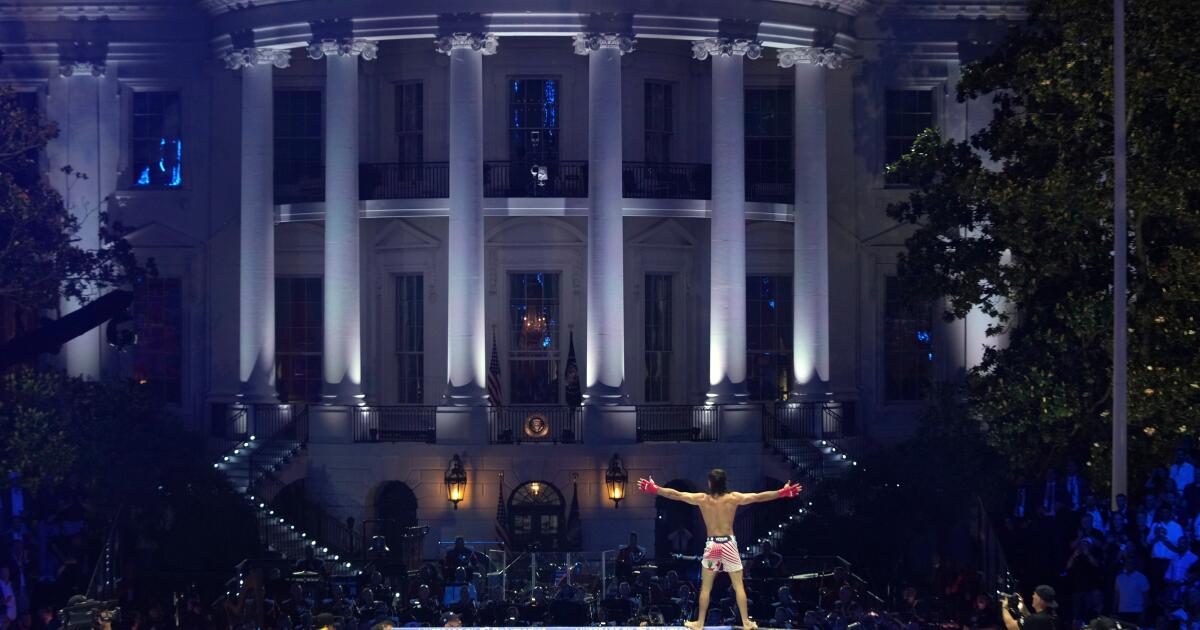
Law enforcement officials disrupted “planned attacks” meant to target the UFC cage-fighting show staged at the White House this past weekend for President Trump’s birthday, and multiple people were in custody, FBI Director Kash Patel said on Tuesday.

The nature of the potential threat was not immediately disclosed, with additional details expected to be released once charges are unsealed later Tuesday.

Five people were arrested from states including Ohio, Missouri and California, said a law enforcement official familiar with the matter. The official spoke to The Associated Press on the condition of anonymity to discuss information that was not yet public.

The FBI learned about the possible threat on June 10, four days before the mixed martial arts extravaganza on the White House’s South Lawn, “and thanks to the rapid action of the FBI, our partners, and the Department of Justice in a multi-state operation, multiple individuals are now in custody and allegedly planned attacks were stopped cold,” Patel said in a post on X on Tuesday morning.

The Secret Service “worked around the clock to identify those responsible and hold them accountable,” Director Sean Curran said in a separate statement.

Trump, who celebrated his 80th birthday at the UFC event on Sunday, sought to tie the fights to larger celebrations of the 250th anniversary of the signing of the Declaration of Independence. Speaking to reporters Tuesday in Évian-les-Bains, France, where he was attending the Group of Seven summit, Trump said he had not been briefed on the thwarted plot.

Tucker writes for the Associated Press. AP writer Darlene Superville in Évian-les-Bains, France, contributed to this report.

Source link

‘Spoiled insulin’: Sudan war disrupts drug supplies, fuelling smuggling | Conflict News

On a modest bed inside his war-battered home in the Khartoum North neighbourhood of the Sudanese capital, Khartoum, Murtada Mohieddin, a diabetic patient in his early 50s, carefully counts his remaining doses of insulin. His search for medicine has transformed into a harrowing battle – not just to find the treatment he needs to survive his diabetes, but to ensure the medicine is not expired or ruined.

“Sometimes the insulin is spoiled,” Mohieddin tells Al Jazeera, inspecting his limited supply. “You wouldn’t know if it is ruined or expired. You can check the expiration date, but it could still be damaged from poor storage.”

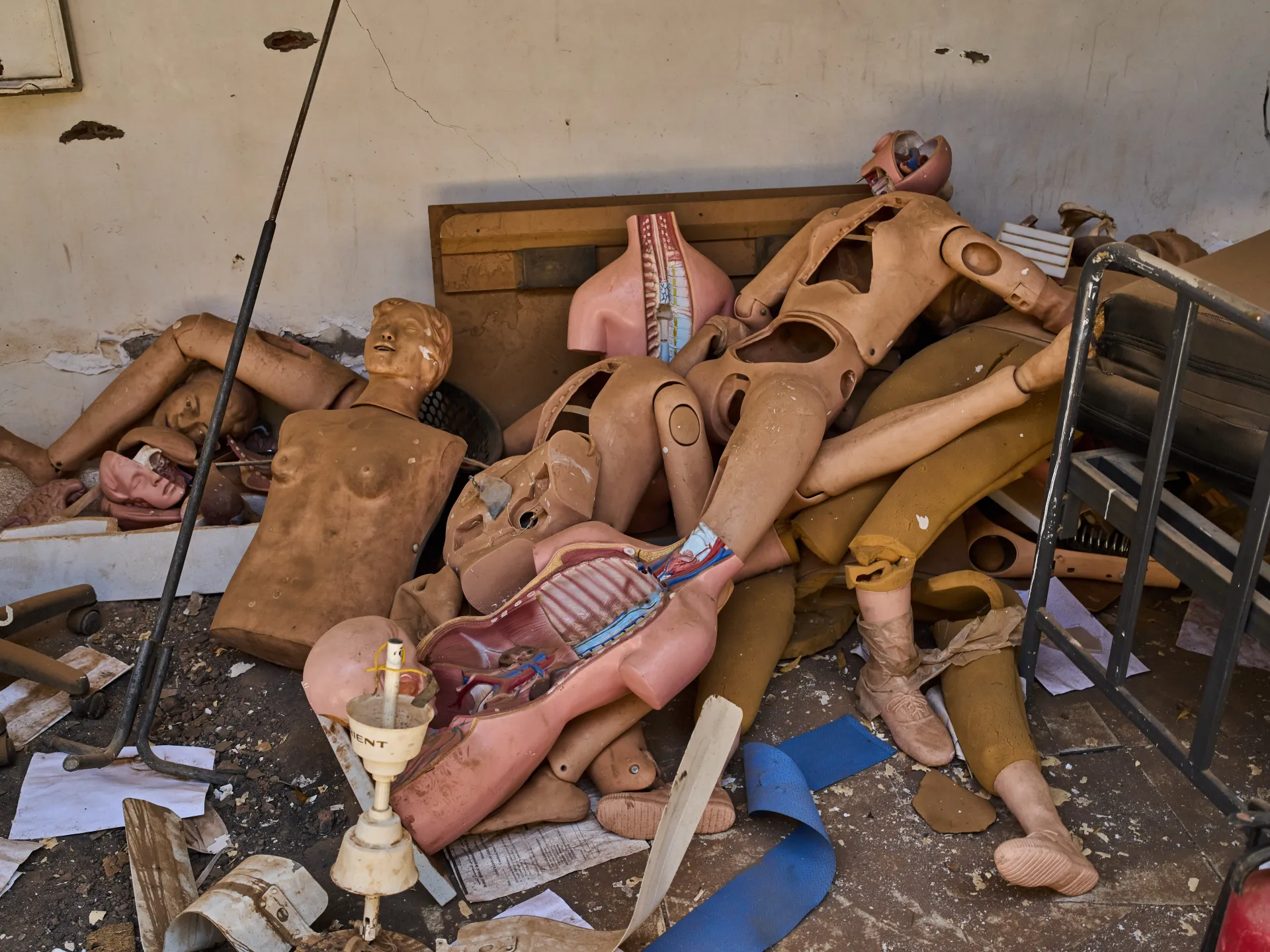
More than three years of civil war have crippled Sudan’s healthcare infrastructure: hospitals, health centres and pharmaceutical factories have been shut and vital medical supply chains and storage across the country have been disrupted.

The war, which erupted as a power struggle between Sudanese Armed Forces (SAF) and the paramilitary Rapid Support Forces (RSF), has killed more than 50,000 people and displaced 14 million – nearly a quarter of the country’s population.

The devastating conflict has paralysed domestic pharmaceutical production and collapsed vital supply chains across the country.

According to a World Health Organization (WHO) news release dated April 14, 2026, Sudan represents the world’s largest humanitarian crisis, with 21 million people lacking basic healthcare services out of 34 million needing aid.

In the void left by the closure of pharmaceutical companies, smuggling networks have flourished, flooding the market with unregulated drugs locally known as “Boko” medicines.

These include critical intravenous malaria medications smuggled across borders. Because they completely bypass strict temperature controls and quality checks during transit, these drugs are frequently spoiled, rendering them either totally ineffective or lethally toxic to patients.

A double threat

Inside local pharmacies in Omdurman, located on the outskirts of Khartoum, the crisis is not just limited to scarcity. Patients now face the double threat of exorbitant costs and life-threatening quality issues, as these illicit medicines are often severely spoiled due to a lack of proper storage and refrigeration.

Mutawakil Hamza, a pharmacist based in Omdurman, said the reliance on unregulated channels is putting lives at immediate risk.

“Most malaria medicines are now brought in through smuggling,” Hamza said. “These are ultimately injections for intravenous use, and this is highly dangerous to a patient’s health.”

Because intravenous treatments bypass the body’s natural defences and require absolute sterility, administering improperly stored or degraded smuggled injections can rapidly cause severe bloodstream infections, systemic shock, or death.

The war has effectively dismantled local manufacturing, reversing years of medical self-reliance. Yasser Ahmed Youssef, a pharmaceutical industry expert whose factory is located in Khartoum, noted the stark contrast to the pre-war era, when local factories managed to produce “very large quantities of life-saving medicines, including drugs for blood pressure, diabetes, colds, and paediatric care”.

Now, the majority of those production lines are silent, leaving the population dependent on a shattered healthcare system. According to the October 2025 Health Resources and Services Availability Monitoring System (HeRAMS) report cited in a WHO Public Health Situation Analysis from January 6, 2026, 40 percent of health facilities nationwide are entirely nonoperational.

The situation is even more drastic regionally, with 87 percent of facilities shut down in Khartoum and 85 percent closed in North Kordofan, whose control is contested between the rival sides.

In active conflict zones such as Gezira, Khartoum, Darfur and the Kordofan regions, the shortages are particularly dire.

A United Nations Population Fund (UNFPA) emergency report from August 2025 highlighted that the only functioning maternity hospital in the besieged city of el-Fasher faces critical medicine shortages and risks imminent closure.

El-Fasher, the last SAF stronghold in the western region of Darfur, was taken over by the RSF in late October 2025, trapping approximately 700,000 civilians – mostly women and children. People have been cut off entirely from food and medicine and subjected to attacks.

Collapsed warehouses and supply lines

In the government-funded public sector, the National Medical Supplies Fund maintains that it is working to secure essential medicines despite the fighting, claiming to have achieved 75 percent availability for cancer medications and fully secured supplies for kidney patients.

However, officials admit the overarching infrastructure is in ruins, with the local health ecosystem almost destroyed.

“We have been massively affected by the ongoing war inside Sudan,” said Abubakar Salouha, a department director at the fund. “The medical supplies have been severely impacted; there has been a collapse at the level of the main warehouses at the headquarters.”

International aid deliveries from neighbouring countries also face enormous logistical hurdles.

The WHO’s January 6 situation analysis detailed that cross-border transit times for medical commodities can take up to 90 days to reach remote regions like Darfur from the Cameroonian city of Douala via Chad. Compounding these suffocating delays, armed groups have repeatedly targeted medical infrastructure, looting pharmacies and stripping remaining hospitals of their vital medical supplies.

Recent attacks highlight this systematic destruction by rival sides. On March 20, 2026, a drone attack on Al-Daein Teaching Hospital in East Darfur state killed at least 64 people, including medical personnel, and injured 89 others. Sudanese rights group the Emergency Lawyers reported that the army was behind the attack.

On April 2, another drone attack struck Al-Jabalain Hospital in White Nile state, killing 10 staff members, including the hospital’s director while he was performing surgery. That same day, the Family Hospital in el-Daein was looted, and patients and health workers were assaulted and expelled. Similarly, a hospital in Kurmuk, Blue Nile state, was looted on March 25, its equipment destroyed, and patients forced out. The RSF was blamed for these attacks.

“Sudan is confronting one of the gravest humanitarian and public health emergencies in the world today. The ongoing conflict has pushed the health system to the edge of complete collapse,” warned WHO Director-General Tedros Adhanom Ghebreyesus on April 4.

“These incidents are stark reminders of the urgent need for renewed international solidarity and decisive political and humanitarian action. Sudan cannot endure this crisis alone.”

Source link

Ebola outbreak disrupts life along the DRC-Uganda border | Newsfeed

NewsFeed

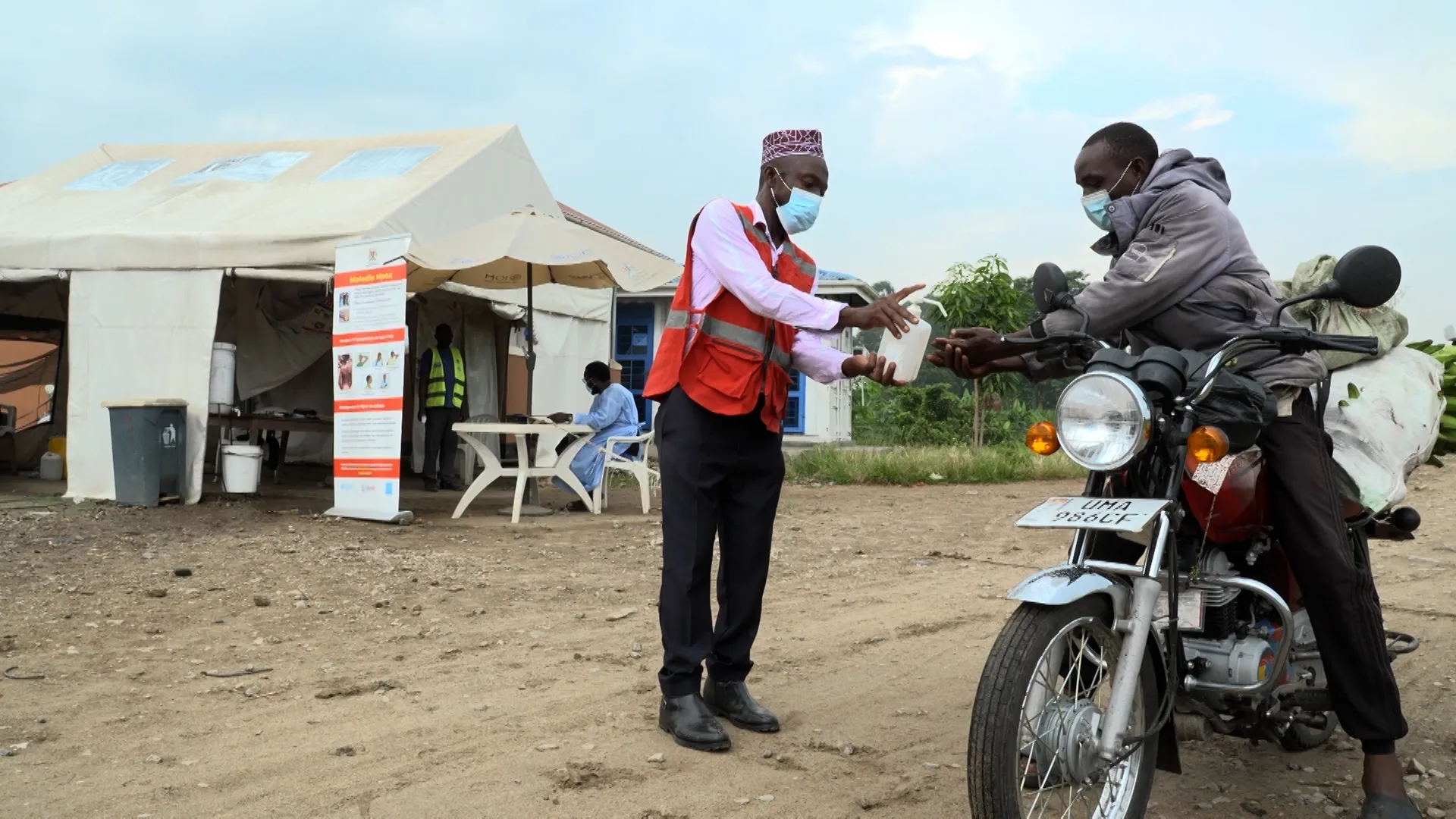
With almost 750 suspected Ebola cases in the DRC, health measures intensified along the DRC–Uganda border. At the busy Mpondwe crossing near outbreak zones in Beni, authorities deployed health workers and shut weekly border markets, measures that residents say are threatening their livelihoods.

Source link