displacement

Egypt’s el-Sisi rejects displacement of Palestinians from Gaza | News

Israel’s defence minister has pledged to remove Palestinians from the besieged Strip.

Egyptian President Abdel Fattah el-Sisi has rejected any plans for Palestinian displacement, following comments by Israel’s defence minister saying the army would “finish the job” in Gaza.

Speaking during a visit by Palestinian President Mahmoud Abbas on Wednesday, el-Sisi stressed “Egypt’s firm stance against the displacement of the Palestinian people or any attempt to annihilate the Palestinian cause”, the Wafa news agency reported.

Recommended Stories

list of 3 itemsend of list

Abbas praised Egypt’s steadfastness in defending Palestinian rights and reiterated that “Gaza is an integral part of our state.”

The Egyptian leader’s comments came hours after Israeli Defence Minister Israel Katz said the army would “finish the job” in Gaza, “so that we can also implement the migration plan.”

Katz said earlier this month that Israel was ready to remove Palestinians from Gaza by sea and land, but was waiting for the United States, which he said was discussing where the two million people would go.

US Ambassador Mike Huckabee has denied any plan to “displace people out of Gaza against their will”. In February, Huckabee explicitly said he “would be fine” if Israel took most of the Middle East in accordance with his interpretation of the Bible, but then suggested the remark was selectively edited.

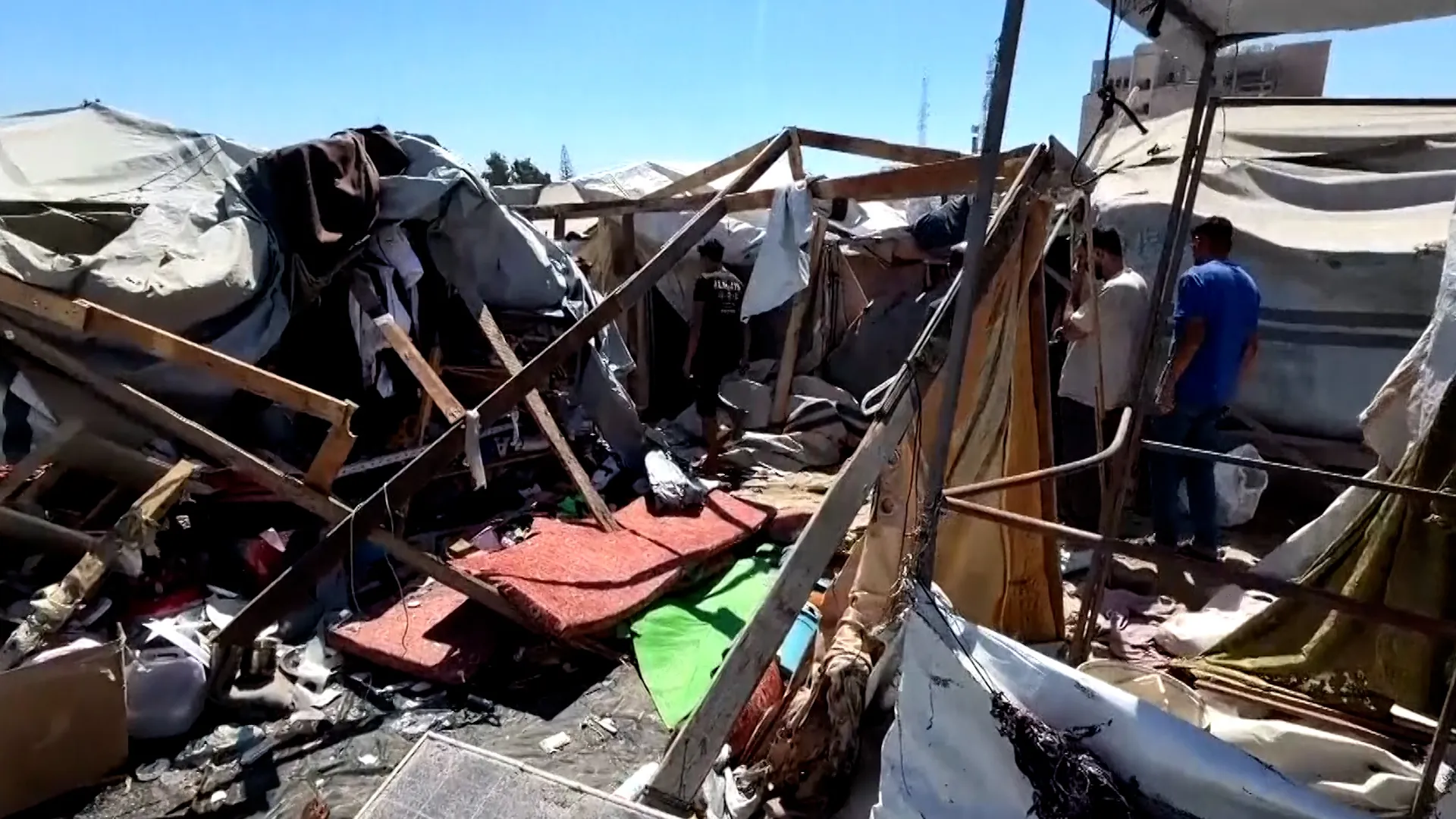
Nearly all of Gaza’s population has been internally displaced, and most of the territory lies in rubble after three years of a war that has killed more than 73,700 Palestinians.

Israeli Prime Minister Benjamin Netanyahu said earlier this month that the army would not withdraw from the Gaza Strip, despite a US-backed ceasefire plan that came into effect in October stipulating it as a condition.

Netanyahu claimed Israel controls 60 percent of the Palestinian enclave and promised not to pull back until Hezbollah is disarmed.

His government has been pushing for more Israeli settlements on Palestinian territory in the West Bank, including through a controversial settlement project dubbed E1 designed to construct thousands of housing units between Jerusalem and the Maale Adumim settlement.

Israeli human rights group B’Tselem warned this week that Israel is executing a systematic and accelerated campaign to dismantle “Palestinian collective life” and establish permanent Jewish-Israeli sovereignty across the occupied West Bank.
Source link

Arab News | Syria steps up literacy drive as war, displacement leave one in five illiterate

DAMASCUS: Syria’s Culture Ministry is stepping up efforts to combat illiteracy and expand access to adult education as the country grapples with the legacy of years of war and displacement that has left about one in five Syrians unable to read or write.

The ministry highlighted the scale of the challenge at an event marking International Literacy Day, where officials outlined plans to expand literacy programs, introduce new teaching methods and use digital technology to reach people who have been excluded from education.

Ministry data presented at the event showed that around 4 million people in Syria are illiterate, equivalent to about 20% of the population, while an estimated 2.5 million children have dropped out of education.

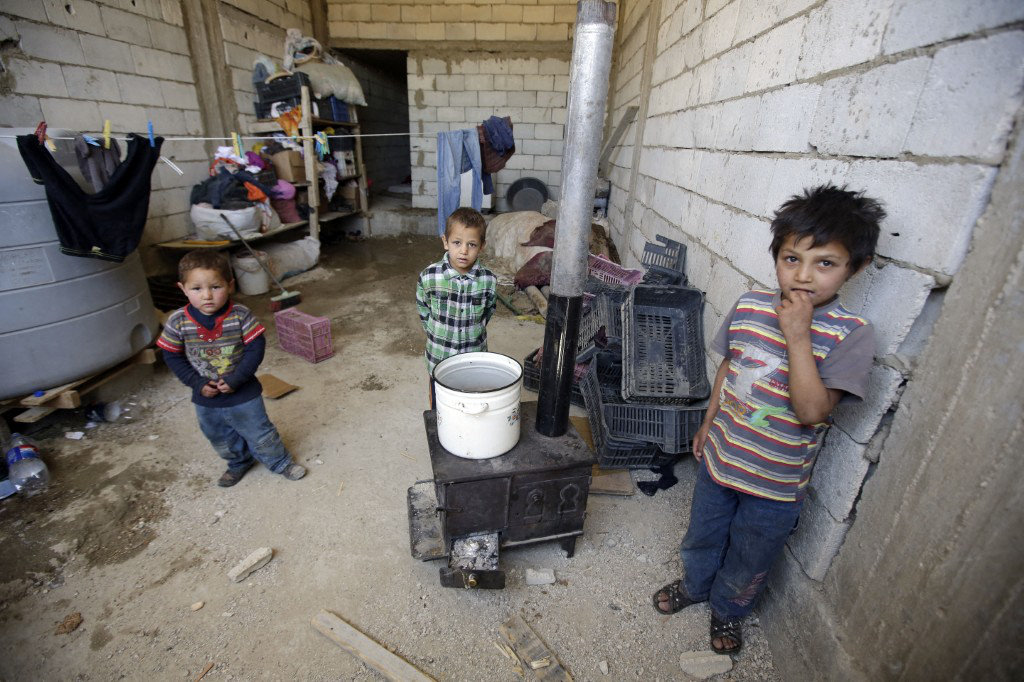
Syrian refugee children whose mother was killed while fleeing recent violence in Qussayr pose in the place they live with their father on June 14, 2013 in Arsal in the Lebanese Bekaa valley.

Officials said years of war, displacement and deteriorating economic and social conditions had contributed to the high numbers, making literacy not only an educational issue but also a challenge for the country’s broader recovery and development.

Targeting single-digit illiteracy rate

Mohammad al-Asha, director of the Cultural Development and Adult Education Department at the ministry, said authorities were pursuing two parallel approaches to address the problem.

More than 400 literacy courses have been launched since the beginning of the year as part of an immediate response, while the ministry is also developing a national plan aimed at reducing the illiteracy rate to single digits within three years.

Syrian-Kurdish children refugee play outside tents at the Domiz refugee camp, 20 km southeast of the northern Iraqi city of Dohuk, on June 19, 2013.

New curricula are expected to go beyond basic reading and writing skills to include digital and legal literacy, critical thinking and Syrian cultural identity, as well as awareness aimed at preventing extremism, addiction and behavioral problems.

Deputy Culture Minister Ahmad al-Sawwaf said literacy was closely linked to human dignity, development and citizenship, describing reading and writing as essential tools for people to understand their rights and responsibilities and participate in rebuilding their communities.

Children walk back from school past building rubble in the devastated Hajar al-Aswad area near the Yarmuk camp for Palestinian refugees on the southern outskirts of Damascus on December 23, 2024.

Digital tools to broaden access

The event also focused on using digital technology and artificial intelligence to expand adult education at a time when limited resources and staffing pose additional challenges.

Engineer Ramez al-Sammak said digital tools could be used to assess learners’ abilities and tailor educational content to individual needs, helping move literacy programs beyond traditional classroom-based teaching.

Such technology could also help programs reach more people and address difficulties including low motivation and the challenge of attending lengthy courses, participants at a specialized seminar on digital literacy education said.

The event honored 18 people who had benefited from adult education programs, including some who went on to complete secondary education and others who used their newly acquired skills to start income-generating projects in food production, handicrafts, woodworking and crochet.

The event honored 18 people who had benefited from adult education programs.

People with disabilities who continued their education despite difficult circumstances were also honored.

The Culture Ministry said tackling illiteracy required a broad national effort to help vulnerable groups regain access to education and overcome economic, social and psychological barriers.

Through its Adult Education Directorate, the ministry implements Syria’s national literacy policy and develops programs aimed at providing sustainable learning opportunities and helping people excluded from formal education participate more fully in social and cultural life.

Source link