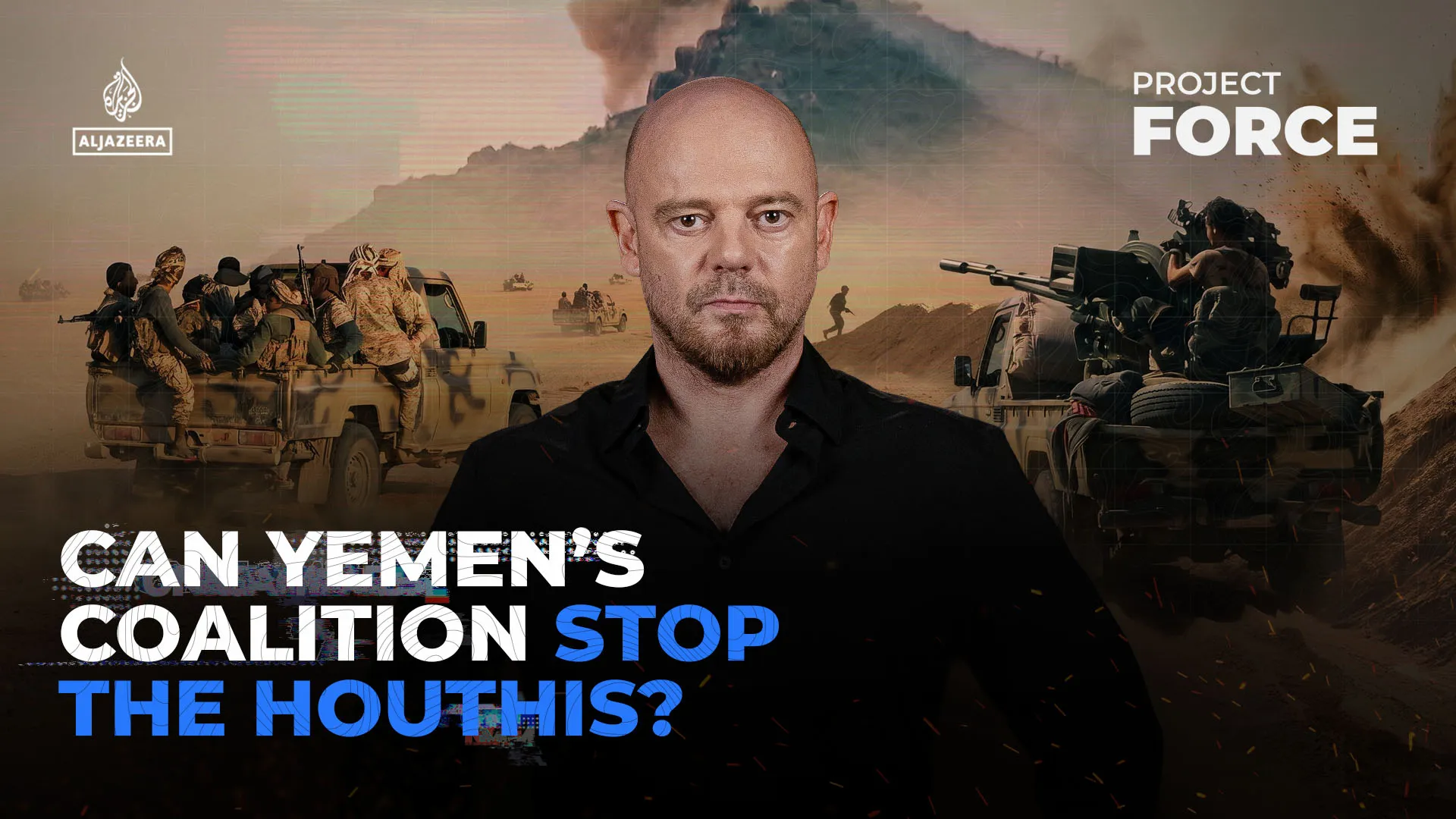
After rebel offensive, efforts to push them back appear to have stalled
Saudi air power so far hasn't been enough for Yemen's government, and civilians are increasingly stuck in the middle
Source link
Saudi air power so far hasn't been enough for Yemen's government, and civilians are increasingly stuck in the middle
Source link
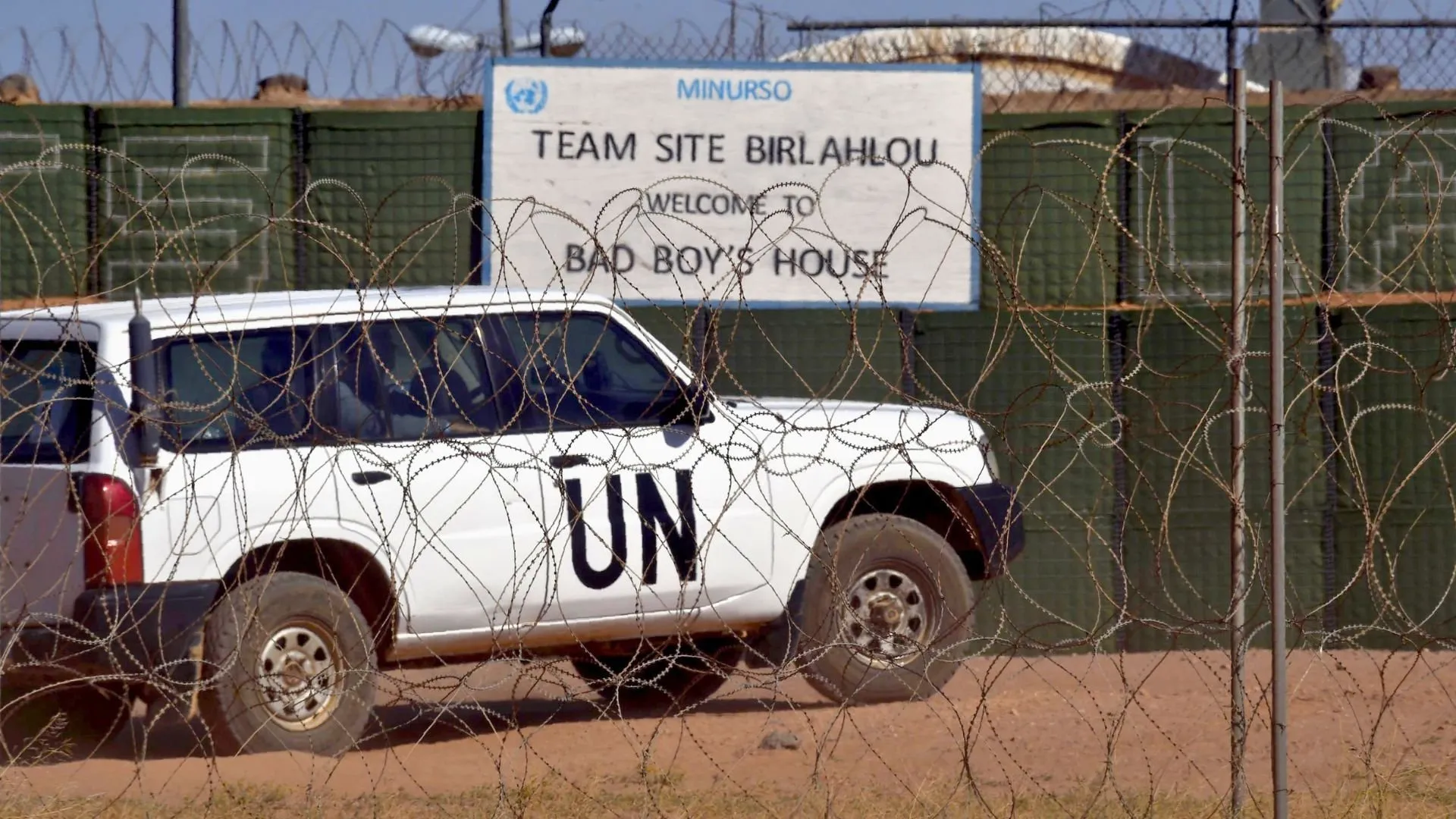
The United Nations ends its peacekeeping mission in the disputed territory.
It’s one of Africa’s longest-running conflicts.
The dispute over the territory of Western Sahara started more than 50 years ago. It began with the end of Spanish colonial rule in the region.
list of 4 itemsend of list
Since then, both Morocco and the Polisario Front have claimed the Western Sahara.
In the 1990s, the United Nations tried to reach a settlement, and deployed a peacekeeping mission to the region.
Last week, that effort ended when Russia and the United States blocked proposals to extend the mission’s mandate.
So, could this development lead to renewed fighting?
Presenter: Imran Khan
Guests:
Samir Bennis – Political analyst and author of the book The Self-Determination Delusion: How Activist Scholars and Journalists Have Hijacked the Western Sahara Case
Irene Fernandez-Molina – Senior lecturer in International Relations at the University of Exeter in the United Kingdom and author of the book Moroccan Foreign Policy under Mohammed VI, 1999-2014
Mahjoub Mleiha – Advocacy head of Collective of Sahrawi Human Rights Defenders (CODESA)
Published On 2 Nov 20262 Nov 2026
Share
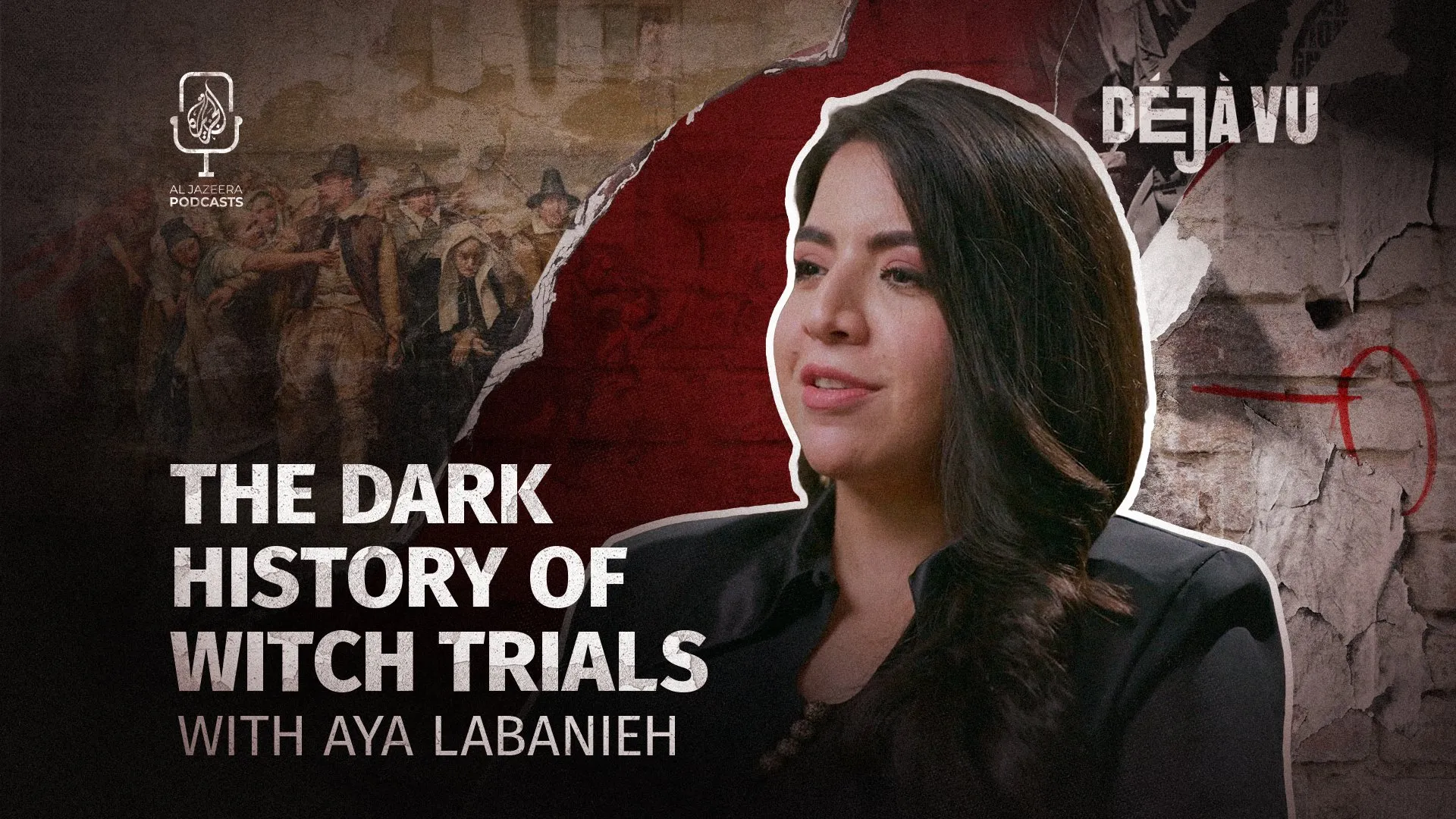
In the latest episode of Deja Vu, we trace how new media fuelled conspiracy theories, from European witch-hunts to AI.
Here’s how conspiracy theories shaped the last 600 years. The printing press helped spread European witch-hunts even as it helped usher in the Enlightenment. The Nazis turned radio into a weapon of mass persuasion. Social media promised freedom but gave dictators new tools of control. We trace centuries of conspiracy theories – and ask what artificial intelligence could bring next.
In this episode:
Episode credits:
This episode was produced by Mohamed Hassan, Marcos Bartolome, Marthe van der Wolf and Sonia Bhagat and was edited by Alexandra Locke. Our engagement producer is Adam Abou-Gad. Our sound designer is Alex Roldan.
Connect with us:
Published On 1 Nov 20261 Nov 2026
Share
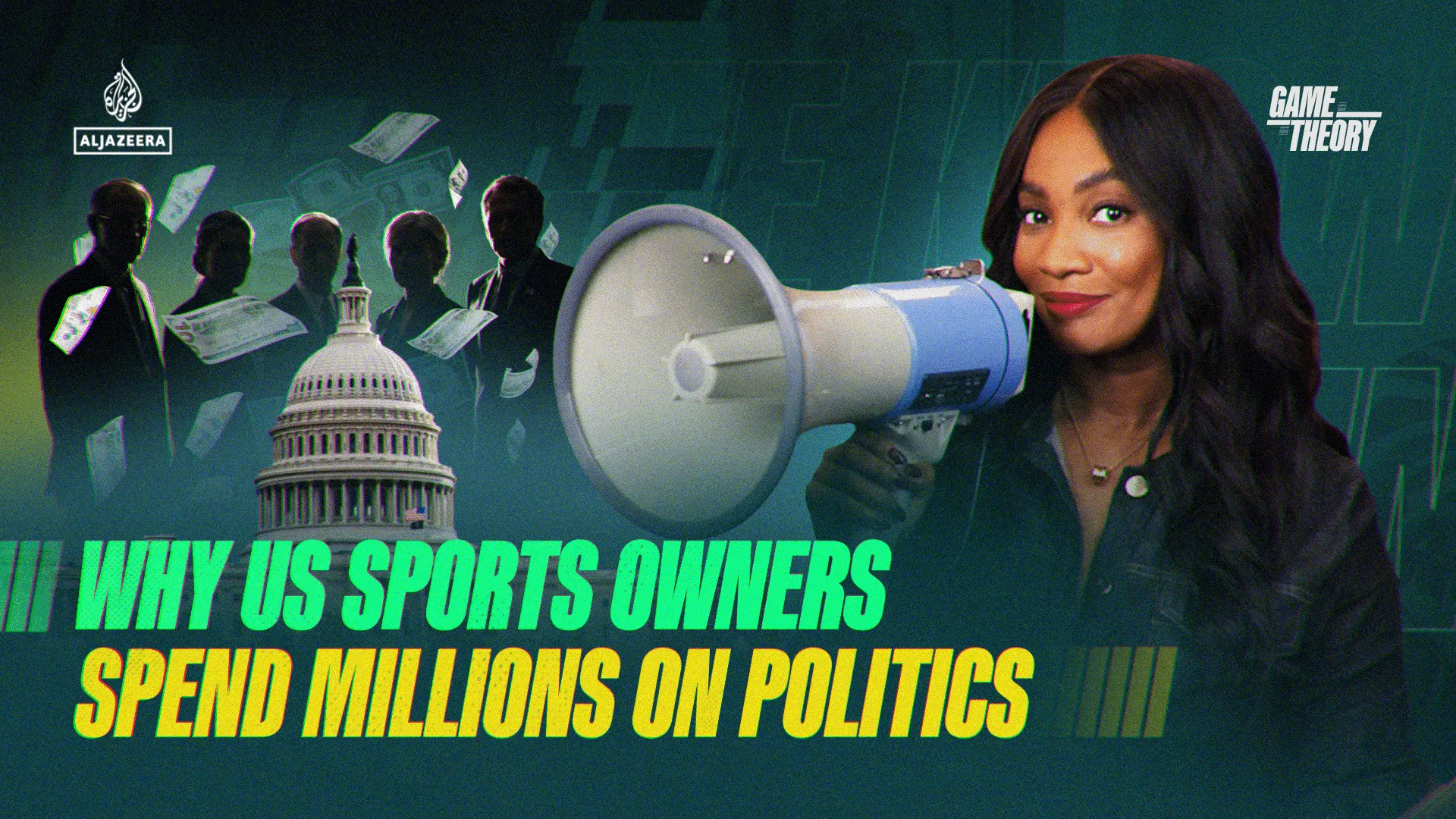
US sports team owners include some of the wealthiest people in the world, and many spend millions of dollars on US politics. But why? Ahead of the US midterm elections, Al Jazeera’s Samantha Johnson follows the money to explore why sports owners spend millions on politics.
Published On 29 Oct 202629 Oct 2026
Share
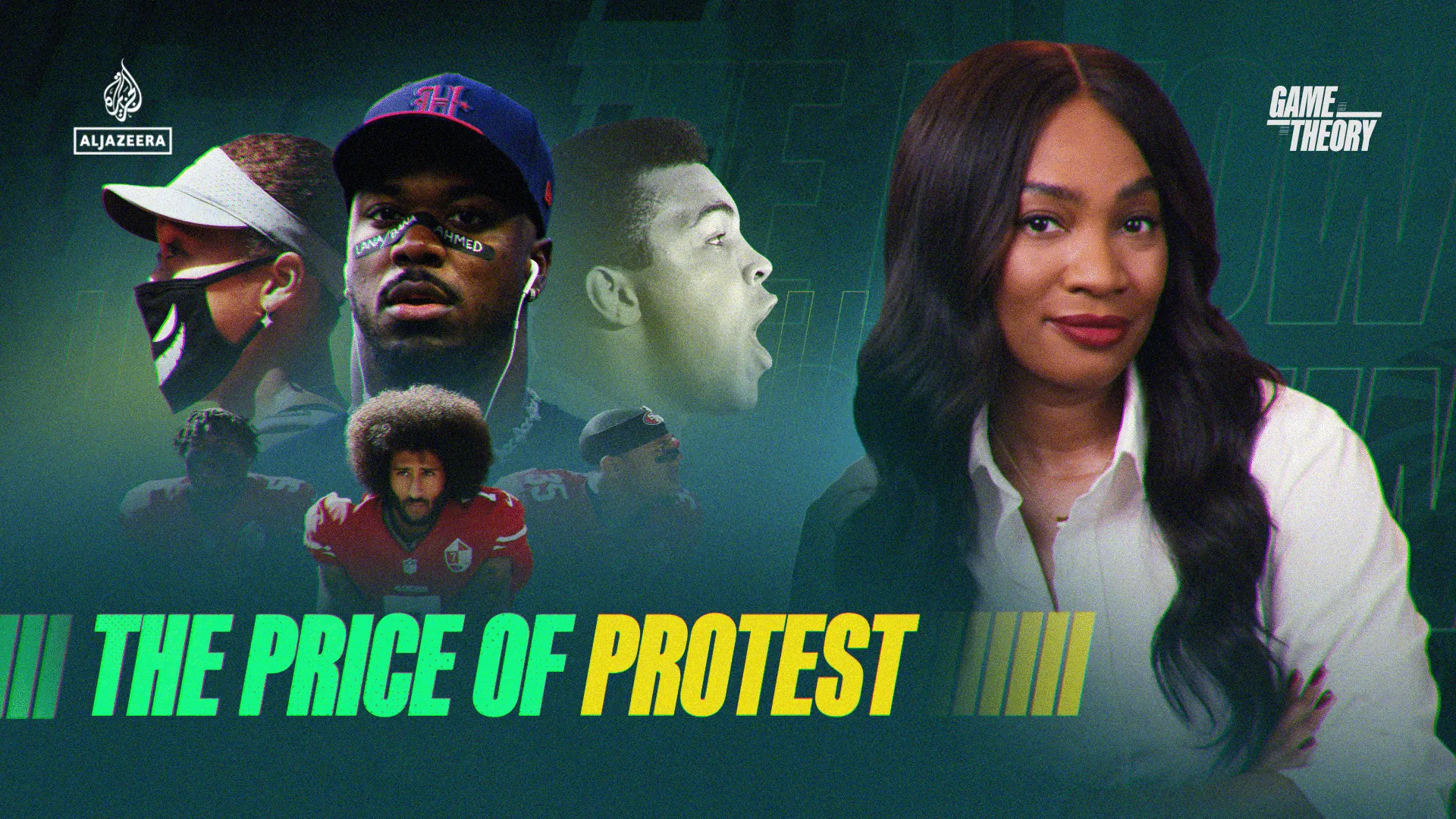
What does it cost an athlete to take a stand? From Muhammad Ali and Colin Kaepernick to Azeez Al-Shaair and Naomi Osaka, athletes have spoken out on issues they believe in, sometimes at great personal and professional cost. Al Jazeera’s Samantha Johnson explores the price athletes pay for their activism.
Published On 26 Oct 202626 Oct 2026
Share
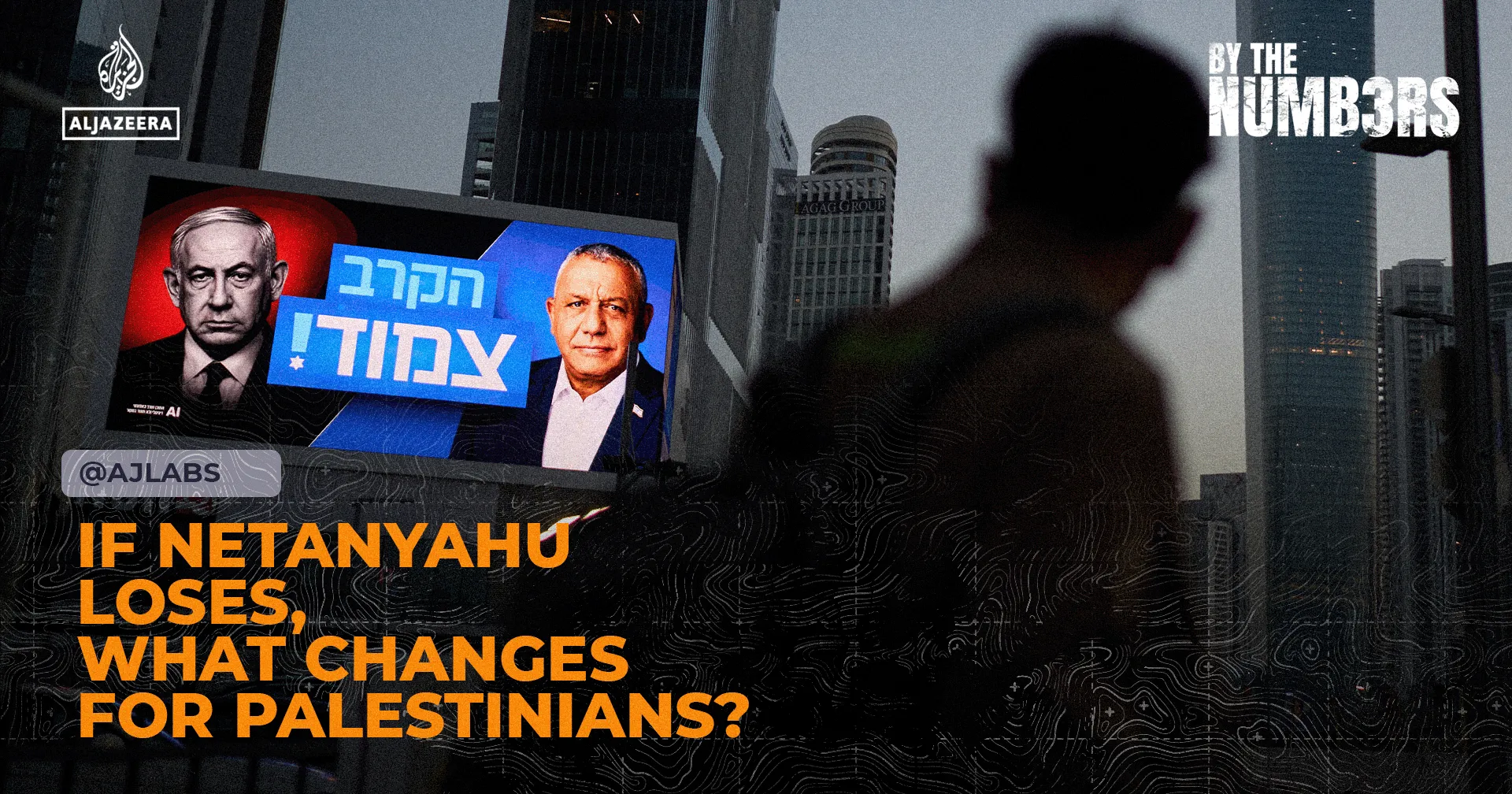
AJLabs tracks how Israeli parties voted against eight Knesset bills that disfavoured Palestinians ahead of the election.
Source link
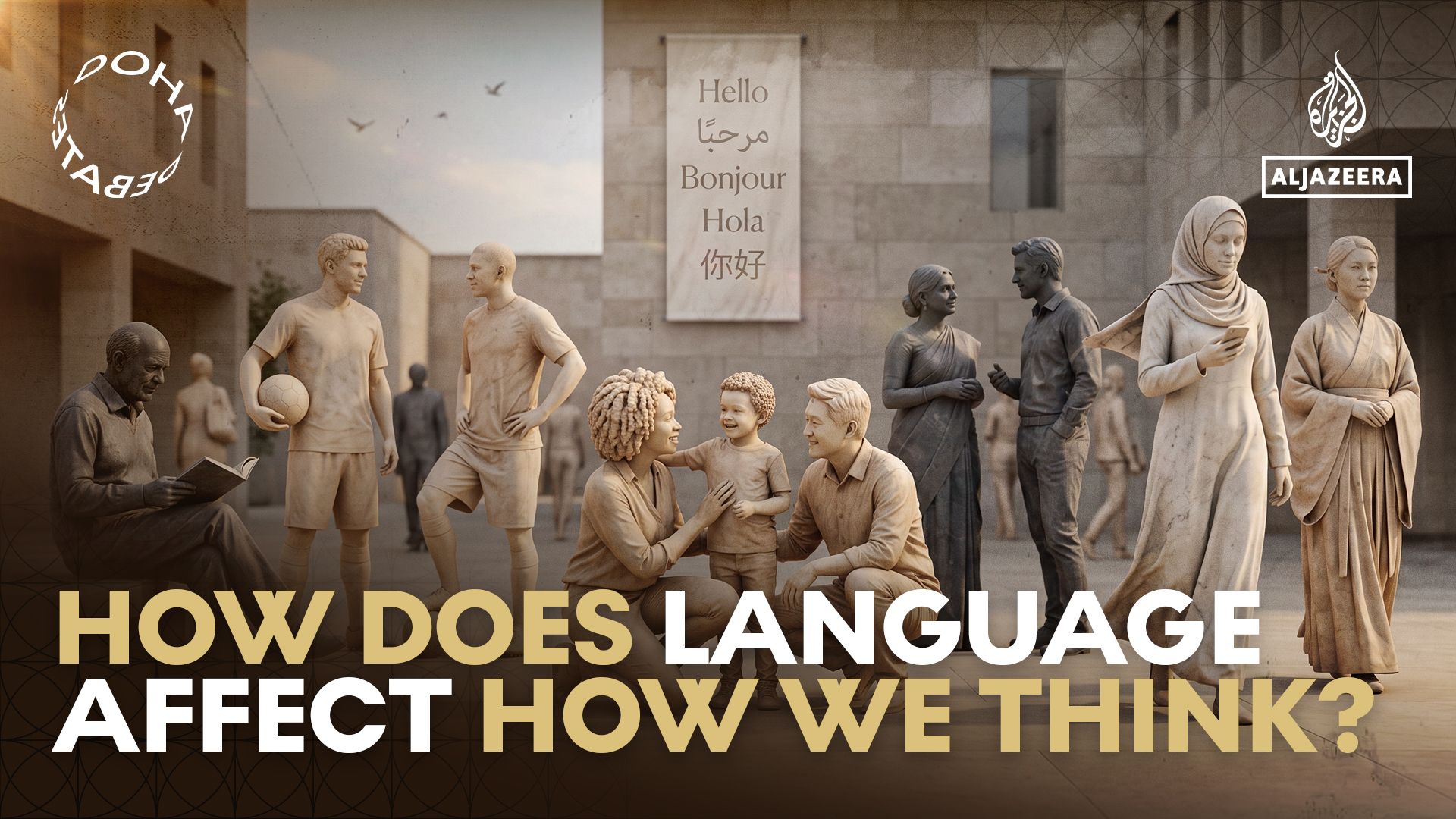
Does language shape the way we think?
Source link
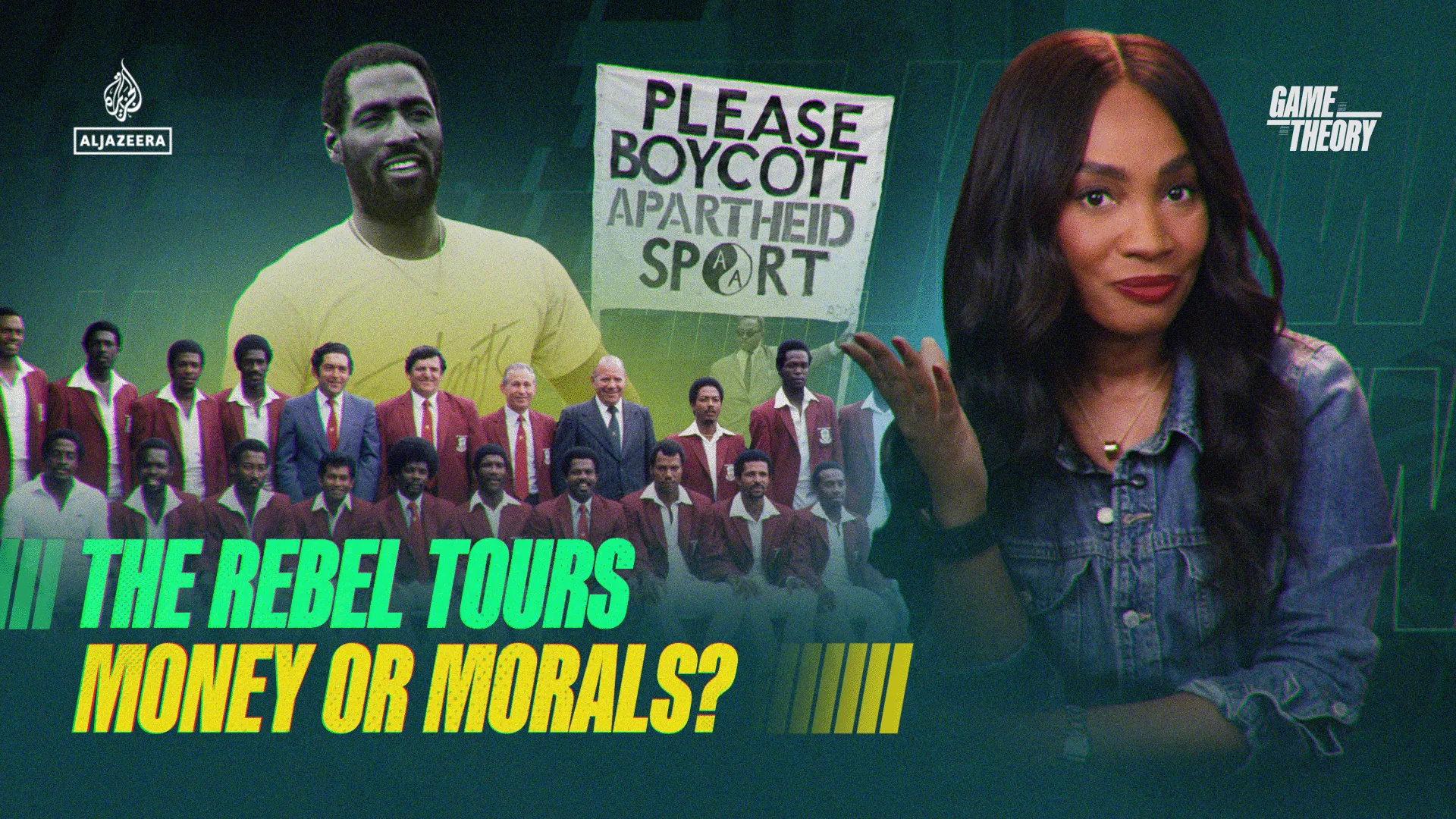
Would you break one of sport’s biggest boycotts for life-changing money? In the 1980s, some West Indies cricketers toured apartheid South Africa, sparking outrage. Al Jazeera’s Samantha Johnson explores the money, morals and consequences behind the controversial tours.
Published On 15 Oct 202615 Oct 2026
Share