

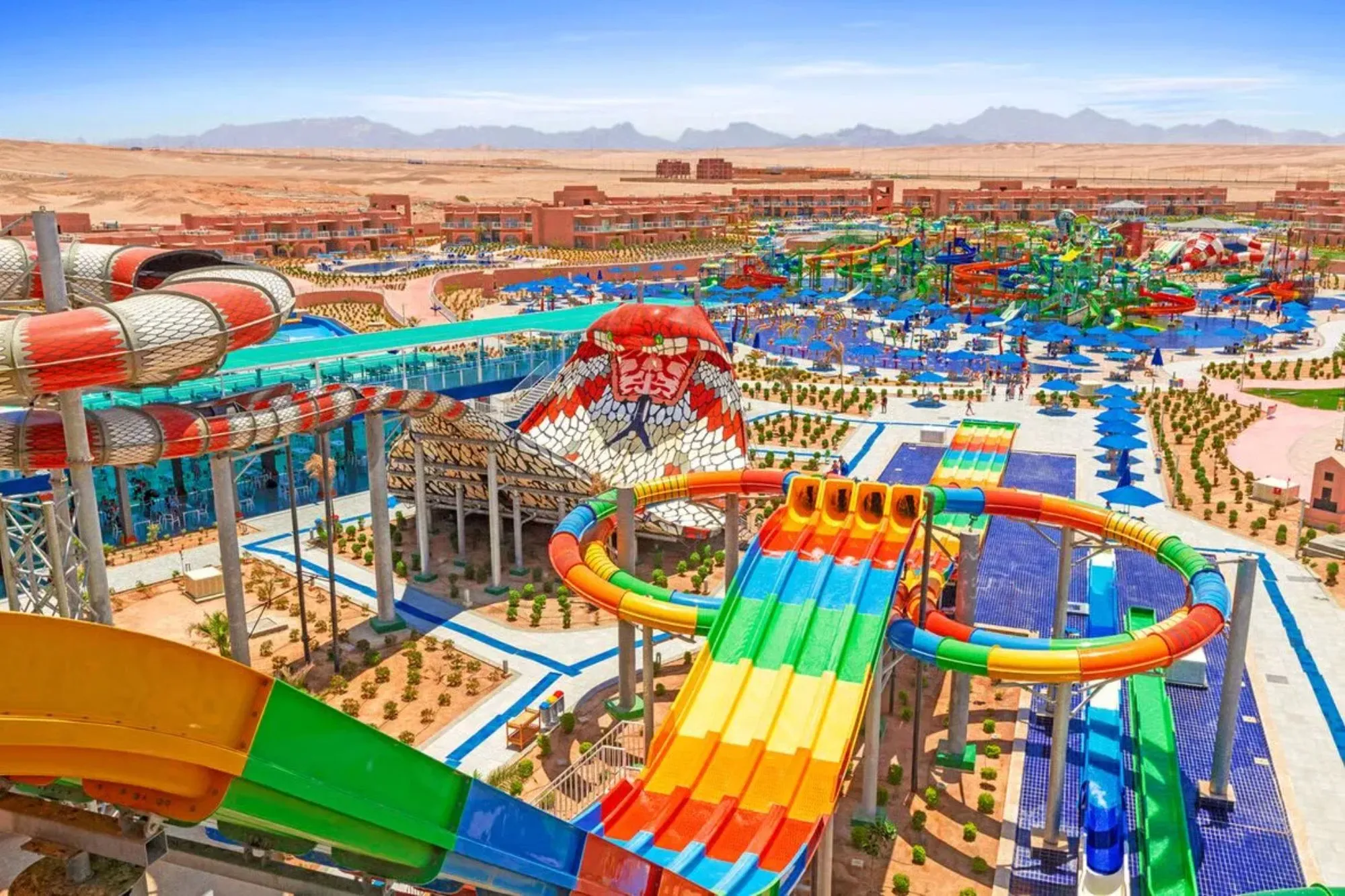
Mega waterpark hotels with fairgrounds & 24-hour bars that are CRAZY cheap…plus all inclusive deals from £189pp

SUN soaked mega resorts abroad with their own waterparks, theme parks, and beaches? Yes please.
We’ve done the digging to find top-tier waterpark hotels abroad with deals that are so cheap they’ll make you do a double take.
From Egypt resorts with 45 pools and 81 waterslides, to Spanish spots that come with free theme park tickets, these are the mega resorts abroad that will keep the entire family entertained.
You don’t even need a massive sum sitting in your bank account to unlock these holiday memories, either.
Many of these deals include a kids go free offer, plus Loveholidays and On the Beach also offer low deposits from £19, meaning you can lock in your holiday without sweating about how much you’ve spent.
Whether you want to immerse yourself at a pirate-themed resort in Benidorm or slip down 16 thrilling waterslides in Side, here are the ultimate family resorts abroad with deals you can book right now.
Sol Katmandu Park & Resort, Majorca
Sol Katmandu Park & Resort is a theme park, waterpark, and hotel all rolled into one epic holiday complex (where kids can stay for free).
Staying here for at least two nights unlocks you a free play pass, which gives you unlimited entry to the park’s top attractions, waterpark and soft play.
Kids can cool off at the Katopia Splash Park, which is packed with water cannons, jets, and waterfalls, before tackling a giant soft play or hopping on 4D dark rides.
The fun continues back at the hotel, too, as this resort has themed family accommodation including mystical Enchanted Forest rooms and Mythical Ice suites.
Food and drink options here include a build-your-own burger bar, a pick and mix station, and a soft-serve ice cream machine – plus themed dinners and healthy options, too.
And for the grown-ups? Sangria and Cruzcampo are available on-tap at the pool bar.
Plus, if you fancy a dip in the sea, there’s a golden sand beach a four-minute stroll away.
Book a holiday: Majorca
If you click on a link in this box, we will earn affiliate revenue
On the Beach offer a five night stay with breakfast from September 28, including return flights from London Stansted, for £244pp.
Kids can stay free at this hotel (dates and restrictions apply).
Skanes Serail and Aquapark, Tunisia
This four-star Tunisian gem is the most affordable on the list, and packs everything you’d need into an action-packed, sunny family holiday abroad.
The star of the show at Skanes Serail is its on-site aquapark, which has rainbow-coloured waterslides that are sure to keep kids entertained for hours.
This resort even has a private beach, complete with free sun loungers, a selection of water sports, and signature white sands facing a turquoise sea.
The all inclusive package includes a massive daily buffet spread, as well as access to a beachfront à la carte restaurant serving Italian and Lebanese food.
While the little ones make friends at the daily kids’ club, grown-ups can escape to the full-service spa for a traditional hammam, sauna, and steam room session.
Plus, Tunisia boasts reliable sunshine year-round. Book ahead something to look forward to for November with this deal, when temperatures hover at a toasty 23°C.
Book a holiday: Tunisia
If you click on a link in this box, we will earn affiliate revenue
Loveholidays offer a seven night, all inclusive stay from November 14, including return flights from London Southend, for £189pp.
Pickalbatros Jungle Aqua Park Resort – Neverland Hurghada
If you think you’ve seen a big waterpark hotel, think again, because this holiday kingdom in Hurghada operates on an entirely different planet.
It’s so big it even has its own shuttle buses to transport you around site.
The Pickalbatros Jungle Aqua Park Resort boasts 45 swimming pools and a staggering 81 waterslides, plus a massive lazy river and wave pools.
The complex also has its own fairground with 11 rides, a roller-skating arena, bumper boats, and a high-tech VR gaming zone. Bored kids? Impossible.
You can also eat your way around the globe thanks to the lineup of international, all-inclusive restaurants.
Load up your plate with wood-fired Italian pizzas, Asian noodles, or spiced Moroccan tagines. There’s even a German eatery serving up bratwurst and schnitzel.
As for bars, pick between the Jungle Bar, Red Sky Bar, White Elephant Bar, Lobby Bar, Columbus Bar, Jazz Bar, and Beach Bar for your beverage.
If you ever fancy a break from the excitement of the resort, there’s a 10-minute complimentary shuttle bus to whizz you straight down to the private beach.
There’s a range of affordable dates for this resort at Loveholidays, but we found the cheapest deal this year to be in December, where temperatures sit at 24°C.
Book a holiday: Hurghada
If you click on a link in this box, we will earn affiliate revenue
On the Beach offer a seven night, all inclusive stay from December 7, including return flights from London Luton, for £457pp.
Magic Pirates Island Resort, Benidorm
This pirate-themed resort in Benidorm is an absolute treasure trove for families.
Magic Pirates Island Resort lets families sleep like sea captains inside themed wooden lodges plastered with maps, compasses and desert islands.
There’s three large swimming pools, including the Battleship Lagoon, which has play boats and jets for the little ones, plus a more relaxed pool zone with hot tubs and Balinese beds to laze out on.
Best of all, a stay here gives you free unlimited entry to the Aqua Natura waterpark right next door, as well as free access to Terra Natura Zoo.
But there’s plenty more fun to be had back at the hotel, with a Virtual Reality simulator zone, dance stage, and gaming arcade.
Food and drink comes as a fully-stocked buffet restaurant, with snacks available throughout the day.
There’s also an option to upgrade to ultra-all inclusive, which opens up access to fun eateries like Tacos of the Caribbean, and the Hall of Flames Asian restaurant.
Refreshing beers, cocktails and soft drinks are never far away either, thanks to a swim-up pool bar and traditional pirate taverns.
We found a deal for an October escape, when the resort hosts a Halloween festival packed with spooky live entertainment, themed activities and costume contests.
Book a holiday: Benidorm
If you click on a link in this box, we will earn affiliate revenue
On the Beach offer a five night stay with breakfast from October 10, including return flights from London Luton, for £260pp.
Kids stay free at this hotel (dates and restrictions apply).
Eftalia Ocean, Antalya
Fancy a trip to a five star family mega resort in Turkey?
The hotel is built around a network of giant, winding outdoor swimming pools and slides.
The all inclusive perks include live show-cooking stations at the main buffet, as well as dining in an Italian a la carte restaurant and grill.
Some bars even serve refreshing drinks for 24 hours a day, and you can satisfy late-night cravings with round-the-clock bites at Burgerland.
Entertainment includes daily kids clubs, mini golf, and outdoor theatre shows. There’s also a wellness spa offering massages, hammam and sauna sessions.
But the real magic of this hotel is its secret pathway – walk through the hotel’s private underpass and you’ll pop up directly onto Eftalia Island.
This entertainment district sits directly on the beach and is packed with massive shared waterparks, waterslides, and pools as well as a bustling seaside promenade lined with beach bars.
Book a holiday: Antalya, Turkey
If you click on a link in this box, we will earn affiliate revenue
Loveholidays offer a seven night, all inclusive stay from November 12, including return flights from London Southend, for £249pp.
THB Tropical Island, Lanzarote
THB Tropical Island boasts 10 swimming pools scattered across the resort, alongside thrilling waterslides and a splash park for little ones.
Accommodation comes as modern apartments with fully equipped kitchenettes, a big win for budget-savvy families who like to stock up on snacks and easy-to-make meals.
The resort also has a buffet restaurant with live show-cooking stations, a pizzeria, and even a lively sports bar for catching that important match.
Daytime kids entertainment includes football tournaments and kids mini-discos, plus activities like arts and crafts and water polo.
Here you’re close to Playa Blanca, which has a range of souvenir shops, bars, cafes and restaurants – plus two huge beaches, which you can reach by taking the hotel’s free shuttle bus.
Book a holiday: Lanzarote
If you click on a link in this box, we will earn affiliate revenue
Loveholidays offer a seven night, room only stay from September 14, including return flights from London Luton, for £289pp.
Crystal Sunset Pearl Collection, Side
If you want to live like royalty on a budget, this five-star Turkish resort proves you don’t have to spend a lot for a high-end family getaway.
The Crystal Sunset Pearl Collection has an impressive waterpark packed with 16 waterslides, including 11 adrenaline-pumping flumes and five gentle slides for kids.
If you prefer a slower pace, you can lounge by the huge main pool, retreat to the relaxing adults-only pool, or sip a cocktail at the poolside bar.
The hotel also runs a shuttle bus to whisk you down to the golden shores of Kumköy Beach.
Alongside a massive daily buffet spread, you can opt for a la carte dinners in the hotel’s Italian, Indian and Chinese restaurants.
Ice-cold drinks are fully covered from 10am until midnight, and there’s even an on-site patisserie to satisfy the sweet cravings.
Here you’re just a 15-minute drive from the historic town of Side, where you can explore ancient Roman ruins and catch a postcard-perfect sunset at the famous Temple of Apollo.
Book a holiday: Side, Turkey
If you click on a link in this box, we will earn affiliate revenue
Loveholidays offer a seven night, all inclusive stay from October 30, including return flights from Birmingham, for £499pp.
Unbelievable Wowcher holidays and hotel deals you can book NOW
BOOKING something to look forward to doesn’t have to mean breaking the bank.
In fact, you can jet off to trendy European capitals or unwind at a spa hotel in the British countryside for less than you’d think.

We’ve rounded up a selection of the best Wowcher travel deals on offer right now, starting from £89 with options both in the UK and abroad.
Whether you want to hop on the Eurostar to the canals of Amsterdam, pop over to Paris for a 4* getaway, or take the ultimate £99 gamble on a mystery holiday, we’ve got you covered.
Wowcher Mystery Holiday – £99
This famous travel gamble lands you return flights and a minimum 3-star hotel stay for £99pp, with 100+ worldwide destinations in the mix.
While you could bag a sunny beach escape to Ibiza or a chic city break to Rome, the real jackpot is landing a long-haul trip to New York, Bali or the Maldives.
Read more on travel deals


Other destinations where you could land a mystery holiday include Disneyland Paris, Thailand and Miami.
Book a £99 Wowcher Mystery Holiday
4* Peak District Countryside Spa Stay – £89
Escape to the spectacular hills of the Peak District with this four-star spa staycation for two.
Situated on the edge of Staffordshire, this bargain break at The Three Horseshoes Country Inn includes a cosy overnight stay, a cooked breakfast, and access to the spa.
Nearvy, explore rock formations at The Roaches, go paddle-boarding at Rudyard Lake, or visit Alton Towers Resort, which is a 20-minute drive away.
Book a 4* Peak District Countryside Spa Stay from £89pp
4* Paris Getaway with Hotel, Flights, and Breakfast – £119
Whisk yourself away to Paris on a stylish, four-star city break from £119pp which includes return flights from your pick of nine UK airports, plus a two night stay and a delicious daily breakfast to fuel your sightseeing.
Stay at the sleek 4* Best Western Plus Suitcase Paris – La Défense, which has beautifully-designed contemporary rooms and a relaxing lounge bar.
Ticking off landmarks like the Eiffel Tower and the Louvre is totally effortless too, thanks to a metro station just 300 meters from the hotel door with direct routes straight into the city centre.
Book a two-night city break to Paris from £119
Northampton Stay at Staverton Park Hotel & Golf Club – £104
Treat yourself to a countryside retreat with a stay at the Staverton Park Hotel & Golf Club, starting from just £104 for two people which includes delicious two-course dinner or buffet access, a complimentary glass of wine each, and a full breakfast.
You’ll also enjoy unlimited access to the on-site gym and sauna, plus handy perks like a 2pm early check-in and an 11am late check-out to stretch your relaxation time.
Golf fans can even tee off on the PGA European-tour standard course, while the hotel sits just a short drive away from the beautiful Daventry Country Park and the iconic Silverstone Circuit.
Book a stay at Staverton Park Hotel & Golf Club for £104
Amsterdam Eurostar Break with Hotel Stay – £139
Hop aboard the Eurostar for a seamless two-night city break to Amsterdam, with return Eurostar tickets plus a stay at the modern ibis Amsterdam City West, which places you close to the vibrant Westerpark.
Getting around the capital will be easy, too, with a metro station a five-minute stroll from the hotel door.
From there, a quick ride drops you right at Amsterdam Centraal, putting bucket-list attractions like the Van Gogh Museum and beautiful canal cruises within easy reach.
Book a two-night city break in Amsterdam for £139
*Prices correct at the time of publication.
NATO unveils billions in arms deals to prove its firepower as Trump arrives in Ankara
ANKARA, Turkey — President Trump said on Tuesday that the U.S. will lift sanctions on Turkey that were issued after Ankara purchased a Russian missile defense system that led to the country being kicked out of the F-35 fighter jet program.
There are still a number of legal hurdles before Turkey could be fully admitted back to the U.S. program, but the removal of the sanctions — issued under the Countering America’s Adversaries Through Sanctions Act — would help ease the process for Ankara to regain access to the F-35s, a top goal of Turkish President Recep Tayyip Erdogan and one that Trump has predicted for some time would occur.
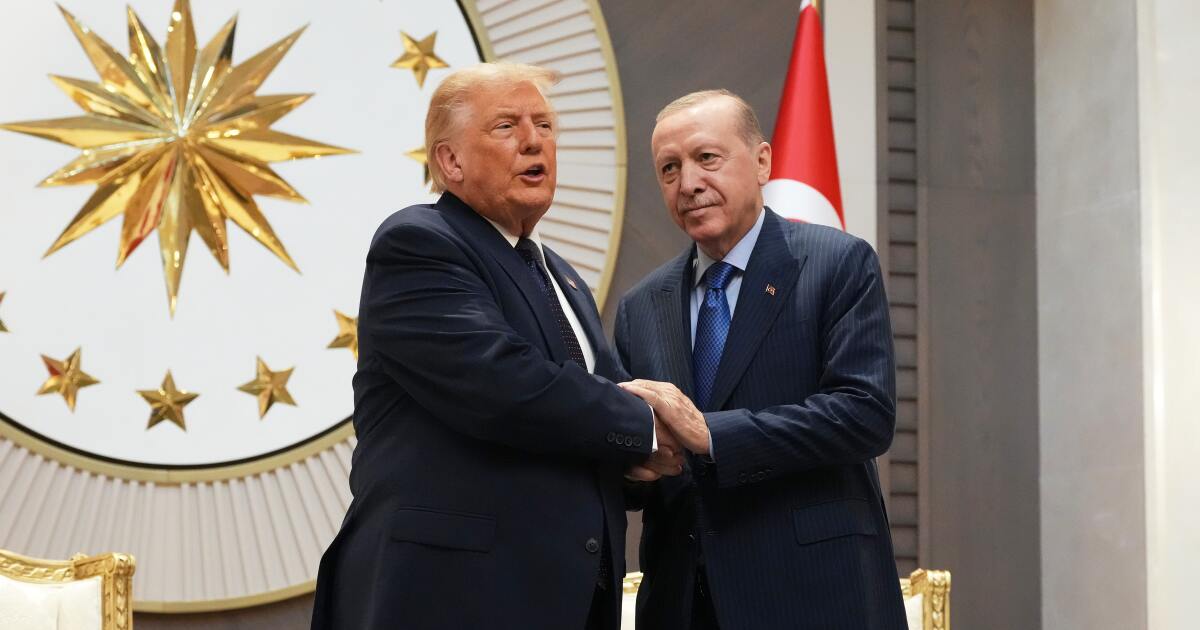
“We’re going to be taking the sanctions off, OK?” Trump said in response to a question during a meeting with Erdogan at the presidential palace in Ankara. He said Cabinet officials were working on the matter. Earlier in the meeting, he said the possibility of selling the F-35s to Turkey is “certainly something we will consider.”
Trump and Erdogan repeatedly underscored their warm relationship as they met soon after the U.S. president arrived in Ankara for the NATO summit. Erdogan greeted the U.S. president with an elaborate welcome ceremony involving cannons, military officials on horseback and jets flying overhead emitting red, white and blue smoke.
“Sometimes you get along with the toughest people, like him,” Trump said, gesturing to Erdogan. The U.S. president repeatedly praised Turkey for its loyalty to the U.S., particularly during the war in Iran.
Trump, who has often upended NATO gatherings with complaints that European allies did not spend enough on defense, had said he would not have attended this year’s summit had it not been for his close ties with Erdogan.
‘Moment of great pride’
Earlier in the day, NATO showcased a series of military projects worth billions of dollars — an investment that the alliance’s secretary-general, Mark Rutte, called “money well spent.”
An energized Rutte was speaking to government ministers and defense industry officials at a forum billed as NATO’s “big reveal,” to the thrum of techno music and a slick video display.
NATO as an organization does not own any weapons — these are the property of the 32 member countries — but it does have a fleet of 14 AWACS early warning radar surveillance planes that are about 50 years old, along with some newer surveillance drones.
A deal to replace the aging planes was announced Tuesday. Swedish manufacturer Saab will be supplying up to 10 new GlobalEye surveillance aircraft for a 10-nation consortium, Swedish Prime Minister Ulf Kristersson announced.
“It’s a moment of great pride,” he said, noting that the twin-engine aircraft would be “made within the alliance for all the alliance.”
Some of the projects will be paid for with funds from a system of cheap loans for defense purposes set up by the European Union, comprising up to $170 billion raised on capital markets.
“We need to ensure that we are translating our economic might into military capabilities, putting the cash to work from defense plans to drones, from money to missiles and interceptors,” Rutte said.
Trump has branded NATO a “paper tiger” that would cease to function without American arms and leadership. At the forum on Tuesday, Michael Duffy, a U.S. undersecretary of defense, said “the reality is that we need production increases across the board.”
“We will be looking to increase our exports to those who are looking to buy our equipment, and we’ll also be looking to partner with the expansion of production capacity here in Europe,” he said.
Defense sales announced
Representatives from 15 nations shook hands and patted shoulders on a vast podium under the NATO logo as they announced a multinational effort to buy air-to-air refueling and transport planes from Airbus.
Then Rutte announced a four-country effort to purchase as many as five new Triton surveillance drones to add to NATO’s small fleet.
“It is genuinely made in NATO, and creating jobs on both sides of the Atlantic,” he said.
Rutte told reporters on the eve of the military alliance’s two-day summit in Turkey that “we will announce tens of billions in new contracts that will provide the crucial kit we need to deter and defend.”
However, at Tuesday’s event, no dollar figures were given and the display included some projects long since agreed.
The defense industry splash comes a few weeks after Rutte tried to ease U.S. concerns about military spending at NATO with a new pitch using a chart labeled “The Trump Trillion” — showing $1.2 trillion in spending by European allies and Canada since 2017.
Trump appeared unmoved, saying he was still disappointed at some NATO allies’ refusal to join the Iran war, which he had launched alongside Israel without consulting them.
“We don’t need their money — we don’t need anything,” Trump said. “I just want loyalty.”
Debate over jet sales to Turkey
The summit is being held in Erdogan’s sprawling palace compound in Ankara, and Trump has suggested he would come bearing gifts for the Turkish leader.
Turkey was barred from the F-35 fighter jet program in 2019 after it purchased Russian-made S-400 missile defense systems. When asked about the fate of Turkey’s return to the F-35 system, Trump said as he sat next to Erdogan that “it’s certainly something we will consider.
Speaking Monday on the morning show “Fox & Friends,” Israeli Prime Minister Benjamin Netanyahu urged the U.S. not to sell F-35 fighter jets to Turkey, saying that Erdogan “calls openly for the annihilation of Israel.”
Turkey and Israel have acrimonious relations. Erdogan frequently accuses Israel of committing genocide in its war in Gaza, triggered by the deadly Oct. 7, 2023, Hamas-led attack on southern Israel.
Netanyahu said selling Turkey F-35s would “upset the power balance in the Middle East, which is ultimately guaranteed by Israeli air superiority and also, I think, by America’s posture in the Middle East.”
Turkey beefed up security and banned protests in Ankara during the summit, but a small group of demonstrators gathered on Tuesday in the capital. They were quickly surrounded by police, and a legal association said 22 students affiliated with the leftist Turkish Workers Party and three lawyers had been detained.
Seeking a stronger Europe for a stronger NATO
The Pentagon wants a reboot and is promoting what it calls “NATO 3.0,” a vision of the alliance in which Europe assumes greater responsibility for its own defense, freeing the U.S. to concentrate on other priorities.
But hiking defense spending means increasing taxes or diverting resources from other priorities. U.K. Defense Secretary John Healey unexpectedly quit last month, saying the British government was not willing to spend at a time of rising threats.
Separately on Tuesday, Ukrainian President Volodymyr Zelensky made a fresh appeal for his country to be allowed to join the alliance, saying its armed forces are highly experienced and resilient would only boost the alliance’s defense capabilities.
He highlighted Ukraine’s adaptability and its ability to strike deep inside Russia, hit oil refineries and other energy targets. He said that Ukraine’s armed forces are “eliminating” on average 30,000 Russian troops every month.
“Frankly we take no pride in this,” Zelensky said, noting that the war with Russia — now in its fifth year — is “a war we did not seek but one we are forced to fight.”
Concern is mounting among some northern and central eastern countries that Russia might be preparing a hybrid attack — a combination of conventional warfare with tactics like cyberattacks — on the continent as Russian President Vladimir Putin struggles to secure victory in Ukraine.
Cook, Fraser, Sewell and Kim write for the Associated Press. AP writers Jill Lawless in London and Andy Wilks in Istanbul contributed to this report.
£9.50 Hols expert reveals how to bag best breaks & school summer holiday deals
QUEEN of the Sun £9.50 holiday, Tracy Kennedy, is back to answer your burning questions on all things budget breaks
Tracy has been taking £9.50 holidays for 30 years, and even runs a Facebook group dedicated to helping people book their Sun holidays.
Now she’s here to answer all things Hols from £9.50, from how to get a good deal during the school holidays to the items she can never leave without packing.
https://thesun.formstack.com/forms/js.php/travel_agony_aunt_2026Online Form – 9.50 Hols Agony Aunt – 2026
You can leave a question for Tracy by filling out the form above, and with each Q&A with Tracy we will pick one lucky reader to win a £100 Amazon voucher.
This week’s winner of a £100 Amazon voucher is Stephanie Marriott. Congratulations, Stephanie!
Are there any 9.50 holidays left to book?
Kelly Noble
Read more on £9.50 holidays


Yes! The next top up is coming on July 7 for Sun Club members, and July 8 for people collecting codes.
The first lot of £9.50 holidays come out in January, but there are many promotions throughout the year. The cheapest holidays do tend to go quick, but don’t let that put you off.
My secret tip is that some people book and then they choose to upgrade, so those cheaper dates that were once sold out come back and are then released again.
And if you are signed up to Sun Club, you’ll get first pick of the holidays during each top-up.
Always keep an eye out for the top-up promotions and check the website regularly.
How do I get a good deal during the school holidays?
Fiona Curry
If you have specific dates in mind, I always recommend being up and waiting for the moment when the £9.50 holidays are released.
Sun Club get to book first, so I’d recommend joining so you get first access. It’s only £1.99 a month, and we all stay up for when access opens to Sun Club members at midnight.
That way you get to book your holiday before the final codes drop.
Firstly, research the parks you’d like to go to, and have all the parks and dates you’d ideally want written down in front of you.
Just in case they don’t come up, I suggest having some alternatives that you wouldn’t mind going to.
Not every park has availability during the school summer holidays, but quite a few of them do.
There is also quite a lot of availability in other school holiday periods, like October half term, which can be a lovely time to go with lots of themed activities.
Seal Bay and Golden Coast are two family-friendly parks that have offered dates in the school summer holidays – and you’re not going to find a holiday at popular parks like that for a cheaper price anywhere else.
What is your essential packing item? Not the obvious (food, clothes, towels) but a little something that makes the trip so much easier?
Lorraine Cooper
Every time I go away, I take an essentials box with me. My mum used to always bring one on trips when I was little, and now I do the same.
It’s basically a box packed with all your essential bits, like washing up liquid and sponges. I even take those little travel-sized bottles and siphon off any cleaning products or toiletries into them.
We also bring tins, pasta, spices, non-perishable foods like that. The kind of bits you’d reach for in your cupboard at home, that might not be there in your caravan.
Bringing those sorts of bits with you will save you spending an extortionate amount at the on-site shop. Then you only need to buy any fresh food once you’re there.
Also, always pack a tin opener and potato peeler, just in case!
What are the best parks for a longer (seven day) trip?
Sharath Reddy
For a longer trip, you’ll want a holiday park with loads to do on-site so that there’s enough to keep you busy for a whole week.
For this I’d recommend Seal Bay in Selsey, which is in West Sussex. It’s definitely got enough to keep you busy.
On site it feels like one big party park. Seal Bay has its own fairground and it’s right on the beach, so definitely have a beach day. There’s even a bar which is practically on the beach.
It’s also got a lovely big pool with lots of water activities, so you could also have a pool day. It’s also got a Wave Rider surfing machine.
Then when you want to explore off-site you’ve got Bognor Regis, Chichester and Littlehampton all nearby.
You could easily spend a full day in Chichester. It’s a town with a great big cathedral and lots of artsy and historical things to do, with museums and galleries.
In Littlehampton you’ve got beaches and Harbour Park with rollercoasters, and it also has a miniature railway.
Then of course you’ve got Bognor Regis, which is a fantastic British seaside town. It’s got a beautiful seafront, a small traditional pier, and all the classics like hot doughnuts and fish and chip shops by the sea.
You could even buy a day pass to Butlins if you wanted. So you can bag a cheap stay with £9.50 holidays, then buy a Butlins day pass to go over and do all their daytime activities and visit the fairground.
What would you suggest to make a £9.50 holiday a bit more manageable for SEN families?
Stephanie Marriott
I actually get this question a lot in my Facebook group, and it’s a very important one.
Depending on how old your children are, if you can go away outside of the school holidays, then do. The parks tend to be a lot quieter which can be helpful.
But if that isn’t doable, you can always ring the site and ask if they have any special hours for kids with extra needs. Quite a lot of them offer a quiet hour at the pool, for example.
I’d also recommend having a look at the activities and entertainment program ahead of time to see what you would like to spend each day doing.
There are usually things like arts and crafts and indoor activities which might be a bit quieter than the full-on evening entertainment.
All the ways to book your holiday from £9.50
There are six ways to book our Holidays From £9.50 – however Sun Club members gain access an entire day early
- Book with Sun Club: Join Sun Club for £1.99 per month. Then go to the Sun Club Offers hub and find the Hols from £9.50 page. You do not need to collect any code words or Sun Savers codes. Sun Club members can book from 00:01 on Tuesday, July 7 2026.
- Collect codes then book online: Simply collect five out of 20 code words printed in The Sun daily from Saturday July 4 to Thursday, July 23, 2026. Then enter them at thesun.co.uk/holidays to unlock booking. Code collectors will be able to book from Wednesday, July 8.
- 12-Page pullout – Gather codes from the pullout on Saturday, July 4, 2026. Then enter them at thesun.co.uk/holidays to unlock booking.
- Book with Sun Savers: Download the Sun Savers app or register at sunsavers.co.uk. Then go to the ‘Offers’ section of Sun Savers and click ‘Start Collecting’ on the ‘Hols From £9.50’ page. Collect five Sun Savers codes from those printed at the bottom of the Sun Savers page in the newspapers from Saturday, July 4, 2026. Then enter or scan the codes on Sun Savers to unlock booking from Wednesday, July 8.
- Book by post: Collect five of the code words printed in The Sun each day from Saturday July 4 to Thursday, July 23, 2026. Cut the code word out and send it back with the booking form – found in paper on or online at thesun.co.uk/holidays.
- Book with The Sun Digital Newspaper: Sign up to The Sun Digital Newspaper at thesun.co.uk/newspaper. Then download the Sun Savers app or sign up at sunsavers.co.uk, log in to Sun Savers with your Sun account details (the same email and password you use for your Digital Newspaper) and enjoy automatic access to Hols, without the need to collect Sun Savers codes daily. Digital Newspaper subscribers can book from Wednesday, July 8.
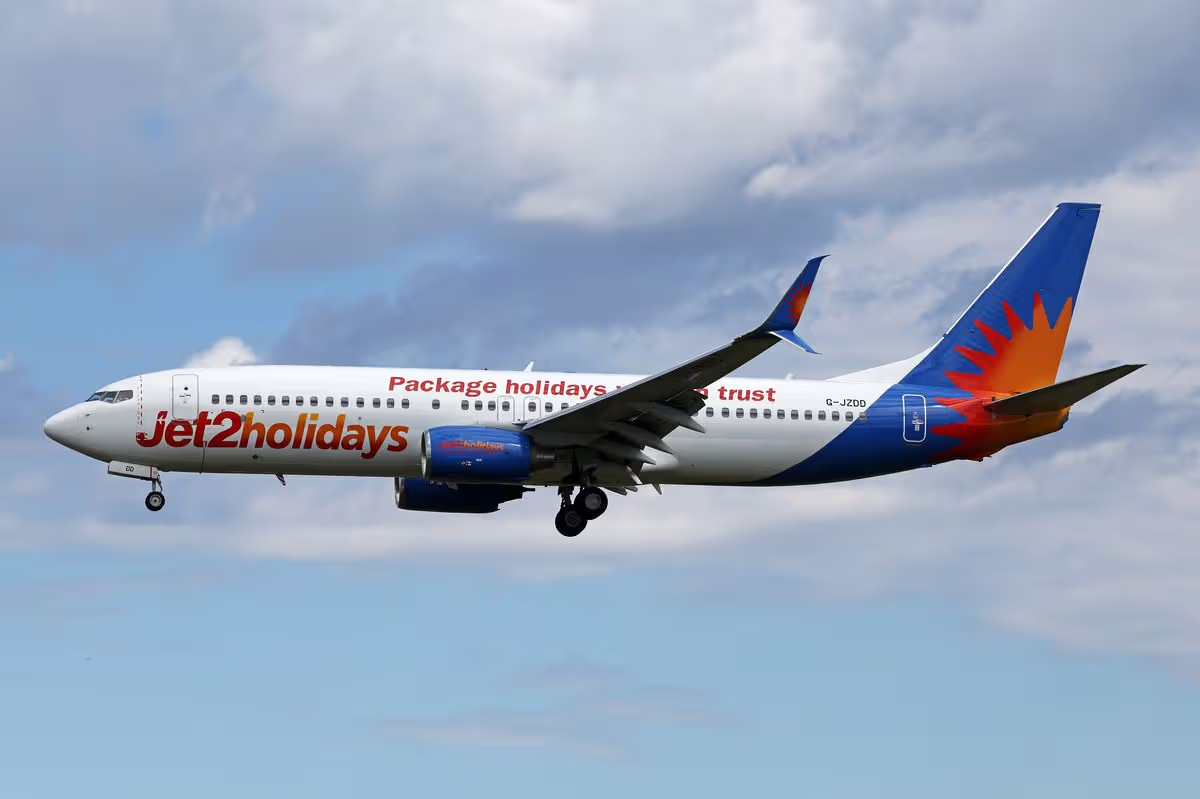
Jet2 passengers save money on one item during flight if they order early
Travellers can save money on the popular onboard drink if they place their order at the right time

Passengers could save money by placing their order ahead of time (stock photo)(Image: Getty)
Jet2 says passengers can save money onboard of they order their drinks early. Customers often love to make the most of the onboard refreshments when they’re jetting off on holiday.
The airline enables passengers to pre-order their in-flight meals, which typically include a hot dish, snacks, and a drink (Costa Coffee, Yorkshire Tea, hot chocolate or water). For those who enjoy a celebratory tipple, Jet2 also serves a selection of alcoholic drinks. According to the website, customers who order ahead could save money on one of the most popular alcoholic drinks.
Jet2 said: “To make your holiday extra special, you can pre-order champagne to enjoy on board. Plus, when you pre-order, you’ll save £5 on the onboard price!” Many passengers bring their own food and drink on board to save money, packing snacks such as sandwiches, salads, wraps, and pasta dishes.
However, there are some restrictions that people should be aware of. For instance, customers can’t bring hot food or drink onto planes for safety reasons, and they cannot bring their own alcohol onboard to drink during the flight. This means passengers cannot drink any duty-free alcohol onboard their flight.
Jet2’s website explains: “No, you can’t bring your own alcohol onboard to drink while on the plane. Only alcoholic drinks bought onboard can be consumed during your flight. And we reserve the right to serve alcoholic drinks at our absolute discretion.”
The airline’s current menu includes spirits, cocktails, wines, and beers, including Grey Goose Vodka, Aperol Spritz, and Heineken. There’s also a range of soft drinks, including Harrogate Spring Water and Robinsons Fruit Shoot.
Remember to drink responsibly (18+) and be Drinkaware. For advice and support on alcohol, visit the Drinkaware website here. Drinkaware warns that the risk of developing a range of health problems, including cancers of the mouth, throat and breast, increases the more you drink regularly.
To keep health risks from alcohol low, you should drink no more than 14 units a week, ensure you have several drink-free days, and avoid binge drinking. The NHS website offers information about alcohol support.
Passengers should be aware that being drunk on a plane is a criminal offence.
Gov.uk explains: “It is an offence under the Air Navigation Order to be drunk on an aircraft and airlines have the authority to prevent passengers they believe are intoxicated from boarding aircraft.”
‘Perfect and versatile’ Home Bargains £10 cabin bag for Ryanair, Jet2, TUI, BA
A budget-friendly cabin bag from Home Bargains is available to buy right now while stocks last

Home Bargains is selling a budget-friendly cabin bag(Image: Home Bargains)
A “versatile” cabin bag described as a “fantastic size” has landed on shelves at Home Bargains, and it could take the hassle out of getting ready for your next trip. The wallet-friendly purchase is designed to provide ample packing room while remaining compatible with a number of airlines operating throughout the UK.
The popular high street retailer is widely recognised for its extensive range of homeware and furnishings, but it has also been steadily growing its selection of budget travel accessories. Step forward the Salisburys Under Seat Bag, which will set you back just £9.99.
Describing the item, Home Bargains said: “Meet the Salisburys Under Seat Bag – your perfect travel companion! With its spacious zipped compartments and sleek design, it’s ideal for keeping your essentials close at hand while you jet off on your next adventure.
“Salisburys presents its broadest line-up of tried and tested luggage solutions with contemporary features to help the modern tourist navigate the hurdles of twenty-first century travel.
“Salisbury Under Seat Bags solve modern travel issues of the check-in case. A fantastic size bag that is versatile for the needs of your modern travel. Large open zipped storage compartment with small zip side pouch.”
Coming in four colours — black, green, light pink and purple — the bag boasts a rectangular design, complete with two carry handles at the top and an adjustable shoulder strap on each side. It comes with a zip fastening along the top, a padded exterior featuring stitched horizontal pockets at the front, plus several zip compartments throughout.
With dimensions of 40cm x 20cm x 25cm, the bag falls within the free under-seat cabin baggage allowances offered by a number of major airlines. It is compatible with carriers including Ryanair, and also fits comfortably within the larger free personal item allowances provided by the likes of easyJet, Jet2, TUI and British Airways.
Holidaymakers are nonetheless urged to double-check their airline’s most up-to-date baggage policy prior to travelling, as regulations can differ depending on ticket type and route. Those keen to find out more are encouraged to head over to the Home Bargains website.
The bag is available both in-store and online, with Home Bargains offering standard home delivery across the UK mainland for £3.95, and free delivery on orders over £100. Larger furniture pieces carry a £10 delivery charge, and standard parcels typically land within four working days.
‘Spacious yet compact’ £10 Home Bargains cabin bag right size for easyJet and BA
Shoppers looking to ‘travel in style’ could do just that with the latest travel deal at Home Bargains

Take a look at the latest deal at Home Bargains(Image: Home Bargains)
Home Bargains is helping shoppers prepare for their summer holidays with a “spacious yet compact” cabin bag that meets the hand luggage requirements of several major UK airlines. The discount retailer, which has over 600 stores nationwide, claims it is “perfect for your adventures”.
It may be renowned for its affordable homeware and furnishing deals, but Home Bargains’ range extends far beyond side tables, lamps and ornaments. From garden accessories and beauty buys to travel essentials, shoppers can find plenty of wallet-friendly options.
Take the Salisburys Carry-On Cabin Lightweight Backpack, for instance, which retails for a more-than-affordable £9.99. It comes in black, and boasts a very simple aesthetic to suit various tastes.
Describing the product, Home Bargains said: “Travel light and in style with the Salisburys Carry-On Cabin Lightweight Backpack in sleek black! Perfect for your adventures, this spacious yet compact backpack is designed for easy packing and effortless carrying.
“Every Salisburys product has been designed, manufactured and extensively tested to stand the rigours of today’s travel. Every Light Luggage product has been designed, manufactured and extensively tested to stand the rigours of today’s travel.”
According to Home Bargains, the cabin bag measures approximately 45 x 30 x 15cm, making it suitable for use with the cabin luggage allowances of most major airlines, namely easyJet, British Airways, Virgin Atlantic and KLM. Please note, it could be too long for Ryanair, Wizz Air and Jet 2.
Weighing around 760g, it features multiple zipped compartments for organising belongings, a fully lined interior and a lightweight construction designed for travel. Interested shoppers can find out more, and view additional product images, on the Home Bargains website.
It’s available both in-store and online as Home Bargains offers standard delivery across the UK mainland from £3.95, while orders over £100 qualify for free delivery. A £10 delivery fee applies to larger furniture items, and most standard parcels are expected to arrive within four working days.
Home Bargains is also selling the Salisburys Under Seat Bag which will also set you back £9.99. The product description reads: “Meet the Salisburys Under Seat Bag – your perfect travel companion!
“With its spacious zipped compartments and sleek design, it’s ideal for keeping your essentials close at hand while you jet off on your next adventure. Salisburys presents its broadest line-up of tried and tested luggage solutions with contemporary features to help the modern tourist navigate the hurdles of twenty-first century travel.
“Salisbury Under Seat Bags solve modern travel issues of the check-in case. A fantastic size bag that is versatile for the needs of your modern travel. Large open zipped storage compartment with small zip side pouch.”
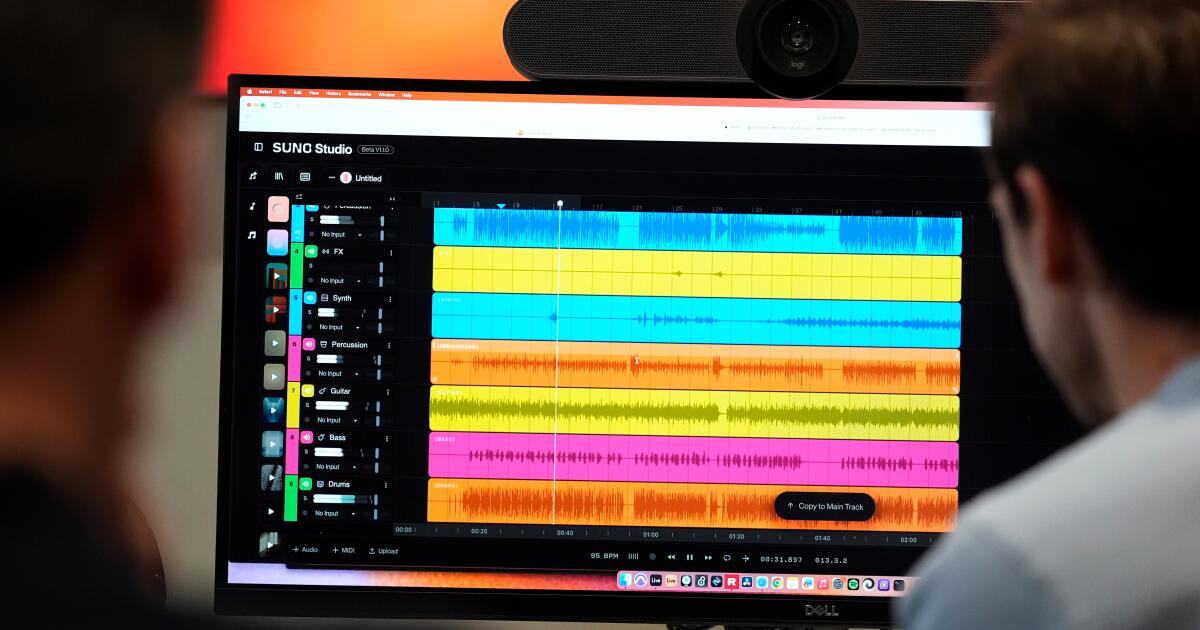
Industry letter claims musicians are being forced into AI deals
A coalition of advocacy groups for artists, songwriters and managers is warning musicians about the growing risks of artificial intelligence music.
Recently, many major record labels have inked deals with AI music startups such as Suno, Udio and Klay. But the coalition, which includes organizations such as the Music Artists Coalition and the Songwriters of North America, argues in a new letter that “artists and songwriters whose works, voices, performances, likenesses and creative identities make those deals valuable are not being meaningfully consulted.”
The letter, released Monday, stated that many artists and songwriters in existing recording and publishing agreements are currently receiving letters from their labels and publishers claiming that they “will be opted in to AI-related uses by default, with little actual choice offered.” Even new artists are receiving agreements that include “AI rights clauses as a standard condition of signing.”
“We support innovation and recognise that AI can create new opportunities for music,” the coalition wrote in the letter. “However artists are not simply catalogue assets, and innovation cannot be used to override artists’ rights.”
The National Independent Talent Organization, a live entertainment advocacy group that signed the letter, said many of its members are coming to the organization with label contracts that include “non-negotiable AI usage clauses.”
“We can’t allow for contract language signed decades before this technology existed to be the standard bearer. These rights belong to the creators and they get the final say on usage,” said Nathaniel Marro, NITO’s executive director, in a statement to The Times.
“Music companies are leading the fight to protect artists’ and songwriters’ rights in the age of AI,” said a spokesperson for IFPI, the recording industry’s global trade body.
“While our members have taken different approaches, they share the same fundamental objectives: combating the unauthorized use of music and establishing licensing models that return revenue to artists and songwriters,” the IFPI spokesperson added.
The coalition is asking the industry to move forward on AI deals only under four conditions: that musicians directly consent to any agreement; that artists receive fair compensation; that there be transparency between the companies and the talent; and that companies make a public commitment to end contracts built on default AI opt-ins and forced AI clauses.
“Artists need a real seat in these conversations, clear terms on revenue share, and the ability to say no without losing their deal,” said Ron Gubitz, the Music Artists Coalition’s executive director, in a statement.
This letter comes at a time when policymakers are reviewing copyright rules in response to AI and when streaming platforms and social media platforms are overflowing with AI-generated music.
A little over two weeks ago, the American Federation of Musicians sued Universal Music Group and Warner Music Group. The complaint claims the major labels “received significant compensation” from the AI companies for past copyright violations and licensed “substantial” portions of their music catalogs to them, but haven’t shared that with the musicians.
Despite the confrontational tone of the letter, some signatories struck a more conciliatory note. Overall, the industry seems to be receptive to these AI changes, said Willie “Prophet” Stiggers of the Black Music Action Coalition, another signatory advocacy group. At this point in AI’s development, he added, everyone in the industry — from artists and labels to AI start-ups and policymakers — has a responsibility to establish effective guardrails.
“The companies building these technologies understand that trust is essential to long-term success, and trust begins with respecting creators’ rights,” Stiggers said in a statement to The Times. “There’s still important work ahead, but we’re encouraged that the conversation has shifted from whether protections are needed to how we build them together.”
“The structures being created now will shape the music ecosystem for years to come,” the coalition’s letter said. “The future of music must be built with artists, songwriters and their representatives, not imposed on them.”
Times staff writer Wendy Lee contributed to this report.
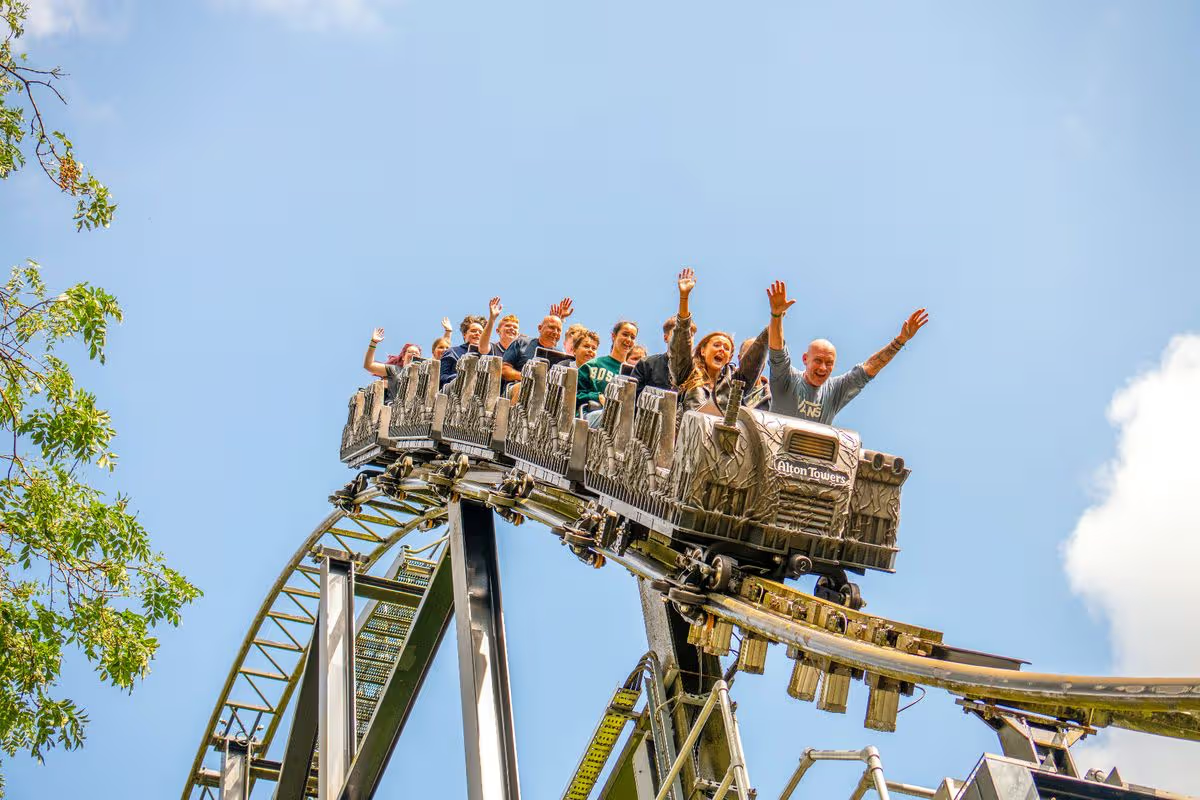
5 of the best UK theme park ticket deals for families this summer
Looking at a blank calendar for the six week summer holiday? With less than a month until the schools break up for the summer, here are some days out that will keep the kids entertained without costing a fortune

These deals help families enjoy days out for less(Image: Merlin Entertainments)
Most schools in England and Wales will break up for the six-week summer holidays in less than a month, leaving many parents scrambling to fill the days with things to do.
A theme park is a classic family day out, but it’s not exactly a cheap option, and some deals don’t cover peak summer holiday dates. But there are ways to cut the costs if you’re planning a day out at one of these attractions, and here are some of the parks with discounts you can use in July and August.
Flamingo Land Theme Park & Zoo – 58% off
Wowcher is currently running a deal for day tickets to Flamingo Land in Yorkshire, with 50% off single tickets and 58% off if you buy four. This means a family of four can enjoy access to the theme park, zoo, and a host of other attractions for £97. The offer includes full school holiday availability.
Flamingo Land includes a number of thrilling rollercoasters, Dino-Stone park, and the adorable Muddy Duck Farm where younger kids can visit Peter Rabbit and his friends. Flamingo Land also offers on-site accommodation for longer breaks, including lodges and cottages for those who want to spend multiple days in the park.
Gulliver’s – up to 99% off children’s tickets
Gulliver’s, which has four locations across the UK, is running a unique offer that could snag you up to 99% off children’s day tickets. The catch is that it’s tied to England’s World Cup performance. The discount will be based on the minute of England’s final goal in each group stage match.
So, as an example, if England’s final goal was at 75 minutes, the deal would mean these tickets were discounted by 75%. The deal will be live on June 24 from 10am after England vs Ghana, and June 28 from 10am after their match against Panama and available to snap up for only 24 hours.
However, if you don’t want to base your school holiday plans on the England team’s performance, there’s also a deal running on Wowcher for 50% off Gulliver’s tickets for all four of their locations in Milton Keynes, Rother Valley, Matlock Bath, and Warrington, with good availability across school holiday dates and prices from £11.50.
Alton Towers, Chessington, Thorpe Park – unlimited visits from £16.99 a month
If you live near an attraction owned by Merlin, such as Alton Towers, Chessington, Thorpe Park, or LEGOLAND, then a Merlin annual pass can work out excellent value for money. At the moment, the Merlin annual pass sale includes prices from £139 for the essential pass, while Gold and Platinum passes have £50 off, making them £189 and £249 respectively.
It’s worth noting that the essentials pass does exclude Saturdays in August, but you can still enjoy the parks on other days of the week. If you don’t want to pay in one go, you can also sign up for a monthly pass at Gold or Platinum level for either £16.99 or £20.99.
In addition to its theme parks, Merlin also operates attractions such as the London Eye, Cadbury World, and SEA LIFE centers, so you can ensure you make the most of your pass with a wide range of days out.
Drayton Manor – VAT-free tickets
Drayton Manor is one of the attractions offering VAT savings this summer as part of the government’s scheme to cut the prices of family days out.
If booked in advance, tickets start at £25.80 for peak dates such as the school holidays. Another option is the three-park ticket, although it is only valid until July 31. For £49.50, you get a day at Drayton Manor, one at West Midlands Safari Park, and one at Waterworld in Stoke-on-Trent, a huge indoor waterpark. This works out at just £16.50 per attraction, far below the usual gate price.
Blackpool Pleasure Beach – tickets and stay for £38.03 per person
A deal from Virgin Experiences means a family of four can enjoy a night in a Blackpool hotel, as well as tickets to its iconic Pleasure Beach for just a few pounds more than the usual admission cost.
A Blackpool Pleasure Beach Resort and Family Stay at the Big Blue Hotel costs £169, and if you use discount code DEAL10, this brings it down to £152.10, or £38.04 per person. Day tickets to the park alone usually start at £31.50, so this is a great deal if you want a night away at the seaside.
This deal is not available on bank holiday weekends or Saturdays in July and August, but can be redeemed for other school holiday dates.
Have a story you want to share? Email us at webtravel@reachplc.com
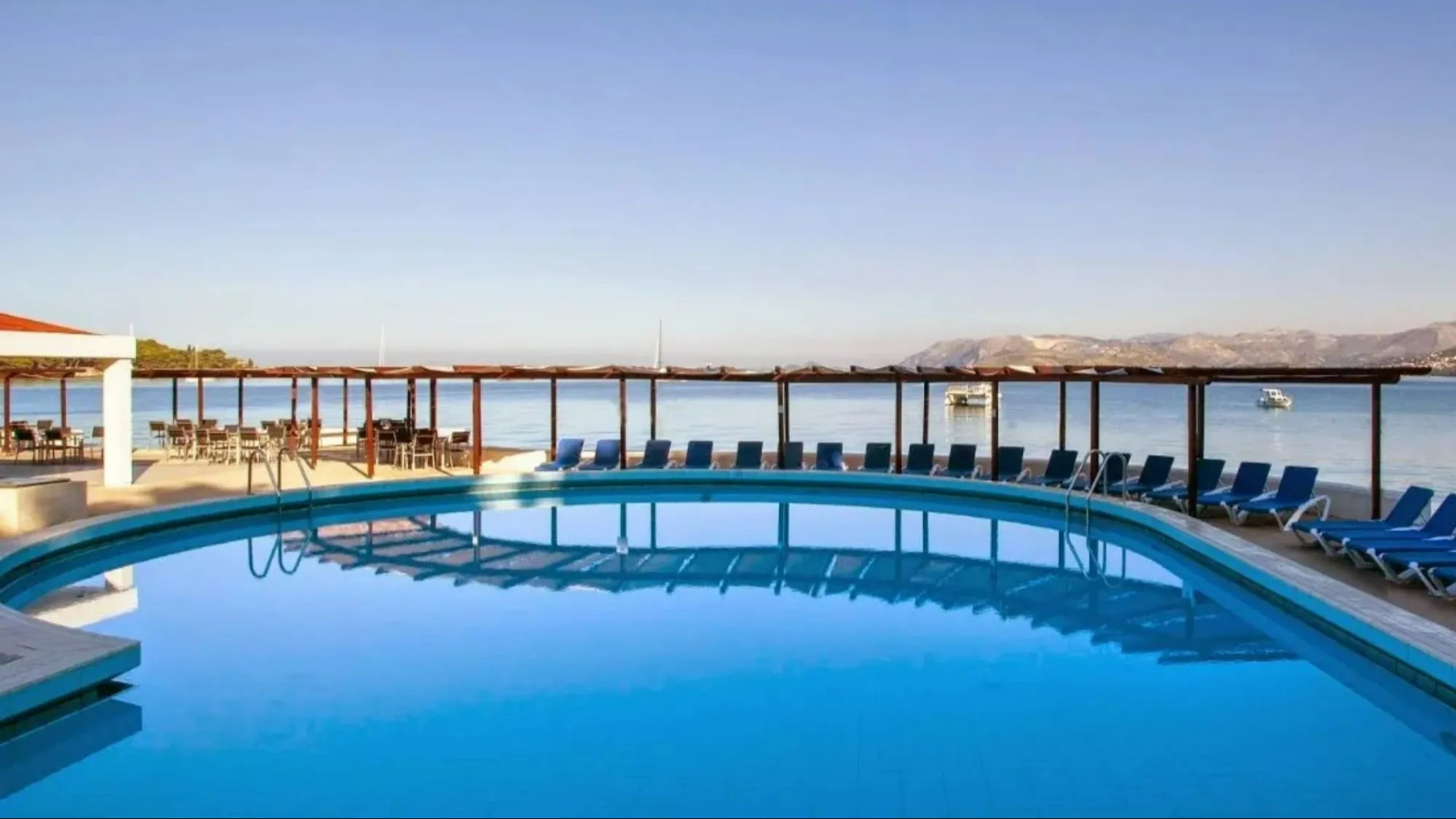
Travel expert’s top 10 short-haul beach resorts with incredible deals this summer

IF you’ve spent the last few months telling yourself you’ll book your summer holiday “next week,” don’t panic. You’re in good company.
This year, British holidaymakers are leaving it later than ever to lock in their summer breaks.
Normally, playing chicken with the calendar is terrible news for your bank balance. But right now, I’m seeing something interesting.
Because summer is staring us down, hotels with empty beds and airlines with empty seats are gently slashing prices to get bookings over the line.
And the result is some genuinely surprising short-haul beach bargains are sitting on the board for under £400pp.
I’ve crunched the numbers and picked out ten spots where your late-booking budget will stretch way further than you think.
Puerto del Carmen, Lanzarote, Spain
If you want a completely foolproof option, Lanzarote rarely misses.
Puerto del Carmen is an absolute staple, and right now, it’s delivering significantly better value than a lot of mainland Spanish resorts.
You get the reliable Canary sun, decent beaches, and enough life going on that you won’t get bored.
I spotted a five-night stay at the THB Flora from £370pp this August.
What makes this hotel a solid pick for me is the location – it’s close enough to the main strip when you want a drink, but tucked far enough away that you aren’t fighting a crowd just to claim a sunbed in the morning.
Icmeler, Turkey
Icmeler has always been the smarter, slightly more sophisticated neighbour to Marmaris.
The bay is stunning, the beach is framed by pine hills, and it completely avoids the chaotic mega-resort energy you find elsewhere in Turkey.
And this year, it’s consistently overdelivering for the price.
Case in point: five nights at the Petunya Konak Boutique Hotel is coming in from £385pp this August.
This hotel feels way more boutique than your standard package hotel too.
The pool setup is hidden away in the gardens, giving you a level of quiet that is gold dust during peak August.
Cavtat, Croatia
Dubrovnik may be grabbing all the headlines these days, but Cavtat remains one of Croatia‘s smartest-value coastal towns.
It serves up the exact same crystal-clear Adriatic water and postcard waterfront dining, just minus the suffocating levels of tourism.
If you’ve never done Croatia, a five-night stay at the Epidaurus Hotel from £385pp this August is a brilliant place to start.
The real win here is the logistics: you’re perfectly placed to enjoy Cavtat’s laid-back vibe, but you can hop on a quick boat ride into Dubrovnik whenever you fancy a bit of sightseeing.
Lagos, Algarve, Portugal
Lagos might just be my favourite corner of the Algarve.
It manages to balance unreal, cliff-backed beaches and a character-packed old town without feeling like a plastic tourist trap.
Finding peak summer deals here under the 400-quid mark is a massive result.
I dug up five nights at the Aqualuz Suite Hotel Apartamentos from £388pp this August.
And the selling point at this hotel, for me, is space. Because you get an apartment setup to actually spread out in, while still being an easy stroll from both the sand and Lagos’ top-notch independent restaurant scene.
Qawra, Malta
Malta doesn’t always get the attention it deserves for a summer beach break, which on this occasion plays into the hands of us holiday deal finders.
Because it offers guaranteed scorching weather, great swimming spots, and some of the warmest evening temperatures in Europe.
If you’re bored of the usual Spain or Turkey rotation, it’s a top shout.
You can grab five nights at the Best Western Premier Malta from £295pp this August.
And frankly, this place looks and feels much more expensive than the price tag suggests.
The rooftop pool alone looks like it belongs to a luxury city-break hotel rather than a budget summer deal.
Puerto Pollensa, Majorca, Spain
If you want Majorca but want to skip the neon lights and rowdy strips, Puerto Pollensa on the north coast is tough to beat.
It’s got a beautiful, relaxed bay and a classic, old-school Mediterranean feel.
I’ll be honest – this is normally a premium area, but 2026 keeps throwing curveballs that I love catching.
Because I found a five-night stay at the Club del Sol Aparthotel from £393pp this August, giving you a foothold in one of the prettiest, most civilized parts of the island while keeping your budget completely under control.
Playa del Ingles, Gran Canaria, Spain
Gran Canaria is a reliable destination for Brits for a reason.
If you’re scrambling for a last-minute getaway, Playa del Ingles is an easy win thanks to its massive beach and lively town center – this place is built for convenience.
I clocked five nights at the Servatur Waikiki from £400pp this August.
It’s right on the money in terms of location too, as you’re close to the beach, close to the nightlife, and it serves as a great, no-nonsense base for a classic sun-and-beer holiday.
Elounda, Crete, Greece
Elounda is proof that you don’t need a luxury budget to stay in one of Crete’s most scenic spots.
It’s known for its clear waters and charming little harbour, and is exactly the kind of place that usually charges a premium just for the view.
However, I spotted a five-night stay at the Alikes Hotel Apartments from £373pp this August.
And this hotel puts you right in the heart of the village, so you can easily wander between the tavernas and waterfront bars without needing to budget for taxis.
Sunny Beach, Bulgaria
Bulgaria has been sneakily dominating the budget travel market for years, and while Sunny Beach is famous for being cheap, the actual standard of the hotels has shot up recently.
Which now puts the destination in a perfect spot – overdelivering on quality compared to what you pay.
Just look at this: I found a five-night stay at the Lion Sunny Beach from £388pp this August.
And this place perfectly highlights what modern Bulgaria does well: it’s contemporary, stylish, and comfortable, without ever making you feel like you’ve compromised just to save a few quid.
Vlore, Albania
If there’s one destination you need to look at before everyone else ruins it (sorry), it’s Albania.
The Albanian Riviera has been gaining serious traction in the last couple of years, and Vlore sits right in the perfect spot.
The beaches are stellar, the water rivals Greece, but the prices haven’t caught up with the quality yet.
But in my experience, that window won’t stay open forever.
This summer, you can lock in five nights at the Valza Boutique Hotel from £388pp in August.
It’s a sleek, boutique property that you’d easily pay double for if it were sitting across the water in Italy or Croatia.
My advice? Get this one booked before the rest of the UK finds out.
*Prices correct at the time of publication.

A tool or or a human replacement: How Hollywood deals with AI
When Brian Grazer has an idea for a movie, he now starts with a chatbot. The co-founder of Imagine Entertainment — the company behind “A Beautiful Mind,” “Apollo 13” and “Liar Liar” — said he sits down with Anthropic’s AI assistant, Claude, to rough out a story before handing it to a writer.
“You can build the whole thing into an outline. You still need a screenwriter. I always believe you need a screenwriter,” Grazer said during a keynote at UCLA’s Entertainment Symposium on Thursday. What once could have taken up to a year, he said, now takes him about a week — but the human writer stays.
That balance — AI as an accelerant rather than a replacement — captures where much of Hollywood has landed in practice. Amazon MGM, Lionsgate, Netflix and Disney have all made major investments in the technology. The sharper question at the symposium, which drew many of the industry’s top lawyers and dealmakers to the Westwood campus, was not whether to use AI but how: who authorizes it, how far it goes and who gets paid.
For the companies building the tools, the answer increasingly comes from the client. Studios, production companies and distributors regularly approach Promise, a generative AI company, to bring AI into their productions, and each arrives with its own usage guidelines, said the company’s president, Jamie Byrne. Those rules govern which AI models Promise may use and what protections apply — effectively letting each client decide how heavily AI figures into the work.
“It comes down to a risk appetite,” Byrne said during a panel on AI. “We know that there’s talent that are staunchly against it. We know that there are many who are okay with it.”
He framed adoption as a competitive necessity: “Every time there’s a technology change, certain studios or production companies rise. Others fall, and it’s usually the ones that are not leaning into the new tool.”
Ron Howard, also of Imagine Entertainment, argued the limits will ultimately be set elsewhere — by viewers. “Sure, it’s about efficiencies and budgets, but more than anything, audiences are going to tell us where those restrictions are,” he said. He expects AI-generated content to settle into its own subgenre over time, with audiences signaling what they will accept.
The most contested ground is labor, where consent has become the dividing line. The emergence of synthetic performers such as Tilly Norwood has made AI a central issue in SAG-AFTRA’s contract. The union’s most recent agreement draws a clear line between authorized digital replicas, which use a performer’s likeness with their consent, and fully synthetic creations.
Talent agencies are organizing around the same principle. In recent years, Creative Artists Agency began digitally scanning clients into what it calls the CAA Vault, building a replica of a client’s image, likeness and voice while leaving the talent in complete control of how it is used.
That control is beginning to carry real value, said Tammy Brandt, CAA’s deputy general counsel, who said she is seeing more deals that involve digital likeness. Hollywood has been slow to work out how to monetize these replicas, she said, but once it does, audiences will start to encounter them more often.
“You have to lean into the technology and understand what it can do, and honestly, how you can make money, work with talent and with creative assets in a way that the user is interested in,” Brandt said. “There’s a little bit of trial and error as you go with that.”
The best-value travel deals and sales on now
IF you haven’t booked yourself a summer holiday yet, or you’re desperate to upgrade your battered old suitcases…you’re in luck.
Top travel brands like Expedia, Eastpak, and On the Beach have launched massive summer sales – and we’ve rounded up the top deals.
These companies have slashed prices on everything from plane essentials to entire package holidays.
We’ve scoured their websites to find the biggest discounts so you don’t have to.
Here are the top online travel deals you can snap up right now.
Eastpak Luggage Summer Sale – up to 50% off
Need a big, durable suitcase with heaps of packing room inside? Eastpak if your best bet.


Eastpak Luggage are running a summer sale where there’s up to 50% off on luggage, meaning you can make some huge savings on high-quality suitcases.
One of the biggest price drop items is the Travelpack backpack, where the price has been slashed in half from £95 to £47.50
If you’re looking for large luggage with plenty of room for your holidays, the TRANZVERZ L is currently 40% off – down from £185 to £111.
Another suitcase with big savings is the TRANVERZ M, a medium-sized suitcase on wheels which is down from its full price of £165 to £99 instead.
Expedia Big Summer Sale – up to 35% off
Expedia’s Big Summer Sale has lots of hotels and package holidays still available for the summer where you can bag some major savings.
There’s also deals on flights and car hire, so you can sort out everything you’ll need for your holiday in one place.
Included in the sale are last-minute beach holidays, such as three nights at the adults-only Hotel THB María Isabel in Majorca for £217pp (saving £98).
Plus this package holiday in Greece comes with an extra night for free, staying three nights at the Oktober Downtown Boutique Hotel in Rhodes for £310pp (saving £101).
Here’s a selection of some of the top deals we could find
Packing cubes – 38% off
If you haven’t started using packing cubes yet, now’s the time.
This eight piece set on Amazon is down 38% to £9.95, so you can grab yourself a full kit for under a tenner.
Rolling clothes into these cubes can save on luggage space, plus the kit comes with a dedicated toiletries bag and wet bag for swimwear – all are waterproof.
Not only can they save room in your suitcase, but they’ll save you time, too.
We all know that feeling of rummaging through a huge disorganised pile on the hotel room floor to find what you need.
Save yourself the hassle and keep things organised.
Amazon Travel Packing Cubes – £15.99 NOW £9.95
On the Beach holiday deals – £££ off + kids go free
On the Beach have a huge number of package holidays on sale, with destinations ranging from Spain and Greece to Florida.
These holidays include flights and accommodation, and are currently up to hundreds of pounds off full price.
Some of the best deals include a week-long stay in Albufeira for £250pp at the Muthu Balaia Sol hotel, which even has a kids stay free offer.
There’s also a week-long stay at the Villamarina Club hotel in Salou for £385pp, which also offers free kids’ places. This holiday is currently £107 off.
Other holiday deals in the sale include:
Browse their top deals page for more holiday deals.
Noise reduction earplugs – 80% off
If you’re tired of jamming cheap foam plugs into your ears – wondering if you’re doing actual damage to your ear canals – it’s time for an upgrade.
These Amazon earplugs are currently on sale for a massive 80% off, down from £49.99 to £9.99.
These soft and flexible earplugs are designed to mould perfectly into the ear – much comfier than the free pairs, which also don’t really block any noise.
In fact, these earplugs also provide 40% stronger sound isolation than regular foam alternatives, helping you enjoy the silence and sleep soundly.
Plus these plugs are specifically designed ‘to Block Snoring & Partner’s Noise,’ a saviour if you travel with a loud sleeper.
Amazon FIKSFA Ear Plugs – £49.99 NOW £9.99
Memory foam travel pillow – 20% off
Gone are the days of trying to get comfortable leaning against the plane window. Or worse, craning your head down onto your shoulder, leading to interrupted sleep and neck pain.
Travel pillows are a must for long haul flights – but not all of them are built the same.
This memory foam neck pillow from Amazon is ergonomically designed to cradle your neck perfectly.
Plus it even comes with ear plugs and an eye mask for optimum sleep, as well as a travel bag to keep it safe and clean.
It’s currently on sale, down 20% to £11.89. Skip the inflated airport prices and grab yourself a deal – and a better night’s sleep, too.
Amazon Cirorld Travel Pillow + ear plugs + eye mask – £14.99 NOW £11.89
*Prices correct at the time of publication.

War deals heavy blow to Lebanon’s economy, disrupts recovery efforts

Damaged vehicles are seen following an Israeli airstrike that targeted an apartment in Choueifat, south of Beirut, Lebanon, on May 28. File Photo Wael Hamzeh/EPA
BEIRUT, Lebanon, June 16 (UPI) — Lebanon’s economy, shattered by the 2019 financial collapse, has suffered another major shock from the Israel-Hezbollah war, which has disrupted recent recovery efforts and hit the tourism sector — the country’s main revenue generator — particularly hard.
The war, which began in October 2023 when Hezbollah opened a support front for Gaza, escalated as Israel intensified its attacks and the Iran-backed regime resumed fighting in solidarity with Iran last March after 15 months of inactivity. It further deepened Lebanon’s economic crisis and left the country grappling with its repercussions.
Direct and indirect losses are initially estimated at $20-30 billion, reflecting extensive destruction and mass displacement caused by the conflict, along with severe disruptions to economic activity. Inflationary pressures have also intensified due to the closure of the Strait of Hormuz.
Nearly every sector of the economy has been affected.
The escalation in March dramatically expanded the scale of destruction, with more than 70 villages in southern Lebanon reduced to ruins by advancing Israeli troops. Entire neighborhoods were leveled, while businesses, public infrastructure, schools, hospitals, and roads suffered extensive damage.
Beirut’s southern suburbs and parts of the Bekaa Valley in eastern Lebanon were also heavily targeted by Israeli airstrikes, resulting in similar devastation.
Beyond the heavy casualty toll of 3,826 killed and 11,851 injured since March 2, the widespread physical destruction, and the displacement of 1.2 million people forced to flee their homes and villages under Israeli evacuation orders, the war has also resulted in significant indirect losses.
Unemployment rose as job losses mounted, while recession and inflation eroded household purchasing power, making people poorer.
The tourism sector was also badly hit, and the economy is expected to contract by between 7% and 10% in 2026 if the war continues, according to estimates by Finance Minister Yassine Jaber.
More critically, the recent escalation came as the reform-minded government of Prime Minister Nawaf Salam had begun putting the country on a path to recovery, and the economy was starting to pick up.
Despite the war — largely concentrated in southern Lebanon at that time — 2025 ended on a positive note, with the World Bank reporting modest GDP growth of 3.5 percent and a rebound in tourism.
A key highlight was a visit by Pope Leo XIV, which raised hopes and called for peace, alongside approximately 1.63 million visitors; an increase of 44.6% compared with the previous year.
“That showed that demand for Lebanon was returning… The escalation in March interrupted that momentum,” Tourism Minister Laura Khazen Lahoud told UPI.
Lahoud explained that the collapse became visible in cancellations, empty restaurants, very low hotel occupancy, and travel agencies shifting from selling trips to managing cancellations.
According to figures released by the relevant syndicates, travel and tourism activity declined by around 80%, while hotel occupancy in Beirut fell to roughly 7-10%, occasionally reaching 12%.
Tourism activity became concentrated in “a very small number of spots,” where hotels sought to attract displaced people seeking refuge in safer areas, according to Lahoud.
Charles Arbid, President of Lebanese Economic Social and Environmental Council, explained that the country was in “a state of stagflation,” with little economic activity or production, inflation reaching 20%, and businesses closing down or partially operating.
“This is a catastrophic economic situation, following a prolonged period of weak growth and the accumulation of structural economic problems,” Arbid said in an interview with UPI, referring to the drop in government revenues due to the inability to pay taxes and the complete halt of economic activity in southern Lebanon.
He was particularly concerned about the impact of the war on the population, as many were losing their jobs and depleting their remaining savings to cope with the spiraling inflation.
He said Lebanon is facing “a social and societal crisis,” exacerbated by the massive displacement, and would need a “Marshall Plan” for reconstruction, rehabilitation of its crumbling infrastructure, securing the return of the displaced to their villages, and supporting economic recovery.
In the meantime, many are struggling to keep their businesses afloat and secure an income.
Mohammad Farid, who has been displaced three times with his wife and son from their home in Beirut’s southern suburbs since 2024, has not given up despite suffering heavy losses: $250,000 after an Israeli strike destroyed a solar panel project he had co-partnered in the village of Ansar in southern Lebanon, and about $100,000 from two shops badly damaged in Israeli strikes in Beirut’s southern suburbs.
Farid and his wife, Malak, had started a new business, Oilganic, specializing in cold-pressed organic oils shortly before the 2023 war erupted, importing oil press machines from China and renting their first shop.
Their business began to flourish, expanding into online sales and building a strong reputation.
“That came to a halt when the war extended to our area, forcing us to leave and then return after a truce was reached, rent a new shop, and see it destroyed again months later,” Farid told UPI.
They were again displaced, taking refuge at their friends’ house in the mountains, where they resumed production on a smaller scale using small oil-press machines.
“We are doing our best so as not to lose our clients,” Farid said, determined to grow his business and relocate to his native border village of Naqoura in southern Lebanon after the war ends. “I want to go back to the south, rebuild our house, and continue my oil business there. This is our land, and we will never give it up.”
A glimmer of hope for ending the longest and most devastating war between Israel and Hezbollah emerged after the United States and Iran reached a memorandum of understanding, which was due to be signed in Geneva on Friday.
The agreement includes a full ceasefire in Lebanon, which has not yet been fully observed by either side.
A cessation of hostilities, or even a durable de-escalation, could bring much-needed relief, starting with salvaging part of the summer tourism season, largely relying on Lebanese expatriates and the diaspora.
Lahoud said the diaspora would help sustain the sector but noted that a very large segment of the diaspora, whether in West Africa or northern Europe, originates from southern Lebanon and would be less likely to visit this year.
She explained that the tourism sector has survived repeated shocks, but emphasized that “businesses cannot absorb losses indefinitely,” with hotels, restaurants, travel agencies, transport companies, event organizers, and seasonal workers remaining under real pressure.
As the region is being reshaped by major developments, Lebanon is looking to close the chapter of war and move into a period of peace, engaging in U.S.-mediated direct negotiations with Israel for the first time.
Arbid appeared confident that Lebanon “is heading into a better phase,” one that would require a new political understanding and security stability.
“That would pave the way for reconstruction and recovery… It will be a long journey, but we will make it in the end,” he said.

Venezuelan Gov’t Signs Deals with General Electric and IMPSA to Boost Electricity Supply
Rodríguez thanked US Chargé d’Affaires John Barrett for helping establish ties with US corporations. (Prensa Presidencial)
Mérida, June 16, 2026 (venezuelanalysis.com) – The Venezuelan government has signed two agreements with foreign companies as part of efforts to bolster the country’s National Electric System (SEN).
On Monday, Acting President Delcy Rodríguez penned a memorandum of understanding with GE Vernova, a company formed from the 2024 breakup of US conglomerate General Electric, at Miraflores Palace in Caracas.
“This memorandum is historic for Venezuela, so we can recover such an essential service for the Venezuelan people,” she stated during a televised broadcast. “I have asked the teams to convert this memorandum into a contract as soon as possible and start the works.”
According to Rodríguez, the agreement will incorporate 1,000 Megawatts (MW) into Venezuela’s electricity grid in the next 24 months, and 5,000 MW over four years. The acting president added that GE technicians have spent “six weeks” in the country assessing conditions of electric equipment.
Rodríguez did not disclose what the deal entails, nor what components of the electric grid will be turned over to GE Vernova, but stated that the plan concerns generation, transmission, and electricity substations.
The Venezuelan acting leader went on to thank US Chargé d’Affaires John Barrett, who was present at the ceremony, for promoting engagement with major US corporations like GE. Company executives Roger Martella and Eric Gray were likewise in attendance. Martella stated that GE’s objective was to quickly reactivate electricity generation.
“We want to move quickly so the system can work as best as possible in a few months. We already have an agreement on technical details,” he said.
Two days earlier, Venezuelan authorities announced a separate accord with Argentina-based firm Industrias Metalúrgicas Pescarmona (IMPSA) to rehabilitate the Manuel Piar and Antonio José de Sucre hydroelectric projects, known as the Tocoma and Macagua dams. Both are located in the Caroní river, in Bolívar state, which also supplies the Simón Bolívar Hydroelectric Plant, known as the Guri Dam.
The official release indicated that the agreement aims to inject 2,640 MW into the grid. IMPSA President Jorge Salcedo clarified on social media that the company’s initial target is to restore 672 MW of capacity from Tocoma within 19 months.
“This agreement launches a broader effort to strengthen Venezuela’s power system through a comprehensive plan that could deliver up to 2,160 MW at Tocoma and 480 MW at Macagua over the next five years,” he wrote.
The Tocoma project dates back to the 2000s. In 2008, Venezuela’s state electricity company CORPOELEC hired a construction consortium headed by Brazilian firm Odebrecht to build the dam, with IMPSA tasked with supplying machinery.
However, despite costs running over US $9.3 billion, more than triple the original $3 billion budget, the project was not culminated. Venezuelan authorities reported that construction was at 90 percent completion in 2016. A $1.2 billion debt owed by CORPOELEC saw IMPSA suspend activities with only two of the ten projected turbines partially installed.
According to Reuters, IMPSA is holding most of the contracted equipment in storage and will replace the missing or obsolete ones with new technology.
IMPSA was temporarily owned by the Argentine state before being privatized by the Milei administration in February 2025. The company was acquired by the US-based consortium Industrial Acquisition Fund (IAF). IAF’s main partner is ARC Energy, headed by close Trump ally and donor Jason Arceneaux.
Venezuela’s electrical system has suffered under years of US sanctions as well as underinvestment, lack of maintenance, and corruption. Around 40 percent of its installed 30,000 MW capacity is currently operational, with generation deficit around 3,000 MW meaning regular blackouts in most of the country.
Strengthening the electrical supply is a precondition for the country’s economic recovery, with growing oil production placing an additional burden on the grid.
The Rodríguez acting government has sought to address the issue by opening the electricity system to the private sector, with GE and IMPSA the first corporations formally engaged.
On June 4, the National Assembly preliminarily approved a reform of the Organic Law of the National Electricity System. The new legal framework breaks with the 2007 legislation under Hugo Chávez that centralized the grid under CORPOELEC and defined all stages of electricity generation and distribution as “strategic for the nation.”
The reform allows for private sector participation in generation, transmission, distribution, and commercialization ativities through concessions lasting up to 25 years. It also envisions new tariff structures based on “real costs and reasonable returns” for investors.
Edited by Ricardo Vaz in Caracas.
Key deals this week: GSK, Incyte, Ingredion, OpenAI, and more
Key deals this week: GSK, Incyte, Ingredion, OpenAI, and more
Source link
Just 6 weeks until the school summer holidays! Cheap all inclusive deals abroad where kids go FREE
FAMILIES have just six weeks until the school summer holidays begin – and it’s not too late to book a bargain all-inclusive family holiday.
While the summer holidays usually signal a massive jump in holiday prices, we’ve found all inclusive holiday deals that will actually SAVE you money.
Plus, by packing flights, hotel, meals, drinks and snacks into a single all-inclusive deal, you won’t need to worry about extra costs once you’re abroad.
To make holiday budgets stretch even further, brands like Loveholidays and On the Beach are offering free child places across a range of hotels.
We’ve rounded up a selection of week-long, all inclusive holidays in July and August with FREE child places.
This means you can secure a week in the sunshine with unlimited ice lollies, drinks, kids’ clubs, and pool access while one of the little ones travels for nothing.
Read more on all inclusives


Here’s our pick of bargain all-inclusive family holidays from £368pp.
Costa Brava, Spain
With an on-site disco bar, kids splash pool and a free shuttle to the nearest sandy beach, you can’t really go wrong with a break at this Costa Brava resort.
The Santa Susanna Resort Affiliated by Fergus has plenty of activities for kids to burn off their energy – plus relaxing spots for parents to unwind, too.
There’s a pool with a splash zone and water features, an action-packed kids club and evening discos that children will love – plus unlimited ice lollies.
And for the grown-ups, there’s two bars where you can grab an ice-cold beer or cocktail – one of which is by the pool.
Loveholidays offer a 7 night stay from August 18 including flights for £368pp with one child staying for free – and is currently £198 off.
Book a 7 night all inclusive stay at Santa Susanna Resort Affiliated by Fergus for £368pp.
Antalya, Turkey
The all inclusive Sun Star Beach has a massive outdoor pool with a waterslide, four lively bars, and its very own private beach.
When parents need a breather from baking in the Mediterranean sun, you can slip away to the on-site spa.
Here you’ll find a sauna, a traditional Turkish bath and soothing massage treatments – plus a gym if you want to squeeze in a workout.
There’s also a kids club and activities program, as well as sports on the beach like beach volleyball. water skiing and jet skiing.
Out and about, the vibrant bars, restaurants, and shops of Mahmutlar are right on your doorstep.
Loveholidays offer a 7 night stay from August 31 including flights for £469pp with one child staying for free. This break is currently £40 off, too.
Book a 7 night all inclusive stay at Sun Star Beach for £469pp
Agadir, Morocco
El Pueblo Tamlelt is a tropical-feel Moroccan resort with 11 acres of lush gardens, just steps away from the beach.
Plus it’s only 15 minutes from the airport, so you’ll be landed and on a lounger in no time.
Every modern room comes with a private balcony or terrace, and the all-inclusive deal keeps kids happy with an all-you-can-eat buffet and poolside snacks like pizza and burgers.
When you’re ready to explore, Agadir’s bustling centre is just a 10-minute taxi or bus ride away.
Wander the palm-lined promenade or head to the Agadir Oufella Ruins for spectacular mountaintop views over the city.
On the Beach offer a 7 night stay from August 19 including flights for £433pp with children 2 and under staying for free. This holiday is currently £166 off full price.
Book a 7 night all inclusive stay at El Pueblo Tamelt for £433pp
Crete, Greece
The Club Lyda Hotel in Gouves is a great value option for families looking for an affordable Greek island holiday.
This large, village-style resort sits within walking distance of local soft sand beaches and offers a budget-friendly all-inclusive package.
The hotel has a large outdoor swimming pool plus a kids pool, as well as plenty of loungers out on the terrace for sunbathing.
This resort caters to families with little ones, with a kids club, children’s swimming pool and activity program that runs all day long.
Meals are served buffet-style in the main restaurant, which cooks up a rotating mix of traditional Greek dishes and familiar favourites.
If you want to explore beyond the resort, The Dinosauria Park is just a 10-minutes away by car or taxi, plus there are three waterpark options within 20 minutes’ drive.
Loveholidays offer a 7 night stay from August 18 including flights for £489pp with one child staying free. This deal saves £97 off full-price, too.
Book a 7 night all inclusive stay at Club Lyda Hotel for £489pp
Bodrum, Turkey
The Tiana Beach Resort is a budget-friendly base in the glamorous resort of Bodrum, offering a luxurious-feeling family holiday for less.
Here there’s pretty garden paths that will lead you straight down to the sea, with a stretch of private beach with a range of water sports.
Back at the hotel, there’s a pool surrounded by plenty of sun loungers and parasols, plus sports like tennis and volleyball.
Plus the spa and sauna with treatments like massages is the cherry on top.
It’s about half an hour’s drive to the centre of Bodrum, where you can visit its massive castle or stroll along the glitzy marina and dip into bars and seafood restaurants.
On the Beach offer a 7 night stay from August 17 including flights for £518pp. This saves you £172 off full-price.
Book a 7 night all inclusive stay at Tiana Beach Resort for £518pp
*Prices correct at the time of publication.
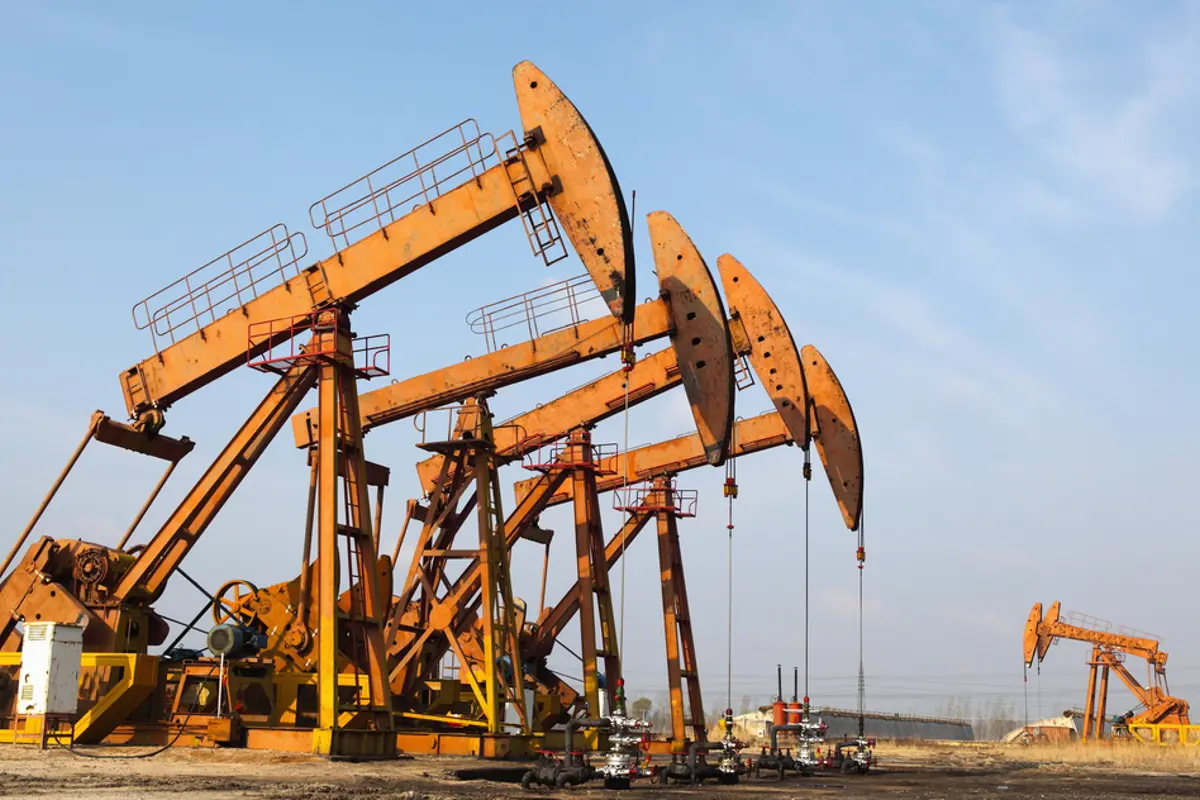
Trump Administration Extracts Renewed Venezuela Oil Concessions as Rodríguez Touts New Deals
SLB, formerly Schlumberger, is the latest major corporation to sign a renewed agreement with the Venezuelan government. (Archive)
Caracas, June 11, 2026 (venezuelanalysis.com) – The Trump administration continues to dictate conditions on Venezuela’s energy industry for the benefit of US and Western corporations.
At an event organized by Politico, National Energy Dominance Council Director Jarrod Agen stated that he is in contact with Venezuelan Acting President Delcy Rodríguez and her team “multiple times a day” to discuss the legal framework for foreign conglomerates.
“I raised issues [on oil contracts] when I went down [to Venezuela] and she said ‘we’ll work with you to get through it,’”the Trump official added.
Agen stated that the administration is currently working to turn “memoranda of understanding (MoU) into binding contracts” and insisted that Venezuela has “made a lot of progress” in overhauling the country’s hydrocarbon and mining laws.
The legislation approved by the National Assembly slashes royalties and fiscal responsibilities for private companies, while also granting them expanded control over operations and sales. After the laws were approved, authorities were tasked with drafting regulations for their implementation and new contract templates.
Agen went on to announce that a Trump administration delegation will travel to Caracas in the coming days to further discuss conditions for multinational firms in petroleum and gas projects.
Venezuelan oil authorities have reportedly begun circulating drafts of regulations and contract models with industry partners, though the texts have not been made public. The final versions are required to be published in the country’s National Gazette.
According to Bloomberg, Caracas has revised the proposals under pressure from investors, including the removal of a clause that would have allowed the Venezuelan government to terminate contracts, with compensation, for reasons of “public interest.” Venezuelan leaders have openly acknowledged incorporating private sector input into the recent oil and mining reforms.
Since launching military strikes and kidnapping Venezuelan President Nicolás Maduro on January 3, the Trump administration has seized control of the South American country’s energy and mineral exports.
While keeping wide-reaching sanctions in place, the US Treasury Department has issued multiple sanctions waivers allowing select Western corporations to undertake oil and gas operations in Venezuela while barring participation from Chinese, Russian, and Iranian competitors. The general licenses mandate that all Venezuela-owed payments, including royalties and taxes, be deposited in a Treasury-run account.
On Wednesday, the Trump administration updated multiple licenses concerning energy, petrochemical, and mining activities, stipulating that contract disputes can now also be settled in the United Kingdom, France, and Singapore, rather than just the US. However, the licenses still demand that contract terms be “construed and interpreted” in accordance with US laws and jurisdiction.
The revised waivers likewise establish that contracts may recognize that “certain aspects” of the activity are subject to Venezuelan laws and regulations.
For its part, the acting Rodríguez administration has aggressively courted foreign investment in the oil and gas sectors.
On Wednesday, Venezuelan state oil company PDVSA signed a memorandum of understanding with SLB, formerly Schlumberger, one of the world’s largest oil services providers with a presence in the Caribbean nation since the 1920s. The Houston-based multinational stated that the agreement intends to “strengthen operational execution and promote sustainable development” of the Venezuelan energy sector.
During a televised ceremony, Rodríguez said she was “very pleased” with the deal and expressed confidence that SLB’s cutting-edge technology would have a “major impact on oil exploration and production.”
The acting leader has inked agreements with multiple Western energy giants in recent weeks, including Chevron, Shell, BP, and Repsol. Rodríguez has announced that more companies are set to arrive in the coming weeks. Business executives have made repeated trips to Venezuela to evaluate opportunities and meet with government officials.
Rodríguez recently visited India and touted oil project opportunities in meetings with Reliance Industries and Indian public sector energy firms.
Other government officials, including Economy Vice President Calixto Ortega and Oil Minister Paula Henao, have also held closed-door meetings with investors to promote recent reforms and incentives for foreign firms. At a Houston conference in May, Henao trumpeted the new oil law’s international arbitration clauses for offering more “legal certainty” to investors.
Venezuela’s oil output has continued its recent upward trend, with OPEC’s secondary sources registering a production of 1.072 million barrels per day (bpd) in May, up from 1.036 million in April.
For its part, PDVSA registered a 1.179 million bpd output last month, up from 1.136 million in April. Direct and secondary measurements have historically differed over disagreements on the inclusion of condensates and natural gas liquids.
According to Reuters, Venezuelan oil and byproduct exports rose for a third consecutive month, registering 1.25 million bpd, thanks to increased volumes shipped to the US and India.
Edited by Lucas Koerner in Caracas.

I’ve visited the Isle Of Wight 100 times, these are the best pubs, the beaches as good as the Med & deals for £41-a-week

THE Isle of Wight is known for its Mediterranean-looking beaches, ‘back in time’ towns and being one of the sunniest spots in Britain.
If you fancy a visit – and we suggest you do – here’s everything you need to know, from the best hotels to the quieter beaches, as well as how to get discounts on the ferry and where to find the island-made sparkling blue wine.
Follow The Sun’s award-winning travel team on Instagram and TikTok for top holiday tips and inspiration @thesuntravel.
To find out all the best bits about the British island, Sun Travel sought out the help of an insider who has been there almost 100 times.
Darragh Gray, who hails from Northern Ireland, has been holidaying on the Isle of Wight since he was just three years old.
When family school holidays came to an end, Darragh was so taken with the place that he continued to visit and has already planned four trips this year.
Talking to Sun Travel, Darragh describes the isle as “magical” and, at the right time of year, even comparable to the Mediterranean.
Best beaches
As the Isle of Wight is only 22.5 miles long, you’re never too far from a beach. For some bucket and spade fun, Darragh knows exactly where you should visit.
He says: “If you’re looking for a beach with all the fun of the traditional seaside, you can’t beat Sandown. It has miles of sand that run from a pier at one end to the cliffs at the other.
“Another great spot is a beach resort called Ventnor, which has striking red and gold sand and shingle; that’s a lovely one to visit.”
For more of a rural coastline escape, Darragh suggests heading to West Wight, which has dramatic cliffs and sandy beaches.
He says: “Compton Bay is a lovely spot that feels remote, and you can go fossil hunting on the beach.
“Freshwater Bay is interesting because on a stormy day it looks wild with huge waves on the edge of the Atlantic.
“But on a calm summer’s day, you can feel like you’re on a Greek island.”
Other secluded spots include Bembridge on the East Coast and the quiet beach found on Totland Bay.
Local gems
The town of Cowes in the west is famous for yachting and well known, but what tourists don’t know about is the secret spot around the corner.
Darragh says: “About 30-minutes walk around the coast, there’s a little village called Gurnard.
“It has a lovely little beach and beautiful sunsets.”
It’s bordered by green beach huts, and there’s a traditional pub called The Woodvale found beyond the green where you can watch boats bob along the water.
Another secret spot is Seaview – the small Edwardian resort is just beyond Ryde.
Darragh says visitors will love it for its “lovely coastline”, which is much quieter as it’s away from the main resorts.
He also named Steephill Cove near Ventnor as a “lovely hidden place” that can only be reached on foot.
The fishing cove is known for its safe sandy beach, perfect for swimming, with plenty of rock pools for exploring.
Pubs
Who can stay away from a pub on holiday, whether it’s a refreshing pint you’re after or a glass of wine in a sunny garden?
Well, there are lots of lovely ones on the Isle of Wight, with sea views or overlooking the countryside.
When it comes to his favourites, Darragh told us about one in Shanklin.
He says: “Tucked under the cliffs is the Fisherman’s Cottage; it’s a lovely pub away from the main beach – sitting on the patio is one of my favourite places to be.
“Or the south side of the island, in Ventnor, is The Buddle Inn, which dates back to the 16th century and used to be a spot for smugglers back in its day.
“It’s lovely to sit by the fire in the winter, or in the garden in the summer.”
Another favourite is The Culver Haven Inn, thanks to its outdoor terrace that has sea views in “three different directions”.
It’s isolated up on the cliffs, but there are plenty of walking routes around it.
When it comes to country pubs, Darragh says: “The Blacksmiths is a country inn near Halsbrook, which I think is one of the most tranquil locations on the island.
“You can eat, drink and take in the views all the way down to the Solent.”
Another is The Crown Inn in Shorwell, which Darragh describes as quiet and historic with a “great gastropub menu”. On Sundays, they serve up pub lunches, as well as dishes like steak and chips, and of course, plenty of fish dishes.
Number 3, that’s tucked away at the top of the high street in Cowes, is a restaurant that Darragh says offers good value.
He also recommends the Basque Kitchen, which has “outstanding tapas”.
A higher-end restaurant is the RT Cafe Grill in Ryde, which is right by the sea, and has an à la carte menu, grill specials and Sunday roasts too.
The True Food Kitchen in Ventnor cooks up Asian-inspired food made from local ingredients.
Darragh says: “They’ve just opened up a second restaurant in Castlehaven where you can sit outside and look over the cliffs – it’s very magical.”
Seaside favourites
No trip to the seaside is complete without going to the chippy.
Darragh has two that are his standouts.
He tells us: “The first is the Happy Haddock in Shanklin, and Stotesburys in Newport, which is the oldest fish and chip shop on the island, and both are great value for money.”
When it comes to soft serve treats and gelato, head to Ventnor.
“There’s a fantastic Victorian ice cream parlour in Ventnor called Crave, which makes a whole range of ice cream on site every day.”
It has rotating flavours from Dubai chocolate pistachio to Cabana (coconut, caramel, cherries and chocolate) and salted butter and ginger cake.
If you happen to be in Newport, pop into Minghella.
It’s called an ‘institution’ serving ice cream for over 75 years, and a must-try, according to Darragh, is their unique ginger ice cream.
Local food and blue wine
When it comes to food, the Isle of Wight harvests a lot of its own produce, from tasty tomatoes to fresh seafood, and in one case, blue wine.
“There’s one commercial vineyard on the island called Adgestone, and what you can buy from there is sparkling wine: white, red, and blue. I once took the wine to a barbecue, and everyone was fascinated by it.
“The colour blue comes from the skin of the grapes, and I don’t know how they do it, but it’s an incredible turquoise-blue colour, and very tasty.”
Mermaid Gin, which is sold around the country, is also made on the island, and you can even visit the distillery. At the Mermaid Bar, you can sample cocktails made with their distilled gins and rum made from island botanicals. Think a ‘Ginacolada’ and Mermaid Margarita.
Free activities
For animal lovers, the Isle of Wight Donkey Sanctuary, which has 109 donkeys, is a great spot – it’s open seven days a week, and is completely free.
Another free activity is at the RNLI Lifeboat Station in Bembridge, which opens a few days a week to the public.
There are some quirky museums too, like the Isle of Wight Bus & Coach Museum in Ryde, which is full of historic vehicles and completely free.
On display are around 20 vehicles, transport artefacts and photographs as well as a cafe and shop.
Festivals
During the spring and summer seasons, the Isle of Wight comes alive with festivals across the island.
Darragh has some suggestions, one of which is slightly unconventional.
He says: “The garlic festival is one of my favourites, I went for the first time last summer and can’t wait to go back this year.
“It’s a mix between a food festival and a country fair with lots of food stalls and dog shows.”
This year, the Garlic Festival is taking place between August 15-16, with tickets still on sale.
For keen hikers, the Isle of Wight is full of trails, and there are even organised Walking Festivals – some are free of charge. You can ride the Isle of Wight Steam Railway throughout the year, but they also hold festivals.
One is the Real Ale Festival, where local brewers offer a selection of beers and ciders – it was last held in May so anyone wanting to attend will have to keep an eye out for next year’s event.
Of course, one of the most famous events on the island is the Isle of Wight Music Festival. This year it’s between June 18 and June 21 with Lewis Capaldi, Calvin Harris, and The Cure all headlining.
Hotels
There are plenty of places to stay scattered across the island, from large hotels to tiny guesthouses.
Darragh says: “I’m a big fan of supporting independent businesses – there’s a big choice of private hotels and B&Bs.
“In terms of where you might want to base yourself, Shanklin is great, especially for first-time visitors because it has a village and a beach.”
“Places I’ve stayed in there and I’d be happy to recommend are the Havelock Hotel, and then there’s a slightly larger Channel View Hotel, which has an indoor pool.”
If you fancy a hotel stay in Shanklin, then Darragh suggests The Curraghmore, which is a family-run B&B with rooms from £90per night.
It’s a great spot for anyone wanting to enjoy spring sunshine as it has beachfront access, a sun terrace and a pretty garden.
The Chestnuts first became a B&B in the 1940s, and is still operating as one today – guests can relax in its suntrap patio and get breakfast included.
Rooms here start from £45 per night and range from singles to family suites.
Number 29 is a small adults-only B&B with rates from £42.50 based on two adults sharing a double room.
All three rooms are en-suite with tea and coffee facilities as well as free Wi-Fi, and include a full English breakfast cooked to order in the mornings.
Darragh adds: “Cowes is a great place to stay, it’s got a lovely High Street, lots of good restaurants and independent shops. There are a couple of places I’ve stayed there.
“One boutique hotel is called Onefifty, which I was really impressed with, or if you fancy staying in a pub, then check into The Anchor Inn, which has good value rooms.”
He adds: “If you’re looking for a self-catering stay, my top tip would be to look at Sun Holidays because there are two big holiday park companies on the island, Parkdean and Away Resorts.
“I’ve stayed more times than I can count in one of those resorts – I’m going over next week, later in May, and they really are great value.
“I’m consistently able to find off-peak week-long stays on the island from £41; you can have up to six people stay in some of the modern caravans.”
Ferries
To get to the Isle of Wight, visitors will have to book a ferry across the Solent.
Darragh suggests hopping on board a Wightlink service where fares start from £21.90 if taking the foot passenger ferry.
Prices can increase during peak travel, but Darragh says there are ways to keep the cost down that not everyone knows about.
He tells us: “If you’re travelling on foot, or by car with Wightlink, children under five are always free, and during the school holidays, you can take school-aged children on the ferry for free.
“If you’re travelling by train, you can buy a return train ticket to the Isle of Wight that includes the ferry and often works out cheaper.
“It’s especially handy if you have a railcard as that discount is applied to the whole journey and it saves faffing about with multiple tickets.”
Before booking, also check discounts through membership schemes like Blue Light cards, English Heritage, and if you’re a supermarket shopper, you can even use Tesco Clubcard vouchers.
Darragh adds: “Lots of accommodation on the island offer discounts on ferries as well, so have a look at that before you book.
“For example, I know that with Parkdean, you can get a significant discount on the ferry when you book a holiday.”
South Korean food conglomerate, Harim affiliate deals top $938 million

Harim Group’s internal affiliate transactions reached high levels in 2025, with Charm Trading recording about $211.6 million in internal transactions and some unlisted affiliates depending on group transactions for more than 80% of sales. Data from Financial Supervisory Service. Graphic by Asia Today and translated by UPI
June 3 (Asia Today) — Harim Group’s domestic transactions among affiliates exceeded 1.4 trillion won, or about $914 million, last year, raising concerns that some unlisted units remain heavily dependent on business from within the group.
An analysis of Financial Supervisory Service filings and affiliate transaction data showed Harim Group’s domestic internal transactions totaled 1.44 trillion won, or about $938 million, in 2025.
That accounted for about 11.5% of the group’s total revenue of 12.41 trillion won, or about $8.11 billion.
Harim Group has a vertically integrated business structure spanning feed production, livestock, food processing, distribution and logistics. The structure has drawn attention because several unlisted affiliates reported high levels of sales from transactions with other group companies.
Sunjin Hanmaeul, an agricultural company involved in pig farming, generated 229.2 billion won, or about $150 million, of its 256.6 billion won, or about $168 million, in total revenue last year through transactions with affiliates including Harim Holdings and Sunjin. That means 89.3% of its sales came from internal group transactions. Sunjin Hanmaeul is a sub-subsidiary of Harim Holdings.
Korea Thumb Vet, an animal pharmaceutical affiliate, also generated 94.8 billion won, or about $62 million, of its 130.1 billion won, or about $85 million, in total revenue from affiliate transactions. The company is also a sub-subsidiary of Harim Holdings.
Charm Trading, a Harim Holdings subsidiary responsible for grain procurement and trading, posted 323.9 billion won, or about $212 million, in internal transactions out of 534.5 billion won, or about $349 million, in total revenue last year. That was the largest amount among the group’s affiliate transactions.
Sunjin, a core affiliate in the feed and processed meat businesses, recorded 118.138 billion won, or about $77 million, in sales through affiliate transactions. Sunjin also owns an 89.4% stake in Sunjin Hanmaeul, whose internal transaction dependence reached 89.3%.
Other unlisted affiliates also showed high dependence on internal transactions. Sunjin Ham, a processed meat manufacturer, posted an internal transaction ratio of 99.9%. Farmsco Bio Inti, a livestock production affiliate, recorded 85.8%, while ship management company POS SM reported 85.4% and manufacturing and services affiliate Donglim posted 80.2%.
Harim Group was sanctioned by the Fair Trade Commission in 2021 over allegations that affiliates steered business to Orpum, a private company wholly owned by Kim Jun-young, the eldest son of Harim Chairman Kim Hong-kuk and an assistant managing director at Pan Ocean.
At the time, the commission said affiliate support provided unfair economic benefits to the owner family and imposed corrective orders and fines. Harim challenged the decision and the case is currently in administrative litigation.
The continued transaction structure involving major affiliates such as Charm Trading, Sunjin Hanmaeul and Korea Thumb Vet has drawn attention because it appears to have changed little since the commission’s sanctions.
Harim Group’s succession structure is widely seen as centered on Kim Jun-young. Through Orpum and Korea Investment, Kim has secured influence within the ownership structure of Harim Holdings, and key affiliates are also included under that structure.
Some level of internal transactions may be inevitable in a vertically integrated industry. But critics say it is a separate issue when some unlisted affiliates continue to depend on internal group transactions for 60% to nearly 100% of their revenue, especially as regulators strengthen oversight of tunneling and unfair support involving owner families.
The Fair Trade Commission says it does not determine illegality based only on the share of internal transactions.
“Internal transactions become a problem when illegal conduct such as unfair business steering or private benefit-taking is involved,” a commission official said. “If unfair support or private benefit-taking is found, the transaction can be subject to sanctions under relevant laws.”
— Reported by Asia Today; translated by UPI
© Asia Today. Unauthorized reproduction or redistribution prohibited.
Original Korean report: https://www.asiatoday.co.kr/kn/view.php?key=20260604010001065