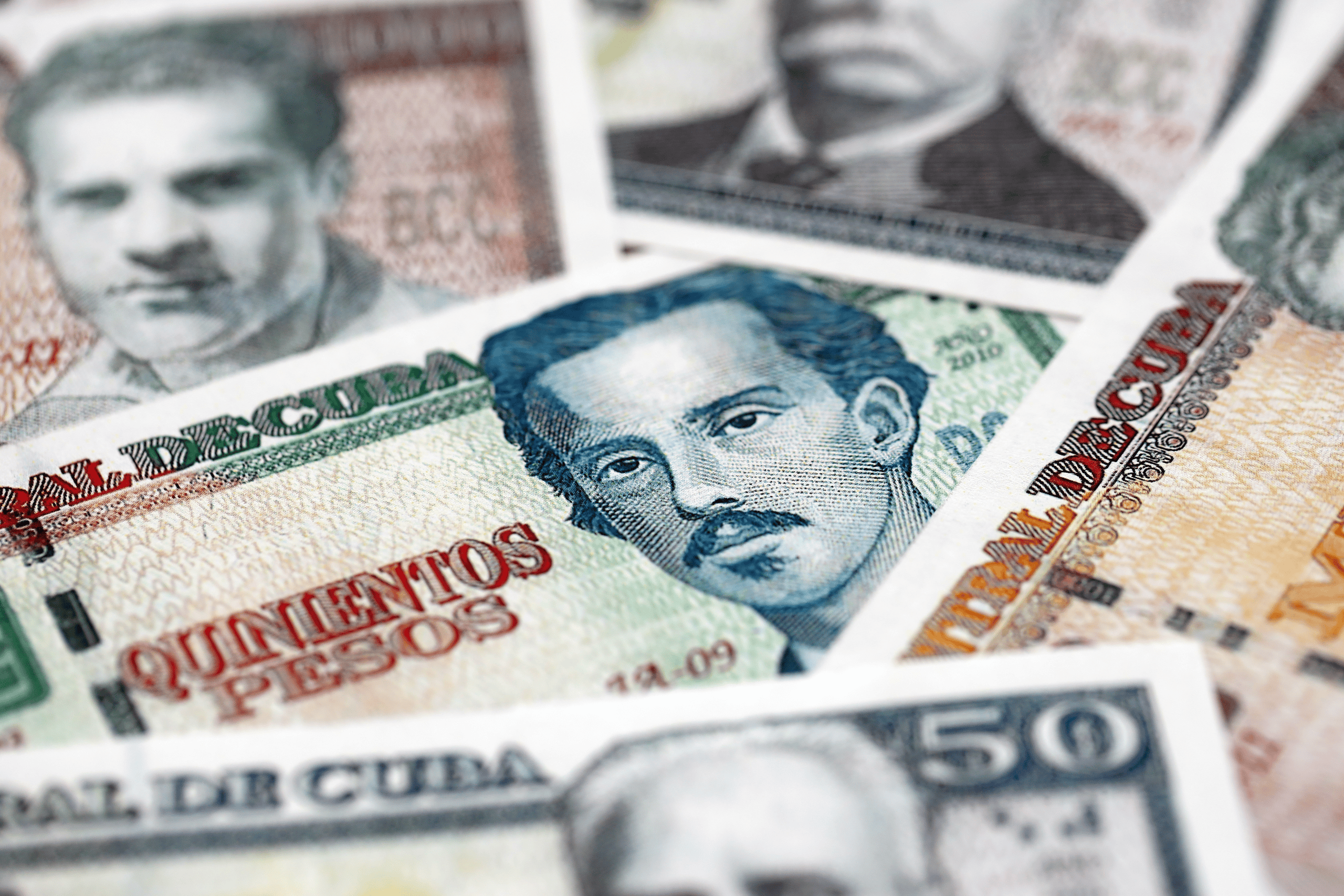
Cuba Forced to Adopt Free-Market Reforms
Facing a 7% GDP contraction, the socialist island nation opens up to private banking and investment.
In June, the Cuban National Assembly unanimously passed 176 economic reforms aimed at staving off an economic crisis partly caused by U.S. sanctions.
Prime Minister Manuel Marrero announced the reforms, which aim to reduce the state’s presence in the economy and attract foreign investment in agriculture, banking, and tourism. Officially, they are described as the most significant attempt to update the current state-socialist economic system.
“Times have changed, geopolitics have changed, and the United States’ aggression toward Cuba has changed,” President Miguel Mario Díaz-Canel Bermúdez told the Dominican Republic’s Telenoticias. “We cannot remain the same; we must transform. These are times of transformation.”
Economic Crisis Prompts Action
A multitude of internal and external crises plagued the island economy during the first half of this year. Prolonged blackouts due to an electricity system in severe need of modernization, and chronic shortages of fuel and basic goods, partly caused by a U.S. oil blockade, top the list.
Economists project a 7% contraction in GDP for this year.
Faced with capital flight by foreign businesses due to U.S. sanctions, the Cuban government felt the pressure to change. Hotel chains, international commerce, and airlines had left Cuba, and in early June, the Central Bank of Cuba announced it could no longer accept Visa and Mastercard transactions.
Dismantling State Monopolies
The Cuban government grouped the 176 reform measures into 23 pillars. They include expanding the private sector by removing the 100-employee limit on companies.
Additionally, the reforms allow corporate and multi-ownership structures; reforming state-owned enterprises; authorizing private banks to enter the financial system; partially dollarizing the economy; transitioning from universal to targeted subsidies; facilitating foreign direct investment; and opening up foreign trade and real estate tourism.
“Today, our banking and financial system creates obstacles, hinders development, and does not facilitate investment, development, or agricultural production,” said Díaz-Canel.
Arguably, the measures represent the most significant changes to the economic system since the 1959 Cuban Revolution, dismantling longstanding state monopolies and allowing investors to acquire stakes in state-owned businesses.
No less a figure than Raúl Guillermo Rodriguez Castro, grandson of Fidel Castro, told The National, the United Arab Emirates’ English-language newspaper, “Our country must seek a path to economic development where we must inevitably diversify our economy, diversify the way we do business, and diversify the way we do investments.”
Nic Wirtz is a contributing writer based in Guatemala.