Cotswolds

Calcot & Spa hotel review: A family-friendly Cotswolds hotel with free childcare and royal neighbours

Looking for the perfect cosy UK countryside getaway this winter? This charming Cotswolds hotel ticks all the boxes, we discovered

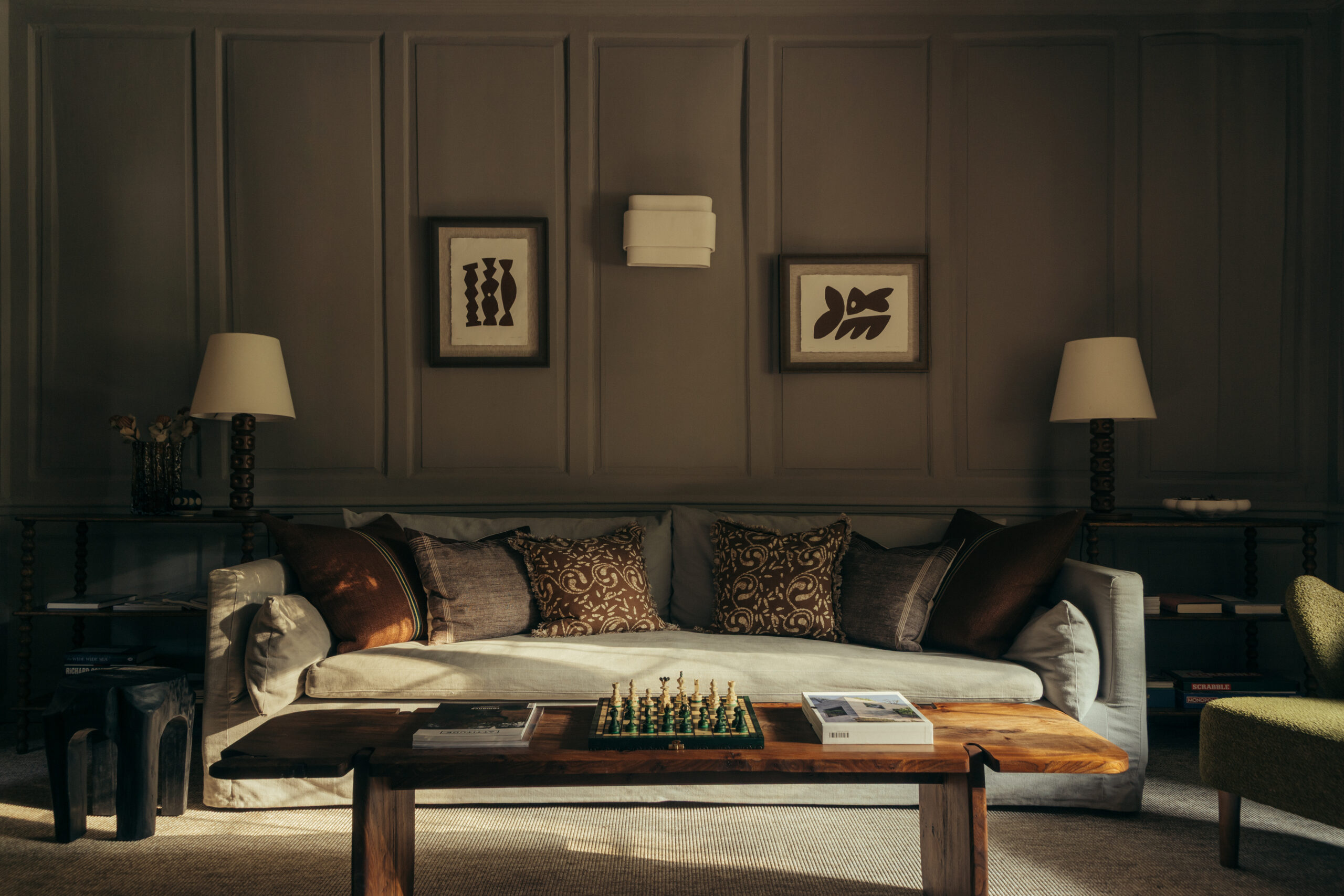
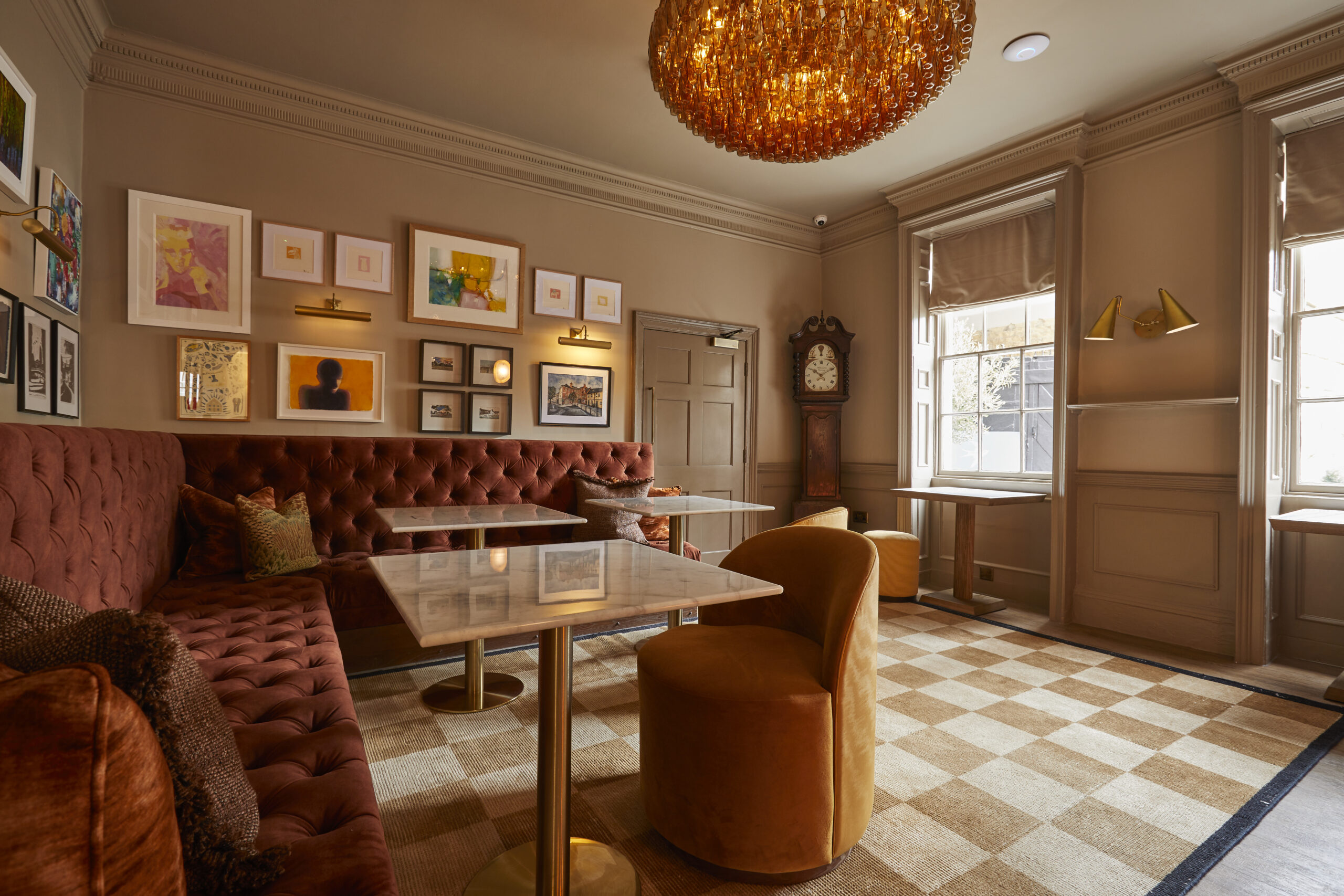
Visit Calcot & Spa around this time of year and the first thing you’ll notice upon pulling up is the fragrant smell of log fires. Just outside the honey-coloured town of Tetbury – the Cotswolds’ second largest, and where you’ll find Highgrove House, the private home of King Charles and Queen Camilla – Calcot is the ultimate countryside retreat.

The main house was built in the 17th and 18th century, but records show that one barn dates back to 1311, with dwellings here even as far back as Roman times. Now it’s a luxury spa hotel filled with cosy corners and a keen focus on sustainability; they burn logs made from coffee grounds and old newspapers, a tree is planted every time towels are reused, and they’ve eliminated single-use plastics.

Rooms are comfy and spacious – the tray of complimentary drinks and snacks is a nice touch (including the butteriest homemade shortbread), and I had one of the best night’s sleep in ages in the giant squishy bed.

Dinner can be taken in the elegant Brasserie restaurant (be sure to save room for one of the delicious desserts) or in The Hive, a pub-like space serving more casual bites, and which is better for kids.

In fact, the whole hotel is incredibly family-friendly, while still being a relaxing retreat for those travelling without children (a tricky balance to get right). There are dedicated hours for families in the pool and at The Hive, baby monitors are available to hire, and kids get four hours of free childcare in the nanny-run Playbarn when staying between Sunday and Thursday.

The spa at Calcot

A huge barn-style building a few steps from the main building, Calcot Spa features a light and airy café, indoor pool for lengths, sauna, steam room and snooze-inducing relaxation rooms.

The highlight, however, is undoubtedly the outdoor hydropool by yet another aromatic log fire, which somehow never feels overcrowded. Try to pay it a visit at the end of the day (the spa’s open until 9pm), as it becomes even more magical in the dark.

Top treatment at Calcot & Spa

Six months pregnant at the time, I went for the spa’s New Life New Mum Massage, which started with a back massage lying on each side (I appreciated the long sausage-shaped pregnancy pillow to hug), before turning over onto my back to work on my feet, legs and arms. While the lower back needs to be treated gently when pregnant, I was thrilled to still feel the knots in my neck being expertly loosened. The combination of vanilla-y scent of macadamia nut oil and my therapist’s soothing voice had me nearly nodding off.

What else is there to do at Calcot & Spa?

Calcot is, quite rightly, very proud of its rewilding programme across its 220-acre grounds, which includes wildflower meadows, beehives and a herd of fluffy Belted Galloway cows to graze the fields. Explore it all on the 3km nature trail; comfy Le Chameau wellies are available to borrow by the back door if it’s muddy underfoot.

How much does it cost to stay at Calcot & Spa?

Rooms at Calcot & Spa start from £344 per night.

Source link

English coastal village that’s an ‘alternative Cotswolds’ has one of the UK’s best hotels and even royal fans

WHILE the Cotswolds is one of the most beautiful places in the UK, that also comes with expensive trips and lots of crowds.

But there are some villages in the north of the county that are rising in popularity thanks to their charming chocolate-box look and celebrity visitors.

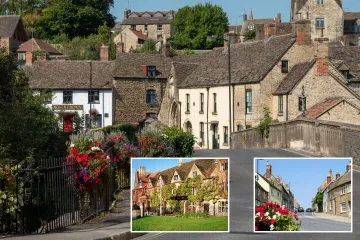
Villages in the north of Norfolk have been compared to the CotswoldsCredit: Alamy
Blakeney village in particular has been said to be a seaside lookalikeCredit: Alamy

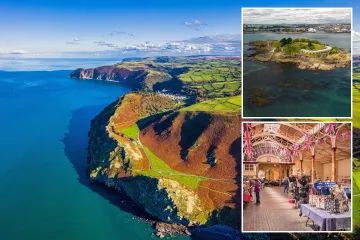
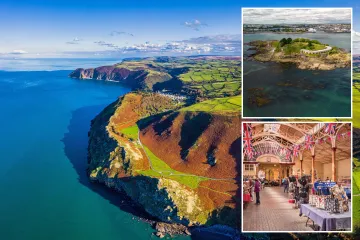
One coastal spot in particular that’s been dubbed an ‘alternative Cotswolds’ is Blakeney.

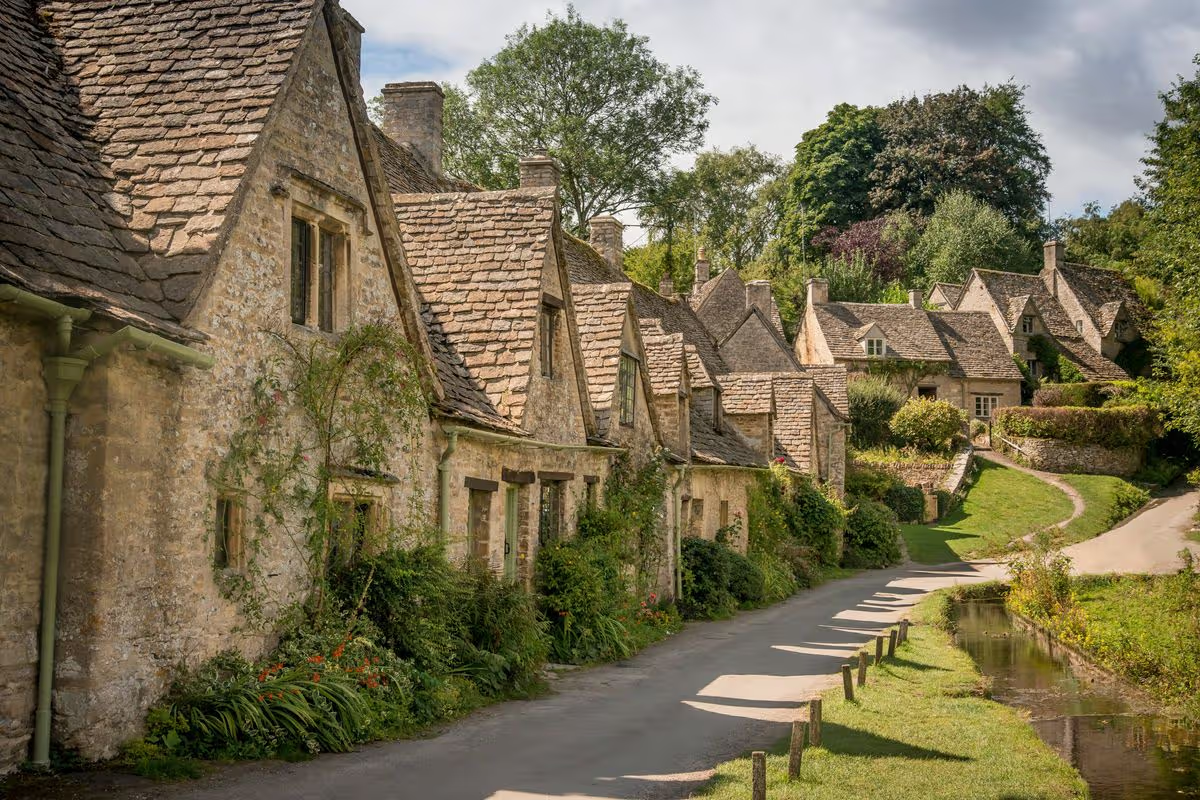
The village has pretty grey flint cottages that sit on the seafront and quaint colourful homes in the streets behind the quayside.

There are small bakeries, a delicatessen, little cafes, craft shops and like with the Cotswolds there are plenty of opportunities for pictures.

The Cotswolds is known for having celebrity residents like the Beckhams who own a home in Chipping Norton.

SNOW WAY

All the best Xmas days out under £10 including FREE ice skating & Santa’s grotto


STREET SMARTS

I visit New York 6 times a year – my expert budget guide including £1 pizzas

Jeremy Clarkson and American presenter Ellen DeGeneres have also set up camp there.

However Norfolk has its own powerhouse, specifically, the Royal Family.

For many years the Royal Family have been seen on Holkham Beach which is close to the family’s Sandringham estate.

Last spring, Prince William and Princess Kate paid a visit to the Bakers & Larners food hall in Holt – which is just 12 minutes away from Blakeney by car.

Most read in Best of British

The Cotswolds has award-winning hotels too like Lords of the Manor and The Slaughters Manor House. Well, Blakeney also has its own one.

Earlier this year, The Manor Coastal Hotel & Inn picked up a Travellers’ Choice Award on Tripadvisor for being one of the ‘Best of the Best Hotels’ in the country.

The Manor Coastal Hotel & Inn picked up a Traveller’s Choice Award earlier this yearCredit: Google maps
In Blakeney are the classic flint covered buildings and colourful cottagesCredit: Alamy

It was also the only one in Norfolk to make the top 25 – on Tripadvisor it has a rating of 4.7 out of five and 466 reviews.

One visitor wrote: “This was our first time at the Manor and it certainly won’t be our last. We felt so relaxed staying at the Manor. We stayed in a garden room, perfect!”

Another simply wrote “truly coastal. A very relaxing stay.”

The luxury boutique hotel has relaxing bedrooms with calming coastal colours ranging from a Deluxe Suite to a Classic Single Room.

It also offers food from brunch and lunch to afternoon tea and cocktails – including a Blakeney Collins.

Another similarity between the two locations, while it won’t affect your holiday is the house prices.

The Cotswolds are known for having big price tags on properties – but north Norfolk isn’t too far behind with homes selling on average around £365,000 in the last year.

There is one glaringly obvious difference between the Cotswolds and Norfolk which is the location.

The Cotswolds is surrounded by rolling hills and countryside
You don’t get countryside in Blakeney – but you might spot a seal pup on the beachCredit: Alamy

One is in the rolling countryside hills and the other is by the coast.

But one thing you’ll get in Blakeney, and not in the Cotswolds is the chance to do some seal spotting.

Blakeney Point is home to England‘s largest grey seal colony. If you want to see a sweet Grey Seal pup then you’re best chance is to visit between late October and mid-January.

Travel Writer Jenna Stevens who was born and raised in Wells-next-the-Sea reveals some more great Norfolk spots.

For quiet havens that have less crowds than Sheringham and Cromer, visit Holme and the nearby Thornham Beach.

She added: “If you’re looking for a solid pub with great food where you can bring your pet along, the Rose and Crown in Snettisham has a dog-friendly bar and restaurant, as well as a cosy, walled beer garden.

“But perhaps my favourite corner of the coast is Old Hunstanton Beach Café.”

HORROR TOWN

Our once proud town is besieged by masked machete yobs – even cops are targets


CRUEL ORDEAL

I was blinded & my pals were killed by dangerous trend in Brit holiday hotspot

Here’s another alternative to going to the Cotswolds..

The county of Bedfordshire isn’t on most people’s travel list just at yet – but with Universal’s arrival in a matter of years, its popularity is set to rise rapidly.

Sun Travel spoke to one local who said tourists should start visiting now to see what Bedfordshire has to offer – including pretty Cotswolds looking villages to it’s own “Little Italy”.

Lydia Pettet has lived in Bedford for almost all of her life, having a brief interlude in London and Leeds, but she promptly returned to her home county.

Bedfordshire is in the East of England, probably known mostly for the towns of Bedford, Luton, Dunstable, Leighton Buzzard – and the fact that it’s set to be the home of the UK’s first Universal.

There are a number of villages in Bedfordshire that have even been compared to the Cotswolds.

The Telegraph even said “Bedfordshire has a secret equivalent to the covetable villages of the Cotswolds” – so they’re worth a visit.

Lydia explained: “I am a North Bedfordshire girl at heart and we have plenty of beautiful villages from Harrold to, Carlton and Sharnbrook.”

Not only do they have the classic chocolate-box houses, but also great pubs too – Lydia suggested The Oakley Arms in Harrold.

Lydia added: “You can have a really nice weekend away at one of these villages – the Cotswolds has been a tourist spot forever, so the villages around here don’t have as much going on, but they all still have so much to offer.”

Check out this quaint ‘under the radar’ English town that feels more like the Cotswolds but is much cheaper.

And this alternative Cotswolds town is a ‘jewel in the crown’ with very famous queen buried there.

Blakeney in Norfolk has been compared to villages in the CotswoldsCredit: Alamy


Source link

The bizarre attraction that is the UK’s ‘most photographed door’ is in a small Cotswolds village

THERE are some pretty unusual tourist attractions in the UK, most of which have ended up popular spots by pure accident – including a door in the Cotswolds.

Often thought to be the most photographed door in the UK, it can be found at the north porch of St. Edward’s Church in Stow-on-the-Wold.

Stow-on-the-Wold in the Cotswolds is home to, what is believed to be, the most photographed door in the UKCredit: Getty
The door can be found at the north porch of St. Edward’s ChurchCredit: Getty

The wooden door looks like it has been ripped directly from the pages of a fairytale and many believe that it inspired J.R.R Tolkein’s Doors of Durin, west gate of Moria.

It is made from a dark wood and has studded panels, with an old oil lamp hanging above.

The door is relatively small as well, and is bookended by two tree trunks.

Tolkien often visited the area during his time at Oxford University, but the claims that the door inspired him have never been verified.

Read more on travel inspo

ALL IN

I found the best value all inclusive London hotel… just £55pp with free food & booze


CHEAP BREAKS

UK’s best 100 cheap stays – our pick of the top hotels, holiday parks and pubs

The porch where the door is found was built around 300 years ago, and thanks to the rumour it inspired Tolkien and its two yew trees that have essentially become part of the porch, it is one of the most photographed doors in the UK.

But the rest of Stow-on-the-Wold is definitely worth exploring as well, having been named one of the prettiest towns in the country by travel experts SnapTrip.

As you wander around the village, you will see many honey-coloured stone houses and shops that the Cotswolds is famous for.

In the heart of the village is Market Square, which has been hosting markets since 1107.

In fact, when Stow was popular for its wool trade, over 20,000 sheep changed hands here.

If you happen to visit on the second Thursday of the month, you will find the Stow Farmers’ Market here, with fresh produce including breads, meats and cheeses.

The Market Square is then surrounded by a number of independent shops.

For example, you could pick up some new paintbrushes and sketchpads in Cotswold Art Supplies or pick up something to read from Borzoi Bookshop, which has been in Stow for over 40 years.

From the village, visitors can head off on a number of walks into the Cotswolds countryside or to other villages such as Bourton-on-the-Water.

Another option is to head off on the Heart of England Way Stow Circular, which is a 3.7 mile circular walking route that takes around 90 minutes to walk.

Once you’re peckish, head to Lucy’s Tearoom for a Stow afternoon tea with finger sandwiches, scones, cream and jam, cake, and either tea or coffee, costing £18.50 per person.

Or for a pint, head to The Queen‘s Head, which sits in the village square and serves a good range of ales.

The village is also home to a couple of cosy pubsCredit: Getty

There’s also The Porch House, which claims to be England‘s oldest inn and has been authenticated by the Guinness Book of Records.

It dates back to 947 AD and features stones with ‘witch marks’ to protect against evil.

Mains at the inn include mushroom and chestnut pie for £18.95 or wagyu burger for £19.95.

You can also stay in one of 13 bedrooms at The Porch House, costing from £110 per night.

Alternatively, you could head to The Old Stocks Inn, which is located inside a 17th century coaching inn next to the village green.

The inn is formed of three terraced houses which have been combined, and inside the interiors feature a Scandinavian style.

It costs from £150 per night to stay at.

Celebrities are also known to love the area, such as the Beckhams who live nearbyCredit: Instagram

It’s no surprise that this pretty village is also popular with celebrities.

In 2015, the Beckhams planned to buy a house in the area; however, they chose a different property in Great Tew, which is about a 20-minute drive away.

Actress Kate Winslet is also believed to own a cottage near Stow-on-the-Wold.

CAR SMASH TRAGEDY

Three men and two women in 20s killed in horror two-car crash


BUM NOTE

New horror side effect plaguing fat jab fanatics – and it can be a sign of cancer

For more Cotswolds travel inspiration, there is a stunning Cotswolds village with its own sandy beach and lagoon – miles from the English seaside.

Plus, the pretty English town called the ‘capital of the Cotswolds’ has 918-year-old castle and historic lido.

Kate Winslet is also believed to own a cottage near Stow-on-the-WoldCredit: Alamy

Source link

Hidden Roman amphitheatre no one knows about next to huge tourist attraction

It’s one of the largest surviving examples from the Roman occupation of Britain, and —hiding in plain sight — it is completely free to visit all year round.

History buffs are in for a treat as a massive Roman amphitheatre is hiding in plain sight right here in the UK.

Nestled next to Cirencester — the largest town in the Cotswolds — lie the earthwork remains of a gigantic amphitheatre, which at its height, was one of the biggest Roman amphitheatres in Britain.

History of the amphitheatre

Constructed in the early 2nd century AD – when Cirencester was known as the Roman city of Corinium and was second only to London in size and population – this amphitheatre could accommodate up to 8,000 spectators. The Cirencester Amphitheatre began life as a simple quarry, with the majority of the stone used to build the town believed to have come from it.

By the time most of the town had been built, its layout already closely resembled that of an amphitheatre, complete with tiered seating.

In modern-day Britain, the Cirencester Amphitheatre is considered one of the largest surviving examples from the Roman occupation of the island. After the Roman army departed Britain in AD 408, life in Cirencester quickly declined without their pay, which was a key support for the local economy and helped maintain order.

With no central authority to take the reins, the town’s urban heart was left lifeless. Private benefactors who had promised to fund public games were conspicuously absent. This led to the amphitheatre being abandoned as a place of entertainment, and in a brave bid to keep their community alive, the town leaders transformed the renowned structure into a fortress.

A trench was carved along the southern side of the building, and its entrances were made narrower. However, these efforts seemed futile, as by AD 577, a stronghold thought to be Cirencester was reported to have succumbed to the advancing Saxons. The amphitheatre then lay deserted for several centuries.

Archaeologists have since unearthed remnants of timber buildings from the 5th century at the once-celebrated site. During the Middle Ages, it is said that the Abbot of Cirencester enclosed the area to use it as a rabbit warren. Its local moniker, ‘the Bull Ring’, suggests that it may have later been used for bull-baiting – a potential nod to its original Roman-era purpose.

Architecture and Structure

Unlike the circular designs of the amphitheatres at Silchester and Dorchester, the Cirencester Amphitheatre was oval-shaped, with an entrance at each end of the structure’s longer axis.

The vast earth banks, the only remnants of the once towering structure, held rows of wooden seats built on terraced drystone walls. It’s thought that there was also a standing area for spectators within the building, reports Gloucestershire Live. The amphitheatre’s seating area alone could accommodate around 8,000 people — a figure not far off from the entire population of Corinium at the time (approximately 10,000).

A wall separated the audience from the arena, which was covered with sand and fine gravel. During a later renovation, two small chambers were built on either side of the entrance’s inner end. Indications suggest that one of them was dedicated to Nemesis, the goddess often honoured in amphitheatres from the Roman Empire.

Getting there

Cirencester Amphitheatre is free to explore as it’s not a ticketed site. However, visitors should be aware that some parts of the site are uneven, making them unsuitable for wheelchair users. There’s also a small flight of stairs at the entrance of the structure which may pose an accessibility challenge.

Dog owners are welcome to bring their pets to Cirencester Amphitheatre, provided they are kept on leads. Free parking is available in the car park at the eastern end of Cotswold Avenue, and shops, toilets, and food outlets can be found in the nearby Cirencester town centre.

Source link