PLANNING a holiday, staycation or day out should be exciting but eye-watering prices can turn it into a wallet-draining nightmare.
But you don’t have to pay full whack. From dirt-cheap flights to cut-price hotels and bargain days out, there are loads of easy ways to cut the costs.
There are loads of ways you can save on your holidays, flights, accommodation and days outCredit: GettyTravel reporter Cyann Fielding has found all the best websites to save you cash on your holiday.Credit: Cyann Fielding
Whether you’re chasing a last-minute break, a cheap stay or discounted tickets, here’s how to do it for less and keep more cash in your pocket.
Websites
Secret Flying
The Secret Flying website hunts out super-cheap deals and “error fares” – bargain flights caused by pricing glitches – and links you straight to booking sites like Skyscanner.
It’s free to use and lists offers by region, but you’ll need to be flexible on dates and destinations to bag the best ones.
The biggest bargains sell out fast, so it’s worth signing up for alerts to stay one step ahead.
Holiday Hypermarket
Holiday Hypermarket is owned by the TUI group and is the discount website for TUI holidays where they guarantee that you won’t find a TUI, Marella or Crystal holiday cheaper anywhere else.
With up to 70 per cent off brochure prices, they sell a lot of last minute breaks – but with the same TUI flights, hotels and transfers.
Luxury Escapes
A website that offers high end holidays at affordable prices is Luxury Escapes.
They negotiate directly with hotels to get good deals on holiday bundles, including flights, accommodation and extras like free cocktails, massages and childcare.
Hostelworld
If you’re looking for something cheap and cheerful and don’t mind bunking up with other people then Hostelworld is a useful tool.
It will help you to search for hostels in the destination you’re heading to and compare prices.
It can also find hostels with private rooms too if you don’t want to share.
Cashback sites
While it might not save youmoneyon you’re current holiday – it could save you some cash on the next one.
At Quidco you can get at as much as 3.75 per cent on an EasyJet holiday (which works out at as £11 back on a £300 trip)
Or there is hotels.com, which gives you seven per cent cashback (£14 if you book a hotel for two nights at £200).
Other brands include TUI, British Airways, Trainline and Skyscanner. so it is worth checking if you can claim anything before you book.
Apps
02 Priority
If your phone contract is with O2, then you really should download Priority.
In addition to entering competitions to win holidays, you can often get discounts on holiday packages, concerts, and events.
For example, you can get four tickets to Vue cinemas for £18 or two for £9.
Or save £220 when you spend £2,000 with lastminute.com.
MiXR.
The MiXR. app shows local pubs, clubs and bars where you can reserve a table and pre-book food or drink packages.
But it can also get you savings.
Each time you spend money on your linked card at a partnered bar or pub, you’ll get points.
Get to 5,000 points and you’ll have a £5 voucher (each £1 you spend you get 50 points).
There are also offers on the app including 25 per cent off Camden Hells beer.
Apps such as MiXR. and Dusk can save you on drinks outCredit: Getty
Dusk
Dusk dubs itself ‘the free drink app’ and it isn’t lying.
The app shows you which bars and pubs in your area have deals on and the exact route to get there.
If you scroll, you’ll find specific venues have a sticker on them offering a free drink.
For example, it could say ‘free espresso martinis on Monday at 3pm’, which means you can get that drink for free if you visit that specific venue at the given time.
Some of the venues are marked with yellow stars which means you can earn points too.
Once you’ve collected a number of points you can exchange for drinks.
For example, 200 points gets you a free bottle of prosecco at Be At One, 500 points can get you 50 per cent off at Karaoke Room and so on.
You can use Dusk in a number of cities across the UK including London, Manchester, Birmingham, Liverpool, Brighton, Leeds, Newcastle, Nottingham, Cambridge, Oxford, Cardiff, Sheffield, Bath, Exeter, Norwich, Bournemouth, Hull and York.
Eat Club
Having only launched in the UK last year, Eat Club is now available in London and Manchester.
The app shows you nearby restaurants that have spare tables, great for last-minute plans.
You can also get great discounts, such as up to 50 per cent off of your bill.
There are also some apps that will save you money on food, such as Too Good To Go and Eat ClubCredit: Getty
Too Good To Go
Too Good To Go is an app that prevents food waste by selling off items leftover at the end of the day.
The app is partnered with a number of brands including Greggs and Pizza Express.
If you jump onto the app and use the map function, you will find stores near you that have bags of food to sell for a few quid before the end of the day.
Having used the app numerous times, I usually pay around £3.50 for a bag that contains over £20 worth of food.
I have even used it in New York, when finding a budget lunch option seemed impossible.
Unidays
If you are a student or recent graduate, you should sign up to an account with Unidays.
It is free to joing, you’ll just need your student email and then you can make savings such as getting two Cineworld tickets for £13 and 30 per cent off Hilton hotel stays.
If you are a student, there are a couple of student apps where you can get discountsCredit: Getty
Student Beans
Similar to the above, Student Beans is a discount app for anyone studying. With a student email you can benefit from discounts such as 25 per cent off of National Express travel and 10 per cent off of Ryanair flights.
Cheapskate London
Cheapskate London is a free newsletter released each Monday that shares the best free and cheap things to do across the capital.
Previous free events include educational talks, family activity sessions at museums, and even building your own wormery.
Accor
If you subscribe to the Accornewsletter, you will typically get 10 per cent off hotel stays.
You’ll also get exclusive offers and personalised deals.
Nectar
If you shop at Sainsbury’s and don’t have a Nectar account then you’re really missing out.
When you do your weekly food shop, you’ll rack up points which you can then use on your holiday.
For example, you can spend your points on Eurostar journeys, British Airways flights and more.
Loyalty programmes such as Nectar allow you to build points to use against things such as flightsCredit: Getty
Avios
Avios are loyalty points that you can collect and use mainly with British Airways for flights, hotels and upgrades.
You can earn them by flying with British Airways or its partners, as long as you have an account.
If you build up enough points, you can purchase flights and pay only a small cash fee for admin such as tax and fees.
Marriott Bonvoy
Marriott Bonvoy’s hotel loyalty programme is free to join and covers around 10,000 destinations across the globe.
Members earn points with each stay and then the points can be redeemed on free nights at Marriott Bonvoy hotels.
Hilton Honors
Hilton Honors is free to join, and much like Marriott Bonvoy, is the hotel’s loyalty programme.
Members earn points on stays and everyday activities which can then be redeemed on free stays and experiences as well.
Members tend to get 10 points per £1 spent.
Hotel chains often have their own loyalty programmes that offer 10 per cent discountsCredit: Getty
Paid-for memberships
The Nudge
Costing just £5 per month The Nudge is an insider’s guide to London and often reports on the latest openings in the capital.
The discounts are easy to find on the app and include deals like 40 per cent off at Greek seafood restaurant Kimu in Marylebone or 50 per cent off food at The Culpeper in Spitalfields.
There are also discounts on events such as 50 per cent off of tickets to Burger Fest in Richmond and even pampering treatments like £50 off facials at Skinwork in Soho or 40 per cent off access to Lowlu open-air sauna in Kentish Town.
The Nudge will also run member events such as exclusive supper clubs.
Blue Light
If you work in the NHS or the emergency services, you probably already know about Blue Light.
Blue Light, which costs £4.99 for a two-year membership, gets you discounts at major brands, restaurants and entertainment venues as well as £100 off your TUI holiday or 15 per cent off Away Resorts.
You can even get a discount on airport parking, such as five per cent at London Gatwick.
Railcard
Railcards aren’t just for youngsters, there are all sorts of railcards you can get.
In general, they will get you a third off most rail fares and cost between £30 and £35 each year.
Different railcards include 16-25-year-olds, 26-30-year-olds, Senior (over 60 years old) and Disabled Persons.
There’s also a Family and Friends Railcard which gets adults a third off their rail fare and then 60 per cent off kids’ rail fares if they are aged between five and 15 years old.
And if you are heading off on a number of staycations, make sure you have a railcardCredit: Alamy
Trusted Housesitters
Accommodation costs can bump up the total cost of your holiday, but there is a way around this.
With Trusted Housesitters, you can head to someone’s home and stay there while they are away and all you need to do is look after their pet.
It operates in 180 countries and essentially is a win-win system as the person going away needs a pet sitter and you want somewhere to stay.
Members pay an annual fee to use the platform, which range from £99 to £199.
Dis-loyalty
Dis-loyalty is a travel and food membership that costs £12 a month to join.
In return, you’ll earn points and get discounts on hotel stays, such as 50 per cent off newly opened hotels.
You can also grab a free hot drink each day at one of the membership’s participating locations.
Days Out with the Kids
Days Out with the Kids is the perfect site if you are looking for inspiration during the weekends or school holidays.
The website is partnered with over 8,500 attractions across the UK, and offers members access to exclusive discounts.
The membership costs £4.99 per month, but according to the website, it saves families an average of £12.99 per trip.
Hols from £9.50
If you want to head to a holiday park in the UK or Europe, The Sun’s Hols from £9.50 has over 20 holiday parks to choose from.
To benefit from the £9.50 deal, you have to collect five codewords printed in the paper over a set period of time and enter them on the Sun Holidays website.
Alternatively, to avoid needing a passcode you can join Sun Club for £1.99.
For more offers on holidays travel companies have revealed the cheapest places to book – with week-long holidays from £189.
BRITS are being warned of new travel rules to Europe that apply to all pet owners.
Under the new rules, Brits can no longer use an EU pet passport to enter the EU with their pets, even if they have a holiday home there or their pet passport was issued years ago.
Sign up for the Travel newsletter
Thank you!
Rules for Brits travelling with their pets have changedCredit: Getty
The new rules mean that Brits travelling with their dog, cat or ferret, must now instead get an Animal Health Certificate (AHC).
However, unlike the old passports these certificates are only single-use.
This means you will need a brand new certificate for every trip you take to the EU with your furry friend.
A spokesperson for the UK government’s Animal and Plant Health Agency said: “From 22 April, new EU rules change how GB residents travel to the EU with their pets, but holidays with your pets are still possible.
“To avoid delays and ensure a smooth journey, pet owners residing in Great Britain should get an Animal Health Certificate if they’re travelling from Great Britain to an EU country.”
The UK government’s website adds: “EU pet passports may now only be issued to people whose main home is in the EU and should not be used by people who have holiday homes in the EU or visit seasonally.”
This means that any pet passports issued before April 22 this year are no longer valid.
Once you have the certificate, it can be used for up to six months of onward travel within the EU and then again for re-entering the UK.
Though pet owners will just have to make sure that their pet’s rabies vaccinations are still up to date.
Under the old rules, each person could travel with up to five pets, so for a family of four this would’ve meant up to 20 pets.
Now the rules mean that only five pets are allowed per vehicle, despite the number of people in the vehicle.
Though if you are travelling on foot, you can still have up to five pets.
An Animal Health Certificate (AHC) for pet travel typically costs between £99 and £350.
In comparison, an EU pet passport would have cost between £17 and £85.
Brits will now need a certificate to travel with their dog, cat or ferretCredit: Getty
As a result, getting a new AHC each time you travel with your pet will cost you more money than the old pet passport.
The government also warns though that different member states of the EU may have specific pet travel requirements, so pet owners should check the specific entry requirement of the country they are heading to before they travel.
The new rules will also not impact Brits from returning to the UK with their pets and when they do they will still be able to use their EU pet passport.
There are some cases where additional paperwork is also needed such as someone else travelling with your pet.
If this is the case, then your pet must travel within five days of yourself and the person who is travelling with your pet must have written permission to go alongside your pet’s travel document.
There are some exceptions to the new rules, such as if you are heading to a dog show or competition, sporting event or training programme.
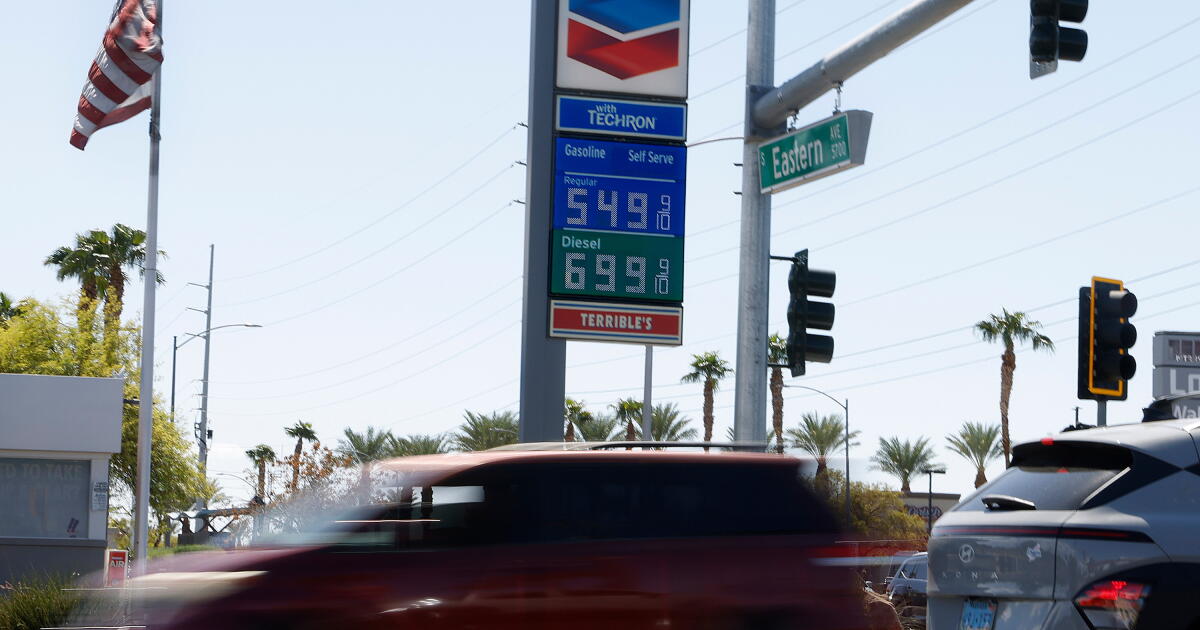
The cost of living in the UK accelerated throughout March, propelled by a significant increase in petrol and diesel prices following the outbreak of the Iran war.
ADVERTISEMENT
ADVERTISEMENT
According to the Office for National Statistics, the annual consumer price inflation rate moved to 3.3% from 3% the previous month, a shift that matched the forecasts.
This inflationary pressure is largely attributed to an 8.7% monthly jump in motor fuel costs, which represents the sharpest rise seen since the summer of 2022, following Russia’s full-scale invasion of Ukraine.
Beyond the petrol stations, the fallout from higher energy prices has trickled down into airfares and food supplies, complicating the economic landscape for the government and the Bank of England.
UK Treasury chief Rachel Reeves noted that while the conflict is not a domestic one, it is directly pushing up bills for families and businesses across Britain.
Lindsay James, an investment strategist at Quilter, observed that “this morning’s inflation data showed CPI creeping back up to 3.3%, confirming that price pressures are re-accelerating rather than fading away since the outbreak of the war in Iran.”
While international markets have shown some signs of recovery in equity prices, the physical market for oil delivery into Europe remains under immense strain.
Experts suggest that a swift reopening of the Strait of Hormuz is the only viable path to unwinding the current inflationary trend, yet the situation remains volatile and unpredictable.
The Bank of England’s policy dilemma
The timing of this inflation surge is particularly problematic because it coincides with a period of cooling in the domestic economy.
Recent data from the labour market indicates that payrolled employment is falling and economic inactivity is on the rise, while wage growth has started to ease.
For the average British worker, the combination of rising essential costs and stagnating earnings growth creates a challenging environment for real purchasing power.
As for the Bank of England, this sudden spike in prices has disrupted the projected path of beginning to lower borrowing costs this spring.
Prior to the escalation of the Iran war, there was a growing consensus that the central bank would reduce its main interest rate from 3.75% as inflation appeared to be heading back toward the official 2% target.
However, with inflation now expected to potentially hit 4% in the coming months, the Monetary Policy Committee faces a much more difficult decision during its meeting next week.
There is a growing debate among economists regarding whether traditional interest rate hikes are the correct tool to address this specific crisis.
According to James “a rise in rates risks misdiagnosing the problem. This inflationary pulse is being driven by supply disruption, not excess demand. Higher interest rates will do nothing to increase the flow of oil or other goods from the Middle East.”
This sentiment suggests that the Bank of England may choose to maintain its current stance, keeping rates on hold while monitoring whether these price increases begin to manifest in higher wage demands across the broader economy.
NEW YORK — José Caballero laced a two-run double in the bottom of the ninth inning that gave the New York Yankees a 5-4 victory over the Angels, moments after the Angels botched an infield popup in a costly misplay Wednesday night.
Aaron Judge hit his third homer of the series and Trent Grisham had a two-run single for the Yankees, who won for only the second time in eight games after an 8-2 start.
Mike Trout hit his fourth homer in three games, putting the Angels ahead 4-3 with a two-run drive in the fifth.
That was still the score when Jazz Chisholm Jr. popped up to the left side with one out and nobody on in the ninth. But shortstop Zach Neto and ex-Yankees third baseman Oswald Peraza miscommunicated, and the ball dropped between them on the infield dirt for a gift single.
That came back to bite the Angels, who had played outstanding defense all night to that point.
Austin Wells worked a full-count walk against closer Jordan Romano (0-2), and both runners were attempting to steal when Caballero lined a 1-and-2 slider into left-center.
Chisholm easily scored the tying run and third-base coach Luis Rojas aggressively waved Wells home. The catcher barely beat Neto’s relay throw to the plate with a feet-first slide, and the safe call was confirmed after a replay review.
Los Angeles officials are expressing growing fears that taxpayers and the city treasury could be hit with a round of crippling costs to support the 2028 Olympic Games if the city doesn’t ink a rigorous deal to assure a “zero–cost” Games.
Some city officials have long been concerned that taxpayers could be left with massive bills if the Olympics don’t generate the income organizers have promised. Delays in finalizing a deal between City Hall and the Olympics committee have heightened those tensions.
The exact costs to L.A. and other local governments remain unknown, as officials wait to hear from LA28 and federal security agencies about exactly what services they will need. Recent controversy over the ties between Casey Wasserman, the head of the L.A. Olympics, and Jeffrey Epstein have added to the uncertainty over the finances in the minds of some city leaders.
City Atty. Hydee Feldstein Soto and Councilmember Monica Rodriguez both issued letters demanding a contract pledging that LA28 cover any of the city’s future costs that arise as the city plays host to hundreds of thousands of athletes and fans.
The contract, more than six months overdue, is needed “to foreclose any scenario in which funds might go back to the wealthy backers and investors of the LA 28 organization without reimbursing taxpayer funded extraordinary costs,” the city attorney wrote to council members.
Rodriguez agreed in a separate letter this week that the city needs a contract that assures that the Olympics organization will pay any excess costs for policing, transportation, trash pickup and more, so that taxpayers are not burdened or “core city services” slashed.
That should take priority over the private nonprofit LA28 building a “Legacy Fund” to bankroll future youth sports programs, public sports facilities and the like, argued the city officials, who are both up for reelection this year.
“Bankruptcy cannot be the legacy of these Games,” Rodriguez wrote, without elaborating on what she meant, though L.A.’s top budget official recently projected a deficit, unconnected to the Olympics, of “several hundred million” dollars.
LA28 officials responded with a statement they issued previously, saying, in part, that “LA28 remains committed to delivering the safest, most secure, and fiscally responsible Games that will benefit Angelenos for decades to come,” adding, “We remain engaged in good faith negotiations and look forward to our continued partnership with the City of Los Angeles.”
LA28 Chief Executive Reynold Hoover said at a press event Wednesday that ticket sales were one vehicle for the host committee to assure that taxpayers didn’t get stuck with a big bill down the road.
The stakes remain high for both sides. The private LA28 group needs the city’s police, fire, sanitation, streets and transportation services to deliver a successful event. The city wants the sports extravaganza to succeed, not only to burnish its image on an international stage, but also to assure there is enough money to pay for all the extra tasks city workers will perform.
The LA28 leaders project the Games will cost more than $7.1 billion. They say that money will come from a variety of sources: nearly $1 billion from the International Olympic Committee, $437 million from international marketing rights, $2.5 billion from corporate sponsors in the U.S., $2.5 billion from ticket sales and hospitality packages, $344 million from licensing and merchandise and $405 million in other revenue.
LA28 reports being ahead of schedule on the revenue front. But city officials worry that unforeseen events — including an economic downturn or natural disaster — could blow up the income model, with one of many wild cards being the willingness of President Trump and the Republican-controlled Congress to follow through with a funding pledge to the Democratic-controlled city.
L.A. officials have long expressed concern that Trump and Congress might belatedly yank away $1 billion already set aside to reimburse state and local governments for security, planning and other Olympics-related costs.
While the two elected officials and some others, including an attorney representing city employees, raised alarms, an individual with knowledge of the talks between the city and LA28 said that a tentative agreement would likely be before the City Council “within two or three weeks.”
The knowledgeable individual, who asked not to be named because of the sensitive nature of the discussion, said negotiators on both sides must bear in mind how a third party, the federal government under Trump, is integral to the financing model.
The source tracking the negotiations said that both sides needed to make sure the pact creates a path to “maximize federal resources, which were dedicated by Congress for the Games,” adding: “The contract needs to avoid saying that LA28 is going to pay, for example, for all of the LAPD’s extra costs in such a way that the federal government says, ‘Fine, then you don’t get any of the federal money.’ We can’t afford to leave a billion dollars on the table.“
City Administrative Officer Matt Szabo, one of those bargaining for the city, struck a positive note.
“We are invested in a successful Olympics. The organizing committee knows that it needs the city and city services to have a successful Games,” said Szabo. “It’s in both the city’s and the organizing committee’s best interest to have a successful Games. We’re joined at the hip and we’ll succeed together, or not.”
The 2028 Games have been designated a National Special Security Event, placing it in the same category as major party political conventions and Super Bowls. The U.S. Secret Service sets the security plan for those events.
Officials in L.A. have said they are still waiting to learn from the Secret Service how broad the security “blast area” should be around each athletic venue. The federal agency will then dictate how many police and federal agents will flood those zones, which include the Los Angeles Memorial Coliseum, Exposition Park and Crypto.com Arena.
Attorney Connie Rice, who represents L.A. city employees concerned about how the city will pay for the Games, said that her clients still had questions. Rice, whose past litigation helped force LAPD reforms, said that employees helping to plan for security said they had estimated that the Los Angeles Police Department and the Los Angeles County Sheriff’s Department, alone, would need at least $1 billion to pay for extra security during the Games.
The current federal allocation would not get the city and county of Los Angeles $1 billion since many other jurisdictions, including Long Beach, Oklahoma City and the state of California also will be competing for U.S. funding. And the federal government has not yet released its “notice of funding opportunity” — laying out the parameters for claiming a part of the $1 billion.
Rice argued that the city gave up its best leverage when it signed an earlier agreement to host the Games. “Who is going to pay the bill, or who are they even going to send the invoices to, when the Games are over and LA28 is dissolved?” Rice asked. “LA28 has no obligation to raise money once the event is over.”
Los Angeles city officials expect to have requests by October from LA28 for the services the Games organization needs at each venue. The Games organizing group has agreed to pay any costs that exceed the city’s typical expenditures. But there is not a clear understanding of what constitutes a customary level of service. The massive event is expected to require an array of services, including trash pickup, bus service, street closures, park maintenance, drinking water stations and building inspections of temporary Olympic structures.
In her letter late last month to City Council members, the city attorney raised a slew of questions about the fiscal contract with LA28. Feldstein Soto contended the Games had a “heightened risk exposure … given the recent claims against LA 28 Chairman Casey Wasserman.”
Wasserman’s name appeared in the files about convicted sexual predator Epstein, with records showing the then-28-year-old sports marketer had gone on a two-week tour of Africa sponsored by Epstein and later exchanged risque emails with Epstein accomplice Ghislaine Maxwell. Though some activists demanded Wasserman leave his post as LA28 chair and called for a Games boycott, there has been no apparent reduction in sponsorships or ticket sales because of the furor.
As city attorney, Feldstein Soto is advising the city officials negotiating the Olympic contract. Her letter says she will insist that “transparent audit rights and procedures” be put into place to assure the city treasury does not take a hit in supporting the Games.
The letter raises the possibility that natural disasters or other emergencies could cut into LA28’s bottom line. It also asks: “What happens if the federal government does not pay the assume $1 billion [or] … [w]hat happens if the city’s actual expenses exceed $1 billion?” Feldstein Soto’s answer: “In either situation, this office believes that all surplus funds must reimburse the city and its taxpayers first, as promised, before any surplus funds are available for a [LA28] legacy or tribute fund.”
IF you’re looking for a top notch, classic campsite with no-frills – The Spinney Wild Camping has just been named the best.
The campsite in East Yorkshire has scooped up a Gold Award with 10/10 reviews from families calling it a “wonderful hidden gem”.
Sign up for the Travel newsletter
Thank you!
The campsite is ‘no-frills’ and pitches cost just £12.50pppnCredit: The Spinney Wild CampingThere’s a hot tub for hire as well as a games shed and firepitsCredit: Unknown
Pitch Up, an online booking platform specialising in camping, glamping and caravan sites has found the best in the country.
Based solely on reviews and ratings, The Spinney Wild Camping has been named Pitch Up’s best campsite in Britain.
The site got 10/10 ratings from all 58 of its reviews and was described as being “no-frill and wild”.
It’s affordable too with prices starting from £12.50pppn.
The spot in East Yorkshire is small with space for just 10 tents, and campers can pitch tents in either the woodland or the meadow.
It has plenty of open space for children and dogs to run about and play as well as hammocks to laze about in.
It is also completely off grid with no outdoor lighting, so visitors are advised to bring a torch for when it gets dark.
For when the weather doesn’t play ball, the campsite has a garden room with a sofa and games for entertainment.
There’s also a hot tub that guests can hire out and firepits for barbecuing.
It’s quite simple when it comes to facilities and has a compost toilet – but the site does have running water.
The campsite achieved a clean sweep of full marks for location, value for money, accommodation, facilities, customer service, child friendliness, cleanliness and WiFi.
One visitor called it a “wonderful hidden gem”, a second called it “idyllic”.
Another said: “As a single mum with two children I felt very safe here, the choice of where to pitch was just brilliant. We chose a hidden spot waking up with the beautiful oak trees.”
For more on holiday parks, here are some of our favourites in the UK…
*If you click on a link in this box, we will earn affiliate revenue
Park Holidays UK Sand le Mere, Yorkshire
This holiday park in Yorkshire is a thriving family resort, just steps from Tunstall Beach. Entertainment is what this resort does best, with costume character performances, Link-up Bingo and cabaret shows. Accommodation ranges from fully-equipped Gold Caravans to Platinum Lodges with sun decks and luxury bedding.
This beachfront resort in St Ives, Cornwall is a true beach bum’s paradise – whether you want to laze out on the sand, or take to the waves for some surfing. Activities include disc golf, a Nerf challenge and an outdoor cinema, as well as indoor activities for the colder months like karaoke, bingo and DJ sets.
This holiday park has loads of unique activities on offer, including TikTok dance classes, alpaca feeding, a pump track for BMX riding, and taking a ride on the resort’s very own miniature railway. Throw in bug hotel and den building, pond dipping, survival skills workshops and a lake for paddleboard and pedalo hire, and you’ve got yourself an action-packed park.
Parkdean Resorts Camber Sands, Sussex This beachfront resort is a classic family favourite. If you’re not up to swimming in the sea, there’s four fantastic pools here, as well as water flumes, underwater jets, inflatable jet skis and kayak races. Plus if you’ve got any little fans of Paw Patrol or Milkshake!, you’ll be glad to know there’s Milkshake! Mornings and Paw Patrol Mighty Missions to keep your tots entertained.
The campsite is 30-minutes from the city of YorkCredit: Getty
The campsite is the perfect spot for anyone wanting to explore the city of York without forking out a lot on an expensive hotel.
In the car, it is just a half-an-hour drive from Spinney Wild Camping to York which is home to higgledy-piggledy streets and plenty of family attractions.
It was even called the “best UK city for families” by travel guide creator Peter Naldrett, who visited all 76 cities in the UK.
Talking to Sun Travel, he said: “There’s enough in York to keep both junior and secondary school children entertained, from the Viking Museum to York Chocolate Story and Harry Potter-style streets and a cold war bunker.
“The Viking Museum has interactive activities for children, the Castle Museum has recreated Victorian Streets and there’s also the Shambles, the inspiration behind JK Rowling‘s Diagon Alley.”
Other nearby attractions to the campsite are in the village of Allerthorpe where visitors can go on a relaxing stroll, or try out watersports at Lakeland Park.
Lakeland Park has three lakes for kayaking, paddleboarding, open water swimming, and even jumping about on the inflatable Aqua Park.
ANOTHER airline has confirmed that luggage fees will be increasing due to the ongoing fuel crisis.
The conflict in the Middle East has resulted in the cost of jet fuel soaring due to the closure of the Strait of Hormuz, meaning airlines are looking at ways to offset costs.
Sign up for the Travel newsletter
Thank you!
United Airlines is the latest to increase luggage costs due to rising fuel pricesCredit: Reuters
And United Airlines has since increased its baggage fees, the second airline to do so.
The new rules mean checked bags now cost $10 (£7.50) extra, working out to $45 (£33) for domestic flights, or $50 (£37) if it it booked 24 hours before a flight.
A second checked bag will now cost up to $60 (£45) if booked last minute.
The airline said: “United is raising first and second checked bag fees by $10 for customers traveling in the US, Mexico and Canada and Latin America beginning with tickets purchased Friday, April 3.”
Last month, JetBlue was the first airline to confirm that they would be increasing luggage costs in response to fuel prices going up.
Checked bags have gone up by $4 (£3) for off peak, economy travellers – who will pay $39 (£30).
Peak economy travellers will have to pay $9 (£6.80) extra, so to $49 (£37).
Passengers paying for luggage less than 24 hours before the flight will pay an extra $10 (£7.50).
A JetBlue spokesperson told local media: “Adjusting fees for optional services used by select customers, such as checked baggage, allows us to continue offering more competitive fares.”
Some airlines are already cancelling flights.
UK-owned Skybus has cancelled its daily flights between London Gatwick and Newquay earlier than planned.
Due to finish by end of May, it has since cancelled all of the routes and cited lack of passengers as well as rising costs.
Ho Chi Minh City, Vietnam – After a long day of ferrying passengers to and fro recently, e-hailing driver Nguyen was dejected to find he had spent half of his earnings on fuel.
“I drove for around seven or eight hours, making around 240,000 Vietnamese dong [$9.11] and then I paid 120,000 Vietnamese dong [$4.56] on petrol,” Nguyen, a motorcyclist who connects with passengers via the locally developed super-app Be, told Al Jazeera, asking not to be identified by his real name.
Recommended Stories
list of 4 itemsend of list
“I can’t survive with this amount of money in the city.”
In Vietnam, the ripples of the US-Israel war on Iran are hitting many gig workers hard.
The Southeast Asian country normally sources about 80 percent of its crude oil from Kuwait, but shipments have dried up amid Iran’s effective blockade of the Strait of Hormuz, driving up fuel prices.
Diesel prices have more than doubled, while petrol prices have risen almost 30 percent, making getting from point A to point B an increasingly expensive proposition in cities such as Ho Chi Minh City, home to more than 7 million motorcycles.
“Because the petrol price is so high, so many drivers are turning off the app, going home and just not working,” Nguyen said.
“After today, I will turn off the app and stop working for a few days to see if the price goes down or if the government is helping in any way.”
A Be driver picks up a passenger at Thu Duc Metro Station in Ho Chi Minh City, Vietnam, on March 30, 2026 [Govi Snell/Al Jazeera]
Vietnam’s government has rolled out a series of emergency measures to cushion the blow for citizens.
Prime Minister Pham Minh Chinh last month announced that an environmental tax on diesel, petrol, and aviation fuel would be suspended until April 15 to help stabilise prices.
Nguyen Khac Giang, a Vietnamese-born visiting fellow at the ISEAS-Yusof Ishak Institute in Singapore, said authorities had been forced to act to stave off rising disgruntlement among citizens.
“There are a lot of complaints and frustrations about rising living costs, because gas prices are everything in Vietnam,” Giang told Al Jazeera.
“It’s not only necessary in terms of making the population feel relief about the rise of gas prices, but at the same time, it will keep the macroeconomic stability intact, given the turbulence outside Vietnam.”
Despite the government sacrificing an estimated $273m in revenue via the tax cut, signs of strain are mounting across the economy.
Public transportation is stretched to capacity in major cities, while domestic carriers such as Vietnam Airlines and Vietjet Air have slashed flights.
“As a very, very open economy, Vietnam is super vulnerable to international shocks,” Giang said.
Gig workers have been particularly exposed due to the double whammy of heavy fuel consumption and minimal labour protections.
“Their income is changeable due to factors beyond their control,” Do Hai Ha, a research fellow at the University of Melbourne who has studied Vietnam’s gig platforms, told Al Jazeera.
“They have no chance to negotiate with the platforms.”
Many drivers have had no choice but to work longer hours as they are “excluded from labour protection, so there’s no guarantee in terms of minimum wages or overtime pay”, Do said.
A commuter refuels at a petrol station in Ho Chi Minh City, Vietnam, on March 27 [Govi Snell/Al Jazeera]
Companies, too, are feeling the crunch.
Anh Dao, who collects fares on Ho Chi Minh City’s bus route 13, said the bus operator has been losing money due to the surge in diesel prices, despite raising ticket prices by 3,000 Vietnamese dong ($0.11).
“As we already signed the contract, we cannot just stop running the buses,” Ahn told Al Jazeera.
For one fisherman in the coastal region of Binh Thuan, about 200km (124 miles) from Ho Chi Minh City, rising fuel costs have prompted a frantic search for cheaper options to power his basket boat.
“Now that fuel prices are rising, it’s having a big impact,” the fisherman told Al Jazeera, asking not to be identified by name. The middlemen he does business with have been citing weak demand to justify offering lower prices for his catch, he said.
“What I was usually able to sell for 800,000 Vietnamese dong [$30] is now only selling for 650,000 Vietnamese dong [$24],” he said.
Families kept apart
For some low-income families, the rising costs are reshaping daily life in other ways.
After a weeklong trip to the Mekong Delta region, Uyen Pham, a communications manager for the Saigon Children’s Charity, said she has seen the strain firsthand.
“Several parents noted that the cost of bottled cooking gas has nearly doubled,” Pham told Al Jazeera.
“Most of our beneficiary families have always relied on wood-fired stoves or a hybrid of wood and gas to save money. With the recent price hike, they are now strictly limiting their gas usage even further, relying almost entirely on wood to cut every possible expense.”
For many parents, the rising fuel costs have also meant less time with family.
“Many parents in remote areas must leave their children with grandparents to work in cities,” Pham said.
“Rising fuel prices directly increase their commuting costs, while manual labour wages remain stagnant. This pinches their take-home pay and, in some cases, reduces how often they can afford to travel home to see their children.”
For the government in Hanoi, the price volatility has intensified the focus on greater energy independence, Giang, the visiting fellow, said.
“The longer-term question this crisis has enacted is a very important question about the strategic autonomy of Vietnam in terms of energy dependencies, especially when we are a net importer of oil,” he said.
Policymakers will need to “more aggressively accelerate Vietnam’s energy independence by building more refineries,” Giang said, “because now we only have two refineries, which is not enough for the Vietnamese market.”
With long-term solutions likely to take years to come to fruition, authorities are scrambling for short-term fixes.
Commuters wait for the train at Thu Duc Metro Station, in Ho Chi Minh City, Vietnam, on March 30, 2026 [Govi Snell/Al Jazeera]
Late last month, Vietnam’s prime minister and a delegation from the Ministry of Industry and Trade visited on the Nghi Son Refinery and Petrochemical Complex, the country’s largest refinery, in Thanh Hoa, a coastal city about 1,500km (932 miles) north of Ho Chi Minh City.
During their visit, officials said the refinery, which supplies about 40 percent of Vietnam’s petrol needs, would urgently need to find alternative sources of crude, as current supplies were expected to run out by the end of May.
The war on Iran also appears to be reshaping at least some domestic investment.
Vingroup, Vietnam’s largest conglomerate, last month informed authorities that it wanted to halt plans to build the country’s largest liquefied gas-fired power plant and put the funds towards a renewable energy project instead, according to a letter reported by the Bloomberg and Reuters news agencies.
In the letter, the company cited “the significant risk of high fuel prices for LNG power projects” due to the war.
In the meantime, Duy, who works at a cafe tucked behind a Ho Chi Minh City petrol station, is feeling some relief after the government’s fuel tax cut, which authorities projected would reduce petrol prices by about one-quarter and diesel prices by about 5 percent.
“I usually pay 100,000 Vietnamese dong [$3.80] a week on gas, but at the peak of the high prices a few days ago, it was almost double that,” she told Al Jazeera.
President Trump’s meandering speech on the Iran war late Wednesday — in which he paired promises of a swift exit with new threats of escalated bombing and denied responsibility for the Strait of Hormuz — did little to assuage U.S. allies and world markets concerned about the conflict’s ongoing disruptions to the global oil supply.
Stocks dropped after markets opened Thursday and oil prices soared, with the price of U.S. crude oil jumping more than 10%, to above $110.
In the wake of the speech, diplomats from more than 40 nations — not including the U.S. — met to strategize on how to lift Iran’s continued stranglehold on the strait, the vital oil corridor that the U.S.-Israeli war drove Iran to restrict but which Trump on Wednesday said wasn’t his problem.
Iranian officials remained unbowed, asserting the U.S. and Israel “know nothing” of its remaining capabilities, that “not a single life will be spared” if either attempts a ground incursion into its territory, and that “every last” Iranian would become a soldier if necessary.
“Iranians don’t just talk about defending their country. They bleed for it,” Iranian parliament Speaker Mohammad Qalibaf, a pugilistic figure and one of Iran’s most prominent wartime voices, wrote on X. “You come for our home… you’re gonna meet the whole family. Locked, loaded, and standing tall. Bring it on.”
Meanwhile, remarks Trump made earlier Wednesday about leaving NATO elicited subtle rebukes from both international and domestic allies, including French President Emmanuel Macron and Senate Majority Leader John Thune (R-S.D.), while the president’s comments about the U.S. not being able to focus on social services like Medicare or other domestic needs such as child care as it wages its foreign war sparked outrage at home.
Far from a call for a unified push to end the war alongside allies, Trump’s speech — his first formal address to the nation since the war began a month ago — further isolated the U.S. and the Trump administration on the global stage.
Trump firmly asserted in his speech that reopening the Strait of Hormuz to oil tanker traffic was not the responsibility of the U.S., despite it causing the war, because it receives less oil from the corridor than other nations.
“The countries of the world that do receive oil through the Hormuz Strait must take care of that passage. They must cherish it. They must grab it and cherish it. They could do it easily. We will be helpful, but they should take the lead in protecting the oil that they so desperately depend on,” Trump said.
“To those countries that can’t get fuel, many of which refuse to get involved in the decapitation of Iran — we had to do it ourselves — I have a suggestion: No. 1, buy oil from the United States of America. We have plenty. We have so much,” Trump continued. “And No. 2, build up some delayed courage.”
He said those nations should have been better assisting the U.S. in its war effort already, but should now “go to the strait and just take it, protect it, use it for yourselves.”
“Iran has been essentially decimated,” he said. “The hard part is done, so it should be easy.”
Trump has consistently downplayed the threat Iran continues to pose in the region. And securing the strait — which runs along Iran’s mountainous coast, full of strategic locations from which Iranian forces can threaten ship traffic — is not an easy task, as was acknowledged by the foreign diplomats meeting to solve the issue without the U.S. on Thursday.
“We have seen Iran hijack an international shipping route to hold the global economy hostage,” said U.K. Foreign Secretary Yvette Cooper.
Meanwhile, Macron, speaking in South Korea, said the U.S. “can hardly complain afterward that they are not being supported in an operation they chose to undertake alone.”
Macron also slammed Trump’s criticism of NATO, which Trump called a “paper tiger” in remarks prior to his speech Wednesday.
“If you cast doubt on your commitment every day, you erode its very substance,” Macron said.
Trump for weeks has suggested that NATO allies who declined to join the U.S. war had failed to live up to their treaty obligations, and that remaining in the alliance may not be worth it for the U.S., though he made no mention of NATO in his Wednesday evening speech.
Trump has no power to unilaterally withdraw the U.S. from NATO. That power sits with Congress — where Trump’s own allies downplayed the idea.
“We got an awful lot of people who think that NATO is a very critical, incredibly successful post-World War II alliance,” Thune said. “I think in the world today, you need allies.”
Trump’s formal speech appeared to be geared in part toward his allies at home, including his MAGA base, where frustrations with the war have mounted among the cohort of Trump supporters who’d championed his “America First” message and campaign promises to extricate the U.S. from foreign entanglements, not start new ones.
Trump said he has promised since his first foray into politics in 2015 that he would never let Iran develop a nuclear weapon. He told Americans listening that the war “is a true investment in your children, and your grandchildren’s future,” because it was making the world safer.
However, Trump exacerbated frustrations over the war’s distraction from domestic priorities with separate comments he made earlier on Wednesday at a private Easter luncheon, video of which the White House posted online and then deleted.
In those remarks, Trump said U.S. military needs had to take priority over social services and other major costs for Americans, such as child care, which maybe states could pay for by increasing taxes.
“It’s not possible for us to take care of daycare, Medicaid, Medicare, all these individual things,” Trump said. “They can do it on a state basis. You can’t do it on a federal. We have to take care of one thing: military protection. We have to guard the country.”
The president’s political opponents leaped on the remarks as out of touch.
“Trump says we can pay for war in Iran but can’t afford childcare,” Rep. Ro Khanna (D-Fremont) wrote on X, before asserting that the billions of dollars the U.S. has spent in Iran could have been used to offset Americans’ daycare costs.
White House Press Secretary Karoline Leavitt, in response, accused Democrats and the media of taking Trump’s remarks “out of context,” and claiming he was only talking about “stopping the scams” and rooting out fraud in such programs.
Democrats also took broader swipes at Trump’s framing of the war.
“Donald Trump’s month-long war with Iran has come at a big cost to taxpayers and has tragically taken the lives of 13 American service members. He dragged our country into a conflict that rattled markets, drove up gas prices, squeezed working families, and further destabilized the Middle East,” Sen. Alex Padilla (D-Calif.) wrote on X. “With his poll numbers falling to record lows, Trump is now trying to cut and run with little to show for it. He started this unauthorized war with no clear or consistent justification and the consequences of his choices won’t disappear when he walks away.”
United Nations Secretary-General António Guterres on Thursday said the war was “inflicting immense human suffering and already triggering devastating economic consequences,” and called directly on the U.S. and Israel to end it. He also called on Iran to “stop attacking their neighbors” and “respect navigational rights and freedoms along critical maritime routes, including the Strait of Hormuz.”
“Conflicts do not end on their own,” Guterres said. “They end when leaders choose dialogue over destruction.”
In addition to defending NATO, Macron and other French politicians on Thursday were also reacting to Trump mocking Macron in his remarks Wednesday. He mimicked a French accent while accusing Macron of only wanting to aid the U.S. war effort once the battle had been “won” and referenced a moment last year when Brigitte Macron was caught on video pushing her husband’s face, which he said was them joking with each other.
“There is too much talk, and it’s all over the place,” Macron said, according to French newspaper Le Monde. “We all need stability, calm, a return to peace — this isn’t a show!”
Yaël Braun-Pivet, president of France’s lower house of parliament, told the French broadcaster franceinfo that the Iran war is “having consequences for the lives of millions of people, people are dying on the battlefield, and we have a president who is laughing, who is mocking others.”
Times staff writer Nabih Bulos in Beirut contributed to this report.
Song Chi-young, chairman of small business association, left, and Small and Medium Business Minister Han Sung-sook pose for a photo at a meeting on the impact of the Middle East war in Seoul on Tuesday. Photo by Asia Today
April 1 (Asia Today) — South Korean small businesses are facing sharp increases in packaging costs and supply shortages, with some warning they are struggling to operate as disruptions linked to the Middle East conflict ripple into the domestic economy.
At a government meeting held in Seoul on Tuesday, business owners described severe difficulties securing basic materials, including packaging containers and even pay-as-you-throw garbage bags.
“I can’t even find trash bags, let alone packaging materials,” one participant said, describing the situation as a direct impact of global disruptions reaching local businesses.
Officials and industry representatives said prices for key materials have surged in recent days. The cost of plastic egg trays rose from 81 won to 131 won, a 61.7% increase, while plastic capsules for smaller packaging climbed 46.9%. Supplies of plastic wrap and binding materials have also dropped to about half of normal levels, creating what participants described as a “supply shock.”
The impact is spreading across sectors. A business owner operating both a factory and a restaurant said waste disposal has been disrupted due to shortages of garbage bags, raising hygiene concerns. An interior industry official warned that rising raw material costs could lead to monthly losses of about 10 million won (approximately $7,400) once existing contracts expire.
Song Chi-young, head of a small business group, said plastic bag prices have doubled within a week and called for stronger government action against hoarding and broader support measures.
In response, Small and Medium Business Minister Han Sung-sook said the government would strengthen emergency response systems and expand support for small businesses. Plans include prioritizing liquidity assistance in a supplementary budget and launching a nationwide consumption campaign beginning April 11.
Delivery platform companies were also urged to share the burden. Representatives from major food delivery firms said they are reviewing additional support measures, including expanding eco-friendly packaging initiatives and exploring ways to reduce plastic use.
Han said the crisis requires coordinated action across the economy, stressing that businesses and platforms must work together alongside the government to mitigate the impact of rising costs and supply disruptions.
The developments highlight how global geopolitical tensions are increasingly affecting everyday business operations, particularly for smaller firms with limited capacity to absorb sudden cost increases.
A MAJOR airline has become the first to increase luggage charges in response to the fuel crisis caused by the Iran conflict.
American carrier JetBlue has confirmed that the cost of taking baggage onboard is to go up – and others could follow suit.
Sign up for the Travel newsletter
Thank you!
JetBlue is the first airline to increase luggage fees due to the Iran crisisCredit: Getty
The new costs will see checked bags go up by $4 (£3) for off peak, economy travellers, so will now be $39 (£30).
And the cost for peak economy travellers will go up by $9 (£6.80) so to $49 (£37).
Passengers paying for luggage less than 24 hours before the flight will pay an extra $10 (£7.50).
A JetBlue spokesperson told local media: “Adjusting fees for optional services used by select customers, such as checked baggage, allows us to continue offering more competitive fares.”
But airlines, especially budget ones, could choose to leave the cost of flights alone to remain competitive and instead raise the cost of extra fees.
In the UK, both Ryanair and easyJet have said their fares won’t be affected by the fuel crisis for now.
However, the crisis is being caused by the closure of the Strait of Hormuz – and the longer it continues, the more they will be at risk.
The Strait of Hormuz is one of the world’s most important oil routes, with around 20million barrels passing through every day – roughly 20 per cent of global supply.
Brits have shared the top 30 things they love most about staycations as more and more choose to stay at home instead of going abroad
Families are choosing to stay in the UK and embrace holidays only a short drive away(Image: Matt Howell)
Brits’ favourite things about a staycation include shorter travel times, avoiding the airport – and proper pub lunches. A poll of 2,000 adults revealed over a third of Brits would prefer to holiday on home turf than go abroad. In addition, rising travel costs have made 50% of Brits more likely to holiday at home.
Nevertheless, many enjoy the opportunity to visit the countryside and take in scenic drives. For 28%, the stunning coastlines are the best thing about staying in the UK, with 62% saying the best type of staycation is a ’coastal getaway’. This was followed by 50% who love a city break and 28% who enjoy camping or glamping.
Eurig Druce, managing director of Vauxhall, which commissioned the research, said: “The UK is such a wonderful place to holiday, and it’s been great finding out why people love it so much.
“Everyone has memories of holidaying in the UK from their childhood, and more than ever, Brits are choosing ‘staycations’ over going abroad, whether that be because of the beautiful scenery on our doorstep or the comfort of travelling in your own car.”
The south west of England was considered the best place to get away for 21%, followed by Scotland (15%) and Wales (11%).
It emerged those polled, via OnePoll.com, are willing to spend an average of £391.11 per trip. And the only potential downside was that 78% felt the weather could make or break a holiday in the UK.
The car is the most common mode of transport (80%) with the average person travelling just under 206 miles. Of the electric vehicle drivers polled, 77% said having charging points at their accommodation is important.
The research found 15% have been asked by their children to be more environmentally friendly when planning their trips, and one in 10 said sustainability is a priority for them when booking.
Eurig Druce from Vauxhall added: “The Grandland Electric has been designed with families in mind, with a spacious interior, large boot and an electric range of over 300 miles, making it the ideal vehicle for a ‘staycation.’
“Whether it is stunning coastlines, rural escapes or bustling city centres, the home nations have some fantastic places on offer for people to enjoy.”
March 29 (UPI) — Egypt is ordering stores and malls to close early, asking people to work from home and dimming street lights as energy costs have skyrocketed since since January.
The North African country put energy saving efforts into effect because the U.S. and Israeli war in Iran has sent the cost of importing oil and natural gas — which is how Africa gets the vast majority of its energy supplies — through the roof, The BBC and Anadolu Agency reported.
Many nations globally have seen the cost of fuel and natural gas increase, and several African and Asian nations have enacted efforts similar to Egypt, because Iran has blocked the Strait of Hormuz to attempt to get the two nations to end the airstrikes aimed at regime change there.
Roughly 20% of the world’s oil and natural gas supply moves through the Strait and choking it off has had a significant effect on Egypt.
Egypt imports liquefied natural gas from the United States and Qatar, among others, and recently signed a deal with Israel for gas that will be delivered via a pipeline, the Financial Times reported.
Although Egypt, with Pakistan and Turkey, are involved with talks to end the war, Egyptian Prime Minister Mostafa Madbouly said that because “there is no clarity about the duration of this war,” the energy reduction measures, which go into effect .
“These measures aim to mitigate the effects of energy import costs due to high global oil prices,” Madbouly said during a press conference.
Since January, Madbouly said that natural gas imports tripped from $560 million per month in January to $1.65 billion per month in March and that its petroleum bill more than doubled in the same time period from $1.2 billion per month to $2.5 billion per month.
Among the “exceptional measures” that will go into effect include stores, restaurants, cinemas and gathering places closing by 9:00 p.m. five nights per week; most employees being told to work from one or two days per week; street lighting and street advertisement lighting will be dimmed by 50% and government vehicles will see be required to use 30% less gas.
Despite talks starting to end the war, the price of Brent crude oil on Friday surpassed $111 per barrel as Iran continued to block most ships from passing through the Strait of Hormuz.
Although Iran allowed a handful of oil tankers through the Strait last week, which U.S. President Donald Trump called a show of good faith, global markets have been hit hard, even beyond energy, as a result of limited traffic transiting the passage.,
President Donald Trump stands with U.S. Secretary of Agriculture Brooke Rollins during an event celebrating farmers on the South Lawn of the White House on Friday. Photo by Aaron Schwartz/UPI | License Photo
These locations are perfect for anyone looking for an affordable getaway
Isobel Pankhurst Audience Writer
13:57, 26 Mar 2026
Enjoy a deliciously chilled glass of white wine in a beautiful country(Image: Catherine Falls Commercial via Getty Images)
After arriving at your holiday destination, many travellers fancy unwinding with a simple glass of vino. While the price of wine might not be top of your list when arranging a getaway, you could find yourself gobsmacked by the costs once you land.
To help avoid this, Holiday Pirates have shared on Instagram the most budget-friendly wine destinations across Europe, where you can grab a glass for well below £5. Leading their rankings were Hungary and Portugal, where a typical glass will set you back between £1.70 and £3.40.
Plus, Portugal is only a two-to-three-hour flight away from the UK. And timing it right, Skyscanner shows return flights to Portugal starting at £26, and to Hungary from £35. This means you’ll savour some quality wine without having to empty your wallet just getting there.
It’s not only individual glasses that work out cheaper overseas, with Drink Merchants having previously disclosed that in Portugal, a bottle averages merely £3.91.
Content cannot be displayed without consent
Both Portugal and Hungary boast their own wine-producing regions, and with numerous vineyards scattered throughout, you can sample the nation’s wines at bargain prices during your stay.
Alternative choices for those seeking somewhere to purchase a glass of wine for less than £4 included Bulgaria and Spain, where you’ll be spending between £2 and £3.80.
These destinations can prove economical in other respects too, with Skyscanner showing return flights to Bulgaria from £32 and to Spain from only £24.
An expert has explained all(Image: John Lamb via Getty Images)
Holidaymakers are being made aware they may face additional expenses due to continuing unrest in the Middle East. With flight cancellations, disrupted travel routes and official advisories now in effect, many with travel plans remain uncertain about their financial position should trips be delayed or cancelled entirely.
Alicia Hempstead, Travel Insurance Expert at MoneySuperMarket, has addressed a series of questions concerned travellers may be asking. She explained: “Unfortunately, there is no guarantee that travel insurance will cover travellers affected by the current situation in the Middle East.
“Most standard policies will not allow claims resulting from events that fall under standard exclusions like war and civil unrest. This means any claims for costs linked to disruption, such as cancelled trips, lost items, emergency accommodation, or medical treatment resulting from the conflict are unlikely to be covered.”
Foreign Office guidance
“In serious crises, such as the current situation in the Middle East, which has prompted updated Foreign, Commonwealth and Development Office (FCDO) warnings, the FCDO will usually coordinate support and evacuation efforts. However, this assistance is not guaranteed and does not replace travel insurance. Depending on the circumstances, travellers may still be responsible for some costs, even if they receive help from the FCDO.”
Can I get my money back if my flight is cancelled?
“As flights are being cancelled and significantly delayed, airlines have legal obligations under UK and EU passenger rights rules to offer either a full refund or to re-route at no additional cost. Once services resume, carriers must also offer re-routing options. Passengers’ first point of call should be to check directly with their airline for the latest updates, as policies may vary by departure location and the specific disruption.
“For those due to travel in the coming weeks or months, refunds are not automatic simply because the FCDO advises against travel. However, many airlines and tour operators may offer refunds or flexible rebooking options if the FCDO formally advises against all travel to a destination. Travellers should check the terms and conditions of their booking carefully, and contact their airline or travel provider if they are unsure.
“Be aware that operators may be experiencing high volumes of enquiries, so refunds or rebooking arrangements may take several days or weeks to process and you may need to be prepared for longer waiting times on the phone or online.”
Can I get specialist insurance?
“Travellers who knowingly travel to high-risk areas typically require specialist high-risk or conflict-zone insurance that explicitly covers war-related incidents. These policies tend to be more expensive and come with strict conditions, but they are the only way to secure cover for conflict-related risks.
“For instance, Dubai has previously been a very popular destination, and travellers who have holidays booked may find their hotel costs aren’t covered because their standard policy excludes war-related incidents.
“It’s always a good idea to check directly with your hotel, or if you’re on a package holiday, with your provider, to understand what might be refundable or rebookable if your plans are affected.”
Cancel for any reason (CFAR) option
“A future option to ensure you’re always as protected as possible is to opt for Cancel for Any Reason (CFAR) travel insurance, which can offer reimbursements of around 50-75% of non-refundable, prepaid trip costs. However, these premiums come at a higher price and aren’t offered by all UK insurers.
“If you don’t have specialist cover in place, your best first step is to speak directly to your airline, hotel, or tour operator to understand what flexibility or refunds they may be able to offer before assuming your travel insurance will pay out.”
FOR the first time ever, renewing a British passport is set to cost more than £100.
That makes it one of the most expensive in the world – so if you want to avoid the rising costs, here’s how you can do it.
Sign up for the Travel newsletter
Thank you!
Renewing a British passport will cost even more from April 2026Credit: AlamyThe fee for a standard adult passport will increase from £94.50 to £102Credit: Alamy
From April 8, 2026, the fee to renew a passport online for adults will rise from £94.50 to £102.
The standard fee for children will see a £5 increase, from £61.50 to £66.50.
Postal applications will go up from £107 to £115.50 for adults and £74 to £80 for kids.
The charge for a next-day premium service made from within the UK will rise from £222 to £239.50.
The Home Office said that the price increase is to “move towards a system that meets its costs through those who use it, reducing reliance on funding from general taxation.”.
If you need to update your passport, but don’t want to pay the increased fees, there are a few ways to avoid them.
First of all, apply before April 8, 2026 so your renewal will cost the current rate of £94.50.
Second, don’t apply for a renewal by post as this will increase the fee by £13.50.
And if you’re trying to avoid high costs, apply with ample time and don’t opt for next-day premium service as this hikes up the price by over £100 compared to online renewal.
The Home Office say that the fees “contribute to the cost of processing passport applications, consular support overseas, including for lost or stolen passports, and the cost of processing British citizens at UK borders.”
It also added that last year 99.7 per cent of applications last year that needed no further information were processed in under three weeks.
Those who still have a burgundy passport need to check the expiry date on their passports, as Brits are still being caught out.
You’ll need to have the passport renewed exactly six months before the expiry date to make sure you can still travel.
For example, if your passport was issued in June 2016, but your expiry date says September 2026, that expiry is incorrect.
Instead, your passport will expire 10 years past the start date – making the real expiry June 2026.
A MAJOR airline in Europe has cancelled 1,000 flights next month due to soaring fuel costs caused by the Iran crisis.
Scandinavian Airlines System (SAS) is the second airline to do so, following Air New Zealand.
Sign up for the Travel newsletter
Thank you!
SAS is the first European airline to cancel flights due to the soaring cost of jet fuelCredit: Alamy
While the majority will be shorter domestic routes, some other longer routes could also be affected.
The main flights affected are across Norway, Sweden and Denmark.
In a statement, the airline said: “Given the ongoing situation in the Middle East, including the sharp and sudden increase in global fuel prices, we are taking measures to strengthen our resilience.”
“One such measure is a limited number of short-term flight cancellations.”
The airline has also confirmed that they have increased flight prices, one of the first to do so in response to the conflict and alongside Qantas and Cathay Pacific.
SAS is the first major airline in Europe to axe flights because of of the cost of fuel going up.