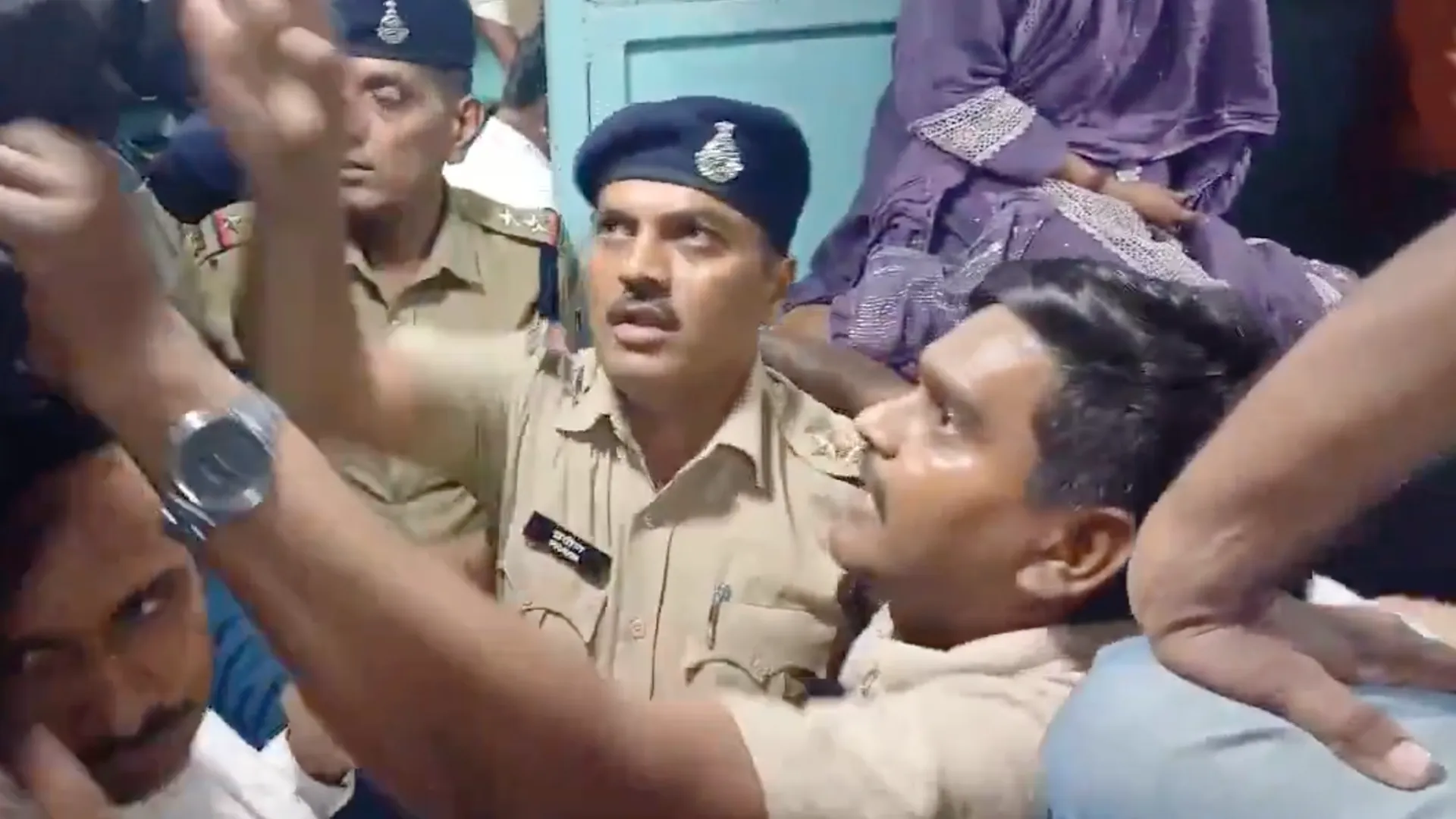
India’s Cockroach Janta Party says its members have been subjected to mass arrests across India ahead of Saturday’s protest in New Delhi. Protesters are demanding the election panel chief’s resignation over alleged irregularities in voter-list revisions that critics say benefited Modi’s BJP.
The State Department has accused the official of paying bribes to Fijian citizens to advance Chinese interests.
Published On 8 Oct 20268 Oct 2026
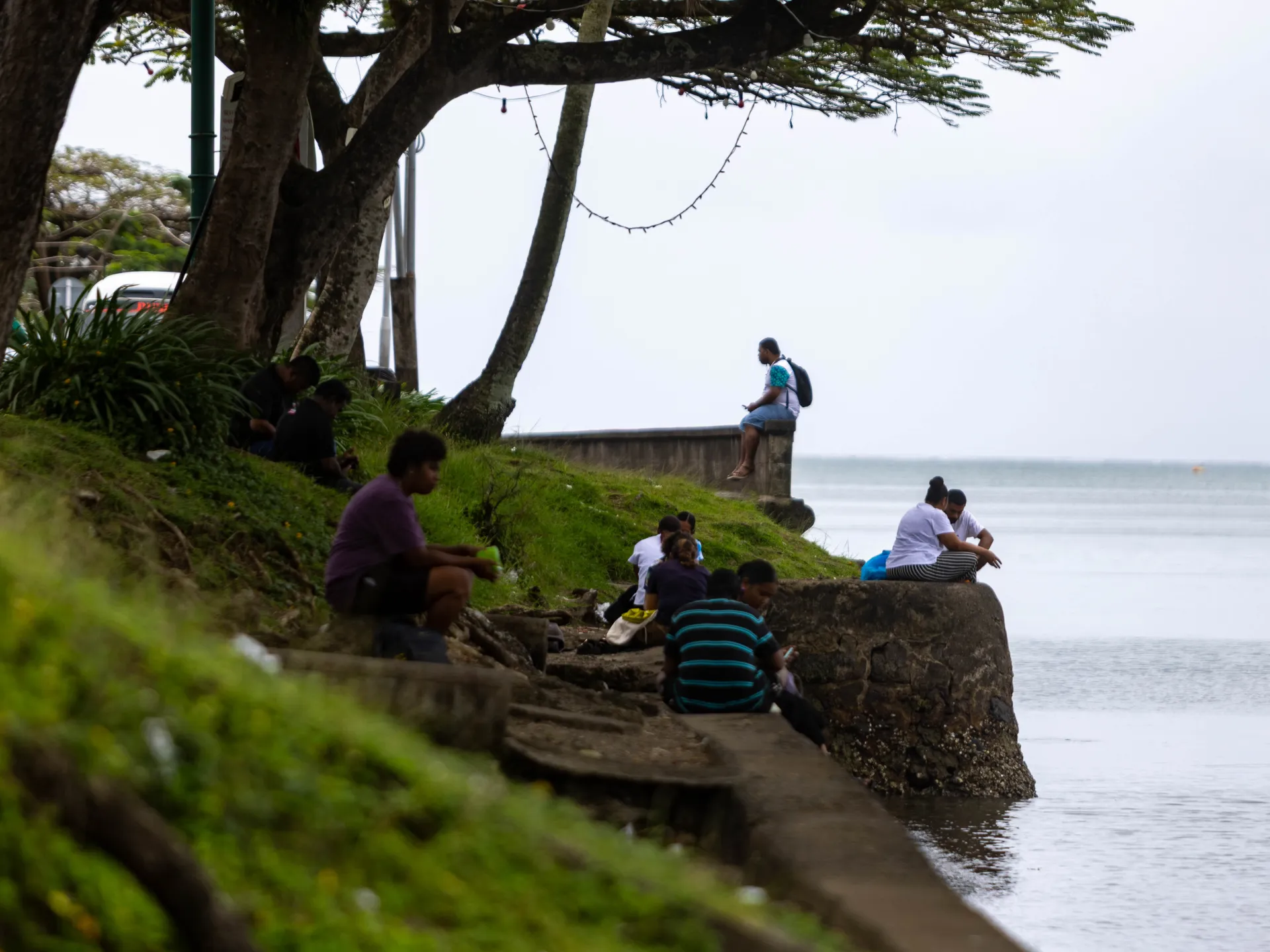
The US Department of State has publicly designated a Fiji-based man for his involvement in corruption on behalf of Chinese actors.
Zhao Fugang, the director of the Overseas Chinese Service Center, “abused his public position by paying bribes to Fijian citizens to advance China-based government, business, and criminal interests”, the State Department said in a press release on Wednesday.
Recommended Stories
list of 3 itemsend of list
“His actions constituted significant corruption and adversely affected U.S. interests in Fiji.”
The designation renders Zhao and his immediate family members “generally ineligible for entry into the United States”.
The US embassy in Suva, Fiji’s capital, said Zhao’s actions left the Pacific nation open to “malign foreign influence facilitated by Chinese government, business, and criminal actors”.
The embassy also said, “Public reporting shows an established trend of criminals operating across the Pacific with ties to China.”
Beijing says Overseas Chinese Service Centers help its nationals with administrative issues abroad, such as renewing driving licences. However, rights groups have alleged they are fronts for Beijing to push interests abroad, including the targeting of dissidents.
In February, the Trump administration sanctioned two leaders of Pacific island nations for alleged corruption tied to China. The US Department of State issued a notice alleging that Hokkons Baules, the president of Palau’s Senate, and Anderson Jibas, a former mayor in the Marshall Islands, had created openings for China to increase its influence in the region.
Latest polls suggest Lula’s lead over Bolsonaro is narrowing, with neither candidate likely to win outright on Sunday.
Published On 4 Oct 20264 Oct 2026
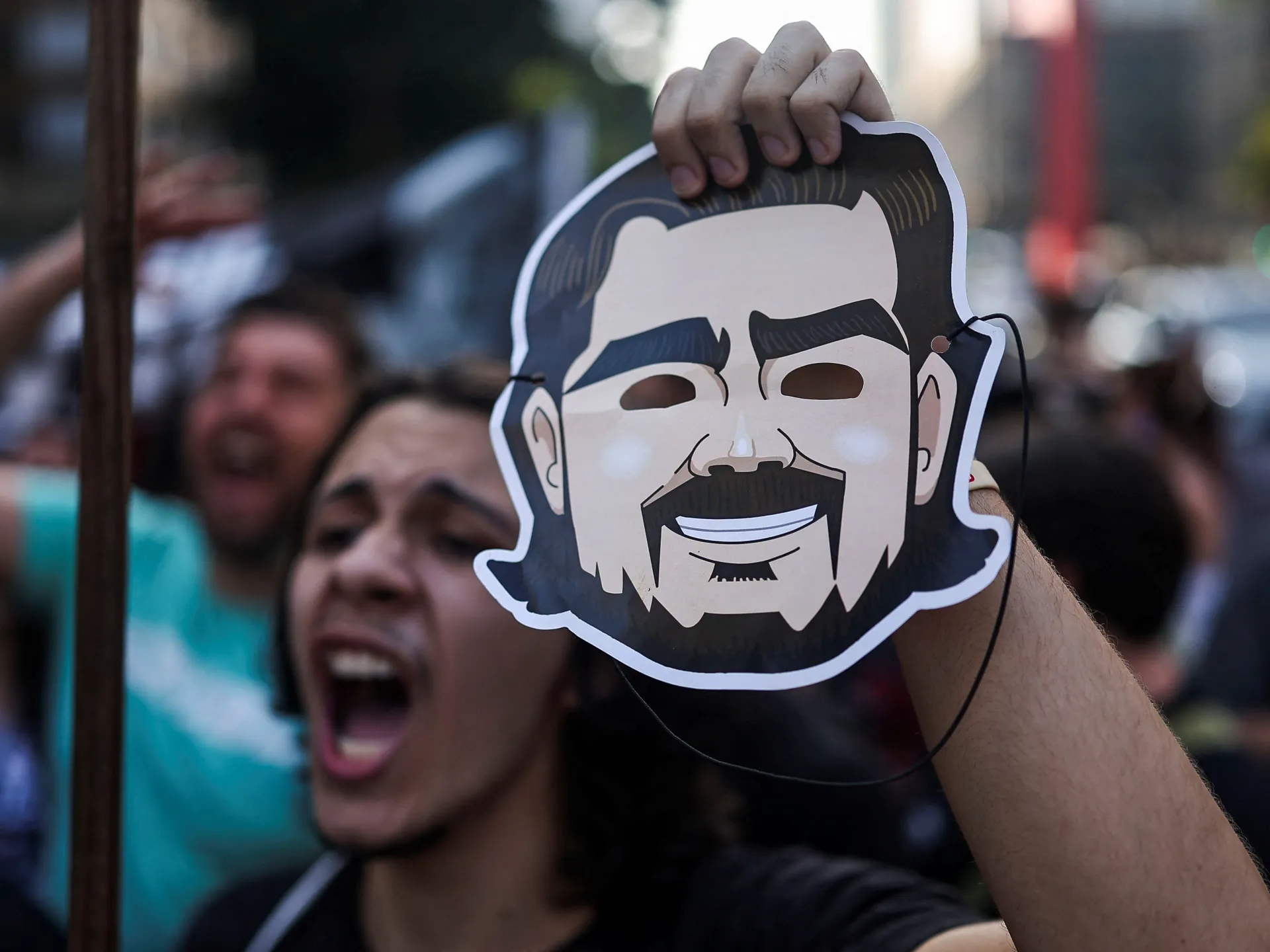
Brazilian President Luiz Inacio Lula da Silva and right-wing Senator Flavio Bolsonaro have wrapped up their election campaigns, each voicing confidence in victory ahead of Sunday’s tightly contested first-round presidential vote.
Lula, 80, closed his re-election bid on Saturday with a march through Sao Paulo, Brazil’s economic powerhouse, drawing what his campaign called a record crowd for a closing rally.
Recommended Stories
list of 3 itemsend of list
“Tomorrow, we’re going to win the elections in the first round,” he told supporters, describing Sunday’s vote as a choice between “democracy and barbarism” and promising to “defeat the far right”.
He has also framed the election as a test of Brazil’s sovereignty, warning against “meddling” by Washington.
Bolsonaro led a motorcycle caravan through towns in Sao Paulo state, echoing the campaign style of his father, before rallying later in Rio de Janeiro. “I am convinced that everything is in place for us to win this election in the first round,” he said.
The 45-year-old is the son of former President Jair Bolsonaro, a close ally of US President Donald Trump. The former leader, 71, is serving a 27-year prison sentence for attempting to overturn his 2022 election loss to Lula.
The younger Bolsonaro was photographed at his rally holding a portrait of his father.
Trump has not formally endorsed Bolsonaro but has said he is watching the election “very closely”, a level of US interest that has become a flashpoint in the campaign.
Lula’s supporters have seized on it as evidence Washington is trying to meddle in the elections, while some Bolsonaro supporters, frustrated by the cost of living, say they would welcome US pressure if it helped force change at home.
Polls released on Saturday suggested Lula was still ahead but his lead was narrowing, with neither candidate likely to win outright on Sunday. Such a result would send the race to a run-off on October 25 between the two frontrunners, a contest polls suggest would also be close.
It is a far tighter race than Lula’s last victory in 2022, when he beat the elder Bolsonaro by less than two percentage points.
Meanwhile, the Bolsonaro campaign has faced scrutiny over a film-funding scandal. Flavio Bolsonaro is under investigation over financing for Dark Horse, a biopic about his father, bankrolled by a jailed banker tied to one of Brazil’s biggest financial scandals.
Brazil’s Supreme Court authorised federal police in April to investigate whether Flavio Bolsonaro made defamatory statements about Lula.
Bolsonaro has pledged to seek his father’s release from prison if elected, and has echoed his father’s unsubstantiated claims questioning the reliability of Brazil’s electronic voting system, which analysts say could be laying the groundwork to contest the result if he loses.
Beyond the presidency, Brazil’s nearly 160 million registered voters will also choose lawmakers, governors and senators on Sunday.
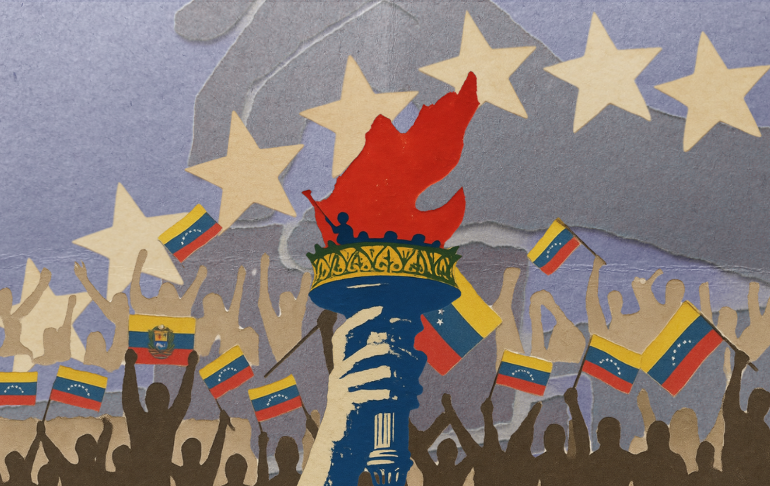
When Maduro was taken and arrested on January 3rd, many Venezuelans brought out the good stuff. The old bottle of rum or whiskey they’d been saving for a special occasion, believing the incursion would inevitably lead to the return of liberty in Venezuela. Nine months later, the “transition” has not been what most Venezuelans wanted. Hundreds of political prisoners were released, but that is not enough. A few laws are being reformed, but not the institutions that carry them out. Delcy remains in power despite no lawful statute allowing it nor any sort of popular mandate for her to be the head of the Venezuelan State.
Many who brought out the good whiskey have soured on the transition, or at the very least lost their shiny optimism. But the mistake was not just to believe in a future that now seems a bit naive, but to yearn for the return of a past which was the precursor to our current tragic state.
The quest for a more liberal society
Yes, we were better off before the 2000s, but we’ve never had a truly free society without clientelism or corruption. Chavismo may have perfected the art of corruption in Venezuela, but they certainly did not invent it. Venezuela, since its inception, has not been able to ameliorate the very Latin American issue of inequalities of power. We tend to forget about the problem during oil bonanzas. Everyone is doing better, right? Why worry? Then the oil price inevitably falls, the party stops, the lights turn on and we see the naked truth that we are in a horrible state of disrepair.
Many say that the Venezuelan problem is economic (lack of diversification or investment in non-oil industries), political (once high polarization and weak rule of law), or even cultural (a tendency towards el guiso). But within these lies a deeper philosophical issue: for a society that claims to love liberty and our libertadores as much as we do, we don’t actually understand what it takes to create a liberal society.
This is hardly a Venezuela-specific issue, but we are a unique case in that so much of our self-perception is based on the idea of a people who achieved freedom from the yoke of Spanish tyranny, only to then continue to liberate other countries in South America, making Simón Bolívar the most famous person in the history of the continent.
What room is there to become “more liberal” once all citizens are recognized by the law and there is universal suffrage?
To understand what it means to be a liberal society, perhaps it would be best to understand what it means to be a more liberal society. When the classical liberal revolutions of the 18th and 19th centuries took place, it was the divine right of kings that fell. The power was taken from an individual and shared amongst parliaments, which were at the time controlled almost exclusively by rich landowners (including our own first few republics). Still, this was unquestionably a redistribution of power from the individual to the few. It took a long time, but eventually this distribution of power from the one to the few became a distribution of power from the few to the many. Nowadays, democratic societies are expected to allow every single citizen to vote, but this is a reality that is younger than the oldest person alive today. When English supercentenarian Ethel Caterham in the UK was born in 1909, her mother would not have been allowed to vote.
Liberal societies today hardly even question the idea that all people should be equal in respect to the law and that we ought to have a voice in the decisions of our country through voting. So what room is there to become “more liberal” once all citizens are recognized by the law and there is universal suffrage?
It’s true that the distribution of power in liberal countries these days is much improved when compared to 100 years ago, but is it better than 50 years ago? The laws may say that all people are equal, but systems don’t seem to provide that result. Even in societies where they have nominally distributed power amongst all citizens, the power has not been really distributed amongst them nearly as well. Throughout the current Trump presidency, there have been a string of pardons for white-collar criminals who have paid patronage to Trump and his family, including the former president of Honduras convicted of drug trafficking, or a Venezuelan oligarch indicted for allegedly bribing a Puerto Rico governor.
This is a clear example of a two-tiered justice system in which if you put the right money in the right pockets, you get preferential treatment.
A post-WW2 recipe?
I use these examples to show that although there is nothing ontologically wrong with wealth inequality, especially if the rich earned that money honestly, in practice inequality in resources leads to inequality in power and inevitably abuse of that power. This is the state of Venezuela now, but it was also the state of Venezuela long before Chávez caught a whiff of power and what ultimately led a majority of voters to choose a murderer and traitor over the “democracy” that was in place.
The issue, after nearly three decades of chavismo, is that although they entered power on the basis of railing against resource and power inequalities, in the time since they’ve been in charge they’ve done nothing to ameliorate those same inequalities. The people in government have simply taken the seats of the previously corrupt politicians and become even more clientelist, leading to greater inequalities in power and resources than ever before (on top of just a generally poorer country).
The vast majority of Venezuelans can clearly see what chavismo is now, even many who used to vote for it. And though we are still not through with it, we ought to give serious consideration to what we want to replace it with. Do we want a return to bipartidismo and clientelism with high inequality? Just hoping that the price of oil rises so we can keep our population happy whilst oligarchs accrue more and more power? Or do we actually want to achieve the liberty we say we value so much?
We can imitate post-WWII States who decreased inequalities by taxing the incomes of extremely wealthy people at extremely high rates whilst maintaining a belief in free markets, property and the rule of law.
When we get rid of chavismo, we will have an even greater challenge ahead. We’ll have the challenge of rebuilding a country destroyed by decades of mismanagement, a country filled with people who have gotten their wealth by enchufándose into a corrupt system that has oppressed the voice of its people. And we’ll have to decide how we want to go about bringing back liberty. I suggest we act like the previous liberal revolutions we venerate, and distribute more power from the few to the many.
So what is the solution to power inequalities and resource inequalities?
Thankfully, there is no need to reinvent the wheel. We can copy the policies of post-WWII countries (US, Japan, France, UK, Germany, etc) who decreased inequalities in their countries by taxing the incomes of extremely wealthy people at extremely high rates whilst maintaining a belief in free markets, property and the rule of law. This has the added benefit of diversifying government incomes away from just oil revenue or sales taxes, which are regressive and hurt consumers and small businesses (I could go on and on about the economic benefits, but I’ll stick to the institutional ones here). I specify the post-WWII liberal societies here and not the communist ones, because although communist countries seek to ameliorate resource inequalities they end up increasing power inequalities which lead to just as much abuse, if not even more than hyper-capitalistic oligarchic societies.
But before we can consider which policies we ought to copy from which societies, we must adopt the attitudes and political beliefs which made those policies implementable in the first place.
The world, not just Venezuela, is at a crossroads between greater authoritarianism or greater liberalism. If we are leaders of liberalism in our continent, as we have historically perceived ourselves to be, then we ought to understand the nature of liberalism and how we ought to achieve it. If we do not have a vision of how to recreate our institutions and our general idea of what a liberal society even is, then we will surely return to the sad state we are in right now, even after we get rid of the kleptocrats sitting in Miraflores.
The solution is simple, but it’s not easy. Entrenched interests are just that; entrenched. But if the people of the country yearn for liberty and we manage to understand what it takes to attain it, then it can be done through hard work and dedication, as ultimately all worthwhile goals are achieved.
One factor in the widespread disillusionment has been the Banco Master scandal. The financial imbroglio has delivered a black eye to both ends of Brazil’s political spectrum.
A range of business leaders, political figures, regulators and judges have been swept up in the scandal.
A mid-sized lender, Banco Master grew aggressively over the last decade by selling high-yield deposit certificates. Some of those certificates offered returns of up to 140 percent relative to Brazil’s benchmark interbank rate.
But Banco Master did not have the assets needed to sustain that output.
It lacked the money to pay back its risky loans, and what assets it did have were diverted to shell accounts, according to prosecutors.
Brazil’s Central Bank ultimately liquidated Banco Master in 2025, as the lender faced a major funding squeeze.
Its owner, Daniel Vorcaro, was subsequently arrested, accused of an array of financial crimes, including money laundering and fraud.
The collapse of Banco Master triggered a nearly $7.7bn payout from Brazil’s Credit Guarantee Fund, the largest disbursement in the nonprofit insurance’s history.
Investigators have suggested that Vorcaro protected his fraud scheme by cultivating influence among power brokers among Brazil’s elite.
Among those implicated in the scandal is Senator Flavio Bolsonaro, the presidential candidate.
Last month, the Supreme Court unsealed documents showing he is under investigation for alleged corruption and money laundering in connection with Vorcaro.
Audio recordings have also surfaced, appearing to show Bolsonaro soliciting the disgraced bank leader for millions in funding. The money was slated as financing for Dark Horse, a film about his imprisoned father, Jair Bolsonaro.
Flavio Bolsonaro has denied any wrongdoing. He described the interaction as a private sponsorship opportunity, unrelated to the Banco Master scandal.
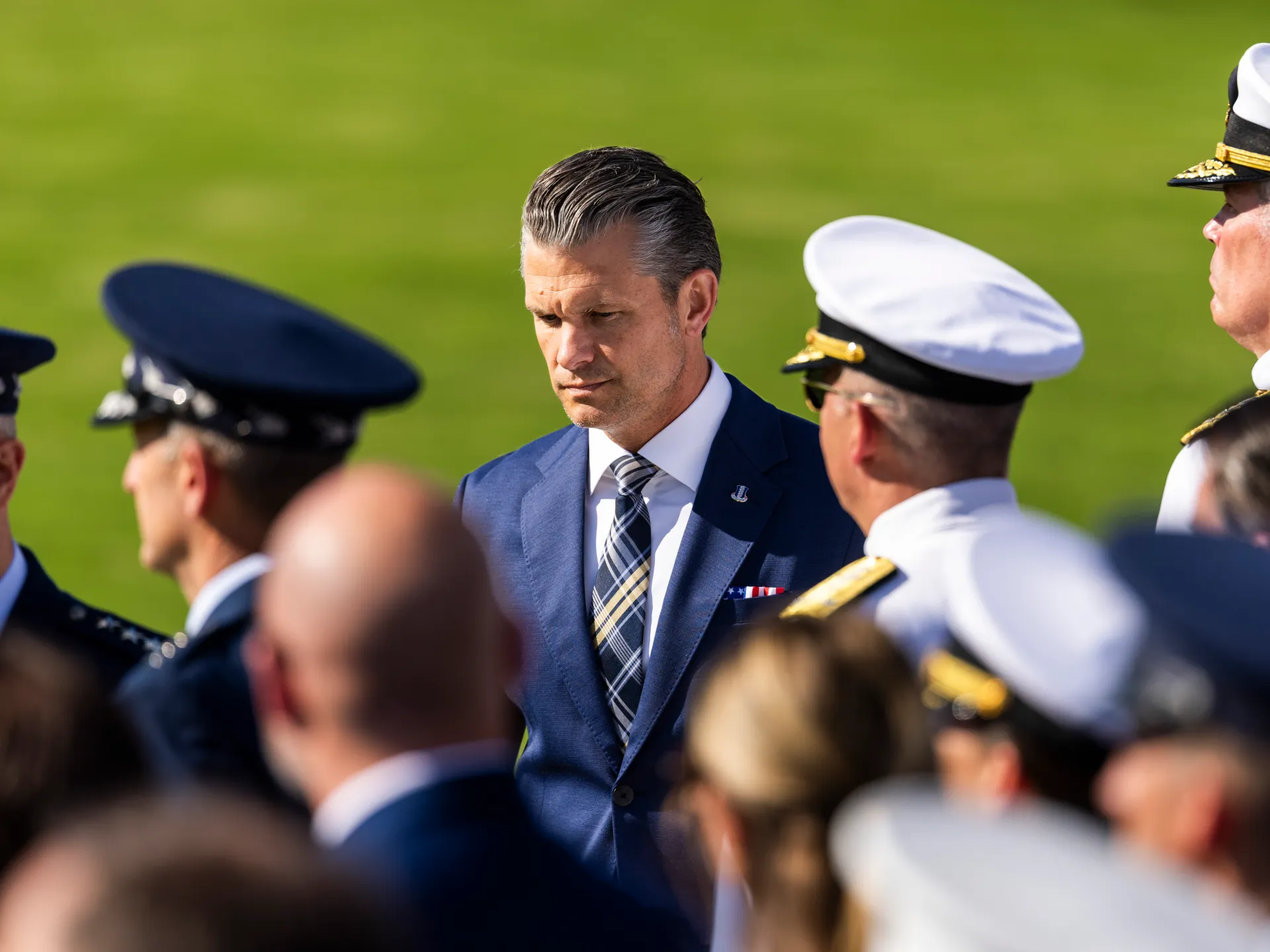
United States Defense Secretary Pete Hegseth plans to cut the number of positions in the US military reserved for generals and admirals by 20 percent, raising concerns about political interference in the military’s leadership amid strained relations with senior Pentagon officials.
An announcement is expected on Wednesday when Hegseth gives his “State of the Force” address to junior officers and enlisted personnel at Marine Corps Base Quantico in Virginia.
Recommended Stories
list of 4 itemsend of list
The Pentagon has presented previous cuts as a way to reduce bureaucracy. But analysts say Hegseth’s latest changes may be aimed at sidelining experienced commanders, discouraging dissent and appointing more officers loyal to President Donald Trump to the ranks.
So is the US military too top-heavy, and what could the cuts mean? Here’s what we know.
What is Hegseth planning?
Citing Pentagon officials, The Associated Press news agency has reported that Hegseth will double the 10 percent reduction in top-ranking personnel ordered last year, bringing the total decrease to 20 percent by January 1, 2027. The plan affects roughly 800 general and admiral positions across the one- to four-star ranks.
Congress sets statutory limits on the number of generals and admirals. A Congressional Research Service report recorded 848 active-duty generals and admirals in September 2025, below the authorised maximum of 857.
Cutting positions does not necessarily mean immediately dismissing everyone occupying them. An official told the Reuters news agency that some roles would be eliminated, while others would be assigned to lower-ranking officers.
Why are top-ranking military positions being removed?
The argument for reducing senior ranks predates Hegseth’s tenure, with supporters saying fewer layers of command would reduce administrative work and give officers closer to operations greater authority.
Walter Ladwig, a political scientist specialising in US foreign policy at King’s College London, said there is a credible case for reform. “Since the end of the Cold War, the overall size of the force has declined significantly, but we haven’t seen a corresponding reduction in the number of flag officers,” he told Al Jazeera.
“At the same time, we’ve seen headquarters and staffs proliferate.”
Trump and Hegseth have already fired or pushed into retirement more than two dozen military leaders since Trump took office in January 2025.
Those removed include General Randy George, the US Army’s top uniformed officer, in April, and Admiral Lisa Franchetti, the chief of naval operations, in February 2025. The administration also dismissed the only two women serving as four-star officers, alongside other senior female officers.
In February 2025, Trump also fired Air Force General CQ Brown as chairman of the US Joint Chiefs of Staff as part of a wider shake-up of top military leadership.
Other departures have been of civilian leaders. Army Secretary Dan Driscoll resigned in late August after reported disagreements over Hegseth’s handling of senior military personnel.
The dismissals, alongside blocked promotions, have raised questions about how the administration selects commanders and whether professional disagreements could jeopardise careers. Robert Ralston, a lecturer in political science and international studies at the University of Birmingham in the United Kingdom, said the proposed reductions should be weighed alongside these earlier decisions.
“These cuts appear to be part of a broader, sustained effort by Hegseth to fill the ranks based on political, rather than meritocratic, considerations,” he told Al Jazeera.
“Politics is driving these decisions, in my view.”
What political fallout could there be from this?
Democratic Senator Mark Kelly of Arizona criticised Hegseth’s changes at the Pentagon. “The US military doesn’t need more testosterone; it needs better leadership at this point,” Kelly told MS NOW’s Morning Joe programme last week.
“The consequences of firing all these admirals and generals are that we’re losing a portion, a good portion, of a generation of great leadership.”
David Galbreath, professor of war and technology at the University of Bath in the UK, told Al Jazeera that resistance from Congress and military leaders could complicate the changes.
He pointed to the opposition that arose to President Jimmy Carter’s plans to withdraw US ground troops from South Korea as an example of how military and congressional pressure can constrain a president.
“I suspect that after the election, we are likely to see a much more confrontational Congress with investigations and impeachments of Hegseth,” he said.
Whether that prediction comes true will likely depend on November’s congressional elections and whether the Republican Party retains control of both chambers of Congress.
What criticisms have been made of Hegseth?
Hegseth’s tenure at the Pentagon has been marked by controversy and tensions with senior officials. In March 2025, he shared details of forthcoming strikes on Yemen in a Signal chat group which inadvertently included The Atlantic’s editor-in-chief.
A number of US media reports about the dwindling supplies of weapons in the Middle East prompted his department to investigate leaks and restrict journalists’ access earlier this year. The New York Times reported in August that about 50 Joint Staff military and civilian officials had undergone polygraph tests amid growing mistrust inside the Pentagon.
Hegseth has meanwhile made ending what he calls “woke” culture a central priority, introducing new physical fitness requirements and abolishing diversity policies.
Ralston said the combination of dismissals and blocked promotions could damage morale and the military’s future leadership. “His relationship with senior military leaders has been adversarial, his scuttling of promotions has undoubtedly damaged morale, and will have long-term consequences for leadership pipelines within the Department of Defense,” he said.
King’s College’s Ladwig also described Hegseth’s relationship with senior Pentagon leaders as unusually confrontational but cautioned against interpreting every proposed cut as a power struggle.
“When a military is under civilian control, it means that the elected government has the right to determine defence priorities and reorganise the armed forces accordingly,” he said.
But Ladwig warned that the changes could encourage officers to hold back their professional recommendations when advising senior politicians. “That might create incentives for military officers to censor themselves rather than provide candid professional military advice, particularly if being politically aligned with the administration is seen as a path to success,” he said.
“This is a very worrisome pathology, and it’s the kind of thing that produces ineffective militaries in dictatorships.”
Hungary’s Parliament lifts immunity of incumbent leader and two ex-Orban ministers, clearing the way for criminal probes.
Published On 29 Sep 202629 Sep 2026
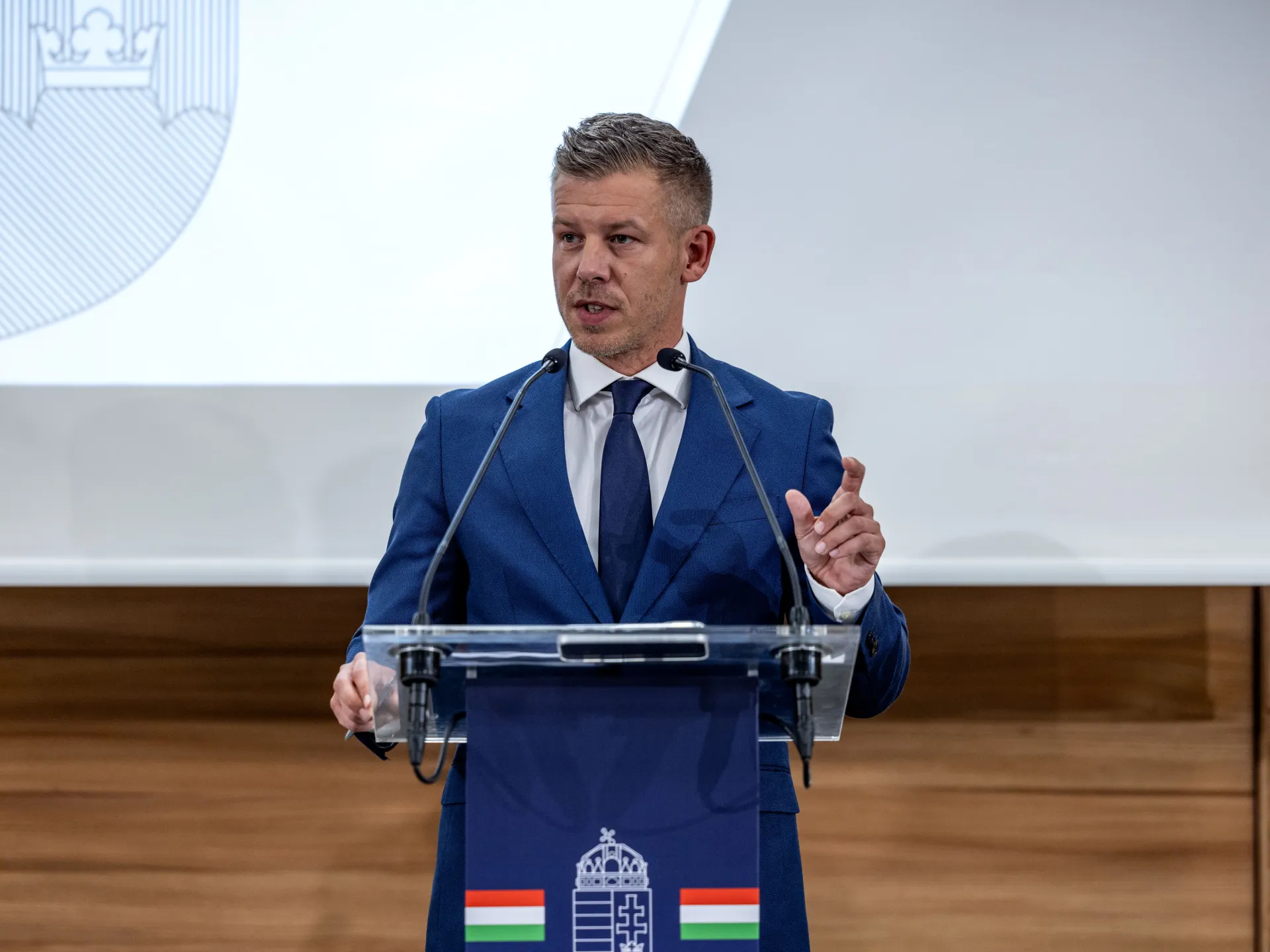
Hungary’s Parliament has stripped Prime Minister Peter Magyar and two ministers in former leader Viktor Orban’s nationalist government of their immunity, clearing the way for prosecutors to pursue separate criminal investigations into each of them.
The vote on Monday came after Magyar, who is being investigated for theft, specifically asked for his immunity to be lifted so he could clear himself of “character assassination”. The probes against the Orban-era ministers – who are suspected of embezzlement and bribery – are the first corruption investigations against top government figures from Orban’s 16 years in power.
Recommended Stories
list of 4 itemsend of list
Legislators voted overwhelmingly in favour of lifting their immunity.
Orban’s Fidesz party and its ally KDNP boycotted the session.
The vote was in response to a request last week from prosecutors seeking to investigate Magyar, as well as former Minister of Culture Balazs Hanko and former Minister of National Development Miklos Sesztak.
Magyar is being investigated over an incident at a Budapest nightclub in June 2024, when prosecutors allege he took a mobile phone from a man filming him and threw it into the Danube River.
Magyar has called the case a “sham” and last week accused prosecutors of trying “to conflate” the ex-ministers’ cases “with the attempt at political character assassination… which has already failed several times”.
Corruption cases
Hanko, a legislator from Orban’s Fidesz party, is accused of embezzling more than 40 million euros ($46m) in public funds. Prosecutors allege the money was used to help finance the 2026 parliamentary election campaign and for the personal benefit of others.
Sesztak, a lawmaker from KDNP, is under investigation over allegedly accepting more than $37.2m in bribes and kickbacks connected to vehicle procurements under Hungary’s state bus company, as well as to state construction projects.
Both ministers deny any wrongdoing.
The cases come less than six months after Magyar’s Tisza party ended Orban’s 16 years in power with a landslide election victory. Magyar campaigned on pledges to tackle corruption, restore rule-of-law safeguards, and rebuild Hungary’s strained relationship with the European Union.
His government has since made fighting alleged corruption and overpriced public procurement a central part of its programme, including plans for a new asset-recovery office focused on wrongdoing linked to the Orban era.
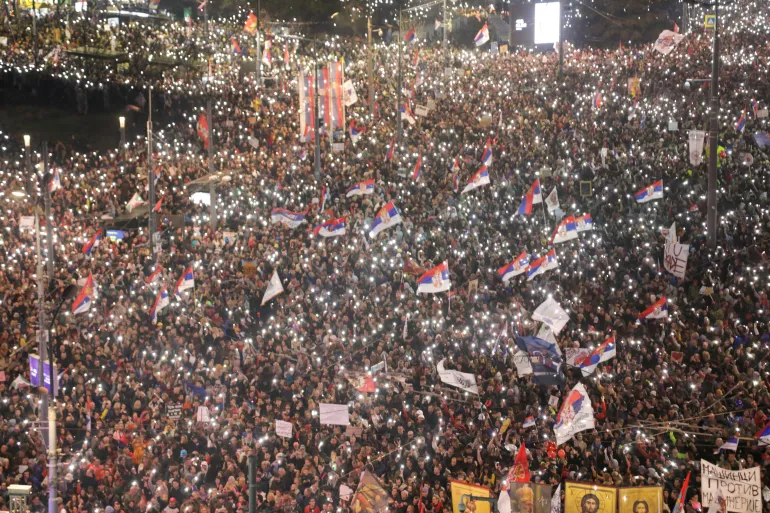
For weeks, the streets of Serbia were teeming with young people rallying against the government. At the height of the protests in March 2025, more than 100,000 took to the streets.
With the elections originally not due until December 2027, the early vote is seen as an attempt by governing populists to cling to power despite widespread discontent.
Students and anti-government demonstrators light the flashlights of their mobile phones during a protest, which became a national movement for change following the deadly November 2024 Novi Sad railway station roof collapse, in Belgrade, Serbia, March 15, 2025 [Igor Pavicevic/Reuters]
Vucic is vying for the prime minister’s post, a role he has held before, appearing to yield to protesters’ demands not out of goodwill but in the hopes of ushering in a result that keeps him in office, analysts say.
But experts warn that elections will hardly solve the underlying political tensions gripping the country, triggered after 16 people were killed in 2024 when a concrete canopy collapsed at a railway station. Student protesters blamed the disaster on government negligence and alleged corruption.
The move “is essentially about reducing political risk”, Viktor Stamenkovic, a researcher at Belgrade’s Institute for Political Studies, told Al Jazeera.
“Given the circumstances, the ruling camp is choosing the electoral sequence it considers least dangerous,” he said, referring to Vucic’s Serbian Progressive Party (SNS).
Saving his skin: Elections a cling to power
Vucic could stall no more – both the presidential and parliamentary vote would have had to be held next year.
“Vucic has, for some time, been aware that further delay is unlikely to work in his favour,” Stamenkovic said.
Vucic’s presidential term expires before the mandate of the current parliament, said Stamenkovic. Serbia’s recent political history explains the order of the elections – the parliamentary before the presidential, the analyst added.
Presidential elections can fundamentally alter the parliamentary dynamics that follow – which is how Vucic’s party came to power, Stamenkovic explained.
Vucic cannot run for a third term under Serbia’s constitution, and no other SNS figure is as popular as him.
“In 2012, the presidential victory of the SNS candidate Tomislav Nikolic changed the political momentum so dramatically that the bloc, which had previously appeared capable of forming a parliamentary majority, was ultimately unable to do so,” said Stamenkovic. “The presidential result altered the calculations of the parliamentary parties and paved the way for a government led by SNS.”
Vucic, therefore, has good reason to fear the same scenario being repeated.
Aleksandar Vucic has resigned as president to run for the premiership [File: Pierre Suu/Getty Images]
Vucic has built a personalised political system centred on himself rather than his party or any successor, said Stamenkovic.
“He therefore has to find a way of transferring his own political strength from the presidency into the parliamentary arena … effectively staking his political future on the parliamentary election.”
For Milica Vojinovic, an investigative reporter at the Serbian outlet KRIK, the goal of the governing party is to stay in power at any cost.
“They [want to] continue their corruption projects, which usually means finding new ways and public procurements through which they can take money… [including from] public budgets,” Vojinovic told Al Jazeera.
She cited irregularities in past elections, such as vote buying by the SNS, documented by election observers and human rights organisations, and feared that the next elections will see an “escalation of these tactics, now that the student movement is actually threatening to win the election and take power from Vucic’s party”.
The vote will not resolve country’s discord
Since 2024, the governing party has lost a sense of political legitimacy, said Stamenkovic.
“Even if – and this is a big if – SNS wins another parliamentary majority, it is difficult to envisage a return to a situation in which it can govern normally and claim the kind of broad social legitimacy it once enjoyed,” he said. “Virtually all polling shows that a majority of the country believes Serbia is heading in the wrong direction and that the time has come for change.”
Mass demonstrations have not taken place in Serbia for some time, as the student movement has shifted from organising large rallies to election campaigning.
The youth movement recently submitted their election list to state election authorities after a jubilant march through the capital of Belgrade, formally entering the race.
Polls show that this vote could bring representatives of the student movement into parliament and state institutions, said the Serbia-based Center for Research, Transparency and Accountability (CRTA).
“This is important for Serbia’s democracy … [They] will definitely improve the legitimacy of the parliament as the representative body,” the group said.
Transparency and anticorruption are priorities for most citizens, with the social and political reality in the country having changed in the two years since the railway station incident, the organisation added.
Vojinovic, however, predicted that if Vucic’s party continues to hold power, “we are to expect the most repressive measures seen so far against everyone who has been criticising, or in any way opposing, the government”.
Criminal cases have already been brought against some activists in the student movement, as well as a political analyst, she said.
According to Human Rights Watch, foreign agent laws, first introduced by Russia and seen being picked up by other nations, have been used to brand independent civil society, media and other dissenting voices as illegitimate and acting on behalf of foreign interests. Such a law was proposed in Serbia in 2024.
“Recent smear campaigns against my newsroom, as well as other independent media outlets and NGOs, lead us to believe that they may be a precursor to the introduction of a ‘foreign agents law’ in the near future, should Vucic’s party remain in power,” Vojinovic added.
EU rift no matter
Meanwhile, Serbia is no closer to joining the European Union, but that is not a real priority for Vucic, the experts said.
“It is widely understood that Serbia cannot make meaningful progress towards EU membership under the current system of government,” said Stamenkovic. “What matters much more to Vucic is avoiding serious political pressure and criticism from Brussels.”
Ratko Mladic’s funeral illustrates this balancing act: Serbia hosted the semi-official honouring of the former Bosnian Serb army general – who died while serving a life sentence for genocide, war crimes and crimes against humanity committed during the 1992–1995 war in Bosnia – but Vucic did not attend, he said.
“In some ways, the relationship between Vucic’s government and the EU resembles a couple trapped in a disastrous marriage who nevertheless do not divorce because both sides continue to benefit from the relationship.
“Vucic cooperates with the EU on issues that matter to Brussels, while the EU has for years been willing to overlook a great deal about the increasingly authoritarian nature of his rule,” he added.
The two are also at odds over Russia, which Serbia has ties with.
A public opinion poll in June by the CRTA and Stanford University’s Democracy Action Lab showed that among SNS voters, 15 percent wanted closer ties with the EU while 60 percent favoured relations with Russia.
“There is every reason to expect election day itself to be highly contentious,” said Stamenkovic.
A member of Donald Trump’s political party has issued a rare call for a congressional investigation into the foreign dealings of the United States president’s eldest son.
US Senator John Curtis, a Republican from the state of Utah, on Tuesday said “questions have arisen” about Donald Trump Jr’s relationships with foreign business figures and acceptance of “significant gifts”, alleging he may have personally benefited from his relationship with the president.
Recommended Stories
list of 3 itemsend of list
In a letter to the Republican and Democratic leaders of the US Senate Judiciary Committee, Curtis referenced a ProPublica report that found Trump Jr’s Bahamian wedding party in May was funded by a Russian oligarch.
“These reports raise legitimate questions about foreign access to members of a sitting president’s family and whether such relationships can create actual or perceived expectations of favorable treatment,” Curtis wrote. “They also may create expectations of a returned favor that would not be in the best interests of the American people or our allies, and could even create national security vulnerabilities.”
The letter comes as a small but slowly growing number of Republicans have spoken out against Trump, who has largely avoided criticism from members of his own party. But record-low approval ratings sparked by the war in Iran and concerns over the cost of living in the US have forced some Republicans to reconsider that support as they face growing prospects of major losses in the congressional midterm elections.
If Democrats retake one, or both, chambers of the US Congress in November, investigations into Trump, including his family’s dealings, are likely. But those probes are less likely under Republicans wary of the president’s wrath.
A spokesperson for the Senate Judiciary Committee, which is under Republican control, told the Associated Press that it had received Curtis’s letter but did not say whether there would be an investigation.
Trump vs Biden
Curtis, who isn’t up for re-election until 2030, also called on the chamber’s panel to subpoena Trump Jr, as well as the son of former US President Joe Biden, a Democrat.
“The country should not have to accept one standard for the family of a Republican president and another for the family of a Democratic president,” Curtis wrote, referencing the scrutiny and investigation Biden’s son Hunter faced from Republicans.
Hunter Biden responded to Curtis’s letter in a post on social media, calling for the Senate committee to “bring it on” as he vehemently denied any foreign business dealings while his father was president.
“I’ll sit next to Don Jr. and testify any time, any place,” Biden wrote on X as he called for the president’s youngest son, Eric, and son-in-law, Jared Kushner, who serves as a US envoy, to testify as well. “No need for a subpoena. Let’s all do it tomorrow.”
After the ProPublica report, Trump Jr and his wife, Bettina, released a joint statement on social media saying the Russian oligarch, Umar Kremlev, was a “dear friend” who “very generously hosted two incredible nights of celebrations for us AFTER our wedding”.
The president, who did not attend the wedding, said his son had reimbursed Kremlev.
“It’s totally allowed, and a lot of people give parties and things like that — but it’s totally allowed,” Trump said. “But as I understand it, he paid him back. He didn’t want it.”
US Senator Dick Durbin, the ranking member on the Senate Judiciary Committee, said that while Biden’s son “has already given a sworn deposition to Congress”, Trump Jr “has not”.
“For the committee to ignore this matter is to run the risk of being complicit in a coverup,” Durbin said. “I will join in supporting Senator Curtis’ request of the Senate Judiciary Committee.”
Curtis’s office did not immediately reply when asked by Al Jazeera what prompted the senator’s letter and whether any fellow Republicans have indicated if they would support an investigation into the president’s family.
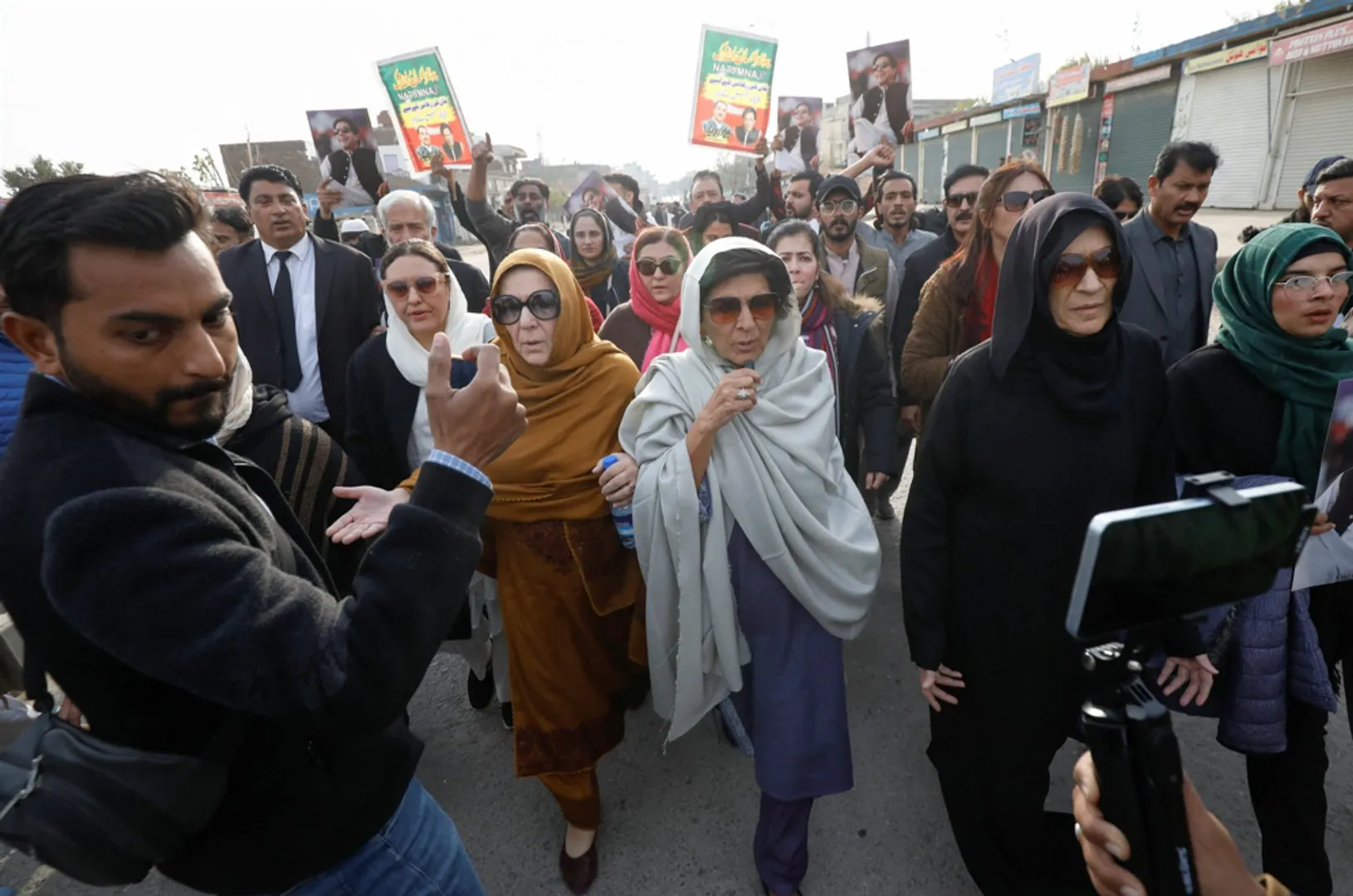
Imran Khan’s family and PTI officials say three of the jailed former PM’s sisters have been detained in Lahore ahead of a September 27 march on Islamabad demanding his release. Authorities have confirmed Aleema Khan was ordered to be held for 30 days.
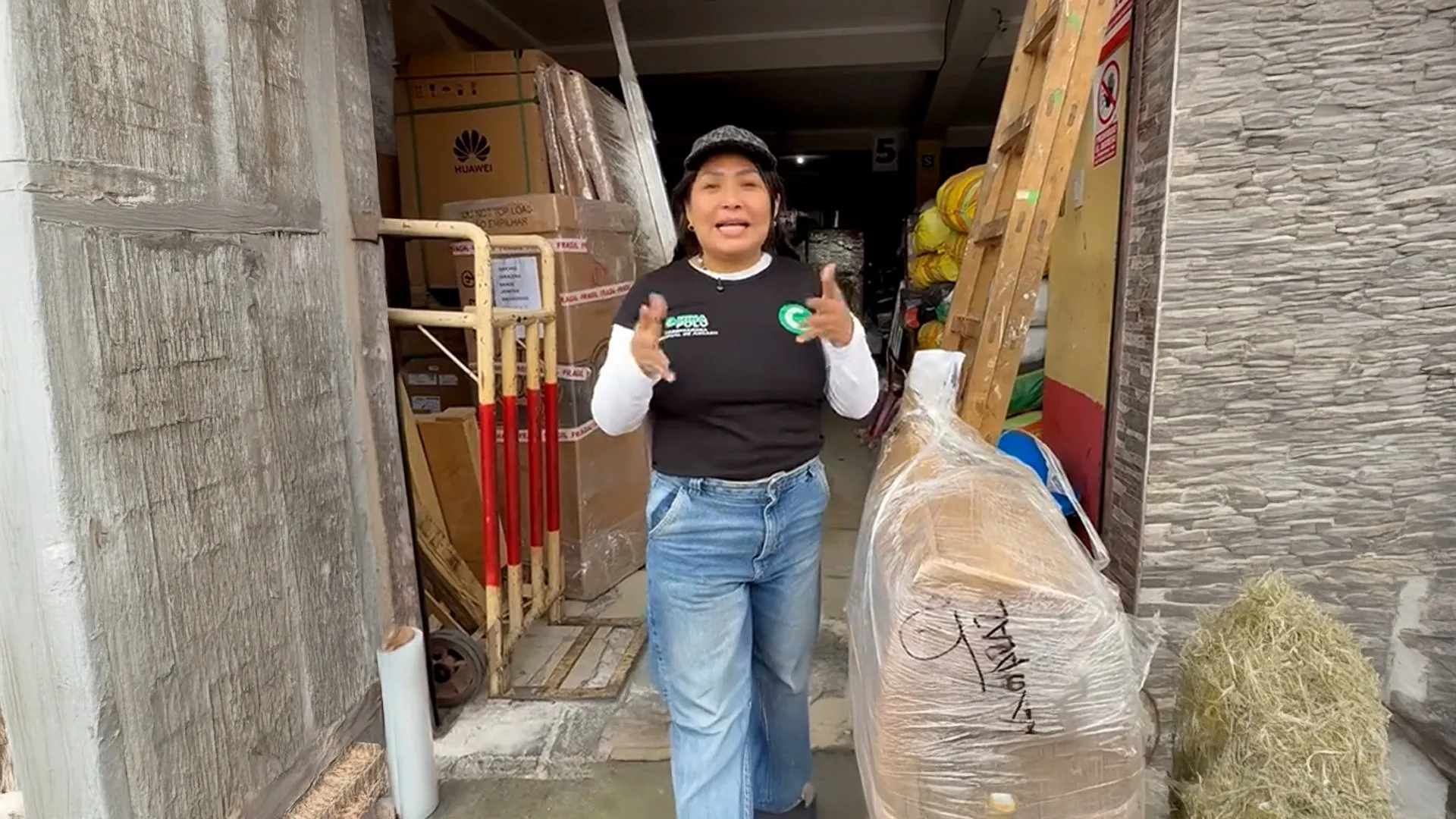
A Peruvian journalist running for political office has been shot dead while out campaigning. Susy Aponte Polo, known as China Polo, was killed just a week after revealing she had received death threats over her investigation into a police chief.
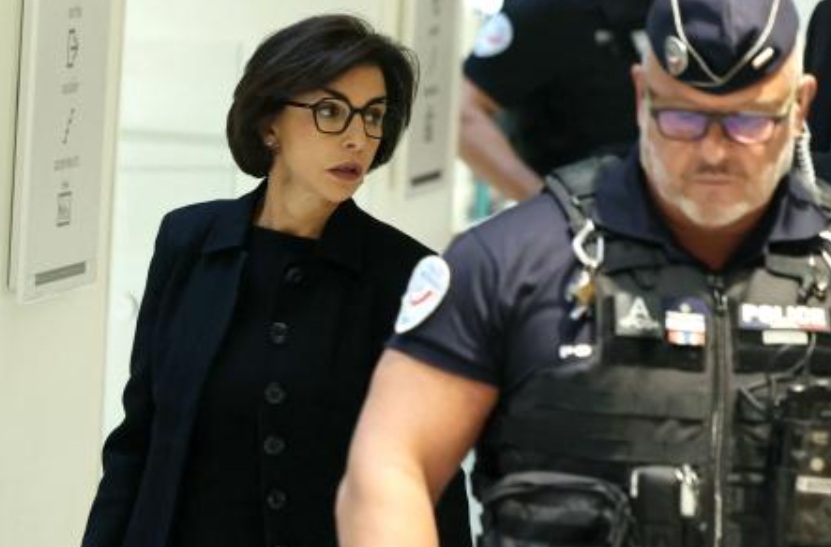
PARIS: France’s ex-culture minister Rachida Dati appeared in court Wednesday on corruption charges linked to dealings with the Renault-Nissan group, just months after her bruising defeat in the Paris mayoral race.
One of the most prominent figures on the French right, Dati, 60, stood in court dressed in black to hear the charges against her, all of which she denies.
Carlos Ghosn, the fugitive former Renault-Nissan chief now living in Lebanon, is being tried in absentia.
Dati has been dogged by controversies for much of her political career.
She resigned as culture minister in February to concentrate on the Paris mayoral race, but lost to Socialist rival Emmanuel Gregoire in March.
She stands charged with corruption and influence-peddling over alleged lobbying for Renault-Nissan between October 2009 and February 2013 while she was a member of the European Parliament.
She became an MEP after serving as justice minister between 2007 and 2009 under President Nicolas Sarkozy.
She has been accused of accepting 900,000 euros (around $1 million) in lawyers’ fees from a Netherlands-based subsidiary of Renault-Nissan.
Dati, who is still the mayor of the French capital’s wealthy seventh district, denies all the charges.
She faces up to 10 years in prison and a fine of up to 450,000 euros, if convicted. She could also face a five-year ban on holding public office.
Her legal team said Dati worked “exclusively” as a lawyer for the Netherlands-based subsidiary.
“Unfounded allegations of influence-peddling in the European Parliament stem from an artificial intellectual construct devised by the prosecution,” her lawyers said.
– ‘Explain facts’ –
French prosecutors argue that a legal services contract signed in 2009 between Dati and Ghosn, under which the former minister was paid an annual fee of 300,000 euros, was used to disguise lobbying work.
Investigators obtained the contract in 2019 during a search of Renault’s headquarters following Ghosn’s arrest in Japan, in a separate case.
Ghosn, the 72-year-old former chairman and chief executive of the Renault-Nissan-Mitsubishi alliance, was arrested in Japan in 2018 on suspicion of financial misconduct, before being sacked by Nissan’s board.
He made a dramatic escape from Japan hidden in an audio-equipment box, landing in Beirut, where he remains at large.
Ghosn faces a litany of charges, including abuse of power and bribery. He has denied any wrongdoing.
In a letter sent to the court in August and seen by AFP, Ghosn requested that the proceedings be postponed.
Denying any attempt to “delay the trial”, Ghosn said he was prepared to appear by video link to “explain facts” that he disputes.
Dati has repeatedly sought to have the charges against her quashed.
She has also been accused of accepting nearly 300,000 euros in undeclared payments from energy group GDF Suez, also while an MEP.
Prosecutors said last year they were looking into reports that Dati failed to declare jewelry and watches worth 420,000 euros upon taking ministerial office.
BRASILIA: Revelations that Brazilian presidential candidate Flavio Bolsonaro is under investigation for alleged corruption and money laundering rocked his right-wing campaign Friday, weeks before elections.
Bolsonaro, the son of former leader Jair Bolsonaro, is vying for the presidency against leftist incumbent Luiz Inacio Lula da Silva in the October ballot.
A newly released court document revealed that police have been investigating Flavio Bolsonaro since July regarding possible crimes “in the context of financing the production” of a forthcoming film about his father.
Police conducted dozens of raids Thursday over the alleged embezzlement of public funds by the company that produced the flattering biopic.
“Dark Horse” — starring US actor Jim Caviezel as Jair Bolsonaro — has been under scrutiny as part of a widening corruption scandal that has loomed over the election.
“I have nothing to hide. The film is completely legal,” Flavio Bolsonaro said at a campaign event on Friday.
An investigation of this kind does not prevent someone from running for office in Brazil.
Voters in Latin America’s largest economy head to the polls on October 4, deeply polarized and with a weary sense of deja vu as Lula takes on Bolsonaro.
The 45-year-old senator Flavio Bolsonaro was thrust into the electoral race after his father was jailed for attempting a coup in 2022.
He has styled himself as a “more moderate” version of his firebrand father.
Neck and neck
The right-wing candidate has vowed to “rescue” Brazil from corruption, crime, high food prices and soaring public debt. His speeches are woven through with references to “God, country, family and freedom.”
He has also pledged a heavy hand on crime, which polls show is voters’ main concern.
While Lula has promised to prioritize the fight against organized crime, his challenger blames him for not taking violence seriously enough.
Bolsonaro’s campaign has been hit by disclosures that he approached notorious fraud-accused banker Daniel Vorcaro — head of the collapsed private bank Banco Master — for money, which Bolsonaro said was to finance “Dark Horse.”
According to court documents obtained by AFP, investigators believe Flavio Bolsonaro personally met with Vorcaro and discussed the film’s financing with him on several occasions.
The documents also point to the transfer of $12.3 million from a company indirectly linked to Vorcaro to another tied to an attorney for Eduardo Bolsonaro, Flavio’s younger brother.
A police source told AFP that the targets of Thursday’s raids included Karina Gama, head of the company that produced “Dark Horse,” and Mario Frias, a pro-Bolsonaro congressman listed as the film’s executive producer.
Both have been banned from leaving Brazil pending the investigation’s outcome. Frias has said he is innocent, denouncing the “smoke screen” probe.
Police officials said the money came from parliamentary funds available to lawmakers to finance special projects, usually in their electoral strongholds.
Vorcaro’s alleged interactions with Supreme Court Judge Alexandre de Moraes, whom he apparently asked for legal help days before his arrest, have meanwhile triggered a crisis in Brazil’s top court.
“The impact of corruption scandals is much greater for Lula’s campaign than for Flavio’s,” said political scientist Mayra Goulart from the Federal University of Rio de Janeiro.
However, new evidence against Bolsonaro closer to the election could influence “voters whose choice is less clearly defined,” she told AFP.
Lula was imprisoned for 580 days on corruption charges in 2018 and 2019, but his conviction was later overturned.
He and Flavio Bolsonaro are neck-and-neck in voting intentions ahead of the first round.
If, as expected, no one wins an outright majority, a runoff will be held on October 25.