Climate

FIFA World Cup: Climate change could create ‘dangerous’ situations

A few hours after Lionel Messi and the Argentine World Cup team checked into their training base in Kansas City, a series of thunderstorms pounded the area, knocking out power, felling trees and bringing flood and tornado warnings.

Hardly ideal conditions for the world’s biggest soccer tournament. Yet that’s likely just the opening salvo of a disruptive weather system that could affect the 38-day competition, which kicks off next week with games in Mexico, Canada and the U.S.

“It’s pretty safe to say climate change is going to have a mark on this World Cup,” said Kaitlyn Trudeau, a senior research associate of climate science for Sacramento-based Climate Central. “With climate change we know it’s not just going to be hotter, but it’s also going to increase the humidity as well.”

And that could make this summer’s World Cup one of the last of its kind. Tournament soccer in June and July has been a tradition dating to the first World Cup in 1930, but since then global temperatures in June have warmed by 1.89 degrees, according to the U.S. National Oceanic and Atmospheric Administration. That may not sound like a lot, but it takes many days and nights of extreme heat to move the needle that much.

“It can be a very dangerous situation,” Trudeau said.

As a result, FIFA President Gianni Infantino has already begun discussions on moving the start of the tournament from June to March or October after 2030. In the meantime, early kickoffs, cooling breaks, air-conditioned stadiums and regular weather-related delays will necessarily become common features of the tournament, according to “Pitches in Peril,” a detailed report on the impact of climate change on global soccer, released in the run-up to the World Cup.

“Football’s all of a sudden starting to reckon with the new climate realities,” said Elliot Arthur-Worsop, founding director of Football For Future, a pioneering U.K. nonprofit and co-publisher of “Pitches in Peril.”

“Extreme weather events are becoming more unpredictable,” he said. “The players, the spectators and the officials, they’re all at risk here, especially when it comes to extreme heat. How can we future-proof the game?

“Adaptation looks like moving the entire tournament to another time of year to deal with the extreme weather. Short term it could be moving the kickoff times, it could be introducing more drink breaks, having more heat protocols and safety regulations.”

Some climatologists fear summer events like the World Cup and Olympic Games are just one heatwave away from a major weather-related tragedy. In fact, Arthur-Worsop said his group’s study found that this men’s World Cup, the first held in North America in 32 years, will likely be the last played here.

“By the time the cycle of awarding the hosting rights would possibly come back, our climate projections show that the tournament in its current form would be unplayable due to extreme weather events,” he said. “Not only heat, but other compounding threats such as extreme wind and flooding and wildfires.”

Trudeau worries that whatever adaptations are eventually adopted won’t keep pace with a rapidly warming planet.

“We are basically pushing ourselves to a limit,” she said. “I’m not saying we’re going to absolutely lose the World Cup. But we are making it so much harder to find time to safely enjoy these kinds of events.

“This is not a safe environment and we should not be putting people’s lives at risk just to watch a game.”

FIFA did move the 2022 World Cup, pushing the start of the tournament in Qatar from June to November. Even then the games had to be played in air-conditioned stadiums, though. Three of the 16 venues to be used this summer — in Atlanta, Houston and Arlington, Texas — are domed and climate-controlled.

But the next World Cup, to be held in 2030, will be played mostly in Spain, Portugal and Morocco, where June and July temperatures frequently top 95 degrees. And just one of the likely venues is climate-controlled.

As for this summer’s tournament, a 2025 study published in the International Journal of Biometeorology found that conditions in 14 of the 16 World Cup host cities are likely to exceed the extreme Wet Bulb Globe Temperature (WBGT) threshold, an advanced index used to measure how the human body experiences heat stress.

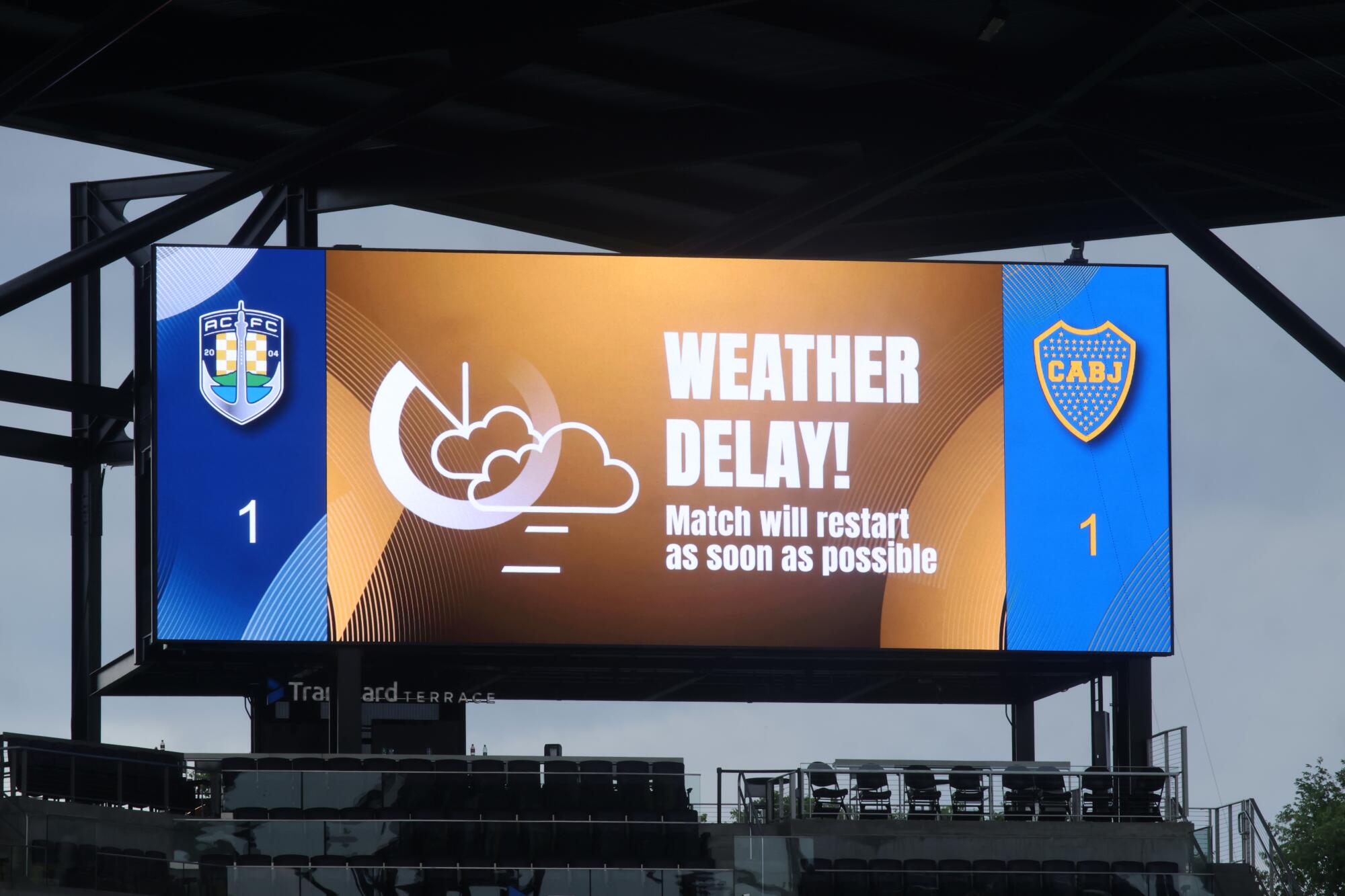
A weather delay interrupts a Club World Cup match between Auckland City FC and Boca Juniors in Nashville in June 2025.

A weather delay interrupts a Club World Cup match between Auckland City FC and Boca Juniors in Nashville in June 2025.

(Alex Grimm / Getty Images)

But you don’t have to do complicated math to know it’s hot because there’s also the “feels like” index, which registers how your body feels the heat. That can be vastly different from the reading on a thermometer. In Miami, for example, where seven World Cup games will be played, humidity will make an air temperature of 90 degrees “feel like” 109 degrees.

Under those conditions, it becomes more difficult for the body to cool itself.

“We talk about temperatures all the time, but that is only one part of the equation. It’s not including the amount of heat that you might feel from humidity,” Trudeau said. “It’s so important because once it gets too humid, then our body’s main cooling mechanism, sweating, is no longer possible.

“These are the kinds of situations where you have to be really careful. Not just players, but also people who maybe work at the stadiums, people who are watching the matches. It can be a very dangerous situation.”

Playing games in the cooler evening hours could alleviate that but FIFA, in a nod to TV viewers in Europe, scheduled 40 of the tournament’s 104 games, including the majority of games in the knockout rounds, to kick off at 3 p.m. or earlier local time. And though mandatory three-minute hydration breaks midway through each half have been added, Trudeau questions their impact.

“That’s kind of silly to be like, ‘Oh, we’re going to give an extra water break. But we’re going to be doing it at the hottest time of the day,’” she said. “It kind of sends mixed messages, right? What is the main priority of FIFA here? Is it to get the most views and the most revenue and the most whatever? Or is it to actually protect these players?

“We should not be having these in the hottest parts of the world at the hottest times of day,” she continued. “It’s just common sense.”

Chelsea's Benoit Badiashile puts water on his face before at Club World Cup match against Esperance de Tunis.

Chelsea’s Benoit Badiashile puts water on his face before a Club World Cup match against Esperance de Tunis in Philadelphia in June 2025.

(Francois Nel / Getty Images)

FIFA defended the schedule, saying in a statement that climate-related risks are assessed as part of overall tournament planning and managed in close coordination with the host cities, stadium authorities and national agencies.

“Building on experience from recent tournaments, a tiered heat-mitigation model will apply,” the statement continued. “When forecasts indicate elevated temperatures, venues will activate additional cooling capacity, including shaded areas, misting systems, cooling buses and expanded water distribution. Work-rest cycles for staff and volunteers are adapted accordingly, and first-aid readiness is reinforced with clear triage and escalation pathways for suspected heat illness. These measures scale dynamically based on real-time conditions before and during each event.”

Last summer’s FIFA Club World Cup, a 63-game tournament played in the U.S. as a kind of dress rehearsal for this year’s event, gives an indication of the problems ahead. That tournament was plagued not just by high heat and humidity, but also by thunderstorms and lightning that paused or delayed a half-dozen matches in Orlando, Fla.; Nashville; Cincinnati; Charlotte, N.C.; and East Rutherford, N.J.

“The heat is incredible,” said Argentine midfielder Enzo Fernandez, who played in last summer’s tournament with Chelsea. “I got a bit dizzy during a play. I had to lie down on the ground because I was really dizzy.

“Playing in this temperature is very dangerous.”

But if health risks are the primary concern of summer sporting events on a warming planet, they aren’t the only ones. The weather also affects the quality of play, said Norwegian defender Julian Ryerson, who played for Borussia Dortmund in last summer’s club tournament.

“Football is different when you play in this humidity and heat,” he said. “It is really tough. You take some precautions. That’s the only way to go about it.”

As the planet continues to bake, there are also increasingly fewer ways of going about staging a World Cup. You can play it nontraditional times and in nontraditional places. You can play it indoors in air-conditioned stadiums.

Or you can not play it at all.

“We’re running out of options,” Trudeau said. “We have to understand that unless we are going to address human-caused climate change, you’re going to start losing these things that are culturally important to us or economically important.

“We cannot keep doing these things at the rate we’re doing them and the times that we’re doing them in the ways that we’re doing them while we also continue to warm the planet.”
Source link

Indonesia’s Mount Merapi volcano erupts, spewing ash into the sky | Volcanoes

NewsFeed

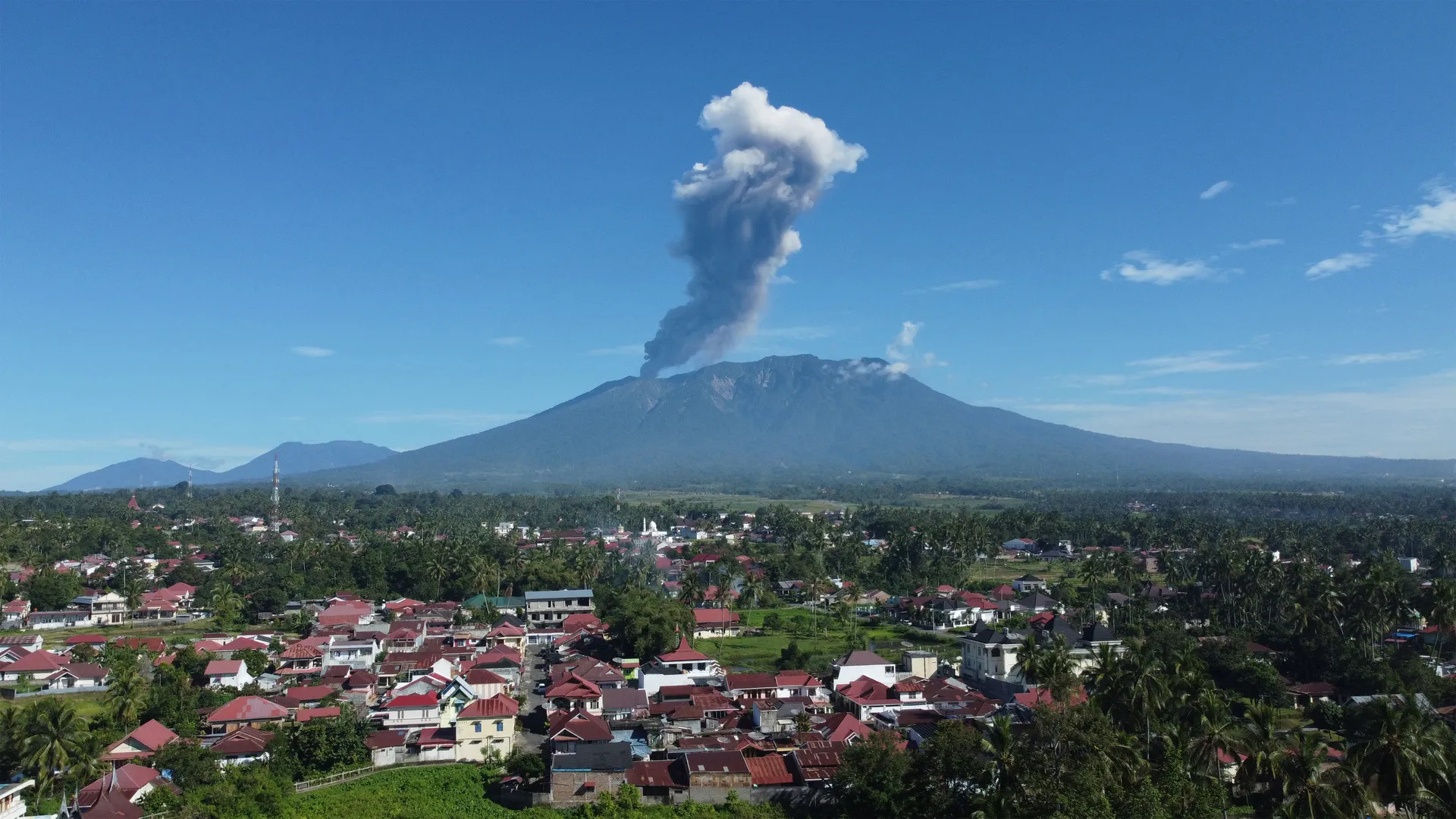
Videos show Indonesia’s Mount Merapi spewing a column of ash around 2 kilometres high in West Sumatra’s Tanh Datar District. Authorities have enforced an “exclusion zone” within a 3-kilometre radius around Mount Merapi since an eruption in 2023.

Source link

Aid cuts and climate change drive deadly malaria surge in Zimbabwe | News

Harare, Zimbabwe – Precious Mvundura woke up with joint pain, a high fever and a pounding headache on a chilly autumn morning in eastern Zimbabwe.

The 37-year-old initially thought it was just the flu. But when the headache persisted for three days, she became worried.

Her five-year-old son had also fallen ill and was sweating heavily.

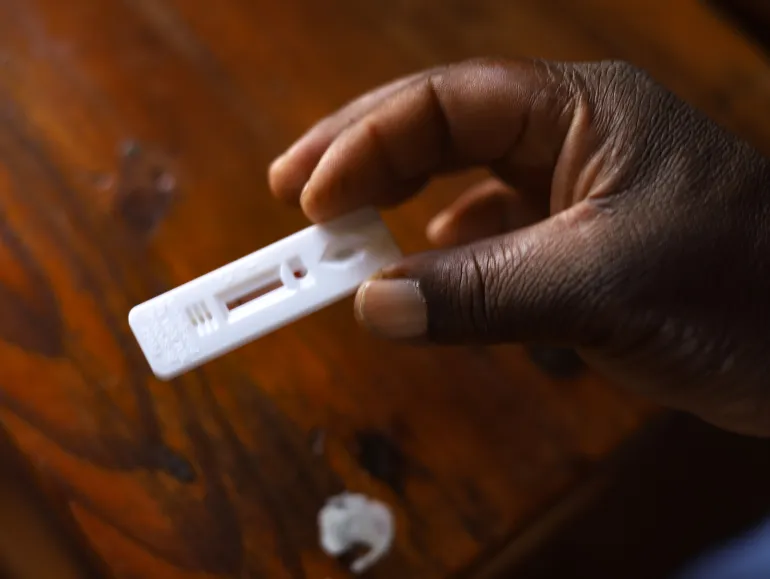
In early May, the pair sought help from a village health worker in Chishakwe, a rural farming community outside Zimbabwe’s third-largest city, Mutare. Both tested positive for malaria.

“I felt relieved,” Mvundura told Al Jazeera.

“From the moment I took that medication, I started getting better.”

Her son has also recovered and is back in school.

Their ordeal comes as malaria cases and deaths surge across Zimbabwe after US funding cuts disrupted key malaria control programmes.

Shortly after returning to office for a second term in 2025, US President Donald Trump slashed foreign aid funding, including programmes backed by the United States Agency for International Development (USAID). In Zimbabwe, the cuts disrupted tuberculosis, HIV/AIDS and malaria research, prevention and treatment programmes.

Among the affected initiatives were the Zimbabwe Entomological Support Programme in Malaria (ZENTO) at Africa University in Mutare, which provided scientific research to support the country’s National Malaria Control Programme, and the Zimbabwe Assistance Programme in Malaria II (ZAPIM II), which helped strengthen malaria diagnosis, treatment and prevention in high-burden districts.

USAID had disbursed $270m for health and agriculture programmes in Zimbabwe in 2024.

Malaria cases jumped to 65,399 between January and April 2026, up from 36,000 recorded during the same period in 2025 and 17,000 in 2024, according to Zimbabwe’s Ministry of Health National Malaria Control Programme weekly surveillance report.

Deaths have also risen sharply, reaching 174 between January and April 2026, compared with 85 during the same period last year and 34 in 2024.

Mvundura and her son survived because they sought treatment early. In many other cases, the disease has been fatal.

Shortages of mosquito nets, test kits

Thomas Chuchu, the health programme lead at Save the Children Zimbabwe, said several malaria elimination activities previously supported by ZAPIM II had been disrupted.

“In practice, elimination has continued through government and other partners, but with weaker operational capacity and slower implementation,” Chuchu told Al Jazeera.

Zimbabwe’s dependence on donor funding for essential medicines, diagnostic kits and mosquito-control supplies has left the country vulnerable. [Farai Shawn Matiashe/Al Jazeera]
Zimbabwe’s dependence on donor funding for essential medicines, diagnostic kits and mosquito-control supplies has left the country vulnerable [Farai Shawn Matiashe/Al Jazeera]

The ZAPIM II programme ran through Zimbabwe’s Ministry of Health system in 11 districts across the provinces of Central and East Mashonaland and the province of Matabeleland North.

Before falling ill, Mvundura said she had not been using mosquito nets or repellents.

“I only started using a mosquito net a friend shared when I fell sick,” she said.

In December 2025, Caroline Mawombedzi was diagnosed with malaria while living in Burma Valley, a farming community about an hour’s drive from Mutare.

She had last contracted the disease in the late 2000s while still a child.

In mid-May, her five-year-old daughter was also diagnosed with malaria by a village health worker in Chishakwe after suffering severe headaches and stomach problems.

Although her daughter received treatment, Mawombedzi said she could not afford preventive measures such as mosquito nets.

“I am unemployed. I cannot afford to buy a mosquito net. We have not been sleeping under a mosquito net for years,” she said.

Virginia Chakandinakira, a village health worker serving Chishakwe, said malaria diagnostic kits and drugs are now in short supply.

“I used to get plenty of malaria test kits and drugs. But in 2025, they did not give me. I referred everyone showing malaria to a nearby Chitakatira clinic,” she said. Chitakatira is a rural settlement about an hour’s drive from Chishakwe.

“I only received test kits and drugs in February. However, the supplies are limited. The authorities told us they were only distributing them to hotspot communities.”

Research programmes crippled

Professor Sungano Mharakurwa, the director of Africa University’s Malaria Institute, said the abrupt withdrawal of US support had worsened the malaria outbreak by affecting the programme.

ZENTO was contributing data from the surveillance of malaria-carrying mosquitoes, which guided strategies employed by the National Malaria Control Programme to control malaria transmission, he said.

The Trump administration’s funding cuts have also effectively put a stop to the US President’s Malaria Initiative (PMI), launched in 2005 by former President George W Bush to control and eliminate malaria worldwide. Mharakurwa said the PMI had played a major role in funding malaria medications, and communities had been left exposed without it.

He said the Malaria Institute later secured funding from the United Methodist Church General Board of Global Ministry, but it fell far short of previous US assistance.

Zimbabwe’s dependence on donor funding for essential medicines, diagnostic kits and mosquito-control supplies has left the country vulnerable.

Itai Rusike, the director of Zimbabwe’s Community Working Group on Health, said the government needed to strengthen domestic health financing to reduce dependence on foreign donors.

“It is risky for a country to depend substantially on external partners, as donors can withdraw financial support anytime should their interests shift,” he said.

Climate change fuels spread

Experts say climate change is also driving the spread of malaria and other vector-borne diseases across Africa.

Rising temperatures are allowing malaria to spread into higher-altitude areas, which were once less vulnerable to outbreaks.

Zimbabwe experienced El Niño between 2023 and 2024, a climate phenomenon marked by unusually warm temperatures in the Pacific Ocean, which typically disrupts rainfall patterns across Southern Africa.

Heavy rainfall followed in 2025 and 2026, creating ideal breeding conditions for mosquitoes.

Chuchu, from Save the Children Zimbabwe, said that the current spike in malaria cases was closely linked to the heavy rains during the 2025–2026 season.

“The rains created favourable breeding conditions for mosquitoes, particularly in already endemic provinces such as Mashonaland Central, Manicaland, Mashonaland East and Mashonaland West,” he said.

Virginia Chakandinakira, a village health worker serving Chishakwe, said malaria diagnostic kits and drugs are now in short supply.. [Farai Shawn Matiashe/Al Jazeera]
Health workers say malaria diagnostic kits and medicines are now in short supply in rural Zimbabwe [Farai Shawn Matiashe/Al Jazeera]

“The effect of heavy rains is likely being amplified by weakened prevention systems, including reduced mosquito-net coverage, delayed vector-control activities, reduced community surveillance, and challenges with timely testing and treatment following the discontinuation of ZAPIM,” he added.

Professor Mharakurwa, meanwhile, said that above-normal rainfall required equally strong preparation and resources to contain malaria transmission.

Government efforts

Zimbabwe aims to eliminate malaria by 2030, in line with the target set by the African Union.

Over the years, the government, working with international donors and aid organisations, has relied on indoor residual spraying, mosquito-net distribution, mass testing and public awareness campaigns to contain outbreaks, particularly in rural communities.

Health workers continue to carry out indoor spraying campaigns in malaria-prone areas, while village health educators use community meetings and radio programmes to encourage early testing and treatment. Authorities have also expanded surveillance and rapid-response systems in high-risk districts.

But some of these efforts have weakened following the disruption of donor-funded programmes. Key malaria elimination activities previously supported by ZAPIM II included active case tracking, targeted distribution of long-lasting insecticidal nets and district rapid-response systems.

For years, the government and aid organisations distributed mosquito nets annually to vulnerable communities, such as Chishakwe. But since the US funding cuts, shortages have become increasingly common.

Village health workers say malaria diagnostic kits and treatment drugs are also running low in some rural areas, forcing suspected malaria patients to travel long distances to clinics for testing and treatment.

Health experts warn that unless funding gaps are urgently addressed, Zimbabwe risks losing years of progress made in reducing malaria infections and deaths.

For Mvundura and her son, surviving malaria still feels like escaping death.

“We cheated death,” she said. “It was so bad.”

Source link

Older AC and fridge chemicals amp up climate change. Trump just rolled back limits on them

President Trump on Thursday announced that grocery stories and air conditioning companies will be allowed to keep using high-polluting refrigerants for longer than they would have under a law he signed during his first administration.

“This was a tremendous burden, a tremendous cost,” said Trump, surrounded in the Oval Office by executives from supermarket chains including Kroger, Fairway, Neimann Foods and Piggly Wiggly. “It was making the equipment unaffordable, and the actual benefit was nothing.”

The move loosens rules meant to restrict hydroflourocarbons, a class of climate-damaging chemicals used in cooling equipment. HFCs are known as “super pollutants” because their impact on climate change can be tens of thousands of times greater than carbon dioxide during their shorter lifespans.

In the move Thursday, the Environmental Protection Agency extends the deadline for companies to comply with a 2023 rule transitioning refrigerators and air conditioners off HFCs and onto new cooling technologies. Reducing these chemicals and moving to cleaner refrigerants has long been a bipartisan issue.

Trump is also proposing exemptions from a rule requiring leak repairs on large-scale refrigeration systems.

The administration framed the changes as part of its effort to bring down high grocery costs. EPA administrator Lee Zeldin said the actions will save $2.4 billion for Americans and safeguard 350,000 jobs.

“Americans who wanted to be able to fix their equipment were instead being required to buy far more costly new equipment and that just doesn’t make any sense,” said Zeldin.

David Doniger, senior attorney at the Natural Resources Defense Council, said the move will not only harm the climate, but U.S. competitiveness in global refrigerant markets as well.

“The EPA is catering to a small group of straggling companies by derailing the shift away from these climate super-pollutants,” he said. “The industry at large supports the HFC phasedown and has already invested in making new refrigerants and equipment, currently installed in thousands of stores.”

Danielle Wright, executive director of the North American Sustainable Refrigeration Council, an environmental nonprofit, said any perceived near-term savings from the rollbacks will be outweighed by the future costs.

“Business owners are far more worried about the escalating cost of keeping aging, high‑global-warming-potential equipment running than they are about the cost of installing new, compliant systems,” she said.

Trump dismissed the climate concerns, saying his changes “are not going to have any impact on the environment.”

He said he wants to get rid of the technology transition rule entirely in the future.

Source link