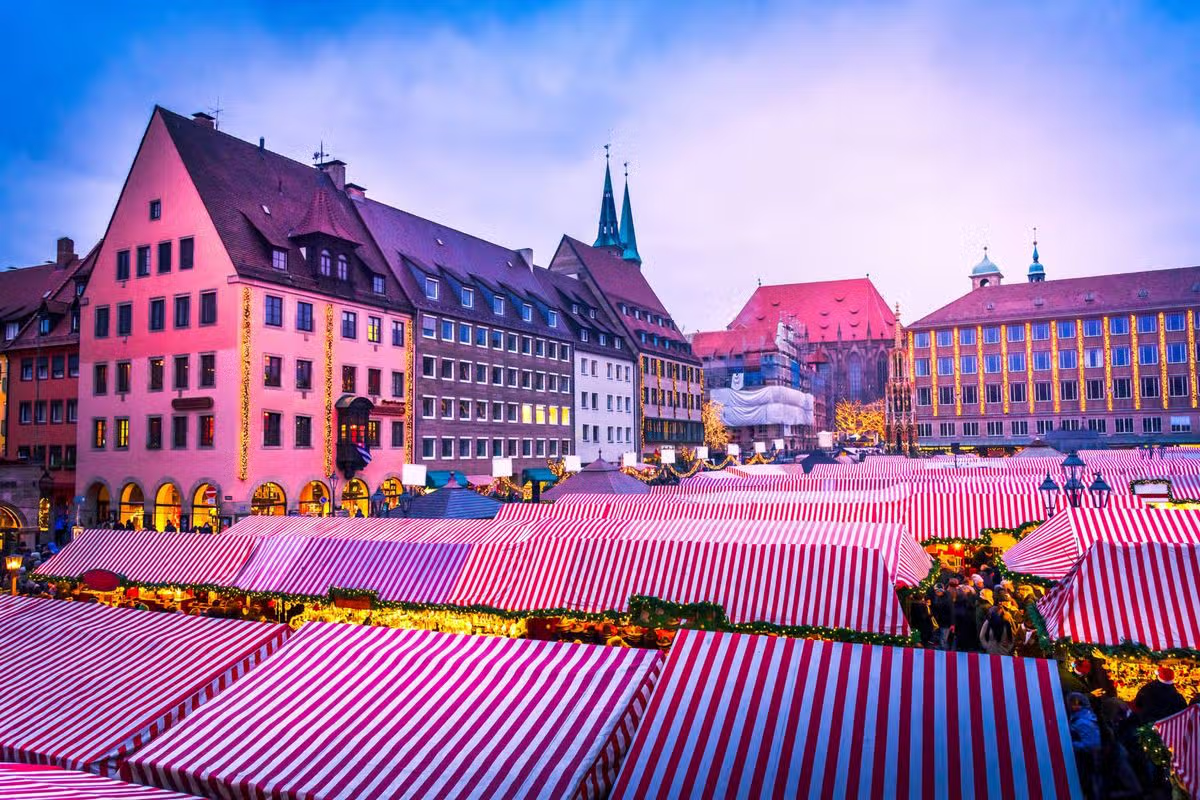
This lesser known traditional Christmas market has been crowned the world’s best Christmas market for 2026 with up to 180 stalls
The market is one the cheapest(Image: Getty Images/iStockphoto)
With Christmas fast approaching, a trip to a traditional Christmas market abroad tops many people’s festive wish lists, and there’s one that truly stands out from the rest.
Plenty of people choose a weekend break to soak up the seasonal atmosphere, and this particular destination has just ranked highly in new research carried out by Christmas Tree World, which assessed various markets based on key criteria.
They examined Google searches, December hotel costs, admission charges, number of stalls and access to public transport to ultimately crown the world’s finest Christmas markets for 2026.
Their findings revealed that Nottingham’s Winter Wonderland is ideal for budget-conscious travellers, Dresden’s Striezelmarkt is perfect for families, and Winter Wonders in Brussels serves up the most affordable mulled wine.
Yet, there could only be one overall champion, and that honour went to the hidden treasure that is Christkindlesmarkt in Nuremberg, Germany.
If any location could stake a convincing claim to wearing the crown as the ultimate Christmas market destination, it would be Nuremberg.
It’s nestled within a picturesque and historic city and provides the ideal traditional escape with reasonable prices, accommodation and excellent value for money.
It achieved an impressive 8.2/10 in the study, as a market that has been running for 398 years and still attracts huge crowds today.
Make sure our latest travel updates always show up at the top of your Google Search by setting us as a Preferred Source Click here to activate or add us as Preferred Source in your Google search settings.
Thanks to its fascinating history and delightful setting, it represents the quintessential traditional German Christmas market many people fantasise about, and with its enormous range of stalls, it certainly delivers. It’s thought to feature around 180 stalls, offering glühwein, bratwurst and the market’s own distinctive Zwetschgenmännle, which are small and adorable decorative figures traditionally crafted using dried prunes.
After paying a visit, one traveller left a review, writing: “The Nuremberg Christmas Market is absolutely magical. The atmosphere is festive and authentic, with beautiful lights, traditional wooden stalls, and a wonderful holiday spirit.
“There is a great variety of local food, mulled wine, and handmade crafts. It can be busy, but it’s well organised and definitely worth the visit. A must-see Christmas market in Germany.”
Another shared their experience, saying: “Visited here after seeing multiple reviews, stating that Newberg market is one of the best in Germany and it truly lived up to the expectation.
“The number of stalls, different handicrafts, and gift items – and obviously the gluhwein was one of the experiences. There are multiple parking spots around the market and easily reachable by train and bus.”
In comparison to other markets throughout Europe and beyond, a December hotel stay costs an average of £144 per night, making it considerably more affordable than other destinations. Most significantly, admission to the market is entirely free, and mulled wine comes at a relatively modest price.
The market runs from Friday 27 November until Thursday 24 December this year, situated in the heart of Hauptmarkt, Nuremberg.
Sydney Sweeney has thrilled fans with her latest lingerie offeringCredit: Instagram/sydney_sweeneyShe wore a barely-there lingerie set with some lace stockingsCredit: Instagram/sydney_sweeney
The actress is gearing up for the holiday season with several fresh pieces from her lingerie brand, SYRN, and she has modeled them all in her new campaign video.
Sign up for the Showbiz newsletter
Thank you!
As well as the nod to Jack Skellington, Sydney also wore a Cindy Lou Who inspired look, an all-white lingerie set, and a deep wine-hued set.
Commenting on Sydney’s latest offering, one person said: “She’s literally becoming the modern day Marilyn Monroe in real time.”
Sydney also channelled Cindy Lou WhoCredit: Instagram/sydney_sweeneyAnother shot from the video saw her in a wine-colored lingerie setCredit: Instagram/sydney_sweeneyLooking festive, Sydney also rocked all whiteCredit: Instagram/sydney_sweeneyThe actress even gave fans a cheeky glimpse of her buttCredit: Instagram/sydney_sweeney
“I love her,” declared a second.
“She is perfect from head to toes,” penned a third.
“Oh my god! What a woman,” said a fourth.
“I’m female & i loved it. WOW. flaunt that sexy body babe,” added a fifth.
Most read in Entertainment
While a sixth wrote: “Is the most amazing Christmas ad I’ve seen, Syd and her references were awesome.”
Though a seventh critiqued: “The rest are so cute! But I think the Cindy Lou is in poor taste…”
The Euphoria star sparked controversy once again last month when she posed completely naked in an ad for the sports betting app, Novig.
Photos showed Sydney wearing no clothes and concealing her breasts and private parts with various sports equipment.
The pics ignited massive discourse online, especially from female athletes, who accused Sydney of sexualizing women’s sports.
However, Sydney was unbothered by the backlash and is focused on leveling up in her career, a source told The U.S. Sun exclusively.
“Sydney’s goal is to become a billionaire mogul and ‘boss lady’ as soon as possible.
“She wants to do things entirely on her own terms, confident that her unique talent and beauty give her an edge, and she doesn’t care if people dislike her,” the insider said.
“Sydney is on the fast track to becoming an icon and an elite businesswoman, like Madonna, who she sees as the benchmark for combining sex appeal with massive entrepreneurial success.”
NOTHING says Christmas quite like streets filled with twinkling lights – especially the spectacular displays put up in London.
This year you can score 20% off the magical Christmas Lights London Bus tour AND even get a free Thames cruise.
The Original Tour’s London Christmas Lights Tour is now 20% off when you use code FESTIVELONDONCredit: The Original Tour
Save 20% on The Original Tour’s Christmas Lights London Bus Tour + claim a FREE Thames sightseeing cruise. Use code: FESTIVELONDON
The tour usually costs £36 for adults and £22 for kids, but you’ll get tickets for £28.80 and £17.60, respectively, using our discount code.
The tour starts on Coventry Street, where you’ll climb aboard one of London’s famous double-decker buses and get cosy on your guaranteed upper deck seat.
Sign up for the Travel newsletter
Thank you!
The Christmas-themed bus will then take you through London‘s best-decorated spots, alongside festive facts and jokes from a live tour guide.
Along the route you’ll tick off famous spots such as Leicester Square, Trafalgar Square, Hyde Park, Oxford Street, Piccadilly Circus and more.
Make sure to snap some pictures of the world-famous, glittering Trafalgar Square Christmas tree, gifted to the UK all the way from Norway.
And in a brand new route for 2026, you’ll now also cruise down Regent Street, known for its giant glimmering angels with golden wings spread high overhead.
Oxford Street sees a canopy of sparkling hanging stars, while posh Bond Street goes all out with fancy displays illuminating the high-end shops and hotels.
Picadilly Circus acts like the grand junction of all these fantastic displays, with its giant screens running festive takeovers and the glowing spillover of surrounding streets in the distance.
Whether you’re visiting London with the kids, ticking off the sights with friends or wanting a romantic date beneath the stars, the tour is suitable for all ages and occasions.
The best way to make the most of the tour? Grab a hot chocolate before boarding, wrap up in your cosiest hat and scarf, and make sure to pose for pictures as you cruise right under the impressive displays.
The tour lasts up to 90 minutes, running from November 14 and January 3,.
You have lots of options too with the first bus departing at 4:30pm and the last at 9pm.
Travel through London’s most beautifully-decorated festive streetsCredit: The Original Tour
Save 20% on The Original Tour’s Christmas Lights London Bus Tour + claim a FREE Thames sightseeing cruise. Use code: FESTIVELONDON
Tots under two travel free, and there’s space on every bus to pop your pram and buggy.
That’s not all, however. If you purchase the Christmas Lights London Bus Tour, you also get a daytime Thames River cruise thrown in completely for free.
That means you can experience a full-on sightseeing day in London, taking in the sights from the water in the daylight on the river cruise, before taking in the city by night on your bus tour.
On the Thames River cruise you’ll tick off top landmarks like Big Ben, the London Eye and more, so by the end of your big day in London you’ll have taken in the very best the city has to offer.
Cruises start from Westminster Pier, Tower Pier, Greenwich Pier, or the London Eye Pier, giving you flexibility in how you plan your day.
As well as a free river cruise, you’ll also get SIX free self-guided walking tours thrown in.
So when you’re not aboard the boat or open-top bus, you’ll have plenty of guidance on which sights are best to see by foot.
The audio tours include the Wizard’s Walk (a Harry Potter-themed tour) as well as a spooky Jack the Ripper tour, and you can listen to them on The Original Tour’s partner app.
With three ways to explore the city bundled into one, it’s hard to find a better value way to experience London at Christmas.
You’ll also get a free Thames river cruise and six walking tours included in the priceCredit: The Original Tour
Save 20% on The Original Tour’s Christmas Lights London Bus Tour + claim a FREE Thames sightseeing cruise. Use code: FESTIVELONDON
The Original Christmas Lights Tour: what you get
What’s included in The Original Christmas Lights Tour offer?
The Original London Christmas Lights Bus Tour Adults tickets: £36 £28.80 Children’s tickets: £22 £17.60
Take in all the best of London’s Christmas lights displays on one dazzling bus tour.
Free Thames River cruise
Soak up famous London sights like Big Ben and the London Eye from the water, learning all about London’s history with guided commentary.
Six self-guided audio tours of London
Buying a Christmas bus tour ticket will also give you access to six audio walking tours, which you can listen to on The Original Tour app.
Begin at any of the listed stop points – these clever tours are GPS-triggered, and the tour will activate when you’re close to a point of interest.
Best of London – The essential London experience, hitting all the landmarks you simply cannot miss.
The Wizard’s Walk – A tour through the real London locations that brought the world of Harry Potter to life.
Towers and Bridges – From the Tower of London to The Shard, a walk through the city’s most striking skyline.
Jack the Ripper – A walk through Whitechapel, retracing the story of London’s most infamous unsolved case.
Parks and Palaces – Royal parks, grand residences, and open spaces at the heart of the city.
Kensington Gardens – A peaceful walk through one of London’s most elegant and historic green spaces.
Terms and Conditions: Code FESTIVELONDON expires on January 3, 2027 at 11:59pm BST. The offer is available from 12 October 2026 until 3 January 2027, with tours running daily from 14 November 2026 to 3 January 2027, excluding Christmas Eve, Christmas Day, New Year’s Eve and New Year’s Day. The discount applies to adult and child tickets only, excludes family tickets and cannot be combined with other offers. Blackout dates apply and are from 21 December 2026 to 30 December 2026. Blackout dates are dates in which promotional offers cannot be used.Full T&Cs can be found on The Original Tour’s website at theoriginaltour.com
CHRISTMAS will soon be upon us, so it’s time to get those festive dates lined up in your calendar.
You don’t need to shell out a fortune for lifetime memories though – we’ve rounded up plenty of activities full of festive cheer that won’t break the bank. From free ice skating to festive illuminations – here are the top memory-making days out for you and your family…
Hyde Park Winter Wonderland – the UK’s largest open-air ice rink is built around Hyde Park’s Victoria bandstandCredit: Alamy
Ice skating
Nothing says winter and Christmas quite like a festive ice skating rink.
Blackpool has a synthetic ice rink that stretches 20m long and is FREE to use, including free skate hire – all you have to do is show up and hand over your shoes for some boots.
Meanwhile, Caerphilly On Ice at Caerphilly Castle is selling early bird skate tickets from just £9.
Hyde Park Winter Wonderland – the UK’s largest open-air ice rink is built around Hyde Park’s Victoria bandstand and has tickets from £9.35 for kids and £12.95 for adults, off-peak.
Stockeld Park in North Yorkshire has a festive ice rink set within its adventure park from November to February, with tickets from £14.
Boxpark Liverpool is bringing back its popular ice rink, with adult tickets from £10 and kids tickets from £8.
Dalkeith Country park has a Winterfest Skating Rink, with £11 tickets for adults and £9 tickets for children.
Aviemore Ice Rink at Macdonald Highland Resort has adult ice skating tickets for £14 and kids tickets for £12.
Ice Skate Birmingham at Centenary Square has early bird adult tickets from £9.50 and kids from £8.50, rising to £14 for adults in peak times and £12 for kids.
Bath on Ice has tickets from £16.50 for adults and £14 for kids, with an outdoor rink beneath the Christmas lights in Royal Victoria Park.
Yorkshire’s Winter Wonderland – York’s original and largest open-air ice rink – returns for its 21st year, with adults tickets from £18.09 and kids from £16.99.
Skate Manchester in the city’s Cathedral Gardens has adult tickets from £16.80 and kids tickets from £15.40.
Winter lights festival in Canary Wharf London England, Christmas lights and New year celebrationCredit: Alamy
Light trails
Light trails such as RHS Glow Light Trails at Wisley cost as little as £7.50 per adult and £6 per child when booked for an off peak session in advance.
RHS Bridgewater’s celebration of light in Salford runs from 26 November to 30 December new Super Off Peak tickets starting at £9.25 for adults or £6 for RHS members, and £5.50 for kids.
Gulliver’s Theme Parks has their annual Land Of Lights running from October 24 to January 30, with early bird tickets from £12.50 for both adults and kids.
The Bay of Lights Illumination Trail returns from 28 November 2026 to 3 January 2027, with its biggest and brightest trail yet, on Torquay’s seafront.
The Winter light Trail through Trentham Gardens at Trentham Estate near Stoke On Trent is very affordable, with adult tickets from £17 and kids tickets from £12.50.
Lightwaves Salford is running from 23 November to 13 December 2026 and is free to enter, with illuminated artworks along a 2km trail around MediaCity and Salford Quays.
Alnwick Garden light trail in Northumberland runs from 20 November to 3 January and has off-peak tickets from £18.15 for adults and £11 for kids.
For a rainproof option, try Noel – a Christmas light show at Liverpool Cathedral from 27 November to 5 December, priced from £10.50 for adults and £8.50 for kids.
The Bristol Light Festival will return for its seventh edition from 18 February to 27 February 2027. It is free to attend, with no booking or ticket required.
The ‘Burning the Clocks’ parade of lanterns moves through Brighton in East Sussex as part of celebration of the Winter Solstice.Credit: Alamy
Lantern parades
For the ultimate wholesome activity, why not take part in a local lantern trail with the kids.
For example, Burning the Clocks in Brighton will return this year with thousands of people making paper lanterns and carrying them through the city before burning them on the beach.
This years theme will be ‘Magicada’ which represents a symbolic rest followed by a noisy awakening – though a date for when it will take place is yet to be revealed.
In Devon, Totnes launches its late night Christmas shopping nights on December 8 with a free Carnival Lantern Parade through the town.
There will be handcrafted lanterns with live music and street performers alongside 70 stalls and 125 independent shops remaining open into the night.
In South London, a light procession takes place through Maritime Greenwich on November 18, ahead of the annual Christmas lights switch-on that evening.
Winchester Cathedral Lantern Parade takes place on 23 November, with participants carrying recycled or homemade lanterns through the city streets – the theme this year is ‘Angel’s Message.’
Leamington Lantern Parade in Leamington Spa takes place on December 6, with participants carrying homemade lanterns to a backdrop of stilt walkers and carol singers.
Corn Exchange’s Festival of Light in Newbury town centre takes place on December 13, with lantern-making workshops available to the public in the run-up.
People eating and drinking at Birmingham’s German MarketCredit: Alamy
Christmas markets
The UK is home to some fabulous Christmas markets and most are free to visit.
Most towns have their own, and here are some of the biggest, oldest and quirkiest around the country.
Manchester’s Christmas Marketsfeature 200 wooden chalets across ten city centre locations, with a fairground and a huge Ferris wheel, craft stalls, a pop-up pub and an undercover ice skating rink.
Edinburgh’s Christmas market in Princes Street Gardens are easily some of the prettiest, with wooden chalets, fairground rides and a Ferris Wheel alongside a background of Edinburgh Castle.
York’s St Nicholas Fair looks like something from a Hallmark Christmas movie, with plenty of local traders selling local produce and crafts in wooden chalets.
Birmingham’s Frankfurt Christmas Market was named one of the best in Europe in 2024 – is the largest authentic German Christmas market outside of Austria and Germany, with traditional arts and crafts plus German food and drink.
Oxford Victorian Christmas Market takes place from November 12 – 15, with costumed traders and Victorian-style street performers, alongside 50 stalls selling decorations, food and drink.
Portmeirion Welsh Christmas Market runs from 4-6 December in Portmeirion Village, Gwynedd, North Wales, featuring 120 stalls and live performances around along the village’s unique streets.
Winter Wonderland in Hyde Park has a load of tickets for just £1 this yearCredit: Getty
The attraction returns to London’s Hyde Park on November 19 and will run until January 3, 2027.
Yes, there are plenty of activities and food stands that cost a fortune, but there are also ways to keep costs down and have a fantastic day out.
This year there are tonnes of £1 entry tickets, which are typically for weekday sessions.
Free activities once you’re inside include:
Visiting Santa’s Grotto in Santa Land is free and comes with a small gift.
Free live music at the Market Square and the Explorer’s Rest.
There’s a free Elves’ Workshop too, with interactive experiences and games for little visitors to enjoy.
Christmas day out at the National Railway Museum
In York, you can visit the National Railway Museum for free and its upcoming Christmas event is also free.
Free Christmas activities include writing a letter to Father Christmas, exploring winter science activities and designing a 2027 calendar.
You can upgrade your experience to meet Father Christmas aboard the Guard’s compartment on a train for £15 per child.
The event runs from December 2 to 23 and each child will get a small gift as well as a hot chocolate.
From your traditional Santa Grottos to storytelling sessions with Mrs Claus check out the National Trust sites nearest to you to find out what’s onCredit: Getty
National Trust Santa Visits
The National Trust is an excellent location for the annual family festive day out.
The buildings are already beautiful and look great spruced up with some decorations, they often have winter trails through the large gardens and many of them feature their own Santa’s grotto.
When booking an activity, you actually get a lot of festive fun for the price of your ticket.
For example, Father Christmas at the Farm, at Tatton Park in Cheshire, features a nativity scene, live music, festive entertainers, a grotto, make-your-own reindeer food and a Christmas pop-up cafe. Adult tickets are £12.50 and kids tickets are £14. Runs from November 21 to December 24.
Father Christmas at Sunnycroft in Telford, Shropshire lets visitors step into the world of The Wind in the Willows with a 20-minute journey through the homes of Mole, Ratty, Badger and Mr Toad, that ends with a visit to Father Christmas.
One child and one accompanying adult costs £25. Runs from December 4-13.
Storytelling with Santa at Kingston Lacy in Wimborne Minster, Dorset, lets kids enjoy a story read by by Father Christmas, plus a gift and a photo opportunity. Tickets cost £15.50 per child and includes one accompanying adult. November 28 – December 23.
Visit Father Christmas at Gibside Stables in Gateshead lets visitors join playful forest elf Happy Holly Berry and Father Christmas for a festive story, then receive a small gift and a photo opportunity. Kids tickets tickets cost £18 and the adult is included in the price. Runs from November 29 to December 23.
Find out more about the National Trust Santa visits here.
It is also worth keeping your eye out for the Coca-Cola Christmas truck datesCredit: Coca-Cola
Coca-Cola Christmas Truck
The Coca-Cola Christmas Truck tours each festive season, offering free drinks, festive photo opportunities and interactive games.
Admission is free and you don’t need to buy tickets or book in advance.
Coca-Cola usually reveals the tour schedule around mid-November, featuring around 15 stops across the UK.
The stops usually run from around midday to 8pm, between late November and Christmas.
Day Out With The Kids has their own trucktracker, which they’ll update when the 2026 dates come through.
Christmas light switch-ons and parades
Across the UK there are also a number of Christmas light switch-ons and parades that don’t cost a penny to watch.
For example, you could head to Carnaby Street’s Christmas lights switch-on in central London, which will take place on November 4, with the theme ‘Press Play on Christmas’ and neon lights inspired by 1990s nostalgia.
Neighbouring Covent Garden has its Christmas lights switch-on on November 12, featuring more than 300,000 lights and free festive entertainment around the piazza.
Also in the area is Regent Street’s Festive Spirits switch-on on November 5, with a traffic-free event, family entertainment and in-store experiences.
Darlington Town Centre Christmas switch-on takes place on November 15, hosted by radio DJs and starring pantomime characters, plus a fireworks display after the switch-on.
Rochdale Town Hall hosts Ignite Fire Festival – with a magical trail of fire, lights and sound from November 20-22 that ends with the town’s Christmas light switch-on.
Preston’s Christmas Lights Switch-On returns to the Flag Market on November 21, with East 17 headlining an evening of live music, entertainment, magic, football, pantomime and plenty of festive fun.
The Blackpool Illuminations Switch-On took place on September 4 and the lights will run nightly until january 3 – six miles of illuminations along the Promenade from Starr Gate to Red Bank Road.
SANTA VISITS, festive pantomimes, bauble making and parties every day – these holiday parks offer the ultimate Christmas experience without the price tag.
Parkdean is opening a number of its resorts over the festive season and a whole family can stay for less than £150.
Eight Parkdean resorts are running a Winter Wonderland programme this ChristmasCredit: Parkdean ResortsThe festive breaks will have parties and there’s a special countdown show on Christmas EveCredit: Parkdean Resorts
Parkdean Resorts has officially opened its bookings for Christmas with festive getaways available across eight UK holiday parks.
These are:
Sign up for the Travel newsletter
Thank you!
Camber Sands Holiday Park, Sussex
Cayton Bay Holiday Park, Yorkshire
Vauxhall Holiday Park, Great Yarmouth
Trecco Bay Holiday Park, Wales
Ty Mawr Holiday Park, Wales
Warmwell Holiday Park, Dorset
White Cross Bay Holiday Park, Lake District (limited activities)
Fallbarrow Holiday Park, Lake District (accommodation only)
Each of the holiday parks will be open throughout December including Christmas and the New Year with a whole host of activities.
Winter Wonderland which will have over 30 Christmassy activities is available at Camber Sands, Cayton Bay, Trecco Bay, Ty Mawr, Warmwell and Vauxhall.
White Cross Bay and Fallbarrow will be open during the festive period – but these won’t hold the Winter Wonderland programme.
But for the ones that choose to enjoy Winter Wonderland, the events vary from park-to-park and some will have Search for Santa where youngsters are invited to help the elves find Santa with clues and songs.
There will be creative activities too like bauble and Christmas card making as well as festive pot painting.
Family-friendly pantomime performances will take to the stage with some famous faces like Jenny Ryan from The Chase.
There will be ice skating, Christmas parties and sing-alongs – for those there on Christmas Eve, there will be a special show to countdown to the big day.
Camber Sands in East Sussex is one of the holiday parks with the Winter Wonderland activitiesCredit: parkdean resorts camber sands
Along with the Christmas activities, the holiday parks will also have their usual offerings like swimming, adventure activities and live entertainment.
Here, he watched entertainment like a knife-throwing magician, a Taylor Swift tribute act, karaoke, bingo and stand-up comedy.
Other activities at Vauxhall include the high and low ropes course, Bear Grylls escape rooms, an inflatable bounce park, a swimming-pool obstacle course, pottery painting, off-road rangers and an adventure playground.
He added: “We’ve taken our children to Dubai, Turkey, the Netherlands and Disneyland, to name a few — but they feel they’ve hit the jackpot on this quintessential Great British caravan-park holiday here in Norfolk.”
A four-night stay at Vauxhall holiday park from December 7 in a Sandpiper/Buzzard Apartment which sleeps up to six starts from £159 – or £6.62pppn.
Vauxhall holiday park recently underwent a £5million makeoverCredit: parkdeanresorts.co.ukIt has a large swimming pool, inflatable bounce park and adventure playgroundCredit: parkdeanresorts.co.uk
If you want to stay for five-nights from December 23 in a Goose Apartment which sleeps four, this starts from £599 or £29.95pppn.
It has Pirate Crazy Golf, a high ropes course, splash pad, archery, hoover boards and bumper zorbs.
There’s also a bowling alley and the Next Level Gaming Arena which has over 25 consoles including PS5 and Xbox.
Trecco Bay is one of the biggest holiday parks in the countrCredit: Parkdean ResortsNext Level Gaming Arena which has over 25 consoles and classic gamesCredit: Parkdean Resorts
Four-night breaks from December 14 in a Bronze Caravan which sleeps up to six starts from £159 – or £6.62pppn.
The six holiday parks with the Winter Wonderland programme have all-inclusive add-ons on certain dates, so there won’t be hidden surprises.
It includes three meals a day which are served directly to the table so there are no queues either – there’s also unlimited drinks and Costa Coffee.
This starts from £100 per adult and £40 per child (under 12) per break.
Anthony Reilly, Marketing Director at Parkdean Resorts, said: “We know that the festive period can be a stressful time for families looking to plan a getaway that’s great value, feel-good and has something for everyone.
“That’s why we’re so excited to bring back festive breaks, bigger and better than ever. Booking early means families can relax knowing they have secured their festive tradition for 2026, leaving the Christmas stress behind – and start unwrapping the excitement now.”
A HISTORIC town will host a festive wonderland with real reindeers for just one day.
The UK’s largest single-day Christmas market is returning with more than 120 stalls this December.
Beverley Festival of Christmas is branded the UK’s largest single-day Christmas marketCredit: East Riding of Yorkshire CouncilThe festive event even features a real reindeerCredit: Visit East Yorkshire
The Beverley Festival of Christmas will return on Sunday, December 13, bringing thousands of visitors to the East Yorkshire town for one of the country’s biggest festive events.
Shoppers will be able to browse more than 120 stalls selling everything from handmade gifts and Christmas decorations to jewellery, homeware and locally produced food.
Sign up for the Travel newsletter
Thank you!
The market will spread across Beverley’s historic Saturday Market, Wednesday Market and North Bar, with independent traders offering plenty of inspiration for anyone still searching for Christmas presents.
The day will kick off with a spectacular parade at 10am, setting off from Wednesday Market and travelling along Toll Gavel towards Saturday Market.
Santa Claus will lead the procession alongside his reindeer, with live music, comedy acts, Steampunks, majorettes and Bernese mountain dogs also expected to take part.
Visitors can browse through over 120 market stalls for freeCredit: East Riding of Yorkshire Council
After the parade, Father Christmas and his reindeer will remain in Saturday Market until mid-afternoon, giving families the chance to see them up close and take photographs.
Visitors can also expect traditional Victorian fairground rides, face painting, birds of prey displays and ice sculptures throughout the day.
Brass bands, carol singers and dancers will provide a festive soundtrack as shoppers explore the town centre.
The festival will be running from 10am until 4pm and the entry is free.
The event was first established in 1995 by local shop owner John Bird, who brought Beverley’s traders together to create a special day of Christmas shopping.
It has since grown into one of East Yorkshire’s best-known festive traditions, with 2026 marking its 30th year.
IT’S easy to get into the festive spirit at a Christmas market and they’re even better on the cheap.
In one city that Brits can reach in three hours for less than £30, hotels are £15 per night, and mulled wine at festive stalls is as little as 82p.
Sibiu Christmas has stalls, rides and mulled wine for less than £1Credit: AlamySibiu can be reached from the UK with direct flights that take 3 hoursCredit: Alamy
Sibiu in Romania is the ideal city for a festive break and it was even named as the 18th most underrated destination by Time Out last year.
Not to mention it’s cheap, eurochange has compared the prices of mulled wine across 55 Christmasmarkets across Europe, and Sibiu came out on top.
Sign up for the Travel newsletter
Thank you!
A warm cup of infused red wine can be bought from 82p which is hugely cheaper than in the UK, where it can more than £7 a cup.
And you’ll be able to buy it soon too, as its Sibiu Christmas Market is set to open on November 13 all the way through until January 3, 2027.
Held in the Grand Square, the Christmas Market is completely free to enter.
There’s plenty to do, from hopping on the Ferris Wheel, to visiting Santa in his workshop, ice skating, and relaxing at the Chalet where festive drinks (including mulled wine) are served.
On certain evenings, the Chalet will even turn into a party spot with a live DJ.
One visitor described is as ‘magical’ and a ‘photographer’s playground’.
Outside of the Christmas market, there’s lots to see like The Bridge of Lies which has lots of legends and myths behind it – and when lit up at night, can make for a great picture spot too.
Another must-see spot in Sibiu is Muzeul Astra, the largest open-air museum in Europe.
The Christmas market in Sibiu will open in early NovemberCredit: Alamy
Talking to Sun Travel, one Wizz Air flight attendant explained why Sibiu is a must-visit destination.
Niko said: “I’ve been to Sibiu in Romania several times already.
“You have the mountains, so there’s lots of nature, the food is amazing, everything is cheap and the people are so friendly.
“And you should try Papanasi. It’s a Romanian dessert that’s like a doughnut. It tastes amazing, but not good if you’re on a diet.”
It’s not just mulled wine in Sibiu that’s affordable – the price of a local pint of beer is less than £2 on average, according to Wise.
The price of a meal can be bought for less than £5 and coffee on average is also less than £2.
Brits can fly directly from London Luton to Sibiu three times a week with Wizz Air and one-way fares start from £26.99.
On Booking.com, one-night stays during November in Sibiu can cost less than £30 per night – or £15 each.
The Old Town is filled with pretty cafes and restaurantsCredit: Alamy
Here are the cheapest place for mulled wine in 2026…
Here are eurochange’s cheapest places for mulled once – and the average price of a cup…
Sibiu, Romania – 82p
Brașov, Romania – £1.63
Craiova, Romania – £1.63
Sofia, Bulgaria – £1.76
Olomouc, Czechia – £1.77
Brno, Czechia – £1.77
Gothenburg (Christmas at Liseberg), Sweden – £1.89
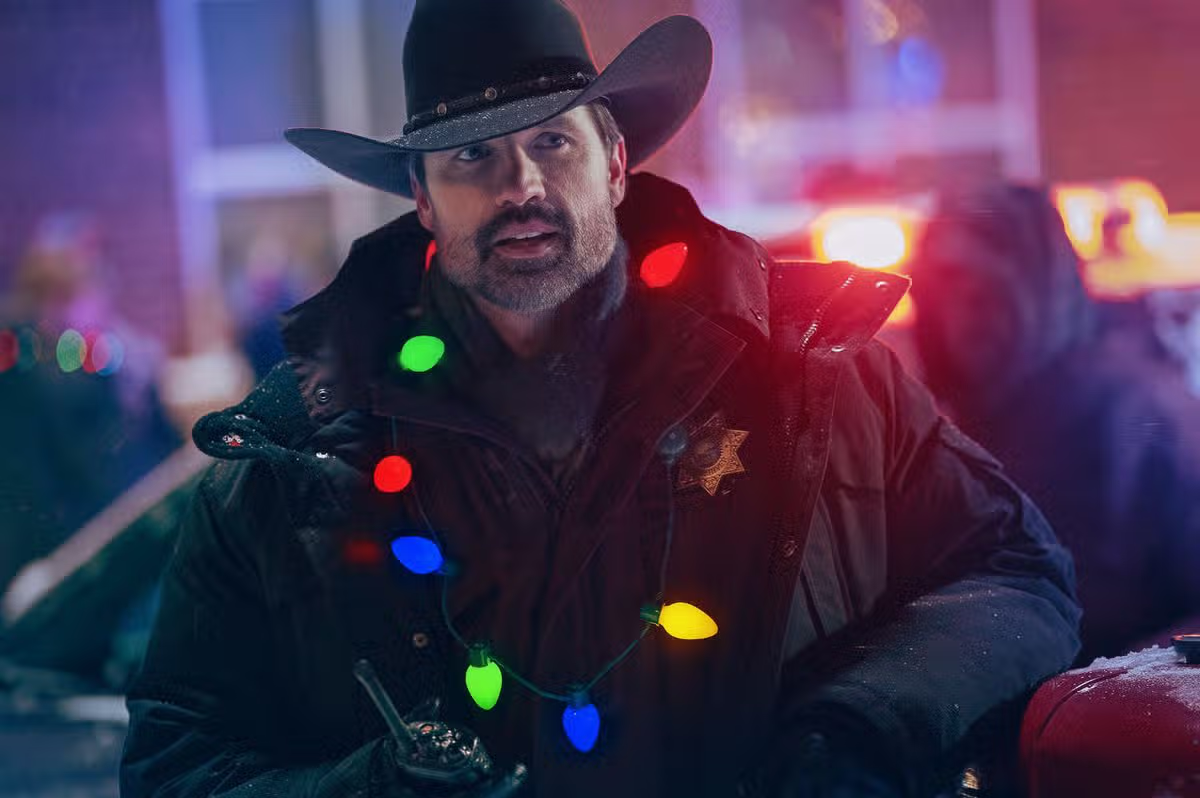
Streaming giant Netflix has unveiled its list of brand new Christmas films that will be released on their platform one per week beginning on November 4
Netflix subscribers have four new Christmas films to look forward to(Image: Chris Large/Netflix)
TV schedules are always a major talking point when Christmas approaches – and it appears Netflix are embracing the festive spirit early by unveiling their Yuletide films for 2026, much to their subscribers’ excitement.
Even though we tend to go for the classics of Home Alone, Elf and The Grinch, it can be nice to try a new film, even if it does end up with you not being able to get back two hours of your life. It can be a chance to laugh, cringe, or even debate with family while spending that all-important time together.
Annually, the streaming platform adds four seasonal offerings to its already vast catalogue of movies. And now this year’s titles have been unveiled, as television critic Kate Ellen discussed.
“Every year Netflix announces four films in the run-up to Christmas, and we’ve had some real bangers,” she began in a TikTok video, highlighting Hot Frosty and The Merry Gentlemen as past examples. “Last year wasn’t so strong, but this year I think it is their [Netflix] best line-up yet.”
Kate proceeded to list each title, the first of which is available on Netflix early next month, with the others following every Wednesday.
A Dog’s Perfect Christmas – November 4
Ellen revealed that the first to arrive is A Dog’s Perfect Christmas, which lands on Netflix as early as November 4. She said: “It stars Dennis Quaid and Jess from Gilmore Girls [Milo Ventimiglia] as a Basset Hound who apparently can talk.
“Apparently Dennis is like a grumpy grandad who lost his wife a few years ago, and this year it’s up to him, the Basset Hound and his teenage granddaughter to pull the family together and save Christmas.”
Netflix adds in a brief synopsis: “From the bestselling author of A Dog’s Purpose, a tale of a family in crisis where a teenager, her grandfather and his trusty basset hound struggle to keep the household together at Christmas.”
The Gospel of Christmas – November 11
Seven days later, Tyler Perry’s The Gospel of Christmas arrives on Netflix.
“This one is set in New York and follows a pastor [played by actor and singer, Tank] who has inherited his family’s church,” Ellen went on.
“Apparently he’s going to be battling temptation and doubt – and needing to rediscover his faith before Christmas.”
Netflix’s synopsis adds: “Hark! The herald angels sing – and that’s not all they’re getting up to. A brand-new Tyler Perry movie is being gift-wrapped and tied up with a ribbon, right on time for the holiday season, and it features a series of vocal performances that are not to be missed.”
Guarding Stars – November 18
A week later is when “things get really exciting”, according to Ellen.
“This [Guarding Stars] stars Blair from Gossip Girl [Leighton Meester] and Dean from Gilmore Girls [Jared Padalecki],” she reported. “Jared plays an action movie star and Leighton is his no-nonsense bodyguard who is there to protect him over Christmas.”
Ellen also pointed out that Meester has already proven she is “good in Christmas romances”, having starred in the 2023 rom-com EXMas.
Netflix describes the film with this synopsis: “An upcoming holiday romantic comedy movie about a no-nonsense bodyguard assigned to protect a charming action star over the holidays. Of course, sparks fly, secrets unravel, and Christmas gets a lot more complicated!”
In a Holidaze – December 2
Rounding off Ellen’s list as December approaches is In a Holidaze, starring former Dance Moms favourite Maddie Ziegler.
She said: “She’s [Ziegler] playing a directionless 20-something who, after a romantic mistake of epic proportions, gets stuck inside a time loop, living the same Christmas at her family’s cabin again and again. And apparently she keeps going until she finds out what makes her happy.”
IMDb further explains: “Maelyn Jones’ holiday takes an unexpected turn when her wish for happiness at her family’s snowy Utah cabin results in a time-loop, forcing her to relive Christmas repeatedly.”
Writing in response to Kate’s clip, one TikTok user exclaimed: “I’m so excited for In A Holidaze! Based on a book I hope it’s good.”
A second person shared: “Oh I’m excited!” While a third pointed out: “You forgot to mention the leading lady for ‘the Gospel of Christmas’ is Fantasia who is a American Idol winner and Grammy Award winner and Golden Globe nominated.”
So, as you can see, this year’s festive schedule is absolutely jam-packed!
THE festive wrapping paper is on sale, the family-size box of Quality Street is stacked in shops – Christmas is officially on its way.
If you’re a true fan of the season, you’ll obviously want to head to the UK’s biggest Christmas market.
Manchester Christmas Market will return in early NovemberCredit: AlamyThe festive market will have 210 stalls across 10 locations across the cityCredit: Visit Manchester/Mark Waugh
And the largest is actually in Manchester which opens at the beginning of next month.
Returning on November 6, it will run for over six weeks – so there’s plenty of time to visit whether you’re a local or not.
Sign up for the Travel newsletter
Thank you!
It’s so enormous that there are 210 stalls across 10 locations spread about the city centre.
The stalls will sell everything from festive food and drink – think hot chocolate and mulled wine – to international street food, if you’re over the yorkshire pudding wraps.
Handmade gifts and stocking fillers can be found there too, if you’re ready to start Christmas shopping.
Albert Square will be where most of the city’s festivities will be, including its 50-metre high Ferris wheel.
There will also be a pop-up ‘pub’ for the festive season as well as a giant Santa, a vintage Helter Skelter and a huge tree installation and life-sized selfie sleigh.
If you’re on the hunt for ice skating, you’ll find it at Cathedral Gardens along with some market stalls too.
Across the city will be live entertainment, and plenty of Christmas lights.
The Manchester Christmas Parade will be held again this year on December 6.
There will be a ‘pop-up pub’ and Christmas ParadeCredit: Visit Manchester/Manchester City
Kids will be able to spot Snow Queens, reindeers, Nutcrackers, toy soldiers and even Santa who will be travelling onboard the Elf Express.
Visitors will find the market spread across locations including; Albert Square, Lincoln Square, King Street, St Ann’s Square, Exchange Street, New Cathedral Street, Exchange Square, Corn Exchange, Cathedral Gardens, and Market Street.
A recent study by Christmas Tree Worldalso recently crowned Manchester Christmas Market as the UK’s best.
Factors were based on the number of Google searches, social media posts and videos, hotel prices, history, number of stalls, entry cost and closeness to public transport.
With much cheaper hotel prices than the like of New York city, the Manchester Christmas Market was also voted second best in the world.
The market will come to a close on December 22.
However, the Albert Square and Cathedral Gardens will remain open throughout the Christmas period until January 3, 2027.
A PICTURE tells a thousand words. But how about a thousand pictures?
If the camera roll from our trip to Butlin’s is anything to go by, it tells of a jam-packed, non-stop, rip-roaring, grin-inducing, memory-filled festive-as-anything time of it.
The whole family can enjoy the magic at Butlin’sCredit: suppliedTop Red Coat Father ChristmasCredit: Supplied
My two pre-teen daughters, husband and I hadn’t been to Butlin’s before but we were keen to hurl ourselves stocking-first into the resort’s Christmas spirit.
We decided that whatever the weather (pouring rain was forecast all weekend) we were going to have as much sparkly, festive Santa-filled fun as one still-believing family could in a single weekend.
Sign up for the Travel newsletter
Thank you!
And boy, did we meet our match at Butlin’s Bognor Regis. Arriving on a Friday after a long day, our Christmas spirits were a little on the low side.
But after the all-inclusive buffet, the magical call of the Bingo Bango hosts at the Reds venue (and a welcome glass of wine) I could feel my shoulders loosening and a smile spreading across my face.
And once the Silent Disco got going — with a choice of hard house or Christmas hits — I couldn’t stop beaming.
And judging by the hols snaps, it stayed there the whole time.
We quickly discovered you could almost divide the resort into two.
There were the non-Christmassy activities — an incredible VR arcade, escape rooms of various types and the excitement of Laser Quest where we all shot each other repeatedly.
And then everything else.
Christmas arts and crafts? Tick. Puppet Castle’s Christmouse Wonderland? Shockingly blue panto Snow White And Her Magnificent Friends? A skyline ‘snowstorm’ involving singing reindeer? Tick, tick, tick.
And when you’ve raised a couple of true believers — expectations at Christmas events tend to be high.
But Father Christmas’ Express Delivery didn’t disappoint.
The world’s most famous Redcoat was ready to meet and greet our two in a grotto that could’ve been in a high-end department store.
There was a naughty or nice wheel, children’s letters to Santa whirring round the ceiling and elves busily spreading Christmas cheer.
Once the girls’ handwritten letters to Santa had been delivered through suction tubes, we were whizzed up in a lift through the snow to meet the big man himself — who had twinkly eyes and decent bants.
After more festive fun in the North Pool (the huge indoor swimming pool), it was a short walk back to our home, Butlin’s Ocean Hotel. Our family room was a decent size with a balcony. It was clean, comfortable and had a good bed.
Enjoy Silent Disco — with a choice of hard house or Christmas hitsCredit: SuppliedThere is no end of attractions at Butlin’sCredit: supplied
We’d opted for the hotel dining plan, giving us breakfast and dinner in the Kaleidoscope restaurant.
It goes without saying my girls were delighted by the beige buffet — hoovering up pizzas, hot dogs and chips.
There were pastas, curries, a roast and themed nights — and a salad bar for something lighter.
For lunch, you’ll find more high street faves from Burger King and Papa Johns to SOHO Coffee.
And there was just as much variety when it came to entertainment.
From gameshow bonanzas to tribute acts and singalongs, it never stopped.
And if you need some fresh air, the fairground stays open with bumper cars, an old fashioned helter skelter, waltzer and a chair-o-plane.
The best part? The fairground is all free. And our take home after the festive weekend?
We went into Butlin’s blind, but now we have seen the twinkling, tinselly light.
GO: BUTLINS
GETTING/STAYING THERE: A four-night Christmas Festive Wonderland break is from £41.
Four nights at Ocean Hotel start at £77, from Nov 23.
And we have 10,000 FREE tickets up for grabs for Sun Club members, so you can enjoy the 150 rides and attractions inside.
The tickets, on a first come, first service basis, even include entry Magical Ice Kingdom presents Neverland in Partnership with Great Ormond Street Hospital Charity – a world made up of500 tonnes of ice and snow.
Sign up for the Travel newsletter
Thank you!
Join Sun Club now — don’t miss out.
But how should you spend your time there?
Here’s a full rundown of what you MUST see from free things to do, to all of the new additions for 2026.
Last year, the attraction launched a free Santa’s Grotto experience, which is the largest free grotto in London.
Visitors will head on a journey through the new Elves’ Workshop and visit Mrs Claus before meeting the big man himself.
Of course, you can browse the German-style Christmas markets for free too, where there are dozens of chalets selling handmade crafts, ornaments, food and gifts.
In the Bavarian Village, make sure to head to The Bavarian Village Hall where there are often live bands, acoustic performers and Oktoberfest-style singalongs.
The atmosphere of the park in general is brilliant as well, with twinkling festive light installations, giant illuminated Christmas trees and themed areas.
Stepping into Bar Ice is as close as you will most likely get to experiencing an igloo.
The chilly cocktail lounge is kept at -10C and made entirely of giant blocks of carved ice.
Everything – I mean everything including the tables and chairs – is made out of ice.
And when you grab a drink, that will even be served in a glass made out of ice.
When you enter, staff will give you a coat and gloves to keep you warm too.
Inside, there are also a number of ice sculptures and neon lights illuminating the icy mythical creatures.
Each session lasts 20 minutes and includes one drink per person.
Tickets cost between £17 and £20 per person.
Join Sun Club now — don’t miss out.
Best family activity
Magical Ice Kingdom presents Neverland, in Partnership with Great Ormond Street Hospital Charity is great for families and allows visitors to literally chill out.
Kept at -10C, this magical kingdom is made entirely out of ice and is a walk-though indoor exhibition.
This year the theme is the very exciting ‘Neverland’.
For the first time ever, visitors will step through the Jolly Roger and into a Magical Ice Kingdom inspired by the Neverland, with Peter Pan and Wendy.
All the sculptures inside will be hand-carved by ice sculptors from 500 tonnes of ice.
Many of the ice features are interactive too, making it the ideal place to snap some photos of the family.
You can explore the exhibition at your own pace, but I’d recommend no more than 30 minutes.
My visit last year I spent about half an hour in the exhibition before getting a little too chilly and heading back outside.
Last year, Jingle Bell Bistro also launched and it is a great food spot.
Not as busy as the other food areas, the Jingle Bell Bistro is designed to be more child-friendly with options including simple burgers and chicken nuggets.
Adults can get food from here as well, but don’t expect fussy food with all the bells and whistles – more comfort food that pleases everyone.
You can even get Buddy the Elf’s famous spaghetti for £8.50. Prices vary, including £8 per child-sized pasta dish or £12 for an adult portion.
How to save your cash
There’s a whole host of new pre-bookable packages too for this year.
There’s the Explorer Pass for example, which includes the Real Ice Slide, Haunted Mansion, Snow Jet, Pirate Ship and Après Ski Party Funhouse.
It also includes free entry to the event.
There’s also Ride & Game Credit pass, which allows you to buy credit for the rides and attractions online in advance.
You can select from £20, £30 or £50 of pre-paid credit.
Of course, this year there are more £1 tickets than ever before as well.
Ig you want to save your money on entry make sure to book online in advance for an off-peak entry time.
Hyde Park Winter Wonderland will run between November 19, 2026 and January 3, 2027.
Join Sun Club now — don’t miss out.
How to get your free tickets to Winter Wonderland
To claim your tickets, follow the steps below:
Step 1: Join thesun.co.uk/club for just £1.99 a month or £12 for the first year, then £19.99 thereafter.
Step 2: Go to the Offers Hub and select the Winter Wonderland page. You do not need to collect Sun Savers codes.
Step 3: Your unique booking code will appear on this page. Redeeming a code does not guarantee tickets. Click the ‘Copy’ button and then hit ‘Book’. You will be directed to the Winter Wonderland website.
Step 4: Select your preferred date and time, then choose ‘The Sun Winter Wonderland Entry & Magical Ice Kingdom Offer’. Two tickets will be added automatically to your basket.
Step 5: Continue to checkout to complete your booking. You must book your tickets by Sunday, November 1.
Our tickets are available for visits between Thursday, November 19 to Sunday, December 6.
18+ UK only (exc. NI, IoM & CI). Sun Savers multiple code collect 10/10/26-14/10/26 or digital subscription required. Online access required. 5,000 pairs of tickets available (7,000 off-peak, 2,000 standard & 1,000 peak) on a first come, first served basis. Subject to availability, daily allocation limits apply. Tickets available between 19/11/26 – 06/12/26. 2 tickets per person only. Non-transferable and non-refundable. T&Cs apply, see sunsavers.co.uk or club.thesun.co.uk/sun-club. New customer offer: £1.99 per month or £12 for the first year, then £19.99 thereafter unless you cancel at least 7 days before your next billing date. Full T&Cs apply, visit thesun.co.uk/terms-and-conditions.
The December closures will affect the two Sundays before Christmas, so travellers are being warned to plan ahead.
This will then follow a huge 38-day closure from Christmas Eve (December 24, 2026) to January 31, 2027.
Liam O’Shaughnessy, TRU programme delivery lead for Northern, said: “The work that has been completed over the last 16 days in the Huddersfield area is another crucial step towards delivering the benefits that the Transpennine Route Upgrade will bring for customers across the north.
“We have worked closely with our industry partners to keep customers on the move, and these works have continued, and we would like to thank customers and local communities for their patience and cooperation, whilst these improvement works have been taking place.”
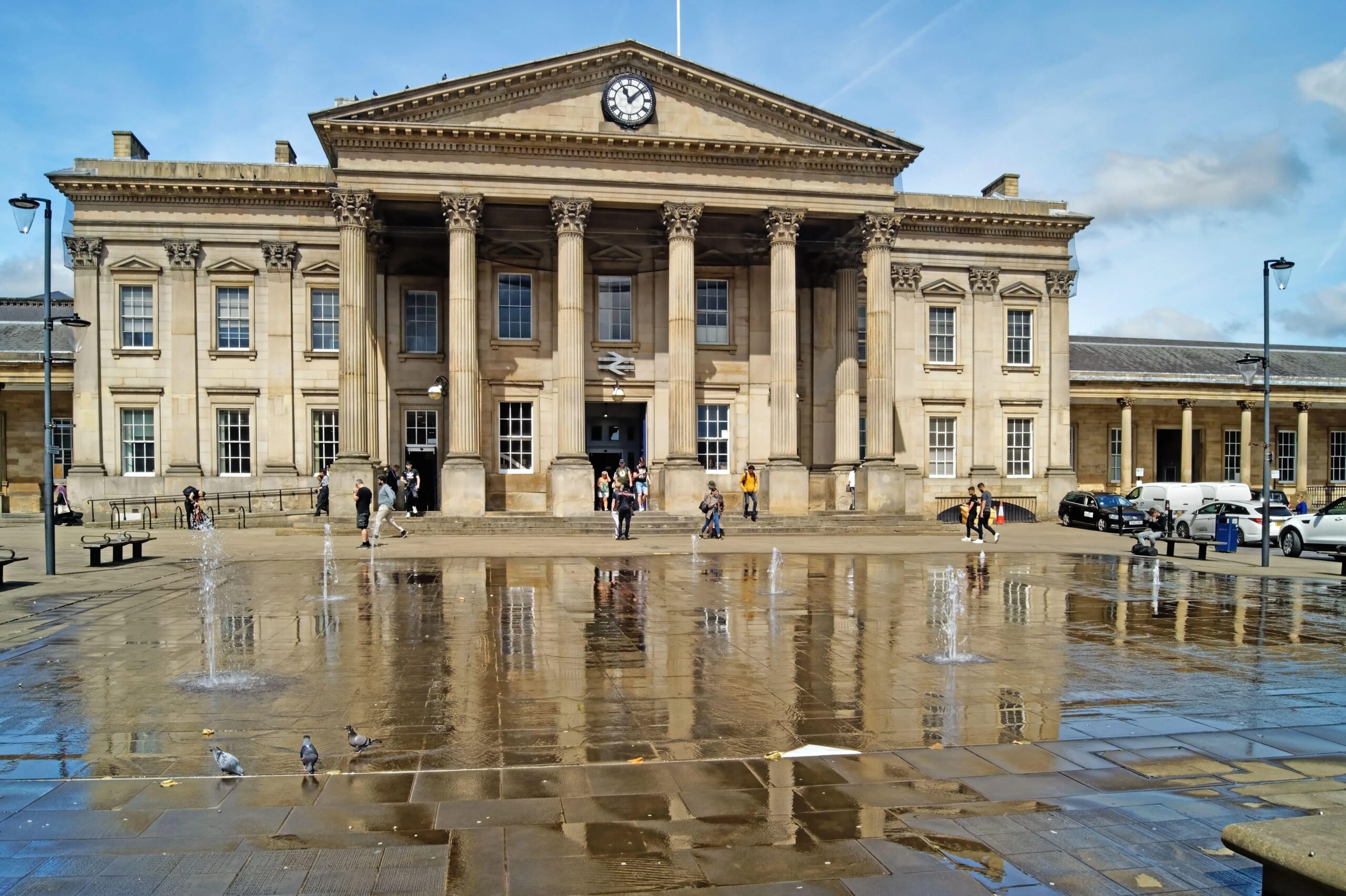
Upgrades include two new track lines through Huddersfield, restoration of the station’s roof and platforms, as well as upgrades at Deighton Station, and nearby road upgrades.
The station dates back to 1850, and named one of the most beautiful by Lonely Planet.
Now, it welcomes 3.1million passengers a year with routes across Yorkshire.
Families staying in Center Parcs in the run-up to Christmas can book an “unforgettable” experience in the comfort of their own lodge, but the price tag has led to criticisms from fans of the holiday park
The experience takes place in your own lodge and includes personal touches(Image: Center Parcs)
Center Parcs has always had a premium image, which comes with premium prices. However, fans of the lakeside holiday parks have taken to social media to complain about one of its new activities on offer for the festive season.
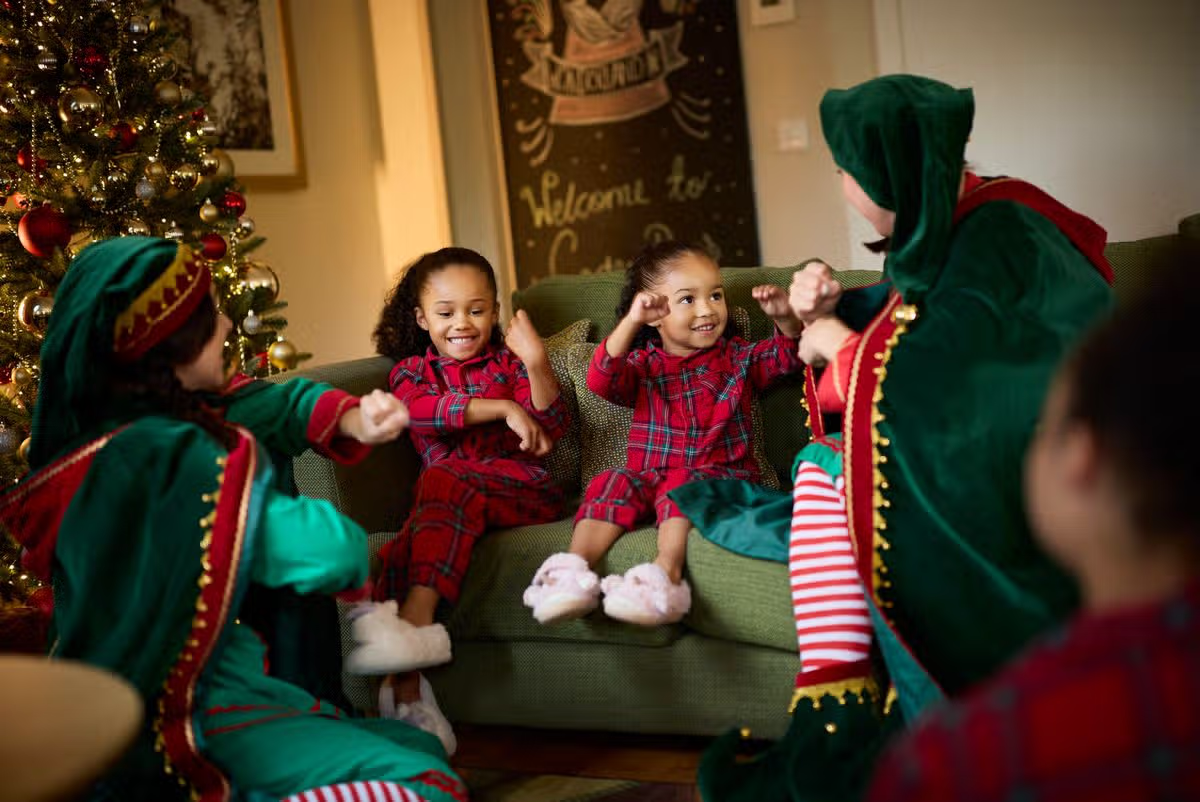
The Twilight Elf Visit is billed as “New and exclusive, an unforgettable Christmas experience awaits” on Center Parc’s website. It goes on to describe the experience: “As dusk begins to settle over the forest, gather in the comfort of your lodge for a surprise visit from two magical elves. Bringing an enchanting tale to tell, they’ll lead your family on a truly personal Christmas adventure filled with storytelling, festive surprises and magical moments.”
One Center Parcs guest, who was considering booking the experience, took to a Facebook page to question the price. They asked: “Has anyone seen on the website the new Twilight Elf visit to your lodge…. Surely no one is paying that sort of price £300+ for just one child!?!” She went on to post a screenshot of the prices she’d been quoted for the elf visit on Thursday, December 22. For one child, the activity costs £310, £360 for two, £410 for three, and £460 for four kids.
Do you have a travel story to share? Email webtravel@reachplc.com
When contacted about the cost of the activity, a spokesperson for Center Parcs said: “This is a private, personalised Christmas experience, with two elves visiting the family’s own lodge for 45 minutes. The visit brings a festive adventure into the place where families are spending their holiday together, with stories inspired by and tailored to the guests themselves and opportunities for children to become part of the magic.
“Throughout the experience, the elves reveal the special connection between the forest and the North Pole through storytelling, interactive moments and festive surprises. Children also create a Christmas wish to send to Santa, and families have the opportunity to capture photos with the elves.
“What makes Twilight Elf Visit special is the combination of time dedicated exclusively to the family, personal touches woven into the storytelling, and the intimacy of having the experience brought to their own lodge, so each experience for our guests is unique to them. It goes beyond a traditional festive meet and greet, giving children an active role in a story that feels personal to them, with the whole family sharing the experience in our unique forest setting.
“It’s a new, optional addition to our wider Winter Wonderland programme, which also includes favourites such as Santa’s Parade and the Enchanted Light Garden. We want families to have a choice of ways to enjoy the season together, with Twilight Elf Visit offering something particularly personal for those who choose it.”
The cost of the experience also includes a “beautifully engraved wooden family keepsake box filled with exclusive mementos to treasure long after your adventure ends. From a cuddly toy carrying each child’s Christmas wish to magical keepsakes inspired by your visit, each item is thoughtfully chosen to help your family relive the wonder of the season for years to come.”
But not everyone was convinced the activity would be worth the money. One poster noted: “This has to be the most expensive activity I have ever seen at [Center Parcs] …and I’ve been going years.” Another wrote: “This has to be a wind up?”. While a third commented: “That’s disgusting.”
However, many posters defended the cost of the experience. One said: “Yes, It’s a lot of money but I don’t see why everyone is so outraged about it, it’s obviously a very luxury thing they are offering, like the treehouses, If someone can afford them then they can afford the cost for the private elf visit.”
Others pointed out that other premium Christmas activities with kids can be just as expensive. “To be honest, people who go to Lapland UK are paying £300 sometimes more. So yes, there are people who will pay it.”
Have a story you want to share? Email us at webtravel@reachplc.com
Guests can tuck into festive food from Christmas Eve to Boxing Day with special stays in the Lake District, Yorkshire and more
This article contains affiliate links, we will receive a commission on any sales we generate from it. Learn more
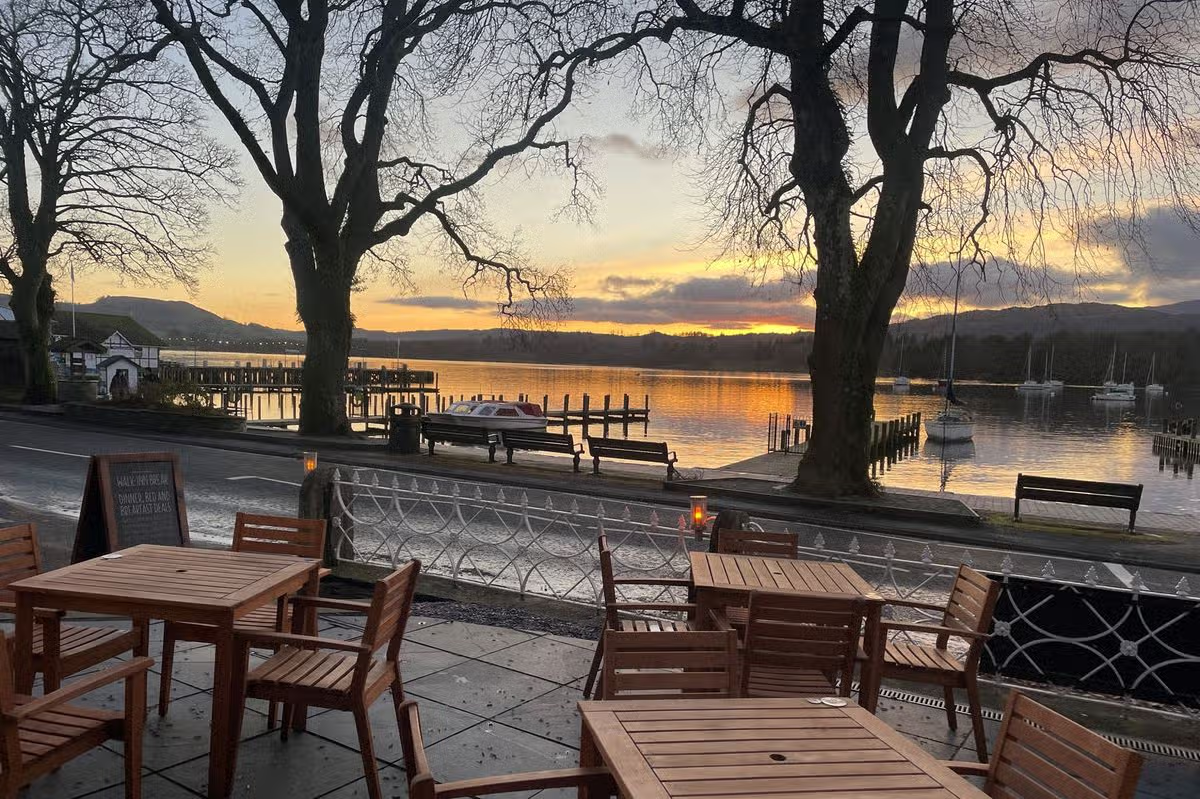
The Waterhead Inn is perched on Lake Windermere(Image: Inn Collection Group)
It may be known as the most wonderful time of the year, but Christmas can be a stressful one, too, with all the planning and preparation that goes into the big day. For those who fancy leaving the hassle of hosting behind, one hotel group is offering up the option of a peaceful mini-break instead.
The Inn Collection Group has announced Christmas holiday packages at all of its hotels, with more than 30 locations to choose from. Priced from £599 for two people, these three-night breaks from December 24-27 include breakfast each morning, dinner for two on Christmas Eve, Christmas Day lunch and an evening buffet for two, plus dinner for two on Boxing Day.
For those seeking inspiration on where to book their break, the number one top-rated Inn Collection Group hotel according to reviews from guests left on Tripadvisor is The Waterhead Inn in Ambleside. This Lake District getaway combines a picturesque waterfront location with traditional pub character, with pet-friendly rooms available and the heart of Ambleside town just a short stroll away.
READ MORE:
The Waterhead Inn is one of 10 Inn Collection Group hotels across the Lake District, which promises a magical backdrop for a peaceful festive getaway. Other highly rated stays available to book for Christmas include The Temperance Inn and The Wordsworth elsewhere in Ambleside, as well as The Angel Inn in Bowness-on-Windermere and The Swan in Grasmere, all of which have earned a rating of 4.3 out of five stars on Tripadvisor.
For more places to stay elsewhere in the Lake District, one of the top-rated choices over on Booking.com is Langdale Chase Hotel, which stands on the shores of Lake Windermere and has been welcoming visitors since 1891. Another favourite is Hazel Bank Country House in the Borrowdale Valley, offering easy access to the likes of Keswick, Buttermere and Derwentwater with plenty of scenic walks from the doorstep in the surrounding fells.
These three-night getaways from December 24-27 include breakfast each morning, dinner for two on Christmas Eve, Christmas Day lunch and an evening buffet for two, and dinner for two on Boxing Day.
Another Inn Collection Group stay that has earned glowing reviews from guests is Dean Court in York. A stay at the heart of the city with views of York Minster, having originally been built in the 1800s to house the clergy, this hotel is a short walk away from iconic attractions such as The Shambles, the Jorvik Viking Centre, the National Railway Museum, and the world-famous Betty’s Tea Rooms.
York is also the ideal setting for a festive city break with plenty of special events for those staying for Christmas to enjoy, from the Winter Wonderland in York Designer Outlet with its outdoor ice rink and Alpine Chalet café to the Christmas Tree Festival at York Minster. There are also Christmas-themed sightseeing walks and cruises on offer across the city, as well as festive chocolate and wreath-making workshops.
Elsewhere in York, visitors can opt for unique self-catering stays steeped in history with a choice of two properties in the city owned by the National Trust. Minstergate is a quirky medieval apartment for two with wonky beams, sloping floors and a Georgian staircase, while Draper’s Flat also sits above the city’s National Trust shop and offers space for up to four guests, although both are only available from January 2027.
For those looking to spend Christmas by the sea, another top-rated option with the Inn Collection Group elsewhere in Yorkshire is The Stables in Whitby. With Whitby Beach just a 10-minute drive away, this former 17th-century farmhouse boasts far-reaching countryside views and offers a quiet spot to stay just outside the seaside town with its famous abbey that inspired Bram Stoker’s Dracula.
One recent guest at The Stables wrote in a five-star review on Tripadvisor: “From the moment we arrived, we could not have asked for anything more! Brilliant location, welcoming, clean, great food and such friendly staff. We would definitely come again and have told family/friends with or without dogs to do the same!”
Meanwhile, over at Dean Court in York, another visitor said: “This hotel was a wonderful find! It is very quaint and well-maintained and upgraded. We would certainly consider this as a top lodging destination next time we come to York because it is centrally located to everything that we wanted to see. The morning breakfast that is included is just outstanding and top-notch in selection and food quality. The service is impeccable.”
And someone who stayed at The Waterhead Inn praised: “Had a fantastic few days at this beauty of a place. Everything was top-notch. The rooms are exceptional, the food is beautiful and mouth-watering, along with fantastic presentation. From walking through the door to leaving, we were treated with utmost respect by all the staff. Everyone had a smile, and nothing was too much trouble.”
However, not everyone was as satisfied with their stay, with another guest at The Waterhead Inn feeding back: “The rates charged for a dog are a bit excessive. I think a one-off charge, regardless of the length of stay, would be better.”
But another guest raved: “Wonderful three-night stay at The Waterhead Inn. Beautiful room with a balcony and overlooking the lake. Breakfasts and dinners superb every day. Waterhead pier just a few metres from the pier with trips to Bowness and beyond.”
Those booking a Christmas stay with the Inn Collection Group should note that prices vary by inn and room type, and that dinner on Christmas Eve and Boxing Day has an allowance of £25 per adult. Full terms and conditions can be found on the Inn Collection Group website.
Hundreds of flights have been cancelled in a union dispute that could affect thousands of passengers
Robert Rowlands Deputy editor, money and lifestyle, content hub and Maria Ortega
17:24, 02 Oct 2026
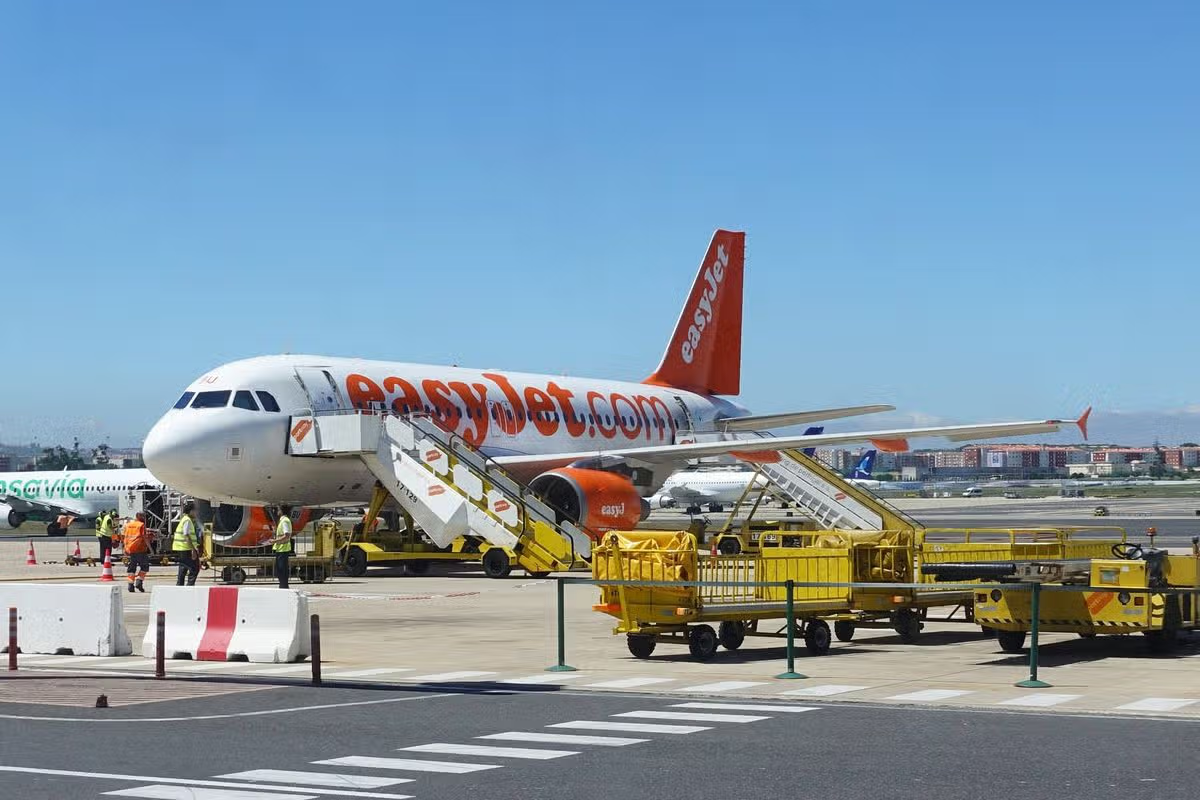
EasyJet says it is “extremely disappointed” that the action is taking place – file image of one of the airline’s planes at Lisbon airport(Image: Sergey Sokolnikov via Getty Images)
A ‘massive’ EasyJet cabin crew strike has resulted in the cancellation of hundreds of flights in a popular British tourist destination – and could jeopardise Christmas plans for holidaymakers.
The initial 5-day industrial action is expected to ground approximately 500 scheduled flights across Lisbon, Porto and Faro airports. And the festive period is also set to be disrupted.
The strike began this Friday, October 2, in Portugal and is the first of two walkouts planned for this year. The affected flights involve all domestic airports, but mainly Lisbon and Porto.
The EasyJet cabin crew strike goes on until Tuesday, with 443 flights from the Lisbon, Porto, and Faro bases already scrapped as of this morning, according to the National Union of Civil Aviation Flight Personnel (SNPVAC). “80% of flights involving the Lisbon, Porto, and Faro bases” between October 2 and 6 have already been cancelled, union official Ana Dias told local news agency Lusa. They noted that “the impact has already been massive.”
EasyJet, meanwhile, said 55% of flights were set to operate over the five-day strike period. The National Union of Civil Aviation Flight Personnel (SNPVAC) reported strong participation on Friday, the first of five scheduled strike days for EasyJet cabin crew, adding that only minimum services are being maintained.
EasyJet has confirmed that two return flights from Manchester Airport to Portugal have been axed in the coming days due to industrial action, the MEN reports. The walkout was announced by the National Union of Civil Aviation Flight Personnel and is set to impact flights from Lisbon, Porto and Faro airports, all served by EasyJet from Manchester Airport.
Sic Noticias reports that the union has said other currently scheduled flights could still be disrupted by the strike, although some may be operated by aircraft and crews from other European bases. An official EasyJet source told Lusa on Thursday that the airline anticipates operating approximately 55% of its schedule during the strike period. The source explained that, in addition to “minimum services” (representing about 22% of its Portugal-based operations), the airline is maintaining flights to and from the country operated by crews from other European bases.
The company says these operations are being conducted “in full compliance with applicable laws and regulations,”. The SNPVAC union deems the use of workers from other bases to replace striking staff “illegal” and is considering taking the matter to court.
EasyJet said it was “extremely disappointed” that the strike was taking place, despite its “ongoing efforts to maintain a constructive dialogue and reach an agreement.” It expressed regret over the disruption caused to passengers.
An EasyJet spokesperson said: “We are extremely disappointed that the union representing our Portugal-based cabin crew has announced an industrial action from 2 to 6 October, despite our willingness to continue a constructive dialogue and reach an agreement to meet our employees’ requests and protect the sustainability of EasyJet business in Portugal.
“We are sorry for the impact the unnecessary action will have on our customers, and are doing all we can to minimise disruption, including cancelling two return flights from Manchester in advance to allow our customers to rearrange their travel plans. Customers have been informed directly and offered options including a free transfer or a refund.
“We advise customers travelling to or from Portugal between 2 and 6 October to check the status of their flight via our Flight Tracker.”
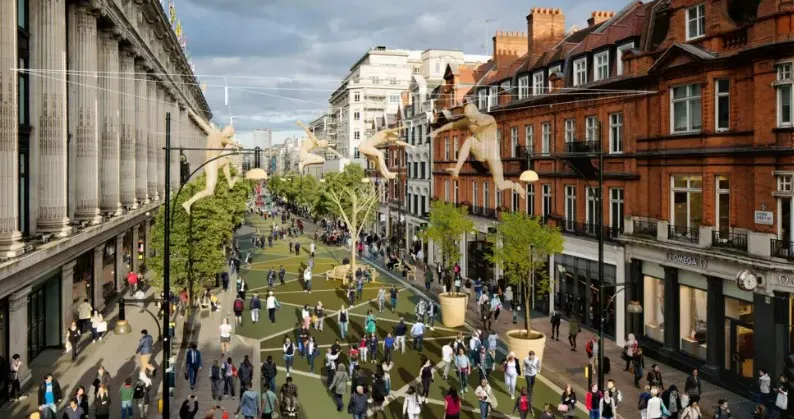
OXFORD Street is set to be pedestrianised in the run-up to the Christmas period – and it’s sooner than expected.
Once pedestrianisation is complete, all vehicles and bikes will be blocked from accessing the world-famous street.
The street’s closure comes following years of consultations with members of the publicCredit: Mayor of LondonThe pedestrianisation of London’s Oxford Street is set to go ahead following official final approval by Sadiq KhanCredit: Mayor of London
The London Mayor has revealed the date which all cars, buses and taxis are set to disappear from one of the capital’s most recognisable streets.
On October 26, a one-kilometre stretch of the road will become vehicle-free as a “transition-phase” prior to being fully pedestrianised.
Sign up for the Travel newsletter
Thank you!
The entire section between Selfridges near the Marble Arch end and Great Portland Street (including Oxford Circus) will be the first to be impacted – with buses rerouted and cars set to be banned.
Transport for London (TFL) has also confirmed that e-bikes, pedal bikes, and e-scooters will no longer be allowed to go through the area.
Sadiq Khan announced: “Following strong support from Londoners and businesses, I’m excited to see my bold vision for Oxford Street really coming to life next month as we start going traffic-free, just in time for the busy Christmas shopping period.”
The transition phase comes as works still need to be carried out to sort out any potential problems, including relocating bus stops and changing the direction of travel in some areas.
Sections of Oxford Street will also be transformed with new planters and seating areas to replace traffic lanes.
However, Westminster Council said there was still a “long list of unanswered questions about how it will work” and questioned whether traffic would be pushed to small streets nearby as a result.
Councillor Tim Barnes, deputy leader of Westminster City Council and cabinet member for growth and planning, added: “If this is going to be the ‘greener, better and more prosperous’ success that the Mayor has promised, then issues around access, air pollution, street cleaning and public safety, need answers urgently.”
The project to make part of Oxford Street traffic- free follows two public consultations in 2025 and 2026.
Following support, TFL has been working alongside the Oxford Street Development Corporation (OSDC) to regenerate London’s most famous street.