China

The eight key tasks of China’s economic work in 2026

The Central Economic Conference in Beijing in December 2025 identified eight key tasks for China’s economic work in 2026. Several of these areas particularly interest me as a China expert. Among the most important tasks for China’s economic work in 2026 is promoting a policy of supporting service exports through various measures to boost household income, raise basic pensions, and remove restrictions in the consumer sector. What struck me most during the Central Economic Conference meetings in Beijing in December 2025 was its emphasis on China’s continued opening up. This will provide tremendous global growth opportunities by expanding trade and investment, especially in the technology and renewable energy sectors, deepening integration into global value chains, and increasing demand for resources. This will drive the global economy in conjunction with China and create new partnerships, focusing on “high-quality development” and “high-level opening up” as fundamental pillars for mutual benefit and to stimulate innovation within the Chinese economy.

–            Main Tasks of the Beijing Economic Conference in December 2025

1)       Providing a huge market and investment opportunities: By increasingly encouraging the opening of its doors to foreign companies, China will create diverse opportunities in various sectors such as technology, innovation, and services.

2)       Making the Chinese economy an engine of global growth: The recovery and growth of the global economy depend heavily on China’s contribution, which accounts for a large share of the global economy.

3) Expanding free trade: China strongly supports free trade and the signing of regional agreements, reducing barriers and promoting trade exchanges.

4) Expanding the wheel of Chinese overseas investment: By significantly deepening the contribution of Chinese direct investment abroad to the economic development of other countries.

5)       Promoting innovation-led development in China to accelerate the development of new growth engines in 2026: This will bring significant benefits to foreign consumers and investors.  The meeting approved a package of policies aimed at strengthening the role of companies in innovation and implementing a new round of measures to develop high-quality key industrial chains, deepening and expanding fields such as artificial intelligence, which will bring more innovation opportunities to the world.

– Sectors in which China will expand in the future:

A) Innovation and Technology: China is a leader in fields such as artificial intelligence, renewable energy, and agricultural technology, driving global innovation.

B) Advanced Manufacturing: China’s rapid transition to high-quality development focuses on industrial upgrading and technological innovation, creating new products and services.

C)     Promoting Globalization: China opposes protectionism and supports inclusive economic globalization, creating a more interconnected and integrated global economy.

D)     Building a Community with a Shared Future for Mankind: The ultimate goal of China’s economic growth is to achieve common development and improve livelihoods for all, promoting win-win international cooperation.

–             Areas of China’s contribution to global development and the global economy in 2026, through:

1)       Product supply: As the “world’s factory,” with a focus on advanced technology.

2)       Demand stimulation: China’s enormous demand for commodities, energy, and raw materials supports other economies.

3)       Knowledge and technology transfer: Through investments and joint ventures.

4)       Support for sustainable development: By focusing on clean energy and green sectors.

   Accordingly, we understand that the main tasks for 2026, identified during the Central Economic Conference in Beijing in December 2026, are comprehensive and diverse. Chief among them is building a strong domestic market in China, reflecting a future strategic direction for the Chinese economy. This will promote sustainable development, support high-quality growth, foster innovation-led development, and uphold openness to the outside world. This means providing broader development opportunities for foreign investment and achieving growth that is synchronized with the development of the Chinese economy.

Source link

Uruguay’s FM on US claims to police Latin America and rising tensions | Nicolas Maduro

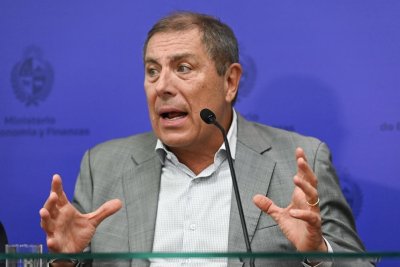
Mario Lubetkin on Washington’s revived sphere-of-influence doctrine, Venezuela, and China’s growing footprint.

The United States is reviving a policy first set out in the 1800s that treats Latin America as its strategic sphere of influence. As Washington expands maritime operations in the Caribbean and eastern Pacific, critics warn of legal violations and rising regional instability.

Uruguay’s Foreign Minister Mario Lubetkin joins Talk to Al Jazeera to discuss US strikes, Venezuela, migration pressures, and China’s growing role in the region — and whether diplomacy can still prevent escalation in a hemisphere shaped once again by power politics.

Source link

Rubio fields questions on Russia-Ukraine, Gaza and Venezuela

Secretary of State Marco Rubio weighed in on Russia-Ukraine and Israel-Hamas peace efforts and defended the Trump administration’s increasing military pressure on Venezuela during a rare, end-of-year news conference Friday.

In a freewheeling meeting with reporters running more than two hours, Rubio also defended President Trump’s radical overhaul in foreign assistance and detailed the administration’s work to reach a humanitarian ceasefire in Sudan in time for the new year.

Rubio’s appearance in the State Department briefing room comes as key meetings on Gaza and Russia-Ukraine are set to be held in Miami on Friday and Saturday after a tumultuous year in U.S. foreign policy. Rubio has assumed the additional role of national security advisor and emerged as a staunch defender of Trump’s “America First” priorities on issues ranging from visa restrictions to a shakeup of the State Department bureaucracy.

The news conference is taking place just hours before Trump’s special envoy Steve Witkoff meets with senior officials from Egypt, Turkey and Qatar to discuss the next phase of the Republican president’s Gaza ceasefire plan, progress on which has moved slowly since it was announced in October.

Witkoff and other U.S. officials, including Trump son-in-law and informal advisor Jared Kushner, have been pushing to get the Gaza plan implemented by setting up a “Board of Peace” that will oversee the territory after two years of war and create an international stabilization force that would police the area.

On Saturday, Witkoff, Kushner and Rubio, who will be at his home in Florida for the holidays, are to meet with Russian President Vladimir Putin’s adviser Kirill Dmitriev in Miami to go over the latest iteration of a U.S.-proposed plan to end the Russia-Ukraine war.

Rubio said there would be no peace deal unless both Ukraine and Russia can agree to the terms, making it impossible for the U.S. to force a deal on anyone. Instead, the U.S. is trying to “figure out if we can nudge both sides to a common place.”

“We understand that you’re not going to have a deal unless both sides have to give, and both sides have to get,” Rubio said. “Both sides will have to make concessions if you’re going to have a deal. You may not have a deal. We may not have a deal. It’s unfortunate.”

The U.S. proposal has been through numerous versions with Trump seesawing back and forth between offering support and encouragement for Ukraine and then seemingly sympathizing with Putin’s hard-line stances by pushing Ukrainian President Volodymyr Zelensky to agree to territorial concessions. Kyiv has rejected that concession in return for security guarantees intended to protect Ukraine from future Russian incursions.

On Venezuela, Rubio has been a leading proponent of military operations against suspected drug-running vessels that have been targeted by the Pentagon in the Caribbean Sea and the eastern Pacific Ocean since early September. The Trump administration’s actions have ramped up pressure on leftist Venezuelan President Nicolás Maduro, who has been charged with narco-terrorism in the U.S.

In an interview with NBC News on Friday, Trump would not rule out a war with Venezuela. But Rubio and Defense Secretary Pete Hegseth have publicly maintained that the current operations are directed at “narco-terrorists” trying to smuggle deadly drugs into the United States. Maduro has insisted the real purpose of the U.S. military operations is to force him from office.

Rubio sidestepped a direct question about whether the U.S. wants “regime change in 2026” in the South American country.

“We have a regime that’s illegitimate, that cooperates with Iran, that cooperates with Hezbollah, that cooperates with narco-trafficking and narco-terrorist organizations,” Rubio said, “including not just protecting their shipments and allowing them to operate with impunity, but also allows some of them to control territory.”

Rubio defended Trump’s prerogatives on Venezuela and said the administration believes “nothing has happened that requires us to notify Congress or get congressional approval or cross the threshold into war.” He added, “We have very strong legal opinions.”

Trump has spoken of wanting to be remembered as a “peacemaker,” but ceasefires his administration helped craft are already in trouble due to renewed military action between Cambodia and Thailand in Asia and Rwanda and the Democratic Republic of the Congo in Africa. Rubio, however, said those deals helped create a list of commitments that can now be used to bring both sides back to peace.

“Those commitments today are not being kept,” Rubio said of the Thailand-Cambodia conflict, which now threatens to reignite following Thai airstrikes. ”The work now is to bring them back to the table.”

Rubio’s news conference comes just two days after the Trump administration announced a massive $11-billion package of arms sales to Taiwan, a move that infuriated Beijing, which has vowed to retake the island by force if necessary.

Trump has veered between conciliatory and aggressive messages to China since returning to the Oval Office in January, hitting Chinese imports with major tariffs but at the same time offering to ease commercial pressure on Beijing in conversations with China’s President Xi Jinping. The Trump administration, though, has consistently decried China’s increasingly aggressive posture toward Taiwan and its smaller neighbors in disputes over the South China Sea.

Since taking over the State Department, Rubio has moved swiftly to implement Trump’s “America First” agenda, helping dismantle the U.S. Agency for International Development and reducing the size of the diplomatic corps through a significant reorganization. Previous administrations have distributed billions of dollars in foreign assistance over the last five decades through USAID.

Critics have said the decision to eliminate USAID and slash foreign aid spending has cost lives overseas, although Rubio and others have denied this, pointing to ongoing disaster relief operations in the Philippines, the Caribbean and elsewhere, along with new global health compacts being signed with countries that previously had programs run by USAID.

“We have a limited amount of money that can be dedicated to foreign aid and humanitarian assistance,” Rubio said. “And that has to be applied in a way that furthers our national interest.”

Lee and Klepper write for the Associated Press. AP writer Bill Barrow contributed to this report.

Source link

TikTok signs agreement for new joint venture keeping it online in the U.S.

TikTok has finalized a deal with Oracle and two other investors that will allow the popular social video platform to continue its business in U.S.

The deal, expected to close on Jan. 22, will be 50% held by a new investor consortium that includes tech giant Oracle, Silver Lake and MGX, a technology fund in the United Arab Emirates (with each holding 15%). The rest of the group is made up of ByteDance owning 19.19% and affiliates of existing ByteDance investors holding 30.1%, TikTok said in a memo to employees.

“With these agreements in place, our focus must stay where it’s always been — firmly on delivering for our users, creators, businesses and the global TikTok community,” TikTok CEO Shou Zi Chew wrote in his memo.

The company’s future for many years in the U.S. had been uncertain, amid security concerns among legislators about ByteDance’s ties to China. TikTok’s parent company, ByteDance had been under pressure to divest its ownership in the app’s U.S. operations or face a nationwide ban, due to a law Congress passed that went into effect in January. President Trump has signed orders that have allowed TikTok to keep operating in the country and in September signed an executive order outlining the new joint venture.

The venture, which would oversee U.S. data protection, algorithm security, content moderation and software assurance, would be governed by a seven-member board that is majority American, Chew said in his memo. Oracle will be the security partner responsible for “auditing and validating compliance with the agreed upon National Security Terms,” Chew wrote.

Oracle Chief Executive Larry Ellison is also a party in effort to buy Warner Bros. Discovery.

Oracle did not return a request for comment. Silver Lake declined to comment. The White House on Thursday referred questions about the deal back to TikTok. In September, Trump said that Chinese President Xi Jinping had approved the deal.

“These safeguards would protect the American people from the misuse of their data and the influence of a foreign adversary, while also allowing the millions of American viewers, creators, and businesses that rely on the TikTok application to continue using it,” Trump stated in his executive order.

The announcement will come as a relief to some creators and businesses who rely on TikTok to entertain and reach fans and customers.

“I hope it just stays true to the platform and the independence we get from it,” said Yasmine Sahide, who posts comedy videos on TikTok and has 2.4 million followers. “I hope we’re still able to monetize our videos the same way because without that, I think a lot of people would leave or feel uninspired.”

Keith Lee, a TikTok creator who posts videos about food, said he expects the algorithm to change.”I just hope that we can still stay connected with our community and reach an audience the same way as before,” said Lee, who has 17.3 million followers.

Many TikTok creators are based in Southern California, close to TikTok’s office in Culver City. Over the years when TikTok’s future appeared uncertain, some of those creators diversified, posting their content to other platforms like YouTube and Instagram.

“It’s a smart way to avoid ownership and data issues,” said Ray Wang, principal analyst at Constellation Research, of the deal.

If finalized, the deal would remove a persistent issue in Beijing-Washington relations and signal progress in broader talks. But it would also deprive China’s most valuable private company of total control of an American social media phenomenon.

ByteDance’s coveted algorithms are considered central to TikTok’s business. Under the the deal proposed by Washington, ByteDance will license its AI recommendation technology to a newly created U.S. TikTok entity, which will use the existing algorithm to retrain a new system that is secured by Oracle, according to Bloomberg. The algorithm will be retrained on U.S. user data by the U.S. joint venture, according to TikTok.

Some industry observers questioned whether the deal addresses the larger concerns surrounding TikTok in the law Congress passed.

“While these executive orders positively have allowed the platform to operate and maintain the venue for speech, they do not resolve the underlying concerns about the law, which could be applied to other platforms in the future and raise questions about executive power,” said Cato Institute senior fellow in tech policy Jennifer Huddleston in a statement.

“Just because TikTok remains available under such orders does not mean that the policy concerns about the underlying law have been resolved.”

Bloomberg contributed to this report.

Source link

Stabilizing Foreign Investment: China’s Dual Strategy Featuring the CIIE and Hainan FTP

The Central Economic Conference meeting in Beijing in December 2025 proposed that “adhering to opening up to the outside world and promoting win-win cooperation in various fields” should be one of the main tasks of China’s economic work in the coming year. In 2025, China issued the “Action Plan for Stabilizing Foreign Investment in 2025,” and simultaneously, the 8th China International Import Expo 2025 was held in Shanghai. It was also agreed that the Hainan Free Trade Port would officially launch island-wide independent customs operations on December 18, 2025. This would bring numerous opportunities and momentum to support China’s continued opening up for global economic development.

 The year 2026 marks the launch of China’s 15th Five-Year Plan. The Central Economic Conference was held in Beijing in December 2025, a significant historical juncture as the 14th Five-Year Plan drew to a close and the 15th began. This held particular significance, as the world looked to China’s economic planning for the coming year for inspiration and opportunities. China’s continued opening up in 2025 represents a vital engine for the global economy, contributing approximately 30% to global growth.

–            The opportunities and momentum generated by these policies are evident in the following areas:

1)       Deepening Institutional Opening through the Hainan Free Trade Port

  The launch of independent customs operations at Hainan Port on December 18, 2025, marked a milestone, transforming the port into a special customs zone governed by high-level international trade regulations.  With China’s ambitious trade facilitation plan, the percentage of duty-free goods in Hainan has risen from 21% to 74%, attracting significant investment. The island has already attracted more than 1.2 million enterprises.

2)       Stabilizing Foreign Investment (2025 Action Plan)

The “2025 Foreign Investment Stabilization Action Plan” aims to boost international investor confidence through practical measures, including opening new sectors by expanding pilot programs in telecommunications, healthcare, and education and supporting manufacturing and services by lifting restrictions on foreign investment across the entire manufacturing sector and encouraging investment in high-tech industries and green development. This has yielded numerous positive results for the Chinese economy, with China registering more than 49,000 new foreign-funded companies in the first half of 2025, representing a year-on-year increase of over 16%.

3)       China International Import Expo (CIIE 2025)

  The eighth edition of the expo in Shanghai solidified China’s position as a global launchpad for new products, achieving record-breaking figures. The expo saw record initial deals worth US$83 billion, a 4.5% increase over the previous year. With broad international participation, more than 4,500 companies from 138 countries participated, showcasing 461 new products and technologies.

4)       The Strategic Direction of the Chinese Economy for 2026 and Beyond

  The Central Economic Work Conference, held in Beijing in December 2025, affirmed that the main task for the coming year, 2026, is to ensure a strong start to the 15th Five-Year Plan (2026-2030) while achieving mutually beneficial cooperation. This will be accomplished by China focusing on aligning its domestic regulations with high-level international economic and trade standards in areas such as government procurement, e-commerce, and finance.  This should coincide with achieving sustainable growth in the Chinese economy, especially given the International Monetary Fund’s upward revision of its growth forecast for China to 5% for 2025, which underscores the resilience of the Chinese economy in the face of global shocks.

  Accordingly, we understand the extent of China’s aspirations to achieve new developmental and economic leaps during 2026, with numerous promising future opportunities available to China. It possesses the capacity to simultaneously improve the quality and scale of development, achieve a strong launch for its 15-year plan, and offer more ambitious investment and development opportunities to the world. 

Source link

US approves $11bn in arms sales to Taiwan in deal likely to anger China | Weapons News

Huge US arms package for Taiwan includes HIMARS rocket systems, howitzer artillery, antitank missiles, and drones.

The United States has approved $11.1bn in arms sales to Taiwan, one of Washington’s largest-ever weapons packages for the self-ruled island, which Beijing has promised to unify with mainland China.

The US State Department announced the deal late on Wednesday during a nationally televised address by President Donald Trump.

Recommended Stories

list of 4 itemsend of list

Weapons in the proposed sale include 82 High Mobility Artillery Rocket Systems, or HIMARS, and 420 Army Tactical Missile Systems, or ATACMS – worth more than $4bn – defence systems that are similar to what the US had been providing Ukraine to defend against Russian aerial attacks.

The deal also includes 60 self-propelled howitzer artillery systems and related equipment worth more than $4bn and drones valued at more than $1bn.

Other sales in the package include military software valued at more than $1bn, Javelin and TOW missiles worth more than $700m, helicopter spare parts worth $96m and refurbishment kits for Harpoon missiles worth $91m.

In a series of separate statements announcing details of the weapons deal, the Pentagon said the sales served US national, economic and security interests by supporting Taiwan’s continuing efforts to modernise its armed forces and to maintain a “credible defensive capability”.

Taiwan’s defence ministry and presidential office welcomed the news while China’s foreign ministry did not immediately respond to a request for comment from the Reuters news agency.

Washington’s huge sale of arms to Taiwan will likely infuriate China, which claims Taiwan is part of its territory and has threatened to use force to bring it under its control.


“The United States continues to assist Taiwan in maintaining sufficient self-defence capabilities and in rapidly building strong deterrent power,” Taiwan’s defence ministry said in a statement.

Taiwan presidential office spokesperson Karen Kuo said Taiwan would continue to reform its defence sector and “strengthen whole-of-society defence resilience” to “demonstrate our determination to defend ourselves, and safeguard peace through strength”.

China’s Taiwan Affairs Office said on Wednesday that it opposed efforts by the US Congress to pass bills “related to Taiwan and firmly opposes any form of military contact between the US and Taiwan”.

“We urge the US to abide by the one China principle and the provisions of the three Sino-US joint communiques : Stop ‘arming Taiwan’, stop reviewing relevant bills, and stop interfering in China’s internal affairs,” the office’s spokesperson Zhu Fenglian said in a statement.

Zhu said Taiwan’s political leaders were pursuing “independence”, and were “willing to let external forces turn the island into a ‘war porcupine’,” which could result in the population becoming “cannon fodder” and “slaughtered at will, which is despicable”.

Taiwan’s President William Lai Ching-te last month announced a $40bn supplementary defence budget, to run from 2026 to 2033, saying there was “no room for compromise on national security”.

Source link

Can India catch up with the US, Taiwan and China in the global chip race? | Technology News

In October, a small electronics manufacturer in the western Indian state of Gujarat shipped its first batch of chip modules to a client in California.

Kaynes Semicon, together with Japanese and Malaysian technology partners, assembled the chips in a new factory funded with incentives under Indian Prime Minister Narendra Modi’s $10bn semiconductor push announced in 2021.

Modi has been trying to position India as an additional manufacturing hub for global companies that may be looking to expand their production beyond China, with limited success.

One sign of that is India’s first commercial foundry for mature chips that is currently under construction, also in Gujarat. The $11bn project is supported by technology transfer from a Taiwanese chipmaker and has onboarded the United States chip giant Intel as a potential customer.

With companies the world over hungering for chips, India’s entry into that business could boost its role in global supply chains. But experts caution that India still has a long way to go in attracting more foreign investment and catching up in cutting-edge technology.

Unprecedented momentum

Semiconductor chips are designed, fabricated in foundries, and then assembled and packaged for commercial use. The US leads in chip design, Taiwan in fabrication, and China, increasingly, in packaging.

The upcoming foundry in Gujarat is a collaboration between India’s Tata Group, one of the largest conglomerates in the country, and Taiwan’s Powerchip Semiconductor Manufacturing Corporation (PSMC), which is assisting with the plant’s construction and technology transfer.

On December 8, Tata Electronics also signed an agreement with Intel to explore the manufacturing and packaging of its products in Tata’s upcoming facilities, including the foundry. The partnership will address the growing domestic demand.

Last year, Tata was approved for a 50 percent subsidy from the Modi government for the foundry, along with additional state-level incentives, and could come online as early as December 2026.

Even if delayed, the project marks a pivotal moment for India, which has seen multiple attempts to build a commercial fab stall in the past.

The foundry will focus on fabricating chips ranging from 28 nanometres (nm) to 110nm, typically referred to as mature chips because they are comparatively easier to produce than smaller 7nm or 3nm chips.

Mature chips are used in most consumer and power electronics, while the smaller chips are in high demand for AI data centres and high-performance computing. Globally, the technology for mature chips is more widely available and distributed. Taiwan leads production of these chips, with China fast catching up, though Taiwan’s TSMC dominates production for cutting-edge nodes below 7nm.

“India has long been strong in chip design, but the challenge has been converting that strength into semiconductor manufacturing,” said Stephen Ezell, vice president for global innovation policy at the Washington, DC-based Information Technology and Innovation Foundation (ITIF).

“In the past two to three years, there’s been more progress on that front than in the previous decade – driven by stronger political will at both the central and state levels, and a more coordinated push from the private sector to commit to these investments,” Ezell told Al Jazeera.

Easy entry point

More than half of the Modi government’s $10bn in semiconductor incentives is earmarked for the Tata-PSMC venture, with the remainder supporting nine other projects focused mainly on the assembly, testing and packaging (ATP) stage of the supply chain.

These are India’s first such projects – one by Idaho-based Micron Technology, also in Gujarat, and another by the Tata Group in the northeastern Assam state. Both will use in-house technologies and have drawn investments of $2.7bn and $3.3bn, respectively.

The remaining projects are smaller, with cumulative investments of about $2bn, and are backed by technology partners such as Taiwan’s Foxconn, Japan’s Renesas Electronics, and Thailand’s Stars Microelectronics.

“ATP units offer a lower path of resistance compared to a large foundry, requiring smaller investments – typically between $50m and $1bn. They also carry less risk, and the necessary technology know-how is widely available globally,” Ashok Chandak, president of the India Electronics and Semiconductor Association (IESA), told Al Jazeera.

Still, most of the projects are behind schedule.

Micron’s facility, approved for incentives in June 2023, was initially expected to begin production by late 2024. However, the company noted in its fiscal 2025 report that the Gujarat facility will “address demand in the latter half of this decade”.

Approved in February 2024, the Tata facility was initially slated to be operational by mid-2025, but the timeline has now been pushed to April 2026.

When asked for reasons behind the delays, both Micron and Tata declined to comment.

One exception is a smaller ATP unit by Kaynes Semicon, which in October exported a consignment of sample chip modules to an anchor client in California – a first for India.

Another project by CG Semi, part of India’s Murugappa Group, is in trial runs, with commercial production expected in the coming months.

The semiconductor projects under the Tata Group and the Murugappa Group have drawn public scrutiny after Indian online news outlet Scroll.in reported that both companies made massive political donations after they were picked for the projects.

As per Scroll.in, the Tata Group donated 7.5 billion rupees ($91m) and 1.25 billion rupees ($15m), respectively, to Modi’s Bharatiya Janata Party (BJP) just weeks after securing government subsidies in February 2024 and ahead of national elections. Neither group had made such large donations to the party before. Such donations are not prohibited by law. Both the Tata Group and the Murugappa Group declined to comment to Al Jazeera regarding the reports.

Meeting domestic demand a key priority

The upcoming projects in India – both the foundry and the ATP units – will primarily focus on legacy, or mature, chips sized between 28nm and 110nm. While these chips are not at the cutting-edge of semiconductor technology, they account for the bulk of global demand, with applications across cars, industrial equipment and consumer electronics.

China dominates the ATP segment globally with a 30 percent share and accounted for 42 percent of semiconductor equipment spending in 2024, according to DBS Group Research.

India has long positioned itself as a “China Plus One” destination amid global supply chain diversification, with some progress evident in Apple’s expansion of its manufacturing base in the country. The company assembles all its latest iPhone models in India, in partnership with Foxconn and Tata Electronics, and has emerged as a key supplier to the US market this year following tariff-related uncertainties over Chinese shipments.

Its push in the ATP segment, however, is driven largely by the need to meet the growing domestic demand for chips, anticipated to surge from $50bn today to $100bn by 2030.

“Globally, too, the market will expand from around $650bn to $1 trillion. So, we’re not looking at shifting manufacturing from China to elsewhere. We’re looking at capturing the incremental demand emerging both in India and abroad,” Chandak said.

India’s import of chips – both integrated circuits and microassemblies – has jumped in recent years, rising 36 percent in 2024 to nearly $24bn from the previous year. An integrated circuit (IC) is a chip serving logic, memory or processing functions, whereas a microassembly is a broader package of multiple chips performing combined functions.

The momentum has continued this year, with imports up 20 percent year-on-year, accounting for about 3 percent of India’s total import bill, according to official trade data. China remains the leading supplier with a 30 percent share, followed by Hong Kong (19 percent), South Korea (11 percent), Taiwan (10 percent), and Singapore (10 percent).

“Even if it’s a 28 nm chip, from a trade balance perspective, India would rather produce and package it domestically than import it,” Ezell of ITIF said, adding that domestic capability would enhance the competitiveness of chip-dependent industries.

Better incentives needed

The Modi government’s support for the chip sector, while unprecedented for India, is still dwarfed by the $48bn committed by China and the $53bn provisioned under the US’s CHIPS Act.

To achieve scale in the ATP segment for meaningful import substitution – and to advance towards producing chips smaller than 28nm – India will need continued government support, and there is a second round of incentives already in the works.

“The reality is, if India wants to compete at the leading edge of semiconductors, it will need to attract a foreign partner – American or Asian – since only a handful of companies globally operate at that level. It’s highly unlikely that a domestic firm will be competitive at 7nm or 3nm anytime soon,” Ezell said.

According to him, India needs to continue focusing on improving its overall business environment – from ensuring reliable power and infrastructure to streamlining regulations, customs and tariff policies.

India’s engineers make up about a fifth of the global chip design workforce, but rising competition from China and Malaysia to attract multinational design firms could erode that edge.

In its latest incentive round, the Indian government limited benefits to domestic firms to promote local intellectual property – a move that, according to Alpa Sood, legal director at the India operations of California-based Marvell Technology, risks driving multinational design work elsewhere.

“India already has a thriving chip design ecosystem strengthened by early-stage incentives from the government. What we need, to further accelerate and build stronger R&D muscle – is incentives that mirror competing countries like China [220 percent tax incentives] and Malaysia [200 percent tax incentives]. This will ensure we don’t lose the advantage we’ve built over the years,” Sood told Al Jazeera.

Marvell’s India operations are its largest outside the US.

The Trump effect

India’s upcoming chip facilities, while aimed at meeting domestic demand, will also export to clients in the US, Japan, and Taiwan. Though US President Donald Trump has threatened 100 percent tariffs on semiconductors made outside the US, none have yet been imposed.

A bigger concern for India-US engagement – so far limited to education and training – is Washington’s 50 percent tariff on India over its Russian crude imports. Semiconductors remain exempt, but the broader trade climate has turned uncertain.

“Over half the global semiconductor market is controlled by US-headquartered firms, making engagement with them crucial,” Chandak said. “Any alignment with these firms, either through joint ventures or technology partnerships – is a preferred option.”

The global chip race is accelerating, and India’s policies will need to keep pace to become a serious player amid growing geo-economic fragmentation.

“These new 1.7nm fabs are so advanced they even factor in the moon’s gravitational pull – it’s literally a moonshot,” Ezell said. “Semiconductor manufacturing is the most complex engineering task humanity undertakes – and the policymaking behind it must be just as precise.”

Source link

US Senate passes $901bn defence bill | Military News

Legislation reflects Democrats’ efforts to seek tighter oversight of Trump administration’s military action.

The United States Senate has passed a $901bn bill setting defence policy and spending for the 2026 fiscal year, combining priorities backed by President Donald Trump’s administration with provisions designed to preserve congressional oversight of US military power.

The National Defense Authorisation Act (NDAA) was approved in a 77-20 vote on Wednesday with senators adopting legislation passed by the House of Representatives last month. It now goes to Trump for his signature.

Recommended Stories

list of 4 itemsend of list

Several provisions in the bill reflect efforts by Democratic lawmakers, supported by some Republicans, to constrain how quickly the Trump administration may scale back US military commitments in Europe.

The bill requires the Pentagon to maintain at least 76,000 US soldiers in Europe unless NATO allies are consulted and the administration determines that a reduction would be in the US national interest. The US typically stations 80,000 to 100,000 soldiers across the continent. A similar measure prevents reductions in US troop levels in South Korea below 28,500 soldiers.

Congress also reinforced its backing for Ukraine, authorising $800m under the Ukraine Security Assistance Initiative with $400m allocated for each of the next two years. A further $400m per year was approved to manufacture weapons for Ukraine, signalling continued congressional support for Kyiv and cementing Washington’s commitment to Europe’s defence.

Asia Pacific focus, congressional oversight

The bill also reflects priorities aligned with the Trump administration’s national security strategy, which places the Asia Pacific at the centre of US foreign policy and describes the region as a key economic and geopolitical battleground.

In line with that approach, the NDAA provides $1bn for the Taiwan Security Cooperation Initiative, aimed at strengthening defence cooperation as the US seeks to counter China’s growing military influence.

The legislation authorises $600m in security assistance for Israel, including funding for joint missile defence programmes, such as the Iron Dome, a measure that has long drawn broad bipartisan support in Congress.

The NDAA increases reporting requirements on US military activity, an area in which Democrats in particular have sought greater oversight.

It directs the Department of Defense to provide Congress with additional information on strikes targeting suspected smuggling and trafficking operations in the Caribbean and the eastern Pacific, adding pressure on Defense Secretary Pete Hegseth to provide lawmakers with video footage of US strikes on alleged drug-smuggling boats operating in international waters near Venezuela.

Lawmakers moved to strengthen oversight after a September strike killed two people who had survived an earlier attack on their boat.

Some Democratic lawmakers said they were not briefed in advance on elements of the campaign, prompting calls for clearer reporting requirements.

Sanctions and America First

The legislation repeals the 2003 authorisation for the US invasion of Iraq and the 1991 authorisation for the Gulf War. Supporters from both parties said the repeals reduce the risk of future military action being undertaken without explicit congressional approval.

The bill also permanently lifts US sanctions on Syria imposed during the regime of President Bashar al-Assad after the Trump administration’s earlier decision to temporarily ease restrictions. Supporters argue the move will support Syria’s reconstruction after al-Assad’s removal from power a year ago.

Other provisions align more closely with priorities advanced by Trump and Republican lawmakers under the administration’s America First agenda.

The NDAA eliminates diversity, equity and inclusion offices and training programmes within the Department of Defense, including the role of chief diversity officer. The House Armed Services Committee claims the changes would save about $40m.

The bill also cuts $1.6bn from Pentagon programmes related to climate change. While the US military has previously identified climate-related risks as a factor affecting bases and operations, the Trump administration and Republican leaders have said defence spending should prioritise immediate military capabilities.

Source link

Hong Kong court convicts democracy activist Jimmy Lai on conspiracy charges | News

The High Court of Hong Kong has convicted pro-democracy activist and newspaper founder Jimmy Lai on three charges related to accusations that he undermined China’s national security, as part of a widely scrutinised trial.

Lai now faces the possibility of a life sentence in prison.

Recommended Stories

list of 3 itemsend of list

On Monday morning, a panel of three judges found Lai, 78, guilty of two counts of conspiring with foreign forces to threaten national security and one count of conspiracy to publish seditious material.

Lai had pleaded not guilty to all the charges. He has been in detention since December 2020, when he was arrested in the midst of a series of antigovernment protests that gripped Hong Kong.

The case has been seen as a test of Hong Kong’s “one country, two systems” principle, which was established after the former British colony was returned to China in 1997.

The principle affirmed that Hong Kong was part of China, but in theory, it allowed the territory to retain its own governance and administrative structure, separate from Beijing.

But activists say that autonomy has been threatened in recent years, as China seeks to assert greater control over Hong Kong. The territory, once seen as a beacon of free speech in Southeast Asia, has seen its protesters, journalists and publishers targeted for arrest and prosecution in recent years.

On Monday, Judge Esther Toh accused Lai of making “constant invitations” to the United States to take action against the People’s Republic of China (PRC) and its ruling Communist Party.

She and her fellow judges, Alex Lee and Susana D’Almada Remedios, issued an 855-page verdict in the case, which described Lai as the “mastermind” of a criminal conspiracy.

“There is no doubt that the first defendant had harboured his resentment and hatred of the PRC for many of his adult years,” Toh told Monday’s packed courtroom.

Human rights groups and media advocacy organisations quickly slammed the verdict as a miscarriage of justice.

“We are outraged that Jimmy Lai, Hong Kong’s symbol of press freedom, has been found guilty on trumped-up national security charges,” Thibaut Bruttin, the general director of Reporters Without Borders, said in a statement.

“This unlawful conviction only demonstrates the alarming deterioration of media freedom in the territory,” he added.

“Make no mistake: it is not an individual who has been on trial – it is press freedom itself, and with this verdict, that has been shattered.”

Another free-speech organisation, the Committee to Protect Journalists (CPJ), also denounced Lai’s conviction, calling it an act of “persecution”.

“The ruling underscores Hong Kong’s utter contempt for press freedom, which is supposed to be protected under the city’s mini-constitution, the Basic Law,” Beh Lih Yi, the group’s Asia-Pacific director, said.

“Jimmy Lai’s only crime is running a newspaper and defending democracy.”

Lai is set to reappear in court on January 12 for a pre-sentencing hearing. It is not yet clear whether he will seek to appeal Monday’s verdict.

The trial against him stretched for 156 days. Lai himself testified for 52 days, arguing that he had not called on the US to impose sanctions or other economic penalties on China, as the prosecution alleged.

The charges he faced came under the 2020 Hong Kong National Security Law, a far-reaching piece of legislation enacted in the midst of the pro-democracy protests of 2019 and 2020.

The law imposed steep penalties for actions deemed to be “subversion” or “secession”, effectively criminalising Hong Kong’s pro-independence movement, as well as any criticisms of the Chinese Communist Party.

As an outspoken critic of the government in Beijing, Lai was quickly charged under the newly imposed law.

His publication, the Apple Daily, published its first edition in 1995, and it became known as Hong Kong’s largest pro-democracy newspaper.

During Lai’s trial, prosecutors presented 161 articles from the newspaper as evidence.

In August 2020, less than two months after the national security law came into effect, Lai was arrested for the first time, then released. He was arrested again in December, only to be released and re-arrested a third time. He has remained in custody ever since.

By May 2021, authorities had frozen Apple Daily’s assets. And in June of that year, five Apple Daily executives, including its editor-in-chief, were taken into custody amid a police raid on the newspaper’s headquarters.

The newspaper printed its final edition that month.

Lai’s defence team and family have repeatedly petitioned Hong Kong’s High Court for leniency, citing Lai’s age and health conditions, including diabetes and high blood pressure.

World leaders like US President Donald Trump have previously called for Lai’s release.

Source link

Navy Recovers Crashed Super Hornet, Seahawk From Bottom Of South China Sea

The U.S. Navy has recovered an MH-60R Seahawk helicopter and an F/A-18F Super Hornet from the aircraft carrier USS Nimitz that crashed within half an hour of each other in the South China Sea on Oct. 26. They were located and retrieved at a depth of about 400 feet on Dec. 5. You can read about the effort to find the jet and helicopter in our initial story here.

“Both aircraft were recovered intact,” a Navy official told TWZ on Tuesday morning.

“All recovered aircraft components are being transported to a designated U.S. military installation in the Indo-Pacific region for detailed analysis,” the Navy’s 7th Fleet also said in a press release. Officials have not released details about exactly where in the South China Sea the aircraft went down and were subsequently retrieved.

A U.S. Navy F/A-18F Super Hornet deployed aboard the aircraft carrier USS Nimitz in 2020. (U.S. Air Force photo by Staff Sgt. James Merriman)
An MH-60R Seahawk helicopter. (USN)

The retrieval effort was conducted by Commander, Task Force 73 (CTF 73); Task Force 75; the Naval Sea Systems Command’s Supervisor of Salvage and Diving (SUPSALV); and CTG 73.6’s Mobile Diving and Salvage Unit, according to the Navy’s release. Task Force 73 is responsible for logistics activities within the 7th Fleet’s area of responsibility, while Task Force 75 oversees diving and salvage units and other expeditionary capabilities.

In addition, the Navy says it employed a “contracted Vessel of Opportunity, equipped with a government-owned, contractor-operated unmanned system, to lift and recover the aircraft.” The 7th Fleet release did not name that ship, and we have reached out for additional details. Contracted vessels have assisted in the recovery of U.S. military aircraft in the past, including in the South China Sea.

On Nov. 20, the Navy had told TWZ that the USNS Salvor (T-ARS 52), a Safeguard class salvage ship operated by Military Sealift Command, was “on-scene conducting operations in support of the recovery efforts.” It is unclear at the moment what role that ship might ultimately have played in retrieving the lost aircraft. It was seen docked in Singapore on Dec. 7, according to the MarineTraffic ship tracking website.

The Navy's USNS Salvor is on scene to try and find two aircraft that crashed off the USS Nimitz last month.
(U.S. Coast Guard photo by Air Station Barbers Point Public Affairs/Released)

“This recovery was a true Navy team effort across CTF 73, SUPSALV, Task Force 75, HSM 73 [Helicopter Maritime Strike Squadron 73], VFA 22 [Strike Fighter Squadron 22], and our Mobile Diving and Salvage Unit,” Navy Lt. Cmdr. Christopher Andersen, the CTF 73 officer who led the salvage mission, said in a statement. “Everyone involved brought critical expertise ensuring we could safely and successfully bring these aircraft back under U.S. custody. This operation highlights the importance of naval integration, readiness, and the unmatched capability of our salvage and diving teams.”

As we have previously noted, the tense and contested nature of the South China Sea and its proximity to China would have put additional emphasis on ensuring the aircraft, or components from them, were not recovered by the Chinese. Like the United States, China has foreign materiel exploitation, or FME, programs aimed at recovering weaponry for intelligence analysis and developmental purposes. Both crashed Navy aircraft have a number of sensitive components that would be of particular interest to a major global competitor like China. You can read more about that here.

The aircraft from Nimitz that went down in the South China Sea were recovered a day after the Navy released results of investigations into the separate losses of three F/A-18s from the aircraft carrier USS Truman. Those incidents included one in which a Super Hornet was shot down by the Ticonderoga class guided missile cruiser USS Gettysburg. Unlike the case of the Nimitz aircraft, those jets were never recovered, a Navy official previously confirmed to us.

The cause of the crashes of the Nimitz aircraft in October remains unknown. President Donald Trump previously suggested that the mishaps could have been caused by “bad fuel,” and you can read more about potential fuel issues in our initial coverage here. Navy officials have also previously confirmed to us that they believe there are no “nefarious” circumstances behind the crashes.

With the F/A-18F and MH-60R now recovered, the investigations into their crashes are continuing, the Navy said on Tuesday.

Contact the author: howard@thewarzone.com

Howard is a Senior Staff Writer for The War Zone, and a former Senior Managing Editor for Military Times. Prior to this, he covered military affairs for the Tampa Bay Times as a Senior Writer. Howard’s work has appeared in various publications including Yahoo News, RealClearDefense, and Air Force Times.


Source link

Green Transition: China’s Role in a Shifting Global Landscape

The global green transition has long been seen as a critical path to addressing climate change and reshaping economies. Yet, since 2020, this vision has faced a growing backlash. Rising energy prices, inflation, and the mounting financial strain on the middle class have made green policies increasingly unpopular in many developed nations. In the U.S., for instance, under the Trump administration, the green transition has been delayed under the pretext of inflation and job security. In Europe, despite some countries’ continued commitment to green initiatives, conservative political forces have begun to push back, casting doubt on the future of the green agenda. Even frameworks like Environmental, Social, and Governance (ESG) policies, once seen as a driving force for the green transition, are now under attack for “greenwashing”, further undermining their credibility.

What was once an ambitious, unified global vision for a greener future is now splintering into a series of competing political agendas. Against this backdrop of uncertainty, China’s green transition has shown a distinctive sense of continuity.

Unlike many Western nations, China’s green transition is not just about international agreements or ideological alignment. It is driven by deep, internal imperatives to address chronic pollution, improve public health, and upgrade its industrial base. The need for cleaner air and a more sustainable economy is not just a policy choice for China but an urgent requirement for the country’s reality.

This internal drive gives China a unique position to lead the charge in creating a “non-politicized global green coalition”, focused not on ideological divides, but on pragmatic, shared solutions.

With the U.S. scaling back its green subsidies and Europe facing political fragmentation, a leadership vacuum is emerging in global climate governance. In countries like France, Italy, and the Netherlands, right-wing forces are calling for delays to energy taxes and carbon-reduction targets, seeing the green agenda as an economic burden. Meanwhile, in the Nordic countries, while policies remain green, their influence is limited by their small size and capacity to drive global change.

This creates an opportunity for China to step in.

If China can embrace a pragmatic and non-politicized approach, it can work to rebuild cross-regional cooperation on green policies and lay the foundation for a new global green alliance. Such a coalition, focusing on technology, green finance, and shared standards, could bring together countries from East Asia, the Middle East, and emerging economies in Africa and Southeast Asia.

China’s green transition is driven by urgent domestic needs. In 2024, official statistics indicate that the proportion of days with good air quality in China reached 87.2 percent last year, up 1.7 percentage points from the previous year, though pollution remains a problem to be tackled. As China strives to reduce healthcare burdens and improve the quality of life for its citizens, its green transition becomes a necessity, not just a global strategy.

Unlike countries that frame their green policies in ideological terms, China’s approach is rooted in a concrete need for environmental and public health improvement. This focus on sustainabilitypositions China as a potential leader in advocating for non-ideological global cooperation on climate issues.

Indeed, China has already made significant strides in “green diplomacy”. Its Belt and Road Initiative (BRI) has increasingly focused on green development, with projects in clean energy, sustainable transportation, and ecological conservation now spread across over 100 countries. China’s leadership in renewable energy production, from photovoltaic modules to electric vehicles, gives it a competitive advantage in driving the green agenda forward. China is already the world’s largest producer of clean energy technology, with production capacities for solar panels, wind turbines, and batteries outpacing any other country.

But China’s green transition is not just about technology. The country is also emerging as a leader in green finance. China accounts for 60% of Asia’s green finance, which is roughly $200 billion. Its ability to offer affordable, high-quality green technologies to developing nations, combined with its leadership in green finance, makes it well-positioned to spearhead a new global green coalition.

While China has significant advantages, there are still challenges ahead. Some countries may perceive China-led green initiatives as another form of geopolitical influence. Western nations still control many critical certification systems and intellectual property related to green technologies, which could limit its ability to fully shape the global green agenda. Additionally, the long investment cycles and uncertain returns of green projects could stretch China’s financial resources.

To mitigate these risks, China could focus on building trust through joint projects with other nations and involving Western capital as investors or observers. Focusing on less politically sensitive areas, such as energy storage, carbon trading, and climate education, would also help to avoid ideological conflicts and build a more inclusive global green network.

The global green transition is not just an economic challenge. It is an opportunity to redefine international governance based on shared survival pressures. If China can lead the way with a focus on non-ideological cooperation and pragmatic action, it can help the world move beyond the current political fragmentation and build a greener, more sustainable future for all.

Source link

Philippines says fishermen hurt, boat damaged in China coastguard skirmish | South China Sea News

The Philippines has accused Chinese coastguard ships of firing water cannon at Filipino fishermen near a disputed South China Sea shoal, injuring three people and causing “significant damage” to two fishing vessels.

On Saturday, the Philippine coastguard (PCG) said that nearly two dozen Filipino fishing boats were attacked a day earlier, near an atoll called the Sabina Shoal that falls within the country’s 200km (124-mile) Exclusive Economic Zone (EEZ).

Recommended Stories

list of 3 itemsend of list

The fishermen faced high-pressure spray from Chinese water cannon, and Chinese vessels attempted aggressive blocking manoeuvres, according to Manila.

It was the latest in a series of confrontations between Chinese and Philippine ships in the contested waters of the South China Sea, which Beijing claims nearly in its entirety despite an international ruling against the claim.

Friday’s incident took place in a fish-rich area about 150km (93 miles) from the Philippine island of Palawan.

“As a result of these aggressive actions, three Filipino fishermen sustained physical injuries, including bruises and open wounds,” Commodore Jay Tarriela, a spokesman for the Philippine coastguard, said in a statement posted on Facebook.

“Two [Filipino fishing boats] also suffered significant damage from high-pressure water cannon blasts.”

During the incident, a Chinese boat also cut the anchor lines of several Filipino vessels, endangering their crews, according to the Philippine coastguard.

“The PCG calls on the Chinese coastguard to adhere to internationally recognised standards of conduct, prioritising the preservation of life at sea over pretensions of law enforcement that jeopardise the lives of innocent fishermen,” it said in a separate statement.

China, however, defended its actions on Friday as necessary to maintain its “territorial sovereignty” over the Sabina Shoal, which it referred to by the Chinese name Xianbin Jiao.

In a statement, Chinese coastguard spokesperson Liu Dejun said the military’s vessels had taken “necessary control measures, including issuing verbal warnings and expelling by external means, in accordance with laws and regulations”.

Dejun accused the Philippine vessels of having “deliberately intruded” on the shoal “under the pretext of fishing”.

Tarriela told the Reuters news agency that the Chinese coastguard’s statement amounted to an admission of wrongdoing.

In Saturday’s statement, the Philippine coastguard added that the vessels it deployed to aid the injured fishermen were repeatedly blocked from reaching the Sabina Shoal.

“Despite these unprofessional and unlawful interferences, the PCG successfully reached the fishermen this morning and provided immediate medical attention to the injured, along with essential supplies,” the statement said.

There has been a history of clashes between Chinese and Philippine vessels in the South China Sea, as each side seeks to assert its territorial claims.

A separate incident on Friday took place at the Beijing-controlled Scarborough Shoal, known in China as Huangyan Dao.

There, the Chinese military said that it had also “warned and expelled” several small aircraft from the Philippines that flew through what it considers its airspace.

In October, the Philippines also accused a Chinese ship of deliberately ramming one of its government vessels in the Spratly Islands, where Beijing has sought to assert its sovereignty claims for years. Beijing blamed Manila for the incident.

A month earlier, one person was injured when a water cannon from a Chinese coastguard vessel shattered a window on the bridge of a fisheries bureau vessel near the Scarborough Shoal.

China claims an area in the South China Sea that cuts into the exclusive economic zones of Brunei, Indonesia, Malaysia, the Philippines and Vietnam, which all have competing claims.

In 2016, an international tribunal sided with the Philippines, finding that China’s claims exceeded lawful limits under the United Nations Convention on the Law of the Sea.

But China denounced the ruling and has refused to abide by it.


Source link

China holds low-key Nanjing Massacre memorial without Xi amid Japan row | News

China has marked the anniversary of the 1937 massacre by Japanese soldiers, as tensions soar over Taiwan.

China has held a low-key memorial ceremony for the Nanjing Massacre, as a diplomatic crisis between Beijing and Tokyo over Taiwan continues to simmer.

President Xi Jinping did not attend the ceremony on Saturday commemorating the 1937 attack, in which China says Imperial Japan’s troops slaughtered 300,000 people in the eastern city of Nanjing.

Recommended Stories

list of 3 itemsend of list

A post-World War II Allied tribunal put the death toll at 142,000, but some conservative Japanese politicians and scholars have denied that a massacre took place at all. China and Japan have long sparred over their painful history.

Japanese Prime Minister Sanae Takaichi has infuriated Beijing after her remarks last month in which she projected that a hypothetical Chinese attack on the self-governed island of Taiwan could trigger a military response from Japan.

Doves flew over the national memorial centre in Nanjing after the ceremony, which was completed in less than half an hour, in front of an audience that included police officers and schoolchildren.

Shi Taifeng, head of the ruling Communist Party’s powerful organisation department, made far less combative remarks than recent rhetoric from Chinese government officials.

“History has proven and will continue to prove that any attempt to revive militarism, challenge the post-war international order, or undermine world peace and stability will never be tolerated by all peace-loving and justice-seeking peoples around the world and is doomed to fail.”

He did not mention Takaichi but alluded to China’s previous assertions that the Japanese leader seeks to revive the country’s history of militarism.

On Saturday, the Eastern Theatre Command of China’s People’s Liberation Army put out a picture on its social media accounts of a large bloody sword, of the type used by many Chinese soldiers during the war, chopping off the head of a skeleton wearing a Japanese army cap.

“For nearly 1,000 years, the eastern dwarves have brought calamity; the sea of blood and deep hatred are still before our very eyes,” it said, using an old expression for Japan.

Dispute over Taiwan

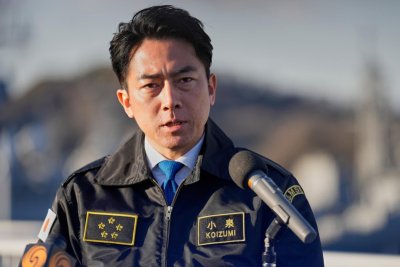
Last month, Japan’s Defence Minister Shinjiro Koizumi announced that Tokyo was moving forward with plans to deploy a missile system on Yonaguni, the country’s westernmost island located 110km (68 miles) off Taiwan’s east coast, which has hosted a Japanese military base since 2016.

China’s Ministry of Foreign Affairs blasted the announcement, describing Japan’s plan as a “deliberate attempt to create regional tension and provoke military confrontation”. Koizumi pushed back, saying the Type 03 guided missile system was purely defensive and “intended to counter aircraft and missiles invading our nation”.

Beijing views Taiwan as its own territory and has promised to unite the island with the Chinese mainland, an aspiration that Taipei says infringes on its sovereignty and that only Taiwan’s citizens can decide their future.

Both countries have since traded quarrelsome accusations, with Japan summoning China’s ambassador earlier this month over an incident in which Chinese military aircraft allegedly twice locked fire-control radar onto Japanese fighter jets.

Illuminating aircraft with radar signals a potential attack that could force targeted planes to take evasive measures, making it among the most threatening actions a military aircraft can take.

For its part, the Chinese embassy denied Tokyo’s claims, saying in a statement that “China solemnly demands that Japan stop smearing and slandering, strictly restrain its frontline actions, and prevent similar incidents from happening again”.

Beijing has summoned the Japanese ambassador, written to the United Nations, urged citizens to avoid travelling to Japan and renewed a ban on Japanese seafood imports, while cultural events involving Japanese performers and movies have also been hit.

Source link

China’s Economy, Five Years On: Measuring the Momentum

China has successfully achieved economic development in recent years by shifting towards a model that relies on stimulating domestic demand. This not only ensures economic stability but also addresses crucial considerations related to China’s national security and international competitiveness. China has indeed succeeded in this by focusing on four key factors that are the main determinants of its remarkable economic growth: economic reform policies, the government’s commitment to Chinese-style reform, the government’s dedication to integrating into the global economy, and industrial upgrading and technological innovation. The Chinese government has also unveiled measures to boost service consumption and pledged to open up more sectors, such as the internet, culture, and the promotion of hosting international sporting events, in an effort to bolster the Chinese economy and connect it globally.

 China’s Fifteenth Five-Year Plan further spurred this shift from high-speed growth to high-quality growth, placing science and technology at the forefront of national priorities.  Over the past five years, China has strengthened its comprehensive opening-up policy, implementing practical measures to improve the business environment and fostering continued cooperation with all countries, especially developing nations of the Global South, through its Belt and Road Initiative. The Belt and Road Initiative has become a model for a new type of international cooperation and has been recognized as such by international organizations, including the United Nations. During this same period, China has also made concerted efforts to improve the ecological environment and fulfill its international commitments through its “green economy” policy. This policy emphasizes the Chinese government’s commitment to environmentally friendly economic projects worldwide, particularly in African, developing, and Globally Southern countries. China is rapidly advancing a cleaner and greener economy, with strong commitments to environmental protection, clean energy, ecological protection, and the development of green industries.

 China’s economic development has achieved remarkable success in recent years through a long-term plan focused on economic reforms. This plan involved transitioning from a centrally planned economy to a market-oriented one, adopting a policy of openness to foreign investment, establishing special economic zones to attract foreign investment, and investing heavily in infrastructure development, particularly in transportation, energy, communications, information technology, and artificial intelligence. China has also become the world’s largest exporter of advanced technology, with the Chinese government allocating approximately 2.6% of its GDP to research and development across various economic sectors. Furthermore, China boasts the world’s fastest-growing consumer market and is the second-largest importer of goods.  China’s industrial output is double that of the United States. The Chinese government has addressed poverty through development, guided by market principles, economic restructuring, the utilization of domestic resources, peaceful production development, and the strengthening of self-reliance and development capabilities. It has employed various methods and approaches to reduce poverty through self-reliance and hard work, building infrastructure in agriculture, industry, roads, and irrigation, providing the necessary funds for development and training, and allocating all necessary resources for technological advancements in each sector. Simultaneously, efforts have been made to protect the environment by conserving soil and water, promoting ecological construction, and implementing the sustainable development strategy set by the central government. China has not only eradicated poverty but has also raised the standard of living in all areas, enabling it to compete with developed nations in many fields.

 One of the most prominent strengths of the Chinese economy in recent years is its success in achieving high levels in education and scientific research. China spends 2.5% of its GDP on research and development.  The number of people employed in research and development sectors is approximately 1,687 per million inhabitants, enabling China to remain a leading exporter of high-tech goods globally. This has been achieved while the Chinese government has encouraged the formation of rural and private enterprises, liberalized foreign trade and investment, eased state control over certain prices, and invested in industrial production and workforce education.

Source link

Q&A: East Timor’s President Ramos-Horta on diplomacy, Gaza, and the West | Politics News

Dili, East Timor – On the 50th anniversary of Indonesia’s invasion of East Timor, longtime independence advocate and now the country’s President Jose Ramos-Horta reflected on the last half-century of politics and diplomacy in his country.

Ramos-Horta was serving as the foreign minister of the newly declared Democratic Republic of East Timor in the days leading up to Indonesia’s invasion in December 1975.

Recommended Stories

list of 4 itemsend of list

Formed by the independence party Fretilin after colonial Portugal’s withdrawal from the country, the new government in East Timor’s capital Dili was under pressure from Indonesia and its threat of invasion.

As the danger intensified, Ramos-Horta flew to the United Nations in New York to plead for international recognition and protection for East Timor’s fragile independence. Despite unanimous support at the UN for Timorese self-determination, Indonesian troops launched their invasion on December 7, 1975.

Ramos-Horta’s colleagues, including Prime Minister Nicolau Lobato and other Fretilin leaders, either went into hiding or were killed in the ensuing attack. Unable to return home, Ramos-Horta became East Timor’s voice in exile for the next 24 years.

During his exile, Ramos-Horta lobbied governments, human rights organisations, and the UN to condemn Indonesia’s occupation, which resulted in the deaths of an estimated 200,000 Timorese through conflict, famine, and repression.

Silenced by a military-imposed media blackout for much of the 1980s, it was only in the 1990s that reports of Indonesian atrocities – including the 1991 Santa Cruz massacre – began to filter out and East Timor’s struggle for independence gained international attention.

Ramos-Horta’s tireless advocacy earned him a Nobel Peace Prize, along with Bishop Carlos Belo, in 1996.

A UN-sponsored referendum delivered an overwhelming vote for independence in 1999, leading to a fully independent East Timor in 2002. However, the country continues to face economic challenges and remains one of Southeast Asia’s poorest nations.

In the years overseeing his country’s transition from conflict to reconciliation, Ramos-Horta has held the roles of foreign minister, prime minister and now president.

Al Jazeera’s Ali MC sat down with Ramos-Horta on a recent trip to East Timor, where the president spoke about his country’s long road to peace and hopes for it to prosper from membership of the Association of Southeast Asian Nations (ASEAN), increased trade with China, and development of the offshore Greater Sunrise gas field.


Al Jazeera: Reflecting on your role as an ambassador for East Timor after Indonesia’s 1975 invasion, what were some of the key challenges that you faced while advocating for your country on the international stage?

Ramos-Horta: First, we were in the midst of the Cold War with that catastrophic US engagement in the wars against North Vietnam, Cambodia and Laos.

Then, you can say – the US defeat, if not military defeat, it was a total political defeat at the hands of the Vietnamese. So, it was in the midst of all of this that Indonesia invaded Timor-Leste [the official Portuguese-language name for East Timor], on December 7, 1975. The day before, US President Gerald Ford and Secretary of State Kissinger were in Jakarta, and they officially gave the green light to President Soeharto to invade – immorally – with the use of American weapons.

So, it was within this context that it was very challenging for us to mobilise sympathy, support and the media. The invasion merited only one small, short column in The New York Times.

In Australia, there was more coverage. But the coverage didn’t last long, because Indonesia did a very good job, with Australian complicity, in blocking any news out of East Timor. At that time, not a single journalist came – the first foreign journalist to come here was in 1987.

The absence of [proof of] death is the worst enemy of any struggle. There were terrible massacres on the day of the invasion, hundreds of people shot and dumped into the sea, including an Australian, Roger East [a journalist killed by Indonesian forces on the day of the invasion].

Many, many countless people shot on the spot. Many were alive and dragged to the port of Dili, shot and fell into the sea. Many more killed randomly around town. And zero media coverage, not a single camera.

East Timorese President Jose Ramos-Horta addresses the 78th Session of the U.N. General Assembly in New York City, U.S., September 21, 2023. REUTERS/Brendan McDermid
East Timorese President Jose Ramos-Horta addresses the 78th Session of the UN General Assembly in New York City, US, in 2023 [File: Brendan McDermid/Reuters]


AJ: How did that lack of media coverage make it difficult for you, as an ambassador overseas, to describe to the international community exactly what was happening in East Timor?

Ramos-Horta: Terribly difficult.

To mobilise people who are potentially sympathetic, you can do so effectively if you have a backup for what you say, what you allege, what you report. This must be backed up with visuals.

But people were sympathetic and listened to me. I was persuasive enough for them to believe what might be going on.


AJ: Given your own personal experience in the struggle for independence in East Timor, does that influence the way that you advocate? Does that bring a more personal response to your diplomacy?

Ramos-Horta: My personal instinct as a person is not shaped by anyone, by any school, any religion. It is me, always, against injustice and abuse.

Then came our experience and the fight for independence. When we fought for independence and for freedom, I went around the world begging for support, begging for sympathy. Then, we became independent.

Well, how can I not show sympathy in a real way towards the Palestinians? Why would I not show sympathy in a real way towards the people of Myanmar? Just showing sympathy, because we cannot do much more.

What can we do? We are not even a mid-sized country. But speaking out – a voice – is very important.


AJ: What are your reflections on what has occurred in Gaza?

Ramos-Horta: It is one of the most abominable humanitarian catastrophes in modern times, in the 21st century, next to the killing fields in Cambodia during Pol Pot’s regime.

The amount of bombs dropped on Gaza is more than the combined amount of the bombs dropped on London and Dresden during World War II, and more than the bombs dropped on Cambodia by the Americans during the Vietnam War.

The suffering inflicted on civilians, women and children is just unbelievable.

How we, human beings in this 21st century, can descend so low and how Israel, a country that I always admired, first out of sympathy for what Jewish people went through, through their lives, through their history – always persecuted, always having to flee, and then culminating in the horrendous Holocaust. When you survive a Holocaust experience, like the Jews, I would think that you are a person that is the most sympathetic to anyone yearning for freedom, for peace, for dignity. Because you understand.

They [Israelis] are doing the opposite.

And you have to understand, also, the people who are on the other side. You know the Palestinians, who had 70 years of occupation and brutality, they are not going to show any sympathy to the Jews or Israelis. So, this whole situation has generated hatred and polarisation as never before.

Palestinian President Mahmoud Abbas (R) meets East Timor's President Jose Ramos Horta in the West Bank city of Ramallah February 17, 2011. REUTERS/Mohamad Torokman (WEST BANK - Tags: POLITICS)
Palestinian President Mahmoud Abbas, right, meets East Timor’s President Jose Ramos Horta in the occupied West Bank city of Ramallah in 2011 [File: Mohamad Torokman/Reuters]


AJ: What can the international community learn from the experience of East Timor and people such as yourself?

Ramos-Horta: I am thoroughly disillusioned with the so-called international community, particularly the West, that enjoy entertaining themselves lecturing Third World countries on democracy, human rights, transparency, anticorruption, etc, etc.

They could never find the case to help poorer countries getting out of extreme poverty. But they found billions of dollars for the last three years to pump into the war in Ukraine.

I don’t condemn that. It is white people supporting white people being attacked. But then they are silent on Israel as it bulldozes the whole of Palestine; carpet bombing, killing tens of thousands of civilians.

And yet, with incredible, nauseating hypocrisy, when they are asked to comment on this, they say Israel has the right to defend itself!

Defend itself against children, against women, against students, against academics, against universities, that they bulldoze completely. Defend themselves against doctors and nurses in hospitals that they bulldoze.

And in an incredible contortion, you have the secretary-general of NATO say Iran presents a threat to the whole world. I know the whole world, literally, and I don’t know of anyone in the whole world that I know that considers Iran a threat to them.

I feel nauseated with such dishonesty, such inhumanity. So, I’m thoroughly disappointed. And I was always an admirer of the West.


AJ: Reflecting on many decades in politics in East Timor, is there anything that stands out to you as a personal success or something that you feel most proud about?

Ramos-Horta: I feel proud that we have been able to keep the country at peace. We have zero political violence. We have zero ethnic-based or religious-based tensions or violence. We don’t have even organised crime. We have never had a bank robbery or armed robbery in someone’s home. We don’t have that. And we are ranked among having the freest media in the world and the freest democracy in the world. I’m proud of my contribution in that.

While East Timor has one of the highest Catholic populations worldwide, LGBT rights have become more accepted, with even President Ramos - Horta a supporter. 2. Pride Parade from East Timor ’ s capital, Dili, to the famed Cristo Rei statue of Christ, built by the Indonesians during the occupation [Ali MC/Al Jazeera]
A Pride Parade from East Timor’s capital, Dili, to the famed Cristo Rei statue of Christ, which was built by the Indonesians during the occupation. While East Timor has a large Catholic population, LGBT rights have become more accepted, with even President Ramos-Horta expressing support [Ali MC/Al Jazeera]


AJ: East Timor is set to join the Association of Southeast Asian Nations (ASEAN). What will be the benefits of being a part of that?

Ramos-Horta: We’ll be part of a community of 700 million people, a community whose combined GDP is at least $4 trillion.

And that means the possibility of Timor-Leste benefitting from our neighbours is greater. There will be more free movement of capital. There’ll be more people attracted to visit Timor-Leste and more embassies opening.

These are the benefits of being associated with an organisation like ASEAN. There are concrete, material benefits besides the importance of the strategic alliance, the strategic partnership, with our neighbours.


AJ: China is really emerging in the Southeast Asia and Pacific regions. Are there any tensions over East Timor’s relationship with China?

Ramos-Horta: We don’t view China as an enemy of anyone, unlike some in America.

The US is not able to digest the fact that China today is a global superpower, that China today is a major global financial and economic power. That it is no longer the US that rules this unipolar world, that it has a competitor.

But the Chinese are very modest, and they say they are not competing to be number one with the US.

Any rational, intelligent person who is informed about China – even if a leader emerged in China that would view Australia and the US with hostility – would, in his right mind, think that you can overpower the US economically and militarily.


AJ: What is the projected benefit economically for East Timor from the Greater Sunrise Gas Field?

Ramos-Horta: The existing studies point to it taking seven years for the whole project to be completed and deliver gas and revenue to Timor-Leste.

But long before that, the day we sign the agreement, within the following few months, two years, a lot of investments already start to happen. Because we have to build all the infrastructure on the south coast that will run into the tens of millions of dollars, hundreds of millions of dollars.

The pipeline will take its time to reach Timor, but the pipeline will be served by all the infrastructure built on the south coast, plus housing. Hundreds, maybe thousands of houses for workers, for people and so on. Then improvement in the agriculture sector. Farmers in the community benefitting because they will sell produce to the company, to the workers and so on.

Despite more than two decades of independence, Timor - Leste remains one of the poorest countries in the region (Ali MC/Al Jazeera]
Despite more than two decades of independence, East Timor remains one of the poorest countries in the region [Ali MC/Al Jazeera]

Source link

US forces stormed cargo ship travelling from China to Iran: Report | International Trade News

Incident in November latest reported instance of Trump administration’s increasingly aggressive maritime tactics.

United States forces raided a cargo ship travelling from China to Iran last month, according to the Wall Street Journal, in the latest reported instance of increasingly aggressive maritime tactics by the administration of US President Donald Trump.

Unnamed officials told the newspaper that US military personnel boarded the ship several hundred miles from Sri Lanka, according to the report on Friday. It was the first time in several years US forces had intercepted cargo travelling from China to Iran, according to the newspaper.

Recommended Stories

list of 3 itemsend of list

The operation took place in November, weeks before US forces seized an oil tanker off the coast of Venezuela earlier this week, citing sanctions violations. It was another action Washington has not taken in years.

US Indo-Pacific Command did not immediately confirm the report. An official told the newspaper that they seized material “potentially useful for Iran’s conventional weapons”. However, the official noted the seized items were dual-use, and could have both military and civilian applications.

Officials said the ship was allowed to proceed following the interdiction, which involved special operation forces.

Iran remains under heavy US sanctions. Neither Iran nor China immediately responded to the report, although Beijing, a key trading partner with Tehran, has regularly called the US sanctions illegal.

Earlier in the day, Chinese Foreign Ministry spokesperson Guo Jiakun condemned the seizure of the oil tanker off the coast of Venezuela, which was brought to a port in Texas on Friday.

The action came amid a wider military pressure campaign against Venezuela, which Caracas has charged is aimed at toppling the government of leader Nicolas Maduro.

Beijing “opposes unilateral illicit sanctions and long-arm jurisdiction that have no basis in international law or authorisation of the UN Security Council, and the abuse of sanctions”, Guo said.

White House spokesperson Karoline Leavitt told reporters on Thursday the Trump administration would not rule out future seizures of vessels near Venezuela.

Source link

Verdict in Hong Kong media tycoon Jimmy Lai’s trial due next week | Freedom of the Press News

The 156-day trial, the most high-profile use of Beijing’s draconian national security law, is set to come to a close.

Hong Kong’s High Court is set to hand down a verdict in the case of pro-democracy campaigner and media mogul Jimmy Lai next week, bringing an end to his lengthy national security trial.

Lai’s verdict will be delivered by a three-judge panel in a hearing that begins at 10am local time (02:00 GMT) on Monday, according to a court diary notice seen on Friday.

Recommended Stories

list of 3 itemsend of list

Founder of the now-shuttered pro-democracy Apple Daily newspaper, Lai, 78, is charged with foreign collusion under Hong Kong’s national security law, which Beijing imposed following huge and sometimes violent pro-democracy protests in 2019.

He previously pleaded not guilty to two counts of conspiring to collude with foreign forces, as well as a third count of sedition under a colonial-era law.

Authorities accuse Lai, who has been detained since December 2020, of using the Apple Daily to conspire with six former executives and others to produce seditious publications between April 2019 and June 2021.

He is accused of using his publication to conspire with paralegal Chan Tsz-wah, activist Andy Li, and others to invite foreign countries – including the United States, Britain and Japan – to impose sanctions, blockades and other hostile measures against Hong Kong and China.

Prosecutors also accuse Lai of stoking hatred against authorities in Beijing and Hong Kong through writing and publishing more than 150 critical op-eds in the outlet.

He faces life imprisonment if convicted.

Lai has been held in solitary confinement for more than 1,800 days, with his family saying they fear for his wellbeing and his health is deteriorating as he suffers from diabetes, high blood pressure, as well as heart palpitations that require medication.

In August, the court postponed closing arguments in his 156-day trial – which began in December 2023 – citing a “medical issue” involving the 78-year-old’s heart.

Authorities say Lai has received proper treatment and medical care during his detention.

Trump to do ‘everything I can to save him’

Hong Kong was handed back to China in 1997 after more than 150 years under British colonial rule.

As part of the “one country, two systems” approach, Hong Kong officially operates a separate judicial system based on Common Law traditions, meaning Lai has greater legal protections than he would in mainland China.

But Hong Kong has experienced significant democratic backsliding in recent years, which accelerated following mass pro-democracy protests in 2019-20, which resulted in a harsh crackdown on dissent in the territory by Beijing.

In 2020, Chinese authorities introduced a draconian national security law to crush the protest movement, establishing secession, subversion, terrorism, and collusion with foreign organisations as crimes carrying hefty punishments.

Lai’s trial represents the most high-profile use of that law, with critics condemning his trial as politically motivated.

The Chinese and Hong Kong governments insist Lai is being given a fair trial and have said the legal process must be allowed to reach its conclusion.

But his case has drawn international scrutiny, including from US President Donald Trump, who has repeatedly promised to “save” Lai. In August, Trump promised to do “everything I can to save him”.

“His name has already entered the circle of things that we’re talking about, and we’ll see what we can do,” Trump told Fox News Radio.

Trump also reportedly raised Lai’s case during a meeting with Chinese leader Xi Jinping when the pair met in South Korea in October.

Source link

Mexico to begin levying up to 50% tariffs on China, others

Dec. 11 (UPI) — Mexico’s congress has approved charging up to 50% tariffs on Chinese imports Wednesday.

Mexican President Claudia Sheinbaum proposed the tariffs in September and said they are a way to boost domestic production. But others, like China, have said it’s a way to align with President Donald Trump, who has been pressuring other countries to distance themselves from China.

Mexico’s congress approved the tariffs Wednesday, and Sheinbaum is expected to sign the bill. The law would create up to 50% tariffs on China and any other country with which Mexico doesn’t have a trade agreement, including Thailand, India and Indonesia. The tariffs would take effect Jan. 1 and will include more than 1,400 products, like cars, metals, appliances and clothing.

After the United States, China is Mexico’s second-largest exporter. The United States sold $334 billion to Mexico last year, and China sold $130 billion in goods, The New York Times reported. China buys little from Mexico, which is another reason for the tariffs, Sheinbaum has said.

The Chinese government has warned Mexico to “think twice” about imposing the levies, saying it would harm China and other countries. It said the move was made “under coercion to constrain China,” alluding to Trump’s pressure.

The Chinese Ministry of Commerce said in a statement Thursday that the tariffs would “substantially harm” the country and others. It said for Mexico to “correct its erroneous practices of unilateralism and protectionism as soon as possible,” The Times reported.

Mexico is in talks with Trump, trying to reduce tariffs. The United States imposes 50% tariffs on Mexican steel and aluminum. Trump has threatened to add more to the tariffs for several reasons, including synthetic fentanyl and water rights from the Rio Grande.

Source link

Chip sales and security strategy signal Trump softening on China

President Trump last week released a national security strategy laying out his vision for America’s role in the world, tempering U.S. support for longstanding allies and recasting U.S. global interests in business terms.

China took note.

The paper’s section on Asia, almost entirely devoted to China and the threat of war over Taiwan, concludes with an imperative to win “economic and technological competition” in the Indo-Pacific.

But the document offers no strategic plan on how to bolster U.S. alliances and an infrastructural base unprepared for a war this decade. And it never once mentions the race against China for superiority in artificial intelligence.

You’re reading the L.A. Times Politics newsletter

George Skelton and Michael Wilner cover the insights, legislation, players and politics you need to know in 2024. In your inbox Monday and Thursday mornings.

By continuing, you agree to our Terms of Service and our Privacy Policy.

Three days after releasing the document, Trump announced that Nvidia, the world’s most valuable company and leading chip maker, could begin selling powerful chips to China — the kind of chips key to powering AI. Trump’s move broke with decades of U.S. export control policy he once supported.

It was a welcome series of events in Beijing, where Chinese-state media interpreted Trump’s actions as an “inward retrenchment” — pragmatic steps from a shrinking superpower, focused on U.S. trade in the region above all else. The president’s moves come as the White House has tried to lower tensions with Beijing triggered by Trump’s tariff hikes.

Trump alluded to economic concerns when he explained the decision on chips with a social media post: “We will protect National Security, create American Jobs, and keep America’s lead in AI.”

Trump’s new strategy “differs from the style of the first term, which emphasized ‘great power competition,’” one Chinese analysis read, “and shifts toward an inward and domestic focus, emphasizing ‘America First.’”

One provision of the paper suggested Trump would adopt a version of the Monroe Doctrine, asserting U.S. influence over the Western Hemisphere while allowing other regional powers — such as Russia and China — to assert dominance in their own backyards. Other portions described China’s threat to Taiwan in purely economic, not military, terms.

“The document adopts softer language and shifts its declaratory policy from ‘opposes’ to ‘does not support’ any unilateral change to the status quo in the Taiwan Strait,” said Tong Zhao, an expert on China at the Carnegie Endowment for International Peace. China views Taiwan as a breakaway province and has long spoken of reuniting with the mainland.

“China has shifted from merely opposing Taiwan independence to proactively promoting unification, and is no longer satisfied with simply maintaining the status quo,” Zhao said. The softer wording, he added, “could signal to Beijing a weaker U.S. commitment to preserving that status quo.”

It’s a strategic direction with few adherents in Washington.

For decades, U.S. presidents have maintained a policy of strategic ambiguity with China over Taiwan, suggesting that Washington would defend the island against Chinese military action without explicitly outlining its plans.

But Republican lawmakers on Capitol Hill have encouraged Trump to take the opposite tack, abandoning strategic ambiguity and recognizing Taiwanese independence. And this week, senior GOP senators spoke out against the president over his decision to allow Nvidia to sell chips into China.

Rush Doshi, a former Biden administration official now at Georgetown University’s School of Foreign Service, said it was a “big deal” that China isn’t even mentioned in the national security strategy until the 19th page.

“It’s also a significant departure from the first Trump term and the Biden administration,” Doshi said. “The aim is to stabilize relations with China rather than compete to secure American interests.”

A diplomat with the Chinese Foreign Ministry reacted cautiously to the Trump administration’s recent moves, telling reporters that both countries “stand to gain from cooperation and lose from confrontation.”

“The principle of mutual respect, peaceful coexistence, and win-win cooperation is the right way for the two countries to get along,” said Guo Jiakun, spokesperson for the Foreign Ministry, “and is the only realistic choice.”

Taiwanese officials declined to comment, but pointed to an official statement from their Foreign Ministry that said that the Trump administration “has continued to show support for Taiwan” with its national security strategy.

The statement said Taiwan was committed to working with the United States and bolstering its defense capabilities, adding, “these actions demonstrate to the international community Taiwan’s steadfast determination to protect itself and maintain the status quo.”

‘Military overmatch’

Trump’s security strategy emphasizes the need to deter a conflict over Taiwan to preserve global shipping routes in the region, stating the United States “will build a military capable of denying aggression anywhere in the First Island Chain” — a strategic ring of islands off the east coast of China, including Taiwan.

“Deterring a conflict over Taiwan, ideally by preserving military overmatch, is a priority,” the paper reads.

An internal Pentagon assessment first reported by the New York Times this week found the U.S. military had lost its strategic edge over China, and that its forces would be outgunned, or overmatched, in a direct conflict in the South China Sea. A defense official confirmed the veracity of the report to The Times.

Pledges by the Trump administration to transform the U.S. military, and particularly the Navy, in time for such a conflict may be too little, too late, with Chinese President Xi Jinping directing the Chinese army to be ready to reclaim Taiwan by 2027. And China’s rapidly expanding military capabilities on land and sea have shortened the warning time that Washington and its allies would have to come to Taiwan’s defense.

“The problem is, the lead time to prepare is getting shorter and shorter,” one Australian diplomat told The Times. “We won’t have much notice.”

Oriana Skylar Mastro, a strategic planner on China for U.S. Indo-Pacific Command and a fellow at Stanford University, said the document’s language on defending the First Island Chain is consistent with that of past administrations — but leaves out details on how it plans to carry that out.

“The United States needs to invest in the right technologies, and needs to build the right weapons, more of them — and then figure out where to place them,” Mastro said. “Part of the issue may be political, but for the most part, it’s just geography. There’s very little landmass in the combat radius of Taiwan, and those areas — southwest Japan, northwest Philippines — are already saturated [militarily]. There’s just not a lot of space to put stuff.”

The administration’s strategy also provides China with a road map to retake Taiwan in a way that Trump may be able to accept, Zhao said, allowing Chinese dominance over the island while pledging to maintain freedom of navigation throughout the region.

The administration’s approach to the area follows “mercantile logic,” Zhao said, providing Beijing with a path forward on unification that could avoid U.S. intervention — inspired by Russia’s efforts to woo Trump and his aides away from American commitments to Ukraine with promises of trade deals, financial opportunities and economic cooperation.

“If Washington was willing to tacitly accept China’s sovereignty claims over disputed features across the South China Sea,” Zhao said, “Beijing would have little incentive to threaten commercial navigation.”

What else you should be reading

The must-read: Congressional Democrats say Paramount’s bid for Warner raises ‘serious national security concerns’
The deep dive: In first year in Senate, Schiff pushes legislation, party message and challenges to Trump
The L.A. Times Special: AI slop ad backfires for McDonald’s

More to come,
Michael Wilner

Was this newsletter forwarded to you? Sign up here to get it in your inbox.

Source link

Sino–Morocco Partnership for AI and Electric Vehicles by 2026

Over the next eighteen months, Morocco aims to strengthen its strategic partnerships with Chinese counterparts in two main fields: artificial intelligence and electric vehicles, including batteries and components. This document examines the current factors driving cooperation, predicts the development of technology transfer and industrial growth, and highlights the promising prospects for Moroccan industries to expand into global markets by 2026. The analysis presents recent developments, such as plans for battery factories, the entry of Chinese electric vehicle brands, and increased AI initiatives, and offers policy suggestions to maximize benefits while reducing potential risks. 

Morocco’s industrial strategy over the past decade has been primarily focused on exports and anchored by major firms. Large assembly plants such as Renault and Stellantis, along with upgrades to ports and logistics networks like those in Tangier, have helped establish the country as a key auto hub serving Europe and Africa. At the same time, Morocco is actively advancing its digital and artificial intelligence capabilities through government conferences, initiatives to support startups, and collaborations between the public and private sectors. On the Chinese side, policies and corporate strategies aim to position battery and electric vehicle value-chain assets near Europe. They are also working to diversify manufacturing locations and secure supplies of rare earth elements and other upstream materials. Recent announcements, including plans for a significant Chinese gigafactory and several upstream projects around Tangier and Jorf Lasfar, suggest a strong potential for collaboration. Morocco’s strategic location, combined with China’s manufacturing ambitions, makes their partnership highly promising.

1. Two Pillars of Cooperation: What to Expect

 Electric vehicles and batteries.

Chinese companies are investing heavily in Morocco’s battery and component plants, including a gigafactory, while Chinese EV brands enter the local market through distributors. Meanwhile, global vehicle makers are expanding EV production, increasing demand for batteries and parts.

Likely near-term developments up to 2026:

1. Battery production will broaden, with final outputs (tens of GWh) from Chinese investments coming online or under construction. This will enable local assembly and some exports to Europe and Africa, transitioning Morocco from an assembly hub to also producing cells, cathodes, and anodes.

2. The local parts ecosystem will strengthen. Chinese upstream investments like copper and electrode factories will strengthen Moroccan suppliers in metal stamping, wiring harnesses, and thermal systems, enabling them to elevate and compete for supply contracts.

3. Chinese EV brands like BYD are expected to expand sales and may establish CKD (complete knock-down) assembly operations in Morocco or North Africa. This would reduce logistics costs and tariffs while serving regional markets.

Why this is likely to occur: Morocco’s strategic location near the EU, favorable trade agreements, and rising local content rates at key plants, combined with competitive labor and logistics costs, make it an attractive hub for Chinese firms aiming to serve Europe and Africa. These factors also help mitigate risks related to geopolitical trade tensions.

2. Technological Innovation

What is the current status? Morocco has initiated national projects focused on technological development, hosted numerous industry conferences, and is fostering innovation hubs in Casablanca and Rabat, supported by active universities and startups. Meanwhile, Chinese technology companies and research institutions are becoming increasingly engaged across Africa, especially in areas such as cloud computing, surveillance, smart cities, and industrial automation.

Short-term outlook to 2026:

1. Manufacturing technology: Chinese original equipment manufacturers and battery producers are likely to develop or collaborate on new systems for predictive maintenance, quality assurance via vision technology, and automation within factories. Moroccan suppliers and engineering companies are predicted to serve as key local partners, opening up opportunities to export services and software.

2. Data infrastructure and edge computing: Investments are expected in launching data centers or edge computing resources near ports and industrial areas. These will support electric vehicle telematics, smart logistics, and training systems, allowing Moroccan companies to offer combined telematics services across the region.

3. Skills and research partnerships: Agreements between Chinese and Moroccan organizations, including training programs and joint laboratories, will help develop expertise in areas such as machine learning, data management, and implanted systems—laying the footing for a domestic technology industry capable of exporting software and solutions.

By 2026, the combination of Chinese industrial commitments and Morocco’s own policy momentum is expected to bring several tangible benefits to the Moroccan industry in international markets:

First, the composition of exports will become more sophisticated, moving beyond a narrow range of assembled chassis or low-value parts. Instead, Morocco will export higher-value items such as battery modules, electric vehicle (EV) subassemblies, and software or telemetry services. Early shipments of these battery modules and vehicles with higher content will boost the average export value and enhance trade balances. The establishment of a battery gigafactory shifts the focus of value creation within vehicle exports.

Second, Morocco’s strategic geographic location and trade advantages—including proximity to the European Union and its role as an African gateway—combined with Chinese manufacturing capacity, will allow Moroccan producers to better serve markets in Europe, the Middle East, and Africa. Chinese firms may use the Kingdom as a hub for assembly, battery-pack finishing, and software services, thereby generating re-export opportunities and local production credits, strengthening Morocco’s position as an electromobility export hub.

Finally, new factories and the adoption of artificial intelligence will generate employment opportunities not only in manufacturing but also in engineering, data management, and quality assurance. Local suppliers securing tier-1 contracts will be compelled to meet international standards such as ISO, IATF, and environmental requirements, thereby increasing their competitiveness for foreign contracts. Additionally, vocational training programs—both public and private—will develop a skilled technician workforce that is enticing to foreign original equipment manufacturers.

This part highlights the development of new exportable service lines, including software, telematics, and analytics. The adoption of industrial AI systems has increased demand for these technologies, including predictive maintenance platforms, battery management software, and analytics dashboards. Moroccan IT companies and startups that collaborate on or adapt these systems for French-speaking and African markets will gain a competitive edge as early movers. This approach broadens Moroccan exports into higher-margin digital services.

Additionally, branding around green initiatives and regulatory standards creates opportunities. Manufacturing electric vehicle (EV) components, especially alongside renewable energy sources, enables Morocco to position itself as an environmentally friendly supplier to European buyers, who are increasingly concerned about carbon footprints and ESG compliance. This strategy could open doors to premium markets and green procurement contracts. Recent government focus on renewable energy and desalination further supports a narrative of sustainable industrial growth.

However, some risks and constraints must be managed. These include overreliance on a limited number of foreign partners, particularly Chinese firms, which could lead to dependence issues. Morocco needs to diversify its investor base and contain clauses on technology transfer and local value creation. Another challenge is the country’s limited capacity to absorb rapid industrialization, calling for the expansion of vocational training and university-industry R&D partnerships. Environmental and social standards are also critical, especially in battery production and chemical manufacturing, requiring strict regulation and the integration of green energy to prevent reputational damage. Geopolitical tensions, especially with shifting trade policies in Europe and the U.S., may complicate export access, so transparency and strategic alignment are essential.

To cope with these challenges, Morocco should implement local-content requirements with phased incentives, establish joint R&D centers and training quotas, conduct thorough environmental impact assessments, and negotiate trade frameworks with EU partners that safeguard tariff protections.

3. Policy recommendations to redouble 2026 outcomes

            1. Conditional incentives: Connect tax breaks and land allocation to measurable local content, technology transfer, and training objectives.

            2. National AI+Industry platform: Fund applied AI labs that link Moroccan engineering institutions with Chinese corporate R&D to adapt industrial AI use cases for local SMEs.

            3. Export facilitation for services: Start up fast-track export credit and soft-landing programs for Moroccan software companies to pilot resolutions in francophone Africa and the EU.

            4. Green manufacturing mandate: Require or incentivize renewable energy sourcing (PPA) for battery and chemical plants to sustain green branding.

            5. Standards & accreditation push: Large testing/certification labs (battery safety, automotive standards, software security) to enhance compliance for global markets.

To that end, the strategic partnership between China and Morocco in AI and electric vehicles offers Morocco a valuable opportunity to advance along the automotive and digital value chains. This shift could transform its export model from solely assembly to one that also emphasizes battery production and software development. Suppose policies focus on increasing local content, developing skills, setting standards, and ensuring environmental responsibility. In that case, the partnership is likely to lead to greater export diversity, the creation of more high-value industrial jobs, and a more substantial Moroccan footprint in European, African, and Middle Eastern markets by 2026. Recent investments and industrial growth offer a timely opportunity; however, the real test will be how swiftly Morocco can establish effective technology transfer, training programs, and regulatory frameworks, turning these opportunities into a sustained strategic alliance.

Source link

S Korea, Japan scramble warplanes in response to Russia, China air patrol | Military News

Seoul’s Joint Chiefs of Staff said Russian, Chinese planes entered its air defence zone during the joint exercise.

South Korea and Japan separately scrambled fighter jets after Russian and Chinese military aircraft conducted a joint air patrol near both countries.

Seven Russian and two Chinese aircraft entered South Korea’s Air Defence Identification Zone (KADIZ) at approximately 10am local time (01:00 GMT) on Tuesday, according to the office of the Joint Chiefs of Staff in Seoul.

Recommended Stories

list of 3 itemsend of list

The planes, which included fighter jets and bombers, were spotted before they entered the KADIZ – which is not territorial airspace but where planes are expected to identify themselves – and South Korea deployed “fighter jets to take tactical measures in preparation for any contingencies”, according to reports.

The Russian and Chinese planes flew in and out of the South Korean air defence zone for an hour before leaving, the military said, according to South Korea’s official Yonhap news agency.

On Wednesday the defence ministry said that a diplomatic protest had been lodged with representatives of China and Russia over the entry of their warplanes into South Korea’s air defence zone.

“Our military will continue to respond actively to the activities of neighbouring countries’ aircraft within the KADIZ in compliance with international law,” said Lee Kwang-suk, director general of the International Policy Bureau at Seoul’s defence ministry.

Japan separately deployed military aircraft to “strictly implement” air defence measures “against potential airspace violations”, following the reported joint patrol of Russia and China, Japanese Minister of Defence Shinjiro Koizumi said.

In a statement posted on social media late on Tuesday, Koizumi said two Russian “nuclear-capable Tu-95 bombers” flew from the Sea of Japan to the Tsushima Strait, and met with two Chinese jets “capable of carrying long-range missiles”.

At least eight other Chinese J-16 fighter jets and a Russian A-50 aircraft also accompanied the bombers as they conducted a joint flight “around” Japan, travelling between Okinawa’s main island and Miyako Island, Koizumi said.

“The repeated joint flights of bombers by both countries signify an expansion and intensification of activities around our country, while clearly intending to demonstrate force against our nation, posing a serious concern for our national security,” he added.

Koizumi’s statement comes just days after he accused Chinese fighter jets on Sunday of directing their fire-control radar at Japanese aircraft in two separate incidents over international waters near Okinawa.

On Monday, Japan’s Ministry of Defence said that it had monitored the movements of the Chinese aircraft carrier Liaoning and accompanying support vessels near Okinawa since Friday, adding that dozens of takeoffs and landings from Chinese aircraft on the carrier were monitored.

Japan said it was the “first time” that fighter jet operations on a Chinese aircraft carrier had been confirmed in waters between Okinawa’s main island and Minami-Daitojima island to the southeast.

FILE PHOTO: Chinese aircraft carrier Liaoning sails through the Miyako Strait near Okinawa on its way to the Pacific in this handout photo taken by Japan Self- Defence Forces and released by the Joint Staff Office of the Defence Ministry of Japan on April 4, 2021. Joint Staff Office of the Defence Ministry of Japan/HANDOUT via REUTERS ATTENTION EDITORS - THIS IMAGE WAS PROVIDED BY A THIRD PARTY. MANDATORY CREDIT. THIS PICTURE WAS PROCESSED BY REUTERS TO ENHANCE QUALITY. AN UNPROCESSED VERSION HAS BEEN PROVIDED SEPARATELY/File Photo
Chinese aircraft carrier Liaoning sails through the Miyako Strait near Okinawa on its way to the Pacific in this handout photo taken by Japan Self-Defence Forces and released by the Joint Staff Office of the Defence Ministry of Japan on April 4, 2021 [Joint Staff Office of the Defence Ministry of Japan via Reuters]

China’s Ministry of National Defence said on Tuesday that it had organised the joint air drills with Russia’s military according to “annual cooperation plans”.

The air drills took place above the East China Sea and western Pacific Ocean, the ministry said, calling the exercises the “10th joint strategic air patrol” with Russia.

Moscow also confirmed the joint exercise with Beijing, saying that it had lasted eight hours and that some foreign fighter jets followed the Russian and Chinese aircraft.

“At certain stages of the route, the strategic bombers were followed by fighter jets from foreign states,” the Russian Defence Ministry said.

Since 2019, China and Russia have regularly flown military aircraft near South Korean and Japanese airspace without prior notice, citing joint military exercises.

In November 2024, Seoul scrambled jets as five Chinese and six Russian military planes flew through its air defence zone. In 2022, Japan also deployed jets after warplanes from Russia and China neared its airspace.

China and Russia have expanded military and defence ties since Moscow’s full-scale invasion of Ukraine nearly four years ago. Both countries are also allies of North Korea, which is seen as an adversary in both South Korea and Japan.


Source link

How did China’s trade surplus hit $1 trillion? | Business and Economy News

China’s trade surplus – the difference between the value of goods it imports and exports – has hit $1 trillion for the first time, a significant yardstick in the country’s role as “factory of the world”, making everything from socks and curtains to electric cars.

For the first 11 months of this year, China’s exports rose to $3.4 trillion while its imports declined slightly to $2.3 trillion. That brought the country’s trade surplus to about $1 trillion, China’s General Administration of Customs said on Monday.

Recommended Stories

list of 4 itemsend of list

Shipments overseas from China have boomed despite US President Donald Trump’s global trade war, largely consisting of sweeping “reciprocal” tariffs on most countries, which were launched earlier this year in a bid to reduce US trade deficits.

But China, which was initially hit with US tariffs of 145 percent before they were lowered to allow for trade talks, has emerged largely unscathed from the standoff by stepping up shipments to markets outside the US.

Following Trump’s 2024 election win, China began diversifying its export market away from the US in exchange for closer ties with Southeast Asia and the European Union. It also established new production hubs, outside of China, for low-tariff access.

Why does China have such a large trade surplus?

China’s exports returned to growth last month following an unexpected dip in October, rising to 5.9 percent more than one year earlier and far outpacing a 1.9 percent rise in imports, according to China’s General Administration of Customs.

China’s goods surplus for the first 11 months of 2025 was up 21.7 percent from the same period last year. Most of the surge was driven by strong growth in high-tech goods, which outpaced the increase in overall exports by 5.4 percent.

Auto exports, especially for electric vehicles, rallied as Chinese firms muscled in on Japanese and German market share. Total car shipments jumped by more than one million to approximately 6.5 million units this year, according to data from China-based consultancy Automobility.

And although China still trails US leaders like Nvidia in advanced chips, it is becoming dominant in the production of semiconductors (used in everything from electric cars to medical devices). Semiconductor exports rose by 24.7 percent over the period.

China’s technological advances have also boosted shipbuilding, where exports rose 26.8 percent compared with the same period in 2024.

So, given the hostile global trade backdrop, how has China achieved this?

Rerouting and diversifying

Though Washington has lowered tariffs on Chinese imports in recent months, they remain high. Average import duties on Chinese goods currently stand at 37 percent. For this reason, Chinese shipments to the US have dropped by 29 percent year-on-year to November.

Some Chinese companies have shifted their production facilities to Southeast Asia, Mexico and Africa, enabling them to bypass Trump’s tariffs on goods arriving directly from China. Despite this, overall trade between the two countries remains down.

In the first eight months of this year, for instance, the US imported roughly $23bn in goods from Indonesia, an increase of nearly one-third on the same period in 2024. It is widely understood that the rise is down to Chinese goods being redirected via Indonesia.

“The role of trade rerouting in offsetting the drag from US tariffs still appears to be increasing,” Zichun Huang, an economist at Capital Economics, wrote in a note to clients on Monday. Huang added that “exports to Vietnam, the top [Chinese] rerouting hub, continued to grow rapidly.”

As trade with the US has slackened, China has doubled down on developing ties with other major trading partners. That includes a 15 percent surge in Chinese shipments to the EU, compared with the year before, and an 8.2 percent rise in exports to countries in Southeast Asia.

Weaker currency

Another reason for China’s trading success is that its currency has been cheap, compared with others, in recent years. A lower renminbi makes exports relatively inexpensive to produce, and imports relatively expensive to consume.

China maintains a “managed float” of the renminbi – meaning the central bank intervenes in foreign exchange markets to maintain its value against other currencies – with the aim of keeping the price stable.

For years, many economists have argued that China’s currency is undervalued. In their view, that gives exporters a competitive edge by boosting the appeal of cheap Chinese products at the expense of other countries, leading to large imbalances in trade.

Indeed, taking into account global inflationary dynamics, the real effective exchange rate – a measure of the competitiveness of Chinese goods – is actually at its weakest level since 2012.

How has China got here?

China’s eye-watering $1 trillion trade surplus – never before recorded in economic history – is the culmination of decades of industrial policies that have enabled China to emerge from a low-income agrarian society in the 1970s to become the world’s second-largest economy today.

China established itself as a dependable producer of low-cost manufactured goods, like T-shirts and shoes, in the 1980s. Since then, it has climbed the industrial ladder to higher-value goods, such as electric vehicles and solar panels.

By far its largest sector in terms of exports is electronics. China exported a total of more than $1 trillion-worth of electronic goods around the world in 2024. This follows the pattern of other industrialised countries by starting with simple, labour-intensive goods and then moving into more complex sectors. However, China has done so with unusual scale and speed to cement its dominance across numerous global supply chains.

It also dominates trade in rare-earth metals, which are crucial for the manufacture of a wide range of goods from smartphones to fighter jets.

Twelve of the 17 rare earth metals on the periodic table can be found in China, and it mines between 60 percent and 70 percent of the world’s rare-earth resources. It also carries out 90 percent of the processing of these metals for commercial use.

INTERACTIVE- What are China biggest exports trade 2024 world-1765285569
[Al Jazeera]

For historical context, China’s trade surplus in factory goods is larger as a share of its economy than the US ran in the years after World War II, when most other manufacturing nations were emerging from the ruins of war.

How are other countries responding to China’s expanding dominance?

Many are looking for ways to redress the balance.

French President Emmanuel Macron, who visited China last week, warned the EU may take “strong measures”, including imposing higher tariffs, should Beijing fail to address the imbalance.

The EU already imposes additional tariffs on Chinese-made electric vehicles (EVs), which range from 17 percent to 35.3 percent, for example, on top of its existing 10 percent import duty.
Germany’s foreign minister, Johann Wadephul, arrived in China for a two-day trip on Monday this week, becoming the latest senior European official to visit for talks amid the country’s rapidly expanding goods trade with Europe.

Before his trip, Wadephul said he planned to raise the issue of tariffs with his Chinese counterparts, particularly those involving rare earths, in addition to concerns about industrial “overcapacities”, which he said are distorting global prices for industrial goods.

Will China’s exports continue to grow?

Despite efforts by the US and other wealthy countries to diversify away from China, few economists expect the country’s broad-based trade momentum to slow anytime soon.

Economists at Morgan Stanley predict China’s share of global goods exports will reach 16.5 percent by the end of the decade, up from 15 percent now, reflecting China’s ability to adapt quickly to shifting global demand.

More immediately, China’s strong trade performance means the annual growth target – set by Beijing to guide economic policy and to align regional governments – of about 5 percent is likely to be met.

Source link