Holly Ramsay has showed off her blossoming baby bump in a new set of Instagram snapsCredit: hollyramsaypeaty/instagramShe revealed she was expecting her first child with husband Adam Peaty in JuneCredit: Instagram
Now Holly has posted side-profile in a tight-fitting black top to show off her bump in full glory.
Sign up for the Showbiz newsletter
Thank you!
Holly beamed as she stepped out in the autumn sunshine, pulling on a leather jacket, designer Louis Vuitton rucksack and sunglasses to complete her trendy look.
She placed her hands protectively on her belly as she raised her face to the sunshine.
Holly’s skin fit black top clung to her curves as she flashed a smile in the sunshineCredit: hollyramsaypeaty/instagramThe influencer shared snippets from her October, including an image of Adam with his sonCredit: hollyramsaypeaty/instagramHolly is the eldest child of chef Gordon RamsayCredit: InstagramShe married Olympic swimmer Adam last year amid his ongoing family feudCredit: Splash
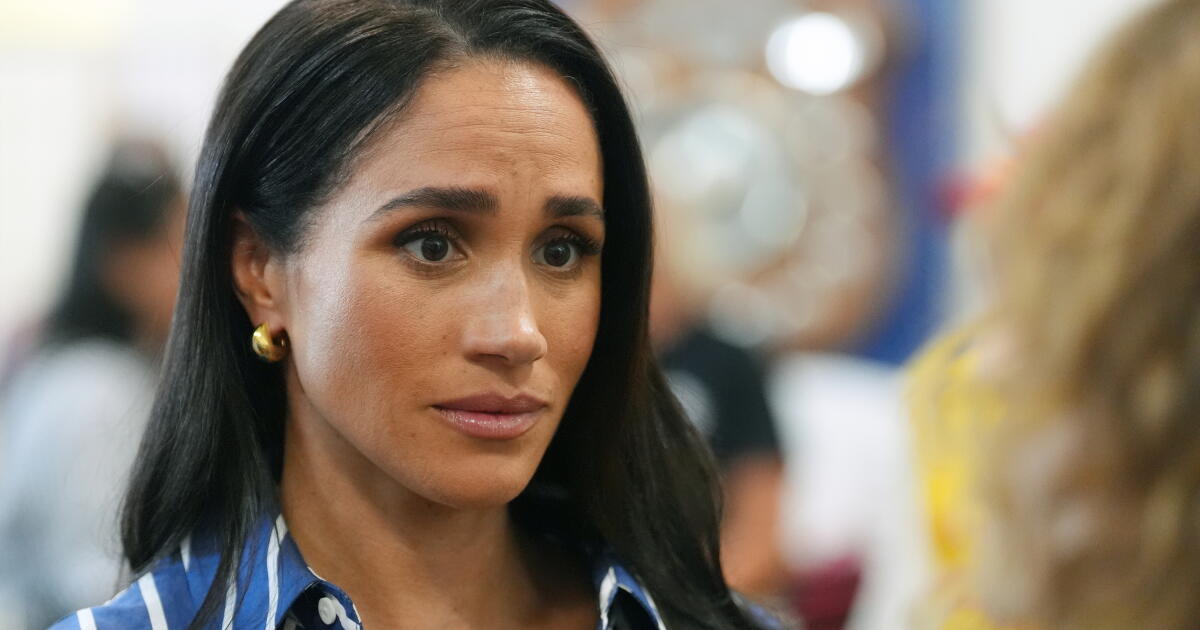
Meghan Markle is “distressed” following reports that her half-brother Thomas Markle Jr. found explicit material involving minors in their father’s possession.
On Thursday, British tabloid the Sun reported that Thomas Jr. claimed he’d found “hundreds, if not thousands” of child pornography images inside four large boxes at the Cebu, Philippines, home of his father, Thomas Markle Sr., and contacted authorities.
Meghan’s team issued a statement to The Times on Friday, writing that she was “deeply distressed” by the news.
“My thoughts are with any children who may have been harmed,” she said.
“In 2018, a letter was sent to the Metropolitan Police and Royalty and Specialist Protection. That letter was subsequently shared with me. It made troubling and disturbing allegations against my father and I was given assurances that these were being investigated,” she continued, adding, “I hope it can now be understood that, despite certain media publications’ distortion over the years, any distance from my father and my choice to not allow him to have contact with our children, was for one reason: to protect them.”
The Duchess of Sussex said that she trusted authorities were “doing the same for other families.”
“Although the breadth of what has now been uncovered is more sickening than one could ever imagine, my sincerest hope is that justice will be fully served and that the priority remains the safety and protection of innocent children.”
Meghan’s relationship with her 82-year-old father has been the subject of media scrutiny since 2018, when she and Prince Harry tied the knot. Thomas Markle Sr. did not attend the wedding.
The Met Police told People that they are looking to confirm the passing of a letter in 2018. The FBI did not immediately respond to The Times’ request for comment, but told People that the agency is aware of the allegations, will investigate any related allegations of federal violations of U.S. law, and “will provide support, as appropriate, to the Philippine authorities.”
Thomas Markle Sr. denied the accusations on Friday, calling them “bulls—” and “lies.” He told the Daily Mail that he was “shocked” and “hurt” by his son’s claims and that he “could never do” what he’s being accused of.
“It’s the worst thing anyone could accuse me of. … I have no idea why Tom is trying to destroy me with these lies.”
Thomas Markle Jr. did not immediately respond on Friday to The Times’ request for comment, and Thomas Markle Sr. could not be reached for comment.
The news comes shortly after Meghan and Prince Harry closed their California chapter and returned to England with their children, Archie, 7, and Lilibet, 5.
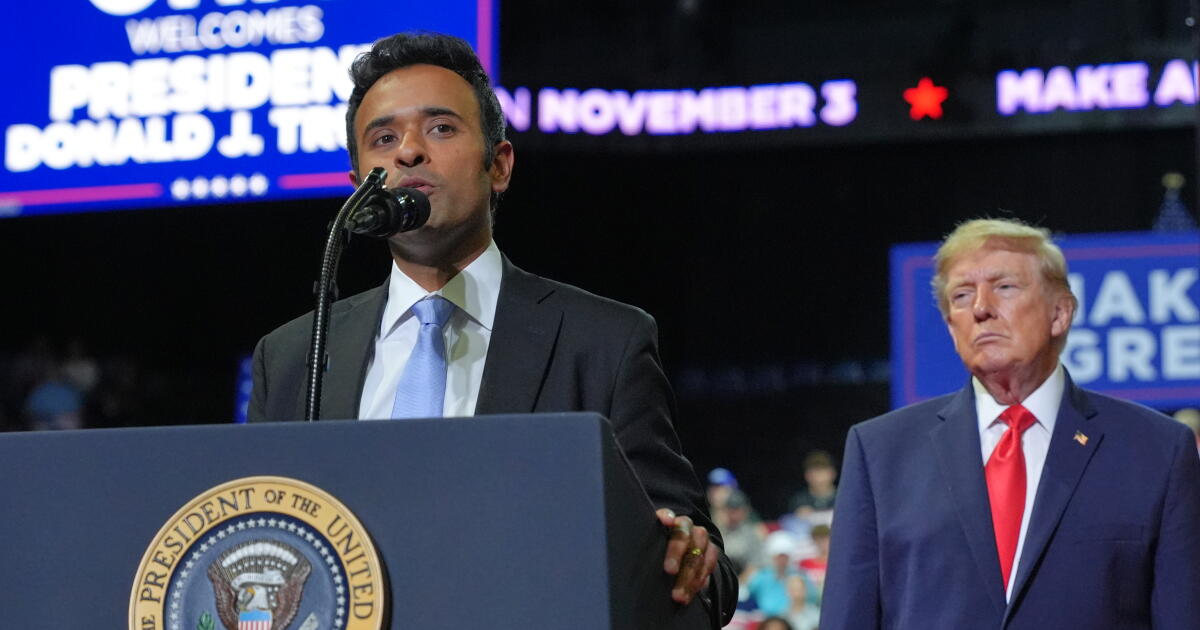
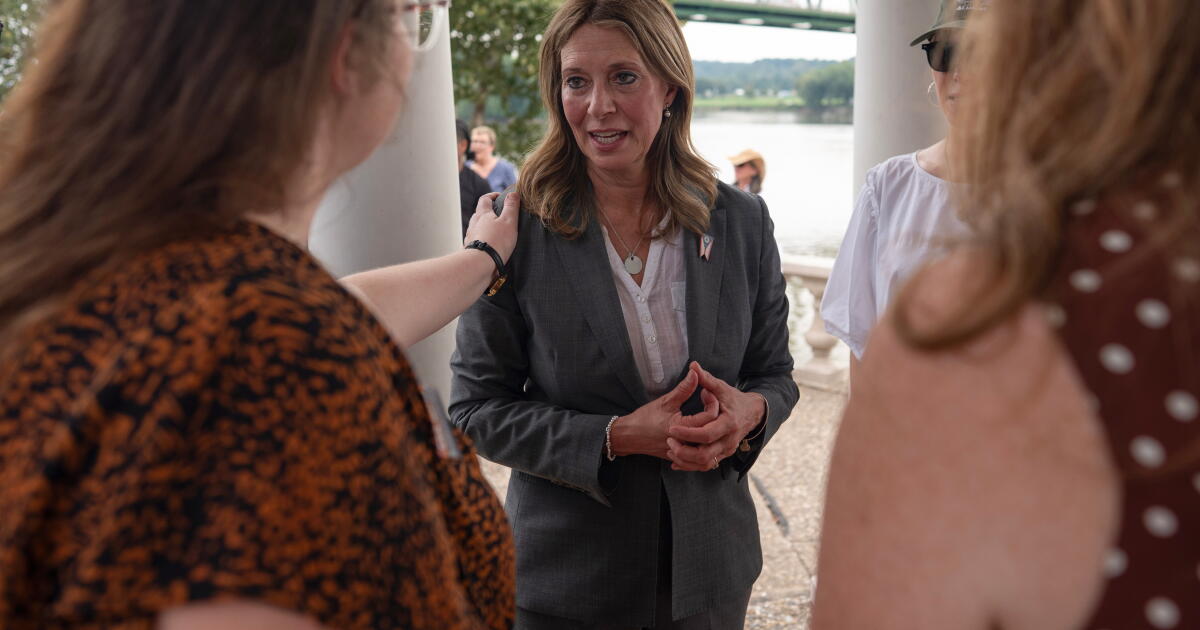
COLUMBUS, Ohio — President Trump said Thursday that Vivek Ramaswamy, the Republican nominee for Ohio governor, should keep running a controversial ad featuring the estranged mother of Democratic opponent Amy Acton, posting on social media that it was “hitting pay dirt.”
Trump also denounced Ohio Republican Gov. Mike DeWine, who criticized the ad as “deeply, deeply troubling” earlier in the day. Acton previously served in DeWine’s administration as a health official. Her mother lost custody of Acton and her brother after her husband — the children’s stepfather — was indicted on a charge of raping Acton.
“He strongly suggested that Vivek should, ‘take down the Ad,’ ” Trump wrote. “He probably wants a Dumocrat to win, and certainly doesn’t want someone who will do a much better job than he is capable of doing. I suggested, on the other hand, that Vivek should keep it up, and let everyone listen to the mother of a defective, dishonest, and incapable Candidate, explain how the daughter is a DISASTER who, uncontrollably, lies, cheats, and steals!”
At a gathering with reporters at the Ohio Statehouse, DeWine recalled the painful experiences of rape victims he dealt with as a county prosecutor and state attorney general.
“It’s wrong to run this ad,” he said. “And, even at this late time — my wife, Fran, saw the ad just run this morning on TV — I would just urge the Ramaswamy campaign to take this down.”
The term-limited DeWine’s remarks place him at odds with Ramaswamy, whom he has endorsed. The biotech entrepreneur and former presidential candidate plans to spend $4 million to broadcast it online and on television.
DeWine stops short of pulling his endorsement
But the governor stopped short of pulling his backing of the Republican for now. DeWine recalled a previous line of attack by the Acton campaign had mentioned Ramaswamy’s mother and said that also was wrong — “family members have always historically been off limits” — though he noted it was never used in a multimillion-dollar ad campaign.
That critique from the summer cited an investigative report into Geetha Ramaswamy’s role at a pharmaceutical company run by her son, whom Acton and Democrats described as “hiring his own mother to manipulate clinical trial data.”
The Ramaswamy campaign called those claims “slanderous” and said he’s being held to a different standard than Acton and other Democrats who have attacked Republicans’ families.
“Governor DeWine is correct that the first and only candidate to attack the mother of her opponent in this race was Amy Acton,” spokesperson Connie Luck said in a statement, adding, “We refuse to accept the media’s double standards.”
Ohio Republicans divided over the ad
By chiming in, DeWine has entered the fray of a growing rift among Ohio Republicans over the advertisement — as both the governor’s race and a race for U.S. Senate appear far tighter than expected in a state Trump won handily three times. The video features Acton’s birth mother, Donna Arthur, calling her “a liar” and insinuating she has mental health issues.
Acton, Ohio’s COVID-19-era health director, has made no secret of facing homelessness and abuse as a child. Arthur lost custody of her children after their stepfather, Arthur’s husband, was indicted on a charge of rape involving Acton. Acton’s campaign on Tuesday posted a video of her brother, who supported her backstory about living in a tent and being abused.
Republican Vice President JD Vance, an Ohio native son, expressed disgust during an Ohio campaign swing Wednesday with Republicans “whining” about the ad as low and in poor taste. But Republican U.S. Sen. Jon Husted, DeWine’s former lieutenant governor — running in a tight retention race against Democrat Sherrod Brown — has said he would not have run the ad, as has Republican Secretary of State Frank LaRose, who is running for state auditor.
Another influential Ohio Republican, former U.S. Rep. Jim Renacci, posted a lengthy essay on X overnight, suggesting that “the floor may have just fallen out from under the Republican campaign for Ohio Governor” and urging every Republican to distance themselves from it.
Amid the turmoil, Ohio Republican Party Chairman Alex Triantafilou posted what sounded like a warning, or a threat.
“The final days of a tough campaign are always the best time to find out who is really with you and who just posts and pretends,” he wrote. “Yes—we are keeping score.” The quote was followed by a winking-eye emoji.
Ad has faced bipartisan rebukes, support in conservative media
The ad is also dividing Republicans nationally.
Nikki Haley, who sparred with Ramaswamy during the 2024 Republican presidential primary over the personal nature of his attacks, called him “a bad guy” in a social media post Tuesday. “It’s a shame he continues to get away with it,” she wrote.
At the same time, Media Matters for America, a left-leaning media watchdog group, has reported that many within the national conservative media are promoting and praising the ad. Ramaswamy’s campaign manager, Jonathan Ewing, characterized it as “a campaign-ending moment for Amy Acton.”
Wayne Allyn Root, of Gateway Pundit, called it “absolutely hilarious” and Daily Wire host Michael Knowles described it as “brilliant.”
Police and court records show Cledith Arthur was arrested and charged with the rape of Acton in July 1978, when she was 12, after her biological father lodged a formal complaint against him. The abuse allegedly happened from December 1976 to April 1978. Cledith Arthur failed to show for a court appearance and became a fugitive.
Donna Arthur remained married to him until his death in 2004.
Class action could be first in Australia to blame social media for harming its users.
Published On 22 Oct 202622 Oct 2026
Meta and its social media platforms Facebook and Instagram are facing a class action lawsuit in Australia over allegations that addictive design features are harming children and teenagers.
The lawsuit, filed by MinterEllison in the Australian Federal Court, seeks to recover compensation for current and former users of Facebook and Instagram who claim they were exposed to harmful content or developed an addiction to social media as a result of using those platforms, the law firm said in a statement released on Thursday.
Recommended Stories
list of 3 itemsend of list
“This proceeding raises important questions about the design and operation of social media platforms and their impact on children and teenagers in Australia. Those questions will now be considered through the Federal Court process,” MinterEllison Partner William Nolan said in the statement.
The class action suit was filed on behalf of eight plaintiffs who allege they were harmed by Meta while they were below the age of 18.
In a suppression order on Monday, the court prohibited the reporting of any information that could reveal their identities and the statement of claim.
“We are aware of this claim and we will defend ourselves vigorously,” a Meta spokesperson said.
Litigation Lending Services said it was funding the class action for Australian families who “would have no practical means of pursuing these claims against a global technology giant”.
The lawsuit comes amid rising tensions between Australia and Big Tech after a world-first ban on social media for children below 16 in 2025, and newly proposed rules that could let users switch off algorithm-driven content on their feeds.
Meta agreed in August to pay $18bn to settle with nearly all US states to resolve claims that it designed social media to addict children.
An Israeli settler was filmed shouting at and assaulting a Palestinian child during an attack on a family east of Yatta, in the occupied West Bank, where settler violence has surged in recent years. Rights groups say perpetrators are rarely held accountable.
COLUMBUS, Ohio — Republican Vivek Ramaswamy ’s team confirmed late Tuesday that it produced a controversial advertisement featuring the estranged mother of Amy Acton, and the campaign said it will spend $4 million to promote it despite facing bipartisan rebuke for dredging up the painful childhood of his Democratic opponent in Ohio’s governor’s race.
The decision exacerbates a deeply personal element in one of the country’s most closely watched and expensive campaigns for state office. Questions about the video will likely shadow Ramaswamy, a biotech billionaire who previously ran for president but has never before held public office, in the final two weeks of the contest. Democrats said he was growing desperate at a moment when more than 676,000 people have already cast ballots in Ohio.
The advertisement features Acton’s birth mother, Donna Arthur, calling her “a liar” and insinuating she has mental health issues. Acton, Ohio’s former public health director, has made no secret of facing homelessness and abuse as a child. Arthur lost custody of her children after their stepfather was indicted for raping Acton.
The video’s origins were initially murky when it started circulating online. It first surfaced in a post by an Ohio political blogger, then spread across social media. It did not include the “paid for” tag that is legally required to air on television so viewers can know who produced and paid for it. D.J. Brynes, who blogs as “The Rooster,” told CNN he got the video from a voter who viewed it as part of a poll and recorded it.
Connie Luck, a spokesperson for Ramaswamy’s campaign, said Acton’s mother was not paid for the one-minute video, which she said will stream online and air on television.
Acton spent Tuesday condemning Ramaswamy for the ad even before his campaign confirmed its provenance.
“I won’t normalize somebody who has said that my childhood is just something I’m complaining about, who today just released an ad using my birth mother, who I was removed from at the age of 12 for severe abuse and neglect, and sexual abuse,” she told Spectrum News, a cable news outlet in Ohio.
She said Ramaswamy made similar personal attacks during his run for the Republican presidential nomination two years ago, calling it “a lifelong pattern.”
Ramaswamy’s campaign initially issued a statement that did not address whether he was responsible for the ad or knew who produced it. In the earlier statement, Luck said Acton “has some serious problems with the truth that the public needs to be aware of.”
Democrats and Republicans condemn the ad
Casey Putsch, a car designer and YouTube provocateur who competed against Ramaswamy for the Republican nomination for governor, said on social media that he would be voting for Acton in the wake of the ad’s release. He called the video “pretty damn low.”
Acton’s campaign released a statement from her brother, Philip Stearns, who said the two were removed from their mother Donna Arthur’s custody as children after their stepfather, Arthur’s husband, was indicted for raping Acton as a child. Acton has not seen Arthur, whose last known address was in Pennsylvania, since they were in a courtroom together in 1978.
Later Tuesday, the Acton campaign released a video featuring Stearns, who recalls his older sister taking “the worst” of the abuse they faced as children in order to protect him and disparages Ramaswamy and his allies for exploiting the situation.
According to police and court documents obtained by the Associated Press, Cledith Arthur was arrested and charged with the rape of his stepdaughter, then 12, in July 1978, after Acton’s biological father reported him to authorities. The abuse allegedly happened from December 1976 to April 1978.
Cledith Arthur pleaded not guilty. He was indicted by a grand jury that September, but failed to show at a court hearing and remained a fugitive until at least 1981. He has since died.
High-profile Republicans who back Ramaswamy — including Donald Trump Jr. and influencer Laura Loomer — elevated the video in online posts.
But others joined Democrats in condemning the ad. Meghan McCain called it “dastardly” and Dan Hauser, a strategist for Republican Sen. Mike Lee of Utah, said he deleted his post sharing the video once he realized “the very serious accusations that caused their issues.”
The Democrat running for U.S. Senate in Ohio, Sherrod Brown, described the spot as “disgusting” and said everyone — including his opponent, Sen. Jon Husted — should be willing to condemn it. Husted’s campaign didn’t respond to a request for comment.
Smyth writes for the Associated Press. AP writer Ali Swenson in New York contributed to this report.
HM Passport Office (HMPO) has issued an alert to parents and caregivers
Families may want to take note(Image: Images By Tang Ming Tung via Getty Images)
HM Passport Office (HMPO) has issued an alert to anyone planning to apply for a new or replacement passport for a child.
A valid passport is needed for anyone, including children, to travel abroad. Prior to October 5, 1998, children under 16 years old could be included on a parent or family member’s passport. But since this date, all children – regardless of age – are required to hold their own individual passports to travel internationally. The sole issuer of UK passports, HMRC, shared a message on X, formerly Twitter, on Tuesday.
It reads: “A child’s application must be completed by a person with parental responsibility. You’ll also need to provide documentation to confirm this.”
Parental responsibility is automatically granted if you give birth to the child. If you are a father or second female parent, you may have automatic parental responsibility depending on your personal circumstances.
You will also typically have automatic parental responsibility if you are married to or in a civil partnership with the birth mother at the time of the child’s birth. The child’s biological father will automatically acquire parental responsibility if they marry or enter into a civil partnership with the child’s birth mother after the child is born.
Content cannot be displayed without consent
If your child was conceived via fertility treatment, you will automatically have parental responsibility provided you consented to the treatment and are married to or in a civil partnership with the birth mother. Should you not be married to or in a civil partnership with the birth mother, parental responsibility can be obtained by jointly registering the birth alongside the mother.
Separate rules apply when registering a birth for same-sex couples. Should the birth not be registered together, an application for parental responsibility can be made.
How much is a passport for a child?
At present, a new or replacement passport for a child costs £66.50 when applying online, or £80 when submitting a paper form. This is the price for a standard 34-page document.
Should you require a “frequent traveller” 54-page child’s passport, this will cost £80.50 or £94 when applying online or via the paper form, respectively.
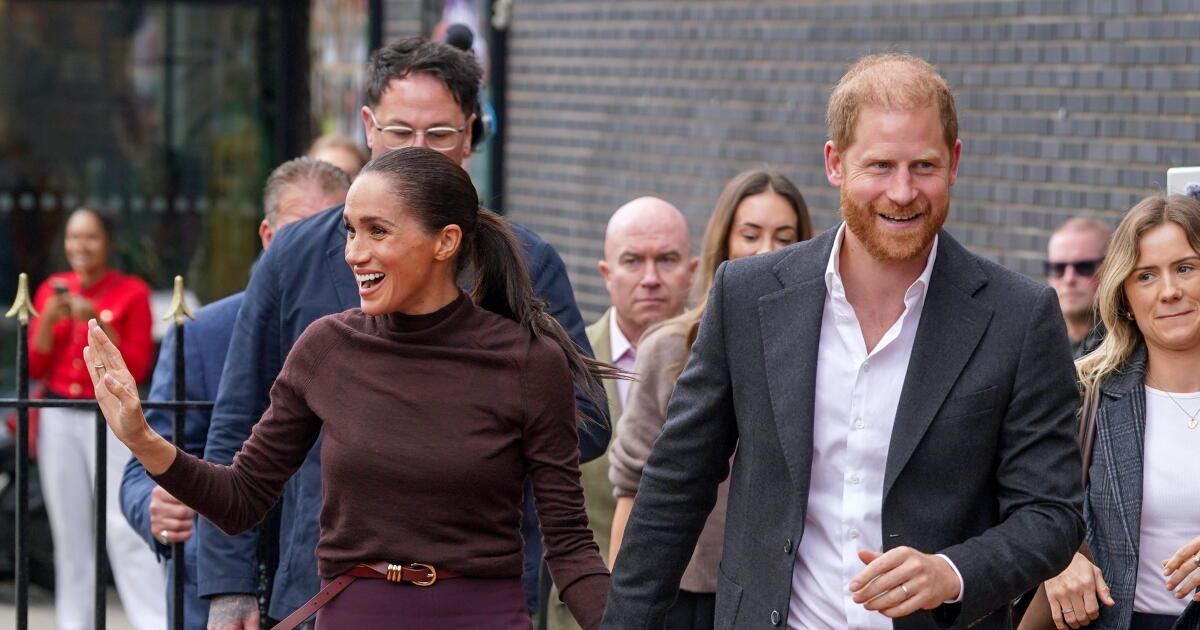
Prince Harry is opening up about his and wife Meghan Markle’s unexpected decision earlier this year to move back to the United Kingdom years after their dramatic fallout with the British royal family.
The Duke of Sussex spoke about the move in an interview with GQ’s Zach Baron, explaining that he and the duchess of Sussex returned to Britain for “opportunities for the family.” Prince Harry — promoting his session on grief with neuroscientist Dr. Mary-Frances O’Connor for the MasterClass online platform — said the ability to put his and Meghan’s two children “in a British school has meant a lot to me” as was being “back closer to my family.”
“To be back on U.K. soil for longer than a few days or a week here or there,” he continued, “it’s nice to be back.”
Reports of Harry and Meghan’s return to the United Kingdom surfaced in August after the spouses made clear in 2020 that their departure was due to several factors, including severe scrutiny by the British media and alleged racism and bullying by the royal family. During the GQ interview, published Tuesday, Harry said he felt more confident and “optimistic” about returning to the U.K. and its tabloid scene, saying, “I can respect them if they respect me and our position.”
After Harry and Meghan separated themselves from the British family, they settled in California in the affluent neighborhood of Montecito. While in the United States, the pair took on a variety of media ventures — including a podcast, a television series and documentaries — under their multimedia company Archewell Productions. Memorably, Harry also penned his memoir, “Spare,” in 2023, providing readers a look at his family and his scathing view of the paparazzi. Subject to media scrutiny for nearly the entirety of his life, Harry told GQ, “I prefer me to be putting things out there rather than the machine creating stuff.”
“Why not try to be in control of your own story?” he added. “Because if they can’t be responsible enough to tell your story, then you have to tell your own story.”
Prince Harry also said in the interview he felt the stars aligned for his and Meghan’s return and that their two children, Prince Archie and Princess Lilibet, had been “loving” their time attending British school. “It’s just giving them a whole different experience.”
As for his other family members, brother Prince William and father King Charles III, Prince Harry said, “I want it to work out.”
“Of course I do. Again, with everything else that’s going on in the world, the most important thing is to reconcile,” he said. “That’s the key point.”
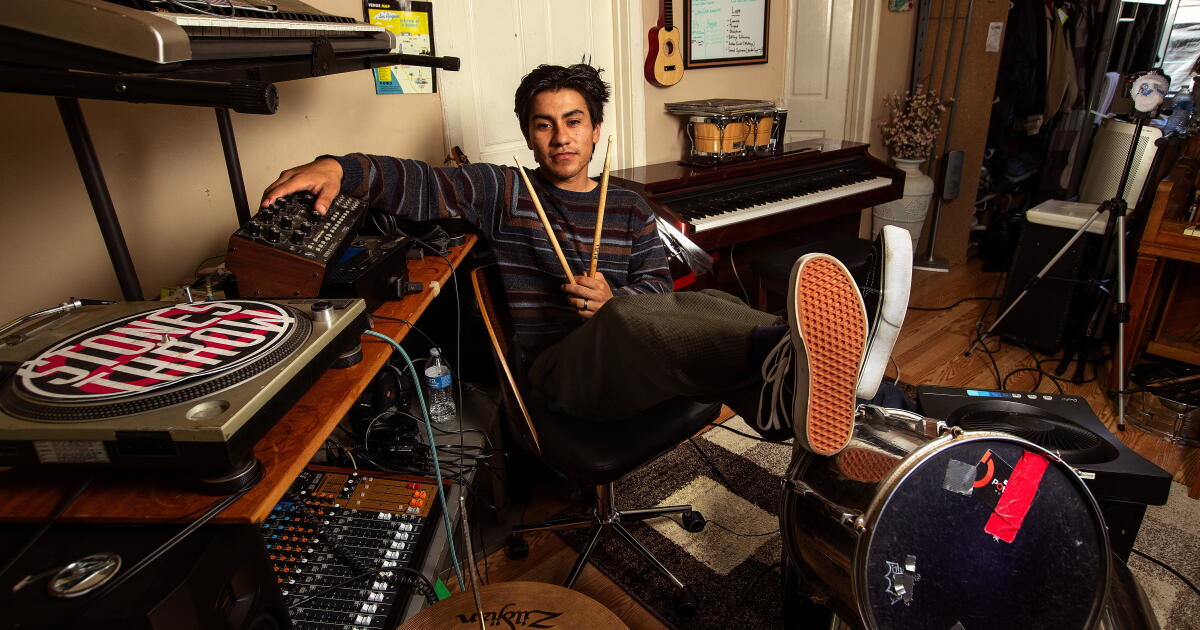
Maurisio “Mauri” Tapia, the frontman of the popular SoCal indie rock act Los Retros, has been charged with four felony counts of unlawful acts with a child under the age of 10.
Tapia, a 26-year-old Moorpark resident was arrested on Oct. 8 and booked with bail set at $3 million. He was charged in Ventura County Superior Court on Monday, according to court records, and did not enter a plea.
The charges come with additional special allegations, around the victim’s vulnerability and that Tapia abused a trustworthy position. His next court date is Thursday.
Los Retros became an influential act in a wave of Latino bands drawing from vintage Mexican balladeers, American oldies and modern indie rock. Tapia played the Coachella Valley Music & Arts Festival this year, and singles like “Someone to Spend Time With” and “Amtrak” have millions of streams and monthly listeners.
The project was a prominent act on Stones Throw Records, which had initially booked Los Retros to co-headline its 30th anniversary festival.
In a statement posted to social media, Stones Throw said that “Yesterday we learned of extremely serious and disturbing allegations against Mauri Tapia, professionally known as Los Retros. We had previously announced the cancellation of his scheduled performance at Stones Throw 30 before we were aware of these circumstances. In light of this information, we are taking steps to disassociate ourselves from Tapia and his work. We take these allegations extremely seriously and will continue to assess the situation as more information becomes available.”
Several Palestinians have been injured by Israeli settlers, and farmers have been arrested by Israeli forces during Israeli pogroms across the occupied West Bank.
Four women and a child were among six people injured on Saturday when Israeli settlers attacked residents in Ma’in village in the Masafer Yatta area, south of Hebron, according to the Palestine Red Crescent Society (PRCS).
In the town of Deir Ammar, west of Ramallah, Israeli forces opened fire on farmers picking olives, forcing them to leave their land, according to the Palestinian news agency Wafa.
In the same area, Israeli settlers shot and injured two Palestinians. In the village of Tuqu, southeast of Bethlehem, Israeli forces fired on a Palestinian civilian vehicle.
‘Part of campaign’
In the village of Kafr Malek, northeast of Ramallah, settlers raided a farm at dawn and killed about 20 sheep, Mayor Najeh Rustum told Al Jazeera.
He added that Israeli forces had raided the village the previous night as well, firing tear gas canisters that ignited a fire in a house and caused material damage.
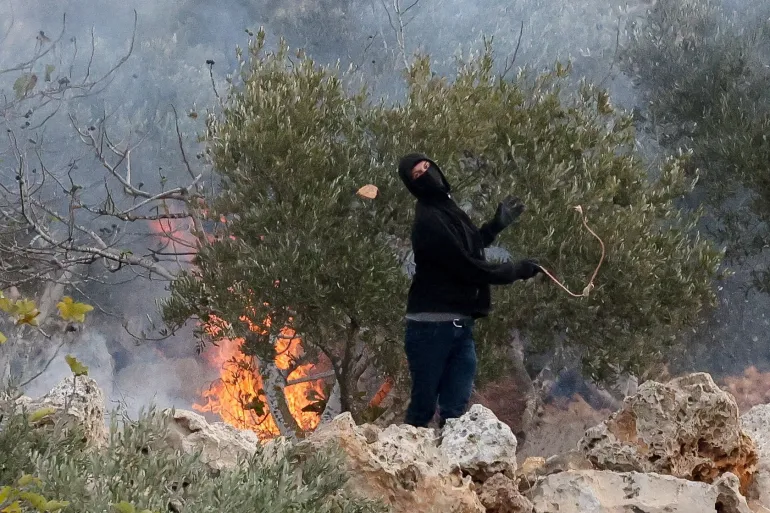
Al Jazeera’s Nour Odeh, reporting from Ramallah, said settlers destroyed olive trees across the Beit Furik plain, east of Nablus, in the northern West Bank while Israeli forces arrested landowners and olive pickers.
In the village of Deir Jarir, east of Ramallah, she said, settlers under army protection fired live ammunition at farmers in the al-Hariq area to prevent them from completing the harvest and forced them off their land. Settlers also smashed the vehicle of international activist Jonathan Budlak in the village and threw stones at a farmer’s vehicle.
A settler throws a stone towards Palestinians in Abu Falah near Ramallah on October 16, 2026, during attacks carried out as Palestinians try to harvest olives [Ammar Awad/Reuters]
In the village of Burqa near Ramallah, Israeli forces and settlers prevented farmers from picking olives, Odeh said, adding that settlers attacked farmers in the Wadi al-Sha’er area, southeast of Salfit.
“What we see, whether it’s in Beit Furik, Kafr Malek, Deir Jarir or elsewhere in the occupied West Bank, is part of a campaign,” Odeh said.
She said settlers have become increasingly emboldened, publicly advertising attack campaigns on social media platforms.
“There have been 300 documented attacks since the beginning of October, and that has had a devastating impact on a very important season for Palestinian farmers,” she said, adding that danger comes from soldiers and settlers alike as military forces routinely intervene to protect settlers and attack Palestinians defending their land.
Prominent rabbi justifies attacks
The attacks follow a religious edict issued by Rabbi Dov Lior, a prominent rabbi for National Security Minister Itamar Ben-Gvir’s Jewish Power party and a leading authority among the Hilltop Youth, which is a religious Zionist group devoted to seizing Palestinian land in the West Bank.
In the edict, Lior stated that harvesting olives in the Holy Land is entirely permitted and carries an added virtue, given security dangers.
He wrote that Jews are permitted to harvest olives even in areas far from Jewish communities to publicly display ownership of the land and fulfil God’s commandment of conquering it. He claimed the land belongs to the Jewish people and Palestinians did not buy or rent it.
Odeh said Israeli Prime Minister Benjamin Netanyahu downplays pogroms and no concrete action is taken to stop them.
“It is a matter of debate among politicians, but no one is stopping these settlers, whose names, locations and homes are known,” she said, adding that politicians permit the violence to continue because “it is politically expedient” and secures votes before elections on October 27.
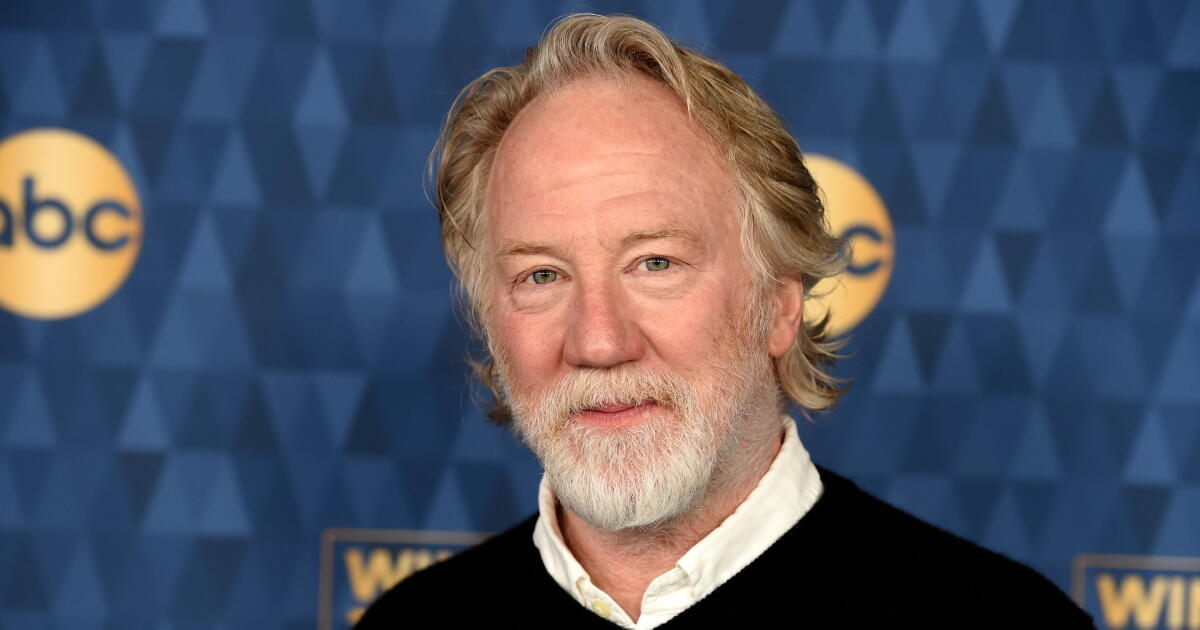
A New Mexico judge on Friday ruled in favor of Emmy winner Timothy Busfield, tossing out multiple child sex abuse charges against the actor.
During a hearing, Judge Joseph A. Montano granted Busfield’s motion to dismiss his indictment, citing prosecutorial misconduct and errors that undermined the grand jury process. According to the order, “the prosecuting attorney failed to act in a fair and impartial manner” and proceedings thus far “were conducted in a manner that violated grand jury statutes designed to protect the structural integrity of our grand jury system.”
State prosecutors had indicted Busfield in February and charged him with four counts of criminal sexual contact of a child. The since-dismissed charges stemmed from his alleged behavior with two actors, who are brothers, on the set of the Fox crime drama “The Cleaning Lady.” The actor, known for “The West Wing” and “Thirtysomething,” has pleaded not guilty to those charges.
While a legal representative for Busfield did not immediately respond Friday to The Times’ request for comment, a spokesperson for the Bernalillo County District Attorney’s Office said prosecutors are “evaluating our options to determine how we will proceed.”
A New Mexico judge issued a warrant for Busfield’s arrest in January, citing two counts of criminal sexual contact with a minor and a single count of child abuse. Busfield was accused of inappropriately touching the child actors during his time as an actor, director and producer on “The Cleaning Lady,” according to an affidavit filed by New Mexico officials.
One child actor alleged Busfield first touched his “private areas” multiple times on set when he was 7 years old, according to the complaint. He said that Busfield touched him inappropriately again several times when he was 8. The affidavit also detailed a police interview with Busfield in which he suggested that the boys’ mother might have sought “revenge” on the director for “not bringing her kids back for the final season.”
Busfield filed his motion to quash the indictment in June, alleging the court refused to provide members of the grand jury with additional information and that prosecutors refused to allow jury members to hear from other witnesses, among other claims, according to court documents.
“The State treated the grand jury not as an independent body, but as the arm of the prosecution our courts have forbidden,” the motion says. “The resulting indictment must be dismissed.” Prosecutors rebutted Busfield’s allegations in a response to the dismissal and asked the court to deny his motion.
Before Friday’s order, a jury trial was scheduled to begin May 10, 2027.
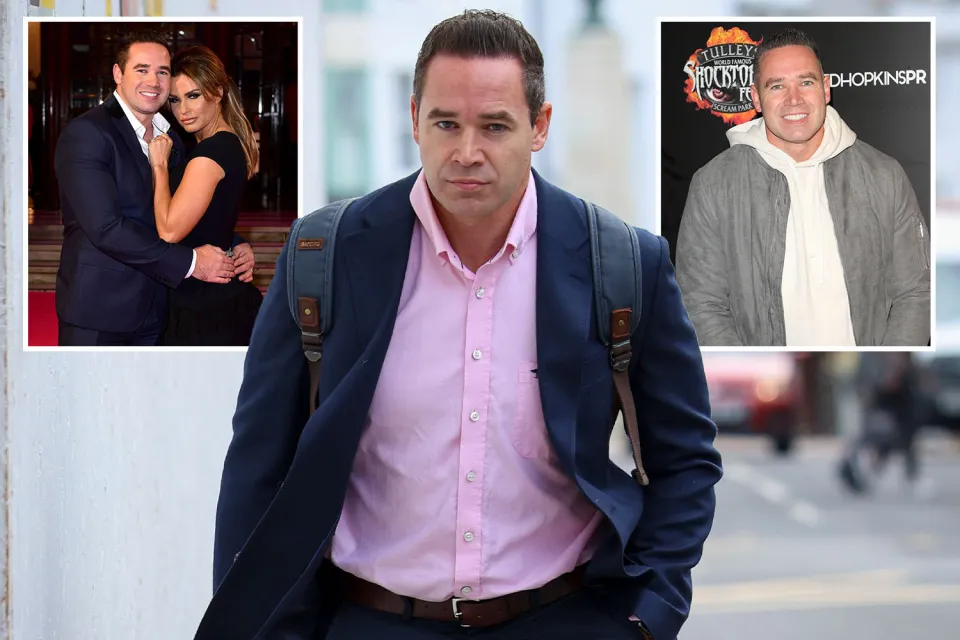
KATIE Price’s ex-husband Kieran Hayler yesterday told jurors he was attracted to older women as he denied child rape allegations.
The former stripper, 39, spoke about his affairs while married to the TV personality as he gave evidence at his trial.
Katie Price’s ex-husband Kieran Hayler told jurors he is ‘attracted to older women’ as he denied child rape allegationsCredit: Simon JonesThe former stripper, 39, was speaking about his affairs while married to Katie Price as he took to the witness box in his trialCredit: PA:Press Association
He is accused of three rapes and one sexual assault against a 13-year-old girl.
But the judge yesterday added four alternative counts of sexual activity with a child to Hayler’s indictment, which means the jury could convict him of those lesser offences if they clear him of the original charges.
Sign up for the Showbiz newsletter
Thank you!
Hayler’s barrister, Arlette Piercy, asked him about cheating on Ms Price with three other women — including the family’s nanny, Nikki Brown — during their marriage.
He said Ms Brown was older than his then-wife. When Ms Piercy asked Hayler about his taste in women, he said: “I am attracted to older women. Michelle (Pentecost, his ex-fiancée) is also older.”
Hayler is accused of three counts of rape and one count of sexual assault against a 13-year-old girlCredit: GettyThe judge added four counts of sexual activity with a child to Hayler’s indictmentCredit: Getty
Hayler mentioned the two other women only by their first names, saying: “Jane was 16 years older than me and Chrissy was two years older than Kate.”
Hayler has previously admitted affairs with two of Ms Price’s pals, Jane Pountney and Chrissy Thomas.
During his evidence, he went on to accuse former glamour model Ms Price of coaching the girl he was alleged to have raped at a West Sussex address in 2016.
Hayler said he used the mum of five’s fingerprint to unlock her phone, on which he found a May 2017 text exchange between her and the 13-year-old.
Hayler’s barrister Arlette Piercy asked him about cheating on Ms Price with three other women — including the family’s nanny, Nikki Brown — during their marriage, pair pictured in 2013Credit: Dan Charity – The SunHayler has previously admitted affairs with two of Ms Price’s pals, Jane Pountney and Chrissy ThomasCredit: PA:Press Association
Asked why he accessed her phone, he said: “She was making allegations that I fancied maybe 15 or 20 different people. I wanted to see who she was talking to.”
Hayler admitted he was looking for dirt about an affair he believed Ms Price was having.
He denies all of the charges against him.
The alleged victim is not a member of his or Katie’s extended family.
The trial continues.
During his evidence, Hayler went on to accuse former glamour model Ms Price of ‘coaching’ the girl he is alleged to have raped at a West Sussex address in 2016Credit: SplashHayler denies all of the charges against himCredit: Simon Jones
At least 350 Palestinian children currently face “harsh conditions” in Israeli prisons.
Published On 15 Oct 202615 Oct 2026
Israeli forces have detained more than 2,000 Palestinian children since October 2023, the Palestinian Prisoner’s Society said.
In a report released on Wednesday, the Palestinian rights group said Israeli authorities continue to escalate their targeting of Palestinian children. At least 350 Palestinian children are currently facing “harsh conditions” in Israeli prisons.
Recommended Stories
list of 3 itemsend of list
On Tuesday, Israeli forces arrested at least six children from Hebron in the occupied West Bank, the report said.
The organisation said information regarding the number of children arrested in Gaza is unclear, given the thousands of missing persons in the besieged Gaza Strip, including children, and the ongoing policy of enforced disappearance.
The group said Israel’s policy of detention without charges or a release date constitutes “an additional violation and crime that leaves children facing the unknown and deprives them of family and educational stability”.
Cases of Palestinian children in prison
The report described Israeli practices that begin with “intimidation and arrest” and extend to “torture, starvation and denial of healthcare”.
The group highlighted the case of 15-year-old Mohammed Hamid, who contracted scabies, a contagious skin infestation, while he was detained in Ofer Prison, where rights groups have long documented abuses. He suffered severe infections, underwent heart surgery and was admitted to intensive care in critical condition. He subsequently had one of his legs amputated.
The organisation also highlighted the case of 17-year-old Walid Ahmed, who died in March 2025 after six months in Megiddo Prison. In December, an Israeli judge halted the investigation into his death, stating that although there was evidence of starvation, no definitive cause of death had been established.
American children in Israeli prisons
Ahmed was imprisoned in Megiddo with his friend Mohammed Ibrahim, a teenager from Florida. Ibrahim was released after months of advocacy from US-based organisations and appeals from high-ranking lawmakers.
Mohammed Ibrahim was not the only young American held in Israeli prison without charge – Israeli forces reportedly took Abdalkareem Issa Ahmed Safi from his West Bank home in a late-night raid in June. He turned 18 in detention, and authorities subsequently moved him from a youth holding area into an adult section at Ofer Prison.
Similarly, Israeli forces arrested 16-year-old Adam Wajeh Abdelfattah Karakrah, also an American, in July. Although he was set for release in August after his family secured bail, Israeli authorities abruptly reversed the decision to free him.
The Palestinian Prisoner’s Society called for “real international action” to ensure the release of arbitrarily detained children, enforce investigations and end torture, starvation and the denial of treatment in Israeli prisons.
Israeli forces have detained more than 25,000 Palestinians in the West Bank, and thousands more in Gaza, since Israel’s genocidal war began in October 2023.
Mexico will require the digital platforms to protect minors from violent and sexual content.
Published On 14 Oct 202614 Oct 2026
Mexican President Claudia Sheinbaum signed a presidential decree requiring digital platforms, including TikTok, Meta and X, to protect children from violent, sexual and other harmful content online.
The decree establishes that digital platforms must, by design, restrict exposure to content involving violence, harassment or sexual abuse, as well as immediately remove any risky material from the profiles of minors.
Recommended Stories
list of 4 itemsend of list
Sheinbaum said on Wednesday that the government would back legislation to penalise companies that fail to implement the decree.
“If no progress is made, it would become a law,” she told a news conference on Tuesday.
“The goal is for digital platforms to take on some of the responsibility and refrain from disseminating, promoting, or spreading content related to this type of information — including criminal acts or violent behaviour,” Sheinbaum had said earlier when she indicated she would introduce the decree.
The decree comes after an attack by two 18-year-olds on their former high school in the northern state of Coahuila in early October that killed one and wounded three others.
Digital platforms will have one month to comply with the decree, government adviser Luisa Maria Alcalde said.
Officials said they had already discussed the matter with representatives of social media outlets and streaming platforms such as Meta, Microsoft, Apple, TikTok, Google, X and Huawei.
Instagram, TikTok, Snapchat, Kick, YouTube, Facebook, Twitch, Reddit, Threads and X applications are displayed on a mobile phone [File: Hollie Adams/Reuters]
Last August, Meta, for example, agreed to pay an $18bn settlement in a major US federal case accusing it of endangering children, and was forced to introduce new safety features to platforms including Instagram and Facebook. The lawsuit alleged Meta had violated the Children’s Online Privacy Protection Act by collecting, retaining, and using personal data from children under 13 without proper parental consent.
Mexico’s move follows a broader global push to protect minors online, with governments in Europe and Australia tightening oversight of digital platforms and US states pursuing a range of child-safety measures.
Brazil has also moved to strengthen protections for children online. Such measures have raised questions over how to protect minors while safeguarding privacy and freedom of expression.
Sean and Heidi Cripe will never forget the call from their son’s high school saying Davis was being taken to the emergency room.
“He chugged an energy drink — like, just trying to be cool,” said Sean Cripe, recounting the day nearly a decade ago.
The teen’s heart soon fell out of rhythm and he died. While such deaths are rare, doctors across the country have warned for years that energy drinks contain high levels of caffeine that can seriously harm children, causing problems such as abnormal heartbeats, increased heart rate, sleep disturbances, dehydration, agitation, high blood pressure and seizures.
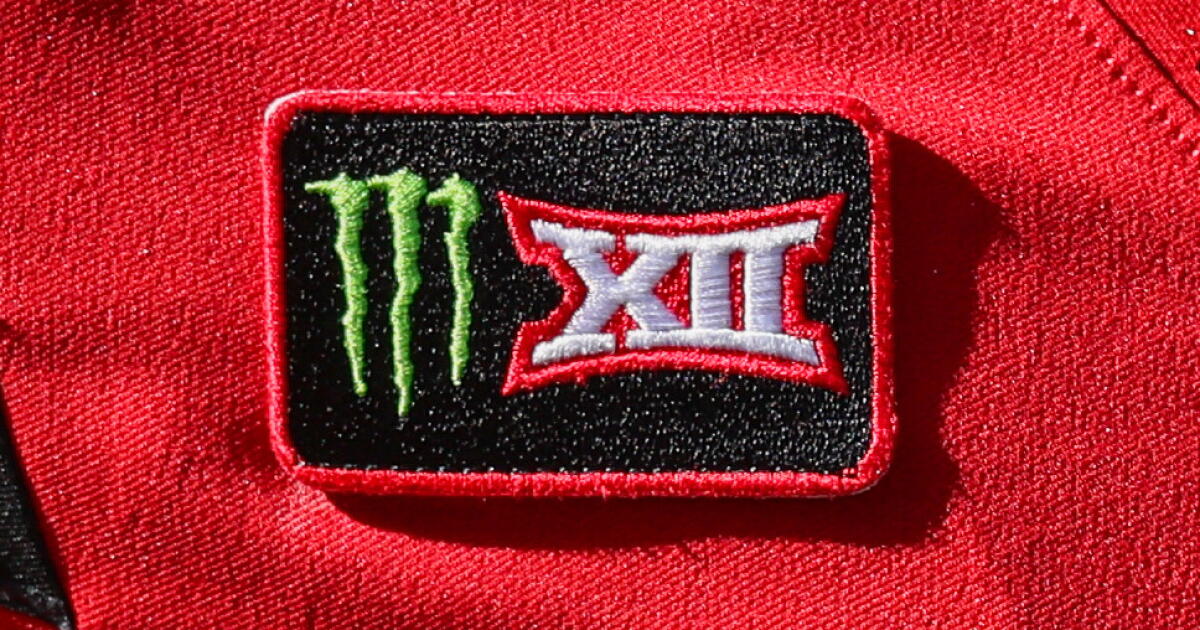
A newly formed coalition of doctors is highlighting these risks in the wake of a sponsorship deal between Monster Energy and the Big 12 Conference college athletic organization. The group has asked conference leaders to pause the sponsorship and the NCAA to review energy drink marketing to youths in general, citing the deaths of three children including Davis, a 16-year-old from South Carolina.
The doctors stress that they’re not just concerned about Monster but all energy drinks and any similar partnerships.
“Kids are going to see energy drinks now promoted by the universities and the athletes that they admire and want to emulate,” said Dr. Matthew Nelson, an Idaho cardiologist involved with the effort. “The kids will think of them as sports drinks, which they’re not.”
Too much caffeine can harm kids in many ways
Various medical groups, including the American Academy of Pediatrics, say children and teens should avoid energy drinks altogether. Yet many are not. According to the latest results of the federally funded Monitoring the Future survey, run by the University of Michigan, 23% of 12th-graders, 20% of 10th-graders and 18% of eighth-graders reported consuming energy drinks daily.
Depending on the product, caffeine content can range from 80 to 300 mg per serving. By comparison, a typical 8-ounce coffee contains about 80 to 100 mg and some sodas contain 50 mg or less. Overall, the pediatrics academy recommends children ages 12 to 18 limit caffeine to 100 mg a day. Younger kids are discouraged from consuming any caffeine.
Caffeine and other stimulants increase heart rate and the reactivity of the nervous system — basically “how fast things go in the body, which can create an overload of the system,” said Dr. Tamara Hannon, an Indiana pediatrician who chairs the academy’s nutrition committee.
She likened it to running a blender until the motor heats up too much. “The same thing can happen when you deliver stimulants to people,” she said. “The heart can wear out, the nervous system can go haywire and you can have really serious consequences.”
Mixing different types of caffeine can be risky
Children with preexisting conditions such as high blood pressure are at especially high risk, Hannon said, but even healthy children who get too much of a stimulant can have serious problems. That includes young athletes.
Another consideration: Kids often drink various types of caffeinated beverages. That was the case with Davis Cripe, who died in 2017. According to the coroner at the time, Davis had no prior heart condition and drank a Mountain Dew and a latte from McDonald’s earlier in the day. He experienced arrhythmia after having the energy drink.
It wasn’t the first time Davis drank one, although he didn’t consume them regularly.
“We had talked to him and let him know that they weren’t healthy,” Sean Cripe said. “We didn’t understand they could be deadly.”
Trade group says the energy drink industry tries to protect kids
The American Beverage Assn. — which includes Monster and other companies comprising 94% of the energy drink category — said members voluntarily disclose caffeine totals on product labels, which carry advisories such as: “Not intended for children, pregnant or nursing women, or persons sensitive to caffeine.” Members also don’t sell or market energy drinks in K-12 schools.
Monster Energy said in a statement that caffeine and other drink ingredients are found in a broad variety of food products. “Mainstream energy drinks have been marketed worldwide for more than 30 years and more than 100 billion energy drinks have been sold and safely consumed globally,” the company added.
The deal between Big 12 and Monster calls for a co-branded logo on football and basketball jerseys, fields and courts, and across digital and social media channels.
“The energy drink category is not new to collegiate athletics,” the Big 12 Conference said in a statement, adding that beverage companies are always looking for ways to reach sports fans.
The NCAA doesn’t have the authority to regulate conference or school sponsorship agreements, Dr. Deena Casiero, the association’s chief medical officer, told the doctor group in a letter. She said the association offers schools educational resources on caffeine and student-athlete health, and caffeine has been a topic of interest for an NCAA committee, which recently commissioned a cardiac advisory group.
How to educate kids about excess caffeine
To protect children, teachers and coaches can educate them about the dangers of too much caffeine and the difference between energy drinks and sports drinks, according to the U.S. Centers for Disease Control and Prevention. Sports drinks are designed to help replace water and electrolytes lost through sweating after activity.
Parents and other adults can also model good behavior by not consuming energy drinks in front of kids.
On a related topic, Harvard Medical School experts say there’s no scientifically valid evidence behind the common belief that caffeine can stunt a person’s growth.
At well visits, parents should talk with pediatricians about all the beverages their children are consuming, said Hannon, who often advises families to “Rethink your drink.”
Sean Cripe said sharing stories like his could also help children understand that energy drinks are not for them.
At the Republican Party’s midterm convention, President Trump said he would make his crusade against transgender rights a major campaign issue ahead of the Nov. 3 election — calling the message that “men should not be playing in women’s sports” one of his party’s “great sound bites of all time.”
During a recent campaign trip, Gov. Gavin Newsom, a longtime LGBTQ+ advocate and likely Democratic contender for president in 2028, stood by his remark last year that allowing transgender athletes to compete in girls’ sports is “deeply unfair,” saying, “I haven’t been able to figure out how to make it fair from my perspective.”
For the second election cycle in a row, the rights of transgender people have taken center stage politically, despite their accounting for only about 1% of the U.S. population and many voters identifying other issues as far more important — splitting Republicans and Democrats, but also Democrats among themselves and putting the party on the defensive.
Transgender athlete AB Hernandez, third from right, sits with other athletes at the CIF State Track Championship finals in Clovis on May 30, 2026.
(Tomas Ovalle / For The Times)
The politics are part of a much broader, international battle playing out in education, sports and the law, from local California classrooms and high school sports to the Olympic stage and the U.S. Supreme Court. Polling for years has shown most Americans oppose discrimination against transgender people, but also that a majority — including a substantial portion of Democrats — oppose transgender athletes participating in girls’ sports and children receiving gender-affirming care such as surgery or puberty blockers.
Republicans are pushing a well-funded message that transgender rights should be dismantled across the board, in healthcare, education, sports, the military and public spaces such as restrooms. Conservative mega-donors such as Elon Musk have spent millions amplifying that message in competitive races from Alaska to Ohio to Texas.
And to some degree, those tactics have worked. While many Democrats have ardently defended transgender rights, particularly in California, others in the party have sided with Republicans or softened their support.
Democratic Senate candidate James Talarico appears with Jeffrey Epstein abuse survivors in Dallas on Sept. 10.
(Anja Schlein / Dallas Morning News )
James Talarico, the Democratic U.S. Senate candidate in Texas, backpedaled from past votes by saying young transgender athletes shouldn’t be allowed to play “if it risks safety or fairness,” while others including Rob Sand, a candidate for Iowa governor, and Rep. Marcy Kaptur (D-Ohio) have said they shouldn’t play.
Such messaging has dismayed transgender people and their families, as well as LGBTQ+ rights groups who have been trying to refine Democratic messaging on trans issues since Vice President Kamala Harris — another longtime LGBTQ+ advocate from California — responded to Trump’s anti-trans attacks in 2024 with a message some considered muddled.
Imara Jones, a transgender journalist and founder of TransLash Media, a platform built to spotlight trans people’s own experiences, said the party’s conflicting messaging “underscores the degree to which the Republicans have actually successfully weaponized trans issues.”
“You’re seeing a really sharp political calculus among Democrats,” Jones said, with those “in tight races, where they need to have Republican votes,” bending one way, and others who “want to make a statement about principle” and defending LGBTQ+ rights moving in the other.
Many Democrats in California say they believe the issue is a moral one and that Democrats only hurt themselves by ceding ground on human rights.
A volunteer for Toni Atkins, the former president pro tempore of the California State Senate, is silhouetted holding a Pride flag at the Harvey Milk Coachella Valley Diversity Breakfast, at the Palm Springs Convention Center in Palm Springs Thursday, May 8, 2025.
(Allen J. Schaben / Los Angeles Times)
“The solution is not to be ambiguous, but to be firm that we support basic human rights and the basic humanity of trans people,” said state Sen. Scott Wiener (D-San Francisco), a leader on pro-LGBTQ+ legislation running to replace retiring Rep. Nancy Pelosi (D-San Francisco). “Then go on to talk about the big issues facing our country, like this illegal war, like the fact that Congress has done nothing to regulate AI, like the explosive cost of energy and child care and housing.”
A national conversation
Trump has signed executive orders to bar transgender athletes from competing in girls’ sports, prohibit federal funding for gender-affirming care for youth, oust transgender service members from the military and deny recognition of transgender and nonbinary identities on critical documents such as passports.
The Justice Department has sued California and other states over their trans-inclusive sports policies, and successfully threatened large hospitals into ending gender-affirming care programs. The Centers for Medicare and Medicaid Services barred federal Medicaid spending on gender-affirming medication or surgeries for minors.
Martin Makary, commissioner of the Food and Drug Administration, speaks at Health and Human Services headquarters in Washington on Dec. 18, 2025.
(Stefani Reynolds / Bloomberg)
Trump campaigned on such policies, and he and other Republicans clearly see them as helpful in the midterms. In his convention speech, Trump said he’s been surprised more Democrats haven’t abandoned transgender rights given polling showing a majority of Americans oppose transgender athletes in girls’ sports.
“They say it’s an 80/20 issue,” Trump said, in an apparent reference to a January 2025 New York Times/Ipsos poll that found 79% of respondents believed transgender athletes should not be allowed to compete in women’s sports. More recent polls have shown a smaller majority opposed.
Demonstrators at a Rainbow Families Action march in Emeryville, Calif., on Dec. 8, 2025.
(Jessica Christian / San Francisco Chronicle )
Arne Johnson, a Bay Area father of a transgender child who helps run the advocacy group Rainbow Families Action, said being targeted by Republicans is scary, but watching Democrats “find ways to be more flexible about the rights of human beings” has been profoundly disappointing.
But he said he’s also been encouraged by some more recent polling showing Americans moving back toward the middle on transgender rights, which he believes is in part due to people being deluged with anti-trans ads getting frustrated that the political conversation isn’t focused on issues they care more about, like affordability and healthcare.
Ramiro Sarmiento, a spokesperson for the Human Rights Campaign, which has tracked at least $50 million in anti-trans political ads this cycle, agreed, saying, “MAGA wants to talk about trans kids because they’re losing the conversation voters actually care about.”
Conservative groups reject that framing. Many deny tht transgender people exist, while others say they are working to protect cisgender children or defend religious beliefs. They have also scoffed at Democrats who have changed their positions in the lead-up to the election, with the conservative American Principles Project accusing Talarico of only pretending to shift away from his “gender radicalism” on sports in order to win votes.
Allison Schuster, a White House spokesperson, said the Biden administration “spent four years pushing a radical agenda” of gender-affirming care for children, while Trump “pledged to restore common sense” and has since “delivered by consistently taking strong action to protect children from these dangerous, life-altering medical practices.”
The fight in California
In California, transgender athletes competing in youth sports has been raised as an issue in the governor’s race, where Republican hopeful Steve Hilton has rallied against their inclusion, and featured prominently in the races for the next state attorney general and the next state superintendent of public schools.
Transgender athlete AB Hernandez competes for Jurupa Valley High School at the 2025 CIF state track and field championships.
(Tomas Ovalle / For The Times)
Several Democrats running for Congress in the state have been criticized for their records on transgender rights, including San Diego City Councilmember Marni von Wilpert, who is seeking the redistricted congressional seat of departing Rep. Darrell Issa (R-Bonsall), as well as Reps. Adam Gray (D-Merced) and Derek Tran (D-Orange).
Christian Martinez, a National Republican Congressional Committee spokesperson, has accused Von Wilpert of having a “perverted agenda [that] pushes hormone treatments on kids,” and Gray of being “for they/them, not for Californians.”
Marni von Wilpert, a Democratic candidate for California’s 48th Congressional District, canvasses in a neighborhood Friday, May 29, 2026, in San Marcos, Calif.
(Gregory Bull / Associated Press)
California Atty. Gen. Rob Bonta’s office is fighting on multiple fronts to protect gender-affirming care and successfully rebuffed a Justice Department lawsuit over the state’s transgender sports policies. But pressure is coming not only from the Trump administration.
The California Interscholastic Federation, which oversees high school athletics, also revised its rules to ensure that transgender athletes in individual sports do not displace cisgender ones from rankings or medal podiums. And after local California teachers sued, the U.S. Supreme Court in March ruled against a controversial California student privacy law that precluded teachers from revealing a child’s interest in presenting in gender nonconforming ways in school to their parents if the child requested confidentiality, finding that the policy infringed on parents’ rights and the free exercise of religion.
Meanwhile, state lawmakers just passed at least a dozen measures aimed at bolstering LGBTQ+ rights, including by restoring an LGBTQ+ youth suicide and crisis hotline; helping discharged LGBTQ+ service members find housing and jobs; requiring California gender-affirming healthcare providers who are subpoenaed to inform Bonta’s office if they intend to respond; improving access to HIV prevention care and enhancing LGBTQ+ data privacy.
Newsom signed all those measures into law — his office said California “will not stand” for Trump’s “all-out assault on the LGBTQ community” — but vetoed a bill that would have barred future governors from allowing the extradition of abortion or gender-affirming care providers in California to states where such care is illegal, citing concerns about reduced executive discretion.
The 2026-27 state budget appropriated $66 million for gender-affirming care, including up to $30 million for underinsured patients in the Uncompensated Care Program, $26 million to assist organizations that provide such care and $10 million to cover care for poor children who lost it under the new Medicaid rules. Wiener called the latter a “short-term solution” that will protect kids while the state figures out a more permanent billing pathway under Medi-Cal.
A.W., a Bay Area mother of a transgender teenager who requested anonymity because she fears being targeted by the Trump administration, said her child’s gender-affirming care — a lifeline for him in recent years — was disrupted by the Medicaid rule change, and the state’s temporary fix was too little, too late.
A.W. said families like hers “shouldn’t have to make medical decisions based on politicians in Washington,” particularly for care so critical to her son and other kids. “If he had not had access to gender-affirming care, I don’t know where we would be,” she said. “It scares me to think about it.”
Times staff writer Dakota Smith contributed to this report.
Winner of the Palme d’Or at this year’s Cannes Film Festival, still among the most prestigious prizes any movie can claim, “Fjord” aims for both a quiet, subtle power and the directness of a sledgehammer. It speaks to the skill of Romanian writer-director Cristian Mungiu, along with the star power and acting prowess of its leads, Sebastian Stan and Renate Reinsve, that the film achieves those goals, creating a mix of feelings including ambivalence, shock and dismay over what people will do to one another in the name of a common good.
Having recently moved from Bucharest to a remote village in Norway, a conservative, devoutly Christian couple and their five young children have begun to insert themselves into the fabric of their new community. Mihai, the Romanian father (Stan), is a little intense and gloomy; Lisbet (Reinsve), a Norwegian, is shy but kind, and their focus seems clearly on what they see as a warm, loving homelife.
But when their children are suddenly taken into protective custody over allegations of abuse, they find their world turned upside down. Eventually, the father asks a prosecutor with equal parts anger and exasperation, “Am I on trial for my beliefs?”
The official answer to that question, more or less, is both no and yes. The government’s position is that the children cannot be placed back into a home where they will be harmed, whether that means physical violence or indoctrination in ideology counter to that of the state’s, such as no dancing, no internet and that being gay is wrong.
Based on actual events involving a Romanian family in Norway in 2015, “Fjord” is purposefully designed to make a viewer — any viewer — question their assumptions and predispositions regarding the relationship between personal liberty and state power. While this may all sound a bit reactionary or like shooting fish in a barrel, Mungiu wisely complicates matters.
The filmmaker, a previous Palme winner for his 2007 abortion drama “4 Weeks, 3 Months and 2 Days,” presumably knows that the majority of the audience for his international art-house domestic drama will be more aligned with the liberal, progressive politics of the Norwegian state than the religious, conservative couple at the story’s center. So most audiences will automatically be put into the purposefully uncomfortable position of siding with people they would never see themselves inclined to agree with. It is Mungiu’s sharpest and most illuminating maneuver.
Once the story moves to the courtroom, “Fjord” begins to resemble 2023’s “Anatomy of a Fall” — another Cannes-winning champ released in the U.S. by boutique distributor Neon — for the way in which it allows American viewers a glimpse into another country’s legal system. It comes off as more conversational and slightly more chaotic than what we are used to in our own domestic courtroom procedurals. As the government prosecutor, Norwegian actor Christian Rubeck gives a smug and condescending tone to nearly every word out of his mouth, becoming the closest thing the movie has to a villain.
Having previously appeared together in the offbeat comedy “A Different Man,” Stan and Reinsve keep the story from feeling like a dour exercise. As Mihai, Stan puts across a low-simmering rage at being put in the position of defending himself at all, while grappling with how to maintain what he sees as his natural role of patriarchal control. Reinsve, known for more outwardly dynamic roles in “The Worst Person in the World” and “Sentimental Value,” here conveys a subdued nuance as Lisbet struggles with understanding her place between her husband and her children.
The moment when the couple’s infant child is taken from them by the authorities is devastating, each of them capturing a sense of helpless isolation from themselves, their community and each other.
Special mention should also go to the performances by Vanessa Ceban and Jonathan Ciprian Breazu as the couple’s teenage children, also to Henrikke Lund-Olsen as a neighbor girl who becomes close to them. These young performers are the film’s secret weapon, since in practical, lived terms they bear the brunt of the existential hand-wringing on the part of all the adults. And too often they become an afterthought.
The poster and key image from the film is a smiling snapshot of Mihai and Lisbet with their children, a seemingly happy family. Or are they? For a movie so steeped in ambiguity and nuance, it also often states its case quite plainly, such as when the couple’s lawyer says no one can really know what goes on in another family. The film asks one to look closer, not just at others but also at one’s own accepted opinions, assumptions and preconceptions. But it ends up with an outcome that feels as sadly inevitable as it is heartbreaking — an ethical knot that cannot be undone.
‘Fjord’
In English, Romanian, Norwegian and Swedish, with subtitles
A Palestinian boy was seen fleeing after Israeli settlers attacked his father and stole their car in Ramallah. At least 19 pogroms by Israeli forces and settlers were reported across the occupied West Bank on Friday morning.
There are protests and outrage in New York after ICE agents shot a man after surrounding his vehicle. The victim had a five-year old child in the car at the time. New York Mayor Zohran Mamdani has called President Trump to demand ICE withdraw from the city.
She was part of a generation whose parents were from the rancho of El Cargadero, Zacatecas, and started families in el Norte while waiting out the Mexican Revolution in the 1910s and the Cristero Revolt in the 1920s. Many returned to their home village when things calmed down.
After growing up in Mexico, my grandmother moved to California with my grandfather and their children in the 1960s. Only the American government considered her a native-born U.S. citizen, while society dismissed her as a Mexican. We grandchildren always considered our Mama Chela a doña — a grand Mexican dame who never wore pants and frequently covered her hair with a veil out of modesty. All she remembered from her early childhood in Arizona were snippets of the nursery rhymes “Did You Ever See a Lassie?” and “The Bear Went Over the Mountain.”
The El Cargadero diaspora, which mostly settled in Anaheim, saw our forebears’ American birth as a stroke of provenance allowing them to legally enter the U.S. and give their progeny a head start that other Mexicans could only dream of. It’s a story I’ve repeatedly told over my decades-long journalism career, and no one has yet challenged my description of my grandmother as an immigrant.
If they did, I’d think they had too much time on their hands, or maybe that they were a wackjob contrarian.
Cue Steve Hilton.
The Republican candidate for California governor is trying to make a scandal out of his Democratic opponent, Xavier Becerra, portraying himself as the son of Mexican immigrants. Twice last week during their CNN debate, Becerra said his parents came to California “with $12.” In previous interviews during his decades in the political spotlight, Becerra has shared that his father, Manuel, was born in Sacramento in 1928 and moved to Mexico as a child during the Great Depression, eventually returning to the land of his birth.
Hilton, who has been endorsed by President Trump, has as much a chance of becoming the Golden State’s next governor as Stephen Miller. But he and his supporters have latched on to Becerra’s statement like it was the borderlands version of stolen valor. Critics combed through Becerra’s family genealogy like Indiana Jones searching for the Holy Grail, then posted their findings online — Becerra’s dad grew up in Tijuana before coming back to California, then married in Guadalajara before returning in the 1950s to Sacramento, where Xavier was born — to claim that Becerra is one giant, pandering fraudster.
“Unlike Xavier Becerra, I am an immigrant,” the British-born son of Hungarian refugees harrumphed on social media. He followed up by declaring that Becerra is “LYING” about his family’s American experience “in order to score identity points.”
What more proof do California voters need that Hilton is laughably out of touch with how we live? Many Mexican Americans, including my cousins and me, consider family members raised in Mexico to be immigrants, even if they were born in the U.S. Growing up down south forever shapes your language, work ethic, appreciation for how hard life can be and so much more. When they return to the U.S., such people often find themselves ostracized as paisa — country — and must learn the mores of American life, just like those born abroad.
To argue that calling them immigrants is technically wrong is like getting angry at people who don’t pronounce Los Feliz the Spanish way. For Becerra’s critics to claim he’s stretching his immigrant roots to appeal to Latino voters is an insult to Latinos. We know a cultural faker when we see one, and the Becerra family story isn’t an anomaly; it’s our lives.
Gubernatorial candidate Steve Hilton addresses patrons at Victorio’s Ristorante in North Hollywood in September.
(Jason Armond / Los Angeles Times)
“It’s a weird gotcha,” said Cal State Fullerton Chicano studies professor Alexandro José Gradilla, whose wife’s grandmother was born in California and raised in Mexico, then bounced between the two countries for the rest of her life. “What’s the dis? Where’s the dunk? It’s so normative, especially of that generation. We cannot have the 2026 definition of immigration, the border and policy apply to a completely different landscape.”
Becerra’s critics subscribe to “this very American bias that an immigrant only moves once to the U.S., the land of opportunity, of hope — all that mythology,” Gradilla continued. During the Ellis Island era, he noted, European immigrants returned to their home countries with their U.S.-born children, and then those children faced many of the same hardships as first-time arrivals when they came back to the U.S. as adults.
“‘We don’t call those people expats or returnees — ‘immigrant’ is the only intelligible label we understand,” the profe concluded. “Until we come up with a better label, Becerra’s dad is an immigrant.”
There are many legitimate reasons to bash Becerra, from his refusal to participate in more debates to his paltry number of public rallies to a platform that sounds like more of what created California’s current woes. His family history isn’t it.
Hilton’s fixation on Becerra’s immigrant bona fides shows how desperate he is to gain some traction, any traction, with Latino voters. He at least has picked up on Latinos’ regard for immigrant success stories. But after bragging about being the candidate of legal immigrants, for Hilton to hold being born here against someone who went back and forth between the U.S. and Mexico is a weak salsa pendejada.
Hilton would have been better off with his conservative base if he had labeled Becerra the son of an anchor baby.
At a press conference with elected officials to oppose Proposition 39, which would mandate voter identification, my colleague Nicole Nixon asked Becerra about Hilton’s attacks on his dad. Becerra finally unlocked the inner cholo so many of us have been waiting to see, instead of the Chicano Ned Flanders he’s been projecting for decades.
“So this is what happens when people who don’t understand immigration start to pontificate,” he responded, summarizing his family story once again and pointing out the discrimination his father faced as someone of Mexican heritage, birthright citizenship be damned.
“Steve Hilton may not know that [Mexican American history] because he’s not from the U.S.,” Becerra said. “Steve Hilton may not know that because even though he’s an immigrant, he hasn’t taken the time to research.”
Wow, the brown Democratic candidate calling the white Republican candidate a dumb immigrant — California politics sure have changed!
But Becerra’s smackdown had a point. Conservatives deeply misunderstand what it is to be Mexican American. We’ve never fit into the American assimilation story and so have created our own narrative, one that people like Hilton refuse to accept at their own peril.
Hilton needs to take a Chicano studies class, where discussions about the fluidity of Mexican identity inevitably come up.
And, wouldn’t you know it, Gradilla planned to bring up that very subject with his students this week — he didn’t even know about Hilton’s attacks against Becerra until I told him.
“For Hilton, anyone of Mexican heritage in this country needs to be grateful, you need to be loyal, and you need to be here,” Gradilla said. “Who would ever want to leave the U.S.? Well, some people have to.”
A FAMOUS TikTok couple has officially welcomed their first child and revealed the babe’s sweet name.
Rosie Daniels and her partner Harry Wilde, who boast over five million followers on the app, recently quit the UK to move to Australia before having the tot.
Popular TikTok couple Rosie and Harry have welcomed their first childCredit: Instagram/rosieandharryThe pair revealed the babe’s sweet name and took to social media to announce the newsCredit: Instagram/rosieandharry
The couple have taken to Instagram to announce the birth of their baby boy in a heartwarming post.
Alongside several pics of Rosie and Harry at the hospital bed with their bundle of joy, the first time parents gushed over how their ‘entire world’ has been changed.
Sign up for the Showbiz newsletter
Thank you!
Rosie penned: “There truly are no words for the feeling and love we have for you.
“Our sweet boy, you have changed our entire world and given us a kind of purpose we never knew existed. We love you more than words could ever say.”
The couple also revealed the name of their newborn son as Beau Blu Wilde, adding he had been born on September 29.
The family were met with a flood of comments and well wishes from fans on their social media.
It’s been a year full of joy for the content creators, who tied the knot earlier this year, following seven years of dating.
Sweet clips posted by the couple show them exchanging their vows in a stunning outdoor ceremony and sealing them with a kiss.
“Mr & Mrs Wilde,” they wrote alongside the video.
The pair have been candid about their life achievements, including their move from the UK to Australia.
Rosie and Harry have documented their move to Australia following Rosie’s skin conditionCredit: Instagram/rosieandharryIt’s been a year full of joy for the content creators who tied the knot earlier this yearCredit: Instagram/rosieandharry
They made the move due to Rosie’s skin condition psoriasis with the immune-mediated disease causing red, flaky, crusty patches of skin.
The internet personality revealed that it was the British weather that prompted her to relocate, finding that the cold damp conditions seemed to worsen her skin with the Aussie sunshine providing relief.
Rosie didn’t want her condition to set her back, so she launched a career on social media – and now has millions of fans across Instagram, TikTok and YouTube.
She publicly documents her condition in a bid to normalise it – and is proud to say that she doesn’t receive much backlash from trolls.
Speaking previously about her lifestyle, she said: “My skin condition never has and never will affect our love life in the slightest, it has only made us both stronger.
“Sharing my journey online is so special to me. I live by the quote ‘be real, not perfect’ and my mission is to show others that it’s important to love and embrace the way you look.”






![An Israeli settler casts a stone towards Palestinians, next to a fire, amid clashes during Palestinians' olive harvest in Abu Falah near Ramallah in the occupied West Bank on October 16, 2026. [Ammar Awad/Reuters]](https://i0.wp.com/occasionaldigest.com/wp-content/uploads/2026/10/2026-10-16T075903Z_490381858_RC264OAWKT14_RTRMADP_3_ISRAEL-PALESTINIANS-SETTLERS-ATTACK-1792236497.j.webp?w=640&ssl=1)




![Instagram, TikTok, Snapchat, Kick, YouTube, Facebook, Twitch, Reddit, Threads and X applications are displayed on a mobile phone. [File: Hollie Adams/Reuters]](https://i0.wp.com/occasionaldigest.com/wp-content/uploads/2026/10/2026-07-06T180423Z_238814398_RC2QCIAB6I5D_RTRMADP_3_USA-COURT-TEXAS-APP-STORES-1784172342.jpg?w=640&ssl=1)