At the 2026 International Astronautical Congress in Turkiye, SpaceX unveiled a new visualisation of its plan to put a million satellites in space to power AI data centres.
FANCY a fun day out at the garden centre, but need something a little more exciting than just bulbs and shrubs to keep the kids occupied?
These 10 garden centres have everything from enormous soft plays, to fun barns, autumnal pumpkin carving masterclasses, quad biking and even a sandy beach….
The Hollies Farm Shop, Cheshire
Molly-Mae Hague has been spotted enjoying a day out at The Hollies in CheshireCredit: Instagram The garden centre gets very autumnal and there are even on-site lodges if you fancy stretching your stay to two daysCredit: The
The family-run business started as a simple honesty box on the side of the road back in 1959, but is now a major family destination with two sites.
Little Budworth is the original and larger of the two, with a farm shop, butchery, delicatessen, cafe, gift barn and even luxury forest lodges.
In the farm shop and deli, visitors can pick up fresh fruit and veg, as well as daily baked bread, cheeses, cured meats and a homemade range of cakes and juices.
In The Barn, there is an extensive collection of gifts and homeware to explore including Jellycats – visitors can also grab a bite to eat and a fully-loaded hot chocolate at The Friesian Rooms, where there is an outdoor terrace.
For those who want to spend their time at the farm, they can choose to booka luxury forest lodge,each with its own private hot tub.
There are six lodges in total to choose from, sleeping between four and six people – each has an open plan living area, kitchen and there’s a log burner.
The lodges cost from around £298 per night for four people.
Paradise Park & Gardens, East Sussex
Paradise Park has beautiful water gardens as well as children’s activitiesCredit: Paradise park There are arcade games, remote controlled cars and soft playCredit: Paradise Park
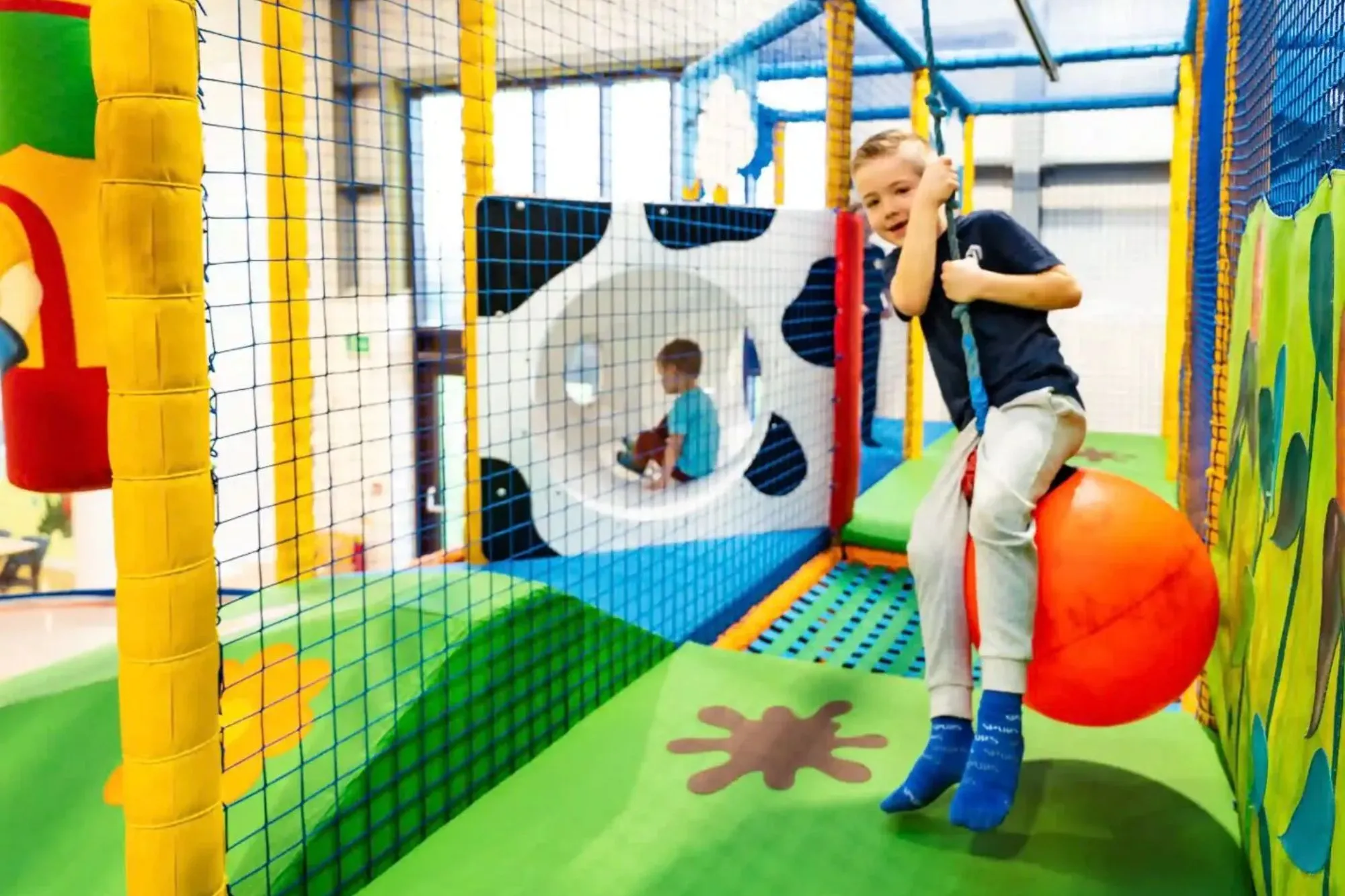
Paradise Park & Gardens is described as a hybrid of a traditional garden centre and a family theme park.
Alongside its plant nursery, coastal gardens, water garden and coffee shop, it features an attraction zone to entertain the kids.
The indoor play area is suitable for children from toddlers to pre-teens, with token-operated arcade games, remote control cars, and a soft play with tunnels, slides and ball pits.
It also has a separate soft play area for children under three along with a miniature train and a mini golf course.
When it’s sunny, check out the outdoor play area with climbing frames, slides and a 9 hole crazy golf course.
Kids can dig about in the sandpit and even drive our remote controlled boats around the pond.
Coming up this autumn are some events too including the Halloween Trail where kids can meet Barry the Burping Monster, Squealbert the Sky Pig and naughty gnomes at the Undead Disco.
Tickets are included in entry to the park which start from £12.99.
Later on in the year there’s a Santa’s Grotto, where children can meet Father Christmas and get a little festive gift.
Tickets for children over three years old start from £21.99, and this includes all day access to the attractions at Paradise Park.
For children under three, entry to Santa’s Grotto with a Day Park Pass is £9 – accompanying adults with a Day Park Pass are £12.99.
Bury Lane, Hertfordshire
Bury Lane has a huge indoor play area with slides and cargo netsCredit: Bury Lane Kids are bound to spend hours in the Fun Barn and on the seasonal beachCredit: Bury Lane
Tucked away just outside of Royston in Hertfordshire is Bury Lane which has plants and garden ornaments to take a look at and there is quite often a seasonal pick your own, from peonies to dahlias and tulips.
From early autumn, a pick your own pumpkin patch will open – so make sure to bring your wellies.
The farm shop offers an array of fresh fruit and veg, butchers, fishmongers and a delicatessen.
Then pop into the Farm Shop Cafe for hearty breakfasts, lunches and snacks with roast dinners served up on Sundays.
If you’re going as a family though, one place you cannot miss is the Fun Barn, which it added to its site about 10 years ago.
Inside is a multi-storey soft play with slides, cargo nets and activities along the way along with interactive role play areas.
It might not be what you’d expect in the countryside, but the Fun Barn also has an outdoor sandy beach with deck chairs and picnic benches dotted about.
Also outside is the adventure zone with climbing boulders, electric diggers, swings, a wooden boat to climb on, giant chess and football.
This year, the beach is open until September 27.
Tickets for the fun Barn Soft Play & Beach start from £2 (6-11 months old) and start from £2.50 (one year olds).
Tickets for two to four year olds start from £4.50, for five to 10 year olds prices start from £5.75.
For those aged between 11-17, prices start from £2 – the first adult per booking is free otherwise it’s an additional £2.
Bridgemere Garden Centre, Cheshire
Bridgemere Garden Centre is the largest in the country with plenty to exploreCredit: Bridgemere A must for kids is heading to Apple Tree Town role playCredit: Apple Tree Town
With it being the country’s largest garden centre (according to The Guinness Book of Records), Bridgemere Garden Centre has plenty for a family day out.
The massive space holds a restaurant and tearoom on site, so you can feast on a range of deli goods and brunch specials, before enjoying a pastry at the patisserie.
The area has more than six acres of gardens, including the Cottage Garden and Woodland Walk – and kids will have plenty of space to run around.
To keep them even busier, head to the centre’s soft play and the role play area called Apple Tree Town.
Inside is a mini cinema, police station with its own cell, garage that has a car, cottage, shop, post office and vets – all of which have dressing-up options too.
When it comes to events, Bridgemere Garden Centre will have its own Halloween codebreaking trail through the autumnal gardens.
Children must find the pumpkins and decode the letters to solve the special word – hand in the sheet and get a Halloween treat.
Tickets start from £3.99, and if you fancy pumpkin carving too, tickets start from £8.99.
Coming up to the Christmas season, the garden centre will have its own Santa’s Grotto where children will receive a gift and get a photo.
Ticket prices vary on the day and are dependent on age of the child – head here to book in advance as Santa will get very busy.
Stay for the breakfast and order a festive fry up, a pancake stack or an Elf’s Benedict with Santa and his elves – and hear a festive story.
Tickets for a festive breakfast with Santa are £18.50.
Barton Grange Garden Centre, Preston
Barton Grange Garden Centre is constantly voted the best in the countryCredit: Instagram/@bartongrangegc Kids will be amazed by the pumpkin sculpting masterclassCredit: Barton Grange
It was named the Destination Garden Centre of the Year by the Garden Centre Association’s (GCA) Awards – and its won the award six times before that too.
It has a huge garden area along with a farm shop, cook shop, clothing store, the Riverside Cafe and Willows Restaurant.
The children’s menu has hot meals for £9.60, as well as make your own lunch boxes from £7.20.
Throughout the year, the garden centre holds evenings from evenings with horticulturists to pottery painting sessions.
There are also pumpkin sculpting masterclasses where an expert demonstrates how to turn the squash into characters like Stitch, from Lilo and Stitch.
In November, it will be launching its Santa’s Grotto where children can meet Santa and his elves before selecting a gift from the present room, which is brimming with toys
Then there’s a stop at Mrs Christmas’ kitchen where children can decorate their own gingerbread house cookie.
Tickets to the grotto start from £30 for one adult and one child.
And while technically it’s not inside the garden centre, just across the road is the Flower Bowl Entertainment Centre, which has crazy golf, bowling and a cinema for kids to enjoy.
Yarnton Home & Garden, Oxfordshire
Yarnton Home & Garden in Oxfordshire has a play area called the Magic Garden for childrenCredit: UnknownInside is a nature-themed soft play with climbing frame and soft gardening toolsCredit: Yarnton Home and Garden
It has beautiful plants, garden furniture, gifts and food is served at the Allotment Cafe.
The garden centre also has a children’s toy shop filled with puzzles, soft toys and books.
To entice kids out of the shop, head to the Magic Garden, a nature-themed indoor play area.
Designed for children up to 10, it has a climbing frame made to look like a garden shed along with tunnels, rope bridges and slides.
There’s also a see-saw, swing, foam gardening tools to play with, a teepee and for the parents, comfy sofas.
The soft play centre is completely free to enter.
If you fancy getting crafty, there are lots of events on throughout the year like the Pumpkin Workshop.
Kids can get hands on scooping and carving their own pumpkin for Halloween.
The workshop takes place every hour between October 26-30 from £6.99pp.
The garden centre also has its own Potting Shed Studio where you can create your own masterpieces or simply paint them.
You can book a table for up to six people for an hour session with a booking fee of £1pp.
Craft Nurseries, Essex
Craft Nurseries in Essex has a huge soft play for kidsCredit: Craft Nurseries Don’t forget to have a gander at the plants and shrubs tooCredit: CraftNurseriesGardenCentre/ Facebook
Whether you’re looking for plants, shrubs, seeds, or just a day out, Craft Nurseries in Essex is one to visit.
Its indoor soft play barn will keep kids occupied, along with a dedicated play section for young children and babies.
There’s also an outdoor area with a bouncing pillows, farm animals like pygmy goats and rabbits, and a mud kitchen.
Tickets to the soft play start from £4 (children aged 0-2) and £7.50 (children age 2+).
Accompanying adults must also have a ticket – these cost £3.
The garden centre also has a restaurant and coffee shop all set within the grounds.
Birchen Grove, London
Kids will love racing around the track on quad bikesCredit: UnknownKids can enjoy role play at The Grove Playtown which has 11 themed roomsCredit: Birchen Grove Garden Centre
Along with being a lovely garden centre filled with a collection of outdoor planes, houseplants, gifts and pots – the children’s play area at Birchen Grove is hard to beat.
It has a huge indoor play area called The Grove Playtown which has 11 themed rooms from shops to a police station, doctors, hairdressers, to an ice cream truck.
There’s also plenty of opportunity for kids to get dressed up with fancy-dress costumes.
To secure a spot it’s advised to make a booking, with children’s tickets from £8 and accompanying adult tickets from £2.
The sessions last an hour and a half.
The fun doesn’t stop there, as outside there’s lots of play equipment from swings to a climbing frame and quad bikes.
Kids can hop on and off – they just need a token from the tills and it costs £2 a go.
The quad bikes are open 11am to 3pm every weekend and during the school holidays (children under 90cm must be accompanied by an adult).
Vanstone Park Garden Centre, Hertfordshire
Vanstone Park Garden Centre has a huge outdoor play area – and a lakeCredit: Vanstone Park There’s even a miniature railway which chugs through the groundsCredit: Vanstone Park
The family-run business started back in 1976 selling plants and gardening essentials – but outside is where the fun begins.
The children’s playground has the usual swings, climbing frames and slides, as well as a bouncy castle.
For any fan of trains, hop onboard the miniature railway through the grounds and woodland.
Or take a walk around the Wildlife Lake, where you can spots birds like the Greylag Goose and Moorhen.
If you’re lucky, you might even spot a deer grazing nearby.
Don’t forget to pop into The Greenhouse Cafe for a hot dinner, toasted panini, sandwich or afternoon tea.
Brookside Garden Centre, Stockport
Brookside Garden Centre has a vintage funfair on some weekends – including one for autumnCredit: Keelings FunfairThere are lots of traditional rides with some even dating back to the 1930sCredit: Keelings Funfair
Brookside Garden Centre in Stockport might look like your average garden centre, but on some weekends throughout the year it has a funfair takeover.
It’s a vintage attraction with some rides and games dating back to the 1930s.
Think classic merry-go-round, hook a duck and swinging boat rides.
Its next upcoming funfair will be on September 26-27 between 11am and 4pm.
The following month, there will be a Spookside Halloween Celebration from October 31-November 1 between 11am and 4pm.
The funfair is completely free to enter, rides and games are paid for with tokens that you can buy on arrival.
The garden centre is also home to the Brookside Miniature railway where families can hop onboard a ride that’s over half a mile long.
They’ll be celebrating Halloween during Spookside too and the line will be kitted out with creepy decor.
The train fare is £2.50 for everyone over the age of two.
Helsinki has landed the biggest cheque Google has written anywhere in Europe
ADVERTISEMENT
ADVERTISEMENT
The company announced on Wednesday that a €13 billion investment will fund data centres and supporting infrastructure across four municipalities, along with clean energy projects and funds dedicated to local biodiversity, education, research and workforce development.
The facilities in Hamina, Kajaani, Muhos and Vaala will power a range of Google services, among them its Gemini chatbot. The company described the decision as “a testament to Finland’s leadership in responsibly building AI infrastructure.”
Construction is expected across 2027 and 2028, and the firm estimates the investment will add €3.6 billion a year to Finland’s GDP while supporting more than 37,000 jobs, roughly 16,000 of them in construction.
Once the building stops, Google projects the sites will sustain around 7,000 jobs annually, spanning technical and facility roles, equipment suppliers, as well as the shops, restaurants and services used by those workers and their families.
Finnish Prime Minister Petteri Orpo welcomed the announcement in Google’s statement.
“Google’s decision is a clear testament to our strengths. The value of the data economy extends far beyond direct investment into spurring innovation, research and development,” Orpo said, adding that closer collaboration would “deliver lasting benefits for both parties.”
Why Finland
The appeal to invest in Finland is rooted in its cold climate.
Data centres generate enormous heat and consume vast quantities of electricity, and Finland offers a cold climate that reduces cooling costs alongside relatively cheap and stable power from nuclear plants, wind and hydro.
That combination has produced a boom, with dozens of data centres already under construction across the country.
Google’s own presence dates back to 2009, when it bought a disused paper mill in the coastal city of Hamina and converted it, expanding steadily since.
For Orpo’s right-wing government, attracting this kind of investment has also been a priority, especially since Finnish elections will take place in April of next year.
Finland is contending with record unemployment and weak growth, and the data economy has become one of the few sectors offering the prospect of substantial investment and job creation.