ARE you racking your brain for new ways to entertain the kids this half term, especially given the unpredictable weather?
Do not fear – here we’ve collated a full list of some of England’s best attractions in EVERY county in the UK, from walks in the rolling countryside, to electrifying museum exhibitions, donkey sanctuaries and even a tour of an enormous board game collection.
Discover charming gardens, engaging interactive exhibitions and one of Europe’s largest carriage collections.
Dunstable Downs, Dunstable
Soak in the stunning views of the Dunstable Downs, lovingly sculpted by nature over hundreds of years. Miles of circular walks and beautiful nature make it the spot for an afternoon amble.
The village, Neolithic henge and stone circle, Avebury, WiltshireCredit: Getty
Berkshire
Reading Museum, Reading
Learn all about Reading’s fascinating history by exploring an assortment of exhibitions, with everything from biscuit tins to beetles, Romans and Rodin. The museum also boasts it’s very own version of the Bayeux Tapestry – painstakingly recreated in full by Victorian embroiderers, and a great option if you’ve not been able to get tickets for the sell-out British Museum exhibition.
The Museum of English Rural Life, Reading
With nine distinct themed galleries, the museum walks you around the most comprehensive collection of rural artefacts ranging from huge steam trains to ancient farming tools.
Visit the Museum of English Rural lifeCredit: Alamy
Bristol
Banksy free walking tour, Bristol
Bristol is the hometown of the street artist Banksy. Take a self-guided tour through the artist’s very own stomping ground and admire some of his most famous works.
M Shed Museum, Bristol
The 1950s transit shed, originally called M Shed offers visitors a whistlestop tour of the city’s history.
A Banksy mural in BristolCredit: ReutersArtwork based around a burglar alarm by artist Banksy on the wall of an alley in Albion Docks, BristolCredit: Getty
Buckinghamshire
Wycombe Museum (the chair museum), High Wycombe
Quaint grounds holding a collection of local art and furniture from the 17th to the 21st centuries.
Coombe Hill, Dunsmore
Walk from the town base up to the prominent monument for panoramic views across the Chiltern Hills.
Cambridgeshire
The Fitzwilliam Museum, Cambridge
View huge collections of global antiquities, master paintings, pottery and a sprawling number of historical artefacts.
The Museum of Zoology, Cambridge
Enjoy wandering through the vast array of animal specimens, skeletons, fossils, and taxidermy, as well as several exciting educational displays.
The roman City Walls in Chester, CheshireCredit: AlamyNorthgate and the old Bluecoat Hospital building, City Walls, Chester, CheshireCredit: Alamy
Cheshire
Cheshire Story House, Cheshire
More than just a theatre, this beloved venue on Hunter Street offers free family craft sessions run every weekend.
Walk the city walls, Cheshire
Bring a brolly and good set of waterproofs and set off scaling Cheshire’s historic city walls, which includes two miles of Roman gates, medieval towers and stunning views across the city and Welsh hills.
City of London
The British Museum, Great Russell Street
The UK’s biggest museum, with the world’s largest collection of works – eight million pieces exploring human history, art, and culture.
The Natural History Museum, South Kensington
One of the UK’s most popular museums with 80 million items, including the famous blue whale skeleton.
Cornwall
Falmouth Art Gallery, Falmouth
View a rotating fine art collection and family exhibitions inside the municipal buildings.
Healeys Cornish Cyder Farm, Penhallow
Visitors can access farm animal areas, historic farming equipment, jam kitchens, and even enjoy some free tasting sessions.
Cumbria
Kendal Castle ruinsCredit: AlamyKendal castle at dawnCredit: Alamy
Kendal Castle, Kendal
Bring the dog and pack a picnic to enjoy a scenic stroll around Kendal Castle ruins with stunning views of the town.
Cookhouse Gallery, Windermere
A family run gallery with a wide selection of gorgeous paintings inspired by the local natural beauty.
Derbyshire
Derby Museum and Art Gallery, Derby
Home to the world’s largest collection of works by Joseph Wright of Derby, it features a range of historic artefacts and stunning artworks.
Pickford’s House, Derby
Pickford’s House is located in a Georgian townhouse and features exhibitions of domestic life from the 18th to 20th centuries.
The Fitzwilliam Museum in CambridgeCredit: PA
Devon
Royal Albert Memorial Museum and Art Gallery, Exeter
Explore free galleries covering local history, natural history, world cultures, and an Egyptian tomb.
The Donkey Sanctuary, Sidmouth
Enjoy cuddling the 500 donkeys and mules looked after by cheerful charity workers.
Dorset
Tyneham Village, Wareham
Amble through the abandoned village of Tyneham, which was evacuated in December 1943 during WWII and still looks the same as it did 80 years ago.
Tyneham Village, near Wareham, Dorset. Evacuated in 1943 and remains deserted. Church and School only intact buildingsCredit: AlamyTyneham Village, near Wareham, DorsetCredit: Alamy
Gold Hill, Shaftesbury
Walk down the iconic steep cobbled street featured in the Hovis advert. Enjoy incredible views of the sloping countryside, as well as the village’s quaint shops and cafes.
County Durham
Durham University Oriental Museum, Durham
Discover extensive art and archaeology collections from North Africa and Asia.
Locomotion Rail Museum, Shildon
Home to Europe’s largest undercover collection of historic rail vehicles.
There are a range of activities families in the UK can enjoy at zero costCredit: Getty
East Riding of Yorkshire
Arctic Corsair, Hull
Dive into Hull’s deep-sea fishing industry at this museum that includes a historic deep-sea trawler built in 1960.
Ferens Art Gallery, Hull
A fine art collection with everything from Viking swords and Roman mosaics to a full-sized Woolly Mammoth.
East Sussex
The shops and cafes of The Lanes in Brighton, SussexCredit: AlamyBrighton’s LainesCredit: Getty
The Laines, Brighton
Wander the historic laines of Brighton, with winding cobbled streets that lead to endless jewellers and quaint trinket shops.
Hastings Fishermen’s Museum
A small but mighty museum exploring the history of Hastings‘ fishing industry, featuring boats, videos, and a small shop.
Essex
Clacton Pier, Clacton-on-sea
Europe’s largest pleasure pier has something for all ages, from exhilarating rides to mountains of arcade machines and gorgeous sea views.
Clacton Pier, Clacton on Sea, EssexCredit: GettyFunfair rides and games on Clacton pierCredit: Getty
Pets Corner, Harlow
Pet, stroke and feed the animals at pets corner, with dozens of farmyard friends and even some exotic extras.
Gloucestershire
The Museum of Board Games, Newent
Explore the unique museum’s 600 collection spanning the 19th century through the mid 20th century, including early linen-printed history boards and 1950s TV-themed games.
Forest of Dean Sculpture Trail
Enjoy a 4.5-mile stroll through beautiful forest, stopping to enjoy the spectacle of woodland sculptures.
Temporary Scuplture Trail Forest of Dean Gloucestershire.Credit: Alamy
Greater London
Myddelton House Gardens, Enfield
Former home and gardens of the horticulturist, Edward Bowles.
William Morris Gallery, London
Step inside the famous textile designer’s former home and learn about his influence on the design industry.
The skeleton of a Blue Whale above visitors in the Natural History MuseumCredit: Alamy
Greater Manchester
Museum of Science and Industry, Manchester
Home to 250 years of innovations across science and technology, as well as UK’s oldest surviving train station.
People’s History Museum, Manchester
Learn about the history of the working class in the UK, with displays on the Peterloo Massacre and the women’s suffrage movement.
Hampshire
New Forest National Park
Walk or cycle through the magical New Forest countryside. Pause to watch the friendly free-roaming ponies and spot the cattle and deer munching away in the meadows.
Fort Nelson, Fareham
Explore the huge Victorian fort and view over 700 artillery pieces with free admission via the Royal Armouries.
Herefordshire
The Cat’s Back trail, Craswall
Take a dramatic ridge walk along the border for stunning valley views.
Longtown Castle, Hereford
Explore the overgrown medieval ruins and clamber over rugged stone walls.
Hertfordshire
Natural History Museum of Tring
Enjoy quirky Victorian zoological collections and fossils. The museum houses one of the finest collections of mammals, birds, reptiles and insects in the UK.
North Hertfordshire Museum, Hitchin
Take in a delightful selection of local history galleries and art, including a woolly mammoth tusk to a pair of Stanley Matthews’s football boots.
Close-up of a cheeky donkey peering over a fence at the Isle of Wight Donkey SanctuaryCredit: AlamyA pony pictured at the Isle of Wight Donkey Sanctuary in Ventnor, on the Isle of WightCredit: Alamy
Isle of Wight
Isle of Wight Donkey Sanctuary, Ventnor
Home to rescued donkeys and ponies, a great day out for animal lovers. Visitors can relax afterwards at the cafe or enjoy browsing the gift shop packed with pony-themed trinkets.
The Isle of Wight Bus & Coach Museum, Ryde
Enjoy free entry and browse and climb aboard vintage buses and coaches. The museum is home to impressive collection of Island buses and coaches dating from 1927 to modern day models.
Kent
Maidstone Museum, Maidstone
Collection of more than 600,000 artefacts and specimens, exploring fine art, human history, and textiles.
The Beaney House of Art & Knowledge, Canterbury
Housed in a Grade II listed building, the museum is home to some of Canterbury’s best artworks.
Buses at Ryde Bus Museum, Isle of WightCredit: Alamy
Lancashire
Harris Museum and Art Gallery, Preston
Discover art, culture, and history, with displays on printed textiles, the remains of an elk, and glassblown scent bottles.
Samlesbury Hall, Samlesbury
A stately home dating back to 1185 with a cafe, shepherd huts and UK’s first wafflery.
Leicestershire
New Walk Museum and Art Gallery, Leicester
Displays include a 15-metre Rutland Dinosaur and stories about Leicester’s achievements and obstacles.
Newarke Houses Museum, Leicester
Built in 1511, with exhibits on the Leicestershire Regiment and Tudor objects.
Recreated vintage Post Office display at the Museum of Lincolnshire LifeCredit: AlamyVictorian kitchen, Museum of Lincolnshire Life, Lincoln, England, UKCredit: Alamy
Lincolnshire
Lincoln Museum and Usher Gallery, Lincolnshire
Showcases everything from artefacts from the Stone, Bronze and Iron Ages, to works by Turner, as well as forensic processes of the Anglo Saxons.
Museum of Lincolnshire Life, Lincolnshire
Home to 250,000 items dating back to 1750, including a World War I tank, as well as a museum trail and playground for kids.
Merseyside
Victoria Gallery and Museum, Liverpool
Uncover artworks across different eras, including archaeological items and oceanography displays.
Walker Art Gallery, Liverpool
National gallery of the North, with paintings and sculptures from Rembrandt, David Hockney and Rodin.
Norfolk
Wells next to the sea in NorfolkCredit: AlamyWells is famous for its crabbing sceneCredit: Alamy
Crabbing in Wells
Grab a pack of bacon and your crabbing gear and set up camp at Wells’s famous crabbing quay.
Norwich Cathedral
Explore the 44-acre close and join free hourly guided tours from Monday to Saturday.
North Yorkshire
Dorman Museum, Middlesbrough
Discover the town’s history with dinosaur installations and a slice of meteorite from space.
Northamptonshire
Northampton Museum and Art Gallery, Northampton
Tour the quaint museum’s fascinating array of displays, including its shoe collection, fine and decorative art and local heritage artefacts.
Wellingborough Museum, Wellingborough
Traverse through Wellingborough’s local social history. Includes artifacts and rotating family-friendly community exhibits inside a distinctive Victorian building.
Northumberland
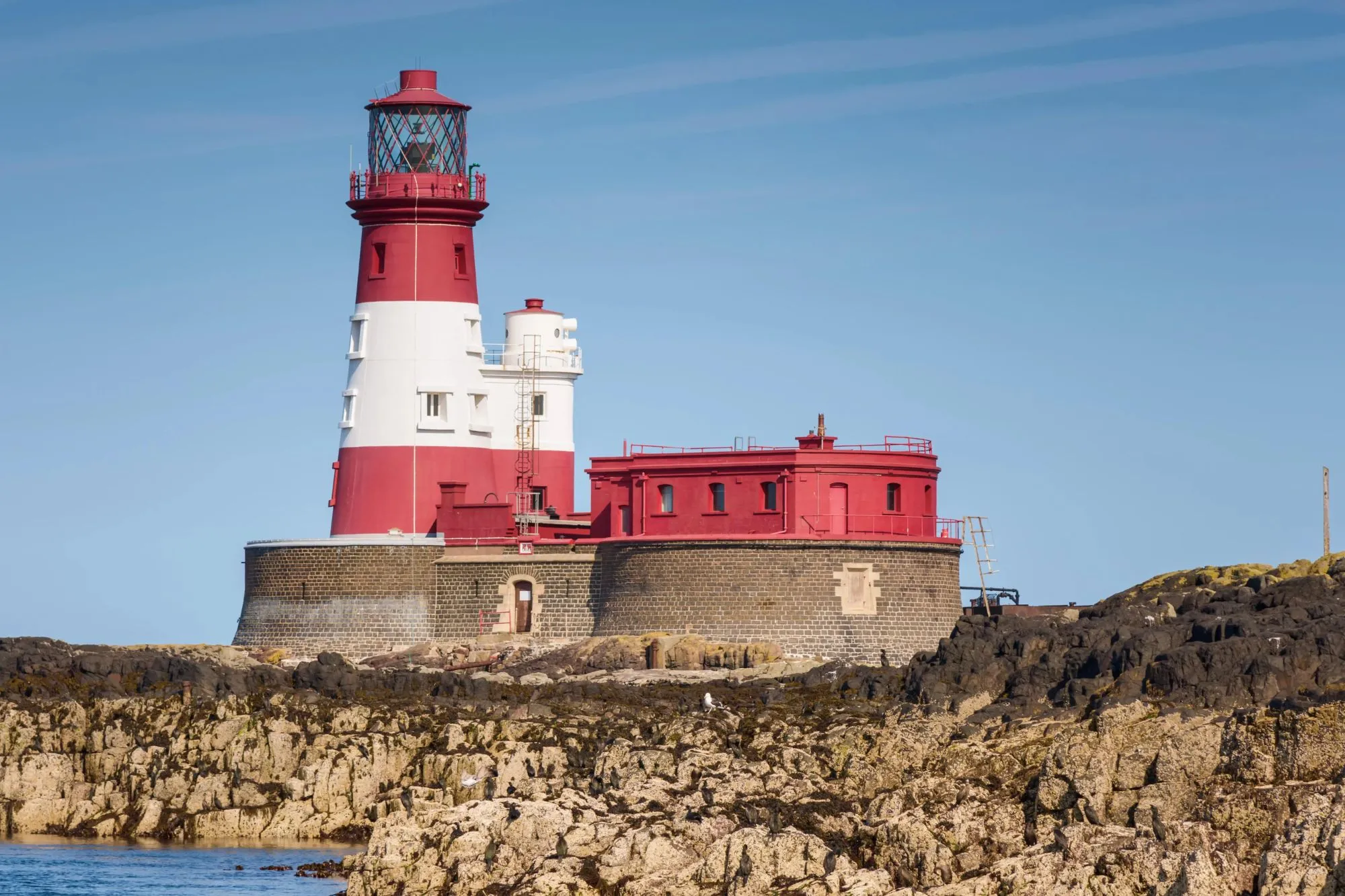
The Grace Darling Museum, Bamburgh
A unique museum that teaches visitors about the life of Victorian Britain’s greatest heroine, Grace Darling, who risked her life to rescue nine survivors from the wrecked SS Forfarshire in 1838.
The Grace Darling Museum, Bamburgh Northumberland, dedicated to the lifeboat rescue by Grace Darling in 1838 of the crew of the wrecked ForfarshireCredit: AlamyThe Grave of Grace Darling – St Aidan’s churchyard, Bamburgh, NorthumberlandCredit: DHUB_Search_Alamy_NUK
Hardian’s Wall, Brampton
Explore one of England’s national treasures, Hadrian’s Wall, the most heavily fortified and best-preserved land frontier of the ancient Roman Empire.
Nottinghamshire
Sherwood Forest, Mansfield
Wander the forest once home to Robin Hood and discover the history of the legend of the archer and his Merry Men who stole from the rich to give to the poor.
Green’s Windmill and Science Centre, Nottingham
Climb a working 19th-century windmill and explore interactive science exhibits dedicated to mathematical physicist George Green.
Oxfordshire
Ashmolean Museum, Oxford
The world’s first university museum, featuring vast art and archaeology collections opened in 1683 thanks to gifts from Elias Ashmole.
Pitt Rivers Museum, Oxford
Famous for its dense Victorian-style cabinets filled with global anthropological and archaeological artifacts. Connected to Oxford’s Museum of Natural History, which is also free.
Oakham Castle Museum and All Saints church OakhamCredit: AlamyHorseshoes displayed on a wall behind the minor courthouse in the Great Hall of Oakham CastleCredit: Alamy
Rutland
Rutland County Museum, Rutland
More than just your run-of-the-mill museum, Rutland offers interactive family-friendly exhibits like an AR iSandBox and a Jurassic Sea Dragon virtual reality experience.
Oakham Castle, Oakham
Travel through time as you explore the 12th-century Norman Great Hall in famous for its unique collection of more than 200 ceremonial horseshoes, and plenty more historic gems.
Shropshire
The British Ironwork Museum, Oswestry
Home to a selection of sculptures, awe-inspiring artworks, and stunning trial walks. Offers free entry during off-peak periods, such as Tuesdays to Fridays during September to February.
Shrewsbury Museum & Art Gallery, Shrewsbury
Set in a Victorian music hall, Shrewsbury museum features local and international artefacts and art.
Somerset
Cheddar Gorge, SomersetCredit: Getty
The Museum of Somerset, Taunton
Explore 400 million years of Taunton’s history across nine galleries, including an 80,000-year-old Banwell Bear Ice Age skull
Visit Cheddar Gorge
Explore the nation’s biggest gorge on foot, enjoying dramatic limestone cliffs and hiking trails.
South Yorkshire
Preserved industrial chimney at the Kelham Island Industrial Museum SheffieldCredit: AlamyBessemer converted steel making furnace at Kelham Island Industrial museum in SheffieldCredit: Alamy
Kelham Island Museum, Sheffield
Learn about life in Victorian-era Sheffield, with artefacts including a 1760’s chocolate pot and Metrovick milk float.
Millennium Gallery, Sheffield
All things art and design in Sheffield, including one of the finest collections of metalwork in the world.
Staffordshire
Nowton Park in Bury St. Edmunds, SuffolkCredit: Alamy
Samuel Johnson Birthplace Museum, Lichfield
Learn about the first lexicographer Samuel Johnson, who created A Dictionary of the English Language.
Stafford Castle, Stafford
Step back to 1100 AD with archaeological artefacts and learn about the history of the castle.
Suffolk
Christchurch Mansion, Ipswich
Tudor brick mansion featuring collection of items from the Tudor period including clothing, children’s toys, and musical instruments.
Nowton Park, Bury St Edmunds
A 200-acre park featuring a maze, a totem pole, wildflower meadows, and a large arboretum.
Bury St Edmunds, SuffolkCredit: Alamy
Surrey
Mercedes-Benz World
See up to 100 rare and exotic cars up close, while also stopping to absorb the electric atmosphere from the track.
Guildford House Gallery
Browse free rotating art displays and local craft exhibitions, including antique furniture, fine plaster ceilings, a unique painted closet.
Display at Mercedes-Benz WorldCredit: AlamyMercedes-Benz World at Brooklands, WeybridgeCredit: Alamy
Tyne and Wear
South Shields Museum and Art Gallery, South Shields
Discover the history of South Tyneside inside this historic building with a Victorian tea room, served by costumed staff.
OuseBurn Farm, Newcastle upon Tyne
Located in the heart of Newcastle, the working city farm includes animals, gardens, fields for strolls, and a sensory trail.
Warwickshire
St Nicholas’s Park, Warwick
Parked next to Warwick Castle, the iconic park offers large open green spaces, a great children’s playground, and scenic riverside walks.
Rugby Art Gallery and Museum
Explore a mix of local history and contemporary art. The museum and gallery is home to 220 pieces of 20th-century and contemporary British art and interaction displays of Roman artefacts.
West Midlands
National Memorial Arboretum, Alrewas
British site of national remembrance with over 400 memorials and 25,000 trees.
Aston Hall, Birmingham
Grade I-listed Jacobean house with a beautiful public park, as well as collections from the Birmingham Museum & Art Gallery.
West Sussex
Petworth Park, Petworth
Explore 700 acres of free landscaped parkland and spot its historic herd of fallow deer.
Chichester Cathedral
Step inside the 950-year-old landmark and soak in the history, but don’t forget to look out for the resident peregrine falcons.
West Yorkshire
Royal Armouries, Leeds
Historic weaponry and armour, from Japanese samurai swords to modern warfare including Henry VIII’s armour.
A display of a knight in steel armour on horseback and an infantryman at the Royal Armouries Museum in Leeds, Leeds DockCredit: Alamy
Bolling Hall Museum, Bradford
Learn about the lives of the families that lived in Bolling Hallover different time periods.
Wiltshire
Longleat House, Warminster
Explore an Elizabethan manor house with 900 acres of parkland. It features featuring fine art, period furnishings, and 19th-century Crace interiors.
Avebury Stone Circle, Marlborough
Explore the famous standing stone monument and 17th-century stables housing a museum to the iconic monument.
Worcestershire
Malvern Hills
Wander iconic hills, famous for being home to fresh spring water, and enjoy panoramic views of the sloping countryside.
Worcester City Art Gallery and Museum, Worcester
Enjoy local-history displays, fine art and relics in a Victorian-era brick building with gift shop and cafe.
Protesters have set fire to cars and buildings in France as demonstrations against the cost of living and declining public services escalate. There is serious unrest in Paris and multiple locations across the country.
EU Trade Commissioner Maroš Šefčovič announced a deal with China on Friday to curb imports of Chinese hybrid vehicles into the EU and facilitate access to rare earths.
ADVERTISEMENT
ADVERTISEMENT
While the understanding signals a preference for a diplomatic resolution to the growing trade imbalance, European leaders are pushing for stronger measures to level the playing field. They are expected to review the details at a summit in Brussels next week.
The EU has also floated retaliatory measures if the outcome falls short of expectations.
Šefčovič travelled to Beijing on Wednesday for two days of intensive talks with his Chinese counterpart, Wang Wentao, in a bid to rebalance EU-China trade relations.
The EU is facing a record trade deficit with China of €1 billion a day, as a surge in low-cost Chinese imports threatens entire sectors of European industry.
“We have reached a shared understanding to moderate China’s export of hybrids and plug-in hybrids to the European Union,” Šefčovič said. “This opens up the prospect of cutting China’s exports by more than half.”
The commissioner said the deal would also improve access to the Chinese market for a range of EU products, from “car parts to olive oil and footwear”, representing almost €4 billion in current export value. It should generate at least €225 million in duty savings, he added.
Market access has been at the heart of EU-China discussions since negotiations began last June. Beijing has been reluctant to relinquish access to the EU’s 450-million-consumer market, which provides an outlet for its excess production.
Meanwhile, Brussels has proposed several legislative measures aimed at restricting Chinese companies’ access to the European market, while pressing Beijing to open up its own market to EU businesses.
Šefčovič also said China had agreed to facilitate exports of rare earths, which are essential to Europe’s green technology, defence and automotive industries.
“We have reached a shared understanding to further facilitate China’s export licensing for rare earths and permanent magnets,” he said.
The EU has accused China of “weaponising” its dependence on Chinese rare earths after Beijing restricted exports in 2025 amid a trade war with the US.
Šefčovič described the agreement as the conclusion of a “first phase of negotiations”.
The deal comes ahead of a meeting of EU leaders in Brussels next week, with expectations running high for concrete results from negotiations led by the European Commission on their behalf since last June.
A consensus on China has been emerging across the EU this week.
All EU countries now run trade deficits with China. On Monday, Germany and France urged the European Commission to take strong action against unfair Chinese trade practices that cause severe market distortions.
In a joint document, Paris and Berlin called for measures that could include “an immediate cut-off from the internal market if needed”.
On Wednesday, MEPs overwhelmingly adopted a resolution calling for resolute measures against Beijing.
Meanwhile, 44 EU industries, including chemicals, machinery, metals, solar, glass and cement, issued a joint statement on Friday warning that “Europe cannot maintain and grow its industrial base, quality jobs, and attract investment without the ability to respond effectively to unfair trade practices and distortions”.
Mum of two Hannah Britt shares her top tips for family road trip success, from choosing the right sized rental car to arming yourself with equipment-free games. Bon voyage!
A family road trip needn’t be stressful with a little bit of prep beforehand(Image: Getty)
Planning a successful road trip with children requires smart packing, strategic timing, and easy entertainment to keep everyone happy. And as a mum of two young children, I’ve got it down to a fine art. This summer we hired a car with Sixt and drove through the south of France, often for long periods at a time. But armed with a bit of knowhow, it was child’s play for all the family. Here’s how it’s done…
Pack the essentials
Mess-free snacks: Pack dry foods like crackers or popcorn in separate plastic containers or use silicone cupcake liners for easy, spill-proof portions.
Plenty of wipes: Bring an abundance of antibacterial wipes and tissues for sticky fingers and unexpected juice spills.
Comfortable clothes: Dress children in soft, loose, and easy-to-wash clothes or let them travel in pyjamas if you leave early or late.
First-aid and emergency gear: Keep sickness bags, a small first-aid kit with child-friendly medicine like Calpol, and bin bags for daily rubbish within easy reach.
Keep kids entertained
Activity bags: Give each child a small bag filled with rotating toys, colouring books, or magnetic games, and allow them to explore each one at a time.
Audio and music: Create a shared family playlist or queue up engaging audiobooks and children’s podcasts to pass the hours.
Screens with headphones: Download movies or games onto tablets ahead of time and pack backup chargers and headphones for each child.
Manage the journey
Time drives with sleep: Depart right before nap times or early in the evening so young children sleep through a major portion of the drive.
Plan active stops: Stop every two to three hours at parks, playgrounds, or open fields so kids can run around and burn off extra energy.
Pre-emptive breaks: Pull over for a toilet break whenever you approach a service station, even if nobody asks yet.
Game time
20 Questions: One person thinks of a secret person, place, or thing. Everyone else takes turns asking up to 20 yes-or-no questions to guess the answer.
I Spy: One player says, “I spy with my little eye something beginning with…” and names a letter of an object seen inside or outside the car. The others guess the object.
The Animal Name Game: The first player names an animal. The next player names a new animal that starts with the last letter of the previous animal (for example: lion ends in N, so the next player says newt).
I’m Going on a Picnic: The leader states an item they are bringing on a picnic based on a secret rule (like starting with the letters of the alphabet in order, or items that spell their name). Other players guess items to figure out the rule.
Rainbow Cars: Players look out the windows and spot cars matching the colours of the rainbow in order—from red and orange through pink.
The Alphabet Game: Passengers look at roadside signs, billboards, and license plates to find every letter of the alphabet in order from A to Z.
License Plate Game: Work together or compete to spot license plates from different regions, states, or countries.
Choose the right car for the family
Choosing the right hire car depends on matching vehicle categories to your passenger count, luggage volume, and driving environment. Because rental companies assign vehicle classes rather than exact makes or models, focus on size segments and practical constraints. For our road trip through France, I chose a BMW X5, which was roomy enough for all of us – plus a mountain of luggage. And snacks.
Small and economy cars
Best for: Solo travellers or couples on city breaks with light luggage.
Capacity: 1–2 adults, 1 small cabin bag.
Pros: Highly fuel-efficient and simple to park on narrow streets.
Cons: Very limited boot space and minimal highway power.
Compact and intermediate (hatchbacks etc)
Best for: Small families or longer road trips balancing comfort and versatility.
Capacity: 2–4 adults, 2–3 medium bags.
Pros: Better highway stability and easier fuel economy than large vehicles.
Cons: Tight rear seating for three adults on extended journeys.
SUVs & full-size estates
Best for: Rural touring, mountainous terrain, or bulky gear.
Capacity: 4–5 adults, robust luggage capacity.
Pros: Elevated driving position and generous cargo room.
Cons: Difficult navigation and parking in tight historic European garages.
People carriers & MPVs
Best for: Large families or groups travelling together.
Capacity: 6–9 passengers.
Pros: Maximum seating flexibility and vast interior volume.
Cons: Height restrictions in underground parking and high fuel consumption; note that using all seats in a 7-seater often eliminates boot space.