BofA’s equity derivatives team is recommending ten covered call options plays with expiration next month.
The covered call option strategy involves selling a call option and purchasing 100 shares of the underlying stock. This strategy capitalizes on the downward and sideways
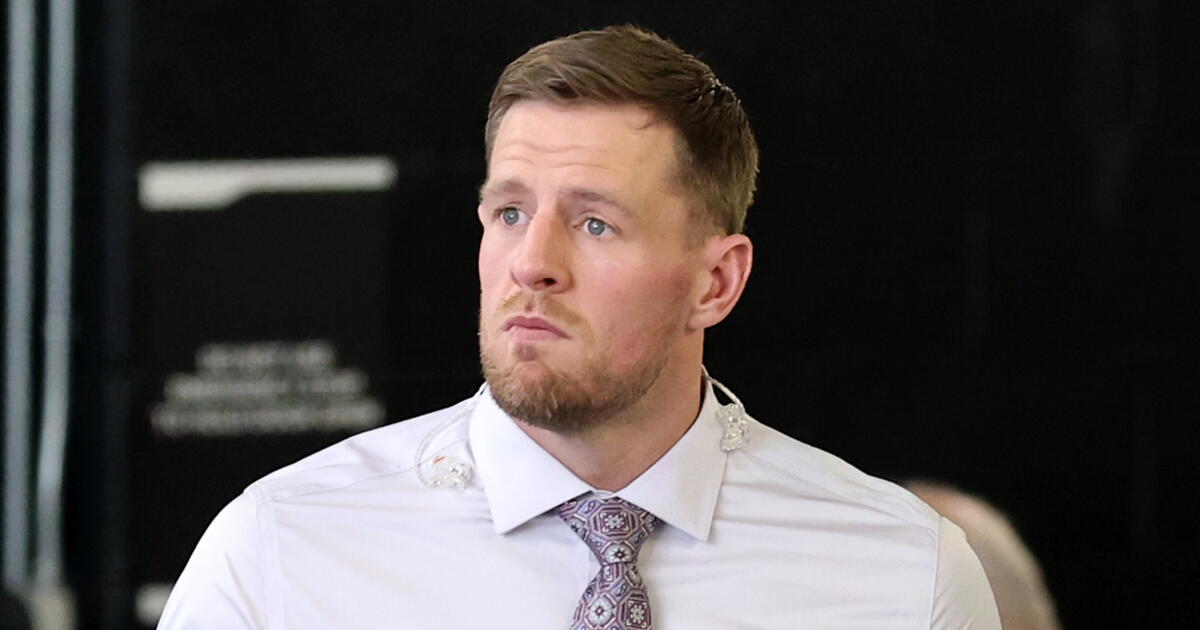
After six weeks of filling in as lead NFL game analyst for CBS Sports, Watt has reached a multi-year agreement to continue alongside play-by-play announcer Jim Nantz in the network’s top broadcast booth. The terms of the deal have not been disclosed.
The move assures that Watt will call his first Super Bowl on Feb. 13, 2028, in Atlanta. In a video posted Wednesday on his X account, Watt said it is “humbling” to be in such a position.
From the first meeting in Arizona with David Berson & Ross Molloy, to the brotherhood of the NFL Today desk, an unforgettable year with Ian, Evan, Ken & crew and now alongside legendary Jim Nantz, Tracy Wolfson, Rikhoff and the whole crew.
“It is a true honor and a privilege, and I do not take that responsibility lightly at all,” Watt said. “I appreciate their trust in me, and I have an absolute blast doing it every single week. And I cannot wait to continue to do it.”
The former three-time defensive player of the year wasn’t so sure the news would be that good Monday morning when he saw he had missed a call from parent company Skydance global sports group chairman David Berson.
“I’m thinking to myself, ‘Oh man, missed call from the boss. Am I in trouble for potentially breaking Jim Nance’s hand on the broadcast on Sunday with our with our ball drill?’” Watt joked. “It turns out that it was significantly better news than being called into the principal’s office.”
After a 12-season NFL career (10 with the Houston Texans, two with the Arizona Cardinals) that included five Pro Bowl selections, Watt joined CBS Sports as a studio analyst in 2023, then moved to the broadcast booth to call games with play-by-play announcer Ian Eagle last season.
Watt got bumped up to the top booth this season after Tony Romo, who had been the network’s lead game analyst since 2017, was placed on indefinite leave following his July arrest on suspicion of operating a vehicle while intoxicated. Earlier this month, CBS announced it had “mutually agreed to part ways” with Romo.
“I’ve had a front-row seat to JJ’s growth as a top-tier broadcaster, watching him tackle this role just like he did his hall-of-fame playing career,” Berson said in a statement. “He’s insightful, entertaining, passionate, meticulous in his preparation, and the ultimate teammate. He has a unique ability to see things and communicate to fans of all levels. We are thrilled to have him leading our NFL coverage.”
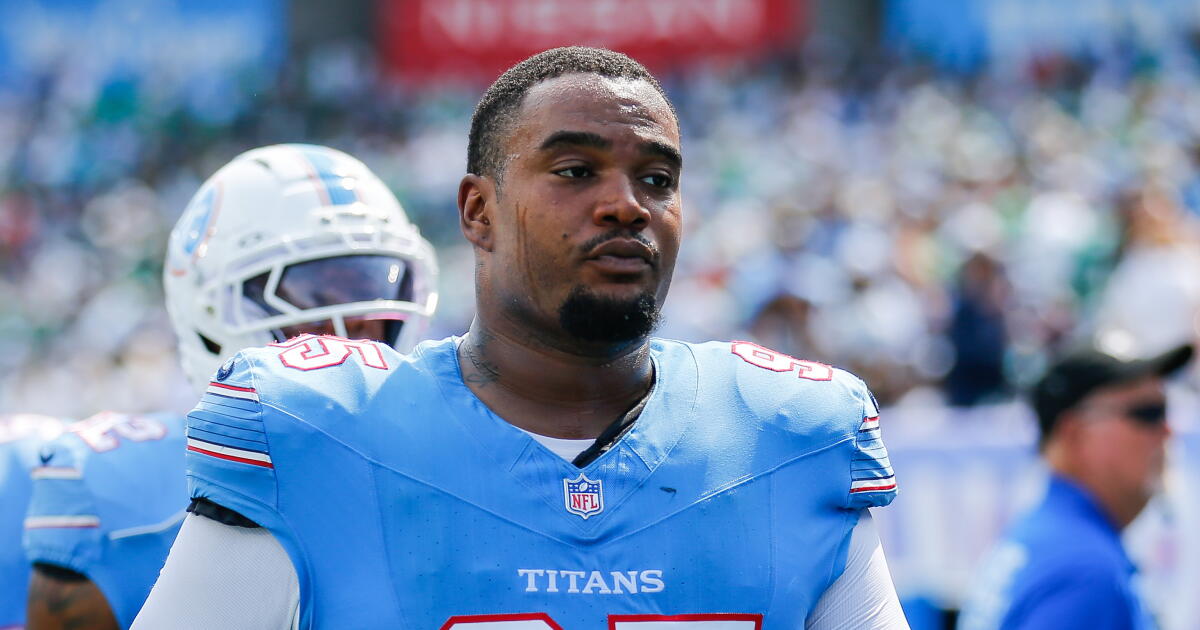
A day after the Tennessee Titans released defensive tackle Jordan Elliott after an alleged incident involving a gun at the team’s practice facility, coach Robert Saleh defended the veteran player as “a good man” who “had a terrible lapse in judgment that I recognize as a call for help more than a criminal act.”
The Titans announced Elliott’s dismissal on Tuesday but provided no details on the incident that prompted it. The NFL confirmed Wednesday that it was looking into the matter.
“The league’s firearm policy prohibits any personnel from bringing a firearm to club facilities, stadiums, and team hotels and on team planes or buses,” NFL spokesperson Brian McCarthy said in an email. “The club promptly notified the league of the matter which is under review.”
Details have since emerged that Elliott got into an altercation with offensive lineman JC Latham at practice last Thursday, then went out to his car in the players’ parking lot to get his gun, according to reports by multiple media outlets. Latham told reporters Wednesday that the incident between him and Elliott just happened in the “heat of the moment” and “we’d actually never had an argument leading up to it.”
“It’s no bad blood,” Latham said. “Nothing personal on my end.”
Defensive lineman John Franklin-Myers reportedly helped Elliott regain his composure before anything happened involving the gun. Latham said he was still on the practice field and not with Elliott when Franklin-Myers intervened.
“The D-line room is really close,” Saleh told reporters Wednesday, “and for JFM to go out there and just kind of help Jordan with whatever he was dealing with at that moment I thought was really admirable on JFM’s part.”
Elliott played five seasons with the Cleveland Browns and two with the San Francisco 49ers before signing a two-year, $8-million deal with the Titans this past offseason. Saleh, who was the 49ers’ defensive coordinator last season, told reporters Wednesday that the Titans and the league provided Elliott “with clinicians he needed to speak to help him in that moment.”
“He’s never committed a crime in his entire life, and he pulled a gun in the parking lot,” Saleh said. “And the first question that I think everyone forgets to ask is why would a great man, a great father, a man who shows up on time every day, works his ass off every day, contributes the way he’s supposed to contribute, is well-liked in the locker room — why did he go off the rails and grab a gun?
“To me, those are small signs of a cry for help, in terms of obviously there’s something greater happening,” he continued. “And I thought the team and the NFL did an outstanding job with regards to pausing and asking those questions and checking every single box with regards to getting him the help that he needs.”
Saleh added: “I will stand on the table for Jordan’s character. Unfortunately, rules are rules with regard to guns on property, and sometimes it’s far greater than the knee-jerk reaction of kicking somebody when they’re down. My message to 31 other teams would be: If you need a hell of a run-stopping D-tackle that can help you on a playoff run, give me a call. I’ll tell you everything you need to know about him.”
UN experts have called on the Indian government to stop the use of “excessive force” in the wake of the crackdown on opposition and student protests in India.
In a statement on Tuesday, the two dozen independent experts pressed for an impartial investigation into Indian authorities’ conduct, saying that demonstrators had sustained injuries and some reported being subjected to ill-treatment.
Recommended Stories
list of 3 itemsend of list
“Protesters have sustained injuries, with some reporting being subjected to ill-treatment. The experts expressed particular concern about reports of sexual violence and other forms of gender-based abuse in the protests and related detentions,” according to the statement.
UN experts are appointed by the UN Human Rights Council to monitor and document specific human rights crises but are independent of the organisation itself.
India’s Cockroach Janta Party (CJP), along with other opposition parties and student organisations, has led protests this month demanding Chief Election Commissioner Gyanesh Kumar’s resignation, after 130 million names were removed from voter lists.
The protesting groups said the removal disproportionately affected poor and homeless people as well as ethnic minorities including Muslims, who are unlikely to vote for Prime Minister Narendra Modi’s Hindu nationalist Bharatiya Janata Party (BJP).
The BJP and India’s Election Commission deny the accusations. The Election Commission said it was removing duplicate, deceased, shifted and otherwise ineligible voters and that anyone excluded in error can pursue appeals.
‘Deployed force’
“Despite the non-violent nature of the assemblies, law enforcement agencies have reportedly deployed force against unarmed students including by means of police so-called lathi charges, and have prevented thousands from joining the protests,” the UN experts said.
Lathi charges are coordinated movements by a policing force using sticks to disperse crowds.
“We call on the authorities to immediately cease the use of excessive force, rescind blanket assembly bans, and refrain from the misuse of digital surveillance, including through biometrics, and internet disruptions,” they added.
India has repeatedly dismissed such criticism and cast it as interference in the country’s internal affairs, including when the UN human rights office earlier this month expressed concerns over mass detentions in relation to the latest protests.
But spare a thought for Harry Styles who had that happen to him — after being hypnotised on a video call.
Harry Styles was hypnotised on a video call which cut outCredit: GettyHarry revealed he was left ‘disorientated’ and slept for hours after the incidentCredit: Getty
The As It Was singer has revealed he was left “disorientated” and slept for hours after the incident, as he was so out of it he was unable to get the hypnotherapist back on the call.
He made the hilarious admission on stage at Madison Square Garden in New York on Saturday night, when he spotted the therapist in the crowd at his concert.
Sign up for the Showbiz newsletter
Thank you!
He told the crowd: “I got some hypnotherapy — and I spotted my therapist in the crowd, there he is. I’ll just share a quick story with you about my experience . . .
“We were doing it remotely. I was in London, he was in New York — and I was under, I was hypnotised.
“Then my wifi went out. The call hung up. He was trying to call me back — and I was hypnotised.
“I woke hours later, disorientated, with a lot of missed calls. Hypnotherapy — would recommend, it was the greatest nap of my entire life.”
I could always do with a kip but am not sure I’ll be following Harry’s lead with this suggestion.
He is currently deep into his 30-date New York residency as part of his Together, Together tour — and you’ll soon be able to see footage.
He is currently deep into his 30-date New York residency as part of his Together, Together tour — and you’ll soon be able to see footageCredit: AFPJohn Wilson has been filming Harry in the Big Apple since August, for a documentary being made by Universal PicturesCredit: Getty
It’s been announced indie filmmaker John Wilson has been filming Harry in the Big Apple since August, for a documentary being made by Universal Pictures.
The project will feature a mix of live performances as well as glimpses into Harry’s life, as well as stories from his army of fans.
Instead of it going straight to streaming services, like similar documentaries for other artists, demand is so high that it may be released in cinemas.
I gave his tour five stars when I went to the opening night, in Amsterdam in May.
So I would not need much persuading to get along to the pictures and see it all over again.
JAY’S SAY ON AI
Jay Aston believes it’s ‘cheating’ if countries submit songs produced by AI for the Eurovision Song ContestCredit: GettyJay, whose band Bucks Fizz won in 1981 with Making Your Mind Up, said: ‘I can see why people do it – it’s very lazy. It’s cheating’Credit: Getty
BUCKS FIZZ star Jay Aston believes it’s “cheating” if countries submit songs produced by AI for the Eurovision Song Contest, amid a brewing controversy about its usage.
No rules have yet been introduced to ban its use and Swedish broadcasters have admitted they have no way of testing whether songs submitted for the contest have used AI.
However, Norway has banned fully AI-generated tracks from its submissions.
In an exclusive chat at best magazine’s Heroes Awards, Jay, whose band won in 1981 with Making Your Mind Up, said: “I can see why people do it – it’s very lazy. It’s cheating.
“Obviously for Eurovision I do think it should be a really homegrown song.
“I imagine that it will happen. I don’t think it should, but if everyone’s doing it, then you’ve got to compete.
“But I think that we are influenced by so many things, even when we’re writing with pen and paper, we’re still influenced.
“The world is full of influencers – where do you draw the line?I guess we’re going to have to get used to it because we’re not going to stop it.”
The UK is yet to announce who will represent us in Bulgaria next May, but given we came dead last this year with Look Mum No Computer’s song Eins, Zwei, Drei, the only way is up.
Tate’s late summer vibe
Tate McRae poses in tiny shorts on the set of her new music videoCredit: Pierre-Ange Carlotti
IT’S still summer for Tate McRae as she poses in tiny shorts on the set of her new music video.
She looked sensational as she promoted her single Housewife, after the video racked up more than five million views following its release on Friday.
According to the Official Charts, it is on course to debut at No3 this Friday, while Olivia Rodrigo and Chappell Roan’s collaboration Expectations is set to top the charts.
In fact, it looks like there could be lots of change in the Top Ten, with Taylor Swift’s Patient Zero down to No6, while Zach Bryan and Lana Del Rey’s new collaboration Lies is on track to go to No10.
And it’s good news for Fontaines D.C., because following the release of their album Dopamine Chamber on Friday, their track Marianne is at No8 followed by Six Shot Morning at No9.
SKYE’S THE LIMIT FOR FREYA
BRITISH rising star Freya Skye is about to set history aged just 17, becoming the youngest solo headliner at the O2 Academy Brixton in South London.
Freya, who has garnered millions of fans through the Disney film Zombies 4 and a stint on Junior Eurovision in 2022, has sold out her entire 74-date world tour across Australia, New Zealand, North America, Asia, Europe and Latin America.
She will play two nights at the 5,000-capacity venue in Brixton next month and across her tour, she’s sold 222,000 tickets.
It’s a groundbreaking start to her career, particularly as she is yet to even release her debut album.
But I’ve been told fans should expect that in 2027, with massive opportunities in the pipeline to turn her into the next British superstar.
The singer, who will tour the UK next year to mark 25 years since he won the show, said: “Adele got suspended for standing up for me . . . She punched a girl.”
SAM PLAN FOR TOUR NEXT YEAR
SAM FENDER is gearing up to return in 2027 and will announce a string of shows in the coming weeks.
The Seventeen Going Under singer has updated his website with a logo for “SF27” which teases “live shows, music, more.”
It comes days after a rumour that he could headline Glastonbury next summer, which would be amazing.
It’s been a quiet year for Sam following his busy 2025 which saw him go to No1 with his third album, People Watching, and play an extensive tour.
Although he hasn’t been out and about in 2026, his music has still been omnipresent, with his Olivia Dean collaboration Rein Me In becoming the longest-reigning No1 single of all time in the UK, with 23 weeks at the top.
Miley on Dolly good form
Miley Cyrus has returned to the stage for her first full-length concert in four years, fuelling hope she may finally tour againCredit: GettyMiley’s set included a cover of Jolene, to honour her late godmother Dolly PartonCredit: Getty
MILEY CYRUS has returned to the stage for her first full-length concert in four years, fuelling hope she may finally tour again.
She performed at the Hollywood Bowl in LA on Friday ahead of a second gig performance there last night, in a tentative return to live shows.
Miley has been open about how anxious she gets performing to big crowds, but looked in her element during her 18-song set.
This included a cover of Jolene, to honour her late godmother Dolly Parton.
Thanking fans, she said: “It’s been 20 years of us on this journey, this evolution, this meta-morphosis. You have not skipped a beat.
“I am so, so appreciative of your support. It’s been steadfast, and it’s been deeply felt. The appreciation I have for you is never forgotten on show days.”
DAYTIME TV ARE A RATINGS WINNER
Indie rockers Daytime TV are riding high with new single Meditate and forthcoming album RodeoCredit: Handout
INDIE rockers Daytime TV are riding high with new single Meditate and forthcoming album Rodeo, so there’s no stopping them, unless frontman Will Irvine’s rock ’n’ roll antics land him in handcuffs again.
The singer was arrested in America after being caught buying booze underage, but reckons his Scottish roots came to the rescue.
I’m told one cop said: “This guy’s from Scotland, He knows William Wallace.”
Incredibly, the officer handed back the band’s contraband, leaving them feeling invincible.
Will added: “They’ve given us back the beer and we realised we were unstoppable, because the police had given us booze.”
Will, John Caddick, Naomi Boschetti and Gareth Thompson hit the road last week, kicking off their UK tour in Hull.
If they make it through the tour without another run-in with the law, Daytime TV will be ones to watch.
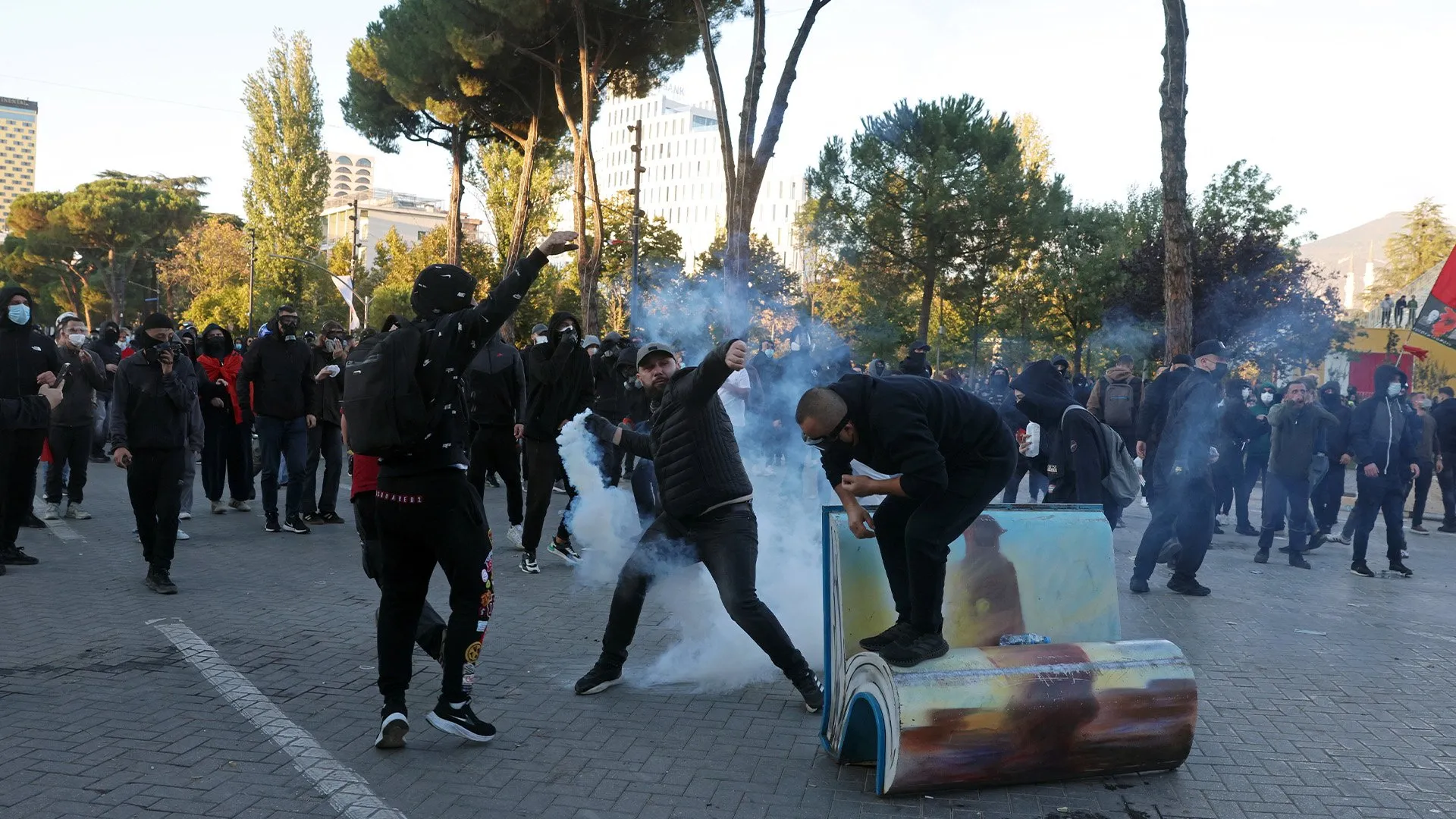
Violent unrest is gripping several countries across Europe, as student activists demand better education systems. Albanian Prime Minister Edi Rama has blamed the demonstrations in his country on ‘foreign hands’.
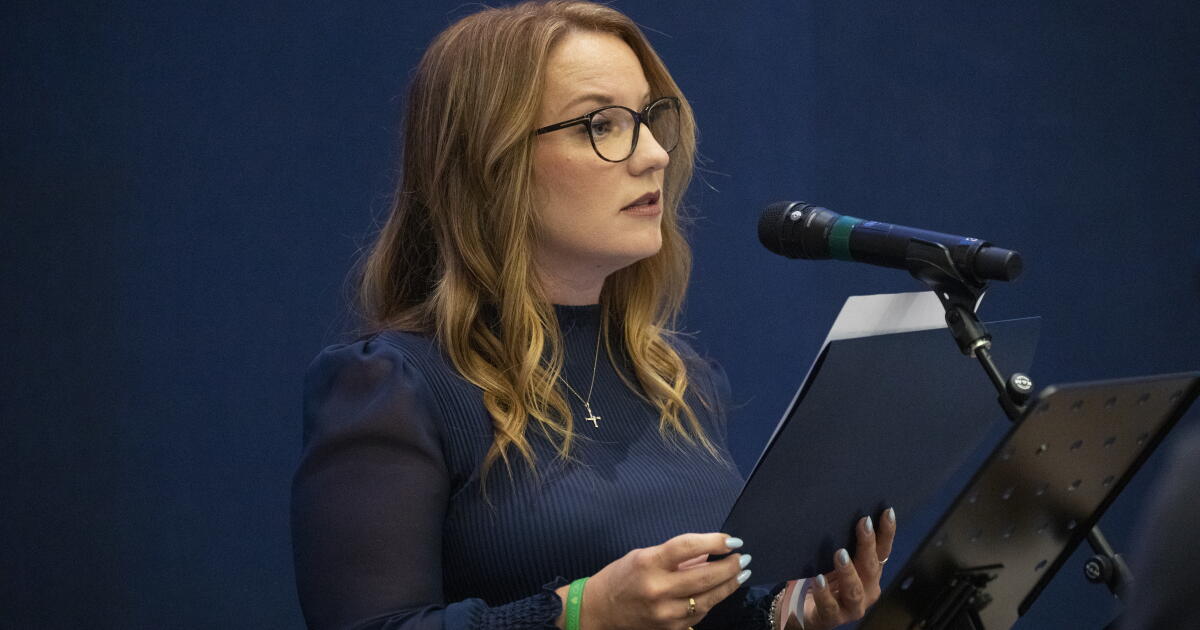
Los Angeles County Supervisor Lindsey Horvath presented a motion Tuesday calling for “bold action” to better protect victims of domestic violence and stalking, seeking to help them more effectively navigate the county’s restraining order system and obtain court-ordered protection.
Horvath cited recent Los Angeles Times reporting on the challenges victims face when obtaining and enforcing restraining orders as an inspiration for the Board of Supervisors motion, which was co-authored by board chair Hilda Solis. The supervisors are scheduled to consider the measure during the board’s Nov. 10 meeting.
“A recent story from the L.A. Times spoke to the process of domestic violence restraining orders and the work done and not being done across the county to support survivors in need of this critical support,” Horvath said.
The Times’ reporting identified at least 63 women killed in 2024 and 2025 in L.A. County whose cases involved a former partner or close relative arrested or charged with their murder. The deaths accounted for more than 40% of the 156 women killed during that period. At least 10 of those women had filed for restraining orders.
In July 2024, the county Department of Public Health’s Office of Violence Prevention issued a report with more than a dozen recommendations for reducing domestic violence homicides by improving access to restraining orders. Today, most of those recommendations have not yet been implemented.
The office said the delay was the result of insufficient funding and challenges with coordinating between the many agencies responsible for the county’s restraining order system.
If passed, the motion would mandate reports from the county’s chief executive, the Los Angeles County Sheriff’s Department, and the departments of Public Health, Mental Health, Consumer and Business Affairs, Public Social Services, and Homeless Services to assess current efforts, improvement plans and additional funding needs.
“We know that domestic violence restraining orders protect survivors and I believe the board must take every step possible to better support and protect our survivors,” she said. “The county,” she added, “must step up and lead in this space.”
The motion calls for allocating millions of dollars annually to fully fund nine county-run self-help legal centers that assist people navigating the restraining order process.
It would also officially identify “Gender-Based Violence and Intimate Partner Violence” as a priority for the Board of Supervisors, and require a presentation from the Sheriff’s Department on how the agency plans to improve its handling of restraining orders.
The Office of Violence Prevention would be required to develop a plan for a “peer navigator model” to guide survivors through the restraining order system.
The Department of Homeless Services and Housing would be asked for an assessment of what additional resources would be necessary to provide emergency beds for all people fleeing intimate partner violence.
Letter from progressive US representatives brings attention to Israeli abuse and detention of Palestinian medical workers.
Published On 6 Oct 20266 Oct 2026
A group of six progressive Congress members in the United States have released a statement condemning Israel’s abuse of Palestinian healthcare workers, including the Gaza doctor Hussam Abu Safia, who has been held in Israeli detention since 2024.
The Tuesday statement draws attention to Israeli attacks on Palestinian medical workers, who have been targeted and detained during the country’s genocidal war on Gaza.
Recommended Stories
list of 3 itemsend of list
It was signed by Representatives Rashida Tlaib, Ilhan Omar, Jesus “Chuy” Garcia, Summer Lee, Pramila Jayapal and Delia Ramirez.
“Over the last three years, the Israeli government has systematically destroyed the health system in Palestine, murdering at least 1,700 Palestinian doctors, nurses, paramedics, and other healthcare workers and destroying dozens of hospitals,” the statement reads.
“It has arrested and arbitrarily detained hundreds of Palestinian healthcare workers, including at least 16 physicians who continue to be held in inhumane conditions.”
Among those detained is Abu Safia, who lawyers say was subjected to abuses such as torture, sleep deprivation and beatings during his detention.
Israeli soldiers arrested Abu Safia in December 2024, after he and other medical workers reportedly refused to evacuate from Kamal Adwan Hospital, where they worked.
No charges have been filed against Abu Safia, and he has not had a trial.
Israeli attacks on health infrastructure in Gaza, including the destruction of nearly all of the strip’s hospitals and medical centres, are one component of what rights groups have depicted as an effort to deprive Palestinians of essential services such as food, water and medical treatment.
Tuesday’s statement argues that such efforts are part of an “intentional policy designed to further occupation, apartheid, and genocide against the Palestinian people”.
That assessment is shared by a growing number of rights organisations, scholars and United Nations officials, who have denounced Israeli actions in the Palestinian strip.
Israeli officials have stated that they target hospitals and medical facilities as part of an effort to attack the Palestinian armed groups that allegedly use such facilities to carry out and coordinate operations.
Such claims have often failed to withstand scrutiny. Israel admitted that its soldiers killed a group of 15 emergency workers in southern Gaza in March 2025, after initially stating that the ambulance convoy had approached soldiers “suspiciously” and claiming, without evidence, that several of those killed were linked to Hamas.
A report by the group Forensic Architecture and Earshot found that Israeli soldiers fired more than 900 bullets as they opened fire on a clearly marked ambulance convoy and killed some of the medics “execution-style” before burying their bodies and their vehicles.
Call the Midwife star Natalie Quarry has taken on a brand new role away from the BBC period drama
A Call the Midwife star has been cast in an Agatha Christie Drama(Image: BBC / Neal Street Productions / Andrea southam)
A Call the Midwife star is set to appear in another period drama.
The BBC has confirmed Natalie Quarry, who played Rosalind Clifford in beloved series, will star in the forthcoming six-part series, Hercule.
The exciting drama, which has commenced filming in Liverpool, will centre around three of Agatha Christie’s early stories, while also introducing Hercule Poirot to future friends and allies and one particular nemesis.
The show, from Mammoth Screen and Agatha Christie Limited, has been described as “an intimate study of Hercule Poirot, the man, and an epic portrait of Britain between the wars.”
Actor Edward Bluemel takes on the lead role of Hercule Poirot, and is best known for his roles in Killing Eve and A Discovery of Witches. He is the youngest to take on the role created by Agatha Christie back in 1916.
Also starring in the drama is Death in Paradise star Ralf Little who joins the star-studded cast alongside Emily in Paris star Paul Forman, It’s a Sin star Omari Douglas, The Beauty’s Jessica Alexander, and The Souvenir’s Honor Swinton Byrne.
Widely regarded as one of the greatest detectives in fiction, Hercule Poirot has sold over 750 million copies, captivating readers and audiences for more than a century.
Sharing excitement for the new Agatha Christie series, James Prichard, the great-grandson of the famous author, and executive producer for Agatha Christie Limited, said: “My father had the privilege of working with David Suchet for nearly 25 years, and I now have the good fortune of being able to share my great-grandmother’s brilliant stories with a new generation of viewers.”
He added: “Edward Bluemel is an extremely talented performer and will make a great addition to the long line of actors that have played this celebrated character, aided and abetted by Benji Walters’ thoughtful scripts. I cannot wait to see Edward on screen as Hercule Poirot.”
Who is Natalie Quarry?
Actress Natalie Quarry joined the Call the Midwife cast in its 13th season as a student midwife, Rosalind Clifford, and has since become a fully-fledged practitioner among the nuns and nurses at Nonnatus House.
In the most recent series, which concluded earlier this year, she became involved with the Women’s Liberation Movement and found love with local social worker Cyril Robinson (Zephryn Taitte), but their relationship has been a topic of discussion among the locals.
Away from the BBC period drama, Natalie has also starred in Doctors, Atlanta, and Blitz.
More than 1,700 healthcare workers have been killed during the genocide in Gaza. Israel has detained hundreds more without charges. Doctors, nurses and paramedics who stayed to treat the wounded have themselves become casualties of this war.
When medical staff are killed, imprisoned or disappeared, it is not only they who pay the price. Patients lose the people they rely on to keep them alive.
This is something delegates who gather in Rotterdam this week for the General Assembly of the World Medical Association (WMA) must remember. The fate of their Palestinian colleagues should be put on the table, not as a debating point, but as a test of whether the world’s governing body of medical ethics still means what it says.
The WMA already recognised the seriousness of these issues last year by adopting a resolution on the protection of healthcare in conflict. That was an important step and a welcome reaffirmation of the principles of medical neutrality. The challenge now is to ensure this is followed by the commitment of every medical association to explicitly support it and to use its influence to pressure governments to act.
If the WMA Assembly needs a single face for this file, it could be the one of Dr Hussam Abu Safia, the paediatrician who was the head of Kamal Adwan Hospital, the last functioning hospital in northern Gaza until Israeli forces stormed it in December 2024.
He’s been held now for more than 22 months without charge under Israel’s Incarceration of Unlawful Combatants Law, which permits indefinite detentions. He reportedly continues to endure prolonged solitary confinement, beatings, severe weight loss and untreated pre-existing conditions. An international petition for his release has drawn the signatures of more than 970 medical professionals from 41 countries.
Alongside him stands Dr Mazen al-Rantisi, the 71-year-old family physician from Ramallah in the occupied West Bank, known as the “doctor of the poor”. He was arrested in June in a predawn raid on his home.
In addition, our longtime Doctors Without Borders (MSF) colleague, Dr Mohammed Hassan Ali Obeid, a respected 43-year-old Palestinian orthopaedic surgeon and father of three children, has been detained under the Unlawful Combatants Law in Israel for more than 600 days without charge.
Although detained health workers have been released, more than 80 remain in Israeli custody alongside at least a dozen arrested from the West Bank.
The World Health Organization (WHO) has recorded 1,000 attacks on healthcare, which have resulted in more than 1,000 deaths and 1,700 injuries in Gaza since October 7, 2023. Roughly 90 percent of Gaza’s health infrastructure has been destroyed or damaged. In August 2025, United Nations experts stated that the systematic destruction of the health system amounts to “medicide”.
In the West Bank, where no wartime emergency provides cover, the WHO also documented more than 1,000 attacks on healthcare since October 7, 2023, with 42 deaths and at least 218 injuries.
Ambulances are stopped at checkpoints and their crews taken. Medics trying to reach people injured in settler attacks have themselves been obstructed. Dialysis and oncologic patients stay home because the checkpoints make the journey to treatment impossible. Healthcare workers have been shot, detained and killed during Israeli military raids.
All of this represents Israel’s deliberate and systematic endeavour to dismantle Palestinians’ capacity to provide care. This is consistent with its clear and blatant disregard for Palestinian life.
The WMA Assembly should speak plainly about what is happening. It should call publicly for the release of detained Palestinian doctors, including Abu Safia, al-Rantisi and Obeid. It should press for independent access to those still being held. And it should back independent investigations into attacks on healthcare in Gaza and the West Bank with the findings made public regardless of where they lead.
This is an opportunity to collectively pressure fellow medical associations, political authorities and any relevant bodies to take action.
What lies before the Rotterdam assembly is a duty. One that reaffirms loudly, structurally, universally the founding proposition of the WMA: that membership carries an ethical responsibility, which does not flex with geography or alliances.
Healthcare workers are not targets. Either a white coat is worth protecting everywhere, or it is protected nowhere. The test is not simply whether we affirm these principles, but whether we uphold them when it matters most.
The views expressed in this article are the author’s own and do not necessarily reflect Al Jazeera’s editorial stance.
WASHINGTON — Late September in the Oval Office, President Trump declared, “Iran will never have a nuclear weapon. We’re gonna win that war very soon.”
It wasn’t the first time he’s described the hostilities as “war.”
On Feb. 28, the day U.S. and Israeli began bombarding Iran, he warned that “the lives of courageous American heroes may be lost, and we may have casualties. That often happens in war, but we’re doing this not for now. We’re doing this for the future, and it is a noble mission.”
But throughout seven months of back-and-forth strikes with Iran, Trump administration officials, and sometimes Trump himself, have performed verbal acrobatics to avoid the “W” word.
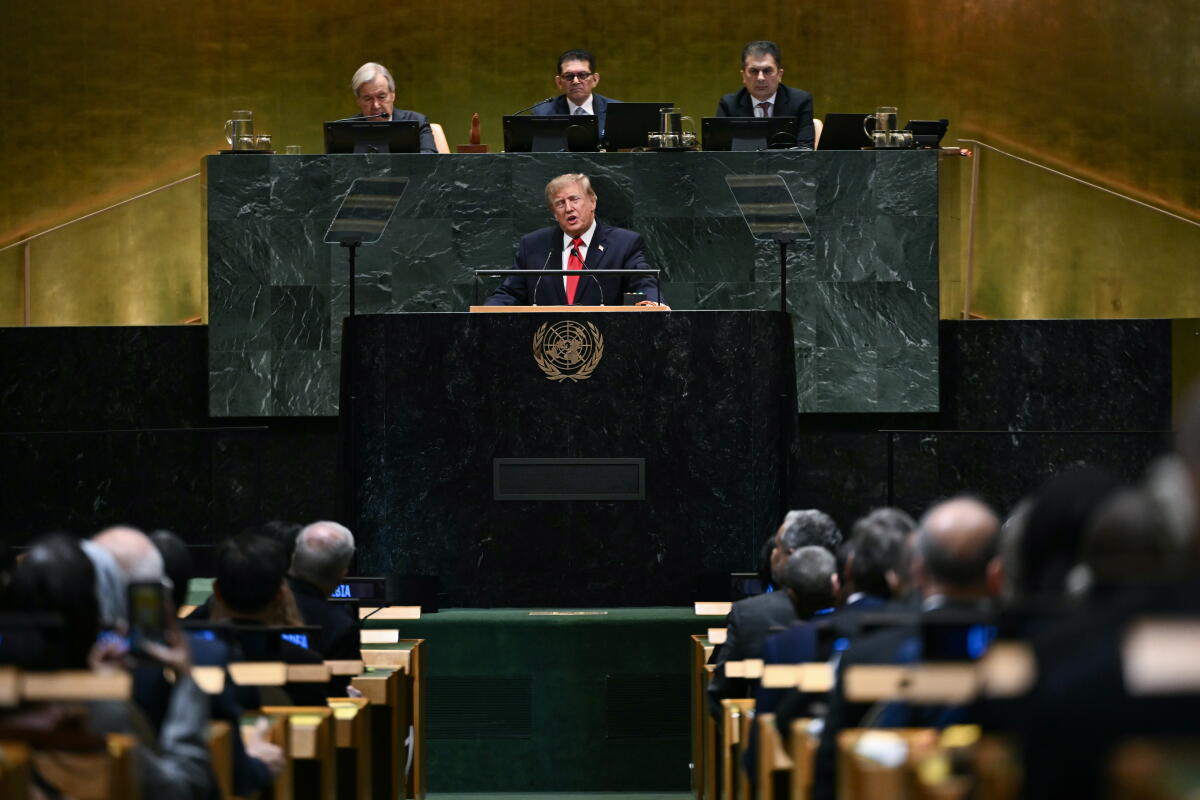
President Trump, addressing the United Nations General Assembly on Sept. 22, used the word “war” one time when referring to hostilities with Iran.
(Pool / Getty Images)
Senior administration officials loosely tossed around “war” during the first stages of conflict, but with polls showing the war in unpopular and congressional support waning, “war” and even “Operation Epic Fury” have become taboo among members of the Trump administration.
Trump has called attacks on Iran a “military operation,” “military decimation,” “excursion” and “skirmish.”
At a White House press briefing last month, Vice President JD Vance attempted to clear the air when a reporter asked about a potential end to what she called a “war in Iran.”
“I wouldn’t call it a war right now,” Vance said. “Major combat operations lasted for about six weeks.”
Vice President JD Vance, addressing reporters at the White House on Sept. 3, said, “I wouldn’t call it a war right now” when asked about the conflict with Iran.
(Chip Somodevilla / Getty Images)
Defense Secretary Pete Hegseth tread carefully in front of the Senate Appropriations Committee in July, repeatedly referring to a “conflict” in Iran that needed additional funding to continue.
On May 5, during the first of two delicate ceasefires with Iran, Secretary of State Marco Rubio announced an end to the objectives laid out in Operation Epic Fury and the beginning of “Project Freedom” — an effort to escort merchant ships through the Strait of Hormuz.
In April, Trump announced the blockade of Iranian ports. When asked about whether the blockade constituted an act of war, Rubio replied, “That’s not an act of war, that’s a defensive measure. It’s a counter to what they have decided to do.”
Senior Trump officials have maintained that the conflict can no longer be viewed as war because the intensity of strikes between the two countries has been reduced.
The “end” of Operation Epic Fury, the name Trump used when he announced hostilities on Feb. 28, was declared on May 5 — 60 days after the fighting began.
The timing was no coincidence. Under the War Powers Resolution of 1973, a president must cease all hostilities abroad after 60 days if there is no congressional declaration of war.
Legal and political considerations
Under the Constitution, only Congress declares war, but past presidents have routinely circumvented this rule by exercising their authority to direct the military and initiate strikes on targeted nations.
Nearly every modern president, from Dwight D. Eisenhower to Trump, has used this justification to undertake military action without the declaratory approval of Congress.
Congress can also choose to approve an Authorization for Use of Military Force, which grants the president legal authority to conduct military operations overseas.
Unless Congress sets a time limit on the authorization, authority to use the legal justification to launch military strikes can theoretically span multiple administrations.
Rep. Jamie Raskin (D-Md.), a former constitutional law professor at American University, said that presidents of both parties have avoided the term “war” when attempting to evade congressional approval of hostile action abroad.
“Trump has followed some of his predecessors in playing word games with the war power,” Raskin said. “What makes his case so extreme is that he proudly described it as a war and depicted it in glorified military terms.”
In March, seven days into the fighting, Trump said, “The war itself is going unbelievably. It’s as good as it can be.”
Congress has not officially declared war since World War II. The Vietnam War, the invasion of Afghanistan and both wars in Iraq were all approved by Congress under the umbrella of an Authorization for the Use of Military Force.
This year Congress has not approved such an authorization for the action with Iran. Fourteen Senate votes for a War Powers Resolution to curb Trump’s war efforts have failed in the chamber so far.
According to a CNN/SSRS poll last month, only 26% of Americans approve of the Trump administration’s handling of the Iran war.
Raskin said that he believes Trump’s terminology has shifted with the public mood, adding that he hasn’t heard any of his Republican colleagues “play along with the semantic games.”
“When things have turned south in the fortunes of this war, he has tried to pretend it’s something else,” Raskin said. “I think that has just further enraged the population.”
Past handling of congressional war power
The administration’s declaration that Operation Epic Fury had concluded echoed May 2003, when then-President George W. Bush stood in front of a banner reading “Mission Accomplished” aboard the USS Abraham Lincoln, approximately six weeks after Operation Iraqi Freedom began.
“Major combat operations in Iraq have ended,” Bush said. “And now our coalition is engaged in securing and reconstructing that country.”
President George W. Bush speaks aboard the aircraft carrier USS Abraham Lincoln off the California coast on May 1, 2003.
(J. Scott Applewhite/AP)
Despite the victory lap, combat operations in Iraq and across the Middle East continued through the aughts. The Iraq war wouldn’t officially end until 2011, with President Obama’s signature.
Obama himself relied heavily on the 2001 Authorization for the Use of Military Force — passed by Congress under Bush — in his military campaign against Islamic State during his presidency.
According to Council on Foreign Relations data, Obama launched 542 drone strikes and killed 3,797 people in Yemen, Pakistan and Somalia without renewed approval from Congress.
A case more analogous to Trump’s comes in former President Truman’s unilateral decision to deploy U.S. troops to Korea in 1950. The Truman administration forwent congressional approval altogether and used United Nations Security Council resolutions to justify the intervention against Communist forces in the north, according to a White House news release from the time.
There were many critics of this exercise of executive war powers, most notably, Ohio Republican Sen. Robert A. Taft, who argued that Truman had usurped congressional war powers.
However, that Congress still provided monetary support, granting Truman military funds and extensions to the draft to raise additional troops for the Korean War effort. According to historical Gallup polls, 78% of Americans in 1950 approved of U.S. intervention in Korea.
Trump sticking with ‘war’
While Vance and other administration officials continue to avoid “war,” it does slip out now and then. Trump has been, perhaps, the most discordant messenger of the administration when discussing Iran.
After referring to the “war” on social media and public interviews more than a dozen times, Trump backed Vance’s comments about the Iran war no longer being active as he spoke to reporters in the Oval Office in September. He refuses to call the conflict a “war,” Trump said, because “you are supposed to get approval.”
“I call it a military conflict, because it’s small potatoes for us,” Trump said.
Smit Machchhar recalls mid-air disaster after co-pilot’s attack on flydubai flight to Tel Aviv.
Published On 2 Oct 20262 Oct 2026
Indian pilot Smit Machchhar, who was stabbed by his co-pilot in an alleged attempt to crash a Flydubai flight to Tel Aviv, has shared a public account of how he managed to open the cockpit door and let passengers take control of the plane despite his injuries.
Speaking on Friday from a hospital bed in Abu Dhabi via video call with Indian Prime Minister Narendra Modi, Machchhar said that he knew the aircraft was going down as he lay bleeding on the floor.
Recommended Stories
list of 3 itemsend of list
“I had suffered so many injuries that I had collapsed. At that time, I could feel that the aircraft was going down. I knew this was the last push, that the door was right there,” he said in a nearly 10-minute video released on the prime minister’s social media channels.
He added: “I was being hit even then, but I just opened the door and everyone came in.”
Machchhar, who has 17 years of aviation experience, including 11 as a captain, said that experience helped him grasp what was happening even while wounded.
He told Modi he had recited a Hindu devotional prayer during the ordeal.
“I know God himself saved me,” he said, in an emotional exchange with Modi, who is from the same home state of Gujarat.
Modi praised Machchhar’s bravery, saying his presence of mind had saved lives and the reputation of Indian pilots.
Machchhar said he allowed passengers and crew to overpower the co-pilot and let a second pair of Flydubai pilots take control and land the plane in Tabuk, Saudi Arabia.
The Flydubai flight was carrying 174 people as it briefly plunged around 17,000 feet (5,180 metres) before it was brought back under control.
UAE presidential adviser Anwar Gargash has called the incident a “terrorist act”, while Israeli Prime Minister Benjamin Netanyahu said the co-pilot had undergone “Islamist radical indoctrination” and appeared “suicidal”.
US President Donald Trump has warned that Iran would be “hit very hard” if found to be linked to the attack.
A controversial pass-interference call cost the Rams dearly in their defeat by the Denver Broncos, but coach Sean McVay said Monday that neither he nor the team would play the victim card.
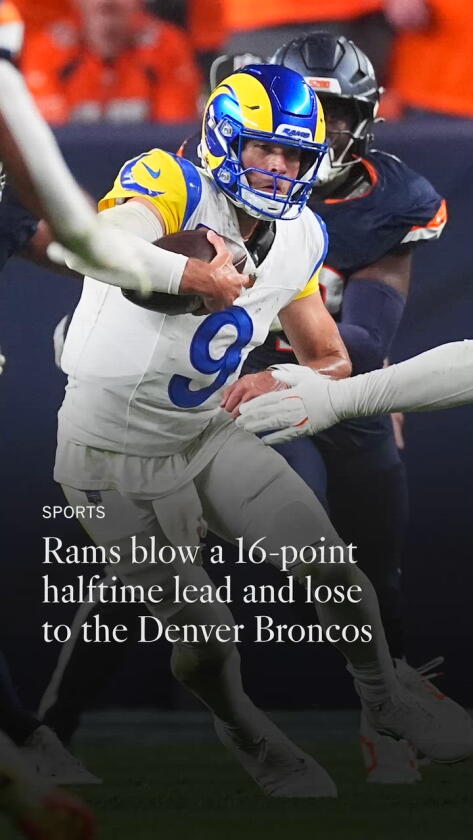
With just over a minute left in the game, Rams cornerback Josh Wallace battled with Broncos receiver Pat Bryant before intercepting a Bo Nix pass at the Rams’ seven-yard line. Had the play stood, it would have preserved a second consecutive Rams victory.
But officials cited Wallace for pass interference, giving the Broncos another set of downs. Nix eventually scored a touchdown to give the Broncos a 30-26 lead and an eventual victory that dropped the Rams to 1-2.
Share via
Gary Klein breaks down what went wrong for the Rams in a 30-26 loss to the Denver Broncos on Sunday night.
“I’m not going to play the victim card,” McVay said during a videoconference with reporters. “Doesn’t really matter. It is what it is. That was the call that was made, and there was a lot of opportunities that we had to be able to close the door on that game. … I wouldn’t have any additional coaching points for how Josh plays through the cycle of the snap.
“But I’m not going to make excuses either and we’re not going to play the victim card.”
“I told Josh, ‘Hey, nothing you can do. Refs got to call their calls. We can’t control that,’” McDuffie said. “But, I mean, looking back at it, I don’t know what they saw but I thought it was a great play. Got the interception for us.
“But like I said, whatever the refs saw they saw and threw the flag and ain’t much we can do about it, so it’s really just on to the next week.”
The Rams play the Eagles on Sunday in Philadelphia.
They will probably do so without cornerback Jaylen Watson, who left against the Broncos after suffering a dislocated right shoulder.
Watson will not be placed on injured reserve, McVay said, “but will probably be out for this week. We’ll see if we can kind of get him strengthened and harness it. It’s something that he’s dealt with before.”
Tight end Terrance Ferguson sustained an ankle sprain and is probably out against the Eagles. Tight end Colby Parkinson’s (shoulder) status will be evaluated this week.
Receiver Puka Nacua, who has been sidelined the last two games because of a hip injury, went through a lengthy on-field workout before the game against the Broncos.
Will he play against the Eagles?
”I’m hopeful,” McVay said, adding, “We’ll continue to see, but if he is able to progress the way that we hope there’s optimism that he’ll be able to play this week.”
McVay apologized for taking only a few questions during a postgame news conference after the defeat by the Broncos.
“I understand my role and responsibility is to be able to talk whether it’s after a win or whether we don’t get the results that we want,” McVay said, adding that the brevity resulted from a mix-up in timing. “There was a pause in any sort of questions and obviously an emotional game and so that was kind of what led to that.
“But if there was any misinterpretation, do apologize for that.”