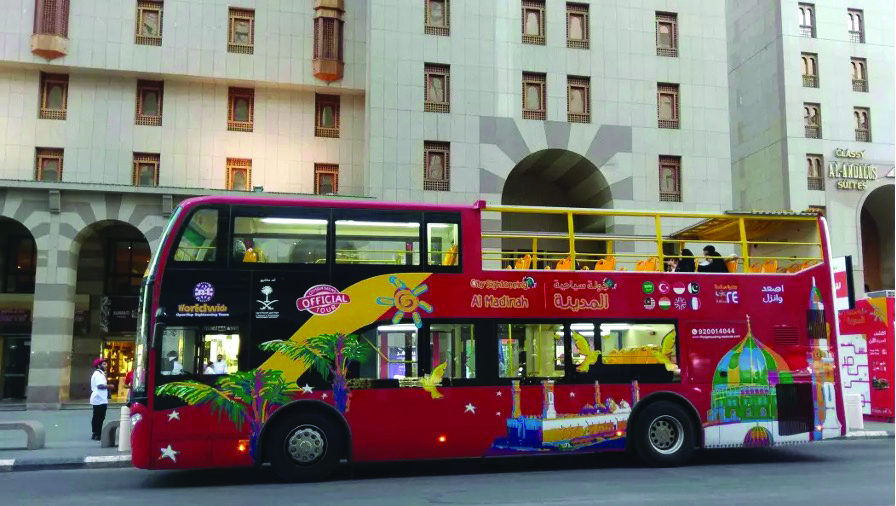
bus

Neolithic treasures and sparkling seas on Orkney – all for £2 bus fares | Scotland holidays

The views are remarkable. From one window, gorse-gold hills roll west towards mountains patched with snow. On the other side, fields of new spring lambs slope down to a silver sea. Elsewhere, the bus crosses wide estuaries and cascading burns. There are thatched crofts, rocky bays and birch woods starred with anemones. One of the most remarkable things about this scenic 111-mile, 3½-hour trip on bus X99 is that it costs just £2.

Until March 2026, a single from Inverness to Scrabster on Scotland’s north coast was £28. Now, thanks to a new bus fare cap in Orkney, Highland and Moray, no journey in the area costs more than £2. The bus is timed to coincide with the Northlink Ferry to Stromness, Orkney’s second biggest town, and I’m heading there to explore by bus.

The ferry’s dining room serves Orkney smoked-cheddar macaroni cheese and Orkney fudge cheesecake. Afterwards, I stagger out on deck for blustery views of the Old Man of Hoy, its red sandstone glowing in the sunset. Scrabster to Stromness (£22-£26 each way for foot passengers) is the only ferry route that passes this 137-metre-tall sea stack off the coast of Orkney’s most mountainous island. A seal weaves through the waves below, among wide-winged gannets and sleek guillemots.

The ferry passed the Old Man of Hoy. Photograph: Mark Ferguson/Alamy

I’m staying in a little whitewashed cottage called the Shed up the Lane, 10 minutes’ walk from the ferry port and just off paved Victoria Street with its shops and galleries. I can stroll from a flat white in elegant Stromness Coffee to dark island cake at Julia’s Shed via the Pier Arts Centre, a stylish light-filled gallery full of works by Barbara Hepworth, Ben Nicholson and others.

From April to October, bus X1 runs every half an hour, with an hourly service to the neolithic village at Skara Brae. Baby rabbits hop over the fields and sand martins are nesting in the cliffs nearby. You can still see where people slept, ate and kept bone tools on slab-built shelves 5,000 years ago. In summer, a ticket includes Skaill House, a delightful crow-stepped mansion. It was built by a 17th-century bishop, whose great-great-great-great-grandson, William Watt, first rediscovered Skara Brae in 1850 when a violent storm exposed the long-buried stone-age houses.

I get the bus to the Ring of Brodgar (free) and, with no parked car to get back to, hop back on after a two-mile linear walk to the Stones of Stenness (also free). Sandwiched between one salty loch and one freshwater, the area includes an RSPB reserve. I follow a flowering loch-side trail, where redshanks and oystercatchers forage on the shore. Swans are nesting near the Bridge of Brodgar and one pair have built their causeway-nest from seaweed.

Bus X1 heads towards St Margaret’s Hope and I get on, meaning to go all the way. The hour-long journey crosses the Churchill Barriers linking four islands, passing the Italian chapel on Lamb’s Holm, and ends near the Murray Arms, known for its seafood. But it’s beautiful weather outside and already past lunchtime. Another passenger recommends the Loki Seafood Shack, hidden on an industrial estate near Stromness. A few minutes later, I’m sitting in the sunshine eating fresh, hand-dived scallops with chilli jam and griddled hake with red Thai butter. The shack is run by chefs Leigh Gould and Alan Skinner. Leigh explains how the scallops are sustainably harvested by scuba divers, “just like picking potatoes out of a field, except the potatoes are under water”.

Back in Stromness, I walk round the coast with views across sparkling Scapa Flow to Hoy’s volcanic mountains. On the way, Stromness Museum (£7.50/free for kids) is an old-school treasure trove. Exhibits cover 5,000 years, from a rare neolithic figurine to Orcadian poet George Mackay Brown’s rocking chair. There are harpoons and snowshoes, painted chests and carved whalebones. In a glass case of Victorian stuffed birds, I’m finally able to ID the colourful birds I’ve seen hopping around the beaches all day as wheatears.

Puffins breed on Orkney in the summer months. Photograph: Sally Anderson/Alamy

Puffins, known locally as “tammie norries”, are returning to their nesting places for the summer. The best place on Orkney mainland to see them is around the cliffs in the island’s northwestern corner. Wild Orkney Walks is offering new bus-friendly tours for 2026, including the May-August Seabird City Experience (£40). It’s designed to fit the timetable for bus 8S, which runs close to the RSPB reserve at Marwick Head.

It’s still only April when I visit, so I plan to take bus 8S next morning and walk to Birsay, through the ruins of a 16th-century palace. The only sounds are cows, curlews and crashing waves. Near the village church, there’s an honesty box selling biscuits called fattie cutties and jars of rhubarb chutney. I cross the snaking low-tide causeway to the Brough of Birsay, admire a Viking church and look at the seabirds on the cliffs below the lighthouse. Then I follow the coast, where the turf is springy with budding thrift, clifftops gold with celandines, and fulmars chuckle from rocky nest-ledges. Waiting, near bird-rich Birsay beach, for bus 7 back to Stromness, three puffins fly past in the misty light. At the wood-panelled Ferry Inn, supper is a perfectly cooked slab of chargrilled salmon with green beans, pea shoots, fresh apple and pickled radishes.

With a few hours next day until my ferry, I get the bus to Kirkwall to visit St Magnus Cathedral. On the way, there’s one more prehistoric site: you can only visit Maeshowe chambered cairn on a guided tour via shuttle bus from the visitor centre in Stenness. The grassy banks are sprinkled with violets; inside, there is runic, dagger-carved Viking graffiti. Runes suggest ancient wisdom, but this is loo-door stuff: “Haermund Hardaxe woz ’ere.”

Bus travel means I can end with a drink. Orkney has two huge and centuries-old distilleries: Highland Park and Scapa. The harbourside Orkney Distillery, founded in 2016, is much smaller and has so far produced mostly gin. Their first single malt whisky will be ready in 2027. An engaging tour ends with tasters, after which it’s a four-minute stumble to the bus station. I spend the night, across the water, at Scrabster’s Ferry Inn. My £2 bus next morning is run by Ember (book ahead), the world’s first all-electric, intercity bus company with wifi and charging points.

Orkney hosts several scenic bus stops. Photograph: Alpegor/Alamy

Back in Inverness, the brand new Inverness Castle Experience (£20), presenting itself as a gateway to the Highlands, involves immersive sound-and-light shows scrolling across the Victorian castle walls. There are soaring eagles, thundering oceans and whispering stag-filled forests, while spectral voices say things like: “It’s a voyage, it’s a pilgrimage, it’s a saga.” Next door, Inverness Museum and Art Gallery (free) has an amazing collection of Highland stuff: Caithness glass, a carved Pictish wolf, Bonnie Prince Charlie’s death mask … There’s time to stroll round Ness Islands, and enjoy live music in the Victorian Market’s food hall, before boarding the Caledonian Sleeper (seats from £54, twin cabins from £290). The night train will replace leafy riverside Inverness with grey London towers. But before I sleep, there’s sea bass and a glass of cold white wine as the sun sets over the Cairngorms.

The trip was supported by Visit Scotland with transport provided by Northlink Ferries and Caledonian Sleeper


Source link

World Cup train and shuttle bus ticket prices cut in New York, New Jersey | World Cup 2026 News

Round-trip train tickets brought down to $98 from $150, and bus fares to cost $20 instead of $80, state officials say.

Local governments in New Jersey and New York have reduced the cost of train and bus tickets for commuters travelling to the states’ joint World Cup venue during the tournament.

New Jersey Transit train tickets to the MetLife Stadium, renamed New Jersey New York Stadium for the FIFA World Cup, will now cost $98 as opposed to the earlier price set at $150 for a return fare, New Jersey Governor Mikie Sherrill announced on Wednesday.

“Ahead of NJ Transit World Cup train tickets going on sale tonight, NJTRANSIT is lowering ticket prices to $98 without New Jersey taxpayer money,” Sherrill wrote in a social media post.

The move followed intense backlash from local and international football fans planning to attend World Cup games at the stadium in East Rutherford, New Jersey, where the tournament’s final will be held on July 19.

The $98 fare, which will be charged during the World Cup matches hosted in New Jersey, is still significantly higher than the regular fare of $13 for the 29km (18-mile) round trip from New York City’s Penn Station.

When the $150 fare was announced, Sherrill defended it by suggesting the upcharge was necessary to ensure that her state’s commuters were not stuck with a “tab for years to come” for hosting the World Cup on its return to the United States for the first time since 1994.

NJ Transit officials said it would cost $62m to transport fans to and from the stadium over the duration of the tournament and outside grants had defrayed only $14m of those anticipated expenses.

“This isn’t price gouging,” NJ Transit President and CEO Kris Kolluri said last month. “We’re literally trying to recoup our costs.”

Meanwhile, the cost of taking a shuttle bus from New York City to the World Cup venue has also been reduced.

“The cost of shuttle bus tickets to and from matches will be reduced from the initial $80 round-trip price to $20,” New York Governor Kathy Hochul announced on the same Wednesday.

The move from the NYNJ Host Committee offers some respite for fans who would have already spent thousands of dollars on attending a World Cup game, largely due to the exorbitant match ticket prices, international and local airfares, and visa costs.

The host city officials said 20 percent of bus tickets for each match will be reserved exclusively for New York state residents. The remaining tickets will be available for all match-going fans.

The US is cohosting the tournament with Mexico and Canada. It begins on June 11.

Source link

Amid backlash over World Cup parking, LA Metro offers a solution

Ticket prices are just the start of the soaring expenses many fans will face while trying to watch World Cup games this summer.

NJ Transit is charging $150 for round-trip tickets from Manhattan to the Meadowlands (the regular price is $12.60) for the World Cup final, while host committee shuttle buses will cost $80.

The Massachusetts Bay Transportation Authority is demanding $80 to ride one of the 14 express trains on the 30-mile trip from downtown Boston to Foxborough for games at Gillette Stadium. That’s more than three times the normal price.

Parking in Kansas City, meanwhile, will set you back by as much as $900, depending on the game and lot.

In Southern California, however, it will cost $1.75 to get to SoFi Stadium on a combination of buses or trains from as far away as Claremont and Simi Valley. That’s also what it costs to get to the Inglewood venue on any other day of the year; only two of the 11 World Cup cities in the U.S. are offering less expensive public transportation.

“We’re trying to make things convenient,” said Conan Cheung, the chief operations officer for the Los Angeles County Metropolitan Transportation Authority, or LA Metro, the second-largest transit agency in the country, servicing more than 305 million riders in 2025.

That’s a marked departure from the experience fans have reported ahead of this summer’s World Cup, which was marked by complaints over difficulty getting access to buy tickets, high ticket prices, shifts in seat locations after they were purchased, high fees and expensive game-day transportation.

“There’s no standardized fare set across the board,” Cheung said of World Cup transportation. “We’ve made a commitment to keep our system accessible. The way we’re planning the entire program is to ensure that we support people from the minute they decide to come to L.A. for the World Cup.

Workers are getting SoFi Stadium ready to host World Cup matches this summer.

Workers are getting SoFi Stadium ready to host World Cup matches this summer.

(Eduard Cauich / Los Angeles Times )

“We also want to make sure that your excitement and your experience for the World Cup starts and ends on Metro.”

LA Metro has been able to hold costs down in part because it received $9.6 million in funding from the $100 million Congress gave the Federal Transit Administration to support transportation to and from World Cup stadiums. LA Metro is adding about 300 buses to its regular fleet to handle the additional demand, with shuttles servicing nine direct routes to SoFi and various fan zones.

Roughly 200 of those buses will lent to LA Metro from 11 regional transit agencies. Additional security officers also will be added.

“I feel prepared,” Cheung said, “but you never know what’s going to happen. We’ve done enough major special events to know that you can do all the planning in the world, but you need to make sure that you have contingencies in place and you’re prepared to pivot at a moment’s notice.”

A case in point: when Game 3 of last fall’s World Series went into extra innings, LA Metro immediately extended the operating hours for Metro buses and trains, ensuring people had rides home when the game ended just shy of midnight.

“Part of our preparedness is going through tabletop exercises,” he said. “The point is to ensure that the flow from the parking, from the transit connection and walking up made sense and was intuitive and easy to follow.”

Since Metro trains don’t run directly to SoFi, Cheung has added shuttle buses to take fans from the stations to the stadium. Portable restrooms and hydration stations will be available. And nine park-and-ride sites will be set up around L.A. and Orange counties. Reserve and pay for a parking space and everyone in your car can ride to the stadium for free. (Be sure to bring a lot of friends since the parking fees range from $59 to $102 for the June 12 opening match.)

A pair of visitors from Japan rush to catch a Metro bus, one of them under the shield of an umbrella.

A pair of visitors from Japan rush to catch a Metro bus in March.

(Genaro Molina / Los Angeles Times)

Cheung said LA Metro has been preparing for the World Cup almost as long as some of the players. When Taylor Swift brought her Eras tour to SoFi in the summer of 2023, LA Metro used that as something of a dress rehearsal for the World Cup, expanding late service and adding free shuttles from nearby train stations.

That increased ridership by 25%, which meant less traffic on the roads and freeways leading to the stadium. A repeat of that could be crucial during the World Cup since five of the eight games played at SoFi are scheduled to start at noon local time.

And just as the Taylor Swift concerts prepared LA Metro for the World Cup, now the World Cup will help inform preparations for the 2028 Olympics.

“A lot of the strategies that we’re doing now — the process for working with not only local jurisdictions, state and federal agencies, as well as the other transit agencies in the regions — we’re setting up ways that are going to help not only for the Olympics and Paralympics, but anytime we need to pull together to support our communities for special events [or] natural disasters.”

For more information on LA Metro services in and around the World Cup, go to www.metro.net/riding/world-cup

You have read the latest installment of On Soccer with Kevin Baxter. The weekly column takes you behind the scenes and shines a spotlight on unique stories. Listen to Baxter on this week’s episode of the “Corner of the Galaxy” podcast.

Source link

‘Ultimate’ English aquapark with beach bus, trampolines and climbing towers is reopening this weekend

AN adventure aquapark is set to reopen this weekend – just in time to cool off Brits this bank holiday.

The park also marks the first of its kind in Europe.

An inflatable water park on a lake with trees and fields in the background.
The aquapark boasts a number of obstacles and climbing features Credit: Aztec Adventure
A man on a paddleboard and a girl in a kayak on a lake.
Families will even be able to hire kayaks to explore the surrounding lake Credit: Aztec Adventure

Aztec Adventure near Bromsgrove, Worcestershire, will be open throughout the summer season, from May 2 to September 20.

The park boasts a number of obstacles, including trampolines, ropes, stepping stones, climbing walls and a balance plank.

It will also feature Europe‘s first Aquaglide Splash Squad Junior Aqua Park, a smaller splash park for young swimmers aged four to seven.

The main aquapark will be suitable for all ages from six and up, given they meet the minimum height requirement of 122cm (4ft).

SPLASH OUT

UK’s biggest freshwater lido to reopen this week as temperatures to hit 26C


RIDE ON

English seaside theme park named one of the best in the world on Tripadvisor

The park promises “an adventure for everyone”, with tickets costing just under £100 for a family of four.

It will also be open from 11am to 3.30pm on weekends, bank holidays and daily during the May and summer school holidays, ensuring plenty of time for family fun.

For those concerned about safety – both parks are fully accredited by the Royal Life Saving Society UK (RLSS UK) as gold industry approved aqua parks.

From May 6, there will even be an opportunity for open water swimming.

Visitors can also hire a kayak or paddleboard to explore the surrounding lake area.

The park is just off Junction 5 of the M5 motorway between Bromsgrove and Droitwich Spa.

Source link