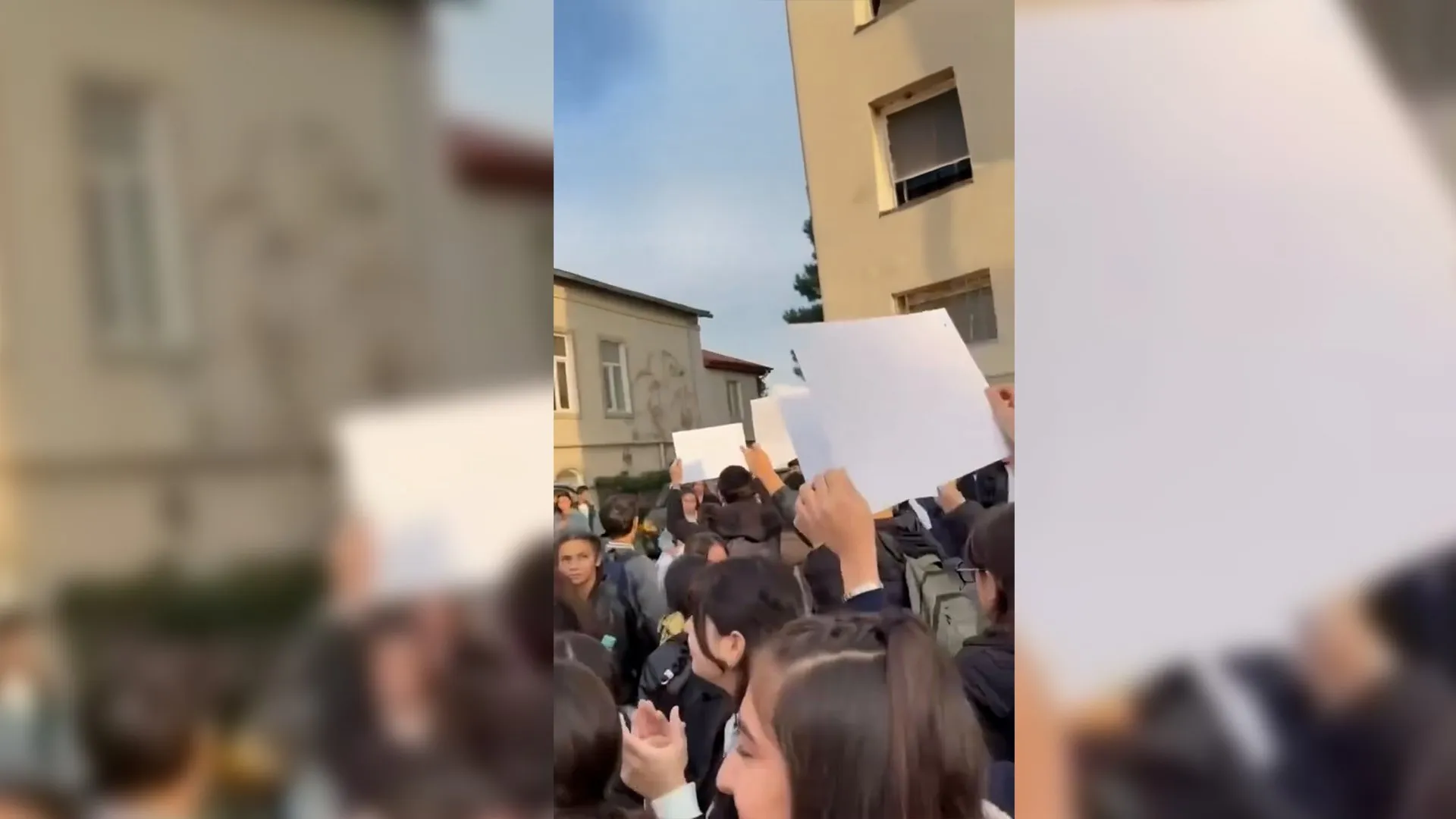
Videos show schoolchildren protesting outside schools and boycotting classes after reports that a new ‘secular’ dress code recently introduced by the Azerbaijani government has led to hijab-wearing pupils and teachers being barred from school.
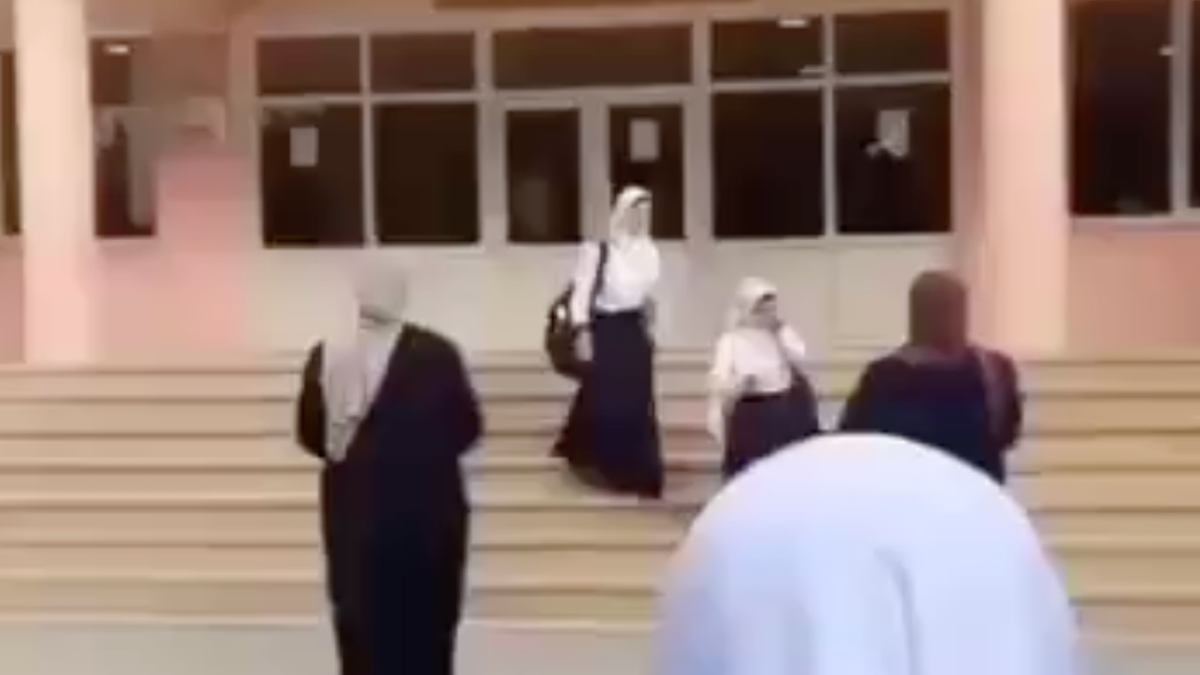
Video shows female students in tears as they leave a secondary school in Azerbaijan after reportedly being denied entry for wearing headscarves, following changes to uniform rules.
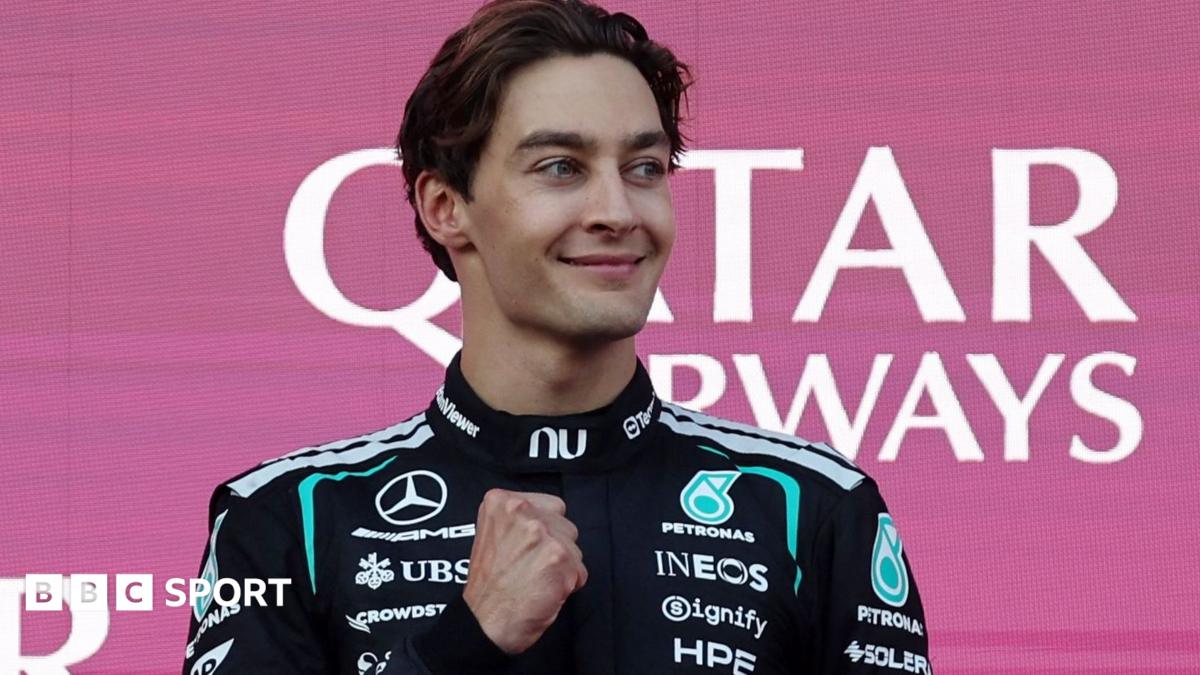
George Russell wins Azerbaijan Grand Prix for eighth career F1 victory and first since the Austrian Grand Prix in June.
Published On 26 Sep 202626 Sep 2026
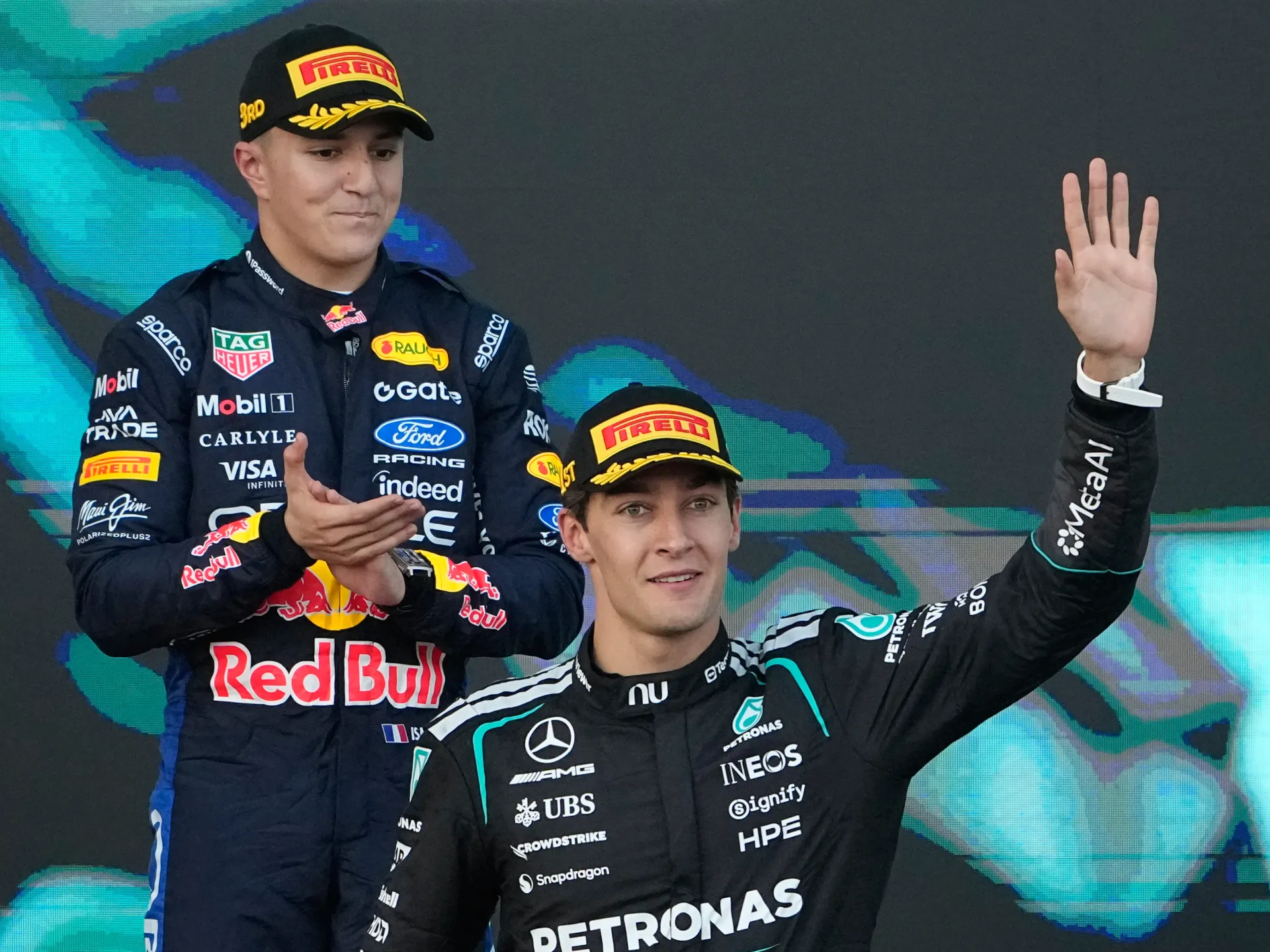
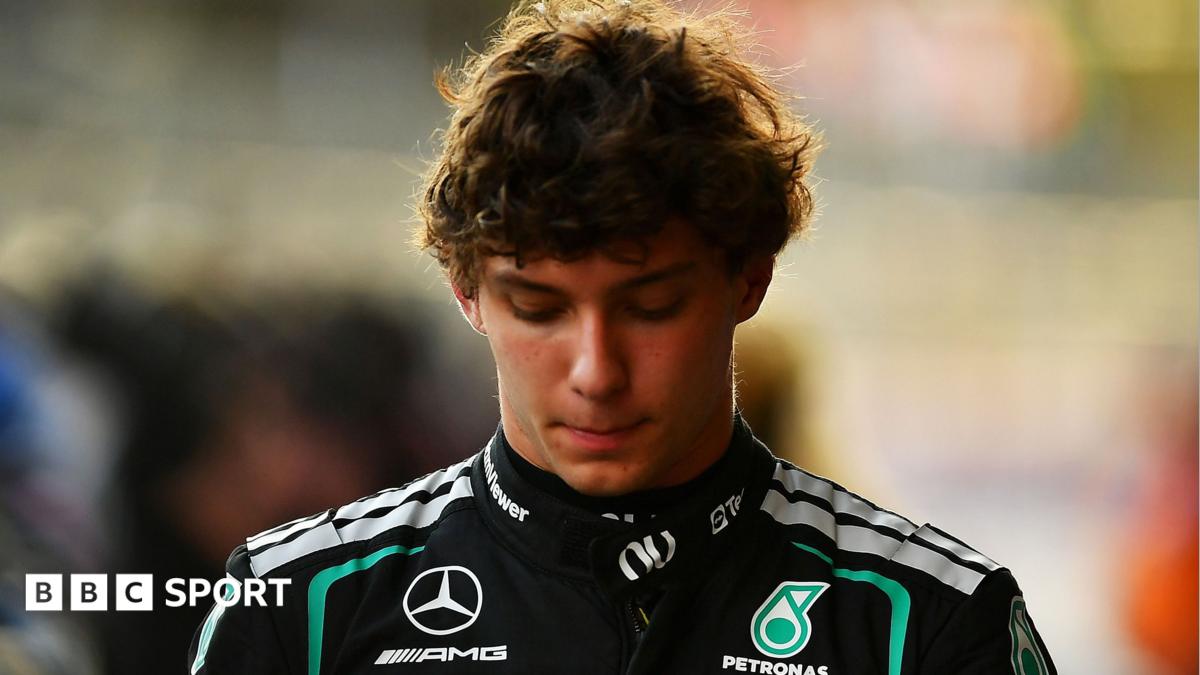
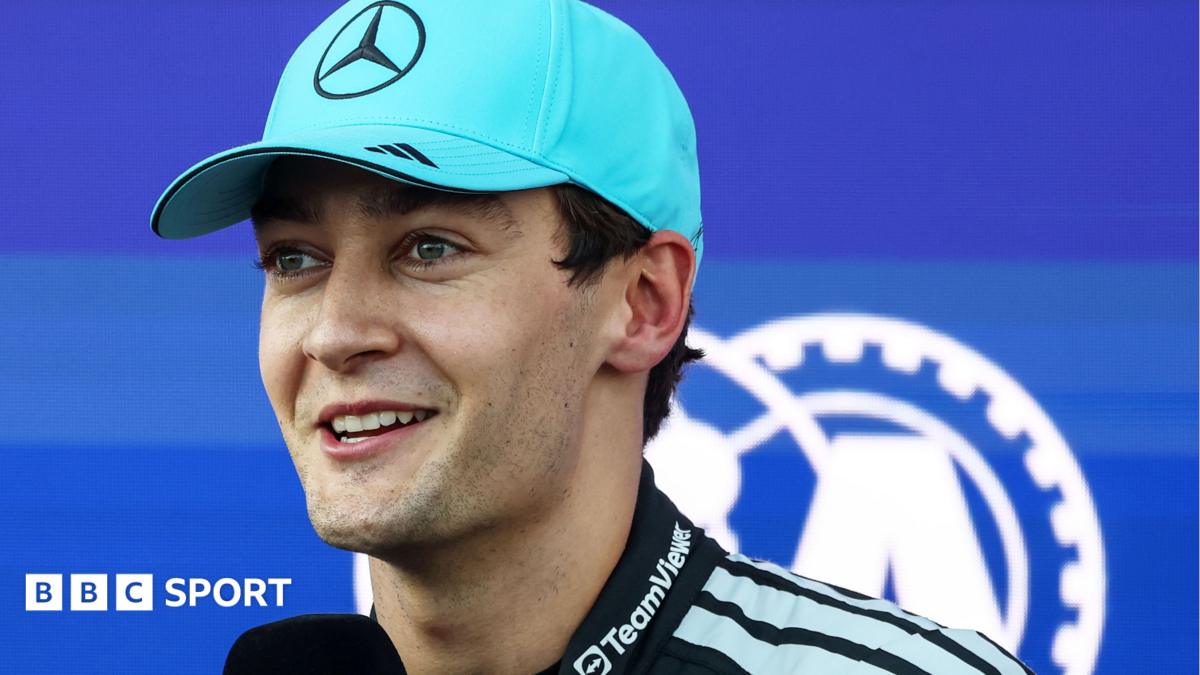
George Russell held off Red Bull’s four-time world champion Max Verstappen to complete a lights-to-flag win in the Azerbaijan Grand Prix for Mercedes, with teammate Kimi Antonelli limiting the damage to his championship lead by finishing fifth.
Russell took the flag 0.196 seconds ahead of the flying Dutchman, who started eighth but crossed the line nearly side-by-side with his Mercedes rival after two safety car phases turned a cruise into a fight for survival for the Briton.
Recommended Stories
list of 4 itemsend of list
Frenchman Isack Hadjar, who was handed a contract extension by Red Bull earlier this week and had missed the last three races with a wrist injury, completed the podium on his racing return.
The win around the Baku street track was the eighth of Russell’s career, the third of the season and his first since the Austrian Grand Prix at the end of June.
It allowed him to close the gap in the overall standings to Italian championship leader Antonelli by 15 points to 66 after 15 rounds.
“It’s amazing to be back on the top step of the podium,” said Russell.
“Every race since the (summer) break I’ve gone from strength to strength and I feel more like myself again.”
Antonelli had started 16th after a rare error saw him crash out of Friday’s qualifying.
His drive on Saturday was less like his Monza charge — where he went from 19th to first — and more of a slow-burn recovery.
Charles Leclerc took fourth for Ferrari ahead of the 20-year-old Italian. His seven-time world champion teammate Lewis Hamilton was sixth.
Racing Bulls rookie Arvid Lindblad finished seventh. Esteban Ocon took eighth ahead of teammate Oliver Bearman in a double points finish for Haas.
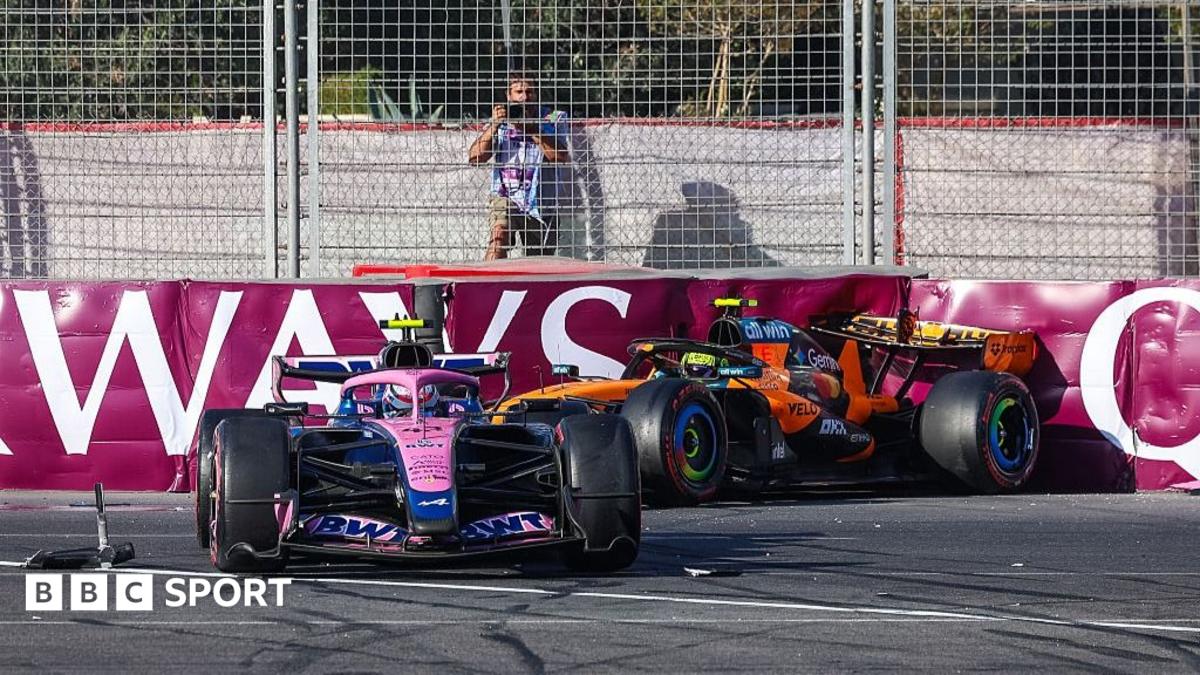
World champion Lando Norris has called for Alpine’s Franco Colapinto to be banned for causing an accident at a restart at the Azerbaijan Grand Prix.
Norris was taken out in a chain reaction when the Argentine locked up his brakes and slid into team-mate Pierre Gasly, who then hit Norris. All three cars retired as a result of the incident.
Norris told BBC Radio 5 Live: “Give him a ban. It’s quite simple.”
Colapinto said: “I can be sorry to everyone. It’s been a big mistake, of course. I just locked up and then I was very out of control.”
Briton Norris said he believed governing body the FIA should take such incidents more seriously because of the impact it has on other drivers who are blameless, and the cost in terms of damaged parts.
“The FIA should be more strict and start handing out bans for this kind of stuff,” Norris said.
“It’s careless from people. It costs a lot of money. All my parts are in the bin now, so people should just get banned for this kind of driving. (They) don’t deserve to be in Formula 1.
“If you cause a crash on a restart like this, yeah, you should have at least a one-race ban.”
Russell appeared on course for a comfortable win as the race unfolded with few incidents of note in the opening stages.
Piastri moved up from third on the grid to second by passing Ferrari’s Charles Leclerc at the start but the Australian lacked the pace to chase Russell, who edged away into a comfortable lead.
Behind, Piastri soon found himself holding off Hadjar, who won an early battle with McLaren’s Lando Norris and then passed Leclerc to challenge the McLaren.
Meanwhile, Verstappen was making his way up from eighth place after a qualifying session in which a cascade of problems had prevented him qualifying second to Russell.
By lap seven, he was past Hadjar into third place after the Frenchman did not fight him.
The three cars circulated together in a stalemate, with no-one able to pass and the teams all waiting for the expected accident that would lead to a safety car and a cheap pit stop.
That happened on lap 30, when Williams’ Alex Albon crashed at Turn Five.
On the restart, six laps later, Verstappen passed Piastri into Turn One to move into second place.
But the race was almost immediately put back under caution after a pile-up at the first corner caused by Alpine’s Franco Colapinto, who cannoned into team-mate Pierre Gasly, who in turn clattered into Norris.
Behind them, the two Racing Bulls also came together, Arvid Lindblad tipping Liam Lawson into a spin, leading to a sarcastic response from the New Zealander on the radio.
That put Verstappen on to Russell’s tail for another restart but the Briton handled the situation coolly, accelerating early and catching the Dutchman somewhat unawares.
He was unable to shake Verstappen, who was always about 0.5secs behind but never quite close enough to try a move into Turn One, the only significant overtaking place.
There was one last chance for Verstappen on the final lap.
Valtteri Bottas crashed his Cadillac at Turn 15, and after backing off for the yellow flags, Russell lost his turbo which in turn cost him electrical boost.
Verstappen closed in on the run to the line and there was just 0.196secs between them as they crossed the line, the closest green-flag finish to a grand prix since the 2002 United States Grand Prix.
Russell has now finished on the podium in three of the four races since the summer break and asked what has changed for him since then, he said: “I think it’s just having more experience with this new driving style I’ve adopted and every race since the break I feel like I’ve gone from strength to strength. I feel more like myself again.”
Russell also pointed out that this was the first significant mistake Antonelli had made in a competitive session all year.
Asked if he believed Antonelli’s mistake was a result of “title jitters”, Russell said: “When you look at every championship campaign, even for the winners, there are mistakes along the way.
“So, I still keep on believing and keep on fighting until it isn’t possible any more. But I don’t feel any pressure.
“I feel excitement every time I jump in the car now, purely because I feel more confident in myself.
“When that confidence starts to build, it’s just like this upward cycle.
“On the flip side, when you’re on the back foot, you start losing that confidence and then you start pushing the limits more, and that’s when mistakes happen.
“But he’s been flawless this season. It’s the first mistake he’s made in a qualifying or race this whole year.”
Russell’s pole margin was a massive 0.837secs, with Ferrari’s Charles Leclerc second and Piastri third.
The Baku street circuit has a long straight that affords good overtaking possibilities and has a reputation for producing incident-packed races.
Leclerc was somewhat taken aback by Mercedes’ superiority, saying that the position was what he expected but the gap most definitely was not.
At the bottom of the top 10, there was finally some good news for Williams, for whom Carlos Sainz achieved the team’s first top 10 qualifying performance of the year.
Williams have introduced a new chassis this weekend which has brought them down to the weight limit for the first time this season, after being as much as 25kg over at the start of the year.
Along with some additional developments, it appears to have produced a big step forwards, although the caveat is that Baku is a track that suits the characteristics of the Williams car and does not expose its weaknesses.
Team-mate Alex Albon did not manage to secure a tow in the second part of qualifying, and was “anyway struggling with straight-line speed all session”, and was 13th, just under 0.4secs behind the Spaniard.
Antonelli’s error came on his second lap of the first session.
He turned into the first corner too early, and the left front wheel clouted the inside wall, breaking the suspension.
He initially tried to get the car back to the pits but was told by engineer Peter Bonnington to park up.
“Let me try,” Antonelli pleaded, before Bonnington told him that either the track rod or upright was broken and there was no way Mercedes could fix that in the time they had to turn the car around before the next session.
Antonelli had been on the back foot all Friday trying to catch up time lost to a hydraulic problem that had stopped his car on track halfway through first practice, and was not repaired until halfway into the second.
It was Antonelli’s first major mistake of the season since he crashed heavily in final practice at the first race of the season in Australia.
The move comes after the EU lifts sanctions on oligarchs following what diplomats described as pressure from Baku.
Published On 23 Sep 202623 Sep 2026
Azerbaijan’s President Ilham Aliyev has pardoned Martin Ryan, a French national who was serving a 10-year prison sentence on spying charges.
The move on Wednesday came a day after the European Union lifted sanctions on Russian billionaire Alisher Usmanov following what diplomats described as pressure exerted by Baku.
Recommended Stories
list of 3 itemsend of list
Ryan, who was arrested in 2023 and sentenced in March, was among 20 people pardoned by Aliyev’s office, alongside Azerbaijani, Turkish, Russian-Israeli and Pakistani nationals, Reuters news agency reported.
Aliyev’s website said the president took into account their “personalities, state of health, family circumstances” and other reasons in deciding to grant pardons.
France welcomed “with relief the decision to grant clemency” to Ryan, calling it “a humanitarian gesture”, according to a French Ministry of Foreign Affairs statement. “This decision is the result of patient and exacting dialogue with the Azerbaijani authorities.”
It remained unclear whether Ryan had been released.
Spying charges
Prosecutors alleged Ryan gathered information on Azerbaijan’s military ties with Turkiye, Iran and Pakistan, as well as on companies linked to Russia and China.
Ryan, who also holds British citizenship, denied the charges. France said the allegations against him were false and had called for his immediate release, arguing he had been caught in the crossfire of diplomatic tensions.
The delisting of Usmanov and fellow Russian billionaire Mikhail Fridman was the first time the EU removed sanctions on the wealthiest members of Russia’s billionaire elite who had not publicly condemned the war on Ukraine.
Usmanov, who once held a minority stake in Arsenal football club, graduated from the same prestigious diplomatic school in Moscow as the presidents of Azerbaijan and Kazakhstan and knows them personally.
Diplomatic response
European diplomats told Reuters and AFP news agencies that France had privately indicated Baku was using Usmanov’s sanctions status to pressure Paris over its detained citizens.
A second Frenchman, Anass Derraz, an employee of the French water company Saur who was sentenced to 12 years on corruption charges, was not included in the pardons.
An Azerbaijani diplomat rejected suggestions of a pressure campaign as “categorically unfounded”.
French national Martin Ryan (centre) during a January 6, 2025 court hearing in Baku, where he received a 10-year sentence for spying before being pardoned [AFP]
Ukrainian President Volodymyr Zelenskyy said the move reflected Russian efforts “to break the West’s unity”, while his Foreign Minister, Andrii Sybiha, said Moscow was “celebrating, because it got what it wanted: a sense of impunity, the humiliation of the EU, and division among Europeans”.
Latvia abstained from the vote and said it would impose its own sanctions on the two men, with Foreign Minister Baiba Braze calling the EU decision “dangerous”.
Slovakia initially called for Usmanov’s removal, with France later backing the move.
Relations between Baku and Paris have long been strained by France’s support for Armenia, even as ties between Moscow and Baku have also deteriorated since the accidental downing of an Azerbaijani passenger jet by Russian forces in December 2024.