Autism

Senate committee advances Dr. Nicole Saphier’s nomination for surgeon general

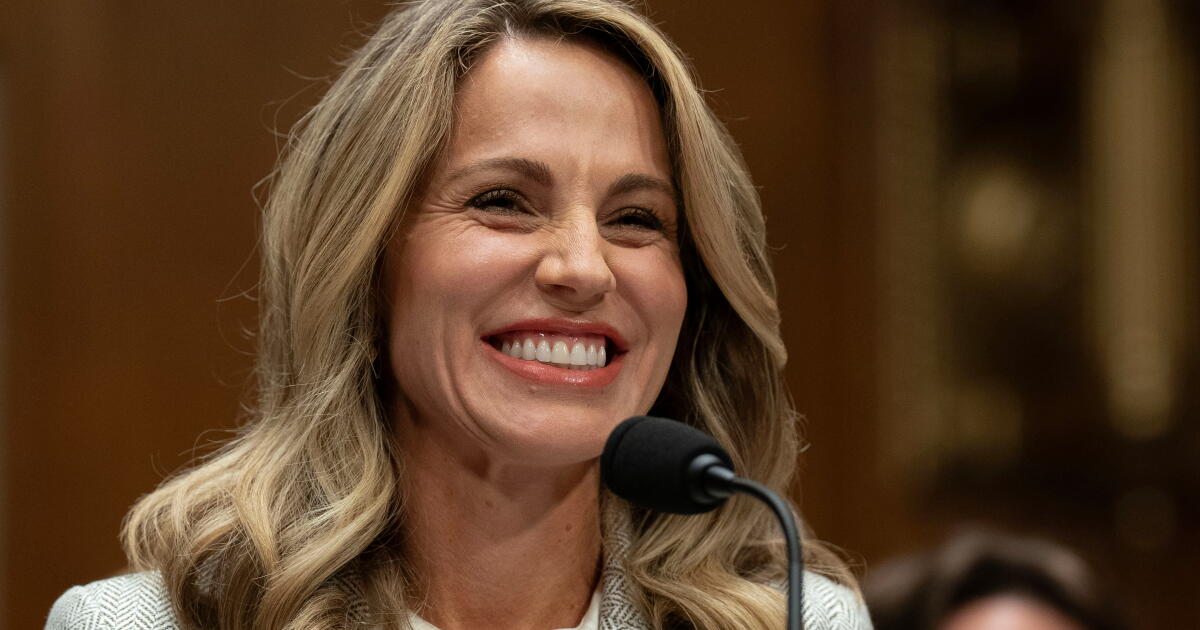
Dr. Nicole Saphier, President Trump ‘s third nominee for surgeon general, moved a step closer to confirmation after a Senate committee voted to advance her nomination on Wednesday.

Saphier, a radiologist and former Fox News Channel contributor, was advanced out of the Senate Committee on Health, Education, Labor and Pensions on a 12 to 11 vote to serve as surgeon general after she was grilled at her confirmation hearing earlier this month about her stance on childhood vaccines.

She expressed support for vaccines and told lawmakers she didn’t believe they cause autism. The Trump administration has sought to revisit claims about a link between vaccines and autism, although widespread scientific consensus and decades of studies have firmly concluded there is none.

Timothy Westlake, who was nominated to serve as assistant secretary for mental health and substance use at the Department of Health and Human Services, was also advanced out of committee on the same en bloc vote.

It was not immediately clear when the officials would face a full Senate vote for their confirmation, but they are expected to be approved.

During her confirmation hearing, Republican Sen. Bill Cassidy pressed Saphier to declare whether she believed there was a link between vaccines and autism. Saphier responded that she does “not believe childhood vaccines cause autism,” adding that “the MMR vaccine is our greatest tool for combating measles,” in response to a question by Cassidy over whether parents should give children that shot.

MMR stands for measles, mumps and rubella, and the president recently called for the shots to be spaced out, against the guidance of medical groups.

The surgeon general position carries limited policymaking power but serves as a loud megaphone as the nation’s top communicator to Americans on public health issues.

Cassidy, who led the inquiry into Saphier’s views on vaccines, ultimately voted in support of her nomination.

Sen. Bernie Sanders, the ranking member of the Senate HELP committee, said ahead of Saphier’s vote that he would vote down her nomination because in part Saphier “has questioned the need for the hepatitis B vaccine at birth, when the data science has been clear.”

“We need a surgeon general who will tell the truth about vaccines, not someone who misleads the public,” Sanders said. At her confirmation hearing, Saphier said the universal birth dose of hepatitis B was safe and effective.

Chris Klomp, who was nominated to serve as deputy secretary of the Department of Health and Human Services, was advanced out of the Senate Finance Committee last week on a 15 to 12 vote. He was questioned during the same hearing as Saphier about his duties associated with the role as the current chief counselor of the Department of Health and Human Services under the leadership of Health Secretary Robert F. Kennedy Jr. as well as about his vaccine stance.

In protesting Klomp’s nomination at the Senate Finance Committee, Sen. Ron Wyden said Klomp “tried to create the impression that he will be the adult in the room on vaccines. Yet, as we sit here today, the vaccine chaos that we’ve come to expect from Robert Kennedy’s HHS continues.”

Hussein writes for the Associated Press.
Source link

Center Parcs rolls out sensory libraries for neurodivergent families

Center Parcs launches Sensory Library

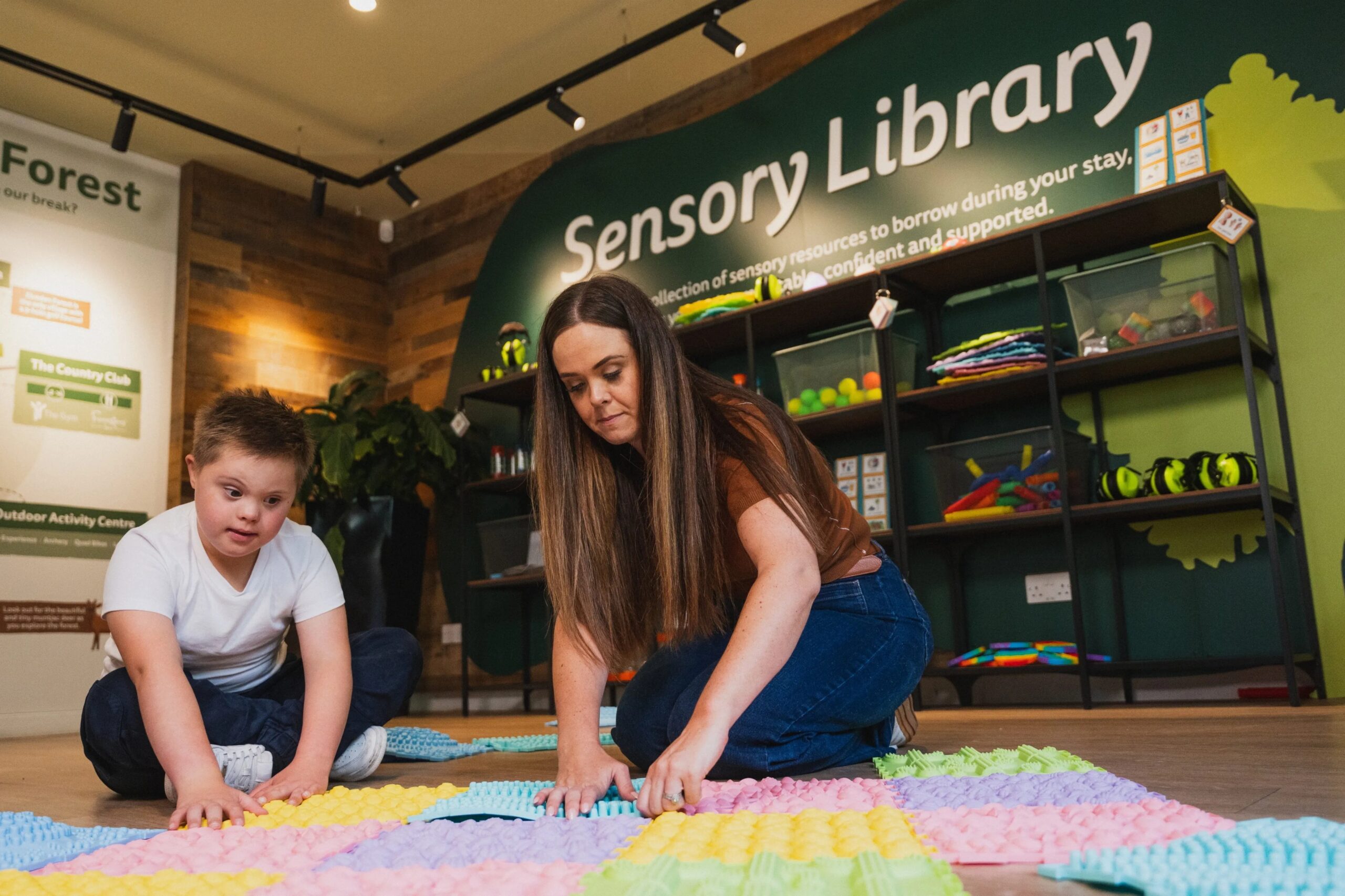
CENTER Parcs has become the first holiday operator to begin the roll out of new sensory libraries at all of its villages to cater for families with neurodivergent children.

Collaborating with specialist SEN consultancy SENNIES, it has officially opened its sensory library at its Elveden Forest village, where families will be allowed to borrow items for free during their stay.

Center Parcs launches Sensory Library
Center Parcs has become the first holiday operator to begin the roll out of new sensory libraries Credit: SWNS
Center Parcs launches Sensory Library
Collaborating with specialist SEN consultancy SENNIES, it has officially opened its sensory library at its Elveden Forest village Credit: SWNS

Products such as noise-reducing ear defenders, wipe-clean boards, calming lights, fidget toys, feelings wheels, visual timers and pop tubes will be available for families to choose from.

The short break provider plans to roll out libraries at all of its villages by 2028.

It follows research of 500 parents and legal guardians of neurodivergent children and those with additional needs, which revealed 80 per cent take a destination’s ability to meet their child’s individual needs into account when deciding where to go.

A further 80 per cent said busy or crowded environments can be challenging for their child, with 75 per cent sometimes avoiding activities or facilities entirely because they prove overwhelming.

HEATING UP

African island to be HUGE next year with new flights, 30C winters & no jet lag


FAKE OUT

Stunning villa with private pool that’s so beautiful people say it ‘looks like AI’

Georgia Sargeant, CEO and founder at SENNIES, speaking in partnership with Center Parcs, said: “No two neurodivergent children are the same, so there is no single adjustment that works for every family.

“What matters is choice, a considered range of options from sensory resources and communication aids through to support for self-regulation and co-regulation, so a family can pick what works for their child that day.

“This library turns families’ feedback into practical support and shows how holiday providers can respond meaningfully to changing needs.”

The decision to launch the library comes as 44 per cent of parents polled said many holiday providers don’t offer adequate provisions for their children.

With 70 per cent agreeing further support is needed for neurodivergent children and kids with additional needs.

It emerged 72 per cent of mums and dads bring sensory equipment or comfort items from home on every or most trips.

And 68 per cent said access to sensory and accessibility aids at their destination would improve the holiday experience for their child.

While a further 68 per cent also said if they could obtain a variety of sensory items to loan for the duration of their getaway, it would help their family feel more supported.

Department for Education figures show more than 1.8 million pupils in England now have special educational needs – this is an increase of 5.2 per cent in a year.

And it has seen NHS assessment waitlists reach more than 240,000.

While the Children’s Commissioner’s latest annual briefing found children’s referrals, involving suspected autism, rose 47 per cent in a single year.

And neurodevelopmental referrals increased by 24 per cent.

Richie Williams, village director at Center Parcs Elveden Forest, said: “The number of families looking for more thoughtful, practical support is growing.

“This pilot is the beginning of a journey, and we will listen closely to families using it and learn from their feedback as we consider what comes next and a future rollout to other villages.”

Source link

Doctors release vaccine recommendations for RSV, influenza, COVID-19

Medical groups have released vaccine recommendations this fall in lieu of guidance from the CDC. File Photo by Javier Aparico/EPA

Sept. 2 (UPI) — A group of medical organizations has released guidance on fall vaccinations against respiratory illnesses.

The Centers for Disease Control and Prevention usually launches a fall campaign to recommend seasonal vaccines for diseases like RSV, influenza and COVID-19. This year, however, the agency has not issued its updated recommendations for the respiratory virus season.

In March, the American Academy of Pediatrics won a lawsuit against the federal government that blocked Health and Human Services Secretary Robert F. Kennedy Jr. from overhauling the childhood vaccine schedule.

Kennedy and President Donald Trump have said that children get too many vaccines and have reduced the number of vaccines routinely recommended. They have also linked vaccines to autism, which has been proven untrue by research.

In response, the American Academy of Pediatrics, the American College of Obstetricians and Gynecologists, the American Academy of Family Physicians, the Infectious Diseases Society of America each issued guidelines for fall immunizations. They based those guidelines on research from the American Medical Association and the University of Minnesota’s Vaccine Integrity Project

Last year, the CDC changed the COVID-19 recommendations to say that patients should talk to their own doctors.

On Tuesday, the agency said, “the CDC states the recommendations for seasonal influenza vaccination from the July 2025 immunization schedule remain in effect for the 2026-2027 influenza season.” It doesn’t mention the new mRNA flu vaccine, approved by the U.S. Food and Drug Administration last month.

“For more than 60 years, the United States has benefited from an established federal process for evaluating vaccine evidence and translating that science into recommendations for the American public. At the center of that process were the Centers for Disease Control and its Advisory Committee on Immunization Practices, the ACIP,” CNN reported Dr. Bruce Gellin, board chair of the Vaccine Integrity Project and professor of medicine at Georgetown University, said at a press briefing.

“Unfortunately today, the federal government is not fulfilling that responsibility in the way that it historically has. But the need for that work has not disappeared. Influenza, SARS-CoV-2 [COVID-19] and the RSV viruses will circulate again this fall and winter,” Gellin said.

“We cannot allow the breakdown of a federal process to create a vacuum in evidence-based vaccine guidance,” he added.

Dr. Sarah Nosal, president of the American Academy of Family Physicians, said in the news briefing that insurance companies have indicated they will cover the vaccines.

“Vaccines are one of medicine’s greatest success stories. They prevent serious illness, reduce hospitalizations and long-term complications and save lives,” Nosal said in a press release. “As federal guidance evolves, the science behind vaccines remains strong. These recommendations are grounded in the latest evidence, informed by public health experts and shaped by what family physicians are seeing every day in their patients.”

Source link