attacks

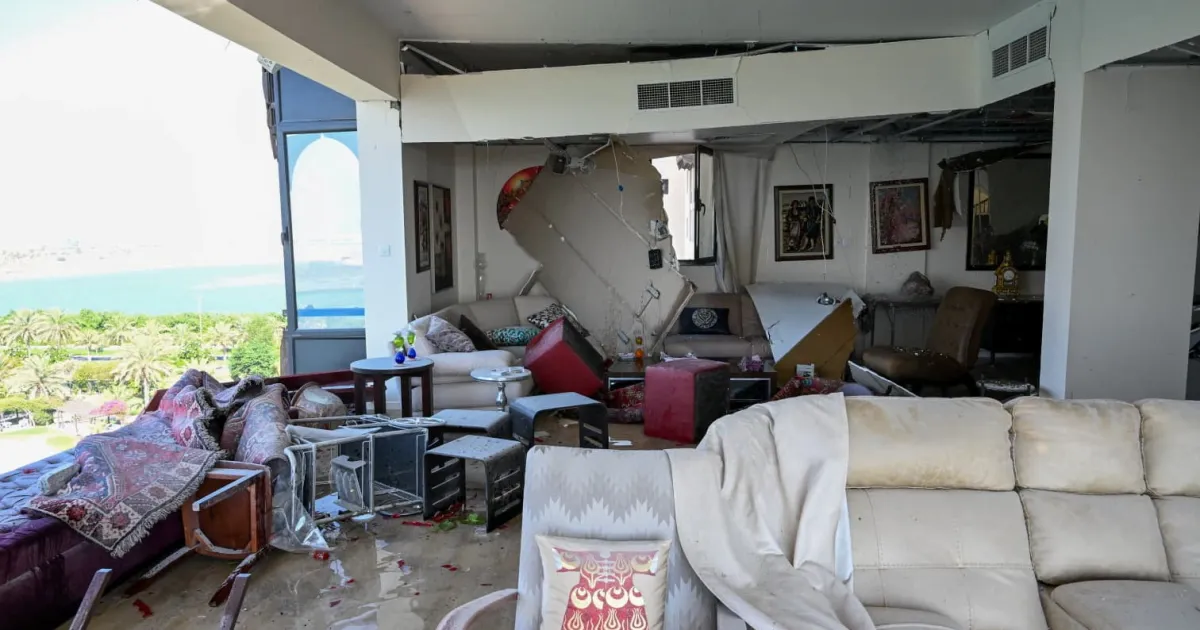
Beirut apartment damaged in Israeli strike | Israel attacks Lebanon

NewsFeed

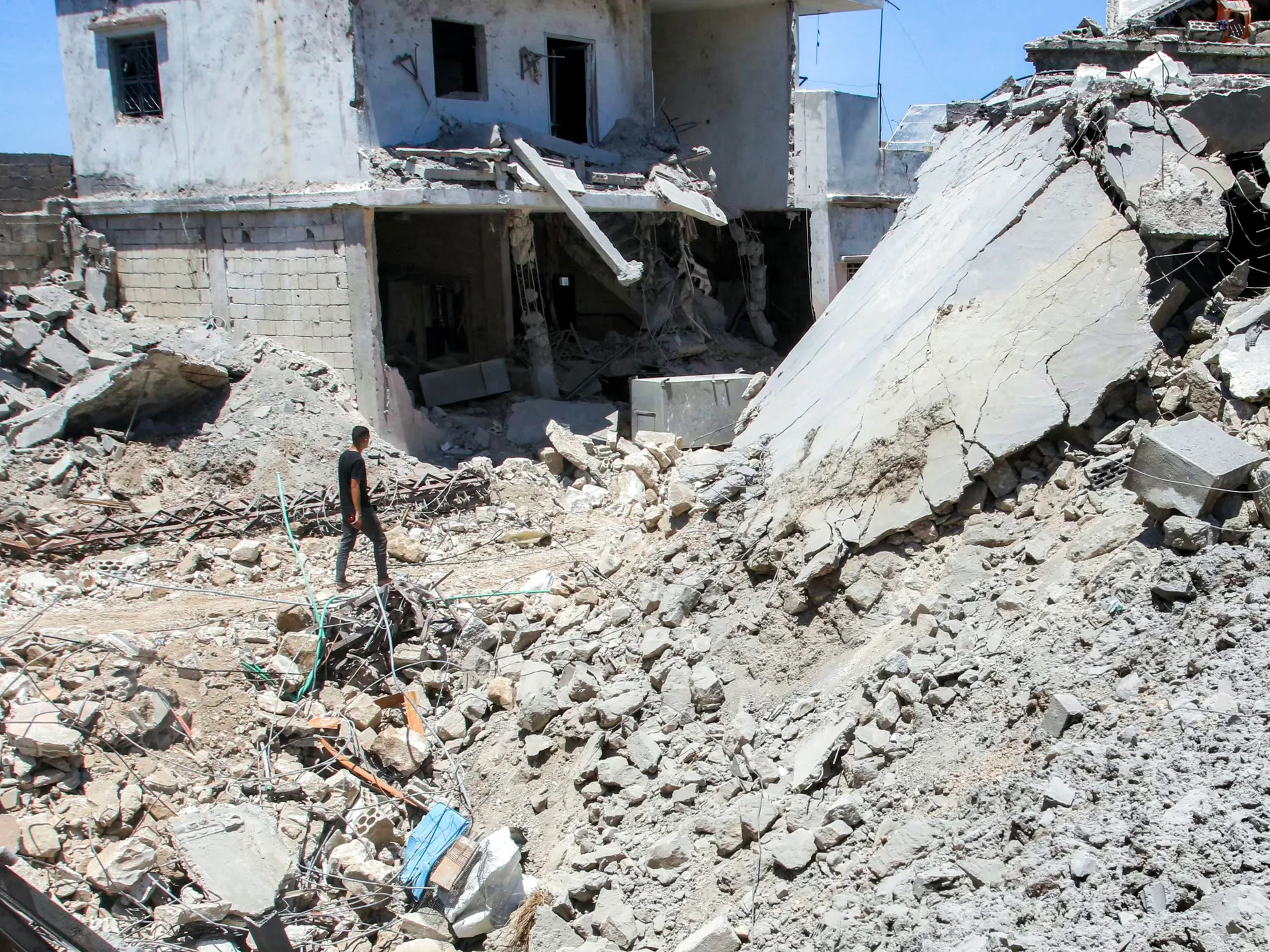
An Israeli air strike has heavily damaged a residential building in Beirut’s southern suburbs, scattering rubble and crushing cars. Israel says its relentless attacks target Hezbollah, as more than a million people were forced to flee their homes since the war on Lebanon began on March 2.

Source link

UN peacekeeper killed in southern Lebanon as Israeli invasion intensifies | Israel attacks Lebanon News

UNIFIL says it doesn’t know the origin of the projectile that killed the Indonesian peacekeeper amid ongoing fighting between Israel and Hezbollah.

The United Nations Interim Force in Lebanon (UNIFIL) has confirmed one of its peacekeepers was killed in the country’s south as fighting between Israeli troops and the Hezbollah group intensifies amid Israel’s invasion.

“A peacekeeper was tragically killed last night when a projectile exploded in a UNIFIL position near Adchit al Qusayr,” a UNIFIL statement said on Monday. “Another was critically injured.”

Recommended Stories

list of 3 itemsend of list

Indonesia confirmed that one of its peacekeepers was killed and three others were wounded due to “indirect artillery fire”.

The UNIFIL statement said they did not know the origin of the projectile but had launched an investigation. “No one should ever lose their life serving the cause of peace,” it added.

UN Secretary-General Antonio Guterres called “on all to uphold their obligations under international law and to ensure the safety and security of UN personnel and property at all times”.

UNIFIL has reported that its positions have been hit more than once since the start of the latest fighting on March 2.

On March 7, three Ghanaian soldiers were wounded by gunfire in a border town in southern Lebanon.

‘Control is going to be key’

The US-Israel war on Iran spread to Lebanon after Iran-aligned Hezbollah fired rockets at Israel, following the assassination of Iran’s Supreme Leader Ayatollah Ali Khamenei on the first day of the war on February 28.

Before that, Hezbollah had not attacked Israel since a ceasefire came into effect in November 2024, despite near-daily Israeli breaches of the deal.

On Monday, the Israeli military said six soldiers were injured in three separate incidents, and three of them were seriously wounded.

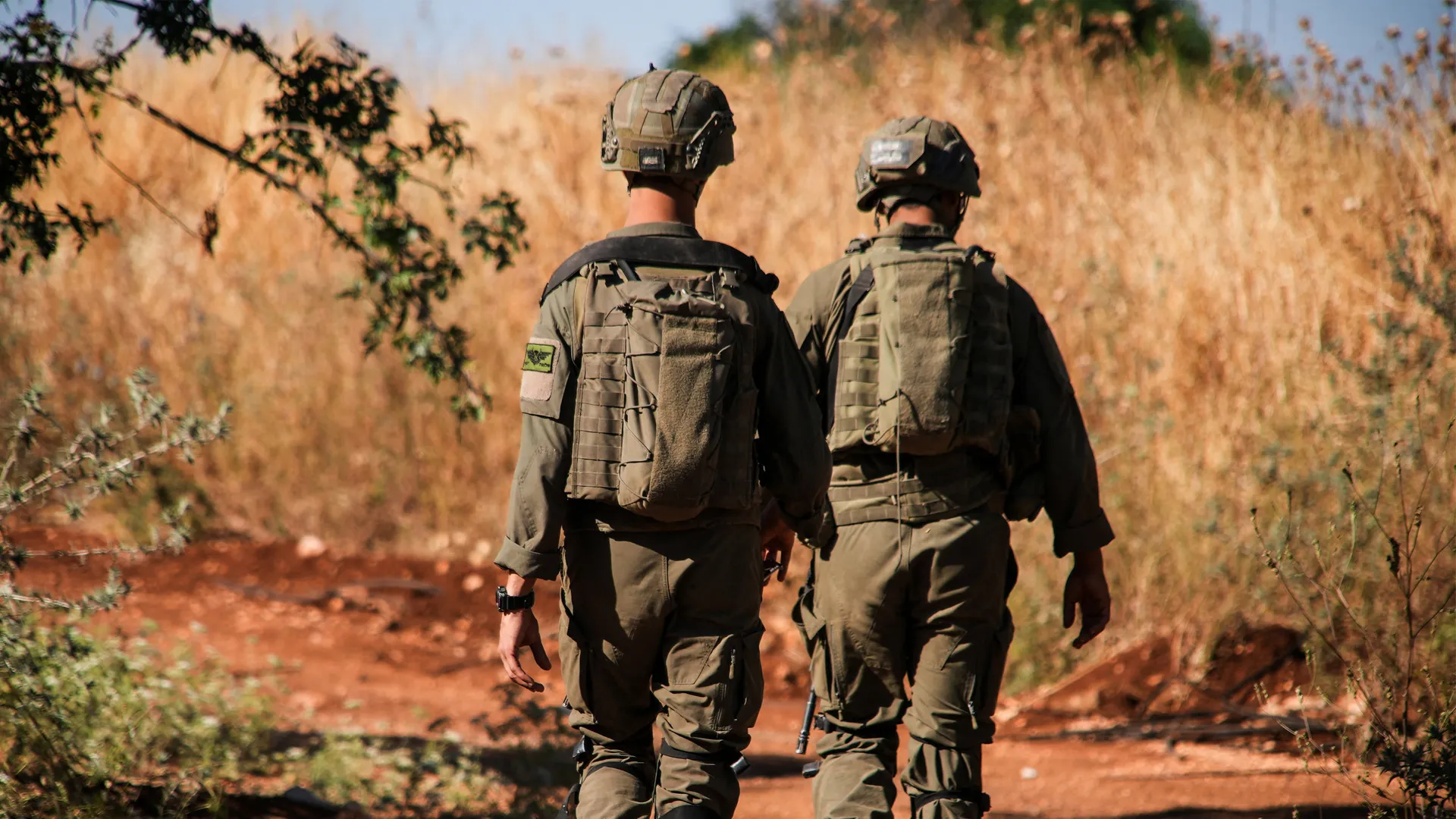
Israeli officials say their invasion of southern Lebanon intends to set up a security zone extending 30km (18.6 miles) from the Israeli border.

Reporting from the Lebanese capital, Beirut, Al Jazeera’s Zeina Khodr said the Israeli military has shifted from “limited incursions” to a broad ground offensive in southern Lebanon, aiming to seize territory up to the Litani River.

“Since last week, Israeli troops have advanced into several areas,” she said, noting the movement along the western coastal highway and about 8km [4.97 miles] south of Tyre, one of the main cities in southern Lebanon.

“It’s still too early to say who will have the upper hand … but the word control is going to be key,” she said. “What Hezbollah will try to do is prevent the Israeli army from consolidating control, and that will be Hezbollah’s test.”

Other attacks

Meanwhile, a strike hit Beirut’s southern suburbs on Monday, the first Israeli attack since Friday. Live footage showed plumes of smoke rising from the area.

The attack comes after the Israeli military warned of attacks on seven southern suburbs of the city, including Haret Hreik, Ghobeiry, Laylaki, Haddath and Burj al-Barajneh, claiming it was targeting Hezbollah military sites in the areas without providing any evidence.

The Israeli military has carried out aerial and ground attacks across Lebanon while issuing mass forced displacement orders for residents in the south, including several Beirut suburbs.

Smoke rises from Beirut's southern suburbs following an Israeli strike, amid escalating hostilities between Israel and Hezbollah, as the U.S.-Israel conflict with Iran continues, Lebanon, March 30, 2026. REUTERS/Adnan Abidi TPX IMAGES OF THE DAY
Smoke rises from Beirut’s southern suburbs following an Israeli attack [File: Adnan Abidi/Reuters]

“Many will say there are no military targets left in this area,” Al Jazeera’s Khodr reported. “This is just about collective punishment and putting pressure on Hezbollah.”

More than 1.2 million people have been forced out of their homes since the beginning of March, according to the UN, prompting concerns about a mounting humanitarian crisis.

Source link

Smoke rise from Beirut suburbs following Israeli attack | Israel attacks Lebanon

NewsFeed

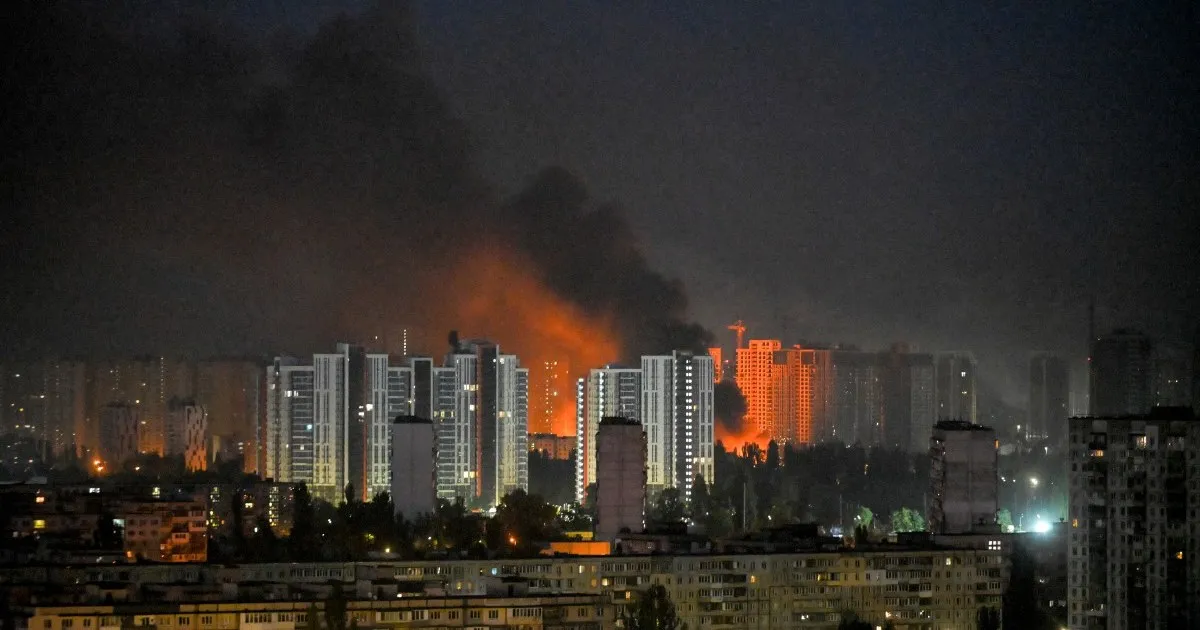
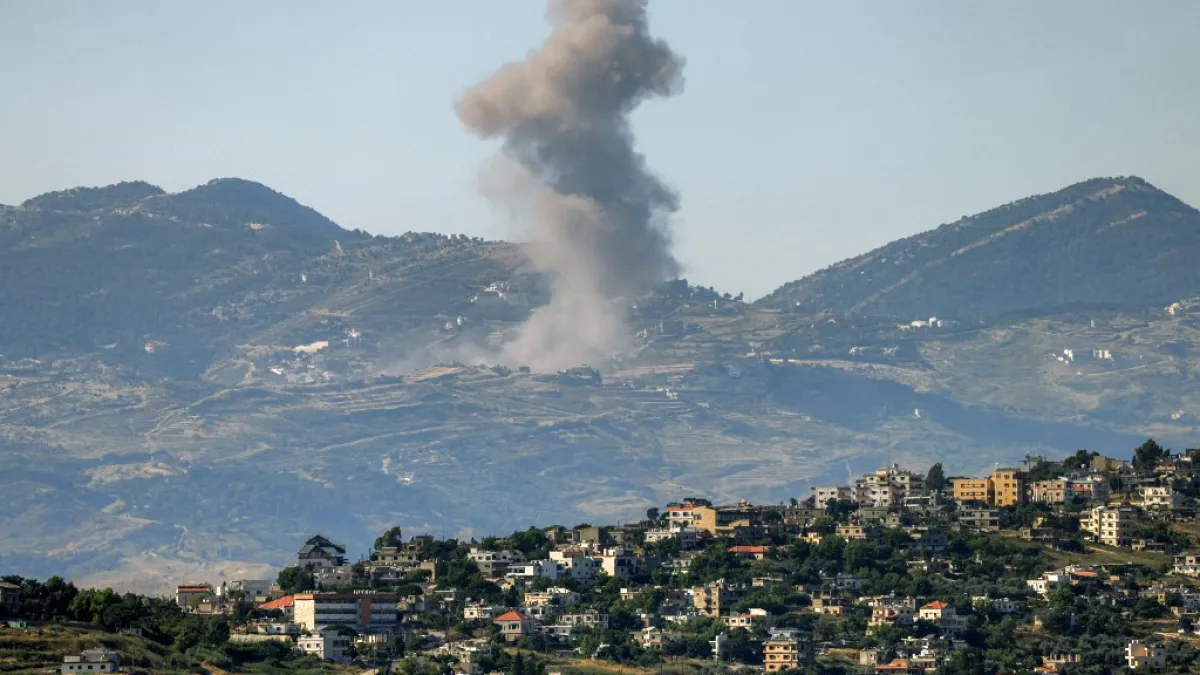
Smoke billows above buildings in Beirut’s southern suburbs after a strike that followed Israeli warnings targeting the area. The neighbourhood has been largely emptied after residents were forcibly displaced by repeated Israeli attacks since the war with Hezbollah began on March 2.

Source link

Iranian academic describes US-Israeli attacks on Iran’s universities | US-Israel war on Iran

NewsFeed

A post-doctoral fellow in Tehran has told Al Jazeera there was no warning before US-Israeli strikes hit the Iran University of Science and Technology on March 28. Helyeh Doutaghi says the attack reflects a wider pattern and raises questions about what defines ‘legitimate retaliation’.

Source link

Lebanon’s Catholics observe Palm Sunday under looming threat of war | Israel attacks Lebanon News

As Christians gathered in churches across Lebanon on Palm Sunday to commemorate Jesus’s triumphal entry into Jerusalem, the escalating conflict between Israel and Hezbollah cast a sombre shadow over the celebrations.

A Maronite Catholic church near Dahiyeh in Beirut’s southern suburbs was filled to capacity, despite its proximity to the once-bustling district – now largely deserted following Israeli evacuation orders and ongoing air strikes. In the coastal city of Tyre in southern Lebanon, nearly cut off from the rest of the country by Israeli bombings that destroyed nearby bridges, church bells tolled, and choral music filled the air.

Worshippers prayed earnestly for peace, even as Lebanon’s history of sectarian tensions, rooted in the 1975–1990 civil war between Christians and Muslims, remained a poignant backdrop. Today, congregants underscore that all Lebanese people are enduring the consequences of the intensifying Israel-Hezbollah conflict.

“There’s no bombing here right now, but no one is safe from this—not the Christians, not anyone,” said Mahia Jamus, a 20-year-old university student in Beirut. “No one is spared from its effects.”

In Tyre, where many residents have stayed despite Israeli evacuation orders, Christians sought solace in preserving their sacred traditions amid the devastation surrounding them.

“Amid the wars, the tragedies, and the destruction happening around us, we remain on our land,” said Roseth Katra, 41, speaking from the centuries-old stone church in Tyre. “Today is Palm Sunday, and we are celebrating.”

According to Lebanon’s Ministry of Health, at least 1,238 people have been killed and more than 3,500 wounded in Israeli attacks since March 2 amid the rapidly widening regional conflict now entering a second month.

Israeli troops have launched a ground invasion, advancing towards the Litani River. Hezbollah has claimed dozens of operations against Israeli forces in the past 24 hours.

Source link

US-Israel war on Iran: What’s happening on day 29 of attacks? | US-Israel war on Iran News

Tensions continue to rise with Iran warning a ‘heavy price’ will be paid after Israeli attacks on nuclear and industrial sites.

President Donald Trump said he is “very disappointed” with NATO’s response to the United States-Israeli war on Iran, accusing the alliance of failing to support Washington despite years of US military spending on its allies.

Meanwhile, Iran warned a “heavy price” will be paid after Israeli attacks on nuclear and industrial sites, with Tehran accusing the US and Israel of “playing with fire” by targeting energy infrastructure. Iran also said there was no radioactive leak following attacks on two nuclear facilities.

The warnings come as fighting and tensions continue to escalate across the Middle East, with growing fears of a wider conflict.

Here is what we know:

In Iran

  • Israel hits Tehran: Israel’s military said it launched attacks on Iranian “regime targets” early Saturday.
  • Hopes for Iran talks this week: US envoy Steve Witkoff said he expects meetings with Iran “this week” and is waiting for Tehran’s response to a 15-point peace plan.
  • Iran pledges “heavy price” for plant strikes: Iran’s Foreign Minister Abbas Araghchi said Tehran would exact a “heavy price for Israeli crimes” after attacks on nuclear sites and two of the country’s largest steel factories.
  • Iran feels “forced” into talks: Al Jazeera’s Mohamed Vall, reporting from Tehran, said many Iranians believe they are being pushed into negotiations that are not in their favour, with the sense that “the Americans are bombing their way towards a negotiation table.” Rather than relying on US or Israeli promises, he said Iran is relying on “its missiles, its drones, and the resolve of its soldiers”.
  • Russia likely aiding Iran with satellite intelligence: Al Jazeera’s Mansur Mirovalev reported Iran is likely receiving data on US military assets from Russia’s Liana spy satellite system, according to a space programme expert.

War diplomacy

  • Trump criticises NATO over Hormuz: Trump said NATO allies “weren’t there” when asked to help secure the Strait of Hormuz, despite the US spending “hundreds of billions” protecting them. “I’ve always said NATO is a paper tiger. And I always said we help NATO, but they’ll never help us.”
  • Possible Pakistan meeting: Turkiye said talks with Pakistan, Saudi Arabia, and Egypt could take place in Pakistan this weekend as Islamabad mediates between Iran and the US.
  • UN nuclear watchdog urges “restraint”: The International Atomic Energy Agency repeated its call for “restraint” in the Middle East war after Israel struck two Iranian nuclear facilities, including a uranium processing plant.
  • “Regime change” unlikely: The war is unlikely to lead to “regime change” in Iran, said German Chancellor Friedrich Merz. “If that’s the goal, I don’t think you’ll achieve it. It’s mostly gone wrong” in past conflicts, he said, pointing to the Afghanistan war.

In the Gulf

  • Saudi Arabia intercepts missile: Saudi Arabia said it “intercepted and destroyed” a missile targeting the capital Riyadh. Meanwhile, at least 12 US military personnel were wounded, including two seriously, in an Iranian attack on an airbase in the kingdom, The Associated Press and Reuters news agencies reported on Friday.
  • United Arab Emirates: The UAE’s Ministry of Defence reported that air defence systems and fighter jets intercepted and shot down incoming missiles and drones from Iran.
  • Kuwait: Though experiencing some slower nights recently, residents in Kuwait say they have grown accustomed to the disruption of alarms sounding throughout the night.

In the US

  • US aims to finish war in “weeks”: Secretary of State Marco Rubio said Washington expects to complete its Iran war objectives in the “next couple weeks”, leaving Iran “weaker”.
  • US soldiers wounded: More than 300 American soldiers have been wounded since the start of the war on February 28, US Central Command said.

In Israel

  • Direct attacks: Israel continues to face significant incoming fire on multiple fronts. Iran launched a missile salvo that struck a busy commercial street in Tel Aviv.
  • Man killed: Israeli emergency responders said a man was killed in Tel Aviv on Friday, and several others were wounded across the country after the military reported missiles fired from Iran.

In Lebanon, Yemen, occupied West Bank

  • Houthis warn they’ll join the fight: Yemen’s Houthi rebels warned they would enter the war if attacks on Iran continue or if more countries join the conflict. The Houthis have in the past attacked shipping in the Red Sea in response to regional conflicts, but have so far not intervened in this war.
  • Israel expands ground war in Lebanon: Israeli troops entered Khiam and clashed with Hezbollah near Tyre as Israel pushes to create a “security zone” up to the Litani River. Hezbollah said it attacked Israeli tanks and fired at a warplane over Beirut.
  • Israel cites Hezbollah threat: Al Jazeera’s Rob McBride, reporting from Amman, said Israel is using the threat from Hezbollah in the north to justify expanding its ground incursion into southern Lebanon to push Hezbollah back and create a “buffer zone”.
  • Hezbollah escalation: Hezbollah forces have fiercely resisted the Israeli advance, claiming to have carried out 82 operations against Israeli troops within 24 hours.
  • West Bank violence continues: Israeli forces killed three Palestinians in the occupied West Bank, including a 15-year-old boy in Dheisheh refugee camp and two men in Qalandiya.

Oil, food, and gas crises

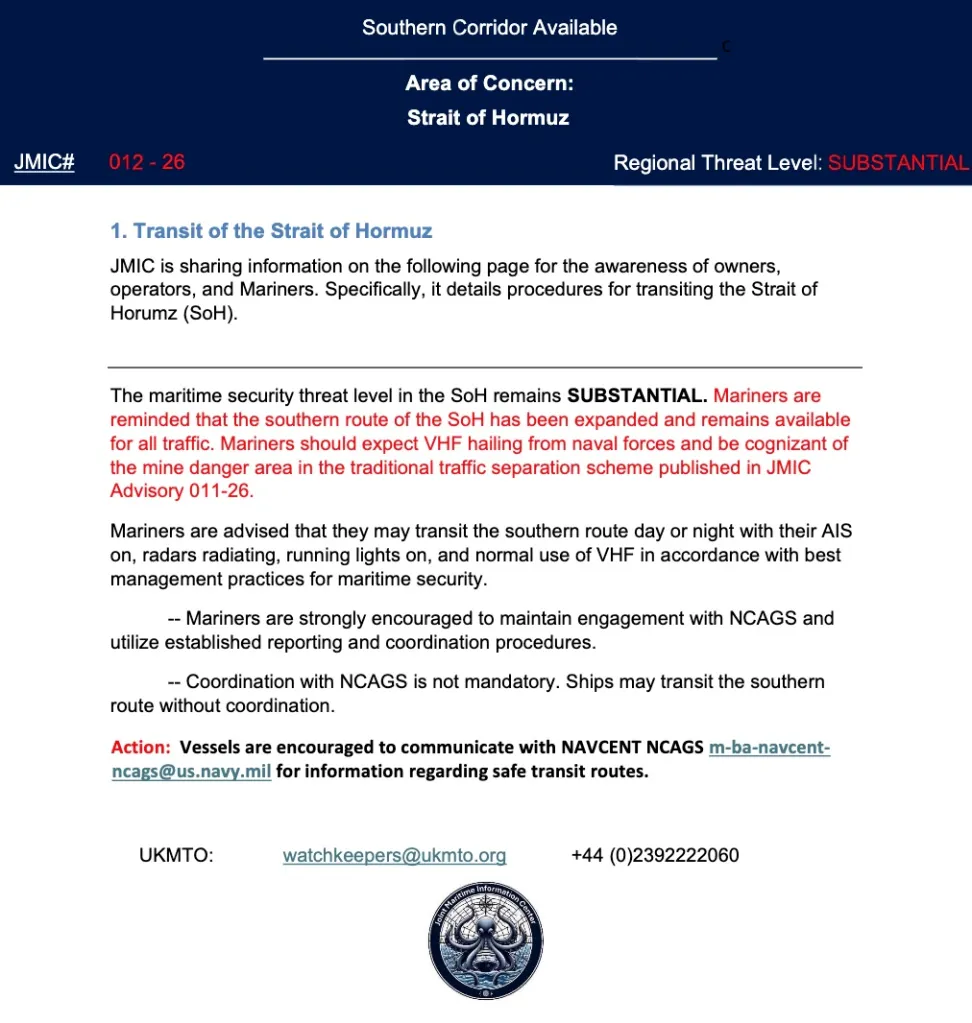
  • Strait of Hormuz: To prevent a “massive humanitarian crisis”, the United Nations has established a new task force led by Jorge Moreira da Silva. It aims to ensure ships carrying fertiliser and raw materials can safely cross the strait, warning that maritime trade disruptions could severely affect global agricultural production and humanitarian needs.
  • Egypt imposes business curfew: Egypt has ordered shops, restaurants, and shopping malls to close at 9pm (19:00 GMT) from Saturday, hoping to curb energy bills that have more than doubled because of the Iran war.
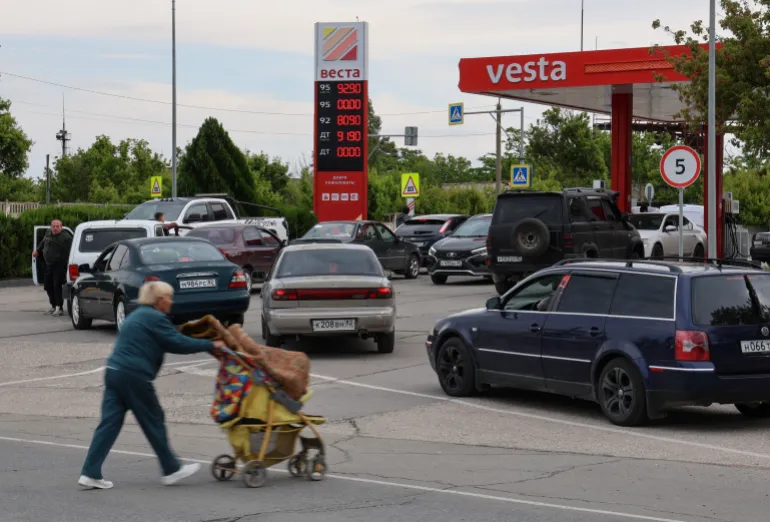
  • Overnight queues in Ethiopia: Many Ethiopians slept in their cars in hours-long queues for petrol as shortages caused by the war began to take their toll. The Horn of Africa country is particularly vulnerable as it imports all its petrol, primarily from the Gulf.
  • Tea stuck in Kenya: Between 6,000 and 8,000 tonnes of tea worth $24m is stuck at Kenya’s port of Mombasa because of the war, trade officials said. About 65 percent of the East African tea market has been affected by the war that began on February 28. This is happening because the war is disrupting shipping routes through the Red Sea and the Strait of Hormuz, which are key routes for trade between Asia, the Middle East and Europe.

Source link

Israel’s unending attacks in Lebanon push country’s population to the brink | Israel attacks Lebanon News

Beirut, Lebanon – It is four weeks into the United States-Israeli war on Iran, and millions of civilians are suffering in Lebanon, now facing a second large-scale Israeli attack on their country in less than two years.

About a quarter of Lebanon’s population has been displaced after Israel’s mass forced evacuation orders from the country’s south and Beirut’s southern suburbs, known as Dahiyeh.

Recommended Stories

list of 3 itemsend of list

Many of the displaced are extremely frustrated and fatigued. And even those who are not displaced are feeling the pressure, with deadly Israeli attacks continuing, petrol prices increasing, business in general slowing down, and little sign that the conflict will end any time soon.

Samiha, a Palestinian teacher who had been living near Tyre, in southern Lebanon, but recently relocated to Beirut, said the experience was “not good at all”. However, with the previous Israeli campaign in Lebanon not long ago, her family came into this round more prepared.

“It’s not the first time for us. Now we know more about where to go.” Still, she maintained, “we don’t know how long this will last and if there is a solution”.

Foreigners most vulnerable

Israel intensified its war on Lebanon again on March 2, after Hezbollah responded to Israeli attacks for the first time in more than a year.

Hezbollah – a close ally of Iran – claimed the attack was retaliation for Iranian Supreme Leader Ayatollah Ali Khamenei’s assassination two days earlier. A ceasefire between Israel and Hezbollah had ostensibly been in effect since November 27, 2024, despite the United Nations counting more than 10,000 Israeli ceasefire violations in that period, and hundreds of Lebanese deaths.

After Hezbollah’s reply, Israel intensified its attacks on the south and declared its intention to occupy southern Lebanon. Israel also issued forced evacuation orders for areas of southern Lebanon, Beirut’s southern suburbs, and a few villages in the eastern Bekaa Valley, leading to a massive displacement crisis of at least 1.2 million people, according to the Lebanese government. Now, Israel has also stated its intent to occupy southern Lebanon and set up a so-called security zone, while destroying more villages along the southern border.

The crisis has hit people who live in Lebanon severely, particularly the country’s most vulnerable people.

“The most vulnerable cases that we’re coming upon are happening, either migrant workers, either Syrians, foreign bodies, basically,” Rena Ayoubi, a volunteer who has organised aid near Beirut’s waterfront, Biel, told Al Jazeera.

She said other people who have suffered deeply in this period include: people with chronic diseases, cancer patients on dialysis, people who cannot access insulin, and displaced people who don’t have access to a fridge to store their medicine.

‘Different in scale and speed’

A series of catastrophes is unfolding, with women, children and those suffering with psychological issues suffering the most, according to a variety of sources, including aid workers, volunteers and UN workers. The humanitarian crisis in 2024 was severe, they said, but 2026 is on a whole different level.

“Now is significantly different in the scale and speed and number of people impacted,” Anandita Philipose, the UN sexual and reproductive health agency (UNFPA)’s representative in Lebanon, told Al Jazeera. “The mass evacuation orders are new. The scale of displacement is new. The fact that civilian infrastructure was targeted is new.”

Many women, in particular, have been displaced not only from their homes but from their healthcare networks, including offices or support systems that will help them through pregnancies.

“Pregnant women do not stop giving birth in the middle of conflict, and women don’t stop having periods in the middle of conflicts,” Philipose said.

Israel’s latest war on Lebanon has so far killed 1,094 people and wounded another 3,119 in Lebanon, according to the country’s Ministry of Public Health. Among the dead are 81 women and 121 children, in just over three weeks.

“Children have yet again been caught up in this escalation, Heidi Diedrich, national director of World Vision in Lebanon, told Al Jazeera. “Children are deeply affected by the violence regardless of their protected status as civilians under international humanitarian law, and regardless of their rights as children. We are deeply concerned that this escalation will continue to impact children in Lebanon for weeks or even months to come.”

Never-ending trauma

At an office building in Beirut, two volunteers sit behind desks waiting for phones to ring. The volunteers are closely monitored by clinical psychologists. On the other end are people calling in for help, many in some of their darkest moments.

This is the office for the National Lifeline in Lebanon (1564) for Emotional Support and Suicide Prevention Hotline, a collaboration between the National Mental Health Programme and Embrace, a nonprofit focused on mental health. 1564 is the phone number that people who require psychological support can dial.

“We’ve been in the worst situation for the past two years,” Jad Chamoun, operations manager at the National Lifeline 1564, told Al Jazeera from the Lifeline centre in Beirut.

“Even when there was a ceasefire, people were still living under the conditions, they were still displaced.”

Even before March 2, about 64,000 people in Lebanon were displaced, according to the International Organization for Migration. According to a March 2025 report from Lebanon’s National Mental Health Programme, three in five people in the country “currently screen positive for depression, anxiety, or PTSD”. And that was before the current intensification.

“The living conditions we’re in is a continuous trauma, because it’s never ending,” Chamoun said. Lebanon went through one of the world’s worst economic crises in 2019, which continues today. In the following years, people in Lebanon experienced the COVID-19 pandemic, the Beirut explosion, mass emigration, and now two Israeli large-scale military campaigns in short succession.

Amid the current violence, the number of calls has increased substantially, Chamoun said, from about 30 a day during 2024’s Israeli attacks to almost 50 a day now. But, he added, that the peak for calls tends to be a few months after the end of a conflict or crisis. Currently, people are in survival mode.

The cascading series of disasters and brutal Israeli aggression has left many in Lebanon near, or well past, their breaking points. Many are falling through the cracks. Volunteers and professionals at efforts like this one are doing what they can to catch as many people as they can.

“We try to sit with them in the darkness, which is what’s heavy around us. We try to share with them this pain,” Chamoun said. “And this is what’s been the heaviest nowadays.”

Source link

Iran says Israeli attacks on plants ‘contradicts’ U.S. 10-day pause

A projectile crosses the sky above the West Bank city of Nablus, on Friday. The Israeli military reported that it had detected missiles launched from Iran toward Israel, several of which struck central Israel. Photo by Alaa Badarneh/EPA

March 27 (UPI) — Iranian Foreign Minister Abbas Araghchi said Friday that his country “will exact [a] heavy price” for Israeli strikes on infrastructure Friday.

In a post on X, he said the strikes hit two of Iran’s largest steel factories, a power plant, civilian nuclear sites and other infrastructure.

“Israel claims it acted in coordination with the U.S.,” Araghchi wrote.

The airstrikes came less than a day after U.S. President Donald Trump extended a pause on U.S. attacks on Iran’s energy sites for 10 days. Trump said he extended the deadline because negotiations between the United States and Iran had been going “well,” and Iran had permitted several oil tankers to transit the Strait of Hormuz.

The “attack contradicts POTUS extended deadline for diplomacy,” Araghchi wrote.

“Iran will exact HEAVY price for Israeli crimes.”

The Guardian reported that the airstrikes hit the Khondab heavy-water plant near Arak and a uranium production facility in Ardakan. They also hit steel plants in Khuzestan and Mobarakeh.

Iran’s state-run Tasnim news agency said Tehran was considering launching attacks on six steel factories in Israel in retaliation for Friday’s attack.

The Israeli military said Friday it had intercepted missiles launched by Iran, NBC News reported.

“A short while ago, the [Israel Defense Forces] identified missiles launched from Iran toward the territory of the State of Israel,” the military said in a statement. “Defensive systems are operating to intercept the treat.”

Speaking Friday evening at the Future Investment Initiative in Miami, Trump said Iran is “on the run,” one month after the United States and Israel jointly began attacking the country. The violence came amid negotiations in which the United States sought to limit Iran’s nuclear program.

“Tonight, we’re closer than ever to the rise of the Middle East that is finally free at least from Iranian terror, aggression and nuclear blackmail,” Trump said.

Iran is “being decimated,” he added.

“We are talking now, they want to make a deal.”

The United States offered a proposed 15-point peace plan to Iran this week, but Araghchi said Iranian officials had no plans to negotiate it “for now.”

“This is Israel’s war, and people of the region and people of the U.S. are paying the price for it,” he said.

Iran’s Red Crescent Society reported Friday that more than 70,000 residential units, 600 schools and 300 health facilities had been damaged since the start of the war.

Source link

Guns in the streets as US, Israel intensify month-long attacks across Iran | US-Israel war on Iran News

Tehran, Iran – Heavily armed state forces continue to control Iran’s streets, despite the United States and Israel launching more strikes and preparing for a potential ground attack, as the nearly one-month war proceeds with no clear end point on the horizon

Checkpoints, roadblocks and patrols, some manned by masked forces wielding assault rifles and machine guns mounted on pick-up trucks, have become a common sight in Tehran.

Recommended Stories

list of 4 itemsend of list

Many of the checkpoints, operated by the paramilitary Basij force of the Islamic Revolutionary Guard Corps (IRGC), police or plainclothes forces, have been targeted by deadly drone strikes over the past two weeks. They are, therefore, often on the move, or positioned on highways, in tunnels, and under bridges.

“I counted 40 cars moving through my neighbourhood late last night while honking, flashing their blinkers, waving flags and escorting a pick-up truck that had massive speakers fitted at the back and somebody shouting religious slogans from inside,” a resident of western Tehran told Al Jazeera on Friday, asking to remain anonymous for security reasons.

He said local residents have been invited from the loudspeakers on multiple occasions to join gatherings at the neighbourhood’s mosque to denounce the US and Israel and express support for the theocratic establishment that has been in power since Iran’s 1979 Islamic revolution.

Such state-backed gatherings are taking place in numerous mosques, as well as city squares and streets. But they come as the US and Israel urge Iranians to stay in their homes and wait for a “clear signal” to take to the streets and overthrow the Islamic Republic.

For their part, Iranian state television and other state-affiliated media outlets have encouraged supporters to maintain control on the streets, and have been increasingly releasing footage of armed pro-state people, including women, carrying guns.

Rahim Nadali, the IRGC’s deputy for cultural affairs in Tehran, claimed on state television on Wednesday night that people of all ages have expressed readiness to join intelligence and security patrols and checkpoints.

“We have brought the age limit [down] to over 12 years. So now, children aged 12 or 13 years are going to participate in this space,” he said.

‘Sinking feeling in your gut’

A series of new air raids landed across Iran on Friday afternoon, hitting a civilian nuclear site, as well as power posts and production lines for steel and other industrial factories, according to Iranian authorities.

Washington has also deployed thousands more soldiers to the region while signalling that an attempt to occupy one or more islands on Iran’s southern shores may be imminent.

Iranian officials have promised to retaliate strongly if that happens, including by striking critical infrastructure across the region.

Javad Mogoei, a prominent IRGC-linked media personality, released a video from the island of Qeshm earlier this week, suggesting that the IRGC could launch missiles and drones at Iranian islands if they were occupied by the US.

Despite that potential for even further escalation, and while numerous areas in Tehran have been struck by bombs dropped from Israeli and US warplanes, the city continues to function as people try to practise a semblance of a normal life.

Some people visit friends and loved ones indoors, while others go on daytime walks to hold a routine or work out at gyms that are open for limited hours.

“It looks like the war will last for weeks, if not months, so we can’t afford to get drowned in all the anxieties and fears that come with it,” said another resident of the capital, who had sought safety in one of Iran’s northern provinces earlier in the war, but returned last week.

“But you still can’t help but get that sinking feeling in your gut for a moment, not knowing whether you will be next when you hear the jets flying over,” he said.

Another resident, a woman who lives in the more affluent northern areas of Tehran where multiple senior officials have been assassinated in residential buildings since the start of the war, said she finds herself worried.

“My mind sometimes automatically goes back to the concern that some official might be living in an adjacent alley or a nearby home, and my family could become collateral,” she said, adding that she has only been outside her home three times over the past month to buy essentials or visit immediate family.

Iranian authorities have said nearly 2,000 people have been killed since February 28 by US and Israeli attacks, and a large number of residential units, hospitals, schools and civilian vehicles have been affected.

Economy under strain

More businesses are expected to reopen when the country’s official working week starts on Saturday, following the holidays for Nowruz, the Persian New Year.

But the internet has been completely blocked to the civilian population for nearly a month, the longest recorded shutdown in Iran. The internet shutdown has tormented the country’s more than 90 million population and further squeezed an economy plagued by an inflation rate of about 70 percent.

State media released footage of President Masoud Pezeshkian personally visiting a hypermarket in Tehran on Friday to make sure that all essential goods are available to the population, and ensure that vendors refrain from jacking up prices or engaging in hoarding.

The government also continues to hand out a small cash subsidy, which it began doing after nationwide protests initially driven by the country’s economic situation in January.

The United Nations and international human rights groups say many thousands of protesters were killed by state forces, mostly on the nights of January 8 and 9, amid another total internet shutdown, but the Iranian government blames “terrorists” and “rioters” backed by the US and Israel for the unrest.

Iranian authorities have warned that anyone who takes to the streets to protest the establishment during the ongoing war will be treated as an “enemy”. They have also announced multiple war and protest-related executions, many hundreds of arrests over security charges, and confiscation of assets belonging to Iranians found to be dissidents inside or outside the country.

Iran’s judiciary announced asset seizures on Thursday for Ali Sharifi Zarchi, a former professor of bioinformatics and artificial intelligence at Iran’s top institution of higher education, the Sharif University of Technology.

He was found by authorities to have “transformed into an anti-Iran element and supporter of the Zionist regime”, in reference to Israel, due to his tweets and interviews in recent months in opposition to the Islamic Republic while based outside the country.

“The modest belongings you confiscated were the result of 25 years of teaching adolescents and young people, and of striving for Iran. They are a small sacrifice for even a single smile from the families of the children and youths whom you unjustly massacred” during nationwide protests in January 2026, late 2022 and early 2023, and November 2019, Sharifi Zarchi said in a post on X in response.

Source link

Lebanon faces ‘humanitarian catastrophe’ under Israeli assault: UN | Israel attacks Lebanon News

Displaced Lebanese families ‘living in constant fear’ under Israeli bombardment, warns UN Refugee Agency official.

Lebanon faces the threat of a “humanitarian catastrophe”, the United Nations Refugee Agency (UNHCR) has warned, as Israel expands its weeks-long bombardment and ground invasion of the country.

UNHCR’s Lebanon representative Karolina Lindholm Billing said on Friday that Israeli strikes and forced displacement orders have affected people living across the country – from southern Lebanon to the Bekaa Valley, the capital Beirut, and further north.

Recommended Stories

list of 3 itemsend of list

More than 1.2 million people have been forced from their homes since Israel’s intensified attacks against its northern neighbour began in early March, according to UN figures.

“The situation remains extremely worrying and the risk of a humanitarian catastrophe … is real,” Lindholm Billing told reporters during a briefing in Geneva.

She noted that, as displacement numbers continue to rise, Lebanon’s already overstretched shelter system is struggling to meet families’ needs.

“Just last week, there were strikes that hit central Beirut, including in densely populated neighbourhoods … where many people had tried to find safety in collective shelters,” Lindholm Billing said.

“The families are … living in constant fear, and the psychological toll, particularly on children, will last far beyond this current escalation.”

Israel launched intensified attacks across Lebanon after Hezbollah fired rockets towards Israeli territory following the February 28 assassination of Iranian Supreme Leader Ayatollah Ali Khamenei in the US-Israel war on Iran.

The Israeli military has carried out aerial and ground attacks across the country while issuing mass forced displacement orders for residents of the country’s south, as well as several suburbs of Beirut.

On Friday afternoon, the Israeli military said it had begun a wave of air strikes on Beirut. It also issued more forced displacement orders for several areas in the city’s southern suburbs, including the neighbourhoods of Haret Hreik and Burj al-Barajneh.

Hezbollah has continued to fire rockets into northern Israel and confront Israeli troops in southern Lebanon, with leader Naim Qassem stressing this week that the group had no plans to stop fighting “an enemy that occupies land and continues daily aggression”.

Israeli Prime Minister Benjamin Netanyahu also announced plans to expand the country’s ground invasion in southern Lebanon, saying the military would create “a larger buffer zone” in Lebanese territory.

Rights groups have condemned the expanded operation and warned that preventing Lebanese civilians from returning to their homes in the south may amount to the war crime of forced displacement.

“Israel’s tactics of mass expulsion in Lebanon raise serious risks of forced displacement,” Human Rights Watch said on Thursday. “Forced displacement and collective punishment are war crimes.”

epa12853726 Displaced residents sit outside a tent in a local school after fleeing their homes in southern Lebanon following Israeli airstrikes, in Beirut, Lebanon, 27 March 2026. According to the Disaster Management Unit of the Lebanese government, as of 27 March 2026, more than 1,785,000 people have been internally displaced in collective shelters in Lebanon since the escalation began on 02 March. EPA/WAEL HAMZEH
Displaced residents sit outside a tent in a local school in Beirut after fleeing their homes in southern Lebanon, on March 27, 2026 [Wael Hamzeh/EPA]

The Israeli military’s destruction of civilian homes and several bridges linking southern Lebanon to the rest of the country has also fuelled concerns that Israel is trying to isolate the area.

During Friday’s news briefing, UNHCR’s Lindholm Billing noted that the destruction of the bridges has made accessing southern Lebanon “increasingly difficult”.

“The destruction of key bridges in the south has cut off entire districts … isolating over 150,000 people and severely limiting humanitarian access with essential items to reach them,” she said.

Reporting from Tyre in southern Lebanon on Friday afternoon, Al Jazeera’s Obaida Hitto also stressed that Israel’s forced evacuation orders are “causing a lot of panic” among residents.

“Evacuation orders are happening in areas that were previously thought to be safe,” he said, adding that the destruction and damage to bridges over the Litani River in the south has made the prospect of finding safety more difficult.

“This is putting the government in Beirut in a very difficult situation to try and respond to the humanitarian crisis quickly growing in the south of the country,” Hitto said.

Source link

US-Israel war on Iran: What’s happening on day 27 of attacks? | US-Israel war on Iran News

The US and Israel’s war on Iran is intensifying, as Trump again claims Iranian leaders want to ‘make a deal’.

The United States and Israel’s war on Iran continues, with an Al Jazeera correspondent in Tehran reporting strikes are “increasing in number and in intensity” amid conflicting claims about whether negotiations are taking place.

US President Donald Trump says talks are happening, but Iran rejects the talks, saying it will continue to “resist” US aggression.

On Thursday, Iran carried out retaliatory strikes against Israel and several Gulf countries, as the Middle East conflict sees no signs of ending, and global energy and food prices continue to rise.

In Iran

  • Intensifying attacks: US-Israeli attacks on Iran are “increasing in number and in intensity”, according to Al Jazeera correspondent, with Israel announcing extensive strikes on central Isfahan. Alongside US forces, Israel has launched a “wave of extensive strikes” across Iran.
  • Civilian casualties reported: Iranian media reported that two teenage boys were killed in a recent US-Israeli strike on a residential area in a village in the county of Shiraz.
  • Iran talks: US President Donald Trump insisted that Iran was taking part in peace talks.
  • Iran chooses ‘resistance’: Foreign Minister Abbas Araghchi said Tehran will continue its “resistance” and does not intend to negotiate.
  • US targets missile capacities: The US has hit two-thirds of Iran’s production facilities for missiles and drones, a top officer said.
  • Threat to Iranian island: Tehran warned enemies may try to occupy one of its islands with support from an unnamed regional country.
  • Iran’s leverage: Jane Foley, an analyst from Rabobank, noted that Tehran’s position on negotiations leaves the ball firmly in their court. Because the critical Strait of Hormuz remains effectively closed, she suggests Iran could have the power to dictate the terms of any resolution.
  • New toll legislation: The Iranian parliament is preparing a draft law that would mandate the collection of tolls and duties from ships and tankers transiting the Strait of Hormuz, treating the waterway like a standard transit corridor.

In the Gulf

  • Hezbollah plot uncovered in Kuwait: Authorities arrested six people allegedly linked to Hezbollah, accused of planning assassinations in the Gulf state, the Interior Ministry said.
  • Saudi Arabia: Saudi Arabia’s Defence Ministry on Thursday morning announced the interception and destruction of a drone in the Eastern Province. Its air defence systems intercepted and destroyed at least two dozen drones targeting the Eastern Province, home to the majority of the kingdom’s oil facilities, on Wednesday.
  • Bahrain: A fire broke out at a facility in the Muharraq Governorate due to what the Interior Ministry described as “Iranian aggression”.
  • United Arab Emirates: The UAE’s Defence Ministry said on Thursday that its air defence systems have been actively responding to and intercepting incoming missiles and drones from Iran.

In the US

  • Trump says Iran wants a deal: Trump again claims Iranian leaders want to “make a deal so badly” but are afraid to say so “because they figure they’ll be killed by their own people”.
  • Trump threatens ‘hell’ if no deal: Trump is ready to “unleash hell” on Iran if Tehran does not accept a deal to end the war, the White House warned on Wednesday.
  • Strategic posturing: Jason Campbell, a former Pentagon official, said US threats to “hit Iran harder” are more about signalling than intensifying attacks.
  • Intentional vagueness: Campbell told Al Jazeera that Trump is deliberately omitting specific details because he wants the Iranian regime to believe the US is fully capable and willing to execute these harsher attacks.

In Israel

  • Missile salvoes: Israel’s army on Thursday morning said it had detected a wave of missiles from Iran heading towards the country, the second salvo in less than 30 minutes.
  • Rockets and missiles targeting Israel: Iranian missiles continue to target central and northern Israel. Additionally, Hezbollah has fired volleys of rockets into the Western Galilee region.

In Iraq, Lebanon

  • Gulf issues Iraq demand: Gulf states and Jordan have urged Iraq to stop attacks by pro-Iran armed groups from its territory.
  • Ground clashes with Hezbollah: Israeli troops have crossed the border into Lebanese territory and are actively engaging in ground combat. Hezbollah says its fighters are continuing to clash with invading Israeli troops in south Lebanon.
  • Defending Lebanese soil: Hezbollah’s Secretary-General Naim Qassem stated that the group is now in a war against both the US and Israel and will do everything it can to defend Lebanese territory.

Oil markets and food

  • Oil prices climb: Oil prices have climbed higher amid fading hopes of de-escalation in the Iran war following Tehran’s rejection that talks with the US are under way.
  • Food supply shocks: Antony Currie, a columnist for Breakingviews, warned that the Iran war will likely have a more severe impact on global food security than Russia’s 2022 invasion of Ukraine.

Source link

Palestine weekly wrap: West Bank attacks surge, Israel restricts Gaza aid | Gaza News

NewsFeed

Settler attacks, restrictions on aid, and land seizures marked a week that was supposed to be one of celebration for Palestinians. Al Jazeera’s Nida Ibrahim and Tareq Abu Azzoum explain what’s been going on in the occupied West Bank and Gaza.

Source link

Are Middle East attacks pushing Asia towards an energy crisis? | US-Israel war on Iran

Energy facilities in the Middle East are under attack, including Qatar’s LNG, pushing prices higher.

In a sharp escalation in the Middle East conflict, energy production itself is now in the firing line.

Iran targeted facilities across the Gulf – including the world’s largest liquefied natural gas hub in Qatar.

It was retaliation for an Israeli strike on an Iranian gasfield hours earlier.

Energy prices are soaring, and countries from Asia to Europe are scrambling for alternative supplies.

But, for Asia – the world’s largest LNG buyer – this is a severe energy shock.

The region depends on Gulf supplies to keep its lights on, its factories running, and its people fed.

Source link

Iranian attacks amount to violation of sovereignty, Gulf states tell UN | US-Israel war on Iran News

GCC states, UN rights chief Volker Turk warn of grave repercussions amid war on Iran.

Gulf states’ representatives have told the United Nations Human Rights Council that Iranian attacks on their territories amount to a gross violation of state sovereignty, as the UN’s rights chief warned that the Middle East is nearing an “unmitigated catastrophe” as the US-Israel war on Iran approaches the one-month mark.

Saudi Arabia’s representative to the UN, Abdulmohsen Majed bin Khothaila, condemned Iranian attacks during ⁠an emergency meeting called by Gulf states in Geneva on Wednesday, saying the Gulf Cooperation Council (GCC) member states were being attacked despite not being involved in the conflict.

Recommended Stories

list of 3 itemsend of list

“[Iranian attacks] violate the UN Charter and international law. We must call things by their name,” Majed bin Khothaila said.

“To target a neighbour is a violation of the principles of good neighbourly relations. To target a mediator betrays all efforts aimed at peace and undermines any constructive initiative. To target states that are not party to the hostilities amounts to unacceptable and unjustifiable attacks that cannot be passed over in silence.”

Qatar’s representative to the UN, Hend bint Abd al-Rahman al-Muftah, said Iran’s attacks had “grave repercussions” that were “not only affecting peace and security in the world, but also human rights”.

“These attacks amount to a great source of concern for us, and we can no longer remain silent,” she added.

“To attack the electricity and desalination plants also involves serious environmental consequences and undermines rights that should be guaranteed by human rights provisions.”

The Qatari representative also noted that the de facto closure of the Strait of Hormuz was “a source of great concern, given the dire consequences it can have on the economy and supply routes”.

Kuwait’s ambassador, Naser Abdullah Alhayen, told the council that the Gulf was “seeing an existential threat to international and regional ⁠security”.

“This aggressive approach is undermining international law and sovereignty,” Alhayen added.

The UN’s rights chief, Volker Turk, warned that the war has created an “extremely dangerous and unpredictable” situation that is pushing the Middle East towards an “unmitigated catastrophe”.

“The only guaranteed way to prevent this is to end the conflict, and I urge all states, and particularly those with influence, to do everything in their power to achieve this,” he said.

Al Jazeera’s Zein Basravi, reporting from Dubai, said the “GCC countries are looking for a seat at the table” at negotiations between the United States and Iran.

“As Iran is going to look for guarantees going forward from the US and Israel, Gulf states will be looking for guarantees from Iran,” he said.

Basravi added that while the volume of incoming attacks in Gulf countries seemed to be going down in recent days, a small attack from Iran “can still create the same level of disruption since the beginning of the war”.

Source link

Russia, Ukraine tit-for-tat attacks knock out power for over half a million | Russia-Ukraine war News

Some 450,000 people without electricity in Belgorod region, while power cut off for 150,000 consumers ‌in ​Chernihiv.

Russia and Ukraine have targeted each other’s energy facilities in tit-for-tat attacks, leaving hundreds of thousands of people without power, officials from both countries said, as the world’s attention has shifted to the US-Israel war on Iran.

Nearly half a ⁠million people were left without electricity in Russia’s Belgorod region, while 150,000 consumers ‌in the city of Chernihiv and surrounding areas were without power on Wednesday.

Recommended Stories

list of 3 itemsend of list

The electricity distribution company in Ukraine’s northern ⁠Chernihiv region said on Wednesday that the energy facility was damaged and repair work ⁠would begin as soon as ‌the security situation allowed.

Belgorod Governor Vyacheslav Gladkov said power outages affected some 450,000 people across several districts, including the regional capital ‌of Belgorod, with many residents also facing disruption to heating and water supply. The temperature in Belgorod hovers around 0C (32F).

Gladkov said repair works have already started, but that it would ⁠take several days to complete.

Belgorod, which ⁠lies about 40⁠km (25 miles) from the border with Ukraine, has been a frequent target of ‌Ukrainian drone and missile attacks in the four years since ‌Russia ‌invaded its neighbour.

In Ukraine’s southern region of Odesa, Russian ⁠attacks ⁠late on Tuesday killed ⁠one person and wounded another, emergency services said.

The ‌attack damaged a private house, sparking a fire, and caused damage to six ⁠buildings nearby. Photos posted on Telegram by emergency ⁠services showed ⁠firefighters putting out ⁠flames in a partially destroyed building.

Meanwhile, in Russia, officials said on ⁠Wednesday a Ukrainian drone attack targeting a major oil export hub sparked a fire at the Baltic Sea port of Ust-Luga.

Alexander Drozdenko, governor of Russia’s Leningrad region, said the fire was being brought under control and that no casualties had been reported.

Ukraine has stepped up drone attacks on Russian oil refineries and export routes over recent weeks in an attempt to weaken Russia’s war economy.

According to Russia’s Ministry of Defence, 389 Ukrainian ‌drones were shot down across the country overnight, including over the Moscow region.

Meanwhile, Latvia, a NATO member, said ‌a drone ⁠from neighbouring Russia crashed in the country.

A Russian attack or a miscalculation involving a NATO member could prompt allies to invoke the mutual defence Article 5.

Source link

Palestinian refugees in Lebanon face another forced displacement | Israel attacks Lebanon

NewsFeed

After Israel’s bombing of Beirut’s southern suburb of Dahiyeh, Palestinian refugee Dalal Dawali once again finds herself forcibly displaced. She and her children joined hundreds of families fleeing to Beddawi camp in north Lebanon. Al Jazeera’s Justin Salhani tells her story.

Source link

Iranian IRGC’s ties to Hezbollah deepen tensions in Lebanese politics | Israel attacks Lebanon News

Beirut, Lebanon – The accusation from Lebanon’s prime minister that Iran’s Islamic Revolutionary Guard Corps (IRGC) is in charge of Hezbollah’s operations against Israel comes as relations between the Shia group and the Lebanese government are at their lowest in years.

But, according to analysts, that animosity does not mean that Prime Minister Nawaf Salam was incorrect in his analysis of the situation.

Recommended Stories

list of 3 itemsend of list

In comments made on Sunday to the Saudi Arabian television station al-Hadath, Salam said that the IRGC – a branch of Iran’s military that answers directly to that country’s supreme leader – was directing Hezbollah in its fight against Israel, and in launching drones at Cyprus from Lebanon.

Israel’s latest attacks on Lebanon have, since they started in early March, killed more than 1,000 people and displaced at least 1.2 million, more than 20 percent of the country’s population. Human Rights Watch researchers say the mass displacement alone could amount to a war crime.

While Salam’s claims might be hard to definitively prove, analysis from experts and reporting suggest that the IRGC has played a crucial role in Hezbollah’s preparations for reentering the war waged against Lebanon since 2023.

IRGC calling the shots

In his interview with al-Hadath, Salam accused the IRGC of “managing the military operation in Lebanon” and of firing a drone at a British Air Force base in Cyprus, earlier this month. He accused IRGC officials of entering Lebanon with false passports.

On March 2, Hezbollah fired six rockets across the border. The group said that it was in response to the assassination of Iran’s Supreme Leader Ali Khamenei on February 28, and a response to more than a year of unanswered Israeli aggression on Lebanon, which had killed hundreds.

The move shocked much of Lebanon’s population and political establishment, after Hezbollah had reportedly given assurances to its allies in government, including Parliament Speaker Nabih Berri, that it would not enter the war in support of Iran, its close ideological ally.

The Lebanese government – which had already been moving to disarm Hezbollah – responded by banning the powerful group’s military activities and asking some Iranians believed to have links to the IRGC to leave. But the action has had little impact on the ground, where Hezbollah continues its war efforts against Israel, including battling the Israeli military on the ground in southern Lebanon – the fight that Salam believes is managed by the IRGC.

Ties between the IRGC and Hezbollah are longstanding.

Hezbollah was founded in 1982, three years after the Islamic revolution in Iran. The group was created in coordination with the IRGC and has since counted Iran as its benefactor and spiritual guide.

Immediately after a November 2024 ceasefire between Hezbollah and Israel, Iran sent IRGC officers to Lebanon to conduct a post-war audit and restructure, according to reporting by the Reuters news agency.

Hezbollah’s chain of command was reportedly restructured from a hierarchical one to smaller cells with greater decisional autonomy, something also practised by the IRGC and known as the “mosaic” defence.

Nicholas Blanford, a nonresident senior fellow with the Atlantic Council, said that sources in Hezbollah and the Lebanese government had told him that the original Hezbollah rocket attack on March 2 was conducted by the Islamic Resistance, Hezbollah’s military wing, possibly in direct coordination with the Quds Force, the IRGC’s foreign unit. Hezbollah’s senior leadership may not have been aware of the plans for the attack.

“I think the IRGC is calling the shots,” Blanford told Al Jazeera. “They are working together.”

Lebanese government out of options

On Tuesday, Lebanon’s Foreign Minister Youssef Rajji declared the Iranian ambassador to Lebanon a persona non grata and gave him until Sunday to leave the country.

The move indicates that Lebanon is trying to counter Iranian influence in Lebanon and came just hours after Israel’s Defence Minister, Israel Katz, announced that his country’s military would create a “security zone” in southern Lebanon stretching to the Litani River, roughly 30km (20 miles) north of the Israeli border – essentially an illegal occupation of the area.

But analysts and experts said there is little Lebanon can do before the war with Israel ends.

The Lebanese government had worked under heavy international pressure to disarm Hezbollah during the ceasefire period from November 2024 until earlier this month. But Israel violated the ceasefire more than 10,000 times, according to UN peacekeepers in Lebanon. For any progress to be made on disarmament, analysts said, Israel cannot continue attacking Lebanon.

“What the Lebanese government was supposed to do was a gradual disarmament of the party, which is also something that many Lebanese would like to happen,” Ziad Majed, a Lebanese political scientist, told Al Jazeera. “However, it cannot happen while Israel is bombing.”

However, the attacks don’t seem likely to cease in the short term. US President Donald Trump said that his envoys, Steve Witkoff and Jared Kushner, had engaged in talks with Iran on Monday over a possible end to the war. Iran subsequently denied that talks took place.

Many in Lebanon believe that Israel’s campaign in Lebanon won’t be included in any potential agreement between Iran, the US, and Israel to end the war. Katz’s statement on Tuesday seems to suggest Israel plans to carry on its invasion of southern Lebanon until its forces reach the Litani River.

Hezbollah’s threats

The government’s efforts to retake control of southern Lebanon may be even more difficult now that it is dealing with a reemboldened Hezbollah.

Mahmoud Qamati, deputy head of Hezbollah’s political council, compared the Lebanese government to France’s World War II Vichy government, which collaborated with the Nazis. Qamati was criticised for his comments, but later said they were misinterpreted.

More ominous comments came from Wafiq Safa, who was until recently the head of Hezbollah’s Liaison and Coordination Unit. He sent a message to the Lebanese government during a recent press interview.

“We will force the government to backtrack on the decision to ban the party’s military activities after the war, regardless of the method,” he said.

Source link