Indonesians protest over land-clearing fires | Protests
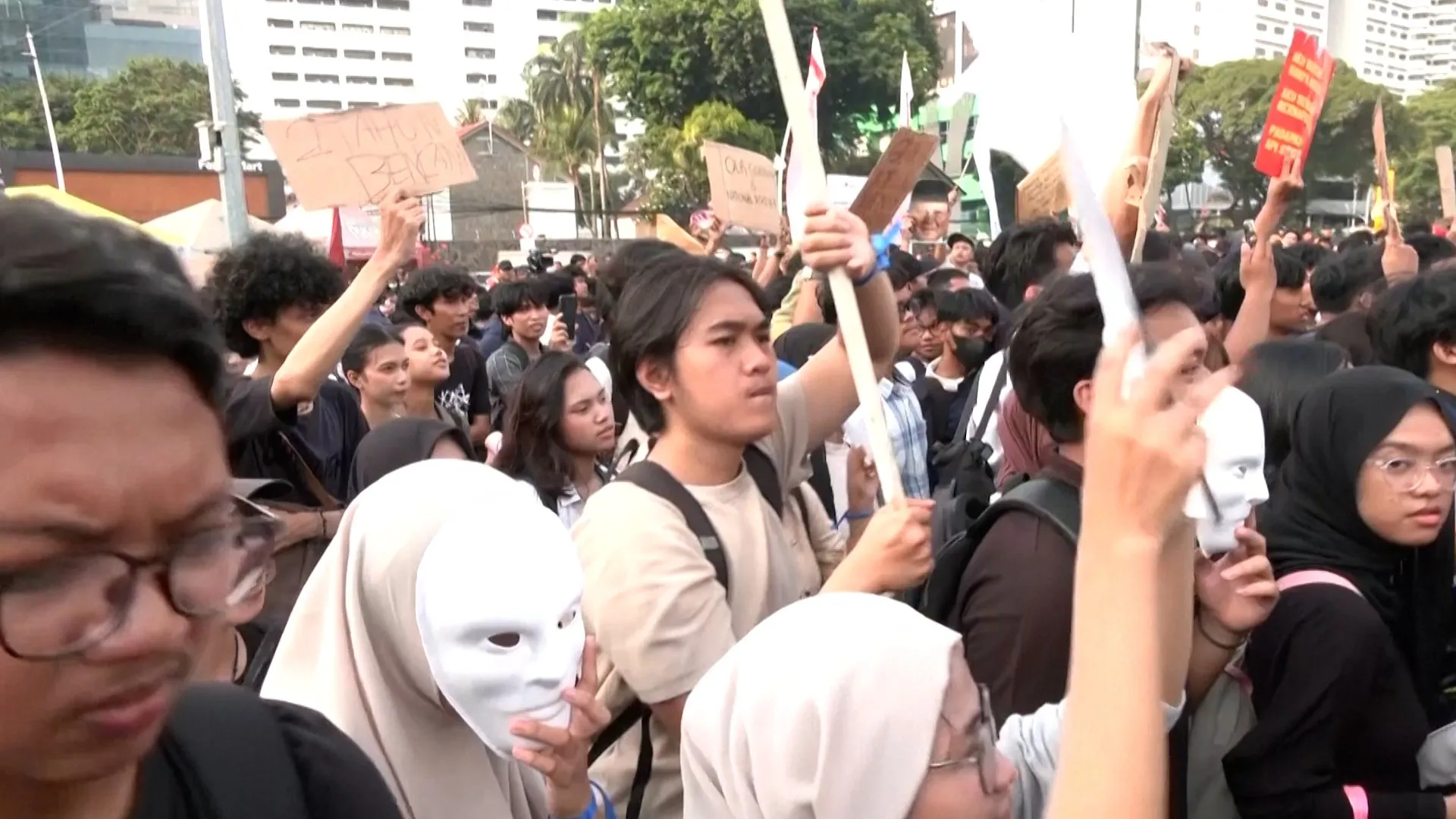
Students and activists protested across Indonesia over rising living costs, economic concerns and forest fires linked to land clearing for palm oil plantations.
Published On 20 Oct 2026
Students and activists protested across Indonesia over rising living costs, economic concerns and forest fires linked to land clearing for palm oil plantations.
Published On 20 Oct 202620 Oct 2026
Share
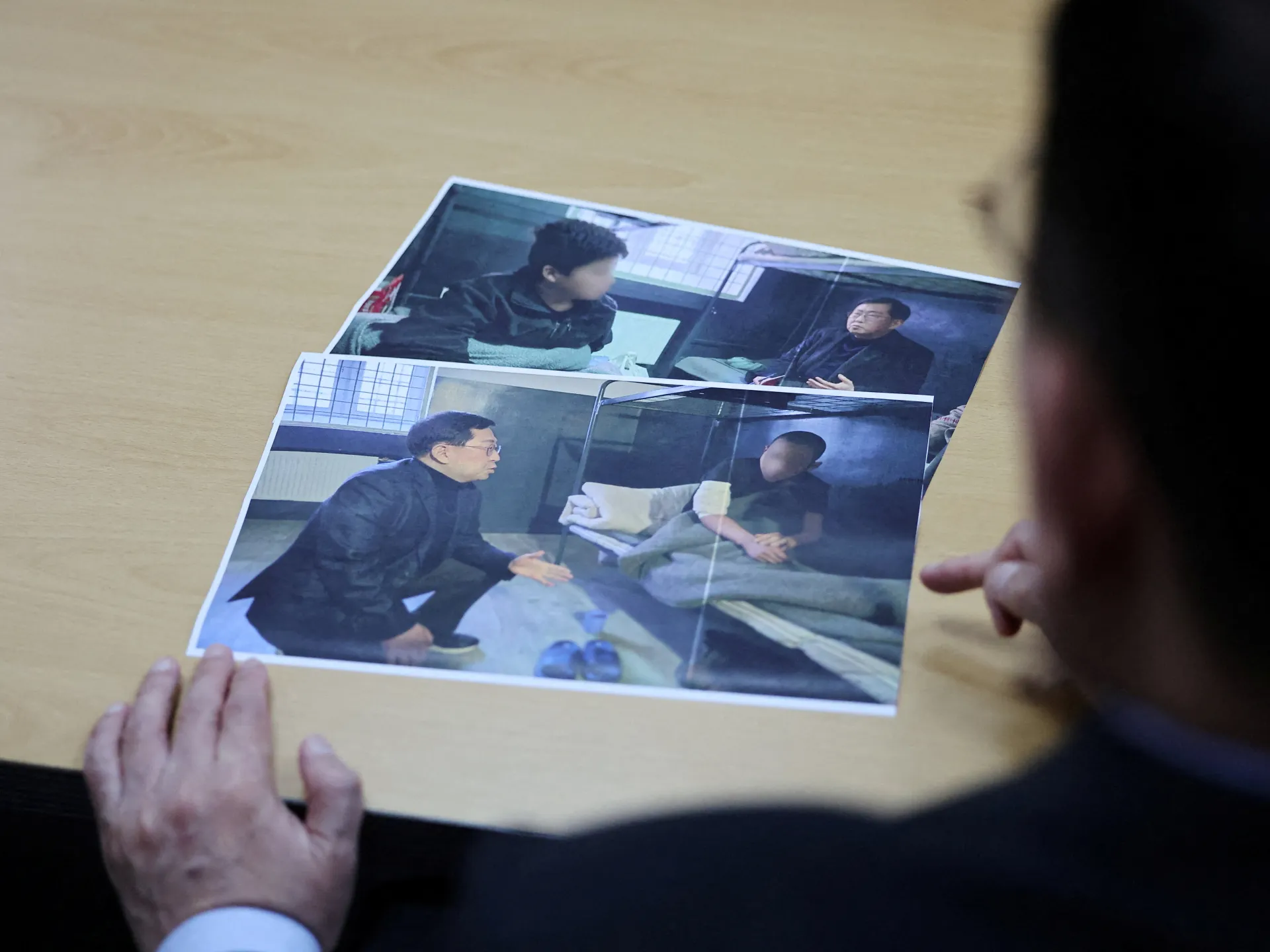
Earlier this month, South Korea recalled its ambassador from Kyiv after Zelenskyy disclosed the prisoner transfer.
Published On 20 Oct 202620 Oct 2026
South Korea’s Ministry of Foreign Affairs says it will withdraw additional embassy personnel from Ukraine following Kyiv’s lack of “constructive response” in a dispute about North Korean prisoners of war (POWs).
Seoul had told Kyiv of its position via multiple channels but had not received a sufficient response from Ukraine, ministry spokesperson Park Doo-soon said on Tuesday.
list of 3 itemsend of list
Earlier this month, South Korea recalled its ambassador from Kyiv after President Volodymyr Zelenskyy told the United Nations General Assembly (UNGA) that Ukraine had transferred two captured North Korean soldiers to the South.
The disclosure angered Seoul, which said the operation should have remained confidential to protect the soldiers’ families in North Korea.
“This measure was taken because we judged it necessary to facilitate an amicable resolution of the issue and restore trust between the two countries,” Park told a regular press briefing, without saying how many staff members would leave.
A charge d’affaires would stay on in Kyiv to maintain diplomatic communication along with all consular staff to protect South Korean nationals, Park added.
Persistent threats of air strikes across Ukraine had also made it difficult to ensure staff safety, he said.
Seoul previously summoned the Ukrainian ambassador and threatened unspecified “further measures”.
Ukraine has insisted that “diplomacy must prevail over emotions” in relations between the countries, and also said Kyiv considered “the situation resolved”.
South Korea’s Foreign Minister Cho Hyun said earlier this month that Ukraine had sent a message that “included words of apology” over Zelenskyy’s disclosure, but it fell short of “the level” Seoul had in mind.
Under South Korea’s constitution, all North Koreans are considered citizens of the Republic of Korea, as the country is officially known, and those who reach its territory and seek to defect are generally allowed to stay.
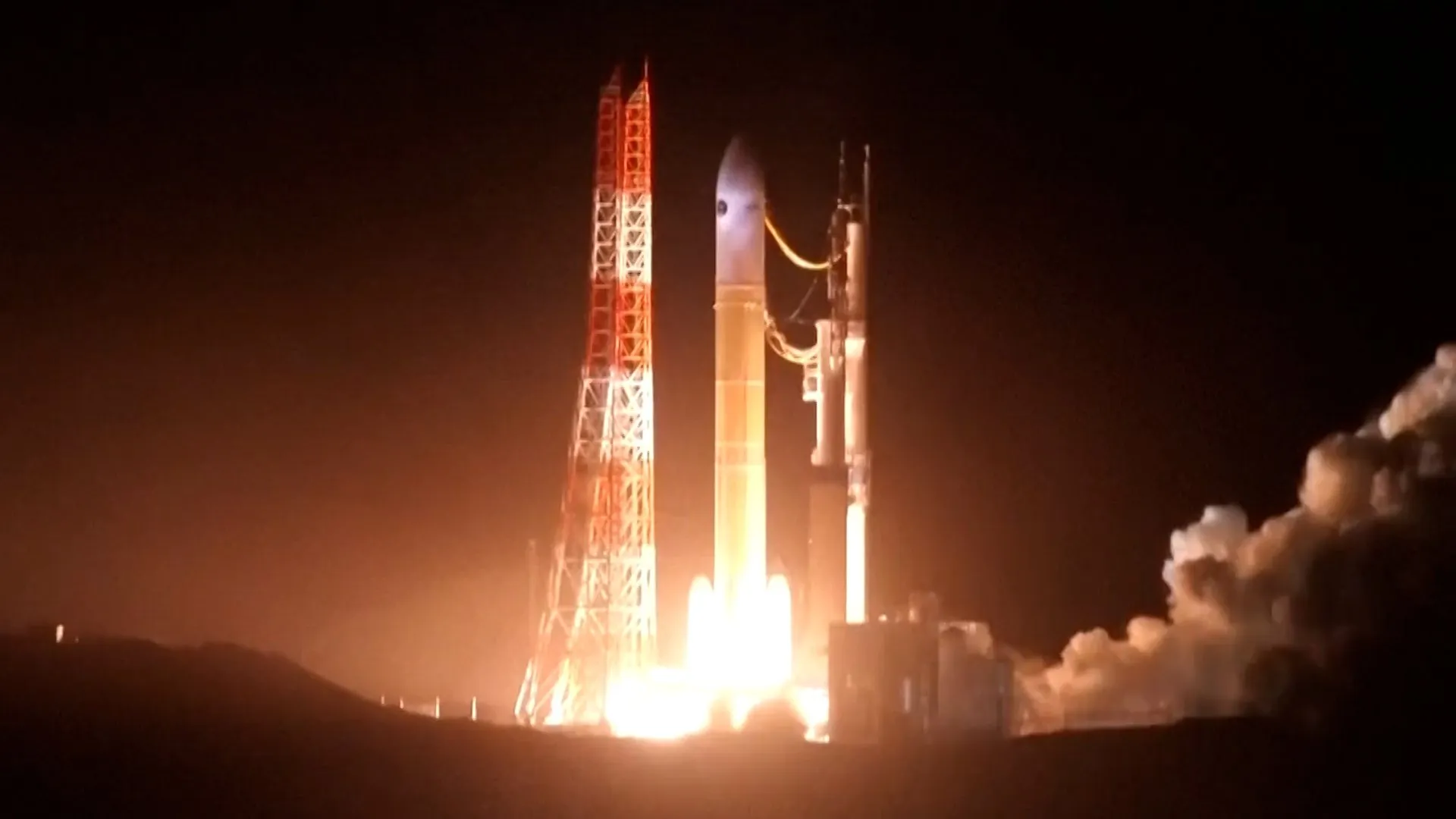
Japan has launched a five-year uncrewed mission to collect samples from Phobos, one of Mars’ two moons, and return them to Earth by 2031. If successful, it would be the first mission to bring back samples from a moon of Mars for scientists to study.
Published On 20 Oct 202620 Oct 2026
Share
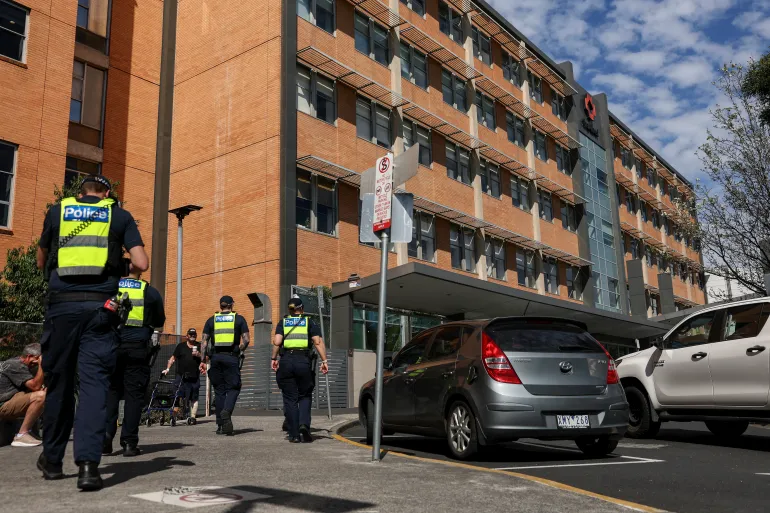
A 43-year-old man accused of deliberately hitting Helen Haines outside her office remains in police custody.
Published On 20 Oct 202620 Oct 2026
The Australian Federal Police (AFP) have said the alleged targeting of independent lawmaker Helen Haines appeared to be an “isolated incident” and there were no known further threats associated with the attack.
Haines was struck by a Toyota Land Cruiser SUV outside her office in Wangaratta, about 200km (124 miles) northwest of the state of Victoria’s capital, Melbourne, on Monday, in what Prime Minister Anthony Albanese called a “deliberate” act.
list of 3 itemsend of list
The 65-year-old underwent surgery overnight, with Australian media outlets reporting on Tuesday that she has lost a leg and remains in critical condition in a Melbourne hospital.
The suspect is in police custody, an AFP statement released on Tuesday said. Local media identified the driver as a 43-year-old man from Tarrawingee, Victoria.
Federal and state police were working “to identify potential charges”, including “the offence of causing harm to a Commonwealth public official which carries a maximum penalty of 10 years’ imprisonment”, the statement said.
The prime minister said on Tuesday that the vehicle had performed a U-turn before hitting the MP.
“It’s clear that there was a deliberate act here. This wasn’t an accident, someone just skidding off the road,” Albanese told the ABC national broadcaster.
The prime minister said the alleged attacker’s motive remained unknown.
![Police arrive at Alfred Hospital where Australian politician Helen Haines is being treated in Melbourne on October 20, 2026 [Martin Keep/AFP]](https://i0.wp.com/occasionaldigest.com/wp-content/uploads/2026/10/AFP__20261020__D3T463E__v1__HighRes__AustraliaPoliticsAttack-1792461122.jpg?w=640&ssl=1)
A former nurse, Haines is an independent federal MP for the Victorian seat of Indi and is known for her socially conscious policy positions on the environment and transparency.
Home Affairs Minister Tony Burke told ABC Radio that witnesses said Haines was struck twice by the vehicle before a bystander intervened.
Ricky Jefferies ran from his barber shop, restrained the attacker and removed a knife from him after initially believing the incident was a car accident, Australian media reported.
“I heard a loud bang with no brakes. It was crazy; I just ran out to the front to see what’s happening,” Jefferies told reporters outside his shop.
“I didn’t realise the seriousness of the situation initially, and once it became relevant, I just did what I could and what others were already trying to do.”
Foreign Minister Penny Wong said she was shocked by the “deeply disturbing attack” and wished Haines a full recovery in a post on X.
The attack comes after the federal police documented a steady rise in threats and abuse directed towards the nation’s politicians in recent years. Politicians have historically been highly accessible to the public and usually go about their business without security.
Albanese said on Monday that “the temperature has increased in recent times”.
Haines entered parliament in 2019 after working as a nurse and midwife, becoming known for stances such as supporting stronger climate action.
She has been praised for her efforts to increase transparency in politics and crack down on corruption.
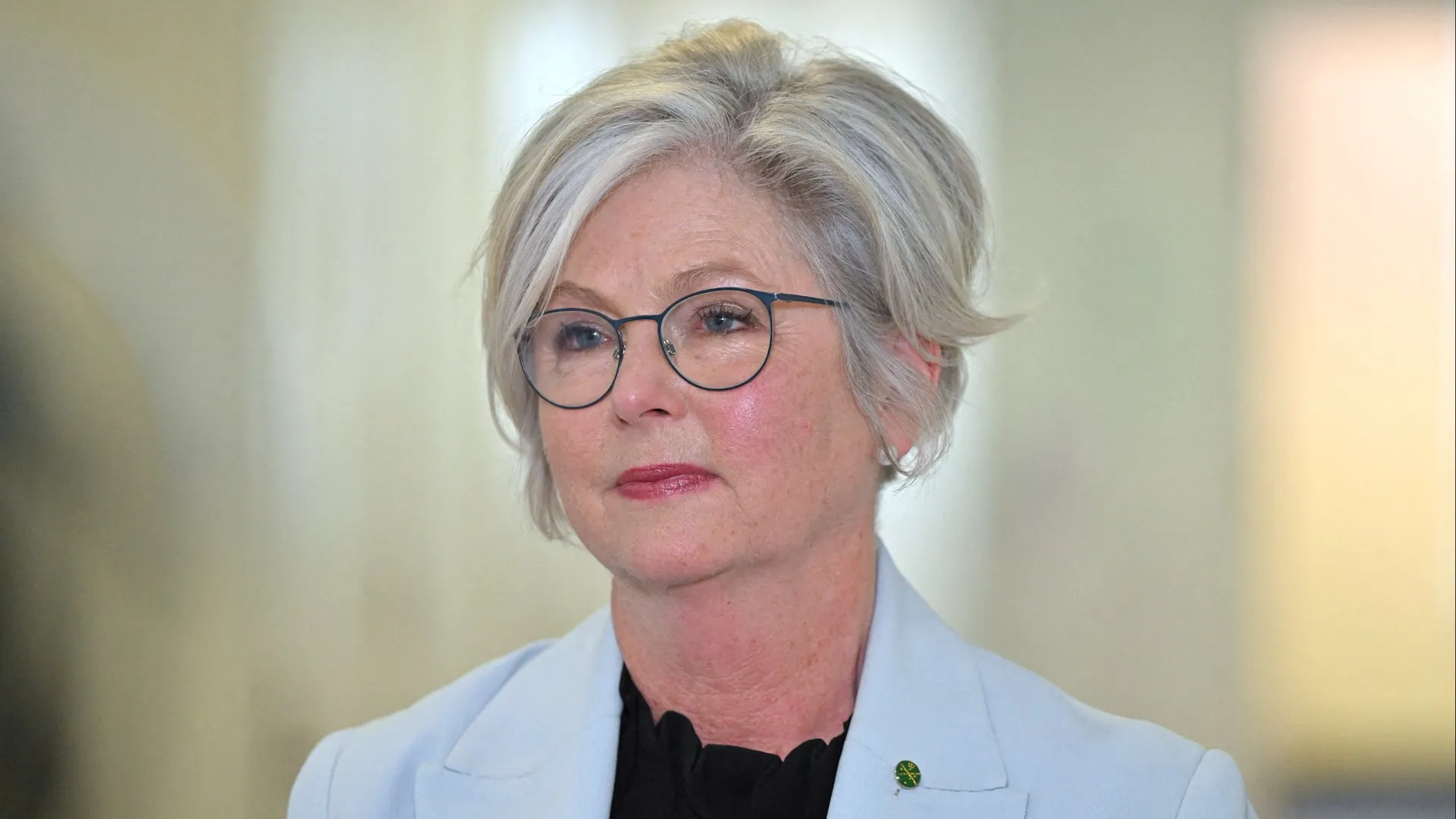
Australian MP Dr. Helen Haines is in critical condition after being struck by a car outside her office building in Victoria. Police have arrested a 43-year-old man accused of carrying out the attack and discovered a knife in his vehicle.
Published On 19 Oct 202619 Oct 2026
Share
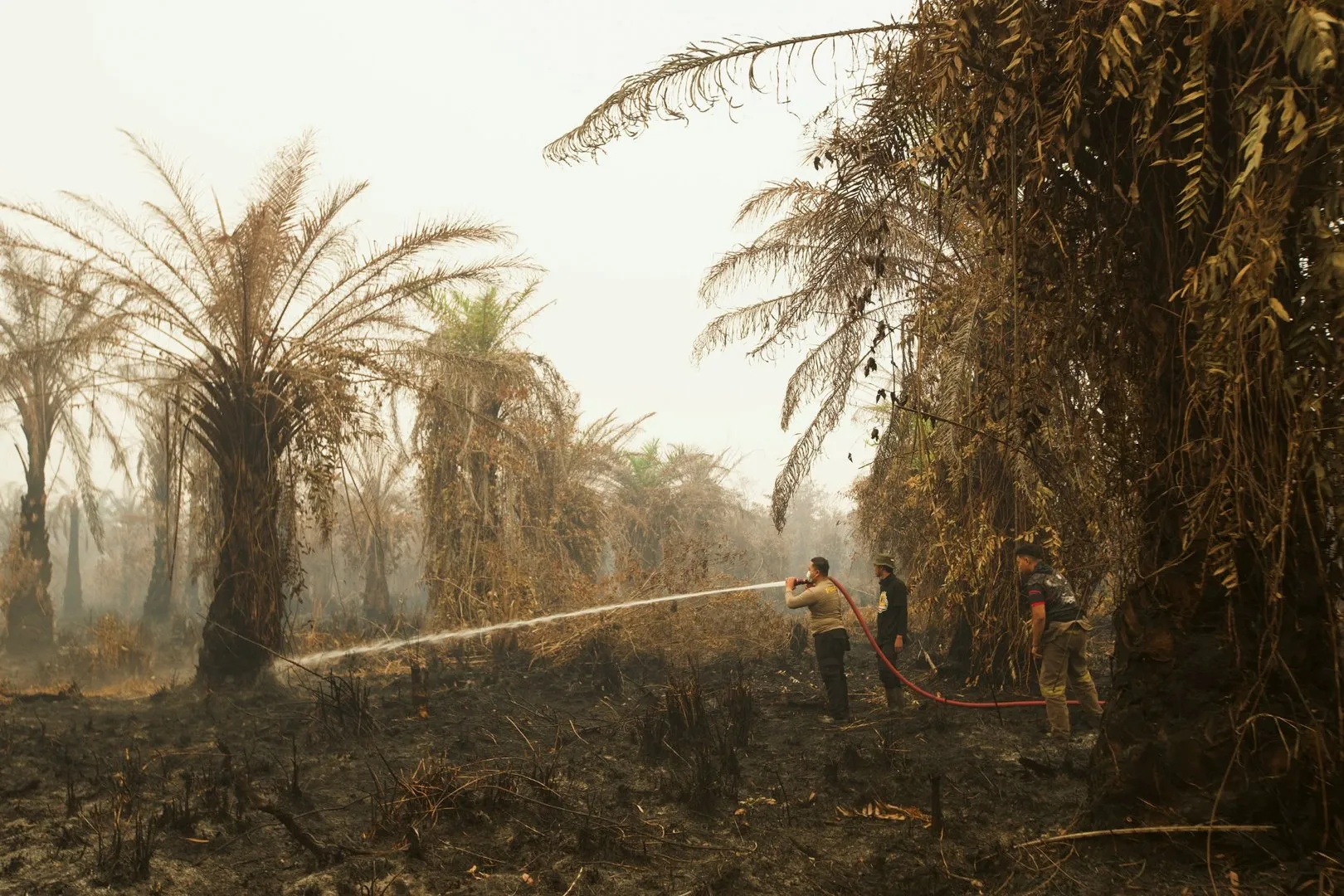
As forest fires and toxic haze in Indonesia’s Central Kalimantan continue to worsen, critics accuse authorities of failing to take adequate action to contain the crisis.
Published On 19 Oct 202619 Oct 2026
Share
GDP growth picks up from Q2 amid AI-driven boom in exports.

Published On 19 Oct 202619 Oct 2026
China’s economy has grown faster than expected in the most recent quarter amid booming exports underpinned by artificial intelligence, according to official figures.
China’s gross domestic product (GDP) expanded 4.5 percent in the July-September period from the same quarter a year earlier, picking up from 4.3 percent growth in the second quarter and beating most analysts’ forecasts, figures released on Monday by the National Bureau of Statistics showed.
list of 4 itemsend of list
During the first nine months of the year, GDP grew 4.6 percent year-on-year, according to the preliminary figures.
While China’s technology-related exports have surged during the AI boom, growth in the world’s second-largest economy has been dampened by weak domestic demand and a sagging property market.
China’s ruling Communist Party has set a GDP growth target of 4.5 to 5 percent for 2026, which would be among the slowest expansions in decades, excluding during the COVID-19 pandemic.
Chinese exports surged more than 16 percent in the first three quarters of the year to reach 23.19 billion yuan ($3.47bn), according to the official data, largely due to strong demand for semiconductors and other tech-related goods.
Retail sales, a key measure of domestic consumption, increased 1.1 percent year-on-year in September and 2.6 percent during the first nine months of 2026.
Industrial production, which measures output in sectors such as manufacturing and mining, rose 5.5 percent in September, taking growth in the first three quarters to 5.3 percent.
Investment in fixed assets, which covers spending on real estate, factories and machinery, edged up 0.7 percent last month but contracted 7.2 percent during the January-September period.
Zhiguo He, a finance professor at Stanford University’s Graduate School of Business who studies the Chinese economy, said that while China’s economy is on track to hit official targets, Beijing will be wary of the continuing reliance on export-driven growth.
“I expect Beijing is getting 4.5 percent as wanted,” He told Al Jazeera.
“A managed slow slowdown is the best Beijing can hope for,” he said.
“Real estate is still shrinking. This is what Beijing wanted and a good thing, and China’s households have been adapting their expectations based on this.”
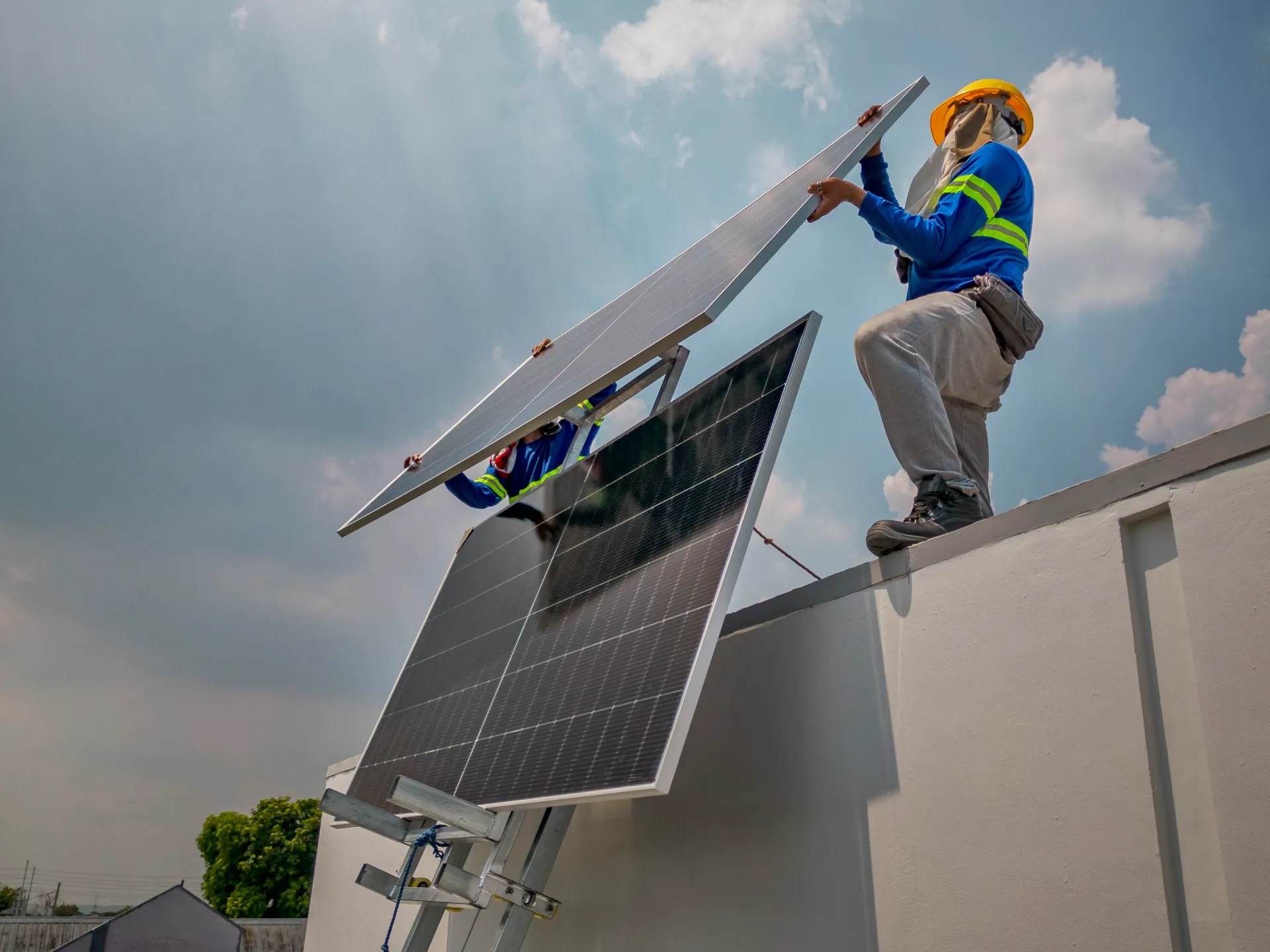
Manila, Philippines – Keith Cantera and his family have been thinking about having their own solar power grid at home for years. But spending up to $5,000 for solar panels was nothing to scoff at, so they put the idea on the back burner.
It all changed this year when the United States-Israel war on Iran rattled global energy markets and sent electricity prices soaring. From paying a monthly bill of about $150 before the war began in late February, Cantera said his family went to forking out as much as $220.
Eight months later, they are having solar panels installed on their rooftop.
“The cost is about the same as paying our electric bills for three or four years based on the current rate,” Cantera said. “But in the fifth year, we’ll have recovered our investment, and electricity will essentially be free.”
Cantera is one of a growing number of Filipino homeowners turning to solar power in a country that had Southeast Asia’s highest electricity costs even before the war. They were comparable only to Singapore, where the average income is more than 10 times higher.
A report by the energy think tank Ember estimated that rooftop panels had nearly doubled in the Philippines since early 2025.
And in the first months of the war from March to May, the rush for solar power led to $407m in panel imports, according to government trade data from China, where most panels are manufactured. The Philippines became the biggest single overseas market for that period. Only the Netherlands bought more, but it redistributes them to the rest of Europe.
Lexus Grepo, CEO of the solar power supplier Solarmaxx, can attest to the boom.
“There is a 30-day wait because solar panel shipments can’t keep up,” Grepo said. “In March, we had 40 projects, which was almost triple our monthly clientele. Since then, we have been setting up 25 to 30 systems a month.”
Grepo does not expect demand to slow down even if tensions in the Middle East ease and shipping routes for energy supplies reopen.
“I think people now realise that the world is an unpredictable place, so they have to be ready for any eventuality. Filipinos now see that they don’t necessarily have to be at the mercy of the global energy market.”
The Philippines, one of the few countries in the region where electricity is not subsidised, relies on imported coal and gas for more than 70 percent of its power mix. The value of its currency, the peso, which has slid to a record low of more than 63 to the US dollar, is making these imports even costlier.
In late March, President Ferdinand Marcos Jr declared a national energy emergency in response to the war and what he described as the “imminent danger” posed to the national energy supply. Still, electricity rates have continued to increase.
The shift to solar is also partly driven by anger at electric companies that have come under scrutiny for charging customers for so-called system losses, which include illegal connections.
Cantera said learning about having to pay for someone else’s electricity consumption was the last straw.
“Who would agree to paying for something that you did not use? It’s not like the money we spend for electricity just fell from heaven,” he added.
But while the soaring demand is real, the upfront cost of a solar power system is still too high for most Filipinos. The government in March launched a new initiative offering loans for residential rooftop installations, but these are available only to public sector workers.
What officials hope can bring power rates down for the majority of people are the dozens of renewable energy projects in the pipeline, including a 3,500-hectare (8,650-acre) solar farm north of the capital, Manila, that is projected to be the largest in the world. When fully operational, the project is expected to generate 850 megawatts of electricity for 2.4 million households.
But some consumers said such projects could take years to complete, leaving them with ballooning electricity bills unless they take action themselves.
“It’s just so unpredictable nowadays. You have the impending El Nino weather pattern. There’s still war, the continuing fuel price hikes and so much more,” Cantera said. “So why not utilise a natural resource?”

101 East investigates if power and politics are protecting those behind the 2006 murder of Mongolian woman in Malaysia.
Twenty years ago, two Malaysian special forces policemen brutally murdered Mongolian woman Altantuya Shaariibuu, obliterating her body with C4 military explosives.
But the truth behind why they killed her has yet to be determined, leading to suspicions of a political conspiracy to silence her.
101 East travels to Mongolia, Malaysia, France and Australia to investigate allegations of interference in the criminal trial, Altantuya’s suspected links to an allegedly corrupt submarine deal and claims by the policemen that they acted on the orders of convicted former Prime Minister Najib Razak, who vehemently denies any involvement in the murder.
Published On 17 Oct 202617 Oct 2026
Share
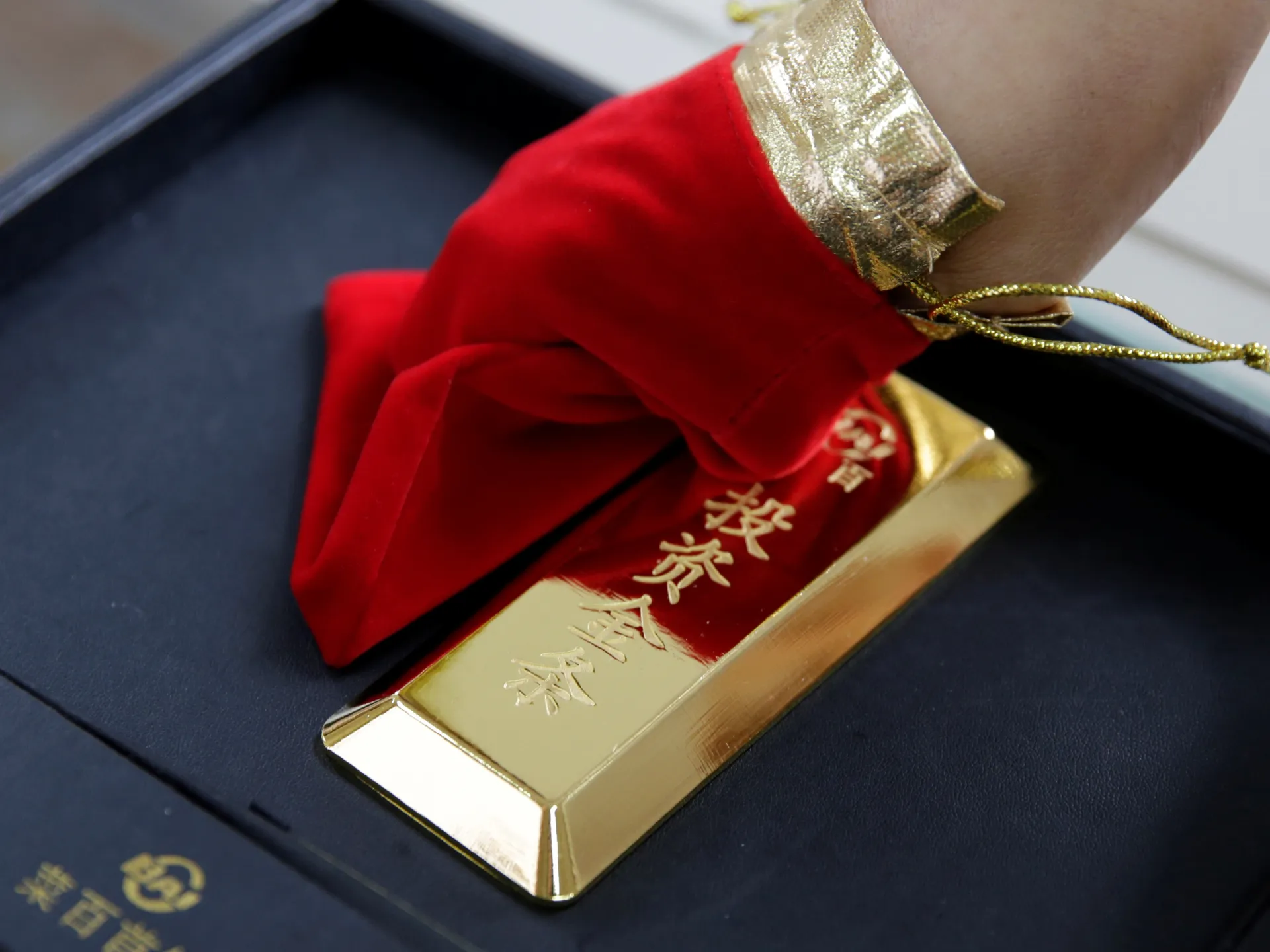
China is increasing its gold reserves in a bid to reduce its dependence on US dollar assets and protect against financial and geopolitical risks, analysts say, while households are turning to the precious metal amid uncertainty over the domestic economy.
The People’s Bank of China reported buying gold for a 23rd consecutive month in September, when the country’s central bank also made its largest monthly purchase in nearly three years. The sustained buying points to a longer-term effort to spread risk associated with its vast reserves, experts say.
Among concerns is high US debt and Western governments’ freezing of assets, which has highlighted the inherent risk in holding money overseas, particularly for emerging market and Global South economies. Gold bought and stored domestically offers protection against that risk because access does not depend on the will of another government.
But central bank buying and household demand for gold in China have different drivers. While Beijing is managing its financial exposure, private investors are seeking somewhere to preserve their savings. Here is what we know.
China’s central bank added approximately 23 tonnes of gold in September, bringing its reported holdings to about 2,410 tonnes, according to the World Gold Council. That was its largest monthly purchase since October 2023. Gold accounted for 8.5 percent of China’s total official reserves at the end of September, compared with 5.5 percent at the end of 2024.
Reserves are assets central banks hold to ensure they can meet international payments and respond to financial disruption. They usually include foreign currencies, foreign government debt and gold.
Private demand for gold within China has also risen, with purchases of gold bars and coins 28.4 percent higher in the first half of 2026 than during the same period last year, according to the China Gold Association. The buying of gold has continued amid falling prices, with gold down around 8.5 percent over the month.
The World Gold Council attributed the decline in gold prices partly to a stronger dollar and higher returns on US government debt. With interest rates going up in an attempt to curb inflation, these investments are attractive for buyers as they pay interest, making them more attractive to private investors than gold, which does not.
A key objective is to reduce dependence on US government debt, known as Treasuries, according to Thu Lan Nguyen, head of commodity research at Commerzbank in Frankfurt.
China holds substantial reserves in dollar-based assets and, therefore, buying gold reduces its exposure to decisions taken in Washington. “China’s gold purchases are part of a broader effort to make its reserves more resilient,” Nguyen told Al Jazeera.
The freezing by Western countries of roughly $300bn in Russian Central Bank overseas assets following Moscow’s invasion of Ukraine in 2022 demonstrated how reserves held abroad can quickly become inaccessible.
The concern for China may be that a future confrontation with Washington could expose some of its overseas assets to similar restrictions. “Gold held domestically has a crucial advantage in this respect: it does not represent a claim on another country and is therefore much less exposed to sanctions or asset freezes,” Nguyen said.
“I would interpret it primarily as risk management,” she added, pointing to increased geopolitical tensions and economic and fiscal risks.
America’s rising debt, which hit $40 trillion for the first time in history earlier this year, adds another source of uncertainty. In February, the US Congressional Budget Office projected that federal debt held by the public would rise from 101 percent of the size of the US economy in 2026 to 120 percent in 2036. That provides context for concerns about Washington’s ability to repay that debt going forward should an economic crash occur. Much of this debt is held by China. Gold, therefore, offers a less volatile and risky asset to hold.
Chinese households have different motivations for buying gold. When confidence in other investments weakens, gold can become more attractive as a way to hold savings. “Strong demand for gold can partly reflect a search for alternative stores of value,” Nguyen said.
The World Gold Council has identified weak Chinese share markets as one factor supporting domestic demand for gold, while its property market is burdened by heavy borrowing and overbuilding, contributing to a fall in housing prices, making it a poorer investment.
Analysts warned that China’s increased buying of gold does not signal an imminent end to the dollar’s global dominance. “I would be cautious about describing this as a major shift away from the dollar,” Nguyen said. “The dollar remains by far the dominant global reserve currency.”
But a gradual shift could still matter if China and other central banks put more of their new reserves into gold, buying fewer US assets than they normally would. That could weaken one source of demand for US government debt. But the effect would depend on how widely and quickly the shift developed.
“The key point is, therefore, that this is likely to be a slow diversification process rather than a sudden abandonment of the dollar,” Nguyen said. She added that the consequences for the US economy would remain limited unless the trend broadened and accelerated substantially.
Central banks also need readily available foreign currency to support international payments and the dollar remains central to those transactions. So gold can provide financial protection, but it cannot directly replace all the functions of dollar reserves.
China is part of a wider trend, particularly among central banks in emerging economies, Nguyen said.
“The trend is particularly visible among emerging market central banks,” Nguyen said. “But sanctions are only part of the story.”
Poland has also become a more prominent buyer. Its central bank purchased 31 tonnes in the first quarter of 2026 and another eight tonnes in July, according to the World Gold Council.
Large holdings do not necessarily indicate recent purchases. India, for example, confirmed in June that its physical gold stock remained unchanged at about 880.5 tonnes. India’s gold reserves have changed little since mid-2025, according to the World Gold Council. It bought about four tonnes in 2025, down from 73 tonnes in 2024.
Despite China’s sustained buying, its reserves remain far smaller than those of the United States. Its holdings of about 2,300 tonnes at the end of 2025 amounted to less than one-third of the US stockpile of approximately 8,133 tonnes.
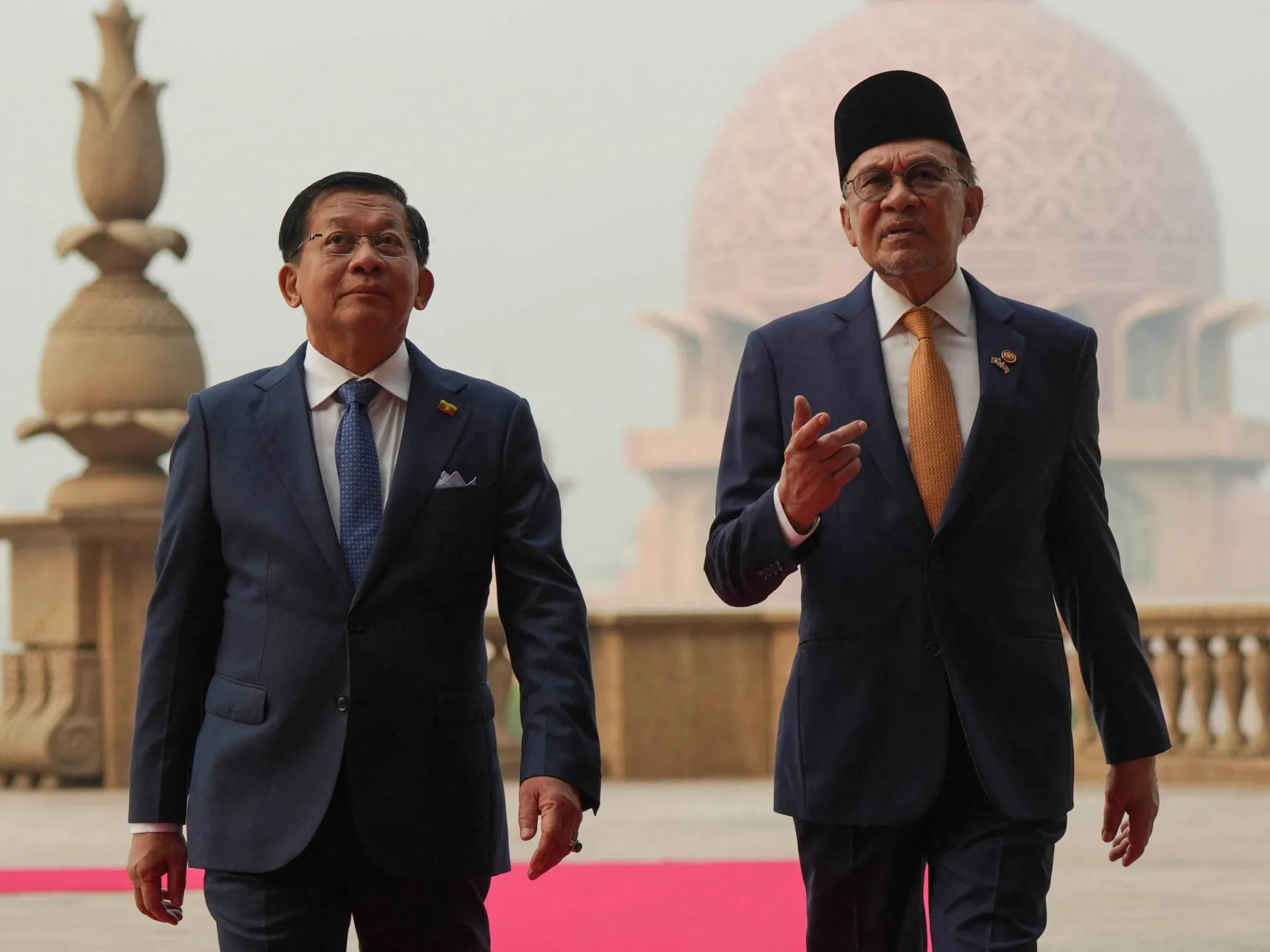
On October 8, Malaysian Prime Minister Anwar Ibrahim received Myanmar’s President Min Aung Hlaing in Putrajaya with a guard of honour and an official luncheon, in the military chief’s first visit since the 2021 coup. Nine days earlier, Malaysia sent 1,476 Myanmar nationals back by sea in the first phase of a plan to return 5,000 people.
Kuala Lumpur calls this pragmatic diplomacy. In reality, it lends a middle power’s credibility to the Trump administration’s retreat from international accountability, weakening the laws and institutions smaller states rely on most.
Since May, a surge of online hate speech and misinformation has targeted the Rohingya, Malaysia’s largest refugee community. By late July, at least nine Rohingya community schools had closed or faced closure orders, and more than 100 Rohingya told UNHCR that residents of their Penang village had driven them out.
The hostility ignores the facts: Malaysia’s police chief says Rohingya account for 0.02 percent of crime. Yet research by INITIATE.MY and the Center for the Study of Organized Hate found AI-generated content amplifying anti-Rohingya disinformation across Malaysia, Indonesia, India and Bangladesh, casting refugees as a threat and legitimising vigilante violence.
Electoral politics plays a part. After heavy losses in three state elections, and with a general election due by February 2028, Anwar’s coalition may see a hard line on Rohingya returns as a show of control, though voter disillusionment and right-wing rivals make any electoral gains uncertain.
Malaysia is not acting alone. Mongolia hosted Vladimir Putin in 2024 despite an ICC arrest warrant, and Hungary welcomed Benjamin Netanyahu in 2025 despite another. Kuala Lumpur denies this is recognition, yet Anwar says Malaysia will work towards Myanmar’s full reintegration into ASEAN, and Min Aung Hlaing wants a seat at the bloc’s November summit in Manila. Each welcome makes the next easier and tells leaders accused of atrocities, from Netanyahu to Min Aung Hlaing, that diplomatic rehabilitation is possible without accountability.
ASEAN has tried this before. In April 2021, Min Aung Hlaing agreed to the Five-Point Consensus, then ignored it: The violence continued, the ASEAN special envoy never met Aung San Suu Kyi, and inclusive dialogue never began. The bloc’s one real lever was excluding military leaders from its summits. Myanmar Specialist, Arkar Hein, said “Welcoming him back with nothing asked in return rewards that defiance and tells Naypyidaw that time and a staged election can achieve what
compromise would otherwise require. Each handshake abroad also makes the regime less willing to offer its opponents real concessions, and convinces them that only the battlefield will decide Myanmar’s future.”
Malaysia has spent decades building its credibility as a regional peacemaker, a hard-won reputation it now puts at risk. It has facilitated the Bangsamoro peace process since 2001, helping negotiate a landmark peace agreement in the southern Philippines, and has facilitated talks in southern Thailand since 2013. In November 2024, Anwar welcomed the ICC’s arrest warrants for Netanyahu and his former defence minister, saying they “should be arrested even if they are visiting other countries”. That same month, the ICC prosecutor sought an arrest warrant for Min Aung Hlaing for alleged crimes against humanity targeting the Rohingya, and an Argentinian court has since issued its own.
The Gambia’s genocide case against Myanmar at the International Court of Justice centres on the 2016-17 operations Min Aung Hlaing commanded, which killed thousands of Rohingya, included mass rapes and burned hundreds of villages, driving more than 700,000 people into Bangladesh. UN investigators called for him to face genocide charges. Malaysia is not a party to the Rome Statute and has no legal duty to arrest him. But its credibility as a peacemaker and on Palestine rests on applying one standard to everyone.
The returns rest on assurances no independent body can verify. UNHCR says it was not involved in the returns and had no access to verify that they were voluntary, and that safe conditions do not exist. Those returned reportedly included 27 children. Though not a party to the Refugee Convention, Malaysia is bound by the customary principle of non-refoulement, and the UN Special Rapporteur on Myanmar has warned of substantial risks.
Naypyidaw says no Rohingya are involved because it does not recognise them as citizens, but other returnees also risk arbitrary detention, prosecution and forced recruitment. The military does not even control Rakhine State, where the Arakan Army holds more than 90 percent of the territory. On September 28, a day before returns began, a military air attack reportedly killed at least 50 civilians there, following more than a dozen other mass killings by the military earlier this year.
Nor can the military-backed government deliver the peace that safe return requires. Its election saw no voting in 67 of 330 townships, and when Min Aung Hlaing offered peace talks in April, the National Unity Government (NUG) and major ethnic armed groups refused. Without a ceasefire and an inclusive political process, assurances of safe return ring hollow.
Malaysia’s frustration is nonetheless legitimate. It has hosted refugees for decades with little international support, and resettlement has shrunk since the Trump administration suspended United States refugee admissions in January 2025. But failed burden-sharing cannot justify returns without safeguards.
The ICC exists so that victims of genocide, war crimes and crimes against humanity can find justice when their own states fail them. That mission now faces unprecedented pressure. On October 9, hours after former ICC judge Navi Pillay won the Nobel Peace Prize, the Trump administration sanctioned the court itself. Burkina Faso, Mali, Niger, Chad and Venezuela have announced their withdrawal.
Yet middle powers can push back. Seventy-nine ICC members, including Canada, Brazil, Mexico and South Africa, backed the court after the first US sanctions in February 2025, and in May Hungary’s new government reversed its predecessor’s withdrawal. In Southeast Asia, the Philippines surrendered former President Rodrigo Duterte to The Hague, and on October 8 judges found him fit to stand trial for crimes against humanity, with proceedings due to begin on November 30.
Middle powers like Malaysia, and blocs such as ASEAN and the European Union, cannot stop US sanctions, but they need not follow the Trump administration’s lead. As Canadian Prime Minister Mark Carney told the World Economic Forum in January, middle powers “must act together, because if we’re not at the table, we’re on the menu”.
Malaysia and its neighbours should lead by saying no: No to efforts to weaken the court, no to treating Min Aung Hlaing’s presidency as a clean slate, and no to Rohingya returns into an active conflict. Malaysia should back efforts to hold him accountable if ICC judges issue a warrant, and reconsider acceding to the Rome Statute, a move it abandoned in 2019.
Saying no does not mean disengaging. Kuala Lumpur should tie Myanmar’s reintegration into ASEAN to real progress on the Five-Point Consensus, starting with an end to violence and inclusive dialogue involving the NUG and ethnic armed organisations. At home, it should pause returns until an independent body confirms they are safe and voluntary, and hold accountable those who evict, threaten or attack refugees.
Malaysia should not carry this burden alone. ASEAN partners, members of the Organisation of Islamic Cooperation and donors should fund refugee registration, education and integration, and resettlement countries should restore their commitments. Governments should also hold tech platforms accountable for amplifying anti-refugee disinformation and require swift action against incitement.
For years, Malaysia has offered refuge to the Rohingya and others fleeing Myanmar when few countries would. That record gives it the standing, and the responsibility, to defend the system of international justice it has long championed.
The views expressed in this article are the author’s own and do not necessarily reflect Al Jazeera’s editorial stance.
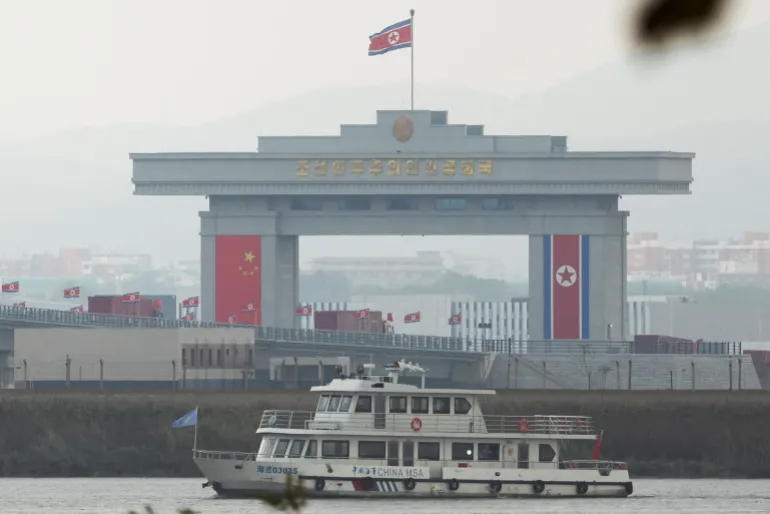
As China and North Korea cut the ribbon on New Yalu River Bridge this week, officials described the new border crossing in momentous terms.
Chinese Premier Li Qiang said the 3km (1.9-mile) bridge, which links China’s Dandong and North Korea’s Sinuiju, would “vigorously promote” trade and “strengthen emotional bonds”.
list of 4 itemsend of list
North Korean Premier Pak Thae-song expressed his belief that the crossing would “accelerate the advance for the prosperity of the two countries” and “add fresh vigour” to their economic cooperation.
Analysts on China-North Korea ties are much more circumspect.
While the bridge is a concrete symbol of China and North Korea’s efforts to revitalise relations that have waned from their Cold War-era peak, the prospects for trade are hindered by obstacles ranging from international sanctions to a North Korean leadership that prioritises security above all else, experts say.
“It reflects China’s renewed effort to strengthen its relationship with North Korea at a time of changing regional alignments,” Phillip Park, a professor at the University of North Korean Studies in Seoul, South Korea, told Al Jazeera.
“But whether this leads to substantially deeper economic integration, greater North Korean dependence, or a significant shift in Pyongyang’s strategic orientation remains an open question.
“The bridge could facilitate trade and logistics, but it does not remove international sanctions,” Park added.

China, whose troops fought alongside Pyongyang in the 1950-53 Korean War, has long been North Korea’s most crucial economic benefactor.
China accounts for as much as 95 percent of official trade with the secretive country, which is among the world’s most diplomatically and economically isolated states.
Before the four-lane New Yalu River Bridge officially opened on Thursday, road and rail freight between Dandong and Sinuiju, the main route for China-North Korea trade, travelled exclusively via the ageing Sino-Korean Friendship Bridge.
Opened in 1943, the bridge, which has a single-lane road and a rail track, can only carry vehicles weighing a maximum of 20 tonnes.
Jae-woo Joo, a professor of Chinese foreign policy at Kyung Hee University in Seoul, said the new bridge could “tremendously” boost trade between the sides, including the transfer of components banned under sanctions against Pyongyang’s nuclear and missile programmes.
“It is therefore really significant to open this bridge with China,” Joo told Al Jazeera.
After coming under strain from North Korea’s nuclear weapons tests in the mid-2000s, Beijing-Pyongyang ties have warmed under Chinese President Xi Jinping and North Korean leader Kim Jong Un.
At Xi and Kim’s most recent meeting in June, their seventh summit since 2018, the leaders pledged to enhance cooperation in areas spanning trade, defence, agriculture, law, science and technology.
Analysts have, in part, cast Beijing’s deepening engagement with Pyongyang as a response to the latter’s growing ties with Moscow, which have included the deployment of thousands of North Korean troops to the front lines of Russia’s war in Ukraine.
Last month, North Korean and Russian officials opened the first road bridge linking their countries across the Tumen River.

North Korea and China’s two-way trade grew 25 percent in 2025 to reach $2.74bn, according to figures from China’s General Administration of Customs.
Bilateral trade has continued to grow in 2026, jumping nearly 20 percent to reach $1.5bn in the first half of the year, putting it on track to reach its highest volumes since the COVID-19 pandemic.
But while growing, trade remains relatively minuscule in the context of global commerce.
With China’s overall trade hitting $6.36 trillion in 2025, North Korea’s contribution to the total was a little more than 0.04 percent.
Official trade between the neighbours also remains substantially below its 2010s heyday.
Trade hovered around $5-6bn throughout much of the decade, peaking at $6.45bn in 2013.
Economists have offered explanations for the slowdown that range from tightened sanctions to China’s waning reliance on imports amid its efforts to boost economic self-reliance.
Christopher Green, a senior consultant for the Korean Peninsula at International Crisis Group, said the new border crossing’s significance should not be overstated, considering that China-North Korea trade “is fundamentally driven by politics”.
“Lack of cross-border transit routes is not the main obstacle,” Green told Al Jazeera.
“If the bridge opening signifies a political desire on both sides to give political cover to rising trade volumes, then a boost to trade should follow,” Green said, describing ties up until now as “steady-as-she-goes” economic engagement.
“Time will tell. But the key is the politics of national security, not economics.”

As much as officials have hailed the New Yalu River Bridge as a reflection of Chinese-North Korean cooperation, the project had a long and torturous road to completion.
Construction began in 2011 and was finished on the Chinese side in 2014.
But North Korean authorities only completed roads and customs facilities on their side of the river this year following repeated pauses in construction amid tensions with Beijing.
“The 12-year delay certainly suggests that economic cooperation is more conditional than the language of friendship might imply,” Marco Mari, a PhD researcher at Bocconi University in Italy who studies China-North Korea economic ties, told Al Jazeera.
“The bridge can facilitate supplies and economic activity, while Russian support gives North Korea alternatives that diminish Beijing’s leverage,” Mari added.
“This does not necessarily imply broader economic reform or a comparable improvement in ordinary people’s lives.”

Weiqi Zhang, an associate professor at Suffolk University who studies relations between North Korea and China, said the history of China-North Korea economic ties is littered with abortive projects, such as the Hwanggumpyong Special Economic Zone, a North Korean-Chinese development near Dandong.
“There were cases, like the Hwanggumpyong Special Economic Zone – established by China and North Korea – where China built infrastructure on its side, but North Korea didn’t even pave the road on their side,” Zhang told Al Jazeera.
“One reason is that, unlike its neighbours, North Korean government doesn’t really pay much attention to trade for economic development,” Zhang said.
“International trade is used by North Korea more like a foreign policy tool.”
With China wishing to demonstrate its “indispensability” as a trade partner and North Korea eager to strengthen their economic ties, trade is likely to grow, said Edward Howell, a lecturer in international Relations at the University of Oxford.
Even so, economic engagement will be subject to political considerations, Howell said.
“North Korea will obviously want to avoid facing any Chinese influence to change its economic model, but Pyongyang will want to reap the economic benefits of trade with its principal economic benefactor,” Howell told Al Jazeera.
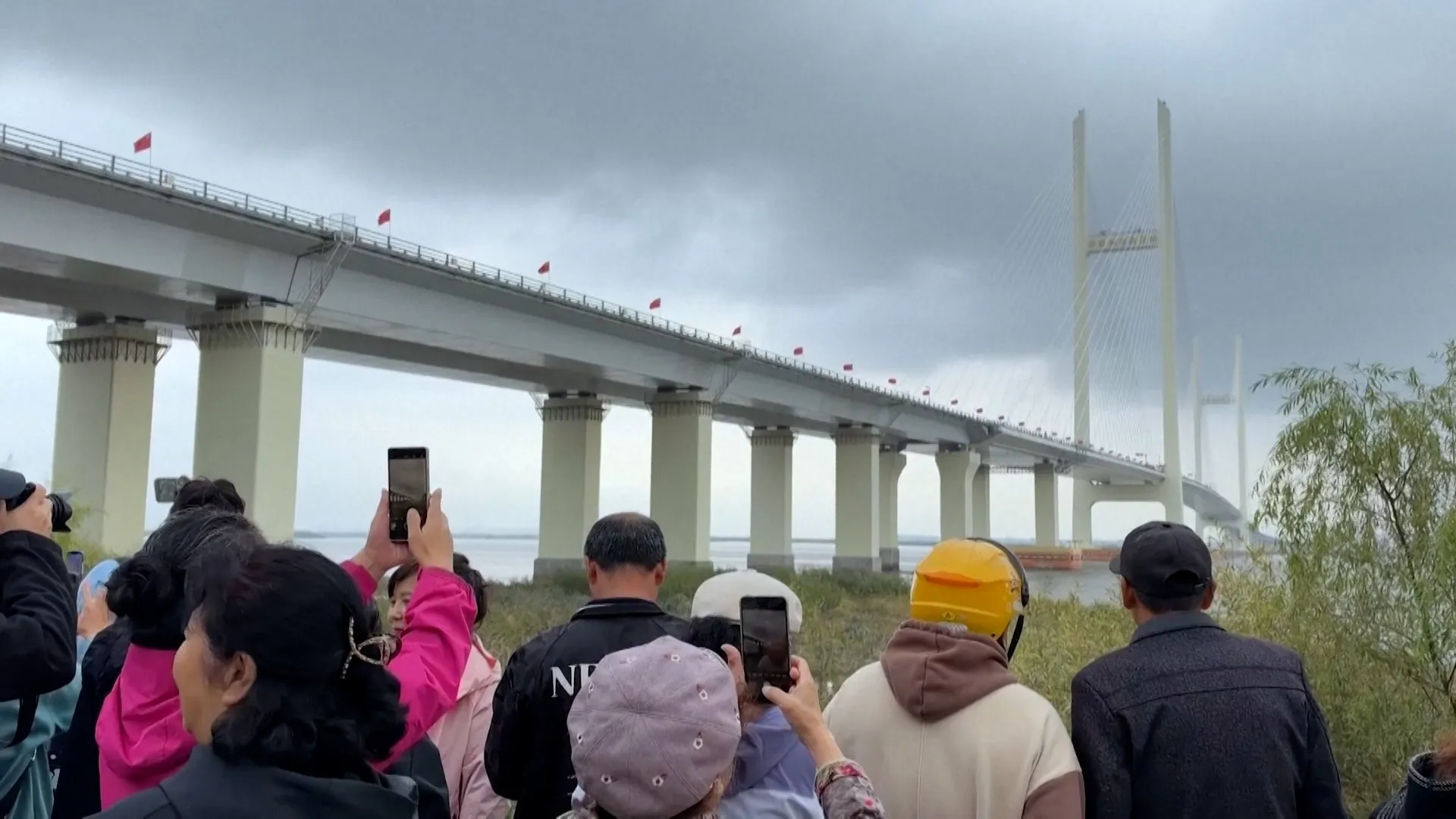
China and North Korea have officially opened the New Yalu River Bridge after a 12-year delay. The 3 kilometre bridge is expected to become the main land route between the two countries as they seek to improve relations.
Published On 15 Oct 202615 Oct 2026
Share
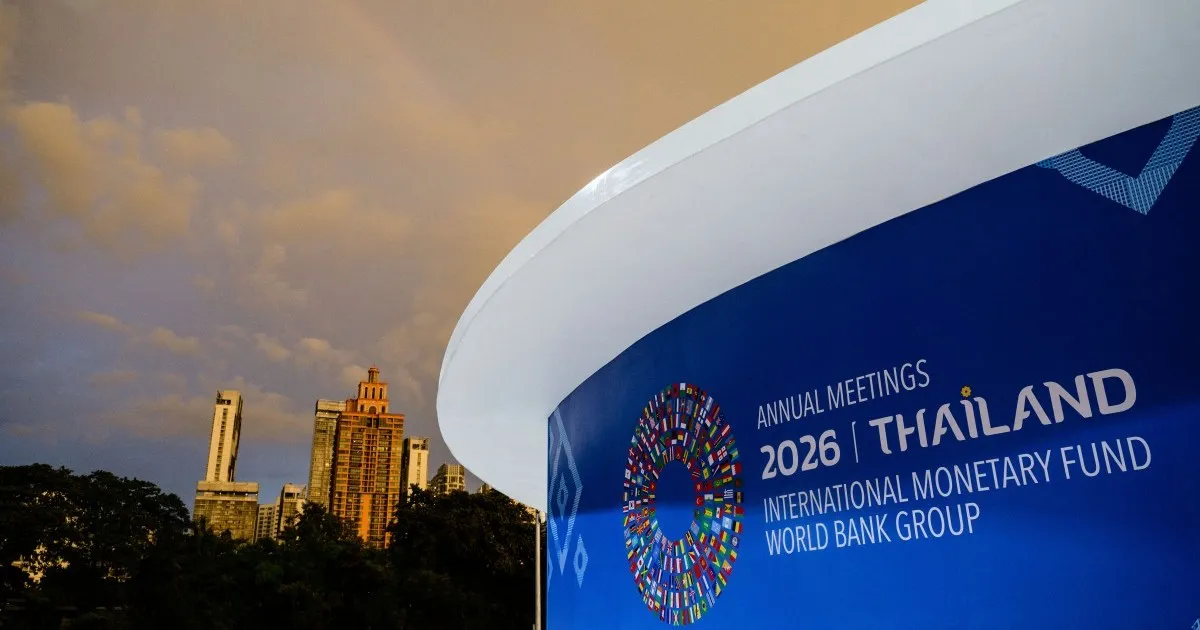
The G20 finance ministers and central bank governors are gathering in Bangkok, Thailand, on Thursday amid an uncertain global outlook shaped by the US-Israel war on Iran.
The meetings are being held in conjunction with the annual meetings of the International Monetary Fund (IMF) and the World Bank, taking place in the Thai capital from October 12 to October 18.
list of 4 itemsend of list
Here are some of the key details about the meetings:
The G20 is an economic forum comprising 19 large economies, including the United States, China, the United Kingdom, Australia, Brazil, India, Japan, Indonesia and Saudi Arabia, as well as the European Union and the African Union.
The grouping has an annually rotating presidency, currently held by the US.
Together, the G20 countries account for about 85 percent of global gross domestic product (GDP) and three-quarters of global trade.
The G20 was established in 1999 as a forum for finance ministers and central bank governors to address shared economic concerns in the wake of the Asian Financial Crisis, before expanding into a broader forum for national leaders.
The IMF, based in Washington, DC, is an international financial institution that promotes international cooperation on monetary policy, trade and economic growth.
Its membership includes all but a handful of the world’s sovereign states, including North Korea, Cuba, the Vatican City and Monaco.
The World Bank, also based in Washington, DC, primarily serves as a provider of loans and grants to developing countries. It has 189 member countries.
The IMF and the World Bank were created at the 1944 Bretton Woods conference in the US, convened by the Allied Powers to establish the contours of the post-World War II international financial order.
Most finance ministers and central bank governors of the G20 will be in Bangkok, along with IMF Managing Director Kristalina Georgieva and World Bank Group President Ajay Banga.
US Treasury Secretary Scott Bessent will be a notable absence from the gatherings, as the top economic official of the world’s biggest economy and G20 chair.
US officials have cited “domestic engagements” for Bessent’s decision to skip the events, at which Washington will be represented by Deputy Secretary Francis Brooke and Undersecretary for International Affairs Erin Browne.
The G20 meeting, one of several gatherings of the group’s finance ministers each year, will help shape the agenda for the headline leaders’ summit in Miami, Florida, taking place on December 14-15.
The economic fallout from the US-Israel war on Iran is expected to dominate discussions.
Attacks across the Middle East have upended economic activity across the region, while disruption to shipping in the Strait of Hormuz has driven a surge in energy prices worldwide.
Crude oil prices have exceeded $100 a barrel for much of the past eight months, placing a strain on government coffers and household budgets, particularly in the Gulf region and the rest of Asia.
In advance of the meeting, Australia’s Treasurer Jim Chalmers MP said he would use the discussions to call for an end to the conflicts in the Middle East and the reopening of the Strait of Hormuz “because that’s what the global economy desperately needs”.
“The war in the Middle East is having a devastating economic impact and is pushing up fuel prices, inflation and interest rates around the world,” Chalmers said in a statement.
Other issues likely to feature on the agenda include the ballooning debt levels of many countries, which exceed 100 percent of GDP in the US, Canada, Japan, Italy and France.
In a speech on Wednesday, Georgieva warned that mounting debt posed a threat to the global economy and that there was no “magic” formula that would allow governments to avoid tax hikes or spending cuts.
G20 members will also bring more specific individual concerns to the table based on their economic and geopolitical priorities.
The US, for example, has repeatedly expressed concern about “global imbalances”, a veiled reference to China’s state-driven industrial model that has allowed Chinese exporters to flood overseas markets with cheap goods.
US President Donald Trump has long claimed that China’s large trade surplus, which stood at a cumulative $938bn in September, proves that international trade is stacked against US manufacturers.
In a statement addressed to the IMF on Wednesday, Bessent called for action to address mismatched trade balances.
“This especially includes strengthening its analysis and engagement on the role non-market policies and practices and exchange rates play in driving external imbalances,” Bessent said.
“Policymakers around the world are having difficult discussions about how to sustain market-based systems amid distortionary policies from some economies that skew competition and hurt employment.”
Divisions and competing interests cloud the prospects for coordination, however.
At the last meeting of G20 finance ministers in Asheville, North Carolina, US, held on August 31 and September 1, member countries failed to issue a joint communique after China objected to language to do with trade.
Suspect was arrested on Russia’s far-eastern Sakhalin Island before being transferred to Moscow, says Russia’s FSB.

Published On 13 Oct 202613 Oct 2026
Russian authorities say they have arrested a Japanese journalist on the far eastern Sakhalin Island, accusing him of espionage.
The Federal Security Service (FSB) announced the arrest on Tuesday, saying the man was believed to have gathered information on Russia’s defence capabilities for Japanese intelligence. The charges carry up to 20 years in prison.
list of 3 itemsend of list
Russia’s Ministry of Foreign Affairs named the journalist as Imai Yuki, who it said worked for Japan’s Hokkaido Shimbun newspaper.
The Japanese government was trying to verify reports of the journalist’s detention, according to an official at Tokyo’s embassy in Moscow cited by Japan’s Kyodo news agency.
The journalist was arrested on Yuzhno-Sakhalinsk, the main city on Sakhalin Island, as he was preparing to leave Russia, said the FSB. He was then flown to Moscow, where a court ordered him to be held behind bars pending the probe, the agency added.
A video shared by Russia’s TASS news agency, attributed to the FSB, shows masked officers appearing to handcuff the suspect in a hotel room, before transporting him to an interrogation room.
The suspect was then shown boarding a plane accompanied by two FSB servicemen, before appearing in a cage on trial in a Moscow court, which authorised his custody for nearly two months.
The Japanese man’s arrest comes amid a spike in tensions between Russia and Japan following Russian President Vladimir Putin’s trip in August to the Kuril Islands, the Moscow-controlled Pacific archipelago that is claimed by both countries.
The Sakhalin region includes Sakhalin Island and the four southernmost islands of the Kuril chain, which Japan calls the Northern Territories.
Russia and Japan never signed a formal World War II peace treaty, with the main obstacle being the unresolved territorial dispute over the Kuril Islands.
Authorities in Russia have arrested numerous foreigners for alleged espionage since it invaded neighbouring Ukraine in 2022.
One of the most prominent cases was the detention of Wall Street Journal reporter Evan Gershkovich in 2023. He was found guilty of espionage by a Russian court, sentenced to 16 years and then freed in a major prisoner swap involving Russia and Western countries in August 2024.
Move comes as haze from Indonesian fires makes Singapore and Kuala Lumpur the world’s most polluted cities.
Published On 13 Oct 202613 Oct 2026
Firefly, a Malaysian low-cost airline, has extended the suspension of its flights between Kuala Lumpur and Singapore through Wednesday as smoke from fires in Indonesia continued to blanket the region.
The announcement came as IQAir, an air quality monitor, ranked Singapore and the Malaysian capital Kuala Lumpur as the world’s two most polluted cities on Tuesday.
list of 2 itemsend of list
Firefly said in a statement that flights between the Sultan Abdul Aziz Shah Airport (SZB) near Kuala Lumpur and the Seletar Airport in Singapore (XSP) have been cancelled up to Wednesday due to “weather and haze conditions”.
It called the action a “proactive safety measure”.
The fires, mostly on the Indonesian islands of Sumatra and Borneo, are the country’s most intense in 11 years. They have been spurred by El Nino, a weather pattern expected to be among the strongest in four decades.
IQAir, a Swiss air quality monitoring company, said Air Quality Index in Singapore stood at 199 on Tuesday and 183 in Kuala Lumpur. Readings above 150 are generally considered unhealthy, and those above 300 are classified as hazardous.
Firefly, a subsidiary of Malaysia Aviation Group, which includes Malaysia Airlines, first announced the flight cancellations on October 10, citing “low visibility” due to the haze conditions.
Firefly said that affected passengers were being rebooked on Malaysia Airlines flights between Kuala Lumpur International Airport and Singapore’s Changi Airport, subject to seat availability.
The Singapore government has reintroduced subsidised care for haze-related illnesses, as it last did in 2015, when smoke from Indonesian fires hung over the region for weeks.
In Malaysia, schools reopened in most states on Tuesday as air quality improved slightly, but they remain closed in three states, one federal territory and several districts.
Malaysia’s foreign minister, Mohamad Hasan, said on Monday that he would press for stronger regional mechanisms when foreign ministers of the Association of Southeast Asian Nations (ASEAN) meet next month.
“We already have an ASEAN mechanism for natural disasters, but haze is not included or classified as a natural disaster,” he told reporters in Sepang, according to Bernama, Malaysia’s state news agency.
The Philippines, which chairs the bloc this year, confirmed that the issue would be on the agenda.
“It’s in the agenda,” Dominic Xavier Imperial, a spokesman for the Philippine Department of Foreign Affairs, said of the November meeting, which will precede the 49th ASEAN summit in Manila.
Mohamad, the Malaysian minister, said Indonesia had deployed about 60,000 personnel to fight the fires, but thick smoke had grounded 34 aircraft, including planes and helicopters.
Remote terrain and limited water supplies have also hindered the effort, he said, and cloud seeding is not possible without suitable rain clouds. He acknowledged Indonesia’s efforts but urged more effective action, citing the toll on Malaysian communities.
Muslim governments backed the genocide case against Myanmar. They must now show that their commitment to the Rohingya goes beyond words.

Executive Director of The Burma Human Rights Network (BHRN).
Published On 12 Oct 202612 Oct 2026
Share
The Organisation of Islamic Cooperation (OIC) has made Muslim solidarity central to how it presents itself. Nine years ago, Myanmar’s military massacred Rohingya civilians and drove hundreds of thousands from their homes. The persecution has not ended: the Rohingya remain stateless, face continuing violence and risk death while fleeing by sea. Throughout those years, the OIC has held summits and passed resolutions. Yet it has failed to protect them.
When I founded the Burma Human Rights Network 14 years ago, I believed that if we gathered evidence carefully and put it before institutions with the power to act, they would act. We have gathered testimony from survivors of massacres. We have documented the systematic destruction of Rohingya villages, the denial of their citizenship and the deliberate starvation of a people. Yet despite all this documentation, the situation facing the Rohingya has mostly grown worse. The International Court of Justice is expected to rule later this year on whether Myanmar’s actions constituted genocide.
I have sometimes asked myself whether a ruling could help stop the atrocities. The Rohingya survivors who gave evidence in The Hague relived the worst moments of their lives before international judges because they trusted that their testimony would matter. Many of them are still in Bangladesh, still in limbo, dependent on food assistance worth as little as $7 per person per month. One in every seven Rohingya who attempted sea crossings last year was reported dead or missing. They are unprotected, and governments that could do more have not done so.
People often ask me why we continue. I have never had a satisfying answer. What I know is that without a record of these atrocities, it becomes easier to deny they happened. I continue because, after hearing these accounts and seeing the evidence, I do not know how to walk away from it.
We have published evidence that governments did not want to confront, and we have called the atrocities what they are: genocide. If the court finds that Myanmar committed genocide, it would be the first time in the International Court of Justice’s 80-year history that a state has been held responsible for the crime.
I now address the OIC foreign ministers who will gather in Baghdad on October 17. The OIC backed this case, and your governments supported the effort to hold Myanmar accountable for its treatment of the Rohingya. Many Rohingya, along with many of us who work with them, took those commitments seriously. When the ruling arrives, I expect statements welcoming it and renewed promises of accountability. But another communiqué will not protect anyone. OIC governments should refuse to forcibly return Rohingya to Myanmar, protect Rohingya who reach their territory, sustain support for refugees in Bangladesh and agree on diplomatic and economic measures against those responsible for their persecution. These are choices your governments can make.
The way Rohingya are treated across the region is hard to reconcile with those commitments. Some governments that speak about the Rohingya in international meetings do not offer the same protection to those who arrive at their borders. A government cannot demand accountability from Myanmar and at the same time send people back into danger.
Bangladesh hosts 1.2 million Rohingya and has faced years of pressure to send them back. The OIC must also challenge abuses against the Rohingya by governments outside its membership. In 2025, according to testimony documented by Amnesty International, Indian authorities forced at least 40 Rohingya from a naval vessel into the Andaman Sea, leaving them to swim towards Myanmar. If the OIC says nothing when governments expose Rohingya to that kind of danger, those governments have little reason to change course.
To the Rohingya community organisations that kept working, the journalists who reported despite restrictions on access, those who helped survivors bring their testimony to international forums, and the advocates who stayed with this issue when official attention moved elsewhere, I can only say this: you did work that governments with armies and treasuries should never have left to you. The evidence you preserved is now part of the record.
The 57 governments meeting in Baghdad have repeatedly pledged solidarity with the Rohingya and supported efforts to hold Myanmar accountable for genocide. But solidarity means little if it does not translate into action. A judgment from The Hague will not protect the Rohingya by itself. What those governments do after it will show whether their support for this case has consequences beyond the courtroom.
The views expressed in this article are the author’s own and do not necessarily reflect Al Jazeera’s editorial stance.
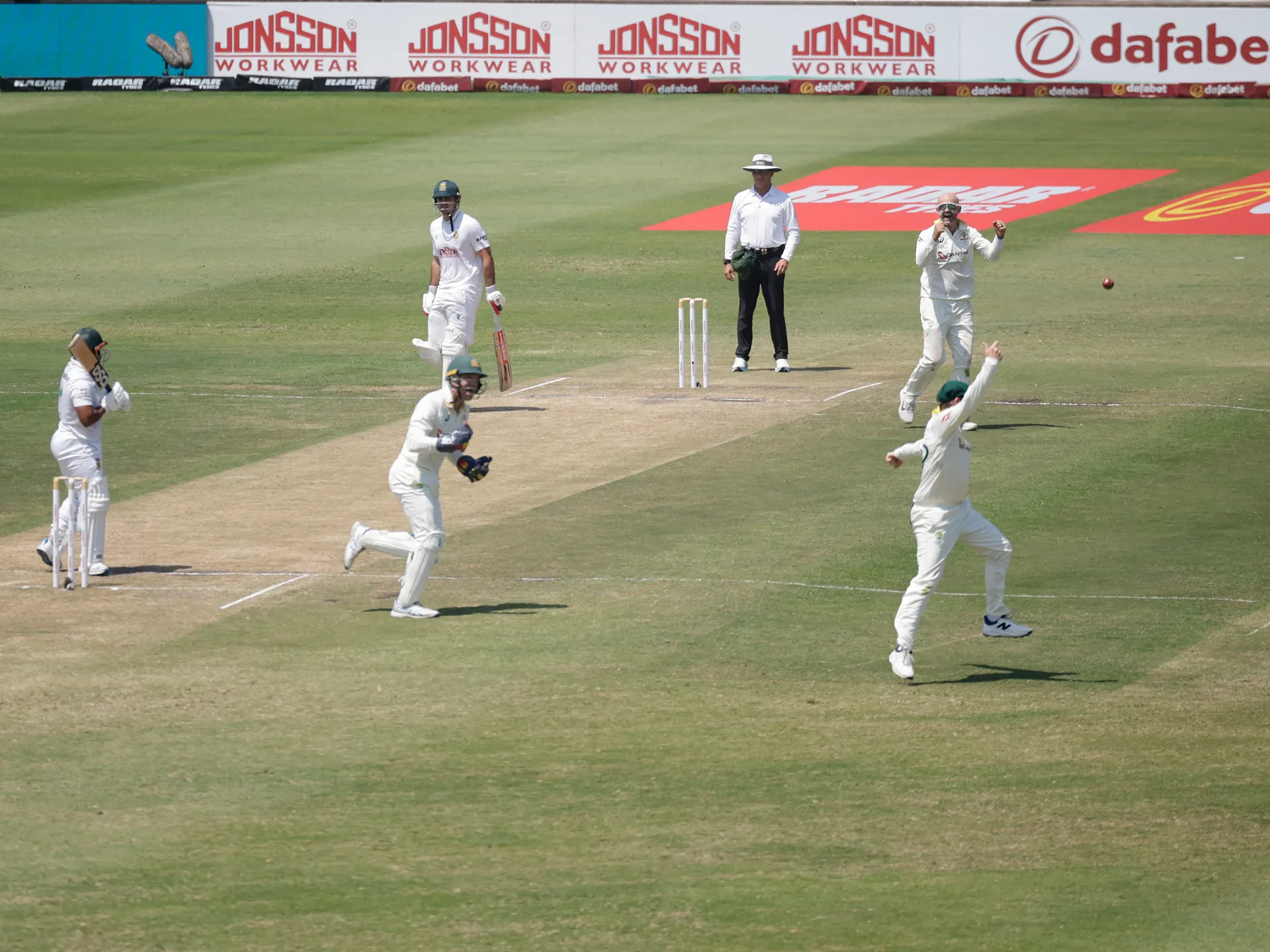
Smith moves to 223 career catches, a record for fielders, as Australia bowl out South Africa for 284 in reply to 390.
Published On 12 Oct 202612 Oct 2026
Steve Smith has broken the Test record for the most career catches by a fielder as Australia have played themselves into a strong position on the third day of the first Test against hosts South Africa.
Smith held four catches on Sunday, taking his total to 223, as South Africa were bowled out for 284 in reply to Australia’s first innings of 390 at Kingsmead Stadium in Durban.
Nic Maddinson (17 not out) and Travis Head (10 not out) added 33 runs off just 5.4 overs to stretch Australia’s overall lead to 139 before bad light ended play for the third day in a row.
Maddinson, who laboured to a 33-ball duck in the first innings, hit two fours off Marco Jansen in the first over of the second innings and added a six off Wiaan Mulder before play was called off.
Australia’s bowlers applied relentless pressure on an easy-paced pitch and a succession of South African batsmen contributed to their own dismissals by playing poor shots.
Six Protea batters reached 30, but David Bedingham’s 49 was the top score.
Australian captain Pat Cummins took three for 54, and Mitchell Starc, Josh Hazlewood and Nathan Lyon claimed two wickets each as Australia’s long-serving bowling quartet combined with customary efficiency.
Smith started the day on 219 catches, one behind Joe Root of England.
He equalled the record when he caught Temba Bavuma. Smith, playing in his 126th Test, broke the record when he lunged to his left from second slip to hold a sharp edge from Bedingham off Cummins.
Smith was in the action again with a spectacular catch to dismiss Verreynne, again anticipating well at slip as the South African wicketkeeper made good contact with a reverse sweep that Smith held in an outstretched right hand.
His fourth catch was from an edge to slip by last man Anrich Nortje off the bowling of Beau Webster.
Smith’s career haul of 223 catches exceeds the total of all but 11 specialist wicketkeepers.
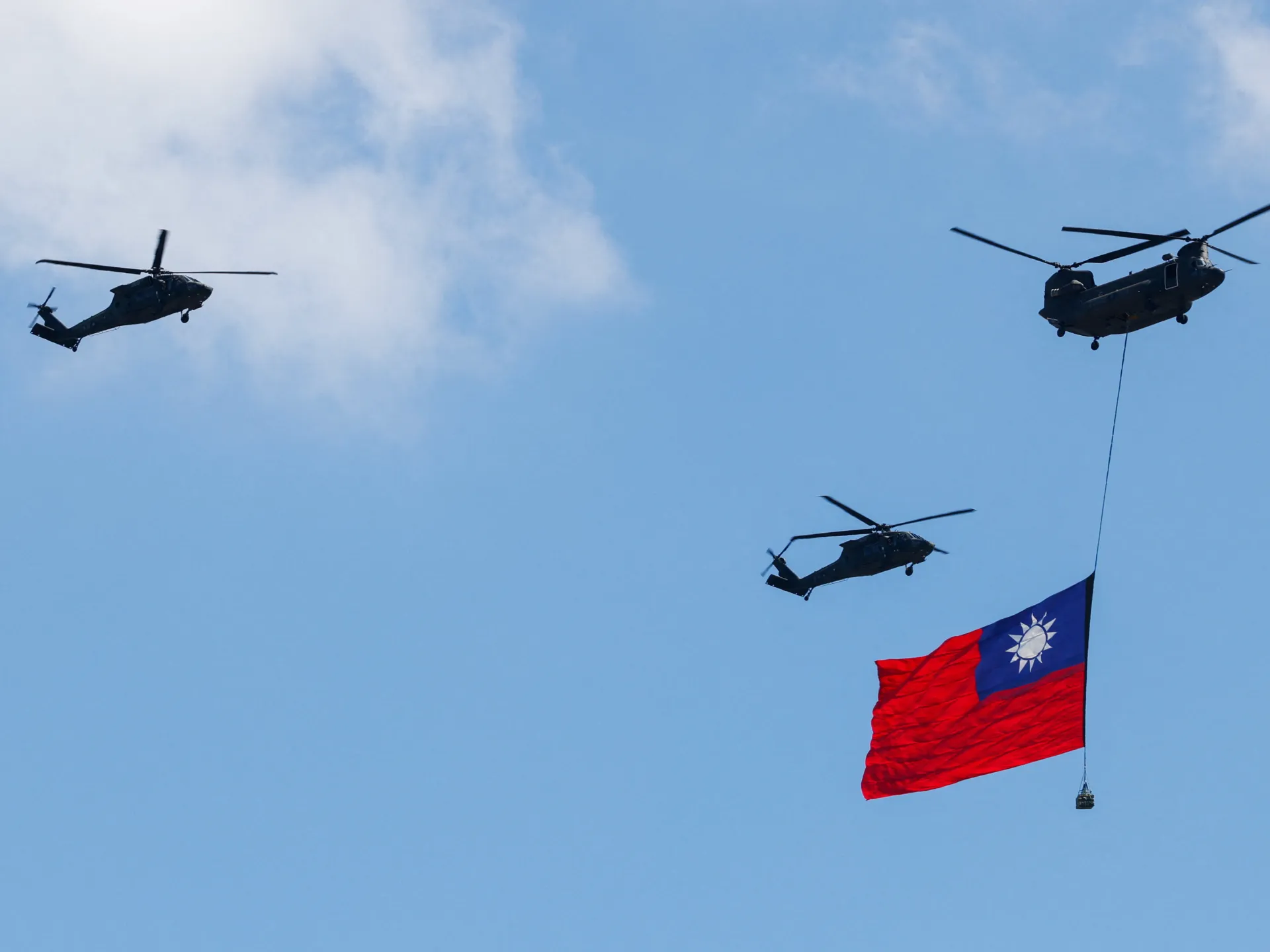
Chinese foreign ministry cites national sovereignty and Taiwan separatist activities as reasons behind the measures.
Published On 12 Oct 202612 Oct 2026
China has sanctioned Paraguay’s communications minister and Belize’s foreign minister over ties to Taiwan.
The Chinese Ministry of Foreign Affairs made the announcement on Monday, citing the safeguarding of China’s national sovereignty and opposition to Taiwan separatist activities as the reasons behind the measures, which went into effect the same day.
list of 3 itemsend of list
The measures against Paraguay’s Communications Minister Gustavo Villate and Belize’s Foreign Minister Francis Fonseca include the freezing of their assets in China and the denial of entry visas to Hong Kong and Macau.
The sanctions also prohibit Chinese organisations and individuals from engaging in transactions, cooperation or other activities with the ministers.
The Foreign Ministry said that “certain anti-China politicians” who are “driven by self-interest” have pushed their nations to maintain diplomatic relations with Taiwan.
Beijing said the ministers had “taken a series of egregious actions and statements”, which are “damaging China’s core interests”.
Paraguay and Belize are two of 12 countries that maintain formal diplomatic relations with Taiwan.
China views Taiwan as its territory, a view the island’s government strongly rejects.
The measures come two days after Taiwan’s National Day celebration.
In a National Day speech outside the Presidential Office on Saturday, Taiwan President William Lai Ching-te said the island “cherishes peace” and will “not give up our freedom”.
China’s Taiwan Affairs Office condemned Lai’s speech, saying it “disregards facts, distorts the truth, misleads the public, and reveals ulterior motives”.
In January, Chinese President Xi Jinping pledged to achieve the “reunification” of China and Taiwan, calling the goal “unstoppable”.
Paraguay’s Communications Minister Villate marked Taiwan’s National Day with a social media post, saying: “Paraguay reaffirms its relationship of friendship and cooperation, based on shared values and principles: the self-determination of peoples, human rights and democracy.”
The Belize embassy in Taiwan also posted a message on its Facebook celebrating the 37th anniversary of their diplomatic relations.
“Together, we look forward to a future of growth, opportunity, and lasting friendship,” the embassy wrote.
Last month, Taiwan’s Foreign Minister Lin Chia-lung visited Belize. His ministry said the two sides had agreed to deepen ties.
Taiwan’s other allies in the Americas include Guatemala and Haiti. It also has formal diplomatic ties with three Caribbean islands.
The United States does not have formal diplomatic ties with Taiwan, but Washington is bound by law to provide the island with the means to defend itself.
Earlier this month, the US delivered two fighter jets to Taiwan as the island seeks to build its defence capabilities to deter a feared attack from China.
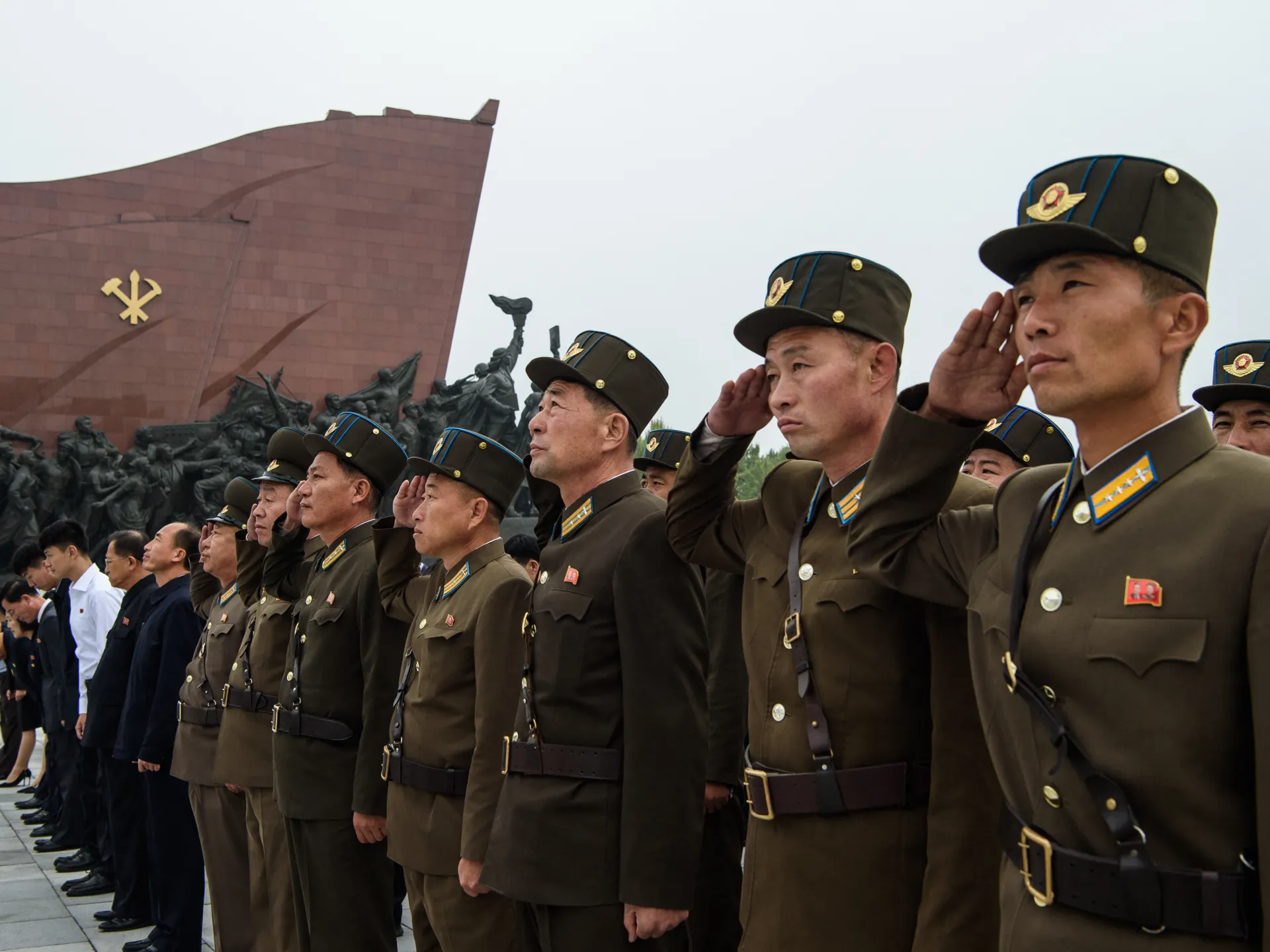
Latest missile launch appears to be a show of force since South Korea’s hypersonic missile test-fire, Seoul says.
Published On 12 Oct 202612 Oct 2026
North Korea has fired multiple ballistic missiles towards the sea off its east coast, South Korea’s military says.
South Korea’s Joint Chiefs of Staff (JCS) said one of the missiles flew more than 900km (559 miles) from the Pyongyang area on Monday. The joint chiefs did not specify how many missiles were detected.
list of 3 itemsend of list
Japan’s coastguard said on Monday that North Korea had fired two unidentified projectiles, believed to be ballistic missiles, which appeared to have already fallen.
South Korea’s presidential office said that Pyongyang’s repeated missile launches violate United Nations Security Council resolutions, urging an immediate stop.
Monday’s missile launch adds to heightened tensions on the Korean Peninsula, as both countries have been conducting weapons tests.
JCS spokesperson Jang Do-young said the latest missile launch appears to be a show of force since South Korea’s hypersonic missile test-fire.
On Thursday, South Korean President Lee Jae Myung oversaw the country’s first test-firing of a hypersonic missile, a rare public showcasing of a missile test by a South Korean president.
Lee’s office said the hypersonic weapon, once fully developed, would enhance South Korea’s ability to strike key targets by surprise in the “Korean Peninsula theatre of operations”.
On October 3, North Korea also tested a hypersonic intermediate-range missile designed to evade missile defences in South Korea and Japan.
Last week, Seoul demanded an apology after a landmine blast wounded three soldiers in the Demilitarized Zone between South and North Korea. A joint South Korean-UN investigation concluded that two landmines were planted by North Korean forces about a year ago. Pyongyang dismissed the claim and accused South Korea of provocation.
Prior to the border mine blast, Seoul said it was conducting “preliminary coordination efforts” to facilitate dialogue between Pyongyang and Washington.
Lee pledged to reopen dialogue with North Korea in his first speech after taking office in 2025.
North Korean leader Kim Jong Un continues to flaunt his nuclear weapons programme, while rejecting US and South Korean offers to resume stalled diplomacy.
Talks between Kim and US President Donald Trump abruptly ended in 2019. Kim Jong Un’s government continues to demand that Washington abandon its “hostile” policy towards Pyongyang and drop demands for North Korea’s denuclearisation as a condition for talks.
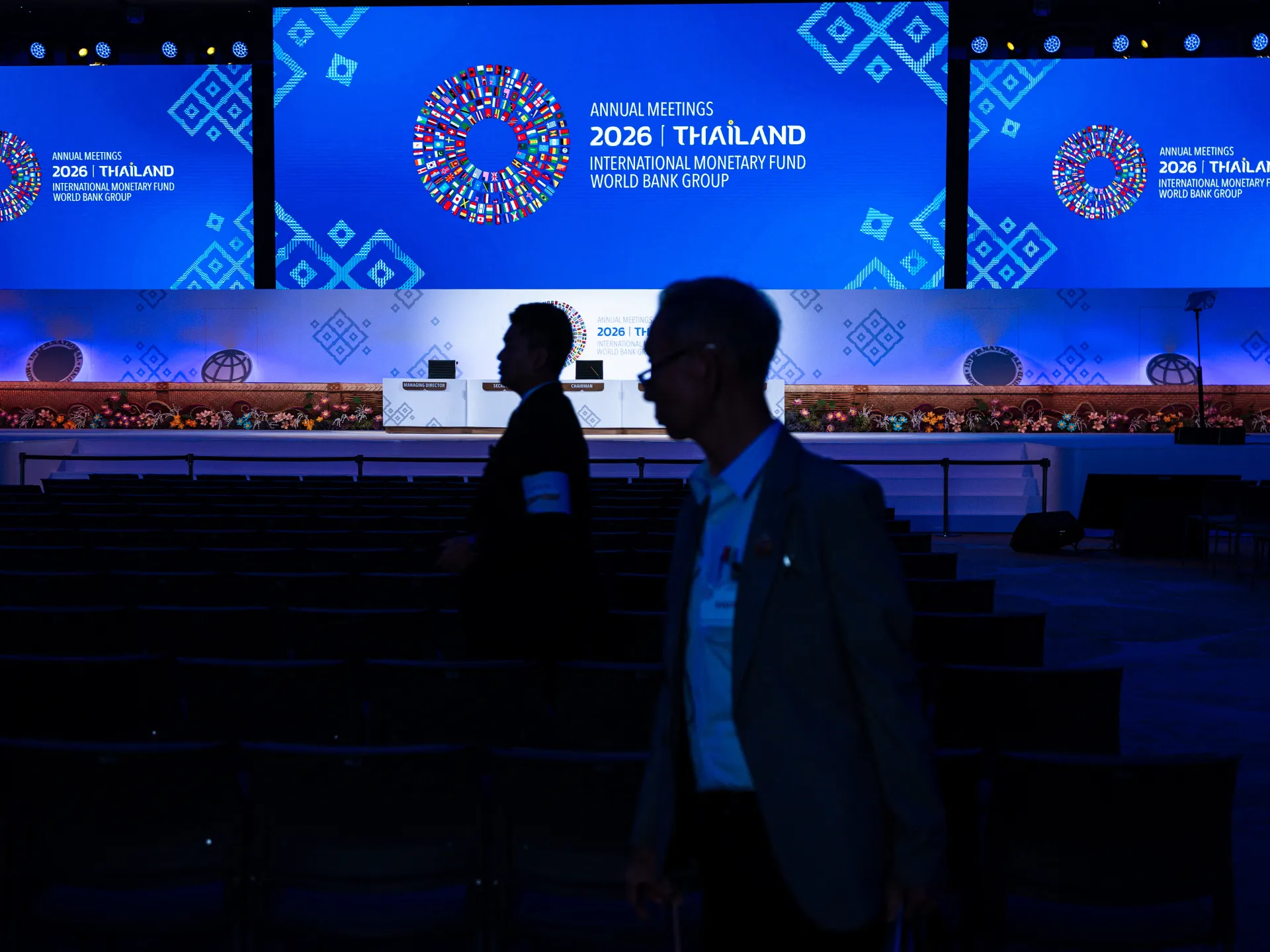
Published On 11 Oct 202611 Oct 2026
Finance officials from around the world will gather in Bangkok this week under the shadow of a widening war in the Middle East, the biggest-ever energy supply shock and rising interest rates that together pose daunting risks to already-sluggish global economic growth.
The US-Israel war on Iran, now in its eighth month, and its inflationary impact are slated to dominate the agenda and sideline conversations during the annual meetings of the International Monetary Fund (IMF) and World Bank, held outside Washington for the first time in three years.
list of 4 itemsend of list
IMF Managing Director Kristalina Georgieva told Reuters News Agency that 18,000 people were registered to attend the meetings, 4,000 more than the last off-site meetings held in Morocco in October 2023.
Notably absent will be United States Treasury Secretary Scott Bessent, who dispatched two senior officials in his stead while he handles some “domestic engagements”, a US official said. Federal Reserve Board Chairman Kevin Warsh will attend and is slated to participate in a public event with Georgieva on October 16.
Several other finance ministers were also staying home due to domestic budget and election duties, but most central bankers would attend, Georgieva said.
Bessent’s decision to skip the high-profile gathering and a meeting of the Group of 20 (G20) major economies, which the US leads this year, may frustrate counterparts amid rising tensions over the Iran war, Ukraine’s battle against Russia’s invasion, and the US move to impose sanctions on the International Criminal Court.
The Group of Seven (G7) countries have agreed to release 100 million barrels of diesel and crude oil from emergency reserves under pressure from US President Donald Trump, who is keen to see lower petrol prices before November elections that could see his Republican Party lose control of Congress.
Trump on Friday announced a deal with Russia that would provide even more diesel to global markets and a temporary waiver of US sanctions designed to deprive Moscow of revenues for its war on Ukraine. The move drew swift criticism from Ukrainian President Volodymyr Zelenskyy.
More than one billion barrels of oil have been released, mainly from onshore commercial inventories, since the start of the war on February 28. But industry executives say the amount of oil in storage that is accessible to the global market is running low, making the market more fragile and fuelling pressure on prices.
The IMF has signalled little change in its forecast for three percent global growth in 2026, and may edge its forecast for next year slightly higher. But some countries will see downgrades, including Ukraine, now in its fifth year of war against Russia’s invasion, and Gulf countries hit by Iranian strikes and sharply reduced energy exports.
IMF research released on Tuesday showed that sharp spikes in food and energy prices are an increasingly common source of crises that drive inflation expectations higher for longer, worsen poverty and threaten economic stability.
One headache for policymakers is the growing public debt burden that is sapping growth and adding inflationary pressures. The IMF says public debt is at the highest level since World War II and will exceed 100 percent of gross domestic product (GDP) before 2030.
Advanced economies, led by the US, have the highest debt-to-GDP ratios, but emerging markets and low-income countries are particularly vulnerable, given a perfect storm of challenges: capital outflows in search of higher US rates, weather extremes triggered by the El Nino climate phenomenon, and a lack of investment in artificial intelligence (AI), which has mitigated negative supply shocks in the US and other rich countries.
Developing countries are particularly vulnerable given high public debt levels that will have to be renegotiated at higher interest rates. Together, they face $400bn in debt payments to external creditors in 2026, and interest payments already exceed 10 percent of revenue on average.
Many lower-income countries are worried about new IMF recommendations for loan programmes that call for fewer but deeper reforms as a condition for approving lending, a change that many fear will lead to painful austerity measures.

A rare albino Asian black bear was captured on camera in China’s Shennongjia National Park, a critical habitat for the species.
Published On 10 Oct 202610 Oct 2026
Share