
Ashes

UK sport tickets: Price increases analysed for the Ashes, Wimbledon, Silverstone and more

In a world with increasingly volatile economics and changing consumer habits, broadcasting live sport has been one of the more reliable ways for companies to generate revenue.

And live sport – and entertainment – is one of the few industries whose financial success is unlikely to be significantly compromised by artificial intelligence in the coming years.

That means more and more companies have taken an interest in buying the rights to show sports events, which means more TV subscriptions than ever before are necessary for fans wanting to watch all of the action.

A football fan in the UK, for example, must subscribe to Sky Sports, TNT Sports, Amazon Prime and Premier Sports, if they want to watch all of the matches across the Premier League, Champions League and Scottish Premiership.

And they must pay for an annual TV licence to watch other matches on the BBC and ITV.

Without taking advantage of special offers, other sports can require even more subscriptions and even more money.

“It certainly helps when you can say to a fan that they only need to buy one subscription to see everything in one sport,” says Pete Oliver, CEO of growth markets for DAZN, a global sports streaming service.

“If a sport is very fragmented, we would say it’s not going to be a great proposition for the fan [for us to be involved], and it’s probably not going to be a great commercial prospect for us.

“The cost of entertainment [subscriptions] generally will increase over time.

“There is natural inflation in the market, there is a lot of competition for sports rights, the athletes want to be paid more money, and the leagues want to do what is right for them, and if they can get somebody to pay more for the content, they will”
Source link

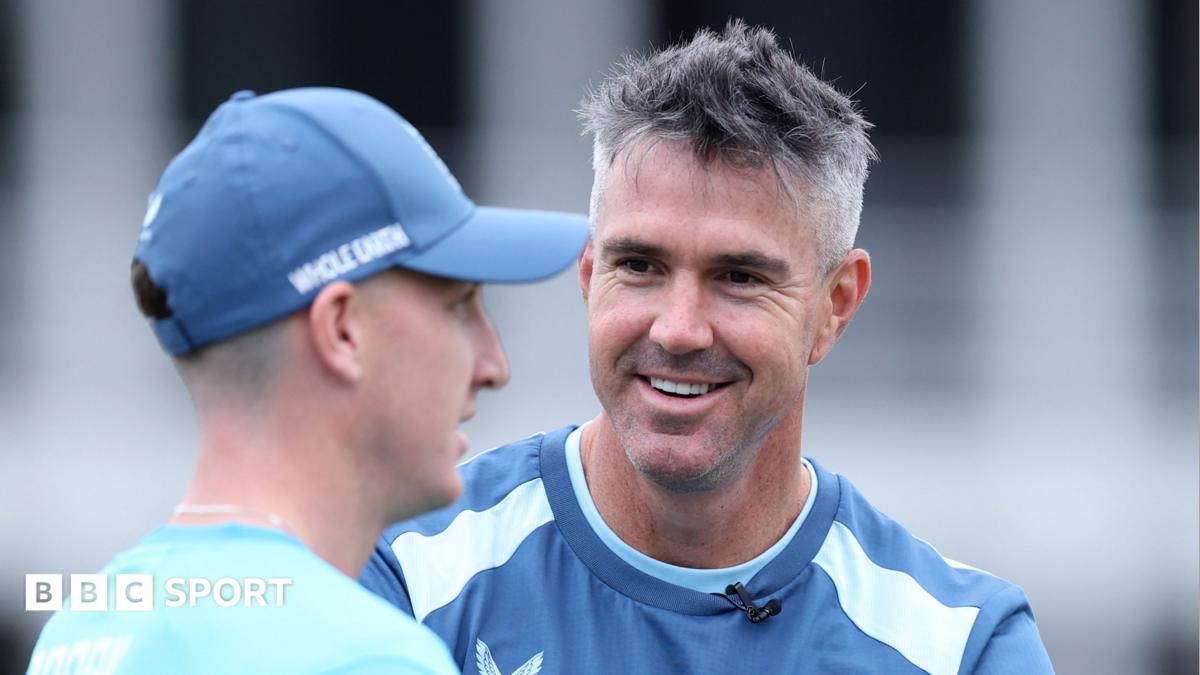
Kevin Pietersen: Former England batter on Harry Brook and working with Test side before Ashes

Pietersen’s eyes roll slightly when he is asked about Ben Stokes’ recent comments comparing Harry Brook’s talents to his.

Pietersen, like Brook, was a maverick – a batter capable of incredible highs. Those highs mean the lows come with a disproportionate level of criticism.

“Where I can help him is playing situations, because there was a lot of method in my madness,” Pietersen says.

“Yes, occasionally, I got out to reckless shots and crazy shots in the ’80s and ’90s but there was a lot of structure to the way that I batted.

“I’ve still got notes on my phone on how I played in T20 cricket, one-day cricket, Test match cricket, and about hitting straight back at the stumps, and the techniques, and how I did it, and don’t play certain shots.

“That all-round structure is something I could potentially help him with because he’s so flipping good.

“It’s actually frightening how good he is and how good he can be.”

And Pietersen says he will not limit himself to working purely on white-ball cricket.

He has already spoken to new Test coach Stephen Fleming about how he can help the Test batters during his time with the white-ball squads.

Though he said he would not have time for a full-time role, he suggested he is open to working with the Test side before next summer’s home Ashes series.

“I have got a pretty mad schedule,” he says. “I wouldn’t say no.

“I don’t think that necessarily means I need to be in a dressing room.

“There is a lot of time in the lead up to an Ashes series and a tour of South Africa, when I will be with the Test batters.

“There are conversations I can have there.”

Who knows how long this will last. England may as well make the most of this second chance.

Source link