From breaking news to significant developments in politics, business, technology, entertainment, and more, we deliver the stories that shape our global landscape.
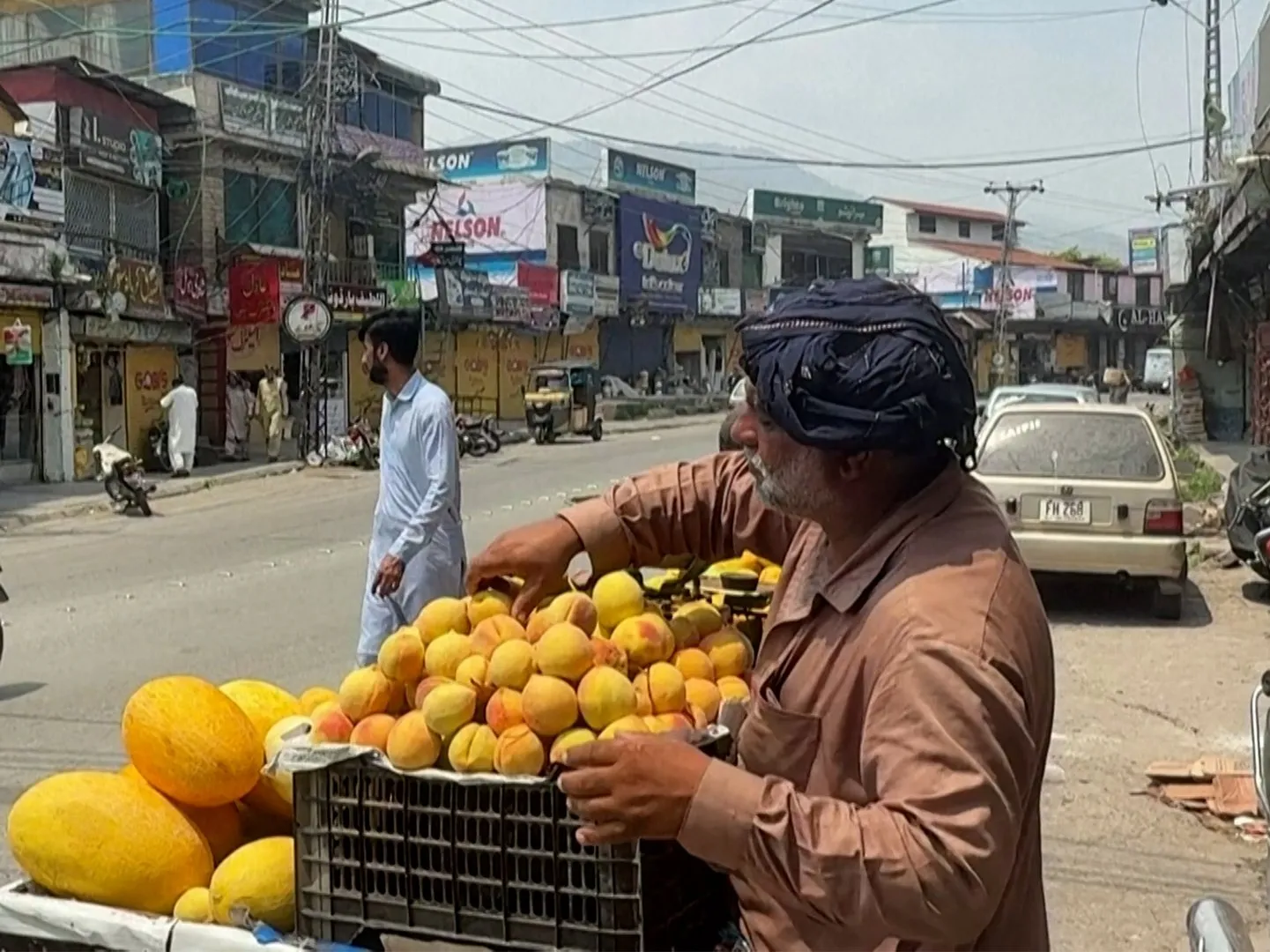
Shops reopened and public transport services partially resumed in Pakistan-administered Kashmir after weeks of deadly clashes between police and protesters, who demanded economic and governance reforms.
Ukrainian oligarch reported to be among injured in explosion at residential building in the Mediterranean principality.
Published On 30 Jun 202630 Jun 2026
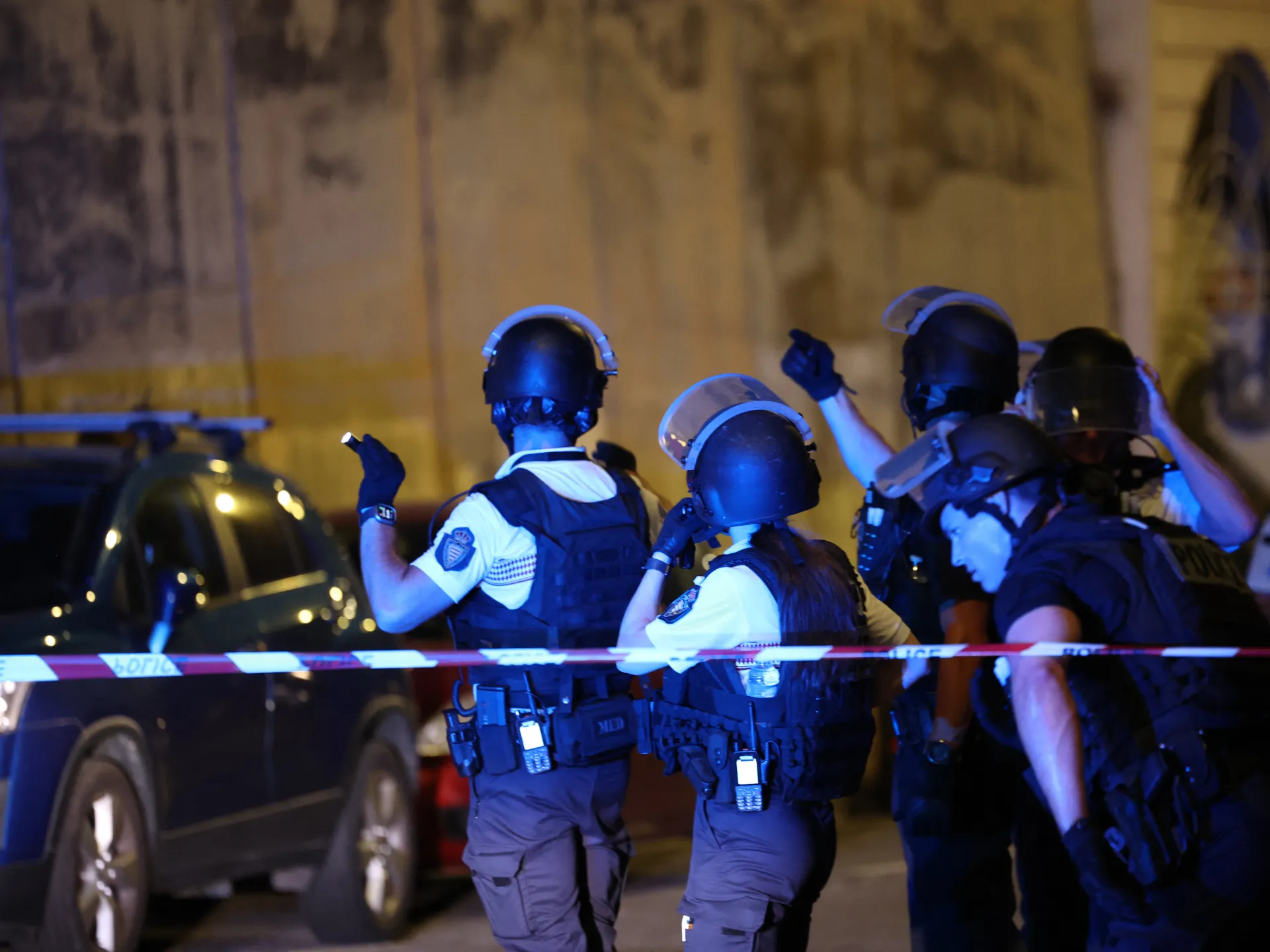
Police in Monaco and neighbouring France are hunting for a man suspected of detonating a makeshift bomb in the centre of the wealthy Mediterranean principality, which seriously injured several people, officials said.
Three people, including a teenager, were hurt in the explosion that struck at about 9pm local time (19:00 GMT) on Monday in a residential building in Monaco, according to authorities in the micro-state on the French Riviera, known as a haven for billionaires and their luxury yachts.
Recommended Stories
list of 4 itemsend of list
According to the AFP news agency, Ukrainian oligarch Vadym Yermolaiev was one of those wounded.
Monaco’s Minister of State Christophe Mirmand initially told AFP that the blast appeared to be “an attack”, but later dropped the term, describing it as a “deliberate explosion”.
A couple in their 50s or 60s suffered life-threatening conditions, while a 13-year-old who was “very likely related to the couple” suffered less serious injuries, Mirmand said, without disclosing their identities.
The explosive device apparently contained bolts and buckshot, Mirmand said.
“This is the first time in history, to my knowledge, that such an act has taken place in the principality,” he said.
A source close to the investigation who asked not to be named told AFP that one of those wounded was Yermolaiev.
Yermolaiev, a multimillionaire Monaco resident, has been subject to sanctions from Kyiv since December 2023, which Ukrainian security services reportedly said stemmed from his alcohol business activity in Russian-occupied Crimea.
Monaco’s public prosecutor, Stephane Thibault, said a suspect had left a bag or package in the building’s lobby before leaving.
French newspaper Le Figaro said video surveillance images showed a man dropping a backpack at the entrance of a residential building shortly before the explosion.
Monaco’s Prince Albert II described the incident as a “heinous crime” and “a shock to the entire Monegasque community”.
An aide to French Minister of the Interior Laurent Nunez said police were working “to find the perpetrator, who has fled”.
An AFP photographer at the scene saw a heavy police presence with access to the area cordoned off, while a helicopter circled overhead.
June 29 (UPI) — The Archdiocese of San Francisco has reached a $395 million settlement with hundreds of survivors of childhood sexual abuse allegedly committed by members of the clergy, lawyers for the victims and the archbishop announced Monday.
The agreement in principle, which follows three years of bankruptcy proceedings and extensive negotiations between the archdiocese and lawyers representing the victims, affects some 530 survivors, according to lawyer Jeff Anderson, who is among the claimants’ litigation team.
During a press conference streamed live online Monday afternoon, Anderson described the agreement as “a real settlement that provides for a significant measure of accountability, required transparency and an authentic reckoning by those that allowed these indelible horrors to be inflicted upon so many for so long.”
The archdiocese filed for Chapter 11 bankruptcy in August 2023, after hundreds of clergy sexual abuse civil cases were filed against it, which put a stop to all litigation and forced the survivors to reorganize into a committee that was represented by nine claimants.
Those nine claimants then negotiated the settlement on behalf of all of the survivors, according to Anderson, who said the agreement reached also includes a 14-point plan to protect future children from similar abuses and empower survivors.
“This is unprecedented, and this gives me hope and it is the courage of these survivors that has caused it to happen,” he said.
In a letter addressed to members of the Archdiocese of San Francisco, Archbishop Salvatore Cordileone said that they believe “this proposal offers a path toward fair compensation for survivors who have carried the burden of this abuse for a lifetime.”
“We accept the responsibility for the failures that allowed this harm to occur,” he said.
“I sincerely apologize to all those who have suffered because of those failures.”
The lawsuits that prompted the archdiocese to file for bankruptcy were filed after California enacted legislation that opened a three-year window from Jan. 1, 2020, to Dec. 31, 2022, lifting the statute of limitations on allegations of childhood sexual assault so victims of crimes even decades old could seek a civil, monetary resolution from their perpetrators.
Margie O’Driscoll, a survivor of clergy sexual assault and one of the nine committee members, said during the press conference that she was abused as a teenager by a priest at Marin Catholic High School nearly five decades ago.
She spoke directly to those who were similarly abused.
“I, like every survivor, have carried this pain and shame along like a ball and chain for a very, very long time — I see you and I know what you carry,” she said.
“So, while I want to say that today is a significant victory for everyone in the case … it’s really come at a significant cost to the 500 people sexually abused by priests and religious leaders.”
O’Driscoll said some of the victims had been abused more than 70 years ago, during which they carried the shame associated with the crime, while being scorned by the archdiocese and sometimes their accusations not believed by family and friends.
“And I think, today, shame is going to change sides,” she said.
Hundreds, if not thousands, of claims were filed after the passage of Assembly Bill 218, resulting in billions of dollars in settlements for survivors of childhood sexual abuse.
In October 2024, the Archdiocese of Los Angeles reached an $880 million settlement with 1,353 survivors. In April 2025, Los Angeles County reached a $4 billion settlement resolving more than 6,800 claims of sexual abuse allegedly committed at probation department facilities and MacLaren Children’s Center.
The erector is lowered from the Korea Space Launch Vehicle-II (KSLV-II), also called Nuri, on the launch pad at Naro Space Center in Goheung, South Jeolla Province, southwestern South Korea. Photo by YONHAP / EPA
June 29 (Asia Today) — South Korea’s space agency released guidelines Monday for private companies seeking to use the Naro Space Center, beginning preparations for the country’s first dedicated commercial launch facilities.
The Korea AeroSpace Administration said the guidelines outline a four-stage consultation and approval process, methods for calculating fees and safety and security requirements.
They also establish procedures and fee standards for private companies seeking to use testing facilities at the space center in Goheung, South Jeolla Province.
The government plans to open the commercial launch site in two stages, beginning in the third quarter of 2027 and expanding it in the first quarter of 2031.
The first stage will include a mobile launch platform, propellant supply systems and launch control equipment.
The second stage will add an assembly and testing facility where companies can prepare launch vehicles and test payloads.
The expanded infrastructure is expected to accommodate commercial launch vehicles and eventually support reusable launch systems.
Companies seeking to conduct a launch at Naro must apply at least four months before their proposed launch date.
They will then undergo four stages: preliminary consultation, review and authorization, launch operations and post-launch procedures.
The guidelines also establish a system for calculating usage fees based on each company’s launch requirements and the facilities and services it uses.
An agency official said the guidelines were prepared to help private companies use the center systematically before the commercial launch site opens and South Korea continues launches of its domestically developed Nuri rocket.
The official said the government will seek to simplify procedures based on companies’ needs and establish reasonable usage fees.
South Korean launch companies have relied on overseas spaceports and sea-based platforms because the country has lacked a land-based commercial launch site available to private operators.
Opening the Naro facilities could allow companies to conduct more of the development process in South Korea, from ground testing to commercial launches.
“Opening the Naro Space Center to private use goes beyond simply granting access to a government facility,” said Taeseog Oh, administrator of the Korea AeroSpace Administration.
“It is meaningful because it strengthens the support system for private companies in the space industry,” Oh said. “We will continue providing support so a private-sector-led commercial space ecosystem can take root in a stable manner.”
The Naro Space Center has primarily supported government launch programs, including the Naro rocket and Nuri, South Korea’s first domestically developed space launch vehicle.
Nuri’s fourth launch took place in November 2025, with private company Hanwha Aerospace assuming a larger role in rocket production and assembly under a government technology-transfer program.
The opening of the commercial facilities is expected to further shift South Korea’s space industry from a government-led model toward one in which private companies develop and operate launch services.
The guidelines released Monday are scheduled to be submitted to the Korea Aerospace Research Institute’s board for approval on July 8 before being registered as internal operating rules.
June 29 (UPI) — As Speaker of the House Mike Johnson prepared to send a bipartisan, landmark housing affordability bill to President Donald Trump‘s desk on Monday, the president told reporters that he remains undecided on whether to sign it.
“When I look at the (housing) bill, it’s a bill,” Trump said to reporters Monday, The Hill reported. “When I look at the SAVE America Act, it’s about saving America.”
The housing bill is “a yawn,” the president said. “To me, compared to the SAVE America Act, everything is a big yawn.”
The housing bill’s provisions include measures that encourage renovating older homes, encourage communities to build more housing through funding and grant programs, cut some red-tape issues around building housing and effectively ban private equity from buying up single-family homes.
When canceling the original signing of the bill, Trump said he wouldn’t sign it until Congress passed the SAVE America Act, which would require voters to prove their citizenship before they register to vote
Critics say the controversial act could disenfranchise millions of Americans, and Republicans have said that they don’t have the votes to pass it.
Trump acknowledged this Monday, The Hill reported, saying the SAVE America Act is “probably not going to happen because we have four Republican senators, maybe five, that just won’t vote for it. It’s crazy.”
The president said that the housing bill’s bipartisan backing was part of his issue with it.
“It’s very bipartisan — that means the Democrats like it,”he said. “They’re getting things that I wouldn’t necessarily agree to.”
Speaker Johnson, a Republican, said Sunday that he believed Trump would sign the housing bill after it was sent to him, “because we’re delivering for the people, and that’s what he wants to do.”
If Trump does not sign the bill, it could still go into effect. The U.S. Constitution stipulates that a bill will become law automatically if a president does not take action for 10 days, as long as Congress is in session.
Trump could also veto the bill. If that happens, Congress has the power to override the veto by passing the act by a two-thirds vote in both the House and Senate.
Kerr signs with the NWSL champions until 2030, returning to the US league after six years spent with Chelsea in England.
Published On 29 Jun 202629 Jun 2026
Australian striker Sam Kerr has signed with Gotham FC, the reigning champions of the National Women’s Soccer League (NWSL) in the United States, the club announced after the iconic player ended her dazzling career with Chelsea, which saw her win five Women’s Super League titles.
Kerr, who was a free agent, signed the contract on Monday that will see her play in New York through the 2030 season. She previously played in the city between 2015 and 2017.
The all-time leading regular-season goal-scorer for the North American league recorded 116 goals across all competitions with Chelsea and was the 2023 Ballon d’Or runner-up.
“This club was an important part of my journey, and to come back at this moment, with everything Gotham has built, is really special. The ambition here is clear, and I’m looking forward to helping this team compete for trophies and create more history,” Kerr said in a statement.
The signing is a fine coup for the NWSL, which saw several players exit for opportunities in Europe last year, and brings one of the game’s brightest talents to the biggest sports market in the US.
“Sam is one of the defining players of her generation and a game-changing talent who has consistently delivered at the highest levels of world football,” Yael Averbuch West, the president of football operations for Gotham, said.
“Bringing Sam back to Gotham is a landmark moment for our club, and we couldn’t be more excited.”
Kerr played 119 career regular-season games (113 starts) across her seven seasons with three teams in the NWSL, including three years with Sky Blue FC (now Gotham FC) from 2015 to 2017.
After playing the 2018 season with the Chicago Red Stars, Kerr played a season for the Perth Glory in her native Australia (2018-19) before returning to Chicago in 2019. She joined Chelsea in the Women’s Super League in late 2019.
Despite her six-and-a-half-year absence, her 77 regular-season goals are still an NWSL record. In 2017, she won the Golden Boot and MVP awards with Sky Blue FC after a season in which she scored 17 goals in 22 games.
Kerr will debut for Gotham after the NWSL’s transfer window opens on July 14. Gotham host the Washington Spirit on July 15 in the Queens Classic in New York.
June 29 (UPI) — Police and other authorities in Mississippi have started an extensive manhunt for those responsible for a “horrifying” crime scene involving two women and a toddler in Jackson, Miss.
“Detectives are working diligently to identify and locate those responsible for this horrific crime,” police said in a social media post.
Police responding to a 911 call for aggravated assault Saturday night found the bodies of two women, 26 and 30, and a 2-year-old child, all of whom had been shot multiple times, CNN reported. One of the women was the toddler’s mother.
“This is a heinous crime,” Jackson Police Chief RaShall Brackney said, calling the killer “the vilest of human beings.”
One lead is a red 2020 Mitsubishi Mirage that someone drove from the crime scene, police said. Police found the vehicle abandoned in Manhattan Park in North Jackson and are processing it for evidence. Anyone with information is asked to call the Jackson Police Department.
Jackson Mayor John Hohrn said in a social media post that he’s been coordinating with the police chief and public safety team to “deploy additional resources to address immediate concerns.” He said law enforcement, community leaders, violence prevention experts, mental health professionals and others will be involved in an upcoming plan to help communities.
“This behavior is a bad stain on all the good that is going on in our communities,” Hohrn wrote. “We will not accept violence as a way of life in Jackson. We are going to confront this head on and do the work necessary to make our city safer.”
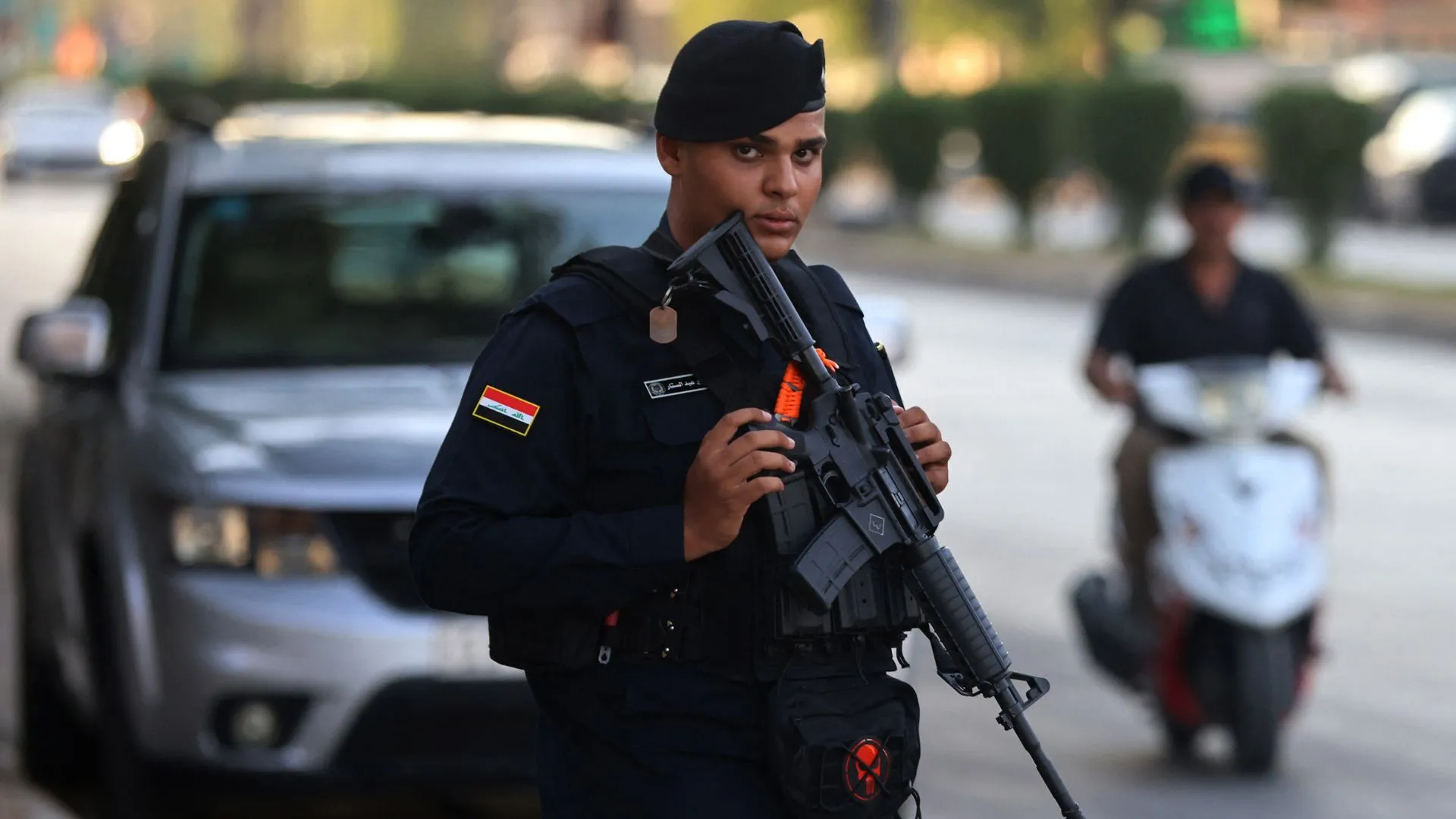
A number of senior politicians have been detained in a wave of arrests.
For more than two decades, corruption has been a serious issue in Iraq.
The oil-rich nation has consistently been ranked as one of the most corrupt in the world.
Recommended Stories
list of 4 itemsend of list
But this week, its new government has embarked on an unprecedented anti-corruption crackdown.
It’s targeting many high-profile politicians and other senior figures accused of making illicit wealth and abuse of office.
Iraqis have repeatedly protested against what they say is rampant corruption in their nation.
Now, they hope the new government keeps this promise to eradicate what they call a ‘pandemic of fraudulent activities’ at the highest echelons of power.
But what are the challenges ahead in this battle?
Presenter: Imran Khan
Guests:
Ahmed Rushdi – President of the think-tank, House of Iraqi Expertise Foundation.
Renad Mansour – Deputy Director of the Middle East and North Africa Programme at Chatham House.
Manuel Pirino – Regional Advisor for Middle East and North Africa at Transparency International.
Voters cast their ballots in the 2024 Presidential Election on Election Day at the Walter Reed Recreation Center in Arlington, Va., on Nov. 5, 2024. The U.S. Supreme Court has agreed Monday to hear a case over Arizona’s election law requiring documentary proof of citizenship in voting. File Photo by Bonnie Cash/UPI | License Photo
June 29 (UPI) — The U.S. Supreme Court has agreed Monday to hear a case over Arizona’s election law requiring documentary proof of citizenship in voting.
The high court will hear arguments over whether federal law prohibits such a law when voting in state elections. The court will hear the case during its next term which starts in October.
It is already illegal for non-U.S. citizens to vote in federal and state elections. Some municipalities allow noncitizen voting in local elections.
President Donald Trump has called for a national proof-of-citizenship requirement in elections while continuing to repeat unfounded claims of election fraud. The SAVE Act, a bill being mulled by Congress that Trump is in support of, includes a proof-of-citizenship requirement which Trump is in support of.
In 2022, the Arizona legislature adopted a law requiring voters to provide proof of citizenship when registering to vote on a state form. Documentary proof of citizenship that is allowable under Arizona’s law includes but is not limited to a birth certificate and a passport.
Nonprofit advocacy organizations Mi Familia Vota and Voto Latino filed the lawsuit challenging the proof-of-citizenship requirement.
The Republican National Committee appealed a lower court decision that struck down the proof-of-citizenship law.
The legislature also passed a law outlining how state election officials review voter rolls, putting in place a procedure to cancel the voter registrations of noncitizens.
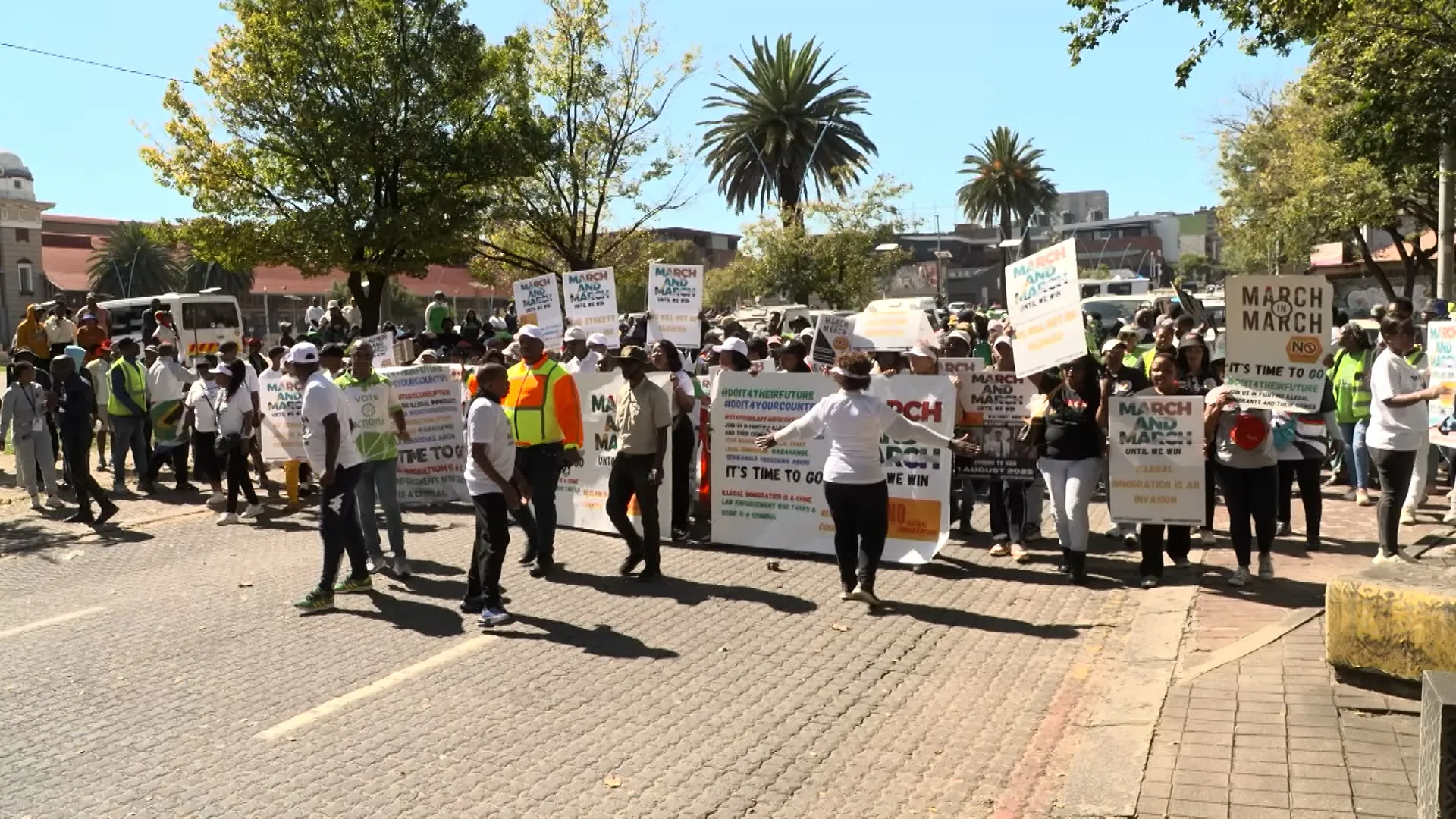
Thousands of undocumented migrants in South Africa are rushing to leave after anti-immigrant protests, xenophobic tension and a June 30 deadline set by activist groups for them to leave. Al Jazeera’s Fahmida Miller reports from Cape Town.
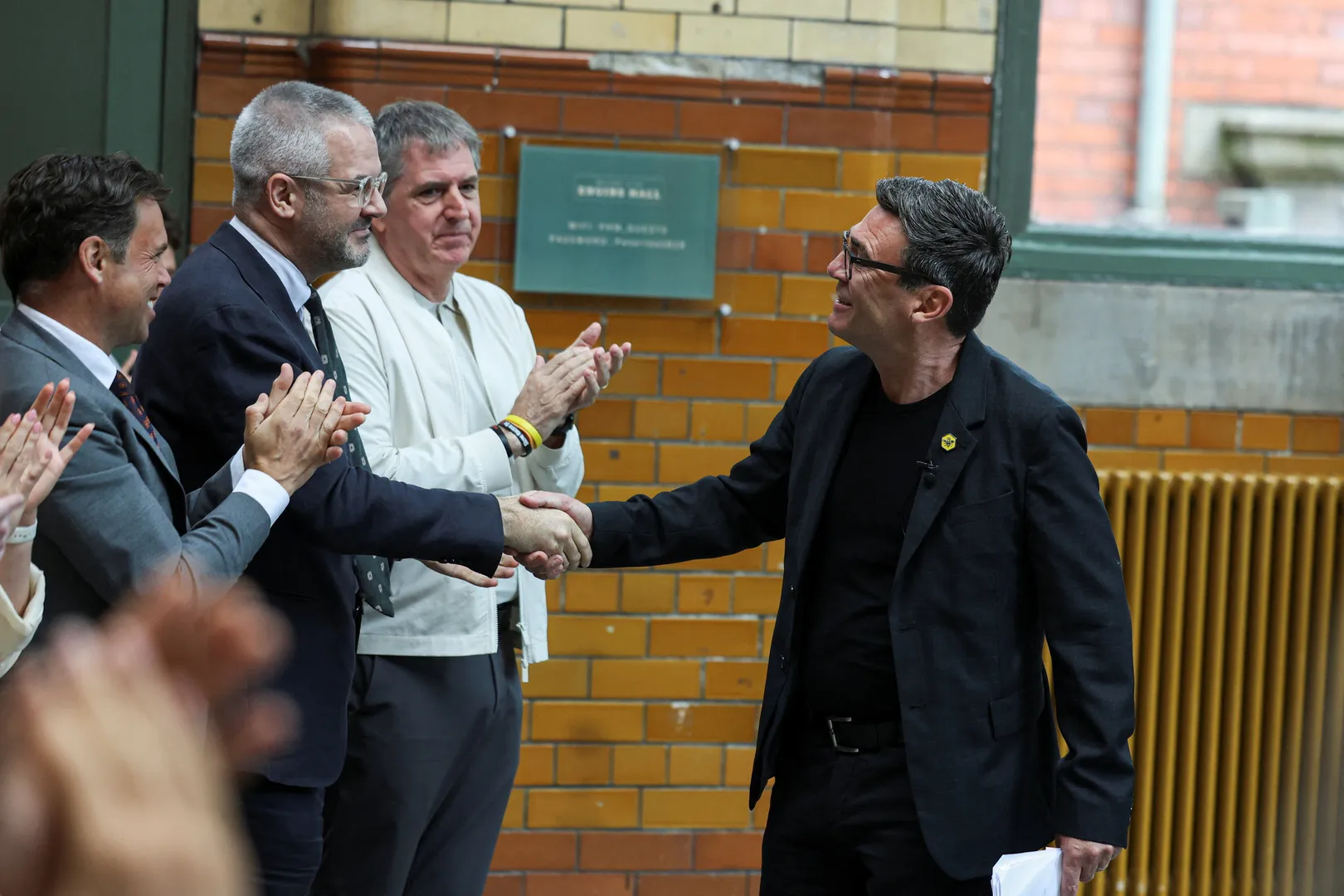
Andy Burnham, Britain’s likely next leader, vowed to enact radical change to the nation’s politics during a speech in Manchester on Monday. Burnham could become Britain’s seventh prime minister in a decade as soon as July 20.
June 29 (UPI) — The U.S. Supreme Court ruled Monday that Congress’ restriction of the president from firing independent agency employees without cause violates the separation of powers.
The court upheld President Donald Trump‘s firing of Rebecca Slaughter, a Democratic member of the Federal Trade Commission, overturning 90 years of precedence. The ruling came down along ideological lines with the conservative majority upholding Slaughter’s firing in a 6-3 decision.
Writing the majority opinion, Chief Justice Roberts said Congress’ “for cause” removal protections, meant to shield independent agencies from political influence, violate the separation of powers.
“What text, history, and structure settle, our precedent confirms — the president may remove his subordinates at will,” Roberts wrote.
Justice Sonia Sotomayor wrote in the minority opinion that the decision has given the president “far greater power than ever before.”
“It is a power, however, that neither the People, nor Congress, nor the Constitution bestowed upon him. In granting the President this unbridled authority, the Court upends its precedent, misconstrues our history, and sheds any pretense of judicial modesty. I respectfully dissent.”
The court’s decision upends the precedent set in 1935 in the case Humphrey’s Executor vs. United States. The high court in that case ordered that Congress could restrict the president from firing members of the FTC without cause.
“Although it is up to the Senate to decide whether to confirm those with whom the President would prefer to work with, neither Congress nor the courts may saddle him with those with whom he cannot work,” Roberts wrote. “Subordinates who exercise the President’s power are subject to removal by him. Then, and only then, can they remain accountable to the President, and the President to the people.”
Trump attempted to pause a federal court ruling that prevented him from firing Cook last year. A lawsuit was filed challenging the attempt. In a 5-4 ruling Monday, the Supreme Court rejected the attempt by Trump.
Roberts penned the majority opinion in this case as well, joining the three liberal justices and conservative Justice Brett Kavanaugh.
“Not only the fact of independence but also the appearance of independence is key to the Federal Reserve’s design,” Roberts wrote.
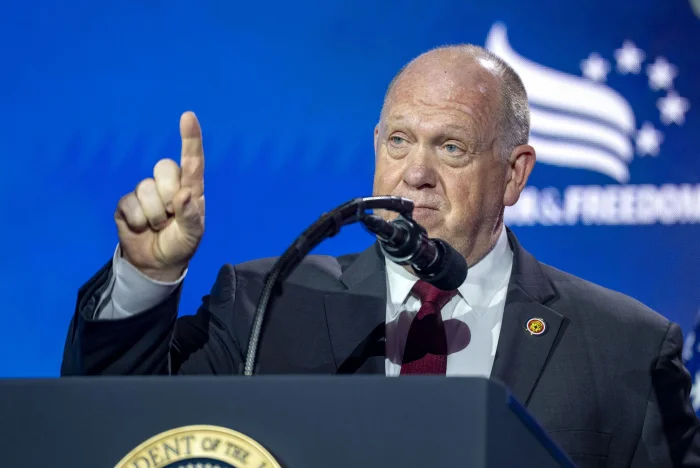
White House Border Czar Tom Homan speaks during the Faith and Freedom Coalition 2026 Road to Majority Policy Conference at the Washington Hilton on Friday. Photo by Bonnie Cash/UPI | License Photo
1 of 2 | Journalist E. Jean Carroll departs from the courthouse after the conclusion of the damages trial against Donald Trump at Manhattan Federal Court on January 26, 2024, in New York City. On Monday, the Supreme Court declined to hear Trump’s challenge to the judgment. File Photo by John Angelillo/UPI | License Photo
June 29 (UPI) — The U.S. Supreme Court on Monday refused to hear President Donald Trump‘s request for the panel to overturn a ruling that found him liable for sexually abusing and defaming writer E. Jean Carroll.
Trump sought to have his $5 million civil penalty tossed, but the high court’s decision Monday leaves that in place, along with a separate $83.3 million in compensatory and punitive damages she was awarded for defamation.
A jury awarded the damages in 2023 after finding him liable for sexually abusing Carroll in a Manhattan department store dressing room in the 1990s and for defaming her by denying the allegations in 2019.
An appeals court also upheld the verdict in 2024. The 2nd U.S. Circuit Court of Appeals said Trump’s lawyers failed to show any errors in the ruling that would lead to a new trial.
Trump has denied Carroll’s allegations since she first made them and called the $5 million judgment excessive.
White House Border Czar Tom Homan speaks during the Faith and Freedom Coalition 2026 Road to Majority Policy Conference at the Washington Hilton on Friday. Photo by Bonnie Cash/UPI | License Photo
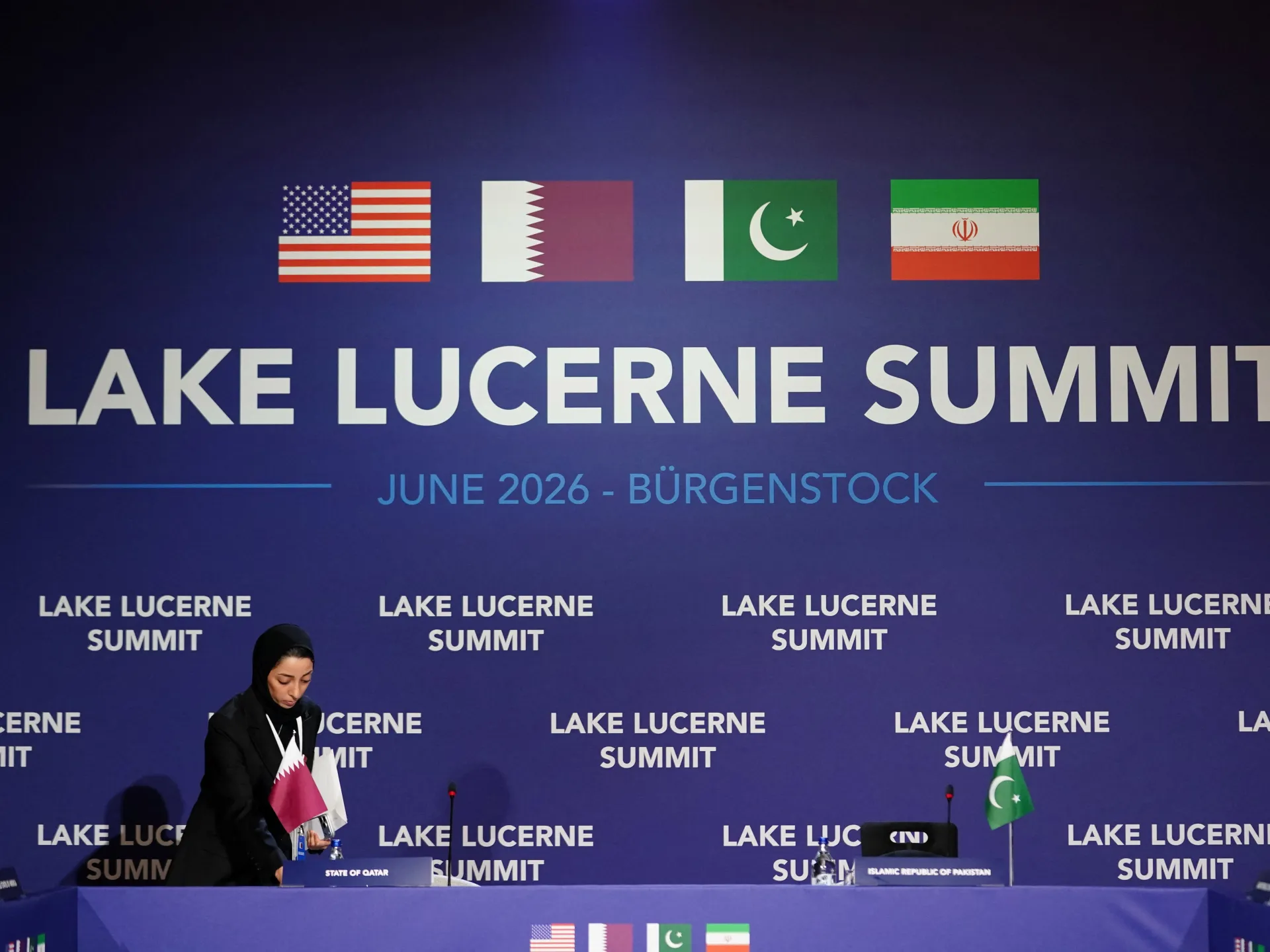
US president says talks will take place on Tuesday, but Tehran has not confirmed the negotiations in Doha.
President Donald Trump says a meeting will take place between Iran and the United States in Qatar on Tuesday, suggesting that diplomacy is still on track despite the recent military skirmishes in the Gulf.
Trump’s announcement on Monday came less than two hours after a top Iranian official said that technical talks over the memorandum of understanding (MoU) between Washington and Tehran “are not planned” for this week.
Recommended Stories
list of 3 itemsend of list
“IRAN HAS REQUESTED A MEETING. IT WILL TAKE PLACE TOMORROW IN DOHA!” Trump wrote in a social media post.
Iranian Deputy Foreign Minister Kazem Gharibabadi said the meeting would take place after conditions are met, without providing details.
“Although consultations with Qatar, including regarding the follow-up of the implementation of the other party’s commitments, are ongoing as usual, the news from some media outlets that technical talks of the working groups will be held in Doha cannot be confirmed,” Gharibabadi told Tasnim news agency.
The two statements from Washington and Tehran appear to contradict each other, but it is possible that a breakthrough finalising the meeting occurred after Gharibabadi’s comment.
Iran, however, has not confirmed that talks have been scheduled.
White House spokeswoman Karoline Leavitt said special envoy Steve Witkoff and Trump’s son-in-law, Jared Kushner, will lead the US negotiating team in Doha.
“Special Envoy Witkoff and Jared Kushner will be flying to Doha for high-level meetings this week as we continue to discuss the memorandum of understanding,” she told Fox News.
Leavitt added that technical talks will take place on the sidelines of the high-level negotiations.
The US and Iran reached a deal to end the war earlier this month, kicking off a 60-day period of negotiations over the thorniest issues in the relationship – Tehran’s nuclear programme.
But the deal has been tested by Israel’s continuing attacks in Lebanon and Iran’s assertion of control over the Strait of Hormuz.
The first sentence of the 14-point MoU calls for a full ceasefire in Lebanon, “ensuring the territorial integrity and sovereignty” of the country.
But the US has sponsored a separate agreement between the Lebanese government and Israel that conditions Israeli withdrawal on the disarmament of Hezbollah across the country.
Hormuz has been another sticking point. Iran has rejected routes through the strait outside of its control and fired at ships passing through lanes not designated by Tehran.
The US has struck Iranian positions near the waterway, to which Iran responded with missile and drone attacks against American bases in Bahrain and Kuwait.
But diplomatic and de-escalation efforts appear to continue, despite the trading of attacks.
“As far as we’re concerned, we’re holding up our end of the ceasefire,” Leavitt said on Monday, but she warned that “violence will be met with violence” if Iran attacks commercial ships or US interests.
On Monday, Trump hailed the drop in oil prices that followed the deal, which lifted Tehran’s blockade on Hormuz and eased US sanctions on Iran’s energy products.
“GAS PRICES COMING DOWN, FAST! REPORT ANY ABUSES AT RETAIL LEVEL,” the US president wrote on his Truth Social platform.
The average price of one gallon (3.8 litres) of gasoline in the US has dropped to $3.86, down from a peak of $4.56 in May. It was less than $3 before the war.
Police say several people also injured while the suspected shooter has been arrested.
Published On 29 Jun 202629 Jun 2026
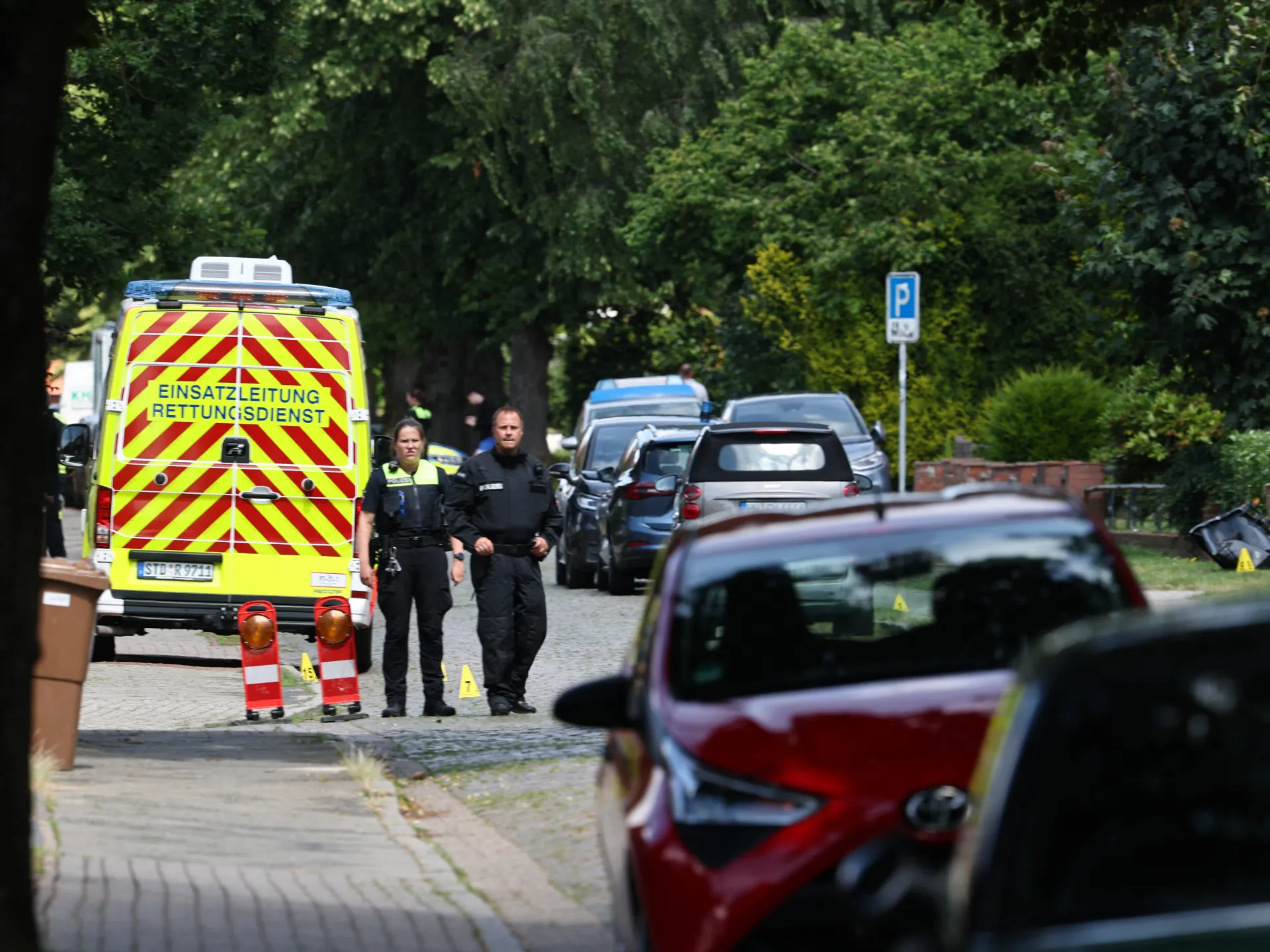
Five people have been killed and others wounded in a shooting at a youth welfare centre in the northern German city of Stade, according to police.
Two suspects were detained following the shooting on Monday, one of whom is believed to be the alleged attacker. The motive is not clear.
Recommended Stories
list of 3 itemsend of list
“Homicides involving multiple victims occurred at a youth welfare facility,” police said. “Five people were fatally injured and additional individuals sustained injuries.”
Police in Stade said a major operation was being conducted on Dankersstrasse, a street south of the city centre. People were urged to avoid the area and follow the instructions of the emergency services.
Stade is about 40km (25 miles) from Hamburg with a population of half a million.
The strike in Deir el-Balah is the latest Israeli attack amid ongoing ‘ceasefire’ violations.
Published On 29 Jun 202629 Jun 2026
At least three people have been killed in an Israeli air strike in Deir el-Balah in central Gaza, health authorities say.
An eight-year-old and two men were killed in Monday’s attack, and several people were wounded, Al-Aqsa Martyrs Hospital said.
Recommended Stories
list of 3 itemsend of list
The strike occurred near Wadi Salqa Bridge on al-Baraka Street. The Palestinian news agency Wafa named those killed as Ali Fayez Isbaitan, Hassan Salman al-Hanajra and eight-year-old Malik Wael Abu Shaweesh.
Israeli military vehicles also advanced on Salah al-Din Street in the Nuseirat refugee camp, also in the central Gaza Strip, amid gunfire and shelling, Turkiye’s Anadolu news agency reported. Two people were reported injured by shelling in Beit Lahiya in northern Gaza.
Despite the “ceasefire” that came into effect in October, Israeli forces continue to carry out strikes on the enclave.
Israeli attacks killed at least four Palestinians in Gaza on Sunday, including a 13-year-old girl, and wounded several.
Ongoing violations
Gaza’s Government Media Office reported that 1,045 Palestinians have been killed since the “ceasefire” took effect and 3,380 have been injured. It has documented 3,465 Israeli violations of the agreement.
“We strongly condemn the occupation’s systematic policies of targeting and destroying the Palestinian people,” it said.
It called on the mediators and parties sponsoring the “ceasefire” to compel Israel to implement all of its terms and “immediately cease its ongoing violations”.
The Palestinian Ministry of Health said on Sunday that a total of 73,054 Palestinians have been confirmed killed and 173,480 injured since Israel launched its genocidal war against Palestinians in Gaza in October 2023.
Also during the “ceasefire”, the Israeli military is continuing to expand the area it is occupying inside the Strip and to issue forced displacement orders. It says Palestinians are not allowed to approach the Israeli-occupied area beyond the “Yellow Line”, which encompassed 53 percent of Gaza’s territory at the start of the ceasefire and had increased to 64 percent by March.
Anadolu reported that Israeli military vehicles have moved the “Yellow Line” markers about 150 metres (165 yards) to the west in central Gaza.
Israeli Prime Minister Benjamin Netanyahu has called for Israeli forces to occupy 70 percent of the Strip.
Industry Minister Kim Jung-kwan announces semiconductor investment projects during an investment briefing meeting chaired by President Lee Jae Myung at Cheong Wa Dae in Seoul on Monday. Pool photo by Yonhap
South Korea plans to develop a new semiconductor production base in the country’s southwestern region through 800 trillion won (US$517.9 billion) in corporate investments that will create four memory chip fabrication plants, Industry Minister Kim Jung-kwan said Monday.
Kim unveiled the investment plan to transform the Gwangju and Jeolla regions into the nation’s second major semiconductor cluster, alongside the existing hub in the Seoul metropolitan area, during a national investment briefing chaired by President Lee Jae Myung at Cheong Wa Dae.
“Relying on a single production base in the Seoul metropolitan area is no longer sufficient to meet surging semiconductor demand,” Kim said, noting that constraints on power and water resources limit further expansion under existing plans.
The semiconductor investment is part of the government’s “three mega projects” initiative, which calls for large-scale investments by chip giants Samsung Electronics Co. and SK hynix Inc., as well as other companies, in semiconductors, physical artificial intelligence (AI) and AI data centers.
Kim said the Chungcheong region will be developed into an advanced semiconductor packaging hub through 81 trillion won in investment to meet growing packaging demand as chip production expands, while the Daegu and North Gyeongsang regions will be fostered as innovation hubs for semiconductor materials, components and equipment.
He added that the government will help companies accelerate semiconductor investment by bringing forward the construction schedule for new fabrication plants by as much as 12 years, from the mid-to-late 2040s to the mid-2030s.
To support the expansion, the government vowed to streamline permits and construction procedures while investing in critical infrastructure, including electricity and industrial water supplies.
At the meeting, attended by Samsung Electronics Chairman Lee Jae-yong and SK Group Chairman Chey Tae-won, Kim outlined a government-industry plan to invest 30 trillion won over the next 15 years to support the entire semiconductor value chain, from research and development and chip design to testing and manufacturing.
The ambitious industrial blueprint is aimed at transforming the country from a global manufacturing powerhouse into a leader in the artificial intelligence era, anchoring its strategy on semiconductors, AI infrastructure and physical AI.
For the robotics sector, Kim said the government will foster an AI-powered robotics industry to strengthen South Korea’s manufacturing competitiveness in the intensifying global competition.
Kim warned that China has already begun mass-producing humanoid robots through regional manufacturing hubs, underscoring the need for South Korea to accelerate the commercialization and mass production of its own humanoid robots.
“We must accelerate the foundation for mass production,” Kim said, adding that the government plans to create early domestic demand by procuring humanoid robots for education, defense and disaster response.
The initiative aims to raise South Korea’s share of the global humanoid robot market from just 1 percent last year to 20 percent over the long term.
As the third pillar of the strategy, Minister of Science and ICT Bae Kyung-hoon outlined a plan to expand the nation’s AI data center infrastructure, emphasizing that ample data is important for South Korea to secure a leading position in the global physical AI race.
“The next three years will be the golden time to become No. 1 in the area of physical AI,” Bae said. “The government will lead the physical AI sector, by designating it as a national strategic industry.”
Under the plan, an initial investment of 550 trillion won will be spent to build 8.4 gigawatts (GW) of AI data centers by 2029. The ministry will gradually expand the infrastructure by 10 GW until 2035, Bae said.
To support the initiative, the government pledged to ensure adequate supplies of electricity and industrial water, and strengthen power infrastructure around existing semiconductor clusters.
Once the data infrastructure is in place, the science ministry plans to develop a general-purpose foundation model for physical AI in the next three years, based on a world model, or AI tools that understand the dynamics of the real world.
Copyright (c) Yonhap News Agency prohibits its content from being redistributed or reprinted without consent, and forbids the content from being learned and used by artificial intelligence systems.
Unionized members of Kakao Corp. stage a rally outside of the company’s headquarters in Pangyo, south of Seoul, in this file photo taken on June 10. Photo by Yonhap
Unionized workers of Kakao Corp., South Korea’s messenger app operator, took a day off en masse on Monday in a sign of protest amid a continued gridlock in wage negotiations.
In their second collective action, unionized members staged what they called a “Log-out Day” by taking simultaneous annual leave.
Some 2,100 workers from five units of Kakao, including its headquarters, Kakao Pay and Kakao Enterprise, have participated, the labor union claimed.
The company, however, said it estimates only 800 employees from Kakao’s headquarters took part in the latest industrial action.
Wage talks between Kakao’s labor union and management have been at a standstill since May, after the two sides failed to narrow differences in performance-based incentives.
The union is reportedly demanding the company pay around 13 to 14 percent of operating profit as bonuses, while the management has rejected such demands, claiming they put too much burden on the company.
On June 10, workers staged their first-ever strike. Some 1,500 union members walked out from their jobs for four hours and rallied near the company’s headquarters in Pangyo, south of Seoul.
Despite concerns from industry watchers, no disruptions were reported on Monday, including in the company’s key messenger service, KakaoTalk.
Kakao’s management had previously said it plans to continue negotiations with the union, while remaining on standby to ensure stable service operations.
Copyright (c) Yonhap News Agency prohibits its content from being redistributed or reprinted without consent, and forbids the content from being learned and used by artificial intelligence systems.
South Korean president frames the push as a race against time to secure the country’s domination in AI boom.
Published On 29 Jun 202629 Jun 2026
South Korea has laid out a sweeping industrial strategy focused on semiconductor chips and artificial intelligence projects as President Lee Jae Myung pledges to cement overwhelming industry leadership with investments of hundreds of billions of dollars over several years.
Flanked by the heads of the world’s two biggest memory chipmakers, Lee cast the initiative on Monday as a “great leap forward” centred on the “triple axis” of semiconductors, physical AI and data centres.
Recommended Stories
list of 4 itemsend of list
“We must secure the core elements of AI faster than any other country,” the president said in a televised address.
The world’s two largest memory chipmakers, Samsung Electronics and SK Hynix, will invest 800 trillion won ($518bn) with suppliers to build two new chip fabrication sites each in South Korea’s southwest, Industry Minister Kim Jung-kwan said.
Lee said the country’s southwestern city of Gwangju and South Jeolla province will also invest 5 trillion to 20 trillion won ($3.2bn to $13bn) in the projects. Kim said a further 81 trillion won ($52.5bn) is expected to be invested for a chip-packaging cluster in the Chungcheong area near Seoul.
The government also unveiled plans to build AI data centres in the region, backed by 550 trillion won ($356bn) in investments from the SK Group, GS Group and Naver.
“By 2035, an additional 10-gigawatt AI data centre will be built with a total investment exceeding 18.4 gigawatts and 1,000 trillion won,” or $648bn, Science Minister Bae Kyung-hoon announced.
The announcement marks the government’s boldest push yet to align South Korea’s AI and chip ambitions with Lee’s pledge to narrow regional disparities and revive economies beyond the Seoul metropolitan area.
The opposition has criticised the plan, arguing that his government’s decision to locate a second semiconductor cluster in Honam, the traditional electoral stronghold of his liberal Democratic Party, is driven more by regional politics than by industrial logic.
They have accused the government of pressuring memory chipmakers to invest in the region to bolster political support rather than allowing companies to choose the most commercially viable locations.
As part of the overall initiative, the southwest would be the home of new, large chip production clusters, Lee said, in part to use the rich power resources yet untapped there.
The president defended the proposed southwestern chip hub in a series of X posts over the weekend, rejecting criticism that it favours a region where 85 percent of voters backed him in last year’s presidential election.
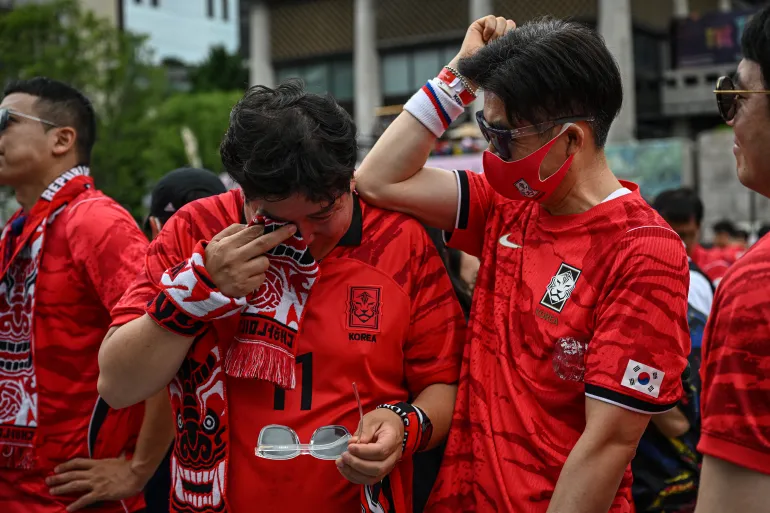
South Korea’s dismal World Cup first-round exit has prompted fury at home, and calls for a complete overhaul at the top have not been silenced by coach Hong Myung-bo’s resignation.
South Korea, World Cup semifinalists as cohosts in 2002, limped out of the tournament after failing to squeeze into the knockout rounds as one of the top eight third-place finishers.
They had the last 32 within their reach only to suffer a shock 1-0 loss to lower-ranked South Africa.
Their early exit prompted coach Hong to quit on Sunday and cast doubt over the international future of captain Son Heung-min.
It also earned the team a rebuke from the country’s president, Lee Jae Myung, who pointed the finger at “incompetent people” and apologised to the nation.
The president’s comments reflect public anger that has reached a boiling point after years of simmering discontent with South Korean football chiefs.
South Korean fans at the Gwanghwamun Square in Seoul react after their team lost against South Africa [Jade Gao/AFP]
Former captain Park Ji-sung said, “We may have expected this outcome years ago.
“We have to look back and ask ourselves why things have come to this,” the former Manchester United player said after the team’s elimination was confirmed.
“Even after spending a decade learning how to prepare for the World Cup and develop Korean football, we have forgotten those lessons once again.”
South Korea was expected to emerge from Group A that included cohosts Mexico, South Africa and Czechia.
The team were expected to arrive home on Tuesday morning, but local media reported that the Korea Football Association (KFA) were not planning to organise an event to welcome them back.
In 2014, angry fans pelted the team with Korean candies – seen as a deeply offensive insult – when they returned from the World Cup in Brazil, where they went out in the group stage during Hong’s first spell as coach.
South Korea’s head coach Hong Myung-bo stepped down after the team failed to reach the World Cup 2026 knockouts [Ulises Ruiz/AFP]
‘Message to change’
Hong has been a lightning rod for criticism since he returned to the job in July 2024, five months after his predecessor, German World Cup-winner Jurgen Klinsmann, was axed.
The KFA came under fire for the process that led to Hong’s reappointment, with questions asked over its transparency and fairness.
Hong, who was regularly booed by fans, did himself no favours at the World Cup by dropping star player Son for the South Africa game, in which South Korea needed only a point to progress.
Hong admitted afterwards that he was struggling to understand what had gone wrong, as the nation nervously waited for results in other games to decide their fate.
Son Heung-min was benched against South Africa, a game South Korea went on to lose and ultimately exit from the World Cup [Eloisa Sanchez/Reuters]
Lee Chun-soo, a member of the 2002 World Cup team, said he “felt pathetic and frustrated rooting for Uzbekistan” against the Democratic Republic of the Congo in the hope that the result would send South Korea through.
“This is a message to change,” Lee said on his YouTube channel. “Everyone should be ready to step down.”
South Korean fans reserved a sizeable chunk of their anger for KFA President Chung Mong-gyu.
Chung said before the World Cup that he would quit after the tournament, blaming his “lack of virtue” following fierce criticism of his 13-year tenure.
The 65-year-old, who is in his fourth term as KFA president, came under fire for trying to pardon former players who were banned for life for match-fixing.
Chung and Hong might not be the only ones to bow out, with captain Son yet to comment on his future.
The skipper, who turns 34 next month, had previously hinted at retiring from international football.
Former captain Park said South Korea needed to learn from the past.
“It’s unfortunate that this kind of cycle keeps repeating,” he said.
“We must dream of and shape a better future, and move forward step by step so that we don’t repeat these mistakes.”
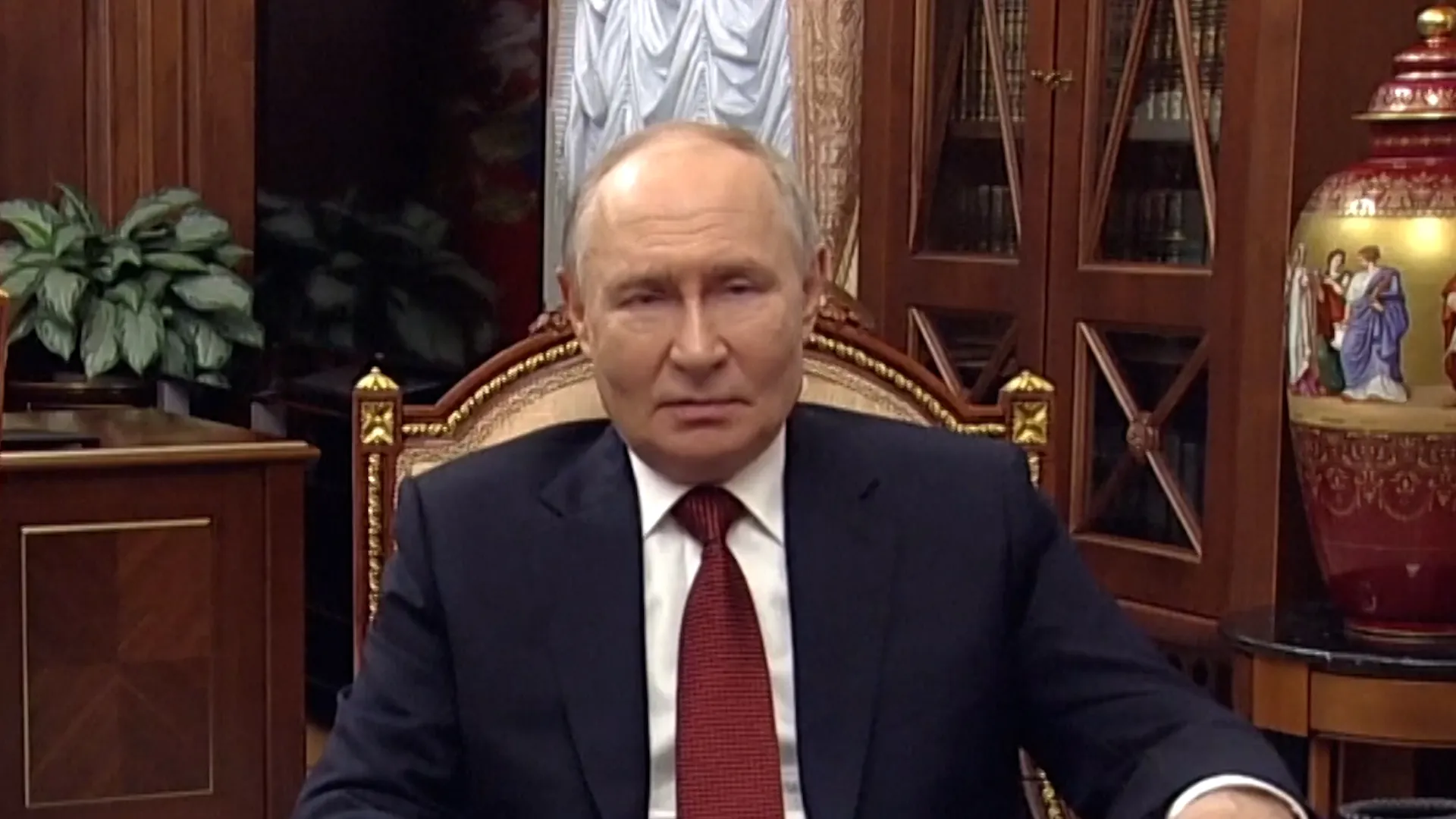
Russian President Vladimir Putin says Ukraine has proposed a mutual halt to long-range strikes and a meeting with Kyiv’s leadership. But, though he says he is considering the proposal, he believes the deal would benefit Ukraine more than Russia.