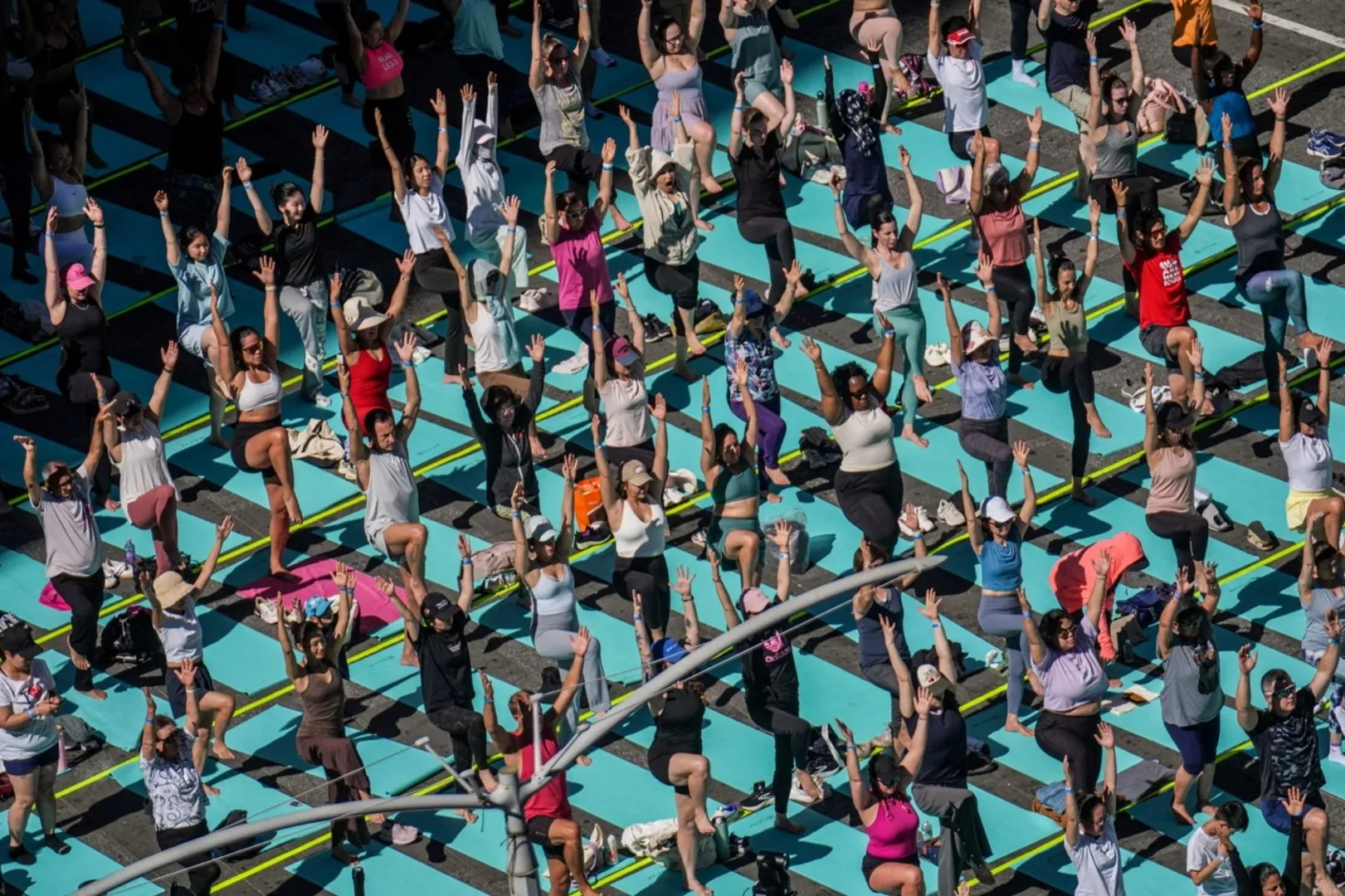
New York City welcomes the summer solstice with Times Square yoga
New Yorkers gathered for the 24th annual "Solstice in Times Square” event to celebrate the summer solstice.
Source link
From breaking news to significant developments in politics, business, technology, entertainment, and more, we deliver the stories that shape our global landscape.
New Yorkers gathered for the 24th annual "Solstice in Times Square” event to celebrate the summer solstice.
Source link

Footage shows Colombian outsider Abelardo de la Espriella in an armoured vehicle next to his vice-presidential candidate, Jose Manuel Restrepo, celebrating a narrow lead in the preliminary election results.
Published On 22 Jun 202622 Jun 2026
Share

June 21 (UPI) — President Donald Trump said Sunday that work will begin “immediately” to repair the Lincoln Memorial Reflecting Pool, blaming vandalism for problems at the newly renovated Washington, D.C. landmark.
Trump repeatedly claimed over the weekend on social media that there had been arrests in connection with vandalism at the Reflecting Pool, which has been plagued by issues since undergoing a $15 million restoration ordered by the president.
From algae blooms to blue coating peeling off its bottom, the Reflecting Pool has been a target of criticism of the Trump administration, which has defended the restoration as necessary while blaming vandals for at least some of the damage.
In a social media statement on Sunday, Trump said he inspected the Reflecting Pool and was in disbelief at what he saw.
“I just inspected it, and could only say to myself, and those gathered around me, WOW, who would do such a thing? SICK, DERANGED PEOPLE!” he said.
It was unclear exactly what damage Trump was attributing to vandalism.
In a Saturday post, Trump referenced the need to drain the pool in order to conduct vandalism-related repairs, which was in addition to alleged vandalism to landscaping.
“They took some form of knife or blade, and put a 250 foot long gash into the beautiful facade of what took so much work, competence and money to build and complete,” he said.
“They also poured corrosive and destructive chemicals into the Pool.”
Trump first commented on the pool Saturday evening, saying in a statement that U.S. Park Police had arrested “multiple individuals for vandalizing our Nations magnificent Reflecting Pool.”
He then said hours later that “many additional people have been arrested having to do with the disgraceful Vandalism of our beautiful Reflecting Pool.”
UPI has asked U.S. Park Police for confirmation of arrests and damage to the pool caused by vandalism.
Trump first announced plans to restore the pool in November. Atlantic Industrial Coatings Limited was awarded $6.89 million in April to paint the bottom of the pool. The broader restoration has since been reported to cost about $15 million.
He announced June 6 that work on the pool was complete ahead of celebrations marking the 250th anniversary of the United States to be held alongside Trump’s 80th birthday.
But within days of the completion, the pool began experiencing issues. Videos posted online show the pool’s surface green with algae, while others show individuals reaching into the pool to handle the peeling blue paint.
On Friday, three-time U.S. Olympian David Hearn was arrested for allegedly damaging the pool. He has claimed in interviews with multiple news organizations that he only touched the edge of hardened paint that was peeling off the pool’s floor.
“I didn’t vandalize anything,” he said.
Ship tracking data shows sharp fall in transits as US and Iranian officials hold talks to save fragile peace framework.

Published On 22 Jun 202622 Jun 2026
Shipping in the Strait of Hormuz has plunged following Iran’s announcement that it has closed the waterway once again over Israel’s strikes on Lebanon, according to ship tracking data.
A total of 12 vessels crossed the strait on Sunday, down from 35 transits the previous day, an analysis by maritime intelligence company Windward showed on Sunday.
list of 4 itemsend of list
Five of eight vessels entering the strait had their Automatic Identification Systems turned off, according to Windward.
“The current traffic profile: dark, sanctioned, Iranian-linked, resembling the late-blockade baseline more than a functioning open strait,” Windward said in a post on X.
Maritime traffic in the strait had been showing signs of recovery since US President Donald Trump and Iranian President Masoud Pezeshkian on Wednesday signed a memorandum of understanding on ending the US-Israel war on Iran.
Twenty-five vessels transited the strait on Thursday, the highest number since mid-April, according to data from maritime intelligence provider Kpler.
Iran’s Islamic Revolutionary Guard Corps on Saturday declared the waterway shut, citing Israeli “crimes” in Lebanon and the failure of the US to maintain a ceasefire in the country.
US Central Command (CENTCOM) on Saturday denied that Iran had closed the strait, which normally carries about one-fifth of global oil and liquified natural gas supplies, saying that safe passage through the waterway remained “intact”, with 55 merchant ships transiting that day.
The cause of the discrepancy between the transit figures provided by CENTCOM and commercial ship tracking providers is unclear.
US and Iranian negotiators on Sunday held make-or-break talks in Switzerland as the conflict in Lebanon threatened to derail efforts to turn their 60-day ceasefire extension into a permanent peace deal.
In a briefing to Iranian media after the talks, Iranian Ministry of Foreign Affairs spokesman Esmaeil Baghaei said the sides had discussed the safe passage of ships through the strait, and “a mechanism was set up, which is important”.
Despite renewed tensions between Washington and Tehran and signs of slowing traffic in the strait, oil prices moved lower on Monday morning in Asia.
Brent crude, the primary international benchmark, was down about 0.9 percent as of 01:30 GMT, at just below $80 a barrel.
Asia’s major stock markets opened higher, with key indices in Japan, South Korea and Taiwan making substantial gains.
Tokyo’s Nikkei 225 and Seoul’s Kospi were up 1.8 percent and 1.5 percent, respectively, while the Taiex in Taipei surged 2.6 percent.
Hong Kong’s Hang Seng Index bucked the rally, dipping 0.7 percent.

June 21 (UPI) — An unruly passenger bit a fellow flyer and started throwing punches aboard an American Airlines flight on Sunday, according to audio of a pilot’s conversation with air traffic controllers.
A recording first obtained by CBS News and then posted online by aviation industry monitors shows the incident happened aboard American Airlines flight AA3046 from Charlotte, N.C., to Philadelphia.
In it, the pilot of the Airbus A320 tells controllers to have emergency medics and law enforcement personnel ready meet the aircraft on arrival at Philadelphia International Airport due to a disturbance onboard allegedly created by a male passenger in his 70s.
“I don’t know… if he’s hallucinating or whatever, but he just bit a passenger and he’s trying to fight everybody,” the pilot is heard saying.
The crew of American Airlines A320 N111US, operating flight AA3046 from Charlotte to Philadelphia, requested law enforcement and EMTs to meet the aircraft on arrival after a passenger in his 70s reportedly bit another passenger and began “trying to fight everybody.”
The pilot… pic.twitter.com/ezRBoNsZ5s— Turbine Traveller (@Turbinetraveler) June 21, 2026
After getting confirmation from the control tower, the pilot adds, “What a day, huh?”
The controller responds, “Happy Father’s Day!”
American Airlines told CBS the passenger was experiencing a medical emergency and that he was “assisted” before the flight landed but did not confirm if police were present upon arrival.
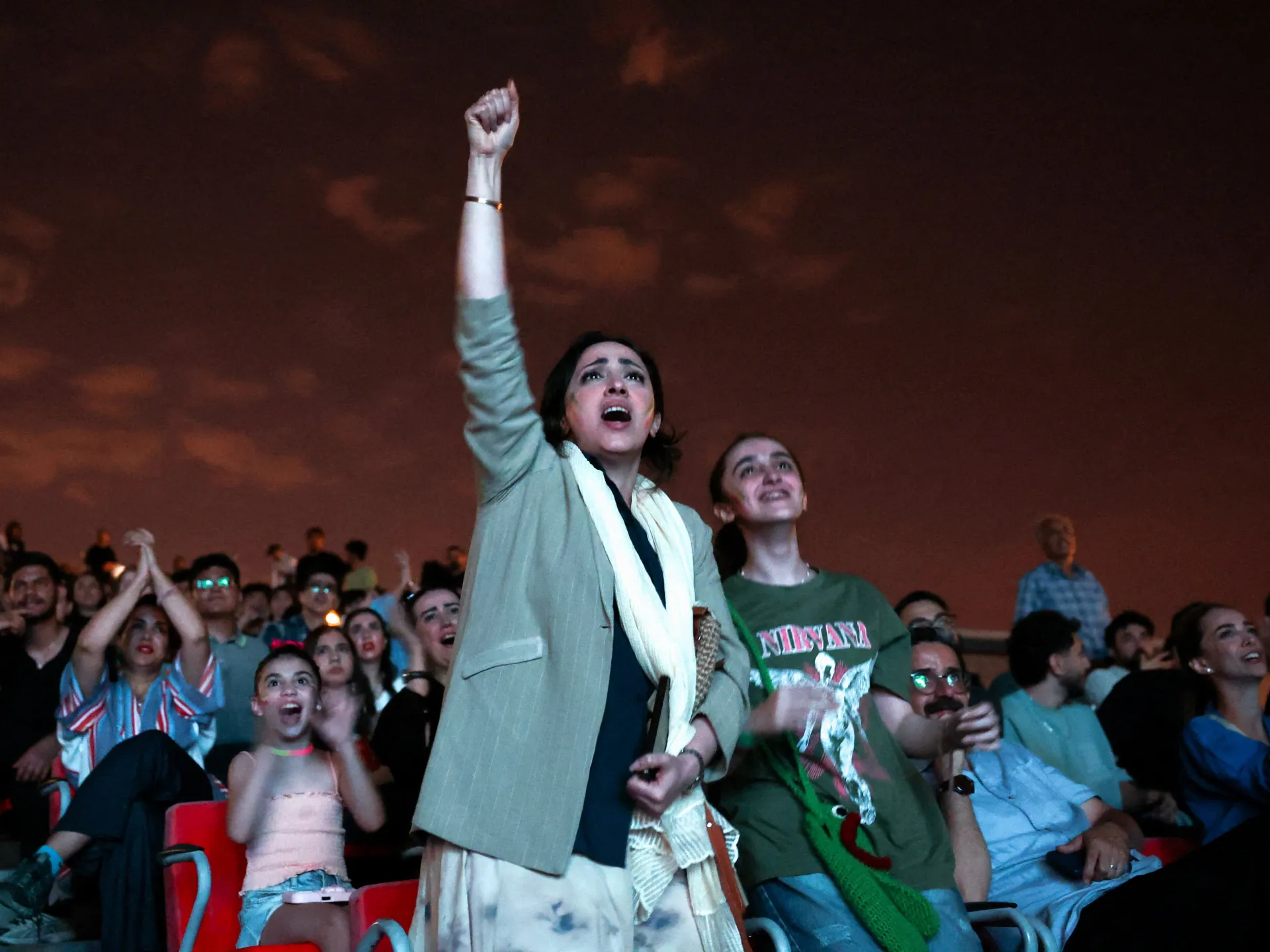
Iranian fans in Tehran watched their team secure a 0-0 draw against Belgium at the World Cup in Los Angeles, keeping hope alive for an unprecedented chance at the second round. Iran competes under strict US travel restrictions, which forced them to fly back to Mexico within hours of the draw, rather than remaining overnight for recovery.
Published On 22 Jun 202622 Jun 2026
Share
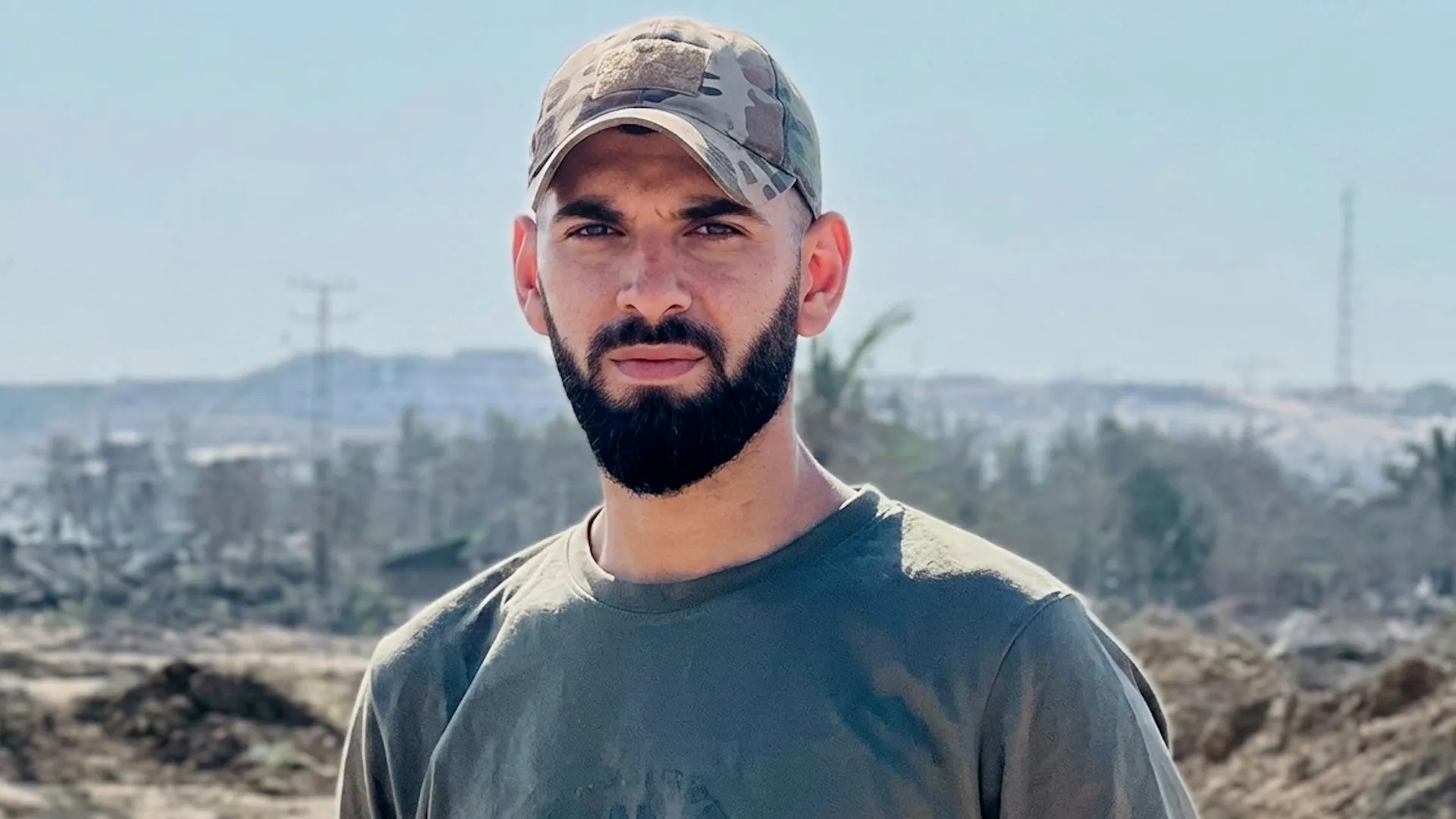
Al Jazeera cameraman Ahmed Wishah dedicated his life to documenting the voices of his people, showcasing their grief, displacement, survival and resilience under Israel’s genocidal war on Gaza, before he was killed by an Israeli attack.
Published On 21 Jun 202621 Jun 2026
Share


Nathan Ngoy sent off for hauling down Mehdi Taremi, whose first-half strike was called offside, in a close Group G match.
Published On 21 Jun 202621 Jun 2026
Belgium were held to a scoreless draw by Iran in a frustrating encounter that saw the Red Devils reduced to 10 men and facing the possibility of group-stage elimination for a second consecutive World Cup.
A star-studded, though ageing, lineup, including Kevin De Bruyne and Romelu Lukaku, was fortunate to leave Los Angeles with a point on Sunday.
list of 4 itemsend of list
Belgium controlled possession yet ceded the game’s best chances to a resolute Iranian defence.
Iran’s Mehdi Taremi had the ball in the net from a well-worked first-half free kick that was overturned for offside by VAR, while Nathan Ngoy was sent off after the break for hauling down the striker following a badly mishit back-pass.
The result means all three games in Group G so far have ended in draws. Stuck on two points, Belgium at least have the comfort of playing the tournament’s lowest-ranked team, New Zealand, in their final group game.
Iran will also need at least a point against Egypt next Friday. Having been frustrated by visa issues while travelling from their base camp in Mexico to play games in the United States, Team Melli will hope to focus on the football as travel restrictions are reportedly easing for their crucial trip to Seattle.
For the second Iran game running, protesters from Los Angeles’s large Iranian-American community gathered at the stadium to chant against the country’s current regime.
Inside the stadium, Iran’s anthem again drew a chorus of boos and whistles, a reception at odds with the response to the players themselves, who were loudly cheered throughout the game.
Having switched to a back five, Iran sat deep in the first half, allowing Belgium to dominate possession and play hundreds of passes around their penalty area without creating any clear-cut opportunities.
Target man Lukaku, back in the starting lineup after making an impact from the bench in Belgium’s 1-1 draw with Egypt, managed a solitary headed effort in the 36th minute, which sailed over the bar.
Iran had the first half’s two best chances, entirely against the run of play. Hossein Kanani’s low shot after a long throw was well saved by an outstretched Thibaut Courtois.
And Iran’s star striker Taremi had the ball in the net midway through the half after a cleverly worked free kick, but it was ruled offside.
The former Inter Milan man spun away from Belgium’s wall, swivelled and buried the ball, before VAR overruled the effort, to the dismay of a vocally pro-Iran crowd.
After the break, Belgium continued to huff and puff, while Taremi again nearly scored at the other end. Courtois did well to save after Kanani had flicked on a long throw to the Iran forward.
Belgium coach Rudi Garcia made a triple substitution around the hour mark, and his side immediately came close – Maxim De Cuyper’s point-blank effort from De Bruyne’s cut-back was well saved.
Substitute Hans Vanaken blasted a shot from a rebound well over the bar moments later, as the Red Devils finally began to knock on Iran’s door in earnest.
But disaster struck for Belgium as Ngoy was sent off. The centre-back had badly under-hit a pass back to Courtois and raised his arm into Taremi as the striker raced through on goal.
The game settled into a nervous, scrappy stalemate, though De Cuyper again came close with a low effort from just outside the box.
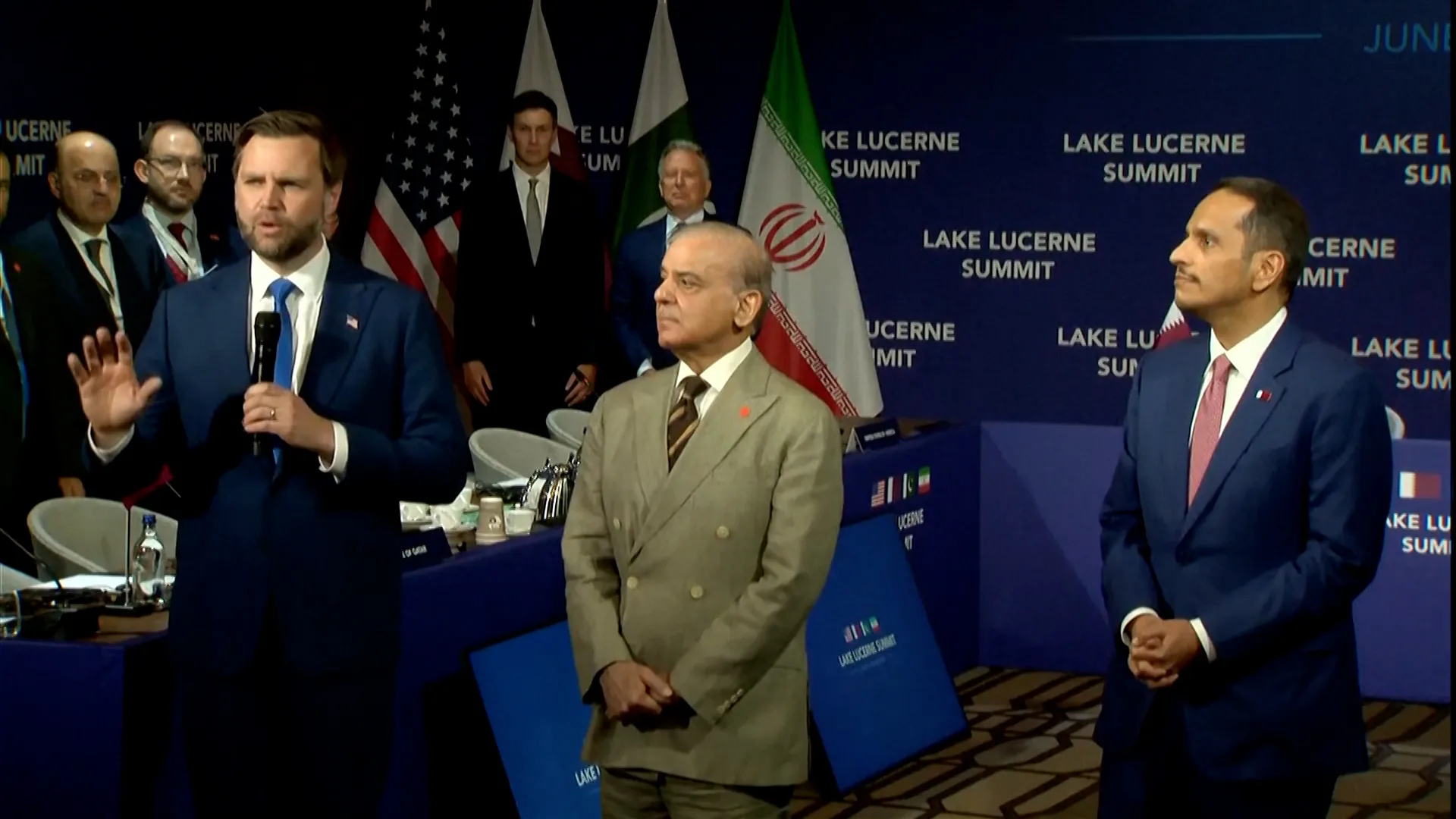
In an exclusive interview, Professor and political analyst Mahjoub Zweiri breaks down what intentions behind US-Iran talks will result in.
Published On 21 Jun 202621 Jun 2026
Share
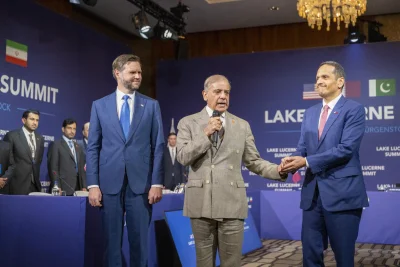

U.S. Vice President JD Vance (L), Pakistani Prime Minister Shehbaz Sharif (C), and Qatari Prime Minister Mohammed bin Abdulrahman bin Jassim Al Thani speak ahead of talks between the United States and Iran at the Buergenstock resort in Obbuergen, near Lucerne, Switzerland, on Sunday. Photo by Urs Flueeler/EPA
June 21 (UPI) — U.S. Vice President JD Vance said the United States is looking “to transform our relationship” with Iran but warned Sunday’s renewed talks in Switzerland wouldn’t bring about an immediate resolution to the war.
Vance was joined by President Donald Trump‘s go-to negotiators in the peace talks — Steve Witkoff and Jared Kushner — in the gathering at the Bürgenstock lakeside resort, CNN reported. Pakistani and Qatari mediators were also in attendance, The New York Times reported.
“Never before has the Iranian and American leadership met at such a high level,” Vance told reporters ahead of the talks.
“What the president has asked us to do is turn over a new leaf to transform our relationship with the people of Iran, and to extend an outstretched hand that says to the people of Iran that if your leadership is willing to give up being a driver of regional instability, if they are willing to give up nuclear weapons ambitions for the long term, then the United States is willing to fundamentally transform our relationship with that country,” he said.
“We’ve already made great progress over just the last few hours, and I expect that we will make additional progress in the hours to come.”
Sunday’s gathering in Switzerland is the latest in a series of negotiations between the two countries — and mediators — to attempt to bring an end to a war that began with U.S. and Israeli strikes on Iran on Feb. 28.
Trump signed a peace agreement with Iran on Wednesday while he was in France for the G7 Summit. The 14-point pact included the immediate cessation of fighting by all sides — including in Lebanon — plans to reopen the Strait of Hormuz and an easing of financial restrictions on Iran.
Iran, however, said it closed the strait again Saturday, accusing Israel of launching a fresh round of strikes on Hezbollah, the Iranian-backed militant group in Lebanon. The strikes killed at least 22 people.
Though the fighting between Israel and Hezbollah has been central to a peace agreement between the United States and Iran, neither of the parties were involved in Sunday’s talks in Switzerland.
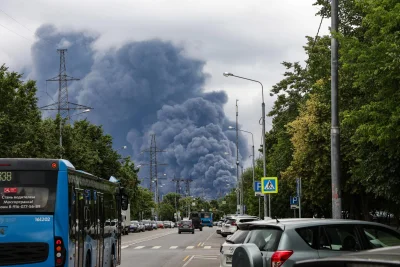

Smoke billows in the background following a reported Ukrainian drone attack on a fuel facility in Moscow on Thursday. Photo by Stringer/EPA
June 21 (UPI) — The Russian government on Sunday halted fuel sales to civilians and businesses not considered vital to functioning and security in Crimea.
Sergey Aksyonov, the governor of Crimea, announced people would be turned away from gas stations amid a fuel shortage and logistical difficulties related to the war with Ukraine, the BBC reported.
“Further decisions regarding the current situation in the republic’s fuel market will be announced at a later date,” he said in a post on Telegram.
The announcement came amid new attacks by Ukraine on energy and transportation infrastructure on the Crimean Peninsula, Politico reported. Russia illegally annexed the peninsula from Ukraine in 2014, and it has been at the center of fighting between the two countries ever since.
Ukraine has repeatedly targeted Russia’s energy supply in an effort to hobble its defenses and ability to transport troops and machinery. Fuel facilities in the Kerch Strait in Russia’s Krasnodar region have also been attacked.
Aksyonov said a Ukrainian drone attack on an oil depot in Kerch killed four people and injured 28.
Ukrainian President Volodymyr Zelensky said the attack was a “just response to Russia’s brutal attacks.”
“Russia understands only strength, and our long-range strength is certainly working for peace,” he wrote in a post on X.
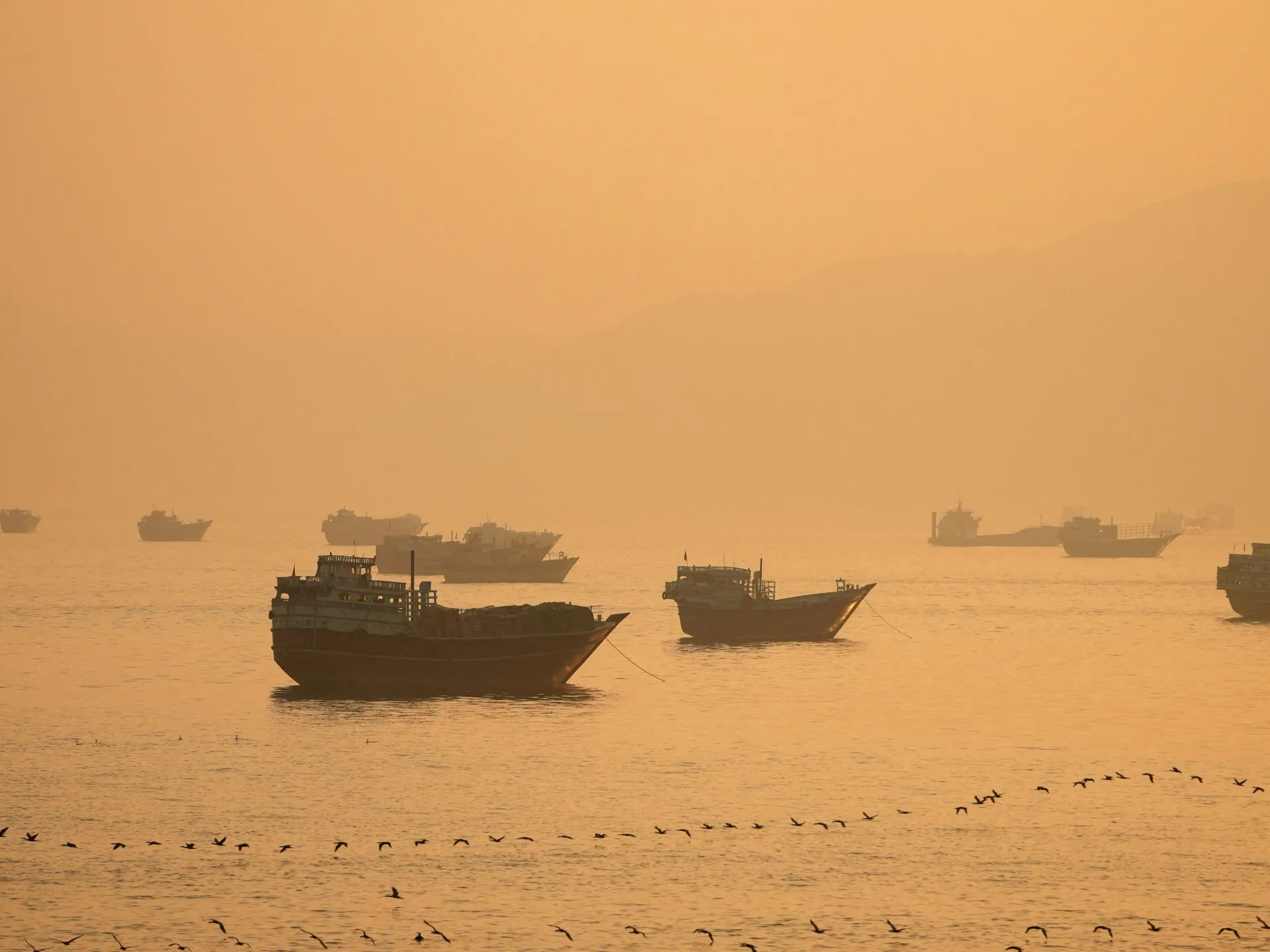
Iranian armed forces say they’ve closed the Strait of Hormuz after Israeli attacks on Lebanon – just days after an agreement with the US reopen it.
Disruption to the crucial waterway has had a huge economic impact worldwide.
list of 4 itemsend of list
So, what happens next?
Presenter: Tom McRae
Guests:
Ian Ralby — Senior Fellow at the Center for Maritime Strategy and Associate Fellow with the International Law Programme at Chatham House
Mehran Kamrava — Professor of Government at Georgetown University in Qatar and Head of the Iranian Studies Unit at the Arab Center for Research and Policy Studies
Stavros Karamperidis — Associate Professor in Maritime Economics and Head of the Maritime Transport Research Group at the University of Plymouth
Published On 21 Jun 202621 Jun 2026
Share
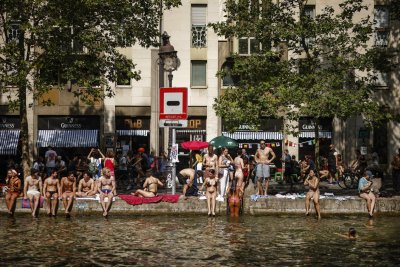

People cool off along the Canal Saint-Martin in Paris on Saturday. Photo by Yoan Valat/EPA
June 21 (UPI) — French police issued a ban on certain alcoholic drinks Sunday amid unusually high temperatures coinciding with one Paris’ largest street parties.
The order banned people from consuming certain high-alcohol content drinks after 8 a.m. Sunday along areas of Canal Saint-Martin and along riverside zones along the Seine.
Businesses were also banned from selling takeaway drinks after 1 p.m., with exemptions for restaurants and bars, Politico reported.
Paris hosts the Fête de la Musique (World Music Day) one of its largest street festivals, Sunday. Free concerts are held throughout the city, and residents are encouraged to play music outside in public spaces and neighborhoods.
This year’s festival is taking place during a heatwave that could see temperatures break 100 degree Fahrenheit in the coming week. The country issued Level 1 and Level 2 heat alerts Sunday for an area encompassing about 75% of its population.
“Very high temperatures are setting in for the long term,” the national meteorological service, Météo-France said, as cited by The Guardian. The agency said the heat would be of “exceptional severity and duration” and will likely break records.
Officials also put wildfire crews on alert in case of fire, and canceled some outdoor events. Some locations in France canceled concerts scheduled to take place before 7 p.m.
His release comes after journalist Mousa al-Omar dropped a complaint over online criticism.

Published On 21 Jun 202621 Jun 2026
British Syrian activist Hassan Akkad has been released from a prison in Damascus after four days detention for alleged criticism of public figures.
Akkad was taken into custody from a cafe in the al-Maliki neighbourhood of Damascus on Wednesday at about 9:45pm local time (18:45 GMT), a statement by his organisation said on Friday.
list of 4 itemsend of list
Akkad is the founder of the “Give Us the Money That You Owe!” campaign, which tracks large financial commitments made by public figures during a donation drive to fund Syria’s reconstruction.
His detention followed a legal complaint filed by Syrian journalist and presenter Mousa al-Omar in relation to “Hassan’s social media activities and public comments” after Akkad criticised al-Omar for allegedly failing to deliver on his financial pledges during the donations campaign.
Public Prosecutor Judge Hossam Khattab confirmed last week that Akkad had been detained due to warrants issued against him for failing to present himself to the Cybercrime Control Division in relation to al-Omar’s complaint. Khattab also said other plaintiffs had filed cases against Akkad for slander and defamation.
![British Syrian activist Hassan Akkad embraces a supporter after his release from detention, in an image provided by his "Give Us the Money That You Owe!" campaign [Handout/Al Jazeera]](https://i0.wp.com/occasionaldigest.com/wp-content/uploads/2026/06/PHOTO-2026-06-21-18-55-43-1782057625.jpg?w=640&ssl=1)
The activist’s release on Sunday came after al-Omar told Al Jazeera that he had instructed his lawyer to withdraw the complaint against Akkad, and said that everything pledged to the campaign had been paid.
On Sunday, al-Omar again posted on X that he had withdrawn the complaint against Akkad.
“My legal representative dropped the right and the lawsuit against my brother Hassan this morning and pardoned him for the sake of Almighty God … I was saddened by what he brought upon himself, and I wish him success in his social media activities and I will always be a supporter of him,” he wrote in Arabic.
Akkad, who is also a filmmaker, was imprisoned twice by President Bashar al-Assad’s regime for documenting anti-government protests in 2011.
After fleeing Syria, he stayed in the Middle East before making an 87-day journey across Europe to reach the UK in September 2015.
Video of his gruelling trip was included in the documentary series, Exodus: Our Journey to Europe, which went on to win a British Academy of Film and Television Arts (BAFTA) Award.
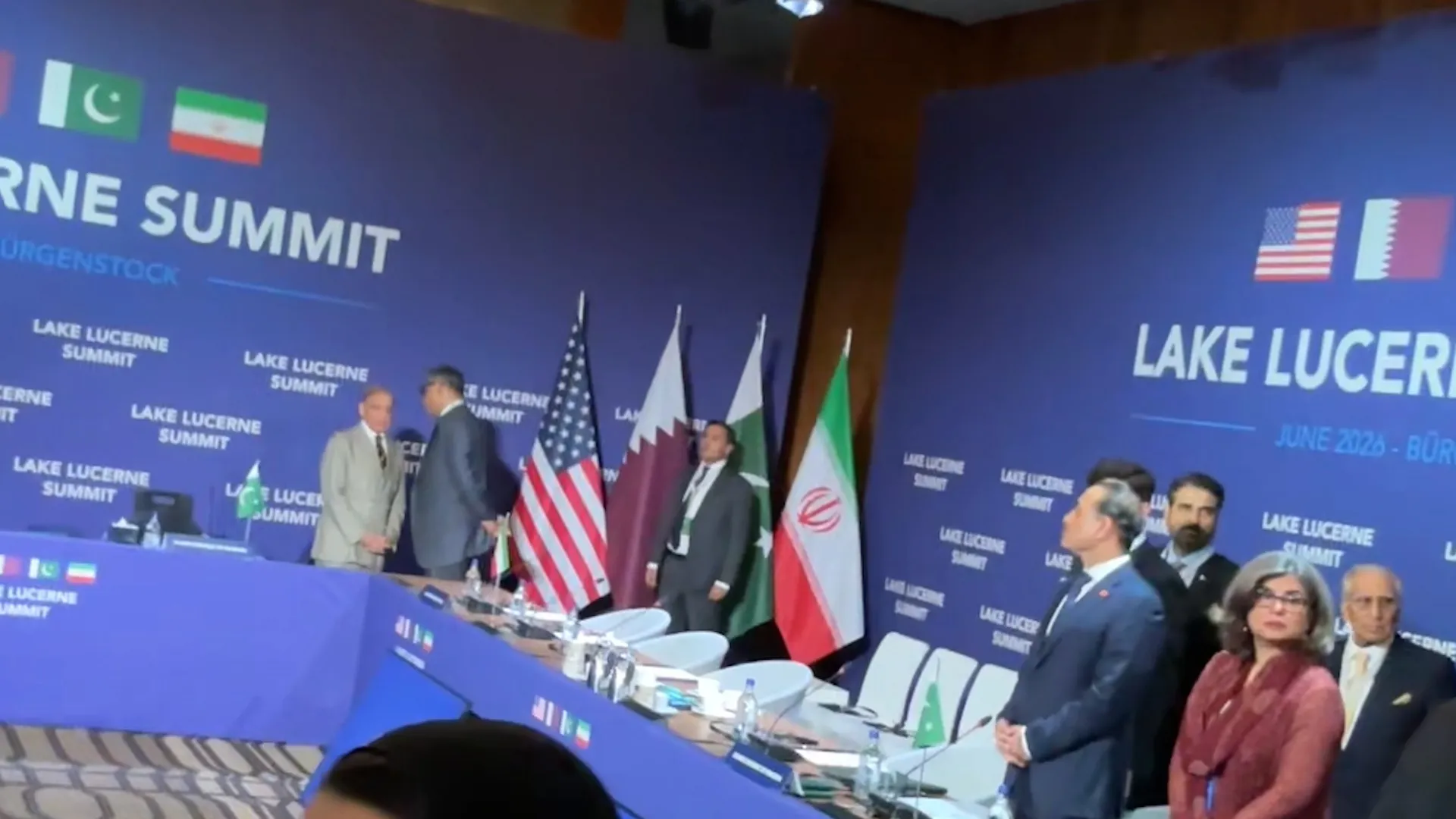
Historic negotiations between Iran and the United States are officially underway, marking the start of what mediators describe as a crucial 60-day process.
Published On 21 Jun 202621 Jun 2026
Share
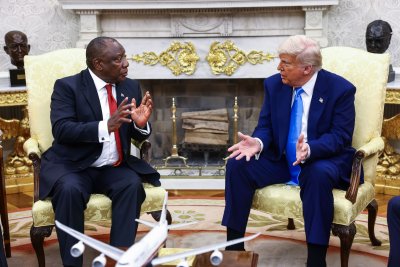

June 19 (UPI) — The Trump administration plans to stop funding HIV programs in South Africa under the President’s Emergency Plan for AIDS Relief over policy differences.
The U.S. State Department is winding down the funds South Africa receives from PEPFAR to care for the roughly 8 million people there who are living with HIV, Semafor, Politico and The BBC reported.
PEPFAR was launched in 2003 by former President George W. Bush and, over the last two decades, has partnered with health authorities in more than 50 nations to save 25 million lives and prevent millions of new HIV infections, State Department figures show.
President Donald Trump in a February 2025 executive order accused South Africa of permitting discrimination against white Afrikaners and has slowly pulled back U.S. funding for its HIV programs over the last year.
“The United States has decided to initiate a phased drawdown of PEPFAR programming in South Africa following South Africa’s failure to make demonstrable progress on policy requests by the administration,” State Department officials told Semafor.
Upon retaking office in 2025, President Donald Trump took aim at the program as part of his administrations efforts to slash federal government spending, with specific attention paid to South Africa, which has the largest number of people living with HIV in the world.
Since 2003, more than $8 billion has been sent to South Africa to both care for people living with HIV and distribute medications that can prevent spread of the virus, though funds sent there have been halved in each of the last two years.
South African President Cyril Ramaphosa earlier this month announced that the country was working Gilead to launch the company’s twice-yearly HIV prevention drug Lenacapavir, generic versions of which are set to be manufactured and sold there.
Experts have raised concerns that ending support for PEPFAR programs could lead to millions more HIV infections globally, potentially canceling out 20 years of progress against the virus.
The Trump administration and some of its Republican allies in Congress have said, however, that the program was never meant to be permanent and should be wound down.

UK minister says Starmer considering ‘political realities’ after Labour rival Andy Burnham secured decisive by-election win.
British Prime Minister Keir Starmer is weighing whether to resign within days, according to media reports, amid mounting pressure from his own Labour Party following a decisive by-election win by his rival, Andy Burnham.
Expectation is growing that Starmer could announce a resignation timetable as soon as Monday, the same day Burnham is sworn in as a lawmaker after winning Thursday’s vote by a wide margin – a result that has reportedly emboldened Labour figures, including Foreign Secretary Yvette Cooper, to call for Starmer to step aside.
list of 4 itemsend of list
A resignation would lead to the United Kingdom’s seventh prime minister in a decade, a rapid rate of churn in the country’s modern history.
Starmer has been under growing pressure to step down after months of declining popularity, policy missteps and scandals.
In February, the premier came under fire when revelations from the Epstein files about Peter Mandelson, whom Starmer appointed as the UK’s ambassador to the US in December 2024, came to light.
Burnham, Greater Manchester mayor since 2017, has made clear he intends to challenge to lead the slumping centre-left party, warning in his by-election victory speech that it had a “final chance to change”.
If successful, he would become prime minister by default, given that the governing Labour has a huge parliamentary majority.
Starmer is deeply unpopular with voters, according to polling.
YouGov, a global public opinion and data analytics firm, reports that only 19 percent of British people have a positive opinion of the prime minister, and he ranks as the ninth most popular Labour politician.
Starmer has insisted he will fight any attempt to oust him.
But the emphatic nature of Burnham’s win in the Makerfield constituency in northwest England, where he nearly doubled Labour’s majority, has increased the internal pressure on Starmer to quit.
Business Secretary Peter Kyle said on Sunday that Starmer was “making time to reflect on the political realities, challenges and opportunities that he finds himself in”.
“He has been engaging in conversations with a wide, wide range of people,” Kyle told the Sky News broadcaster after having what he said was a “frank” conversation with Starmer on Friday.
The Observer newspaper headlined on its cover on Sunday that Starmer was “expected to resign” the following day, while the Sunday Telegraph also reported he was “ready” to go, citing allies of the embattled British leader.
The Observer said Starmer would “set out a timetable for his departure”, noting he had been holding weekend talks at Chequers, the countryside retreat for prime ministers.
Labour’s drubbing in local and regional polls in England, Scotland and Wales last month intensified the pressure on him.
The fallout from the polls saw Makerfield’s previous Labour MP resign to allow Burnham to stand there.
Burnham, a former MP and government minister under ex-prime ministers Tony Blair and Gordon Brown, is due to be sworn back into parliament on Monday.
From the so-called soft-left wing of Labour, he reinforced his reputation as the party’s most popular figure by easily beating the hard-right populist Reform UK party’s candidate in this week’s by-election.
Reform, led by Brexit architect Nigel Farage, had won all of Makerfield’s wards in last month’s local elections.
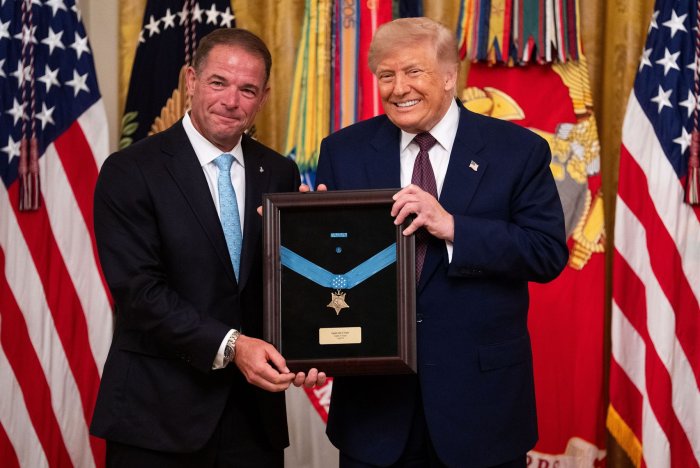
June 20 (UPI) — The board of directors at the John F. Kennedy Center for the Performing told a judge this week that the venue has no plans to schedule new programming and will likely remain closed for renovations.
U.S. District Judge Christopher Cooper in May ruled that the Kennedy Center’s board had decided to close the facility in July for two years of renovations and refurbishments without considering its responsibilities as a federal monument, ABC News and The Washington Post reported.
The May 29 ruling also ordered the center to remove President Donald Trump‘s name from the building, which it complied with last Friday, just hours before the court’s deadline to do so.
Trump made a sudden announcement in February that he planned for the center to be shut down for “construction, revitalization and complete rebuilding” over the course of a two-year period.
Matt Floca, executive director of the Center, told Cooper in a filing Friday that the board will be considering three potential paths forward — full closure, partial closure or a set of phased closures — but that public access to parts of the building would be maintained during any work there.
“Given present uncertainty as to future programming, management has deferred affirmative long-term programming or staff adjustments until the board selects a final operational path.
Performances and shows that were scheduled after the July closure date have already been canceled and are not expected to be rescheduled.
The public will continue to have access to various exhibits and smaller gatherings held there, including the John F. Kennedy exhibit — the facility was designed as a living memorial to the former president — during work there.
The Center’s board is expected to consider the three renovation options at a meeting in mid-July.

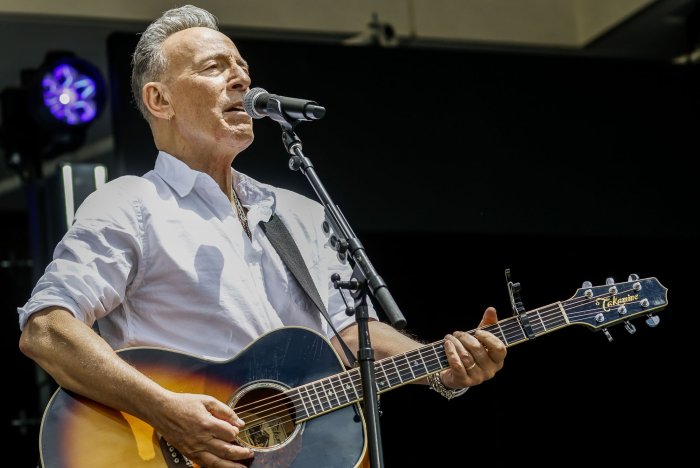
Mona Khalil watches small sea turtles crawling on the sandy beach of al-Mansouri, south of Beirut, in 2003. Khalil, a protector of sea turtle hatching sites, died Saturday after sustaining injuries in an Israeli attack on Lebanon on June 5. File Photo by Nabil Mounzer/EPA
June 20 (UPI) — A Lebanese conservationist and protector of sea turtles died from injuries she suffered when her home was hit by an Israeli strike.
Mona Khalil, 76, died after suffering injuries from an Israeli attack on her home at al-Mounsouri Beach on Lebanon‘s southern coast on June 5. Her assistant was also injured in the attack, according to Green Southerners, a local nonprofit.
The Israeli military told CNN that Khalil “was not a target” of the Israel Defense Forces. “There is no known IDF strike in which she was injured,” the military said in a statement Saturday. “However, strikes were conducted in the area after the IDF issued evacuation warnings.”
Khalil was born in Lagos, Nigeria, and moved to her parents’ homeland Lebanon at age 7. In her 20s, she fled to the Netherlands to escape the Lebanese civil war and became a porcelain restorer. She attained British citizenship because she was born in a British colony.
She returned to Tyre, Lebanon, when she inherited property from her grandmother. There, she spent the rest of her life protecting the nests of loggerhead and green sea turtles.
Both species of turtles are threatened by coastal development, plastic pollution, fishing nets and light pollution. They are at risk of extinction in the eastern Mediterranean.
Khalil helped create the Orange House, an eco-tourism project at al-Mansouri beach. She painted her house orange to symbolize the safety the Netherlands had given her.
“She is a deeply committed environmental defender,” Hisham Younes, founder and president of Green Southerners, told the BBC. “She used to talk about the beach like it was a person. Her bond to the sunset, her bond to the water and the turtles … she was really into conservation, and into the soul, the spirit of conservation.”
In 2006, CNN profiled her, and she said she refused to leave her sea turtles even among fighting between Israel and Hezbollah.
“Me and my animals were all traumatized, and I lost a bit of my hearing. But otherwise I’m still alive and kicking,” Khalil told CNN at the time. “I live every day to the fullest and don’t worry about tomorrow.”

Three hikers were found dead in two separate incidents this week along the North Kaibab Trail in Grand Canyon National Park in Arizona, with all three having succumbed to extreme heat by the time emergency services arrived. Photo by U.S. National Parks Service
June 20 (UPI) — The National Parks Service announced that three people died this week in two separate heat-related incidents at Grand Canyon National Park.
Park rangers and emergency medical personnel responded to the two incidents, which occurred on June 12 and June 16, and both of which happened while hikers were on trails in the Inner Canyon, NPS said Friday in a press release.
All three of the people were deceased when officials arrived, and they were transported with aerial support to the Cococino County Medical Examiner’s office.
NPS said that trails in the Inner Canyon region, where all three were found, regularly top 109 degrees Fahrenheit during this time of year.
Earlier this month, an 18-year-old hiker experienced heat-related symptoms while hiking a different part of the park and, although park rangers and a helicopter rescue operations found him, life-saving measures were not successful.
“Hiking Grand Canyon can be a challenge for anyone, especially during the heat of summer,” NPS said in the release.
On June 12, a 72-year-old man was found on the South Kaibab Trail, and four days later, on June 16, a 67-year-old man and 68-year-old woman were found on the North Kaibab Trail.
On its website, NPS recommends that people planning to visit the park be aware that the Inner Canyon area of the park during the summer is “extremely strenuous and potentially dangerous due to intense heat, minimal shade and no water sources.”
As a result, Grand Canyon park officials recommend that hikers avoid trails in the area between 10 a.m and 4 p.m., when it is hottest there.
The agency also noted that because of a range of reasons, rescue efforts may not be immediately available.
In addition to carrying sufficient water, food and first aid supplies — and knowing their own physical limits — NPS also warns the hikers in many Inner Canyon locations be prepared to “self-rescue” and have a plan to do so.
“The recent increase in heat-related incidents comes as summer temperature in the Inner Canyon have reached dangerous levels, creating conditions that can quickly overwhelm hikers during the hottest parts of the day,” the agency said in Friday’s release.

The chief of the White House World Cup task force says it’s “pretty amazing” Iran’s football team has been given visas for the tournament. Andrew Giuliani defended the US’s treatment of the team, which has been forced to base itself in Mexico and fly in and out for matches.
Published On 21 Jun 202621 Jun 2026
Share
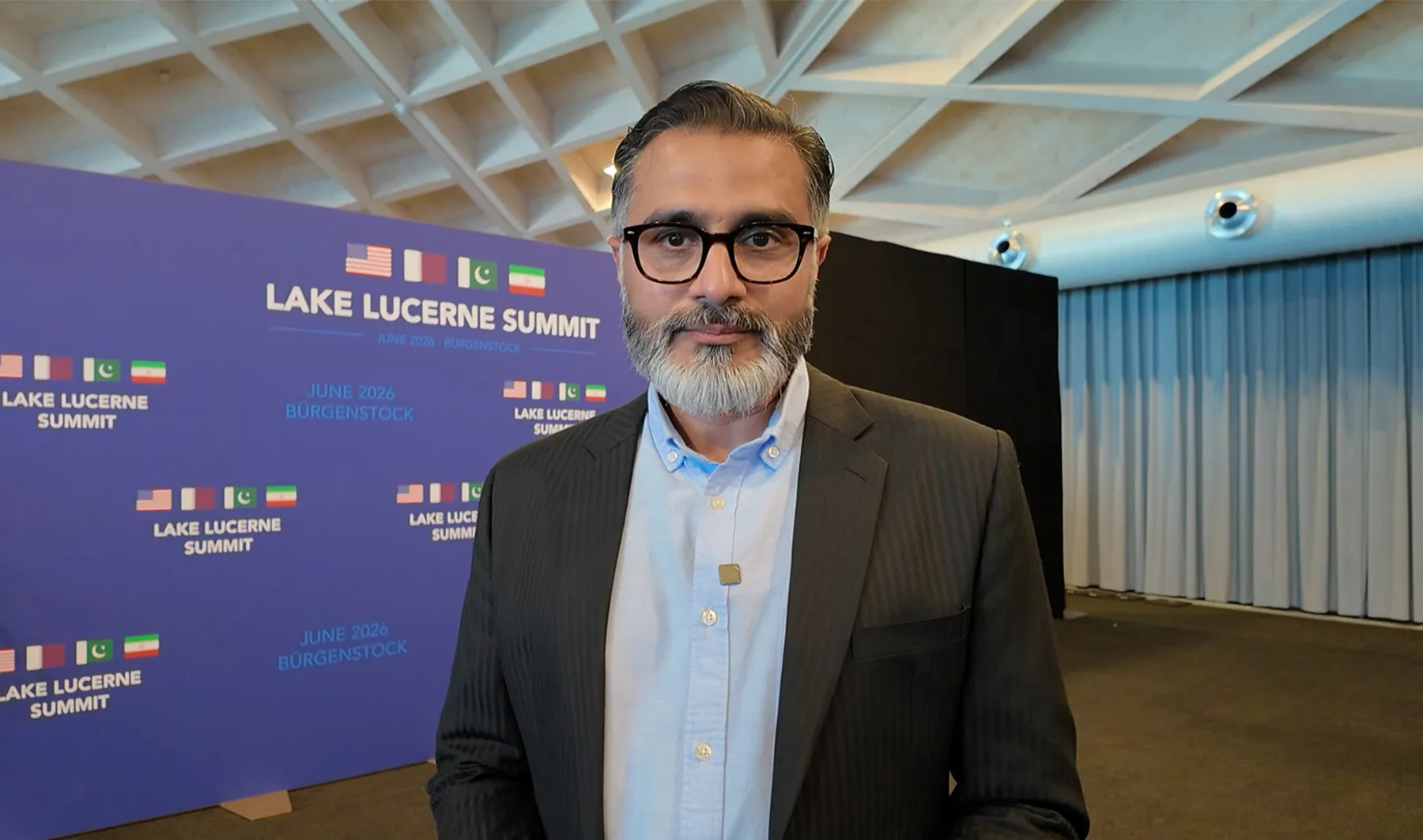
Iranian and US officials are set for high stakes talks in Switzerland aimed at reinforcing the Memorandum of Understanding framework. Al Jazeera’s Osama Bin Javaid says intense diplomatic efforts have kept negotiations on track, but key disputes remain unresolved.
Published On 21 Jun 202621 Jun 2026
Share