From breaking news to significant developments in politics, business, technology, entertainment, and more, we deliver the stories that shape our global landscape.
Manchester City say they are ‘disappointed and surprised’ by the verdict and will appeal.
Published On 29 Sep 202629 Sep 2026
Manchester City have been found guilty of all charges of serious breaches of the Premier League’s financial rules between the 2009/10 and 2017/18 seasons, the league has said in a statement.
City were charged in February 2023 with breaches of the league’s financial rules spanning nine seasons following a four-year investigation.
The club said in a statement it would appeal.
An independent commission found that City “arranged ‘sham’ contracts (which misrepresented the true agreement between the parties) with a number of its commercial partners”, the league said on Tuesday.
The league added that the commission had found City used schemes “to artificially inflate the club’s revenues, and reduce its costs, by more than 900 million pounds during the affected period, to appear to comply with financial rules”.
“The core decision … details how the club systematically broke Premier League Rules for nearly a decade,” said Richard Masters, the chief executive of the Premier League.
“There are elements of the case that remain to be decided, including, importantly, what sanction must follow for these breaches.”
City, who deny any wrongdoing, said they were “disappointed and surprised” by the commission’s opinion.
“The club is innocent of the accusations made by the Premier League and a comprehensive body of irrefutable evidence exists in support of all of its positions, relating to this case,” the club said.
“Manchester City FC will now pursue the appeal avenues open to it, on the basis that the opinion contains clear material errors, of law, principle and fact, and is unsafe.”
Indirect talks between the United States and Iran aimed at ending the seven-month-long war continue – most recently via Qatar as mediator on the sidelines of the United Nations General Assembly (UNGA) in New York – but the two sides still disagree about the agenda.
Iranian Foreign Minister Abbas Araghchi left New York on Tuesday after telling state-run Islamic Republic of Iran Broadcasting (IRIB) that he expects an official response to Tehran’s proposal to reopen the Strait of Hormuz by the end of the day. The proposal, which Iran said would see the strait reopened within seven days, was first passed to the US via Qatari mediators last week.
Recommended Stories
list of 3 itemsend of list
United States President Donald Trump was reported to have rejected that offer, under which Tehran would reopen the strait in return for Washington lifting its naval blockade, waiving sanctions, releasing an estimated $12bn in frozen Iranian assets and enforcing a wider regional ceasefire that includes Lebanon.
Under Iran’s proposal, wider peace talks, including discussions of its nuclear programme, would begin only then
Despite Trump’s public rejection, Araghchi says he has not yet received a formal response from Washington. Meanwhile, US media reports that Trump may well be willing to relax sanctions and unfreeze Iranian assets have been strongly denied by the US president.
Instead, US officials say, the US wants a deal that resolves all outstanding issues, particularly Tehran’s nuclear programme, in one go, rather than pursuing a gradual, step-by-step approach.
Here’s what we know about the talks:
Qatari mediators met Araghchi in New York on Monday to discuss how to advance Tehran’s proposal for reopening the Strait of Hormuz and then progressing to wider peace talks.
In a post on Telegram, Araghchi insisted that the talks focused solely on the Strait of Hormuz. He denied that the US had formally rejected the Iranian proposal.
“Despite what the US president said, I said that we were waiting for the official US response through the mediators … They [Qatar] had ideas, and we discussed them. They are going to raise this issue with the American side again, and then the final response from the American side will be conveyed to us through the Qatari mediator,” Araghchi said late on Monday.
Araghchi also said negotiations had become more “serious”, but cautioned that Tehran’s position has not changed.
“I state firmly that there has been no change in Iran’s position. Our conditions for opening the strait are clear. Our position on other issues is also clear. At present, there has been no discussion at all about flexibility,” he added.
Tehran’s proposal includes elements of the Islamabad memorandum of understanding (MoU), which was signed by both the US and Iran on June 17.
Is Trump willing to accept some Iranian demands?
A US official told The Associated Press news agency last week that Trump is not willing to make a final peace deal with Iran until the issue of its nuclear programme is addressed. According to the official, who has not been named, the US president would be willing, however, to grant Iran sanctions relief and release some frozen funds if progress is made on the nuclear file.
Then, on Monday, US-based news outlet Axios also reported that Trump had offered Iran sanctions relief in return for concessions on its nuclear programme. The report also cited US officials, one of whom told Axios that the indirect talks had been “positive and constructive”, adding that Tehran had indicated it was “flexible” on nuclear issues.
Trump, however, angrily denounced the story as a “hoax” in a post on Truth Social, the social media platform he owns. He said the story was “not true” and demanded Axios remove the article.
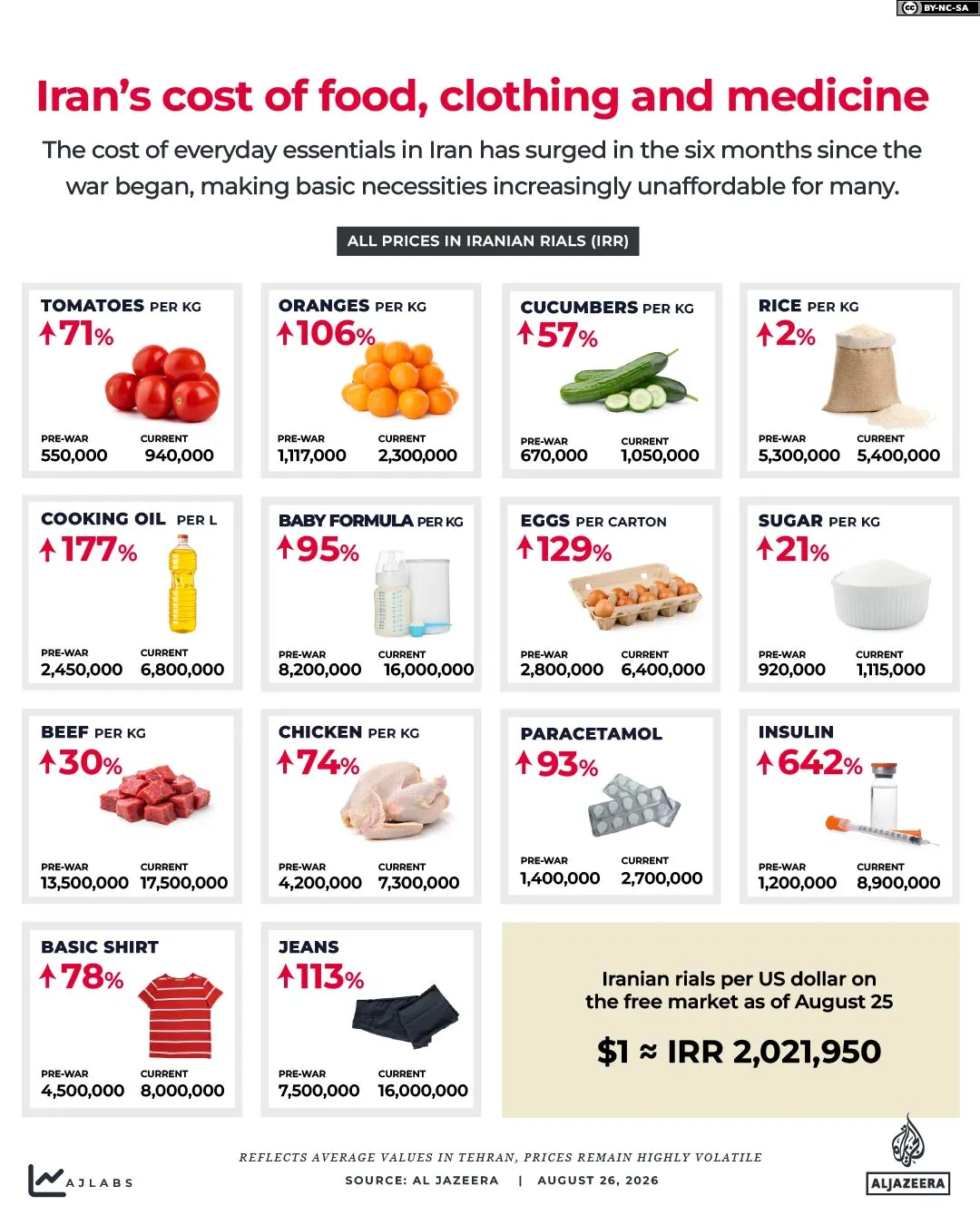
Iran has been heavily sanctioned for decades. The restrictions have severely affected Iranians’ quality of life, including their access to essential medicines and healthcare.
In August, the US announced yet more sweeping economic sanctions on Iran and countries that trade with it as it sought to apply more economic pressure to isolate the country from the global economy during the diplomatic deadlock in their war.
US Treasury Secretary Scott Bessent described the campaign as the “economic asphyxiation” of Iran.
It is difficult to quantify exactly how many Iranians have been killed by what Tehran views as “economic warfare”. However, a study published last year by the highly regarded medical journal The Lancet Global Health concluded that more than 564,250 people worldwide die annually as a result of US sanctions.
What does the US want?
In late February, just before the US launched its first strikes on Iran, the two sides were already holding talks hosted by Oman, which included the issue of Iran’s nuclear programme.
But before those talks could conclude, the US and Israel launched strikes, triggering the closure of the Strait of Hormuz, through which one-fifth of the world’s oil and natural gas is shipped in peacetime, by Iran. The closure of the strait has since become the primary point of contention between the two sides, when it had not been an issue before the war began. The strait is currently subject to blockades by both sides.
Throughout the war, Trump has repeatedly expressed his desire to strike a deal with Tehran. However, serious differences between the two sides will need to be resolved first, including the order in which issues are addressed for the purpose of peace talks.
Iran wants to establish its control of the Strait of Hormuz, have sanctions lifted and assets unfrozen, as well as ensure an end to US-Israeli strikes before it will go back to negotiating other issues, such as its nuclear programme. This was the order of events laid out in the MoU agreed between Iran and the US in June, but which quickly fell apart.
The US, however, wants everything to be on the table at the same time – it does not want to agree to anything relating to these Iranian demands before it addresses the other issues.
Scott Lucas, professor of US politics and international relations at University College Dublin, told Al Jazeera that Washington effectively wants Iran to surrender.
“The Strait of Hormuz has become a fundamental issue. The question here is, will both sides give? The memorandum of understanding clearly gave Iran a role in the management of the strait,” Lucas said.
“When the Trump administration pulled away from negotiating on the basis of the memorandum, they effectively went back to the idea of Iran having to completely allow passage through the Strait of Hormuz with no guarantees over it, in terms of not only what it means for Iran financially, but [also] in terms of Iranian security. The Iranian government is not going to agree to that, so we’re stuck in this limbo right now,” he added.
“Are the Trump folks going to come back to the talks on the basis of the memorandum of understanding or something that is a revised version of it, or are they going to try and break the government with economic warfare until at least after the US elections in November? That’s where we are right now.”
What does Iran want?
After half a century of bitter enmity with Washington, Iran wants to consolidate what it sees as the strategic gains it has made during a war it did not start. This specifically includes its newly established ability to close the Strait of Hormuz, sending global energy markets into a tailspin and placing additional pressure on the Trump administration.
Since US-Israeli strikes on Iran began on February 28, Hormuz has dominated talks aimed at ending the war and emerged as Tehran’s greatest point of leverage. Prior to the conflict, Iran did not exert control over the waterway and all commercial shipping passed through freely.
For this reason, Iran will not move on to wider peace talks until it has leveraged its control of the strait to get its demands met. “Our discussion is clear. Right now, it is only about the Strait of Hormuz,” Araghchi said late on Monday.
“The opening of the Strait of Hormuz is also subject to the fulfilment of a series of conditions that we announced to the other side.”
Ali Salehian, director of the Center for Intellectual Diplomacy at the Governance and Policy Think Tank in Iran, told Al Jazeera that Tehran does not believe Washington will honour any future deal as it did not honour what was agreed under the Pakistan-brokered June MoU.
“For Iran, the bottom line of every negotiation with Trump, considering all of his misbehaving and [military] targeting of Iran during negotiations, is the Islamabad MoU,” Salehian said.
“Tehran thinks that if the US doesn’t fulfil its commitments based on the MoU, there is no guarantee that any kind of future deal would be sustainable.”
Iranian-made Zolfaghar missiles are seen on display beside a large portrait of Iran’s Supreme Leader Mojtaba Khamenei at Baharestan Square in Tehran on September 28, 2026 [AFP]
What is likely to happen next?
It does not look likely that the diplomatic standoff will be eased anytime soon, analysts say.
Both the US and Iran have indicated throughout the war that they would prefer a diplomatic settlement to a continuation of the war. However, Trump has continued to threaten Iran with more strikes if it does not agree to a deal, and Araghchi told US news outlet NBC on Sunday that Tehran is also prepared to resume fighting, even though it has not abandoned diplomacy.
“We are fully prepared for the time for the war to be resumed, and I repeat, we stand firm in the face of any new aggression, even if it comes to a doomsday war,” he said.
Trump said last week that he expects a deal will be reached, but not until after the US midterms on November 3.
“For the moment, the Trump administration is going to try to make the Iranian government capitulate through economic warfare,” Lucas said.
However, a deep sense of distrust remains between the two sides. Senior Iranian officials believe Trump will restart the war after the midterms on a far greater scale and that Israel would also participate.
If that theory proves true, Tehran may well prefer the fighting to resume before November’s elections, as it would allow Iran to impose a greater cost on Trump.
“The reaction of the Iranians to that might be to actually trigger the war themselves, early, right before the midterm elections in order to maximise the pain that [it] will impose on the US president,” Trita Parsi, executive vice president of the US-based Quincy Institute for Responsible Statecraft, told Al Jazeera earlier this month.
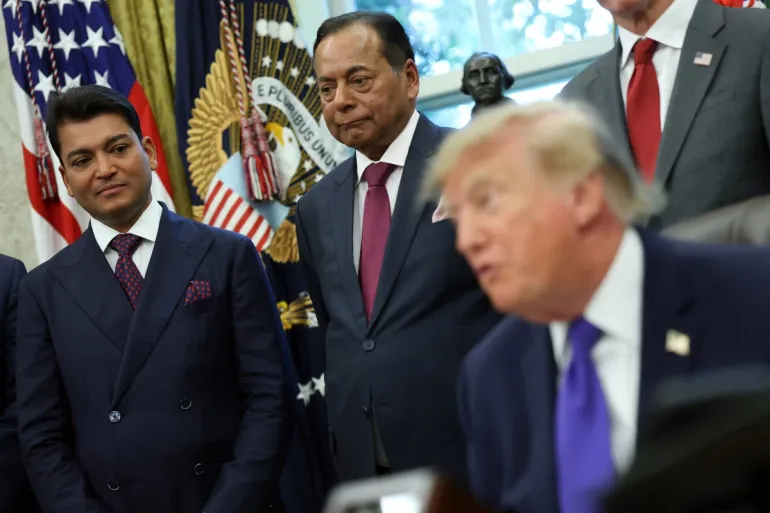
As US President Donald Trump announced a $15bn steel megaplant while seated at his Oval Office desk on Monday, he had a lineup of mostly US politicians standing behind him – from cabinet members to elected representatives from Iowa, where the mill is to be built. There was one exception: an Indian man with a receding hairline and a lilac pocket handkerchief, standing behind the US president’s right shoulder.
Ravi Ruia is a cofounder of the Essar Group, which owns Mesabi Metallics, the Minnesota-based firm that’s building the steel mill, which is expected to be the United States’s largest once it is complete. A decade earlier, in October 2016, his brother Shashi was in the photo frame with a different president during the signing of another major deal: Russian leader Vladimir Putin.
Steel and metallics aren’t Essar’s only association with minerals and natural resources. The conglomerate had been involved for years with oil, before it sold one of India’s largest private oil refineries to a Russian-led consortium in 2016 for nearly $13bn. Essar Oil was rebranded as Nayara Energy.
Today, Nayara Energy is half-owned by Russian gas major Rosneft, which is under heavy US and European sanctions over Moscow’s war on Ukraine. Nayara has also emerged as a supplier of petroleum products to Russia at a time when the country is facing a fuel crisis following multiple Ukrainian attacks on its oil and gas depots.
And as part of a 99-year deal, Nayara is continuing to use Essar’s branding in India, where the company runs thousands of petrol stations. Nayara is under European Union sanctions.
The White House is touting the Iowa steel project, unveiled just before the US midterm elections, as a major economic win for Americans, promising hundreds of jobs and billions of dollars in revenue. And there is no evidence that the steel project is in violation of any Russia-specific US sanctions.
But Trump’s announcement of a mega project with an Indian firm closely tied to Russian investments under Western sanctions underscores how the US has struggled to isolate Moscow economically despite an unprecedented economic pressure campaign.
And the timing of the steel mill announcement raises questions, because it comes days after Trump signed a law that empowers him to punish countries that buy Russian oil with up to 100 percent tariffs. India is Russia’s second-largest oil buyer. But the legacy Indian conglomerate that best epitomises the country’s links to Russian energy is now also behind the US’s biggest steel factory.
Rewant Ruia, left, chairman of Mesabi Metallics, and Ravi Ruia, centre, board member of Mesabi Metallics and director of Essar Capital, listen as US President Donald Trump delivers remarks in the Oval Office at the White House on September 28, 2026, in Washington, DC [Kevin Dietsch/Getty Images]
What’s the steel factory project about?
The new project would integrate its iron ore mining operations in Minnesota’s Mesabi Iron Range with the upcoming steel complex in Iowa.
The White House and the company’s announcements said that the Iowa steel plant is expected to create at least 1,750 permanent jobs – “while continuing to work with suppliers and businesses throughout Iowa and the Midwest” – and support up to 6,000 construction jobs.
Washington also noted that the mill will produce 7.5 million tonnes of steel per year in its first phase, expected to rise to 10 million tonnes. First steel production is expected in 2030.
The first phase of the project is expected to generate $95bn in total economic impact during construction and its first 10 years of operation, according to the White House.
Trump’s commerce secretary, Howard Lutnick, told the reporters that “these are your 232 tariffs, the steel tariffs at work.” He added: “Without those tariffs, this mine and steel plant doesn’t get built.”
Trump chipped in, too. “Soon after my inauguration, I imposed powerful 50 percent tariffs on all foreign steel, and now our steel industry is roaring back to life,” Trump said. “Everyone’s building their plant here because they don’t want to pay tariffs.”
But the steel project is also evidence of how countries and companies have skirted US economic pressure – and how it gives them leverage to continue to do so.
An Essar petrol station with pumps showing no fuel in Stanley, County Durham, UK, September 27, 2021 [Lee Smith/Reuters]
What are Essar’s ties to Russia?
Essar Oil, the group’s energy arm, began refining crude in 2008 at its refinery in Vadinar on the coast of the western Indian state of Gujarat.
But by 2016, the company was in deep debt, listed as a defaulter by the Reserve Bank of India, the country’s central bank, and desperately looking for a buyer who would take over its oil operations. The timing was opportune. President Putin in Russia was at the time trying to get Rosneft, his country’s energy giant, to offload some stakes in exchange for foreign capital.
Indian Prime Minister Narendra Modi played matchmaker, helping stitch together a series of deals between 2014 and 2016 that helped Rosneft and Essar. First, Indian public sector oil majors bought stakes in Rosneft, giving it the cash it needed. Rosneft, in turn, joined hands with other investors to buy the Vadinar refinery, freeing Essar from its debts.
Essar Oil became Nayara Energy – a company in which Rosneft owns a 49 percent stake, and United Capital Partners, a Russian asset management company, owns another 49 percent. The buyers paid Essar $12.9bn for the deal. As part of the agreement, Nayara got to use Essar’s branding – including on thousands of petrol stations across India – for 99 years.
Logo of Nayara is seen at its fuel station on the outskirts of Ahmedabad, India, November 16, 2022 [Amit Dave/Reuters]
Is Nayara under Western sanctions?
Yes. The European Union imposed sanctions on Nayara in July last year as part of the broader 18th package of sanctions against Russian oil.
The sanctions banned the import of petroleum products processed using Russian crude oil and restricted the refinery’s access to EU shipping insurance, as well as financial and other services.
Nayara’s Vadinar refinery in western India has been processing only Russian oil since other suppliers backed out following the sanctions. Since then, Nayara has relied on international traders to import crude and export refined fuels.
In July this year, Nayara Energy sold petroleum to Russia as Ukrainian attacks targeted oil refineries across the country, triggering a fuel crisis.
In recent months, Ukrainian forces have targeted Russian oil facilities, setting them ablaze and causing long lines for fuel across the country, including in the capital, Moscow. The fuel crisis, unprecedented for Russia, a country that is one of the world’s biggest energy producers, has led to rationing in many regions.
These Russian links have brought Nayara Energy under wider scrutiny, prompting companies, including SAP, to suspend services to the refiner, citing sanctions and obligations under EU law.
Nayara challenged the move in the Delhi High Court, which ordered SAP India to restore its services earlier this month.
Are Essar or the steel plant violating any sanctions?
While Nayara is under EU sanctions, Essar does not face any US or EU sanctions.
In October 2016, after Essar struck its deal with Rosneft and United Capital Partners to sell the Vadinar refinery, the US – at the time under the Barack Obama administration – said that the agreement was not in violation of any sanctions.
“I don’t think we see any violation of any US-EU sanctions stemming from this deal,” State Department spokesperson Mark Toner said at the time. Essar also said that the deal was compliant with US sanctions.
There is no evidence of any sanctions breach in Essar’s investment in Mesabi, or in the planned investment to set up the steel factory in Iowa.
But Essar’s relations with Russia have nevertheless attracted scrutiny, including in the United Kingdom, where the Ruia brothers have long had major investments.
At the time of the sale of the Vadinar refinery to Russian buyers, the Russian bank VTB also gave Essar a $3.9bn loan for debt reconstruction.
The bank was hit by major US and EU sanctions in February 2022, right after Russia’s full-fledged invasion of Ukraine. Essar, reporting published in April 2026 by The Guardian and investigative journalism platform SourceMaterial, showed, moved the VTB loan to Mauritius, a tax haven, allegedly to avoid the sanctions. Essar owns the Stanlow oil refinery in the UK.
US President Donald Trump waves as he walks to board Marine One as he departs from the South Lawn of the White House in Washington, DC, on September 26, 2026 [AFP]
Why is the timing of the steel plant announcement significant?
Trump’s Republican Party is heading for crucial midterm congressional elections in November, while his approval rating has been plumbing all-time lows in the face of voter concerns about inflation, the cost of living, and the war on Iran.
In his second term, Trump has made tariffs and a revival of US manufacturing a cornerstone of his economic vision, claiming that higher barriers to imports will drive investment back to the US.
Moreover, Washington introduced legislation that would allow the president to impose tariffs of up to 100 percent on imports from countries that continue economic engagement with Russia or Iran, aiming to put pressure on countries that continue buying Russian energy.
New Delhi is particularly exposed since it became one of the largest buyers of discounted Russian crude after the invasion of Ukraine in 2022. Trump imposed an additional 25 percent tariff on Indian imports in 2025 over the issue, before removing it in February 2026 after India committed to stop buying Russian crude.
Russia has remained India’s largest source of crude, although purchases have declined as the threat of US penalties has grown. The news agency Reuters reported that India imported approximately 2.1 million barrels per day of Russian crude in August.
There is also a recent parallel to underscore the incentives for investment in Trump’s US. In May this year, Washington moved to dismiss the criminal fraud and bribery charges against Indian billionaire Gautam Adani, while his lawyers had told the Justice Department that Adani was prepared to invest $10bn in the United States. A federal judge subsequently dismissed the criminal case in August.
Tallinn accuses Moscow of responsibility for fire at Estonian company Milrem Robotics, a supplier of unmanned ground vehicles to Ukraine.
Published On 29 Sep 202629 Sep 2026
Estonian Foreign Minister Margus Tsahkna has accused Russia of “sabotage” following an August arson attack on a defence company, Milrem Robotics, a claim the Kremlin rejected.
“We can conclude with certainty that the arson attack … in Tallinn was an act of sabotage ordered by the special services of the Russian Federation,” Tsahkna wrote on X on Tuesday.
Recommended Stories
list of 4 itemsend of list
He added that the perpetrators of the attack had been apprehended and “no longer pose a threat”, and that Estonia had summoned the Russian ambassador.
“This act of sabotage is part of Russia’s broader campaign across Europe, aimed at intimidating us and weakening our support for Ukraine,” he wrote.
Kremlin spokesman Dmitry Peskov rejected the allegation.
“Such statements are baseless, ill-considered, have absolutely no relation to reality, and lack any form of reasoning. Consequently, we cannot and will not take such statements seriously,” he told reporters.
Estonia, a European Union and NATO member state along the alliance’s eastern flank, has accused Moscow of several hybrid provocations since the beginning of Russia’s full-scale invasion of Ukraine in 2022.
Along with its neighbours Latvia and Lithuania, it has ramped up its investment in defence in the years since and remains a staunch ally of Kyiv.
Support from allies
NATO chief Mark Rutte, speaking to journalists after Estonia’s accusation, said that “Russia continues its reckless campaign of hostile actions against NATO allies. It is trying to weaken our resolve and stop our support for Ukraine”.
“But Russia is failing. It is failing on the battlefield in Ukraine, and it is failing to undermine our unity and support for Ukraine,” he added.
The attack was condemned by several of Estonia’s allies, who also reaffirmed their support for Ukraine.
French President Emmanuel Macron said on X that Paris was in full solidarity with Estonia, adding: “The proliferation of these hostile acts reflects a dangerous headlong rush by Russia – one that will only lead it into a dead end.”
“Russia’s fingerprints are all over” the attack, Lithuanian Foreign Minister Kestutis Budrys wrote on X, adding that Moscow’s “hostile activities do not stop at Ukraine’s borders”.
Latvian President Edgars Rinkevics added that “more support for Ukraine … will be needed and must be provided”.
Swedish Prime Minister Ulf Kristersson called Estonia’s attribution of the attack “extremely serious”, and said the pattern of the attacks was “directed against Europe as a whole”.
Arrests were made over interference with refereeing procedures, among other accusations, Turkish justice minister says.
Published On 29 Sep 202629 Sep 2026
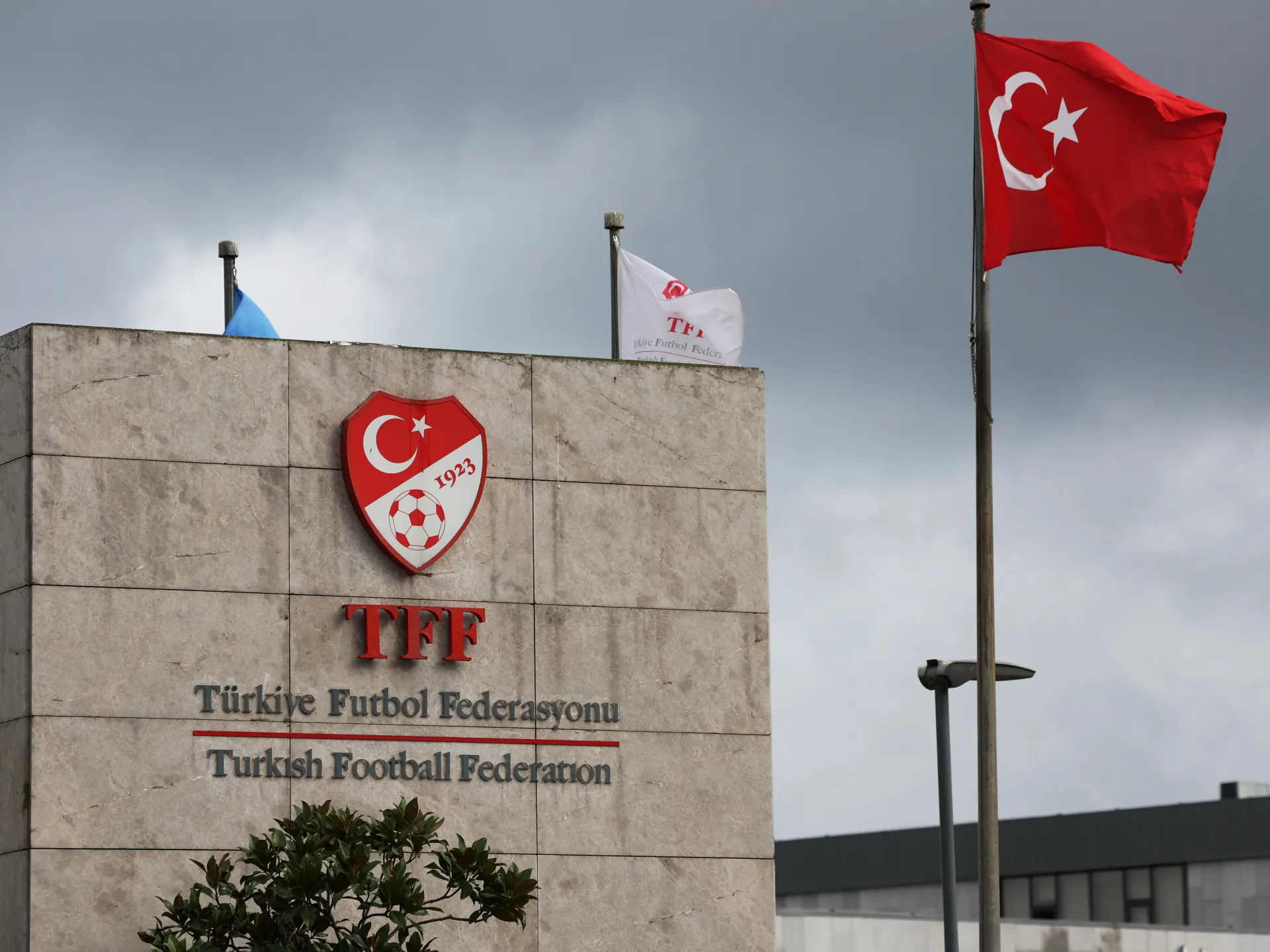
The head of Turkiye’s football refereeing body and six other people have been arrested over accusations of interference in refereeing procedures, Justice Minister Akin Gurlek said.
“Claims regarding interference in the formation of referee classifications, assignments, scoring and appointment processes, as well as rule examinations, have been investigated,” Gurlek wrote in a social media post on Tuesday.
Ferhat Gundogdu, the president of the refereeing body, and his deputy were among those arrested.
Gurlek said searches had been carried out at the suspects’ “residences, workplaces and offices”.
“We will steadfastly continue the fight for clean football so that claims undermining trust in Turkish football are clarified, those responsible are held accountable before the law, and football is remembered for the effort, struggle, and sportsmanship on the field,” Gurlek added.
A year ago, the Turkish Football Federation (TFF) suspended 149 referees on charges of involvement in an illegal betting scandal.
The TFF investigation found that 371 out of the country’s 571 referees officiating in the professional leagues had betting accounts and 152 of them actively placed bets.
Some 29 people were arrested in the sprawling scandal, including 14 footballers, one of whom was Fenerbahce’s international midfielder Mert Hakan Yandas.
Authorities suspended more than 1,000 players, including 25 from the first division.
However, Gurlek did not draw any link between last year’s betting scandal and the current investigation.
FIFA accuses UEFA of attempting to influence its presidential election, in which Gianni Infantino is seeking a fourth term.
Published On 29 Sep 202629 Sep 2026
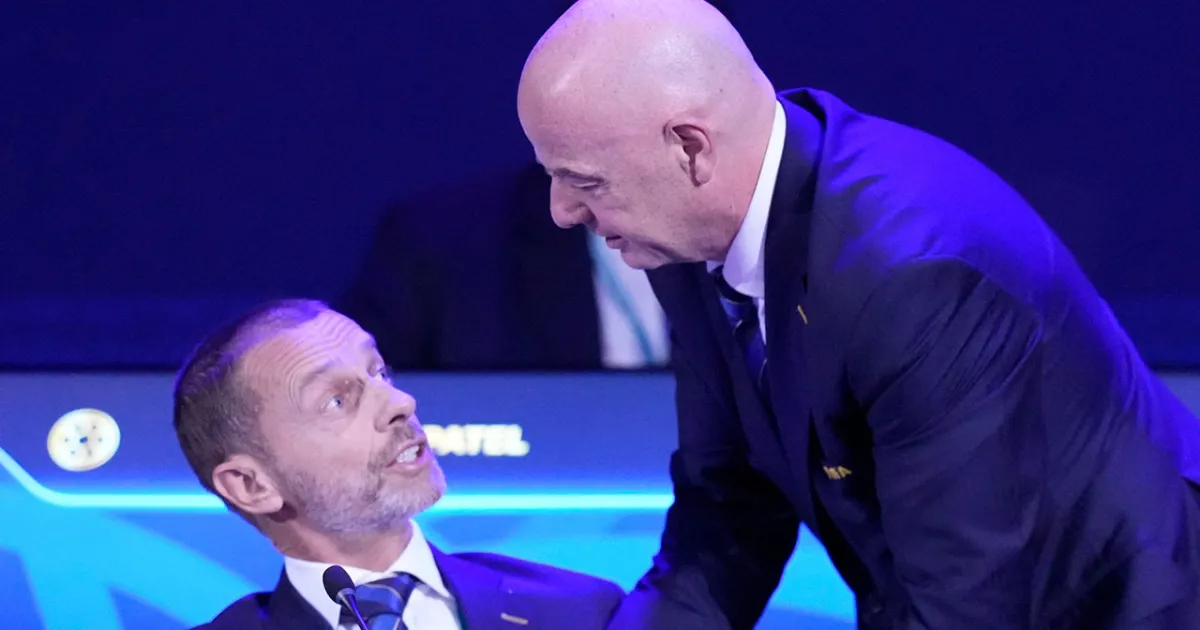
FIFA has accused European football’s governing body, UEFA, of waging a “misinformation campaign” and trying to influence the race for its presidency amid a growing governance crisis in the sport.
Football’s global governing body urged a court in the United States on Tuesday to reject UEFA’s discovery request linked to FIFA president Gianni Infantino’s controversial investment proposal for rights to the World Cup.
Last month, UEFA asked a US federal court for permission to obtain testimony and documents for use in a planned criminal complaint in Switzerland against Infantino over a now-abandoned plan to transfer World Cup commercial rights into a subsidiary called FIFA Forward Enterprise (FFE).
In its response, FIFA said UEFA’s brief contained “numerous false or misleading statements about FIFA and Infantino”.
“With no basis whatsoever, UEFA suggests that Mr Infantino sought to profit personally from the FFE proposal,” FIFA said in a filing in the Southern District of Florida, opposing UEFA’s motion for discovery.
“As explained, the FFE plan was subject to approval by both the FIFA member associations and FIFA Council, and FFE would have been subject to oversight by both groups within FIFA,” it said.
“UEFA’s suggestions that Mr Infantino violated any law or ethical principle are categorically without merit.”
UEFA alleged Infantino developed the proposal in secret with a small group of advisers and investors, bypassing the global body’s normal governance processes and failing to consult FIFA Council, regional confederations or member associations.
The European body said in the legal filing that investors would have paid $4.2bn for a stake in FFE, valuing the business at about $20bn.
It said the valuation significantly undervalued FIFA’s commercial rights and alleged it had not been subjected to an open auction or tested by an independent valuer.
“UEFA, whether deliberately or through ignorance, conflates equity value with enterprise value,” FIFA said.
“It is undisputed that FFE’s ‘initial equity valuation’ — meaning ‘the value that remains for the shareholders after any debts have been paid off’ — was $20 billion … Materials distributed to FIFA’s member associations reveal that FFE’s total ‘enterprise value’ on the other hand — meaning the ‘entire value of the business’ — was well over $30 billion.”
“Indeed, FFE’s enterprise value was well in excess of twice the equity value, and therefore far above the value UEFA says would be fair.”
‘Attempt to influence election’
The FFE project was abandoned in July following opposition from confederations, including UEFA, the Confederation of North, Central America and Caribbean Association Football and the Asian Football Confederation, over a lack of consultation, with the dispute fuelling demands for changes to FIFA’s governance.
Last week, Infantino wrote to all 211 member associations proposing an independent review of the governing body’s decision-making processes.
The Swiss administrator is up for re-election in March, and FIFA has alleged that UEFA’s legal filings are an attempt to influence that election.
“Just before FIFA’s election, UEFA filed this 1782 Application (and three others) spreading misinformation regarding Mr Infantino,” FIFA said.
“This court should reject any attempt to influence FIFA’s presidential election based on these grounds.”
Earlier on Monday, Infantino said he was willing to discuss the disbursement of millions of dollars to its member associations with the exact amount of the distributions to individual nations set to be on the agenda of the FIFA Council’s October 15 meeting.
Washington’s top diplomat calls the suspected plot ‘a very serious situation’ after five were arrested over the weekend.
Published On 29 Sep 202629 Sep 2026
United States Secretary of State Marco Rubio has said a “foreign actor” was involved in a suspected bomb plot near an airbase in the United Kingdom used by the US military.
Police arrested five men, all British nationals from London, in their early to mid-20s, on Sunday after being alerted by a local farmer about three white vans driving towards RAF Fairford, a British base that houses US bombers flying missions against Iran.
Recommended Stories
list of 4 itemsend of list
The counterterrorism police said on Monday they were investigating whether individuals were acting for a foreign state in an apparent plot to attack the airbase. They later said the suspects would be released on bail.
Commenting on the suspected plot and arrests on the Hannity programme on Fox News late on Monday, Rubio said, “What happened, what almost happened, what could have happened in the UK over the weekend is a very serious situation.”
“It’s one that clearly involves the hands of a foreign actor. I won’t get into great detail about that yet,” he added.
Iran’s Islamic Revolutionary Guard Corps (IRGC) had said in July the Fairford base was a legitimate target.
Iran’s embassy in London said in a statement on Monday it “categorically rejects and strongly condemns the recent unfounded and malicious speculations” that it was involved, which it said would fuel “Iranophobia propaganda” in the UK.
Trump said on Sunday the UK and the US had had the suspects “under investigation” for a while and alleged, “They were looking to do big damage to our fort.”
After hearing news that suspects were being released on bail, Trump said on Monday the case “might be” linked to Iran but declined to elaborate.
US bombers
The UK gave the US permission in March to use Fairford for “specific defensive operations into Iran” to destroy Iranian missiles at source.
US bombers and other planes have since been seen taking off and landing at the base – the only one on the British mainland used for this purpose.
Residents in the rural Cotswolds area surrounding Fairford said the site, which hosts a range of US military equipment and personnel, had seen increased activity and security in recent months.
Authorities evacuated about 85 households from a nearby village early on Sunday, but they were allowed to return home the next day.
Tehran has previously warned London against allowing its bases to be used by the US in operations against Iran.
Iranian Foreign Minister Abbas Araghchi has accused London of “putting British lives in danger” by allowing the bases to be used “for aggression against Iran”.
Argentina gives UK two weeks to cease operations or face maritime court action.
Published On 29 Sep 202629 Sep 2026
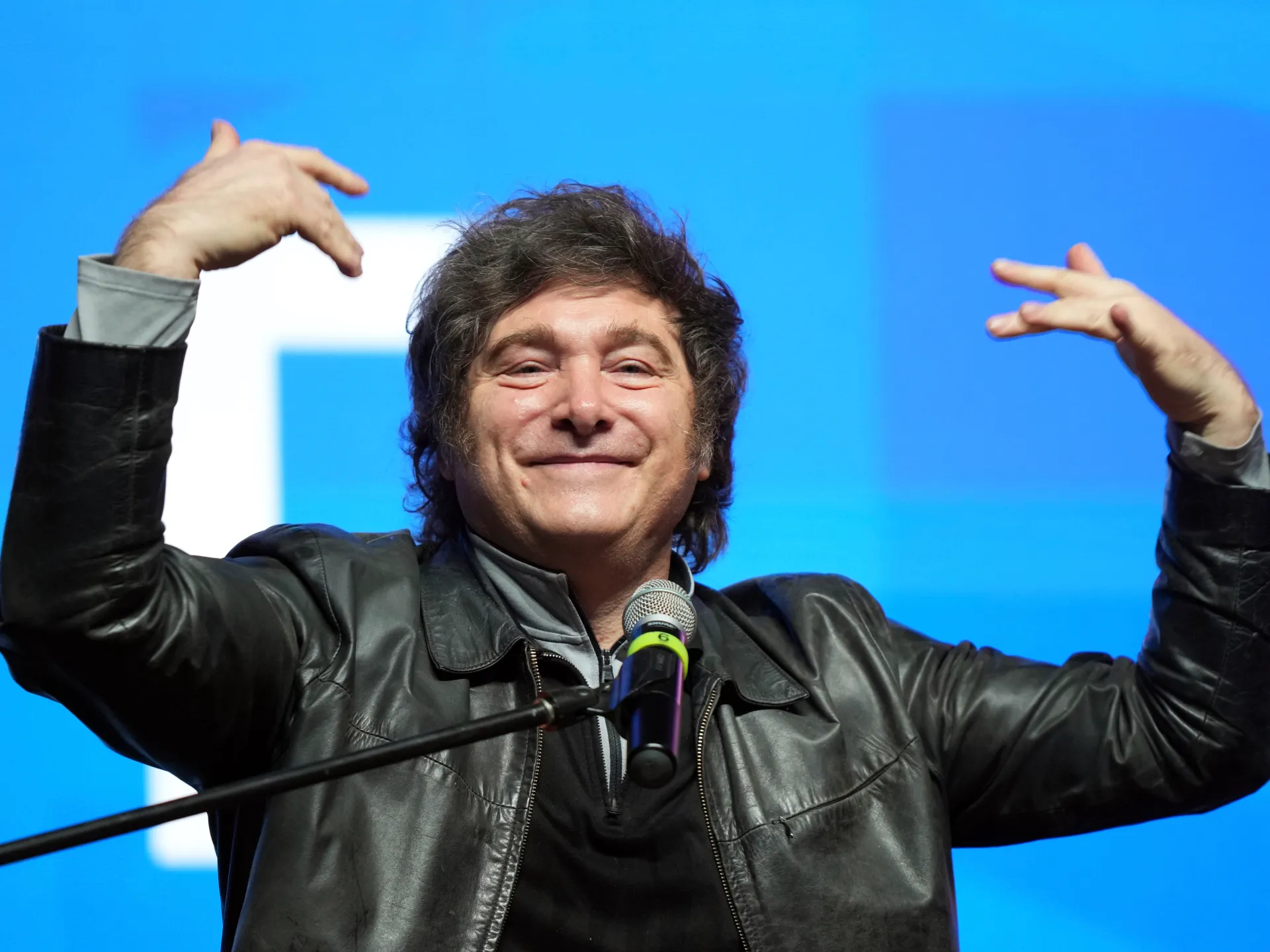
Argentinian President Javier Milei has threatened the British government with legal action unless it stops an oil project off the disputed Falkland Islands, the British-administered territory over which Buenos Aires claims sovereignty.
Milei gave the United Kingdom a two-week ultimatum on Monday evening, saying it must halt all work on the Sea Lion oil project or Argentina will ask the International Tribunal for the Law of the Sea, a maritime court in Hamburg, Germany, to order a stop to the project.
Recommended Stories
list of 3 itemsend of list
He called the operations “the illegal plundering of our resources” and declared “Argentina will not stand idly by” as the UK causes “irreversible and irreparable” damage.
The companies developing the project, Israel’s Navitas and Britain’s Rockhopper, have shrugged off Argentina’s threats, insisting they have valid exploration licences issued by the UK.
The tribunal, an independent court established under the 1982 UN Convention on the Law of the Sea, can issue legally binding emergency orders. But even if it ordered the UK to halt the project, it has no means of forcing the government to comply.
The UK rejects Argentina’s sovereignty claim, arguing that the islanders have the right to determine their own future and develop their natural resources. In a referendum in 2013, residents of the Falklands voted overwhelmingly to remain a British overseas territory. Argentina says the islands were populated illegally.
Milei’s administration has already taken legal action against the project authorised by Britain, arguing it violates a United Nations resolution calling for both sides to desist from unilateral actions in the islands until their dispute is resolved.
Buenos Aires has doubled down on its claim over the Falklands since United States President Donald Trump said Washington was open to reviewing its historically neutral stance on the territory.
The British government for its part has said it stands behind the businesses operating near the Falklands.
The dispute over the Falkland Islands led to a war between Britain and Argentina in 1982. It killed 649 Argentinian soldiers, 255 British soldiers and three islanders after Argentina invaded the archipelago that year.
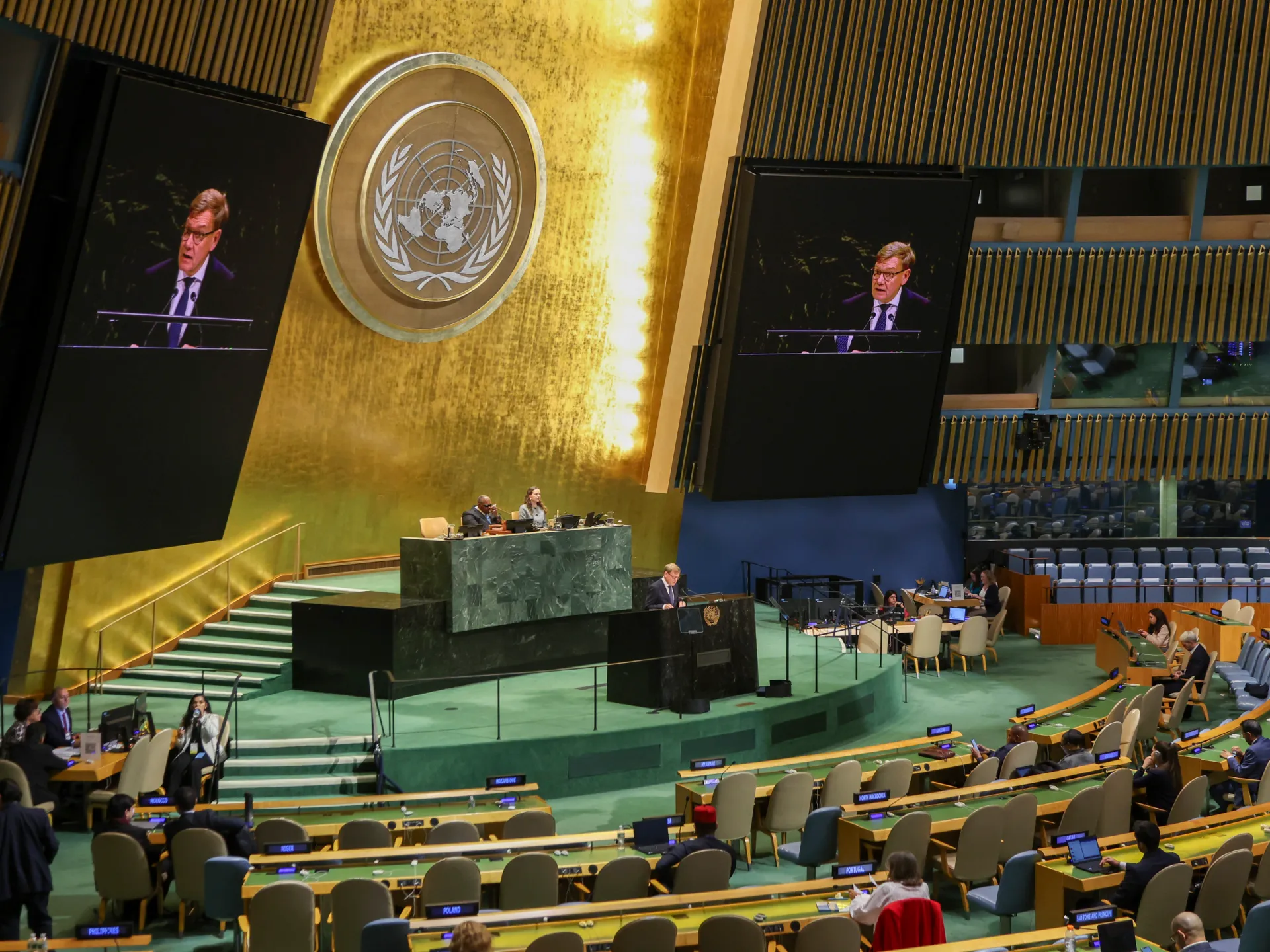
The 81st United Nations General Assembly (UNGA) concluded on Monday with artificial intelligence (AI), the Israel-Palestine conflict and the US-Israel war on Iran dominating world leaders’ addresses during the general debate.
UN Secretary-General Antonio Guterres, in his final address before his term ends, warned that the future of the world would be shaped by four tests: AI, climate change, wars and inequality.
Recommended Stories
list of 3 itemsend of list
“Across all four tests, the decisive issue is power. Power over force, money, energy, technology, rules and the future. That is why the UN Charter – and the work of the United Nations – matter more than ever,” Guterres said.
Speeches ranged from calls to reform the UN to appeals for upholding international law, as the global body has been undermined by the unilateral foreign policy pushed by United States President Donald Trump.
Here are the biggest takeaways from this year’s summit:
Palestine
The situation in Palestine was a key issue among members amid Israel’s ongoing genocidal war on Gaza despite the so-called “ceasefire” and escalating settler pogroms in the occupied West Bank.
France, Canada, Iraq, the United Kingdom and others called for Palestinian sovereignty during their speeches.
“What credibility do we have if we continue to remain inactive in the face of Gaza,” French President Emmanuel Macron said in his address.
“Some boast of a supposed peace, but this peace hasn’t reopened humanitarian routes for a single second,” he said, adding: “Must we stand by and watch this spectacle that shames us all?”
Macron, British Prime Minister Andy Burnham, his Canadian counterpart Mark Carney and Saudi Foreign Minister Prince Faisal bin Farhan Al Saud chaired a meeting at the UNGA on Palestinian statehood, which is being actively undermined by Israel. Israeli Prime Minister Benjamin Netanyahu’s government has accelerated construction of illegal settlements and provided impunity to settlers in the occupied territory.
At the same time, the US-led Board of Peace unveiled a 66-project reconstruction blueprint with proposed funding of $2.4bn for the Gaza Strip on the sidelines of the UNGA.
However, the board’s plan excludes the UN agency for Palestinian refugees (UNRWA), saying it has no role in the future of Gaza. The decision was described by Palestinian political analyst and playwright Ahmed Najar to Al Jazeera as aligned with Israeli efforts to “marginalise and ultimately dismantle the agency, removing it not only from Gaza’s present but from its future”.
Dozens of delegates left the hall in protest as Netanyahu delivered his speech, in which he declared that Israeli forces would continue fighting against Hamas and Iran.
Trump defends military action on Venezuela, Iran
In his address, Trump emphasised that while others spoke of peace, he “made peace”.
Trump defended his actions in abducting the then-Venezuelan President Nicolas Maduro in January and said, since his military operation, hundreds of political prisoners had been freed in the South American country and that Caracas had signed the largest oil deal in history last month, covering “65 billion barrels of oil, which will benefit both Venezuela and the United States enormously and help drive down the cost of energy all over the world”.
“It was perhaps the biggest deal ever made. To the victor belong the spoils – you’ve all heard that,” Trump boasted.
Trump reiterated that he would never allow Tehran to have nuclear weapons and that the 12-day war in July 2025 had “obliterated their nuclear programme beneath mountains of rubble” as the ongoing US-Israel war on Iran had sunk “159 ships of their navy” to the bottom of the sea.
“I have a big decision to make – will a deal be made with Iran that lets them rebuild and create a far greater country than it ever was before … or do I annihilate the Islamic Republic and do it quickly, never giving them a chance to kill and destroy people and countries again,” he said, adding: “I believe we make a deal right after the elections.”
Popular Iranian officials
During sideline talks and one-on-one meetings, Iranian officials were in demand.
In his speech to delegates, President Masoud Pezeshkian emphasised that Iran had only “defended ourselves” amid attacks on his country and killings of Supreme Leader Ayatollah Ali Khamenei, scientists and children.
“We are not terrorists, our innocent people have been the targets of cowardly attacks and aggressions imposed upon our country,” he said.
Pezeshkian added Iran would not accept that peaceful nuclear technology is held exclusively in the hands of a few countries.
“We will not bow our head and give up the right that is inherently ours,” he said.
Meanwhile, on the sidelines of the summit, Foreign Minister Abbas Araghchi met his counterparts from India, Qatar, Turkiye, Pakistan, Ukraine and other countries.
He also met US Special Envoy Steve Witkoff and Trump’s son-in-law Jared Kushner in a four-hour meeting mediated by Qatar.
AI dominance
World leaders used their time at the podium to call for a global approach to using AI as interest in the technology grows, but fears that it could escalate if unchecked are also growing.
In his address, Finnish President Alexander Stubb said AI was the “most consequential technology in the history of mankind”.
“It will impact science, the economy, politics, security, and the very essence of our humanity. Humans can and should be in the driver’s seat. We have a choice: we can compete, cooperate or slow down. For me, cooperation is the best way forward,” he said.
While discussions are moving away from a good-versus-bad dichotomy, officials disagreed on approaches.
While Guterres and the European Union called for safety standards and international rules, Trump said AI innovation should not be constrained by international regulation, adding that the US should control its AI sector.
Xi skips the UNGA
Chinese President Xi Jinping skipped the UNGA despite being in the US for a summit with Trump. He sent Vice President Han Zheng to attend.
Xi rarely attends the UNGA. He had sent Premier Li Qiang in his place last year. In 2024, Foreign Minister Wang Yi attended the annual gathering.
Without mentioning Iran in his address, Han reiterated Beijing’s position that “sovereignty and security of countries in the Middle East, including the Gulf, should be respected”.
“China calls for advancing the governance of the West Bank and the post-conflict reconstruction of Gaza in accordance with the principle of the Palestinians governing Palestine. It also calls for bringing the Palestinian question back onto the right track of the two-state solution at an early date,” he said.
Han also called for a “people-centred approach and develop AI for the positive and for good, narrow the digital divide, and promote development that is universally beneficial”.
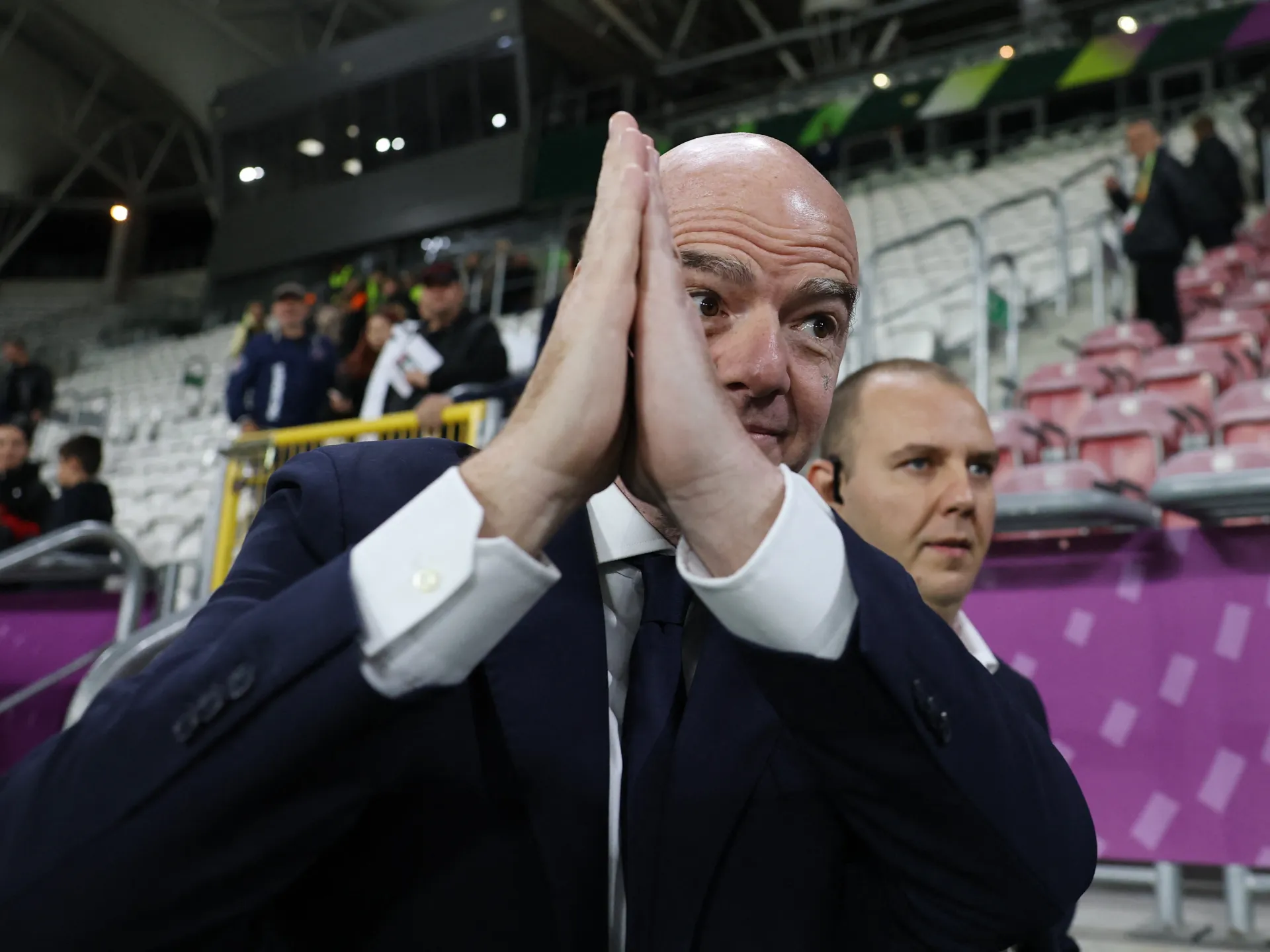
FIFA president Gianni Infantino is willing to discuss the disbursement of millions of dollars to the member associations of football’s global governing body as the Swiss chief seeks re-election to the post he has held for 10 years amid growing opposition.
The amount of the distributions to individual nations will be on the agenda of the FIFA Council’s October 15 meeting, according to a letter Infantino sent to the heads of the six regional confederations, as reported by media in the United States on Monday.
“I will not prejudge the amount,” Infantino wrote, according to one report. “I will support the greatest level of additional funding that can responsibly be delivered through FIFA’s proper governance process, applied fairly and supported by transparent and auditable arrangements. The ambition is welcome. The financial evidence, governance and implementation must now support it.”
“A single figure can begin the discussion, but it cannot complete a global policy. I have therefore instructed the Secretary General to consolidate all submissions into one integrated assessment for consideration by the FIFA Council.”
The move is seen as Infantino’s latest attempt to placate regional football bodies, as well as their chiefs, in a bid to hold on to his position as the most powerful man in football.
Earlier this month, the 56-year-old confirmed his bid amid widespread criticism of his leadership and the growing threat of legal proceedings.
Infantino has faced stiff opposition since the fallout from his proposed plan to sell approximately 20 percent of a proposed new entity, FIFA Forward Enterprise (FFE), focused on the commercial and operational facets of the World Cup and other FIFA tournaments.
The Swiss-Italian has been the most powerful man in world football over the past 10 years, but has increasingly lost support from regional football confederations and national associations. Last month, he appeared to be pulling out all the stops in a bid to retain his position, despite growing calls for his ousting and wide-ranging disapproval of his plans.
A joint statement with leagues from Spain, Italy and Germany accused Infantino of actively promoting “exploitative ideas rather than safeguarding against them”.
He is seen as a divisive figure in international football, with his close ties to some of the most powerful global leaders and plans for maximising revenue from football viewed as a threat to the game.
With fewer than six months until the next round of elections for FIFA’s presidency, Infantino appears to be losing ground among his usual backers.
FIFA presidents are limited to three terms, each lasting four years.
However, in 2022, Infantino successfully argued that his first spell in charge, which began when he was elected at an extraordinary FIFA Congress in 2016 following Sepp Blatter’s resignation, should not count towards that limit because it completed an interrupted mandate.
His plans to run for a fourth term have been questioned by critics and rights groups, who have asked FIFA’s Governance, Audit and Compliance Committee (GACC) to block the re-election bid.
The financial discussion comes in the wake of UEFA, CONCACAF and the AFC calling for Infantino to resign over the plan.
UEFA president Aleksander Ceferin and CONCACAF’s Victor Montagliani recently wrote a letter to FIFA, seeking payments such as the one Infantino addressed in his letter. Salman bin Ibrahim Al Khalifa, head of the Asian Football Confederation, made a similar request, per the reports.
Among the investors in FFE was to be Joshua Kushner, the brother of President Donald Trump’s son-in-law Jared Kushner. Trump is a close ally of Infantino.
Infantino subsequently abandoned the private equity plan, but he has refused to resign, and he plans to run for re-election in March. With seven weeks remaining for candidates to announce their intention to oppose Infantino, no challenger has stepped forward.
Had Infantino’s FFE plan gone through, each member nation would have received at least $20m. The letter from UEFA and CONCACAF asks for every member association to receive a minimum of $10m from FIFA’s reserves, according to the reports.
Reserve Bank of Australia lifts benchmark rate to 4.6 percent amid stubborn inflation.
Published On 29 Sep 202629 Sep 2026
Australia’s central bank has raised interest rates to a 15-year high, spelling higher mortgage payments for millions of Australian households.
The Reserve Bank of Australia (RBA) on Tuesday lifted the benchmark rate by 0.25 percent to 4.6 percent, its highest since 2011.
Recommended Stories
list of 4 itemsend of list
The RBA said inflation remained elevated and that previously flagged “upside risks” had materialised, including higher energy prices due to the United States-Israel war on Iran and rising tech costs.
“There continue to be heightened uncertainties about the outlook for domestic economic activity and inflation,” the bank’s monetary board said in a statement.
“The Middle East conflict remains unresolved, and there are scenarios where inflation is higher and activity lower than forecast,” it said.
“Global oil supply disruptions are maintaining upward pressure on global and domestic energy prices and inflation. A period of prolonged uncertainty may also cause growth to be lower overseas and in Australia.”
Australia’s annual rate of inflation stood at 3.5 percent in July, well above the central bank’s 2–3 percent target.
Central banks typically raise their benchmark interest rate when policymakers believe prices are rising too fast.
Higher interest rates raise the cost of borrowing, including mortgages, cooling consumer demand and bringing down inflation.
The latest hike is set to heap further strain on Australian households already grappling with three previous increases this year.
In a research report earlier this month, Roy Morgan said nearly one-third of Australian mortgage holders, or nearly 1.8 million people, were at risk of “mortgage stress” – where households spend 25-45 percent of after-tax income on payments – as of July.
Australia’s Treasurer Jim Chalmers, who is not responsible for setting interest rates, acknowledged that the hike would mean greater hardship for many Australians.
“We know a lot of Australians are under pressure and this will make things harder,” Chalmers said in a post on X.
“Inflation and interest rates are going up around the world but we know that doesn’t take the sting out of today’s decision.”
Chalmers said the government would take responsibility for “our part of the fight against inflation”.
“That means continuing to manage the budget responsibly, rolling out tax cuts and cost of living help, and addressing the longer term challenges in our economy in an uncertain global environment,” he said.
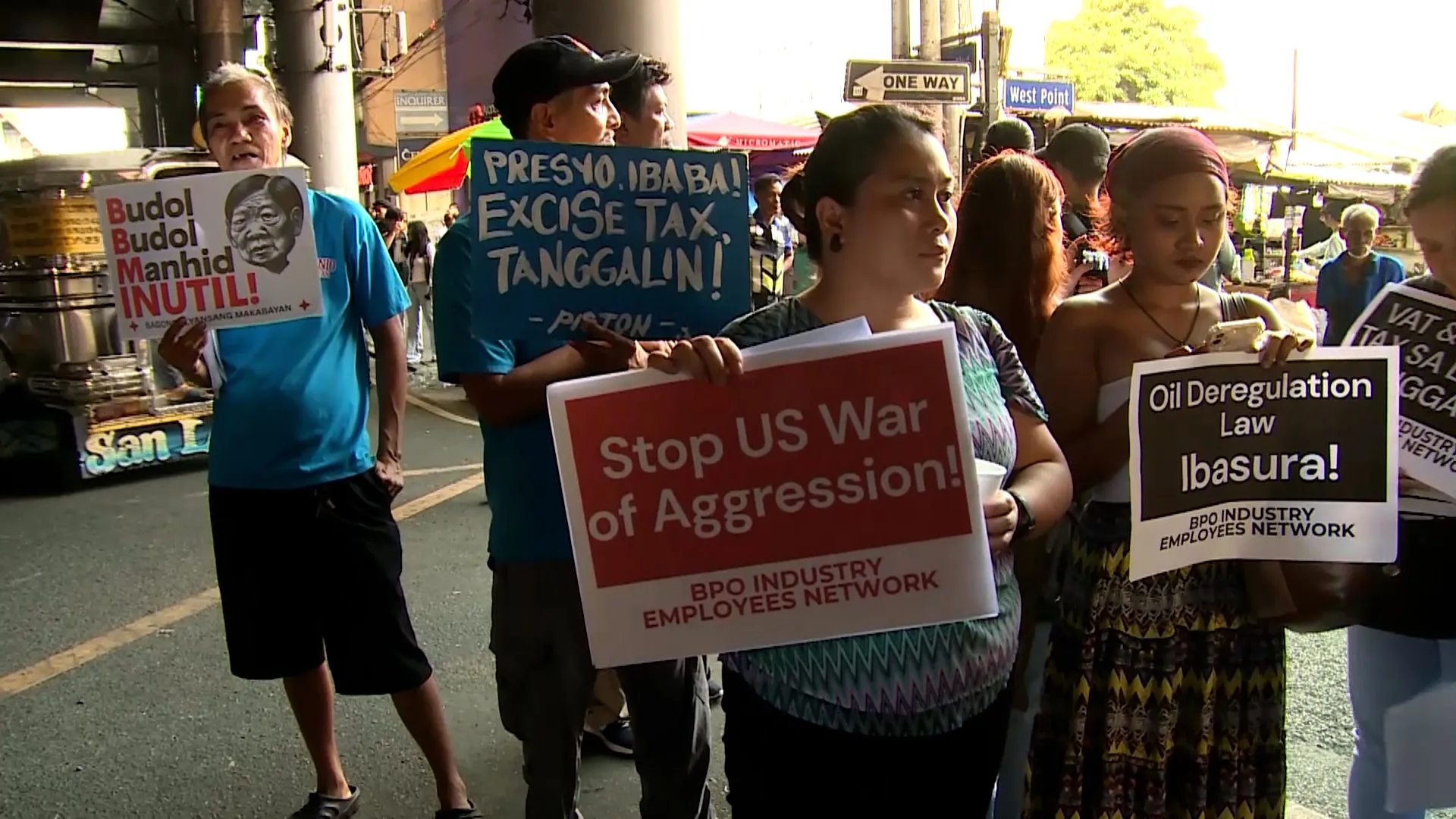
Thousands of public transport drivers in the Philippines begin a three-day strike over soaring fuel prices. Drivers say incomes are falling short of a living wage because of rising costs and taxes.
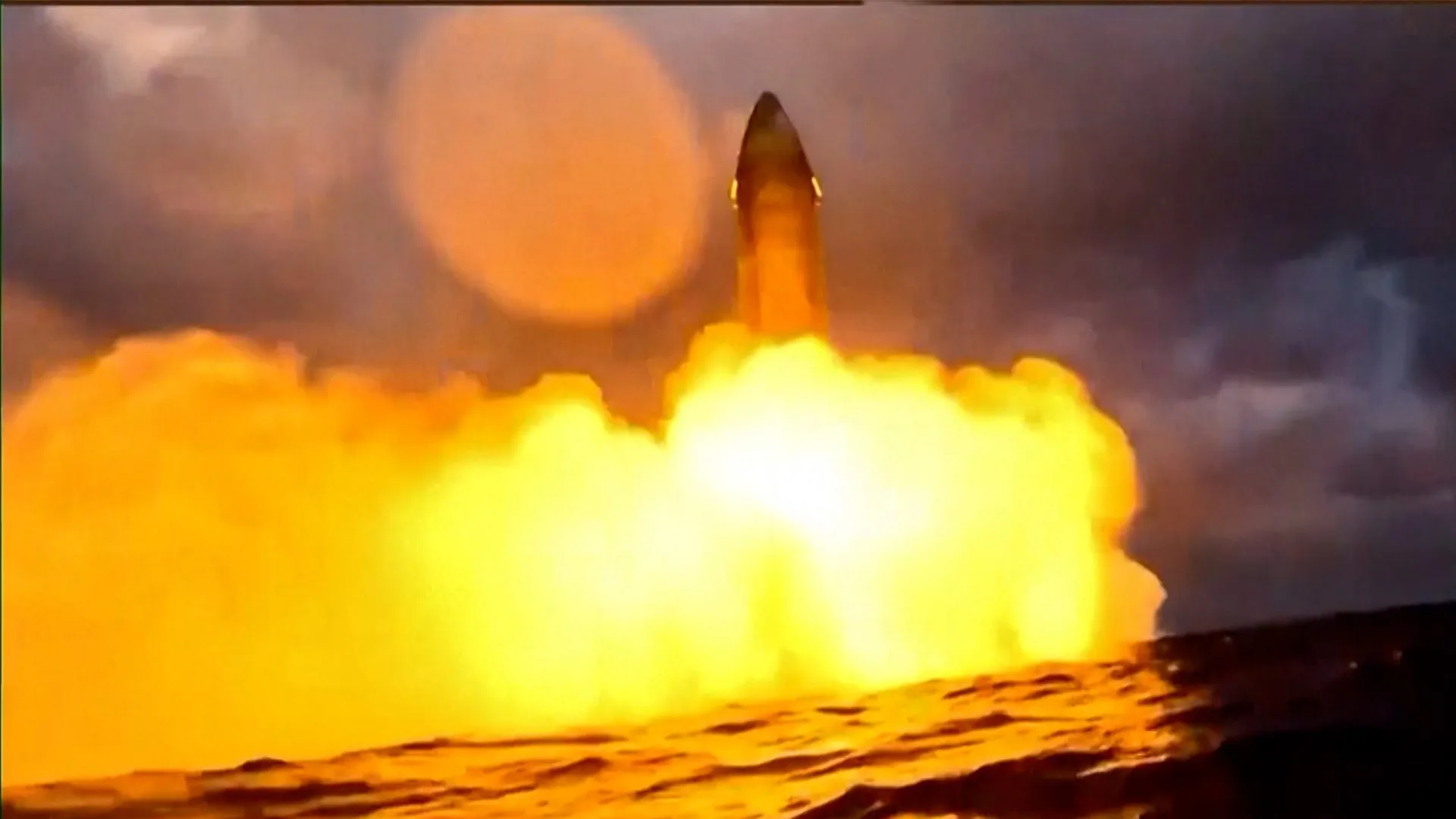
Elon Musk’s SpaceX’s next-generation Starship rocket reached orbit for the first time despite an unexpected engine shutdown mid-flight on Monday. But it exploded in a ball of flames when it touched down in a controlled landing over the Pacific Ocean.
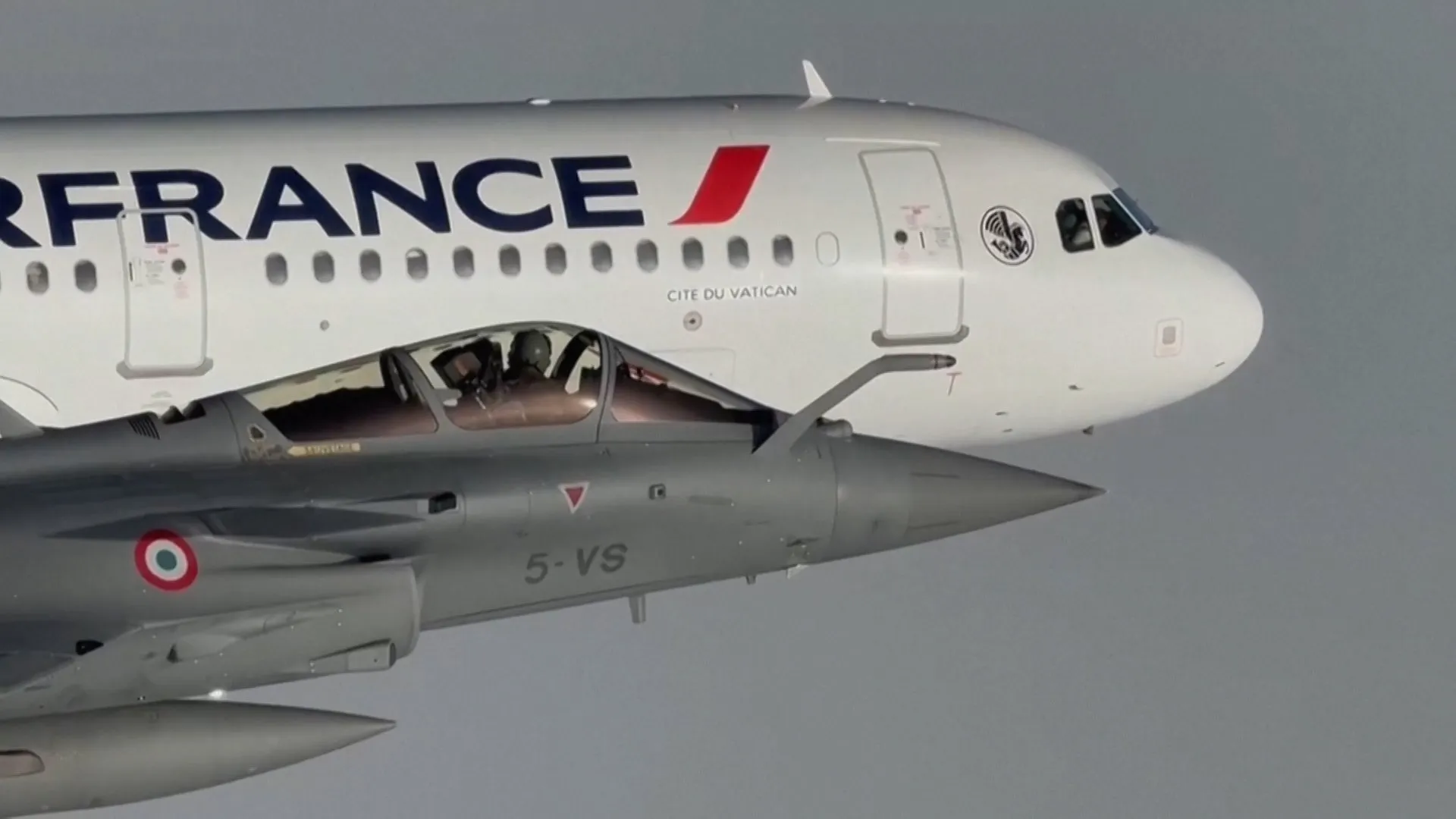
Pope Leo XIV’s plane was escorted by fighter jets to Metz, the final stop of his four-day France tour. He is trying to rebuild trust in the Catholic Church after a 2021 report uncovered decades of child sexual abuse in the French Catholic Church.
Iran’s foreign minister says his visit to the UN General Assembly last week was mainly to outline Tehran’s position on regional conflicts and the critical security situation in the Strait of Hormuz.
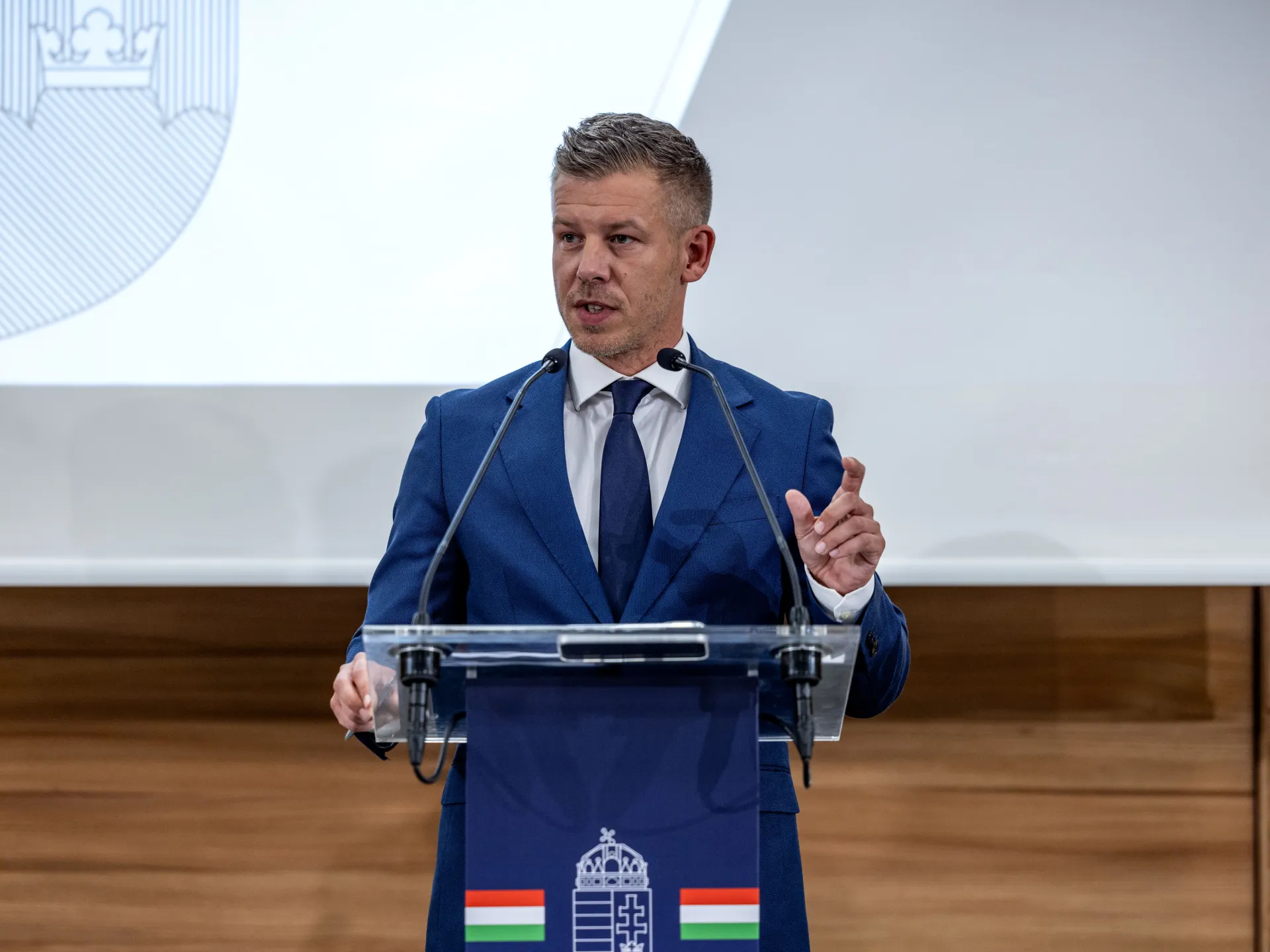
Hungary’s Parliament lifts immunity of incumbent leader and two ex-Orban ministers, clearing the way for criminal probes.
Published On 29 Sep 202629 Sep 2026
Hungary’s Parliament has stripped Prime Minister Peter Magyar and two ministers in former leader Viktor Orban’s nationalist government of their immunity, clearing the way for prosecutors to pursue separate criminal investigations into each of them.
The vote on Monday came after Magyar, who is being investigated for theft, specifically asked for his immunity to be lifted so he could clear himself of “character assassination”. The probes against the Orban-era ministers – who are suspected of embezzlement and bribery – are the first corruption investigations against top government figures from Orban’s 16 years in power.
Recommended Stories
list of 4 itemsend of list
Legislators voted overwhelmingly in favour of lifting their immunity.
Orban’s Fidesz party and its ally KDNP boycotted the session.
The vote was in response to a request last week from prosecutors seeking to investigate Magyar, as well as former Minister of Culture Balazs Hanko and former Minister of National Development Miklos Sesztak.
Magyar is being investigated over an incident at a Budapest nightclub in June 2024, when prosecutors allege he took a mobile phone from a man filming him and threw it into the Danube River.
Magyar has called the case a “sham” and last week accused prosecutors of trying “to conflate” the ex-ministers’ cases “with the attempt at political character assassination… which has already failed several times”.
Corruption cases
Hanko, a legislator from Orban’s Fidesz party, is accused of embezzling more than 40 million euros ($46m) in public funds. Prosecutors allege the money was used to help finance the 2026 parliamentary election campaign and for the personal benefit of others.
Sesztak, a lawmaker from KDNP, is under investigation over allegedly accepting more than $37.2m in bribes and kickbacks connected to vehicle procurements under Hungary’s state bus company, as well as to state construction projects.
Both ministers deny any wrongdoing.
The cases come less than six months after Magyar’s Tisza party ended Orban’s 16 years in power with a landslide election victory. Magyar campaigned on pledges to tackle corruption, restore rule-of-law safeguards, and rebuild Hungary’s strained relationship with the European Union.
His government has since made fighting alleged corruption and overpriced public procurement a central part of its programme, including plans for a new asset-recovery office focused on wrongdoing linked to the Orban era.
Once a year, leaders from across the globe meet face-to-face at the UN General Assembly, and Al Jazeera’s journalists were there covering daily developments. Here’s a look at what it was like behind the scenes of the coverage you saw online and on TV.
Gold hits seven-week low; silver follows suit and records a nearly 5 percent loss.
Published On 28 Sep 202628 Sep 2026
Gold prices are falling as concerns of rising fuel prices stoke inflation worries on the back of the war between the United States and Iran.
Spot gold prices fell by 3.3 percent to reach a more than seven-week low at $4,146.51 per ounce on Monday.
Recommended Stories
list of 4 itemsend of list
Rising oil prices, a higher US dollar and Treasury yields stoked inflation concerns, creating further headwinds for the metal.
This is the lowest level for gold values since August 5. US gold futures also fell by 3.3 percent to $4,178.40.
Although gold is traditionally considered an inflation hedge, higher interest rates dent its appeal as investors prefer yield-bearing assets.
“There might be no notable direct impact on regular people due to that. However, investors who had turned to gold will see a hit, especially under the current high inflation rates,” Sherif Othman, CEO of the Maryland-based Poise Investment Advisors, told Al Jazeera.
“Gold does not yield interest, so when Treasury yields go up, investors turn away from gold, impacting its value”, he added.
The Fed lifted benchmark rates by a quarter percentage point earlier this month and flagged that at least one more hike is likely in the coming months.
The US dollar was steady near a two-month high, and oil prices spiked about 3 percent as US President Donald Trump rejected an Iranian offer to resolve the conflict and reopen the Strait of Hormuz.
Such factors triggered several policymakers to warn that inflation risks remain elevated and that interest rates may need to rise, with Cleveland Fed President Beth Hammack among the latest officials to reiterate that view.
Higher Treasury yields and the US dollar are “creating a perfect storm to push the metals prices sharply lower,” according to Jim Wyckoff, a market analyst at American Gold Exchange.
Spot silver also fell by 4.7 percent to $61.27 per ounce, platinum declined 2.9 percent to $1,726.30 and palladium lost 4.4 percent to $1,211.45.
Hate speech against Indians, Bangladeshis and Pakistanis in the United States has risen sharply online, according to a report that traces the surge to US President Donald Trump’s immigration crackdown and rhetoric, economic anxiety, and the South Asian community’s growing visibility in US life.
The report, titled “The Rising Tide of Anti-South Asian Hate in the United States”, by the Center for the Study of Organized Hate (CSOH), published on Sunday, found that the monthly volume of hate towards South Asians in the US on the social media platform X rose 240 percent between January 2024 and June 2026, from 12,904 posts to 43,843.
Recommended Stories
list of 4 itemsend of list
Researchers identified more than 542,000 hateful posts on the platform between January 2025 and June 2026 alone towards people from South Asia living in the US, with five of the six highest-volume months falling at the end of that period.
The researchers used the United Nations definition of hate speech. They tracked recurring anti-South Asian slurs and narratives online, reviewing posts to exclude criticism that did not meet the UN threshold.
They found that nearly half of the hate posts on X accused South Asians of invading the US, stealing jobs or threatening the country demographically, while the derogatory slur “pajeet” and its variants showed up in 30 percent of hateful posts on X and 45 percent on fringe platforms.
Posts depicting South Asians as dirty or unhygienic grew by 171 percent on X, “the fastest of all narratives”.
The hate frequently collapsed South Asian ethnic and religious groups into one, with Indians, Pakistanis and Bangladeshis conflated with one another, and Hindus, Muslims, Sikhs and Christians also treated as a monolith.
So why now?
Racism against Indians, Bangladeshis and Pakistanis has a long history in the US, but researchers argue the current surge reflects a confluence of longstanding prejudices and new political and economic pressures.
The report points to the H-1B visa programme, which allows US employers to hire skilled foreign workers, as a major flashpoint. Indians account for more than 70 percent of H-1B visa holders, and researchers linked several spikes in anti-South Asian hate to political fights over the programme, such as when Trump imposed a $100,000 payment requirement on certain new H-1B petitions in September 2025.
“Such actions serve a powerful symbolic function, in the bargain reinforcing the hostility of Trump’s base toward South Asians,” said the report.
The report makes the same argument about the administration’s rhetoric, highlighting Trump’s speech at an AI summit in July 2025, in which he criticised US technology companies for outsourcing jobs to India, after which researchers saw a sharp spike in anti-South Asian rhetoric online.
As more recent examples, the report points to a since-deleted September 2026 Department of Homeland Security post titled “Transformers: Age of Deportations”, featuring a Sikh man identified as “Mr Singh” and telling him to “get off our roads”.
Days later, the Department of Education posted “Make College Football Great Again”, after Texas Republican Bo French had complained about the presence of South Asians at a University of Texas football game.
The report argues that such rhetoric reinforces the idea of South Asians as outsiders who “can never truly belong in the country”.
From ‘model minority’ to job thieves
Economic resentment is another factor, researchers wrote, with the success of some South Asians increasingly being weaponised against them.
Indian Americans once stereotyped as a “model minority” are now portrayed as “opportunists and cheats”, and South Asians are used more broadly as a scapegoat for anger over jobs and the economy.
This comes as South Asians have become increasingly visible in US politics, from former Vice President Kamala Harris and New York Mayor Zohran Mamdani to Vice President JD Vance’s wife, Usha Vance, and politician Vivek Ramaswamy. The report documents racist attacks against figures across party lines and highlights how, for example, Mamdani’s primary and mayoral victories triggered spikes in anti-South Asian and Islamophobic abuse.
Researchers say both trends are now also tied up with “anxieties on the part of the majority about loss of status”, and feed the “Great Replacement Theory”, a conspiracy about the white population in Western countries being replaced by an orchestrated takeover.
Social media has also turned those narratives into targeted harassment.
Researchers found X accounts doxxing South Asians accused of taking jobs or committing visa fraud, while influencers have confronted people at their homes and workplaces and posted the encounters online. Doxxing refers to exposing a person’s private details, such as their home address, online.
In one example, right-wing influencer Sara Gonzalez posted a video to more than half a million followers in which the report says she harassed a South Asian person she accused of exploiting the H-1B programme.
Meanwhile, generative AI has made that content even easier to produce, researchers say, depicting South Asians as “filthy and unclean, sexually predatory, culturally backward, or a demographic threat”.
While the report tracks hate largely through what is happening online, researchers write that online hate “does not exist in isolation from offline forms of hostility”. It cites a July incident in which an Indian Muslim mall employee in Utah was repeatedly stabbed in an attack that federal prosecutors charged as a hate crime. In September, a Sikh truck driver was stabbed 17 times at a Wyoming truck stop.
“Online and offline hate can reinforce one another”, the researchers wrote, “as narratives, stereotypes, and forms of demonization move between digital platforms, political discourse, media, and everyday life”.
California jury finds Apple infringed two Taction patents but did not willfully violate them; Apple plans to appeal.
Published On 28 Sep 202628 Sep 2026
Apple has been ordered to pay more than $5.7bn for using patented technology from Taction Technology to power haptic feedback, the vibrations users feel when they receive a notification or press a button.
A jury in federal court in the Southern district of California found that the iPhone maker infringed two patents owned by the San Diego-based company.
Recommended Stories
list of 4 itemsend of list
“We’re happy the jury found for Taction and vindicated its patent rights,” said Taction attorney Lance Yang following the verdict on Friday.
The verdict is the culmination of a legal battle that began in 2021, when Taction first filed its lawsuit against Apple. In 2023, a federal judge ruled that Apple had not infringed Taction’s patents, but an appeals court revived the case last year.
“Apple is capitalising on Taction’s innovation and success by selling devices that infringe Taction’s patents. Apple is utilising Taction’s patented inventions without license or authority from Taction. Taction has brought this action to remedy Apple’s infringement,” Taction said in the original 31-page complaint.
It also claimed that Apple “at a minimum believed there was a high probability that the accused products were covered by Taction’s patents, but willfully blinded itself to Taction’s patents and the infringing nature of the Accused Products”.
The jury, however, found that Apple did not wilfully infringe the patents.
Apple said it plans to appeal the verdict.
“Apple’s Taptic Engine is fundamentally different from Taction’s technology, which Taction’s own testing of Apple’s products confirmed during trial,” Apple said in response.
The verdict comes at a pivotal moment for the company, amid transitions in its C-suite. In September, John Ternus took over as CEO from Tim Cook, who led Apple for 15 years. The leadership change comes as the Cupertino, California-based tech giant lags behind other major technology companies in rolling out its artificial intelligence products.
Apple shares fell on Monday, declining about two percent as trading got underway.
Matthew VanDyke and six Ukrainians were accused of smuggling weapons and drones to armed ethnic groups fighting India.
Published On 28 Sep 202628 Sep 2026
Matthew VanDyke, a United States citizen held in India for more than six months and accused of supporting ethnic separatist groups, has been temporarily released on bail and returned to the US.
The 47-year-old arrived on Saturday morning and reunited with his family, according to a family spokesperson.
India’s main opposition Congress party said that, despite being “accused of plotting terrorist acts”, VanDyke was allowed to return home from New Delhi.
“Obviously US pressure determined this outcome, but what did India get in return?” Jairam Ramesh, a legislator and spokesperson for the party, posted on X.
VanDyke’s family told Al Jazeera before his release that his health was failing and he had lost weight after going on a month-long hunger strike in Tihar Jail to try to improve conditions in prison. He had to use a wheelchair to attend hearings, according to his mother, Sharon. VanDyke denied the accusations against him, and his family said he was in the region documenting the situation faced by minority ethnic groups.
Matthew VanDyke, who spent months in Libyan prisons before joining rebel forces who opposed dictator Moammar Gadhafi, speaks with reporters after his flight arrived at Baltimore-Washington International Airport, Saturday, November 5, 2011. [Patrick Semansky/Reuters]
Earlier this month, Indian prosecutors declined to bring terrorism charges against VanDyke and the others. Instead, prosecutors formally accused them of visa violations for entering restricted areas along the Myanmar border.
The Maryland native is a former filmmaker and rebel fighter during the Arab Spring and spent about six months in a Libyan prison during the Muammar Gaddafi regime. He was held alongside James Foley, a journalist who was later killed by ISIL in Syria. In recent years, VanDyke was based in Ukraine, where his consultancy helped train Ukrainian military forces.
In a statement to Al Jazeera before VanDyke’s release, James Foley’s mother, Diane, who now heads a foundation named after him, said she was “deeply saddened by his arrest in India and by his apparent poor health.” She added that her foundation called for “his release on humanitarian grounds.”


![Iranian-made Zolfaghar missiles are seen on display beside a large portrait of Iran’s Supreme Leader Mojtaba Khamenei at Baharestan Square in Tehran on September 28, 2026 [AFP]](https://i0.wp.com/occasionaldigest.com/wp-content/uploads/2026/09/afp_6abbb983ec1b-1790687619.jpg?w=640&ssl=1)


![US President Donald Trump waves as he walks to board Marine One as he departs from the South Lawn of the White House in Washington, DC, on September 26, 2026 [AFP]](https://i0.wp.com/occasionaldigest.com/wp-content/uploads/2026/09/1790693783_407_afp_6ab7d4f7ee67-1790432503.jpg?w=640&ssl=1)