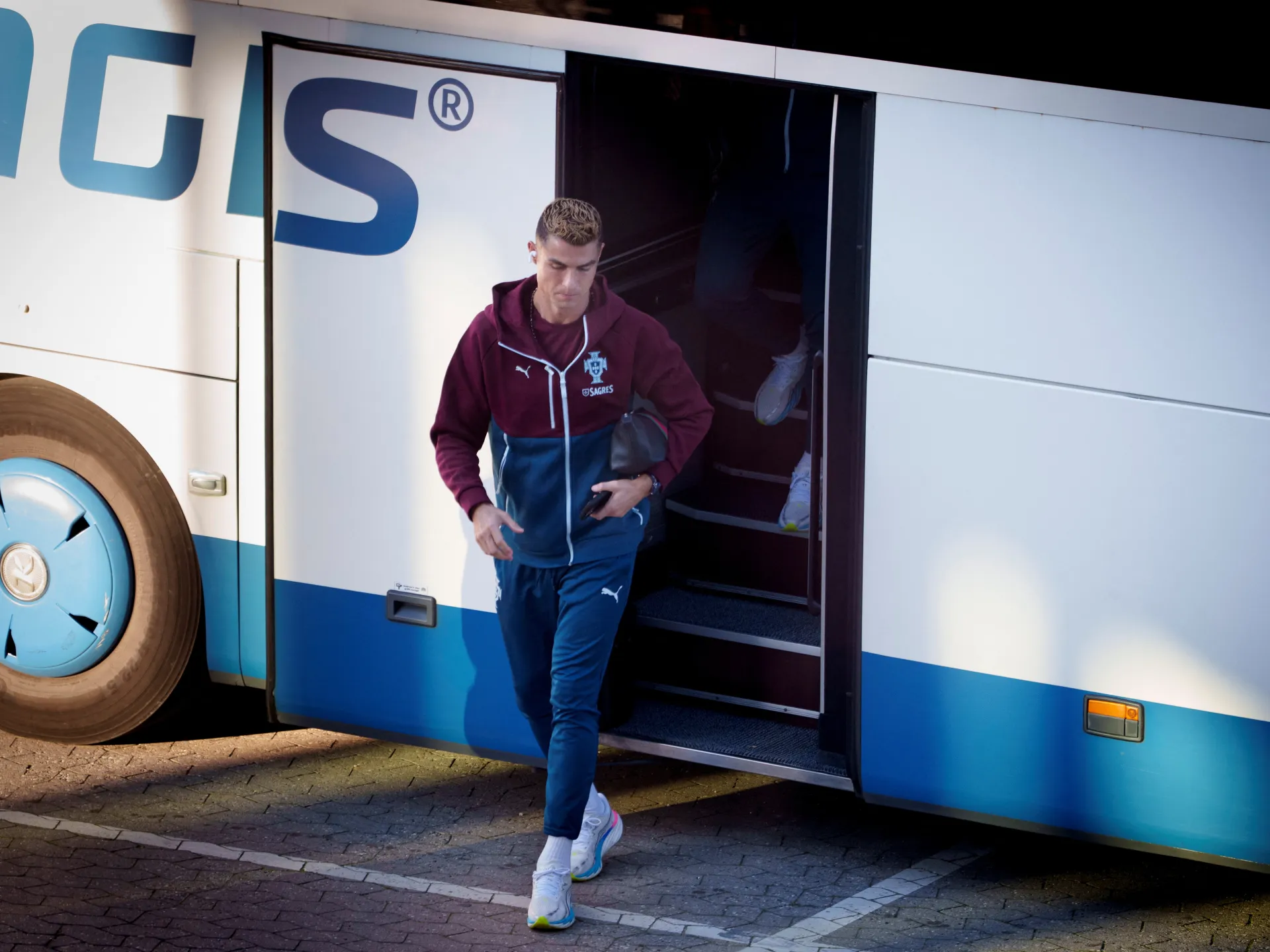
LIVE: Denmark vs Portugal – UEFA Nations League; Ronaldo latest
Follow our build-up, predictions, team news, Ronaldo latest, line-ups, score and live text commentary stream.
Source link
From breaking news to significant developments in politics, business, technology, entertainment, and more, we deliver the stories that shape our global landscape.
Follow our build-up, predictions, team news, Ronaldo latest, line-ups, score and live text commentary stream.
Source link
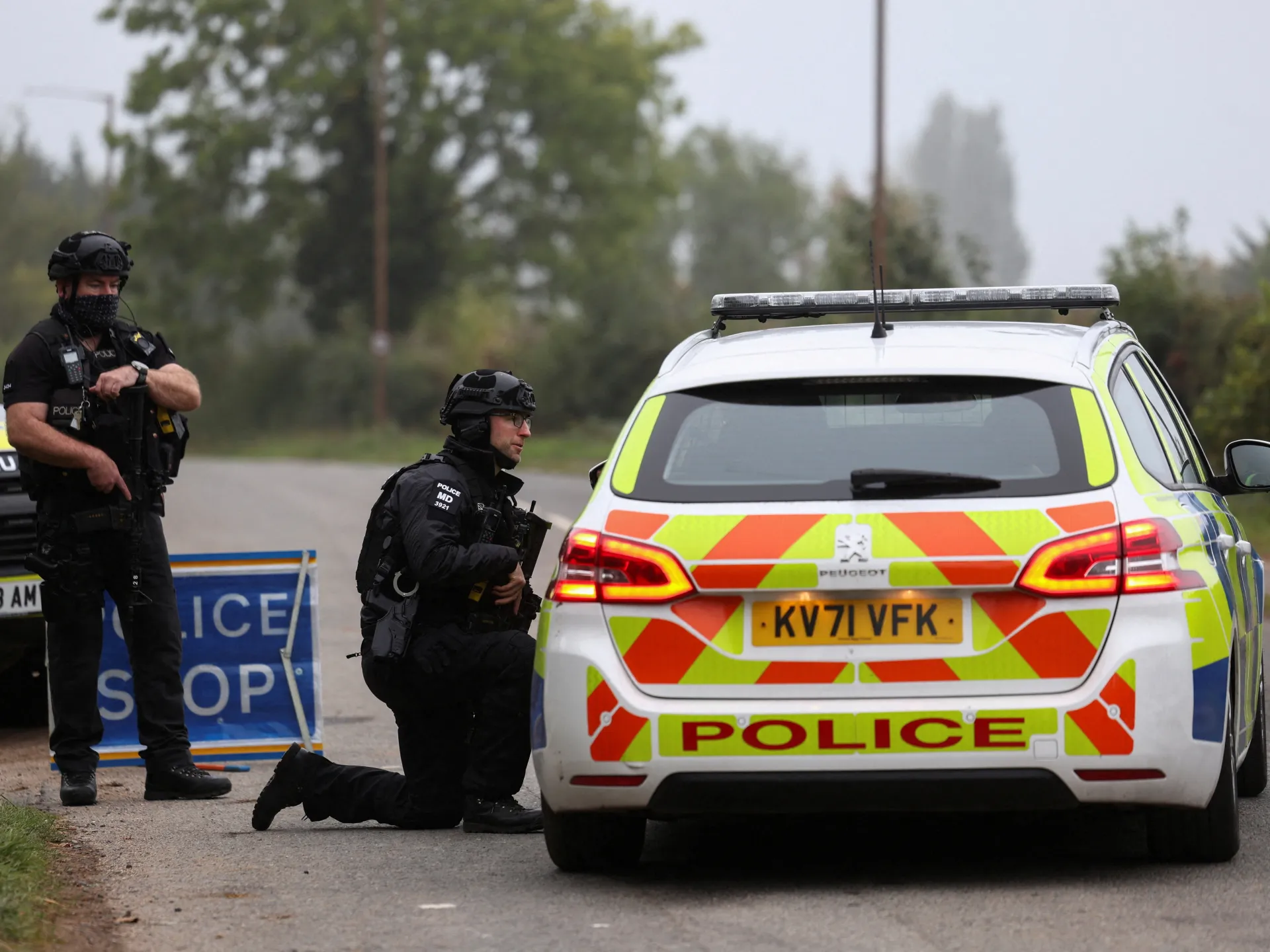
British Prime Minister Andy Burnham has said the UK’s security services have “strong indications” of Iranian involvement in the incident at a British Royal Air Force (RAF) station near Fairford this week in which five men were arrested before they were released on bail.
The five British men were spotted near the airbase and arrested on Sunday on suspicion of “terrorism” and explosives offences, before they were released.
list of 3 itemsend of list
The United States has used the British base to carry out operations in various conflicts, including to deploy bombers in its war against Iran.
Iran has strongly denied any involvement with the airbase incident, with Foreign Minister Abbas Araghchi saying British authorities are “barking up the wrong tree”.
So, what do we know about the incident, and is there evidence Iran played a role?
Authorities were alerted to suspicious activity near the base early Sunday morning, including three vans parked oddly and a group of hooded, masked men.
Police responded and arrested five British men in their early 20s in the nearby Whelford area, saying they were suspected of explosives offences. Counter Terrorism police later took over the probe and said the men were suspected of preparing “a terrorist act”.
The suspects were released on bail Monday, but remain subject to “stringent conditions on their movement and contact with others,” according to the United Kingdom’s head of counter terrorism policing, Laurence Taylor.
On Tuesday, after three days of investigations, including using a bomb disposal team, police said they had found no explosives in the vehicles that were parked the near the base, but had retrieved a “quantity of petrol”.
Officials in the UK, the US and Israel have all pointed to Iran but offered no details.
Burnham on Wednesday spoke of “strong indications” of Iran’s involvement and said an “ongoing, complex and serious police investigation” is continuing.
However, the prime minister did not give any details on what the suspects were planning or why the UK thinks Iran was involved, saying only that he would “update people more in due course”.
In the US, President Donald Trump said the case “might be” Iran-linked and that the US had been keeping tabs on the suspects “for a long time”. Secretary of State Marco Rubio said the case “clearly involved the hands of a foreign actor”, without naming a specific state.
In Israel, Prime Minister Benjamin Netanyahu said Israel had forewarned the UK about a potential “Iranian-sponsored attack”.
Iran has firmly denied involvement.
In a statement on Monday, Iran’s embassy in London said it “categorically rejects and strongly condemns” any attempts to link Iran to the individuals arrested near the airbase.
It said the spread of such “fabricated speculations” fuel “Iranophobia propaganda” and that Iran reserves the right to “take appropriate legal measures”.
On Wednesday, Iran’s Foreign Minister Abbas Araghchi said the UK was “barking up the wrong tree” by pointing to potential Iranian involvement.
It is unclear. Under British “counterterrorism law”, police can hold suspects for up to two weeks before charging them. However, if authorities find little evidence to support their initial suspicion of “terrorism”, they would have far less time – usually 24 to 36 hours, said Chris Phillips, a former head of the UK’s National Counter Terrorism Security Office.
“If it’s not an actual terrorist attack, then the police don’t have anywhere near as long to keep them in custody,” said Phillips. “I think the police just need more time to do their enquiries.”
Andrew Silke, professor of criminology at Royal Holloway, University of London, said the suspects could have also been released on bail while under suspicion of “terrorism” if “authorities feel relatively confident that these individuals do not pose an imminent danger of either carrying out or organising a terrorist attack”, such as if they had “peripheral” or “unknowing involvement”.
Afzal Ashraf, a visiting fellow in international relations and security at Loughborough University and a former senior Royal Air Force officer, said the bail release does not necessarily indicate that the “Iranian-involvement hypothesis has been rejected” but it does mean “police have judged that these individuals did not present any immediate danger”.
Taylor, the head of counter terrorism policing, said the men’s release on bail was an “investigative decision” based on “experience and careful considerations of policing powers.” He stressed that the men are bound by “stringent conditions on their movement and contact with others” as the investigation into them continues.
But their release drew backlash in the US from Trump, who said British authorities “should not have done that”.
“How do you give bail to a terrorist?” Trump asked.
Iran’s Araghchi appeared to suggest that the suspects’ release supported Iran’s position that it was not involved.
“I can confirm Iran’s belief that releasing supposed terrorists working for foreign states really says it all,” wrote Araghchi in a post on X.
Questions remain about the circumstances in which authorities were initially alerted to suspicious activity near the base, the extent to which they believe the suspects are linked to Iran and what the suspects may have been planning.
According to the BBC, police received two early-morning calls on Sunday regarding suspicious vehicles near the base, the first of which the media understands was made by one of the suspects themselves.
The Times of London reported that police are looking into the suspect’s motives for making such a call, including “whether he got cold feet or whether it was part of the plan”.
Authorities are also probing whether the incident was a form of “surveillance, a ‘dry run’ to test security or a stunt to send a message to the British government”, reported The Times.
Meanwhile, police have suggested they are looking into whether the suspects could have been unwittingly acting on Iran’s behalf.
In an updated briefing on Tuesday, Taylor said officials were examining whether the activity could have been “committed by proxies, or individuals either knowingly or unknowingly, working on behalf of a foreign state”.
He also spoke more generally about the “increasing breadth and complexity” of threats facing the UK, saying threats often emerge first as small-scale criminal activity, “committed by individuals whose primary aim is not terrorism but a quick financial gain”.
Phillips told Al Jazeera he believes the suspects could have been recruited online to carry out some type of malicious activity that falls short of a “terrorist attack”.
“It sounds as though these people have been paid online to do some naughty work”, such as “setting fire to something”, said Phillips.
He said both Russia and Iran have allegedly paid “stooges” to carry out such acts in recent years. “At first glance now, it seems that that may be the case, but time will tell,” Phillips added.
Royal Holloway’s Silke also said he believes the evidence suggests “a proxy explanation”.
“Certainly, there have been recent cases in Europe where individuals have been used unwittingly as proxies by foreign governments to carry out activities which have a hostile intent,” he said. “The UK authorities in this case may have assessed that something similar had happened here, and that the individuals involved had no inherent terrorist motivation themselves, but had been caught up unintentionally in a larger plot.”
Yes. MI5 Director General Ken McCallum said in October 2025 that the agency had tracked “more than 20 potentially lethal Iran-backed plots” in the UK within a year.
McCallum alleged that Iran, along with Russia, has resorted to “ugly methods,” such as “surveillance, sabotage, arson or physical violence”.
British Security Minister Dan Jarvis has said Iran often uses criminal proxies to “obfuscate” its involvement in attacks, which have targeted Iranian dissidents and Jewish and Israeli people in the country.
In March this year, British police arrested four people on suspicion of helping Iran spy on the local Jewish community. The month after, police said they were probing possible Iran links to a series of arson attacks on Jewish targets in London.
In June, two Romanian men whom British prosecutors said had acted as proxies for Iran’s government were handed lengthy jail terms for stabbing a British journalist of Iranian origin who wrote for an Iranian media outlet critical of Iran’s government.
Iran’s government has repeatedly denied involvement in any illegal plots or attacks on British.
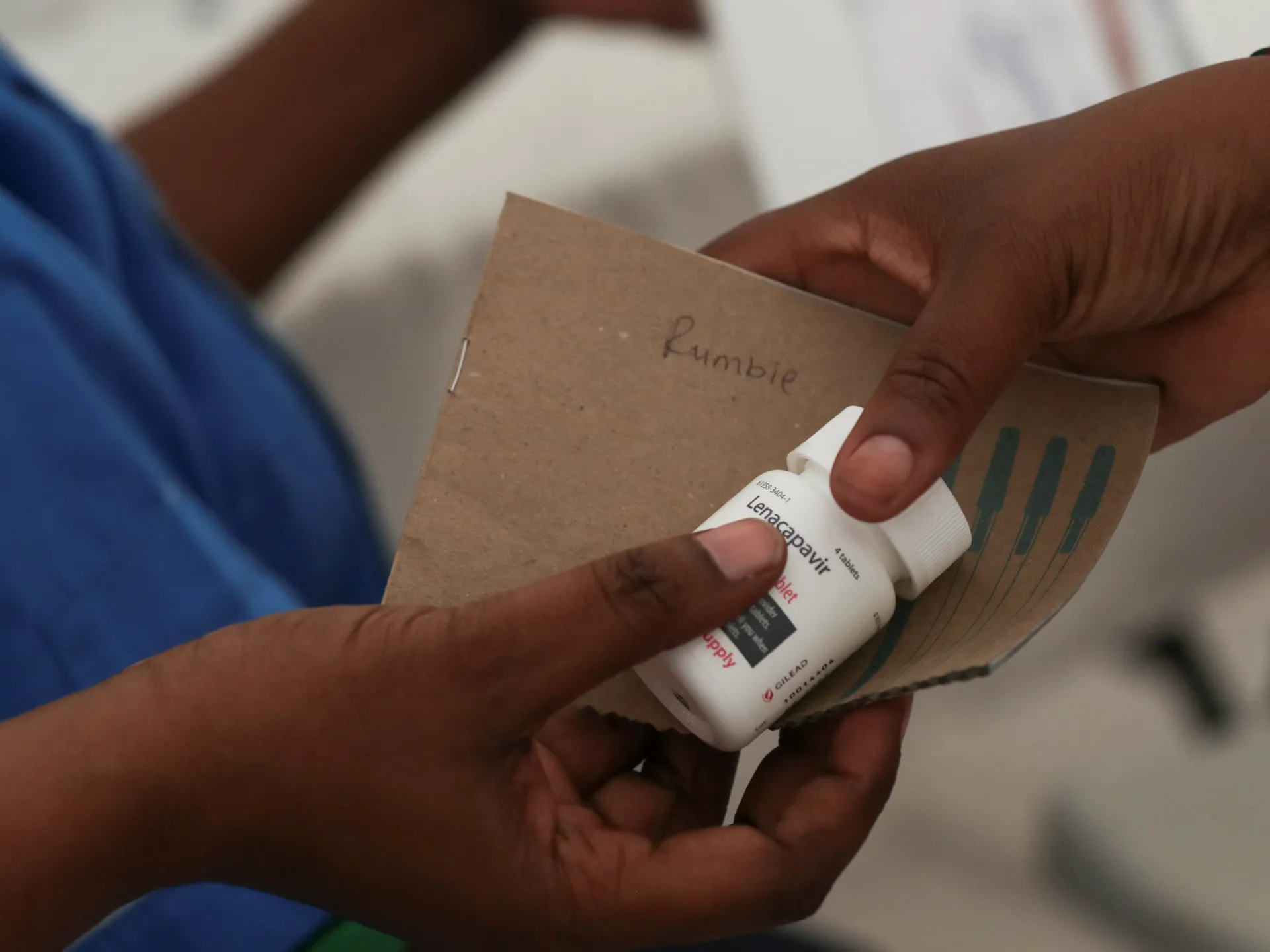
A medicine injected just twice a year could transform the fight against HIV.
In a 2024 clinical trial involving more than 2,000 young women in South Africa and Uganda, no participants who received lenacapavir contracted HIV.
list of 4 itemsend of list
Developed by United States pharmaceutical company Gilead Sciences, the injectable drug can be used to prevent HIV.
“It’s the most innovative tool that has reached the HIV arena for the last decade, because it’s the closest we have [to] a vaccine,” Carlota Baptista da Silva, global HIV lead at Doctors Without Borders (known by its French initials, MSF), told Al Jazeera.
The World Health Organization has recommended the long-acting injectable as an additional form of pre-exposure prophylaxis, or PrEP – medicine to reduce the risk of getting HIV.
But the arrival of the drug comes at a challenging juncture in the global fight against HIV.
International funding for HIV fell 18 percent in 2025, to $7.3bn, its lowest level in nearly two decades, according to the United Nations programme on HIV/AIDS (UNAIDS). The squeeze has already hit prevention programmes: The number of people receiving medicine to reduce risk fell from 1.4 million in 2024 to 1.1 million in 2025.
That makes the arrival of a highly effective, twice-yearly prevention option significant. The question of who can access it is now more urgent.
For MSF, the scientific question has largely been answered: lenacapavir can prevent HIV with remarkable efficacy.
The fight now is whether the rules governing manufacture, price and supply will allow that scientific breakthrough to reach the people who need it.
In the United States, lenacapavir costs about $28,000 per person annually. Generic versions are expected to cost about $40 a year.
A generic version is a copy of the original drug made by another manufacturer after the patent holder licenses the technology. It contains the same active ingredient, but it can be produced and sold at a much lower price.
In June 2025, the US Food and Drug Administration (FDA) approved lenacapavir for HIV prevention, giving people the option of an injection twice a year. But in several low- and middle-income countries, access to cheaper versions is not expected at scale until 2027.
Gilead is supplying its own version of lenacapavir at no profit for programmes supported by the Global Fund and the US President’s Emergency Plan for AIDS Relief (PEPFAR), with rollouts under way in countries including South Africa, Kenya, Zambia, Nigeria and Eswatini.
These are not the cheaper generic versions expected to cost about $40 per person a year. Gilead has licensed six manufacturers to produce those, with large-scale generic rollout expected in 2027.
At least 26 middle-income countries are excluded from Gilead’s generics agreement, MSF says, including countries with rising HIV infections and some that helped test the drug. Among them are Brazil, Mexico, Argentina and Peru.
“People should not really help generate the evidence for breakthrough medicine and then find that their country is excluded from affordable generic access,” da Silva said.
According to MSF, countries excluded from the licence accounted for close to 23 percent of new HIV infections globally in 2023.
Gilead has since announced a separate agreement with the Pan American Health Organization, creating an access pathway for 14 Latin American and Caribbean countries outside its generic licensing territory, including Brazil, Mexico, Argentina and Peru.
MSF argues that leaves those countries dependent on Gilead rather than able to automatically buy the cheaper generics.
MSF says it still cannot buy the drug
For more than a year, MSF says it has sought permission to purchase lenacapavir directly from Gilead for its medical programmes, without demanding a discounted price.
“Despite those requests, Gilead has not allowed MSF to purchase this medicine directly,” da Silva said.
That matters particularly in humanitarian emergencies, she argues. People displaced by conflict or disaster may struggle to take a prevention pill every day, while sexual violence and other vulnerabilities can increase the risk of HIV.
Daily PrEP pills are already available as an alternative to the injection. But unlike lenacapavir, they need to be taken consistently to provide protection. An injection offering six months of protection could be particularly valuable.
“People living through conflict [and] humanitarian crises cannot be the last in line for medical innovation,” da Silva said.
Gilead declined Al Jazeera’s request for an interview due to scheduling constraints. In its emailed statement, it said its access strategy combines no-profit supplies, royalty-free licensing and regional agreements. It didn’t reply to questions about why it won’t sell its drug to MSF, or why certain countries were excluded from its generics agreement.
The company plans to provide enough lenacapavir for up to three million people through 2028 as generic manufacturers scale up production, with large-scale generic rollout expected in 2027.
MSF says that is nowhere near the scale required, pointing to projections that close to 20 million people worldwide need access to PrEP to substantially reduce new HIV infections. That includes all forms of PrEP, not just lenacapavir.
But countries left outside Gilead’s generic licensing deal may have another option.
Can governments bypass the patent barriers?
World Trade Organization (WTO) rules allow governments, in some cases, to bypass a drug company’s patent so cheaper versions of a medicine can be made or imported without the company’s permission.
They can also authorise government use of patents and challenge patents they consider weak or unjustified. The 2001 Doha Declaration affirmed WTO members’ right to use such safeguards to protect public health.
Brazil has used them before in the fight against HIV. In 2007, after negotiations with pharmaceutical company Merck over the price of the HIV drug efavirenz failed, Brazil issued a compulsory licence allowing it to access cheaper generic versions of the medicine.
Nearly two decades later, activists are urging Brazil to consider using those powers again for lenacapavir if patent barriers prevent affordable generic access.
MSF says governments excluded from Gilead’s licence could consider those same legal safeguards for lenacapavir, including compulsory licensing, government-use authorisations and challenges to patents.
It is also calling on Gilead to ensure its agreements with generic manufacturers do not prevent them from supplying countries where patent barriers have been removed through such measures.
For MSF, the stakes go beyond lenacapavir. The way the drug is made available could determine whether one of the greatest advances in HIV prevention in decades reaches people based on need, rather than where they live or what their health systems can afford.
“For a humanitarian medical organisation, we should not have to spend more than a year trying to find a way to buy a WHO-recommended medicine,” da Silva said.
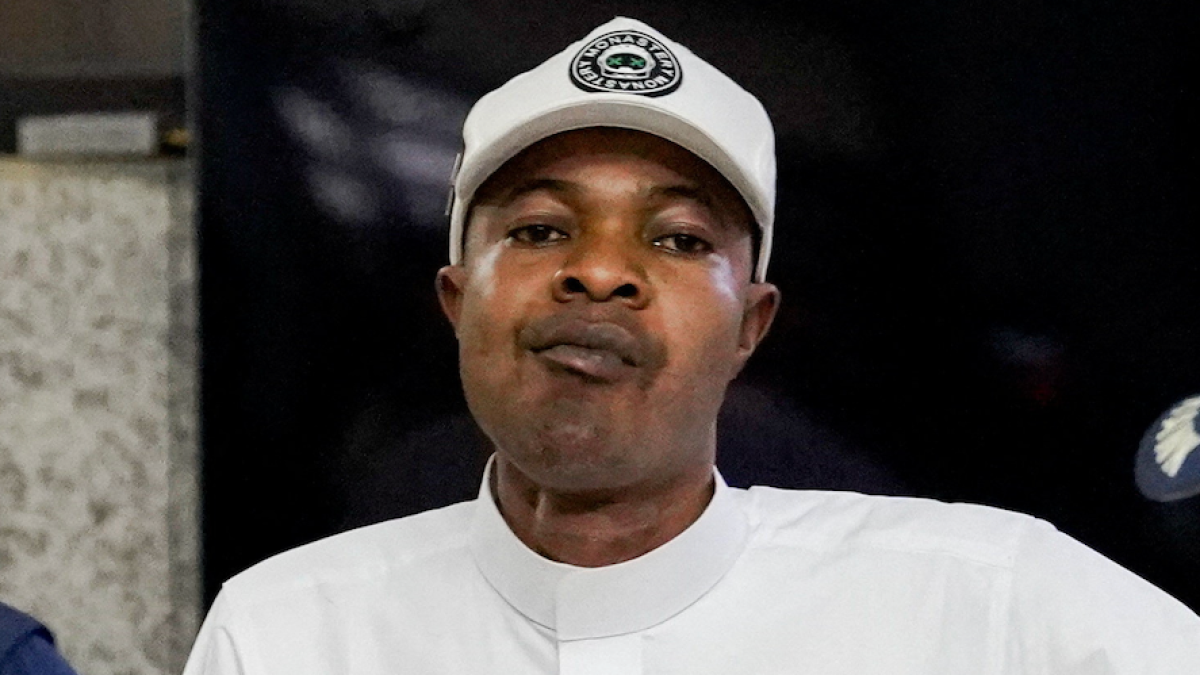
What if you could invent a government agency and get the government to fund it? That’s what Nigerian prosecutors accuse Adeniyi Adeyemi of doing, alleging he posed as its boss and secured a $1m budget allocation. He denies wrongdoing and has pleaded not guilty.
Published On 1 Oct 20261 Oct 2026
Share
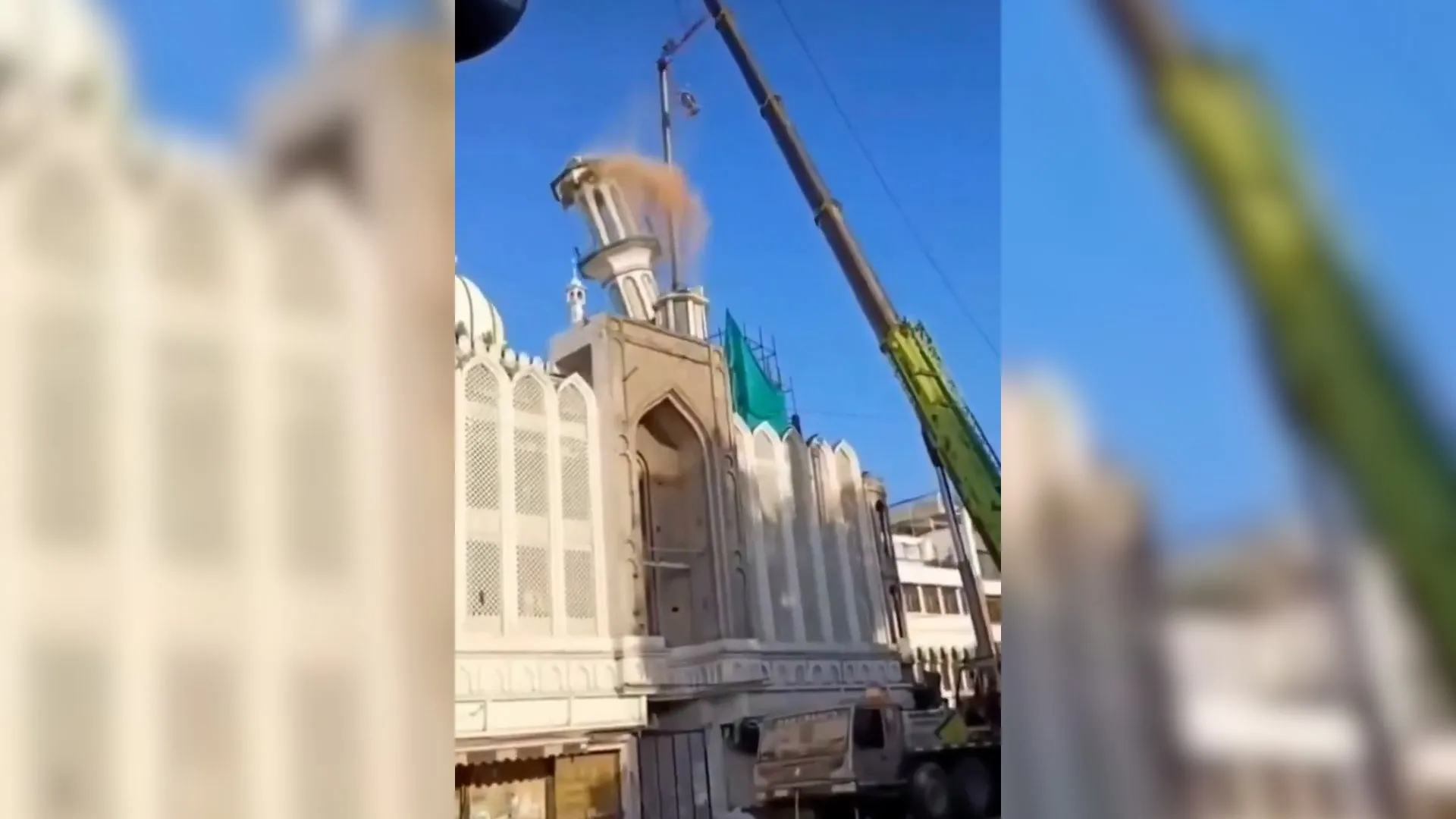
Video shows the moment the minaret of India’s 600-year-old Ujjain mosque collapsed during demolition work for a road-widening project for a Hindu pilgrimage, triggering despair among Muslims onlookers. Officials described it as an accident caused by faulty machinery.
Published On 1 Oct 20261 Oct 2026
Share
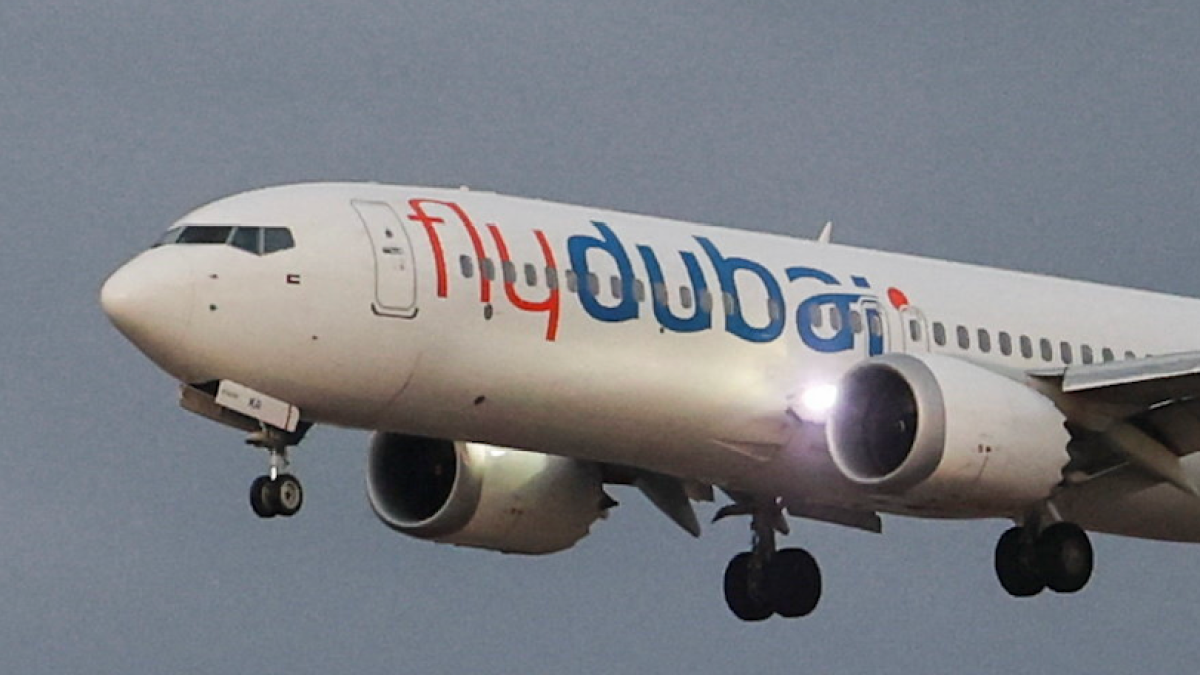
Investigators are examining what happened inside the cockpit of Flydubai flight FZ1073 to Israel after the co-pilot stabbed Captain Smit Machchhar and attempted to take control of the aircraft.
Published On 1 Oct 20261 Oct 2026
Share
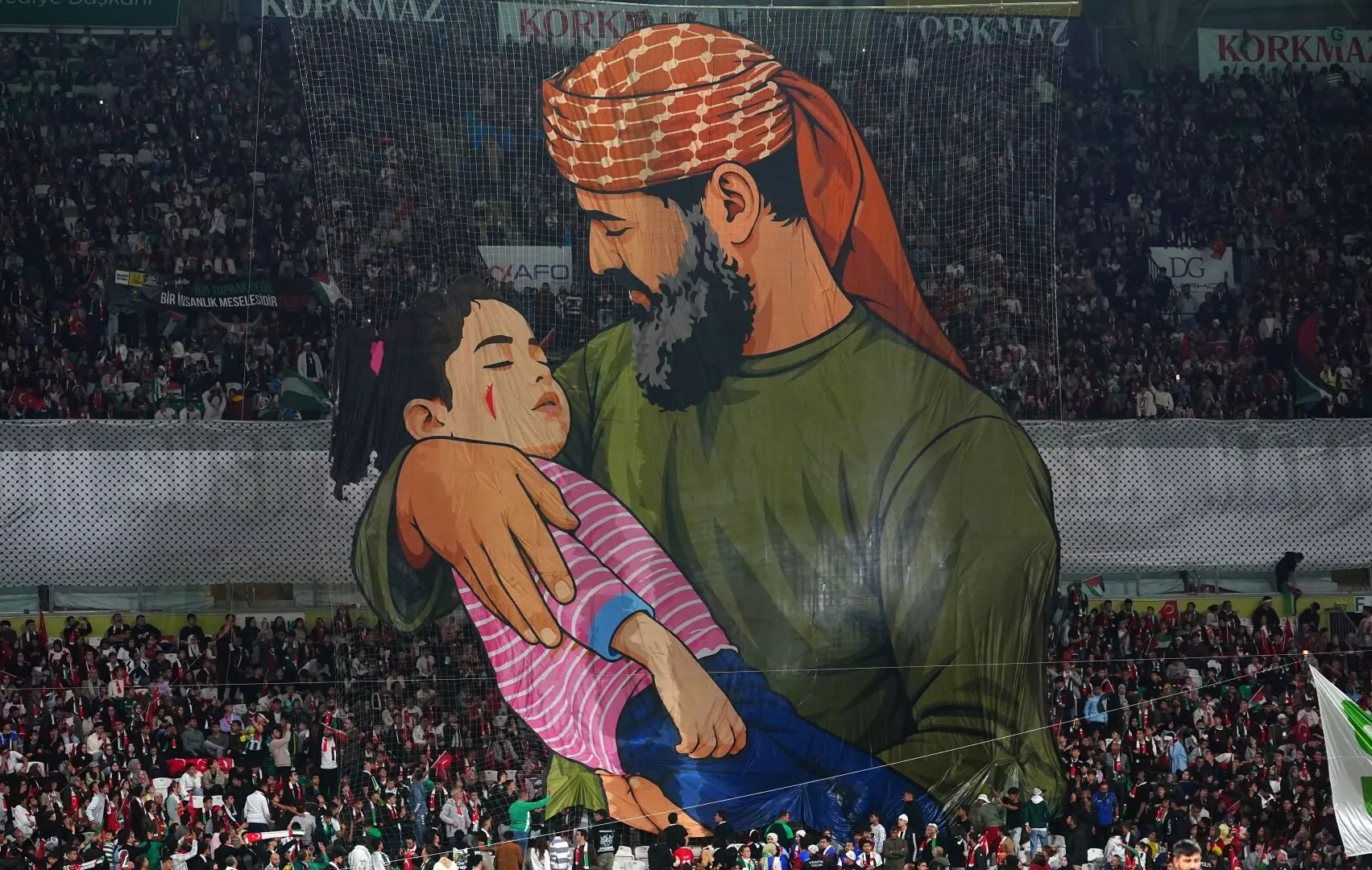
Turkish football fans displayed pro-Palestinian tifos and banners during a friendly match between Konyaspor and the Palestine national team in Konya.
Published On 1 Oct 20261 Oct 2026
Share
Published On 1 Oct 20261 Oct 2026
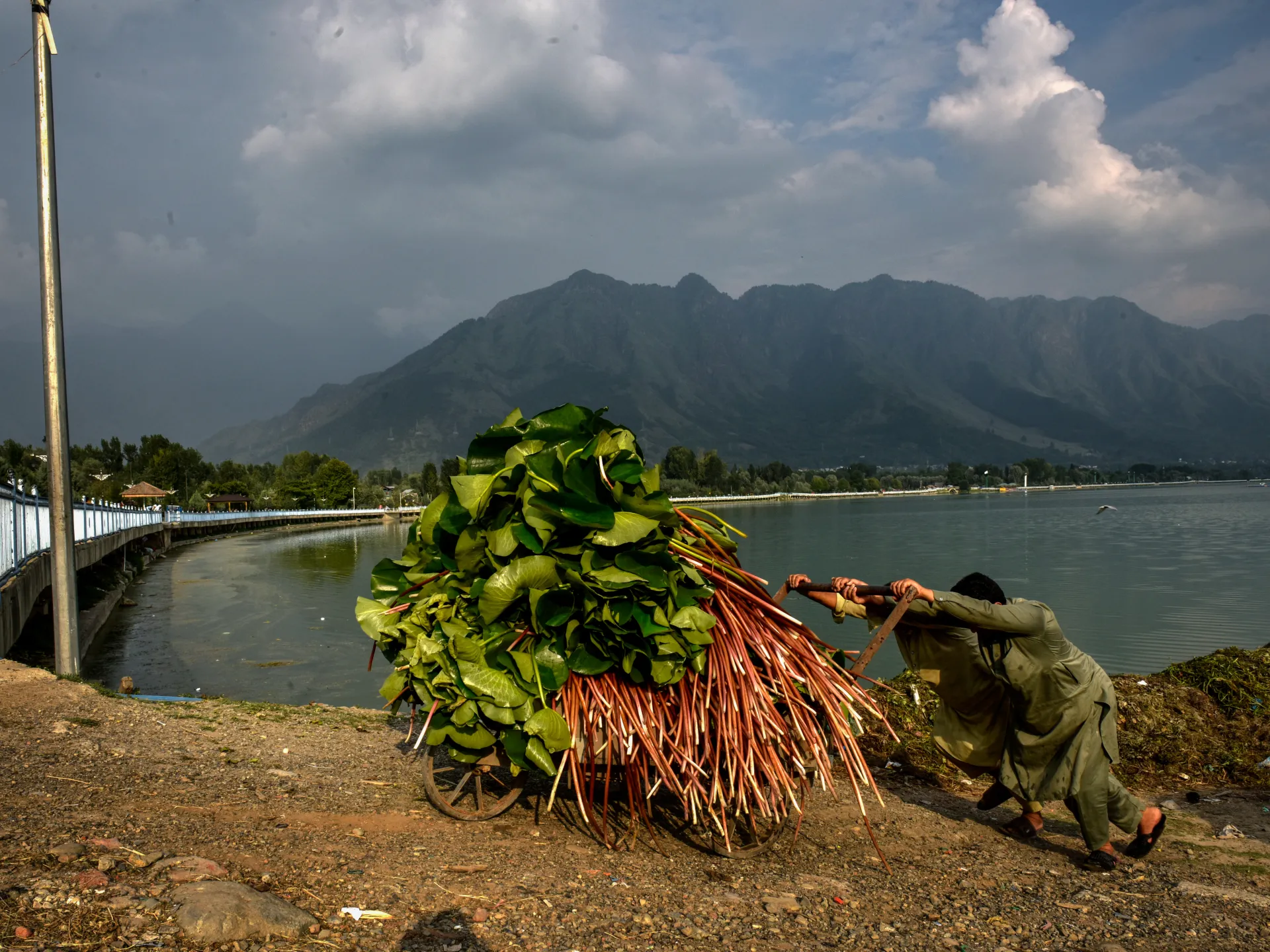
Dal Lake in Srinagar, the heart of tourism and cultural life in Indian-administered Kashmir, is slowly giving way under mounting population and environmental pressures.
Once renowned for its clear waters, floating gardens and houseboats, the lake is now clogged with untreated sewage, plastic waste and rampant weed growth, even as thousands of residents and businesses rely on it for transport and their livelihoods.
Unregulated construction along its shores, land encroachment and the expansion of nearby neighbourhoods have reduced its surface area and further damaged its fragile ecosystem.
The impact of climate change, including erratic rainfall and rising temperatures, is accelerating the lake’s decline.
Despite periodic clean-up campaigns and official conservation schemes, the future of Dal Lake remains uncertain, reflecting a wider environmental crisis across the Kashmir Valley.
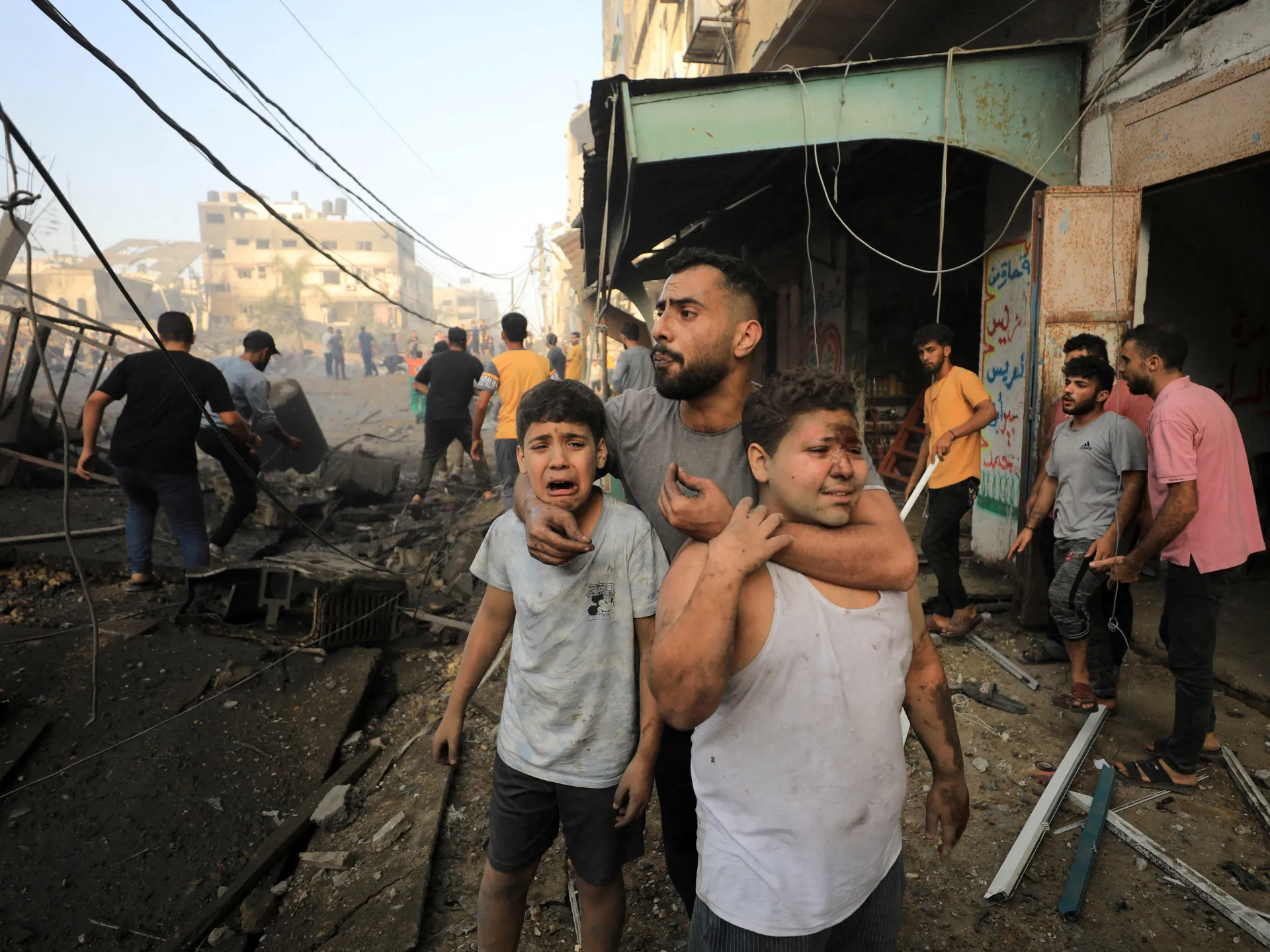
Coffins containing the remains of those killed will be carried in a funeral procession involving family members.
Published On 1 Oct 20261 Oct 2026
Palestinians are preparing to bury the remains of 105 people killed in a devastating Israeli attack on Gaza City in October 2023.
The victims were killed in a series of Israeli air strikes involving at least 20 bombs that levelled the seven-storey Al Taj 3 building and destroyed several other residential buildings in the Yarmouk Square neighbourhood on the afternoon of October 25, 2023.
list of 3 itemsend of list
Coffins containing the remains of those killed will be carried in a funeral procession involving family members on Thursday, the General Directorate of Civil Defence said.
The remains will be buried in the Sheikh Radwan cemetery, northwest of Gaza City.
Gaza’s civil defence said the recovery operation was carried out in coordination with an Egyptian committee.
Al Jazeera correspondent Ibrahim Khalili, reporting from Gaza City, said the recovery operation was the fifth largest of its kind since Israel launched its genocidal war against Palestinians in Gaza in October 2023, in terms of the number of bodies recovered.
Civil defence operations director Abdul al-Majdalawi said it had been “impossible” to reach the bodies at the time of the attack.
“Bulldozers, excavators and other heavy machinery used by civil defence teams in Gaza were directly and deliberately targeted,” he said.
Osama Sharaf said 37 members of his family were killed in the attack.
“We recovered some of them at the beginning of the war, and today [Wednesday] 16 more were recovered, including my father, my mother, and all of my siblings. My sister’s son was also there with them,” he said.
Follow our build-up, field hockey rivalry history, score, photos and live text commentary stream of the match in Japan.


Published On 1 Oct 20261 Oct 2026
Share
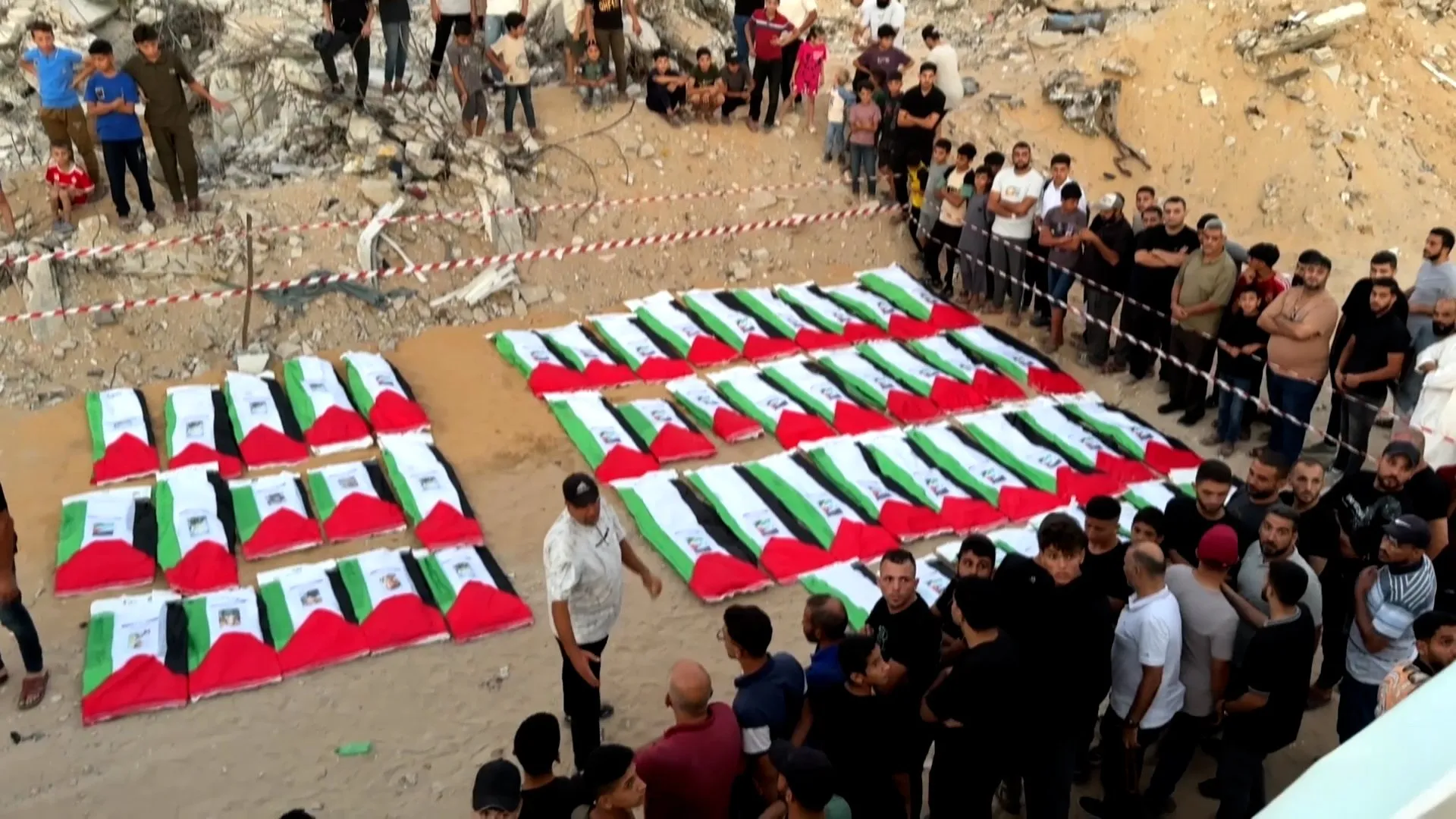
The bodies of 105 Palestinians have been recovered from the rubble of a residential block destroyed by Israel in the early part of its genocide on Gaza. The victims are being prepared for burial almost three years since the war began.
Published On 1 Oct 20261 Oct 2026
Share
Exports jump 83.5 percent to top $120bn for the first time amid ferocious semiconductor demand.

Published On 1 Oct 20261 Oct 2026
South Korea’s exports have surged to a monthly record amid explosive demand for chips used to power artificial intelligence.
Exports jumped 83.5 percent year-on-year to $120.9bn in September, eclipsing the previous monthly record of $102.25bn set in June, preliminary customs figures showed on Thursday.
list of 4 itemsend of list
Chip shipments accounted for nearly half of exports, soaring more than 260 percent to $60.3bn, according to data from the Korea Customs Service.
Total exports from January through September hit $814.5bn, exceeding those for all of 2025, when exports reached a record $709.7bn.
During the first nine months of the year, the country recorded a trade surplus of $49.85bn.
“This is a valuable achievement that once again demonstrates the strength of our industries and companies, and is thanks to the sweat and efforts of our entrepreneurs who have competed fiercely in the global market,” said Kim Jeong-kwan, South Korea’s minister for trade and industry, in a statement.
“While we expect to achieve $1 trillion in annual exports, the strengthening of global protectionism and tensions in the Middle East remain major variables affecting our exports,” Kim said.
South Korea’s economy has been running red-hot this year amid a global shortage of memory chips used in AI.
Asia’s fourth-largest economy is home to one of the world’s largest semiconductor industries, led by top memory chip makers SK Hynix and Samsung Electronics.
SK Hynix and Samsung Electronics together control roughly 80 percent of the global market for high-bandwidth memory and 60 percent of the market for dynamic random-access memory, according to Counterpoint Research.
South Korea’s nominal gross domestic product (GDP) growth hit a five-decade high in the April-June quarter, skyrocketing 26.4 percent year-on-year.
South Korea’s Ministry of Finance and Economy has forecast real GDP to grow 3 percent in 2026, which would be the strongest performance since 2017, excluding the outlier years of the COVID-19 pandemic.
The AI boom has also propelled the country’s stock market into the ranks of the best-performing bourses this year, with the benchmark Kospi rising nearly 60 percent.
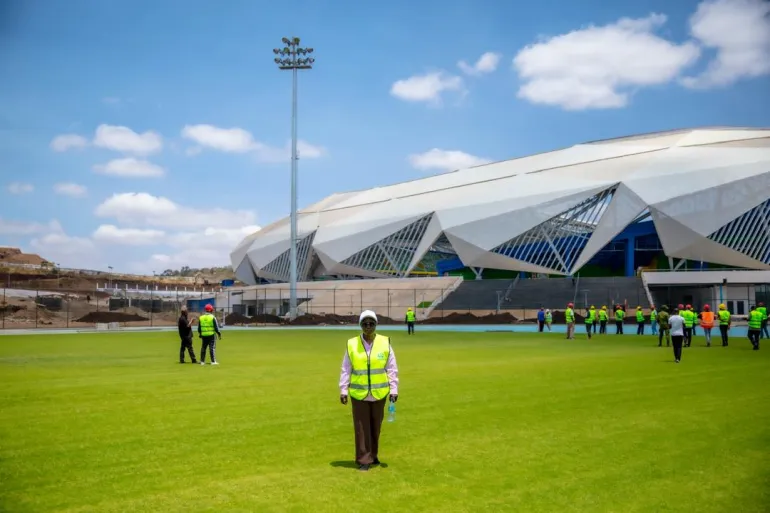
Nairobi, Kenya – With less than nine months until the 2027 Africa Cup of Nations kicks off, Kenya, Uganda and Tanzania are entering the most demanding phase of preparations: completing and testing the stadiums, training grounds and supporting infrastructure needed to host the tournament.
The tournament, scheduled for June 19 to July 17, 2027, will be the first Africa Cup of Nations jointly hosted by three countries and the competition’s return to East Africa since Ethiopia staged the finals in 1976.
A Confederation of African Football (CAF) delegation spent eight days inspecting facilities across the three host countries earlier this month, assessing stadiums, training grounds, hotels, airports and other infrastructure. The delegation included officials responsible for competitions, safety and security, transport, media, television and logistics.
In Kenya, the biggest project is the newly built Talanta Sports International Stadium in Nairobi.
The 60,000-capacity stadium is intended to be the country’s flagship AFCON venue and was inspected by CAF earlier this month. During a subsequent visit, CAF President Patrice Motsepe said he was impressed by the progress at Talanta. He also visited Kasarani Stadium, where work remains to be completed.
But Kenya’s preparations extend well beyond its new flagship stadium.
CAF’s inspection also covered training venues, hotels, airport infrastructure and other sites supporting the Nairobi tournament operation.
Nicholus Musonye, chairman of Kenya’s AFCON 2027 Local Organising Committee, told Al Jazeera that the country was addressing the outstanding requirements.
“I want to assure Africa, and I want to assure the world, that Kenya, Uganda, Tanzania, we are ready to host AFCON,” Musonye said.
He said work on Kasarani’s pitch should be completed by the end of October, with the venue planned to be ready for handover in December.
But concerns remain about some of the facilities that will support the tournament.
Kelvin Kimaru, a Kenyan football fan, told Al Jazeera that training grounds remained a concern.
“We are not yet ready because the training grounds for the coming teams are not yet ready,” Kimaru said.
Moses Kamalik, an executive member of the Boxing Federation of Kenya, said other venues also needed work, including Nyayo Stadium and Kipchoge Keino Stadium in Eldoret.
The challenge for Kenya is broader than completing Talanta; it needs a network of match venues, training grounds and supporting facilities capable of operating together when teams and supporters arrive.
Tanzania is also entering the final stretch, with preparations covering stadiums, training grounds and the infrastructure connecting them.
Neema Msitha, chief executive of the country’s AFCON 2027 Local Organising Committee, told Al Jazeera that the country’s stadiums were more than 80 percent complete on average and expected to be ready for handover to CAF in January.
“All these stadiums are almost ready. If you grade them on average, all of them are almost above 80 percent,” Msitha said.
Training facilities are being developed alongside the main venues, with five facilities being prepared in each host location. Msitha said they were about 75 percent complete.

The Tanzanian government has also applied pressure to accelerate the work.
In August, Prime Minister Mwigulu Nchemba ordered work on AFCON training grounds to speed up, saying the facilities needed to be completed on time and meet CAF standards. He issued the directive after inspecting the Farasi and Leaders Club training grounds in Dar-es-Salaam.
Road infrastructure is also part of the preparations. In June, Works Minister Abdallah Ulega ordered contractors working on roads linked to the tournament in Arusha to operate around the clock to meet deadlines and international standards.
Msitha pointed to regional airlines, Air Tanzania and ferry services between Dar-es-Salaam and Zanzibar as part of the transport arrangements being developed for teams, officials and supporters.
CAF’s September inspection included Benjamin Mkapa Stadium in Dar-es-Salaam and other key facilities in Tanzania as the governing body continued to assess preparations across the three hosts.
Uganda is working towards the same year-end push.
Patrick Ogwel, a CAF infrastructure monitoring officer, told Al Jazeera that infrastructure development was expected to be ready by December 31.
Hoima City Stadium has been completed and commissioned, he said, while Akii-Bua Olympic Stadium in Lira is due to be completed and commissioned by December.
Uganda’s Local Organising Committee has identified Akii-Bua, Hoima City Stadium and Mandela National Stadium as its three main stadiums. It expects 10 of the country’s 12 training facilities to be ready by the end of the year.
The organising committee said after CAF’s latest inspection that all three stadiums remained on course for completion by the end of December, while some training facilities were planned to be completed in January 2027.
But the deadlines are not without pressure.
On September 24, Uganda’s State Minister for Sports Peter Ogwang directed the Uganda People’s Defence Forces to accelerate work on several AFCON training facilities, citing concerns about the pace of construction at sites including Pece Stadium in Gulu, Lira and Gulu University.
After its September inspection, the CAF delegation also briefed President Yoweri Museveni, with challenges outside Kampala among the issues raised during the assessment.
The coming months will test whether the three hosts can turn construction progress into a functioning tournament operation.
AFCON requires stadiums and training grounds that can handle teams and spectators while meeting requirements for broadcasting, media, security, transport, hospitality and match operations.
A completed stadium is only one part of the equation.

Kenya, Tanzania and Uganda have already gained experience from jointly hosting the 2024 African Nations Championship, which allowed the three countries to work together on a major continental tournament. CAF has also involved representatives from the three local organising committees in an observer mission at the recent AFCON in Morocco.
But AFCON will be a larger undertaking, with 24 national teams competing across the three countries for almost a month.
The coming months will determine whether the work under way across the three countries can be completed, verified and brought into operation before teams and supporters begin arriving.
For supporters in East Africa, the tournament represents more than a test of stadiums and infrastructure. It is also a chance to experience Africa’s biggest national-team competition on home soil.
Gilbert Okeya, a Kenyan football fan and Football Kenya Federation referee, told Al Jazeera:
“We are happy because we are going to host, and we are going to have an opportunity to have live matches for AFCON in our country.”
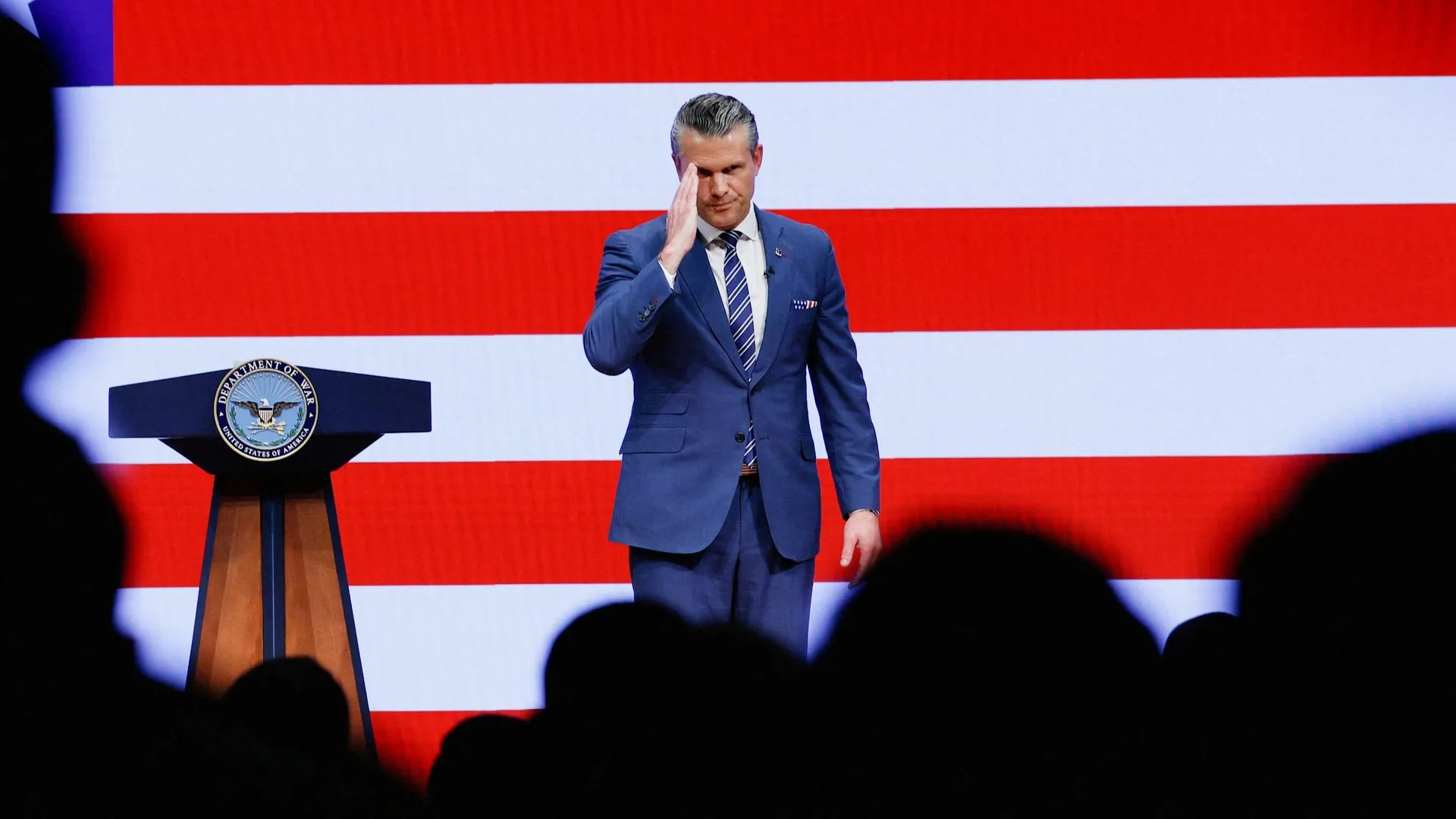
US Secretary of Defense Pete Hegseth says he’s firing 20% of the military’s generals and admirals, as part of his ‘anti-woke’ overhaul. He also announced a new technology-focused warfare division co-led by Elon Musk.
Published On 1 Oct 20261 Oct 2026
Share
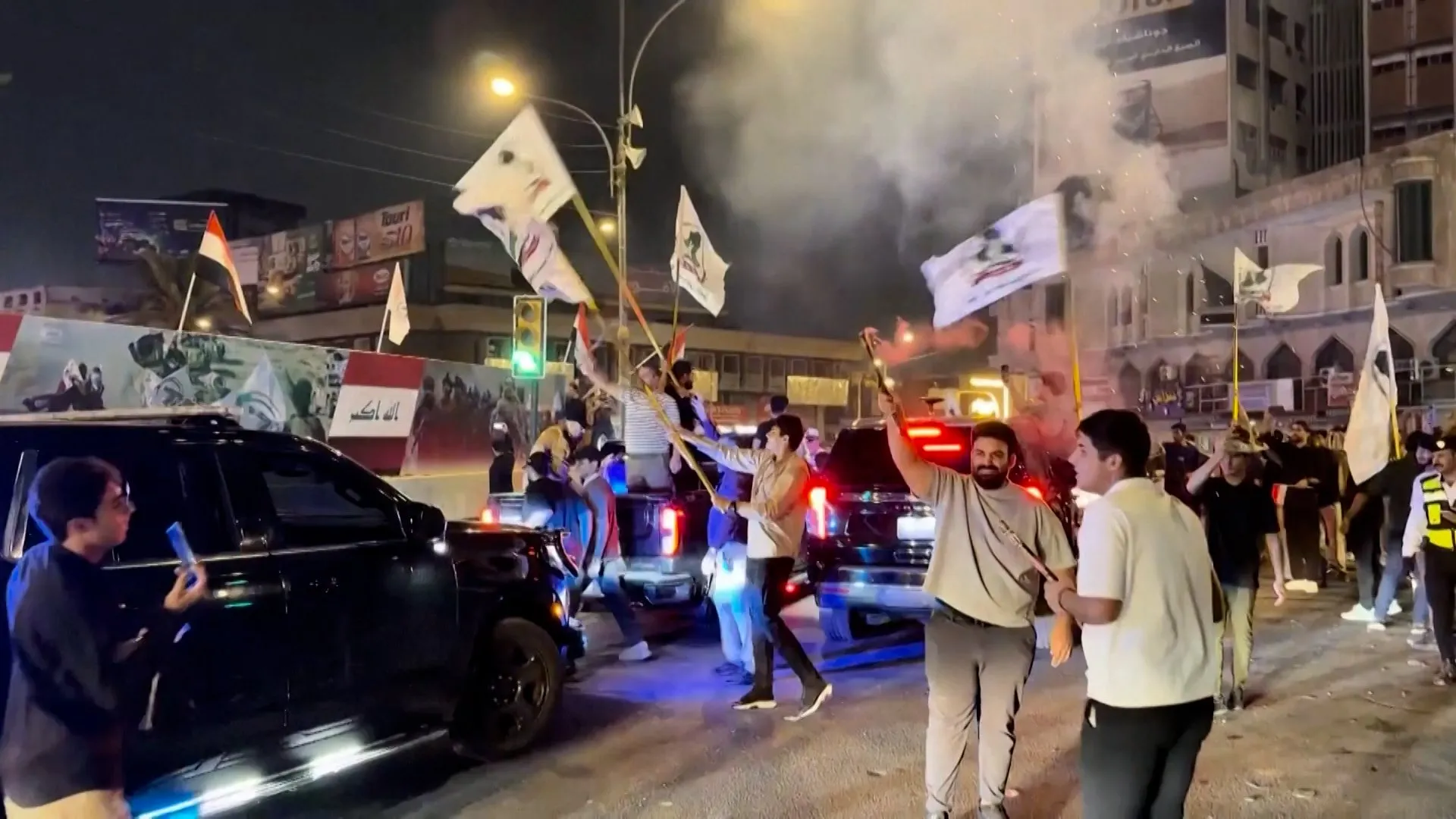
Night time celebrations filled the air as Iraqis observed the start of a four-day holiday to mark the withdrawal of US troops and international forces after more than a decade in the country fighting ISIL.
Published On 1 Oct 20261 Oct 2026
Share
Trump repeats the claim that the US has “virtually total control” over the Strait of Hormuz during an event marking Hispanic Heritage Month.


Published On 1 Oct 20261 Oct 2026
Share
Mammoth deal has raised questions about corporate consolidation and editorial independence in media.

Published On 30 Sep 202630 Sep 2026
A United States judge has entered an order giving the green light for the media giant Paramount to complete its $110bn acquisition of entertainment company Warner Bros., despite fears about the long-term impacts of media consolidation.
On Wednesday, US District Court Judge Araceli Martinez-Olguin approved a settlement between Paramount, Warner Bros, and a group of 12 states that had sued to block the merger.
list of 3 itemsend of list
In her ruling, Martinez-Olguin described the proposed deal as a “fair, reasonable, and good faith approach to address the competitive harms”.
Analysts have long raised concerns about the acquisition, one of the largest media mergers in history.
The coalition of states that sued to block the deal, led by California, had argued that combining Paramount with Warner Bros would effectively stifle media competition. They estimated that nearly one-third of all theatrical releases and basic cable programming would be consolidated under the merger.
But the states abandoned their lawsuit in favour of a settlement on September 21.
The five-year agreement requires Paramount to abide by theatrical film release quotas, committing to 30 releases per year in the US.
It also mandates that the combined company must keep negotiations with cable providers for Warner-owned channels separate from its deals for Paramount-owned channels.
The settlement approved on Wednesday also includes the creation of a five-member panel meant to safeguard the editorial independence of CNN and CBS, two major news networks.
But sceptics have pointed out that the merger puts a large swath of US media under the control of David Ellison, who leads Paramount.
Under Wednesday’s agreement, Ellison is in charge of appointments to the board that would oversee news independence.
The Paramount CEO is the son of billionaire Oracle founder Larry Ellison, a strong backer of pro-Israel causes who has close ties to the administration of President Donald Trump.
The founder of the film production company Skydance, David Ellison acquired Paramount last year as part of another controversial merger.
The 2025 Paramount-Skydance deal brought CBS under Ellison’s control. Ahead of the merger, sceptics questioned the abrupt cancellation of the CBS comedy show The Late Show with Stephen Colbert, which had been critical of Trump.
Ellison later installed Bari Weiss, a pro-Israel media figure, as the head of CBS News in a move that also raised questions about diminished independence within major journalism outlets.
Some critics depicted Wednesday’s settlement as a further capitulation to powerful corporate interests.
“Allowing one Trump-aligned, foreign-owned conglomerate to dominate American news and entertainment is a disastrous outcome,” Senator Elizabeth Warren of Massachusetts said in the wake of the settlement’s announcement.
But public officials like California Governor Gavin Newsom had called on his state’s Attorney General Rob Bonta to scrap the 12-state effort to block the deal and to pursue a settlement instead.
Paramount emerged victorious from a bidding war with the streaming giant Netflix in February to win control of Warner Bros’s holdings.
That includes a series of media and entertainment services, including the film studio Warner Bros Pictures, CNN and HBO Max. The Trump administration approved the deal without alterations in June.
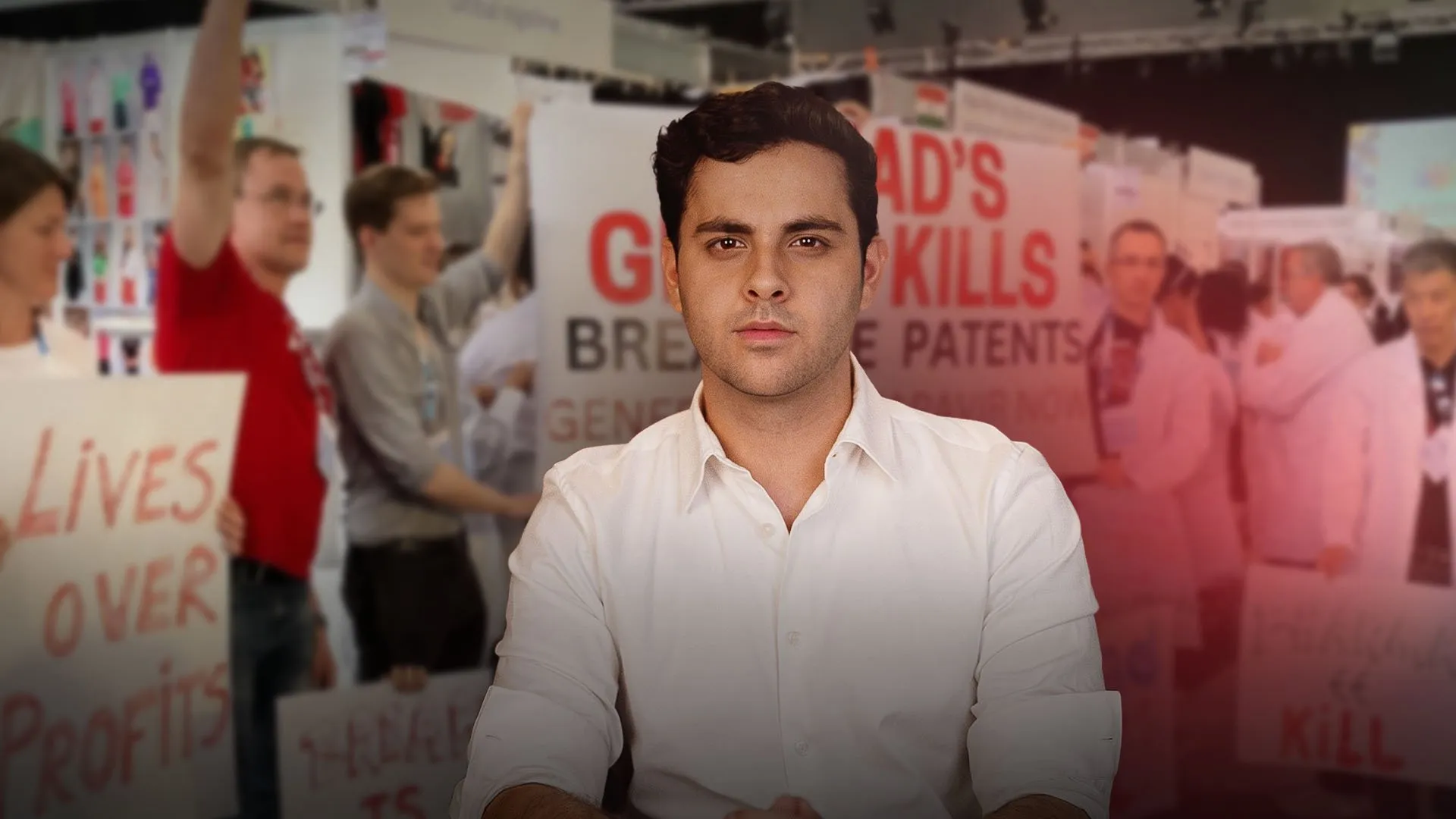
A twice-yearly injection could revolutionise HIV prevention. But who gets access raises bigger questions about public money, pharmaceutical power, drug prices and shrinking global health funding. Al Jazeera’s Mikail Malik looks at the fight over access.
Published On 30 Sep 202630 Sep 2026
Share
Seven Minnesota judges face ethics complaint after speaking publicly about the US president’s immigration crackdown.
Published On 30 Sep 202630 Sep 2026
The United States Justice Department has filed a misconduct complaint against seven federal judges in Minnesota who spoke publicly about the pressure their courts came under during President Donald Trump’s immigration crackdown.
The judges spoke to The New York Times this month about dealing with a flood of cases during Operation Metro Surge, an immigration crackdown that led to thousands of arrests in the Minneapolis-St Paul area from December to February.
list of 4 itemsend of list
The Justice Department says it crossed an ethical line by talking publicly about the cases.
Attorney General Todd Blanche accused the judges of showing “obvious bias” against the Trump administration and called on them to step aside from any cases involving the Department of Homeland Security (DHS).
“When we have a situation like we have now, where you have a judge, a couple of judges, just not only violating the canons in our view but also showing bias in what they’re saying, we have no choice but to act,” Blanche told reporters.
The judges say they did nothing wrong. A spokesperson for Minnesota’s federal court system said legal experts had found that the judges were “well within the ethical rules” when they spoke to the newspaper.
The complaint is the latest in a series of clashes between the Trump administration and the judiciary, which has blocked some of the president’s policies and, in several cases, accused government lawyers of failing to follow court orders.
One of the judges named in the complaint, Patrick Schiltz, alleged that the government did not comply with nearly 100 court orders related to immigration enforcement in January alone.
In one ruling, he wrote that US Immigration and Customs Enforcement (ICE) “is not a law unto itself”.
Schiltz was nominated by Republican President George W Bush and previously clerked for conservative Supreme Court Justice Antonin Scalia.
He later told The New York Times that what happened in Minnesota’s federal courts during the crackdown “created a grave threat to the rule of law”.
Schiltz also pointed to guidance issued by a federal judicial ethics panel in February, saying that judges can speak publicly about issues such as the rule of law and judicial independence.
“That is exactly what I did,” he said.
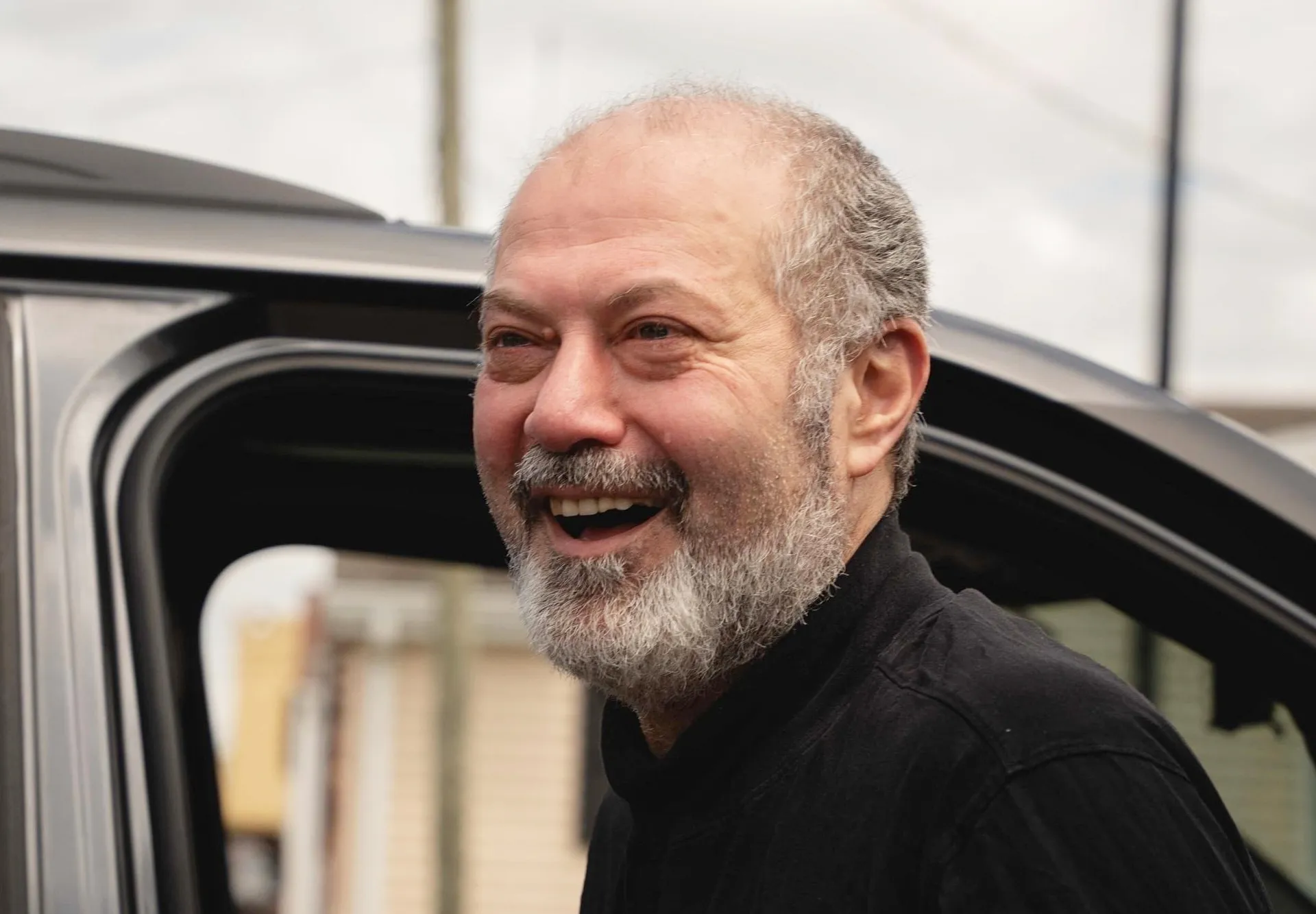
A United States immigration judge has ruled the leader of Wisconsin’s largest mosque can be deported under a controversial law that United States President Donald Trump’s administration has used against non-citizens advocating for Palestinian rights.
Judge Jayme Salinardi ruled on Wednesday that Palestinian-born Salah Sarsour, president of the Islamic Society of Milwaukee, can be removed from the US based in part on a memo by Secretary of State Marco Rubio that “his actions undermine US foreign policy to combat antisemitism around the world”, according to his lawyers.
list of 4 itemsend of list
Sarsour, who has lived in the US for more than three decades, called the ruling “deeply disappointing”.
“I will continue fighting to defend the right to free speech and to stay in the country I have called home for more than three decades,” he told The Associated Press news agency.
His lawyer, Patrick Taurel, strongly rejected the decision.
“I wish the world could see the evidence that we presented and hear the testimony that the court heard because the case we presented compels only one conclusion, which is that Salah is not deportable,” Taurel told reporters on Wednesday.
“He’s done nothing wrong. He should be given back his green card, frankly, with an apology for what’s being done to him.”
The ruling does not mean Sarsour will be immediately deported.
His lawyers have 60 days to argue that sending Sarsour back would put him at risk of torture, which could protect him from deportation under the Convention Against Torture. If they lose, they plan to appeal. Taurel said he can’t be deported while that appeal is pending and will remain in the US for the “foreseeable future”.
Sarsour was detained by Immigration and Customs Enforcement (ICE) officers in Milwaukee in March, nine months after Rubio issued a memo declaring him deportable on foreign policy grounds.
The June 2025 memo invoked a rarely-used US law that allows the Secretary of State to seek the deportation of non-citizens whose presence could have “potentially serious adverse foreign policy consequences.” The administration has used the same provision against pro-Palestinian activists Mahmoud Khalil and Mohsen Mahdawi.
Sarsour’s lawyers criticised the “extreme deference” Salinardi gave to Rubio’s memo. But Taurel said the judge believed his hands were tied by an earlier ruling in Khalil’s case, which found that a letter from the Secretary of State could be enough to make someone deportable on foreign policy grounds.
That meant Salinardi could not look behind Rubio’s decision to examine the evidence supporting it, Taurel said.
“If the Secretary of State says the person is deportable, it is game over,” he told reporters Wednesday.
The government did not win on all of its arguments.
Salinardi rejected its allegation that Sarsour had lied on his green card application. Taurel said the judge also rejected an allegation that Sarsour had falsely claimed to be a US citizen in order to vote.
Al Jazeera reached out to the State Department and the Department of Homeland Security but did not receive responses by the time of publication.
Sarsour is separately fighting the Trump administration in federal court over his detention while his deportation case is ongoing.
A federal judge ordered his release from ICE custody in June after 81 days, questioning why decades-old convictions that US authorities had long known about suddenly justified detaining him. The judge found there was a “substantial” case that the government was retaliating against him for speaking out about Palestinian rights.
The Trump administration has appealed his release, arguing that Sarsour’s convictions in Israel make him a security threat. He was imprisoned in 1988 after confessing to throwing stones and a Molotov cocktail at Israeli military personnel, and was convicted again in 1995 over an attempt to hold weapons.
Sarsour denies the offences, and his lawyers say the confessions were forced through torture. His former lawyer, Jawad Boulos, testified in August that Sarsour was coerced into signing confessions and was not convicted of an offence tying him to a “terrorist” organisation.
Taurel criticised Salinardi for giving what he called “extreme deference” to Israeli government records submitted by ICE, which Sarsour’s lawyers argue were incomplete and relied on confessions obtained through torture.
“A great deal of evidence we presented was ignored,” Taurel said.
The evidence challenged Israel’s military court system, where he said secret evidence can be used and Palestinians can be denied access to lawyers for extended periods.
Luna Droubi, an attorney representing Sarsour, said the case raises broader questions about whether immigrants can speak freely on political issues without fear of being targeted by the government.
“Why raise these arrests now?” she said. “Do I have the right to speak out about issues that matter to me? What if I draw a political cartoon? Am I going to be arrested and detained because of that?”
Sarsour said being deported to the occupied West Bank “means the end of my life”.
His lawyers argue his prior treatment in Israeli custody shows he could face torture if sent back. Taurel said Sarsour’s former lawyer testified that his case stood out because Sarsour told him that Shin Bet, Israel’s internal security agency, had taken him to hospital while in custody.
The judge also named Jordan as a possible destination. Sarsour travelled to the US on a Jordanian-issued document, but his lawyers say he is not a Jordanian citizen and has no right to live there. They believe he could ultimately be returned to the West Bank and Israeli custody if sent to Jordan.
Crown Prince Mohammed bin Salman says the kingdom ‘will not hesitate to respond firmly to any threat’.
Published On 30 Sep 202630 Sep 2026
Saudi Arabia’s Crown Prince Mohammed bin Salman (MBS) has promised not to compromise on the kingdom’s security in the face of attacks by the Houthi armed group, saying the Yemeni rebels chose “chaos and destruction, threatening the Yemeni people and the region”.
In a speech delivered Wednesday on behalf of King Salman bin Abdulaziz Al Saud during the opening of the third year of the ninth session of Saudi Arabia’s Shura Council, Prince Mohammed said the country “will not hesitate to respond firmly to any threat or attack aimed at undermining” its security.
He pointed to the trilateral Mecca Joint Defence Agreement with Turkiye and Pakistan that was formalised in August, saying the alliance shows the Saudi leadership’s intent “to strengthen regional stability, shield it from the repercussions of tensions and conflicts and coordinate efforts”.
At the same time, the crown prince said, Saudi Arabia is making “every possible effort to de-escalate tensions and support diplomatic solutions without the slightest compromise on preserving our security”.
MBS also addressed the targeting of vessels by the Houthis in the Red Sea along the Bab al-Mandeb strait, rejecting the use of international waterways as a tool for political or economic pressure.
He said a “multinational defensive maritime coalition” was set up to ensure “common interests” are protected in international waterways.
In recent weeks, the Houthis have ramped up attacks on Saudi Arabia, as they fight Yemen’s internationally recognised, Saudi-backed government forces.
Last week, Riyadh said it intercepted six ballistic missiles aimed at Taif in western Saudi Arabia and the Yanbu port area on the Red Sea.
The Houthis also said they attacked “a sensitive target” in the Saudi capital, Riyadh, and Saudi Aramco facilities in Yanbu.
On Tuesday, Pakistan’s Defence Minister Khawaja Muhammad Asif said Islamabad will make “whatever means” available to Saudi Arabia under the mutual defence pact if the Houthi attacks on the kingdom continue.
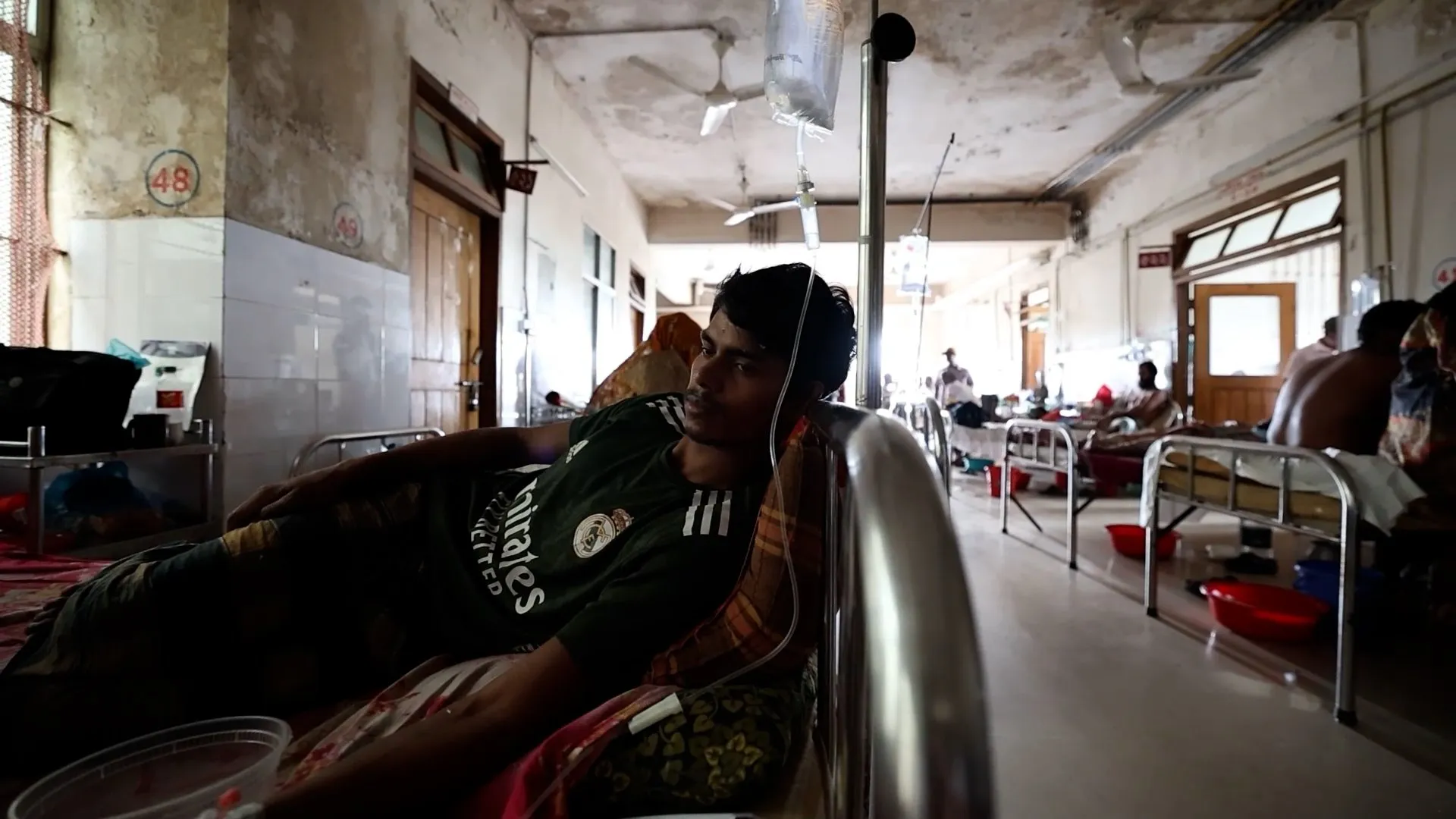
Bangladesh’s health authorities report that at least 233 people have died from the mosquito-borne illness disease dengue fever. Thousands of cases have been recorded across the country since the start of 2026.
Published On 30 Sep 202630 Sep 2026
Share